| AMERICAN SAMOA Territory of American Samoa Territory of American Samoa (Unincorporated and unorganized territory of the United States) Joined United Nations: 24 October 1945 Human Rights as assured by their constitution Click here Updated 18 December 2012 |

| CAPITAL |
| POPULATION |
| CHIEF OF STATE |
| SELECTION PROCESS |
Pago Pago
54,947 (July 2012 est.)
Lolo Letalu Matalasi Moliga
Governor since 03 January 2013
Governor since 03 January 2013
Under the US Constitution, residents of unincorporated territories,
such as American Samoa, do not vote in elections for US president
and vice president; last election: 06 November 2012
Next scheduled election: November 2016
such as American Samoa, do not vote in elections for US president
and vice president; last election: 06 November 2012
Next scheduled election: November 2016
HEAD OF GOVERNMENT
SELECTION PROCESS
Governor and Lieutenant Governor elected on the same ticket
by popular vote for four-year terms (eligible for a second term);
election last held 06 November 2012
Next scheduled election: November 2016
by popular vote for four-year terms (eligible for a second term);
election last held 06 November 2012
Next scheduled election: November 2016
| DECLARATION OF HUMAN RIGHTS |
| ETHNIC GROUPS |
Native Pacific islander 91.6%, Asian 2.8%, white 1.1%, mixed 4.2%, other 0.3% (2000 census)
| RELIGIONS |
Christian Congregationalist 50%, Roman Catholic 20%, Protestant and other 30%
| GOVERNMENT STRUCTURE |
Unincorporated and unorganized territory of the US; administered by the Office of Insular Affairs, US Department of the Interior with three
districts and two islands at the second order. Legal system is a federal court system based on English common law; with indigenous
concept with judicial review of legislative acts; has not accepted compulsory ICJ jurisdiction
Executive: Under the US Constitution, residents of unincorporated territories, such as American Samoa, do not vote in elections for US
president and vice president; governor and lieutenant governor elected on the same ticket by popular vote for four-year terms (eligible for a
second term); election last held 6 November 2012 with a runoff election to be held on 20 November 2012 (next to be held in November
2016)
Legislative: Bicameral Fono or Legislative Assembly consists of the House of Representatives (21 seats; 20 members are elected
by popular vote and 1 is an appointed, nonvoting delegate from Swains Island; to serve two-year terms) and the Senate (18 seats;
members are elected from local chiefs to serve four-year terms)
elections: House of Representatives - last held 6 November 2012 (next to be held in November 2014); Senate - last held 6
November 2012 (next to be held in November 2014)
Judicial: High Court (chief justice and associate justices are appointed by the US Secretary of the Interior)
districts and two islands at the second order. Legal system is a federal court system based on English common law; with indigenous
concept with judicial review of legislative acts; has not accepted compulsory ICJ jurisdiction
Executive: Under the US Constitution, residents of unincorporated territories, such as American Samoa, do not vote in elections for US
president and vice president; governor and lieutenant governor elected on the same ticket by popular vote for four-year terms (eligible for a
second term); election last held 6 November 2012 with a runoff election to be held on 20 November 2012 (next to be held in November
2016)
Legislative: Bicameral Fono or Legislative Assembly consists of the House of Representatives (21 seats; 20 members are elected
by popular vote and 1 is an appointed, nonvoting delegate from Swains Island; to serve two-year terms) and the Senate (18 seats;
members are elected from local chiefs to serve four-year terms)
elections: House of Representatives - last held 6 November 2012 (next to be held in November 2014); Senate - last held 6
November 2012 (next to be held in November 2014)
Judicial: High Court (chief justice and associate justices are appointed by the US Secretary of the Interior)
| LANGUAGES |
Samoan 90.6% (closely related to Hawaiian and other Polynesian languages), English 2.9%, Tongan 2.4%, other Pacific islander
2.1%, other 2%
note: most people are bilingual (2000 census)
2.1%, other 2%
note: most people are bilingual (2000 census)
| BRIEF HISTORY |
Although many historians debate it, many believed that the Samoan Islands were originally inhabited as early as 1000 BC. Samoa
was not reached by European explorers until the eighteenth century. The pre-Western history of Eastern Samoa (now American
Samoa) is inextricably bound with the history of Western Samoa (now independent Samoa). The Manu'a Islands of American
Samoa has one of the oldest histories of Polynesia, in connection with the Tui Manua title, connected with the histories of the
archipelagos of Fiji, Tonga, the Cook Islands, Tokelau and elsewhere in the Pacific, where Manu'a once had influence. During the
Tongan occupation of Samoa, Manu'a was the only island group that remained independent. The islands of Tutuila and Aunu'u were
politically connected to 'Upolu island in what is now independent Samoa. It can be said that all the Samoa islands are politically
connected today through the faamatai chiefly system and through family connections that are as strong as ever. This system of the
faamatai and the customs of faasamoa originated with two of the most famous early chiefs of Samoa, who were both women and
related, Nafanua and Salamasina. Early Western contact included a battle in the eighteenth century between French explorers and
islanders in Tutuila, for which the Samoans were blamed in the West, giving them a reputation for ferocity. Early nineteenth century
Rarotongan missionaries to the Samoa islands were followed by a group of Western missionaries led by John Williams of the
Congregationalist London Missionary Society in the 1830s, officially bringing Christianity to Samoa. Less than a hundred years
later, the Samoan Congregationalist Church became the first independent indigenous church of the South Pacific. In March of 1889,
a German naval force invaded a village in Samoa, and by doing so destroyed some American property. Three American warships
then entered the Samoan harbor and were prepared to fire on the three German warships found there. Before guns were fired, a
typhoon sank both the American and German ships. A compulsory armistice was called because of the lack of warships.
International rivalries in the latter half of the nineteenth century were settled by the 1899 Treaty of Berlin in which Germany and the
U.S. divided the Samoan archipelago. The U.S. formally occupied its portion—a smaller group of eastern islands with the noted
harbor of Pago Pago—the following year. The western islands are now the independent state of Samoa. After the U.S. took
possession of Samoa, the U.S. Navy built a coaling station on Pago Pago Bay for its Pacific Squadron and appointed a local
Secretary. The navy secured a Deed of Cession of Tutuila in 1900 and a Deed of Cession of Manuʻa in 1904. The last sovereign of
Manu'a, the Tui Manu'a Elisala, was forced to sign a Deed of Cession of Manu'a following a series of US Naval trials, known as the
"Trial of the Ipu", in Pago Pago, Taʻu, and aboard a Pacific Squadron gunboat. After World War I, during the time of the Mau
movement in Western Samoa (then a New Zealand protectorate), there was a corresponding American Samoa Mau movement, led
by Samuel Sailele Ripley, who was from Leone village and was a WWI war veteran. After meetings in America, he was prevented
from disembarking from the ship that brought him home to American Samoa and was not allowed to return. The American Samoa
Mau movement having been suppressed by the US Navy, in 1930 the US Congress sent a committee to investigate the status of
American Samoa, led by Americans who had had a part in the overthrow of the Hawaiian Kingdom. In 1938, famous aviator Ed
Musick and his crew died on the Pan American World Airways S-42 Samoan Clipper over Pago Pago, on a survey flight to
Auckland, New Zealand. Sometime after take-off the aircraft experienced trouble and Musick turned it back toward Pago Pago.
As the crew began dumping fuel in preparation for an emergency landing a spark in the fuel pump caused an explosion that tore the
aircraft apart in mid-air. During World War II, U.S. Marines in Samoa outnumbered the local population, having a huge cultural
influence. Young Samoan men from the age of 14 and above were combat trained by US military personnel. As in WWI, Samoans
served in WWII as combatants, medical personnel, code personnel, ship repairs, etc. After the war, Organic Act 4500, a U.S.
Department of Interior-sponsored attempt to incorporate Samoa, was defeated in Congress, primarily through the efforts of
Samoan chiefs, led by Tuiasosopo Mariota. These chiefs' efforts led to the creation of a local legislature, the American Samoa Fono
which meets in the village of Fagatogo, the territory's de facto and de jure capital. (See the Capital City section below for more
information on Fagatogo.) In time, the Navy-appointed governor was replaced by a locally elected one. Although technically
considered "unorganized" in that the U.S. Congress has not passed an Organic Act for the territory, American Samoa is self-
governing under a constitution that became effective on July 1, 1967. The U.S. Territory of American Samoa is on the United
Nations list of Non-Self-Governing Territories, a listing which is disputed by territorial government officials.
Source: Wikipedia: American Samoa
was not reached by European explorers until the eighteenth century. The pre-Western history of Eastern Samoa (now American
Samoa) is inextricably bound with the history of Western Samoa (now independent Samoa). The Manu'a Islands of American
Samoa has one of the oldest histories of Polynesia, in connection with the Tui Manua title, connected with the histories of the
archipelagos of Fiji, Tonga, the Cook Islands, Tokelau and elsewhere in the Pacific, where Manu'a once had influence. During the
Tongan occupation of Samoa, Manu'a was the only island group that remained independent. The islands of Tutuila and Aunu'u were
politically connected to 'Upolu island in what is now independent Samoa. It can be said that all the Samoa islands are politically
connected today through the faamatai chiefly system and through family connections that are as strong as ever. This system of the
faamatai and the customs of faasamoa originated with two of the most famous early chiefs of Samoa, who were both women and
related, Nafanua and Salamasina. Early Western contact included a battle in the eighteenth century between French explorers and
islanders in Tutuila, for which the Samoans were blamed in the West, giving them a reputation for ferocity. Early nineteenth century
Rarotongan missionaries to the Samoa islands were followed by a group of Western missionaries led by John Williams of the
Congregationalist London Missionary Society in the 1830s, officially bringing Christianity to Samoa. Less than a hundred years
later, the Samoan Congregationalist Church became the first independent indigenous church of the South Pacific. In March of 1889,
a German naval force invaded a village in Samoa, and by doing so destroyed some American property. Three American warships
then entered the Samoan harbor and were prepared to fire on the three German warships found there. Before guns were fired, a
typhoon sank both the American and German ships. A compulsory armistice was called because of the lack of warships.
International rivalries in the latter half of the nineteenth century were settled by the 1899 Treaty of Berlin in which Germany and the
U.S. divided the Samoan archipelago. The U.S. formally occupied its portion—a smaller group of eastern islands with the noted
harbor of Pago Pago—the following year. The western islands are now the independent state of Samoa. After the U.S. took
possession of Samoa, the U.S. Navy built a coaling station on Pago Pago Bay for its Pacific Squadron and appointed a local
Secretary. The navy secured a Deed of Cession of Tutuila in 1900 and a Deed of Cession of Manuʻa in 1904. The last sovereign of
Manu'a, the Tui Manu'a Elisala, was forced to sign a Deed of Cession of Manu'a following a series of US Naval trials, known as the
"Trial of the Ipu", in Pago Pago, Taʻu, and aboard a Pacific Squadron gunboat. After World War I, during the time of the Mau
movement in Western Samoa (then a New Zealand protectorate), there was a corresponding American Samoa Mau movement, led
by Samuel Sailele Ripley, who was from Leone village and was a WWI war veteran. After meetings in America, he was prevented
from disembarking from the ship that brought him home to American Samoa and was not allowed to return. The American Samoa
Mau movement having been suppressed by the US Navy, in 1930 the US Congress sent a committee to investigate the status of
American Samoa, led by Americans who had had a part in the overthrow of the Hawaiian Kingdom. In 1938, famous aviator Ed
Musick and his crew died on the Pan American World Airways S-42 Samoan Clipper over Pago Pago, on a survey flight to
Auckland, New Zealand. Sometime after take-off the aircraft experienced trouble and Musick turned it back toward Pago Pago.
As the crew began dumping fuel in preparation for an emergency landing a spark in the fuel pump caused an explosion that tore the
aircraft apart in mid-air. During World War II, U.S. Marines in Samoa outnumbered the local population, having a huge cultural
influence. Young Samoan men from the age of 14 and above were combat trained by US military personnel. As in WWI, Samoans
served in WWII as combatants, medical personnel, code personnel, ship repairs, etc. After the war, Organic Act 4500, a U.S.
Department of Interior-sponsored attempt to incorporate Samoa, was defeated in Congress, primarily through the efforts of
Samoan chiefs, led by Tuiasosopo Mariota. These chiefs' efforts led to the creation of a local legislature, the American Samoa Fono
which meets in the village of Fagatogo, the territory's de facto and de jure capital. (See the Capital City section below for more
information on Fagatogo.) In time, the Navy-appointed governor was replaced by a locally elected one. Although technically
considered "unorganized" in that the U.S. Congress has not passed an Organic Act for the territory, American Samoa is self-
governing under a constitution that became effective on July 1, 1967. The U.S. Territory of American Samoa is on the United
Nations list of Non-Self-Governing Territories, a listing which is disputed by territorial government officials.
Source: Wikipedia: American Samoa
| ECONOMIC OVERVIEW |
American Samoa has a traditional Polynesian economy in which more than 90% of the land is communally owned. Economic
activity is strongly linked to the US with which American Samoa conducts most of its commerce. Tuna fishing and tuna processing
plants are the backbone of the private sector with canned tuna the primary export. The two tuna canneries account for 80% of
employment. In late September 2009, an earthquake and the resulting tsunami devastated American Samoa and nearby Samoa,
disrupting transportation and power generation, and resulting in about 200 deaths. The US Federal Emergency Management
Agency is overseeing a relief program of nearly $25 million. Transfers from the US Government add substantially to American
Samoa's economic well being. Attempts by the government to develop a larger and broader economy are restrained by Samoa's
remote location, its limited transportation, and its devastating hurricanes. Tourism is a promising developing sector.
Source: CIA World Factbook (select American Samoa)
activity is strongly linked to the US with which American Samoa conducts most of its commerce. Tuna fishing and tuna processing
plants are the backbone of the private sector with canned tuna the primary export. The two tuna canneries account for 80% of
employment. In late September 2009, an earthquake and the resulting tsunami devastated American Samoa and nearby Samoa,
disrupting transportation and power generation, and resulting in about 200 deaths. The US Federal Emergency Management
Agency is overseeing a relief program of nearly $25 million. Transfers from the US Government add substantially to American
Samoa's economic well being. Attempts by the government to develop a larger and broader economy are restrained by Samoa's
remote location, its limited transportation, and its devastating hurricanes. Tourism is a promising developing sector.
Source: CIA World Factbook (select American Samoa)
| POLITICAL CLIMATE |
Politics of American Samoa takes place in a framework of a presidential representative democratic dependency, whereby the
Governor is the head of government, and of a pluriform multi-party system. American Samoa is an unincorporated and unorganized
territory of the United States, administered by the Office of Insular Affairs, U.S. Department of the Interior. Its constitution was
ratified 1966 and came into effect 1967. Executive power is exercised by the government. Legislative power is vested in the two
chambers of the legislature. The American political parties (Republican and Democratic) exist in American Samoa, but few
politicians are aligned with the parties. The judiciary is independent of the executive and the legislature.
There is also the traditional village politics of the Samoa Islands, the "fa'amatai" and the "fa'asamoa", which continues in American
Samoa and in independent Samoa, and which interacts across these current boundaries. The Fa'asamoa is the language and
customs, and the Fa'amatai the protocols of the "fono" (council) and the chiefly system. The Fa'amatai and the Fono take place at all
levels of the Samoan body politic, from the family, to the village, to the region, to national matters. The "matai" (chiefs) are elected
by consensus within the fono of the extended family and village(s) concerned. The matai and the fono (which is itself made of matai)
decide on distribution of family exchanges and tenancy of communal lands. The majority of lands in American Samoa and
independent Samoa are communal. A matai can represent a small family group or a great extended family that reaches across
islands, and to both American Samoa and independent Samoa.
The incumbent, Governor Togiola Tulafono, who has held office since 2003, is term-limited and cannot seek re-election.[1]
Tulafono, who took office after the death of former Governor Tauese Sunia, was elected to his first four-year term in 2004 and
re-elected in the 2008 gubernatorial election. All elections and candidates in American Samoa are nonpartisan, though Faoa
Aitofele Sunia is affiliated with the Democrat Party. Slightly less than 17,000 American Samoans are eligible to vote in the 2012
election. The gubernatorial ticket of Save Liuato Tuitele and Sandra King Young filed a petition in September 2012 against four
other campaigns questioning their eligibility to run in the election. Tuitele and Young argued that the other four candidates had not
resigned from their government jobs before beginning their political campaigns, as required by law. The four candidates challenged
by the Tuitele campaign were gubernatorial candidates Lolo Letalu Moliga and Salu Hunkin-Finau, as well as Lt. Governor
candidates Taufete'e Faumuina Jr. and Le'i Sonny Thompson. The case was heard by the High Court of American Samoa, which
turned down the petition allowing all candidates to remain in the election.
A constitutional referendum was held in American Samoa on November 2, 2010, on the same day of the United States House of
Representatives election and American Samoan general election. Voters voted on amendments to the Constitution of American
Samoa which had been approved by a Constitutional convention held from June 21 through July 2, 2010, the 4th such convention.
The changes were ultimately rejected by a majority of over 4,000 votes.
The 2012 American Samoa gubernatorial election took place on November 6, 2012, for the open gubernatorial seat of American
Samoa. The election coincides with the larger United States presidential elections, United States general elections and the American
Samoa general election. Since no candidate received a majority of the vote on November 6th, a runoff election was held on
Tuesday, November 20, 2012, which was won by Independent candidate Lolo Letalu Matalasi Moliga.
Source: Wikipedia: American Samoa
Governor is the head of government, and of a pluriform multi-party system. American Samoa is an unincorporated and unorganized
territory of the United States, administered by the Office of Insular Affairs, U.S. Department of the Interior. Its constitution was
ratified 1966 and came into effect 1967. Executive power is exercised by the government. Legislative power is vested in the two
chambers of the legislature. The American political parties (Republican and Democratic) exist in American Samoa, but few
politicians are aligned with the parties. The judiciary is independent of the executive and the legislature.
There is also the traditional village politics of the Samoa Islands, the "fa'amatai" and the "fa'asamoa", which continues in American
Samoa and in independent Samoa, and which interacts across these current boundaries. The Fa'asamoa is the language and
customs, and the Fa'amatai the protocols of the "fono" (council) and the chiefly system. The Fa'amatai and the Fono take place at all
levels of the Samoan body politic, from the family, to the village, to the region, to national matters. The "matai" (chiefs) are elected
by consensus within the fono of the extended family and village(s) concerned. The matai and the fono (which is itself made of matai)
decide on distribution of family exchanges and tenancy of communal lands. The majority of lands in American Samoa and
independent Samoa are communal. A matai can represent a small family group or a great extended family that reaches across
islands, and to both American Samoa and independent Samoa.
The incumbent, Governor Togiola Tulafono, who has held office since 2003, is term-limited and cannot seek re-election.[1]
Tulafono, who took office after the death of former Governor Tauese Sunia, was elected to his first four-year term in 2004 and
re-elected in the 2008 gubernatorial election. All elections and candidates in American Samoa are nonpartisan, though Faoa
Aitofele Sunia is affiliated with the Democrat Party. Slightly less than 17,000 American Samoans are eligible to vote in the 2012
election. The gubernatorial ticket of Save Liuato Tuitele and Sandra King Young filed a petition in September 2012 against four
other campaigns questioning their eligibility to run in the election. Tuitele and Young argued that the other four candidates had not
resigned from their government jobs before beginning their political campaigns, as required by law. The four candidates challenged
by the Tuitele campaign were gubernatorial candidates Lolo Letalu Moliga and Salu Hunkin-Finau, as well as Lt. Governor
candidates Taufete'e Faumuina Jr. and Le'i Sonny Thompson. The case was heard by the High Court of American Samoa, which
turned down the petition allowing all candidates to remain in the election.
A constitutional referendum was held in American Samoa on November 2, 2010, on the same day of the United States House of
Representatives election and American Samoan general election. Voters voted on amendments to the Constitution of American
Samoa which had been approved by a Constitutional convention held from June 21 through July 2, 2010, the 4th such convention.
The changes were ultimately rejected by a majority of over 4,000 votes.
The 2012 American Samoa gubernatorial election took place on November 6, 2012, for the open gubernatorial seat of American
Samoa. The election coincides with the larger United States presidential elections, United States general elections and the American
Samoa general election. Since no candidate received a majority of the vote on November 6th, a runoff election was held on
Tuesday, November 20, 2012, which was won by Independent candidate Lolo Letalu Matalasi Moliga.
Source: Wikipedia: American Samoa
| INTERNATIONAL DISPUTES |
Tokelau periodically asserts claims to American Samoa's Swains Island (Olohega), such as in its 2006 draft independence
constitution
constitution


| REFUGEES AND INTERNALLY DISPLACED PERSONS (IDPS) |
None reported.
| ILLICIT DRUGS |
None reported.
| HUMAN RIGHTS STATEMENTS, ANALYSIS AND CRITIQUES |
July 13, 2012, 7:04 p.m. ET
Samoans' Lawsuit Seeks Automatic U.S. Citizenship
Everyone born in a U.S. state or territory automatically gets U.S. citizenship—unless one happens to be born in American Samoa.
That exception is at the heart of a federal lawsuit filed against the U.S. government this week by five American Samoans and a Samoan
organization based in California.
The Samoan islands, an archipelago in the South Pacific, have long been part of two countries.
The western islands belong to Samoa, an independent nation.
The easternmost islands make up American Samoa—granted to the U.S. under an 1899 treaty with Germany and Great Britain—and are
home to more than 55,500 people, according to the 2010 U.S. Census.
Over the past century, Congress has passed a host of laws regarding citizenship and the five U.S. territories, which are subject to only
parts of the U.S. Constitution and a patchwork of U.S. laws.
A 1917 statute, for instance, granted automatic American citizenship to people born in Puerto Rico, which became a territory in 1898.
Similar laws later granted citizenship to people born in Guam and the Northern Mariana Islands in the Pacific Ocean, and the U.S. Virgin
Islands in the Caribbean Sea. But people born in American Samoa are classified as "noncitizen nationals," under a federal law first passed
in 1940.
Doug Kendall, the lawyer for the plaintiffs, said, "American Samoa is the only territory whose residents do not, under federal law,
become U.S. citizens upon birth. American Samoans are given a sort of second-class status that the U.S. Constitution simply doesn't
allow."
A spokesman for the U.S. Justice Department declined to comment. A spokeswoman for the State Department, also named as a
defendant in the suit, declined to comment.
Click here to read more »
Samoans' Lawsuit Seeks Automatic U.S. Citizenship
Everyone born in a U.S. state or territory automatically gets U.S. citizenship—unless one happens to be born in American Samoa.
That exception is at the heart of a federal lawsuit filed against the U.S. government this week by five American Samoans and a Samoan
organization based in California.
The Samoan islands, an archipelago in the South Pacific, have long been part of two countries.
The western islands belong to Samoa, an independent nation.
The easternmost islands make up American Samoa—granted to the U.S. under an 1899 treaty with Germany and Great Britain—and are
home to more than 55,500 people, according to the 2010 U.S. Census.
Over the past century, Congress has passed a host of laws regarding citizenship and the five U.S. territories, which are subject to only
parts of the U.S. Constitution and a patchwork of U.S. laws.
A 1917 statute, for instance, granted automatic American citizenship to people born in Puerto Rico, which became a territory in 1898.
Similar laws later granted citizenship to people born in Guam and the Northern Mariana Islands in the Pacific Ocean, and the U.S. Virgin
Islands in the Caribbean Sea. But people born in American Samoa are classified as "noncitizen nationals," under a federal law first passed
in 1940.
Doug Kendall, the lawyer for the plaintiffs, said, "American Samoa is the only territory whose residents do not, under federal law,
become U.S. citizens upon birth. American Samoans are given a sort of second-class status that the U.S. Constitution simply doesn't
allow."
A spokesman for the U.S. Justice Department declined to comment. A spokeswoman for the State Department, also named as a
defendant in the suit, declined to comment.
Click here to read more »
AmSam still listed as colony in latest UN annual report
Sat, 05/12/2012
The United Nations annual report on American Samoa, submitted in March by the Secretariat to the UN Decolonization Committee,
covers several issues such as economic and social conditions but cites no new position by the territory’s administering power (the
United States).
The 14-page report provides part of last year’s testimony by the territory’s representative Lelei Peau, Commerce Department deputy
director, where Peau recalled for the Decolonization Committee that American Samoa in past years has called to be removed from the list
of world colonies (or Non-Self Governing Territory) because its “unincorporated and unorganized” status was akin to that of a self-
governing Territory.
Peau noted that, while the territory’s position is unchanged, it was time to be more concerned about how American Samoa could
progress politically and economically while respecting the concerns of the United States and the United Nations in the process. (See
Samoa News story on Jun. 9, 2011 for full details).
Congressman Faleomavaega Eni’s September 2011 letter to the decolonization committee was also recalled in the report, part of which
“highlighted the importance of resolving the ambiguities in the two deeds of cession that formed the basis of American Samoa’s
relationship with the United States before seeking further negotiations on the Territory’s political status.”
Faleomavaega recommended that the leaders of Tutuila, Aunu'u, Swains Island and Manu’a should officially declare a union as one
political entity or governing body and that a territorial convention should be called to discuss the existing political relationship with the
United States.
The UN report cites the territory's June-July 2010 Constitutional Convention where several amendments were proposed to the current
constitution — including those related to the prohibition of further individualization of communal lands in the territory which were all
overwhelmingly defeated in the November 2010 general election by voters.
Also included in the report was the federal government’s official position of the U.S. pertaining to American Samoa.
The Assistant Secretary of State said, in a Nov. 2, 2006 letter to Faleomavaega, the status of the insular areas regarding their political
relations with the federal government was an internal United States issue and not one that came under the purview of the Special
Committee. Furthermore, the committee has no authority to alter in any way the relationship between the United States and those
territories and no mandate to engage the United States in negotiations on their status. This was echoed by Faleomavaega in his September
2011 letter to the committee. (See Sept. 13, 2011 Samoa News story for more details).
Click here to read more »
Sat, 05/12/2012
The United Nations annual report on American Samoa, submitted in March by the Secretariat to the UN Decolonization Committee,
covers several issues such as economic and social conditions but cites no new position by the territory’s administering power (the
United States).
The 14-page report provides part of last year’s testimony by the territory’s representative Lelei Peau, Commerce Department deputy
director, where Peau recalled for the Decolonization Committee that American Samoa in past years has called to be removed from the list
of world colonies (or Non-Self Governing Territory) because its “unincorporated and unorganized” status was akin to that of a self-
governing Territory.
Peau noted that, while the territory’s position is unchanged, it was time to be more concerned about how American Samoa could
progress politically and economically while respecting the concerns of the United States and the United Nations in the process. (See
Samoa News story on Jun. 9, 2011 for full details).
Congressman Faleomavaega Eni’s September 2011 letter to the decolonization committee was also recalled in the report, part of which
“highlighted the importance of resolving the ambiguities in the two deeds of cession that formed the basis of American Samoa’s
relationship with the United States before seeking further negotiations on the Territory’s political status.”
Faleomavaega recommended that the leaders of Tutuila, Aunu'u, Swains Island and Manu’a should officially declare a union as one
political entity or governing body and that a territorial convention should be called to discuss the existing political relationship with the
United States.
The UN report cites the territory's June-July 2010 Constitutional Convention where several amendments were proposed to the current
constitution — including those related to the prohibition of further individualization of communal lands in the territory which were all
overwhelmingly defeated in the November 2010 general election by voters.
Also included in the report was the federal government’s official position of the U.S. pertaining to American Samoa.
The Assistant Secretary of State said, in a Nov. 2, 2006 letter to Faleomavaega, the status of the insular areas regarding their political
relations with the federal government was an internal United States issue and not one that came under the purview of the Special
Committee. Furthermore, the committee has no authority to alter in any way the relationship between the United States and those
territories and no mandate to engage the United States in negotiations on their status. This was echoed by Faleomavaega in his September
2011 letter to the committee. (See Sept. 13, 2011 Samoa News story for more details).
Click here to read more »
PRESS FREEDOM 2006 REPORT
SAMOA (including American Samoa)
The constitution protects freedom of the press, though Samoan law mandates imprisonment for the refusal to reveal a confidential
source. Moves were under way late in the year to establish a self-regulating Samoan media council. A consultant from the U.K.-based
Thomson Foundation training agency assisted with the development of a new national media code of conduct.
Samoa has three English-language and several Samoan-language newspapers. It also has five private radio stations, the state-run Samoa
Broadcasting Corporation, and some access to local and foreign satellite television. The Samoa Observer, owned by entrepreneurial
Samoan poet and editor in chief Savea Sano Malifa, continued to dominate the local private newspaper market and provide a vanguard
for the country's media freedom efforts. It extended its influence to New Zealand, where there resides a large Samoan community. A
third printing press and an edition named the American Samoa Tribune were also established across the border in American Samoa. The
paper has had a long struggle in recent years dealing with issues such as censorship, denial of government advertising, and harassment.
There were 6,000 recorded internet users in 2005, and the internet is unrestricted by the government.
Click here to read more »
SAMOA (including American Samoa)
The constitution protects freedom of the press, though Samoan law mandates imprisonment for the refusal to reveal a confidential
source. Moves were under way late in the year to establish a self-regulating Samoan media council. A consultant from the U.K.-based
Thomson Foundation training agency assisted with the development of a new national media code of conduct.
Samoa has three English-language and several Samoan-language newspapers. It also has five private radio stations, the state-run Samoa
Broadcasting Corporation, and some access to local and foreign satellite television. The Samoa Observer, owned by entrepreneurial
Samoan poet and editor in chief Savea Sano Malifa, continued to dominate the local private newspaper market and provide a vanguard
for the country's media freedom efforts. It extended its influence to New Zealand, where there resides a large Samoan community. A
third printing press and an edition named the American Samoa Tribune were also established across the border in American Samoa. The
paper has had a long struggle in recent years dealing with issues such as censorship, denial of government advertising, and harassment.
There were 6,000 recorded internet users in 2005, and the internet is unrestricted by the government.
Click here to read more »
50/08/99
LETHAL INJECTION:
The medical technology of execution
An update: September 1999
In January 1998, Amnesty International issued a report on the introduction, legislation and use of lethal injection executions in five
countries: the USA, China, Guatemala, Philippines and Taiwan[1]. At the time of publication only the first two of these countries had
carried out lethal injection (LI) executions, though Guatemala and Philippines had introduced legislation permitting LI executions and
Taiwan had had such legislation since 1992 [2]. Since then, Guatemala has carried out its first (and, to date, only) execution by injection,
that of Manuel Martínez Coronado on 10 February 1998. The execution was botched, taking up to 18 minutes to accomplish, and was
accompanied by the wailing of his family members who were present at the killing. In the Philippines, five executions have taken place
since the re-starting of executions on 4 February 1999. More than 1000 prisoners currently await execution in the country, and the
number is escalating rapidly. In August 1999 the president announced a stay on all executions until a "conscience committee" was
established to review sentences.
This paper gives information on developments in the application of the death penalty by lethal injection up to September 1999.
American Samoa
In August 1999, a parliamentarian in the Pacific island territory of American Samoa introduced a bill which, if passed, would provide for
lethal injection as method of execution. The current law states that "persons convicted of the offence of murder in the first degree shall,
if the judge or jury so recommends ... be punished by death" but does not stipulate an execution method. According to reports, without a
method of execution being specified by law, an execution cannot be carried out. Governor Tauese Sunia has repeatedly expressed his
opposition to any law that would allow for the death penalty to be carried out. The last execution is believed to have been carried out in
the 1920s -- by hanging.
Click here to read more »
LETHAL INJECTION:
The medical technology of execution
An update: September 1999
In January 1998, Amnesty International issued a report on the introduction, legislation and use of lethal injection executions in five
countries: the USA, China, Guatemala, Philippines and Taiwan[1]. At the time of publication only the first two of these countries had
carried out lethal injection (LI) executions, though Guatemala and Philippines had introduced legislation permitting LI executions and
Taiwan had had such legislation since 1992 [2]. Since then, Guatemala has carried out its first (and, to date, only) execution by injection,
that of Manuel Martínez Coronado on 10 February 1998. The execution was botched, taking up to 18 minutes to accomplish, and was
accompanied by the wailing of his family members who were present at the killing. In the Philippines, five executions have taken place
since the re-starting of executions on 4 February 1999. More than 1000 prisoners currently await execution in the country, and the
number is escalating rapidly. In August 1999 the president announced a stay on all executions until a "conscience committee" was
established to review sentences.
This paper gives information on developments in the application of the death penalty by lethal injection up to September 1999.
American Samoa
In August 1999, a parliamentarian in the Pacific island territory of American Samoa introduced a bill which, if passed, would provide for
lethal injection as method of execution. The current law states that "persons convicted of the offence of murder in the first degree shall,
if the judge or jury so recommends ... be punished by death" but does not stipulate an execution method. According to reports, without a
method of execution being specified by law, an execution cannot be carried out. Governor Tauese Sunia has repeatedly expressed his
opposition to any law that would allow for the death penalty to be carried out. The last execution is believed to have been carried out in
the 1920s -- by hanging.
Click here to read more »
Women and Sweatshops
06 February 2001
Introduction
A sweatshop is a work place, often a factory, in which employees work long hours at low wages under poor conditions. Although
sweatshops virtually disappeared after World War II because of increased government regulations and the rise of unions, they have
reappeared, and are steadily increasing in number throughout the world. This is due, in large part, to economic globalization.
Multinational corporations have been moving production facilities out of democratic, industrial nations into impoverished, developing
countries in order to take advantage of cheap labor and to avoid scrutiny from governments and human rights organizations. MNC's are
concerned with the production of goods for world markets at lowest possible costs in order to maximize profit. Unfortunately, the
exploitation of workers is commonly a consequence of this global "development". Surprisingly, sweatshops are not restricted to poor and
developing nations. The Department of Labor indicates that 50% of garment factories in the U.S. violate two or more basic labor laws,
establishing them as sweatshops. Sweatshops exist wherever there is an opportunity to exploit workers who lack the knowledge and
resources to stand up for themselves. Typical sweatshop employees, ninety percent of whom are women, are young and uneducated.
Many of them are recent or undocumented immigrants who are unaware of their legal rights. Young women throughout the world are
subject to horrible working conditions and innumerable injustices because corporations, many of which are U.S.-owned, can get away
with it.
"Made in the USA"
The Daewoosa factory in American Samoa, a Pacific territory of the U.S., was closed in January of 2001 for horrible human rights
violations. The factory produced clothing for the J C Penney Co., Target, and other U.S. corporations. The Vietnamese employees of
this sweatshop were fed a diet of rice and cabbage broth, which lacked adequate nourishment. At times employees were given nothing to
eat as a means of punishment (Greenhouse, 2001). Workers were forced to live in cramped living quarters, were unable to leave the
compound as they pleased, and were cheated out of wages. Over 90% of the employees at Daewoosa were women. They were forced
to endure unrelenting sexual harassment and physical abuse. One woman lost her eye when she was attacked by a Samoan plant
supervisor and a female security guard because the supervisor believed her to be sitting idle while she was waiting for fabric to arrive
(National Labor Committee, 2001). Workers won a lawsuit against the Daewoosa plant for nonpayment of wages and contract
violations. Unfortunately, the factory owner failed to pay the $600,000 in back wages and penalties, and now the factory is bankrupt.
The Vietnamese workers are stranded in Samoa with no jobs and no money. If sent home, they are subject to imprisonment and fines
for breaking their contract with Daewoosa (National Labor Committee, 2001). Like Saipan, American Samoa is free from U.S. minimum
wage and immigration laws. However, clothing made in Samoa is exempt from U.S. import quotas and tariffs.
Sweatshops Around the World
Despite international and domestic human rights agreements, many countries fail to protect the rights of their workers, and often have a
hand in their exploitation. For instance, the trafficking of Thai women to Japan as means of cheap labor often includes debt bondage,
forced labor and many other abuses. The Japanese and Thai governments fail to address these issues despite international obligations to
protect the human rights of these migrant women (Human Rights Watch, 2000). These women undergo slavery-like conditions, and are
literally "bought" and "sold" to employers. Many are forced to work without wages until they have repaid inflated "debts" and "fees",
which may take years. The women are also subject to physical abuse, excessively long working hours, and sexual harassment (Human
Rights Watch, 2000). These are abuses that are prohibited under Japanese and Thai domestic legislation and international law.
Unfortunately, corruption and lack of concern among government officials exacerbates the women's situation.
Click here to read more»
06 February 2001
Introduction
A sweatshop is a work place, often a factory, in which employees work long hours at low wages under poor conditions. Although
sweatshops virtually disappeared after World War II because of increased government regulations and the rise of unions, they have
reappeared, and are steadily increasing in number throughout the world. This is due, in large part, to economic globalization.
Multinational corporations have been moving production facilities out of democratic, industrial nations into impoverished, developing
countries in order to take advantage of cheap labor and to avoid scrutiny from governments and human rights organizations. MNC's are
concerned with the production of goods for world markets at lowest possible costs in order to maximize profit. Unfortunately, the
exploitation of workers is commonly a consequence of this global "development". Surprisingly, sweatshops are not restricted to poor and
developing nations. The Department of Labor indicates that 50% of garment factories in the U.S. violate two or more basic labor laws,
establishing them as sweatshops. Sweatshops exist wherever there is an opportunity to exploit workers who lack the knowledge and
resources to stand up for themselves. Typical sweatshop employees, ninety percent of whom are women, are young and uneducated.
Many of them are recent or undocumented immigrants who are unaware of their legal rights. Young women throughout the world are
subject to horrible working conditions and innumerable injustices because corporations, many of which are U.S.-owned, can get away
with it.
"Made in the USA"
The Daewoosa factory in American Samoa, a Pacific territory of the U.S., was closed in January of 2001 for horrible human rights
violations. The factory produced clothing for the J C Penney Co., Target, and other U.S. corporations. The Vietnamese employees of
this sweatshop were fed a diet of rice and cabbage broth, which lacked adequate nourishment. At times employees were given nothing to
eat as a means of punishment (Greenhouse, 2001). Workers were forced to live in cramped living quarters, were unable to leave the
compound as they pleased, and were cheated out of wages. Over 90% of the employees at Daewoosa were women. They were forced
to endure unrelenting sexual harassment and physical abuse. One woman lost her eye when she was attacked by a Samoan plant
supervisor and a female security guard because the supervisor believed her to be sitting idle while she was waiting for fabric to arrive
(National Labor Committee, 2001). Workers won a lawsuit against the Daewoosa plant for nonpayment of wages and contract
violations. Unfortunately, the factory owner failed to pay the $600,000 in back wages and penalties, and now the factory is bankrupt.
The Vietnamese workers are stranded in Samoa with no jobs and no money. If sent home, they are subject to imprisonment and fines
for breaking their contract with Daewoosa (National Labor Committee, 2001). Like Saipan, American Samoa is free from U.S. minimum
wage and immigration laws. However, clothing made in Samoa is exempt from U.S. import quotas and tariffs.
Sweatshops Around the World
Despite international and domestic human rights agreements, many countries fail to protect the rights of their workers, and often have a
hand in their exploitation. For instance, the trafficking of Thai women to Japan as means of cheap labor often includes debt bondage,
forced labor and many other abuses. The Japanese and Thai governments fail to address these issues despite international obligations to
protect the human rights of these migrant women (Human Rights Watch, 2000). These women undergo slavery-like conditions, and are
literally "bought" and "sold" to employers. Many are forced to work without wages until they have repaid inflated "debts" and "fees",
which may take years. The women are also subject to physical abuse, excessively long working hours, and sexual harassment (Human
Rights Watch, 2000). These are abuses that are prohibited under Japanese and Thai domestic legislation and international law.
Unfortunately, corruption and lack of concern among government officials exacerbates the women's situation.
Click here to read more»
The Office of Protection and Advocacy Kicked Off Their Two Day Seminar Today at the Tradewinds Hotel—“Promoting Self
Advocacy & Leadership”
Thursday, 20 September 2012
“Committed to protecting the rights of individuals with disabilities through cultural and legally based advocacy. . .” is the mission of The
Office of Protection & Advocacy—and today, as they kicked-off their two day seminar focused on “Promoting Self Advocacy and
Leadership”, painted a brighter picture about the essence of true advocacy in American Samoa.
OPAD, in conjunction with the Office of the Governor, Department of Education, Department of Human and Social Services, and the
American Samoa Tri-Agency came together and organized the two-day seminar.
Opening remarks were given by Deputy Director of OPAD, Tinei Malepeai, and invocation was rendered by CCCAS Reverend, Taulealo
Tafao. Remarks about seminar were given by Director of OPAD, Uta Dr. Laloulu Tagoilelagi.
The guest speaker was the Honorable Governor Togiola T. A. Tulafono, and he thanked the OPAD Office for their efforts in putting the
seminar together so that the government may be able to continue “. . . to protect the rights of those who are less fortunate. . .” He also
stated, “. . . the Samoan philosophy is to take care of each other, so we can assist in the development of our people and our country. . .”
Presentations followed the Governor’s remarks, facilitated by Administrator of Vocational Rehabilitation, Pete Galea’i and Director of
Special Education, Jeannette Vasai.
Click here to read more »
Advocacy & Leadership”
Thursday, 20 September 2012
“Committed to protecting the rights of individuals with disabilities through cultural and legally based advocacy. . .” is the mission of The
Office of Protection & Advocacy—and today, as they kicked-off their two day seminar focused on “Promoting Self Advocacy and
Leadership”, painted a brighter picture about the essence of true advocacy in American Samoa.
OPAD, in conjunction with the Office of the Governor, Department of Education, Department of Human and Social Services, and the
American Samoa Tri-Agency came together and organized the two-day seminar.
Opening remarks were given by Deputy Director of OPAD, Tinei Malepeai, and invocation was rendered by CCCAS Reverend, Taulealo
Tafao. Remarks about seminar were given by Director of OPAD, Uta Dr. Laloulu Tagoilelagi.
The guest speaker was the Honorable Governor Togiola T. A. Tulafono, and he thanked the OPAD Office for their efforts in putting the
seminar together so that the government may be able to continue “. . . to protect the rights of those who are less fortunate. . .” He also
stated, “. . . the Samoan philosophy is to take care of each other, so we can assist in the development of our people and our country. . .”
Presentations followed the Governor’s remarks, facilitated by Administrator of Vocational Rehabilitation, Pete Galea’i and Director of
Special Education, Jeannette Vasai.
Click here to read more »
American Samoa natives sue for US citizenship birthright - Paper Chase
By Dan Taglioli on July 13, 2012
[JURIST] Several natives of the US territory American Samoa [official website] on Tuesday filed a federal lawsuit in Washington, DC,
arguing that those born in American Samoa should be granted automatic US citizenship. The lawsuit challenges federal laws [Reuters
report] that except American Samoa from the rule pertaining to all other US territories that US citizenship is bestowed as a birthright.
American Samoa has a population of approximately 68,000 [CIA World Factbook profile]. Those born there are US nationals who must
follow the same procedures for naturalization as permanent legal residents, or they can claim citizenship if at birth they had a parent who
was a citizen. Otherwise they receive passports with an imprint noting their statuses as non-citizen US nationals. The lawsuit claims that
this status violates the Fourteenth Amendment [text] guarantee that "All persons born ... in the United States, and subject to the
jurisdiction thereof, are citizens of the United States" [Cornell LII backgrounder]. However, many in American Samoa do not want
automatic citizenship [AP report], as it would place all those born in the territory under the jurisdiction of the entire US Constitution,
precluding certain communal land ownership rules unique to American Samoa, such as favoring those with Samoan blood. US House of
Representatives [official websites], introduced a bill earlier this year to make it easier for those living in the territory to gain for
citizenship, such as allowing applications directly from American Samoa instead of adhering to the current requirement of three months
of residency in a US state. The bill is currently pending in Congress.
Over the last century Congress has granted citizenship rights to Puerto Rico, the US Virgin Islands, Guam and the Northern Mariana
Islands. Last year JURIST Guest Columnist Edsel Tupaz wrote about several areas of the international law of the seas [JURIST
comment] and complex issues of multilateral diplomacy that must be dealt with in order to resolve the dispute, noting that Faleomavaega
had introduced House Resolution 352 calling for "a peaceful and collaborative resolution to maritime territorial disputes in the South
China Sea and other maritime areas adjacent to the East Asian mainland." In July 2010 American Samoa concluded a constitutional
convention that approved several amendments to the territory's 1967 constitution [JURIST report]. The amendments removed much of
the authority of the US Department of the Interior (DOI) in the country and shifted that power to local officials. Some of the specific
changes approved by the convention included removing the DOI's ability to override vetoes of the American Samoan governor and
removing the DOI's ability to reject amendments to the territory's constitution. American Samoa has been a US territory since 1900.
Click here to read more »
By Dan Taglioli on July 13, 2012
[JURIST] Several natives of the US territory American Samoa [official website] on Tuesday filed a federal lawsuit in Washington, DC,
arguing that those born in American Samoa should be granted automatic US citizenship. The lawsuit challenges federal laws [Reuters
report] that except American Samoa from the rule pertaining to all other US territories that US citizenship is bestowed as a birthright.
American Samoa has a population of approximately 68,000 [CIA World Factbook profile]. Those born there are US nationals who must
follow the same procedures for naturalization as permanent legal residents, or they can claim citizenship if at birth they had a parent who
was a citizen. Otherwise they receive passports with an imprint noting their statuses as non-citizen US nationals. The lawsuit claims that
this status violates the Fourteenth Amendment [text] guarantee that "All persons born ... in the United States, and subject to the
jurisdiction thereof, are citizens of the United States" [Cornell LII backgrounder]. However, many in American Samoa do not want
automatic citizenship [AP report], as it would place all those born in the territory under the jurisdiction of the entire US Constitution,
precluding certain communal land ownership rules unique to American Samoa, such as favoring those with Samoan blood. US House of
Representatives [official websites], introduced a bill earlier this year to make it easier for those living in the territory to gain for
citizenship, such as allowing applications directly from American Samoa instead of adhering to the current requirement of three months
of residency in a US state. The bill is currently pending in Congress.
Over the last century Congress has granted citizenship rights to Puerto Rico, the US Virgin Islands, Guam and the Northern Mariana
Islands. Last year JURIST Guest Columnist Edsel Tupaz wrote about several areas of the international law of the seas [JURIST
comment] and complex issues of multilateral diplomacy that must be dealt with in order to resolve the dispute, noting that Faleomavaega
had introduced House Resolution 352 calling for "a peaceful and collaborative resolution to maritime territorial disputes in the South
China Sea and other maritime areas adjacent to the East Asian mainland." In July 2010 American Samoa concluded a constitutional
convention that approved several amendments to the territory's 1967 constitution [JURIST report]. The amendments removed much of
the authority of the US Department of the Interior (DOI) in the country and shifted that power to local officials. Some of the specific
changes approved by the convention included removing the DOI's ability to override vetoes of the American Samoan governor and
removing the DOI's ability to reject amendments to the territory's constitution. American Samoa has been a US territory since 1900.
Click here to read more »
Pacific cultural beliefs can infringe human rights - UN official
Wed, 07/11/2012
A United Nations official says Pacific nations need to make sure cultural beliefs are not infringing human rights.
The UN Special Rapporteur for Cultural Rights, Farida Shaheed, is in the Pacific to attend the first ever Pacific Cultural Rights
Symposium in Solomon Islands.
Ms Shaheed says the Pacific is not a region she is familiar with but has been impressed by its cultural diversity.
However, she says some representatives at the symposium have raised concern about local traditions infringing on human rights.
“Many cultures around the world have cultural understandings of gender for instance, or cultural understandings of persons with
disabilities which deny equality. The concept that there’s a difference between culture and custom is non-existence at least amongst
some of the communities here.”
Farida Shaheed says the problem is not unique to the Pacific but didin’t identify any particular country.
Click here to read more>>
Wed, 07/11/2012
A United Nations official says Pacific nations need to make sure cultural beliefs are not infringing human rights.
The UN Special Rapporteur for Cultural Rights, Farida Shaheed, is in the Pacific to attend the first ever Pacific Cultural Rights
Symposium in Solomon Islands.
Ms Shaheed says the Pacific is not a region she is familiar with but has been impressed by its cultural diversity.
However, she says some representatives at the symposium have raised concern about local traditions infringing on human rights.
“Many cultures around the world have cultural understandings of gender for instance, or cultural understandings of persons with
disabilities which deny equality. The concept that there’s a difference between culture and custom is non-existence at least amongst
some of the communities here.”
Farida Shaheed says the problem is not unique to the Pacific but didin’t identify any particular country.
Click here to read more>>
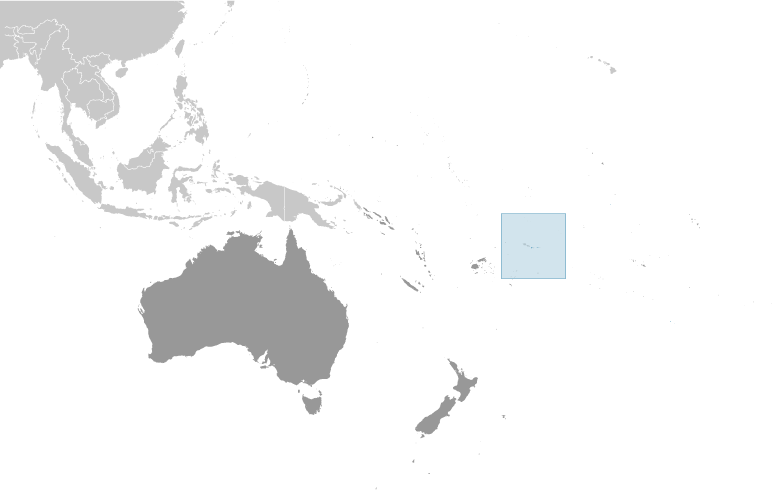
| Click map for larger view |
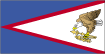
| Click flag for Country Report |



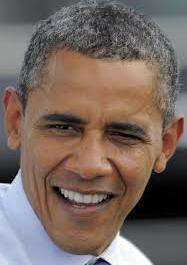
Barack Hussein Obama
President since 20 January 2009
President since 20 January 2009
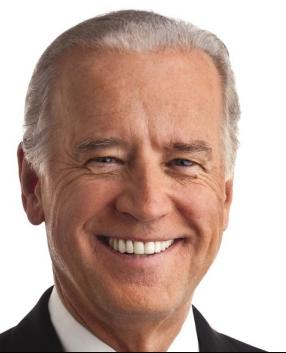
Joseph Robinette Biden, Jr.
Vice President since 20 January 2009
Vice President since 20 January 2009
| TRAFFICKING IN PERSONS |
None reported.

Lemanu Peleti Mauga
Lieutenant Governor since 03 January 2013
Lieutenant Governor since 03 January 2013