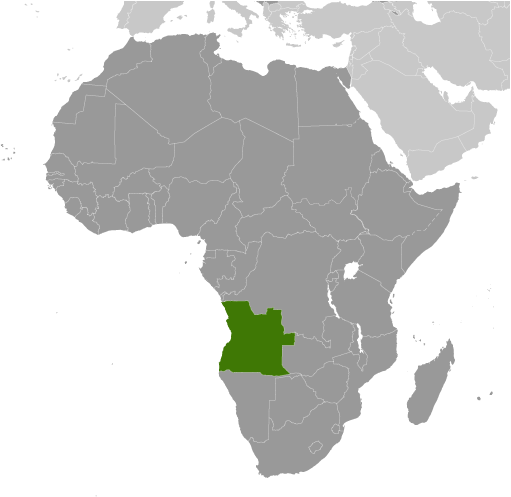

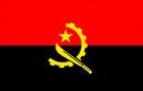
| ANGOLA Republic of Angola Republica de Angola Joined United Nations: 1 December 1976 Human Rights as assured by their constitution Click here Updated 22 January 2013 |

| CAPITAL |
| POPULATION |
| CHIEF OF STATE |
| SELECTION PROCESS |
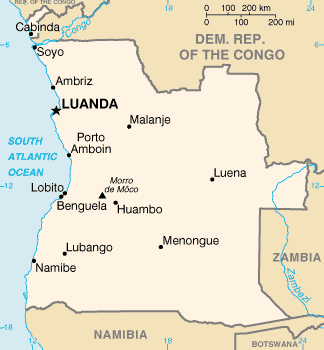
Luanda
18,056,072 (July 2012 est.)
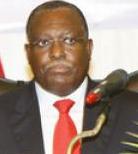
Manuel Domingos Vicente
Vice President since 26 September 2012
Vice President since 26 September 2012
President indirectly elected by National Assembly for a five-year
term (eligible for a second consecutive or discontinuous term) under
the 2010 constitution; following the results of the 2012 legislative
elections Jose Eduardo DOS SANTOS was indirectly elected
president(eligible for a second term); elections: last held on 31
August 2012
Next scheduled election: 2017
term (eligible for a second consecutive or discontinuous term) under
the 2010 constitution; following the results of the 2012 legislative
elections Jose Eduardo DOS SANTOS was indirectly elected
president(eligible for a second term); elections: last held on 31
August 2012
Next scheduled election: 2017
HEAD OF GOVERNMENT
SELECTION PROCESS
According to the Angola Constitution the President is both the
Chief of State and Head of Government
Chief of State and Head of Government
| DECLARATION OF HUMAN RIGHTS |
| ETHNIC GROUPS |
Ovimbundu 37%, Kimbundu 25%, Bakongo 13%, mestico (mixed European and native African) 2%, European 1%, other 22%
| RELIGIONS |
Indigenous beliefs 47%, Roman Catholic 38%, Protestant 15% (1998 est.)
| GOVERNMENT STRUCTURE |
Republic; multiparty presidential regime with 18 provinces (provincias, singular - provincia); Legal system is based on Portuguese
civil law system and customary law; recently modified to accommodate political pluralism and increased use of free markets
Executive: President indirectly elected by National Assembly for a five-year term (eligible for a second consecutive or
discontinuous term) under the 2010 constitution; following the results of the 2012 legislative elections Jose Eduardo DOS
SANTOS was indirectly elected president(eligible for a second term); elections: last held on 31 August 2012
Next scheduled election: 2017
Legislative: Unicameral National Assembly or Assembleia Nacional (220 seats; members elected by proportional vote to serve
four-year terms)
elections: last held on 31 August 2012 (next to be held in 2016)
Judicial: Supreme Court and separate provincial courts (judges are appointed by the president)
civil law system and customary law; recently modified to accommodate political pluralism and increased use of free markets
Executive: President indirectly elected by National Assembly for a five-year term (eligible for a second consecutive or
discontinuous term) under the 2010 constitution; following the results of the 2012 legislative elections Jose Eduardo DOS
SANTOS was indirectly elected president(eligible for a second term); elections: last held on 31 August 2012
Next scheduled election: 2017
Legislative: Unicameral National Assembly or Assembleia Nacional (220 seats; members elected by proportional vote to serve
four-year terms)
elections: last held on 31 August 2012 (next to be held in 2016)
Judicial: Supreme Court and separate provincial courts (judges are appointed by the president)
| LANGUAGES |
Portuguese (official), Bantu and other African languages
| BRIEF HISTORY |
The area of current day Angola was inhabited in prehistoric times, as attested by remains found in Luanda, Congo and the Namibe
desert, but it was only thousands of years later, at the beginning of recorded history that more developed peoples arrived. The first
to settle were the Bushmen, great hunters, similar to Pygmies in stature and with light brown skin. At the beginning of the sixth
century AD, more advanced peoples with black skin, already in possession of metal-working technology, began one of the greatest
migrations in history. They were the Bantu, and they came from the north, probably from somewhere near the present day Republic
of Cameroon. The establishment of the Bantu took many centuries and gave rise to various groupings who took on different ethnic
characteristics, some of which persist to this day. The first large political entity in the area, known to history as the Kingdom of
Congo, appeared in the thirteenth century and stretched from Gabon in the north to the river Kwanza in the south, and from the
Atlantic in the west to the river Cuango in the east. The Kingdom of Congo was divided into six provinces and included some
dependent kingdoms, such as Ndongo to the south. Trade was the main activity, based on highly productive agriculture and
increasing exploitation of mineral wealth. In 1482, Portuguese caravels commanded by Diogo Cão arrived in the Congo. Other
expeditions followed, and close relations were soon established between the two states. The Portuguese brought firearms and many
other technological advances, as well as a new religion (Christianity); in return, the King of the Congo could offer plenty of slaves,
ivory, and minerals. The Portuguese colony of Angola was founded in 1575 with the arrival of Paulo Dias de Novais with a hundred
families of colonists and four hundred soldiers. Luanda was granted the status of city in 1605. The King of the Congo was soon
converted to Christianity, and adopted a similar political structure to the Europeans; he became a well-known figure in Europe, to
the point of receiving missives from the Pope himself. Portugal had lost its King and the Spanish ruler took control of the Portuguese
monarchy. By this time, Portugal's overseas territories had taken second place. The Dutch took advantage of this situation and
occupied Luanda in 1641. In 1648, after Portugal has regained its independence from the Spanish rulers in 1640, a large
Portuguese force from Brazil under the command of Salvador Correia de Sá retook Luanda, leading to the return of the Portuguese
in large numbers. Trade was mostly with the Portuguese colony of Brazil; Brazilian ships were the most numerous in the ports of
Luanda and Benguela. By this time, Angola, a Portuguese colony, was in fact like a colony of Brazil, paradoxically another
Portuguese colony. From 1764 onwards, there was a gradual change from a slave-based society to one based on production for
domestic consumption. Meanwhile, the slave trade was abolished in 1836, and in 1844 Angola's ports were opened to foreign
shipping. By 1850, Luanda was one of the greatest and most developed Portuguese cities in the vast Portuguese Empire outside
Mainland Portugal, full of trading companies, exporting (together with Benguela) palm and peanut oil, wax, copal, timber, ivory,
cotton, coffee, and cocoa, among many other products. Maize, tobacco, dried meat and cassava flour also began to be produced
locally. The Angolan bourgeoisie was born. The Berlin Conference compelled Portugal to move towards the immediate occupation
of all its colonial territories. The territory of Cabinda, to the north of the river Zaire, was also ceded to Portugal on the legal basis of
the Treaty of Simulambuko Protectorate, concluded between the Portuguese Crown and the princes of Cabinda in 1885. After a
difficult and complicated process of implementation, the end of the nineteenth century saw the establishment of a colonial
administration based directly on the territory and the people to be ruled. Portuguese policy in Angola was modified by certain
reforms introduced at the beginning of the twentieth century. The fall of the Portuguese monarchy and a favourable international
climate led to reforms in administration, agriculture, and education. With the advent of the New State, extended to the colony,
Angola becomes a province of Portugal (Ultramarine Province). The situation was calm and stable, with notable developments in
the fields of local economy, education, civil rights, standard of living and transportation across the territory. But in the second half of
the twentieth century, this calm was disrupted by the appearance of the first nationalist movements. More overtly political
organisations first appeared in the 1950s, and began to make organised demands for their rights, initiating diplomatic campaigns
throughout the world in their fight for independence. The Portuguese regimen, meanwhile, refused to accede to the nationalist's
demands of separatism, thereby provoking the armed conflict that started in 1961 and came to be known as the Colonial War. In
this struggle, the principal protagonist were the MPLA (Popular Movement for the Liberation of Angola), founded in 1956, the
FNLA (National Front for the Liberation of Angola), which appeared in 1961, and UNITA (National Union for the Total
Independence of Angola), founded in 1966. After many years of conflict, the nation gained its independence on 11 November
1975, after the 1974 coup d'état in the metropole's capital city of Lisbon against the Portuguese regimen. Portugal's new leaders
began a process of democratic change at home and acceptance of its former colonies' independence abroad. A 1974 coup d'état in
Portugal established a military government led by President António de Spínola. The Spínola government agreed to give all of
Portugal's colonies independence, and handed power in Angola over to a coalition of the three, largest, separatist movements, the
MPLA, UNITA, and the FNLA, through the Alvor Agreement. The coalition quickly broke down and the country descended into
civil war. The United States, Zaïre and South Africa intervened militarily in favor of the FNLA and UNITA. In response, Cuba
intervened in favor of the MPLA. In November 1975, the MPLA had all but crushed UNITA, and the South African forces
withdrew. The U.S. Congress barred further U.S. military involvement in Angola. In control of Luanda and the coastal strip (and
increasingly lucrative oil fields), the MPLA declared independence on November 11, 1975, the day the Portuguese abandoned the
capital. Portugal recognized the declaration of independence. Agostinho Neto became the first president, followed by José Eduardo
dos Santos in 1979. The opposition movements, FNLA and UNITA, created a joint government in the zones they controlled. The
"Democratic Republic of Angola" was founded on November 24, 1975, with Holden Roberto and Jonas Savimbi as co-presidents
and Jose Ndele and Johny E. Pinnock as co-prime ministers. This government was dissolved after January 30, 1976. Civil war
between UNITA and the MPLA continued until an American and Portuguese-brokered agreement resulted in withdrawal of Cuban
troops from Angola and of South African soldiers from Namibia in 1989, and led to the Bicesse Accord in 1991, which spelled out
an electoral process for a democratic Angola under the supervision of the United Nations. The peace accord between the
government and UNITA provided for the integration of former UNITA insurgents into the government and armed forces. However,
in 1995, localized fighting resumed. Angola agreed to trade oil to Slovakia in return for arms, buying six Sukhoi Su-17 attack
aircraft on April 3, 2000. Government troops killed Savimbi on February 22, 2002, in Moxico province. In August 2002, UNITA
declared itself a political party and officially demobilized its armed forces. The civil war internally displaced four million people,
one-third of Angola's population. The government spent $187 million settling IDPs between April 4, 2002 and 2004, after which
the World Bank gave $33 million to continue the settling process. Militant forces laid approximately 15 million landmines by 2002.
The HALO Trust charity began demining in 1994, destroying 30,000 by July 2007. There are 1,100 Angolans and seven foreign
workers who are working for HALO Trust in Angola, with operations expected to finish sometime between 2011 and 2014. On 21
January 2010 the National Assembly of Angola approved a new constitution to replace the interim constitution in effect since
independence in 1975. The constitution was passed, in its entirety, by 186 votes in favour and none against, with two assembly
members abstaining. The constitution has been drafted by a committee of 60 parliamentarians, advised by 19 experts and a public
consultation, and contains 244 articles. The vote was boycotted by the opposition UNITA party which claimed that the process
was flawed and undermined democracy. The ruling party, MPLA, had a 81% majority on the constitution committee, equal to their
parliamentary majority. The constitution will need to be approved by President José Eduardo dos Santos and the Constitutional
Court but both steps are seen as formalities.
Source: Wikipedia: History of Angola
desert, but it was only thousands of years later, at the beginning of recorded history that more developed peoples arrived. The first
to settle were the Bushmen, great hunters, similar to Pygmies in stature and with light brown skin. At the beginning of the sixth
century AD, more advanced peoples with black skin, already in possession of metal-working technology, began one of the greatest
migrations in history. They were the Bantu, and they came from the north, probably from somewhere near the present day Republic
of Cameroon. The establishment of the Bantu took many centuries and gave rise to various groupings who took on different ethnic
characteristics, some of which persist to this day. The first large political entity in the area, known to history as the Kingdom of
Congo, appeared in the thirteenth century and stretched from Gabon in the north to the river Kwanza in the south, and from the
Atlantic in the west to the river Cuango in the east. The Kingdom of Congo was divided into six provinces and included some
dependent kingdoms, such as Ndongo to the south. Trade was the main activity, based on highly productive agriculture and
increasing exploitation of mineral wealth. In 1482, Portuguese caravels commanded by Diogo Cão arrived in the Congo. Other
expeditions followed, and close relations were soon established between the two states. The Portuguese brought firearms and many
other technological advances, as well as a new religion (Christianity); in return, the King of the Congo could offer plenty of slaves,
ivory, and minerals. The Portuguese colony of Angola was founded in 1575 with the arrival of Paulo Dias de Novais with a hundred
families of colonists and four hundred soldiers. Luanda was granted the status of city in 1605. The King of the Congo was soon
converted to Christianity, and adopted a similar political structure to the Europeans; he became a well-known figure in Europe, to
the point of receiving missives from the Pope himself. Portugal had lost its King and the Spanish ruler took control of the Portuguese
monarchy. By this time, Portugal's overseas territories had taken second place. The Dutch took advantage of this situation and
occupied Luanda in 1641. In 1648, after Portugal has regained its independence from the Spanish rulers in 1640, a large
Portuguese force from Brazil under the command of Salvador Correia de Sá retook Luanda, leading to the return of the Portuguese
in large numbers. Trade was mostly with the Portuguese colony of Brazil; Brazilian ships were the most numerous in the ports of
Luanda and Benguela. By this time, Angola, a Portuguese colony, was in fact like a colony of Brazil, paradoxically another
Portuguese colony. From 1764 onwards, there was a gradual change from a slave-based society to one based on production for
domestic consumption. Meanwhile, the slave trade was abolished in 1836, and in 1844 Angola's ports were opened to foreign
shipping. By 1850, Luanda was one of the greatest and most developed Portuguese cities in the vast Portuguese Empire outside
Mainland Portugal, full of trading companies, exporting (together with Benguela) palm and peanut oil, wax, copal, timber, ivory,
cotton, coffee, and cocoa, among many other products. Maize, tobacco, dried meat and cassava flour also began to be produced
locally. The Angolan bourgeoisie was born. The Berlin Conference compelled Portugal to move towards the immediate occupation
of all its colonial territories. The territory of Cabinda, to the north of the river Zaire, was also ceded to Portugal on the legal basis of
the Treaty of Simulambuko Protectorate, concluded between the Portuguese Crown and the princes of Cabinda in 1885. After a
difficult and complicated process of implementation, the end of the nineteenth century saw the establishment of a colonial
administration based directly on the territory and the people to be ruled. Portuguese policy in Angola was modified by certain
reforms introduced at the beginning of the twentieth century. The fall of the Portuguese monarchy and a favourable international
climate led to reforms in administration, agriculture, and education. With the advent of the New State, extended to the colony,
Angola becomes a province of Portugal (Ultramarine Province). The situation was calm and stable, with notable developments in
the fields of local economy, education, civil rights, standard of living and transportation across the territory. But in the second half of
the twentieth century, this calm was disrupted by the appearance of the first nationalist movements. More overtly political
organisations first appeared in the 1950s, and began to make organised demands for their rights, initiating diplomatic campaigns
throughout the world in their fight for independence. The Portuguese regimen, meanwhile, refused to accede to the nationalist's
demands of separatism, thereby provoking the armed conflict that started in 1961 and came to be known as the Colonial War. In
this struggle, the principal protagonist were the MPLA (Popular Movement for the Liberation of Angola), founded in 1956, the
FNLA (National Front for the Liberation of Angola), which appeared in 1961, and UNITA (National Union for the Total
Independence of Angola), founded in 1966. After many years of conflict, the nation gained its independence on 11 November
1975, after the 1974 coup d'état in the metropole's capital city of Lisbon against the Portuguese regimen. Portugal's new leaders
began a process of democratic change at home and acceptance of its former colonies' independence abroad. A 1974 coup d'état in
Portugal established a military government led by President António de Spínola. The Spínola government agreed to give all of
Portugal's colonies independence, and handed power in Angola over to a coalition of the three, largest, separatist movements, the
MPLA, UNITA, and the FNLA, through the Alvor Agreement. The coalition quickly broke down and the country descended into
civil war. The United States, Zaïre and South Africa intervened militarily in favor of the FNLA and UNITA. In response, Cuba
intervened in favor of the MPLA. In November 1975, the MPLA had all but crushed UNITA, and the South African forces
withdrew. The U.S. Congress barred further U.S. military involvement in Angola. In control of Luanda and the coastal strip (and
increasingly lucrative oil fields), the MPLA declared independence on November 11, 1975, the day the Portuguese abandoned the
capital. Portugal recognized the declaration of independence. Agostinho Neto became the first president, followed by José Eduardo
dos Santos in 1979. The opposition movements, FNLA and UNITA, created a joint government in the zones they controlled. The
"Democratic Republic of Angola" was founded on November 24, 1975, with Holden Roberto and Jonas Savimbi as co-presidents
and Jose Ndele and Johny E. Pinnock as co-prime ministers. This government was dissolved after January 30, 1976. Civil war
between UNITA and the MPLA continued until an American and Portuguese-brokered agreement resulted in withdrawal of Cuban
troops from Angola and of South African soldiers from Namibia in 1989, and led to the Bicesse Accord in 1991, which spelled out
an electoral process for a democratic Angola under the supervision of the United Nations. The peace accord between the
government and UNITA provided for the integration of former UNITA insurgents into the government and armed forces. However,
in 1995, localized fighting resumed. Angola agreed to trade oil to Slovakia in return for arms, buying six Sukhoi Su-17 attack
aircraft on April 3, 2000. Government troops killed Savimbi on February 22, 2002, in Moxico province. In August 2002, UNITA
declared itself a political party and officially demobilized its armed forces. The civil war internally displaced four million people,
one-third of Angola's population. The government spent $187 million settling IDPs between April 4, 2002 and 2004, after which
the World Bank gave $33 million to continue the settling process. Militant forces laid approximately 15 million landmines by 2002.
The HALO Trust charity began demining in 1994, destroying 30,000 by July 2007. There are 1,100 Angolans and seven foreign
workers who are working for HALO Trust in Angola, with operations expected to finish sometime between 2011 and 2014. On 21
January 2010 the National Assembly of Angola approved a new constitution to replace the interim constitution in effect since
independence in 1975. The constitution was passed, in its entirety, by 186 votes in favour and none against, with two assembly
members abstaining. The constitution has been drafted by a committee of 60 parliamentarians, advised by 19 experts and a public
consultation, and contains 244 articles. The vote was boycotted by the opposition UNITA party which claimed that the process
was flawed and undermined democracy. The ruling party, MPLA, had a 81% majority on the constitution committee, equal to their
parliamentary majority. The constitution will need to be approved by President José Eduardo dos Santos and the Constitutional
Court but both steps are seen as formalities.
Source: Wikipedia: History of Angola
| ECONOMIC OVERVIEW |
Angola's high growth rate in recent years was driven by high international prices for its oil. Angola became a member of OPEC in
late 2006 and its current assigned a production quota of 1.65 million barrels a day (bbl/day). Oil production and its supporting
activities contribute about 85% of GDP. Diamond exports contribute an additional 5%. Subsistence agriculture provides the main
livelihood for most of the people, but half of the country's food is still imported. Increased oil production supported growth
averaging more than 17% per year from 2004 to 2008. A postwar reconstruction boom and resettlement of displaced persons has
led to high rates of growth in construction and agriculture as well. Much of the country's infrastructure is still damaged or
undeveloped from the 27-year-long civil war. Land mines left from the war still mar the countryside, even though peace was
established after the death of rebel leader Jonas SAVIMBI in February 2002. Since 2005, the government has used billions of
dollars in credit lines from China, Brazil, Portugal, Germany, Spain, and the EU to rebuild Angola's public infrastructure. The global
recession that started in 2008 temporarily stalled economic growth. Lower prices for oil and diamonds during the global recession
slowed GDP growth to 2.4% in 2009 and to 3.4% in 2010, and many construction projects stopped because Luanda accrued $9
billion in arrears to foreign construction companies when government revenue fell in 2008 and 2009. Angola abandoned its currency
peg in 2009, and in November 2009 signed onto an IMF Stand-By Arrangement loan of $1.4 billion to rebuild international
reserves. Consumer inflation declined from 325% in 2000 to 14% in 2011. Higher oil prices in 2011, helped Angola climb turn a
budget deficit of 8.6% of GDP in 2009 into an surplus of 7.5% of GDP in 2010. Corruption, especially in the extractive sectors,
also is a major challenge.
Source: CIA World Factbook (select Angola)
late 2006 and its current assigned a production quota of 1.65 million barrels a day (bbl/day). Oil production and its supporting
activities contribute about 85% of GDP. Diamond exports contribute an additional 5%. Subsistence agriculture provides the main
livelihood for most of the people, but half of the country's food is still imported. Increased oil production supported growth
averaging more than 17% per year from 2004 to 2008. A postwar reconstruction boom and resettlement of displaced persons has
led to high rates of growth in construction and agriculture as well. Much of the country's infrastructure is still damaged or
undeveloped from the 27-year-long civil war. Land mines left from the war still mar the countryside, even though peace was
established after the death of rebel leader Jonas SAVIMBI in February 2002. Since 2005, the government has used billions of
dollars in credit lines from China, Brazil, Portugal, Germany, Spain, and the EU to rebuild Angola's public infrastructure. The global
recession that started in 2008 temporarily stalled economic growth. Lower prices for oil and diamonds during the global recession
slowed GDP growth to 2.4% in 2009 and to 3.4% in 2010, and many construction projects stopped because Luanda accrued $9
billion in arrears to foreign construction companies when government revenue fell in 2008 and 2009. Angola abandoned its currency
peg in 2009, and in November 2009 signed onto an IMF Stand-By Arrangement loan of $1.4 billion to rebuild international
reserves. Consumer inflation declined from 325% in 2000 to 14% in 2011. Higher oil prices in 2011, helped Angola climb turn a
budget deficit of 8.6% of GDP in 2009 into an surplus of 7.5% of GDP in 2010. Corruption, especially in the extractive sectors,
also is a major challenge.
Source: CIA World Factbook (select Angola)
| POLITICAL CLIMATE |
From 2002 to 2010, the system as defined by the constitution of 1992 functioned in a relatively normal way. The executive branch
of the government was composed of the President, the Prime Minister and Council of Ministers. The Council of Ministers,
composed of all ministers and vice ministers, met regularly to discuss policy issues. Governors of the 18 provinces were appointed
by and served at the pleasure of the president. The Constitutional Law of 1992 established the broad outlines of government
structure and the rights and duties of citizens. The legal system was based on Portuguese and customary law but was weak and
fragmented. Courts operated in only 12 of more than 140 municipalities. A Supreme Court served as the appellate tribunal; a
Constitutional Court with powers of judicial review was never constituted despite statutory authorization. In practice, power was
more and more concentrated in the hands of the President who, supported by an ever increasing staff, largely controlled parliament,
government, and the judiciary.
The 26-year long civil war has ravaged the country's political and social institutions. The UN estimates of 1.8 million internally
displaced persons (IDPs), while generally the accepted figure for war-affected people is 4 million. Daily conditions of life throughout
the country and specifically Luanda (population approximately 4 million) mirror the collapse of administrative infrastructure as well
as many social institutions. The ongoing grave economic situation largely prevents any government support for social institutions.
Hospitals are without medicines or basic equipment, schools are without books, and public employees often lack the basic supplies
for their day-to-day work.
The 2010 constitution grants the President almost absolute power. Elections for the National assembly are to take place every five
years, and the President is automatically the leader of the winning party or coalition. It is for the President to appoint (and dismiss)
all of the following:
Source: Wikipedia: Politics of Angola
of the government was composed of the President, the Prime Minister and Council of Ministers. The Council of Ministers,
composed of all ministers and vice ministers, met regularly to discuss policy issues. Governors of the 18 provinces were appointed
by and served at the pleasure of the president. The Constitutional Law of 1992 established the broad outlines of government
structure and the rights and duties of citizens. The legal system was based on Portuguese and customary law but was weak and
fragmented. Courts operated in only 12 of more than 140 municipalities. A Supreme Court served as the appellate tribunal; a
Constitutional Court with powers of judicial review was never constituted despite statutory authorization. In practice, power was
more and more concentrated in the hands of the President who, supported by an ever increasing staff, largely controlled parliament,
government, and the judiciary.
The 26-year long civil war has ravaged the country's political and social institutions. The UN estimates of 1.8 million internally
displaced persons (IDPs), while generally the accepted figure for war-affected people is 4 million. Daily conditions of life throughout
the country and specifically Luanda (population approximately 4 million) mirror the collapse of administrative infrastructure as well
as many social institutions. The ongoing grave economic situation largely prevents any government support for social institutions.
Hospitals are without medicines or basic equipment, schools are without books, and public employees often lack the basic supplies
for their day-to-day work.
The 2010 constitution grants the President almost absolute power. Elections for the National assembly are to take place every five
years, and the President is automatically the leader of the winning party or coalition. It is for the President to appoint (and dismiss)
all of the following:
Source: Wikipedia: Politics of Angola
| INTERNATIONAL DISPUTES |
Cabindan separatists continue to return to the Angolan exclave from exile in neighboring states and Europe since the 2006 ceasefire
and peace agreement
and peace agreement


| REFUGEES AND INTERNALLY DISPLACED PERSONS (IDPS) |
Refugees (country of origin): 13,648 (Democratic Republic of Congo) (2011)
IDPs: 19,500 (27-year civil war ending in 2002) (2005)
IDPs: 19,500 (27-year civil war ending in 2002) (2005)
| ILLICIT DRUGS |
Used as a transshipment point for cocaine destined for Western Europe and other African states, particularly South Africa
| HUMAN RIGHTS STATEMENTS, ANALYSIS AND CRITIQUES |
2011 Human Rights Report: Angola
Bureau of Democracy, Human Rights, and Labor
2011 Country Reports on Human Rights Practices
May 25, 2012
Angola is a constitutional republic. The ruling Popular Movement for the Liberation of Angola (MPLA), led by President Jose Eduardo
dos Santos, has been in power since independence in 1975 and exercised tight, centralized control over government planning,
policymaking, and media outlets. In 2008 the government held the first legislative elections since 1992. Domestic and international
observers reported that polling throughout the country was peaceful and generally credible, despite a ruling party advantage due to state
control of major media and other resources and serious logistical failures that marred polling in the capital, Luanda. Security forces
reported to civilian authorities.
The three most important human rights abuses were lack of judicial process and judicial inefficiency; limits on the freedom of assembly,
association, speech, and press; and the abridgement of citizens’ right to elect officials at all levels.
Other human rights abuses included: cruel and excessive punishment, including torture and beatings as well as unlawful killings by police
and military personnel; harsh prison conditions; arbitrary arrest and detention; lengthy pretrial detention; impunity for human rights
abusers; infringements on citizens’ privacy rights and forced evictions without compensation; official corruption; restrictions on
nongovernmental organizations (NGOs); discrimination and violence against women; abuse of children; trafficking in persons;
discrimination against persons with disabilities, indigenous people, and persons with HIV/AIDS; limits on workers’ rights; and forced
labor.
The government took steps to prosecute or punish officials who committed abuses; however, accountability was limited due to a lack of
checks and balances, lack of institutional capacity, a culture of impunity, and widespread government corruption.
Click here to read more »
Bureau of Democracy, Human Rights, and Labor
2011 Country Reports on Human Rights Practices
May 25, 2012
Angola is a constitutional republic. The ruling Popular Movement for the Liberation of Angola (MPLA), led by President Jose Eduardo
dos Santos, has been in power since independence in 1975 and exercised tight, centralized control over government planning,
policymaking, and media outlets. In 2008 the government held the first legislative elections since 1992. Domestic and international
observers reported that polling throughout the country was peaceful and generally credible, despite a ruling party advantage due to state
control of major media and other resources and serious logistical failures that marred polling in the capital, Luanda. Security forces
reported to civilian authorities.
The three most important human rights abuses were lack of judicial process and judicial inefficiency; limits on the freedom of assembly,
association, speech, and press; and the abridgement of citizens’ right to elect officials at all levels.
Other human rights abuses included: cruel and excessive punishment, including torture and beatings as well as unlawful killings by police
and military personnel; harsh prison conditions; arbitrary arrest and detention; lengthy pretrial detention; impunity for human rights
abusers; infringements on citizens’ privacy rights and forced evictions without compensation; official corruption; restrictions on
nongovernmental organizations (NGOs); discrimination and violence against women; abuse of children; trafficking in persons;
discrimination against persons with disabilities, indigenous people, and persons with HIV/AIDS; limits on workers’ rights; and forced
labor.
The government took steps to prosecute or punish officials who committed abuses; however, accountability was limited due to a lack of
checks and balances, lack of institutional capacity, a culture of impunity, and widespread government corruption.
Click here to read more »
11 October 2010
Committee on the Rights of the Child
Fifty-fifth session
13 September – 1 October 2010
Consideration of reports submitted by States parties under article 44 of the Convention
Concluding observations: Angola
A. INTRODUCTION
2. The Committee welcomes the submission of the second to fourth periodic reports as well as the written replies to its list of
issues (CRC/C/AGO/Q/2-4/Add.1) and commends the frank and self-critical nature of the report, which allows for a better
understanding of the situation of children in the State party. The Committee also welcomes the constructive dialogue with a multisectoral
delegation at a senior level, which allowed a better understanding of the situation of children in the State party.
B. Follow-up measures and progress achieved by the State party
3. The Committee notes with appreciation:
(a) The entry into force of the new Constitution (2010), which creates a legal framework for the rights of the child;
(b) The creation of the National Council for Children (CNAC ) (2007);
(c) The adoption of Decree No. 31/07 establishing free birth and death registration for children up to five years of age and free
identification cards for children up to 11 years of age (2007).
C. Main areas of concern and recommendations
1. General measures of implementation (arts. 4, 42 and 44, para. 6 of the Convention)
The Committee’s previous recommendations
6. The Committee welcomes efforts by the State party to implement the Committee’s concluding observations on the State party’s
initial report (CRC/C/3/Add.66) which have yielded positive developments. Nevertheless, the Committee notes with regret that many of
these concluding observations have not been significantly addressed.
7. The Committee urges the State party to take all necessary measures to address those recommendations contained in the
concluding observations on the initial report that have not yet or not sufficiently been implemented, in particular on harmonization of
laws, appropriate budget allocations and transparent budget tracking, discrimination against girls, birth registration and violence and
maltreatment, and to provide adequate follow-up to the recommendations contained in the present concluding observations.
Click here to read more »
Committee on the Rights of the Child
Fifty-fifth session
13 September – 1 October 2010
Consideration of reports submitted by States parties under article 44 of the Convention
Concluding observations: Angola
A. INTRODUCTION
2. The Committee welcomes the submission of the second to fourth periodic reports as well as the written replies to its list of
issues (CRC/C/AGO/Q/2-4/Add.1) and commends the frank and self-critical nature of the report, which allows for a better
understanding of the situation of children in the State party. The Committee also welcomes the constructive dialogue with a multisectoral
delegation at a senior level, which allowed a better understanding of the situation of children in the State party.
B. Follow-up measures and progress achieved by the State party
3. The Committee notes with appreciation:
(a) The entry into force of the new Constitution (2010), which creates a legal framework for the rights of the child;
(b) The creation of the National Council for Children (CNAC ) (2007);
(c) The adoption of Decree No. 31/07 establishing free birth and death registration for children up to five years of age and free
identification cards for children up to 11 years of age (2007).
C. Main areas of concern and recommendations
1. General measures of implementation (arts. 4, 42 and 44, para. 6 of the Convention)
The Committee’s previous recommendations
6. The Committee welcomes efforts by the State party to implement the Committee’s concluding observations on the State party’s
initial report (CRC/C/3/Add.66) which have yielded positive developments. Nevertheless, the Committee notes with regret that many of
these concluding observations have not been significantly addressed.
7. The Committee urges the State party to take all necessary measures to address those recommendations contained in the
concluding observations on the initial report that have not yet or not sufficiently been implemented, in particular on harmonization of
laws, appropriate budget allocations and transparent budget tracking, discrimination against girls, birth registration and violence and
maltreatment, and to provide adequate follow-up to the recommendations contained in the present concluding observations.
Click here to read more »
Freedom In The World 2012 Report
Political Rights Score: 6
Civil Liberties Score: 5
Status: Not Free
Overview
Antigovernment activity increased in 2011, and in September, a number of small, loosely organized protests opposing the 32-year rule of
President José Eduardo dos Santos took place in Luanda, leading to a ban on demonstrations in the city center. Throughout the year,
speculation rose as to whether dos Santos would lead his party in the 2012 presidential elections. Violent deportations of migrants from
the Democratic Republic of Congo by Angolan security forces continued in 2011.
In 2010, the MPLA-dominated parliament approved a new constitution that abolished direct presidential elections, stipulating instead that
the leader of the largest party in the parliament would become the president, starting with the next elections in 2012. The last presidential
election had been held in 1992, and a vote due in 1997 had been repeatedly postponed. Throughout 2011, dos Santos refrained from
stating if he would lead the MPLA in the 2012 elections, resulting in significant speculation about his successor; the MPLA is almost
assured victory. In September, rumors abounded that Manuel Vicente, the chairman of the national oil company Sonangol, would top the
MPLA slate in 2012.
Attempts in March to organize protests against dos Santos’s 32-year rule—said to be inspired by the early 2011 popular uprisings in the
Arab world—were largely stifled by the government. In September, a series of small, loosely organized antigovernment protests took
place in Luanda, marking a rare, if relatively minor, spate of open opposition to dos Santos’s rule. In several instances, groups of a few
hundred people, including many youths, organized demonstrations by text message and social media. In response, the Luanda provincial
government banned demonstrations in the city center, and security forces violently dispersed the protests and arrested dozens of
demonstrators, 18 of whom were jailed for between 45 and 90 days by an emergency court. Later that month, the government organized
a pro-MLPA rally in Luanda attended by tens of thousands of people. In October, the Supreme Court ordered the release of the jailed
protesters.
Angola is not an electoral democracy. The long-delayed 2008 legislative elections, while largely reflective of the people’s will, were not
free and fair. The 220-seat National Assembly, whose members serve four-year terms, has little power, and 90 percent of legislation
originates in the executive branch. Under the 2010 constitution, the largest party in the National Assembly selects the head of state. The
president is to serve a maximum of two five-year terms beginning in 2012, and directly appoints the vice president, cabinet, and
provincial governors.
While five political parties are represented in the National Assembly, the ruling MPLA dominates Angola’s party system. UNITA is the
largest opposition party.
Click here to read more »
Political Rights Score: 6
Civil Liberties Score: 5
Status: Not Free
Overview
Antigovernment activity increased in 2011, and in September, a number of small, loosely organized protests opposing the 32-year rule of
President José Eduardo dos Santos took place in Luanda, leading to a ban on demonstrations in the city center. Throughout the year,
speculation rose as to whether dos Santos would lead his party in the 2012 presidential elections. Violent deportations of migrants from
the Democratic Republic of Congo by Angolan security forces continued in 2011.
In 2010, the MPLA-dominated parliament approved a new constitution that abolished direct presidential elections, stipulating instead that
the leader of the largest party in the parliament would become the president, starting with the next elections in 2012. The last presidential
election had been held in 1992, and a vote due in 1997 had been repeatedly postponed. Throughout 2011, dos Santos refrained from
stating if he would lead the MPLA in the 2012 elections, resulting in significant speculation about his successor; the MPLA is almost
assured victory. In September, rumors abounded that Manuel Vicente, the chairman of the national oil company Sonangol, would top the
MPLA slate in 2012.
Attempts in March to organize protests against dos Santos’s 32-year rule—said to be inspired by the early 2011 popular uprisings in the
Arab world—were largely stifled by the government. In September, a series of small, loosely organized antigovernment protests took
place in Luanda, marking a rare, if relatively minor, spate of open opposition to dos Santos’s rule. In several instances, groups of a few
hundred people, including many youths, organized demonstrations by text message and social media. In response, the Luanda provincial
government banned demonstrations in the city center, and security forces violently dispersed the protests and arrested dozens of
demonstrators, 18 of whom were jailed for between 45 and 90 days by an emergency court. Later that month, the government organized
a pro-MLPA rally in Luanda attended by tens of thousands of people. In October, the Supreme Court ordered the release of the jailed
protesters.
Angola is not an electoral democracy. The long-delayed 2008 legislative elections, while largely reflective of the people’s will, were not
free and fair. The 220-seat National Assembly, whose members serve four-year terms, has little power, and 90 percent of legislation
originates in the executive branch. Under the 2010 constitution, the largest party in the National Assembly selects the head of state. The
president is to serve a maximum of two five-year terms beginning in 2012, and directly appoints the vice president, cabinet, and
provincial governors.
While five political parties are represented in the National Assembly, the ruling MPLA dominates Angola’s party system. UNITA is the
largest opposition party.
Click here to read more »
24 May 2012
Angola: Protect free speech as youth activists attacked
A group of anti-government youth activists including rapper ‘Hexplosivo Mental’ were attacked, beaten and some hospitalised during a
meeting in the Angolan capital Luanda, prompting Amnesty International to call for a full and impartial investigation into the incident.
‘Hexplosivo Mental’, known for his anti-government lyrics, along with Angolan activists and human rights defenders have been the
target of numerous assaults and intimidations in recent months.
“This brutal beating highlights the ongoing threat of violence that anyone speaking up for free speech in Angola faces,” said Muluka-
Anne Miti, Amnesty International’s Angola researcher.
“The Angolan authorities must protect the rights of this group and others to freedom of association and assembly. They need to take
steps immediately to protect these freedoms by ensuring that an independent investigation is carried out and those responsible are
brought to justice.”
This latest assault took place on Tuesday evening in the house of popular rap musician Carbono Casimiro, whose home reportedly came
under attack from unknown gunmen last year.
The activists, who have set up the website Central 7311 which among other things documents violence in relation to peaceful
demonstrations in the country, were also attacked while trying to hold a protest in Luanda in March this year.
Since March 2011, several demonstrations in Luanda calling for an end to President José Eduardo dos Santos’ 32 year rule have been
met with excessive force by police, including the apparent improper use of dogs and firearms against those protesting peacefully.
Unknown individuals have reportedly infiltrated the demonstrations, vandalized property and beaten protestors and journalists covering
the protests.
Police have failed to respond to violence perpetuated by these individuals and rather than arresting alleged infiltrators, protestors and
journalists have been arbitrarily detained.
Youths who have helped organise peaceful protests against the President since last year, as well as some journalists who have covered
these demonstrations, have also received personal threats from anonymous individuals telling them to stop demonstrating or face the
consequences.
Click here to read more »
Angola: Protect free speech as youth activists attacked
A group of anti-government youth activists including rapper ‘Hexplosivo Mental’ were attacked, beaten and some hospitalised during a
meeting in the Angolan capital Luanda, prompting Amnesty International to call for a full and impartial investigation into the incident.
‘Hexplosivo Mental’, known for his anti-government lyrics, along with Angolan activists and human rights defenders have been the
target of numerous assaults and intimidations in recent months.
“This brutal beating highlights the ongoing threat of violence that anyone speaking up for free speech in Angola faces,” said Muluka-
Anne Miti, Amnesty International’s Angola researcher.
“The Angolan authorities must protect the rights of this group and others to freedom of association and assembly. They need to take
steps immediately to protect these freedoms by ensuring that an independent investigation is carried out and those responsible are
brought to justice.”
This latest assault took place on Tuesday evening in the house of popular rap musician Carbono Casimiro, whose home reportedly came
under attack from unknown gunmen last year.
The activists, who have set up the website Central 7311 which among other things documents violence in relation to peaceful
demonstrations in the country, were also attacked while trying to hold a protest in Luanda in March this year.
Since March 2011, several demonstrations in Luanda calling for an end to President José Eduardo dos Santos’ 32 year rule have been
met with excessive force by police, including the apparent improper use of dogs and firearms against those protesting peacefully.
Unknown individuals have reportedly infiltrated the demonstrations, vandalized property and beaten protestors and journalists covering
the protests.
Police have failed to respond to violence perpetuated by these individuals and rather than arresting alleged infiltrators, protestors and
journalists have been arbitrarily detained.
Youths who have helped organise peaceful protests against the President since last year, as well as some journalists who have covered
these demonstrations, have also received personal threats from anonymous individuals telling them to stop demonstrating or face the
consequences.
Click here to read more »
Angola: Stop Stifling Free Speech
Halt Abuses and Undertake Key Reforms Before Elections
August 1, 2012
(Johannesburg) –The Angolan government is responsible for numerous incidents of political violence, intimidation of protesters, and
crackdowns on peaceful demonstrations that might have a negative impact on the August 31, 2012 parliamentary elections, Human
Rights said in a report released today. The government should end its crackdown on peaceful protests and the media with the start of the
election campaign on August 1.
The 13-page report, “Angola’s Upcoming Elections: Attacks on the Media, Expression, and Assembly,” describes increasing incidents of
political violence and intimidation. Human Rights Watch called on the government of Angola to promptly address these concerns, and
urged the Southern African Development Community and the capital’s foreign diplomats to raise these issues with the government.
“The human rights environment in Angola is not conducive for free, fair, and peaceful elections,” said Leslie Lefkow, deputy Africa
director at Human Rights Watch. “The Angolan government needs to stop trying to stifle peaceful protests, gag the independent press, or
use the state media for partisan purposes if these elections are to be meaningful.”
Since 2011, there have been increasing incidents of political violence in the capital, Luanda, and elsewhere. Journalists, civil society
activists, and others seeking to express their opinions or criticize the government of President José Eduardo dos Santos, who has been in
power since 1979, have been harassed, threatened, and physically attacked.
Police and plainclothes security agents have forcibly dispersed anti-government protests, beating and arresting peaceful demonstrators,
organizers, and opposition politicians, and obstructing and intimidating journalists. In several cases, the state-owned media sought to
compel activists in custody to make incriminating remarks about opposition parties.
Human Rights Watch urged the Angolan government to fully respect freedom of peaceful assembly and to ensure that its security forces
act impartially. The government should promptly investigate all allegations of unlawful use of force and prosecute those responsible for
abuses. It should protect demonstrators from attack and ensure that due process rights of everyone detained are respected.
The Angolan government should also ensure full respect for media freedom, investigate and prevent intimidation and harassment of
journalists, and support impartial reporting by state-owned media, Human Rights Watch said.
“The upcoming Angolan elections are an important opportunity for the government to demonstrate that it will fully respect the rights of
the political opposition, the media, and the voters,” Lefkow said.
Click here to read more »
Halt Abuses and Undertake Key Reforms Before Elections
August 1, 2012
(Johannesburg) –The Angolan government is responsible for numerous incidents of political violence, intimidation of protesters, and
crackdowns on peaceful demonstrations that might have a negative impact on the August 31, 2012 parliamentary elections, Human
Rights said in a report released today. The government should end its crackdown on peaceful protests and the media with the start of the
election campaign on August 1.
The 13-page report, “Angola’s Upcoming Elections: Attacks on the Media, Expression, and Assembly,” describes increasing incidents of
political violence and intimidation. Human Rights Watch called on the government of Angola to promptly address these concerns, and
urged the Southern African Development Community and the capital’s foreign diplomats to raise these issues with the government.
“The human rights environment in Angola is not conducive for free, fair, and peaceful elections,” said Leslie Lefkow, deputy Africa
director at Human Rights Watch. “The Angolan government needs to stop trying to stifle peaceful protests, gag the independent press, or
use the state media for partisan purposes if these elections are to be meaningful.”
Since 2011, there have been increasing incidents of political violence in the capital, Luanda, and elsewhere. Journalists, civil society
activists, and others seeking to express their opinions or criticize the government of President José Eduardo dos Santos, who has been in
power since 1979, have been harassed, threatened, and physically attacked.
Police and plainclothes security agents have forcibly dispersed anti-government protests, beating and arresting peaceful demonstrators,
organizers, and opposition politicians, and obstructing and intimidating journalists. In several cases, the state-owned media sought to
compel activists in custody to make incriminating remarks about opposition parties.
Human Rights Watch urged the Angolan government to fully respect freedom of peaceful assembly and to ensure that its security forces
act impartially. The government should promptly investigate all allegations of unlawful use of force and prosecute those responsible for
abuses. It should protect demonstrators from attack and ensure that due process rights of everyone detained are respected.
The Angolan government should also ensure full respect for media freedom, investigate and prevent intimidation and harassment of
journalists, and support impartial reporting by state-owned media, Human Rights Watch said.
“The upcoming Angolan elections are an important opportunity for the government to demonstrate that it will fully respect the rights of
the political opposition, the media, and the voters,” Lefkow said.
Click here to read more »
TRANSLATED FROM PORTUGUESE BY GOOGLE TRANSLATE
27/09/2012:
ANGOLAN PRESIDENT OF THE CEREMONY SPEECH _INAUGURATION PRESIDENT AND VICE-PRESIDENT ELECT IN
THE 2012 GENERAL ELECTION
DEAR Compatriots,
This is a very special moment for the Angolan people, for the MPLA party and myself. In accordance with the results of the General
Election last August 31, and pursuant to Article 114 (one hundred and fourteen) of the Constitution, I have just been sworn in by the
President of
Constitutional Court as President of the Republic of Angola.
The country has already held two democratic elections and multiparty other, in which a clear majority voted in favor of the MPLA and
its leader. The fact that only take place today is formal investiture ceremony means that this time all possible doubts were completely
clarified earlier.
I thank you from the bottom of my heart, honor and trust that the Angolan people gave me to direct the destinies of the country, thereby
reaffirming its earlier position, a clear demonstration of political maturity and consistency.
I also thank the members of my family and all those who helped me during the election campaign to take my message to the MPLA and
the knowledge of all Angolans.
Voters voted, chose the leaders of the country and we are here to respect their wishes. It was indeed a democratic decision of our
people, who thus showed that it is in favor of the Election Manifesto and Governance Programme of the MPLA.
These two guiding documents indicate as its objective the construction of a democratic, inclusive, progress, welfare and social justice.
Their implementation by the executive that'll drive based on the principle of renewal and continuity to renovate and fix what is wrong, to
continue and improve what is good and start new works.
The direction of our development is set! The objectives that we have drawn for this new period of governance form part of the
Development Strategy of Long Term our country, known as the "Angola 2025".
This instrument has been successfully applied to since 2008, when a National Conference representative of all Angolans approved the
National Consensus Agenda. We are proud of the results achieved so far, going towards meeting the legitimate demands and aspirations
of the Angolan society.
Click here to read more »
27/09/2012:
ANGOLAN PRESIDENT OF THE CEREMONY SPEECH _INAUGURATION PRESIDENT AND VICE-PRESIDENT ELECT IN
THE 2012 GENERAL ELECTION
DEAR Compatriots,
This is a very special moment for the Angolan people, for the MPLA party and myself. In accordance with the results of the General
Election last August 31, and pursuant to Article 114 (one hundred and fourteen) of the Constitution, I have just been sworn in by the
President of
Constitutional Court as President of the Republic of Angola.
The country has already held two democratic elections and multiparty other, in which a clear majority voted in favor of the MPLA and
its leader. The fact that only take place today is formal investiture ceremony means that this time all possible doubts were completely
clarified earlier.
I thank you from the bottom of my heart, honor and trust that the Angolan people gave me to direct the destinies of the country, thereby
reaffirming its earlier position, a clear demonstration of political maturity and consistency.
I also thank the members of my family and all those who helped me during the election campaign to take my message to the MPLA and
the knowledge of all Angolans.
Voters voted, chose the leaders of the country and we are here to respect their wishes. It was indeed a democratic decision of our
people, who thus showed that it is in favor of the Election Manifesto and Governance Programme of the MPLA.
These two guiding documents indicate as its objective the construction of a democratic, inclusive, progress, welfare and social justice.
Their implementation by the executive that'll drive based on the principle of renewal and continuity to renovate and fix what is wrong, to
continue and improve what is good and start new works.
The direction of our development is set! The objectives that we have drawn for this new period of governance form part of the
Development Strategy of Long Term our country, known as the "Angola 2025".
This instrument has been successfully applied to since 2008, when a National Conference representative of all Angolans approved the
National Consensus Agenda. We are proud of the results achieved so far, going towards meeting the legitimate demands and aspirations
of the Angolan society.
Click here to read more »
10-12-2012 16:26
Kwanza Sul
Ombudsman lectures on Human Rights
Sumbe - The Ombudsman in Angola, Paulo Tjipilica, spoke today in Sumbe, Kwanza Sul, on the Declaration of Human Rights and the
role of the institution in defending the rights, freedoms and guarantees of citizens.
Before an audience composed of judges and prosecutors, military and paramilitary chieftains and guests, the provider made a foray on
the 64th anniversary of the universal declaration, marked today and pointed out the need for "all Angolans to assume the defense of the
rights of man ".
"We want to make Angola a nation, respect human rights in its various spheres of life," stressed, adding that "in this sense all citizens are
invited to give their input."
He said that every citizen has the right to a name, information, liberty, private and family life which must not be violated.
He spoke of the situation of domestic violence who advocated "zero tolerance" as a way to safeguard lives.
Using word of the deputy governor of Kwanza Sul for political and social sector, Maria de Lourdes Veiga, said the theme is relevant in
order to consolidate the rule of law and democracy in Angola and highlighted human rights point of view and civil human, taking into
account the right to equality within the internationally accepted standards.
Click here to read more »
Kwanza Sul
Ombudsman lectures on Human Rights
Sumbe - The Ombudsman in Angola, Paulo Tjipilica, spoke today in Sumbe, Kwanza Sul, on the Declaration of Human Rights and the
role of the institution in defending the rights, freedoms and guarantees of citizens.
Before an audience composed of judges and prosecutors, military and paramilitary chieftains and guests, the provider made a foray on
the 64th anniversary of the universal declaration, marked today and pointed out the need for "all Angolans to assume the defense of the
rights of man ".
"We want to make Angola a nation, respect human rights in its various spheres of life," stressed, adding that "in this sense all citizens are
invited to give their input."
He said that every citizen has the right to a name, information, liberty, private and family life which must not be violated.
He spoke of the situation of domestic violence who advocated "zero tolerance" as a way to safeguard lives.
Using word of the deputy governor of Kwanza Sul for political and social sector, Maria de Lourdes Veiga, said the theme is relevant in
order to consolidate the rule of law and democracy in Angola and highlighted human rights point of view and civil human, taking into
account the right to equality within the internationally accepted standards.
Click here to read more »
TRANSLATED FROM PORTUGUESE BY GOOGLE TRANSLATE
Catholic Clergy denounces deaths from starvation in the province of Huila
19 January 2013
ARCHDIOCESE Lubango PRO - PARISH OF FATIMA Our Lady CHIANGE - Gambos
REPORT OF FIELD VISIT THE parish council
The community of Fatima Parish N.Sra.de Chiange thanks to all who have worked, first in bringing about the existence of a scourge
called hunger, which is consuming what little strength Tyipeyu communities, and Tyitongotongo Uye W ' Ongambwe.
The parish community encourages all who read this report that only solidarity and Christian charity will save our brothers Tyipeyu, and
Tyitongotongo Uye W'Ongambwe. Always been so. When there was a famine or disease communities, others were united and people
rescued from the crisis.
In 48 AD, the Jerusalem community faced a severe famine (Conf. Act.11, 27-30, 12, 25). The Christians of Antioch met and decided to
make a chain of solidarity, sending the apostles Paul and Barnabas to deliver collections and thus minimize hunger. So going to happen,
because the Christian Cathedral and from other parishes are joining support. I believe that more support will minimize hunger in the
midst of those who are suffering.
To these courageous brothers and sisters, against the growing culture of indifference and lack of solidarity in our Angola and in our
world are repeating the gesture Apostolic of Paul and Barnabas. May God fill you to them and their families, many blessings of
Christmas. Thank you so very particular commitment of Father Jonas Pacheco Simon who gave the interview on Voice of America and
triggered the chain of solidarity Campaign "Hand in Hand: Help to Gambos." We thank the Parish Priest of the Cathedral and Vicar
General of Lubango, which encouraged the faithful of his constituency, to begin the campaign. This campaign helped me quit resign the
Archbishop, while the parish priest Chiange, before grief and impotence in helping people.
We thank the Municipal Administration Gambos, seeing that the arms with the food crisis, is working and join efforts, supporting the
parish in order to minimize power, articulated and integrative perspective, the problem of hunger. Believe me brothers, with the example
of Paul and Barnabas who brought help from Antioch to Jerusalem in 48 BC, next year Ovakuvale women will smile and children will
have a different Christmas.
We thank the Association Building Communities - ACC who lent us the car of your property, donated by Christian Aid, as the parish
does not have any. Thank subsidies Christian Aid, in the person of Mary of the Rosary Caution, this woman who has her heart in
Gambos.
Finally, the Provincial Government of Huila, the MINARS, Archbishop Mbilingi and all public and private institutions that have helped us
and help us do our part in the fight against hunger in this rich country and has a duty to distribute what is best.
Click here to read more>>
Catholic Clergy denounces deaths from starvation in the province of Huila
19 January 2013
ARCHDIOCESE Lubango PRO - PARISH OF FATIMA Our Lady CHIANGE - Gambos
REPORT OF FIELD VISIT THE parish council
The community of Fatima Parish N.Sra.de Chiange thanks to all who have worked, first in bringing about the existence of a scourge
called hunger, which is consuming what little strength Tyipeyu communities, and Tyitongotongo Uye W ' Ongambwe.
The parish community encourages all who read this report that only solidarity and Christian charity will save our brothers Tyipeyu, and
Tyitongotongo Uye W'Ongambwe. Always been so. When there was a famine or disease communities, others were united and people
rescued from the crisis.
In 48 AD, the Jerusalem community faced a severe famine (Conf. Act.11, 27-30, 12, 25). The Christians of Antioch met and decided to
make a chain of solidarity, sending the apostles Paul and Barnabas to deliver collections and thus minimize hunger. So going to happen,
because the Christian Cathedral and from other parishes are joining support. I believe that more support will minimize hunger in the
midst of those who are suffering.
To these courageous brothers and sisters, against the growing culture of indifference and lack of solidarity in our Angola and in our
world are repeating the gesture Apostolic of Paul and Barnabas. May God fill you to them and their families, many blessings of
Christmas. Thank you so very particular commitment of Father Jonas Pacheco Simon who gave the interview on Voice of America and
triggered the chain of solidarity Campaign "Hand in Hand: Help to Gambos." We thank the Parish Priest of the Cathedral and Vicar
General of Lubango, which encouraged the faithful of his constituency, to begin the campaign. This campaign helped me quit resign the
Archbishop, while the parish priest Chiange, before grief and impotence in helping people.
We thank the Municipal Administration Gambos, seeing that the arms with the food crisis, is working and join efforts, supporting the
parish in order to minimize power, articulated and integrative perspective, the problem of hunger. Believe me brothers, with the example
of Paul and Barnabas who brought help from Antioch to Jerusalem in 48 BC, next year Ovakuvale women will smile and children will
have a different Christmas.
We thank the Association Building Communities - ACC who lent us the car of your property, donated by Christian Aid, as the parish
does not have any. Thank subsidies Christian Aid, in the person of Mary of the Rosary Caution, this woman who has her heart in
Gambos.
Finally, the Provincial Government of Huila, the MINARS, Archbishop Mbilingi and all public and private institutions that have helped us
and help us do our part in the fight against hunger in this rich country and has a duty to distribute what is best.
Click here to read more>>
| Click map for larger view |
| Click flag for Country Report |



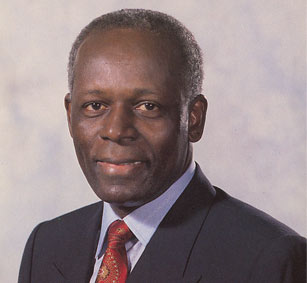
Jose Eduardo Dos Santos
President since 21 September 1979
President since 21 September 1979
| TRAFFICKING IN PERSONS |
Current situation: Angola is a country of origin for women and children trafficked internally for the purpose of domestic servitude
and young men trafficked for the purpose of forced agricultural labor; women and children, primarily, are trafficked to South Africa,
the Democratic Republic of the Congo, Namibia, and Portugal; young boys are trafficked to Namibia to herd cattle; children are
also forced to act as couriers in cross-border trade between Namibia and Angola as part of a scheme to skirt import fees
Tier rating: Tier 2 Watch List - Angola is placed on Tier 2 Watch List because it does not fully comply with the minimum
standards for the elimination of trafficking; however, it is making significant efforts to do so; despite these overall significant efforts,
the Government of Angola has not investigated, prosecuted, or convicted any trafficking offenders; Angola does not have a
comprehensive law that specifically prohibits trafficking in persons, which constrained its anti-trafficking efforts; interagency
cooperation on trafficking issues increased, however, as have the government's efforts to raise the public's awareness of the dangers
of trafficking (2009)
and young men trafficked for the purpose of forced agricultural labor; women and children, primarily, are trafficked to South Africa,
the Democratic Republic of the Congo, Namibia, and Portugal; young boys are trafficked to Namibia to herd cattle; children are
also forced to act as couriers in cross-border trade between Namibia and Angola as part of a scheme to skirt import fees
Tier rating: Tier 2 Watch List - Angola is placed on Tier 2 Watch List because it does not fully comply with the minimum
standards for the elimination of trafficking; however, it is making significant efforts to do so; despite these overall significant efforts,
the Government of Angola has not investigated, prosecuted, or convicted any trafficking offenders; Angola does not have a
comprehensive law that specifically prohibits trafficking in persons, which constrained its anti-trafficking efforts; interagency
cooperation on trafficking issues increased, however, as have the government's efforts to raise the public's awareness of the dangers
of trafficking (2009)
Jose Eduardo Dos Santos
President since 21 September 1979
President since 21 September 1979