
| ANGUILLA Anguilla Anguilla (overseas territory of the United Kingdom) Joined United Nations: 24 October 1945 Human Rights as assured by their constitution Click here Updated 12 January 2013 |

| CAPITAL |
| POPULATION |
| CHIEF OF STATE |
| SELECTION PROCESS |
The Valley
15,423 (July 2012 est.)
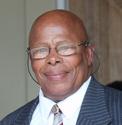
Hubert Hughes
Chief Minister since 16 February 2010
Chief Minister since 16 February 2010
The monarch is hereditary; governor appointed by the monarch;
Next scheduled election: None
Next scheduled election: None
HEAD OF GOVERNMENT
SELECTION PROCESS
Following legislative elections, the leader of the majority party or
the leader of the majority coalition is usually appointed chief
minister by the governor; last held 15 February 2010
Next scheduled election: 2015
the leader of the majority coalition is usually appointed chief
minister by the governor; last held 15 February 2010
Next scheduled election: 2015
| DECLARATION OF HUMAN RIGHTS |
| ETHNIC GROUPS |
Black (predominant) 90.1%, mixed, mulatto 4.6%, white 3.7%, other 1.5% (2001 Census)
| RELIGIONS |
Anglican 29%, Methodist 23.9%, other Protestant 30.2%, Roman Catholic 5.7%, other Christian 1.7%, other 5.2%, none or unspecified
4.3% (2001 census)
4.3% (2001 census)
| GOVERNMENT STRUCTURE |
Overseas territory of the United Kingdom with 0 administrative divisions; Legal system is based on English common law
Executive: the monarch is hereditary; governor appointed by the monarch; following legislative elections, the leader of the majority
party or the leader of the majority coalition is usually appointed chief minister by the governor parliamentary members of the
majority party elections: last held 15 February 2010 (next to be held in 2015)
Legislative: Unicameral House of Assembly (11 seats; 7 members elected by direct popular vote, 2 ex officio members, and 2
appointed; to serve five-year terms); elections: last held 15 February 2010 (next to be held in 2015)
Judicial: High Court (judge provided by Eastern Caribbean Supreme Court)
Executive: the monarch is hereditary; governor appointed by the monarch; following legislative elections, the leader of the majority
party or the leader of the majority coalition is usually appointed chief minister by the governor parliamentary members of the
majority party elections: last held 15 February 2010 (next to be held in 2015)
Legislative: Unicameral House of Assembly (11 seats; 7 members elected by direct popular vote, 2 ex officio members, and 2
appointed; to serve five-year terms); elections: last held 15 February 2010 (next to be held in 2015)
Judicial: High Court (judge provided by Eastern Caribbean Supreme Court)
| LANGUAGES |
English (official)
| BRIEF HISTORY |
The earliest inhabitants of Anguilla were Amerindian tribes from South America, commonly (if imprecisely) referred to as Arawaks,
who travelled to the island on rafts and in dugout canoes, settling in fishing, hunting and farming groups. The Amerindian name for
the island was "Malliouhana". The earliest Amerindian artefacts found on Anguilla have been dated to around 1300 BC, and remains
of settlements dating from 600 AD. have been uncovered. Religious artefacts and remnants of ceremonies found at locations such as
Big Springs and Fountain Cavern suggest that the pre-European inhabitants were extremely religious in nature. The Arawaks are
popularly said to have been later displaced by fiercer Carib tribes, but this version of events is disputed by some. The European
discovery and naming of Anguilla is often credited to French explorer Pierre Laudonnaire who visited the island in 1565, though
according to some it had been sighted and named by Columbus in 1493. The Dutch claimed to have built a fort on the island in
1631, but no remains have been found and the location of the site is unknown. The first English colonists arrived from Saint Kitts in
1650, and began growing both tobacco and corn crops. The early colonisation was precarious: in 1656 Carib Indians invaded and
destroyed the settlements, and in 1666 the island was captured by French forces. However, the British regained control of the
island from the French in 1667 under the Treaty of Breda, and despite hardships caused by poor crop yields, drought and famine,
the settlers hung on. In 1744 Anguillans invaded the French half of the neighbouring island of St Martin, holding it until the Treaty of
Aix-la-Chapelle (1748). During continuing struggles between the British and the French for control in the Caribbean, the French
made further attempts to invade Anguilla in 1745 and 1796 but these failed. Attempts were made to develop Anguilla into a
plantation-based economy employing slaves transported from Africa, but the island's soil and climate were unfavourable and the
plantations were largely unsuccessful. Slaves were permitted to leave the plantations and pursue their own interests, and, with the
British abolition of slavery in the 1830s, many plantation owners returned to Europe, leaving Anguilla's community consisting largely
of subsistence farmers and fishermen of African descent. At this time Anguilla's population is estimated to have fallen from a peak of
around 10,000 to just 2,000. Since the early days of colonisation, Anguilla had been administered by the British through Antigua,
with Anguilla also having its own local council. In 1824 the British government placed Anguilla under the administrative control of
Saint Kitts, later to become part of the colony of Saint Christopher-Nevis-Anguilla (Saint Christopher being an earlier name for
Saint Kitts), itself a member of the Federal Colony of the Leeward Islands. Anguillans protested strongly at this arrangement,
perceiving a lack of interest in their affairs on the part of the Saint Kitts administration, and several requests were made for the island
to be ruled directly from Britain. These requests went unheeded however, and the Anguillans' discontent continued to simmer until
finally brought to a head in the 1960s. On 27 February 1967, Britain granted the territory of Saint Christopher-Nevis-Anguilla the
status of "associated state", with its own constitution and a considerable degree of self-government. Many Anguillans strenuously
objected to the continuing political subservience to Saint Kitts, and on 30 May (known as Anguilla Day), the Saint Kitts police were
evicted from the island. The provisional government requested United States administration, which was declined. On 11 July 1967 a
referendum on Anguilla's secession from the fledgling state was held. The results were 1,813 votes for secession and 5 against. A
separate legislative council was immediately established. Peter Adams served as the first President, but when he agreed to take
Anguilla back to St. Kitts, he was deposed and replaced by Ronald Webster. In December 1967, two members of Britain's
Parliament worked out an interim agreement by which for one year a British official would exercise basic administrative authority
along with the Anguilla Council. Tony Lee took the position in January 1968, but by the end of the term no agreement had been
reached on the long-term future of the island's governance. On February 7, 1969 Anguilla held a second referendum resulting in a
vote of 1,739 to 4 against returning to association with Saint Kitts. At this point Anguilla declared itself an independent republic,
with Webster again serving as President. A new British envoy, William Whitlock, arrived on 11 March 1969 with a proposal for a
new interim British administration. He was quickly expelled. On 19 March a contingent of British "Red Devil" Brigade paratroops,
plus 40 London police officers, peacefully landed on the island, ostensibly to "restore order". That autumn the troops left and Army
engineers were brought in to improve the public works. Tony Lee returned as Commissioner and in 1971 worked out another
"interim agreement" with the islanders. Effectively Anguilla was allowed to secede from Saint Kitts and Nevis; however it was not
until 19 December 1980 that Anguilla formally disassociated itself from Saint Kitts to become a separate British dependency. While
Saint Kitts and Nevis went on to gain full independence from Britain in 1983, Anguilla still remains a British overseas territory. In
recent years Anguilla has become an up-market tourist destination, and tourism is one of the mainstays of the economy. Fishing is
another important economic activity, and a financial services sector is also being developed. The modern population of Anguilla is
largely of African descent, with a minority having European (mainly British) ancestry.
Source: Wikipedia: History of Anguilla
who travelled to the island on rafts and in dugout canoes, settling in fishing, hunting and farming groups. The Amerindian name for
the island was "Malliouhana". The earliest Amerindian artefacts found on Anguilla have been dated to around 1300 BC, and remains
of settlements dating from 600 AD. have been uncovered. Religious artefacts and remnants of ceremonies found at locations such as
Big Springs and Fountain Cavern suggest that the pre-European inhabitants were extremely religious in nature. The Arawaks are
popularly said to have been later displaced by fiercer Carib tribes, but this version of events is disputed by some. The European
discovery and naming of Anguilla is often credited to French explorer Pierre Laudonnaire who visited the island in 1565, though
according to some it had been sighted and named by Columbus in 1493. The Dutch claimed to have built a fort on the island in
1631, but no remains have been found and the location of the site is unknown. The first English colonists arrived from Saint Kitts in
1650, and began growing both tobacco and corn crops. The early colonisation was precarious: in 1656 Carib Indians invaded and
destroyed the settlements, and in 1666 the island was captured by French forces. However, the British regained control of the
island from the French in 1667 under the Treaty of Breda, and despite hardships caused by poor crop yields, drought and famine,
the settlers hung on. In 1744 Anguillans invaded the French half of the neighbouring island of St Martin, holding it until the Treaty of
Aix-la-Chapelle (1748). During continuing struggles between the British and the French for control in the Caribbean, the French
made further attempts to invade Anguilla in 1745 and 1796 but these failed. Attempts were made to develop Anguilla into a
plantation-based economy employing slaves transported from Africa, but the island's soil and climate were unfavourable and the
plantations were largely unsuccessful. Slaves were permitted to leave the plantations and pursue their own interests, and, with the
British abolition of slavery in the 1830s, many plantation owners returned to Europe, leaving Anguilla's community consisting largely
of subsistence farmers and fishermen of African descent. At this time Anguilla's population is estimated to have fallen from a peak of
around 10,000 to just 2,000. Since the early days of colonisation, Anguilla had been administered by the British through Antigua,
with Anguilla also having its own local council. In 1824 the British government placed Anguilla under the administrative control of
Saint Kitts, later to become part of the colony of Saint Christopher-Nevis-Anguilla (Saint Christopher being an earlier name for
Saint Kitts), itself a member of the Federal Colony of the Leeward Islands. Anguillans protested strongly at this arrangement,
perceiving a lack of interest in their affairs on the part of the Saint Kitts administration, and several requests were made for the island
to be ruled directly from Britain. These requests went unheeded however, and the Anguillans' discontent continued to simmer until
finally brought to a head in the 1960s. On 27 February 1967, Britain granted the territory of Saint Christopher-Nevis-Anguilla the
status of "associated state", with its own constitution and a considerable degree of self-government. Many Anguillans strenuously
objected to the continuing political subservience to Saint Kitts, and on 30 May (known as Anguilla Day), the Saint Kitts police were
evicted from the island. The provisional government requested United States administration, which was declined. On 11 July 1967 a
referendum on Anguilla's secession from the fledgling state was held. The results were 1,813 votes for secession and 5 against. A
separate legislative council was immediately established. Peter Adams served as the first President, but when he agreed to take
Anguilla back to St. Kitts, he was deposed and replaced by Ronald Webster. In December 1967, two members of Britain's
Parliament worked out an interim agreement by which for one year a British official would exercise basic administrative authority
along with the Anguilla Council. Tony Lee took the position in January 1968, but by the end of the term no agreement had been
reached on the long-term future of the island's governance. On February 7, 1969 Anguilla held a second referendum resulting in a
vote of 1,739 to 4 against returning to association with Saint Kitts. At this point Anguilla declared itself an independent republic,
with Webster again serving as President. A new British envoy, William Whitlock, arrived on 11 March 1969 with a proposal for a
new interim British administration. He was quickly expelled. On 19 March a contingent of British "Red Devil" Brigade paratroops,
plus 40 London police officers, peacefully landed on the island, ostensibly to "restore order". That autumn the troops left and Army
engineers were brought in to improve the public works. Tony Lee returned as Commissioner and in 1971 worked out another
"interim agreement" with the islanders. Effectively Anguilla was allowed to secede from Saint Kitts and Nevis; however it was not
until 19 December 1980 that Anguilla formally disassociated itself from Saint Kitts to become a separate British dependency. While
Saint Kitts and Nevis went on to gain full independence from Britain in 1983, Anguilla still remains a British overseas territory. In
recent years Anguilla has become an up-market tourist destination, and tourism is one of the mainstays of the economy. Fishing is
another important economic activity, and a financial services sector is also being developed. The modern population of Anguilla is
largely of African descent, with a minority having European (mainly British) ancestry.
Source: Wikipedia: History of Anguilla
| ECONOMIC OVERVIEW |
Anguilla has few natural resources, and the economy depends heavily on luxury tourism, offshore banking, lobster fishing, and
remittances from emigrants. Increased activity in the tourism industry has spurred the growth of the construction sector contributing
to economic growth. Anguillan officials have put substantial effort into developing the offshore financial sector, which is small but
growing. In the medium term, prospects for the economy will depend largely on the tourism sector and, therefore, on revived
income growth in the industrialized nations as well as on favorable weather conditions.
Source: CIA World Factbook (select Anguilla)
remittances from emigrants. Increased activity in the tourism industry has spurred the growth of the construction sector contributing
to economic growth. Anguillan officials have put substantial effort into developing the offshore financial sector, which is small but
growing. In the medium term, prospects for the economy will depend largely on the tourism sector and, therefore, on revived
income growth in the industrialized nations as well as on favorable weather conditions.
Source: CIA World Factbook (select Anguilla)
| POLITICAL CLIMATE |
Politics of Anguilla takes place in a framework of a parliamentary representative democratic dependency, whereby the Chief
Minister is the head of government, and of a pluriform multi-party system. Anguilla, the most northerly of the Leeward Islands in the
Lesser Antilles, is an internally self-governing overseas territory of the United Kingdom. The United Nations Committee on
Decolonization includes Anguilla on the United Nations list of Non-Self-Governing Territories. The territories constitution is Anguilla
Constitutional Order 1 April 1982 (amended 1990). Executive power is exercised by the government. Legislative power is vested
in both the government and the House of Assembly. The Judiciary is independent of the executive and the legislature. Military
defence is the responsibility of the United Kingdom.
The chief minister appointed by the governor from among the members of the House of Assembly His cabinet, the Executive
Council is appointed by the governor from among the elected members of the House of Assembly.
Anguilla elects on territorial level a legislature. The House of Assembly has 11 members, 7 members elected for a five year term in
single-seat constituencies, 2 ex officio members and 2 nominated members. The suffrage is from 18 years. Anguilla has a multi-party
system.
The Anguillan general election was held on 15 February 2010. Seven seats in the Anguilla House of Assembly were contested in the
election. The incumbent Chief Minister of Anguilla Osbourne Fleming chose to retire and not stand for election.[2] Fleming is a
member of the Anguilla National Alliance, which is part of the ruling Anguilla United Front (AUF), a conservative coalition which
won 4 of the 7 seats in the Assembly during the 2005 general election. The incumbent AUF was defeated, and former Chief
Minister Hubert Hughes was sworn in to succeed Fleming as Chief Minister.
Source: Wikipedia: Politics of Anguilla
Minister is the head of government, and of a pluriform multi-party system. Anguilla, the most northerly of the Leeward Islands in the
Lesser Antilles, is an internally self-governing overseas territory of the United Kingdom. The United Nations Committee on
Decolonization includes Anguilla on the United Nations list of Non-Self-Governing Territories. The territories constitution is Anguilla
Constitutional Order 1 April 1982 (amended 1990). Executive power is exercised by the government. Legislative power is vested
in both the government and the House of Assembly. The Judiciary is independent of the executive and the legislature. Military
defence is the responsibility of the United Kingdom.
The chief minister appointed by the governor from among the members of the House of Assembly His cabinet, the Executive
Council is appointed by the governor from among the elected members of the House of Assembly.
Anguilla elects on territorial level a legislature. The House of Assembly has 11 members, 7 members elected for a five year term in
single-seat constituencies, 2 ex officio members and 2 nominated members. The suffrage is from 18 years. Anguilla has a multi-party
system.
The Anguillan general election was held on 15 February 2010. Seven seats in the Anguilla House of Assembly were contested in the
election. The incumbent Chief Minister of Anguilla Osbourne Fleming chose to retire and not stand for election.[2] Fleming is a
member of the Anguilla National Alliance, which is part of the ruling Anguilla United Front (AUF), a conservative coalition which
won 4 of the 7 seats in the Assembly during the 2005 general election. The incumbent AUF was defeated, and former Chief
Minister Hubert Hughes was sworn in to succeed Fleming as Chief Minister.
Source: Wikipedia: Politics of Anguilla
| INTERNATIONAL DISPUTES |
None reported.


| REFUGEES AND INTERNALLY DISPLACED PERSONS (IDPS) |
None reported.
| ILLICIT DRUGS |
Transshipment point for South American narcotics destined for the US and Europe.
| HUMAN RIGHTS STATEMENTS, ANALYSIS AND CRITIQUES |
March 20.2011
COUNTRY DESCRIPTION:
Anguilla is a British overseas territory in the Caribbean, part of the British West Indies. It is a small but rapidly developing island.
CRIME:
While Anguilla's crime rate is relatively low, both petty and violent crimes do occur. There has been an increase in youth gang activity,
but this is mostly limited to local village centers, and there have been no known incidents involving tourists. Travelers should take
common-sense precautions to ensure their personal security, such as avoiding carrying large amounts of cash or displaying expensive
jewelry. Travelers should not leave valuables unattended in hotel rooms or on the beach. They should use hotel safety deposit facilities to
safeguard all valuables and travel documents. Similarly, they should keep their lodgings locked at all times, whether they are present or
away, and should not leave valuables in their vehicles, even when locked.
TRAFFIC SAFETY AND ROAD CONDITIONS:
While in a foreign country, U.S. citizens may encounter road conditions that differ significantly from those in the United States. The
information below concerning Anguilla is provided for general reference only, and may not be totally accurate in a particular location or
circumstance.
Unlike the U.S., traffic in Anguilla moves on the left. The few roads on the island are generally poorly paved and narrow. Traffic
generally moves at a slow pace. Although emergency services, including tow truck service is limited and inconsistent, local residents are
often willing to provide roadside assistance. For police, fire, or ambulance service dial 911.
Click here to read more »
COUNTRY DESCRIPTION:
Anguilla is a British overseas territory in the Caribbean, part of the British West Indies. It is a small but rapidly developing island.
CRIME:
While Anguilla's crime rate is relatively low, both petty and violent crimes do occur. There has been an increase in youth gang activity,
but this is mostly limited to local village centers, and there have been no known incidents involving tourists. Travelers should take
common-sense precautions to ensure their personal security, such as avoiding carrying large amounts of cash or displaying expensive
jewelry. Travelers should not leave valuables unattended in hotel rooms or on the beach. They should use hotel safety deposit facilities to
safeguard all valuables and travel documents. Similarly, they should keep their lodgings locked at all times, whether they are present or
away, and should not leave valuables in their vehicles, even when locked.
TRAFFIC SAFETY AND ROAD CONDITIONS:
While in a foreign country, U.S. citizens may encounter road conditions that differ significantly from those in the United States. The
information below concerning Anguilla is provided for general reference only, and may not be totally accurate in a particular location or
circumstance.
Unlike the U.S., traffic in Anguilla moves on the left. The few roads on the island are generally poorly paved and narrow. Traffic
generally moves at a slow pace. Although emergency services, including tow truck service is limited and inconsistent, local residents are
often willing to provide roadside assistance. For police, fire, or ambulance service dial 911.
Click here to read more »
UNITED NATIONS
HUMAN RIGHTS TREATIES DIVISION
N e w s l e t t e r No. 10
October - November - December 2010
RAISING AWARENESS IN THE CARIBBEAN
Port-of-Spain
9-12 November 2010
The CRPD Secretariat, in collaboration with the Economic Commission for Latin America and the Caribbean (ECLAC) and DESA,
participated in the organization of a sub-regional meeting and capacitydevelopment training workshop in Trinidad and Tobago on the
implementation of the CRPD with the aim to "forward the agenda in the English & Dutch speaking Caribbean region”. Representatives of
15 Member and Associate Member States attended the meeting. Among them,19, Jamaica and St Vincent and the Grenadines are the
only States that have become parties to the Convention to date. CRPD Secretary Safak Pavey participated in the workshop, making
opening speeches and introducing the CRPD to participants and holding training sessions on the processes of ratifying, monitoring, and
implementing the CRPD and on accessibility issues together with DESA. Participants noted the importance of the Convention and of
regional cooperation, including exchanges of best practices of CRPD implementation in the region under the umbrella of ECLAC and
“focus sub-committees” at the State level.
19 Ten Member States are Antigua and Barbuda, Barbados, Dominica, Grenada, Guyana, Jamaica, Saint Lucia, Saint Kitts and Nevis,
Saint Vincent and the Grenadines, and Trinidad and Tobago and five Associate Members are Anguilla, Aruba, British Virgin Islands,
Cayman Islands and Montserrat.
Click here to read more »
HUMAN RIGHTS TREATIES DIVISION
N e w s l e t t e r No. 10
October - November - December 2010
RAISING AWARENESS IN THE CARIBBEAN
Port-of-Spain
9-12 November 2010
The CRPD Secretariat, in collaboration with the Economic Commission for Latin America and the Caribbean (ECLAC) and DESA,
participated in the organization of a sub-regional meeting and capacitydevelopment training workshop in Trinidad and Tobago on the
implementation of the CRPD with the aim to "forward the agenda in the English & Dutch speaking Caribbean region”. Representatives of
15 Member and Associate Member States attended the meeting. Among them,19, Jamaica and St Vincent and the Grenadines are the
only States that have become parties to the Convention to date. CRPD Secretary Safak Pavey participated in the workshop, making
opening speeches and introducing the CRPD to participants and holding training sessions on the processes of ratifying, monitoring, and
implementing the CRPD and on accessibility issues together with DESA. Participants noted the importance of the Convention and of
regional cooperation, including exchanges of best practices of CRPD implementation in the region under the umbrella of ECLAC and
“focus sub-committees” at the State level.
19 Ten Member States are Antigua and Barbuda, Barbados, Dominica, Grenada, Guyana, Jamaica, Saint Lucia, Saint Kitts and Nevis,
Saint Vincent and the Grenadines, and Trinidad and Tobago and five Associate Members are Anguilla, Aruba, British Virgin Islands,
Cayman Islands and Montserrat.
Click here to read more »
No Reports from Freedom House mentioning Anguilla after exhaustive search of their database. Please forward any
information you may have regarding Freedom House efforts on behalf of Anguilla to the Pax Gaea World Report editor at the
link below
Contact the editor »
information you may have regarding Freedom House efforts on behalf of Anguilla to the Pax Gaea World Report editor at the
link below
Contact the editor »
Summit of the Americas fails to address human rights
20 April 2009
The fifth Summit of the Americas has failed to recognize that human rights must be placed at the centre of efforts to confront the many
fundamental challenges facing the region.
Governments from every country in the Americas, except for Cuba, took part in the four-yearly meeting held in Port of Spain, Trinidad
and Tobago, between 17 and 19 April.
The 34 heads of state and government discussed the Summit's three principal themes: human prosperity, energy security and
environmental sustainability.
The Declaration of Commitment of Port of Spain was adopted by consensus at the close of the Summit on 19 April. Based on the three
themes, the Declaration fails to lay out a clear human rights framework for progress in these areas.
A number of governments, including Venezuela, Bolivia, Nicaragua and Honduras, indicated that they were not prepared to formally sign
the Declaration. Leaders agreed to instead adopt it by consensus and have Trinidadian Prime Minister Manning sign on behalf of all
leaders.
The governments that had registered objections did not feel that the Declaration deals adequately with the current global economic crisis.
They also wanted to see strong references to the issue of Cuba's reintegration into Organization of American States (OAS) and the lifting
of the US embargo against Cuba.
Amnesty International delegates at the Summit urged the governments of the region to make a firm commitment to ensuring that all
measures taken in response to the current global economic crisis fully conform to their human rights obligations. But the recognition in
the Declaration of the responsibility governments have to address the crisis does not acknowledge human rights at all.
"At a time of global economic turmoil and with a new spirit of compromise in the air between the government of US President Barrack
Obama and other governments in the Americas this Summit offered an unparalleled opportunity to lay out a strong human rights vision
for the Americas," said Alex Neve, Secretary General of Amnesty International Canada, who was part of the Amnesty International
delegation at the Summit. "Instead, human rights have once again been pushed to the back."
Click here to read more »
20 April 2009
The fifth Summit of the Americas has failed to recognize that human rights must be placed at the centre of efforts to confront the many
fundamental challenges facing the region.
Governments from every country in the Americas, except for Cuba, took part in the four-yearly meeting held in Port of Spain, Trinidad
and Tobago, between 17 and 19 April.
The 34 heads of state and government discussed the Summit's three principal themes: human prosperity, energy security and
environmental sustainability.
The Declaration of Commitment of Port of Spain was adopted by consensus at the close of the Summit on 19 April. Based on the three
themes, the Declaration fails to lay out a clear human rights framework for progress in these areas.
A number of governments, including Venezuela, Bolivia, Nicaragua and Honduras, indicated that they were not prepared to formally sign
the Declaration. Leaders agreed to instead adopt it by consensus and have Trinidadian Prime Minister Manning sign on behalf of all
leaders.
The governments that had registered objections did not feel that the Declaration deals adequately with the current global economic crisis.
They also wanted to see strong references to the issue of Cuba's reintegration into Organization of American States (OAS) and the lifting
of the US embargo against Cuba.
Amnesty International delegates at the Summit urged the governments of the region to make a firm commitment to ensuring that all
measures taken in response to the current global economic crisis fully conform to their human rights obligations. But the recognition in
the Declaration of the responsibility governments have to address the crisis does not acknowledge human rights at all.
"At a time of global economic turmoil and with a new spirit of compromise in the air between the government of US President Barrack
Obama and other governments in the Americas this Summit offered an unparalleled opportunity to lay out a strong human rights vision
for the Americas," said Alex Neve, Secretary General of Amnesty International Canada, who was part of the Amnesty International
delegation at the Summit. "Instead, human rights have once again been pushed to the back."
Click here to read more »
No Reports from Human Rights Watch mentioning Anguilla after exhaustive search of their database. Please forward any
information you may have regarding Human Rights Watch efforts on behalf of Anguilla to the Pax Gaea World Report editor
at the link below
Contact the editor »
information you may have regarding Human Rights Watch efforts on behalf of Anguilla to the Pax Gaea World Report editor
at the link below
Contact the editor »
National Forum on Disability Report
Nov 27, 2012
INTRODUCTION
i. Background
In Anguilla there is no adequate social protection legislation and systems for persons with disabilities. Unfortunately, this has tangible
effects to everyday life for disabled persons in terms of the consistency of access to public buildings and public spaces, employment
opportunities, home care services; assistive devices etc. In addition, disability (see definitions in the programme booklet on pg. 17) is
generally seen as something to be ashamed of, so that disabled persons belong at home out of the public view.
In order to penetrate this myth the public must be continually engaged on the subject of disability through national events, education
programmes/professional courses, focus group sessions, media articles, and messages and the establishment of an environment where
equal opportunity can thrive. The Ministry and Department of Social Development envisage an ongoing national effort to improve the
lives of disabled persons. As such an emphasis on disability in the public domain was identified as the most effective means of bringing
this social issue to the forefront. Indeed, a national engagement would sensitize the public about disability and the development of social
safety net frameworks and mechanisms pertaining to disability. In addition a national event would allow public participation and
contributions.
Presentation 1: Human Rights Context of Disability
• Some business places in Anguilla have disabled parking. However the Inland Revenue Department should come in line with a
corresponding piece such as disabled vehicle tags and license plates. Once these are utilized then if someone without the special tag or
plate parks in any of these disabled spaces they can be issued a ticket and revenue can be collected through fines.
• Legislation should make provisions for persons with disabilities to run for political office.
• Disabled access to new buildings should be made mandatory by law. A good example was sited – the new Sports Centre near Valley
Primary School – will it have disabled access?
Click here to read more »
Nov 27, 2012
INTRODUCTION
i. Background
In Anguilla there is no adequate social protection legislation and systems for persons with disabilities. Unfortunately, this has tangible
effects to everyday life for disabled persons in terms of the consistency of access to public buildings and public spaces, employment
opportunities, home care services; assistive devices etc. In addition, disability (see definitions in the programme booklet on pg. 17) is
generally seen as something to be ashamed of, so that disabled persons belong at home out of the public view.
In order to penetrate this myth the public must be continually engaged on the subject of disability through national events, education
programmes/professional courses, focus group sessions, media articles, and messages and the establishment of an environment where
equal opportunity can thrive. The Ministry and Department of Social Development envisage an ongoing national effort to improve the
lives of disabled persons. As such an emphasis on disability in the public domain was identified as the most effective means of bringing
this social issue to the forefront. Indeed, a national engagement would sensitize the public about disability and the development of social
safety net frameworks and mechanisms pertaining to disability. In addition a national event would allow public participation and
contributions.
Presentation 1: Human Rights Context of Disability
• Some business places in Anguilla have disabled parking. However the Inland Revenue Department should come in line with a
corresponding piece such as disabled vehicle tags and license plates. Once these are utilized then if someone without the special tag or
plate parks in any of these disabled spaces they can be issued a ticket and revenue can be collected through fines.
• Legislation should make provisions for persons with disabilities to run for political office.
• Disabled access to new buildings should be made mandatory by law. A good example was sited – the new Sports Centre near Valley
Primary School – will it have disabled access?
Click here to read more »
The Relativity of the Third Decade on Decolonization
By the United Nation’s Committee of 24.
STATEMENT BY Dr. LANA CONOR HOYOUNG
ANGUILLA NATIONAL COUNCIL OF WOMEN & CIVIL SOCIETY
01 June 2012
INTRODUCTION
Your Excellency, Mr. Chairman and Fellow Members of the Decolonization Committee, Distinguished Representatives, other Participants
- A pleasant Good Morning. Mr. Chair it is most fitting for me to applaud our gracious hosts, the Government and People of Quito,
Ecuador for their splendid hospitality extended. It has been overwhelming signifying their full understanding of this forum a true sense of
their empathy and being a true product of a freed people.
Thank you, Mr. Chairman, for this opportunity to speak on behalf of The Anguilla National Council of Women that comprises of thirty-
five active women organizations and some 4 unisex organizations, of whom, wholeheartedly I am please to inform that my presence here
today is supported by the wider Anguillian Society, be they Churches, Political Caucus Groups, Parliamentarians and Government alike,
dignified professionals, the Media and Civil Society all in one accord echoing the theme of Anguilla’s Right to Self Determination. Mr.
Chairman The United Nations Decolonization Committee of 24 assembling this time goes beyond co-incidence, for in that while we
meet in this forum the people of Anguilla is celebrating 45 years since we stood up, made it known to the world that we stand up against
oppression and maintain our right to freedom, from social, economic and political injustice. The echo since 1967 still runs deep and the
beacon still guides us out of the pharaohs’ disguise armies. Our people since 1967 winged their way right the UN in our fight for political
freedom. Today our presence here is to confirm that Self Governance is a must and will be achieved hence we affirm that the Third
decade on Decolonization is necessary and should not conclude until every oppressed colony of people is liberated. Our participation is to
further facilitate communication; provide a common voice at regional and international forums, such as this Seminar, on our inherent
collective right. As one people, with one voice, we strengthen our Anguillian identity, our unity, our culture and social action to
represent the communities I and all the organizations we serve.
Mr. Chairman, we the people of Anguilla commend you and your Committee's monumental work, undertaken through the U.N.
decolonization process, to assure the fulfillment of the exercise to self-determination and political independence for oppressed, colonized,
peoples all over the world.
However, in spite of these notable achievements, we the people of Anguilla are gravely concerned that colonialism by our Sovereign
Kingdom, is taking place in new and changing forms, all the more it has accelerated and intensified, rather than declined. Therefore, the
need for the decolonization campaign is even greater, rather than less, as gather in this second year on the third Decade on
Decolonization; it must be lit with decisive action, for the empowerment of the people through education beyond the three R’s but rather;
it has to be of the people. Our Human capital must be sustained with manpower that is necessary for that ultimate leap to being an
autonomous. The third decade on decolonization demands the full commitment of all players to be open and frank in partnering in this
process... I dare say having been witness to the last decade we must move beyond mere rhetoric. The decade must enable the native
people to engage in sustainable development, through proper exploration and management of our natural resources. To bring the point
home Anguilla’s vast span of ocean with our flourishing seabed of fish is not fully utilized by our people because of lack of skill and
finance our Sovereign Head who is known to be masters of the sea has not to this date in any partnership with us in this area but instead,
it is being scaled by other Nations. This is just one example of enabling us as a people to be masters of our own destiny. Our people
must be prepared with skills or know how and have the necessary equipment; Mr. Chairman that’s where you and your organizations
must assist.
Click here to read more »
By the United Nation’s Committee of 24.
STATEMENT BY Dr. LANA CONOR HOYOUNG
ANGUILLA NATIONAL COUNCIL OF WOMEN & CIVIL SOCIETY
01 June 2012
INTRODUCTION
Your Excellency, Mr. Chairman and Fellow Members of the Decolonization Committee, Distinguished Representatives, other Participants
- A pleasant Good Morning. Mr. Chair it is most fitting for me to applaud our gracious hosts, the Government and People of Quito,
Ecuador for their splendid hospitality extended. It has been overwhelming signifying their full understanding of this forum a true sense of
their empathy and being a true product of a freed people.
Thank you, Mr. Chairman, for this opportunity to speak on behalf of The Anguilla National Council of Women that comprises of thirty-
five active women organizations and some 4 unisex organizations, of whom, wholeheartedly I am please to inform that my presence here
today is supported by the wider Anguillian Society, be they Churches, Political Caucus Groups, Parliamentarians and Government alike,
dignified professionals, the Media and Civil Society all in one accord echoing the theme of Anguilla’s Right to Self Determination. Mr.
Chairman The United Nations Decolonization Committee of 24 assembling this time goes beyond co-incidence, for in that while we
meet in this forum the people of Anguilla is celebrating 45 years since we stood up, made it known to the world that we stand up against
oppression and maintain our right to freedom, from social, economic and political injustice. The echo since 1967 still runs deep and the
beacon still guides us out of the pharaohs’ disguise armies. Our people since 1967 winged their way right the UN in our fight for political
freedom. Today our presence here is to confirm that Self Governance is a must and will be achieved hence we affirm that the Third
decade on Decolonization is necessary and should not conclude until every oppressed colony of people is liberated. Our participation is to
further facilitate communication; provide a common voice at regional and international forums, such as this Seminar, on our inherent
collective right. As one people, with one voice, we strengthen our Anguillian identity, our unity, our culture and social action to
represent the communities I and all the organizations we serve.
Mr. Chairman, we the people of Anguilla commend you and your Committee's monumental work, undertaken through the U.N.
decolonization process, to assure the fulfillment of the exercise to self-determination and political independence for oppressed, colonized,
peoples all over the world.
However, in spite of these notable achievements, we the people of Anguilla are gravely concerned that colonialism by our Sovereign
Kingdom, is taking place in new and changing forms, all the more it has accelerated and intensified, rather than declined. Therefore, the
need for the decolonization campaign is even greater, rather than less, as gather in this second year on the third Decade on
Decolonization; it must be lit with decisive action, for the empowerment of the people through education beyond the three R’s but rather;
it has to be of the people. Our Human capital must be sustained with manpower that is necessary for that ultimate leap to being an
autonomous. The third decade on decolonization demands the full commitment of all players to be open and frank in partnering in this
process... I dare say having been witness to the last decade we must move beyond mere rhetoric. The decade must enable the native
people to engage in sustainable development, through proper exploration and management of our natural resources. To bring the point
home Anguilla’s vast span of ocean with our flourishing seabed of fish is not fully utilized by our people because of lack of skill and
finance our Sovereign Head who is known to be masters of the sea has not to this date in any partnership with us in this area but instead,
it is being scaled by other Nations. This is just one example of enabling us as a people to be masters of our own destiny. Our people
must be prepared with skills or know how and have the necessary equipment; Mr. Chairman that’s where you and your organizations
must assist.
Click here to read more »
14 October, 2010
The End
Three times unlucky. That is what they said in the trenches during World War I. If you were a soldier taking cover in a trench and lit
one cigarette at night, the sniper might miss. By the time you lit the second one, he had you spotted. If that shot did not get you, the
third one was bound to splatter your head. Hence, third time unlucky.
I have now received my third “letter before action”. A subject of several posts on my blog has sent me a letter threatening a law suit if I
do not apologise to him for what he claims are defamatory articles I have posted of him going back to 2007. I have sought legal advice,
and am awaiting word from my attorney on how I should respond.
It may be worth remembering the recent history of this blog. It started in December 2006. By 2006, the lone Anguillian radio call-in
programme, Talk Your Mind, had degenerated into social chatter about carnival and culture. There were no other radio stations
engaging the public in any kind of serious discourse. By 2010 that has all changed. Each of the several radio stations in Anguilla now
hosts one or more radio call-in programmes per week. At each of them the citizen is invited to express his opinion and to criticise
government action and inaction. Even Talk Your Mind now once again occasionally deals with controversial issues.
When the blog started, our two local newspapers The Anguillian and The Light published only press releases and society stuff. No
more. Since the blog started, they have begun to print critical and analytical stuff about the goings on in government. Last week’s
Anguillian alone boasted over 6 pages of serious social and political commentary.
Back in December 2006 gang violence had never been as pervasive as it was in that year. There were more murders in Anguilla in that
year than in a normal decade. The Royal Anguilla Police Force was secretive and defensive about its actions. Its members were held in
very low public esteem. They complained that the public was not cooperating with their investigations. They had not yet started holding
their weekly press conferences. They do so now. They now keep us up to date with what is going on in the criminal court, and on the
criminal front. This welcome public relations effort began immediately after I met with the Commissioner of Police and his senior
officials and pointed out how useful and necessary such an activity would be. Police relations with the public of Anguilla has since gone
through a ground sea swell.
Back in 2006, the then Chief Minister Osborne Fleming had long stopped the tradition of weekly press conferences that Hubert Hughes
had engaged in when he was in office. This blog complained frequently about the negative impact that this secrecy and lack of
information had on the society. You will recall that many of us were then suspicious of government. There was a sullen acceptance
that things were going on that none of us was being told about. The blog posted several pieces pointing out the need for more openness
in government, particularly for press conferences after the weekly Executive Council meeting, so that we could be informed what
government was doing for us. Shortly after the blog began to make these complaints, the Chief Minister started his weekly press
conferences. It is true that they were not informative, about government, but mainly political propaganda, about the Chief Minister’s
take on his enemies and their motives. There is still to this day no weekly press conference on the activities and decisions of ExCo, and
that is a shame. Hubert Hughes has continued the tradition of political press conferences. Never mind, at least it is something. For
what little it is worth, this blog can claim some credit.
There are plenty of other forums out there performing the function for which this blog was started. There is axareality.com. That
forum does occasionally tend to be juvenile and bad tempered, but it posts interesting documents. There is some political discussion on
Anguilla Talk though lately it has mainly died down, reportedly in response to threats of legal action.
I no longer feel like a lone voice crying in the wilderness for some openness, transparency and accountability. Closing this blog down
will not be a serious loss. Several others have taken up the mantle and are carrying on demanding the high standards of public life that
we all expect.
The bottom line is that whether the gentleman who is threatening action against me is right or wrong, I am not prepared to expose
Maggie Mitchell’s retirement fund to more risk of depletion. Since I evidently lack the necessary skills of dissimulation, it would seem
that the only way to ensure this objective is to cease publishing. This will therefore probably be my last post on this blog.
A pity, really, as the site was nearly at the 250,000 visitor mark.
Click here to read more>>
The End
Three times unlucky. That is what they said in the trenches during World War I. If you were a soldier taking cover in a trench and lit
one cigarette at night, the sniper might miss. By the time you lit the second one, he had you spotted. If that shot did not get you, the
third one was bound to splatter your head. Hence, third time unlucky.
I have now received my third “letter before action”. A subject of several posts on my blog has sent me a letter threatening a law suit if I
do not apologise to him for what he claims are defamatory articles I have posted of him going back to 2007. I have sought legal advice,
and am awaiting word from my attorney on how I should respond.
It may be worth remembering the recent history of this blog. It started in December 2006. By 2006, the lone Anguillian radio call-in
programme, Talk Your Mind, had degenerated into social chatter about carnival and culture. There were no other radio stations
engaging the public in any kind of serious discourse. By 2010 that has all changed. Each of the several radio stations in Anguilla now
hosts one or more radio call-in programmes per week. At each of them the citizen is invited to express his opinion and to criticise
government action and inaction. Even Talk Your Mind now once again occasionally deals with controversial issues.
When the blog started, our two local newspapers The Anguillian and The Light published only press releases and society stuff. No
more. Since the blog started, they have begun to print critical and analytical stuff about the goings on in government. Last week’s
Anguillian alone boasted over 6 pages of serious social and political commentary.
Back in December 2006 gang violence had never been as pervasive as it was in that year. There were more murders in Anguilla in that
year than in a normal decade. The Royal Anguilla Police Force was secretive and defensive about its actions. Its members were held in
very low public esteem. They complained that the public was not cooperating with their investigations. They had not yet started holding
their weekly press conferences. They do so now. They now keep us up to date with what is going on in the criminal court, and on the
criminal front. This welcome public relations effort began immediately after I met with the Commissioner of Police and his senior
officials and pointed out how useful and necessary such an activity would be. Police relations with the public of Anguilla has since gone
through a ground sea swell.
Back in 2006, the then Chief Minister Osborne Fleming had long stopped the tradition of weekly press conferences that Hubert Hughes
had engaged in when he was in office. This blog complained frequently about the negative impact that this secrecy and lack of
information had on the society. You will recall that many of us were then suspicious of government. There was a sullen acceptance
that things were going on that none of us was being told about. The blog posted several pieces pointing out the need for more openness
in government, particularly for press conferences after the weekly Executive Council meeting, so that we could be informed what
government was doing for us. Shortly after the blog began to make these complaints, the Chief Minister started his weekly press
conferences. It is true that they were not informative, about government, but mainly political propaganda, about the Chief Minister’s
take on his enemies and their motives. There is still to this day no weekly press conference on the activities and decisions of ExCo, and
that is a shame. Hubert Hughes has continued the tradition of political press conferences. Never mind, at least it is something. For
what little it is worth, this blog can claim some credit.
There are plenty of other forums out there performing the function for which this blog was started. There is axareality.com. That
forum does occasionally tend to be juvenile and bad tempered, but it posts interesting documents. There is some political discussion on
Anguilla Talk though lately it has mainly died down, reportedly in response to threats of legal action.
I no longer feel like a lone voice crying in the wilderness for some openness, transparency and accountability. Closing this blog down
will not be a serious loss. Several others have taken up the mantle and are carrying on demanding the high standards of public life that
we all expect.
The bottom line is that whether the gentleman who is threatening action against me is right or wrong, I am not prepared to expose
Maggie Mitchell’s retirement fund to more risk of depletion. Since I evidently lack the necessary skills of dissimulation, it would seem
that the only way to ensure this objective is to cease publishing. This will therefore probably be my last post on this blog.
A pity, really, as the site was nearly at the 250,000 visitor mark.
Click here to read more>>
| Click map for larger view |
| Click flag for Country Report |



Elizabeth II of the United Kingdom
Queen since 6 February 1952
Queen since 6 February 1952
Alistair Harrison
Governor since 21 April 2009
Governor since 21 April 2009
| TRAFFICKING IN PERSONS |
None reported.