
| ARGENTINA Argentine Republic Republica Argentina Joined United Nations: 24 October 1945 Human Rights as assured by their constitution Click here Updated 03 September 2012 |

| CAPITAL |
| POPULATION |
| CHIEF OF STATE |
| SELECTION PROCESS |
Buenos Aires
42,192,494 (July 2012 est.)
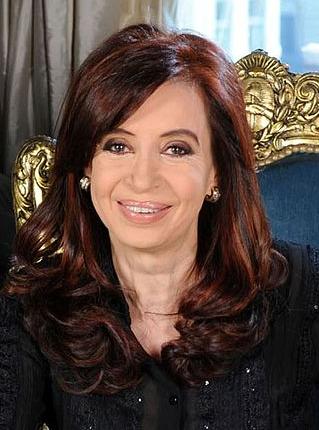
Cristina Fernandez de Kirchner
President since 10 December 2007
President since 10 December 2007
President and vice president elected on the same ticket by
popular vote for four-year terms (eligible for a second term);
election last held 28 October 2007
Next scheduled election: 2011
popular vote for four-year terms (eligible for a second term);
election last held 28 October 2007
Next scheduled election: 2011
HEAD OF GOVERNMENT
SELECTION PROCESS
According to the Argentine Constitution, the president is both
the chief of state and head of government
the chief of state and head of government
| DECLARATION OF HUMAN RIGHTS |
| ETHNIC GROUPS |
White (mostly Spanish and Italian) 97%, mestizo (mixed white and Amerindian ancestry), Amerindian, or other non-white groups
3%
3%
| RELIGIONS |
Nominally Roman Catholic 92% (less than 20% practicing), Protestant 2%, Jewish 2%, other 4%
| GOVERNMENT STRUCTURE |
Republic with 23 provinces (provincias, singular - provincia) and 1 autonomous city (distrito federal). Legal system is a mixture of US
and West European legal systems; has not accepted compulsory ICJ jurisdiction
Executive: President and Vice President elected on the same ticket by popular vote for four-year terms (eligible for a second term); election
last held 23 October 2011 (next election to be held in October 2015)
Legislative: Bicameral National Congress or Congreso Nacional consists of the Senate (72 seats; members are elected by direct
vote; presently one-third of the members elected every two years to serve six-year terms) and the Chamber of Deputies (257 seats;
members are elected by direct vote; one-half of the members elected every two years to serve four-year terms)
elections: Senate - last held on 23 October 2011 (next to be held in 2013); Chamber of Deputies - last held on 23 October 2011
(next to be held in 2013)
Judicial: Supreme Court or Corte Suprema (the nine Supreme Court judges are appointed by the president with approval by the
Senate)
and West European legal systems; has not accepted compulsory ICJ jurisdiction
Executive: President and Vice President elected on the same ticket by popular vote for four-year terms (eligible for a second term); election
last held 23 October 2011 (next election to be held in October 2015)
Legislative: Bicameral National Congress or Congreso Nacional consists of the Senate (72 seats; members are elected by direct
vote; presently one-third of the members elected every two years to serve six-year terms) and the Chamber of Deputies (257 seats;
members are elected by direct vote; one-half of the members elected every two years to serve four-year terms)
elections: Senate - last held on 23 October 2011 (next to be held in 2013); Chamber of Deputies - last held on 23 October 2011
(next to be held in 2013)
Judicial: Supreme Court or Corte Suprema (the nine Supreme Court judges are appointed by the president with approval by the
Senate)
| LANGUAGES |
Spanish (official), English, Italian, German, French
| BRIEF HISTORY |
The area now known as Argentina was relatively sparsely populated until the period of European colonization. The Diaguita of
northwestern Argentina lived on the edges of the expanding Inca Empire; the Guaraní lived farther east. The Diaguita culture
developed between the 8th and 16th centuries in what are now the provinces of Salta, Catamarca, La Rioja and Tucumán in
northwestern Argentina, and in the Atacama and Coquimbo regions of northern Chile. Guaraní was one of the most important tribal
groups of South America, formerly living mostly between the Uruguay and lower Paraguay Rivers in what is now Paraguay, and the
Corrientes and Entre Rios Provinces of Argentina. Europeans arrived in the region with the 1502 voyage of Amerigo Vespucci.
Spanish navigator Juan Díaz de Solís visited the territory which is now Argentina in 1516. Spain established a permanent colony on
the site of Buenos Aires in 1580 as part of the Viceroyalty of Peru; initial settlement was primarily overland from Peru. The natural
port of the Río de la Plata estuary could not be used because all communications and commerce were meant to be made through
Lima's port, a condition that made contraband the usual way of commerce in cities such as Asunción, Buenos Aires, and
Montevideo. The Spanish raised the status of this region by establishing the Viceroyalty of the Río de la Plata (Virreinato del Río de
la Plata) in 1776. This short-lived viceroyalty comprised today's Argentina, Uruguay, and Paraguay, as well as much of present-day
Bolivia. During this era, Buenos Aires became a flourishing port only after the creation of the Viceroyalty of the Río de la Plata, as
the revenues from the Potosí, the increasing maritime activity in terms of goods rather than precious metals, the production of cattle
for exports of leather and other products, and other political reasons, made Buenos Aires to gradually become one of the most
important commercial centers of the region. However the viceroyalty was shortlived, due to lack of internal cohesion among the
many regions that constituted it and lack of Spanish support. It crashed when Napoleon successfully invaded Spain and overthrew
the Spanish monarchy. The failed British invasions of the Río de la Plata in 1806 and 1807 had also boosted the confidence of the
colonists, because they successfully stood up against one of the world powers. News of the French Revolution and the American
Revolutionary War brought liberal ideas to Latin America. After the French seized the power in Spain, Buenos Aires formed its
own junta on May 25, 1810 and invited the other provinces to join. However, the reluctance of some factions and the centralist
tendencies of the more radical activists delayed a formal declaration of independence. In the meantime, Paraguay made its own
declaration of independence in 1812. Military campaigns led by General José de San Martín between 1814 and 1817 made
independence increasingly a reality. Argentines revere San Martín, who campaigned in Argentina, Chile, and Peru, as the hero of
their national independence. On July 9, 1816, a Congress gathered at Tucumán (the Congress of Tucumán) finally issued a formal
declaration of independence from Spain. Bolivia declared itself independent in 1825, as did Uruguay in 1828 after the Argentina-
Brazil War. The United Kingdom officially recognized Argentinian independence in 1825, with the signing of a Treaty of Friendship,
Commerce, and Navigation on February 2; the British chargé d'affaires at Buenos Aires, Woodbine Parish, signed on behalf of his
country. After a revolution under General Justo José de Urquiza, a defecting federalist supported by Uruguay and Brazil, Argentine
national unity was at least nominally established, and a constitution promulgated in 1853. Two forces combined to create the
modern Argentine nation in the late 19th century: the introduction of modern agricultural techniques and integration of Argentina into
the world economy. Foreign investment and immigration from Europe aided this economic revolution. Investment, primarily British,
came in such fields as railroads and ports, but the foreign owners expected to retain controls. The migrants who worked to develop
Argentina's resources (especially the western pampas) came from throughout Europe, just as in the United States. These years of
prosperity ended with the Crash of 1929 and the ensuing worldwide economic crisis. The Argentine military forced aged Hipólito
Yrigoyen from power in 1930 and ushered in another decade of Conservative rule. The collapse of international trade led to an
industrial growth focused on import substitution, leading to a stronger economic independence (relatively, because oil production in
the country was dominated by foreign companies, mostly from the USA, something that Yrigoyen wanted to stop and one of the
reasons of the external support to the military coup). At the same time a climate of increasing political conflict arose, with
confrontation between right-wing fascists and leftist radicals, with military-oriented conservatives controlling the government. Thanks
to fraudulent polls, Roberto Ortiz was elected president in 1937 and took office the next year, but due to his fragile health he was
followed (de-facto in 1940, de-jure in 1942) by his vice-president Ramón Castillo. Argentina was officially neutral during most of
the Second World War; the public remained divided, however the military governments that ruled between the years 1943-1946
favoured the Axis Powers, although towards the end of the war Argentina entered on the Allied side. The military ousted
Argentina's constitutional government in 1943. Perón, then an army colonel, was one of the coup's leaders, and soon became the
government's dominant figure as Minister of Labor. Mass protests in 1945 led to Perón's victory in elections on February 20, 1946.
He aggressively pursued policies aimed at giving an economic and political voice to the working class and greatly expanded the
number of unionized workers. In 1947, Perón announced the first 5-year plan based on the growth of nationalized industries. He
helped establish the powerful General Confederation of Labor (Confederación General del Trabajo, CGT). Perón's dynamic wife,
Eva Perón, known as Evita, was a former actress from a working class background. Evita helped her husband develop strength
with labor and women's groups. Through her influence women obtained the right to vote in 1947. Her death from cancer in 1952
cost Perón a key political ally. In 1949 Perón pushed through a constitutional amendment to allow him to run for a second term,
which he won in 1952, but a military coup (Revolución Libertadora) led by Eduardo Lonardi deposed him in 1955. He was forced
to exile, eventually settling in Francoist Spain. Even in exile, he remained popular with the Argentine masses. Amidst escalating
terror from right and left alike, Perón decided to return and assume the presidency. On June 20, 1973, two million people waited
for him at Ezeiza airport. From Perón's speaking platform, camouflaged far-right gunmen, some of them from the Argentine
Anticommunist Alliance (Triple A, founded by José López Rega), fired on the masses, shooting at the Peronist Youth movement
and the Montoneros, killing at least thirteen and injuring more than three hundred (this became known as the Ezeiza massacre). The
costs of what became known as the "Dirty War" were high in terms of lives lost and basic human rights violated. About 1,500
deaths can be attributed to various guerrilla attacks and assassinations. The 1984 Commission on the Disappeared documented the
disappearance and probable death at the hands of the military regime of about 11,000 people, relatively few of whom were likely
Montonero or ERP cadres. About 900 more disappeared during the right-wing Peronist government prior to the coup. Human
rights groups estimate that over 30,000 persons became "disappeared" (i. e. arrested and secretly executed without trial) during the
1976–1983 period; still others went into exile. Few dared to speak out, except the Mothers of the Plaza de Mayo, mothers of the
dead and disappeared, who began holding vigils in April 1977, demanding (unsuccessfully) an accounting for these crimes. Serious
economic problems, mounting charges of corruption, public revulsion in the face of human rights abuses and, finally, the country's
1982 defeat by the UK in the Falklands War following Argentina's unsuccessful attempt to seize the Falkland Islands all combined
to discredit the Argentine military regime. Under strong public pressure, the junta lifted bans on political parties and gradually
restored basic political liberties. On October 30, 1983, Argentines went to the polls to choose a president; vice-president; and
national, provincial, and local officials in elections found by international observers to be fair and honest. The country returned to
constitutional rule after Raúl Alfonsín, candidate of the Radical Civic Union (Unión Cívica Radical, UCR), received 52% of the
popular vote for president. The constitution was reformed in 1994 as a result of the so-called Olivos Pact with the opposition
Radical Party. The overall economy declined drastically during December 2001. The resulting riots led to dozens of deaths.
President Duhalde faced a country in turmoil. His administration had to deal with a wave of protests (middle-class cacerolazos and
unemployed piqueteros), and did so with a relatively tolerant policy, intending to minimize violence. After a year, Duhalde deemed
his tasks fulfilled and, pressured by certain political factors, called for elections, which in April 2003 brought Néstor Kirchner to
power. Several pundits have pointed out that he appears to be part of a new group of leaders in Latin America who have a
sometimes testy to downright hostile relationship with Washington because of their opposition to what they see as destructive
neoliberal and free market policies. Speculation has emerged about a possible anti-U.S. coalition of Latin American countries
including Brazil under Lula, Cuba under Castro, Venezuela under Chávez, and Kirchner's government. On December 10, 2007,
Cristina Fernández de Kirchner took over the presidency from her husband, after winning elections with 44% of the vote. Néstor
Kirchner remained a highly influential politician during the term of Cristina Fernández de Kirchner. The press developed the term
"presidential marriage" to make reference to both of them at once. he political style of the government changed with the Death and
state funeral of Néstor Kirchner. Cristina slowly distanced from the traditional structure of the Justicialist Party and favored instead
The Campora, a group of young supporters led by her son Máximo Kirchner.
Source: Wikipedia: History of Argentina
northwestern Argentina lived on the edges of the expanding Inca Empire; the Guaraní lived farther east. The Diaguita culture
developed between the 8th and 16th centuries in what are now the provinces of Salta, Catamarca, La Rioja and Tucumán in
northwestern Argentina, and in the Atacama and Coquimbo regions of northern Chile. Guaraní was one of the most important tribal
groups of South America, formerly living mostly between the Uruguay and lower Paraguay Rivers in what is now Paraguay, and the
Corrientes and Entre Rios Provinces of Argentina. Europeans arrived in the region with the 1502 voyage of Amerigo Vespucci.
Spanish navigator Juan Díaz de Solís visited the territory which is now Argentina in 1516. Spain established a permanent colony on
the site of Buenos Aires in 1580 as part of the Viceroyalty of Peru; initial settlement was primarily overland from Peru. The natural
port of the Río de la Plata estuary could not be used because all communications and commerce were meant to be made through
Lima's port, a condition that made contraband the usual way of commerce in cities such as Asunción, Buenos Aires, and
Montevideo. The Spanish raised the status of this region by establishing the Viceroyalty of the Río de la Plata (Virreinato del Río de
la Plata) in 1776. This short-lived viceroyalty comprised today's Argentina, Uruguay, and Paraguay, as well as much of present-day
Bolivia. During this era, Buenos Aires became a flourishing port only after the creation of the Viceroyalty of the Río de la Plata, as
the revenues from the Potosí, the increasing maritime activity in terms of goods rather than precious metals, the production of cattle
for exports of leather and other products, and other political reasons, made Buenos Aires to gradually become one of the most
important commercial centers of the region. However the viceroyalty was shortlived, due to lack of internal cohesion among the
many regions that constituted it and lack of Spanish support. It crashed when Napoleon successfully invaded Spain and overthrew
the Spanish monarchy. The failed British invasions of the Río de la Plata in 1806 and 1807 had also boosted the confidence of the
colonists, because they successfully stood up against one of the world powers. News of the French Revolution and the American
Revolutionary War brought liberal ideas to Latin America. After the French seized the power in Spain, Buenos Aires formed its
own junta on May 25, 1810 and invited the other provinces to join. However, the reluctance of some factions and the centralist
tendencies of the more radical activists delayed a formal declaration of independence. In the meantime, Paraguay made its own
declaration of independence in 1812. Military campaigns led by General José de San Martín between 1814 and 1817 made
independence increasingly a reality. Argentines revere San Martín, who campaigned in Argentina, Chile, and Peru, as the hero of
their national independence. On July 9, 1816, a Congress gathered at Tucumán (the Congress of Tucumán) finally issued a formal
declaration of independence from Spain. Bolivia declared itself independent in 1825, as did Uruguay in 1828 after the Argentina-
Brazil War. The United Kingdom officially recognized Argentinian independence in 1825, with the signing of a Treaty of Friendship,
Commerce, and Navigation on February 2; the British chargé d'affaires at Buenos Aires, Woodbine Parish, signed on behalf of his
country. After a revolution under General Justo José de Urquiza, a defecting federalist supported by Uruguay and Brazil, Argentine
national unity was at least nominally established, and a constitution promulgated in 1853. Two forces combined to create the
modern Argentine nation in the late 19th century: the introduction of modern agricultural techniques and integration of Argentina into
the world economy. Foreign investment and immigration from Europe aided this economic revolution. Investment, primarily British,
came in such fields as railroads and ports, but the foreign owners expected to retain controls. The migrants who worked to develop
Argentina's resources (especially the western pampas) came from throughout Europe, just as in the United States. These years of
prosperity ended with the Crash of 1929 and the ensuing worldwide economic crisis. The Argentine military forced aged Hipólito
Yrigoyen from power in 1930 and ushered in another decade of Conservative rule. The collapse of international trade led to an
industrial growth focused on import substitution, leading to a stronger economic independence (relatively, because oil production in
the country was dominated by foreign companies, mostly from the USA, something that Yrigoyen wanted to stop and one of the
reasons of the external support to the military coup). At the same time a climate of increasing political conflict arose, with
confrontation between right-wing fascists and leftist radicals, with military-oriented conservatives controlling the government. Thanks
to fraudulent polls, Roberto Ortiz was elected president in 1937 and took office the next year, but due to his fragile health he was
followed (de-facto in 1940, de-jure in 1942) by his vice-president Ramón Castillo. Argentina was officially neutral during most of
the Second World War; the public remained divided, however the military governments that ruled between the years 1943-1946
favoured the Axis Powers, although towards the end of the war Argentina entered on the Allied side. The military ousted
Argentina's constitutional government in 1943. Perón, then an army colonel, was one of the coup's leaders, and soon became the
government's dominant figure as Minister of Labor. Mass protests in 1945 led to Perón's victory in elections on February 20, 1946.
He aggressively pursued policies aimed at giving an economic and political voice to the working class and greatly expanded the
number of unionized workers. In 1947, Perón announced the first 5-year plan based on the growth of nationalized industries. He
helped establish the powerful General Confederation of Labor (Confederación General del Trabajo, CGT). Perón's dynamic wife,
Eva Perón, known as Evita, was a former actress from a working class background. Evita helped her husband develop strength
with labor and women's groups. Through her influence women obtained the right to vote in 1947. Her death from cancer in 1952
cost Perón a key political ally. In 1949 Perón pushed through a constitutional amendment to allow him to run for a second term,
which he won in 1952, but a military coup (Revolución Libertadora) led by Eduardo Lonardi deposed him in 1955. He was forced
to exile, eventually settling in Francoist Spain. Even in exile, he remained popular with the Argentine masses. Amidst escalating
terror from right and left alike, Perón decided to return and assume the presidency. On June 20, 1973, two million people waited
for him at Ezeiza airport. From Perón's speaking platform, camouflaged far-right gunmen, some of them from the Argentine
Anticommunist Alliance (Triple A, founded by José López Rega), fired on the masses, shooting at the Peronist Youth movement
and the Montoneros, killing at least thirteen and injuring more than three hundred (this became known as the Ezeiza massacre). The
costs of what became known as the "Dirty War" were high in terms of lives lost and basic human rights violated. About 1,500
deaths can be attributed to various guerrilla attacks and assassinations. The 1984 Commission on the Disappeared documented the
disappearance and probable death at the hands of the military regime of about 11,000 people, relatively few of whom were likely
Montonero or ERP cadres. About 900 more disappeared during the right-wing Peronist government prior to the coup. Human
rights groups estimate that over 30,000 persons became "disappeared" (i. e. arrested and secretly executed without trial) during the
1976–1983 period; still others went into exile. Few dared to speak out, except the Mothers of the Plaza de Mayo, mothers of the
dead and disappeared, who began holding vigils in April 1977, demanding (unsuccessfully) an accounting for these crimes. Serious
economic problems, mounting charges of corruption, public revulsion in the face of human rights abuses and, finally, the country's
1982 defeat by the UK in the Falklands War following Argentina's unsuccessful attempt to seize the Falkland Islands all combined
to discredit the Argentine military regime. Under strong public pressure, the junta lifted bans on political parties and gradually
restored basic political liberties. On October 30, 1983, Argentines went to the polls to choose a president; vice-president; and
national, provincial, and local officials in elections found by international observers to be fair and honest. The country returned to
constitutional rule after Raúl Alfonsín, candidate of the Radical Civic Union (Unión Cívica Radical, UCR), received 52% of the
popular vote for president. The constitution was reformed in 1994 as a result of the so-called Olivos Pact with the opposition
Radical Party. The overall economy declined drastically during December 2001. The resulting riots led to dozens of deaths.
President Duhalde faced a country in turmoil. His administration had to deal with a wave of protests (middle-class cacerolazos and
unemployed piqueteros), and did so with a relatively tolerant policy, intending to minimize violence. After a year, Duhalde deemed
his tasks fulfilled and, pressured by certain political factors, called for elections, which in April 2003 brought Néstor Kirchner to
power. Several pundits have pointed out that he appears to be part of a new group of leaders in Latin America who have a
sometimes testy to downright hostile relationship with Washington because of their opposition to what they see as destructive
neoliberal and free market policies. Speculation has emerged about a possible anti-U.S. coalition of Latin American countries
including Brazil under Lula, Cuba under Castro, Venezuela under Chávez, and Kirchner's government. On December 10, 2007,
Cristina Fernández de Kirchner took over the presidency from her husband, after winning elections with 44% of the vote. Néstor
Kirchner remained a highly influential politician during the term of Cristina Fernández de Kirchner. The press developed the term
"presidential marriage" to make reference to both of them at once. he political style of the government changed with the Death and
state funeral of Néstor Kirchner. Cristina slowly distanced from the traditional structure of the Justicialist Party and favored instead
The Campora, a group of young supporters led by her son Máximo Kirchner.
Source: Wikipedia: History of Argentina
| ECONOMIC OVERVIEW |
ArgArgentina benefits from rich natural resources, a highly literate population, an export-oriented agricultural sector, and a
diversified industrial base. Although one of the world's wealthiest countries 100 years ago, Argentina suffered during most of the
20th century from recurring economic crises, persistent fiscal and current account deficits, high inflation, mounting external debt, and
capital flight. A severe depression, growing public and external indebtedness, and a bank run culminated in 2001 in the most serious
economic, social, and political crisis in the country's turbulent history. Interim President Adolfo RODRIGUEZ SAA declared a
default - the largest in history - on the government's foreign debt in December of that year, and abruptly resigned only a few days
after taking office. His successor, Eduardo DUHALDE, announced an end to the peso's decade-long 1-to-1 peg to the US dollar
in early 2002. The economy bottomed out that year, with real GDP 18% smaller than in 1998 and almost 60% of Argentines under
the poverty line. Real GDP rebounded to grow by an average 8.5% annually over the subsequent six years, taking advantage of
previously idled industrial capacity and labor, an audacious debt restructuring and reduced debt burden, excellent international
financial conditions, and expansionary monetary and fiscal policies. Inflation also increased, however, during the administration of
President Nestor KIRCHNER, which responded with price restraints on businesses, as well as export taxes and restraints, and
beginning in early 2007, with understating inflation data. Cristina FERNANDEZ DE KIRCHNER succeeded her husband as
President in late 2007, and the rapid economic growth of previous years began to slow sharply the following year as government
policies held back exports and the world economy fell into recession. The economy has rebounded strongly from the 2009
recession, but the government's continued reliance on expansionary fiscal and monetary policies risks exacerbating already high
inflation.
Source: CIA World Factbook (select Argentina)
diversified industrial base. Although one of the world's wealthiest countries 100 years ago, Argentina suffered during most of the
20th century from recurring economic crises, persistent fiscal and current account deficits, high inflation, mounting external debt, and
capital flight. A severe depression, growing public and external indebtedness, and a bank run culminated in 2001 in the most serious
economic, social, and political crisis in the country's turbulent history. Interim President Adolfo RODRIGUEZ SAA declared a
default - the largest in history - on the government's foreign debt in December of that year, and abruptly resigned only a few days
after taking office. His successor, Eduardo DUHALDE, announced an end to the peso's decade-long 1-to-1 peg to the US dollar
in early 2002. The economy bottomed out that year, with real GDP 18% smaller than in 1998 and almost 60% of Argentines under
the poverty line. Real GDP rebounded to grow by an average 8.5% annually over the subsequent six years, taking advantage of
previously idled industrial capacity and labor, an audacious debt restructuring and reduced debt burden, excellent international
financial conditions, and expansionary monetary and fiscal policies. Inflation also increased, however, during the administration of
President Nestor KIRCHNER, which responded with price restraints on businesses, as well as export taxes and restraints, and
beginning in early 2007, with understating inflation data. Cristina FERNANDEZ DE KIRCHNER succeeded her husband as
President in late 2007, and the rapid economic growth of previous years began to slow sharply the following year as government
policies held back exports and the world economy fell into recession. The economy has rebounded strongly from the 2009
recession, but the government's continued reliance on expansionary fiscal and monetary policies risks exacerbating already high
inflation.
Source: CIA World Factbook (select Argentina)
| POLITICAL CLIMATE |
Argentina benefits from rich natural resources, a highly literate population, an export-oriented agricultural sector, and a diversified
industrial base. Although one of the world's wealthiest countries 100 years ago, Argentina suffered during most of the 20th century
from recurring economic crises, persistent fiscal and current account deficits, high inflation, mounting external debt, and capital flight.
A severe depression, growing public and external indebtedness, and a bank run culminated in 2001 in the most serious economic,
social, and political crisis in the country's turbulent history. Interim President Adolfo RODRIGUEZ SAA declared a default - the
largest in history - on the government's foreign debt in December of that year, and abruptly resigned only a few days after taking
office. His successor, Eduardo DUHALDE, announced an end to the peso's decade-long 1-to-1 peg to the US dollar in early
2002. The economy bottomed out that year, with real GDP 18% smaller than in 1998 and almost 60% of Argentines under the
poverty line. Real GDP rebounded to grow by an average 9% annually over the subsequent five years, taking advantage of
previously idled industrial capacity and labor, an audacious debt restructuring and reduced debt burden, excellent international
financial conditions, and expansionary monetary and fiscal policies. Inflation also increased, however, during the administration of
President Nestor KIRCHNER, which responded with price restraints on businesses, as well as export taxes and restraints, and
beginning in early 2007, with understating inflation data. Cristina FERNANDEZ DE KIRCHNER succeeded her husband as
President in late 2007, but was stymied in her efforts to hike export taxes still further by protesting farmers. Her government
nationalized private pension funds in late 2008, which bolstered government coffers, but failed to assuage investors' concerns about
the direction of economic policy.
Source: Wikipedia: Politics of Argentina
industrial base. Although one of the world's wealthiest countries 100 years ago, Argentina suffered during most of the 20th century
from recurring economic crises, persistent fiscal and current account deficits, high inflation, mounting external debt, and capital flight.
A severe depression, growing public and external indebtedness, and a bank run culminated in 2001 in the most serious economic,
social, and political crisis in the country's turbulent history. Interim President Adolfo RODRIGUEZ SAA declared a default - the
largest in history - on the government's foreign debt in December of that year, and abruptly resigned only a few days after taking
office. His successor, Eduardo DUHALDE, announced an end to the peso's decade-long 1-to-1 peg to the US dollar in early
2002. The economy bottomed out that year, with real GDP 18% smaller than in 1998 and almost 60% of Argentines under the
poverty line. Real GDP rebounded to grow by an average 9% annually over the subsequent five years, taking advantage of
previously idled industrial capacity and labor, an audacious debt restructuring and reduced debt burden, excellent international
financial conditions, and expansionary monetary and fiscal policies. Inflation also increased, however, during the administration of
President Nestor KIRCHNER, which responded with price restraints on businesses, as well as export taxes and restraints, and
beginning in early 2007, with understating inflation data. Cristina FERNANDEZ DE KIRCHNER succeeded her husband as
President in late 2007, but was stymied in her efforts to hike export taxes still further by protesting farmers. Her government
nationalized private pension funds in late 2008, which bolstered government coffers, but failed to assuage investors' concerns about
the direction of economic policy.
Source: Wikipedia: Politics of Argentina
| INTERNATIONAL DISPUTES |
Argentina continues to assert its claims to the UK-administered Falkland Islands (Islas Malvinas), South Georgia, and the South
Sandwich Islands in its constitution, forcibly occupying the Falklands in 1982, but in 1995 agreed no longer to seek settlement by
force; territorial claim in Antarctica partially overlaps UK and Chilean claims; unruly region at convergence of
Argentina-Brazil-Paraguay borders is locus of money laundering, smuggling, arms and illegal narcotics trafficking, and fundraising for
extremist organizations; uncontested dispute between Brazil and Uruguay over Braziliera/Brasiliera Island in the Quarai/Cuareim
River leaves the tripoint with Argentina in question; in 2006, Argentina went to the ICJ to protest, on environmental grounds, the
construction of two pulp mills in Uruguay on the Uruguay River, which forms the boundary; both parties presented their pleadings in
2007 with Argentina's reply in January and Uruguay's rejoinder in July 2008; the joint boundary commission, established by Chile
and Argentina in 2001 has yet to map and demarcate the delimited boundary in the inhospitable Andean Southern Ice Field (Campo
de Hielo Sur)
Sandwich Islands in its constitution, forcibly occupying the Falklands in 1982, but in 1995 agreed no longer to seek settlement by
force; territorial claim in Antarctica partially overlaps UK and Chilean claims; unruly region at convergence of
Argentina-Brazil-Paraguay borders is locus of money laundering, smuggling, arms and illegal narcotics trafficking, and fundraising for
extremist organizations; uncontested dispute between Brazil and Uruguay over Braziliera/Brasiliera Island in the Quarai/Cuareim
River leaves the tripoint with Argentina in question; in 2006, Argentina went to the ICJ to protest, on environmental grounds, the
construction of two pulp mills in Uruguay on the Uruguay River, which forms the boundary; both parties presented their pleadings in
2007 with Argentina's reply in January and Uruguay's rejoinder in July 2008; the joint boundary commission, established by Chile
and Argentina in 2001 has yet to map and demarcate the delimited boundary in the inhospitable Andean Southern Ice Field (Campo
de Hielo Sur)


| TRAFFICKING IN PERSONS |
Current situation: Argentina is a source, transit, and destination country for men, women, and children trafficked for the purposes
of commercial sexual exploitation and forced labor; most victims are trafficked within the country, from rural to urban areas; child
sex tourism is a problem; foreign women and children, primarily from Paraguay, Brazil, and the Dominican Republic, are trafficked
to Argentina for commercial sexual exploitation; Argentine women and girls are also trafficked to neighboring countries, Mexico,
and Western Europe for sexual exploitation; a significant number of Bolivians, Peruvians, and Paraguayans are trafficked into the
country for forced labor in sweatshops, agriculture, and as domestic servants
Tier rating: Tier 2 Watch List - despite some progress, Argentina remains on the Tier 2 Watch List for the third consecutive year
for its failure to show evidence of increasing efforts to combat human trafficking, particularly in terms of providing adequate
assistance to victims and curbing official complicity with trafficking activity, especially on the provincial and local levels; the
Argentine Congress has demonstrated progress by enacting much-needed and first-ever federal anti-trafficking legislation (2009)
of commercial sexual exploitation and forced labor; most victims are trafficked within the country, from rural to urban areas; child
sex tourism is a problem; foreign women and children, primarily from Paraguay, Brazil, and the Dominican Republic, are trafficked
to Argentina for commercial sexual exploitation; Argentine women and girls are also trafficked to neighboring countries, Mexico,
and Western Europe for sexual exploitation; a significant number of Bolivians, Peruvians, and Paraguayans are trafficked into the
country for forced labor in sweatshops, agriculture, and as domestic servants
Tier rating: Tier 2 Watch List - despite some progress, Argentina remains on the Tier 2 Watch List for the third consecutive year
for its failure to show evidence of increasing efforts to combat human trafficking, particularly in terms of providing adequate
assistance to victims and curbing official complicity with trafficking activity, especially on the provincial and local levels; the
Argentine Congress has demonstrated progress by enacting much-needed and first-ever federal anti-trafficking legislation (2009)
| ILLICIT DRUGS |
A transshipment country for cocaine headed for Europe, heroin headed for the US, and ephedrine and pseudoephedrine headed
for Mexico; some money-laundering activity, especially in the Tri-Border Area; law enforcement corruption; a source for
precursor chemicals; increasing domestic consumption of drugs in urban centers, especially cocaine base and synthetic drugs
(2008)
for Mexico; some money-laundering activity, especially in the Tri-Border Area; law enforcement corruption; a source for
precursor chemicals; increasing domestic consumption of drugs in urban centers, especially cocaine base and synthetic drugs
(2008)
| HUMAN RIGHTS STATEMENTS, ANALYSIS AND CRITIQUES |
2011 Human Rights Reports: Argentina
Bureau of Democracy, Human Rights, and Labor
2011 Country Report on Human Rights Practices
May 24, 2012
Argentina is a federal constitutional republic. Cristina Fernandez de Kirchner was reelected to the presidency in October 2011 in
multiparty elections that media and various nongovernmental organizations (NGOs) described as generally free and fair. Security
forces reported to civilian authorities but occasionally acted independently of civilian control.
The principal human rights problems included use of excessive force by police, sometimes resulting in deaths; actions that risk
impairing freedom of the press; and continuing infringements on the rights of indigenous people.
Other human rights problems included poor prison conditions, including mistreatment of some prisoners; occasional arbitrary arrest
and detention; prolonged pretrial detention; continued concerns about judicial efficiency and independence; official corruption;
domestic violence against women; child abuse; sex trafficking and forced labor, primarily within the country; and child labor.
Judicial authorities prosecuted a number of officials who committed abuses during the reporting period; however, some officials
engaged in corruption or other abuses with impunity.
Click here to read more »
Bureau of Democracy, Human Rights, and Labor
2011 Country Report on Human Rights Practices
May 24, 2012
Argentina is a federal constitutional republic. Cristina Fernandez de Kirchner was reelected to the presidency in October 2011 in
multiparty elections that media and various nongovernmental organizations (NGOs) described as generally free and fair. Security
forces reported to civilian authorities but occasionally acted independently of civilian control.
The principal human rights problems included use of excessive force by police, sometimes resulting in deaths; actions that risk
impairing freedom of the press; and continuing infringements on the rights of indigenous people.
Other human rights problems included poor prison conditions, including mistreatment of some prisoners; occasional arbitrary arrest
and detention; prolonged pretrial detention; continued concerns about judicial efficiency and independence; official corruption;
domestic violence against women; child abuse; sex trafficking and forced labor, primarily within the country; and child labor.
Judicial authorities prosecuted a number of officials who committed abuses during the reporting period; however, some officials
engaged in corruption or other abuses with impunity.
Click here to read more »
2 December 2011
Committee on Economic, Social and Cultural Rights
Forty-seventh session
Geneva, 14 November-2 December 2011
Consideration of reports submitted by States parties under Articles 16 and 17 of the Covenant
Concluding Observations of the Committee on Economic, Social and Cultural Rights
Argentina
A. Introduction
2. The Committee welcomes the submission of the third report of the State party but regrets, however, that it was submitted
with a delay of eight years. It also acknowledges the submission of the comprehensive written replies to the list of issues
(E/C.12/ARG/Q/3/Add.1) on 14 November 2011, although their late submission made their translation into the working languages
of the Committee impossible before the dialogue with the State party.
3. The Committee appreciates the constructive dialogue held with the State party, represented by a high level delegation that
included representatives from relevant ministries.
B. Positive aspects
4. The Committee welcomes the ratification by the State party of the Optional Protocol to the International Covenant on
Economic, Social and Cultural Rights on 24 October 2011.
5. The Committee notes with appreciation the legislative and other measures undertaken by the State party to implement
economic, social, and cultural rights, and in particular:
(a) the inclusion for the first time in 2010 of a question based on self-identification of Argentinians of African descent in the
National Census;
C. Principal subjects of concern and recommendations
6. The Committee notes the absence of specific information concerning the domestic case law applying the Covenant rights
while noting that the Constitution of the State party grants constitutional rank to the Covenant and ensures its prevalence over
ordinary statutes in the case of their inconsistency with the Covenant.
The Committee requests the State party to provide in its next periodic report comprehensive information about the application of the
Covenant rights by the judiciary. In this context, the Committee draws the attention of the State party to general comment No. 9
(1998) on the domestic application of the Covenant.
Click here to read more »
Committee on Economic, Social and Cultural Rights
Forty-seventh session
Geneva, 14 November-2 December 2011
Consideration of reports submitted by States parties under Articles 16 and 17 of the Covenant
Concluding Observations of the Committee on Economic, Social and Cultural Rights
Argentina
A. Introduction
2. The Committee welcomes the submission of the third report of the State party but regrets, however, that it was submitted
with a delay of eight years. It also acknowledges the submission of the comprehensive written replies to the list of issues
(E/C.12/ARG/Q/3/Add.1) on 14 November 2011, although their late submission made their translation into the working languages
of the Committee impossible before the dialogue with the State party.
3. The Committee appreciates the constructive dialogue held with the State party, represented by a high level delegation that
included representatives from relevant ministries.
B. Positive aspects
4. The Committee welcomes the ratification by the State party of the Optional Protocol to the International Covenant on
Economic, Social and Cultural Rights on 24 October 2011.
5. The Committee notes with appreciation the legislative and other measures undertaken by the State party to implement
economic, social, and cultural rights, and in particular:
(a) the inclusion for the first time in 2010 of a question based on self-identification of Argentinians of African descent in the
National Census;
C. Principal subjects of concern and recommendations
6. The Committee notes the absence of specific information concerning the domestic case law applying the Covenant rights
while noting that the Constitution of the State party grants constitutional rank to the Covenant and ensures its prevalence over
ordinary statutes in the case of their inconsistency with the Covenant.
The Committee requests the State party to provide in its next periodic report comprehensive information about the application of the
Covenant rights by the judiciary. In this context, the Committee draws the attention of the State party to general comment No. 9
(1998) on the domestic application of the Covenant.
Click here to read more »
Landmark laws protecting LGBTI rights passed in Argentina and Chile
May 10 2012 - 4:57pm
esbian, Gay, Bisexual, Transgender and Intersex (LGBTI) people.
On May 9, the Argentinean Senate passed the “Gender Identity Law,” which allows any adult to legally change his or her gender or
birth name, without medical or legal approval. The law also includes sex-change surgery and hormone treatment in government
health insurance plans. The law, which was approved by 55-0 in the Senate, is the second law protecting LGBTI rights in
Argentina, after the legalization of sex marriage in 2010.
The same day, Chile passed an anti-discrimination law, which recognizes diversity and penalizes all forms of discrimination. The
new legislation also mandates all government agencies to develop public policies to promote diversity. Although not specifically
written to protect LGTBI rights, the Chilean senate passed the law after the brutal killing of Daniel Zamudio, a young openly gay
man, who was brutally beaten, burnt and marked with swastikas in his body. The law had previously been stuck in Congress for
more than seven years. During that time, the Gay Liberation and Integration Movement in Chile reported 223 discrimination cases
and 18 killings related to sexual orientation.
“Argentina is far ahead of any other country in the region in legal protections to LGBTI rights. The law approved this week is
critical because it provides legal and medical rights to transgender people, which are typically the most vulnerable group within the
LGBTI population,” said Viviana Giacaman, director for Latin America programs at Freedom House. “On the other hand, while we
welcome it, the Chilean law is a timid –yet important— step towards protections of minorities in a traditionally conservative
country.”
Freedom House has expressed its concern about the spike in attacks against LGBTI people throughout the region, and urged states
to strengthen their legal frameworks to protect this vulnerable group.
Chile is ranked “Free” in Freedom in the World 2012, Freedom House's survey of political rights and civil liberties, and “Partly
Free” in Freedom of the Press 2012. Argentina is ranked “Free” in Freedom in the World 2012, Freedom House's survey of political
rights and civil liberties, and “Partly Free” in Freedom of the Press 2012.
Click here to read more »
May 10 2012 - 4:57pm
esbian, Gay, Bisexual, Transgender and Intersex (LGBTI) people.
On May 9, the Argentinean Senate passed the “Gender Identity Law,” which allows any adult to legally change his or her gender or
birth name, without medical or legal approval. The law also includes sex-change surgery and hormone treatment in government
health insurance plans. The law, which was approved by 55-0 in the Senate, is the second law protecting LGBTI rights in
Argentina, after the legalization of sex marriage in 2010.
The same day, Chile passed an anti-discrimination law, which recognizes diversity and penalizes all forms of discrimination. The
new legislation also mandates all government agencies to develop public policies to promote diversity. Although not specifically
written to protect LGTBI rights, the Chilean senate passed the law after the brutal killing of Daniel Zamudio, a young openly gay
man, who was brutally beaten, burnt and marked with swastikas in his body. The law had previously been stuck in Congress for
more than seven years. During that time, the Gay Liberation and Integration Movement in Chile reported 223 discrimination cases
and 18 killings related to sexual orientation.
“Argentina is far ahead of any other country in the region in legal protections to LGBTI rights. The law approved this week is
critical because it provides legal and medical rights to transgender people, which are typically the most vulnerable group within the
LGBTI population,” said Viviana Giacaman, director for Latin America programs at Freedom House. “On the other hand, while we
welcome it, the Chilean law is a timid –yet important— step towards protections of minorities in a traditionally conservative
country.”
Freedom House has expressed its concern about the spike in attacks against LGBTI people throughout the region, and urged states
to strengthen their legal frameworks to protect this vulnerable group.
Chile is ranked “Free” in Freedom in the World 2012, Freedom House's survey of political rights and civil liberties, and “Partly
Free” in Freedom of the Press 2012. Argentina is ranked “Free” in Freedom in the World 2012, Freedom House's survey of political
rights and civil liberties, and “Partly Free” in Freedom of the Press 2012.
Click here to read more »
6 July 2012
Argentina: Historical ruling is another step towards justice
Convictions against the former Argentine Presidents Jorge Rafael Videla and Reynaldo Bignone for the systematic kidnapping of
children in Argentina is a historic step towards justice in the country, said Amnesty International today.
Videla and Bignone were found guilty of the taking, retention and hiding of minors and the suspension of their identity during the
military regime that ruled the country between 1976 and 1983. They were sentenced to 50 and 15 years respectively.
“The convictions against Videla and Bignone show that no one is above the law,” said Mariela Belski, Executive Director at
Amnesty International Argentina.
“This is a very significant step in the journey undertaken by Argentina in the past few years to try those responsible for the severe
human rights violations committed during the last military government.”
The importance of the conviction ruled by Federal Tribunal 6 is that for the first time, it was possible to demonstrate – through the
35 cases of illegal appropriation of children investigated in this case – the existence of a plan designed at the highest level by the
military government to kidnap, hide and rename the children of people detained and disappeared during that time. This way, instead
of handing them to their relatives, their identity was changed and they were given to other families that would register them as their
own.
Six of these cases were included in the trials that took place against the military in 1985, but at that time it wasn't possible to
demonstrate the existence of a plan to deal with the children born during the captivity of their mothers or the babies kidnapped
during military operations.
Another six former military were sentenced to penalties of between five and 40 years, amongst them a doctor that participated in
clandestine births. This ruling marks the end of a court case that started 15 years ago and a public and oral trial that lasted a year.
To date, more than 100 illegally appropriated children recovered their identity, 20 of them were able to give testimony in this
process. It is estimated that more 500 children were illegally appropriated during the military government.
“We call on the Argentinean government to continue advancing in the investigations in order for those who are still victims of these
crimes, to recover their identities,” said Mariela Belski.
Click here to read more »
Argentina: Historical ruling is another step towards justice
Convictions against the former Argentine Presidents Jorge Rafael Videla and Reynaldo Bignone for the systematic kidnapping of
children in Argentina is a historic step towards justice in the country, said Amnesty International today.
Videla and Bignone were found guilty of the taking, retention and hiding of minors and the suspension of their identity during the
military regime that ruled the country between 1976 and 1983. They were sentenced to 50 and 15 years respectively.
“The convictions against Videla and Bignone show that no one is above the law,” said Mariela Belski, Executive Director at
Amnesty International Argentina.
“This is a very significant step in the journey undertaken by Argentina in the past few years to try those responsible for the severe
human rights violations committed during the last military government.”
The importance of the conviction ruled by Federal Tribunal 6 is that for the first time, it was possible to demonstrate – through the
35 cases of illegal appropriation of children investigated in this case – the existence of a plan designed at the highest level by the
military government to kidnap, hide and rename the children of people detained and disappeared during that time. This way, instead
of handing them to their relatives, their identity was changed and they were given to other families that would register them as their
own.
Six of these cases were included in the trials that took place against the military in 1985, but at that time it wasn't possible to
demonstrate the existence of a plan to deal with the children born during the captivity of their mothers or the babies kidnapped
during military operations.
Another six former military were sentenced to penalties of between five and 40 years, amongst them a doctor that participated in
clandestine births. This ruling marks the end of a court case that started 15 years ago and a public and oral trial that lasted a year.
To date, more than 100 illegally appropriated children recovered their identity, 20 of them were able to give testimony in this
process. It is estimated that more 500 children were illegally appropriated during the military government.
“We call on the Argentinean government to continue advancing in the investigations in order for those who are still victims of these
crimes, to recover their identities,” said Mariela Belski.
Click here to read more »
Argentina: Letter to President Cristina Fernandez on Venezuela inclusion into MERCOSUR
August 3, 2012
Dear President Fernández,
I am writing you regarding the recent inclusion of Venezuela into the membership of MERCOSUR and the opportunity—and
responsibility—it creates for your government and other MERCOSUR members to address the very serious human rights problems
that exist in Venezuela today.
As you know, article 1 of the Asunción Protocol on Commitment with the Promotion and Protection of Human Rights of
MERCOSUR states: "The full respect of democratic institutions and the respect of human rights and fundamental liberties are
essential conditions for the existence and evolution of the process of integration among parties.”1 And article 2 establishes that:
"The parties will cooperate for the effective promotion and protection of human rights and fundamental liberties through the
institutional mechanisms established by MERCOSUR."
With respect to article 1, the government of President Hugo Chávez has concentrated power in the executive branch, deliberately
undermining the independence of other democratic institutions and eliminating essential checks on the arbitrary and abusive use of
state power.2
President Chávez and his supporters in Venezuela’s National Assembly carried out a political takeover of the judiciary in 2004 by
increasing the number of seats on the Supreme Court from 20 to 32 and filling the 12 new seats with political allies. After
legislative elections in 2010 reduced the Chávez majority in Congress, they rushed to change the law governing the process for
appointing justices and then re-packed the Supreme Court before the newly elected opposition legislators took their seats.
The packed Supreme Court has ceased to function as a check on abusive state power or guarantee of fundamental rights. Its
magistrates have openly rejected the principle of separation of powers and publicly pledged their commitment to advancing the
political agenda of President Chávez. This political commitment has been reflected in the court’s rulings, which explicitly reject the
principle that the judiciary should serve as a check on presidential power and have repeatedly validated the government’s disregard
for international human rights norms.
One of the most disturbing examples of the lack of judicial independence in Venezuela has been the jailing of Judge María Lourdes
Afiuni. Afiuni was imprisoned after she granted conditional freedom in December 2009 to a government critic who had spent nearly
three years in prison awaiting trial on corruption charges.
Click here to read more »
August 3, 2012
Dear President Fernández,
I am writing you regarding the recent inclusion of Venezuela into the membership of MERCOSUR and the opportunity—and
responsibility—it creates for your government and other MERCOSUR members to address the very serious human rights problems
that exist in Venezuela today.
As you know, article 1 of the Asunción Protocol on Commitment with the Promotion and Protection of Human Rights of
MERCOSUR states: "The full respect of democratic institutions and the respect of human rights and fundamental liberties are
essential conditions for the existence and evolution of the process of integration among parties.”1 And article 2 establishes that:
"The parties will cooperate for the effective promotion and protection of human rights and fundamental liberties through the
institutional mechanisms established by MERCOSUR."
With respect to article 1, the government of President Hugo Chávez has concentrated power in the executive branch, deliberately
undermining the independence of other democratic institutions and eliminating essential checks on the arbitrary and abusive use of
state power.2
President Chávez and his supporters in Venezuela’s National Assembly carried out a political takeover of the judiciary in 2004 by
increasing the number of seats on the Supreme Court from 20 to 32 and filling the 12 new seats with political allies. After
legislative elections in 2010 reduced the Chávez majority in Congress, they rushed to change the law governing the process for
appointing justices and then re-packed the Supreme Court before the newly elected opposition legislators took their seats.
The packed Supreme Court has ceased to function as a check on abusive state power or guarantee of fundamental rights. Its
magistrates have openly rejected the principle of separation of powers and publicly pledged their commitment to advancing the
political agenda of President Chávez. This political commitment has been reflected in the court’s rulings, which explicitly reject the
principle that the judiciary should serve as a check on presidential power and have repeatedly validated the government’s disregard
for international human rights norms.
One of the most disturbing examples of the lack of judicial independence in Venezuela has been the jailing of Judge María Lourdes
Afiuni. Afiuni was imprisoned after she granted conditional freedom in December 2009 to a government critic who had spent nearly
three years in prison awaiting trial on corruption charges.
Click here to read more »
TRANSLATED FROM SPANISH BY GOOGLE TRANSLATE
Monday 21/05/2012
Citizens
Human Rights of Migrants
The Secretariat for the Promotion of Human Rights, an agency under the Ministry of Justice and Human Rights of Argentina, began
the course on Human Rights of Migrants, aimed at contributing to the development and implementation of public policies with
specific focus on matter.
The course aims to promote awareness and reflection of public policy regarding the rights of migrants, from the perspective of
human rights.
As participants, 200 were selected effectors and field agents of health, education, labor and justice throughout the country.
The bill proposes to explore topics related to the historical development of human rights in general and those of migrants in
particular, taking into concepts of the different problems affecting this population, such as the effects of globalization and the
impacts of economic policies on migration.
Click here to read more »
Monday 21/05/2012
Citizens
Human Rights of Migrants
The Secretariat for the Promotion of Human Rights, an agency under the Ministry of Justice and Human Rights of Argentina, began
the course on Human Rights of Migrants, aimed at contributing to the development and implementation of public policies with
specific focus on matter.
The course aims to promote awareness and reflection of public policy regarding the rights of migrants, from the perspective of
human rights.
As participants, 200 were selected effectors and field agents of health, education, labor and justice throughout the country.
The bill proposes to explore topics related to the historical development of human rights in general and those of migrants in
particular, taking into concepts of the different problems affecting this population, such as the effects of globalization and the
impacts of economic policies on migration.
Click here to read more »
TRANSLATED FROM SPANISH BY GOOGLE TRANSLATE
26/07/2012
Instruments for Argentina's indigenous peoples can enforce their rights
Organized by the Ombudsman's Office, the Ombudsman of Tucumán and with the participation of members of the Regional Office
of the High Commissioner for Human Rights (OHCHR) was carried out in the University Residence Horco Molle, Yerba Buena,
Tucuman province, the Second Seminar "The rights of indigenous peoples at the national and universal."
[Instruments for Argentina's indigenous peoples can enforce their rights |] The meeting was aimed at strengthening the capacity of
leaders and leaders of different communities of peoples Qom, mocoví, tuffs, Wichí diaguita Omaguaca tonokoté, huarpe, rankül,
comechingón, Uruguayan, and lules calchaquí provinces of Formosa, Chaco , Salta, Catamarca, Jujuy, Santiago del Estero, San
Luis, Cordoba, Entre Rios and Tucuman.
In opening the seminar, the Ombudsman de Tucumán, Architect Hugo Cabral, said that "the importance of this training lies in the
possibility that each indigenous leader to become the Ombudsman in their own community" and the Ombudsman's Office, Dr.
Anselmo Sella, noted that "in addition of his preexistence is time to recognize the actual existence of indigenous peoples and is the
opportunity we have as a society and as a nation to build together a pluralistic society. " In turn, the regional advisor (OHCHR),
Gallianne Palayret, made a brief statement describing the issues to be addressed and the objectives pursued.
Throughout the seminar, UN members explained the various international mechanisms for the protection of human rights in general
and the rights of indigenous peoples in particular, especially the various bodies implementing human rights treaties, the Expert
Mechanism, the Special Rapporteur and the Permanent Forum on the Rights of Indigenous Peoples.
The Director of Social Rights Ombudsman's Office, Dr. Horacio Esber, explained the relevant powers of the institution and the
various forms of assistance in fulfilling its mission of defending and protecting rights. Also examined how indigenous claims are
addressed and the actions taken in recent years.
Also from the National Ombudsman mention was made of the next installment of a guide that has made the institution on "The
rights of indigenous peoples in Argentina: A Guide to Consultation". Its aim is to provide indigenous communities all documents
under international instruments and national laws so they can consult when they realize that their rights are being violated and need
to back up their claims suitability.
Finally, Dr. Julio Garcia, a member of the Association of Indigenous Argentinos (AADI) and member of the Office for the Defence
of Democracy Citizen of the Governorate of Chaco, gave a comprehensive presentation on the Argentine justice system and the
situation of native peoples in our country, the way in which community members can take advantage of the tools provided and
what the next steps from this training.
The community leaders had an outstanding participation in the various sessions of the seminar, both the validity of the issues raised
as podidoacceder to have valuable information and tools. They said it meant a great opportunity to share with members of other
communities and referred to the current complexity of their realities, where their rights are systematically affected as well as their
experience, knowledge and the need for all peoples to build the basis for the full exercise of their rights and respect.
Click here to read more »
26/07/2012
Instruments for Argentina's indigenous peoples can enforce their rights
Organized by the Ombudsman's Office, the Ombudsman of Tucumán and with the participation of members of the Regional Office
of the High Commissioner for Human Rights (OHCHR) was carried out in the University Residence Horco Molle, Yerba Buena,
Tucuman province, the Second Seminar "The rights of indigenous peoples at the national and universal."
[Instruments for Argentina's indigenous peoples can enforce their rights |] The meeting was aimed at strengthening the capacity of
leaders and leaders of different communities of peoples Qom, mocoví, tuffs, Wichí diaguita Omaguaca tonokoté, huarpe, rankül,
comechingón, Uruguayan, and lules calchaquí provinces of Formosa, Chaco , Salta, Catamarca, Jujuy, Santiago del Estero, San
Luis, Cordoba, Entre Rios and Tucuman.
In opening the seminar, the Ombudsman de Tucumán, Architect Hugo Cabral, said that "the importance of this training lies in the
possibility that each indigenous leader to become the Ombudsman in their own community" and the Ombudsman's Office, Dr.
Anselmo Sella, noted that "in addition of his preexistence is time to recognize the actual existence of indigenous peoples and is the
opportunity we have as a society and as a nation to build together a pluralistic society. " In turn, the regional advisor (OHCHR),
Gallianne Palayret, made a brief statement describing the issues to be addressed and the objectives pursued.
Throughout the seminar, UN members explained the various international mechanisms for the protection of human rights in general
and the rights of indigenous peoples in particular, especially the various bodies implementing human rights treaties, the Expert
Mechanism, the Special Rapporteur and the Permanent Forum on the Rights of Indigenous Peoples.
The Director of Social Rights Ombudsman's Office, Dr. Horacio Esber, explained the relevant powers of the institution and the
various forms of assistance in fulfilling its mission of defending and protecting rights. Also examined how indigenous claims are
addressed and the actions taken in recent years.
Also from the National Ombudsman mention was made of the next installment of a guide that has made the institution on "The
rights of indigenous peoples in Argentina: A Guide to Consultation". Its aim is to provide indigenous communities all documents
under international instruments and national laws so they can consult when they realize that their rights are being violated and need
to back up their claims suitability.
Finally, Dr. Julio Garcia, a member of the Association of Indigenous Argentinos (AADI) and member of the Office for the Defence
of Democracy Citizen of the Governorate of Chaco, gave a comprehensive presentation on the Argentine justice system and the
situation of native peoples in our country, the way in which community members can take advantage of the tools provided and
what the next steps from this training.
The community leaders had an outstanding participation in the various sessions of the seminar, both the validity of the issues raised
as podidoacceder to have valuable information and tools. They said it meant a great opportunity to share with members of other
communities and referred to the current complexity of their realities, where their rights are systematically affected as well as their
experience, knowledge and the need for all peoples to build the basis for the full exercise of their rights and respect.
Click here to read more »
TRANSLATED FROM SPANISH BY GOOGLE TRANSLATE
Political persecution in schools through 0800
Buenos Aires, August 27, 2012
Board APDH
The Permanent Assembly for Human Rights is concerned about the resolution of the Ministry of Education of the city government
of Buenos Aires enables a hotline for complaints related to political practices in schools.
Participation is a human right that allows in this case to / as young-have an active place in society by contributing their ideas and
thoughts, and be subject able to enforce other fundamental rights.
The ability to learn and express themselves freely is part of the human right to education, therefore any measure limiting these
actions would hindering compliance.
The education system must become a place where you know and exercise all human rights, including political rights course in
framework of a pluralistic and democratic society.
Click here to read more »
Political persecution in schools through 0800
Buenos Aires, August 27, 2012
Board APDH
The Permanent Assembly for Human Rights is concerned about the resolution of the Ministry of Education of the city government
of Buenos Aires enables a hotline for complaints related to political practices in schools.
Participation is a human right that allows in this case to / as young-have an active place in society by contributing their ideas and
thoughts, and be subject able to enforce other fundamental rights.
The ability to learn and express themselves freely is part of the human right to education, therefore any measure limiting these
actions would hindering compliance.
The education system must become a place where you know and exercise all human rights, including political rights course in
framework of a pluralistic and democratic society.
Click here to read more »
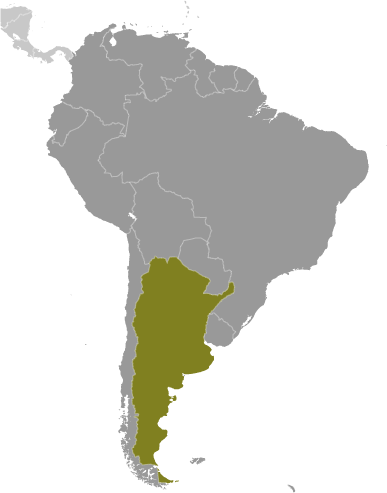
| Click map for larger view |
| Click flag for Country Report |



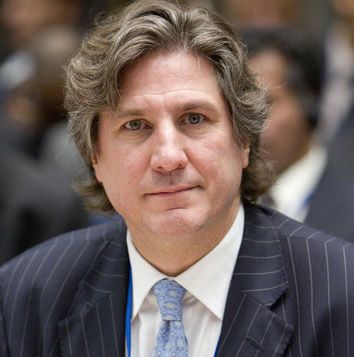
Amado Boudou
Vice President since 10 December 2011
Vice President since 10 December 2011
Cristina Fernandez de Kirchner
President since 10 December 2007
President since 10 December 2007
| INTERNALLY DISPLACED PERSONS (IDPS) |
None reported.