| ARUBA Aruba Aruba (part of the Kingdom of the Netherlands) Joined United Nations: 10 December 1945 Human Rights as assured by their constitution Click here Updated 06 August 2012 |
| CAPITAL |
| POPULATION |
| CHIEF OF STATE |
| SELECTION PROCESS |
Oranjestad
107,635
note: estimate based on a revision of the base population, fertility, and mortality numbers,
as well as a revision of 1985-1999 migration estimates from outmigration to immigration,
which is assumed to continue into the future; the new results are consistent with the 2000
census (July 2012 est.)
note: estimate based on a revision of the base population, fertility, and mortality numbers,
as well as a revision of 1985-1999 migration estimates from outmigration to immigration,
which is assumed to continue into the future; the new results are consistent with the 2000
census (July 2012 est.)
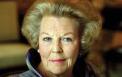
Beatrix of The Netherlands
Queen since 30 April 1980
Queen since 30 April 1980
The monarch is hereditary; governor general appointed for a
six-year term by the monarch
Next scheduled election: None
six-year term by the monarch
Next scheduled election: None
HEAD OF GOVERNMENT
SELECTION PROCESS
Michiel Godfried "Mike" Eman
Prime Minister since 30 October 2009
Prime Minister since 30 October 2009
Prime minister and deputy prime minister elected by the Staten
for four-year terms election last held: 25 September 2009
Next scheduled election: September 2013
for four-year terms election last held: 25 September 2009
Next scheduled election: September 2013
| DECLARATION OF HUMAN RIGHTS |
| ETHNIC GROUPS |
Mixed white/Caribbean Amerindian 80%
| RELIGIONS |
Roman Catholic 80.8%, Protestant 7.8% (Evangelist 4.1%, Methodist 1.2%, other Protestant 2.5%), Jehovah's
Witnesses 1.5%, Jewish 0.2%, other 5.1%, none or unspecified 4.6%
Witnesses 1.5%, Jewish 0.2%, other 5.1%, none or unspecified 4.6%
| GOVERNMENT STRUCTURE |
Parliamentary democracy; no administrative division. Member country of the Kingdom of the Netherlands; full autonomy in
internal affairs obtained in 1986 upon separation from the Netherlands Antilles; Dutch Government responsible for defense and
foreign affairs Legal system is based on Dutch civil law system, with some English common law influence
Executive: Monarch is hereditary; governor general appointed for a six-year term by the monarch; prime minister and
deputy prime minister elected by the Staten for four-year terms; election last held 25 September 2009 (next to be held
September 2013)
Legislative: unicameral Legislature or Staten (21 seats; members elected by direct, popular vote to serve four-year
terms)
elections: last held 25 September 2009 (next to be held September 2013)
Judicial: Common Court of Justice of Aruba (judges are appointed by the monarch)
internal affairs obtained in 1986 upon separation from the Netherlands Antilles; Dutch Government responsible for defense and
foreign affairs Legal system is based on Dutch civil law system, with some English common law influence
Executive: Monarch is hereditary; governor general appointed for a six-year term by the monarch; prime minister and
deputy prime minister elected by the Staten for four-year terms; election last held 25 September 2009 (next to be held
September 2013)
Legislative: unicameral Legislature or Staten (21 seats; members elected by direct, popular vote to serve four-year
terms)
elections: last held 25 September 2009 (next to be held September 2013)
Judicial: Common Court of Justice of Aruba (judges are appointed by the monarch)
| LANGUAGES |
Papiamento (a Spanish-Portuguese-Dutch-English dialect) 66.3%, Spanish 12.6%, English (widely spoken) 7.7%,
Dutch (official) 5.8%, other 2.2%, unspecified or unknown 5.3% (2000 census)
Dutch (official) 5.8%, other 2.2%, unspecified or unknown 5.3% (2000 census)
| BRIEF HISTORY |
Aruba's first inhabitants were the Caquetios Indians from the Arawak tribe, who migrated there from Venezuela to
escape attacks by the Caribs. Fragments of the earliest known Indian settlements date back to about 1,000 A.D. Due
to Aruba's mostly distant location from other Caribbean islands and strong currents in the sea which made canoe travel
to the other islands difficult, the Caquetios remained more tied to South America than the Caribbean. Spanish explorer
Alonso de Ojeda is regarded as the first European to arrive in about 1499. Although he established a colony there, it
never amounted to much. Unlike many other Caribbean islands, no plantation society evolved on Aruba. Instead, the
Spanish sent many Caquetios to Hispaniola, where they were enslaved in the mines. In 1636, Aruba was acquired by
the Dutch and remained under their control for nearly two centuries. In 1805, during the Napoleonic wars, the British
briefly took control over the island, but it was returned to Dutch control in 1816. A 19th-century gold rush was
followed by prosperity brought on by first the opening of a crude oil transshippment facility in 1924 and then in 1928
with the opening of an oil refinery. This was the Lago Oil & Transport Co. Ltd. a 100% owned subsidiary of Standard
Oil of New Jersey. The Lago refinery was located on the east end of the island and on the west end Royal Dutch Shell
had a small refinery, the Eagle Refinery which closed soon after World War II. The last decades of the 20th century
saw a boom in the tourism industry, which became Aruba's primary industry when the refinery closed in 1985. Because
of the focus on tourism and the number of resorts on the island, Arubans enjoy a very low unemployment rate. Aruba is
given the reputation as the Las Vegas of the Caribbean. In 1986, Aruba seceded from the Netherlands Antilles and
became a separate, autonomous member of the Kingdom of the Netherlands, under the Dutch crown. Movement
toward full independence was halted at Aruba's prerogative in 1990. Aruba has a mixture of people from South
America, Europe, the Far East, and other islands of the Caribbean. After a break in the coalition between the ruling
Arubaanse Volkspartij (AVP) and the Organisashon Liberal Arubano (OLA), the election of July 1998 was pushed
forward to December 1997. Unfortunately, the results were unclear, with votes equally divided between the People's
Electoral Movement Party (MEP), the AVP, and the OLA. After negotiations failed to unite the MEP and AVP, a new
coalition between the AVP and OLA formed, which forced the MEP to be the opposition. Four years later in
September 2001, the opposition MEP won a decisive victory in a free election, taking 12 of 21 seats to form Aruba's
first one-party government. Due to its small margin of majority status, the MEP has left open the possibility of a future
coalition partner.
Source: Wikipedia History of Aruba
escape attacks by the Caribs. Fragments of the earliest known Indian settlements date back to about 1,000 A.D. Due
to Aruba's mostly distant location from other Caribbean islands and strong currents in the sea which made canoe travel
to the other islands difficult, the Caquetios remained more tied to South America than the Caribbean. Spanish explorer
Alonso de Ojeda is regarded as the first European to arrive in about 1499. Although he established a colony there, it
never amounted to much. Unlike many other Caribbean islands, no plantation society evolved on Aruba. Instead, the
Spanish sent many Caquetios to Hispaniola, where they were enslaved in the mines. In 1636, Aruba was acquired by
the Dutch and remained under their control for nearly two centuries. In 1805, during the Napoleonic wars, the British
briefly took control over the island, but it was returned to Dutch control in 1816. A 19th-century gold rush was
followed by prosperity brought on by first the opening of a crude oil transshippment facility in 1924 and then in 1928
with the opening of an oil refinery. This was the Lago Oil & Transport Co. Ltd. a 100% owned subsidiary of Standard
Oil of New Jersey. The Lago refinery was located on the east end of the island and on the west end Royal Dutch Shell
had a small refinery, the Eagle Refinery which closed soon after World War II. The last decades of the 20th century
saw a boom in the tourism industry, which became Aruba's primary industry when the refinery closed in 1985. Because
of the focus on tourism and the number of resorts on the island, Arubans enjoy a very low unemployment rate. Aruba is
given the reputation as the Las Vegas of the Caribbean. In 1986, Aruba seceded from the Netherlands Antilles and
became a separate, autonomous member of the Kingdom of the Netherlands, under the Dutch crown. Movement
toward full independence was halted at Aruba's prerogative in 1990. Aruba has a mixture of people from South
America, Europe, the Far East, and other islands of the Caribbean. After a break in the coalition between the ruling
Arubaanse Volkspartij (AVP) and the Organisashon Liberal Arubano (OLA), the election of July 1998 was pushed
forward to December 1997. Unfortunately, the results were unclear, with votes equally divided between the People's
Electoral Movement Party (MEP), the AVP, and the OLA. After negotiations failed to unite the MEP and AVP, a new
coalition between the AVP and OLA formed, which forced the MEP to be the opposition. Four years later in
September 2001, the opposition MEP won a decisive victory in a free election, taking 12 of 21 seats to form Aruba's
first one-party government. Due to its small margin of majority status, the MEP has left open the possibility of a future
coalition partner.
Source: Wikipedia History of Aruba
| ECONOMIC OVERVIEW |
Tourism and offshore banking are the mainstays of the small open Aruban economy. Oil refining and storage ended in
2009. The rapid growth of the tourism sector over the last decade has resulted in a substantial expansion of other
activities. Over 1.5 million tourists per year visit Aruba with 75% of those from the US. Construction continues to
boom with hotel capacity five times the 1985 level. Tourist arrivals rebounded strongly following a dip after the 11
September 2001 attacks. The government has made cutting the budget and trade deficits a high priority.
Source: CIA World Factbook (select Aruba)
2009. The rapid growth of the tourism sector over the last decade has resulted in a substantial expansion of other
activities. Over 1.5 million tourists per year visit Aruba with 75% of those from the US. Construction continues to
boom with hotel capacity five times the 1985 level. Tourist arrivals rebounded strongly following a dip after the 11
September 2001 attacks. The government has made cutting the budget and trade deficits a high priority.
Source: CIA World Factbook (select Aruba)
| POLITICAL CLIMATE |
Support declined for Nelson Obuder's MEP party across the island. The MEP, which is known as the "yellow party",
captured its traditional stronghold of Santa Cruz, as well as precincts in portions of Savaneta and Paradera. Support for
the MEP ultimately dropped from eleven to eight seats in the Estates. Nelson's MEP party received a total of 19,812
votes nationwide, which was 6,673 votes less than the winning AVP.
The AVP, led by Mike Eman, claimed 48% of the vote and twelve seats in the Estates, making Eman the 5th Prime
Minister-Elect of Aruba with an absolute majority of 3 seats in the 21 seat House. The MEP won 36% of the vote and
eight seats, with the final seat being won by the Real Democracy Party.This means that Nelson Oduber, the
demissionary Prime Minister of Aruba, has lost control of the Estates for the first time in eight years.Eman arrived at the
AVP party headquarters in Oranjestad, where he was greeted by approximately 2,000 supporters dressed in green,
the color of the AVP. The victory was marked by AVP supporters letting off fireworks and unfurling flags in the green
livery of the party. In his speech, Eman thanked Aruba's Latino and Haitian communities.The winning party of an
Aruban election traditionally celebrates with a parade following the election.
Oduber blamed the MEP's defeat on Dutch interference in Aruba's affairs, in particular referring to a recent
announcement that the Dutch authorities would commence an investigation into corruption on the island.[6][7] Oduder
also singled out Valero Energy CEO Bill Klesse, accusing him of take sides in the election against the MEP by closing
the refinery shortly before the election took place. In a speech carried only on Aruban Channel 22, Oduber did not
congratulate the winning AVP. Instead, he said that the AVP should work to fulfill its "unreal promise" to Arubans.
In some respects, the 2009 election mirrored the 1985 election. In 1985, the oil refinery in San Nicholas had also
closed down shortly before the election, costing the ruling party seats in the Estates.
Source: Wikipedia Politics of Aruba
captured its traditional stronghold of Santa Cruz, as well as precincts in portions of Savaneta and Paradera. Support for
the MEP ultimately dropped from eleven to eight seats in the Estates. Nelson's MEP party received a total of 19,812
votes nationwide, which was 6,673 votes less than the winning AVP.
The AVP, led by Mike Eman, claimed 48% of the vote and twelve seats in the Estates, making Eman the 5th Prime
Minister-Elect of Aruba with an absolute majority of 3 seats in the 21 seat House. The MEP won 36% of the vote and
eight seats, with the final seat being won by the Real Democracy Party.This means that Nelson Oduber, the
demissionary Prime Minister of Aruba, has lost control of the Estates for the first time in eight years.Eman arrived at the
AVP party headquarters in Oranjestad, where he was greeted by approximately 2,000 supporters dressed in green,
the color of the AVP. The victory was marked by AVP supporters letting off fireworks and unfurling flags in the green
livery of the party. In his speech, Eman thanked Aruba's Latino and Haitian communities.The winning party of an
Aruban election traditionally celebrates with a parade following the election.
Oduber blamed the MEP's defeat on Dutch interference in Aruba's affairs, in particular referring to a recent
announcement that the Dutch authorities would commence an investigation into corruption on the island.[6][7] Oduder
also singled out Valero Energy CEO Bill Klesse, accusing him of take sides in the election against the MEP by closing
the refinery shortly before the election took place. In a speech carried only on Aruban Channel 22, Oduber did not
congratulate the winning AVP. Instead, he said that the AVP should work to fulfill its "unreal promise" to Arubans.
In some respects, the 2009 election mirrored the 1985 election. In 1985, the oil refinery in San Nicholas had also
closed down shortly before the election, costing the ruling party seats in the Estates.
Source: Wikipedia Politics of Aruba
| INTERNATIONAL DISPUTES |
None reported.


| REFUGEES AND INTERNALLY DISPLACED PERSONS (IDP) |
None reported.
| ILLICIT DRUGS |
Transit point for US- and Europe-bound narcotics with some accompanying money-laundering activity; relatively high
percentage of population consumes cocaine
percentage of population consumes cocaine
| HUMAN RIGHTS STATEMENTS, ANALYSIS AND CRITIQUES |
2011 Human Rights Report: Netherlands (Includes Aruba)
Bureau of Democracy, Human Rights, and Labor
2011 Country Reports on Human Rights Practices
May 24, 2012
The Kingdom of the Netherlands, which includes the Netherlands, Aruba, Curacao, and St. Maarten, is a constitutional monarchy.
The Netherlands (the term used to designate the European part of the kingdom and the Caribbean islands of Bonaire, Saba, and Sint
Eustatius) has a bicameral parliament; a first chamber (the Senate) is elected by the country’s 12 provincial councils and a second
chamber (the House of Representatives) by popular vote. A prime minister and a cabinet representing the governing political parties
exercise executive authority. General elections held in June 2010 were free and fair. Aruba, Curacao, and St. Maarten have
unicameral parliamentary systems and are largely autonomous, except in foreign policy and defense. The Kingdom of the
Netherlands is responsible for safeguarding fundamental human rights and freedoms in its territories.
In a country with no widespread or systemic abuses, the most salient human rights problem was societal animosity toward certain
ethnic and religious groups, particularly Muslim immigrants from North Africa and the Middle East. In Aruba, Curacao, and St.
Maarten, prison conditions remained substandard in some respects.
In the Netherlands, authorities prosecuted individuals during the year for violations of a law prohibiting public speech that incites
hatred or discrimination, although there were no reported convictions. There were reports of violence against women and children,
anti-Semitic incidents, societal discrimination and violence against some religious and ethnic minorities, and trafficking in persons
for sexual exploitation and forced labor.
The government took steps to prosecute officials who committed abuses, and there were no indications that impunity existed.
Click here to read more »
Bureau of Democracy, Human Rights, and Labor
2011 Country Reports on Human Rights Practices
May 24, 2012
The Kingdom of the Netherlands, which includes the Netherlands, Aruba, Curacao, and St. Maarten, is a constitutional monarchy.
The Netherlands (the term used to designate the European part of the kingdom and the Caribbean islands of Bonaire, Saba, and Sint
Eustatius) has a bicameral parliament; a first chamber (the Senate) is elected by the country’s 12 provincial councils and a second
chamber (the House of Representatives) by popular vote. A prime minister and a cabinet representing the governing political parties
exercise executive authority. General elections held in June 2010 were free and fair. Aruba, Curacao, and St. Maarten have
unicameral parliamentary systems and are largely autonomous, except in foreign policy and defense. The Kingdom of the
Netherlands is responsible for safeguarding fundamental human rights and freedoms in its territories.
In a country with no widespread or systemic abuses, the most salient human rights problem was societal animosity toward certain
ethnic and religious groups, particularly Muslim immigrants from North Africa and the Middle East. In Aruba, Curacao, and St.
Maarten, prison conditions remained substandard in some respects.
In the Netherlands, authorities prosecuted individuals during the year for violations of a law prohibiting public speech that incites
hatred or discrimination, although there were no reported convictions. There were reports of violence against women and children,
anti-Semitic incidents, societal discrimination and violence against some religious and ethnic minorities, and trafficking in persons
for sexual exploitation and forced labor.
The government took steps to prosecute officials who committed abuses, and there were no indications that impunity existed.
Click here to read more »
COMMITTEE ON RIGHTS OF CHILD EXAMINES REPORT OF THE NETHERLANDS, INCLUDING
NETHERLANDS ANTILLES AND ARUBA
Committee on the Rights of the Child
15 January 2009
The Committee on the Rights of the Child today reviewed the third periodic report of the Netherlands, including Aruba and the
Netherlands Antilles, on how that country is implementing the provisions of the Convention on the Rights of the Child.
Andre Rouvoet, Minister for Youth and Families of the Netherlands, introducing the report of the Netherlands, began by noting that
the Netherlands now had a Minister for Youth and Families, a post which he was the first to hold, which underlined the importance
the Government attached to a specific policy for children, young people and families. Indeed, the constructive recommendations
the Committee had made following its review of the Netherlands second periodic report in 2005 had had a major impact on the
development of the child and youth policy in the Netherlands. The Committee's recommendation to adopt a "comprehensive national
plan of action for children" had been implemented, and preparations were currently under way for Dutch Parliament to discuss a
bill to amend the current National Ombudsman Act in the Netherlands, which would enable Parliament to appoint an ombudsman
for children. In addition, a statutory ban on the use of violence in child rearing had been laid down in Dutch legislation. The
Netherlands would ratify the second Optional Protocol to the Convention (Optional Protocol on the involvement of children in
armed conflict) either this month or the next.
Presenting the report by the Netherlands Antilles, Omaryra Leeflang, Minister of Education, Sport and Culture of the Netherlands
Antilles, said the priority the Government attached to youth policy was embodied in the "Delta plan for education and youth", which
had the ambition to reach and keep track of all children and youngsters and intervene where needed, in order to prevent them from
dropping out of school. Moreover, by 2008 all legislation regarding primary, secondary and vocational education had been revised
including improvements such as the obligation of schools to report child abuse and the right of parents to choose the instruction
language of their child.
Introducing the report of Aruba, Angelique R. Peterson, Senior Legal Adviser of the Department of Foreign Affairs of Aruba, said
that a draft revised criminal code had now been finalized which would significantly increase the legal protection for children by
further extending and tightening the criminalization of various acts harmful to children. The new anti-discrimination provisions
would also increase the protection provided by the law for children with disabilities. Other developments highlighted included the
establishment of the Counselling and Reporting Centre on Child Abuse in 2005.
Click here to read more »
NETHERLANDS ANTILLES AND ARUBA
Committee on the Rights of the Child
15 January 2009
The Committee on the Rights of the Child today reviewed the third periodic report of the Netherlands, including Aruba and the
Netherlands Antilles, on how that country is implementing the provisions of the Convention on the Rights of the Child.
Andre Rouvoet, Minister for Youth and Families of the Netherlands, introducing the report of the Netherlands, began by noting that
the Netherlands now had a Minister for Youth and Families, a post which he was the first to hold, which underlined the importance
the Government attached to a specific policy for children, young people and families. Indeed, the constructive recommendations
the Committee had made following its review of the Netherlands second periodic report in 2005 had had a major impact on the
development of the child and youth policy in the Netherlands. The Committee's recommendation to adopt a "comprehensive national
plan of action for children" had been implemented, and preparations were currently under way for Dutch Parliament to discuss a
bill to amend the current National Ombudsman Act in the Netherlands, which would enable Parliament to appoint an ombudsman
for children. In addition, a statutory ban on the use of violence in child rearing had been laid down in Dutch legislation. The
Netherlands would ratify the second Optional Protocol to the Convention (Optional Protocol on the involvement of children in
armed conflict) either this month or the next.
Presenting the report by the Netherlands Antilles, Omaryra Leeflang, Minister of Education, Sport and Culture of the Netherlands
Antilles, said the priority the Government attached to youth policy was embodied in the "Delta plan for education and youth", which
had the ambition to reach and keep track of all children and youngsters and intervene where needed, in order to prevent them from
dropping out of school. Moreover, by 2008 all legislation regarding primary, secondary and vocational education had been revised
including improvements such as the obligation of schools to report child abuse and the right of parents to choose the instruction
language of their child.
Introducing the report of Aruba, Angelique R. Peterson, Senior Legal Adviser of the Department of Foreign Affairs of Aruba, said
that a draft revised criminal code had now been finalized which would significantly increase the legal protection for children by
further extending and tightening the criminalization of various acts harmful to children. The new anti-discrimination provisions
would also increase the protection provided by the law for children with disabilities. Other developments highlighted included the
establishment of the Counselling and Reporting Centre on Child Abuse in 2005.
Click here to read more »
FREEDOM IN THE WORLD 2012 REPORT
NETHERLANDS (includes ARUBA)
The coalition government proposed or adopted anti-immigrant measures during 2011, including tighter restrictions on naturalization.
In March, the parties of the governing coalition lost support in provincial elections, leading to the loss of their majority in the upper
house of parliament. Meanwhile, right-wing politician Geert Wilders was acquitted of charges of inciting hatred and discrimination
against Muslims.
The Netherlands is an electoral democracy. The 150-member lower house of parliament, or Second Chamber, is elected every four
years by proportional representation. The 75-member upper house, or First Chamber, is elected for four-year terms by the country’
s provincial councils. Foreigners residing in the country for five years or more are eligible to vote in local elections. The
Netherlands extended voting rights to Aruba and the Netherlands Antilles for the first time in the June 2009 European Parliament
elections.
Click here to read more»
NETHERLANDS (includes ARUBA)
The coalition government proposed or adopted anti-immigrant measures during 2011, including tighter restrictions on naturalization.
In March, the parties of the governing coalition lost support in provincial elections, leading to the loss of their majority in the upper
house of parliament. Meanwhile, right-wing politician Geert Wilders was acquitted of charges of inciting hatred and discrimination
against Muslims.
The Netherlands is an electoral democracy. The 150-member lower house of parliament, or Second Chamber, is elected every four
years by proportional representation. The 75-member upper house, or First Chamber, is elected for four-year terms by the country’
s provincial councils. Foreigners residing in the country for five years or more are eligible to vote in local elections. The
Netherlands extended voting rights to Aruba and the Netherlands Antilles for the first time in the June 2009 European Parliament
elections.
Click here to read more»
Netherlands: Protecting human rights at home: Amnesty International submission to the UN Universal Periodic Review,
May-June 2012
28 November 2011
INTRODUCTION
In this submission, prepared for the UN Universal Periodic Review of the Netherlands taking place May-June 2012, Amnesty
International comments on the implementation of recommendations the Netherlands supported during its previous UPR in 2008,
concerning the rights of migrants, refugees and asylum-seekers, racial discrimination and human rights education.
It should also be noted that the government failed to submit information regarding the Netherlands Antilles and Aruba to the
Committee on the Elimination of Racial Discrimination.
Aruba has the status of a country within the Kingdom. Curacao and Saint Maarten are constituent countries within the Kingdom.
People living on these three Caribbean islands will not have access. People living on the other islands that are designated as special
municipalities within the European part of the Netherlands – i.e. Bonaire, Saint Eustatius and Saba– will have access.
Click here to read more »
May-June 2012
28 November 2011
INTRODUCTION
In this submission, prepared for the UN Universal Periodic Review of the Netherlands taking place May-June 2012, Amnesty
International comments on the implementation of recommendations the Netherlands supported during its previous UPR in 2008,
concerning the rights of migrants, refugees and asylum-seekers, racial discrimination and human rights education.
It should also be noted that the government failed to submit information regarding the Netherlands Antilles and Aruba to the
Committee on the Elimination of Racial Discrimination.
Aruba has the status of a country within the Kingdom. Curacao and Saint Maarten are constituent countries within the Kingdom.
People living on these three Caribbean islands will not have access. People living on the other islands that are designated as special
municipalities within the European part of the Netherlands – i.e. Bonaire, Saint Eustatius and Saba– will have access.
Click here to read more »
Gay marriage's diamond anniversary
After the Netherlands acted, civilization as we know it didn't end.
by Boris O. Dittrich
Published in: LA Times
April 17, 2011
Ten years ago this month, when the Netherlands became the first country in the world to legalize same-sex marriage, most Dutch
people were in favor of the law, but a vocal minority insisted that gay marriage would mean the end of Western civilization. It took
a political slugfest to get the law passed.
I was a member of parliament at the time and the initial sponsor of the same-sex legislation. The Netherlands had introduced gay
civil unions in 1998; I regarded them as a step forward but still insufficient. Why should heterosexuals be able to fence off a part of
civil law - marriage - and defend it as exclusively theirs? This "separate but equal" status reminded me of apartheid in South Africa
and Jim Crow in the United States. When two people decide to share their responsibilities and commit themselves to each other by
entering civil marriage, their sexual orientation shouldn't matter to the government.
The Christian Democrat party was fiercely opposed though. Many of its members and those in other right-wing Christian political
parties announced that if the bill passed, it would devalue the institution of marriage, open a can of legal worms and cause the rest
of the world to shun the Netherlands. Sen. Hannie van Leeuwen, a leader of the Christian Democrat party, stated it would be the
best for everybody concerned to stick to civil unions.
I've never encountered such dangers myself, but I've faced my share of unpleasantness. In 2005, I was part of a parliamentary
delegation to Aruba, in the Dutch Antilles. The justice minister there had refused to recognize a same-sex marriage performed in the
Netherlands, although Aruba is part of the Kingdom of the Netherlands. He told me he considered such unions unnatural and
deviant. During a parliamentary session, the Dutch delegation could hear through open windows demonstrators screaming that I
should be forced to leave the island because I was homosexual and therefore a sinner.
Click here to read more»
After the Netherlands acted, civilization as we know it didn't end.
by Boris O. Dittrich
Published in: LA Times
April 17, 2011
Ten years ago this month, when the Netherlands became the first country in the world to legalize same-sex marriage, most Dutch
people were in favor of the law, but a vocal minority insisted that gay marriage would mean the end of Western civilization. It took
a political slugfest to get the law passed.
I was a member of parliament at the time and the initial sponsor of the same-sex legislation. The Netherlands had introduced gay
civil unions in 1998; I regarded them as a step forward but still insufficient. Why should heterosexuals be able to fence off a part of
civil law - marriage - and defend it as exclusively theirs? This "separate but equal" status reminded me of apartheid in South Africa
and Jim Crow in the United States. When two people decide to share their responsibilities and commit themselves to each other by
entering civil marriage, their sexual orientation shouldn't matter to the government.
The Christian Democrat party was fiercely opposed though. Many of its members and those in other right-wing Christian political
parties announced that if the bill passed, it would devalue the institution of marriage, open a can of legal worms and cause the rest
of the world to shun the Netherlands. Sen. Hannie van Leeuwen, a leader of the Christian Democrat party, stated it would be the
best for everybody concerned to stick to civil unions.
I've never encountered such dangers myself, but I've faced my share of unpleasantness. In 2005, I was part of a parliamentary
delegation to Aruba, in the Dutch Antilles. The justice minister there had refused to recognize a same-sex marriage performed in the
Netherlands, although Aruba is part of the Kingdom of the Netherlands. He told me he considered such unions unnatural and
deviant. During a parliamentary session, the Dutch delegation could hear through open windows demonstrators screaming that I
should be forced to leave the island because I was homosexual and therefore a sinner.
Click here to read more»
28 March 2012 15:35 UTC
Aruba’s Department of External Affairs deliberated on the implementation of Human Rights Treatise
ORANJESTAD - Olivia Croes, coordinator of the Commission on Human Rights of Aruba at the Department of External Relations,
spoke, by invitation at a recent seminar organized by the Law Faculty of the University of Aruba.
During Olivia Croes’ presentation, she shed light in general terms on the different treatise of the United Nations pertaining to human
rights, which Aruba is expected to implement. The ESOCUL treaty is one such treaty which was already put into practice in Aruba
as of January 1st, 1986.
Reportedly, whenever a country ratifies a treaty, it carriers certain obligations. It is in that context, with respect to the treatise that
the International Committee of the United Nations has placed mechanisms of supervision based on the following format:
A. Regular reporting (every 4 years)
B. Discussion of the reports during a constructive dialogue with the international Committee.
The last discussion of the ESOCUL report was held in Geneva, Switzerland in November 2010. An Aruban delegation was present
at this gathering where they presented and elaborated on the Aruba report as part of a Dutch Kingdom delegation.
An Interdepartmental Commission on Human Rights was instituted in Aruba in 1993. This commisssion has the task of reporting on
treaties in force on Aruba, and to advise the government regarding human rights matters. In addition, the Commission has the task
of providing the community at large with information and to promote the awareness of human rights matters in general on the
island.
Olivia Croes in her presentation also focused on the implementation of the human rights that are anchored in the Human Rights
Treaty, such as the rights related to social security, the right to education, the right regarding the equality of men and women, and
family rights, which include, among others, legislation on the matter of domestic violence.
Mention was also made of a topic currently high on the international agenda, which is human trafficking. Croes also informed about
Aruba’s National Social Dialogue begun in 2010 with the participation of all social partners. Mention was also made of the
importance of introducing courses and training sessions for the community, while implementing human rights as a topic in the
curriculum of our schools.
Click here to read more »
Aruba’s Department of External Affairs deliberated on the implementation of Human Rights Treatise
ORANJESTAD - Olivia Croes, coordinator of the Commission on Human Rights of Aruba at the Department of External Relations,
spoke, by invitation at a recent seminar organized by the Law Faculty of the University of Aruba.
During Olivia Croes’ presentation, she shed light in general terms on the different treatise of the United Nations pertaining to human
rights, which Aruba is expected to implement. The ESOCUL treaty is one such treaty which was already put into practice in Aruba
as of January 1st, 1986.
Reportedly, whenever a country ratifies a treaty, it carriers certain obligations. It is in that context, with respect to the treatise that
the International Committee of the United Nations has placed mechanisms of supervision based on the following format:
A. Regular reporting (every 4 years)
B. Discussion of the reports during a constructive dialogue with the international Committee.
The last discussion of the ESOCUL report was held in Geneva, Switzerland in November 2010. An Aruban delegation was present
at this gathering where they presented and elaborated on the Aruba report as part of a Dutch Kingdom delegation.
An Interdepartmental Commission on Human Rights was instituted in Aruba in 1993. This commisssion has the task of reporting on
treaties in force on Aruba, and to advise the government regarding human rights matters. In addition, the Commission has the task
of providing the community at large with information and to promote the awareness of human rights matters in general on the
island.
Olivia Croes in her presentation also focused on the implementation of the human rights that are anchored in the Human Rights
Treaty, such as the rights related to social security, the right to education, the right regarding the equality of men and women, and
family rights, which include, among others, legislation on the matter of domestic violence.
Mention was also made of a topic currently high on the international agenda, which is human trafficking. Croes also informed about
Aruba’s National Social Dialogue begun in 2010 with the participation of all social partners. Mention was also made of the
importance of introducing courses and training sessions for the community, while implementing human rights as a topic in the
curriculum of our schools.
Click here to read more »
2nd Session – 2012
Thursday 31 May 2012 - 9.00 a.m. - 12.30 p.m.
National Report
Compilation of UN Information
Summary of Stakeholders' Information
34. The Foreign Relations Department of Aruba has defined the task of informing the public about human rights as a point to be
tackled with priority in the short term. Plans exist to give Aruba’s Human Rights Committee and its Children’s Rights Committee a
new lease of life. The committees have the task of reporting on the situation regarding human rights conventions as applicable to
Aruba, advising the government on its human rights policy, and carrying out a consciousness-raising process on human rights
throughout society. (Aruba)
49. UNICEF carried out a situation assessment and analysis of women and children in Aruba in 2011. It adopted a human rights
approach, along with qualitative and quantitative methods, to conduct this study. Its preliminary findings will be presented to the
government and stakeholders in February 2012. The government will then use the final conclusions and recommendations to
formulate and evaluate social policies focusing on children, adolescents and women. (Aruba)
115. The government of Aruba is striving to prevent stereotyping and to encourage teaching about equality, in all curricula from
nursery level to secondary vocational education. In primary schools they are grouped under ‘movement and health’, in general
secondary education they are part of ‘social studies’, and in secondary vocational education they are taught under the heading of
‘personal and social education’. Aruba has developed its own teaching material for each of these courses, so that the content is
appropriate to the Aruban context and ties in as closely as possible with the pupils’ perception of their environment. (Aruba)
Click here to read more »
Thursday 31 May 2012 - 9.00 a.m. - 12.30 p.m.
National Report
Compilation of UN Information
Summary of Stakeholders' Information
34. The Foreign Relations Department of Aruba has defined the task of informing the public about human rights as a point to be
tackled with priority in the short term. Plans exist to give Aruba’s Human Rights Committee and its Children’s Rights Committee a
new lease of life. The committees have the task of reporting on the situation regarding human rights conventions as applicable to
Aruba, advising the government on its human rights policy, and carrying out a consciousness-raising process on human rights
throughout society. (Aruba)
49. UNICEF carried out a situation assessment and analysis of women and children in Aruba in 2011. It adopted a human rights
approach, along with qualitative and quantitative methods, to conduct this study. Its preliminary findings will be presented to the
government and stakeholders in February 2012. The government will then use the final conclusions and recommendations to
formulate and evaluate social policies focusing on children, adolescents and women. (Aruba)
115. The government of Aruba is striving to prevent stereotyping and to encourage teaching about equality, in all curricula from
nursery level to secondary vocational education. In primary schools they are grouped under ‘movement and health’, in general
secondary education they are part of ‘social studies’, and in secondary vocational education they are taught under the heading of
‘personal and social education’. Aruba has developed its own teaching material for each of these courses, so that the content is
appropriate to the Aruban context and ties in as closely as possible with the pupils’ perception of their environment. (Aruba)
Click here to read more »
Friday, 15 June 2012
Aruba leaves positive message at UN Human Rights Counsel
ORANJESTAD - Minister of Justice & Education, Arthur Dowers recently led a delegation to the meeting of the Counsel of Human
Rights of the United Nations in Geneva, Switzerland, with Minister of Internal & Dutch Kingdom Affairs, Liesbeth Spies in their
company.
Participation in the ‘Universal Periodic Review (UPR) of the Human Rights Counsel is considered to be a stiff exam on the field of
human rights. The Counsel of Human Rights of the UN evaluates the situation on human rights of the Dutch Kingdom on the basis
of a report of the government and different critical conclusions of non-governmental organizations.
In due course, the Office of the United Nations High Commissioner for Human Rights prepares a summation of the human rights
situation of each country, using all the submitted reports prepared by non-governmental organizations. The goal of the UPR process
is to improve the human rights situation worldwide. Every member country of the UN has to engage in this examination.
Minister Dowers indicated that at the outset there was some nervousness, because it is impossible to anticipate how critical the
questions would be. Dowers reported that he clarified on what areas the government of Aruba is working to improve our human
rights situation on Aruba. According to the Aruban Minister, we received a positive evaluation from the United States for our
efforts in combating the illegal smuggling of people. He also clarified the situation in our correctional institute. With respect to our
correctional institute, he said, we implemented a specific plan for improvement.
Detainees now have the opportunity to pursue an education; there is a plan for the re-socialization back into the community. They
are also organizing security training for prison personnel. The human rights of prisoners have the full attention of the government,
but it is not possible to change everything over-night, according to Minister Dowers. He said our resources are limited; hence we
are proceeding one step at a time.
Dowers used the opportunity to react to the recent criticism received from the Second House of the Dutch Chamber. They
criticized the fact that several young detainees were incarcerated in unlit cells for 23 hours a day. They referred to the so-called
“separation cells.” These are cells that young people are put into when they demonstrate uncontrollable behavior and are separated
temporarily.
The minister explained that these cells do have lighting, what they don’t have is natural Day Light because of the way in which they
were built so many years ago.
He expressed his disapproval of the false impression given that our young detainees are constantly locked up in dark cells, because
this is absolutely not the case. He said that they are exploring the possibility for each of the separation cells to have daylight.
Another point of attention for Human Rights at the Geneva counsel regarding Aruba was the treaty prohibiting child abuse. Dowers
declared that…”in our legislation abuse is punishable, likewise child abuse at school or in any other institution.
However, it is not punishable when abuse takes place in the home by a family member. We are about to introduce legislation to
prohibit child abuse in the home as well.”
Dowers also mentioned Aruba’s new law on compulsory education. After intensive training of the department dealing with this law,
they anticipate that by 2013 this law will be fully implemented.
According to Dowers, one other matter to be attended to is to make the Aruba commission for human rights an independent body.
Currently the management of human rights is in hands of the government, which is not in conformity with the treaty on human
rights. And, we are obviously working on changing this.
Click here to read more »
Aruba leaves positive message at UN Human Rights Counsel
ORANJESTAD - Minister of Justice & Education, Arthur Dowers recently led a delegation to the meeting of the Counsel of Human
Rights of the United Nations in Geneva, Switzerland, with Minister of Internal & Dutch Kingdom Affairs, Liesbeth Spies in their
company.
Participation in the ‘Universal Periodic Review (UPR) of the Human Rights Counsel is considered to be a stiff exam on the field of
human rights. The Counsel of Human Rights of the UN evaluates the situation on human rights of the Dutch Kingdom on the basis
of a report of the government and different critical conclusions of non-governmental organizations.
In due course, the Office of the United Nations High Commissioner for Human Rights prepares a summation of the human rights
situation of each country, using all the submitted reports prepared by non-governmental organizations. The goal of the UPR process
is to improve the human rights situation worldwide. Every member country of the UN has to engage in this examination.
Minister Dowers indicated that at the outset there was some nervousness, because it is impossible to anticipate how critical the
questions would be. Dowers reported that he clarified on what areas the government of Aruba is working to improve our human
rights situation on Aruba. According to the Aruban Minister, we received a positive evaluation from the United States for our
efforts in combating the illegal smuggling of people. He also clarified the situation in our correctional institute. With respect to our
correctional institute, he said, we implemented a specific plan for improvement.
Detainees now have the opportunity to pursue an education; there is a plan for the re-socialization back into the community. They
are also organizing security training for prison personnel. The human rights of prisoners have the full attention of the government,
but it is not possible to change everything over-night, according to Minister Dowers. He said our resources are limited; hence we
are proceeding one step at a time.
Dowers used the opportunity to react to the recent criticism received from the Second House of the Dutch Chamber. They
criticized the fact that several young detainees were incarcerated in unlit cells for 23 hours a day. They referred to the so-called
“separation cells.” These are cells that young people are put into when they demonstrate uncontrollable behavior and are separated
temporarily.
The minister explained that these cells do have lighting, what they don’t have is natural Day Light because of the way in which they
were built so many years ago.
He expressed his disapproval of the false impression given that our young detainees are constantly locked up in dark cells, because
this is absolutely not the case. He said that they are exploring the possibility for each of the separation cells to have daylight.
Another point of attention for Human Rights at the Geneva counsel regarding Aruba was the treaty prohibiting child abuse. Dowers
declared that…”in our legislation abuse is punishable, likewise child abuse at school or in any other institution.
However, it is not punishable when abuse takes place in the home by a family member. We are about to introduce legislation to
prohibit child abuse in the home as well.”
Dowers also mentioned Aruba’s new law on compulsory education. After intensive training of the department dealing with this law,
they anticipate that by 2013 this law will be fully implemented.
According to Dowers, one other matter to be attended to is to make the Aruba commission for human rights an independent body.
Currently the management of human rights is in hands of the government, which is not in conformity with the treaty on human
rights. And, we are obviously working on changing this.
Click here to read more »

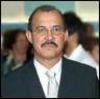
Represented by
Fredris Refunjol
Governor General since 11 May 2004
Fredris Refunjol
Governor General since 11 May 2004
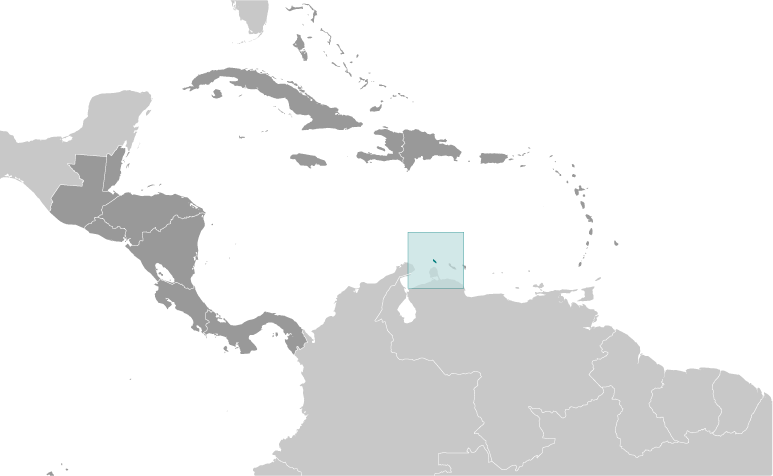
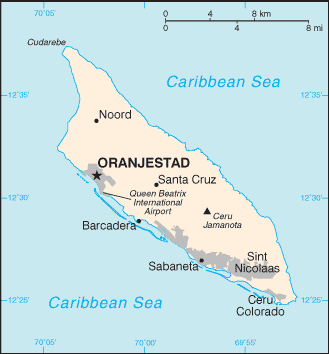
| Click map for larger view |
| Click flag for Country Report |





| TRAFFICKING IN PERSONS |
None reported.
Mike Eric de Meza
Vice Prime Minister since 30 October 2009
Vice Prime Minister since 30 October 2009