
| AZERBAIJAN Republic of Azerbaijan Azarbaycan Respublikasi Joined United Nations: 2 March 1992 Human Rights as assured by their constitution Click here Updated 10 February 2013 |

| CAPITAL |
| POPULATION |
| CHIEF OF STATE |
| SELECTION PROCESS |
Baku (Baki, Baky)
9,493,600 (July 2012 est.)
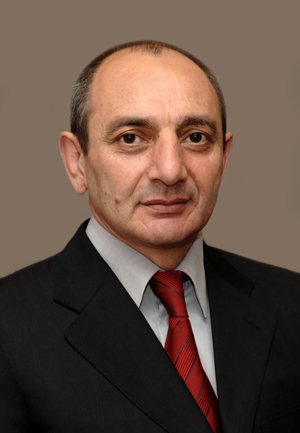
Yaqub Eyyubov
First Deputy Prime Minister
since June 2006
First Deputy Prime Minister
since June 2006
President elected by popular vote to a five-year term (eligible for a
second term); election last held 15 October 2008
Next scheduled election: October 2013
second term); election last held 15 October 2008
Next scheduled election: October 2013
HEAD OF GOVERNMENT
SELECTION PROCESS
Prime Minister and First Deputy Prime Minister appointed by
the president and confirmed by the National Assembly.
Elections last held: 7 November 2010
Next scheduled election: November 2015
the president and confirmed by the National Assembly.
Elections last held: 7 November 2010
Next scheduled election: November 2015
| DECLARATION OF HUMAN RIGHTS |
| ETHNIC GROUPS |
Azeri 90.6%, Dagestani 2.2%, Russian 1.8%, Armenian 1.5%, other 3.9% (1999 census)
note: almost all Armenians live in the separatist Nagorno-Karabakh region
note: almost all Armenians live in the separatist Nagorno-Karabakh region
| RELIGIONS |
Muslim 93.4%, Russian Orthodox 2.5%, Armenian Orthodox 2.3%, other 1.8% (1995 est.)
note: religious affiliation is still nominal in Azerbaijan; percentages for actual practicing adherents are much lower
note: religious affiliation is still nominal in Azerbaijan; percentages for actual practicing adherents are much lower
| GOVERNMENT STRUCTURE |
Republic with 59 rayons (rayonlar; rayon - singular), 11 cities (saharlar; sahar - singular), 1 autonomous republic (muxtar
respublika) ; Legal system is based on civil law system; has not accepted compulsory ICJ jurisdiction
Executive: President elected by popular vote to a five-year term (eligible for a second term); election last held 15 October 2008
(next to be held in October 2013); prime minister and first deputy prime minister appointed by the president and confirmed by the
National Assembly
Legislative: Unicameral National Assembly or Milli Mejlis (125 seats; members elected by popular vote to serve five-year terms)
elections: last held 7 November 2010 (next to be held in November 2015)
Judicial: Supreme Court
respublika) ; Legal system is based on civil law system; has not accepted compulsory ICJ jurisdiction
Executive: President elected by popular vote to a five-year term (eligible for a second term); election last held 15 October 2008
(next to be held in October 2013); prime minister and first deputy prime minister appointed by the president and confirmed by the
National Assembly
Legislative: Unicameral National Assembly or Milli Mejlis (125 seats; members elected by popular vote to serve five-year terms)
elections: last held 7 November 2010 (next to be held in November 2015)
Judicial: Supreme Court
| LANGUAGES |
Azerbaijani (Azeri) 90.3%, Lezgi 2.2%, Russian 1.8%, Armenian 1.5%, other 3.3%, unspecified 1% (1999 census)
| BRIEF HISTORY |
The cave of Azykh in the territory of the Fizuli district in the Republic of Azerbaijan is considered to be the site of one of the most
ancient proto-human habitations in Eurasia. Remnants of the pre-Acheulean culture were found in the lowest layers of the Azykh
cave. This culture is one of the oldest, and in many ways similar to the Olduvai culture in Tanzania, and Walloon culture in the
southeast of France. The Paleolithic (Homo Sapiens) period in what is now Azerbaijan is represented by finds at Aveidag, Taglar,
Damjily, Yatagery, Dash Salakhly and some other sites. Carved drawings etched on rocks in Qobustan, south of Baku,
demonstrate scenes of hunting, fishing, labor and dancing, and are dated to the Mesolithic period. The Neolithic period (ca. 6th -
4th millennia BC) was the period of transition from the Stone Age to the Bronze Age. Many Neolithic settlements have been
discovered in Azerbaijan, and carbon-dated artifacts show that during this period, people built homes, made copper weapons, and
were familiar with irrigated agriculture. The influence of ancient peoples and civilizations including the Sumerians and Elamites came
to a crossroads in the territory of Azerbaijan. A variety of Caucasian peoples appear to be the earliest inhabitants of the South
Caucasus with the notable Caucasian Albanians being their most prominently known representative. In the 8th century BC, the semi-
nomadic Cimmerians and Scythians settled in the territory of kingdom of Mannai. The Assyrians also had a civilization that
flourished to the west of Lake Urmia in the centuries prior to creation of Media and Albania. Caucasian Albanians are believed to
be the earliest inhabitants of Azerbaijan. Early invaders included the Scythians in the ninth century BCE. The South Caucasus was
eventually conquered by the Achaemenids around 550 BCE. During this period, Zoroastrianism spread in Azerbaijan. The
Achaemenids in turn were defeated by Alexander the Great in 330 BCE. Following the decline of the Seleucids in Persia in 247
BCE, an Armenian Kingdom exercised control over parts of Azerbaijan between 190 BCE to 428 CE. Caucasian Albanians
established a kingdom in the 1st century BCE and largely remained independent until the Sassanids made the kingdom a province in
252 CE. Caucasian Albania's ruler, King Urnayr, officially adopted Christianity as the state religion in the fourth century CE, and
Albania would remain a Christian state until the 8th century. Sassanid control ended with their defeat by Muslim Arabs in 642 CE.
Following the overthrow of the Median Empire, all of what is today Azerbaijan was invaded by the Persian king Cyrus in the 6th
century BCE. This empire was also quite short-lived and was conquered barely two centuries later by Alexander the Great and led
to the rise of Hellenistic culture throughout the former Persian Empire. The successive migration and settlement of Eurasian and
Central Asian nomads continued to be a familiar pattern in the history of the Caucasus since ancient times, from the era of Sassanid-
Persian empire to emergence of Azerbaijani Turks by the 20th century CE. Among the Iranian nomads who made incursion into and
from Azerbaijan are the Scythians, Alans and Cimmerians. Altaic Nomads such as Khazars and Huns made incursions during the
Hunnic and Khazar era. The walls and fortification of Darband were built during the Sassanid era in order to block nomads coming
from the caucus pass. However, they did not make permanent settlements. Muslim Arabs defeated the Sassanids and Byzantines as
they marched into the Caucasus region. The Arabs made Caucasian Albania a vassal state after the Christian resistance, led by
Prince Javanshir, surrendered in 667. Between the 9th and 10th centuries, Arab authors began to refer to the region between the
Kura and Aras rivers as Arran. Despite pockets of continued resistance, the majority of the inhabitants of Azerbaijan converted to
Islam. Later on in the 10th and 11th centuries, Kurdish dynasties of Shaddadid and Rawadid ruled parts of Azerbaijan. The Seljuq
period of Azerbaijan's history was possibly even more pivotal than the Arab conquest as it helped shape the ethno-linguistic
nationality of the modern Azerbaijani Turks. After decline of Abbasid Khalifate, the territory of Azerbaijan was under the sway of
numerous dynasties such as the Salarids, Sajids, Shaddadids, Rawadids and Buyids. However at the beginning of the 11th century,
the territory was gradually seized by waves of Oghuz Turkic tribes emanating from Central Asia. The first of these Turkic dynasties
was the Ghaznavids from northern Afghanistan, who took over part of Azerbaijan by 1030. They were followed by the Seljuqs, a
western branch of the Oghuz who conquered all of Iran and the Caucasus and pressed on to Iraq where they overthrew the Buyids
in Baghdad in 1055. The Seljuqs became the main rulers of a vast empire that included all of Iran, Iraq, and Azerbaijan until the end
of 12th century. In 1225, Jalaleddin Kharazmshah put an end to the Atabeg rule. The last Il-khanid ruler, Abu Sa'id, died without an
heir which led to the Ilkhan state's disintegration into small sultanates. The next state in the territory of Azerbaijan, in the 1330s, was
that of the Jalayirids, who ruled Iraq, western Persia, and most of Azerbaijan. The Jalayirid Sultanate lasted about fifty years, until it
was disrupted by Tamerlane's conquests and the revolts of the Kara Koyunlu or 'Black Sheep Turks'. Tamerlane (Amir Timur)
launched a devastating invasion of Azerbaijan in 1380s, and temporarily incorporated Azerbaijan into his vast domain that spanned
much of Eurasia. The Shirvanshah state under Shirvanshah Ibrahim I were also vassals of Timur and assisted Timur in his war with
the Mongol ruler Tokhtamysh of the Golden Horde. Azerbaijan experienced social unrest and religious strife during this period due
to sectarian conflict initiated by Hurufi, Bektashi and other movements. Following Timur's death in 1405, his fourth son Shah-Rukh
came to power and reigned until 1446. To the west of Shah-Rukh's domain two new rival Turkic states emerged - the Kara
Koyunlu based around Lake Van and the Ak Koyunlu (or White Sheep Turks) centered around Diyarbakır. The Safavid
(Safaviyeh) were a Sufi religious order formed in 1330s by Sheikh Safi Al-Din (1252–1334), after whom it was eponymously
named. This Sufi order openly converted to the heterodox branch of twelver Shi'ism by the end of the 15th century. Under the reign
of Shah Abbas I (1587 - 1630) the monarchy took on a distinctly Persian national identity that merged with Shi'ism. While civil
conflicts took hold in Iran, most of Azerbaijan was occupied by the Ottomans in the 18th century. Meanwhile, the coastal strip
along the Caspian Sea comprising Derbent, Baku and Salyan came under Imperial Russian rule, during the reign of Peter the Great,
from 1722 until 1735. Following their defeat by Russia, Qajar Persia was forced to sign the Treaty of Gulistan in 1813, which
acknowledged the loss of the territory to Russia. Local khanates were either abolished (like in Baku or Ganja) or accepted Russian
patronage. Another Russo-Persian war in 1826-28 resulted in another crushing defeat for the Iranian army. The Russians dictated
another final settlement as per the Treaty of Turkmenchay, which resulted in the Qajars of Persia ceding Caucasian territories in
1828. The treaty established the current borders of Azerbaijan and Iran as the rule of local khans ended. In the Russian controlled
territories, two provinces were established that later constituted the bulk of the modern Republic - Elisavetpol (Ganja) province in
the west, and Shamakha province in the east. At the collapse of the Russian Empire in 1917, an independent republic was
proclaimed in Ganja on May 28, 1918 following an abortive attempt to establish a federal Transcaucasian Republic with Armenia
and Georgia. After the peaceful surrender of the national government to Bolshevik forces, Azerbaijan was proclaimed a Soviet
Socialist Republic on April 28, 1920. During the 1940s, the Azerbaijan SSR supplied much of the Soviet Union's gas and oil during
the war with Nazi Germany and was thus a strategically important region. Unrest culminated in violent confrontation when Soviet
troops killed 132 nationalist demonstrators in Baku on January, 20 1990. Azerbaijan declared its independence from the USSR on
August 30, 1991, and became part of the Commonwealth of Independent States. By the end of 1991 fighting in Nagorno-
Karabakh had escalated into a full scale war, which culminated into a tense cease-fire that has persisted into the 21st century.
Although a cease-fire was achieved, the refusal to negotiate by both sides resulted in a stalemate as Armenian troops retained their
positions in Karabakh as well as corridors taken from Azerbaijan that connect the enclave to Armenia. The declaration of
independence was followed by the dissolution of the Communist Party, although most of its membership retained their socio-
political positions. The last party secretary, Ayaz N. Mutalibov, was elected president of the republic in September 1991, and the
Supreme Soviet formally implemented the declaration of independence on October 18. Heydar Aliyev became ill and, in April
2003, collapsed on stage and could not return to public life. By summer 2003 he was placed into intensive care in the U.S. where
he was pronounced dead on December 12, 2003. In yet another controversial election, his son Ilham Aliyev was elected president
the same year. The election was characterized by mass violence and was criticised by foreign observers. Presently, political
opposition to the Aliyev administration remains strong. Many were not satisfied with this new dynastical succession and were
pushing for a more democratic government. Ilham Aliyev was re-elected in 2008 with 87% of the polls, while opposition parties
boycotted the elections. In a constitutional referendum in 2009, term limits for the presidency were abolished and freedom of the
press was restricted. The 2010 parliamentary elections produced a Parliament completely loyal to Aliyev: for the first time in
Azerbaijani history, not a single candidate from the main opposition Azerbaijan Popular Front or Musavat parties was elected. The
Economist scored Azerbaijan as an authoritarian regime, placing it 135th out of 167 countries, in its 2010 Democracy Index.
Repeated protests were staged against Aliyev's rule in 2011, calling for democratic reforms and the ouster of the government.
Aliyev has responded by ordering a security crackdown, using force to crush attempts at revolt in Baku, and refusing to make
concessions. Well over 400 Azerbaijanis have been arrested since protests began in March 2011. Opposition leaders, including
Musavat's Isa Gambar, have vowed to continue demonstrating, although police have encountered little difficulty in stopping protests
almost as soon as they began. On 24 October 2011 Azerbaijan was elected as a non-permanent member to United Nations
Security Council. The term of office began on January 1, 2012.
Source: Wikipedia: History of Azerbaijan
ancient proto-human habitations in Eurasia. Remnants of the pre-Acheulean culture were found in the lowest layers of the Azykh
cave. This culture is one of the oldest, and in many ways similar to the Olduvai culture in Tanzania, and Walloon culture in the
southeast of France. The Paleolithic (Homo Sapiens) period in what is now Azerbaijan is represented by finds at Aveidag, Taglar,
Damjily, Yatagery, Dash Salakhly and some other sites. Carved drawings etched on rocks in Qobustan, south of Baku,
demonstrate scenes of hunting, fishing, labor and dancing, and are dated to the Mesolithic period. The Neolithic period (ca. 6th -
4th millennia BC) was the period of transition from the Stone Age to the Bronze Age. Many Neolithic settlements have been
discovered in Azerbaijan, and carbon-dated artifacts show that during this period, people built homes, made copper weapons, and
were familiar with irrigated agriculture. The influence of ancient peoples and civilizations including the Sumerians and Elamites came
to a crossroads in the territory of Azerbaijan. A variety of Caucasian peoples appear to be the earliest inhabitants of the South
Caucasus with the notable Caucasian Albanians being their most prominently known representative. In the 8th century BC, the semi-
nomadic Cimmerians and Scythians settled in the territory of kingdom of Mannai. The Assyrians also had a civilization that
flourished to the west of Lake Urmia in the centuries prior to creation of Media and Albania. Caucasian Albanians are believed to
be the earliest inhabitants of Azerbaijan. Early invaders included the Scythians in the ninth century BCE. The South Caucasus was
eventually conquered by the Achaemenids around 550 BCE. During this period, Zoroastrianism spread in Azerbaijan. The
Achaemenids in turn were defeated by Alexander the Great in 330 BCE. Following the decline of the Seleucids in Persia in 247
BCE, an Armenian Kingdom exercised control over parts of Azerbaijan between 190 BCE to 428 CE. Caucasian Albanians
established a kingdom in the 1st century BCE and largely remained independent until the Sassanids made the kingdom a province in
252 CE. Caucasian Albania's ruler, King Urnayr, officially adopted Christianity as the state religion in the fourth century CE, and
Albania would remain a Christian state until the 8th century. Sassanid control ended with their defeat by Muslim Arabs in 642 CE.
Following the overthrow of the Median Empire, all of what is today Azerbaijan was invaded by the Persian king Cyrus in the 6th
century BCE. This empire was also quite short-lived and was conquered barely two centuries later by Alexander the Great and led
to the rise of Hellenistic culture throughout the former Persian Empire. The successive migration and settlement of Eurasian and
Central Asian nomads continued to be a familiar pattern in the history of the Caucasus since ancient times, from the era of Sassanid-
Persian empire to emergence of Azerbaijani Turks by the 20th century CE. Among the Iranian nomads who made incursion into and
from Azerbaijan are the Scythians, Alans and Cimmerians. Altaic Nomads such as Khazars and Huns made incursions during the
Hunnic and Khazar era. The walls and fortification of Darband were built during the Sassanid era in order to block nomads coming
from the caucus pass. However, they did not make permanent settlements. Muslim Arabs defeated the Sassanids and Byzantines as
they marched into the Caucasus region. The Arabs made Caucasian Albania a vassal state after the Christian resistance, led by
Prince Javanshir, surrendered in 667. Between the 9th and 10th centuries, Arab authors began to refer to the region between the
Kura and Aras rivers as Arran. Despite pockets of continued resistance, the majority of the inhabitants of Azerbaijan converted to
Islam. Later on in the 10th and 11th centuries, Kurdish dynasties of Shaddadid and Rawadid ruled parts of Azerbaijan. The Seljuq
period of Azerbaijan's history was possibly even more pivotal than the Arab conquest as it helped shape the ethno-linguistic
nationality of the modern Azerbaijani Turks. After decline of Abbasid Khalifate, the territory of Azerbaijan was under the sway of
numerous dynasties such as the Salarids, Sajids, Shaddadids, Rawadids and Buyids. However at the beginning of the 11th century,
the territory was gradually seized by waves of Oghuz Turkic tribes emanating from Central Asia. The first of these Turkic dynasties
was the Ghaznavids from northern Afghanistan, who took over part of Azerbaijan by 1030. They were followed by the Seljuqs, a
western branch of the Oghuz who conquered all of Iran and the Caucasus and pressed on to Iraq where they overthrew the Buyids
in Baghdad in 1055. The Seljuqs became the main rulers of a vast empire that included all of Iran, Iraq, and Azerbaijan until the end
of 12th century. In 1225, Jalaleddin Kharazmshah put an end to the Atabeg rule. The last Il-khanid ruler, Abu Sa'id, died without an
heir which led to the Ilkhan state's disintegration into small sultanates. The next state in the territory of Azerbaijan, in the 1330s, was
that of the Jalayirids, who ruled Iraq, western Persia, and most of Azerbaijan. The Jalayirid Sultanate lasted about fifty years, until it
was disrupted by Tamerlane's conquests and the revolts of the Kara Koyunlu or 'Black Sheep Turks'. Tamerlane (Amir Timur)
launched a devastating invasion of Azerbaijan in 1380s, and temporarily incorporated Azerbaijan into his vast domain that spanned
much of Eurasia. The Shirvanshah state under Shirvanshah Ibrahim I were also vassals of Timur and assisted Timur in his war with
the Mongol ruler Tokhtamysh of the Golden Horde. Azerbaijan experienced social unrest and religious strife during this period due
to sectarian conflict initiated by Hurufi, Bektashi and other movements. Following Timur's death in 1405, his fourth son Shah-Rukh
came to power and reigned until 1446. To the west of Shah-Rukh's domain two new rival Turkic states emerged - the Kara
Koyunlu based around Lake Van and the Ak Koyunlu (or White Sheep Turks) centered around Diyarbakır. The Safavid
(Safaviyeh) were a Sufi religious order formed in 1330s by Sheikh Safi Al-Din (1252–1334), after whom it was eponymously
named. This Sufi order openly converted to the heterodox branch of twelver Shi'ism by the end of the 15th century. Under the reign
of Shah Abbas I (1587 - 1630) the monarchy took on a distinctly Persian national identity that merged with Shi'ism. While civil
conflicts took hold in Iran, most of Azerbaijan was occupied by the Ottomans in the 18th century. Meanwhile, the coastal strip
along the Caspian Sea comprising Derbent, Baku and Salyan came under Imperial Russian rule, during the reign of Peter the Great,
from 1722 until 1735. Following their defeat by Russia, Qajar Persia was forced to sign the Treaty of Gulistan in 1813, which
acknowledged the loss of the territory to Russia. Local khanates were either abolished (like in Baku or Ganja) or accepted Russian
patronage. Another Russo-Persian war in 1826-28 resulted in another crushing defeat for the Iranian army. The Russians dictated
another final settlement as per the Treaty of Turkmenchay, which resulted in the Qajars of Persia ceding Caucasian territories in
1828. The treaty established the current borders of Azerbaijan and Iran as the rule of local khans ended. In the Russian controlled
territories, two provinces were established that later constituted the bulk of the modern Republic - Elisavetpol (Ganja) province in
the west, and Shamakha province in the east. At the collapse of the Russian Empire in 1917, an independent republic was
proclaimed in Ganja on May 28, 1918 following an abortive attempt to establish a federal Transcaucasian Republic with Armenia
and Georgia. After the peaceful surrender of the national government to Bolshevik forces, Azerbaijan was proclaimed a Soviet
Socialist Republic on April 28, 1920. During the 1940s, the Azerbaijan SSR supplied much of the Soviet Union's gas and oil during
the war with Nazi Germany and was thus a strategically important region. Unrest culminated in violent confrontation when Soviet
troops killed 132 nationalist demonstrators in Baku on January, 20 1990. Azerbaijan declared its independence from the USSR on
August 30, 1991, and became part of the Commonwealth of Independent States. By the end of 1991 fighting in Nagorno-
Karabakh had escalated into a full scale war, which culminated into a tense cease-fire that has persisted into the 21st century.
Although a cease-fire was achieved, the refusal to negotiate by both sides resulted in a stalemate as Armenian troops retained their
positions in Karabakh as well as corridors taken from Azerbaijan that connect the enclave to Armenia. The declaration of
independence was followed by the dissolution of the Communist Party, although most of its membership retained their socio-
political positions. The last party secretary, Ayaz N. Mutalibov, was elected president of the republic in September 1991, and the
Supreme Soviet formally implemented the declaration of independence on October 18. Heydar Aliyev became ill and, in April
2003, collapsed on stage and could not return to public life. By summer 2003 he was placed into intensive care in the U.S. where
he was pronounced dead on December 12, 2003. In yet another controversial election, his son Ilham Aliyev was elected president
the same year. The election was characterized by mass violence and was criticised by foreign observers. Presently, political
opposition to the Aliyev administration remains strong. Many were not satisfied with this new dynastical succession and were
pushing for a more democratic government. Ilham Aliyev was re-elected in 2008 with 87% of the polls, while opposition parties
boycotted the elections. In a constitutional referendum in 2009, term limits for the presidency were abolished and freedom of the
press was restricted. The 2010 parliamentary elections produced a Parliament completely loyal to Aliyev: for the first time in
Azerbaijani history, not a single candidate from the main opposition Azerbaijan Popular Front or Musavat parties was elected. The
Economist scored Azerbaijan as an authoritarian regime, placing it 135th out of 167 countries, in its 2010 Democracy Index.
Repeated protests were staged against Aliyev's rule in 2011, calling for democratic reforms and the ouster of the government.
Aliyev has responded by ordering a security crackdown, using force to crush attempts at revolt in Baku, and refusing to make
concessions. Well over 400 Azerbaijanis have been arrested since protests began in March 2011. Opposition leaders, including
Musavat's Isa Gambar, have vowed to continue demonstrating, although police have encountered little difficulty in stopping protests
almost as soon as they began. On 24 October 2011 Azerbaijan was elected as a non-permanent member to United Nations
Security Council. The term of office began on January 1, 2012.
Source: Wikipedia: History of Azerbaijan
| ECONOMIC OVERVIEW |
Azerbaijan's high economic growth during 2006-08 was attributable to large and growing oil exports, but some non-export sectors
also featured double-digit growth, including construction, banking, and real estate, although most of this increase was tied to growth
in the hydrocarbon sector. In 2011, economic growth slowed to 0.1%, largely because oil production reached a plateau. Real GDP
growth improved in 2012, reaching about 40%, but the current global economic slowdown presents some challenges for the
Azerbaijani economy as oil prices remain volatile, highlighting Azerbaijan's reliance on energy exports and lackluster attempts to
diversify its economy. Oil exports through the Baku-Tbilisi-Ceyhan Pipeline remain the main economic driver while efforts to boost
Azerbaijan's gas production are underway. Natural gas from fields under development in Azerbaijan by an international consortium
is the only gas currently available for the geopolitically important Southern Corridor project, which aims to improve European
energy security. However, Azerbaijan has made only limited progress on instituting market-based economic reforms. Pervasive
public and private sector corruption and structural economic inefficiencies remain a drag on long-term growth, particularly in
non-energy sectors. Several other obstacles impede Azerbaijan's economic progress, including the need for stepped up foreign
investment in the non-energy sector and the continuing conflict with Armenia over the Nagorno-Karabakh region. Trade with Russia
and the other former Soviet republics is declining in importance, while trade is building with Turkey and the nations of Europe.
Long-term prospects depend on world oil prices, the location of new oil and gas pipelines in the region, Azerbaijan's ability to
negotiate export routes for its growing gas production, and its ability to manage its energy wealth to promote growth and spur
employment in non-energy sectors of the economy.
Source: CIA World Factbook (select Azerbaijan)
also featured double-digit growth, including construction, banking, and real estate, although most of this increase was tied to growth
in the hydrocarbon sector. In 2011, economic growth slowed to 0.1%, largely because oil production reached a plateau. Real GDP
growth improved in 2012, reaching about 40%, but the current global economic slowdown presents some challenges for the
Azerbaijani economy as oil prices remain volatile, highlighting Azerbaijan's reliance on energy exports and lackluster attempts to
diversify its economy. Oil exports through the Baku-Tbilisi-Ceyhan Pipeline remain the main economic driver while efforts to boost
Azerbaijan's gas production are underway. Natural gas from fields under development in Azerbaijan by an international consortium
is the only gas currently available for the geopolitically important Southern Corridor project, which aims to improve European
energy security. However, Azerbaijan has made only limited progress on instituting market-based economic reforms. Pervasive
public and private sector corruption and structural economic inefficiencies remain a drag on long-term growth, particularly in
non-energy sectors. Several other obstacles impede Azerbaijan's economic progress, including the need for stepped up foreign
investment in the non-energy sector and the continuing conflict with Armenia over the Nagorno-Karabakh region. Trade with Russia
and the other former Soviet republics is declining in importance, while trade is building with Turkey and the nations of Europe.
Long-term prospects depend on world oil prices, the location of new oil and gas pipelines in the region, Azerbaijan's ability to
negotiate export routes for its growing gas production, and its ability to manage its energy wealth to promote growth and spur
employment in non-energy sectors of the economy.
Source: CIA World Factbook (select Azerbaijan)
| POLITICAL CLIMATE |
Azerbaijan has a strong presidential system in which the legislative and judicial branches have only limited independence.
Aliyev was an absolute ruler. Demonstrations were often suppressed with violence and reports of torture were widespread. Sharp
censorship reinforced a pervasive personality cult.
The Speaker of Parliament stood next in line to the President, but the constitution was changed at the end of 2002: now the premier
is next in line. This was done to make it possible for the son of the 80-year old Heydar, İlham Aliyev to succeed his father, who was
admitted to a Turkish hospital on July 8, 2003 because of heart problems. In August, 2003, İlham was appointed as premier,
though Artur Rasizade, who had been prime minister since 1996, continued to fulfill the duties of that office so that İlham could
concentrate on his presidential election bid. In the October 2003 presidential elections, İlham was announced winner while
international observers reported several irregularities. He was sworn in as president at the end of the month, and Rasizade became
premier again. Since 2008, the Constitution of Azerbaijan was amended, abolishing any term limit for the office of President
In the 2010 parliamentary elections, the ruling New Azerbaijan Party strengthened its grasp on the legislative. President Ilham
Aliyev's ruling Yeni Azerbaijan Party got a majority of 73 out of 125 seats. The other seats went to nominally independent,
government-leaning candidates, and to "soft opposition" parties. The two major opposition parties (Musavat and the Parties of the
People’s Front of Azerbaijan) lost they previous 8 seats, thus featuring a no-opposition Parliament.
Source: Wikipedia: Politics of Azerbaijan
Aliyev was an absolute ruler. Demonstrations were often suppressed with violence and reports of torture were widespread. Sharp
censorship reinforced a pervasive personality cult.
The Speaker of Parliament stood next in line to the President, but the constitution was changed at the end of 2002: now the premier
is next in line. This was done to make it possible for the son of the 80-year old Heydar, İlham Aliyev to succeed his father, who was
admitted to a Turkish hospital on July 8, 2003 because of heart problems. In August, 2003, İlham was appointed as premier,
though Artur Rasizade, who had been prime minister since 1996, continued to fulfill the duties of that office so that İlham could
concentrate on his presidential election bid. In the October 2003 presidential elections, İlham was announced winner while
international observers reported several irregularities. He was sworn in as president at the end of the month, and Rasizade became
premier again. Since 2008, the Constitution of Azerbaijan was amended, abolishing any term limit for the office of President
In the 2010 parliamentary elections, the ruling New Azerbaijan Party strengthened its grasp on the legislative. President Ilham
Aliyev's ruling Yeni Azerbaijan Party got a majority of 73 out of 125 seats. The other seats went to nominally independent,
government-leaning candidates, and to "soft opposition" parties. The two major opposition parties (Musavat and the Parties of the
People’s Front of Azerbaijan) lost they previous 8 seats, thus featuring a no-opposition Parliament.
Source: Wikipedia: Politics of Azerbaijan
| INTERNATIONAL DISPUTES |
Azerbaijan, Kazakhstan, and Russia ratified the Caspian seabed delimitation treaties based on equidistance, while Iran continues to
insist on a one-fifth slice of the sea; the dispute over the break-away Nagorno-Karabakh region and the Armenian military
occupation of surrounding lands in Azerbaijan remains the primary focus of regional instability; residents have evacuated the former
Soviet-era small ethnic enclaves in Armenia and Azerbaijan; local border forces struggle to control the illegal transit of goods and
people across the porous, undemarcated Armenian, Azerbaijani, and Georgian borders; bilateral talks continue with Turkmenistan
on dividing the seabed and contested oilfields in the middle of the Caspian.
insist on a one-fifth slice of the sea; the dispute over the break-away Nagorno-Karabakh region and the Armenian military
occupation of surrounding lands in Azerbaijan remains the primary focus of regional instability; residents have evacuated the former
Soviet-era small ethnic enclaves in Armenia and Azerbaijan; local border forces struggle to control the illegal transit of goods and
people across the porous, undemarcated Armenian, Azerbaijani, and Georgian borders; bilateral talks continue with Turkmenistan
on dividing the seabed and contested oilfields in the middle of the Caspian.


| REFUGEES AND INTERNALLY DISPLACED PERSONS (IDPS) |
IDPs: 599,417 (conflict with Armenia over Nagorno-Karabakh) (2012)
| ILLICIT DRUGS |
Limited illicit cultivation of cannabis and opium poppy, mostly for CIS consumption; small government eradication program;
transit point for Southwest Asian opiates bound for Russia and to a lesser extent the rest of Europe
transit point for Southwest Asian opiates bound for Russia and to a lesser extent the rest of Europe
| HUMAN RIGHTS STATEMENTS, ANALYSIS AND CRITIQUES |
2011 Human Rights Report: Azerbaijan
Bureau of Democracy, Human Rights, and Labor
2011 Country Reports on Human Rights Practices
May 25, 2012
The Azerbaijan constitution provides for a republic with a presidential form of government. Legislative authority is vested in the Milli
Mejlis (parliament). In practice the president dominated the executive, legislative, and judicial branches of government. November 2010
Milli Mejlis elections did not meet a number of key standards of the Organization for Security and Cooperation in Europe (OSCE) for
democratic elections. Although there were more than 50 political parties, the president’s party, the Yeni Azerbaijan Party, dominated the
political system. Ethnic Armenian separatists, with Armenia’s support, continued to control most of the Nagorno-Karabakh region of the
country and seven surrounding Azerbaijani territories. The government did not exercise any control over developments in those
territories. Security forces reported to civilian authorities.
The most significant human rights problem during the year was the restriction of freedoms of expression, assembly, and association.
For example, throughout the year, but especially in the spring, several political protests calling for democratic reform and the
government’s resignation were forcefully dispersed, and 15 protesters were sentenced to 18 months to three years in jail for their
participation in such protests. Applications to hold protests in Baku were repeatedly denied throughout the year. A second significant
human rights problem involved the fairness of the administration of justice due to reports of strong executive branch influence over the
judiciary, lack of due process, politically motivated imprisonments, measures against independent lawyers, and reports of torture and
abuse in police or military custody that resulted in at least nine deaths. A third major problem area was the violation of citizens’ property
rights, including forced evictions and demolitions on dubious eminent domain grounds, and inadequate compensation.
Other human rights problems reported during the year included generally harsh prison conditions that in some cases were life
threatening. Arbitrary arrest and detention, particularly of individuals considered by the government to be political opponents, and lengthy
pretrial detention continued. The government continued to imprison persons for political reasons, although authorities released some of
these individuals during the year. The government continued to restrict the religious freedom of some unregistered Muslim and Christian
groups. Pervasive corruption, including in the judiciary and law enforcement organizations, continued. Cases of violence against women
were also reported. Trafficking in persons remained a problem.
The government failed to take steps to prosecute or punish most officials who committed human rights abuses. Impunity remained a
problem.
Click here to read more »
Bureau of Democracy, Human Rights, and Labor
2011 Country Reports on Human Rights Practices
May 25, 2012
The Azerbaijan constitution provides for a republic with a presidential form of government. Legislative authority is vested in the Milli
Mejlis (parliament). In practice the president dominated the executive, legislative, and judicial branches of government. November 2010
Milli Mejlis elections did not meet a number of key standards of the Organization for Security and Cooperation in Europe (OSCE) for
democratic elections. Although there were more than 50 political parties, the president’s party, the Yeni Azerbaijan Party, dominated the
political system. Ethnic Armenian separatists, with Armenia’s support, continued to control most of the Nagorno-Karabakh region of the
country and seven surrounding Azerbaijani territories. The government did not exercise any control over developments in those
territories. Security forces reported to civilian authorities.
The most significant human rights problem during the year was the restriction of freedoms of expression, assembly, and association.
For example, throughout the year, but especially in the spring, several political protests calling for democratic reform and the
government’s resignation were forcefully dispersed, and 15 protesters were sentenced to 18 months to three years in jail for their
participation in such protests. Applications to hold protests in Baku were repeatedly denied throughout the year. A second significant
human rights problem involved the fairness of the administration of justice due to reports of strong executive branch influence over the
judiciary, lack of due process, politically motivated imprisonments, measures against independent lawyers, and reports of torture and
abuse in police or military custody that resulted in at least nine deaths. A third major problem area was the violation of citizens’ property
rights, including forced evictions and demolitions on dubious eminent domain grounds, and inadequate compensation.
Other human rights problems reported during the year included generally harsh prison conditions that in some cases were life
threatening. Arbitrary arrest and detention, particularly of individuals considered by the government to be political opponents, and lengthy
pretrial detention continued. The government continued to imprison persons for political reasons, although authorities released some of
these individuals during the year. The government continued to restrict the religious freedom of some unregistered Muslim and Christian
groups. Pervasive corruption, including in the judiciary and law enforcement organizations, continued. Cases of violence against women
were also reported. Trafficking in persons remained a problem.
The government failed to take steps to prosecute or punish most officials who committed human rights abuses. Impunity remained a
problem.
Click here to read more »
12 March 2012
Committee on the Rights of the Child
Fifty-ninth session
16 January–3 February 2012
Consideration of reports submitted by States parties under article 44 of the Convention
Concluding observations: Azerbaijan
I. Introduction
2. The Committee welcomes the submission of the State party’s combined third and fourth periodic report (CRC/C/AZE/3-4), submitted
in accordance with the reporting guidelines of the Committee, as well as the written replies to its list of issues (CRC/C/AZE/Q/3-4/Add.
1). The Committee appreciates the constructive dialogue with the State party’s high-level multisectoral delegation.
3. The Committee reminds the State party that the present concluding observations should be read in conjunction with its concluding
observations adopted on the State party’s initial report under the Optional Protocol on the involvement of children in armed conflict
(CRC/C/OPAC/AZE/CO/1) and under the Optional Protocol on the sale of children, child prostitution and child pornography
(CRC/C/OPSC/AZE/CO/1).
II. Follow-up measures undertaken and progress achieved by the State party
4. The Committee welcomes as positive the adoption of the following legislative measures:
(a) The amendment of the Family Code in 2011 to raise the age of marriage to 18 years;
(b) The 2011 Law on social services, which facilitates government collaboration with non-governmental organizations in the provision of
social services;
III. Main areas of concern and recommendations
A. General measures of implementation (arts. 4, 42 and 44, para. 6, of the Convention)
The Committee’s previous recommendations
7. While the Committee notes that some of its previous recommendations (CRC/C/AZE/CO/2) have been followed, it is concerned that
many have not been addressed, particularly the recommendations regarding legislation, independent monitoring, a national plan of action,
non-use of the international definition of a live birth, the absence of family-like alternative care for children deprived of a family
environment, children with disabilities, and the administration of juvenile justice.
8. The Committee urges the State party to expeditiously make all necessary efforts to effectively address the recommendations contained
in the concluding observations on the second periodic report that have yet to be implemented, particularly those on legislation,
independent monitoring, a national plan of action, non-use of the international definition of a live birth, the absence of family-like
alternative care for children deprived of a family environment, children with disabilities, and the administration of juvenile justice.
Legislation
9. While noting that the Constitution of the State party accords priority to international ratified treaties over domestic laws and, in
principle, allows for the direct application of international treaties, the Committee is concerned that there is a lack of judicial practice and
precedent which has directly applied the Convention. It also notes with particular concern that there have reportedly been instances in
which law-enforcement and judicial bodies have refused to directly apply the provisions of the Convention, particularly in the context
of legislation relating to juvenile justice, rights of children with disabilities and children without parental care.
Click here to read more »
Committee on the Rights of the Child
Fifty-ninth session
16 January–3 February 2012
Consideration of reports submitted by States parties under article 44 of the Convention
Concluding observations: Azerbaijan
I. Introduction
2. The Committee welcomes the submission of the State party’s combined third and fourth periodic report (CRC/C/AZE/3-4), submitted
in accordance with the reporting guidelines of the Committee, as well as the written replies to its list of issues (CRC/C/AZE/Q/3-4/Add.
1). The Committee appreciates the constructive dialogue with the State party’s high-level multisectoral delegation.
3. The Committee reminds the State party that the present concluding observations should be read in conjunction with its concluding
observations adopted on the State party’s initial report under the Optional Protocol on the involvement of children in armed conflict
(CRC/C/OPAC/AZE/CO/1) and under the Optional Protocol on the sale of children, child prostitution and child pornography
(CRC/C/OPSC/AZE/CO/1).
II. Follow-up measures undertaken and progress achieved by the State party
4. The Committee welcomes as positive the adoption of the following legislative measures:
(a) The amendment of the Family Code in 2011 to raise the age of marriage to 18 years;
(b) The 2011 Law on social services, which facilitates government collaboration with non-governmental organizations in the provision of
social services;
III. Main areas of concern and recommendations
A. General measures of implementation (arts. 4, 42 and 44, para. 6, of the Convention)
The Committee’s previous recommendations
7. While the Committee notes that some of its previous recommendations (CRC/C/AZE/CO/2) have been followed, it is concerned that
many have not been addressed, particularly the recommendations regarding legislation, independent monitoring, a national plan of action,
non-use of the international definition of a live birth, the absence of family-like alternative care for children deprived of a family
environment, children with disabilities, and the administration of juvenile justice.
8. The Committee urges the State party to expeditiously make all necessary efforts to effectively address the recommendations contained
in the concluding observations on the second periodic report that have yet to be implemented, particularly those on legislation,
independent monitoring, a national plan of action, non-use of the international definition of a live birth, the absence of family-like
alternative care for children deprived of a family environment, children with disabilities, and the administration of juvenile justice.
Legislation
9. While noting that the Constitution of the State party accords priority to international ratified treaties over domestic laws and, in
principle, allows for the direct application of international treaties, the Committee is concerned that there is a lack of judicial practice and
precedent which has directly applied the Convention. It also notes with particular concern that there have reportedly been instances in
which law-enforcement and judicial bodies have refused to directly apply the provisions of the Convention, particularly in the context
of legislation relating to juvenile justice, rights of children with disabilities and children without parental care.
Click here to read more »
Azerbaijan: Adoption of Council of Europe resolutions is essential for human rights protection and democratic progress
Jan 21 2013 - 11:20am
The International Partnership Group for Azerbaijan, coordinated by ARTICLE 19, along with Amnesty International, several Azerbaijani
NGOs and other international organisations urge the Parliamentary Assembly of the Council of Europe (PACE) to make a strong call for
Azerbaijan to improve its deteriorating human rights record. On Wednesday 23 January, the vote on two crucial resolutions on
Azerbaijan will be an opportunity for the Assembly to show its genuine commitment to its human rights principles.
The first resolution proposes recommendations regarding the honouring of obligations and commitments by Azerbaijan, as a member
state of the Council of Europe and state party to the European Convention on Human Rights (ECHR). The recommendations are drawn
from a report by PACE Rapporteurs for Azerbaijan, Joseph Debono Grech and Pedro Agramunt, prepared following country visits in
April and November 2012. The report assesses the extent to which Azerbaijan has adhered to commitments made in 2001 and expresses
a ‘growing concern with regard to rule of law and respect for human rights’ and calls for the ‘full implementation’ of basic freedoms
including the right to freedom of expression (Article 10 ECHR), and the right to freedom of peaceful assembly and freedom of
association (Article 11 ECHR).
The second resolution focuses on the issue of political prisoners in Azerbaijan, based on a 2012 report prepared by Rapporteur Christoph
Strässer, which identified more than 80 cases. The recommendations in that report were adopted by the Committee on Legal Affairs and
Human rights in June 2012 and calls upon Azerbaijan to speedily resolve the cases on Mr Strässer’s list, and take measures to ensure no
future cases of political imprisonment. After his appointment in 2009, Strässer was continuously denied a visa by the Azerbaijani
government for three years. This prevented him from entering the country to carry out the necessary research to effectively carry out
his mandate. The refusal to cooperate with the special mandate seriously undermined the work of the Rapporteur and also the credibility
of the Assembly as the deliberative and driving force of the Council of Europe. It also reflects contempt for Council of Europe
mechanisms and a worrying development that non-compliance by member states does not carry any real consequences.
We the undersigned organisations believe the adoption of these resolutions is an essential step in ensuring Azerbaijan complies with its
commitments and obligations as a member of the Council of Europe, as well as under other international human rights instruments to
which Azerbaijan is party. It is also critical for the credibility of PACE. The issues highlighted below demonstrate the violations of basic
human rights that persist in Azerbaijan and which the authorities need to address urgently:
Nagorno-Karabakh
Freedom In The World 2012
Political Rights: 6
Civil Liberties: 5
In June 2011, Russian-brokered negotiations on Nagorno-Karabakh between the presidents of Armenia and Azerbaijan ended in deadlock
after the latter refused the terms of a proposed agreement, raising the possibility of renewed violence. Nagorno-Karabakh’s sole airport,
closed in 1991, was set to reopen in May, but the event was delayed indefinitely following threats from Baku. In September, a drone
aircraft was shot down by Karabakh forces near the de facto border with Azerbaijan.
Nagorno-Karabakh held parliamentary elections in May 2010. In contrast to the more competitive legislative polls of previous years, no
genuine opposition candidates participated, and the balloting was swept by the three parties of the ruling coalition. Azat Hayrenik (Free
Fatherland), the party of Prime Minister Ara Harutiunian, won 14 of the 33 seats, followed by AZhK with 10 and the Armenian
Revolutionary Federation–Dashnaktsutiun party with 6. The remaining seats were captured by Hayrenik loyalists with no formal party
affiliation.
The presidents of Armenia and Azerbaijan met with Russian president Dmitry Medvedev in June 2011 for highly anticipated talks on a
peace agreement, but the summit ended in disappointment when Baku refused to sign the proposed draft. With negotiations stalled and
both sides engaged in a rapid military buildup, international observers expressed concerns about the threat of open warfare.
Stepanakert’s airport, closed in 1991 during the war, was set to reopen in May, but the decision was delayed indefinitely amid threats
from Baku to shoot down any aircraft entering the territory. Azerbaijan later softened its statements after sharp international criticism. In
September, Karabakh forces shot down a drone aircraft that they said had crossed the de facto border from Azerbaijan, which Baku
denied.
Also in September, Nagorno-Karabakh held local elections, with a reported turnout of 59 percent. Government-backed candidate Suren
Grigorian was elected as Stepanakert’s mayor with 62.5 percent, replacing outgoing mayor Vazgen Mikaelian, who did not run for
reelection.
Click here to read more about Azerbaijan » Click here to read more about Nagorno-Karabakh »
Jan 21 2013 - 11:20am
The International Partnership Group for Azerbaijan, coordinated by ARTICLE 19, along with Amnesty International, several Azerbaijani
NGOs and other international organisations urge the Parliamentary Assembly of the Council of Europe (PACE) to make a strong call for
Azerbaijan to improve its deteriorating human rights record. On Wednesday 23 January, the vote on two crucial resolutions on
Azerbaijan will be an opportunity for the Assembly to show its genuine commitment to its human rights principles.
The first resolution proposes recommendations regarding the honouring of obligations and commitments by Azerbaijan, as a member
state of the Council of Europe and state party to the European Convention on Human Rights (ECHR). The recommendations are drawn
from a report by PACE Rapporteurs for Azerbaijan, Joseph Debono Grech and Pedro Agramunt, prepared following country visits in
April and November 2012. The report assesses the extent to which Azerbaijan has adhered to commitments made in 2001 and expresses
a ‘growing concern with regard to rule of law and respect for human rights’ and calls for the ‘full implementation’ of basic freedoms
including the right to freedom of expression (Article 10 ECHR), and the right to freedom of peaceful assembly and freedom of
association (Article 11 ECHR).
The second resolution focuses on the issue of political prisoners in Azerbaijan, based on a 2012 report prepared by Rapporteur Christoph
Strässer, which identified more than 80 cases. The recommendations in that report were adopted by the Committee on Legal Affairs and
Human rights in June 2012 and calls upon Azerbaijan to speedily resolve the cases on Mr Strässer’s list, and take measures to ensure no
future cases of political imprisonment. After his appointment in 2009, Strässer was continuously denied a visa by the Azerbaijani
government for three years. This prevented him from entering the country to carry out the necessary research to effectively carry out
his mandate. The refusal to cooperate with the special mandate seriously undermined the work of the Rapporteur and also the credibility
of the Assembly as the deliberative and driving force of the Council of Europe. It also reflects contempt for Council of Europe
mechanisms and a worrying development that non-compliance by member states does not carry any real consequences.
We the undersigned organisations believe the adoption of these resolutions is an essential step in ensuring Azerbaijan complies with its
commitments and obligations as a member of the Council of Europe, as well as under other international human rights instruments to
which Azerbaijan is party. It is also critical for the credibility of PACE. The issues highlighted below demonstrate the violations of basic
human rights that persist in Azerbaijan and which the authorities need to address urgently:
Nagorno-Karabakh
Freedom In The World 2012
Political Rights: 6
Civil Liberties: 5
In June 2011, Russian-brokered negotiations on Nagorno-Karabakh between the presidents of Armenia and Azerbaijan ended in deadlock
after the latter refused the terms of a proposed agreement, raising the possibility of renewed violence. Nagorno-Karabakh’s sole airport,
closed in 1991, was set to reopen in May, but the event was delayed indefinitely following threats from Baku. In September, a drone
aircraft was shot down by Karabakh forces near the de facto border with Azerbaijan.
Nagorno-Karabakh held parliamentary elections in May 2010. In contrast to the more competitive legislative polls of previous years, no
genuine opposition candidates participated, and the balloting was swept by the three parties of the ruling coalition. Azat Hayrenik (Free
Fatherland), the party of Prime Minister Ara Harutiunian, won 14 of the 33 seats, followed by AZhK with 10 and the Armenian
Revolutionary Federation–Dashnaktsutiun party with 6. The remaining seats were captured by Hayrenik loyalists with no formal party
affiliation.
The presidents of Armenia and Azerbaijan met with Russian president Dmitry Medvedev in June 2011 for highly anticipated talks on a
peace agreement, but the summit ended in disappointment when Baku refused to sign the proposed draft. With negotiations stalled and
both sides engaged in a rapid military buildup, international observers expressed concerns about the threat of open warfare.
Stepanakert’s airport, closed in 1991 during the war, was set to reopen in May, but the decision was delayed indefinitely amid threats
from Baku to shoot down any aircraft entering the territory. Azerbaijan later softened its statements after sharp international criticism. In
September, Karabakh forces shot down a drone aircraft that they said had crossed the de facto border from Azerbaijan, which Baku
denied.
Also in September, Nagorno-Karabakh held local elections, with a reported turnout of 59 percent. Government-backed candidate Suren
Grigorian was elected as Stepanakert’s mayor with 62.5 percent, replacing outgoing mayor Vazgen Mikaelian, who did not run for
reelection.
Click here to read more about Azerbaijan » Click here to read more about Nagorno-Karabakh »
6 February 2013
Azerbaijan: Opposition candidate arrested ahead of Presidential elections
Azerbaijan authorities must release two opposition leaders facing what Amnesty International believes to be trumped up charges of
organizing rioting in the town of Ismayili.
The riots started a day before their arrival and carried on for two more days after they visited Ismayili to monitor the situation.
Arrested on 4 February, Presidential candidate Ilgar Mammadov and activist Tofig Yagublu were remanded yesterday in custody for two
months pending trial, during a closed hearing.
“The case has all the hallmarks of a politically motivated prosecution” said David Diaz-Jogeix, Amnesty International’s Deputy Director
for Europe and Central Asia.
“Ilgar Mammadov and Tofig Yagublu have been jailed on charges of starting a riot that had begun spontaneously, before they even set
foot in town. The prosecution so far has not presented any evidence supporting these charges.”
Both opposition leaders have been charged with organizing and participating in ‘mass disorder’ and ‘violently resisting police’ - charges
which together could carry sentences of up to ten years imprisonment. According to the lawyers, no evidence has been presented to
prove that the accused have committed a crime or incited others to do so.
The riots were sparked on 23 January by a road rage incident in which the influential nephew of the local governor is reported to have
drunkenly assaulted a local man and shouted insults at onlookers.
A crowd gathered around the incident before attacking the family’s businesses and police. Others took to the streets calling for the city
governor’s resignation.
The following evening Ilgar Mammadov, leader of the opposition group REAL (Republican Alternative) and candidate in Azerbaijan’s
October 2013 Presidential elections, travelled to Ismayili. His lawyer told Amnesty International he went to investigate the underlying
tensions which led to the unrest and to monitor the reaction of local authorities.
Click here to read more »
Azerbaijan: Opposition candidate arrested ahead of Presidential elections
Azerbaijan authorities must release two opposition leaders facing what Amnesty International believes to be trumped up charges of
organizing rioting in the town of Ismayili.
The riots started a day before their arrival and carried on for two more days after they visited Ismayili to monitor the situation.
Arrested on 4 February, Presidential candidate Ilgar Mammadov and activist Tofig Yagublu were remanded yesterday in custody for two
months pending trial, during a closed hearing.
“The case has all the hallmarks of a politically motivated prosecution” said David Diaz-Jogeix, Amnesty International’s Deputy Director
for Europe and Central Asia.
“Ilgar Mammadov and Tofig Yagublu have been jailed on charges of starting a riot that had begun spontaneously, before they even set
foot in town. The prosecution so far has not presented any evidence supporting these charges.”
Both opposition leaders have been charged with organizing and participating in ‘mass disorder’ and ‘violently resisting police’ - charges
which together could carry sentences of up to ten years imprisonment. According to the lawyers, no evidence has been presented to
prove that the accused have committed a crime or incited others to do so.
The riots were sparked on 23 January by a road rage incident in which the influential nephew of the local governor is reported to have
drunkenly assaulted a local man and shouted insults at onlookers.
A crowd gathered around the incident before attacking the family’s businesses and police. Others took to the streets calling for the city
governor’s resignation.
The following evening Ilgar Mammadov, leader of the opposition group REAL (Republican Alternative) and candidate in Azerbaijan’s
October 2013 Presidential elections, travelled to Ismayili. His lawyer told Amnesty International he went to investigate the underlying
tensions which led to the unrest and to monitor the reaction of local authorities.
Click here to read more »
Azerbaijan: Shrinking Space for Media Freedom
Release Jailed Activists as Country Hosts Internet Forum
November 2, 2012
(Berlin) – At least eight journalists and three human rights defenders are in jail, and freedom of expression is severely limited in
Azerbaijan, the host of the upcoming United Nations-sponsored Internet Governance Forum (IGF), Human Rights Watch said in a
briefing paper published today. The government should use this opportunity to free imprisoned journalists and activists, decriminalize
libel, and end the blanket ban on opposition rallies in the center of the capital, Baku.
The Internet Government Forum is planned for November 6 to 9, 2012. The annual meeting convened by the United Nations Secretary-
General brings together governments, civil society, and others as equal partners to discuss public policy issues related to the Internet.
This year’s theme is the role of Internet governance in promoting development.
“The Internet Governance Forum’s theme recognizes the role Internet technologies play in enabling human development,” said Giorgi
Gogia, senior South Caucasus researcher at Human Rights Watch. “However, to fully realize this potential, Azerbaijan should protect its
citizens’ ability to express themselves online and off without fear of reprisal.”
The 10-page briefing paper describes Azerbaijan’s record of imprisoning journalists, human rights defenders, and political opposition
activists, in most cases on bogus criminal charges, in apparent retaliation for their investigative journalism or political activism.
As the formal convener of the Internet Governance Forum, UN Secretary-General Ban Ki-moon should remind the Azerbaijan
government of its human rights obligations, Human Rights Watch said. Human Rights Watch also called on governments attending the
forum to raise freedom of expression concerns directly with the Azerbaijani authorities.
“The forum’s mandate includes strengthening civic engagement in Internet governance,” Gogia said. “The best way for the Azerbaijani
government to do this is by improving human rights.”
Among the journalists behind bars in Azerbaijan is Avaz Zeynalli, editor of Khural, a newspaper known for its tough criticism of public
officials. Zeynalli’s reporting implicated in corruption a member of parliament from the ruling party who pressed dubious extortion
charges against him. She subsequently resigned from her seat as a result of a separate corruption scandal. Zeynalli was arrested in
October 2011 and is currently on trial.
One of the human rights defenders in prison is Vidadi Isganderov, a lawyer by training who was sentenced to three years in prison in
August 2011. After running for office in the November 2010 parliamentary elections, Isganderov submitted a complaint to the authorities
alleging vote rigging in his district. Despite video footage and other materials that supported Isganderov’s allegations, the authorities
failed to investigate. Instead, they brought charges against him, and he was found guilty of interfering with the election.
Click here to read more »
Release Jailed Activists as Country Hosts Internet Forum
November 2, 2012
(Berlin) – At least eight journalists and three human rights defenders are in jail, and freedom of expression is severely limited in
Azerbaijan, the host of the upcoming United Nations-sponsored Internet Governance Forum (IGF), Human Rights Watch said in a
briefing paper published today. The government should use this opportunity to free imprisoned journalists and activists, decriminalize
libel, and end the blanket ban on opposition rallies in the center of the capital, Baku.
The Internet Government Forum is planned for November 6 to 9, 2012. The annual meeting convened by the United Nations Secretary-
General brings together governments, civil society, and others as equal partners to discuss public policy issues related to the Internet.
This year’s theme is the role of Internet governance in promoting development.
“The Internet Governance Forum’s theme recognizes the role Internet technologies play in enabling human development,” said Giorgi
Gogia, senior South Caucasus researcher at Human Rights Watch. “However, to fully realize this potential, Azerbaijan should protect its
citizens’ ability to express themselves online and off without fear of reprisal.”
The 10-page briefing paper describes Azerbaijan’s record of imprisoning journalists, human rights defenders, and political opposition
activists, in most cases on bogus criminal charges, in apparent retaliation for their investigative journalism or political activism.
As the formal convener of the Internet Governance Forum, UN Secretary-General Ban Ki-moon should remind the Azerbaijan
government of its human rights obligations, Human Rights Watch said. Human Rights Watch also called on governments attending the
forum to raise freedom of expression concerns directly with the Azerbaijani authorities.
“The forum’s mandate includes strengthening civic engagement in Internet governance,” Gogia said. “The best way for the Azerbaijani
government to do this is by improving human rights.”
Among the journalists behind bars in Azerbaijan is Avaz Zeynalli, editor of Khural, a newspaper known for its tough criticism of public
officials. Zeynalli’s reporting implicated in corruption a member of parliament from the ruling party who pressed dubious extortion
charges against him. She subsequently resigned from her seat as a result of a separate corruption scandal. Zeynalli was arrested in
October 2011 and is currently on trial.
One of the human rights defenders in prison is Vidadi Isganderov, a lawyer by training who was sentenced to three years in prison in
August 2011. After running for office in the November 2010 parliamentary elections, Isganderov submitted a complaint to the authorities
alleging vote rigging in his district. Despite video footage and other materials that supported Isganderov’s allegations, the authorities
failed to investigate. Instead, they brought charges against him, and he was found guilty of interfering with the election.
Click here to read more »
Ilham Aliyev received a delegation led by US Deputy Assistant Secretary of State in the Bureau of Democracy, Human Rights
and Labor
10 December 2012, 17:25
President Ilham Aliyev has received a delegation led by the US Deputy Assistant Secretary of State in the Bureau of Democracy, Human
Rights and Labor, Thomas O. Melia.
The US Deputy Assistant Secretary of State in the Bureau of Democracy, Human Rights and Labor, Thomas O. Melia, introduced
members of the delegation to the President of Azerbaijan. Saying that the delegation was starting its visit to the region with Azerbaijan, he
said the main purpose of the visit was to exchange views on the definition of new partnerships with countries of the region.
The deputy administrator for European and Eurasian Affairs of the US Agency for International Development, Alexandra Pace, said that
various social and humanitarian projects her organization implements in Azerbaijan would be continued.
The President stressed that bilateral relations between Azerbaijan and the United States were developing successfully in various fields.
President Aliyev noted that there was room for a further expansion of cooperation between the two countries in all areas, including
political, economic, security, etc. The President expressed hope that the visit by the US Deputy Assistant Secretary of State in the
Bureau of Democracy, Human Rights and Labor, Thomas O. Melia, to Azerbaijan would serve further development of relations.
Click here to read more »
and Labor
10 December 2012, 17:25
President Ilham Aliyev has received a delegation led by the US Deputy Assistant Secretary of State in the Bureau of Democracy, Human
Rights and Labor, Thomas O. Melia.
The US Deputy Assistant Secretary of State in the Bureau of Democracy, Human Rights and Labor, Thomas O. Melia, introduced
members of the delegation to the President of Azerbaijan. Saying that the delegation was starting its visit to the region with Azerbaijan, he
said the main purpose of the visit was to exchange views on the definition of new partnerships with countries of the region.
The deputy administrator for European and Eurasian Affairs of the US Agency for International Development, Alexandra Pace, said that
various social and humanitarian projects her organization implements in Azerbaijan would be continued.
The President stressed that bilateral relations between Azerbaijan and the United States were developing successfully in various fields.
President Aliyev noted that there was room for a further expansion of cooperation between the two countries in all areas, including
political, economic, security, etc. The President expressed hope that the visit by the US Deputy Assistant Secretary of State in the
Bureau of Democracy, Human Rights and Labor, Thomas O. Melia, to Azerbaijan would serve further development of relations.
Click here to read more »
Azerbaijani Ombudsman officials visit detained in Ismayilli incident
30 January 2013, 20:58
Representatives of the Ombudsman Office visited people detained during the events in Ismayilli, the press-service of the Ombudsman
said on Wednesday.
On behalf of the Ombudsman, the personnel of the Ombudsman's Office met with 12 persons detained in connection with recent 23
January incident in Ismayilli and held in the Directorate for Combating Organized Crime of the MIA.
The detainees did not express displeasure over their conditions of detention and treatment on the management's side.
Criminal proceedings under Articles 186.2.1, 233 and 315.2 of the Criminal Code were initiated by the Investigation Department of the
Heinous Crimes Prosecutor's Office against ten persons and under Article 221.2.1 against two persons.
Each defendant was provided with counsel at public expense.
During the visit it was determined that the place of detention under the Main Directorate for Combating Organized Crime is repaired and
meets modern standards.
It was noted that at the request of the Commissioner for Human Rights to the Prosecutor General's Office, certain measures have been
taken for meeting with attorneys selected by defendants themselves, as well as ensuring their transfer from the place of detention to
remand prison.
Previously, the Ministry of Interior released a statement on the incident that took place in Ismayilli on January 23 over biased
hooliganism, which was accompanied by deterioration of another's property, committed by drunken Chirag hotel administrator, Emil
Shamdinov and his friend Elmeddin Mammadov, followed by setting fire to Chirag and cars of different brands by a group of people
gathered at the venue.
Click here to read more »
30 January 2013, 20:58
Representatives of the Ombudsman Office visited people detained during the events in Ismayilli, the press-service of the Ombudsman
said on Wednesday.
On behalf of the Ombudsman, the personnel of the Ombudsman's Office met with 12 persons detained in connection with recent 23
January incident in Ismayilli and held in the Directorate for Combating Organized Crime of the MIA.
The detainees did not express displeasure over their conditions of detention and treatment on the management's side.
Criminal proceedings under Articles 186.2.1, 233 and 315.2 of the Criminal Code were initiated by the Investigation Department of the
Heinous Crimes Prosecutor's Office against ten persons and under Article 221.2.1 against two persons.
Each defendant was provided with counsel at public expense.
During the visit it was determined that the place of detention under the Main Directorate for Combating Organized Crime is repaired and
meets modern standards.
It was noted that at the request of the Commissioner for Human Rights to the Prosecutor General's Office, certain measures have been
taken for meeting with attorneys selected by defendants themselves, as well as ensuring their transfer from the place of detention to
remand prison.
Previously, the Ministry of Interior released a statement on the incident that took place in Ismayilli on January 23 over biased
hooliganism, which was accompanied by deterioration of another's property, committed by drunken Chirag hotel administrator, Emil
Shamdinov and his friend Elmeddin Mammadov, followed by setting fire to Chirag and cars of different brands by a group of people
gathered at the venue.
Click here to read more »
Azerbaijan continues to trend away from human rights
Hundreds of people peacefully protested in the streets of Baku on Saturday 26 January 2013 and 47 were arrested, including
prominent human rights defenders and journalists.
Tuesday, 05 February 2013, by Human Rights House Foundation
On Saturday 26 January 2013 hundreds of people peacefully demonstrated in Baku, Azerbaijan, to express solidarity with recent
protesters across the country, including the 23 January 2013 protests in Ismayilli. The social unrest in Ismayilli was triggered by
widespread corruption in the region.
The police and plain clothed agents dispersed the Baku peaceful protest on 26 January and to our knowledge 47 demonstrators were
detained. Among them were the prominent human rights blogger Emin Milli, the human rights defender and Rafto Award laureate
Malahat Nasibova, the human rights lawyer Intigam Aliyev, as well as the investigative journalist and Fritt Ord Foundation and ZEIT
Foundation Award laureate Khadija Ismayilova. All of them are close partners of the Human Rights House Network.
Although Malahat Nasibova and Intigam Aliyev were released quickly, a fine was imposed on Khadija Ismayilova and the highest penalty
was imposed on Emin Milli who was sentenced to administrative detention for 15 days.
REPRISAL AGAINST THOSE COOPERATING WITH COUNCIL OF EUROPE
The arrests happen two days after the Parliamentary Assembly of the Council of Europe (PACE) adopted a resolution on the human
rights situation in Azerbaijan and call upon the authorities to stop attacks and harassment against human rights defenders. The
Azerbaijani human rights defenders present in Strasbourg held joint press conference in the Council of Europe buildings on Wednesday
23 January 2013.
At that press conference, the Human Rights House Foundation (HRHF) Executive Director Maria Dahle denounced Azerbaijan's trend
away from human rights. Rasul Jafarov, the head of the Human Rights Club and coordinator of the Sing for Democracy and Art for
Democracy campaigns, called upon Azerbaijan authorities to fully implement its European commitments and obligations and stop
harassing human rights defenders. Rashid Hajili, Directof of the Media Rights Institute underlined that political prisoners is still a reality in
Azerbaijan and that the release of some is not a sign of a change in the political situation in the country. Emin Huseynov, leader of the
Institute for Reporters’ Freedom and Safety, said that ahead of the presidential elections, the situation for human rights defenders and
journalists will become even more tense. Malahat Nasibova from the Nakhchivan Regional Resource Centre for NGO Development and
Democracy underlined that the situation is even worse in the regions of the country, including in the Autonomous Region Nakhchivan.
AZERBAIJAN AUTHORITIES TARGET SPECIFIC DEFENDERS AND JOURNALISTS
The recent arrests are a sign of the situation in Azerbaijan becoming more and more difficult for critical voices and the willingness of
authorities to repress those voices their critics and monitoring human rights violations in the country.
The fact that Emin Milli is again in detention and that Khadija Ismayilova is a symbol of this repression of credible, internationally
respected and prominent voices. By arresting within a crowd of protesters also prominent human rights defenders such as Malahat
Nasibova and Intigam Aliyev, Azerbaijan authorities show that they use detention as a tool to punish critical voices and show that they
know who is participating at demonstrations and can arrest anybody at any time.
Click here to read more>>
Hundreds of people peacefully protested in the streets of Baku on Saturday 26 January 2013 and 47 were arrested, including
prominent human rights defenders and journalists.
Tuesday, 05 February 2013, by Human Rights House Foundation
On Saturday 26 January 2013 hundreds of people peacefully demonstrated in Baku, Azerbaijan, to express solidarity with recent
protesters across the country, including the 23 January 2013 protests in Ismayilli. The social unrest in Ismayilli was triggered by
widespread corruption in the region.
The police and plain clothed agents dispersed the Baku peaceful protest on 26 January and to our knowledge 47 demonstrators were
detained. Among them were the prominent human rights blogger Emin Milli, the human rights defender and Rafto Award laureate
Malahat Nasibova, the human rights lawyer Intigam Aliyev, as well as the investigative journalist and Fritt Ord Foundation and ZEIT
Foundation Award laureate Khadija Ismayilova. All of them are close partners of the Human Rights House Network.
Although Malahat Nasibova and Intigam Aliyev were released quickly, a fine was imposed on Khadija Ismayilova and the highest penalty
was imposed on Emin Milli who was sentenced to administrative detention for 15 days.
REPRISAL AGAINST THOSE COOPERATING WITH COUNCIL OF EUROPE
The arrests happen two days after the Parliamentary Assembly of the Council of Europe (PACE) adopted a resolution on the human
rights situation in Azerbaijan and call upon the authorities to stop attacks and harassment against human rights defenders. The
Azerbaijani human rights defenders present in Strasbourg held joint press conference in the Council of Europe buildings on Wednesday
23 January 2013.
At that press conference, the Human Rights House Foundation (HRHF) Executive Director Maria Dahle denounced Azerbaijan's trend
away from human rights. Rasul Jafarov, the head of the Human Rights Club and coordinator of the Sing for Democracy and Art for
Democracy campaigns, called upon Azerbaijan authorities to fully implement its European commitments and obligations and stop
harassing human rights defenders. Rashid Hajili, Directof of the Media Rights Institute underlined that political prisoners is still a reality in
Azerbaijan and that the release of some is not a sign of a change in the political situation in the country. Emin Huseynov, leader of the
Institute for Reporters’ Freedom and Safety, said that ahead of the presidential elections, the situation for human rights defenders and
journalists will become even more tense. Malahat Nasibova from the Nakhchivan Regional Resource Centre for NGO Development and
Democracy underlined that the situation is even worse in the regions of the country, including in the Autonomous Region Nakhchivan.
AZERBAIJAN AUTHORITIES TARGET SPECIFIC DEFENDERS AND JOURNALISTS
The recent arrests are a sign of the situation in Azerbaijan becoming more and more difficult for critical voices and the willingness of
authorities to repress those voices their critics and monitoring human rights violations in the country.
The fact that Emin Milli is again in detention and that Khadija Ismayilova is a symbol of this repression of credible, internationally
respected and prominent voices. By arresting within a crowd of protesters also prominent human rights defenders such as Malahat
Nasibova and Intigam Aliyev, Azerbaijan authorities show that they use detention as a tool to punish critical voices and show that they
know who is participating at demonstrations and can arrest anybody at any time.
Click here to read more>>
| Click map for larger view |
| Click flag for Country Report |



Ilham Aliyev
President since 31 October 2003
President since 31 October 2003
Artur Rasizade
Prime Minister since 11 August 2007
Prime Minister since 11 August 2007
| TRAFFICKING IN PERSONS |
Current situation: Azerbaijan is primarily a source and transit country for men, women, and children trafficked for the purposes of
commercial sexual exploitation and forced labor; women and some children from Azerbaijan are trafficked to Turkey and the UAE
for the purpose of sexual exploitation; men and boys are trafficked to Russia for the purpose of forced labor; Azerbaijan serves as a
transit country for victims from Uzbekistan, Kyrgyzstan, Kazakhstan, and Moldova trafficked to Turkey and the UAE for sexual
exploitation
Tier rating: Tier 2 Watch List - Azerbaijan is on the Tier 2 Watch List for its failure to provide evidence of increasing efforts to
combat trafficking in persons, particularly efforts to investigate, prosecute, and punish traffickers; to address complicity among law
enforcement personnel; and to adequately identify and protect victims in Azerbaijan; the government has yet to develop a
much-needed mechanism to identify potential trafficking victims and refer them to safety and care; poor treatment of trafficking
victims in courtrooms continues to be a problem (2008)
commercial sexual exploitation and forced labor; women and some children from Azerbaijan are trafficked to Turkey and the UAE
for the purpose of sexual exploitation; men and boys are trafficked to Russia for the purpose of forced labor; Azerbaijan serves as a
transit country for victims from Uzbekistan, Kyrgyzstan, Kazakhstan, and Moldova trafficked to Turkey and the UAE for sexual
exploitation
Tier rating: Tier 2 Watch List - Azerbaijan is on the Tier 2 Watch List for its failure to provide evidence of increasing efforts to
combat trafficking in persons, particularly efforts to investigate, prosecute, and punish traffickers; to address complicity among law
enforcement personnel; and to adequately identify and protect victims in Azerbaijan; the government has yet to develop a
much-needed mechanism to identify potential trafficking victims and refer them to safety and care; poor treatment of trafficking
victims in courtrooms continues to be a problem (2008)
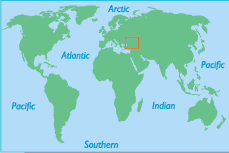
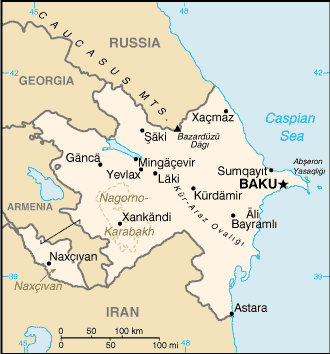

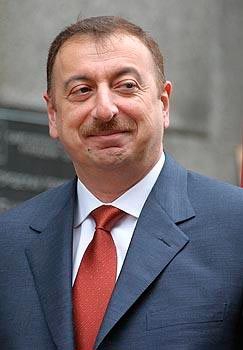

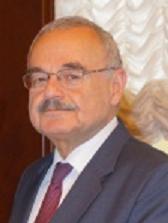
Elchin Efendiyev, Abid Sharifov and Ali Hasanov
Deputy Prime Ministers since 1993, 1995 and 1998 (respectively)
Deputy Prime Ministers since 1993, 1995 and 1998 (respectively)


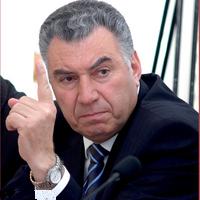
NAGORNO-KARABAKH
Bako Sahakyan
President since 7 September 2007
President since 7 September 2007
Arayik Vladimirovich Harutyunyan
Prime Minister since 14 September 2007
Prime Minister since 14 September 2007
According to the Nagarno-Karabkh Constitution, the President is elected by popular vote for five
years and is eligible for a second term; The Prime Minister is appointed b the President with
confirmation from the Parliament of Nagorno-Karabakh.
Next scheduled election: 2017
years and is eligible for a second term; The Prime Minister is appointed b the President with
confirmation from the Parliament of Nagorno-Karabakh.
Next scheduled election: 2017