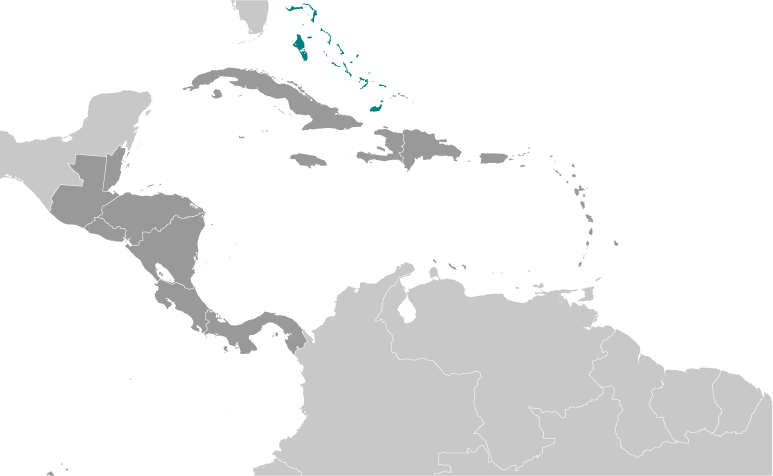
| THE BAHAMAS Commonwealth of the Bahamas Commonwealth of the Bahamas Joined United Nations: 18 September 1973 Human Rights as assured by their constitution Click here Updated 13 September 2012 |
| CAPITAL |
| POPULATION |
| CHIEF OF STATE |
| SELECTION PROCESS |
Nassau
316,182
note: estimates for this country explicitly take into account the effects of excess
mortality due to AIDS; this can result in lower life expectancy, higher infant mortality
and death rates, lower population and growth rates, and changes in the distribution of
population by age and sex than would otherwise be expected (July 2012 est.)
note: estimates for this country explicitly take into account the effects of excess
mortality due to AIDS; this can result in lower life expectancy, higher infant mortality
and death rates, lower population and growth rates, and changes in the distribution of
population by age and sex than would otherwise be expected (July 2012 est.)
Elizabeth II of United Kingdom
Queen since 6 February 1952
Queen since 6 February 1952
The monarch is hereditary and holds that position for life or until
abdication. The Governor General is selected by the Queen.
Next scheduled election: None
abdication. The Governor General is selected by the Queen.
Next scheduled election: None
HEAD OF GOVERNMENT
SELECTION PROCESS
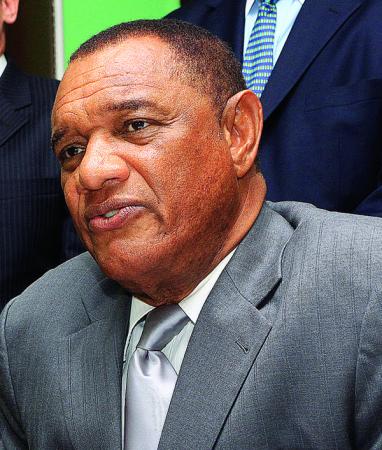
Perry Christie
Prime Minister since 8 May 2012
Prime Minister since 8 May 2012
Following legislative elections, the leader of the majority party or
leader of a majority coalition is usually appointed prime minister
by the governor general
Elections: last held 7 May 2012
Next scheduled election: May 2017
leader of a majority coalition is usually appointed prime minister
by the governor general
Elections: last held 7 May 2012
Next scheduled election: May 2017
| DECLARATION OF HUMAN RIGHTS |
| ETHNIC GROUPS |
Black 85%, white 12%, Asian and Hispanic 3%
| RELIGIONS |
Baptist 35.4%, Anglican 15.1%, Roman Catholic 13.5%, Pentecostal 8.1%, Church of God 4.8%, Methodist
4.2%, other Christian 15.2%, none or unspecified 2.9%, other 0.8% (2000 census)
4.2%, other Christian 15.2%, none or unspecified 2.9%, other 0.8% (2000 census)
| GOVERNMENT STRUCTURE |
Constitutional parliamentary democracy with 21 districts. Legal system is based English common law
Executive: The monarch is hereditary; governor general appointed by the monarch; following legislative elections, the
leader of the majority party or the leader of the majority coalition is usually appointed prime minister by the governor
general; the prime minister recommends the deputy prime minister
Legislative: Bicameral Parliament consists of the Senate (16-member body appointed by the governor general upon
the advice of the prime minister and the opposition leader for five-year terms) and the House of Assembly (41 seats;
members elected by direct popular vote to serve five-year terms); the government may dissolve the Parliament and call
elections at any time
elections: last held 7 May 2012 (next to be held by May 2017)
Judicial: Privy Council (London); Courts of Appeal; Supreme (lower) Court; magistrates courts
Executive: The monarch is hereditary; governor general appointed by the monarch; following legislative elections, the
leader of the majority party or the leader of the majority coalition is usually appointed prime minister by the governor
general; the prime minister recommends the deputy prime minister
Legislative: Bicameral Parliament consists of the Senate (16-member body appointed by the governor general upon
the advice of the prime minister and the opposition leader for five-year terms) and the House of Assembly (41 seats;
members elected by direct popular vote to serve five-year terms); the government may dissolve the Parliament and call
elections at any time
elections: last held 7 May 2012 (next to be held by May 2017)
Judicial: Privy Council (London); Courts of Appeal; Supreme (lower) Court; magistrates courts
| LANGUAGES |
English (official), Creole (among Haitian immigrants)
| BRIEF HISTORY |
The term Arawak (from aru, the Lokono word for cassava flour), was used to designate the Amerindians encountered by
the Spanish in the Caribbean. These include the Taíno, who occupied the Greater Antilles and the Bahamas (Lucayan)
and Bimini Florida, the Nepoya and Suppoyo of Trinidad and the Igneri, who were supposed to have preceded the
Caribs in the Lesser Antilles, together with related groups (including the Lokono) which lived along the eastern coast of
South America as far south as what is now Brazil. The group belongs to the Arawakan language family and they were the
natives Christopher Columbus found when he first landed in the Americas. The Spanish described them as a peaceful,
gentle people, although this description was biased by the fact that any "hostile" groups were automatically classified as
Caribs. On 12 October 1492, Christopher Columbus made his first landfall in the Western Hemisphere in the Bahamas.
He encountered Arawak Indians and exchanged gifts with them. They were of the Lucayan tribe, and some traveled with
Columbus in his return to Europe. Spanish slave traders later captured native Lucayan Indians to work in gold mines in
Hispaniola, and within 25 years, all Lucayans perished. Without a source of slaves, the Spanish did not colonize the
islands, though they had claimed them. In 1647 - during the time of the English Civil War - a group of Puritan religious
refugees from the royalist colony of Bermuda, the "Eleutheran Adventurers", founded the first permanent European
settlement in the Bahamas and gave Eleuthera Island its name. Similar groups of settlers formed settlements in the
Bahamas, but the isolated cays sheltered pirates and wreckers through the 17th century. Charles II granted land in the
Bahamas to the Lords proprietors of Carolina, but the islands were left entirely to themselves. After Charles Town was
destroyed by a joint French and Spanish fleet in 1703, the local pirates proclaimed an anarchic 'Privateers' Republic' with
Edward Teach — better known as Blackbeard — as chief magistrate. Nassau was the main port preferred by the pirates
during this time. When the islands became a British Crown Colony in 1717, the first Royal Governor, a reformed pirate
named Woodes Rogers, brought law and order to the Bahamas in 1718, when he expelled the buccaneers who had used
the islands as bases. Instead, the pirates still working in these waters became privateers. Rogers is best known for his
capture of pirates Calico Jack, Anne Bonny, and Mary Read. During the American War of Independence the Bahamas
fell to Spanish forces under General Galvez in 1782. After the American Revolution the British government issued land
grants to a group of British Loyalists, and the sparse population of the Bahamas tripled in a few years. The planters
thought to grow cotton, but the limy soil was unsuited to it, and the plantations soon failed. Many of the current inhabitants
are descended from the slaves brought to work on the Loyalist plantations. When the UK outlawed the slave trade in
1807, the Royal Navy began intercepting ships and depositing freed slaves in the Bahamas. Plantation life was finished
after the emancipation of remaining slaves in 1834. During the American Civil War, the Bahamas prospered as a center of
Confederate blockade-running, bringing out cotton for the mills of England and running in arms and munitions. After
World War I, the islands served as a base for American rum-runners. During World War II, the Allies centered their flight
training and antisubmarine operations for the Caribbean in the Bahamas. Since Havana closed to American tourists in
1961, the Bahamas has developed into a major tourist resort. At the same time the establishment of Freeport as a free
trade zone (1955) developed an off-shore financial services center with a reputation for a tolerant atmosphere. Bahamians
achieved self-government through a series of constitutional and political steps, attaining internal self-government in 1964
and full independence within the Commonwealth of Nations on July 10, 1973. When Europeans first arrived, they
reported the Bahamas were lushly forested. The forests were cleared during plantation days and have not regrown.The
country’s first prime minister was Lynden O. Pindling, leader of the Progressive Liberal Party. Pindling ruled for nearly 20
years, during which the Bahamas benefited from tourism and foreign investment. By the early 1980s, the islands had also
become a major center for the drug trade, with 90% of all the cocaine entering the United States reportedly passing
through the Bahamas. Diplomatic relations were established with Cuba in 1974. A decade later, as increased Cuban
immigration to the islands strained the Bahamas’ resources, Cuba refused to sign a letter of repatriation. In September
2004, Hurricane Frances swept through the Bahamas, leaving widespread damage in its wake. Just three weeks later,
Hurricane Jeanne flattened the islands. Jeanne uprooted trees, blew out windows, and sent seawater flooding through
neighborhoods on the islands of Abaco and Grand Bahama. Receding floodwaters left boats tossed on roads and homes
battered.
Source: Wikipedia History of the Bahamas
the Spanish in the Caribbean. These include the Taíno, who occupied the Greater Antilles and the Bahamas (Lucayan)
and Bimini Florida, the Nepoya and Suppoyo of Trinidad and the Igneri, who were supposed to have preceded the
Caribs in the Lesser Antilles, together with related groups (including the Lokono) which lived along the eastern coast of
South America as far south as what is now Brazil. The group belongs to the Arawakan language family and they were the
natives Christopher Columbus found when he first landed in the Americas. The Spanish described them as a peaceful,
gentle people, although this description was biased by the fact that any "hostile" groups were automatically classified as
Caribs. On 12 October 1492, Christopher Columbus made his first landfall in the Western Hemisphere in the Bahamas.
He encountered Arawak Indians and exchanged gifts with them. They were of the Lucayan tribe, and some traveled with
Columbus in his return to Europe. Spanish slave traders later captured native Lucayan Indians to work in gold mines in
Hispaniola, and within 25 years, all Lucayans perished. Without a source of slaves, the Spanish did not colonize the
islands, though they had claimed them. In 1647 - during the time of the English Civil War - a group of Puritan religious
refugees from the royalist colony of Bermuda, the "Eleutheran Adventurers", founded the first permanent European
settlement in the Bahamas and gave Eleuthera Island its name. Similar groups of settlers formed settlements in the
Bahamas, but the isolated cays sheltered pirates and wreckers through the 17th century. Charles II granted land in the
Bahamas to the Lords proprietors of Carolina, but the islands were left entirely to themselves. After Charles Town was
destroyed by a joint French and Spanish fleet in 1703, the local pirates proclaimed an anarchic 'Privateers' Republic' with
Edward Teach — better known as Blackbeard — as chief magistrate. Nassau was the main port preferred by the pirates
during this time. When the islands became a British Crown Colony in 1717, the first Royal Governor, a reformed pirate
named Woodes Rogers, brought law and order to the Bahamas in 1718, when he expelled the buccaneers who had used
the islands as bases. Instead, the pirates still working in these waters became privateers. Rogers is best known for his
capture of pirates Calico Jack, Anne Bonny, and Mary Read. During the American War of Independence the Bahamas
fell to Spanish forces under General Galvez in 1782. After the American Revolution the British government issued land
grants to a group of British Loyalists, and the sparse population of the Bahamas tripled in a few years. The planters
thought to grow cotton, but the limy soil was unsuited to it, and the plantations soon failed. Many of the current inhabitants
are descended from the slaves brought to work on the Loyalist plantations. When the UK outlawed the slave trade in
1807, the Royal Navy began intercepting ships and depositing freed slaves in the Bahamas. Plantation life was finished
after the emancipation of remaining slaves in 1834. During the American Civil War, the Bahamas prospered as a center of
Confederate blockade-running, bringing out cotton for the mills of England and running in arms and munitions. After
World War I, the islands served as a base for American rum-runners. During World War II, the Allies centered their flight
training and antisubmarine operations for the Caribbean in the Bahamas. Since Havana closed to American tourists in
1961, the Bahamas has developed into a major tourist resort. At the same time the establishment of Freeport as a free
trade zone (1955) developed an off-shore financial services center with a reputation for a tolerant atmosphere. Bahamians
achieved self-government through a series of constitutional and political steps, attaining internal self-government in 1964
and full independence within the Commonwealth of Nations on July 10, 1973. When Europeans first arrived, they
reported the Bahamas were lushly forested. The forests were cleared during plantation days and have not regrown.The
country’s first prime minister was Lynden O. Pindling, leader of the Progressive Liberal Party. Pindling ruled for nearly 20
years, during which the Bahamas benefited from tourism and foreign investment. By the early 1980s, the islands had also
become a major center for the drug trade, with 90% of all the cocaine entering the United States reportedly passing
through the Bahamas. Diplomatic relations were established with Cuba in 1974. A decade later, as increased Cuban
immigration to the islands strained the Bahamas’ resources, Cuba refused to sign a letter of repatriation. In September
2004, Hurricane Frances swept through the Bahamas, leaving widespread damage in its wake. Just three weeks later,
Hurricane Jeanne flattened the islands. Jeanne uprooted trees, blew out windows, and sent seawater flooding through
neighborhoods on the islands of Abaco and Grand Bahama. Receding floodwaters left boats tossed on roads and homes
battered.
Source: Wikipedia History of the Bahamas
| ECONOMIC OVERVIEW |
The Bahamas is one of the wealthiest Caribbean countries with an economy heavily dependent on tourism and offshore
banking. Tourism together with tourism-driven construction and manufacturing accounts for approximately 60% of
GDP and directly or indirectly employs half of the archipelago's labor force. Prior to 2006, a steady growth in tourism
receipts and a boom in construction of new hotels, resorts, and residences led to solid GDP growth but since then
tourism receipts have begun to drop off. The global recession in 2009 took a sizeable toll on The Bahamas, resulting in
a contraction in GDP and a widening budget deficit. The decline was reversed in 2010-11 as tourism from the US and
sector investment returned. Financial services constitute the second-most important sector of the Bahamian economy
and, when combined with business services, account for about 36% of GDP. However, the financial sector currently is
smaller than it has been in the past because of the enactment of new and stricter financial regulations in 2000 that
caused many international businesses to relocate elsewhere. Manufacturing and agriculture combined contribute
approximately a 10th of GDP and show little growth, despite government incentives aimed at those sectors. Overall
growth prospects in the short run rest heavily on the fortunes of the tourism sector and foreign investment in tourism
related infrastructure projects. The government also completed the sale of 51% of the telecommunications company in
2011 after 14 years of trying to privatize the state-owned enterprise.
Source: CIA World Factbook (select Bahamas)
banking. Tourism together with tourism-driven construction and manufacturing accounts for approximately 60% of
GDP and directly or indirectly employs half of the archipelago's labor force. Prior to 2006, a steady growth in tourism
receipts and a boom in construction of new hotels, resorts, and residences led to solid GDP growth but since then
tourism receipts have begun to drop off. The global recession in 2009 took a sizeable toll on The Bahamas, resulting in
a contraction in GDP and a widening budget deficit. The decline was reversed in 2010-11 as tourism from the US and
sector investment returned. Financial services constitute the second-most important sector of the Bahamian economy
and, when combined with business services, account for about 36% of GDP. However, the financial sector currently is
smaller than it has been in the past because of the enactment of new and stricter financial regulations in 2000 that
caused many international businesses to relocate elsewhere. Manufacturing and agriculture combined contribute
approximately a 10th of GDP and show little growth, despite government incentives aimed at those sectors. Overall
growth prospects in the short run rest heavily on the fortunes of the tourism sector and foreign investment in tourism
related infrastructure projects. The government also completed the sale of 51% of the telecommunications company in
2011 after 14 years of trying to privatize the state-owned enterprise.
Source: CIA World Factbook (select Bahamas)
| POLITICAL CLIMATE |
In 1964 the British gave the Bahamas internal self-governance and the white UBP leader Roland Symonette became
the country's first premier. In 1967, under the leadership of a young black lawyer named Lynden Pindling, the PLP
were elected and went on to lead The Bahamas into independence in 1973.
A coalition of PLP dissidents and former UBP members formed the Free National Movement (FNM) in 1971 under
the leadership of Cecil Wallace Whitfield. After Whitfield's death in 1990, another ex-PLP, Hubert Ingraham, became
leader of the FNM and took the party to victory in the 1992 general election. The FNM was re-elected by a landslide
in 1997, but lost to a resurgent PLP, under the leadership of his former law partner Perry Christie, in 2002. Ingraham
turned the party leadership over to Tommy Turnquest in 2002, but in 2007 he returned to lead the FNM to victory
again by a five-seat margin.
Among the country's biggest challenges are the privatization of costly and inefficient state-owned corporations, the
retraining of hundreds of workers who will be affected by the change, decisions on ways to diversify tax revenues away
from import tariffs and license fees, and opening the economy to international trade agreements.
Source: Wikipedia: Politics of The Bahamas
the country's first premier. In 1967, under the leadership of a young black lawyer named Lynden Pindling, the PLP
were elected and went on to lead The Bahamas into independence in 1973.
A coalition of PLP dissidents and former UBP members formed the Free National Movement (FNM) in 1971 under
the leadership of Cecil Wallace Whitfield. After Whitfield's death in 1990, another ex-PLP, Hubert Ingraham, became
leader of the FNM and took the party to victory in the 1992 general election. The FNM was re-elected by a landslide
in 1997, but lost to a resurgent PLP, under the leadership of his former law partner Perry Christie, in 2002. Ingraham
turned the party leadership over to Tommy Turnquest in 2002, but in 2007 he returned to lead the FNM to victory
again by a five-seat margin.
Among the country's biggest challenges are the privatization of costly and inefficient state-owned corporations, the
retraining of hundreds of workers who will be affected by the change, decisions on ways to diversify tax revenues away
from import tariffs and license fees, and opening the economy to international trade agreements.
Source: Wikipedia: Politics of The Bahamas
| INTERNATIONAL DISPUTES |
Disagrees with the US on the alignment the northern axis of a potential maritime boundary; continues to monitor and
interdict drug dealers and Haitian and Cuban refugees in Bahamian waters
interdict drug dealers and Haitian and Cuban refugees in Bahamian waters


| REFUGEES AND INTERNALLY DISPLACED PERSONS (IDP) |
None reported.
| ILLICIT DRUGS |
Transshipment point for cocaine and marijuana bound for US and Europe; offshore financial center
| HUMAN RIGHTS STATEMENTS, ANALYSIS AND CRITIQUES |
2011 Human Rights Reports: The Bahamas
Bureau of Democracy, Human Rights, and Labor
2011 Country Reports on Human Rights Practices
May 24, 2012
The Commonwealth of The Bahamas is a constitutional, parliamentary democracy. Prime Minister Hubert Ingraham’s Free National
Movement (FNM) regained control of the government in May 2007 elections that observers found to be generally free and fair.
Security forces reported to civilian authorities.
The most serious human rights problems were complaints of abuse by police and a poorly functioning judicial system, leading to
delays in trials, lengthy pretrial detention, and witness intimidation.
Other human rights problems included poor detention conditions; corruption; violence and discrimination against women; sexual
abuse of children; and discrimination based on sexual orientation, HIV status, or ethnic descent.
The government took action against police officers accused of abuse of power, and there was not a widespread perception of
impunity.
Click here to read more »
Bureau of Democracy, Human Rights, and Labor
2011 Country Reports on Human Rights Practices
May 24, 2012
The Commonwealth of The Bahamas is a constitutional, parliamentary democracy. Prime Minister Hubert Ingraham’s Free National
Movement (FNM) regained control of the government in May 2007 elections that observers found to be generally free and fair.
Security forces reported to civilian authorities.
The most serious human rights problems were complaints of abuse by police and a poorly functioning judicial system, leading to
delays in trials, lengthy pretrial detention, and witness intimidation.
Other human rights problems included poor detention conditions; corruption; violence and discrimination against women; sexual
abuse of children; and discrimination based on sexual orientation, HIV status, or ethnic descent.
The government took action against police officers accused of abuse of power, and there was not a widespread perception of
impunity.
Click here to read more »
31 March 2005
COMMITTEE ON THE RIGHTS OF THE CHILD
Thirty-eighth session
CONSIDERATION OF REPORTS SUBMITTED BY STATES PARTIES UNDER ARTICLE 44 OF THE CONVENTION
Concluding observations: The Bahamas
A. Introduction
2. The Committee welcomes the submission of the State party’s initial report and the written replies to its list of issues
(CRC/C/Q/BHS/1), which gave a clearer understanding of the situation of children in the State party. However, it deeply regrets
that the report was received 10 years after the date on which it should have been submitted. The Committee is encouraged by the
frank and constructive dialogue it had with the high-level delegation of the State party and welcomes the positive reactions to the
suggestions and recommendations made during the discussion.
B. Positive aspects
3. The Committee welcomes the adoption of the Status of Children Act in 2002 which, inter alia, abolished the distinction between
children born in wedlock and children born out of wedlock, particularly in relation to intestacy.
4. The Committee also notes with appreciation the adoption of the Inheritance Act in 2002, which makes provision for all children
to have equal rights or entitlement in circumstances where property is distributed on intestacy.
C. Factors and difficulties impeding the implementation of the Convention
7. The Committee notes the challenges facing the State party, namely the vulnerability to natural disasters, including hurricanes,
which have impeded progress towards the full realization of children’s rights enshrined in the Convention.
D. Principal areas of concern and recommendations
1. General measures of implementation
Reservations
8. The Committee notes with regret the reservation that the State party has made to article 2 of the Convention, but welcomes the
information during the dialogue that, given, inter alia, some recent new laws, the reservation may be withdrawn.
Click here to read more »
COMMITTEE ON THE RIGHTS OF THE CHILD
Thirty-eighth session
CONSIDERATION OF REPORTS SUBMITTED BY STATES PARTIES UNDER ARTICLE 44 OF THE CONVENTION
Concluding observations: The Bahamas
A. Introduction
2. The Committee welcomes the submission of the State party’s initial report and the written replies to its list of issues
(CRC/C/Q/BHS/1), which gave a clearer understanding of the situation of children in the State party. However, it deeply regrets
that the report was received 10 years after the date on which it should have been submitted. The Committee is encouraged by the
frank and constructive dialogue it had with the high-level delegation of the State party and welcomes the positive reactions to the
suggestions and recommendations made during the discussion.
B. Positive aspects
3. The Committee welcomes the adoption of the Status of Children Act in 2002 which, inter alia, abolished the distinction between
children born in wedlock and children born out of wedlock, particularly in relation to intestacy.
4. The Committee also notes with appreciation the adoption of the Inheritance Act in 2002, which makes provision for all children
to have equal rights or entitlement in circumstances where property is distributed on intestacy.
C. Factors and difficulties impeding the implementation of the Convention
7. The Committee notes the challenges facing the State party, namely the vulnerability to natural disasters, including hurricanes,
which have impeded progress towards the full realization of children’s rights enshrined in the Convention.
D. Principal areas of concern and recommendations
1. General measures of implementation
Reservations
8. The Committee notes with regret the reservation that the State party has made to article 2 of the Convention, but welcomes the
information during the dialogue that, given, inter alia, some recent new laws, the reservation may be withdrawn.
Click here to read more »
FREEDOM IN THE WORLD 2012 REPORT
Political Rights Score: 1
Civil Liberties Score: 1
Status: Free
Overview
In response to a dramatic increase in crime rates in 2011, the Bahamian government introduced reforms to key criminal justice
legislation, including the Penal Code. A freedom of information bill was also introduced in Parliament in October.
Following the surprise resignation in January 2010 of PLP representative Malcolm Adderley, a by-election was called for February
to fill the Elizabeth constituency seat. The governing FNM, the PLP, the newly formed National Development Party, the Workers’
Party, and the Bahamas Democratic Movement (BDM) all fielded candidates. The FNM was declared the winner by just two votes,
a close result that was challenged by the PLP and triggered a mandatory recount. In March, an election court ruled in favor of the
PLP, thus overturning the election-day results.
The Bahamas has established a model service economy based on an impressive tourism sector—which accounts for a large share
of national income—and offshore financial services. However, the Bahamian tourism industry continues to suffer from the global
economic crisis that struck in late 2008, posing challenges for the Ingraham government. Marijuana cultivation and trafficking by
foreign nationals residing in the country have led the United States to keep the Bahamas on the list of major drug-producing or drug-
transit countries.
In 2011, government statistics indicated that almost all major categories of crime had risen dramatically in comparison to the
previous year: murder increased by 44 percent, attempted murder by 29 percent, rape by 38 percent, and robbery by 16 percent. In
an effort to address the rise in crime, the government amended existing laws and introduced new legislation related to the
functioning of the criminal justice system, including amendments to the Penal Code, the Dangerous Drugs Act, the Firearms Act,
the Bail Act, the Sexual Offences Bill, and the Court of Appeal Act.
Corruption remains a problem at all levels of government. Top officials frequently face allegations of administrative graft,
domestically and from abroad. A freedom of information bill was introduced to Parliament in October 2011 and was expected to be
debated in early 2012.
Click here to read more »
Political Rights Score: 1
Civil Liberties Score: 1
Status: Free
Overview
In response to a dramatic increase in crime rates in 2011, the Bahamian government introduced reforms to key criminal justice
legislation, including the Penal Code. A freedom of information bill was also introduced in Parliament in October.
Following the surprise resignation in January 2010 of PLP representative Malcolm Adderley, a by-election was called for February
to fill the Elizabeth constituency seat. The governing FNM, the PLP, the newly formed National Development Party, the Workers’
Party, and the Bahamas Democratic Movement (BDM) all fielded candidates. The FNM was declared the winner by just two votes,
a close result that was challenged by the PLP and triggered a mandatory recount. In March, an election court ruled in favor of the
PLP, thus overturning the election-day results.
The Bahamas has established a model service economy based on an impressive tourism sector—which accounts for a large share
of national income—and offshore financial services. However, the Bahamian tourism industry continues to suffer from the global
economic crisis that struck in late 2008, posing challenges for the Ingraham government. Marijuana cultivation and trafficking by
foreign nationals residing in the country have led the United States to keep the Bahamas on the list of major drug-producing or drug-
transit countries.
In 2011, government statistics indicated that almost all major categories of crime had risen dramatically in comparison to the
previous year: murder increased by 44 percent, attempted murder by 29 percent, rape by 38 percent, and robbery by 16 percent. In
an effort to address the rise in crime, the government amended existing laws and introduced new legislation related to the
functioning of the criminal justice system, including amendments to the Penal Code, the Dangerous Drugs Act, the Firearms Act,
the Bail Act, the Sexual Offences Bill, and the Court of Appeal Act.
Corruption remains a problem at all levels of government. Top officials frequently face allegations of administrative graft,
domestically and from abroad. A freedom of information bill was introduced to Parliament in October 2011 and was expected to be
debated in early 2012.
Click here to read more »
Report 2012: No longer business as usual for tyranny and injustice ...
24 May 2012
The Bahamas
There were concerns about the treatment of Haitian migrants. Cases of ill-treatment by the police were reported. A new law
regulating the death penalty was passed; no executions were carried out.
Background
The Bahamas faced a continuing rise in violent crime in 2011, with a record 127 killings reported during the year, a 35 per cent
increase compared with 2010. In November, Parliament approved new laws with the stated purpose of improving the criminal
justice system. An official study showed that only 5 per cent of killings committed between 2005 and 2009 resulted in a conviction
for either murder or manslaughter.
In June, the authorities publicly supported the UN Human Rights Council’s resolution condemning discrimination based on sexual
orientation.
Police and security forces
At least one person was killed during the year by the police in disputed circumstances.
There were reports of ill-treatment and excessive use of force by the police during arrests and detentions.
On 12 October, Samuel Darling was beaten by several police officers in front of his house and arbitrarily detained. When his
wife, who witnessed the beating and arrest, went with her eight-year-old son to report the abuse at the nearest police station, she
was arrested and charged with disorder. The family filed a formal complaint and were awaiting the conclusions of a police
investigation at the end of the year.
Death penalty
At least five people remained under sentence of death. Four had spent more than five years on death row. Their sentences were
eligible for commutation under a 1993 ruling by the UK-based Judicial Committee of the Privy Council, the highest court of appeal,
which deemed that execution after five years on death row would constitute inhuman and degrading punishment.
In the context of an ongoing debate on public security, the authorities presented the retention of the death penalty as a measure to
deter crime. In November, a law was passed that provided for mandatory death sentences and “imprisonment for the whole of the
remaining years of a convicted person’s life” for certain categories of murder.
Click here to read more »
24 May 2012
The Bahamas
There were concerns about the treatment of Haitian migrants. Cases of ill-treatment by the police were reported. A new law
regulating the death penalty was passed; no executions were carried out.
Background
The Bahamas faced a continuing rise in violent crime in 2011, with a record 127 killings reported during the year, a 35 per cent
increase compared with 2010. In November, Parliament approved new laws with the stated purpose of improving the criminal
justice system. An official study showed that only 5 per cent of killings committed between 2005 and 2009 resulted in a conviction
for either murder or manslaughter.
In June, the authorities publicly supported the UN Human Rights Council’s resolution condemning discrimination based on sexual
orientation.
Police and security forces
At least one person was killed during the year by the police in disputed circumstances.
There were reports of ill-treatment and excessive use of force by the police during arrests and detentions.
On 12 October, Samuel Darling was beaten by several police officers in front of his house and arbitrarily detained. When his
wife, who witnessed the beating and arrest, went with her eight-year-old son to report the abuse at the nearest police station, she
was arrested and charged with disorder. The family filed a formal complaint and were awaiting the conclusions of a police
investigation at the end of the year.
Death penalty
At least five people remained under sentence of death. Four had spent more than five years on death row. Their sentences were
eligible for commutation under a 1993 ruling by the UK-based Judicial Committee of the Privy Council, the highest court of appeal,
which deemed that execution after five years on death row would constitute inhuman and degrading punishment.
In the context of an ongoing debate on public security, the authorities presented the retention of the death penalty as a measure to
deter crime. In November, a law was passed that provided for mandatory death sentences and “imprisonment for the whole of the
remaining years of a convicted person’s life” for certain categories of murder.
Click here to read more »
US: End Life Without Parole for Juvenile Offenders
Amicus Curiae brief filed with the Supreme Court
January 26, 2012
Human Rights Watch joined 25 other institutions in filing an amicus brief before the US Supreme Court in the upcoming cases of
Miller v. Alabama andJackson v. Arkansas. Both involve offenders who were sentenced to life without the possibility of parole for
crimes they committed when they were 14 years old. The United States is the only country in the world that sentences youth to life
without the possibility of parole for offenses they committed before the age of 18. Universally accepted standards, including several
treaties to which the US is a party, condemn such sentencing of youth. We argue that international practice, opinion, and treaty
obligations support holding all life without parole sentences for juveniles unconstitutional.
1. Foreign Law and Practice Do Not Allow Juvenile Life Without Parole Sentences
As international human rights law has developed and gained broader acceptance, most countries have followed suit, eliminating
sentencing practices that contravene human rights principles. But there is nothing new or revolutionary about recognizing the
impermissibility of sentencing juvenile offenders to life without parole. Indeed, very few countries have everimposed life sentences
on juvenile offenders. Sentencing our Children to Die, supra, at 989-1007. Most governments (unlike the United States) have either
never allowed, expressly prohibited, or in practice do not impose such sentences on juvenile offenders. Sentencing our Children to
Die, supra, at 989-90.
1. Foreign Law and Practice Do Not Allow Juvenile Life Without Parole Sentences
As international human rights law has developed and gained broader acceptance, most countries have followed suit, eliminating
sentencing practices that contravene human rights principles. But there is nothing new or revolutionary about recognizing the
impermissibility of sentencing juvenile offenders to life without parole. Indeed, very few countries have everimposed life sentences
on juvenile offenders. Sentencing our Children to Die, supra, at 989-1007. Most governments (unlike the United States) have either
never allowed, expressly prohibited, or in practice do not impose such sentences on juvenile offenders. Sentencing our Children to
Die, supra, at 989-90.
Of the ten countries identified in 2007 as having laws that could permit the sentencing of juvenile offenders to life without parole
(other than the United States)—Antigua and Barbuda, Argentina, Australia, Belize, Brunei, Cuba, Dominica, Saint Vincent and the
Grenadines, the Solomon Islands, and Sri Lanka—there are no known cases where the sentence has been imposed. Id. at 990.[7]
[7] Chapter 97 section 41 of the Penal Code of the Bahamas provides that those under the age of 18 are “to be detained during Her
Majesty's pleasure; if so sentenced he shall notwithstanding anything in the other provisions of this Act,” suggesting that a later
review of the sentence is possible.
Click here to read more »
Amicus Curiae brief filed with the Supreme Court
January 26, 2012
Human Rights Watch joined 25 other institutions in filing an amicus brief before the US Supreme Court in the upcoming cases of
Miller v. Alabama andJackson v. Arkansas. Both involve offenders who were sentenced to life without the possibility of parole for
crimes they committed when they were 14 years old. The United States is the only country in the world that sentences youth to life
without the possibility of parole for offenses they committed before the age of 18. Universally accepted standards, including several
treaties to which the US is a party, condemn such sentencing of youth. We argue that international practice, opinion, and treaty
obligations support holding all life without parole sentences for juveniles unconstitutional.
1. Foreign Law and Practice Do Not Allow Juvenile Life Without Parole Sentences
As international human rights law has developed and gained broader acceptance, most countries have followed suit, eliminating
sentencing practices that contravene human rights principles. But there is nothing new or revolutionary about recognizing the
impermissibility of sentencing juvenile offenders to life without parole. Indeed, very few countries have everimposed life sentences
on juvenile offenders. Sentencing our Children to Die, supra, at 989-1007. Most governments (unlike the United States) have either
never allowed, expressly prohibited, or in practice do not impose such sentences on juvenile offenders. Sentencing our Children to
Die, supra, at 989-90.
1. Foreign Law and Practice Do Not Allow Juvenile Life Without Parole Sentences
As international human rights law has developed and gained broader acceptance, most countries have followed suit, eliminating
sentencing practices that contravene human rights principles. But there is nothing new or revolutionary about recognizing the
impermissibility of sentencing juvenile offenders to life without parole. Indeed, very few countries have everimposed life sentences
on juvenile offenders. Sentencing our Children to Die, supra, at 989-1007. Most governments (unlike the United States) have either
never allowed, expressly prohibited, or in practice do not impose such sentences on juvenile offenders. Sentencing our Children to
Die, supra, at 989-90.
Of the ten countries identified in 2007 as having laws that could permit the sentencing of juvenile offenders to life without parole
(other than the United States)—Antigua and Barbuda, Argentina, Australia, Belize, Brunei, Cuba, Dominica, Saint Vincent and the
Grenadines, the Solomon Islands, and Sri Lanka—there are no known cases where the sentence has been imposed. Id. at 990.[7]
[7] Chapter 97 section 41 of the Penal Code of the Bahamas provides that those under the age of 18 are “to be detained during Her
Majesty's pleasure; if so sentenced he shall notwithstanding anything in the other provisions of this Act,” suggesting that a later
review of the sentence is possible.
Click here to read more »
September 5, 2012
National Committee To Ensure Children’s Rights Are Protected
NASSAU, The Bahamas --- A National Committee for Families and Children has been appointed to ensure that all of the provisions
of the Child Protection Act, 2007, are implemented in full, Minister of Social Services and Community Development, the Hon.
Melanie S. Griffin said.
Appearing on the Immediate Response Radio Talk Show, hosted by attorney Fayne Thompson, Mrs. Griffin said the appointment
of the committee comes five years after the legislation was passed by both the House of Assembly and the Senate in 2007, and
three years after the Act came into effect in 2009.
“That committee will begin meeting shortly so that they can review the Act and make determinations on what directions they will
take to carry out their work under the legislation,” Mrs. Griffin said.
“It is our belief that they will be able to push for some of the things that have not been done since the Act came into effect,” Mrs.
Griffin added.
One such area is the provision of proper housing and the establishment of educational and other programmes for residents of the
Simpson Penn Centre for Boys and the WillaMae Pratt Centre for Girls who are between the ages of 16-18.
Mrs. Griffin said that in raising the age-level of those children who could be committed to the Centre from 16 years to age to 18,
the Child Protection Act allowed court officials to alternatively commit perpetrators of lesser criminal acts who were in the age-
group category to either Centre as opposed to Her Majesty’s Prisons, where they would interact with more older, hardened
criminals.
She said no provisions were made to accommodate in separate facilities and/or facilitate the 16-18-year-olds at the Simpson Penn
(Centre for Boys) and WillaMae Pratt (Centre for Girls) since the implementation of the Act, which has produced some
“challenges.”
“This is an area the Committee will be able to address as it has been presenting a major challenge at those facilities and so we are
looking to address building facilities for that age-group,” Mrs. Griffin said.
“There is also a need to provide psychological and other programmes for them, which has not been happening, and so we want to
ensure that these things happen and that the Act is brought fully into force. Once we get the committee fully operational, they will
be responsible for ensuring that all of the Regulations are followed,” Minister Griffin added.
Mrs. Griffin said the Act, which is based upon the United Nation’s Convention on the Rights of the Child, contains several other
positive aspects.
Click here to read more »
National Committee To Ensure Children’s Rights Are Protected
NASSAU, The Bahamas --- A National Committee for Families and Children has been appointed to ensure that all of the provisions
of the Child Protection Act, 2007, are implemented in full, Minister of Social Services and Community Development, the Hon.
Melanie S. Griffin said.
Appearing on the Immediate Response Radio Talk Show, hosted by attorney Fayne Thompson, Mrs. Griffin said the appointment
of the committee comes five years after the legislation was passed by both the House of Assembly and the Senate in 2007, and
three years after the Act came into effect in 2009.
“That committee will begin meeting shortly so that they can review the Act and make determinations on what directions they will
take to carry out their work under the legislation,” Mrs. Griffin said.
“It is our belief that they will be able to push for some of the things that have not been done since the Act came into effect,” Mrs.
Griffin added.
One such area is the provision of proper housing and the establishment of educational and other programmes for residents of the
Simpson Penn Centre for Boys and the WillaMae Pratt Centre for Girls who are between the ages of 16-18.
Mrs. Griffin said that in raising the age-level of those children who could be committed to the Centre from 16 years to age to 18,
the Child Protection Act allowed court officials to alternatively commit perpetrators of lesser criminal acts who were in the age-
group category to either Centre as opposed to Her Majesty’s Prisons, where they would interact with more older, hardened
criminals.
She said no provisions were made to accommodate in separate facilities and/or facilitate the 16-18-year-olds at the Simpson Penn
(Centre for Boys) and WillaMae Pratt (Centre for Girls) since the implementation of the Act, which has produced some
“challenges.”
“This is an area the Committee will be able to address as it has been presenting a major challenge at those facilities and so we are
looking to address building facilities for that age-group,” Mrs. Griffin said.
“There is also a need to provide psychological and other programmes for them, which has not been happening, and so we want to
ensure that these things happen and that the Act is brought fully into force. Once we get the committee fully operational, they will
be responsible for ensuring that all of the Regulations are followed,” Minister Griffin added.
Mrs. Griffin said the Act, which is based upon the United Nation’s Convention on the Rights of the Child, contains several other
positive aspects.
Click here to read more »
2011 Annual Report
01 February, 2012
FORWARD
This is my fifth report as Data Protection Commissioner for the Bahamas. It covers the year 2011. The Data Protection (Privacy of
Personal Information) Act, 2003, (DPA) has been in force since 2nd April, 2007 and is now fully operational except for the
provision of Section 31 (2) which comes to maturity in early April 2012. This section states in part that:-
“Government agencies and other bodies specified in the First Schedule may continue for a period of five years from the date of
entry into force of this Act, to use and process existing files that contain personal data including sensitive personal data which were
acquired in circumstances in which it is not possible to determine if such was obtained in pursuance of a legal obligation or with the
consent of the data subjects.”
I therefore take this opportunity to encourage all stakeholders to ensure that personal data files in their care are fully updated and/or
purged to promote good data practices as mandated by the DPA.
2011 has been another year which has seen the privacy rights of individuals impacted (both positively and negatively) by the
common use of the internet as a means of communication through Twitter, Blogs, Facebook etc. The Office of the Data Protection
Commissioner (ODPC) continues to monitor how these communication means affect our citizenry and offer suggestions on how to
protect their privacy through our “Tip of the Month” feature.
It is important to remind all that the DPA mandates that the Commissioner is independent in the performance of his duties and has
privacy responsibility for:-
administering and enforcing the provisions of the DPA;
promoting the observance of good practice methods by Data Controllers within the requirements of the DPA;
influencing thinking on privacy and processing of personal information matters on a local and global basis; and
discharging as the national supervisory authority, various functions relating to or arising from any international obligations The
Bahamas may have or is seeking to be a party to, in connection with data protection.
Our aim is to be responsive and proactive to data protection (privacy) issues as much as we can within our resource capability.
This is where the real challenge resides; the continuous use of best practices in the field of data protection is one of many ways of
fulfilling our mandate.
Click here to read more »
01 February, 2012
FORWARD
This is my fifth report as Data Protection Commissioner for the Bahamas. It covers the year 2011. The Data Protection (Privacy of
Personal Information) Act, 2003, (DPA) has been in force since 2nd April, 2007 and is now fully operational except for the
provision of Section 31 (2) which comes to maturity in early April 2012. This section states in part that:-
“Government agencies and other bodies specified in the First Schedule may continue for a period of five years from the date of
entry into force of this Act, to use and process existing files that contain personal data including sensitive personal data which were
acquired in circumstances in which it is not possible to determine if such was obtained in pursuance of a legal obligation or with the
consent of the data subjects.”
I therefore take this opportunity to encourage all stakeholders to ensure that personal data files in their care are fully updated and/or
purged to promote good data practices as mandated by the DPA.
2011 has been another year which has seen the privacy rights of individuals impacted (both positively and negatively) by the
common use of the internet as a means of communication through Twitter, Blogs, Facebook etc. The Office of the Data Protection
Commissioner (ODPC) continues to monitor how these communication means affect our citizenry and offer suggestions on how to
protect their privacy through our “Tip of the Month” feature.
It is important to remind all that the DPA mandates that the Commissioner is independent in the performance of his duties and has
privacy responsibility for:-
administering and enforcing the provisions of the DPA;
promoting the observance of good practice methods by Data Controllers within the requirements of the DPA;
influencing thinking on privacy and processing of personal information matters on a local and global basis; and
discharging as the national supervisory authority, various functions relating to or arising from any international obligations The
Bahamas may have or is seeking to be a party to, in connection with data protection.
Our aim is to be responsive and proactive to data protection (privacy) issues as much as we can within our resource capability.
This is where the real challenge resides; the continuous use of best practices in the field of data protection is one of many ways of
fulfilling our mandate.
Click here to read more »
US Embassy Hosts DVC Dialogue on Elections with Civil Society Leaders
March 8, 2012
With general elections in The Bahamas rapidly approaching, the US Embassy's Public Affairs Section (PAS) hosted a Digital Video
Conference (DVC) dialogue on Tuesday, February 28 on civil society’s role during elections. Working closely with the Political
Section, PAS invited 12 NGO leaders for a discussion led by an IIP Speaker, Eric Bjornlund who is the cofounder of Democracy
International.
Mr. Bjornlund concrete examples from his work as an international elections expert resonated with the group and spurred a lively
post-DVC discussion that lasted an additional hour. Participants included representatives from Civil Society Bahamas, We The
People, Bahamas Human Rights Network, Youth Against Violence, Bahamas Against Crime, National Association of Women's
Organizations in The Bahamas, Amnesty International Bahamas Ltd. and Bahamas Urban Youth.
This DVC is the first in a series in the lead up to local elections, with a second youth focused DVC planned for March 8 and third
focused on the media’s role during elections planned for mid-to-late March.
Click here to read more »
March 8, 2012
With general elections in The Bahamas rapidly approaching, the US Embassy's Public Affairs Section (PAS) hosted a Digital Video
Conference (DVC) dialogue on Tuesday, February 28 on civil society’s role during elections. Working closely with the Political
Section, PAS invited 12 NGO leaders for a discussion led by an IIP Speaker, Eric Bjornlund who is the cofounder of Democracy
International.
Mr. Bjornlund concrete examples from his work as an international elections expert resonated with the group and spurred a lively
post-DVC discussion that lasted an additional hour. Participants included representatives from Civil Society Bahamas, We The
People, Bahamas Human Rights Network, Youth Against Violence, Bahamas Against Crime, National Association of Women's
Organizations in The Bahamas, Amnesty International Bahamas Ltd. and Bahamas Urban Youth.
This DVC is the first in a series in the lead up to local elections, with a second youth focused DVC planned for March 8 and third
focused on the media’s role during elections planned for mid-to-late March.
Click here to read more »

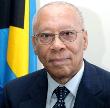
Represented by
Sir Arthur A. Foulkes
Governor General since 1 February 2006
Sir Arthur A. Foulkes
Governor General since 1 February 2006
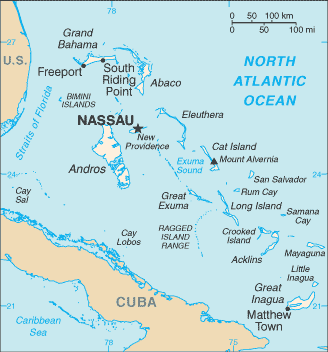
| Click map for larger view |
| Click flag for Country Report |






| TRAFFICKING IN PERSONS |
None reported.