
| BAHRAIN Kingdom of Bahrain Mamlakat al Bahrayn Joined United Nations: 21 September 1971 Human Rights as assured by their constitution Click here Updated 08 March 2013 |

| CAPITAL |
| POPULATION |
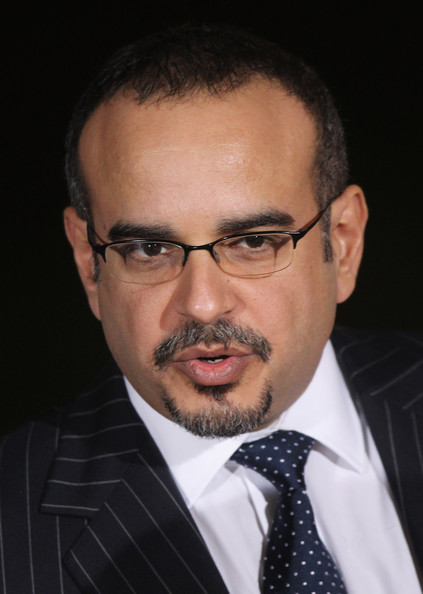
| CHIEF OF STATE |
| SELECTION PROCESS |
Manama
1,248,348
note: includes 235,108 non-nationals (July 2010 est.)
note: includes 235,108 non-nationals (July 2010 est.)
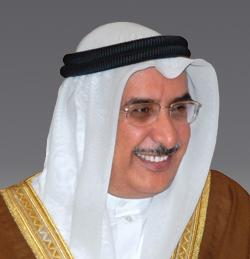
Khalifa bin Salman al-Khalifa
Prime Minister since 1971
Prime Minister since 1971
The monarchy is hereditary;
Next scheduled election: None
Next scheduled election: None
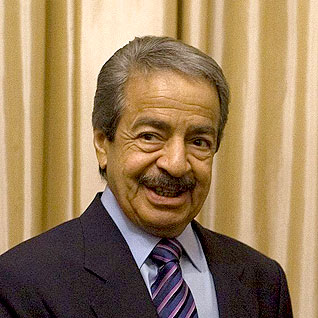
HEAD OF GOVERNMENT
SELECTION PROCESS
Prime minister and Deputy Prime Ministers appointed by the
monarch
Next scheduled election: None
monarch
Next scheduled election: None
| DECLARATION OF HUMAN RIGHTS |
| ETHNIC GROUPS |
Bahraini 46%, non-Bahraini 54% (2010 census)
| RELIGIONS |
Muslim (Shi'a and Sunni) 81.2%, Christian 9%, other 9.8% (2001 census)
| GOVERNMENT STRUCTURE |
Constitutional monarchy with 5 governorates; Legal system is based on Islamic law and English common law; has not accepted
compulsory ICJ jurisdiction
Executive: The monarchy is hereditary; prime minister appointed by the monarch
Legislative: Bicameral legislature consists of the Consultative Council (40 members appointed by the King) and the Council of
Representatives or Chamber of Deputies (40 seats; members directly elected to serve four-year terms)
elections: Council of Representatives - last held in two rounds on 23 and 30 October 2010 (next election to be held in 2014)
Judicial: High Civil Appeals Court
compulsory ICJ jurisdiction
Executive: The monarchy is hereditary; prime minister appointed by the monarch
Legislative: Bicameral legislature consists of the Consultative Council (40 members appointed by the King) and the Council of
Representatives or Chamber of Deputies (40 seats; members directly elected to serve four-year terms)
elections: Council of Representatives - last held in two rounds on 23 and 30 October 2010 (next election to be held in 2014)
Judicial: High Civil Appeals Court
| LANGUAGES |
Arabic, English, Farsi, Urdu
| BRIEF HISTORY |
The history of Bahrain goes back more than five thousand years to its role as the center of the ancient civilization of Dilmun, which
dominated the trade routes between Sumer and the Indus Valley. In the first century AD, Bahrain was referred to by the Greeks as
"Tylos", the centre of pearl trading, when Nearchus came to discover it serving under Alexander the Great. The town of Muharraq
was referred to as "Arados" (now there is "Arad" in Muharraq). While Bahrain was never incorporated into the Roman Empire it
did become a centre for Christianity. From the time when Islam emerged in the seventh century until the early sixteenth century, the
name Bahrain referred to the wider historical region of Bahrain stretching from Basrah to the Strait of Hormuz along the Persian Gulf
coast. Bahrainis were amongst the first to embrace Islam. Mohammed ruled Bahrain through one of his representatives, Al-Ala'a Al-
Hadhrami. Bahraini embraced Islam in 629 (the seventh year of hijra). During the time of Umar I the famous companion of the
Prophet Abu Hurayrah was the governor of Bahrain. Bahrain became a principal centre of knowledge for hundreds of years
stretching from the early days of Islam in the sixth century to the eighteenth century. In the end of the third Hijri century, Abu Sa'id
al-Hasan al-Janaby led the Revolution of al-Qaramita, a rebellion by a messianic Ismaili sect originating in Baghdad. Al-Janaby took
over the city of Hajr, Bahrain's capital at that time, in addition to al-Hasa, which he made the capital of his nation and once in
control of the state he sought to create a utopian society. The Qarmatians' goal in Bahrain was to build a society based on reason,
tolerance and equality. From Bahrain, the Qarmatians raided Baghdad and sacked Mecca and Medina in 930. The sacking of
Islam's holiest sites saw the Qarmatians desecrate the Well of Zamzam with corpses of Hajj pilgrims and take the Black Stone from
Mecca to Bahrain. The Qarmatians were eventually defeated in battle in 976 by the Abbasids, which precipitated the waning of
Qarmatian power and eventually the ascendancy to power of various east Arabian tribes. The first of these post-Qarmatian
dynasties were the Uyunids, who put an end to the Qarmatians in 1076. Based on the mainland in al-Ahsa and Qatif, the 'Uyunids
ruled the Awal islands until 1235, when the islands were briefly occupied by the ruler of Fars. In 1253, the bedouin Sunni dynasty
of the Usfurids gained control over eastern Arabia, including the islands of Bahrain. In 1330, the islands became tributary to the
rulers of Hormuz. Until the late Middle Ages, "Bahrain" referred to the larger historical region of Bahrain. Ibn Battuta's 14th century
account contains an early use of the term "Bahrain" to refer solely to the Awal islands. In the mid-15th century, the islands came
under the rule of the Jabrids, another bedouin dynasty that was also based in al-Ahsa and ruled most of eastern Arabia. The Jabrids
followed the Sunni Maliki rite, which they actively promoted within their domain. Portuguese expansion into the Indian Ocean in the
early sixteenth century following Vasco da Gama's voyages of exploration saw them battle the Ottomans up the coast of the Persian
Gulf. Reputedly, the first Portuguese traveller to visit Bahrain was Duarte Barbosa in 1485. In 1521, a Portuguese force led by
commander Antonio Correia invaded Bahrain to take control of the wealth created by its pearl industry. The conquest of Bahrain by
the Portuguese and their vassals, the Kingdom of Hormuz, was part of a long and sustained war against the Ottomans for control of
the spice trade. Under Persian Safavid rule (1602-1717), Bahrain fell under the administrative jurisdiction of the Beglarbegi of
Kuhgilu centered at Behbahan in southern Iran. In fact, the Safavids ruled Bahrain from a distance, seeking to control the islands not
by force, but through ideology and the manipulation of local rivalries. An Afghan invasion of Iran at the beginning of the eighteenth
century resulted in the near collapse of the Safavid state, and the resultant power vacuum saw Oman invade Bahrain in 1717, ending
over a hundred years of Persian hegemony. Bahrain was eventually sold back to the Persians by the Omanis, but the weakness of
the Safavid empire saw Huwala tribes seize control, who Al Bahrani says "ruined" the country. In 1783, the Al Khalifa clan (of the
Bani Utub tribe) invaded and captured Bahrain from their base in Zubara in neighbouring Qatar. The leader of the clan at the time
was Ahmad ibn Mohammed Al Khalifa who is now referred to as Ahmed Al Fateh ("Ahmed the Conqueror"). The Al Khalifa were
supported by several other Bedouin tribes in its invasion of Bahrain, including: the Al fathel, Al Jalahima, Al Bin Ali, Al Bu Romaih,
Al Muhannadi, Al Nuaim, Al Buainain, Al Hajri, and others. In 1799 the Al Khalifa were evicted from Bahrain to be replaced first
by the rule of the Sultanate of Oman. The Al Khalifa regained control of the country in 1811 when they launched another attack
from Zubara. In 1820 the Al Khalifa signed the General Treaty of Peace with the British, agreeing not to engage in piracy unless
they were in a state of war. A binding treaty of protection, known as the Perpetual Truce of Peace and Friendship, was concluded
in 1861, ushering in the period of colonialism in Bahrain, and was further revised in 1892 and 1951. The discovery of oil in 1932
made Bahrain the first location in the Persian Gulf to have oil wells sunk. Oil production required thousands of workers, attracting
peasants as well as enfranchised slaves who had become free men thanks to the end of slavery and debt bondage. As the first oil
wells were being drilled, the pearl diving industry, hitherto the main source of income for the country, collapsed because of
competition from cultured pearls produced in Japan. During the Second World War, Bahrain fought on the side of the Allies,
declaring war on Germany on September 10, 1939. It was a key base for the allies to safeguard oil supplies in the Persian Gulf and
was the subject of Italian air raids on its oil refineries on October 20, 1940 from bases in East Africa. After World War II, Bahrain
became the centre for British administration of the lower Persian Gulf. In 1968, when the British Government announced its decision
to end the treaty relationships with the Persian Gulf sheikdoms, Bahrain joined with Qatar and the seven Trucial States (which now
form the United Arab Emirates) under British protection in an effort to form a union of Arab emirates. By mid-1971, however, the
nine sheikhdoms still had not agreed on the terms of union. Accordingly, Bahrain sought independence as a separate entity and
became fully independent on August 15, 1971, as the State of Bahrain. The tide of political Islam that swept the Middle East in the
1970s culminating in the Iranian Revolution in 1979 was to have profound implications for Bahrain's social and political development.
In 1981, an Iranian front organisation, the Islamic Front for the Liberation of Bahrain attempted a coup d'etat with the plan involving
the assassination of Bahrain's leadership and an Islamist uprising. The aim was to install a clerical leadership with Iraqi cleric Hādī al-
Mudarrisī as supreme leader, but the coup was detected after a tip off from a friendly intelligence source. In the aftermath of the
Persian Gulf War and the collapse of the Soviet Union, and encouraged by electoral and parliamentary developments in Kuwait,
Bahraini opponents of the government sensed an opportunity to raise again the issue of elections and their own parliament. In 1999
Shaykh Hamad bin Isa Al Khalifa became Amir after the death of his father, Shaykh Isa bin Salman Al Khalifa, and carried out
wide ranging social and political reforms, described by Amnesty International as representing an 'historic period for human rights'.
The invitation to Bahrain's former exiles to return home revitalised the Kingdom's politics. Hamad promulgated the 2002
Constitution in which both the elected and the royally-appointed chambers of parliament were given equal legislative powers, going
back on his public promise of 2001. Between 2002 and 2006, the four boycotting societies continued their demand for discussions
on constitutional reforms. By 2006 these four party opposition indicated that it would participate in the parliamentary elections, but
retain their demand for constitutional reform at the top of their agenda. A Jewish woman, Houda Nonoo, was appointed Bahrain's
ambassador to the USA in 2008 May. She is believed to be the Arab world's first Jewish ambassador. Authorities arrest several
people who allegedly planned to detonate homemade bombs during Bahrain's national celebrations in December 2008. In April
2009, the King pardoned more than 170 prisoners charged with endangering national security, including 35 Shias being tried on
charges of trying to overthrow the state. However, in September 2010, in the run up to the elections, 20 Shia opposition leaders
were arrested and accused of plotting to overthrow monarchy by promoting violent protests and sabotage. The protests in Bahrain
started on 14 February, and were initially aimed at achieving greater political freedom and respect for human rights; they were not
intended to directly threaten the monarchy. Subsequent days saw large demonstrations. On 14 March, Saudi-led GCC forces were
requested by the government and entered the country. King Hamad bin Isa Al Khalifa declared a three-month state of emergency
on 15 March and asked the military to reassert its control as clashes spread across the country. On 9 March 2012 over 100,000
protested. More than 120 people had died since the start of the uprising.
Source: Wikipedia: History of Bahrain
dominated the trade routes between Sumer and the Indus Valley. In the first century AD, Bahrain was referred to by the Greeks as
"Tylos", the centre of pearl trading, when Nearchus came to discover it serving under Alexander the Great. The town of Muharraq
was referred to as "Arados" (now there is "Arad" in Muharraq). While Bahrain was never incorporated into the Roman Empire it
did become a centre for Christianity. From the time when Islam emerged in the seventh century until the early sixteenth century, the
name Bahrain referred to the wider historical region of Bahrain stretching from Basrah to the Strait of Hormuz along the Persian Gulf
coast. Bahrainis were amongst the first to embrace Islam. Mohammed ruled Bahrain through one of his representatives, Al-Ala'a Al-
Hadhrami. Bahraini embraced Islam in 629 (the seventh year of hijra). During the time of Umar I the famous companion of the
Prophet Abu Hurayrah was the governor of Bahrain. Bahrain became a principal centre of knowledge for hundreds of years
stretching from the early days of Islam in the sixth century to the eighteenth century. In the end of the third Hijri century, Abu Sa'id
al-Hasan al-Janaby led the Revolution of al-Qaramita, a rebellion by a messianic Ismaili sect originating in Baghdad. Al-Janaby took
over the city of Hajr, Bahrain's capital at that time, in addition to al-Hasa, which he made the capital of his nation and once in
control of the state he sought to create a utopian society. The Qarmatians' goal in Bahrain was to build a society based on reason,
tolerance and equality. From Bahrain, the Qarmatians raided Baghdad and sacked Mecca and Medina in 930. The sacking of
Islam's holiest sites saw the Qarmatians desecrate the Well of Zamzam with corpses of Hajj pilgrims and take the Black Stone from
Mecca to Bahrain. The Qarmatians were eventually defeated in battle in 976 by the Abbasids, which precipitated the waning of
Qarmatian power and eventually the ascendancy to power of various east Arabian tribes. The first of these post-Qarmatian
dynasties were the Uyunids, who put an end to the Qarmatians in 1076. Based on the mainland in al-Ahsa and Qatif, the 'Uyunids
ruled the Awal islands until 1235, when the islands were briefly occupied by the ruler of Fars. In 1253, the bedouin Sunni dynasty
of the Usfurids gained control over eastern Arabia, including the islands of Bahrain. In 1330, the islands became tributary to the
rulers of Hormuz. Until the late Middle Ages, "Bahrain" referred to the larger historical region of Bahrain. Ibn Battuta's 14th century
account contains an early use of the term "Bahrain" to refer solely to the Awal islands. In the mid-15th century, the islands came
under the rule of the Jabrids, another bedouin dynasty that was also based in al-Ahsa and ruled most of eastern Arabia. The Jabrids
followed the Sunni Maliki rite, which they actively promoted within their domain. Portuguese expansion into the Indian Ocean in the
early sixteenth century following Vasco da Gama's voyages of exploration saw them battle the Ottomans up the coast of the Persian
Gulf. Reputedly, the first Portuguese traveller to visit Bahrain was Duarte Barbosa in 1485. In 1521, a Portuguese force led by
commander Antonio Correia invaded Bahrain to take control of the wealth created by its pearl industry. The conquest of Bahrain by
the Portuguese and their vassals, the Kingdom of Hormuz, was part of a long and sustained war against the Ottomans for control of
the spice trade. Under Persian Safavid rule (1602-1717), Bahrain fell under the administrative jurisdiction of the Beglarbegi of
Kuhgilu centered at Behbahan in southern Iran. In fact, the Safavids ruled Bahrain from a distance, seeking to control the islands not
by force, but through ideology and the manipulation of local rivalries. An Afghan invasion of Iran at the beginning of the eighteenth
century resulted in the near collapse of the Safavid state, and the resultant power vacuum saw Oman invade Bahrain in 1717, ending
over a hundred years of Persian hegemony. Bahrain was eventually sold back to the Persians by the Omanis, but the weakness of
the Safavid empire saw Huwala tribes seize control, who Al Bahrani says "ruined" the country. In 1783, the Al Khalifa clan (of the
Bani Utub tribe) invaded and captured Bahrain from their base in Zubara in neighbouring Qatar. The leader of the clan at the time
was Ahmad ibn Mohammed Al Khalifa who is now referred to as Ahmed Al Fateh ("Ahmed the Conqueror"). The Al Khalifa were
supported by several other Bedouin tribes in its invasion of Bahrain, including: the Al fathel, Al Jalahima, Al Bin Ali, Al Bu Romaih,
Al Muhannadi, Al Nuaim, Al Buainain, Al Hajri, and others. In 1799 the Al Khalifa were evicted from Bahrain to be replaced first
by the rule of the Sultanate of Oman. The Al Khalifa regained control of the country in 1811 when they launched another attack
from Zubara. In 1820 the Al Khalifa signed the General Treaty of Peace with the British, agreeing not to engage in piracy unless
they were in a state of war. A binding treaty of protection, known as the Perpetual Truce of Peace and Friendship, was concluded
in 1861, ushering in the period of colonialism in Bahrain, and was further revised in 1892 and 1951. The discovery of oil in 1932
made Bahrain the first location in the Persian Gulf to have oil wells sunk. Oil production required thousands of workers, attracting
peasants as well as enfranchised slaves who had become free men thanks to the end of slavery and debt bondage. As the first oil
wells were being drilled, the pearl diving industry, hitherto the main source of income for the country, collapsed because of
competition from cultured pearls produced in Japan. During the Second World War, Bahrain fought on the side of the Allies,
declaring war on Germany on September 10, 1939. It was a key base for the allies to safeguard oil supplies in the Persian Gulf and
was the subject of Italian air raids on its oil refineries on October 20, 1940 from bases in East Africa. After World War II, Bahrain
became the centre for British administration of the lower Persian Gulf. In 1968, when the British Government announced its decision
to end the treaty relationships with the Persian Gulf sheikdoms, Bahrain joined with Qatar and the seven Trucial States (which now
form the United Arab Emirates) under British protection in an effort to form a union of Arab emirates. By mid-1971, however, the
nine sheikhdoms still had not agreed on the terms of union. Accordingly, Bahrain sought independence as a separate entity and
became fully independent on August 15, 1971, as the State of Bahrain. The tide of political Islam that swept the Middle East in the
1970s culminating in the Iranian Revolution in 1979 was to have profound implications for Bahrain's social and political development.
In 1981, an Iranian front organisation, the Islamic Front for the Liberation of Bahrain attempted a coup d'etat with the plan involving
the assassination of Bahrain's leadership and an Islamist uprising. The aim was to install a clerical leadership with Iraqi cleric Hādī al-
Mudarrisī as supreme leader, but the coup was detected after a tip off from a friendly intelligence source. In the aftermath of the
Persian Gulf War and the collapse of the Soviet Union, and encouraged by electoral and parliamentary developments in Kuwait,
Bahraini opponents of the government sensed an opportunity to raise again the issue of elections and their own parliament. In 1999
Shaykh Hamad bin Isa Al Khalifa became Amir after the death of his father, Shaykh Isa bin Salman Al Khalifa, and carried out
wide ranging social and political reforms, described by Amnesty International as representing an 'historic period for human rights'.
The invitation to Bahrain's former exiles to return home revitalised the Kingdom's politics. Hamad promulgated the 2002
Constitution in which both the elected and the royally-appointed chambers of parliament were given equal legislative powers, going
back on his public promise of 2001. Between 2002 and 2006, the four boycotting societies continued their demand for discussions
on constitutional reforms. By 2006 these four party opposition indicated that it would participate in the parliamentary elections, but
retain their demand for constitutional reform at the top of their agenda. A Jewish woman, Houda Nonoo, was appointed Bahrain's
ambassador to the USA in 2008 May. She is believed to be the Arab world's first Jewish ambassador. Authorities arrest several
people who allegedly planned to detonate homemade bombs during Bahrain's national celebrations in December 2008. In April
2009, the King pardoned more than 170 prisoners charged with endangering national security, including 35 Shias being tried on
charges of trying to overthrow the state. However, in September 2010, in the run up to the elections, 20 Shia opposition leaders
were arrested and accused of plotting to overthrow monarchy by promoting violent protests and sabotage. The protests in Bahrain
started on 14 February, and were initially aimed at achieving greater political freedom and respect for human rights; they were not
intended to directly threaten the monarchy. Subsequent days saw large demonstrations. On 14 March, Saudi-led GCC forces were
requested by the government and entered the country. King Hamad bin Isa Al Khalifa declared a three-month state of emergency
on 15 March and asked the military to reassert its control as clashes spread across the country. On 9 March 2012 over 100,000
protested. More than 120 people had died since the start of the uprising.
Source: Wikipedia: History of Bahrain
| ECONOMIC OVERVIEW |
Bahrain is one of the most diversified economies in the Persian Gulf. Highly developed communication and transport facilities make
Bahrain home to numerous multinational firms with business in the Gulf. As part of its diversification plans, Bahrain implemented a
Free Trade Agreement (FTA) with the US in August 2006, the first FTA between the US and a Gulf state. Bahrain's economy,
however, continues to depend heavily on oil. Petroleum production and refining account for more than 60% of Bahrain's export
receipts, 70% of government revenues, and 11% of GDP (exclusive of allied industries). Other major economic activities are
production of aluminum - Bahrain's second biggest export after oil - finance, and construction. Bahrain competes with Malaysia as a
worldwide center for Islamic banking and continues to seek new natural gas supplies as feedstock to support its expanding
petrochemical and aluminum industries. In 2011 and continuing into 2012, Bahrain experienced economic setbacks as a result of
domestic unrest. Bahrain's reputation as a financial hub of the Gulf has been damaged, and the country now risks losing financial
institutions to other regional centers such as Dubai or Doha. Economic policies aimed at restoring confidence in Bahrain's economy,
such as the suspension of an expatriate labor tax, will make Bahrain's foremost long-term economic challenges - youth
unemployment and the growth of government debt - more difficult to address.
Source: CIA World Factbook (select Bahrain)
Bahrain home to numerous multinational firms with business in the Gulf. As part of its diversification plans, Bahrain implemented a
Free Trade Agreement (FTA) with the US in August 2006, the first FTA between the US and a Gulf state. Bahrain's economy,
however, continues to depend heavily on oil. Petroleum production and refining account for more than 60% of Bahrain's export
receipts, 70% of government revenues, and 11% of GDP (exclusive of allied industries). Other major economic activities are
production of aluminum - Bahrain's second biggest export after oil - finance, and construction. Bahrain competes with Malaysia as a
worldwide center for Islamic banking and continues to seek new natural gas supplies as feedstock to support its expanding
petrochemical and aluminum industries. In 2011 and continuing into 2012, Bahrain experienced economic setbacks as a result of
domestic unrest. Bahrain's reputation as a financial hub of the Gulf has been damaged, and the country now risks losing financial
institutions to other regional centers such as Dubai or Doha. Economic policies aimed at restoring confidence in Bahrain's economy,
such as the suspension of an expatriate labor tax, will make Bahrain's foremost long-term economic challenges - youth
unemployment and the growth of government debt - more difficult to address.
Source: CIA World Factbook (select Bahrain)
| POLITICAL CLIMATE |
Since he succeeded as head of state in 1999, Sheikh Hamad has initiated wide ranging political reforms scrapping the restrictive
state security laws, giving women the right to vote, freeing all political prisoners and holding parliamentary elections. The first poll
was held in 2002, with MPs serving four year terms; the second parliamentary election took place on 25 November 2006.
Democratisation has greatly enhanced clerical influence, through the ability of religious leaders to deliver the votes of their
congregations to candidates. Sheikh Abdullah Al Ghraifi, the deputy head of the Islamic Scholars Council, gave a clear warning of
the clerics' intent: "We have at our disposition 150,000 votes that we will forward to the MPs, and I hope that they understand this
message clearly." Over the showdown with the government and women's rights activists on the introduction of stronger legal rights
for women, clerics have taken a lead in mobilising the opposition, and threatened to instruct their supporters to vote against MPs
that support women's rights.
Bahraini liberals have responded to the growing power of religious extremist parties by organising themselves to campaign through
civil society in order to defend basic personal freedoms from being legislated away. In November 2005, al Muntada, a grouping of
liberal academics, launched "We Have A Right", a campaign to explain to the public why personal freedoms matter and why they
need to be defended.
Bahrain's five governorates are administered by the Minister of State for Municipalities and the Environment in conjunction with
each Governorate's Governor. A complex system of courts, based on diverse legal sources, including Sunni and Shi'a Sharia
(religious law), tribal law, and other civil codes and regulation, was created with the help of British advisers in the early 20th century.
This judiciary administers the legal code and reviews laws to ensure their constitutionality. Major protests occurred in 2011,
coincident with protests in many other countries in the Arab world. The protesters selected 14 February as a day of protest to
coincide with the 10th anniversary of the National Action Charter.
Source: Wikipedia: Politics of Bahrain
state security laws, giving women the right to vote, freeing all political prisoners and holding parliamentary elections. The first poll
was held in 2002, with MPs serving four year terms; the second parliamentary election took place on 25 November 2006.
Democratisation has greatly enhanced clerical influence, through the ability of religious leaders to deliver the votes of their
congregations to candidates. Sheikh Abdullah Al Ghraifi, the deputy head of the Islamic Scholars Council, gave a clear warning of
the clerics' intent: "We have at our disposition 150,000 votes that we will forward to the MPs, and I hope that they understand this
message clearly." Over the showdown with the government and women's rights activists on the introduction of stronger legal rights
for women, clerics have taken a lead in mobilising the opposition, and threatened to instruct their supporters to vote against MPs
that support women's rights.
Bahraini liberals have responded to the growing power of religious extremist parties by organising themselves to campaign through
civil society in order to defend basic personal freedoms from being legislated away. In November 2005, al Muntada, a grouping of
liberal academics, launched "We Have A Right", a campaign to explain to the public why personal freedoms matter and why they
need to be defended.
Bahrain's five governorates are administered by the Minister of State for Municipalities and the Environment in conjunction with
each Governorate's Governor. A complex system of courts, based on diverse legal sources, including Sunni and Shi'a Sharia
(religious law), tribal law, and other civil codes and regulation, was created with the help of British advisers in the early 20th century.
This judiciary administers the legal code and reviews laws to ensure their constitutionality. Major protests occurred in 2011,
coincident with protests in many other countries in the Arab world. The protesters selected 14 February as a day of protest to
coincide with the 10th anniversary of the National Action Charter.
Source: Wikipedia: Politics of Bahrain
| INTERNATIONAL DISPUTES |
None reported.


| REFUGEES AND INTERNALLY DISPLACED PERSONS (IDPS) |
None reported.
| ILLICIT DRUGS |
None reported.
| HUMAN RIGHTS STATEMENTS, ANALYSIS AND CRITIQUES |
2011 Human Rights Report: Bahrain
Bureau of Democracy, Human Rights, and Labor
2011 Country Reports on Human Rights Practices
May 25, 2012
Bahrain is a monarchy. Noncitizens make up slightly more than half of the population. King Hamad Bin Isa Al-Khalifa, the head of state,
appoints the cabinet of ministers; approximately half are members of the Sunni Al-Khalifa ruling family. The parliament consists of an
appointed upper house (the Shura Council) and the elected Council of Representatives. Approximately 17 percent of eligible voters
participated in parliamentary by-elections on September 24. Independent human rights organizations did not consider these elections to
be free and fair; a boycott by opposition political societies affected the outcome in the already extensively gerrymandered districts.
Security forces reported to civilian authorities during most of the year.
Beginning in February the country experienced a sustained period of unrest, including mass protests calling for political reform. Gulf
Cooperation Council (GCC) Peninsula Shield Forces (PSF) troops were stationed in the country as a result of the unrest. Royal Decree
Number 18 implemented an emergency State of National Safety (SNS) from March 15 to June 1 in accordance with the constitution.
Military and civilian security forces carried out extensive security operations, including attacks on peaceful protesters at the former GCC
Roundabout (commonly referred to as the Pearl Roundabout and subsequently renamed Al Farooq Junction) in Manama on February 17.
Fifty-two confirmed deaths during the year may be linked to the unrest. There were 35 deaths between February 14 and April 15 alone,
according to the Bahrain Independent Commission of Inquiry (BICI), and there were reports of an additional 17 related deaths
throughout the rest of the year. Five of the 35 persons died as a result of torture inflicted by elements of security services during the
SNS. During the year rioters attacked South Asian residents, killing at least two.
The most egregious human rights problems reported in 2011 included the inability of citizens to peacefully change their government; the
dismissal and expulsion of workers and students for engaging in political activities; the arbitrary arrest and detention of thousands,
including medical personnel, human rights activists, and political figures, sometimes leading to their torture and/or death in detention; and
lack of due process.
Other significant human rights concerns included arbitrary deprivation of life; detention of prisoners of conscience; reported violations of
privacy and restrictions on civil liberties, including freedoms of speech, press, assembly, association, and some religious practices. In
some instances the government imposed and enforced travel bans on political activists. Discrimination on the basis of gender, religion,
nationality, and sect persisted, especially against the Shia population. The government demolished multiple Shia religious sites and
structures during the year. There were reports of domestic violence against women and children. Trafficking in persons and restrictions
on the rights of foreign workers continued to be significant problems.
The king established the BICI on June 29 and granted it authority to investigate and report on the events in February and March and their
aftermath. The BICI report, released on November 23, identified a “culture of impunity” in the security services and expressed concern
about the lack of accountability for human rights violations, among other findings.
Click here to read more »
Bureau of Democracy, Human Rights, and Labor
2011 Country Reports on Human Rights Practices
May 25, 2012
Bahrain is a monarchy. Noncitizens make up slightly more than half of the population. King Hamad Bin Isa Al-Khalifa, the head of state,
appoints the cabinet of ministers; approximately half are members of the Sunni Al-Khalifa ruling family. The parliament consists of an
appointed upper house (the Shura Council) and the elected Council of Representatives. Approximately 17 percent of eligible voters
participated in parliamentary by-elections on September 24. Independent human rights organizations did not consider these elections to
be free and fair; a boycott by opposition political societies affected the outcome in the already extensively gerrymandered districts.
Security forces reported to civilian authorities during most of the year.
Beginning in February the country experienced a sustained period of unrest, including mass protests calling for political reform. Gulf
Cooperation Council (GCC) Peninsula Shield Forces (PSF) troops were stationed in the country as a result of the unrest. Royal Decree
Number 18 implemented an emergency State of National Safety (SNS) from March 15 to June 1 in accordance with the constitution.
Military and civilian security forces carried out extensive security operations, including attacks on peaceful protesters at the former GCC
Roundabout (commonly referred to as the Pearl Roundabout and subsequently renamed Al Farooq Junction) in Manama on February 17.
Fifty-two confirmed deaths during the year may be linked to the unrest. There were 35 deaths between February 14 and April 15 alone,
according to the Bahrain Independent Commission of Inquiry (BICI), and there were reports of an additional 17 related deaths
throughout the rest of the year. Five of the 35 persons died as a result of torture inflicted by elements of security services during the
SNS. During the year rioters attacked South Asian residents, killing at least two.
The most egregious human rights problems reported in 2011 included the inability of citizens to peacefully change their government; the
dismissal and expulsion of workers and students for engaging in political activities; the arbitrary arrest and detention of thousands,
including medical personnel, human rights activists, and political figures, sometimes leading to their torture and/or death in detention; and
lack of due process.
Other significant human rights concerns included arbitrary deprivation of life; detention of prisoners of conscience; reported violations of
privacy and restrictions on civil liberties, including freedoms of speech, press, assembly, association, and some religious practices. In
some instances the government imposed and enforced travel bans on political activists. Discrimination on the basis of gender, religion,
nationality, and sect persisted, especially against the Shia population. The government demolished multiple Shia religious sites and
structures during the year. There were reports of domestic violence against women and children. Trafficking in persons and restrictions
on the rights of foreign workers continued to be significant problems.
The king established the BICI on June 29 and granted it authority to investigate and report on the events in February and March and their
aftermath. The BICI report, released on November 23, identified a “culture of impunity” in the security services and expressed concern
about the lack of accountability for human rights violations, among other findings.
Click here to read more »
17 June 2011
Committee on the Rights of the Child
Fifty-seventh session
30 May – 17 June 2011
Consideration of Reports Submitted by States Parties
Under Article 44 of the Convention
Concluding observations: Bahrain
I. Introduction
2 The Committee welcomes the submission of the State party’s combined second and third periodic report, although it regrets the
delay of its submission. The Committee furthermore appreciates the detailed written replies to the list of issues (CRC/C/BHR/Q/2-3) and
the fruitful dialogue held with the high-level multi-sectoral delegation, which contributed to a better understanding of the situation of
children in the State party.
II. Follow-up measures undertaken and progress achieved by the State party
3. The Committee notes with appreciation the adoption of the following legislative, institutional, policy and other measures:
(a) Act No. 1 of 2008 on combating the trafficking of persons and the establishment of a national committee to combat trafficking
in persons.
(b) Amendments to the Act No. 40 of 2005 on the facilitation of proceedings before the sharia courts, especially in cases involving
child maintenance payments and child custody;
(c) Act. No. 18 of 2006, concerning social security and providing the basic necessities for a decent life to the Bahraini citizens and
their families;
III. Factors and difficulties impeding the implementation of the Convention
5. On the aftermath of the recent events of 2011, the Committee wishes to recall to the State party the continuous nature of
international human rights obligations and that the rights under the Convention apply to all children at all times. The Committee expresses
its concern that children were not sufficiently protected during the events and calls upon the State party to strengthen its legal and
institutional system for the protection and promotion of the rights of the child, especially those in contact with the law. The Committee
notes the State party’s willingness to host an OHCHR assessment mission.
IV. Main areas of concern and recommendations
A. General measures of implementation (arts. 4, 42 and 44, para. 6 of the Convention)
The Committee’s previous recommendations
6. The Committee notes the positive efforts by the State party to implement the Committee’s concluding observations
(CRC/C/15/Add.175) on the State party’s initial report in 2002 (CRC/C/11/Add.24). However, the Committee regrets that some of the
recommendations have been insufficiently or only partly addressed, and reiterates its previous recommendations.
7. The Committee urges the State party to take all necessary measures to address the recommendations from the concluding
observations of the State party’s initial report that have not yet been, or have partly been implemented, including those related, in
particular, to the legislation, the coordination of the child related activities of relevant ministries, NGOs and civil society, the
administration of juvenile justice, the investigation of allegations of torture and ill-treatment and the prevention of discrimination. In this
context, the Committee draws the attention of the State party to its general comment No. 5 (2004) on general measures of
implementation of the Convention on the Rights of the Child.
Click here to read more »
Committee on the Rights of the Child
Fifty-seventh session
30 May – 17 June 2011
Consideration of Reports Submitted by States Parties
Under Article 44 of the Convention
Concluding observations: Bahrain
I. Introduction
2 The Committee welcomes the submission of the State party’s combined second and third periodic report, although it regrets the
delay of its submission. The Committee furthermore appreciates the detailed written replies to the list of issues (CRC/C/BHR/Q/2-3) and
the fruitful dialogue held with the high-level multi-sectoral delegation, which contributed to a better understanding of the situation of
children in the State party.
II. Follow-up measures undertaken and progress achieved by the State party
3. The Committee notes with appreciation the adoption of the following legislative, institutional, policy and other measures:
(a) Act No. 1 of 2008 on combating the trafficking of persons and the establishment of a national committee to combat trafficking
in persons.
(b) Amendments to the Act No. 40 of 2005 on the facilitation of proceedings before the sharia courts, especially in cases involving
child maintenance payments and child custody;
(c) Act. No. 18 of 2006, concerning social security and providing the basic necessities for a decent life to the Bahraini citizens and
their families;
III. Factors and difficulties impeding the implementation of the Convention
5. On the aftermath of the recent events of 2011, the Committee wishes to recall to the State party the continuous nature of
international human rights obligations and that the rights under the Convention apply to all children at all times. The Committee expresses
its concern that children were not sufficiently protected during the events and calls upon the State party to strengthen its legal and
institutional system for the protection and promotion of the rights of the child, especially those in contact with the law. The Committee
notes the State party’s willingness to host an OHCHR assessment mission.
IV. Main areas of concern and recommendations
A. General measures of implementation (arts. 4, 42 and 44, para. 6 of the Convention)
The Committee’s previous recommendations
6. The Committee notes the positive efforts by the State party to implement the Committee’s concluding observations
(CRC/C/15/Add.175) on the State party’s initial report in 2002 (CRC/C/11/Add.24). However, the Committee regrets that some of the
recommendations have been insufficiently or only partly addressed, and reiterates its previous recommendations.
7. The Committee urges the State party to take all necessary measures to address the recommendations from the concluding
observations of the State party’s initial report that have not yet been, or have partly been implemented, including those related, in
particular, to the legislation, the coordination of the child related activities of relevant ministries, NGOs and civil society, the
administration of juvenile justice, the investigation of allegations of torture and ill-treatment and the prevention of discrimination. In this
context, the Committee draws the attention of the State party to its general comment No. 5 (2004) on general measures of
implementation of the Convention on the Rights of the Child.
Click here to read more »
Bahrain Continues Crackdown, Sentences Zainab Al-Khawaja to Prison
Mar 4 2013 - 4:52pm
Freedom House condemns the decision by a Bahraini court to reject the appeals for human rights activist Zainab Al-Khawaja, sentencing
her to three months in prison. The court’s decision reflects the regime’s continued persecution of those who have peacefully opposed its
repressive rule and further demonstrates its utter failure to engage in meaningful reform.
On February 27, authorities arrested Zainab during a sit-in in front of the Royal Palace in Al Qudaybiyah, where she was protesting
authorities’ decision not to hand over the body of activist Mahmoud Issa al-Jaziri, killed during a demonstration by a tear gas canister. A
day later, the court rejected two of Zainab’s previous appeals, which included an appeal to reverse a one-month prison sentence for
participating in an ‘unauthorized demonstration’ in February 2012, and another appeal to reverse a two-month prison sentence for
allegedly destroying property belonging to the Ministry of Interior. She remains in custody at the Hoora Detention Center. The decision
to sentence Zainab to prison comes several days after 44 United Nations members released a statement expressing “serious concern”
with the human rights situation in the country and with the government’s imprisonment of persons exercising the right to free expression.
Authorities have detained Zainab numerous times in the past for her activism. She has campaigned for the release of her father,
Abdulhadi Al-Khawaja, who was among the group of pro-democracy activists sentenced to life in prison for “plotting to overthrow the
government.” Last year her father went on a hunger strike for more than 100 days to protest his imprisonment. He and his two
daughters, Zainab and Maryam, were the recipients of Freedom House’s annual Freedom Award for their continued struggle for human
rights in Bahrain.
Bahrain is rated Not Free in the 2013 edition of Freedom House’s Freedom in the World report and Not Free in the 2012 edition of the
Freedom of the Press and Freedom on the Net reports. Citizens have been broadly engaged in protests calling for a more representative
government and denouncing ongoing human rights abuses since February 2011. Rights groups have reported ongoing arrests,
intimidation, and in some cases torture of those who speak out against the regime. There has been no evidence of real reform, despite
the government’s pledge to implement recommendations from the Bahrain Independent Commission of Inquiry (BICI) report, and the
country has been steadily moving in the wrong direction.
Click here to read more »
Mar 4 2013 - 4:52pm
Freedom House condemns the decision by a Bahraini court to reject the appeals for human rights activist Zainab Al-Khawaja, sentencing
her to three months in prison. The court’s decision reflects the regime’s continued persecution of those who have peacefully opposed its
repressive rule and further demonstrates its utter failure to engage in meaningful reform.
On February 27, authorities arrested Zainab during a sit-in in front of the Royal Palace in Al Qudaybiyah, where she was protesting
authorities’ decision not to hand over the body of activist Mahmoud Issa al-Jaziri, killed during a demonstration by a tear gas canister. A
day later, the court rejected two of Zainab’s previous appeals, which included an appeal to reverse a one-month prison sentence for
participating in an ‘unauthorized demonstration’ in February 2012, and another appeal to reverse a two-month prison sentence for
allegedly destroying property belonging to the Ministry of Interior. She remains in custody at the Hoora Detention Center. The decision
to sentence Zainab to prison comes several days after 44 United Nations members released a statement expressing “serious concern”
with the human rights situation in the country and with the government’s imprisonment of persons exercising the right to free expression.
Authorities have detained Zainab numerous times in the past for her activism. She has campaigned for the release of her father,
Abdulhadi Al-Khawaja, who was among the group of pro-democracy activists sentenced to life in prison for “plotting to overthrow the
government.” Last year her father went on a hunger strike for more than 100 days to protest his imprisonment. He and his two
daughters, Zainab and Maryam, were the recipients of Freedom House’s annual Freedom Award for their continued struggle for human
rights in Bahrain.
Bahrain is rated Not Free in the 2013 edition of Freedom House’s Freedom in the World report and Not Free in the 2012 edition of the
Freedom of the Press and Freedom on the Net reports. Citizens have been broadly engaged in protests calling for a more representative
government and denouncing ongoing human rights abuses since February 2011. Rights groups have reported ongoing arrests,
intimidation, and in some cases torture of those who speak out against the regime. There has been no evidence of real reform, despite
the government’s pledge to implement recommendations from the Bahrain Independent Commission of Inquiry (BICI) report, and the
country has been steadily moving in the wrong direction.
Click here to read more »
14 February 2013
Bahrain: Still paying a heavy price for freedom
Prisoners of conscience remain behind bars and activists continue to be jailed just for expressing their views whether via social media or
on peaceful marches, two years on from 2011 protests, said Amnesty International in a briefing published today.
Victims of state repression say justice remains elusive and restrictions are still in place despite recent institutional reforms.
“The government of Bahrain cannot carry on imprisoning people simply because it can’t take criticism. It’s time that people detained
simply for exercising their right to freedom of expression be released and for the harassment of other activists to desist,” said Hassiba
Hadj Sahraoui, Amnesty International’s Middle East and North Africa Programme Deputy Director.
“Bahrain risks creating nothing more than a bureaucracy of human rights if changes are not matched by a genuine political will to reform
- Bahrainis need to see their rights respected in everyday life.”
Last month, Amnesty International conducted a mission to Bahrain where it met with seven prisoners of conscience detained in Jaw
prison. All of them reported they had been jailed on false charges or under laws that repress basic rights.
Mahdi’ Issa Mahdi Abu Deeb, a teacher’s trade union leader who has been in jail since his arrest in 2011 told Amnesty:
As for the charges against me and Jalila [Jalila al-Salman, a fellow teachers’ union leader and mother of three], no one thinks they are
right: we did not call for the fall of the regime – we are people in the education system.
In a series of meetings with government officials, Amnesty International urged the authorities to release all prisoners of conscience, lift
restrictions on freedom of expression, association and assembly and bring those who committed human rights abuses against protestors
to justice.
“No convincing evidence had been submitted to justify these convictions. It appears that all of those involved were targeted for their anti-
government views and for having participated in peaceful protests”.
Many of the prisoners of conscience were allegedly tortured in the first weeks of arrests.
Click here to read more »
Bahrain: Still paying a heavy price for freedom
Prisoners of conscience remain behind bars and activists continue to be jailed just for expressing their views whether via social media or
on peaceful marches, two years on from 2011 protests, said Amnesty International in a briefing published today.
Victims of state repression say justice remains elusive and restrictions are still in place despite recent institutional reforms.
“The government of Bahrain cannot carry on imprisoning people simply because it can’t take criticism. It’s time that people detained
simply for exercising their right to freedom of expression be released and for the harassment of other activists to desist,” said Hassiba
Hadj Sahraoui, Amnesty International’s Middle East and North Africa Programme Deputy Director.
“Bahrain risks creating nothing more than a bureaucracy of human rights if changes are not matched by a genuine political will to reform
- Bahrainis need to see their rights respected in everyday life.”
Last month, Amnesty International conducted a mission to Bahrain where it met with seven prisoners of conscience detained in Jaw
prison. All of them reported they had been jailed on false charges or under laws that repress basic rights.
Mahdi’ Issa Mahdi Abu Deeb, a teacher’s trade union leader who has been in jail since his arrest in 2011 told Amnesty:
As for the charges against me and Jalila [Jalila al-Salman, a fellow teachers’ union leader and mother of three], no one thinks they are
right: we did not call for the fall of the regime – we are people in the education system.
In a series of meetings with government officials, Amnesty International urged the authorities to release all prisoners of conscience, lift
restrictions on freedom of expression, association and assembly and bring those who committed human rights abuses against protestors
to justice.
“No convincing evidence had been submitted to justify these convictions. It appears that all of those involved were targeted for their anti-
government views and for having participated in peaceful protests”.
Many of the prisoners of conscience were allegedly tortured in the first weeks of arrests.
Click here to read more »
Bahrain: Promises Unkept, Rights Still Violated
Head of Independent Commission: Implementation ‘Inadequate’
November 22, 2012
(Beirut) – Bahraini authorities have failed to carry out the key recommendations of the Bahrain Independent Commission of Inquiry
(BICI), which submitted its recommendations on accountability and other human rights issues a year ago. The commission concluded
that security forces and other government authorities had committed serious and systematic human rights violations in connection with
the government’s suppression of pro-democracy protests in 2011.
“Bahrain deservedly got a lot of credit for appointing an independent body to assess the government’s violations, but a year later,
authorities have still not carried out the key recommendations,” said Joe Stork, deputy Middle East director at Human Rights Watch. “In
fact, in many ways Bahrain’s human rights situation has only deteriorated since the king accepted the commission’s findings and
recommendations.”
King Hamad bin Isa Al Khalifa appointed the BICI in July 2011 to investigate the government’s response to the demonstrations in
February and March 2011. The commission concluded that the abuses by security forces – including torture and widespread arbitrary
arrests – in the wake of the government suppression of the demonstrations “could not have happened without the knowledge of higher
echelons of the command structure” of the security forces. It called on the government to address allegations of torture by security
forces, “including those in the chain of command, military and civilian.”
King Hamad accepted the commission’s findings and recommendations on November 23, 2011.
Bahraini authorities have released some people who were wrongly detained in connection with and following the protests, reinstated
many dismissed workers and students, and prosecuted a few, typically low-ranking, security personnel. But leading opposition activists
who were sentenced to long prison terms, including life terms, after they called for political change remain behind bars, as do many
others whose alleged crimes involved mostly peaceful street protests.
The politicized arrests and prosecutions have continued. In August 2012, a Bahraini court sentenced Nabeel Rajab, a prominent human
rights defender, to three years in prison based solely on his participation in protests that authorities had not authorized. In November,
four Bahrainis were sentenced to prison for “tweets” that authorities alleged had insulted the king, even though King Hamad had publicly
stated that he did not want anyone charged with crimes involving alleged insults to him.
By contrast, there have been no prosecutions of high-level officials in connection with the policies that led to widespread torture and
unlawful killings. Courts have upheld convictions based on coerced confessions.
The head of the independent commission, the Egyptian-American jurist M. Cherif Bassiouni, told Human Rights Watch that the
government’s implementation of the BICI recommendations has been inadequate.
Click here to read more »
Head of Independent Commission: Implementation ‘Inadequate’
November 22, 2012
(Beirut) – Bahraini authorities have failed to carry out the key recommendations of the Bahrain Independent Commission of Inquiry
(BICI), which submitted its recommendations on accountability and other human rights issues a year ago. The commission concluded
that security forces and other government authorities had committed serious and systematic human rights violations in connection with
the government’s suppression of pro-democracy protests in 2011.
“Bahrain deservedly got a lot of credit for appointing an independent body to assess the government’s violations, but a year later,
authorities have still not carried out the key recommendations,” said Joe Stork, deputy Middle East director at Human Rights Watch. “In
fact, in many ways Bahrain’s human rights situation has only deteriorated since the king accepted the commission’s findings and
recommendations.”
King Hamad bin Isa Al Khalifa appointed the BICI in July 2011 to investigate the government’s response to the demonstrations in
February and March 2011. The commission concluded that the abuses by security forces – including torture and widespread arbitrary
arrests – in the wake of the government suppression of the demonstrations “could not have happened without the knowledge of higher
echelons of the command structure” of the security forces. It called on the government to address allegations of torture by security
forces, “including those in the chain of command, military and civilian.”
King Hamad accepted the commission’s findings and recommendations on November 23, 2011.
Bahraini authorities have released some people who were wrongly detained in connection with and following the protests, reinstated
many dismissed workers and students, and prosecuted a few, typically low-ranking, security personnel. But leading opposition activists
who were sentenced to long prison terms, including life terms, after they called for political change remain behind bars, as do many
others whose alleged crimes involved mostly peaceful street protests.
The politicized arrests and prosecutions have continued. In August 2012, a Bahraini court sentenced Nabeel Rajab, a prominent human
rights defender, to three years in prison based solely on his participation in protests that authorities had not authorized. In November,
four Bahrainis were sentenced to prison for “tweets” that authorities alleged had insulted the king, even though King Hamad had publicly
stated that he did not want anyone charged with crimes involving alleged insults to him.
By contrast, there have been no prosecutions of high-level officials in connection with the policies that led to widespread torture and
unlawful killings. Courts have upheld convictions based on coerced confessions.
The head of the independent commission, the Egyptian-American jurist M. Cherif Bassiouni, told Human Rights Watch that the
government’s implementation of the BICI recommendations has been inadequate.
Click here to read more »
Bahrain Says UN Experts Based Statement on Distorted Information
By Wael Mahdi - Sep 1, 2012 6:25 PM ET
Bahrain said a United Nations Experts statement on the trial and verdict of a Bahraini human rights activist is based on distorted
information.
Bahrain sentenced activist Nabeel Rajab, 48, to three years imprisonment for violating the country’s laws and not for expressing his
opinion as three UN experts said in a statement on Aug. 23, the Information Affairs Authority said in an e- mailed comment. The
authority said Rajab had a fair trial and his lawyer was present throughout the judicial process.
The UN Special Rapporteur on human rights defenders, Margaret Sekaggya said on Aug. 23 that the sentencing of Nabeel Rajab was
“another blatant attempt by the Government of Bahrain to silence those legitimately working to promote basic human rights.”
Click here to read more »
By Wael Mahdi - Sep 1, 2012 6:25 PM ET
Bahrain said a United Nations Experts statement on the trial and verdict of a Bahraini human rights activist is based on distorted
information.
Bahrain sentenced activist Nabeel Rajab, 48, to three years imprisonment for violating the country’s laws and not for expressing his
opinion as three UN experts said in a statement on Aug. 23, the Information Affairs Authority said in an e- mailed comment. The
authority said Rajab had a fair trial and his lawyer was present throughout the judicial process.
The UN Special Rapporteur on human rights defenders, Margaret Sekaggya said on Aug. 23 that the sentencing of Nabeel Rajab was
“another blatant attempt by the Government of Bahrain to silence those legitimately working to promote basic human rights.”
Click here to read more »
BHRS statement on the announcement by the Interior Ministry to Ban mar ...
«02-November-2012»
BAHRAIN: Detained Human Rights Defender Nabeel Rajab On Hunger Strike
Paris-Geneva, October 8, 2012 – The Observatory for the Protection of Human Rights Defenders, a joint programme of the International
Federation for Human Rights (FIDH) and the World Organisation Against Torture (OMCT), is highly concerned about the physical and
psychological integrity of Mr. Nabeel Rajab, President of the Bahrain Centre for Human Rights (BCHR), Director of the Gulf Centre for
Human Rights (GCHR) and FIDH Deputy Secretary General. The Observatory deplores the ongoing judicial harassment and arbitrary
detention of Mr. Rajab.
According to information received, on October 5, 2012, Mr. Nabeel Rajab announced that he had started a ”dry” hunger strike (refusing
water in addition to food) and had stopped taking his medication, in protest against the Public Prosecutor's decision to withdraw the
authorisation granted to him on October 4, 2012, to attend the second day of his mother's funeral who died on October 3. On October 5,
2012, the Public Prosecutor announced that he had withdrawn this authorization, stating that Mr. Rajab had « violated the law as he
spoke to the mourners and incited them to join illegal protests »[1]. The Observatory is concerned by such a statement as it clearly aims
to curtail and punish Mr. Rajab's fundamental right to freedom of expression and opinion.
Today, the court rejected the appeal lodged against the decision to maintain Mr. Rajab in provisional detention. Mr. Rajab is expected to
appear before the Bahraini Appeals Court on October 16. The Observatory reiterates its call to the Bahraini authorities to immediately and
unconditionally release him and to put an end to all acts of judicial harassment against him, as his prolonged detention seems to merely
aim at sanctioning his activities in favour of human rights.
The Observatory urges the Bahraini authorities to guarantee in all circumstances the physical and psychological integrity of Mr. Rajab, as
well as of all human rights defenders in Bahrain.
The Observatory recalls that the rights to freedom of expression and of peaceful assembly constitute fundamental freedoms, and that no
form of criminalisation of those rights can be tolerated or justified under any circumstances.
The Observatory also urges the Bahraini authorities to ensure that international observers will be able to attend Mr. Rajab's next appeal
hearing on October 16 without any hindrances.
Click here to read more »
«02-November-2012»
BAHRAIN: Detained Human Rights Defender Nabeel Rajab On Hunger Strike
Paris-Geneva, October 8, 2012 – The Observatory for the Protection of Human Rights Defenders, a joint programme of the International
Federation for Human Rights (FIDH) and the World Organisation Against Torture (OMCT), is highly concerned about the physical and
psychological integrity of Mr. Nabeel Rajab, President of the Bahrain Centre for Human Rights (BCHR), Director of the Gulf Centre for
Human Rights (GCHR) and FIDH Deputy Secretary General. The Observatory deplores the ongoing judicial harassment and arbitrary
detention of Mr. Rajab.
According to information received, on October 5, 2012, Mr. Nabeel Rajab announced that he had started a ”dry” hunger strike (refusing
water in addition to food) and had stopped taking his medication, in protest against the Public Prosecutor's decision to withdraw the
authorisation granted to him on October 4, 2012, to attend the second day of his mother's funeral who died on October 3. On October 5,
2012, the Public Prosecutor announced that he had withdrawn this authorization, stating that Mr. Rajab had « violated the law as he
spoke to the mourners and incited them to join illegal protests »[1]. The Observatory is concerned by such a statement as it clearly aims
to curtail and punish Mr. Rajab's fundamental right to freedom of expression and opinion.
Today, the court rejected the appeal lodged against the decision to maintain Mr. Rajab in provisional detention. Mr. Rajab is expected to
appear before the Bahraini Appeals Court on October 16. The Observatory reiterates its call to the Bahraini authorities to immediately and
unconditionally release him and to put an end to all acts of judicial harassment against him, as his prolonged detention seems to merely
aim at sanctioning his activities in favour of human rights.
The Observatory urges the Bahraini authorities to guarantee in all circumstances the physical and psychological integrity of Mr. Rajab, as
well as of all human rights defenders in Bahrain.
The Observatory recalls that the rights to freedom of expression and of peaceful assembly constitute fundamental freedoms, and that no
form of criminalisation of those rights can be tolerated or justified under any circumstances.
The Observatory also urges the Bahraini authorities to ensure that international observers will be able to attend Mr. Rajab's next appeal
hearing on October 16 without any hindrances.
Click here to read more »
International Women's Day: Bahraini Women imprisoned, tortured, killed, stripped from nationality, .. and impunity for
abusers
7 Mar 2013
On the International Women's Day, the Bahrain Center for Human Rights expresses its grave concern and condemnation over the
continued violations of women's rights in Bahrain. With Bahraini women's important role in the Bahraini uprising, calling for democracy
and political reform, they have been violently targeted by the authorities. At least 13 women were victims of extra-juridical killing. Many
were detained, tortured and sentenced to years in prison. Today there are several women in prison over politicized and false charges for
exercising their rights to freedom of expression, illegal gathering and helping injured.
It is important to note that the cases presented in this report are just a sample of hundreds of other cases in regards to arrests,
harassment, sackings, beatings and torture of women in Bahrain.
Extra-Judicial Killings
At least 13 women died as a result of authorities’ use of excessive force, teargas and intimidations since Feb 14, 2011. No one has been
held accountable for any of these deaths. Teargas is the number one cause of death amongst women, 70% died due to authorities’
excessive use of teargas on a daily basis and the targeting of homes of citizens (Video youtube.com/watch?v=ygp6id7xvk8).
In the last year, 8 deaths were recorded including:
- Khadija Mohammed from Maameer who died on 5 April 2012 after spending 3 months in the Intensive Care Unit
- Sakeena Marhoon, in her 70s, suffered from side effects of repeated inhalation of teargas thrown inside her house several times. She
was hospitalized several times before her death on 6 March 2012 .
- Zahraa Al Hawaj, 69 years old, from Noaim, was exposed to teargas multiple times. Her health deteriorated and she was admitted to
hospital Intensive Care Unit. She suffered inflammation of the lungs . Death was on 1 Feb 2012.
- Salma Mohsen, 81 years old, died 15 Jan 2012 from suffocation of teargas after it was shot into her home.
- Fakhriya Al Sakran, 55 years old, her residential area is regularly attacked with teargas. She was taken to the hospital and admitted at
the Intensive Care Unit. Doctors told the family that she died (3 Jan 2012) of shortness of breath, they couldn’t save her life .
Two years after the death of Bahia Al Aradi, 51 year old nurse, who was the first female killed by the authorities, to this day no one has
been held accountable for killing her. She was driving on Budaiya road when she went missing on 16 Mar 2011. Her family contacted all
hospitals but were unable to find her. They received a call from the authorities informing them that she is at the Bahrain Defense Force
hospital on life support. Only her brother was allowed a few minutes visit. On 20 March 2011, Bahiya passed away. The authorities
stated in the death certificate that she died of brain injury. The BICI report confirmed that the death was caused by a gunshot from
behind from 50 to 75 meters away. However, her case was not even brought to court to hold those responsible accountable.
Arrests, detention and trials
Dozens of women have been arrested and detained in Bahrain. Today several women remain in prison over charges related to freedom of
expression and peaceful assembly.
Many of them were brutally arrested and attacked during peaceful protests, including Zahra AlShaikh who has been in detention for over
45 days pending trial after she was arrested from a protest in Manama.
In the last year, the renowned Bahraini activist, Zainab Al Khawaja, was arrested several times for participating in peaceful protests and
recently she was arrested on 27 Feb 2013 after she staged a one person protest in front of Hamad bin Salman’s palace and threw 6 eggs
at the palace gate, holding a sign saying “you've arrested our fathers & children, even our bodies. Let your palaces hear, we don't fear
your prisons”. Zainab was protesting against the culture of impunity and the lack of accountability in the security forces. Zainab was
charged with obstructing traffic, damaging property, inciting hatred against the regime, and prejudice to authority. Earlier, the court
upheld the sentence of one month imprisonment (8 days already served) against her for entering a restricted area (the Pearl roundabout
area) and 3 months on the charge of damaging MOI property (tearing a photo of Hamad bin Salman Al-Khalifa). In the case of insulting
a public officer which Zainab was acquitted of all charges, was overturned and she was sentenced to 3 months’ imprisonment . The
court has been impartial in the cases against Zainab, her lawyer was not given the chance to present his defense in one of the cases and
in another case witnesses and official documents were overlooked by the court. Zainab has already spent around 4 months in prison for
other cases and she has another 4 cases active in court against her (full list of cases). Now she is serving 3 months and 22 days
according to her lawyer .
Click here to read more>>
abusers
7 Mar 2013
On the International Women's Day, the Bahrain Center for Human Rights expresses its grave concern and condemnation over the
continued violations of women's rights in Bahrain. With Bahraini women's important role in the Bahraini uprising, calling for democracy
and political reform, they have been violently targeted by the authorities. At least 13 women were victims of extra-juridical killing. Many
were detained, tortured and sentenced to years in prison. Today there are several women in prison over politicized and false charges for
exercising their rights to freedom of expression, illegal gathering and helping injured.
It is important to note that the cases presented in this report are just a sample of hundreds of other cases in regards to arrests,
harassment, sackings, beatings and torture of women in Bahrain.
Extra-Judicial Killings
At least 13 women died as a result of authorities’ use of excessive force, teargas and intimidations since Feb 14, 2011. No one has been
held accountable for any of these deaths. Teargas is the number one cause of death amongst women, 70% died due to authorities’
excessive use of teargas on a daily basis and the targeting of homes of citizens (Video youtube.com/watch?v=ygp6id7xvk8).
In the last year, 8 deaths were recorded including:
- Khadija Mohammed from Maameer who died on 5 April 2012 after spending 3 months in the Intensive Care Unit
- Sakeena Marhoon, in her 70s, suffered from side effects of repeated inhalation of teargas thrown inside her house several times. She
was hospitalized several times before her death on 6 March 2012 .
- Zahraa Al Hawaj, 69 years old, from Noaim, was exposed to teargas multiple times. Her health deteriorated and she was admitted to
hospital Intensive Care Unit. She suffered inflammation of the lungs . Death was on 1 Feb 2012.
- Salma Mohsen, 81 years old, died 15 Jan 2012 from suffocation of teargas after it was shot into her home.
- Fakhriya Al Sakran, 55 years old, her residential area is regularly attacked with teargas. She was taken to the hospital and admitted at
the Intensive Care Unit. Doctors told the family that she died (3 Jan 2012) of shortness of breath, they couldn’t save her life .
Two years after the death of Bahia Al Aradi, 51 year old nurse, who was the first female killed by the authorities, to this day no one has
been held accountable for killing her. She was driving on Budaiya road when she went missing on 16 Mar 2011. Her family contacted all
hospitals but were unable to find her. They received a call from the authorities informing them that she is at the Bahrain Defense Force
hospital on life support. Only her brother was allowed a few minutes visit. On 20 March 2011, Bahiya passed away. The authorities
stated in the death certificate that she died of brain injury. The BICI report confirmed that the death was caused by a gunshot from
behind from 50 to 75 meters away. However, her case was not even brought to court to hold those responsible accountable.
Arrests, detention and trials
Dozens of women have been arrested and detained in Bahrain. Today several women remain in prison over charges related to freedom of
expression and peaceful assembly.
Many of them were brutally arrested and attacked during peaceful protests, including Zahra AlShaikh who has been in detention for over
45 days pending trial after she was arrested from a protest in Manama.
In the last year, the renowned Bahraini activist, Zainab Al Khawaja, was arrested several times for participating in peaceful protests and
recently she was arrested on 27 Feb 2013 after she staged a one person protest in front of Hamad bin Salman’s palace and threw 6 eggs
at the palace gate, holding a sign saying “you've arrested our fathers & children, even our bodies. Let your palaces hear, we don't fear
your prisons”. Zainab was protesting against the culture of impunity and the lack of accountability in the security forces. Zainab was
charged with obstructing traffic, damaging property, inciting hatred against the regime, and prejudice to authority. Earlier, the court
upheld the sentence of one month imprisonment (8 days already served) against her for entering a restricted area (the Pearl roundabout
area) and 3 months on the charge of damaging MOI property (tearing a photo of Hamad bin Salman Al-Khalifa). In the case of insulting
a public officer which Zainab was acquitted of all charges, was overturned and she was sentenced to 3 months’ imprisonment . The
court has been impartial in the cases against Zainab, her lawyer was not given the chance to present his defense in one of the cases and
in another case witnesses and official documents were overlooked by the court. Zainab has already spent around 4 months in prison for
other cases and she has another 4 cases active in court against her (full list of cases). Now she is serving 3 months and 22 days
according to her lawyer .
Click here to read more>>
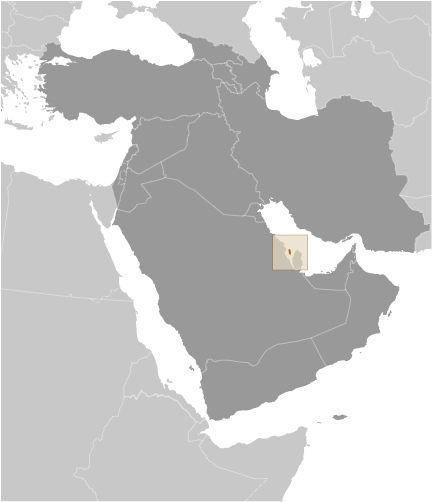
| Click map for larger view |
| Click flag for Country Report |



Hamad bin Isa al-Khalifa
King since 6 March 1999
King since 6 March 1999
| TRAFFICKING IN PERSONS |
None reported.
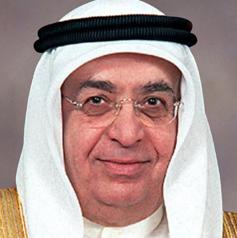
Ali bin Khalifa bin Salman al-Khalifa, Muhammad bin Mubarak al-Khalifa and
Jawad bin Salim al-Araidh, Khalid bin Abdullah Al Khalifa
Deputy Prime Ministers since 1971
Jawad bin Salim al-Araidh, Khalid bin Abdullah Al Khalifa
Deputy Prime Ministers since 1971
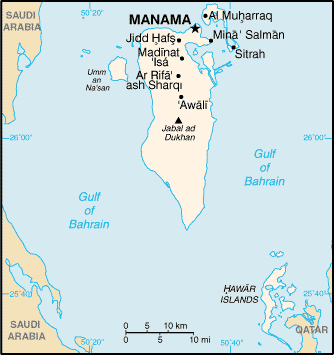

Crown Prince Salman bin Hamad
Heir Apparent since 21 October 1969
Heir Apparent since 21 October 1969