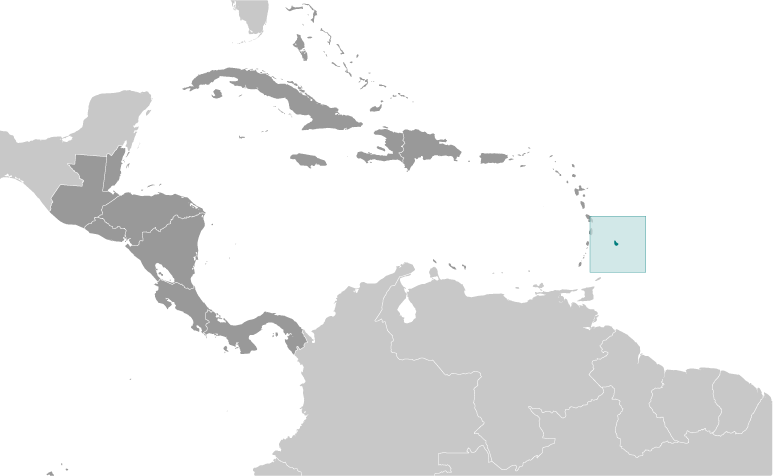
| BARBADOS Barbados Barbados Joined United Nations: 9 December 1966 Human Rights as assured by their constitution Click here Updated 06 October 2012 |
| CAPITAL |
| POPULATION |
| CHIEF OF STATE |
| SELECTION PROCESS |
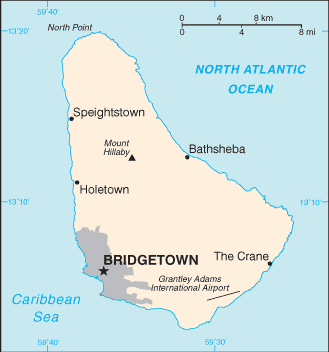
Bridgetown
287,733 (July 2012 est.)
Elizabeth II of United Kingdom
Queen since 6 February 1952
Queen since 6 February 1952
The monarch is hereditary and holds that position for life or until
abdication. The Governor General is selected by the Queen.
Next scheduled election: None
abdication. The Governor General is selected by the Queen.
Next scheduled election: None
HEAD OF GOVERNMENT
SELECTION PROCESS
Fruendel Stuart
Prime Minister since 23 October 2010
Prime Minister since 23 October 2010
Following legislative elections, the leader of the majority party or
the leader of the majority coalition is usually appointed prime
minister by the governor general; the prime minister
recommends the deputy prime minister
Elections: last held 15 January 2008
Next scheduled election: January 2013
the leader of the majority coalition is usually appointed prime
minister by the governor general; the prime minister
recommends the deputy prime minister
Elections: last held 15 January 2008
Next scheduled election: January 2013
| DECLARATION OF HUMAN RIGHTS |
| ETHNIC GROUPS |
Black 93%, white 3.2%, mixed 2.6%, East Indian 1%, other 0.2% (2000 census)
| RELIGIONS |
Protestant 63.4% (Anglican 28.3%, Pentecostal 18.7%, Methodist 5.1%, other 11.3%), Roman Catholic 4.2%,
other Christian 7%, other 4.8%, none or unspecified 20.6% (2008 est.)
other Christian 7%, other 4.8%, none or unspecified 20.6% (2008 est.)
| GOVERNMENT STRUCTURE |
Parliamentary democracy with 11 parishes and 1 city. Legal system is on English common law; no judicial review of
legislative acts; accepts compulsory ICJ jurisdiction, with reservations
Executive: The monarch is hereditary; governor general appointed by the monarch; following legislative elections, the
leader of the majority party or the leader of the majority coalition is usually appointed prime minister by the governor
general; the prime minister recommends the deputy prime minister
Legislative: Bicameral Parliament consists of the Senate (21-member body appointed by the governor general) and
the House of Assembly (30 seats; members are elected by direct popular vote to serve five-year terms)
elections: House of Assembly - last held 15 January 2008 (next to be called by January 2013)
Judicial: Supreme Court of Judicature (judges are appointed by the Service Commissions for the Judicial and Legal
Services); Caribbean Court of Justice is the highest court of appeal
legislative acts; accepts compulsory ICJ jurisdiction, with reservations
Executive: The monarch is hereditary; governor general appointed by the monarch; following legislative elections, the
leader of the majority party or the leader of the majority coalition is usually appointed prime minister by the governor
general; the prime minister recommends the deputy prime minister
Legislative: Bicameral Parliament consists of the Senate (21-member body appointed by the governor general) and
the House of Assembly (30 seats; members are elected by direct popular vote to serve five-year terms)
elections: House of Assembly - last held 15 January 2008 (next to be called by January 2013)
Judicial: Supreme Court of Judicature (judges are appointed by the Service Commissions for the Judicial and Legal
Services); Caribbean Court of Justice is the highest court of appeal
| LANGUAGES |
English
| BRIEF HISTORY |
British who landed on Barbados in the 1620s at the site of present-day Holetown on the Caribbean coast found the island
uninhabited. Though it is believed that groups of Amerindians may have lived on the island, arriving in Barbados by way of
the Atlantic Ocean. Evidence of their arrival from Venezuela by canoe, and subsequent lifestyle on the island is limited to a
few artifacts left from the Amerindians' settlements. As elsewhere in the eastern Caribbean, Arawak Indians may have
been annihilated by invading Caribs, who are believed to have subsequently abandoned the island around 1200 A.D.
Spanish settlers also visited Barbados for a brief time in 1492, but did not establish settlements on the island. Los
Barbados is Spanish for the Bearded Ones, after the appearance of the island's native fig trees. From the arrival of the
first British settlers, who claimed the island in the name of King James I in 1627-1628 until independence in 1966,
Barbados was under uninterrupted British control. Nevertheless, Barbados always enjoyed a large measure of local
autonomy. Its House of Assembly began meeting in 1639. Among the initial important British figures was Sir William
Courteen. Also, Captain Henry Powell, and a group of settlers and slaves who settled at what is now Holetown, were
influential in developing early British settlements in Barbados. As the sugar industry developed into the main commercial
enterprise, Barbados was divided into large plantation estates which replaced the small holdings of the early British
settlers. Sugar cane dominated Barbados' economic growth, and the island's cash crop was at the top of the sugar
industry until 1720. Some of the displaced farmers relocated to British colonies in North America, most notably South
Carolina. To work the plantations, the slaves were persecuted Catholics from Ireland and tribal peoples of Africa; the
slave trade ceased a few years before the abolition of slavery throughout the British empire in 1834. The 1907 Nuttall
Encyclopedia reports the island's population as 182,000. Local enslaved people of Africa and Ireland worked for the
merchants of British descent. It was these merchants who continued to dominate politically even after emancipation, due
to a high income restriction on voting. Only an exclusive 30%, therefore, had any voice in the democratic process. It was
not until the 1930s that a movement for political rights was begun by the descendants of emancipated slaves, who started
trade unions. One of the leaders of this movement, Sir Grantley Adams, founded the Barbados Progressive League (now
the Barbados Labour Party) in 1938. The Great Depression caused mass unemployment, and the quality of life on the
island lowered drastically. Despite his loyalty to the British Crown (a trait which would later become his downfall), Adams
wanted more for the people, especially the poor. Finally, in 1942, the income qualification was lowered. This was
followed by the introduction of universal adult suffrage in 1951, with Adams elected the Premier of Barbados in 1958.
From 1958 to 1962, Barbados was one of the ten members of the West Indies Federation, an organisation doomed to
failure by a number of factors, including what were often petty nationalistic prejudices and limited legislative power.
Indeed, Adams' position as "Prime Minister" is a gross misnomer, as all of the Federation members were still colonies of
Britain. Adams, once a political visionary and now a man blind to the needs of his country, not only held fast to his out-
dated notion of defending the monarchy but also made additional attempts to form similarly flawed Federation-like entities
after that union's demise. When the Federation was terminated, Barbados had reverted to its former status as a self-
governing colony, but efforts were made by Adams to form another federation composed of Barbados and the Leeward
and Windward Islands. Due to several years of growing autonomy, Barbados was able to successfully negotiate its own
independence at a constitutional conference with the United Kingdom in June 1966. After years of peaceful and
democratic progress, Barbados finally became an independent state within the Commonwealth of Nations on November
30, 1966, with Errol Barrow serving as its first Prime Minister. Owen Arthur and the Barbados Labour Party were in
power from 1993 to 2008. In a campaign that saw ‘change’ as the popular theme, David Thompson and the left-leaning
Democratic Labour Party won the election. Unlike other Caribbean islands, Barbados maintains its sugar industry;
although the majority of the economy is now based on tourism and offshore banking. Condos are building as fast as the
concrete dries. At a media briefing at his official Ilaro Court residence on 14 May 2010, Thompson, accompanied by his
personal physician, Richard Ishmael, said that he had been suffering with stomach pains since early March. He also
revealed he had undergone tests in Barbados, which were inconclusive, and had also travelled with Ishmael to New York
where additional tests were carried out. The process of testing would be ongoing and, because of this, Attorney General
and Deputy Prime Minister Freundel Stuart would assume the Prime Minister's office in Thompson's absence. Thompson
died of pancreatic cancer at his home in Mapps, St. Philip, at approximately 2:10 am on 23 October 2010. Fruendel
Stuart retained the position of Prime Minister until the next scheduled election which must occur before January of 2013.
Source: Wikipedia History of the Barbados
uninhabited. Though it is believed that groups of Amerindians may have lived on the island, arriving in Barbados by way of
the Atlantic Ocean. Evidence of their arrival from Venezuela by canoe, and subsequent lifestyle on the island is limited to a
few artifacts left from the Amerindians' settlements. As elsewhere in the eastern Caribbean, Arawak Indians may have
been annihilated by invading Caribs, who are believed to have subsequently abandoned the island around 1200 A.D.
Spanish settlers also visited Barbados for a brief time in 1492, but did not establish settlements on the island. Los
Barbados is Spanish for the Bearded Ones, after the appearance of the island's native fig trees. From the arrival of the
first British settlers, who claimed the island in the name of King James I in 1627-1628 until independence in 1966,
Barbados was under uninterrupted British control. Nevertheless, Barbados always enjoyed a large measure of local
autonomy. Its House of Assembly began meeting in 1639. Among the initial important British figures was Sir William
Courteen. Also, Captain Henry Powell, and a group of settlers and slaves who settled at what is now Holetown, were
influential in developing early British settlements in Barbados. As the sugar industry developed into the main commercial
enterprise, Barbados was divided into large plantation estates which replaced the small holdings of the early British
settlers. Sugar cane dominated Barbados' economic growth, and the island's cash crop was at the top of the sugar
industry until 1720. Some of the displaced farmers relocated to British colonies in North America, most notably South
Carolina. To work the plantations, the slaves were persecuted Catholics from Ireland and tribal peoples of Africa; the
slave trade ceased a few years before the abolition of slavery throughout the British empire in 1834. The 1907 Nuttall
Encyclopedia reports the island's population as 182,000. Local enslaved people of Africa and Ireland worked for the
merchants of British descent. It was these merchants who continued to dominate politically even after emancipation, due
to a high income restriction on voting. Only an exclusive 30%, therefore, had any voice in the democratic process. It was
not until the 1930s that a movement for political rights was begun by the descendants of emancipated slaves, who started
trade unions. One of the leaders of this movement, Sir Grantley Adams, founded the Barbados Progressive League (now
the Barbados Labour Party) in 1938. The Great Depression caused mass unemployment, and the quality of life on the
island lowered drastically. Despite his loyalty to the British Crown (a trait which would later become his downfall), Adams
wanted more for the people, especially the poor. Finally, in 1942, the income qualification was lowered. This was
followed by the introduction of universal adult suffrage in 1951, with Adams elected the Premier of Barbados in 1958.
From 1958 to 1962, Barbados was one of the ten members of the West Indies Federation, an organisation doomed to
failure by a number of factors, including what were often petty nationalistic prejudices and limited legislative power.
Indeed, Adams' position as "Prime Minister" is a gross misnomer, as all of the Federation members were still colonies of
Britain. Adams, once a political visionary and now a man blind to the needs of his country, not only held fast to his out-
dated notion of defending the monarchy but also made additional attempts to form similarly flawed Federation-like entities
after that union's demise. When the Federation was terminated, Barbados had reverted to its former status as a self-
governing colony, but efforts were made by Adams to form another federation composed of Barbados and the Leeward
and Windward Islands. Due to several years of growing autonomy, Barbados was able to successfully negotiate its own
independence at a constitutional conference with the United Kingdom in June 1966. After years of peaceful and
democratic progress, Barbados finally became an independent state within the Commonwealth of Nations on November
30, 1966, with Errol Barrow serving as its first Prime Minister. Owen Arthur and the Barbados Labour Party were in
power from 1993 to 2008. In a campaign that saw ‘change’ as the popular theme, David Thompson and the left-leaning
Democratic Labour Party won the election. Unlike other Caribbean islands, Barbados maintains its sugar industry;
although the majority of the economy is now based on tourism and offshore banking. Condos are building as fast as the
concrete dries. At a media briefing at his official Ilaro Court residence on 14 May 2010, Thompson, accompanied by his
personal physician, Richard Ishmael, said that he had been suffering with stomach pains since early March. He also
revealed he had undergone tests in Barbados, which were inconclusive, and had also travelled with Ishmael to New York
where additional tests were carried out. The process of testing would be ongoing and, because of this, Attorney General
and Deputy Prime Minister Freundel Stuart would assume the Prime Minister's office in Thompson's absence. Thompson
died of pancreatic cancer at his home in Mapps, St. Philip, at approximately 2:10 am on 23 October 2010. Fruendel
Stuart retained the position of Prime Minister until the next scheduled election which must occur before January of 2013.
Source: Wikipedia History of the Barbados
| ECONOMIC OVERVIEW |
Historically, the Barbadian economy was dependent on sugarcane cultivation and related activities. However, in recent
years the economy has diversified into light industry and tourism with about four-fifths of GDP and of exports being
attributed to services. Growth has rebounded since 2003, bolstered by increases in construction projects and tourism
revenues, reflecting its success in the higher-end segment, but the sector faced declining revenues in 2009 with the
global economic downturn. The country enjoys one of the highest per capita incomes in the region. Offshore finance
and information services are important foreign exchange earners and thrive from having the same time zone as eastern
US financial centers and a relatively highly educated workforce. The government continues its efforts to reduce
unemployment, to encourage direct foreign investment, and to privatize remaining state-owned enterprises. The public
debt-to-GDP ratio rose to over 100% in 2009-11, largely because a sharp slowdown in tourism and financial services
led to a wide budget deficit.
Source: CIA World Factbook (select Barbados)
years the economy has diversified into light industry and tourism with about four-fifths of GDP and of exports being
attributed to services. Growth has rebounded since 2003, bolstered by increases in construction projects and tourism
revenues, reflecting its success in the higher-end segment, but the sector faced declining revenues in 2009 with the
global economic downturn. The country enjoys one of the highest per capita incomes in the region. Offshore finance
and information services are important foreign exchange earners and thrive from having the same time zone as eastern
US financial centers and a relatively highly educated workforce. The government continues its efforts to reduce
unemployment, to encourage direct foreign investment, and to privatize remaining state-owned enterprises. The public
debt-to-GDP ratio rose to over 100% in 2009-11, largely because a sharp slowdown in tourism and financial services
led to a wide budget deficit.
Source: CIA World Factbook (select Barbados)
| POLITICAL CLIMATE |
The politics of Barbados function within a framework of constitutional monarchy and a parliamentary government with
strong democratic traditions; constitutional safeguards for nationals of Barbados include: freedom of speech, press,
worship, movement, and association.
Executive power is vested in the Barbadian monarch, and is exercised by her or her vice-regal representative, on the
advice of the Prime Minister and Cabinet, who, together, form the government. Legislative power is vested in both the
government and the two chambers of the Parliament. The political system is dominated by two main parties, the
Barbados Labour Party and the Democratic Labour Party. The judiciary of Barbados is independent of the executive
and the legislature. Jurisprudence is based on English common law.
Many of the country's legislative practices derive from the unwritten conventions of, and precedents set by, the United
Kingdom's Westminster parliament; however, Barbados has evolved variations.
Source: Wikipedia Politics of Barbados
strong democratic traditions; constitutional safeguards for nationals of Barbados include: freedom of speech, press,
worship, movement, and association.
Executive power is vested in the Barbadian monarch, and is exercised by her or her vice-regal representative, on the
advice of the Prime Minister and Cabinet, who, together, form the government. Legislative power is vested in both the
government and the two chambers of the Parliament. The political system is dominated by two main parties, the
Barbados Labour Party and the Democratic Labour Party. The judiciary of Barbados is independent of the executive
and the legislature. Jurisprudence is based on English common law.
Many of the country's legislative practices derive from the unwritten conventions of, and precedents set by, the United
Kingdom's Westminster parliament; however, Barbados has evolved variations.
Source: Wikipedia Politics of Barbados
| INTERNATIONAL DISPUTES |
Barbados and Trinidad and Tobago abide by the April 2006 Permanent Court of Arbitration decision delimiting a
maritime boundary and limiting catches of flying fish in Trinidad and Tobago's exclusive economic zone; joins other
Caribbean states to counter Venezuela's claim that Aves Island sustains human habitation, a criterion under the UN
Convention on the Law of the Sea (UNCLOS), which permits Venezuela to extend its EEZ/continental shelf over a
large portion of the eastern Caribbean Sea
maritime boundary and limiting catches of flying fish in Trinidad and Tobago's exclusive economic zone; joins other
Caribbean states to counter Venezuela's claim that Aves Island sustains human habitation, a criterion under the UN
Convention on the Law of the Sea (UNCLOS), which permits Venezuela to extend its EEZ/continental shelf over a
large portion of the eastern Caribbean Sea


| REFUGEES AND INTERNALLY DISPLACED PERSONS (IDP) |
None reported.
| ILLICIT DRUGS |
One of many Caribbean transshipment points for narcotics bound for Europe and the US; offshore financial center
| HUMAN RIGHTS STATEMENTS, ANALYSIS AND CRITIQUES |
2011 Human Rights Report: Barbados
Bureau of Democracy, Human Rights, and Labor
2011 Country Reports on Human Rights Practices
My 25, 2012
Barbados is a multiparty, parliamentary democracy. In 2008 national elections, voters elected Prime Minister David Thompson of
the Democratic Labour Party (DLP). International observers assessed the vote as generally free and fair. Prime Minister Thompson
died in office in October 2010 and was replaced by Deputy Prime Minister Freundel Stuart. Security forces reported to civilian
authorities.
The most serious human rights problem was occasional use of excessive force by the police.
Other human rights problems included societal violence against women and children and discrimination against gays and lesbians.
The government took steps to punish officials who committed abuses, and there was not a widespread perception of impunity for
security force members.
Click here to read more »
Bureau of Democracy, Human Rights, and Labor
2011 Country Reports on Human Rights Practices
My 25, 2012
Barbados is a multiparty, parliamentary democracy. In 2008 national elections, voters elected Prime Minister David Thompson of
the Democratic Labour Party (DLP). International observers assessed the vote as generally free and fair. Prime Minister Thompson
died in office in October 2010 and was replaced by Deputy Prime Minister Freundel Stuart. Security forces reported to civilian
authorities.
The most serious human rights problem was occasional use of excessive force by the police.
Other human rights problems included societal violence against women and children and discrimination against gays and lesbians.
The government took steps to punish officials who committed abuses, and there was not a widespread perception of impunity for
security force members.
Click here to read more »
Barbados urged to develop human rights culture
Published on April 9, 2012
BRIDGETOWN, Barbados (BGIS) -- For Barbados to achieve developed country status, every Barbadian needs to be fully
empowered, especially those persons who are most vulnerable and excluded.
Urging Barbadians to adopt a stronger culture of human rights and respect for the dignity of every human being, the United Nations
(UN) High Commissioner for Human Rights, Navi Pillay, has called on government to "step up its efforts to incorporate
international human rights law into national legislation".
She was speaking on Thursday at a press conference at the end of a three-day mission to the island. She stated that the Barbados
government had identified capacity challenges in being able to speedily implement some of the recommendations of its 2008
Universal Periodic Review.
Pillay, however, remarked that the Office of High Commission for Human Rights (OHCHR) was prepared to support government's
efforts for the further promotion and protection of human rights.
She observed that her presence on the island was to not only to "solely remind Barbados of its international obligations, but also to
offer my assistance in addressing persisting problems."
In applauding the progress made by Barbados on human rights, she appealed for action to be taken on the "remaining gaps".
The top human rights activist outlined that this island needed to tackle: "Citizen security; sensitising civil society about
discrimination against women; the disabled and discrimination based on sexual orientation or gender identity; developing
programmes for human rights education; conducting campaigns to raise awareness on issues like domestic violence and corporal
punishment; efforts to put an end to violence against women; and deal with sexual harassment."
Emphasising that discrimination across the board needed to be tackled, she stressed: "International human rights law is clear, no
one, no one at all, should be discriminated against because of the group they belong to, and that, of course, includes discrimination
based on race, gender or sexual orientation or identity."
Suggesting that local laws needed to include legislative definitions of discrimination, based on gender, race or sexual orientation, the
UN High Commissioner for Human Rights observed: "Barbados has to ensure not only that laws conform to international norms,
but that they are adequately implemented and translated into corresponding day-to-day action."
During her mission to Barbados, Pillay held talks with Prime Minister Freundel Stuart and members of the Cabinet; senior
government officials from across various ministries; the chief justice of Barbados and the president of the Caribbean Court of
Justice. She also met with civil society and members of the academic community.
Coming out of those discussions, the OHCHR has promised to provide Barbados with technical capacity and expertise in achieving
its human rights goals and implementing recommendations. She noted that this country's request for a human rights advisor would
also be fulfilled.
Click here to read more »
Published on April 9, 2012
BRIDGETOWN, Barbados (BGIS) -- For Barbados to achieve developed country status, every Barbadian needs to be fully
empowered, especially those persons who are most vulnerable and excluded.
Urging Barbadians to adopt a stronger culture of human rights and respect for the dignity of every human being, the United Nations
(UN) High Commissioner for Human Rights, Navi Pillay, has called on government to "step up its efforts to incorporate
international human rights law into national legislation".
She was speaking on Thursday at a press conference at the end of a three-day mission to the island. She stated that the Barbados
government had identified capacity challenges in being able to speedily implement some of the recommendations of its 2008
Universal Periodic Review.
Pillay, however, remarked that the Office of High Commission for Human Rights (OHCHR) was prepared to support government's
efforts for the further promotion and protection of human rights.
She observed that her presence on the island was to not only to "solely remind Barbados of its international obligations, but also to
offer my assistance in addressing persisting problems."
In applauding the progress made by Barbados on human rights, she appealed for action to be taken on the "remaining gaps".
The top human rights activist outlined that this island needed to tackle: "Citizen security; sensitising civil society about
discrimination against women; the disabled and discrimination based on sexual orientation or gender identity; developing
programmes for human rights education; conducting campaigns to raise awareness on issues like domestic violence and corporal
punishment; efforts to put an end to violence against women; and deal with sexual harassment."
Emphasising that discrimination across the board needed to be tackled, she stressed: "International human rights law is clear, no
one, no one at all, should be discriminated against because of the group they belong to, and that, of course, includes discrimination
based on race, gender or sexual orientation or identity."
Suggesting that local laws needed to include legislative definitions of discrimination, based on gender, race or sexual orientation, the
UN High Commissioner for Human Rights observed: "Barbados has to ensure not only that laws conform to international norms,
but that they are adequately implemented and translated into corresponding day-to-day action."
During her mission to Barbados, Pillay held talks with Prime Minister Freundel Stuart and members of the Cabinet; senior
government officials from across various ministries; the chief justice of Barbados and the president of the Caribbean Court of
Justice. She also met with civil society and members of the academic community.
Coming out of those discussions, the OHCHR has promised to provide Barbados with technical capacity and expertise in achieving
its human rights goals and implementing recommendations. She noted that this country's request for a human rights advisor would
also be fulfilled.
Click here to read more »
FREEDOM IN THE WORLD 2012 REPORT
Political Rights Score: 1
Civil Liberties Score: 1
Status: Free
Overview
Barbados continued to grapple with the impact of the global recession as Prime Minister Freundel Stuart faced a sluggish economy
and rising crime rate. In response to a judgment by the Inter-American Court of Human Rights, Barbados began an internal debate
on its mandatory death sentence in murder convictions.
During much of the summer of 2010, Thompson remained out of office due to an undisclosed ailment, and DLP member Freundel
Stuart took over as acting prime minister. While Thompson returned to office in late August, many important economic decisions,
including the new budget and several proposed judicial and other reforms, were delayed. In September, the government officially
acknowledged that he had pancreatic cancer. Thompson died on October 23, 2010 and was replaced by Stuart.
As Barbados struggled to emerge from the economic recession, the government was forced to cut expenditures, freeze public
wages, and shore up the country’s foreign reserves. According to the International Monetary Fund (IMF), Barbados experienced
only 1 percent growth in 2011 despite an increase in tourism. The unemployment rate also grew to over 12 percent. Barbados is
particularly weighed down by its debt-to-GDP ratio, and the IMF recommended that the country lower spending on its social
partnership scheme of entitlements.
Barbados has been more successful than other Caribbean countries in combating violent crime, though the crime rate in 2011
remained at high levels. The drug trade continues to be an important problem for Barbados, as the island has become a
transshipment point for cocaine originating from Venezuela, and radar monitoring cannot cover the entire island.
Barbados is an electoral democracy. Members of the 30-member House of Assembly, the lower house of the bicameral Parliament,
are directly elected for five-year terms. The governor-general, who represents the British monarch as head of state, appoints the 21
members of the Senate: 12 on the advice of the prime minister, 2 on the advice of the leader of the opposition, and the remaining 7
at his own discretion. The prime minister is appointed by the governor-general and is usually the leader of the political party with a
majority in the House.
Click here to read more »
Political Rights Score: 1
Civil Liberties Score: 1
Status: Free
Overview
Barbados continued to grapple with the impact of the global recession as Prime Minister Freundel Stuart faced a sluggish economy
and rising crime rate. In response to a judgment by the Inter-American Court of Human Rights, Barbados began an internal debate
on its mandatory death sentence in murder convictions.
During much of the summer of 2010, Thompson remained out of office due to an undisclosed ailment, and DLP member Freundel
Stuart took over as acting prime minister. While Thompson returned to office in late August, many important economic decisions,
including the new budget and several proposed judicial and other reforms, were delayed. In September, the government officially
acknowledged that he had pancreatic cancer. Thompson died on October 23, 2010 and was replaced by Stuart.
As Barbados struggled to emerge from the economic recession, the government was forced to cut expenditures, freeze public
wages, and shore up the country’s foreign reserves. According to the International Monetary Fund (IMF), Barbados experienced
only 1 percent growth in 2011 despite an increase in tourism. The unemployment rate also grew to over 12 percent. Barbados is
particularly weighed down by its debt-to-GDP ratio, and the IMF recommended that the country lower spending on its social
partnership scheme of entitlements.
Barbados has been more successful than other Caribbean countries in combating violent crime, though the crime rate in 2011
remained at high levels. The drug trade continues to be an important problem for Barbados, as the island has become a
transshipment point for cocaine originating from Venezuela, and radar monitoring cannot cover the entire island.
Barbados is an electoral democracy. Members of the 30-member House of Assembly, the lower house of the bicameral Parliament,
are directly elected for five-year terms. The governor-general, who represents the British monarch as head of state, appoints the 21
members of the Senate: 12 on the advice of the prime minister, 2 on the advice of the leader of the opposition, and the remaining 7
at his own discretion. The prime minister is appointed by the governor-general and is usually the leader of the political party with a
majority in the House.
Click here to read more »
Barbados: Abolition of mandatory death penalty by the end of 2011 would be a first step in the right direction
10 October 2011
Amnesty International positively noted reported statements that the mandatory death penalty will be abolished in Barbados by the
end of 2011 and urged the county’s authorities to swiftly move to turn these affirmations into reality.
Attorney General and Minister of Home Affairs Adriel Brathwaite was reported in local newspaper The Barbados Advocate on 2
October 2011 as saying that he expected that changes in national legislation to remove the mandatory imposition of the death
penalty would be finalized by the end of the year, reducing chances of death sentences being imposed in the country. The move
would be a first welcome step in Barbados’ journey towards abolition of the death penalty.
The last executions in Barbados were carried out in 1984, when Noel Jordan, Melvin Inniss and Errol Farrell were hanged. The
mandatory imposition of the death penalty, which does not allow any possibility of taking into account the defendant's personal
circumstances or the circumstances of the particular offence when determining a sentence, has been found by international and
regional bodies to be inconsistent with human rights.
In 2007 the Inter-American Court on Human Rights found the mandatory death sentences imposed on those convicted of murder in
Barbados to be in contravention of the prohibition against arbitrary deprivation of life, as recognized in the American Convention on
Human Rights.
In May 2009, the Attorney General Freundel Stuart announced that the mandatory death sentence in cases of murder and treason
would be abolished in Barbados, in accordance with the Inter-American Court landmark judgment. However, to date, Barbados and
Trinidad and Tobago are the only countries in the Caribbean region to retain the mandatory death penalty. In his interview with the
newspaper, in relation to crime in Barbados Attorney General and Minister of Home Affairs Adriel Brathwaite stated that, while
acknowledging the need for a debate on the death penalty, what is needed is “to reduce whatever brings and drives people to crime”
and that the country’s resources would be best placed to tackle these issues. The United States of America continues to be the only
executioner in the Americas. In recent years, with the exception of one execution in Saint Kitts and Nevis in 2008, the Caribbean
remained an execution-free region. However, authorities of several retentionist countries in the area have been proposing legislative
changes aimed at resuming executions as a response to increased crime rates.
Amnesty International holds that the death penalty is the ultimate cruel, inhuman and degrading punishment and it violates the right
to life as recognized in the Universal Declaration on Human Rights. As of today, 139 countries around the world have abolished the
death penalty in law or practice. Amnesty International urges the governments of Barbados and all other Caribbean countries to join
the worldwide trend and immediately abolish the death penalty for all crimes.
Click here to read more »
10 October 2011
Amnesty International positively noted reported statements that the mandatory death penalty will be abolished in Barbados by the
end of 2011 and urged the county’s authorities to swiftly move to turn these affirmations into reality.
Attorney General and Minister of Home Affairs Adriel Brathwaite was reported in local newspaper The Barbados Advocate on 2
October 2011 as saying that he expected that changes in national legislation to remove the mandatory imposition of the death
penalty would be finalized by the end of the year, reducing chances of death sentences being imposed in the country. The move
would be a first welcome step in Barbados’ journey towards abolition of the death penalty.
The last executions in Barbados were carried out in 1984, when Noel Jordan, Melvin Inniss and Errol Farrell were hanged. The
mandatory imposition of the death penalty, which does not allow any possibility of taking into account the defendant's personal
circumstances or the circumstances of the particular offence when determining a sentence, has been found by international and
regional bodies to be inconsistent with human rights.
In 2007 the Inter-American Court on Human Rights found the mandatory death sentences imposed on those convicted of murder in
Barbados to be in contravention of the prohibition against arbitrary deprivation of life, as recognized in the American Convention on
Human Rights.
In May 2009, the Attorney General Freundel Stuart announced that the mandatory death sentence in cases of murder and treason
would be abolished in Barbados, in accordance with the Inter-American Court landmark judgment. However, to date, Barbados and
Trinidad and Tobago are the only countries in the Caribbean region to retain the mandatory death penalty. In his interview with the
newspaper, in relation to crime in Barbados Attorney General and Minister of Home Affairs Adriel Brathwaite stated that, while
acknowledging the need for a debate on the death penalty, what is needed is “to reduce whatever brings and drives people to crime”
and that the country’s resources would be best placed to tackle these issues. The United States of America continues to be the only
executioner in the Americas. In recent years, with the exception of one execution in Saint Kitts and Nevis in 2008, the Caribbean
remained an execution-free region. However, authorities of several retentionist countries in the area have been proposing legislative
changes aimed at resuming executions as a response to increased crime rates.
Amnesty International holds that the death penalty is the ultimate cruel, inhuman and degrading punishment and it violates the right
to life as recognized in the Universal Declaration on Human Rights. As of today, 139 countries around the world have abolished the
death penalty in law or practice. Amnesty International urges the governments of Barbados and all other Caribbean countries to join
the worldwide trend and immediately abolish the death penalty for all crimes.
Click here to read more »
October 28, 2008...3:41 pm
Barbados Blocking UN Efforts To End Child Execution – Human Rights Watch
Barbados Rejects Proposal To End Death Penalty For Children
Last week, the group of Latin American and Caribbean states rejected a proposal from the European Union to call for an immediate
suspension of all juvenile executions, pending abolition through legal reform, even though none of the countries in the region has
carried out such executions since at least 1990. The group also rejected a proposal for a report from the UN secretary-general on
compliance with the absolute ban on the juvenile death penalty in international law. Barbados was one of the most vocal opponents
of the proposals.
“It’s simply baffling that Latin American and Caribbean states would block efforts to end the execution of children,” said Jo
Becker, children’s rights advocate at Human Rights Watch. “None of these countries have executed juvenile offenders for years.
Why would they possibly defend this practice?”
… the above is from a Human Rights Watch press release available at the end of this BFP article.
Barbados Once Again Sides With Iran Against Human Rights!
In December of 2006, Barbados abstained from a UN Resolution citing Iran for human rights violations against women.
We were disgusted and said so in our article…
Click here to read more »
Barbados Blocking UN Efforts To End Child Execution – Human Rights Watch
Barbados Rejects Proposal To End Death Penalty For Children
Last week, the group of Latin American and Caribbean states rejected a proposal from the European Union to call for an immediate
suspension of all juvenile executions, pending abolition through legal reform, even though none of the countries in the region has
carried out such executions since at least 1990. The group also rejected a proposal for a report from the UN secretary-general on
compliance with the absolute ban on the juvenile death penalty in international law. Barbados was one of the most vocal opponents
of the proposals.
“It’s simply baffling that Latin American and Caribbean states would block efforts to end the execution of children,” said Jo
Becker, children’s rights advocate at Human Rights Watch. “None of these countries have executed juvenile offenders for years.
Why would they possibly defend this practice?”
… the above is from a Human Rights Watch press release available at the end of this BFP article.
Barbados Once Again Sides With Iran Against Human Rights!
In December of 2006, Barbados abstained from a UN Resolution citing Iran for human rights violations against women.
We were disgusted and said so in our article…
Click here to read more »
Statement By The Hon. Freundel J. Stuart, Q.C., M.P., Prime Minister Of Barbados To The United Nations Conference
On Sustainable Development, Rio De Janeiro, Brazil, On Wednesday, June 20, 2012
Today our world is still a long way from developing sustainably and we have strayed from the pathway we set two decades ago. In
addition, we are presently undergoing an extraordinary and unprecedented period of turbulence.
The intersection of sovereign debt, jobs and growth crises places us on the brink of a prolonged global economic downturn.
Discontent around the world has triggered a wave of political change with far-reaching consequences for the maintenance of
international peace and security.
Extreme weather events are becoming more frequent and severe, and climate change, recognized as a potential threat in 1992, is
now a current and devastating reality.
Further, chronic development challenges including poverty, water scarcity, food insecurity, and health issues remain unresolved, or
have worsened in the past two decades.
Despite the magnitude and scope of these challenges the opportunity is ripe to move beyond incrementalism to real systemic change
and return to the pathway defined in 1992. John F Kennedy once observed and I quote " Our problems are man-made, therefore
they may be solved by man. And man can be as big as he wants. No problem of human destiny is beyond human beings”. The
current crises and the collapse of confidence in the existing development model have opened the door for us to embrace fully the
sustainable development paradigm.
It is true that we’ve been slow to heed the warnings from 40 years ago or stay on the pathway of sustainability we defined in
1992. It is nevertheless my considered view that the convening of this Conference can serve as an important moment to usher in a
new era of shared responsibility, while renewing our collective determination to act. We must seize this historic opportunity to
ensure that significant progress is made and not allow old or new divisions, or finger-pointing, to block progress.
It would be easy for me to catalogue the broken and unfulfilled promises made by our development partners. But, I did not come to
Rio to remind others of the commitments to which they have failed to adhere, or to tell them what they should be doing. I am here
to tell the world what Barbados has done, is doing, and will do to ensure a safe and secure future for current and future generations.
The track record of Barbados on sustainable development is an impressive one. My Government has committed to transform
Barbados into the most advanced green economy in the Latin American and Caribbean region. In pursuing this vision, we have
undertaken a comprehensive study on the policy implications and opportunities of this transition. This study was conducted
through an inclusive, open, multi-stakeholder process involving members of civil society, the private sector and trade unions. We
benefited also from the invaluable support of the University of the West Indies and the United Nations Environment Programme.
Click here to read more »
On Sustainable Development, Rio De Janeiro, Brazil, On Wednesday, June 20, 2012
Today our world is still a long way from developing sustainably and we have strayed from the pathway we set two decades ago. In
addition, we are presently undergoing an extraordinary and unprecedented period of turbulence.
The intersection of sovereign debt, jobs and growth crises places us on the brink of a prolonged global economic downturn.
Discontent around the world has triggered a wave of political change with far-reaching consequences for the maintenance of
international peace and security.
Extreme weather events are becoming more frequent and severe, and climate change, recognized as a potential threat in 1992, is
now a current and devastating reality.
Further, chronic development challenges including poverty, water scarcity, food insecurity, and health issues remain unresolved, or
have worsened in the past two decades.
Despite the magnitude and scope of these challenges the opportunity is ripe to move beyond incrementalism to real systemic change
and return to the pathway defined in 1992. John F Kennedy once observed and I quote " Our problems are man-made, therefore
they may be solved by man. And man can be as big as he wants. No problem of human destiny is beyond human beings”. The
current crises and the collapse of confidence in the existing development model have opened the door for us to embrace fully the
sustainable development paradigm.
It is true that we’ve been slow to heed the warnings from 40 years ago or stay on the pathway of sustainability we defined in
1992. It is nevertheless my considered view that the convening of this Conference can serve as an important moment to usher in a
new era of shared responsibility, while renewing our collective determination to act. We must seize this historic opportunity to
ensure that significant progress is made and not allow old or new divisions, or finger-pointing, to block progress.
It would be easy for me to catalogue the broken and unfulfilled promises made by our development partners. But, I did not come to
Rio to remind others of the commitments to which they have failed to adhere, or to tell them what they should be doing. I am here
to tell the world what Barbados has done, is doing, and will do to ensure a safe and secure future for current and future generations.
The track record of Barbados on sustainable development is an impressive one. My Government has committed to transform
Barbados into the most advanced green economy in the Latin American and Caribbean region. In pursuing this vision, we have
undertaken a comprehensive study on the policy implications and opportunities of this transition. This study was conducted
through an inclusive, open, multi-stakeholder process involving members of civil society, the private sector and trade unions. We
benefited also from the invaluable support of the University of the West Indies and the United Nations Environment Programme.
Click here to read more »
Remarks By Sen. The Hon. Maxine McClean, Minister of Foreign Affairs and Foreign Trade of Barbados At The Opening
Ceremony Of The Regional Seminar On The Universal Periodic ReviewSeminar – Co-sponsored ByThe Human Rights
Unit of the Commonwealth Secretariat At the Savannah Hotel,
Tuesday, June 28 2011
Ladies and Gentlemen, with your indulgence, I will focus briefly on the recommendation of the Working Group that Barbados
establish an independent Human Rights Commission in accordance with the Paris Principles. As we indicated in our responses to
the Human Rights Council, there are plans in train to strengthen the Office of the Ombudsman and review the extent to which the
mandate of the Ombudsman may be expanded to bring it in line with the Paris Principles. In keeping with this commitment, the
Ombudsman for Barbados participated in a three-day workshop in Trinidad and Tobago in March 2011 to examine ways in which
the national human rights protection system might be strengthened and specifically how the Office of the Ombudsman could be
expanded to include human rights protection at the national level.
I have been advised that the Ombudsman found the workshop, which was organised by the Commonwealth Human Rights Unit in
partnership with the UN Office of the High Commissioner for Human Rights, useful and informative.
Ladies and Gentlemen, our unswerving commitment to the promotion and protection of human rights has not been without its
challenges. There is still much work to be done. We hope in the next few months to take concrete steps to implement many of the
voluntary commitments. We remain confronted by a number of obstacles and severe human and financial constraints which have
been occasioned all the more by the global economic recession. While we were able to establish a Human Rights Unit within the
Ministry of Foreign Affairs and Foreign Trade in April 2010, we have had to do so from existing resources and so far we have not
been able to dedicate those resources exclusively to human rights issues. However, we press on.
We remain unable to commit in the short-term to signing on to new treaties, primarily because of the human and financial
obligations that attend thereto. However, as we have stated in other fora, Barbados will continue to give thoughtful consideration to
signing and ratifying those treaties and optional protocols that are within the limits of its capabilities and where the reporting
obligations are not excessively onerous.
Click here to read more »
Ceremony Of The Regional Seminar On The Universal Periodic ReviewSeminar – Co-sponsored ByThe Human Rights
Unit of the Commonwealth Secretariat At the Savannah Hotel,
Tuesday, June 28 2011
Ladies and Gentlemen, with your indulgence, I will focus briefly on the recommendation of the Working Group that Barbados
establish an independent Human Rights Commission in accordance with the Paris Principles. As we indicated in our responses to
the Human Rights Council, there are plans in train to strengthen the Office of the Ombudsman and review the extent to which the
mandate of the Ombudsman may be expanded to bring it in line with the Paris Principles. In keeping with this commitment, the
Ombudsman for Barbados participated in a three-day workshop in Trinidad and Tobago in March 2011 to examine ways in which
the national human rights protection system might be strengthened and specifically how the Office of the Ombudsman could be
expanded to include human rights protection at the national level.
I have been advised that the Ombudsman found the workshop, which was organised by the Commonwealth Human Rights Unit in
partnership with the UN Office of the High Commissioner for Human Rights, useful and informative.
Ladies and Gentlemen, our unswerving commitment to the promotion and protection of human rights has not been without its
challenges. There is still much work to be done. We hope in the next few months to take concrete steps to implement many of the
voluntary commitments. We remain confronted by a number of obstacles and severe human and financial constraints which have
been occasioned all the more by the global economic recession. While we were able to establish a Human Rights Unit within the
Ministry of Foreign Affairs and Foreign Trade in April 2010, we have had to do so from existing resources and so far we have not
been able to dedicate those resources exclusively to human rights issues. However, we press on.
We remain unable to commit in the short-term to signing on to new treaties, primarily because of the human and financial
obligations that attend thereto. However, as we have stated in other fora, Barbados will continue to give thoughtful consideration to
signing and ratifying those treaties and optional protocols that are within the limits of its capabilities and where the reporting
obligations are not excessively onerous.
Click here to read more »
EU delegation launches grant scheme for NGOs
9/15/2012
Up to ten Barbadian non-governmental organisations (NGO) will have the chance to apply for grant funding aimed at strengthening
human rights and human resource development.
The Delegation of the European Union to Barbados and the Eastern Caribbean will fund to the tune of Bds $250 000 a Small Grants
Scheme for Non-State Actors (NSA) where NSAs can apply for grants up to maximum of $25 000.
During a press conference which took place at the EU Delegation’s headquarters yesterday, Acting Head of European Union (EU)
Delegation, Claude Bochu, disclosed that the current grant scheme will become the flagship programme of the Barbados EU NSA
Panel and will seek to empower roughly 10 NGOs in Barbados to work on human rights and human resources advocacy.
The EU diplomat stated that the Delegation was cognisant that many of the NSA organisations in Barbados were primarily volunteer
bodies and it was therefore felt that the EU could provide assistance in order to help these organisations achieve their respective
mandates.
Chairman of the NSA Small Grants Funds committee, Dennis Depeiza, expressed that the funding was a significant achievement
for the NSA Panel which has been continuously working to implement projects that would redound to the benefit of civil society
organisations and members of the NGO community.
He noted that as the representative of labour on the NSA Panel, he echoed the support of the entire labour movement for the work
of the Panel, adding that the Panel was to be commended on the decisive step it has taken in moving to develop and roll out the
Small Grants programme.
Depieza explained that the programme was designed to support activities aimed at strengthening human development of non-state
actors, empowering organisations to drive human resources issues in Barbados, strengthening the capacity of Non-State Actors to
improve on the delivery of development programmes; as well as to encourage sustainable programmes.
Organisations wishing to apply for an award should seek to be accredited to one of three lead organisations, namely the Barbados
Association of Non-Governmental Organisations (BANGO), The Small Business Association (SBA), or the Congress of Trade
Unions and Staff Associations of Barbados (CTUSAB). NGOs will be required to apply through BANGO, private sector
organisations will fall under jurisdiction of the SBA, while trade unions and staff associations should direct their applications
through the CTUSAB and the SBA.
Applications for grants will commence on September 14, 2012 and close on October 26, 2012. A workshop will be held on
September 21 to assist interested persons with the application process.
Click here to read more »
9/15/2012
Up to ten Barbadian non-governmental organisations (NGO) will have the chance to apply for grant funding aimed at strengthening
human rights and human resource development.
The Delegation of the European Union to Barbados and the Eastern Caribbean will fund to the tune of Bds $250 000 a Small Grants
Scheme for Non-State Actors (NSA) where NSAs can apply for grants up to maximum of $25 000.
During a press conference which took place at the EU Delegation’s headquarters yesterday, Acting Head of European Union (EU)
Delegation, Claude Bochu, disclosed that the current grant scheme will become the flagship programme of the Barbados EU NSA
Panel and will seek to empower roughly 10 NGOs in Barbados to work on human rights and human resources advocacy.
The EU diplomat stated that the Delegation was cognisant that many of the NSA organisations in Barbados were primarily volunteer
bodies and it was therefore felt that the EU could provide assistance in order to help these organisations achieve their respective
mandates.
Chairman of the NSA Small Grants Funds committee, Dennis Depeiza, expressed that the funding was a significant achievement
for the NSA Panel which has been continuously working to implement projects that would redound to the benefit of civil society
organisations and members of the NGO community.
He noted that as the representative of labour on the NSA Panel, he echoed the support of the entire labour movement for the work
of the Panel, adding that the Panel was to be commended on the decisive step it has taken in moving to develop and roll out the
Small Grants programme.
Depieza explained that the programme was designed to support activities aimed at strengthening human development of non-state
actors, empowering organisations to drive human resources issues in Barbados, strengthening the capacity of Non-State Actors to
improve on the delivery of development programmes; as well as to encourage sustainable programmes.
Organisations wishing to apply for an award should seek to be accredited to one of three lead organisations, namely the Barbados
Association of Non-Governmental Organisations (BANGO), The Small Business Association (SBA), or the Congress of Trade
Unions and Staff Associations of Barbados (CTUSAB). NGOs will be required to apply through BANGO, private sector
organisations will fall under jurisdiction of the SBA, while trade unions and staff associations should direct their applications
through the CTUSAB and the SBA.
Applications for grants will commence on September 14, 2012 and close on October 26, 2012. A workshop will be held on
September 21 to assist interested persons with the application process.
Click here to read more »

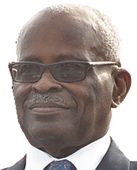
Represented by
Elliot Belgrave
Governor General since 1 June 2012
Elliot Belgrave
Governor General since 1 June 2012
| Click map for larger view |
| Click flag for Country Report |






| TRAFFICKING IN PERSONS |
None reported.