



| BELIZE Belize Belize Joined United Nations: 25 September 1981 Human Rights as assured by their constitution Click here Updated 21 December 2012 |

| CAPITAL |
| POPULATION |
| CHIEF OF STATE |
| SELECTION PROCESS |
Belmopan
327,719 (July 2012 est.)
Dean Barrow
Prime Minister since 8 February 2008
Prime Minister since 8 February 2008
The monarch is hereditary; governor general appointed by the
monarch
monarch
HEAD OF GOVERNMENT
SELECTION PROCESS
Following legislative elections, the leader of the majority party or the
leader of the majority coalition is usually appointed prime minister by
the governor general; prime minister recommends the deputy prime
minister; last held 8 March 2012
Next scheduled election: 2017
leader of the majority coalition is usually appointed prime minister by
the governor general; prime minister recommends the deputy prime
minister; last held 8 March 2012
Next scheduled election: 2017
| DECLARATION OF HUMAN RIGHTS |
| ETHNIC GROUPS |
Mestizo 48.7%, Creole 24.9%, Maya 10.6%, Garifuna 6.1%, other 9.7%
| RELIGIONS |
Roman Catholic 39.3%, Pentacostal 8.3%, Seventh Day Adventist 5.3%, Anglican 4.5%, Mennonite 3.7%, Baptist 3.5%,
Methodist 2.8%, Nazarene 2.8%, Jehovah's Witnesses 1.6%, other 9.9% (includes Bahai Faith, Buddhism, Hinduism, Islam, and
Mormon), other (unknown) 3.1%, none 15.2% (2010 census)
Methodist 2.8%, Nazarene 2.8%, Jehovah's Witnesses 1.6%, other 9.9% (includes Bahai Faith, Buddhism, Hinduism, Islam, and
Mormon), other (unknown) 3.1%, none 15.2% (2010 census)
| GOVERNMENT STRUCTURE |
Parliamentary democracy with 6 districts; Legal system is based on English law
Executive: The monarch is hereditary; governor general appointed by the monarch; following legislative elections, the leader of the
majority party or the leader of the majority coalition is usually appointed prime minister by the governor general; prime minister
recommends the deputy prime minister
Legislative: Bicameral National Assembly consists of the Senate (12 seats; members appointed by the governor general - 6 on the
advice of the prime minister, 3 on the advice of the leader of the opposition, and 1 each on the advice of the Belize Council of
Churches and Evangelical Association of Churches, the Belize Chamber of Commerce and Industry and the Belize Better Business
Bureau, and the National Trade Union Congress and the Civil Society Steering Committee; to serve five-year terms) and the House
of Representatives (29 seats; members are elected by direct popular vote to serve five-year terms); note - number of seats will
increase to 31 next election
elections: House of Representatives - last held 8 March 2012 (next to be held in 2017)
Judicial: Supreme Court (the chief justice is appointed by the governor general on the advice of the prime minister)
Executive: The monarch is hereditary; governor general appointed by the monarch; following legislative elections, the leader of the
majority party or the leader of the majority coalition is usually appointed prime minister by the governor general; prime minister
recommends the deputy prime minister
Legislative: Bicameral National Assembly consists of the Senate (12 seats; members appointed by the governor general - 6 on the
advice of the prime minister, 3 on the advice of the leader of the opposition, and 1 each on the advice of the Belize Council of
Churches and Evangelical Association of Churches, the Belize Chamber of Commerce and Industry and the Belize Better Business
Bureau, and the National Trade Union Congress and the Civil Society Steering Committee; to serve five-year terms) and the House
of Representatives (29 seats; members are elected by direct popular vote to serve five-year terms); note - number of seats will
increase to 31 next election
elections: House of Representatives - last held 8 March 2012 (next to be held in 2017)
Judicial: Supreme Court (the chief justice is appointed by the governor general on the advice of the prime minister)
| LANGUAGES |
Spanish 46%, Creole 32.9%, Mayan dialects 8.9%, English 3.9% (official), Garifuna 3.4% (Carib), German 3.3%, other 1.4%,
unknown 0.2% (2000 census)
unknown 0.2% (2000 census)
| BRIEF HISTORY |
The area now comprising Belize was originally inhabited by the Maya. The Maya civilization rose in the Yucatán Peninsula to the
north, spreading to Belize between the 16th century BC and the 4th century AD. The Maya people excelled at farming. Their
primary crops included corn, beans, chilies, squash, and cocoa. Pottery, fabric making, stone work, and architecture grew to a
sophisticated level as their civilization progressed. Their achievements in mathematics and astronomy were advanced well beyond
other comparable cultures of the time. The Classic period sites flourished until about the 13th century, and suggest that the area had
a much denser population in that period than it has had since. Post-Classic sites continued until contact with Europeans. Belize
contains the archeological remains of cities such as Altun Ha, Caracol, Cahal Pech, Lamanai, Lubaantun, Nim Li Punit, Santa Rita,
and Xunantunich. European contact began in 1502, when Christopher Columbus sailed along the coast of Belize but did not land on
shore. In 1511, the first Europeans set foot on what is now Belize: a small crew of shipwrecked Spanish sailors, who landed in what
is now northern Belize. The group's galleon had run aground on the Alacranes reef near Cabo Catoche. Twenty people were
washed ashore, and most of those were immediately captured by the Mayas and later sacrificed or taken as slaves. One of the
prisoners, Gonzalo Guerrero, later defected to the Mayas, and married into a noble Mayan family. Guerrero married the daughter of
Nachankan, the chief of Chetumal, and assumed the Mayan way of life. He and his wife had three children, who were the first
mestizos (mixed Amerindian-European ethnicity). Though tradition has it that European settlement began in 1638, there are no
historical records of Europeans staying year-round in the area until the 1670s. These early "Baymen" were drawn by the large
stands of logwood, a valuable tree whose sapwood was widely used in Europe to dye clothing. In the early 1700s, mahogany also
became a valuable export. Over the next 150 years, more English settlements were established. This period also was marked by
piracy, indiscriminate logging, and sporadic attacks by Indians and neighboring Spanish settlements. The Spanish Empire granted the
United Kingdom rights to establish logging camps in the area, but not to set up a colony on this land, which the Spanish Crown
wished to maintain theoretical sovereignty over. While not an official British colony, British use and occupation of the area
increased. In 1798, the United Kingdom and Spain went to war, and the Spanish Governor-General of Yucatán sent a fleet of 32
ships to seize the British settlements. From September 3 through September 10 a series of battles was fought around the islands and
reefs off the Belizean coast, after which the Spanish forces withdrew. This is known as The Battle of St. George's Caye, and is
celebrated as a national holiday each September 10. The United Kingdom first sent an official representative to the area in the late
18th century but Belize was not formally termed the Colony of British Honduras until 1840. It became a Crown Colony in 1871. In
second half of the 19th century many refugees from the Caste War of Yucatán settled in the northern part of the colony. According
to the 1904 census of British Honduras, the principle towns of the colony at the time had the following populations: Belize City:
9969; Stann Creek Town: 2459; Corozal Town: 1696; Orange Walk Town: 1244; Punta Gorda: 706; San Ignacio Cayo: 421;
Monkey River: 384; and Mullins River: 243. In the 20th century, several constitutional changes were enacted to expand
representative government. Full internal self-government under a ministerial system was granted in January 1964. The official name
of the territory was changed from British Honduras to Belize in June 1973. The government of Guatemala long claimed that Belize
was rightfully Guatemalan territory, supposedly inheriting rights to the land from the Spanish Crown. Fear of invasion by Guatemala
long delayed the independence of Belize. Finally the United Kingdom agreed to defend Belize from invasion if necessary after
independence; this agreement led to full official independence granted on September 21, 1981, under the leadership of long time
Prime Minister and independence advocate George Price. Guatemala refused to recognize the new nation until 1991. Belize City
was hit badly by a hurricane in 1931, and suffered even more severe damage from Hurricane Hattie in 1961. This resulted in the
creation of two new towns. The first was Hattieville, just inland from Belize City, which was originally intended as a temporary
shelter for those made homeless by the hurricane, but which grew into a permanent town. The second was Belmopan, a community
planned as the new capital of Belize, well inland and near the center of the country. The building of Belmopan began in 1962, and in
1971 the Belizean House of Representatives began meeting there. Although no longer the capital, Belize City remains the nation's
largest city and port. In the 1990s a new sea port was built at Big Creek, which soon became the second most important port after
Belize City. Tourism has become the mainstay of the economy. The country remains plagued by high unemployment, growing
involvement in the South American drug trade, and increased urban crime in Belize City. The British army continues to man bases in
South America. Guatemala’s president formally recognized Belize’s independence in 1992. The following year the United Kingdom
announced that it would end its military involvement in Belize. All British soldiers were withdrawn in 1994, apart from a small
contingent of troops who remained to train Belizean troops. The UDP regained power in the 1993 national election, and Esquivel
became prime minister for a second time. Soon afterward Esquivel announced the suspension of a pact reached with Guatemala
during Price’s tenure, claiming Price had made too many concessions in order to gain Guatemalan recognition. The pact would have
resolved a 130 year old border dispute between the two countries. Border tensions continued into the early 21st century, although
the two countries cooperated in other areas. In 2005, Belize was the site of unrest caused by discontent with the People's United
Party government, including tax increases in the national budget. On February 8, 2008, Dean Barrow of the UDP was sworn in as
Belize's first black prime minister. In December 2008, Belize and Guatemala signed an agreement to submit the territorial differences
to the International Court of Justice, after referenda in both countries (which have not taken place as of April 2012).
Source: Wikipedia: History of Belize
north, spreading to Belize between the 16th century BC and the 4th century AD. The Maya people excelled at farming. Their
primary crops included corn, beans, chilies, squash, and cocoa. Pottery, fabric making, stone work, and architecture grew to a
sophisticated level as their civilization progressed. Their achievements in mathematics and astronomy were advanced well beyond
other comparable cultures of the time. The Classic period sites flourished until about the 13th century, and suggest that the area had
a much denser population in that period than it has had since. Post-Classic sites continued until contact with Europeans. Belize
contains the archeological remains of cities such as Altun Ha, Caracol, Cahal Pech, Lamanai, Lubaantun, Nim Li Punit, Santa Rita,
and Xunantunich. European contact began in 1502, when Christopher Columbus sailed along the coast of Belize but did not land on
shore. In 1511, the first Europeans set foot on what is now Belize: a small crew of shipwrecked Spanish sailors, who landed in what
is now northern Belize. The group's galleon had run aground on the Alacranes reef near Cabo Catoche. Twenty people were
washed ashore, and most of those were immediately captured by the Mayas and later sacrificed or taken as slaves. One of the
prisoners, Gonzalo Guerrero, later defected to the Mayas, and married into a noble Mayan family. Guerrero married the daughter of
Nachankan, the chief of Chetumal, and assumed the Mayan way of life. He and his wife had three children, who were the first
mestizos (mixed Amerindian-European ethnicity). Though tradition has it that European settlement began in 1638, there are no
historical records of Europeans staying year-round in the area until the 1670s. These early "Baymen" were drawn by the large
stands of logwood, a valuable tree whose sapwood was widely used in Europe to dye clothing. In the early 1700s, mahogany also
became a valuable export. Over the next 150 years, more English settlements were established. This period also was marked by
piracy, indiscriminate logging, and sporadic attacks by Indians and neighboring Spanish settlements. The Spanish Empire granted the
United Kingdom rights to establish logging camps in the area, but not to set up a colony on this land, which the Spanish Crown
wished to maintain theoretical sovereignty over. While not an official British colony, British use and occupation of the area
increased. In 1798, the United Kingdom and Spain went to war, and the Spanish Governor-General of Yucatán sent a fleet of 32
ships to seize the British settlements. From September 3 through September 10 a series of battles was fought around the islands and
reefs off the Belizean coast, after which the Spanish forces withdrew. This is known as The Battle of St. George's Caye, and is
celebrated as a national holiday each September 10. The United Kingdom first sent an official representative to the area in the late
18th century but Belize was not formally termed the Colony of British Honduras until 1840. It became a Crown Colony in 1871. In
second half of the 19th century many refugees from the Caste War of Yucatán settled in the northern part of the colony. According
to the 1904 census of British Honduras, the principle towns of the colony at the time had the following populations: Belize City:
9969; Stann Creek Town: 2459; Corozal Town: 1696; Orange Walk Town: 1244; Punta Gorda: 706; San Ignacio Cayo: 421;
Monkey River: 384; and Mullins River: 243. In the 20th century, several constitutional changes were enacted to expand
representative government. Full internal self-government under a ministerial system was granted in January 1964. The official name
of the territory was changed from British Honduras to Belize in June 1973. The government of Guatemala long claimed that Belize
was rightfully Guatemalan territory, supposedly inheriting rights to the land from the Spanish Crown. Fear of invasion by Guatemala
long delayed the independence of Belize. Finally the United Kingdom agreed to defend Belize from invasion if necessary after
independence; this agreement led to full official independence granted on September 21, 1981, under the leadership of long time
Prime Minister and independence advocate George Price. Guatemala refused to recognize the new nation until 1991. Belize City
was hit badly by a hurricane in 1931, and suffered even more severe damage from Hurricane Hattie in 1961. This resulted in the
creation of two new towns. The first was Hattieville, just inland from Belize City, which was originally intended as a temporary
shelter for those made homeless by the hurricane, but which grew into a permanent town. The second was Belmopan, a community
planned as the new capital of Belize, well inland and near the center of the country. The building of Belmopan began in 1962, and in
1971 the Belizean House of Representatives began meeting there. Although no longer the capital, Belize City remains the nation's
largest city and port. In the 1990s a new sea port was built at Big Creek, which soon became the second most important port after
Belize City. Tourism has become the mainstay of the economy. The country remains plagued by high unemployment, growing
involvement in the South American drug trade, and increased urban crime in Belize City. The British army continues to man bases in
South America. Guatemala’s president formally recognized Belize’s independence in 1992. The following year the United Kingdom
announced that it would end its military involvement in Belize. All British soldiers were withdrawn in 1994, apart from a small
contingent of troops who remained to train Belizean troops. The UDP regained power in the 1993 national election, and Esquivel
became prime minister for a second time. Soon afterward Esquivel announced the suspension of a pact reached with Guatemala
during Price’s tenure, claiming Price had made too many concessions in order to gain Guatemalan recognition. The pact would have
resolved a 130 year old border dispute between the two countries. Border tensions continued into the early 21st century, although
the two countries cooperated in other areas. In 2005, Belize was the site of unrest caused by discontent with the People's United
Party government, including tax increases in the national budget. On February 8, 2008, Dean Barrow of the UDP was sworn in as
Belize's first black prime minister. In December 2008, Belize and Guatemala signed an agreement to submit the territorial differences
to the International Court of Justice, after referenda in both countries (which have not taken place as of April 2012).
Source: Wikipedia: History of Belize
| ECONOMIC OVERVIEW |
Tourism is the number one foreign exchange earner in this small economy, followed by exports of marine products, citrus, cane
sugar, bananas, and garments. The government's expansionary monetary and fiscal policies, initiated in September 1998, led to
GDP growth averaging nearly 4% in 1999-2007. Oil discoveries in 2006 bolstered this growth. Exploration efforts have continued
and production has increased a small amount. In February 2007, the government restructured nearly all of its public external
commercial debt, which helped reduce interest payments and relieved some of the country's liquidity concerns. Growth slipped to
0% in 2009, 2.7% in 2010, and 2.5% in 2011 as a result of the global slowdown, natural disasters, and a temporary drop in the
price of oil. With weak economic growth and a large public debt burden, fiscal spending is likely to be tight. A key government
objective remains the reduction of poverty and inequality with the help of international donors. Although Belize has the second
highest per capita income in Central America, the average income figure masks a huge income disparity between rich and poor. The
2010 Poverty Assessment shows that more than 4 out of 10 people live in poverty. The sizable trade deficit and heavy foreign debt
burden continue to be major concerns.
Source: CIA World Factbook (select Belize)
sugar, bananas, and garments. The government's expansionary monetary and fiscal policies, initiated in September 1998, led to
GDP growth averaging nearly 4% in 1999-2007. Oil discoveries in 2006 bolstered this growth. Exploration efforts have continued
and production has increased a small amount. In February 2007, the government restructured nearly all of its public external
commercial debt, which helped reduce interest payments and relieved some of the country's liquidity concerns. Growth slipped to
0% in 2009, 2.7% in 2010, and 2.5% in 2011 as a result of the global slowdown, natural disasters, and a temporary drop in the
price of oil. With weak economic growth and a large public debt burden, fiscal spending is likely to be tight. A key government
objective remains the reduction of poverty and inequality with the help of international donors. Although Belize has the second
highest per capita income in Central America, the average income figure masks a huge income disparity between rich and poor. The
2010 Poverty Assessment shows that more than 4 out of 10 people live in poverty. The sizable trade deficit and heavy foreign debt
burden continue to be major concerns.
Source: CIA World Factbook (select Belize)
| POLITICAL CLIMATE |
The National Assembly of Belize consists of a House of Representatives and a Senate. The 31 members of the House of
Representatives are popularly elected to a maximum five-year term of office as of the 2008 general elections.
The Senate currently consists of 12 Senators plus the President of the Senate. The Senators are appointed by the Governor General
as follows: six (6) on the advice of the Prime Minister, three (3) on the advice of the Leader of the Opposition, one (1) member on
the advice of the Belize Council of Churches and the Evangelical Association of Churches, one (1) on the advice of the Belize
Chamber of Commerce and Industry and the Belize Business Bureau and one (1) on the advice of the National Trade Union
Congress of Belize and the Civil Society Steering Committee. The President of the Senate is then selected by the 12 Senators,
either from amongst themselves or from the general populace. The President presides over the sessions of the Senate but ordinarily
has no voice nor vote in the proceedings (as would an appointed Senator), except in the cases of the passing of bills (legislation)
where he/she has a casting vote. Where the President is selected from amongst the twelve, the powers of Senator and President of
the Senate are vested in this one person. Otherwise, the President has no powers as would ordinarily be vested in a Senator. Over
the past few years, there has been much debate over whether the members of the Senate should be appointed or elected.
As of 8 February 2008, the Government of Belize is controlled by the United Democratic Party (UDP) which has a confirmed
majority in the House of Representatives after general elections of 7 February 2008. The former government, the People's United
Party (PUP) is now in Opposition, after having governed Belize from August 28, 1998 to 8 February 2008. The UDP previously
governed Belize from June 30, 1993 to August 27, 1998; the PUP had governed from September 4, 1989- June 30, 1993; and the
UDP from December 14, 1984-September 4, 1989. Before 1984, the PUP had dominated the electoral scene for more than 30
years and was the party in power when Belize became independent in 1981.
Source: Wikipedia: Politics of Belize
Representatives are popularly elected to a maximum five-year term of office as of the 2008 general elections.
The Senate currently consists of 12 Senators plus the President of the Senate. The Senators are appointed by the Governor General
as follows: six (6) on the advice of the Prime Minister, three (3) on the advice of the Leader of the Opposition, one (1) member on
the advice of the Belize Council of Churches and the Evangelical Association of Churches, one (1) on the advice of the Belize
Chamber of Commerce and Industry and the Belize Business Bureau and one (1) on the advice of the National Trade Union
Congress of Belize and the Civil Society Steering Committee. The President of the Senate is then selected by the 12 Senators,
either from amongst themselves or from the general populace. The President presides over the sessions of the Senate but ordinarily
has no voice nor vote in the proceedings (as would an appointed Senator), except in the cases of the passing of bills (legislation)
where he/she has a casting vote. Where the President is selected from amongst the twelve, the powers of Senator and President of
the Senate are vested in this one person. Otherwise, the President has no powers as would ordinarily be vested in a Senator. Over
the past few years, there has been much debate over whether the members of the Senate should be appointed or elected.
As of 8 February 2008, the Government of Belize is controlled by the United Democratic Party (UDP) which has a confirmed
majority in the House of Representatives after general elections of 7 February 2008. The former government, the People's United
Party (PUP) is now in Opposition, after having governed Belize from August 28, 1998 to 8 February 2008. The UDP previously
governed Belize from June 30, 1993 to August 27, 1998; the PUP had governed from September 4, 1989- June 30, 1993; and the
UDP from December 14, 1984-September 4, 1989. Before 1984, the PUP had dominated the electoral scene for more than 30
years and was the party in power when Belize became independent in 1981.
Source: Wikipedia: Politics of Belize
| INTERNATIONAL DISPUTES |
OAS-initiated Agreement on the Framework for Negotiations and Confidence Building Measures saw cooperation in repatriation of
Guatemalan squatters and other areas, but Guatemalan land and maritime claims in Belize and the Caribbean Sea remain
unresolved; the Line of Adjacency created under the 2002 Differendum serves in lieu of the contiguous international boundary to
control squatting in the sparsely inhabited rain forests of Belize's border region; Honduras claims Belizean-administered Sapodilla
Cays in its constitution but agreed to a joint ecological park under the Differendum
Guatemalan squatters and other areas, but Guatemalan land and maritime claims in Belize and the Caribbean Sea remain
unresolved; the Line of Adjacency created under the 2002 Differendum serves in lieu of the contiguous international boundary to
control squatting in the sparsely inhabited rain forests of Belize's border region; Honduras claims Belizean-administered Sapodilla
Cays in its constitution but agreed to a joint ecological park under the Differendum


| REFUGEES AND INTERNALLY DISPLACED PERSONS (IDPS) |
None reported.
| ILLICIT DRUGS |
Transshipment point for cocaine; small-scale illicit producer of cannabis, primarily for local consumption; offshore sector
money-laundering activity related to narcotics trafficking and other crimes (2008)
money-laundering activity related to narcotics trafficking and other crimes (2008)
| HUMAN RIGHTS STATEMENTS, ANALYSIS AND CRITIQUES |
2011 Human Rights Reports: Belize
Bureau of Democracy, Human Rights, and Labor
2011 Country Reports on Human Rights Practices
May 25, 2012
Belize is a constitutional parliamentary democracy. In February 2008 Prime Minister Dean Barrow’s United Democratic Party (UDP)
won 25 of the 31 seats in the House of Representatives following generally free and fair multiparty elections. There were instances in
which elements of the security forces acted independently of civilian control.
The most important human rights abuse documented during the year was the use of excessive force by security forces.
Other human rights problems included lengthy pretrial detention, domestic violence, discrimination against women, sexual abuse of
children, trafficking in persons, discrimination based on sexual orientation, and child labor.
In some cases the government took steps to prosecute officials who committed abuses, both administratively and through the courts,
but successful prosecutions generally were limited in number and tended to involve less severe infractions.
Click here to read more »
Bureau of Democracy, Human Rights, and Labor
2011 Country Reports on Human Rights Practices
May 25, 2012
Belize is a constitutional parliamentary democracy. In February 2008 Prime Minister Dean Barrow’s United Democratic Party (UDP)
won 25 of the 31 seats in the House of Representatives following generally free and fair multiparty elections. There were instances in
which elements of the security forces acted independently of civilian control.
The most important human rights abuse documented during the year was the use of excessive force by security forces.
Other human rights problems included lengthy pretrial detention, domestic violence, discrimination against women, sexual abuse of
children, trafficking in persons, discrimination based on sexual orientation, and child labor.
In some cases the government took steps to prosecute officials who committed abuses, both administratively and through the courts,
but successful prosecutions generally were limited in number and tended to involve less severe infractions.
Click here to read more »
UN chief hails progress in resolving territorial dispute between Belize, Guatemala
2012-11-20 22:10:50
UN Secretary-General Ban Ki-moon on Tuesday welcomed the decisions by both Belize and Guatemala to "hold simultaneous referenda"
next October as part of their efforts to properly resolve the longstanding bilateral territorial dispute.
"The secretary-general salutes the progress made by Belize and Guatemala under the auspices of the Organization of American States to
resolve their longstanding territorial dispute," said a statement issued here by Ban's spokesman. "He welcomes their decision to hold
simultaneous referenda on 6 October 2013 to consult their populations on referring the dispute to the International Court of Justice."
"Belize and Guatemala have requested financial support from the international community for the referenda and possible eventual legal
proceedings," the statement said. "The secretary-general believes that this process is in line with the objective of pacific settlement of
disputes enshrined in the United Nations Charter and merits international support."
Belize and Guatemala have been embroiled in disputes over land and maritime boundaries since the 19th century, when Belize, a former
British colony, was incorporated as British Honduras, and Guatemala was under Spanish rule.
The dispute has its origins in the 1494 Treaty of Tordesillas, which divided up the New World. Under the treaty Spain got Belize, but the
British later took control of the territory and granted it independence in 1981.
In spite of many United Nations resolutions calling for Belize' s territorial integrity to be respected, Guatemala has refused to back down.
Click here to read more »
2012-11-20 22:10:50
UN Secretary-General Ban Ki-moon on Tuesday welcomed the decisions by both Belize and Guatemala to "hold simultaneous referenda"
next October as part of their efforts to properly resolve the longstanding bilateral territorial dispute.
"The secretary-general salutes the progress made by Belize and Guatemala under the auspices of the Organization of American States to
resolve their longstanding territorial dispute," said a statement issued here by Ban's spokesman. "He welcomes their decision to hold
simultaneous referenda on 6 October 2013 to consult their populations on referring the dispute to the International Court of Justice."
"Belize and Guatemala have requested financial support from the international community for the referenda and possible eventual legal
proceedings," the statement said. "The secretary-general believes that this process is in line with the objective of pacific settlement of
disputes enshrined in the United Nations Charter and merits international support."
Belize and Guatemala have been embroiled in disputes over land and maritime boundaries since the 19th century, when Belize, a former
British colony, was incorporated as British Honduras, and Guatemala was under Spanish rule.
The dispute has its origins in the 1494 Treaty of Tordesillas, which divided up the New World. Under the treaty Spain got Belize, but the
British later took control of the territory and granted it independence in 1981.
In spite of many United Nations resolutions calling for Belize' s territorial integrity to be respected, Guatemala has refused to back down.
Click here to read more »
Freedom In The World 2012 Report
Political Rights Score: 1
Civil Liberties Score: 2
Status: Free
Overview
In a controversial move, Belize’s government amended the constitution in 2011 in order to guarantee the state a majority stake in water,
electricity, and telecommunications companies. Meanwhile, violent crime and drug trafficking remained serious concerns throughout the
year.
The Barrow government proposed controversial amendments to the constitution in 2008 that would allow for wiretapping, preventative
detention, and the right to seize land where mineral resources are discovered. Opponents argued that this latter measure could easily be
abused and did not respect the land rights of Mayan minority groups. The amendments were passed by the National Assembly in August,
but the Court of Appeals ruled in March 2009 that a referendum was required as well. The Interception of Communications Act, which
would allow for wiretaps and was criticized by opponents for its potential for misuse by law enforcement officials, was enacted on
December 2010.
The Barrow government also faced criticism for its 2009 takeover of Belize Telemedia Limited, the country’s largest telecommunications
company. The Supreme Court upheld the nationalization in 2010, but ordered the government to compensate shareholders immediately.
In June 2011, the Belizean Court of Appeals ruled that Telemedia’s nationalization was unconstitutional. The Belizean government
nationalized Telemedia a second time in July, believing that it had addressed those issues that the court had found to be illegal during the
first nationalization process. In July, Prime Minister Barrow also introduced a constitutional amendment to parliament that would ensure
government control of all public utilities; the amendment became law in October.
Belize is an electoral democracy. The head of state is the British monarch, who is represented by a governor general. Members of the 31-
seat House of Representatives, the lower house of the bicameral National Assembly, are directly elected for five-year terms. The 12
members of the Senate are currently appointed to five-year terms, though Belizeans voted in a 2008 referendum to change to an elected
Senate following the next general elections in 2013.
There are no restrictions on the right to organize political parties, and the interests of Mestizo, Creole, Mayan, and Garifuna ethnic
groups are represented in the National Assembly.
Government corruption remains a serious problem. Belize is the only country in Central America that is not a party to the UN Convention
against Corruption. In 2010, three high-ranking Belize City Council members resigned due to allegations of misconduct. A report by the
auditor general claimed that the council had misused or failed to account for millions of dollars in municipal funds since 2006.
Click here to read more »
Political Rights Score: 1
Civil Liberties Score: 2
Status: Free
Overview
In a controversial move, Belize’s government amended the constitution in 2011 in order to guarantee the state a majority stake in water,
electricity, and telecommunications companies. Meanwhile, violent crime and drug trafficking remained serious concerns throughout the
year.
The Barrow government proposed controversial amendments to the constitution in 2008 that would allow for wiretapping, preventative
detention, and the right to seize land where mineral resources are discovered. Opponents argued that this latter measure could easily be
abused and did not respect the land rights of Mayan minority groups. The amendments were passed by the National Assembly in August,
but the Court of Appeals ruled in March 2009 that a referendum was required as well. The Interception of Communications Act, which
would allow for wiretaps and was criticized by opponents for its potential for misuse by law enforcement officials, was enacted on
December 2010.
The Barrow government also faced criticism for its 2009 takeover of Belize Telemedia Limited, the country’s largest telecommunications
company. The Supreme Court upheld the nationalization in 2010, but ordered the government to compensate shareholders immediately.
In June 2011, the Belizean Court of Appeals ruled that Telemedia’s nationalization was unconstitutional. The Belizean government
nationalized Telemedia a second time in July, believing that it had addressed those issues that the court had found to be illegal during the
first nationalization process. In July, Prime Minister Barrow also introduced a constitutional amendment to parliament that would ensure
government control of all public utilities; the amendment became law in October.
Belize is an electoral democracy. The head of state is the British monarch, who is represented by a governor general. Members of the 31-
seat House of Representatives, the lower house of the bicameral National Assembly, are directly elected for five-year terms. The 12
members of the Senate are currently appointed to five-year terms, though Belizeans voted in a 2008 referendum to change to an elected
Senate following the next general elections in 2013.
There are no restrictions on the right to organize political parties, and the interests of Mestizo, Creole, Mayan, and Garifuna ethnic
groups are represented in the National Assembly.
Government corruption remains a serious problem. Belize is the only country in Central America that is not a party to the UN Convention
against Corruption. In 2010, three high-ranking Belize City Council members resigned due to allegations of misconduct. A report by the
auditor general claimed that the council had misused or failed to account for millions of dollars in municipal funds since 2006.
Click here to read more »
Summit of the Americas fails to address human rights
20 April 2009
The fifth Summit of the Americas has failed to recognize that human rights must be placed at the centre of efforts to confront the many
fundamental challenges facing the region.
Governments from every country in the Americas, except for Cuba, took part in the four-yearly meeting held in Port of Spain, Trinidad
and Tobago, between 17 and 19 April.
The 34 heads of state and government discussed the Summit's three principal themes: human prosperity, energy security and
environmental sustainability.
The Declaration of Commitment of Port of Spain was adopted by consensus at the close of the Summit on 19 April. Based on the three
themes, the Declaration fails to lay out a clear human rights framework for progress in these areas.
A number of governments, including Venezuela, Bolivia, Nicaragua and Honduras, indicated that they were not prepared to formally sign
the Declaration. Leaders agreed to instead adopt it by consensus and have Trinidadian Prime Minister Manning sign on behalf of all
leaders.
The governments that had registered objections did not feel that the Declaration deals adequately with the current global economic crisis.
They also wanted to see strong references to the issue of Cuba's reintegration into Organization of American States (OAS) and the lifting
of the US embargo against Cuba.
Amnesty International delegates at the Summit urged the governments of the region to make a firm commitment to ensuring that all
measures taken in response to the current global economic crisis fully conform to their human rights obligations. But the recognition in
the Declaration of the responsibility governments have to address the crisis does not acknowledge human rights at all.
"At a time of global economic turmoil and with a new spirit of compromise in the air between the government of US President Barrack
Obama and other governments in the Americas this Summit offered an unparalleled opportunity to lay out a strong human rights vision
for the Americas," said Alex Neve, Secretary General of Amnesty International Canada, who was part of the Amnesty International
delegation at the Summit. "Instead, human rights have once again been pushed to the back."
Amnesty International had made a number of recommendations as to ways in which an earlier draft of the Declaration needed to be
strengthened with regard to human rights. The organization said it was disappointed that there were no such improvements in the final
Declaration.
"Governments must unequivocally agree that human rights obligations will guide their efforts to address the economic crisis,” said Alex
Neve. “If not, there is a very real risk that both the crisis and the response to it will deepen inequalities and lead to widespread violations
of the rights of marginalized sectors of society in the Americas."
Amnesty International said that it was also deeply concerned that the Summit process excluded important voices from being heard in a
meaningful way, particularly Indigenous Peoples. Indigenous Peoples, organizing the third Indigenous Leaders Summit of the Americas,
had been forced to hold their gathering in Panama after being told that it would not be possible to find a venue in Trinidad and Tobago.
"Grave violations of the rights of Indigenous Peoples are among the most pressing challenges throughout the Americas," said Alex Neve.
"As such, strengthened protection of the rights of Indigenous Peoples should be one of the priority concerns at every Summit of the
Americas. The exclusion and marginalization of Indigenous peoples at this Summit was disrespectful and unacceptable."
"Governments must make amends and demonstrate that they are committed to improved protection of the rights of Indigenous Peoples
by moving rapidly to finalize and adopt a strong American Declaration on the Rights of Indigenous Peoples."
Click here to read more »
20 April 2009
The fifth Summit of the Americas has failed to recognize that human rights must be placed at the centre of efforts to confront the many
fundamental challenges facing the region.
Governments from every country in the Americas, except for Cuba, took part in the four-yearly meeting held in Port of Spain, Trinidad
and Tobago, between 17 and 19 April.
The 34 heads of state and government discussed the Summit's three principal themes: human prosperity, energy security and
environmental sustainability.
The Declaration of Commitment of Port of Spain was adopted by consensus at the close of the Summit on 19 April. Based on the three
themes, the Declaration fails to lay out a clear human rights framework for progress in these areas.
A number of governments, including Venezuela, Bolivia, Nicaragua and Honduras, indicated that they were not prepared to formally sign
the Declaration. Leaders agreed to instead adopt it by consensus and have Trinidadian Prime Minister Manning sign on behalf of all
leaders.
The governments that had registered objections did not feel that the Declaration deals adequately with the current global economic crisis.
They also wanted to see strong references to the issue of Cuba's reintegration into Organization of American States (OAS) and the lifting
of the US embargo against Cuba.
Amnesty International delegates at the Summit urged the governments of the region to make a firm commitment to ensuring that all
measures taken in response to the current global economic crisis fully conform to their human rights obligations. But the recognition in
the Declaration of the responsibility governments have to address the crisis does not acknowledge human rights at all.
"At a time of global economic turmoil and with a new spirit of compromise in the air between the government of US President Barrack
Obama and other governments in the Americas this Summit offered an unparalleled opportunity to lay out a strong human rights vision
for the Americas," said Alex Neve, Secretary General of Amnesty International Canada, who was part of the Amnesty International
delegation at the Summit. "Instead, human rights have once again been pushed to the back."
Amnesty International had made a number of recommendations as to ways in which an earlier draft of the Declaration needed to be
strengthened with regard to human rights. The organization said it was disappointed that there were no such improvements in the final
Declaration.
"Governments must unequivocally agree that human rights obligations will guide their efforts to address the economic crisis,” said Alex
Neve. “If not, there is a very real risk that both the crisis and the response to it will deepen inequalities and lead to widespread violations
of the rights of marginalized sectors of society in the Americas."
Amnesty International said that it was also deeply concerned that the Summit process excluded important voices from being heard in a
meaningful way, particularly Indigenous Peoples. Indigenous Peoples, organizing the third Indigenous Leaders Summit of the Americas,
had been forced to hold their gathering in Panama after being told that it would not be possible to find a venue in Trinidad and Tobago.
"Grave violations of the rights of Indigenous Peoples are among the most pressing challenges throughout the Americas," said Alex Neve.
"As such, strengthened protection of the rights of Indigenous Peoples should be one of the priority concerns at every Summit of the
Americas. The exclusion and marginalization of Indigenous peoples at this Summit was disrespectful and unacceptable."
"Governments must make amends and demonstrate that they are committed to improved protection of the rights of Indigenous Peoples
by moving rapidly to finalize and adopt a strong American Declaration on the Rights of Indigenous Peoples."
Click here to read more »
US: End Life Without Parole for Juvenile Offenders
Amicus Curiae brief filed with the Supreme Court
January 26, 2012
Human Rights Watch joined 25 other institutions in filing an amicus brief before the US Supreme Court in the upcoming cases of Miller
v. Alabama andJackson v. Arkansas. Both involve offenders who were sentenced to life without the possibility of parole for crimes they
committed when they were 14 years old. The United States is the only country in the world that sentences youth to life without the
possibility of parole for offenses they committed before the age of 18. Universally accepted standards, including several treaties to which
the US is a party, condemn such sentencing of youth. We argue that international practice, opinion, and treaty obligations support
holding all life without parole sentences for juveniles unconstitutional.
1. Foreign Law and Practice Do Not Allow Juvenile Life Without Parole Sentences
Of the ten countries identified in 2007 as having laws that could permit the sentencing of juvenile offenders to life without parole (other
than the United States)—Antigua and Barbuda, Argentina, Australia, Belize, Brunei, Cuba, Dominica, Saint Vincent and the Grenadines,
the Solomon Islands, and Sri Lanka—there are no known cases where the sentence has been imposed. Id. at 990.[7]
[7] Additional research clarifies that “life sentence” in Belize means 18-20 years without parole. Second Periodic Report by Belize to the
Committee on the Rights of the Child ¶ 85, U.N. Doc. CRC/C/65/Add.29 (July 13, 2004).
Click here to read more »
Amicus Curiae brief filed with the Supreme Court
January 26, 2012
Human Rights Watch joined 25 other institutions in filing an amicus brief before the US Supreme Court in the upcoming cases of Miller
v. Alabama andJackson v. Arkansas. Both involve offenders who were sentenced to life without the possibility of parole for crimes they
committed when they were 14 years old. The United States is the only country in the world that sentences youth to life without the
possibility of parole for offenses they committed before the age of 18. Universally accepted standards, including several treaties to which
the US is a party, condemn such sentencing of youth. We argue that international practice, opinion, and treaty obligations support
holding all life without parole sentences for juveniles unconstitutional.
1. Foreign Law and Practice Do Not Allow Juvenile Life Without Parole Sentences
Of the ten countries identified in 2007 as having laws that could permit the sentencing of juvenile offenders to life without parole (other
than the United States)—Antigua and Barbuda, Argentina, Australia, Belize, Brunei, Cuba, Dominica, Saint Vincent and the Grenadines,
the Solomon Islands, and Sri Lanka—there are no known cases where the sentence has been imposed. Id. at 990.[7]
[7] Additional research clarifies that “life sentence” in Belize means 18-20 years without parole. Second Periodic Report by Belize to the
Committee on the Rights of the Child ¶ 85, U.N. Doc. CRC/C/65/Add.29 (July 13, 2004).
Click here to read more »
STATEMENT BY HON. WILFRED ELRINGTON, MINISTER OF FOREIGN AFFAIRS AND GENERAL OF BELIZE TO THE
67TH SESSION OF THE UNITED NATIONS
10 October 2012
Mr. President,
I take this opportunity to reaffirm Belize’s unequivocal commitment to the principles, goals and ideals of this United Nations and to
pledge our unconditional support for the success of its endeavours. Based upon its performance over the last sixty‐seven years we feel
confident to opine that whereas the UN is unquestionably imperfect in like manner in which our democracy is imperfect, our UN is also,
however, like democracy, the best institution devised by mankind to date that is dedicated exclusively to achieving a safer, rosperous
world for all mankind.
Happily, I can today inform this august body that both the Governments of Guatemala and Belize have agreed to a recommendation of
the Secretary General of the Organization of American States to allow the Guatemalan claim to be adjudicated upon by the International
Court of Justice if that is the will of the citizens of our respective countries
expressed in simultaneous referenda to be held on October 6, 2013.
As a small state which took its place among the nations of the world only 31 years, ago Belize is experiencing all the growing pains that
naturally afflict the young. Furthermore our situation is aggravated by the fact that we are populated by fewer than three hundred and
fifty thousand persons who trace their origin from all over the globe and who are
consequently multiethnic, multi‐faith, multilingual and multicultural. With such a diverse population the urgency for social cohesion
cannot be overstated. When we add to this mix the challenges which today confront us all, occasioned by natural disasters such as
climate change and by man‐made ones such as the world financial collapse and transnational criminal activity, it becomes readily
apparent that it is wholly beyond the capacity of any one government to discharge its obligation towards its citizens
solely through national initiatives and devices and solely with domestic resources.
Mr. President, with respect to the nefarious enterprises of transnational trafficking in humans, drugs and arms, Belize subscribes to the
view that a regional response is imperative to combat these pernicious scourges. Our countries are not the markets for these illicit
commodities. Our countries do not benefit from the immense profits generated by these criminal enterprises. Yet we bear the
tremendous burden of having to divert scarce resources badly needed for development to combat the activities of these merchants of
death and destruction. Indeed our countries are overwhelmed by the grim tasks which now befall us of having to mend the shattered
lives of our youth and of mourning their untimely deaths. It is for this reason that Belize is committed to the implementation of the
Central America Regional Security Strategy, and to working with our partners to ensure y has the level of support necessary to
guarantee that it is effective.
Click here to read more »
67TH SESSION OF THE UNITED NATIONS
10 October 2012
Mr. President,
I take this opportunity to reaffirm Belize’s unequivocal commitment to the principles, goals and ideals of this United Nations and to
pledge our unconditional support for the success of its endeavours. Based upon its performance over the last sixty‐seven years we feel
confident to opine that whereas the UN is unquestionably imperfect in like manner in which our democracy is imperfect, our UN is also,
however, like democracy, the best institution devised by mankind to date that is dedicated exclusively to achieving a safer, rosperous
world for all mankind.
Happily, I can today inform this august body that both the Governments of Guatemala and Belize have agreed to a recommendation of
the Secretary General of the Organization of American States to allow the Guatemalan claim to be adjudicated upon by the International
Court of Justice if that is the will of the citizens of our respective countries
expressed in simultaneous referenda to be held on October 6, 2013.
As a small state which took its place among the nations of the world only 31 years, ago Belize is experiencing all the growing pains that
naturally afflict the young. Furthermore our situation is aggravated by the fact that we are populated by fewer than three hundred and
fifty thousand persons who trace their origin from all over the globe and who are
consequently multiethnic, multi‐faith, multilingual and multicultural. With such a diverse population the urgency for social cohesion
cannot be overstated. When we add to this mix the challenges which today confront us all, occasioned by natural disasters such as
climate change and by man‐made ones such as the world financial collapse and transnational criminal activity, it becomes readily
apparent that it is wholly beyond the capacity of any one government to discharge its obligation towards its citizens
solely through national initiatives and devices and solely with domestic resources.
Mr. President, with respect to the nefarious enterprises of transnational trafficking in humans, drugs and arms, Belize subscribes to the
view that a regional response is imperative to combat these pernicious scourges. Our countries are not the markets for these illicit
commodities. Our countries do not benefit from the immense profits generated by these criminal enterprises. Yet we bear the
tremendous burden of having to divert scarce resources badly needed for development to combat the activities of these merchants of
death and destruction. Indeed our countries are overwhelmed by the grim tasks which now befall us of having to mend the shattered
lives of our youth and of mourning their untimely deaths. It is for this reason that Belize is committed to the implementation of the
Central America Regional Security Strategy, and to working with our partners to ensure y has the level of support necessary to
guarantee that it is effective.
Click here to read more »
Ideas and Opinions - The Ombudsman
07/31/12
Governments which institute the office of Ombudsman are to be lauded for giving their citizens a great gift. This office provides a
necessary protection for the ordinary citizen, who may be defenseless against the abuse or misuse of power by public authorities.
Our office of Ombudsman has been vacant for some months and, it is good to see the intent to remedy this situation.
I refer to a notice in last Sunday’s issue of Amandala which invites applications for appointment as Ombudsman. One of the
qualifications for appointment is a law degree; another is that the applicants should be between 30 and 50 years old.
A law degree may be an important asset in a candidate for any senior position in the private or public sector but: should it be a
requirement to be appointed Ombudsman?
In my experience, when District Commissioners administered the public service operations in the different district divisions of the
country, they also served as magistrates, with the assistance of law clerks, who did not have law degrees. Mr. E. O. B. Barrow, Mr.
Albert Johnson and Mr. Ramon Ramirez come to mind. They were a match for the attorneys representing offenders in their courts.
These men were career civil servants with thirty or more years in different departments, at different levels, which made them capable,
when they reached the top of the ladder, to administer any law or group of laws.
In my view, the Ombudsman should be someone with a record of probity, rectitude, good judgment, integrity and competence over
many years. Sagacity is to be preferred to brilliance; a good reputation to popularity.
A good choice might be a senior public officer, retired or nearing retirement; a Head of Department or Administrative Secretary. I have a
high regard for what 30 years of training in the public service can do for a person of above average intelligence. These were the people
who used to head government ministries as Permanent Secretaries.
When it comes to investigating irregular practices in government Ministries and Departments, an Ombudsman with a public service
background would have an advantage because of his/her knowledge and experience.
A bit of history. We can learn a lot from history.
Sir John Robertson was president of the International Ombudsmen Conference, when he became to Belize to assist our first
Ombudsman, Mr. Paul Rodriguez, in setting up the Office of the Ombudsman. He was appointed Ombudsman of New Zealand at 65
years, after he retired as a Public Administrator. He served two five-year terms as Ombudsman and was elected President of the IOC.
Sir John did not have a law degree. Neither does Mr. Rodriguez. There are twenty Ombudsmen in the Caribbean and Central American
countries. Most of them are not lawyers.
Paul was appointed Ombudsman when he was 61 years old and he served until he was 70. We have a precedent. We now know what a
man of advanced age can do, if he is highly motivated and in good health. Mr. Rodriguez dealt with over 4,000 cases in nine years. They
are recorded in his annual reports.
Finally, there is no substitute for experience. I think that the minimum age for appointment as Ombudsman should be fifty years.
For the general public to get a more complete picture of what the office of the Ombudsman is about, I present this extract from one of
the nine annual reports of our first Ombudsman:-
Click here to read more »
07/31/12
Governments which institute the office of Ombudsman are to be lauded for giving their citizens a great gift. This office provides a
necessary protection for the ordinary citizen, who may be defenseless against the abuse or misuse of power by public authorities.
Our office of Ombudsman has been vacant for some months and, it is good to see the intent to remedy this situation.
I refer to a notice in last Sunday’s issue of Amandala which invites applications for appointment as Ombudsman. One of the
qualifications for appointment is a law degree; another is that the applicants should be between 30 and 50 years old.
A law degree may be an important asset in a candidate for any senior position in the private or public sector but: should it be a
requirement to be appointed Ombudsman?
In my experience, when District Commissioners administered the public service operations in the different district divisions of the
country, they also served as magistrates, with the assistance of law clerks, who did not have law degrees. Mr. E. O. B. Barrow, Mr.
Albert Johnson and Mr. Ramon Ramirez come to mind. They were a match for the attorneys representing offenders in their courts.
These men were career civil servants with thirty or more years in different departments, at different levels, which made them capable,
when they reached the top of the ladder, to administer any law or group of laws.
In my view, the Ombudsman should be someone with a record of probity, rectitude, good judgment, integrity and competence over
many years. Sagacity is to be preferred to brilliance; a good reputation to popularity.
A good choice might be a senior public officer, retired or nearing retirement; a Head of Department or Administrative Secretary. I have a
high regard for what 30 years of training in the public service can do for a person of above average intelligence. These were the people
who used to head government ministries as Permanent Secretaries.
When it comes to investigating irregular practices in government Ministries and Departments, an Ombudsman with a public service
background would have an advantage because of his/her knowledge and experience.
A bit of history. We can learn a lot from history.
Sir John Robertson was president of the International Ombudsmen Conference, when he became to Belize to assist our first
Ombudsman, Mr. Paul Rodriguez, in setting up the Office of the Ombudsman. He was appointed Ombudsman of New Zealand at 65
years, after he retired as a Public Administrator. He served two five-year terms as Ombudsman and was elected President of the IOC.
Sir John did not have a law degree. Neither does Mr. Rodriguez. There are twenty Ombudsmen in the Caribbean and Central American
countries. Most of them are not lawyers.
Paul was appointed Ombudsman when he was 61 years old and he served until he was 70. We have a precedent. We now know what a
man of advanced age can do, if he is highly motivated and in good health. Mr. Rodriguez dealt with over 4,000 cases in nine years. They
are recorded in his annual reports.
Finally, there is no substitute for experience. I think that the minimum age for appointment as Ombudsman should be fifty years.
For the general public to get a more complete picture of what the office of the Ombudsman is about, I present this extract from one of
the nine annual reports of our first Ombudsman:-
Click here to read more »
Thursday, December 20, 2012
Belize Immigration Law Challenge
AIDS-Free World adds offensive Belize Immigration Law to the chopping block
Only two countries in the Western Hemisphere, Belize and the Republic of Trinidad and Tobago, arbitrarily ban the entry of homosexuals
as a “prohibited class”. AIDS-Free World is working to bring that to an end.
As Legal Advisor for Marginalized Groups at AIDS-Free World, Maurice Tomlinson, a Jamaican LGBT and HIV activist, travels to all
parts of the Caribbean. He has made presentations about the devastating impact of homophobia on the HIV response before UN
conferences, government ministers, senior judicial officers, and national AIDS councils across the region. He has also conducted human
rights documentation and advocacy training with groups engaged in the Caribbean HIV and AIDS response. Mr. Tomlinson is gay, and
as such he is legally barred from entering Belize and Trinidad.
The United Belize Advocacy Movement, Belize’s only civil society group working exclusively to promote the health and human rights of
LGBT/MSM citizens, has invited Mr. Tomlinson to conduct training and sensitization sessions in Belize City on 14th-16th January 2013.
The aim of the sessions is to ensure greater protection for the rights of individuals infected and affected by HIV and AIDS, which is in
line with the human rights approach to combatting HIV promoted by UNAIDS. Despite the invaluable contribution he can make to Belize’
s HIV response, as an attorney-at-law, Mr. Tomlinson is unwilling to break the law to conduct these sessions. He also considers the ban
on his entry into Belize to be a violation of his right to freedom of movement within the Caribbean Community. He has therefore been
obliged to refuse the invitation and with the support of AIDS-Free World, he has initiated a challenge to Belize’s Immigration Act before
the highest court in the region, the Caribbean Court of Justice (CCJ).
Earlier this month, Mr. Tomlinson was invited to present at a UN meeting in Trinidad and had to turn that invitation down as well. He
subsequently initiated a challenge to the Trinidadian immigration law before the CCJ.
Repealing that law, and section 5 of the Belize Immigration Act, will also liberate other marginalized groups. Among the other classes of
persons prohibited from entering Belize are the mentally challenged (described as “any idiot or any person who is insane or mentally
deficient…”) and the physically disabled (described as “deaf and dumb or deaf and blind, or dumb and blind,…”). It is noteworthy that
in 2011, Belize signed and quickly ratified the UN Convention on the Rights of Persons with Disabilities.
In accordance with the rules of the CCJ, Mr. Tomlinson has written to his government, Jamaica, asking that it insist that the government
of Belize remove this unreasonable travel restriction. Alternatively, Mr. Tomlinson wants the Jamaican government to bring the matter
before the CCJ on the grounds that Belize’s immigration act breaches the provisions for free movement of persons under the Caribbean
Single Market and Economy. If the government of Jamaica fails or refuses to bring the matter before the CCJ, Mr. Tomlinson intends to
try and do so himself.
The offensive and overbroad prohibitions in section 5 of the Belize Immigration Act must be repealed in order to combat the crushing
stigma and discrimination against vulnerable populations that still pervades most of the Caribbean, restricts the fight against HIV, and
contributes to the fact that the region has the second highest HIV prevalence rate in the world after sub-Saharan Africa.
Click here to read more>>
Belize Immigration Law Challenge
AIDS-Free World adds offensive Belize Immigration Law to the chopping block
Only two countries in the Western Hemisphere, Belize and the Republic of Trinidad and Tobago, arbitrarily ban the entry of homosexuals
as a “prohibited class”. AIDS-Free World is working to bring that to an end.
As Legal Advisor for Marginalized Groups at AIDS-Free World, Maurice Tomlinson, a Jamaican LGBT and HIV activist, travels to all
parts of the Caribbean. He has made presentations about the devastating impact of homophobia on the HIV response before UN
conferences, government ministers, senior judicial officers, and national AIDS councils across the region. He has also conducted human
rights documentation and advocacy training with groups engaged in the Caribbean HIV and AIDS response. Mr. Tomlinson is gay, and
as such he is legally barred from entering Belize and Trinidad.
The United Belize Advocacy Movement, Belize’s only civil society group working exclusively to promote the health and human rights of
LGBT/MSM citizens, has invited Mr. Tomlinson to conduct training and sensitization sessions in Belize City on 14th-16th January 2013.
The aim of the sessions is to ensure greater protection for the rights of individuals infected and affected by HIV and AIDS, which is in
line with the human rights approach to combatting HIV promoted by UNAIDS. Despite the invaluable contribution he can make to Belize’
s HIV response, as an attorney-at-law, Mr. Tomlinson is unwilling to break the law to conduct these sessions. He also considers the ban
on his entry into Belize to be a violation of his right to freedom of movement within the Caribbean Community. He has therefore been
obliged to refuse the invitation and with the support of AIDS-Free World, he has initiated a challenge to Belize’s Immigration Act before
the highest court in the region, the Caribbean Court of Justice (CCJ).
Earlier this month, Mr. Tomlinson was invited to present at a UN meeting in Trinidad and had to turn that invitation down as well. He
subsequently initiated a challenge to the Trinidadian immigration law before the CCJ.
Repealing that law, and section 5 of the Belize Immigration Act, will also liberate other marginalized groups. Among the other classes of
persons prohibited from entering Belize are the mentally challenged (described as “any idiot or any person who is insane or mentally
deficient…”) and the physically disabled (described as “deaf and dumb or deaf and blind, or dumb and blind,…”). It is noteworthy that
in 2011, Belize signed and quickly ratified the UN Convention on the Rights of Persons with Disabilities.
In accordance with the rules of the CCJ, Mr. Tomlinson has written to his government, Jamaica, asking that it insist that the government
of Belize remove this unreasonable travel restriction. Alternatively, Mr. Tomlinson wants the Jamaican government to bring the matter
before the CCJ on the grounds that Belize’s immigration act breaches the provisions for free movement of persons under the Caribbean
Single Market and Economy. If the government of Jamaica fails or refuses to bring the matter before the CCJ, Mr. Tomlinson intends to
try and do so himself.
The offensive and overbroad prohibitions in section 5 of the Belize Immigration Act must be repealed in order to combat the crushing
stigma and discrimination against vulnerable populations that still pervades most of the Caribbean, restricts the fight against HIV, and
contributes to the fact that the region has the second highest HIV prevalence rate in the world after sub-Saharan Africa.
Click here to read more>>
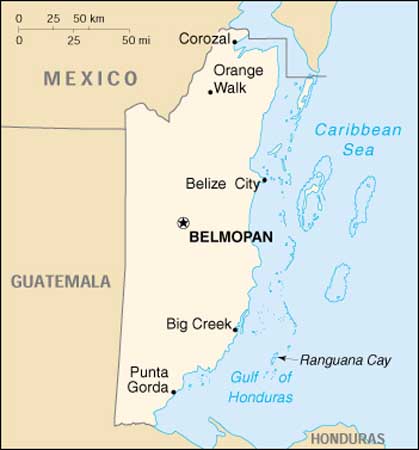
| Click map for larger view |
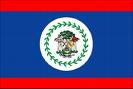
| Click flag for Country Report |



Elizabeth II of the United Kingdom
President since 6 February 1952
President since 6 February 1952
Sir Colville Young
Governor General since 17 November 1993
Governor General since 17 November 1993
| TRAFFICKING IN PERSONS |
None reported.

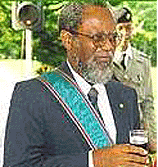
Gaspar Vega
Deputy Prime Minister since 8 February 2008
Deputy Prime Minister since 8 February 2008


