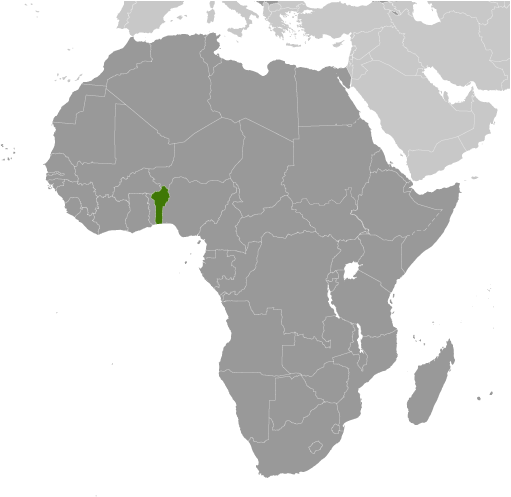

| BENIN Republic of Benin Republique du Benin Joined United Nations: 20 September 1960 Human Rights as assured by their constitution Click here Updated 08 July 2012 |

| CAPITAL |
| POPULATION |
| CHIEF OF STATE |
| SELECTION PROCESS |
Porto-Novo
9,598,787
note: estimates for this country explicitly take into account the effects of excess mortality
due to AIDS; this can result in lower life expectancy, higher infant mortality and death
rates, lower population and growth rates, and changes in the distribution of population
by age and sex than would otherwise be expected (July 2012 est.)
note: estimates for this country explicitly take into account the effects of excess mortality
due to AIDS; this can result in lower life expectancy, higher infant mortality and death
rates, lower population and growth rates, and changes in the distribution of population
by age and sex than would otherwise be expected (July 2012 est.)
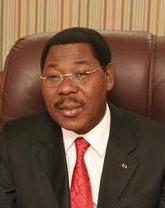
Thomas Yayi Boni
President since 6 April 2006
President since 6 April 2006
President elected by popular vote for a five-year term (eligible
for a second term); runoff election held 13 March 2011
Next scheduled election: March 2016
for a second term); runoff election held 13 March 2011
Next scheduled election: March 2016
HEAD OF GOVERNMENT
SELECTION PROCESS
Thomas Yayi Boni
President since 6 April 2006
President since 6 April 2006
Prime Minister is appointed by the president who serves as a
co-Head of Government
co-Head of Government
| DECLARATION OF HUMAN RIGHTS |
| ETHNIC GROUPS |
Fon and related 39.2%, Adja and related 15.2%, Yoruba and related 12.3%, Bariba and related 9.2%, Peulh and related
7%, Ottamari and related 6.1%, Yoa-Lokpa and related 4%, Dendi and related 2.5%, other 1.6% (includes Europeans),
unspecified 2.9% (2002 census)
7%, Ottamari and related 6.1%, Yoa-Lokpa and related 4%, Dendi and related 2.5%, other 1.6% (includes Europeans),
unspecified 2.9% (2002 census)
| RELIGIONS |
Christian 42.8% (Catholic 27.1%, Celestial 5%, Methodist 3.2%, other Protestant 2.2%, other 5.3%), Muslim 24.4%,
Vodoun 17.3%, other 15.5% (2002 census)
Vodoun 17.3%, other 15.5% (2002 census)
| GOVERNMENT STRUCTURE |
Republic- 12 departments. Legal system is based on French civil law and customary law; has not accepted compulsory ICJ
jurisdiction
Executive: President popularly elected for five year term, eligible for a second term; runoff election held 13 March 2011
(next to be held in March 2016); Prime Minister is appointed by the President
Legislative: Unicameral National Assembly or Assemblee Nationale (83 seats; members are elected by direct popular vote
to serve four-year terms);
elections: last held 30 April 2011 (next to be held by 2015)
Judicial: Constitutional Court or Cour Constitutionnelle; Supreme Court or Cour Supreme; High Court of Justice
jurisdiction
Executive: President popularly elected for five year term, eligible for a second term; runoff election held 13 March 2011
(next to be held in March 2016); Prime Minister is appointed by the President
Legislative: Unicameral National Assembly or Assemblee Nationale (83 seats; members are elected by direct popular vote
to serve four-year terms);
elections: last held 30 April 2011 (next to be held by 2015)
Judicial: Constitutional Court or Cour Constitutionnelle; Supreme Court or Cour Supreme; High Court of Justice
| LANGUAGES |
French (official), Fon and Yoruba (most common vernaculars in south), tribal languages (at least six major ones in north)
| BRIEF HISTORY |
Present day Benin was the site of Dahomey, a prominent West African kingdom that rose in the 15th century. The territory
became a French Colony in 1872 and achieved independence on 1 August 1960, as the Republic of Benin. A succession of
military governments ended in 1972 with the rise to power of Mathieu KEREKOU and the establishment of a government
based on Marxist-Leninist principles. A move to representative government began in 1989. Two years later, free elections
ushered in former Prime Minister Nicephore SOGLO as president, marking the first successful transfer of power in Africa
from a dictatorship to a democracy. KEREKOU was returned to power by elections held in 1996 and 2001, though some
irregularities were alleged. In 2006, Mathieu KEREKOU was not constitutionally permitted to run for re-election since he
had already served two terms and was over 70 years old. Despite speculation, this was not changed and he stood down
after the election of his successor, Yayi Boni. The Cabinet is under the authority of the President, and serves to advise and
help formulate strategies. It also liaises with ministries and other government institutions. Boni has set as his priorities (as
translated from French) In-depth reorganization of the directions and services of BOAD to gain the fight against Poverty. -
Multiplication by five levels of activities and the withdrawals between 1994 and 2004 to reach 80 billion. - The drastic
cleansing of the wallet to bring back the unpaid ones on engagements withdrawn to less than 2% - Increase each year of the
Net transfer of the resources in favour of the States. - Increase in the capital of the Bank which passed from 140 billion in
1994 to 700 billion in 2005 with the arrival new shareholders. - The increase in the contest of the loans and contests
nonrefundable which passed from 147 billion in 1994 to 421 billion in 2005. - The realization with the financial partners (the
World Bank; AFD; ACDI) of the project of development of the regional money market for an amount of more than 200
billion. - Visibility more marked of the Bank during this last decade with a very particular admiration of the financial partners
who are satisfied of the management of the Bank. Benin held legislative elections on March 31, 2007, for the 83 seats in the
National Assembly. The Force Cowrie for an Emerging Benin (FCBE), a coalition of parties, closely linked to President
Yayi, won a plurality of the seats in the National Assembly, providing the president with considerable influence over the
legislative agenda.
Sources CIA World Factbook (select Benin) ; Wikipedia Politic of Benin ; Yayi Boni Official Web Site
became a French Colony in 1872 and achieved independence on 1 August 1960, as the Republic of Benin. A succession of
military governments ended in 1972 with the rise to power of Mathieu KEREKOU and the establishment of a government
based on Marxist-Leninist principles. A move to representative government began in 1989. Two years later, free elections
ushered in former Prime Minister Nicephore SOGLO as president, marking the first successful transfer of power in Africa
from a dictatorship to a democracy. KEREKOU was returned to power by elections held in 1996 and 2001, though some
irregularities were alleged. In 2006, Mathieu KEREKOU was not constitutionally permitted to run for re-election since he
had already served two terms and was over 70 years old. Despite speculation, this was not changed and he stood down
after the election of his successor, Yayi Boni. The Cabinet is under the authority of the President, and serves to advise and
help formulate strategies. It also liaises with ministries and other government institutions. Boni has set as his priorities (as
translated from French) In-depth reorganization of the directions and services of BOAD to gain the fight against Poverty. -
Multiplication by five levels of activities and the withdrawals between 1994 and 2004 to reach 80 billion. - The drastic
cleansing of the wallet to bring back the unpaid ones on engagements withdrawn to less than 2% - Increase each year of the
Net transfer of the resources in favour of the States. - Increase in the capital of the Bank which passed from 140 billion in
1994 to 700 billion in 2005 with the arrival new shareholders. - The increase in the contest of the loans and contests
nonrefundable which passed from 147 billion in 1994 to 421 billion in 2005. - The realization with the financial partners (the
World Bank; AFD; ACDI) of the project of development of the regional money market for an amount of more than 200
billion. - Visibility more marked of the Bank during this last decade with a very particular admiration of the financial partners
who are satisfied of the management of the Bank. Benin held legislative elections on March 31, 2007, for the 83 seats in the
National Assembly. The Force Cowrie for an Emerging Benin (FCBE), a coalition of parties, closely linked to President
Yayi, won a plurality of the seats in the National Assembly, providing the president with considerable influence over the
legislative agenda.
Sources CIA World Factbook (select Benin) ; Wikipedia Politic of Benin ; Yayi Boni Official Web Site
| ECONOMIC OVERVIEW |
The economy of Benin remains underdeveloped and dependent on subsistence agriculture, cotton production, and regional
trade. Growth in real output had averaged almost 4% before the global recession but fell to 2.7% in 2009 and 2.6% in
2010. Inflation has subsided over the past several years. In order to raise growth, Benin plans to attract more foreign
investment, place more emphasis on tourism, facilitate the development of new food processing systems and agricultural
products, and encourage new information and communication technology. Specific projects to improve the business climate
by reforms to the land tenure system, the commercial justice system, and the financial sector were included in Benin's $307
million Millennium Challenge Account grant signed in February 2006. The 2001 privatization policy continues in
telecommunications, water, electricity, and agriculture. The Paris Club and bilateral creditors have eased the external debt
situation with Benin benefiting from a G-8 debt reduction announced in July 2005, while pressing for more rapid structural
reforms. An insufficient electrical supply continues to adversely affect Benin's economic growth though the government
recently has taken steps to increase domestic power production. Private foreign direct investment is small, and foreign aid
accounts for the majority of investment in infrastructure projects. Cotton, a key export, suffered from flooding in 2010-11,
but high prices supported export earnings. The government agreed to 25% increase in civil servant salaries in 2011,
following a series of strikes, has increased pressure on the national budget. Benin has appealed for international assistance to
mitigate piracy against commercial shipping in its territory.
trade. Growth in real output had averaged almost 4% before the global recession but fell to 2.7% in 2009 and 2.6% in
2010. Inflation has subsided over the past several years. In order to raise growth, Benin plans to attract more foreign
investment, place more emphasis on tourism, facilitate the development of new food processing systems and agricultural
products, and encourage new information and communication technology. Specific projects to improve the business climate
by reforms to the land tenure system, the commercial justice system, and the financial sector were included in Benin's $307
million Millennium Challenge Account grant signed in February 2006. The 2001 privatization policy continues in
telecommunications, water, electricity, and agriculture. The Paris Club and bilateral creditors have eased the external debt
situation with Benin benefiting from a G-8 debt reduction announced in July 2005, while pressing for more rapid structural
reforms. An insufficient electrical supply continues to adversely affect Benin's economic growth though the government
recently has taken steps to increase domestic power production. Private foreign direct investment is small, and foreign aid
accounts for the majority of investment in infrastructure projects. Cotton, a key export, suffered from flooding in 2010-11,
but high prices supported export earnings. The government agreed to 25% increase in civil servant salaries in 2011,
following a series of strikes, has increased pressure on the national budget. Benin has appealed for international assistance to
mitigate piracy against commercial shipping in its territory.
| POLITICAL CLIMATE |
Benin was thus the first African country to successfully effect the transition from dictatorship to a pluralistic political system.
In the second round of National Assembly elections held in March 1995, Soglo's political vehicle, the Parti de la
Renaissance du Benin, was the largest single party but lacked an overall majority. The success of a party formed by
supporters of ex-president Kérékou, who had officially retired from active politics, encouraged him to stand successfully at
both the 1996 and 2001 presidential elections.
In part spurred by the collapse of the Soviet Union and the resultant lack of donor support from the superpower, as well as
an economic crisis within the country, Benin adopted a new constitution in 1990 in order to open up and liberalise the
political system and economy. Its chief aims are to enshrine in law accountability, transparency, freedom of religion, freedom
of the press, separation of governmental powers, the right to strike, universal suffrage (at age 18) and independence of the
judiciary.
These developments have created economic growth in Benin, but some of the bold ideals of the constitution have yet to be
fully realised. Lack of accountability and transparency, failure to separate the judiciary from the political system, and high
levels of illiteracy are the main stumbling blocks. Additionally, state employees are poorly paid, which makes them
susceptible to bribery and corruption. There are unresolved issues with many pre-constitution laws which contradict the
constitution. Many of the older laws derive from French legal norms as France was the former colonial power. Critics have
also complained that the constitution makes no mention of the right to an adequate standard of living. Since being written, the
constitution has been translated into eight of the national languages of Benin. Broadcasts on local radio stations, in both in
urban and rural areas, have publicised the constitution across the country.
Click here to read more »
In the second round of National Assembly elections held in March 1995, Soglo's political vehicle, the Parti de la
Renaissance du Benin, was the largest single party but lacked an overall majority. The success of a party formed by
supporters of ex-president Kérékou, who had officially retired from active politics, encouraged him to stand successfully at
both the 1996 and 2001 presidential elections.
In part spurred by the collapse of the Soviet Union and the resultant lack of donor support from the superpower, as well as
an economic crisis within the country, Benin adopted a new constitution in 1990 in order to open up and liberalise the
political system and economy. Its chief aims are to enshrine in law accountability, transparency, freedom of religion, freedom
of the press, separation of governmental powers, the right to strike, universal suffrage (at age 18) and independence of the
judiciary.
These developments have created economic growth in Benin, but some of the bold ideals of the constitution have yet to be
fully realised. Lack of accountability and transparency, failure to separate the judiciary from the political system, and high
levels of illiteracy are the main stumbling blocks. Additionally, state employees are poorly paid, which makes them
susceptible to bribery and corruption. There are unresolved issues with many pre-constitution laws which contradict the
constitution. Many of the older laws derive from French legal norms as France was the former colonial power. Critics have
also complained that the constitution makes no mention of the right to an adequate standard of living. Since being written, the
constitution has been translated into eight of the national languages of Benin. Broadcasts on local radio stations, in both in
urban and rural areas, have publicised the constitution across the country.
Click here to read more »
| INTERNATIONAL DISPUTES |
Talks continue between Benin and Togo on funding the Adjrala hydroelectric dam on the Mona River; Benin retains a
border dispute with Burkina Faso around the town of Koualou; location of Benin-Niger-Nigeria tripoint is unresolved.
border dispute with Burkina Faso around the town of Koualou; location of Benin-Niger-Nigeria tripoint is unresolved.


| REFUGEES AND INTERNALLY DISPLACED PERSONS (IDP) |
Refugees (country of origin): 9,444 (Togo) (2007)
| ILLICIT DRUGS |
Transshipment point used by traffickers for cocaine destined for Western Europe; vulnerable to money laundering due to
poorly enforced financial regulations (2008)
poorly enforced financial regulations (2008)
| HUMAN RIGHTS STATEMENTS, ANALYSIS AND CRITIQUES |
2011 Human Rights Report: Benin
Bureau of Democracy, Human Rights, and Labor
2011 Country Reports on Human Rights Practices
May 24, 2012
Benin is a constitutional democracy. On March 13, President Boni Yayi won a second, and final, five-year term in multiparty
elections. In the April 30 legislative elections, President Yayi’s supporting coalition, Cowry Force for an Emerging Benin, won 41
of 83 seats in the National Assembly and formed a majority coalition with the Renaissance of Benin Party and other minor
supporting parties for a total of 61 seats. As a result the coalition controlled the Bureau of the National Assembly with six of the
seven seats. International observers viewed both the presidential and legislative elections as free, fair, and transparent. Security
forces reported to civilian authorities.
Three main human rights abuses reported during the year included police use of excessive force; violence and discrimination
against women and girls, including female genital mutilation (FGM); and harsh prison conditions.
Other major human rights problems included arbitrary arrest and detention with prolonged pretrial detention. Vigilante violence
occurred, as did trafficking and abuse of children, including infanticide and child labor.
Although the government made an effort to control corruption and abuses, including prosecuting and punishing public officials,
officials sometimes engaged in corrupt practices with impunity.
Click here to read more »
Bureau of Democracy, Human Rights, and Labor
2011 Country Reports on Human Rights Practices
May 24, 2012
Benin is a constitutional democracy. On March 13, President Boni Yayi won a second, and final, five-year term in multiparty
elections. In the April 30 legislative elections, President Yayi’s supporting coalition, Cowry Force for an Emerging Benin, won 41
of 83 seats in the National Assembly and formed a majority coalition with the Renaissance of Benin Party and other minor
supporting parties for a total of 61 seats. As a result the coalition controlled the Bureau of the National Assembly with six of the
seven seats. International observers viewed both the presidential and legislative elections as free, fair, and transparent. Security
forces reported to civilian authorities.
Three main human rights abuses reported during the year included police use of excessive force; violence and discrimination
against women and girls, including female genital mutilation (FGM); and harsh prison conditions.
Other major human rights problems included arbitrary arrest and detention with prolonged pretrial detention. Vigilante violence
occurred, as did trafficking and abuse of children, including infanticide and child labor.
Although the government made an effort to control corruption and abuses, including prosecuting and punishing public officials,
officials sometimes engaged in corrupt practices with impunity.
Click here to read more »
22 December 2009
Human Rights Council
Thirteenth session
Agenda item 3
Promotion and protection of all human rights, civil, political, economic, social and cultural rights, including the right to
development Report of the Special Rapporteur on the right to food, Olivier De Schutter*
Addendum
Mission to Benin
Summary
After discussing the state of food insecurity in Benin, the Special Rapporteur analyses the legal and institutional framework
governing the right to food. He then examines the various public policies that significantly affect the gradual realization of the
right to food in Benin. Although small farmers and farm labourers are not the only vulnerable groups in Benin, the report focuses
mainly on them, since Benin has reached a crucial point in the redefinition of its agricultural policies. The policies initiated to
revitalize agriculture before and after the food price crisis in early 2008 are the subject of particular attention, as are the projects
aimed at organizing agricultural channels and improving market functioning, along with access to credit, rural land reform and
agrofuel development. The Special Rapporteur looks more briefly at how the right to food of the urban poor could be better
guaranteed.
Recommendations are made for improving the realization of the right to food. They call for more ambitious support to the
dissemination of sustainable agriculture best practices, continued reinvestment in agricultural extension systems, and a special focus
on the impact of international trade on small producers and on the integration of such producers in export channels. These efforts
should be coordinated as part of a national strategy for the realization of the right to food, an initiative that could be organized by
Benin within the framework of its existing structures, if it chose to follow this path.
VI. Conclusions and recommendations
64. Benin has recently taken important initiatives to strengthen its agricultural sector and to help the poorest households, particularly
those in rural areas, to cope with the increase in food prices. These initiatives are to be welcomed. They could be improved by
being anchored in the right to food, with a view to achieving more effective targeting and guaranteeing that demands for
participation and nondiscrimination are met. This would avoid confusion between policies aimed at ensuring food security by
increasing production and policies aimed at strengthening the right to food by guaranteeing access for all to adequate food.
65. The Special Rapporteur encourages the Beninese authorities to adopt a national strategy for the realization of the right to food,
in accordance with general comment No. 12 (1999) of the Committee on Economic, Social and Cultural Rights (E/C.12/1999/5).
Such a strategy should set key dates, objectives and indicators for realizing this right. Its adoption should be participatory, as called
for in guideline 3.8 of the FAO Voluntary Guidelines to Support the Progressive Realization of the Right to Adequate Food in the
Context of National Food Security.21 It should improve coordination among actors, which is still lacking. The Office of the High
Commissioner for Consultative Governance could be provided with additional resources to enable it to coordinate the preparation of
the national strategy and ensure the participation of the population in debates of concern to it.
Click here to read more »
Human Rights Council
Thirteenth session
Agenda item 3
Promotion and protection of all human rights, civil, political, economic, social and cultural rights, including the right to
development Report of the Special Rapporteur on the right to food, Olivier De Schutter*
Addendum
Mission to Benin
Summary
After discussing the state of food insecurity in Benin, the Special Rapporteur analyses the legal and institutional framework
governing the right to food. He then examines the various public policies that significantly affect the gradual realization of the
right to food in Benin. Although small farmers and farm labourers are not the only vulnerable groups in Benin, the report focuses
mainly on them, since Benin has reached a crucial point in the redefinition of its agricultural policies. The policies initiated to
revitalize agriculture before and after the food price crisis in early 2008 are the subject of particular attention, as are the projects
aimed at organizing agricultural channels and improving market functioning, along with access to credit, rural land reform and
agrofuel development. The Special Rapporteur looks more briefly at how the right to food of the urban poor could be better
guaranteed.
Recommendations are made for improving the realization of the right to food. They call for more ambitious support to the
dissemination of sustainable agriculture best practices, continued reinvestment in agricultural extension systems, and a special focus
on the impact of international trade on small producers and on the integration of such producers in export channels. These efforts
should be coordinated as part of a national strategy for the realization of the right to food, an initiative that could be organized by
Benin within the framework of its existing structures, if it chose to follow this path.
VI. Conclusions and recommendations
64. Benin has recently taken important initiatives to strengthen its agricultural sector and to help the poorest households, particularly
those in rural areas, to cope with the increase in food prices. These initiatives are to be welcomed. They could be improved by
being anchored in the right to food, with a view to achieving more effective targeting and guaranteeing that demands for
participation and nondiscrimination are met. This would avoid confusion between policies aimed at ensuring food security by
increasing production and policies aimed at strengthening the right to food by guaranteeing access for all to adequate food.
65. The Special Rapporteur encourages the Beninese authorities to adopt a national strategy for the realization of the right to food,
in accordance with general comment No. 12 (1999) of the Committee on Economic, Social and Cultural Rights (E/C.12/1999/5).
Such a strategy should set key dates, objectives and indicators for realizing this right. Its adoption should be participatory, as called
for in guideline 3.8 of the FAO Voluntary Guidelines to Support the Progressive Realization of the Right to Adequate Food in the
Context of National Food Security.21 It should improve coordination among actors, which is still lacking. The Office of the High
Commissioner for Consultative Governance could be provided with additional resources to enable it to coordinate the preparation of
the national strategy and ensure the participation of the population in debates of concern to it.
Click here to read more »
Freedom In The World 2012 Report
Political Rights Score: 2
Civil Liberties Score: 2
Status: Free
Overview
In March 2011, President Boni Yayi was reelected to a second five-year term in a vote that was considered free and fair by
international observers but heavily criticized by the opposition. Demonstrations against the result led by the opposition were
forcefully dispersed by police. Yayi’s coalition gained a majority in free and fair April legislative elections.
Six decades of French rule in Benin lasted until 1960. Twelve years later, Mathieu Kérékou took power, ending a series of coups
and counter-coups and imposing a one-party Marxist-Leninist government that lasted nearly 20 years. However, by 1990,
economic hardship and rising internal unrest forced Kérékou to hold a national conference that eventually ushered in a peaceful
democratic transition. Following his defeat by Nicéphore Soglo in the 1991 presidential election, the country’s human rights record
improved. Kérékou returned to power in 1996 through a democratic election, and he secured another term in 2001 after his two
main opponents boycotted a runoff due to administrative problems and alleged fraud. The 2003 legislative elections, which were
generally considered free and fair, gave the ruling coalition a majority in the National Assembly.
The 2006 presidential election—for which both Kérékou and Soglo were ineligible due to their ages—was won by Boni Yayi, an
independent candidate and former president of the regional development bank. He pledged transparency, a hard line on corruption,
decentralization of government, and the privatization of state companies.
A coalition of parties supporting Yayi, led by the Cowrie Forces for an Emerging Benin (FCBE), won 35 of 83 seats in generally
free and fair 2007 legislative elections. In 2009, this loose alliance began to break apart, posing a challenge to Yayi’s efforts to
enact electoral and economic reforms. By 2010, a number of FCBE members had defected to the opposition, causing the alliance to
lose its majority and effectively blocking any new legislation.
In August 2010, more than half of the National Assembly’s members called for Yayi’s impeachment, accusing him of involvement
in a high-profile Ponzi scheme in which a large investment firm was found to have stolen $130 million in savings from more than
100,000 people. Although parliament was unable to secure the necessary two-thirds majority to impeach Yayi, the president’s
reputation suffered greatly. The scandal also unified the opposition, bringing together the five major political parties of the south for
the first time since independence to form the Build the Nation Union (UN), which put forward a single candidate for the 2011
election, Adrien Houngbédji.
Click here to read more »
Political Rights Score: 2
Civil Liberties Score: 2
Status: Free
Overview
In March 2011, President Boni Yayi was reelected to a second five-year term in a vote that was considered free and fair by
international observers but heavily criticized by the opposition. Demonstrations against the result led by the opposition were
forcefully dispersed by police. Yayi’s coalition gained a majority in free and fair April legislative elections.
Six decades of French rule in Benin lasted until 1960. Twelve years later, Mathieu Kérékou took power, ending a series of coups
and counter-coups and imposing a one-party Marxist-Leninist government that lasted nearly 20 years. However, by 1990,
economic hardship and rising internal unrest forced Kérékou to hold a national conference that eventually ushered in a peaceful
democratic transition. Following his defeat by Nicéphore Soglo in the 1991 presidential election, the country’s human rights record
improved. Kérékou returned to power in 1996 through a democratic election, and he secured another term in 2001 after his two
main opponents boycotted a runoff due to administrative problems and alleged fraud. The 2003 legislative elections, which were
generally considered free and fair, gave the ruling coalition a majority in the National Assembly.
The 2006 presidential election—for which both Kérékou and Soglo were ineligible due to their ages—was won by Boni Yayi, an
independent candidate and former president of the regional development bank. He pledged transparency, a hard line on corruption,
decentralization of government, and the privatization of state companies.
A coalition of parties supporting Yayi, led by the Cowrie Forces for an Emerging Benin (FCBE), won 35 of 83 seats in generally
free and fair 2007 legislative elections. In 2009, this loose alliance began to break apart, posing a challenge to Yayi’s efforts to
enact electoral and economic reforms. By 2010, a number of FCBE members had defected to the opposition, causing the alliance to
lose its majority and effectively blocking any new legislation.
In August 2010, more than half of the National Assembly’s members called for Yayi’s impeachment, accusing him of involvement
in a high-profile Ponzi scheme in which a large investment firm was found to have stolen $130 million in savings from more than
100,000 people. Although parliament was unable to secure the necessary two-thirds majority to impeach Yayi, the president’s
reputation suffered greatly. The scandal also unified the opposition, bringing together the five major political parties of the south for
the first time since independence to form the Build the Nation Union (UN), which put forward a single candidate for the 2011
election, Adrien Houngbédji.
Click here to read more »
Benin: Benin ratifies key UN treaty aiming at the abolition of the death penalty
6 July 2012
Benin ratifies key UN treaty aiming at the abolition of the death penalty Benin has taken another important step towards abolishing
the death penalty yesterday by acceding to an international treaty banning capital punishment.
Benin is the 75th state worldwide to join the Second Optional Protocol to the International Covenant on Civil and Political Rights of
1989, aiming at the abolition of the death penalty.
The ratification of the Second Optional Protocol by the government of Benin is another vital step forward, and Benin should follow
up by immediately implementing laws that remove the death penalty from its national statute books altogether.
In moving further away from the death penalty, Benin is setting the standard for other countries in the region to follow.
Amnesty International has campaigned extensively for the abolition of the death penalty in Benin.
By acceding to the Protocol, Benin promises not to execute anybody, and to take all necessary measures to abolish the death
penalty within its jurisdiction.
The death penalty remains part of the law in Benin until the Beninese National Assembly removes provisions in national legislation
that still retain the death penalty.
While Benin’s penal code still allows for the death penalty to be handed down for various offences, Beninese authorities have not
executed anyone for almost 25 years.
To Amnesty International’s knowledge, the last executions in Benin took place in September 1987, when two people were shot
after receiving death sentences for ritual murder. In 1986, six people were executed by shooting after being convicted of armed
robbery and murder. The last death sentence was handed down in 2010 to a woman sentenced in absentia for murder.
At the end of 2011, at least 14 people were on death row in Benin’s prisons.
Benin joins other countries in moving towards the abolition of the death penalty in Africa. To date, 16 African countries have
abolished the death penalty for all crimes, including three – Burundi, Togo and Gabon – in the last three years. Another 22
countries, including Benin, are considered by Amnesty International to be abolitionist in practice.
This means that on the regional level in Africa, as on the global level, more than two thirds of all countries have abolished the death
penalty in law or practice.
Click here to read more »
6 July 2012
Benin ratifies key UN treaty aiming at the abolition of the death penalty Benin has taken another important step towards abolishing
the death penalty yesterday by acceding to an international treaty banning capital punishment.
Benin is the 75th state worldwide to join the Second Optional Protocol to the International Covenant on Civil and Political Rights of
1989, aiming at the abolition of the death penalty.
The ratification of the Second Optional Protocol by the government of Benin is another vital step forward, and Benin should follow
up by immediately implementing laws that remove the death penalty from its national statute books altogether.
In moving further away from the death penalty, Benin is setting the standard for other countries in the region to follow.
Amnesty International has campaigned extensively for the abolition of the death penalty in Benin.
By acceding to the Protocol, Benin promises not to execute anybody, and to take all necessary measures to abolish the death
penalty within its jurisdiction.
The death penalty remains part of the law in Benin until the Beninese National Assembly removes provisions in national legislation
that still retain the death penalty.
While Benin’s penal code still allows for the death penalty to be handed down for various offences, Beninese authorities have not
executed anyone for almost 25 years.
To Amnesty International’s knowledge, the last executions in Benin took place in September 1987, when two people were shot
after receiving death sentences for ritual murder. In 1986, six people were executed by shooting after being convicted of armed
robbery and murder. The last death sentence was handed down in 2010 to a woman sentenced in absentia for murder.
At the end of 2011, at least 14 people were on death row in Benin’s prisons.
Benin joins other countries in moving towards the abolition of the death penalty in Africa. To date, 16 African countries have
abolished the death penalty for all crimes, including three – Burundi, Togo and Gabon – in the last three years. Another 22
countries, including Benin, are considered by Amnesty International to be abolitionist in practice.
This means that on the regional level in Africa, as on the global level, more than two thirds of all countries have abolished the death
penalty in law or practice.
Click here to read more »
Around the world in 18-hour days
by Jo Becker- Human Rights Watch
Published in: Global Post
June 18, 2012
Domestic workers are often abused and all governments should be pressed to protect their rights.
GENEVA — I met 12-year-old Latifa a few weeks ago in a remote mountain village, a four-hour drive from Marrakech. Like nearly
15 million other children worldwide, Latifa became a domestic worker to earn money to help her family. A recruiter promised her
that her employers — a family in Casablanca — would be very kind and pay her well.
In reality, Latifa said, she worked seven days a week, from 6 in the morning until nearly midnight, cooking, cleaning, washing
dishes, and caring for her employer’s four children. Her employer didn’t allow Latifa to eat from early morning until late at night,
and beat her — sometimes with a shoe — when she broke something or the children cried. Latifa told me, “I don’t mind working,
but to be beaten and not to have enough food, that was the hardest part of it.”
We have heard similar stories from domestic workers in other countries such as Indonesia, Cambodia, Lebanon, Guatemala, and
Guinea. Experiences like Latifa’s are still far too common, but encouraging national and international reforms in the last year
promise respect, dignity, and decent working conditions for millions like her.
Latifa finally left her abusive employer by finding a public phone. She called her family and asked to come home. Now, with the
assistance of a non-governmental organization, she is back in school. I asked her if she thought it was a good idea for girls her age
to do domestic work. “No,” she replied. “The work is very hard.”
A proposed law in Morocco would reinforce a prohibition on the employment in domestic work of girls as young as Latifa and
extend key labor rights to older domestic workers, but it has not yet been adopted.
On Thursday, the annual International Labor Conference concluded in Geneva, with public pledges by governments including
Belgium, Benin, and Mauritius to ratify the Domestic Workers Convention. Governments like these that are taking concrete steps to
make domestic workers’ rights a reality should be applauded. Those that haven’t should act quickly to ratify the new convention
and ensure that domestic workers enjoy the rights that most of us take for granted.
Click here to read more »
by Jo Becker- Human Rights Watch
Published in: Global Post
June 18, 2012
Domestic workers are often abused and all governments should be pressed to protect their rights.
GENEVA — I met 12-year-old Latifa a few weeks ago in a remote mountain village, a four-hour drive from Marrakech. Like nearly
15 million other children worldwide, Latifa became a domestic worker to earn money to help her family. A recruiter promised her
that her employers — a family in Casablanca — would be very kind and pay her well.
In reality, Latifa said, she worked seven days a week, from 6 in the morning until nearly midnight, cooking, cleaning, washing
dishes, and caring for her employer’s four children. Her employer didn’t allow Latifa to eat from early morning until late at night,
and beat her — sometimes with a shoe — when she broke something or the children cried. Latifa told me, “I don’t mind working,
but to be beaten and not to have enough food, that was the hardest part of it.”
We have heard similar stories from domestic workers in other countries such as Indonesia, Cambodia, Lebanon, Guatemala, and
Guinea. Experiences like Latifa’s are still far too common, but encouraging national and international reforms in the last year
promise respect, dignity, and decent working conditions for millions like her.
Latifa finally left her abusive employer by finding a public phone. She called her family and asked to come home. Now, with the
assistance of a non-governmental organization, she is back in school. I asked her if she thought it was a good idea for girls her age
to do domestic work. “No,” she replied. “The work is very hard.”
A proposed law in Morocco would reinforce a prohibition on the employment in domestic work of girls as young as Latifa and
extend key labor rights to older domestic workers, but it has not yet been adopted.
On Thursday, the annual International Labor Conference concluded in Geneva, with public pledges by governments including
Belgium, Benin, and Mauritius to ratify the Domestic Workers Convention. Governments like these that are taking concrete steps to
make domestic workers’ rights a reality should be applauded. Those that haven’t should act quickly to ratify the new convention
and ensure that domestic workers enjoy the rights that most of us take for granted.
Click here to read more »
Benin
H.E. Mr. Nassirou Bako Arifari, Minister for Foreign Affairs
27 September 2011
NASSIROU BAKO ARIFARI, Minister for Foreign Affairs, African Integration, Francophonie and Beninese Abroad of Benin, said
his country understood the importance of mediation and had established a public mediators’ office. More broadly, there was a need
for multilateralism in order to avoid a “collective shipwreck” in tackling global problems. “Nationally, we need greater cohesion,” he
said, and more determination to eliminate obstacles to development. In Benin, democracy had been preserved through the United
Nations tireless commitment, especially its support for computerized electoral lists, which had guaranteed polling results. Benin had
worked to consolidate governance at national and local levels, notably through a package of reforms to rid structural and
behavioural obstacles to governance. Strengthening democratic bodies and rebalancing their powers was at the heart of revamping
the Constitution. The number of presidential terms was limited to two and anyone over the age of 70 could not be a candidate.
Turning to the fight against corruption, he cited the adoption of a law in August that allowed the Government to address new forms
of illicit enrichment, instilling transparency in the management of State resources and combating practices that prevented citizens
from enjoying the fruits of their labour. “This is a revolution in Benin’s legal mechanisms,” he said. More broadly, the United
Nations should be the leader in global governance. In the Human Rights Council, Benin would work to promote and protect all
universally recognized human rights, and supported their interdependence. Despite a bleak global economic picture, countries must
make progress in the areas of good governance, health, water, sanitation, primary education and women’s empowerment. Least
developed countries required modern technology transfers and a greater share of international trade, which required fulfilling
pledges in the Istanbul Programme of Action.
On climate change, he voiced hope that the 2012 “ Rio+20” summit would lead to decisions that were in line with “the perils that
await us”. On transnational organized crime, he said Benin had been targeted by piracy, armed theft at sea and illicit flows of fake
medicine — a situation that complicated the search for resources to address external economic shocks and attain the Millennium
Development Goals. He called on States with expertise in maritime operations for assistance, as Benin’s resources were
“laughable”, given the scale of the threat. Pressing the United Nations to enhance its capacities to help States respond to such
threats, he said negotiations to reform the Security Council must be stepped up, with 2015 seen as a possible deadline for
completing talks and establishing an inclusive body that rectified the historical injustice to Africa.
Click here to read more »
H.E. Mr. Nassirou Bako Arifari, Minister for Foreign Affairs
27 September 2011
NASSIROU BAKO ARIFARI, Minister for Foreign Affairs, African Integration, Francophonie and Beninese Abroad of Benin, said
his country understood the importance of mediation and had established a public mediators’ office. More broadly, there was a need
for multilateralism in order to avoid a “collective shipwreck” in tackling global problems. “Nationally, we need greater cohesion,” he
said, and more determination to eliminate obstacles to development. In Benin, democracy had been preserved through the United
Nations tireless commitment, especially its support for computerized electoral lists, which had guaranteed polling results. Benin had
worked to consolidate governance at national and local levels, notably through a package of reforms to rid structural and
behavioural obstacles to governance. Strengthening democratic bodies and rebalancing their powers was at the heart of revamping
the Constitution. The number of presidential terms was limited to two and anyone over the age of 70 could not be a candidate.
Turning to the fight against corruption, he cited the adoption of a law in August that allowed the Government to address new forms
of illicit enrichment, instilling transparency in the management of State resources and combating practices that prevented citizens
from enjoying the fruits of their labour. “This is a revolution in Benin’s legal mechanisms,” he said. More broadly, the United
Nations should be the leader in global governance. In the Human Rights Council, Benin would work to promote and protect all
universally recognized human rights, and supported their interdependence. Despite a bleak global economic picture, countries must
make progress in the areas of good governance, health, water, sanitation, primary education and women’s empowerment. Least
developed countries required modern technology transfers and a greater share of international trade, which required fulfilling
pledges in the Istanbul Programme of Action.
On climate change, he voiced hope that the 2012 “ Rio+20” summit would lead to decisions that were in line with “the perils that
await us”. On transnational organized crime, he said Benin had been targeted by piracy, armed theft at sea and illicit flows of fake
medicine — a situation that complicated the search for resources to address external economic shocks and attain the Millennium
Development Goals. He called on States with expertise in maritime operations for assistance, as Benin’s resources were
“laughable”, given the scale of the threat. Pressing the United Nations to enhance its capacities to help States respond to such
threats, he said negotiations to reform the Security Council must be stepped up, with 2015 seen as a possible deadline for
completing talks and establishing an inclusive body that rectified the historical injustice to Africa.
Click here to read more »
TRANSLATED FROM FRENCH BY GOOGLE TRANSLATE
Report of Workshop No. 1 on the living conditions in prisons Béninpopulaire!
18/05/2012
After the work in plenary, and according to the program, the workshop No. 1 in charge of the further discussion of living
conditions in prisons, has analyzed the issue in light of submissions and conclusions of the Bohicon workshop, held on March
2O12 O8 and O9.
The list of workshop participants is annexed to this Report.
It appears fruitful discussions in the workshop that many serious dysfunctions characterize the operation of prisons. These
disorders affect among other things, prison security, hygiene, health of prisoners. They also relate to the lack or failure of
infrastructure in prisons. The Committee has not overlooked the thorny problem of extortion that undermines our prisons.
All these failures require urgent action, bold and better accountability of all those involved in or contribute to the smooth functioning
of the prisons.
The Commission believes a transversal approach to solving problems in prisons involving, besides the Ministry in charge of Justice,
the Ministries responsible for Finance, Health, Defence and Family, which must be regarded as indispensable partners in the
resolution of failures identified.
Click here to read more »
Report of Workshop No. 1 on the living conditions in prisons Béninpopulaire!
18/05/2012
After the work in plenary, and according to the program, the workshop No. 1 in charge of the further discussion of living
conditions in prisons, has analyzed the issue in light of submissions and conclusions of the Bohicon workshop, held on March
2O12 O8 and O9.
The list of workshop participants is annexed to this Report.
It appears fruitful discussions in the workshop that many serious dysfunctions characterize the operation of prisons. These
disorders affect among other things, prison security, hygiene, health of prisoners. They also relate to the lack or failure of
infrastructure in prisons. The Committee has not overlooked the thorny problem of extortion that undermines our prisons.
All these failures require urgent action, bold and better accountability of all those involved in or contribute to the smooth functioning
of the prisons.
The Commission believes a transversal approach to solving problems in prisons involving, besides the Ministry in charge of Justice,
the Ministries responsible for Finance, Health, Defence and Family, which must be regarded as indispensable partners in the
resolution of failures identified.
Click here to read more »
TRANSLATED FROM FRENCH BY GOOGLE TRANSLATE
Institute of Human Rights and Promoting Democracy: Democracy in Everyday Life
Meetings on constitutional practices and policies in Africa: the recent dynamic (Cotonou - Benin, Palais des congrès: 29,
30 September and 1 October 2005)
Workshop Report No. 1
Rating democratic state of law, constitutionalism and institutional development
1. Critical study of the new constitutionalism in the light of fifteen years of practice
It should first make an inventory of new African constitutionalism in light of the experiences of recent years. This inventory is
available in positive findings, but also less positive.
The positive findings
An inventory satisfactory. In the opinion of workshop participants, it seems clear that we have witnessed over the last fifteen years
a renewed vigor of constitutionalism in Africa. This is mainly reflected a desire now displayed liberal democracy, respect for the
separation of powers, the existence of cons-power within the state, protection of rights and freedoms, the consecration of
Constitutional Justice and the existence of independent administrative authorities. The workshop participants noted that these
achievements have not generally been amendments to the constitutions in recent years. Indeed, the most significant changes have
instead focused on presidential terms, then it should be noted that no changes have focused on elements untouchable constitutions.
In short, to quote the comments of one participant, "constitutions are not so bad as this and are perfectible, but useful."
Original experiments. Among the positives about the African constitutionalism, we note that they sometimes reflect the unique and
positive experiences, such as the establishment of truth commissions and reconciliation in different countries.
Internationalization. African constitutions are also subject, probably because of the similarity of problems, an increasingly
international phenomenon which, in turn, allows opportunities for regionalization of solutions. African constitutions do not escape
to a movement of rapprochement with the international normativity, devoting their place in regional and international movement.
The less positive findings
It remains that beyond a general satisfaction, appear certain gaps, certain elements that deserve reflection and improvement.
Imprecise wording. Participants were first noted that some constitutional texts suffer from drafting often imprecise, then after
fifteen years of life, these texts reveal problems now identified.
Ditches and hyphenation. One of the most basic observations made by members of the workshop concerns the gap between the
constitutions and concerns of the populations they serve, the break between the legal state and the country is that real a high
percentage of populations are compared to their constitution, more or less in a state of cultural alienation.
Place of civil society. Several participants noted that civil society and its representatives, subject to appropriate arrangements could
perhaps be more present in the effective functioning of constitutionalism and the determination of its challenges, thereby better
placed in context of constitutionalism and the development a democratic culture felt better.
Possible solutions relating to the constitutional normativity
A first task would be to establish sufficient technical and would respect the constitutional standard itself.
The quality of the constitutional standard. A first possible solution is to propose that, in general, the grantor Africa pays special
attention to the quality of the constitutional standard, particularly in terms of precision and predictability.
The multiplicity normative. Inspired by the Anglo-Saxon, we could probably suggest some other design aspects of constitutional
normativity and away from its legal character, without him losing its binding force. Thus one could imagine that some rules,
particularly those targeting politicians, can migrate to a normative alternative, more proactive type of constitutional conventions of
Anglo-Saxon.
Greater use of supraconstitutionality. If the concept of supraconstitutionality is challenged in some legal circles, it remains that may
be useful to better establish some basis of African constitutions and extending beyond the traditional issues relating to the republican
form, at 'territorial integrity and the multiparty system. Such an approach could it not be used to cover certain issues, for example,
on presidential terms or human rights? Positive practices to this effect could be identified or developed.
Possible solutions for the democratic culture
In the view of participants, one of the most important projects to address the gaps identified above is the development of
democratic culture on constitutionalism. In this regard, we must remember that the Bamako Declaration put the development of
democratic culture in the heart of its concerns. During the workshop, participants identified a number of possible solutions for the
development of a democratic culture on a more internalized constitutionalism.
Educating the democratic culture and constitutionalism. In the view of participants, it is important that people be able to better
understand their constitutions in order, to influence their social representations while allowing them to better understand their role
and their rights. Programs to this effect could be supported by States and, if necessary, the African Union and the OIF.
Implement decentralization. Decentralization of powers is not yet a reality everywhere in Africa. However, effective decentralization
of powers to allow citizens more involved in local and regional development especially their democratic culture.
Work on the culture of democracy between elections. In the context where the participants in the workshop agreed that there
would be important that everyone understands that democracy and constitutionalism have a role to play beyond the few
appointments election, they wanted the actors, including civil society, are made aware of the operating rules of democracy and are
encouraged to attend. This is particularly important with respect to the culture of rights and freedoms should in particular be given
special attention and training at all levels of education.
Define constitutional norms better matched to local cultures. Traditional African cultures include some elements of democracy and
constitutionalism, which have often been more or less ignored in favor of a constitutional normativity. Some presentations showed
that there might be a way, while respecting the basic rules of constitutionalism, to adapt them so they stick more to the cultural
realities of the societies they serve. An advantage of this approach would allow the formal right to be closer to ground realities. Pilot
projects could be undertaken in this direction.
Click here to read more »
Institute of Human Rights and Promoting Democracy: Democracy in Everyday Life
Meetings on constitutional practices and policies in Africa: the recent dynamic (Cotonou - Benin, Palais des congrès: 29,
30 September and 1 October 2005)
Workshop Report No. 1
Rating democratic state of law, constitutionalism and institutional development
1. Critical study of the new constitutionalism in the light of fifteen years of practice
It should first make an inventory of new African constitutionalism in light of the experiences of recent years. This inventory is
available in positive findings, but also less positive.
The positive findings
An inventory satisfactory. In the opinion of workshop participants, it seems clear that we have witnessed over the last fifteen years
a renewed vigor of constitutionalism in Africa. This is mainly reflected a desire now displayed liberal democracy, respect for the
separation of powers, the existence of cons-power within the state, protection of rights and freedoms, the consecration of
Constitutional Justice and the existence of independent administrative authorities. The workshop participants noted that these
achievements have not generally been amendments to the constitutions in recent years. Indeed, the most significant changes have
instead focused on presidential terms, then it should be noted that no changes have focused on elements untouchable constitutions.
In short, to quote the comments of one participant, "constitutions are not so bad as this and are perfectible, but useful."
Original experiments. Among the positives about the African constitutionalism, we note that they sometimes reflect the unique and
positive experiences, such as the establishment of truth commissions and reconciliation in different countries.
Internationalization. African constitutions are also subject, probably because of the similarity of problems, an increasingly
international phenomenon which, in turn, allows opportunities for regionalization of solutions. African constitutions do not escape
to a movement of rapprochement with the international normativity, devoting their place in regional and international movement.
The less positive findings
It remains that beyond a general satisfaction, appear certain gaps, certain elements that deserve reflection and improvement.
Imprecise wording. Participants were first noted that some constitutional texts suffer from drafting often imprecise, then after
fifteen years of life, these texts reveal problems now identified.
Ditches and hyphenation. One of the most basic observations made by members of the workshop concerns the gap between the
constitutions and concerns of the populations they serve, the break between the legal state and the country is that real a high
percentage of populations are compared to their constitution, more or less in a state of cultural alienation.
Place of civil society. Several participants noted that civil society and its representatives, subject to appropriate arrangements could
perhaps be more present in the effective functioning of constitutionalism and the determination of its challenges, thereby better
placed in context of constitutionalism and the development a democratic culture felt better.
Possible solutions relating to the constitutional normativity
A first task would be to establish sufficient technical and would respect the constitutional standard itself.
The quality of the constitutional standard. A first possible solution is to propose that, in general, the grantor Africa pays special
attention to the quality of the constitutional standard, particularly in terms of precision and predictability.
The multiplicity normative. Inspired by the Anglo-Saxon, we could probably suggest some other design aspects of constitutional
normativity and away from its legal character, without him losing its binding force. Thus one could imagine that some rules,
particularly those targeting politicians, can migrate to a normative alternative, more proactive type of constitutional conventions of
Anglo-Saxon.
Greater use of supraconstitutionality. If the concept of supraconstitutionality is challenged in some legal circles, it remains that may
be useful to better establish some basis of African constitutions and extending beyond the traditional issues relating to the republican
form, at 'territorial integrity and the multiparty system. Such an approach could it not be used to cover certain issues, for example,
on presidential terms or human rights? Positive practices to this effect could be identified or developed.
Possible solutions for the democratic culture
In the view of participants, one of the most important projects to address the gaps identified above is the development of
democratic culture on constitutionalism. In this regard, we must remember that the Bamako Declaration put the development of
democratic culture in the heart of its concerns. During the workshop, participants identified a number of possible solutions for the
development of a democratic culture on a more internalized constitutionalism.
Educating the democratic culture and constitutionalism. In the view of participants, it is important that people be able to better
understand their constitutions in order, to influence their social representations while allowing them to better understand their role
and their rights. Programs to this effect could be supported by States and, if necessary, the African Union and the OIF.
Implement decentralization. Decentralization of powers is not yet a reality everywhere in Africa. However, effective decentralization
of powers to allow citizens more involved in local and regional development especially their democratic culture.
Work on the culture of democracy between elections. In the context where the participants in the workshop agreed that there
would be important that everyone understands that democracy and constitutionalism have a role to play beyond the few
appointments election, they wanted the actors, including civil society, are made aware of the operating rules of democracy and are
encouraged to attend. This is particularly important with respect to the culture of rights and freedoms should in particular be given
special attention and training at all levels of education.
Define constitutional norms better matched to local cultures. Traditional African cultures include some elements of democracy and
constitutionalism, which have often been more or less ignored in favor of a constitutional normativity. Some presentations showed
that there might be a way, while respecting the basic rules of constitutionalism, to adapt them so they stick more to the cultural
realities of the societies they serve. An advantage of this approach would allow the formal right to be closer to ground realities. Pilot
projects could be undertaken in this direction.
Click here to read more »


| Click map for larger view |
| Click flag for Country Report |



| TRAFFICKING IN PERSONS) |
None reported.
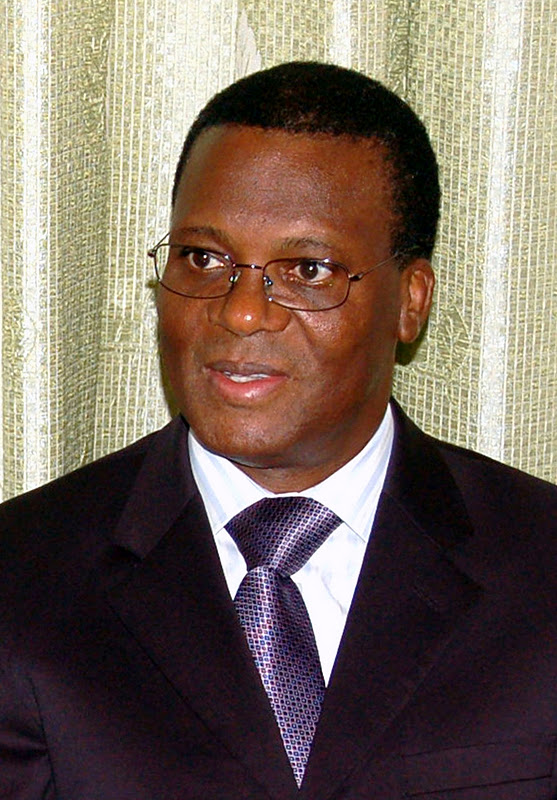
Pascal Koupaki
Prime Minister since 28 May 2011
Prime Minister since 28 May 2011