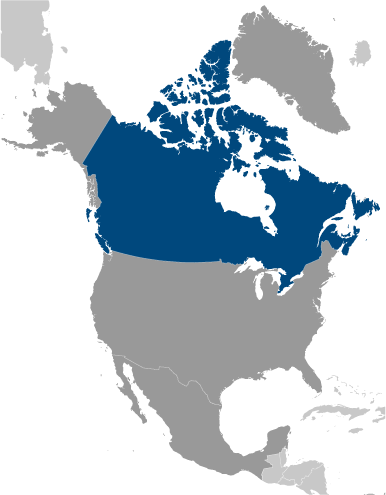
| CANADA Canada Canada Joined United Nations: 9 November 1945 Human Rights as assured by their constitution Click here Updated 15 August 2012 |
| CAPITAL |
| POPULATION |
| CHIEF OF STATE |
| SELECTION PROCESS |
Ottawa
34,300,083 (July 2012 est.)
Elizabeth II of United Kingdom
Queen since 6 February 1952
Queen since 6 February 1952
The monarch is hereditary and holds that position for life or until
abdication. The Governor General is selected by the Queen on
the recommendation of the Prime Minister for a five-year term
Next scheduled election: None
abdication. The Governor General is selected by the Queen on
the recommendation of the Prime Minister for a five-year term
Next scheduled election: None
HEAD OF GOVERNMENT
SELECTION PROCESS
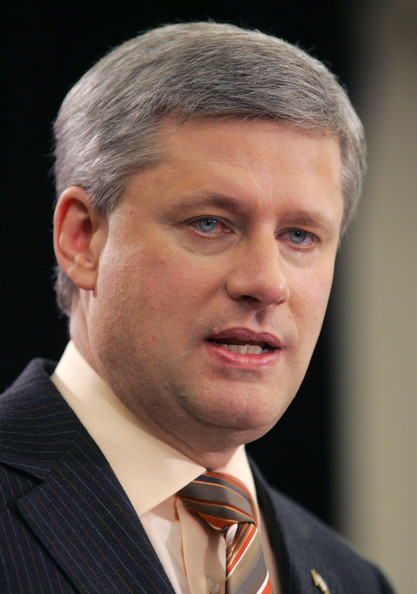
Stephen Joseph Harper
Prime Minister since 6 February 2006
Prime Minister since 6 February 2006
Following legislative elections, the leader of the majority party or
the leader of the majority coalition in the House of Commons is
automatically designated prime minister by the governor general;
last election held 2 May 2011
Next scheduled election: 19 October 2015
the leader of the majority coalition in the House of Commons is
automatically designated prime minister by the governor general;
last election held 2 May 2011
Next scheduled election: 19 October 2015
| DECLARATION OF HUMAN RIGHTS |
| ETHNIC GROUPS |
British Isles origin 28%, French origin 23%, other European 15%, Amerindian 2%, other, mostly Asian, African, Arab
6%, mixed background 26%
6%, mixed background 26%
| RELIGIONS |
Roman Catholic 42.6%, Protestant 23.3% (including United Church 9.5%, Anglican 6.8%, Baptist 2.4%, Lutheran 2%),
other Christian 4.4%, Muslim 1.9%, other and unspecified 11.8%, none 16% (2001 census)
other Christian 4.4%, Muslim 1.9%, other and unspecified 11.8%, none 16% (2001 census)
| GOVERNMENT STRUCTURE |
Constitutional monarchy that is also a parliamentary democracy and a federation with 10 provinces and 3 territories. Legal
system is based on English common law, except in Quebec, where civil law system based on French law prevails; accepts
compulsory ICJ jurisdiction, with reservations
Executive: Monarch represented by Governor General; Prime Minister selected by Governor General as leader of
majority part or coalition
Legislative: Bicameral Parliament or Parlement consists of the Senate or Senat (members appointed by the governor
general with the advice of the prime minister and serve until reaching 75 years of age; its normal limit is 105 senators) and
the House of Commons or Chambre des Communes (308 seats; members elected by direct, popular vote to serve for up
to five-year terms)
elections: Senate - House of Commons - last held 2 May 2011 (next to be held no later than 19 October 2015)
Judicial: Supreme Court of Canada (judges are appointed by the prime minister through the governor general); Federal
Court of Canada; Federal Court of Appeal; Provincial Courts (these are named variously Court of Appeal, Court of
Queens Bench, Superior Court, Supreme Court, and Court of Justice)
system is based on English common law, except in Quebec, where civil law system based on French law prevails; accepts
compulsory ICJ jurisdiction, with reservations
Executive: Monarch represented by Governor General; Prime Minister selected by Governor General as leader of
majority part or coalition
Legislative: Bicameral Parliament or Parlement consists of the Senate or Senat (members appointed by the governor
general with the advice of the prime minister and serve until reaching 75 years of age; its normal limit is 105 senators) and
the House of Commons or Chambre des Communes (308 seats; members elected by direct, popular vote to serve for up
to five-year terms)
elections: Senate - House of Commons - last held 2 May 2011 (next to be held no later than 19 October 2015)
Judicial: Supreme Court of Canada (judges are appointed by the prime minister through the governor general); Federal
Court of Canada; Federal Court of Appeal; Provincial Courts (these are named variously Court of Appeal, Court of
Queens Bench, Superior Court, Supreme Court, and Court of Justice)
| LANGUAGES |
English (official) 58.8%, French (official) 21.6%, other 19.6% (2006 Census)
| BRIEF HISTORY |
Many indigenous peoples (both First Nations and Inuit) have inhabited the region that is now Canada for thousands of
years and have their own diverse histories. Anthropologists continue to argue over various possible models of migration to
modern day Canada. Indigenous peoples contributed significantly to the culture and economy of the early European
colonies and as such have played an important role in fostering a unique Canadian cultural identity. There are a number of
reports of contact made before Columbus between the first peoples and those from other continents. The case of Viking
contact is supported by the remains of a viking settlement in L'Anse aux Meadows, Newfoundland. This may well have
been the place Icelandic Norseman Leifur Eiríksson, referred to as Vinland around the year 1000. The presence of
Basque cod fishermen and whalers, just a few years after Columbus, has also been cited, with at least nine fishing
outposts having been established on Labrador and Newfoundland. Basque whalers may have begun fishing the Grand
Banks as early as the 15th century. The next European explorer acknowledged as landing in what is now Canada was
John Cabot, who landed somewhere on the coast of North America (probably Newfoundland or Cape Breton Island) in
1497 and claimed it for King Henry VII of England. Portuguese and Spanish explorers also visited Canada, but it was the
French who first began to explore further inland and set up colonies, beginning with Jacques Cartier in 1534. Under
Samuel de Champlain, the first French settlement was made in 1608, which would later grow to be Quebec City. The
French claimed Canada as their own and 6,000 settlers arrived, settling along the St. Lawrence and in the Maritimes.
Britain also had a presence in Newfoundland and with the advent of settlements, claimed the south of Nova Scotia as well
as the areas around the Hudson Bay. The first agricultural settlements in what was to become Canada were located
around the French settlement of Port Royale in what is now Nova Scotia. The population of Acadians, as this group
became known, reached 5,000 by 1713. After Champlain's founding of Quebec City in 1608 it became the capital of
New France. While the French were well established in Canada, Britain had control over the Thirteen Colonies to the
south as well as control over Hudson Bay. The English, however, with greater financial power and a larger navy, were
consistently in a better position to defend and expand their colonies than the French and the British claimed the Maritime
colonies. With the end of the Seven Years' War and the signing of the Treaty of Paris on February 10, 1763, France
ceded almost all of its territory in North America. On July 1, 1867, with the passing of the British North America Act by
the British Parliament, the Province of Canada, New Brunswick, and Nova Scotia became a federation, regarded as a
kingdom in her own right. Canada's participation in the First World War helped create a sense of independence from
Britain. Canada's involvement in the Second World War began when Canada declared war on Germany on September
10, 1939, one week after Britain. Canada's economy grew in the aftermath of the Second World War, and its policies
increasingly turned to social welfare, including hospital insurance, old-age pensions, and veterans' pensions.In the 1960s, a
Quiet Revolution took place in Quebec, increasing the tensions between Québécois nationalists and English Canada, until
violence erupted during the 1970 October Crisis.As the highlight of his 1980s years as prime minister, Trudeau brought
about the Patriation of the Canadian Constitution in 1982, which gave Canada a Charter of Rights and final independence
from Britain. While long standing issues like immigration would continue to demand attention, new debates over same-sex
marriage and international peacekeeping would increasingly take the forefront. Under Harper, Canada and the United
States continue to integrate state and provincial agencies to strengthen security along the Canada-United States border
through the Western Hemisphere Travel Initiative. From 2002 to 2011, Canada was involved in the Afghanistan War as
part of the U.S. stabilization force and the NATO-commanded International Security Assistance Force. In July 2010 the
largest purchase in Canadian military history, totalling C$9 billion for the acquisition of 65 F-35 fighters, was announced
by the federal government. Canada is one of several nations that assisted in the development of the F-35 and has invested
over C$168 million in the program.
Sources Wikipedia: History of Canada
years and have their own diverse histories. Anthropologists continue to argue over various possible models of migration to
modern day Canada. Indigenous peoples contributed significantly to the culture and economy of the early European
colonies and as such have played an important role in fostering a unique Canadian cultural identity. There are a number of
reports of contact made before Columbus between the first peoples and those from other continents. The case of Viking
contact is supported by the remains of a viking settlement in L'Anse aux Meadows, Newfoundland. This may well have
been the place Icelandic Norseman Leifur Eiríksson, referred to as Vinland around the year 1000. The presence of
Basque cod fishermen and whalers, just a few years after Columbus, has also been cited, with at least nine fishing
outposts having been established on Labrador and Newfoundland. Basque whalers may have begun fishing the Grand
Banks as early as the 15th century. The next European explorer acknowledged as landing in what is now Canada was
John Cabot, who landed somewhere on the coast of North America (probably Newfoundland or Cape Breton Island) in
1497 and claimed it for King Henry VII of England. Portuguese and Spanish explorers also visited Canada, but it was the
French who first began to explore further inland and set up colonies, beginning with Jacques Cartier in 1534. Under
Samuel de Champlain, the first French settlement was made in 1608, which would later grow to be Quebec City. The
French claimed Canada as their own and 6,000 settlers arrived, settling along the St. Lawrence and in the Maritimes.
Britain also had a presence in Newfoundland and with the advent of settlements, claimed the south of Nova Scotia as well
as the areas around the Hudson Bay. The first agricultural settlements in what was to become Canada were located
around the French settlement of Port Royale in what is now Nova Scotia. The population of Acadians, as this group
became known, reached 5,000 by 1713. After Champlain's founding of Quebec City in 1608 it became the capital of
New France. While the French were well established in Canada, Britain had control over the Thirteen Colonies to the
south as well as control over Hudson Bay. The English, however, with greater financial power and a larger navy, were
consistently in a better position to defend and expand their colonies than the French and the British claimed the Maritime
colonies. With the end of the Seven Years' War and the signing of the Treaty of Paris on February 10, 1763, France
ceded almost all of its territory in North America. On July 1, 1867, with the passing of the British North America Act by
the British Parliament, the Province of Canada, New Brunswick, and Nova Scotia became a federation, regarded as a
kingdom in her own right. Canada's participation in the First World War helped create a sense of independence from
Britain. Canada's involvement in the Second World War began when Canada declared war on Germany on September
10, 1939, one week after Britain. Canada's economy grew in the aftermath of the Second World War, and its policies
increasingly turned to social welfare, including hospital insurance, old-age pensions, and veterans' pensions.In the 1960s, a
Quiet Revolution took place in Quebec, increasing the tensions between Québécois nationalists and English Canada, until
violence erupted during the 1970 October Crisis.As the highlight of his 1980s years as prime minister, Trudeau brought
about the Patriation of the Canadian Constitution in 1982, which gave Canada a Charter of Rights and final independence
from Britain. While long standing issues like immigration would continue to demand attention, new debates over same-sex
marriage and international peacekeeping would increasingly take the forefront. Under Harper, Canada and the United
States continue to integrate state and provincial agencies to strengthen security along the Canada-United States border
through the Western Hemisphere Travel Initiative. From 2002 to 2011, Canada was involved in the Afghanistan War as
part of the U.S. stabilization force and the NATO-commanded International Security Assistance Force. In July 2010 the
largest purchase in Canadian military history, totalling C$9 billion for the acquisition of 65 F-35 fighters, was announced
by the federal government. Canada is one of several nations that assisted in the development of the F-35 and has invested
over C$168 million in the program.
Sources Wikipedia: History of Canada
| ECONOMIC OVERVIEW |
As an affluent, high-tech industrial society in the trillion-dollar class, Canada resembles the US in its market-oriented
economic system, pattern of production, and affluent living standards. Since World War II, the impressive growth of
the manufacturing, mining, and service sectors has transformed the nation from a largely rural economy into one
primarily industrial and urban. The 1989 US-Canada Free Trade Agreement (FTA) and the 1994 North American
Free Trade Agreement (NAFTA) (which includes Mexico) touched off a dramatic increase in trade and economic
integration with the US its principal trading partner. Canada enjoys a substantial trade surplus with the US, which
absorbs about three-fourths of Canadian exports each year. Canada is the US's largest foreign supplier of energy,
including oil, gas, uranium, and electric power. Given its great natural resources, highly skilled labor force, and modern
capital plant, Canada enjoyed solid economic growth from 1993 through 2007. Buffeted by the global economiccrisis,
the economy dropped into a sharp recession in the final months of 2008, and Ottawa posted its first fiscal deficit in
2009 after 12 years of surplus. Canada''s major banks, however, emerged from the financial crisis of 2008-09 among
the strongest in the world, owing to the financial sector''s tradition of conservative lending practices and strong
capitalization. Canada achieved marginal growth in 2010 and 2011 and plans to balance the budget by 2015. In
addition, the country''s petroleum sector is rapidly becoming an even larger economic driver with Alberta''s oil sands
significantly boosting Canada''s proven oil reserves, ranking the country third in the world behind Saudi Arabia and
Venezuela.
Source: CIA World Factbook (select Canada)
economic system, pattern of production, and affluent living standards. Since World War II, the impressive growth of
the manufacturing, mining, and service sectors has transformed the nation from a largely rural economy into one
primarily industrial and urban. The 1989 US-Canada Free Trade Agreement (FTA) and the 1994 North American
Free Trade Agreement (NAFTA) (which includes Mexico) touched off a dramatic increase in trade and economic
integration with the US its principal trading partner. Canada enjoys a substantial trade surplus with the US, which
absorbs about three-fourths of Canadian exports each year. Canada is the US's largest foreign supplier of energy,
including oil, gas, uranium, and electric power. Given its great natural resources, highly skilled labor force, and modern
capital plant, Canada enjoyed solid economic growth from 1993 through 2007. Buffeted by the global economiccrisis,
the economy dropped into a sharp recession in the final months of 2008, and Ottawa posted its first fiscal deficit in
2009 after 12 years of surplus. Canada''s major banks, however, emerged from the financial crisis of 2008-09 among
the strongest in the world, owing to the financial sector''s tradition of conservative lending practices and strong
capitalization. Canada achieved marginal growth in 2010 and 2011 and plans to balance the budget by 2015. In
addition, the country''s petroleum sector is rapidly becoming an even larger economic driver with Alberta''s oil sands
significantly boosting Canada''s proven oil reserves, ranking the country third in the world behind Saudi Arabia and
Venezuela.
Source: CIA World Factbook (select Canada)
| POLITICAL CLIMATE |
Canada is considered by most sources to be a very stable democracy. In 2006 The Economist ranked Canada the
third most democratic nation in its Democracy Index, ahead of all other nations in the Americas and ahead of every
nation more populous than itself. In 2008, Canada was ranked World No. 11 and again ahead of all countries more
populous and No. 1 for the Americas. (In 2008, the United States was ranked World No. 18, Uruguay World No. 23,
and Costa Rica World No. 27.)
The Liberal Party of Canada, under the leadership of Paul Martin, won a minority victory in the June 2004 general
elections. In December 2003, Martin had succeeded fellow Liberal Jean Chrétien, who had, in 2000, become the first
Prime Minister to lead three consecutive majority governments since 1945. However, in 2004 the Liberals lost seats in
Parliament, going from 172 of 301 Parliamentary seats to 135 of 308, and from 40.9% to 36.7% in the popular vote.
The Canadian Alliance, which did well in western Canada in the 2000 election, but was unable to make significant
inroads in the East, merged with the Progressive Conservative Party to form the Conservative Party of Canada in late
2003.
They proved to be moderately successful in the 2004 campaign, gaining seats from a combined Alliance-PC total of 78
in 2000 to 99 in 2004. However, the new Conservatives lost in popular vote, going from 37.7% in 2000 down to
29.6%. In 2006 the Conservatives, led by Stephen Harper, won a minority government with 124 seats. They improved
their percentage from 2004, garnering 36.3% of the vote. During this election, the Conservatives also made major
breakthroughs in Quebec. They gained 10 seats here, whereas in 2004 they had no seats.
In the 2011 election, the Conservatives won a majority government with 167 seats. For the first time, the NDP became
the Official Opposition, with 102 seats; the Liberals came in third with 34 seats. This was the first election in which the
Green Party won a seat, that of leader Elizabeth May; the Bloc won 4 seats, losing Official Party status.
Source: Wikipedia: Politics of Canada
third most democratic nation in its Democracy Index, ahead of all other nations in the Americas and ahead of every
nation more populous than itself. In 2008, Canada was ranked World No. 11 and again ahead of all countries more
populous and No. 1 for the Americas. (In 2008, the United States was ranked World No. 18, Uruguay World No. 23,
and Costa Rica World No. 27.)
The Liberal Party of Canada, under the leadership of Paul Martin, won a minority victory in the June 2004 general
elections. In December 2003, Martin had succeeded fellow Liberal Jean Chrétien, who had, in 2000, become the first
Prime Minister to lead three consecutive majority governments since 1945. However, in 2004 the Liberals lost seats in
Parliament, going from 172 of 301 Parliamentary seats to 135 of 308, and from 40.9% to 36.7% in the popular vote.
The Canadian Alliance, which did well in western Canada in the 2000 election, but was unable to make significant
inroads in the East, merged with the Progressive Conservative Party to form the Conservative Party of Canada in late
2003.
They proved to be moderately successful in the 2004 campaign, gaining seats from a combined Alliance-PC total of 78
in 2000 to 99 in 2004. However, the new Conservatives lost in popular vote, going from 37.7% in 2000 down to
29.6%. In 2006 the Conservatives, led by Stephen Harper, won a minority government with 124 seats. They improved
their percentage from 2004, garnering 36.3% of the vote. During this election, the Conservatives also made major
breakthroughs in Quebec. They gained 10 seats here, whereas in 2004 they had no seats.
In the 2011 election, the Conservatives won a majority government with 167 seats. For the first time, the NDP became
the Official Opposition, with 102 seats; the Liberals came in third with 34 seats. This was the first election in which the
Green Party won a seat, that of leader Elizabeth May; the Bloc won 4 seats, losing Official Party status.
Source: Wikipedia: Politics of Canada
| INTERNATIONAL DISPUTES |
Managed maritime boundary disputes with the US at Dixon Entrance, Beaufort Sea, Strait of Juan de Fuca, and the
Gulf of Maine including the disputed Machias Seal Island and North Rock; Canada and the United States dispute how
to divide the Beaufort Sea and the status of the Northwest Passage but continue to work cooperatively to survey the
Arctic continental shelf; US works closely with Canada to intensify security measures for monitoring and controlling
legal and illegal movement of people, transport, and commodities across the international border; sovereignty dispute
with Denmark over Hans Island in the Kennedy Channel between Ellesmere Island and Greenland; commencing the
collection of technical evidence for submission to the Commission on the Limits of the Continental Shelf in support of
claims for continental shelf beyond 200 nautical miles from its declared baselines in the Arctic, as stipulated in Article
76, paragraph 8, of the United Nations Convention on the Law of the Sea.
Gulf of Maine including the disputed Machias Seal Island and North Rock; Canada and the United States dispute how
to divide the Beaufort Sea and the status of the Northwest Passage but continue to work cooperatively to survey the
Arctic continental shelf; US works closely with Canada to intensify security measures for monitoring and controlling
legal and illegal movement of people, transport, and commodities across the international border; sovereignty dispute
with Denmark over Hans Island in the Kennedy Channel between Ellesmere Island and Greenland; commencing the
collection of technical evidence for submission to the Commission on the Limits of the Continental Shelf in support of
claims for continental shelf beyond 200 nautical miles from its declared baselines in the Arctic, as stipulated in Article
76, paragraph 8, of the United Nations Convention on the Law of the Sea.



| REFUGEES AND INTERNALLY DISPLACED PERSONS (IDP) |
None reported.
| ILLICIT DRUGS |
Illicit producer of cannabis for the domestic drug market and export to US; use of hydroponics technology permits
growers to plant large quantities of high-quality marijuana indoors; increasing ecstasy production, some of which is
destined for the US; vulnerable to narcotics money laundering because of its mature financial services sector
growers to plant large quantities of high-quality marijuana indoors; increasing ecstasy production, some of which is
destined for the US; vulnerable to narcotics money laundering because of its mature financial services sector
| HUMAN RIGHTS STATEMENTS, ANALYSIS AND CRITIQUES |
2011 Human Rights Reports: Canada
Bureau of Democracy, Human Rights, and Labor
2011 Country Reports on Human Rights Practices
May 24, 2012
Canada is a constitutional monarchy with a federal parliamentary government. In a free and fair multiparty federal election held on
May 2, the Conservative Party, led by Stephen Harper, won a majority of seats in the federal Parliament and formed a government.
Security forces reported to civilian authorities, who maintained effective control over the forces.
The principal human rights problems included violence against women and disparities in access to government services between
indigenous and nonindigenous peoples.
Other human rights problems included alleged abuse of civil rights by law enforcement officials, trafficking in persons, and
harassment of persons belonging to religious and racial minorities.
The government took steps to prosecute and punish all government officials who committed abuses.
Click here to read more »
Bureau of Democracy, Human Rights, and Labor
2011 Country Reports on Human Rights Practices
May 24, 2012
Canada is a constitutional monarchy with a federal parliamentary government. In a free and fair multiparty federal election held on
May 2, the Conservative Party, led by Stephen Harper, won a majority of seats in the federal Parliament and formed a government.
Security forces reported to civilian authorities, who maintained effective control over the forces.
The principal human rights problems included violence against women and disparities in access to government services between
indigenous and nonindigenous peoples.
Other human rights problems included alleged abuse of civil rights by law enforcement officials, trafficking in persons, and
harassment of persons belonging to religious and racial minorities.
The government took steps to prosecute and punish all government officials who committed abuses.
Click here to read more »
9 March 2012
Committee on the Elimination of Racial Discrimination
Eightieth session
13 February– 9 March 2012
Consideration of reports submitted by States parties under article 9 of the convention
Concluding observations of the Committee on the Elimination of Racial Discrimination
Canada
A. Introduction
2. The Committee welcomes the timely submission by the State party of its nineteenth to twentieth periodic reports drafted in
accordance with the Committee’s revised guidelines for the preparation of reports. The Committee also welcomes the open
dialogue with the high-level delegation of the State party as well as its efforts to provide comprehensive responses to issues raised
by Committee members during the dialogue and the supplementary replies provided.
B. Positive aspects
3. The Committee notes with appreciation the various legislative and policy developments which have taken place in the State party
to combat racial discrimination, including:
(a) New law amending the Citizenship Act which came to effect on 17 April 2009 and gives Canadian citizenship to former
Canadians who had lost it due to outdated provisions in earlier citizenship legislation, and to children born outside Canada to a
Canadian parent in the first generation who had never acquired citizenship;
C. Concerns and Recommendations
7. The Committee remains concerned at the absence in the State party’s report of recent reliable and comprehensive statistical data
on the composition of its population including economic and social indicators disaggregated by ethnicity, including Aboriginal
(indigenous) peoples, African Canadians and immigrants living in its territory, to enable it to better evaluate their enjoyment of civil
and political, economic, social and cultural rights in the State party.
In accordance with paragraphs 10 to 12 of its revised reporting guidelines (CERD/C/2007/1), the Committee reiterates its previous
recommendation that the State party collect and, in its next periodic report, provide the Committee, with reliable and comprehensive
statistical data on the ethnic composition of its population and its economic and social indicators disaggregated by ethnicity, gender,
including on Aboriginal (indigenous) peoples, African Canadians and immigrants, to enable the Committee to better evaluate the
enjoyment of civil, political, economic, social and cultural rights of various groups of its population.
Click here to read more »
Committee on the Elimination of Racial Discrimination
Eightieth session
13 February– 9 March 2012
Consideration of reports submitted by States parties under article 9 of the convention
Concluding observations of the Committee on the Elimination of Racial Discrimination
Canada
A. Introduction
2. The Committee welcomes the timely submission by the State party of its nineteenth to twentieth periodic reports drafted in
accordance with the Committee’s revised guidelines for the preparation of reports. The Committee also welcomes the open
dialogue with the high-level delegation of the State party as well as its efforts to provide comprehensive responses to issues raised
by Committee members during the dialogue and the supplementary replies provided.
B. Positive aspects
3. The Committee notes with appreciation the various legislative and policy developments which have taken place in the State party
to combat racial discrimination, including:
(a) New law amending the Citizenship Act which came to effect on 17 April 2009 and gives Canadian citizenship to former
Canadians who had lost it due to outdated provisions in earlier citizenship legislation, and to children born outside Canada to a
Canadian parent in the first generation who had never acquired citizenship;
C. Concerns and Recommendations
7. The Committee remains concerned at the absence in the State party’s report of recent reliable and comprehensive statistical data
on the composition of its population including economic and social indicators disaggregated by ethnicity, including Aboriginal
(indigenous) peoples, African Canadians and immigrants living in its territory, to enable it to better evaluate their enjoyment of civil
and political, economic, social and cultural rights in the State party.
In accordance with paragraphs 10 to 12 of its revised reporting guidelines (CERD/C/2007/1), the Committee reiterates its previous
recommendation that the State party collect and, in its next periodic report, provide the Committee, with reliable and comprehensive
statistical data on the ethnic composition of its population and its economic and social indicators disaggregated by ethnicity, gender,
including on Aboriginal (indigenous) peoples, African Canadians and immigrants, to enable the Committee to better evaluate the
enjoyment of civil, political, economic, social and cultural rights of various groups of its population.
Click here to read more »
Freedom In The World Report- 2012
Political Rights Score: 1
Civil Liberties Score: 1
Status: Free
Overview
Following the defeat of Prime Minister Stephen Harper’s Conservative minority government in a March 2011 vote of confidence
over various scandals, the Conservative Party scored a major victory in parliamentary elections held two months later. The Liberal
Party, Canada’s dominant party throughout most of its history, suffered a crushing setback, finishing in third place behind the New
Democratic Party.
After a dozen years of center-left Liberal Party rule, the Conservative Party emerged from the 2006 parliamentary elections with a
plurality and established a fragile minority government. Following setbacks in several of the 2007 provincial elections, the
Conservatives expanded their position in the 2008 national elections. While capturing 143 seats in Parliament, the Conservatives
failed to attain a majority. The Liberals, the principal opposition party, formed an alliance with the social democratic New
Democratic Party (NDP) and the Quebec-based Bloc Quebecois, in an attempt to displace the Conservatives with a coalition
government. Prime Minister Stephen Harper, the leader of the Conservative Party, suspended Parliament in December 2008 to
prevent a confidence vote, which his government was likely to lose.
The Conservatives triumphed in the May 2, 2011, parliamentary election, winning 166 seats, well over the 155 necessary to secure
a majority government. Placing second, with 103 seats—well above its previous record of 43—was the NDP, which for the first
time became the leading opposition party. The Liberals finished in third place with 34 seats, while the Bloc Québécois, which favors
Quebec separatism, suffered a devastating defeat, with just 4 members elected to Parliament. The Green Party captured 1 seat.
The election was called after the parliamentary opposition voted on March 25 to hold the government in contempt for allegedly
failing to disclose accurate costs for key programs, as well as other minor scandals. Harper has been criticized for adopting a
polarizing governing style, which is regarded as unusual for Canadian politics, and for an adversarial stance toward the media.
Under Harper, however, Canada weathered the economic crisis that struck the global economy in 2008 in notably better shape than
the United States or most European countries, and the government’s record at economic stewardship ultimately swung the
electorate in the Conservatives’ direction.
Canada has reputation for clean government and has a record of vigorous prosecution of corruption cases. It also enjoys a
reputation of open government, although the media have complained that the Harper government is less open in its dealings with the
press than its predecessors. In 2004, the Supreme Court upheld legislation that places a limit on the amount lobbying groups can
spend on advertisements that support or oppose political candidates, a measure designed to prevent corruption. Canada was ranked
10 out of 183 countries surveyed in Transparency International’s 2011 Corruption Perceptions Index.
Click here to read more »
Political Rights Score: 1
Civil Liberties Score: 1
Status: Free
Overview
Following the defeat of Prime Minister Stephen Harper’s Conservative minority government in a March 2011 vote of confidence
over various scandals, the Conservative Party scored a major victory in parliamentary elections held two months later. The Liberal
Party, Canada’s dominant party throughout most of its history, suffered a crushing setback, finishing in third place behind the New
Democratic Party.
After a dozen years of center-left Liberal Party rule, the Conservative Party emerged from the 2006 parliamentary elections with a
plurality and established a fragile minority government. Following setbacks in several of the 2007 provincial elections, the
Conservatives expanded their position in the 2008 national elections. While capturing 143 seats in Parliament, the Conservatives
failed to attain a majority. The Liberals, the principal opposition party, formed an alliance with the social democratic New
Democratic Party (NDP) and the Quebec-based Bloc Quebecois, in an attempt to displace the Conservatives with a coalition
government. Prime Minister Stephen Harper, the leader of the Conservative Party, suspended Parliament in December 2008 to
prevent a confidence vote, which his government was likely to lose.
The Conservatives triumphed in the May 2, 2011, parliamentary election, winning 166 seats, well over the 155 necessary to secure
a majority government. Placing second, with 103 seats—well above its previous record of 43—was the NDP, which for the first
time became the leading opposition party. The Liberals finished in third place with 34 seats, while the Bloc Québécois, which favors
Quebec separatism, suffered a devastating defeat, with just 4 members elected to Parliament. The Green Party captured 1 seat.
The election was called after the parliamentary opposition voted on March 25 to hold the government in contempt for allegedly
failing to disclose accurate costs for key programs, as well as other minor scandals. Harper has been criticized for adopting a
polarizing governing style, which is regarded as unusual for Canadian politics, and for an adversarial stance toward the media.
Under Harper, however, Canada weathered the economic crisis that struck the global economy in 2008 in notably better shape than
the United States or most European countries, and the government’s record at economic stewardship ultimately swung the
electorate in the Conservatives’ direction.
Canada has reputation for clean government and has a record of vigorous prosecution of corruption cases. It also enjoys a
reputation of open government, although the media have complained that the Harper government is less open in its dealings with the
press than its predecessors. In 2004, the Supreme Court upheld legislation that places a limit on the amount lobbying groups can
spend on advertisements that support or oppose political candidates, a measure designed to prevent corruption. Canada was ranked
10 out of 183 countries surveyed in Transparency International’s 2011 Corruption Perceptions Index.
Click here to read more »
8 August 2012
Americas: Time and again, Indigenous rights trampled for development
Extracting riches
Governments have a duty to protect against human rights abuses by corporations.
Among the many foreign companies carrying out extractive projects on or near Indigenous land in the Americas is Canada-based
Goldcorp, which since 2003 has run the Marlin gold mine in San Marcos, Guatemala.
Goldcorp’s failure to properly consult some 18 Indigenous Maya communities in the area affected by the mine has divided the
communities and sparked a string of human rights abuses.
In July 2010, grassroots activist Deodora Hernández was shot at close range and seriously injured in her own home in San Marcos
by two unidentified men. She had spoken out to defend her community’s right to water amidst fears that mining had polluted the
local water supply.
In February 2011, protesters were attacked after speaking out against Marlin mine. Community activist Aniceto López, was taken
to the local mayor’s office, where he was allegedly beaten and threats were made against his life if he failed to stop speaking out
against the mine.
Goldcorp has argued that it met its obligations under national law to consult with the communities in advance, but the UN’s Special
Rapporteur on the Human Rights of Indigenous Peoples has pointed out that those obligations fall well below international standards
on consultation and consent.
Taking on the corporations and the laws
National standards in this respect are lacking in countries across the region.
For nearly two decades, the Hul’qumi’num Treaty Group (HTG) in British Columbia, Canada, have been in negotiations with the
federal and provincial governments in an effort to gain legal recognition of their land rights.
While these negotiations drag on, logging and other companies have been allowed to buy, sell and exploit lands that the Hul’qumi’
num still rely on for subsistence and ceremony.
Click here to read more »
Americas: Time and again, Indigenous rights trampled for development
Extracting riches
Governments have a duty to protect against human rights abuses by corporations.
Among the many foreign companies carrying out extractive projects on or near Indigenous land in the Americas is Canada-based
Goldcorp, which since 2003 has run the Marlin gold mine in San Marcos, Guatemala.
Goldcorp’s failure to properly consult some 18 Indigenous Maya communities in the area affected by the mine has divided the
communities and sparked a string of human rights abuses.
In July 2010, grassroots activist Deodora Hernández was shot at close range and seriously injured in her own home in San Marcos
by two unidentified men. She had spoken out to defend her community’s right to water amidst fears that mining had polluted the
local water supply.
In February 2011, protesters were attacked after speaking out against Marlin mine. Community activist Aniceto López, was taken
to the local mayor’s office, where he was allegedly beaten and threats were made against his life if he failed to stop speaking out
against the mine.
Goldcorp has argued that it met its obligations under national law to consult with the communities in advance, but the UN’s Special
Rapporteur on the Human Rights of Indigenous Peoples has pointed out that those obligations fall well below international standards
on consultation and consent.
Taking on the corporations and the laws
National standards in this respect are lacking in countries across the region.
For nearly two decades, the Hul’qumi’num Treaty Group (HTG) in British Columbia, Canada, have been in negotiations with the
federal and provincial governments in an effort to gain legal recognition of their land rights.
While these negotiations drag on, logging and other companies have been allowed to buy, sell and exploit lands that the Hul’qumi’
num still rely on for subsistence and ceremony.
Click here to read more »
Canada: Repatriate Canadian Citizen Imprisoned at Guantanamo
Letter to Vic Toews, Minister of Public Safety
July 13, 2012
Dear Minister:
We are writing on behalf of Human Rights Watch to request that you take immediate steps to repatriate Omar Khadr, a Canadian
citizen currently imprisoned by the United States at Guantanamo Bay, Cuba, and demonstrate Canada's commitment to the basic
rights of its own citizen, a close and long-time ally, and to the rule of law.
As you are aware, Khadr has been in US custody for nearly a decade. Taken into custody on July 27, 2002 at age 15, he is the only
Western national still held at the military detention facility at Guantanamo Bay. Khadr remains at Guantanamo despite Canada's
undertaking to the United States in 2010 to facilitate Khadr's repatriation to Canada, and despite a decision of the Supreme Court of
Canada earlier that year declaring that Canadian officials had been complicit in violating his fundamental rights.
The need for Canada to urgently repatriate Khadr has long been apparent. After almost a decade of inaction, the Canadian
government agreed in October 2010 to favourably consider an application by Khadr for return to Canada in diplomatic notes
exchanged with the US in connection with his plea of guilty in a US military commission proceeding. Khadr's formal application for
transfer was submitted to your offices in the spring of 2011. Even though the US fulfilled its conditions precedent to his
repatriation in April 2012, Canada has not complied with its own commitment in a timely fashion. Canada is now responsible for
every additional day Khadr spends in Guantanamo.
The Canadian Charter of Rights and Freedoms and international human rights law ensure the right of a national to return to their
country. Section 6 of the Canadian Charter states that, "Every citizen of Canada has the right to enter, remain in and leave Canada."
Article 12(4) of the International Covenant on Civil and Political Rights, to which Canada is a party, provides that, "No one shall be
arbitrarily deprived of the right to enter his own country." A person imprisoned abroad certainly cannot invoke this right to avoid a
lawful punishment. However, given both the expressed willingness of the United States to return Khadr to Canada, and Khadr's
application to return home, there would appear to be no legal basis for Canada deny Khadr's prompt repatriation.
After his initial capture by US forces in Afghanistan in 2002, Khadr was detained at Bagram Airbase for three months. His chief
interrogator was a US soldier later implicated in torturing Afghan detainees to death. Khadr, then only 15 years old, was
subsequently transferred to Guantanamo Bay, denied access to legal counsel for years, and ultimately charged and tried in the
fundamentally flawed military commission system. At no time was he treated as a child under international human rights or
humanitarian law.
Click here to read more »
Letter to Vic Toews, Minister of Public Safety
July 13, 2012
Dear Minister:
We are writing on behalf of Human Rights Watch to request that you take immediate steps to repatriate Omar Khadr, a Canadian
citizen currently imprisoned by the United States at Guantanamo Bay, Cuba, and demonstrate Canada's commitment to the basic
rights of its own citizen, a close and long-time ally, and to the rule of law.
As you are aware, Khadr has been in US custody for nearly a decade. Taken into custody on July 27, 2002 at age 15, he is the only
Western national still held at the military detention facility at Guantanamo Bay. Khadr remains at Guantanamo despite Canada's
undertaking to the United States in 2010 to facilitate Khadr's repatriation to Canada, and despite a decision of the Supreme Court of
Canada earlier that year declaring that Canadian officials had been complicit in violating his fundamental rights.
The need for Canada to urgently repatriate Khadr has long been apparent. After almost a decade of inaction, the Canadian
government agreed in October 2010 to favourably consider an application by Khadr for return to Canada in diplomatic notes
exchanged with the US in connection with his plea of guilty in a US military commission proceeding. Khadr's formal application for
transfer was submitted to your offices in the spring of 2011. Even though the US fulfilled its conditions precedent to his
repatriation in April 2012, Canada has not complied with its own commitment in a timely fashion. Canada is now responsible for
every additional day Khadr spends in Guantanamo.
The Canadian Charter of Rights and Freedoms and international human rights law ensure the right of a national to return to their
country. Section 6 of the Canadian Charter states that, "Every citizen of Canada has the right to enter, remain in and leave Canada."
Article 12(4) of the International Covenant on Civil and Political Rights, to which Canada is a party, provides that, "No one shall be
arbitrarily deprived of the right to enter his own country." A person imprisoned abroad certainly cannot invoke this right to avoid a
lawful punishment. However, given both the expressed willingness of the United States to return Khadr to Canada, and Khadr's
application to return home, there would appear to be no legal basis for Canada deny Khadr's prompt repatriation.
After his initial capture by US forces in Afghanistan in 2002, Khadr was detained at Bagram Airbase for three months. His chief
interrogator was a US soldier later implicated in torturing Afghan detainees to death. Khadr, then only 15 years old, was
subsequently transferred to Guantanamo Bay, denied access to legal counsel for years, and ultimately charged and tried in the
fundamentally flawed military commission system. At no time was he treated as a child under international human rights or
humanitarian law.
Click here to read more »
Minister Kenney issues statement recognizing Emancipation Day
Ottawa, August 1, 2012
Ottawa, August 1, 2012 — The Honourable Jason Kenney, Minister of Citizenship, Immigration and Multiculturalism, issued the
following statement recognizing Emancipation Day:
Today commemorates the historic date on which slavery was officially abolished across the British Empire in 1834.
Canadians can be proud of our history in the fight to end slavery. Upper Canada, now known as Ontario, became the first
colony in the Empire to move toward abolition when, under its first Lieutenant Governor John Graves Simcoe, it passed anti-
slavery legislation in 1793.
This was followed in 1819 by Upper Canada Attorney General John Robinson’s declaration that slaves residing within our
borders were set free and that, by virtue of being Canadian subjects, British law would protect their freedom.
Emancipation Day holds particular significance this year as we celebrate the bicentennial of the War of 1812, when black
Loyalists such as Richard Pierpoint rallied to the Imperial flag to defend Canada from the United States’s first war of territorial
expansion.
As we mark this anniversary and reflect on the historical importance of Emancipation Day, we are reminded that slavery,
oppression and human trafficking – often described as modern-day slavery – remain a terrible evil with too many people around the
globe.
Today let us reaffirm Canada’s commitment to promote and uphold our fundamental values of freedom, democracy, human
rights and the rule of law, and let us stand together in our efforts to rid the world of the ancient and enduring evil of slavery – in all
its forms – once and for all.
Click here to read more »
Ottawa, August 1, 2012
Ottawa, August 1, 2012 — The Honourable Jason Kenney, Minister of Citizenship, Immigration and Multiculturalism, issued the
following statement recognizing Emancipation Day:
Today commemorates the historic date on which slavery was officially abolished across the British Empire in 1834.
Canadians can be proud of our history in the fight to end slavery. Upper Canada, now known as Ontario, became the first
colony in the Empire to move toward abolition when, under its first Lieutenant Governor John Graves Simcoe, it passed anti-
slavery legislation in 1793.
This was followed in 1819 by Upper Canada Attorney General John Robinson’s declaration that slaves residing within our
borders were set free and that, by virtue of being Canadian subjects, British law would protect their freedom.
Emancipation Day holds particular significance this year as we celebrate the bicentennial of the War of 1812, when black
Loyalists such as Richard Pierpoint rallied to the Imperial flag to defend Canada from the United States’s first war of territorial
expansion.
As we mark this anniversary and reflect on the historical importance of Emancipation Day, we are reminded that slavery,
oppression and human trafficking – often described as modern-day slavery – remain a terrible evil with too many people around the
globe.
Today let us reaffirm Canada’s commitment to promote and uphold our fundamental values of freedom, democracy, human
rights and the rule of law, and let us stand together in our efforts to rid the world of the ancient and enduring evil of slavery – in all
its forms – once and for all.
Click here to read more »
Canadian Human Rights Tribunal, annual report 2011
Message From The Chairperson
It is my privilege to share with you the work that we have done in 2011 at the Canadian Human Rights Tribunal in “making justice
work for Canadians.”
In 2010, I worked closely with fellow Members of the Tribunal, practitioners in the field of human rights, lawyers and judges, to
seek their input and ideas on ways to make the Tribunal’s processes easier and faster to access while ensuring that they are still
fair. The main problems for Canadians were that the Tribunal’s processes took too long and cost too much. Our vision was to give
Canadians a venue where they could be heard on complaints of discrimination that they believed infringed on their dignity as human
beings. My hope was to find a way for the Tribunal to help them to bring emotional closure to their feelings of anger, isolation,
helplessness, and fear—and to help them to do so without spending a lot of money on lawyers. Conversely, my hope was to ensure
that respondents could be fairly heard within a reasonable time frame regarding their view of the events and, in some cases, be able
to express their beliefs that the process was lengthy or otherwise unfair.
The processes that I adopted to respond to these needs were two-fold. First, the Members and I, who were adjudicating the
complaints, began spending more time helping parties to have short and simple hearings. Much of this was by helping parties to
better understand the rules, the facts and the law in their cases. Second, I customized the mediation process to better allow parties
“to be heard” or to express themselves to mediating Members. Each mediation is conducted in response to the needs of those
particular parties. For example, if the parties seek greater evaluation, then the mediator allows for this. If no evaluation is sought,
the mediator respects this wish as well. There may be varying degrees of formality (up to and including a mini-trial), of discussion
of issues of liability and quantum, and of time spent in plenary and in caucus. Options include the possibility of even foregoing a
joint session entirely, by having the parties present from separate rooms. In some cases, rather than speaking about legal issues,
they may choose to share only their emotional challenges.
Click here to read more »
Message From The Chairperson
It is my privilege to share with you the work that we have done in 2011 at the Canadian Human Rights Tribunal in “making justice
work for Canadians.”
In 2010, I worked closely with fellow Members of the Tribunal, practitioners in the field of human rights, lawyers and judges, to
seek their input and ideas on ways to make the Tribunal’s processes easier and faster to access while ensuring that they are still
fair. The main problems for Canadians were that the Tribunal’s processes took too long and cost too much. Our vision was to give
Canadians a venue where they could be heard on complaints of discrimination that they believed infringed on their dignity as human
beings. My hope was to find a way for the Tribunal to help them to bring emotional closure to their feelings of anger, isolation,
helplessness, and fear—and to help them to do so without spending a lot of money on lawyers. Conversely, my hope was to ensure
that respondents could be fairly heard within a reasonable time frame regarding their view of the events and, in some cases, be able
to express their beliefs that the process was lengthy or otherwise unfair.
The processes that I adopted to respond to these needs were two-fold. First, the Members and I, who were adjudicating the
complaints, began spending more time helping parties to have short and simple hearings. Much of this was by helping parties to
better understand the rules, the facts and the law in their cases. Second, I customized the mediation process to better allow parties
“to be heard” or to express themselves to mediating Members. Each mediation is conducted in response to the needs of those
particular parties. For example, if the parties seek greater evaluation, then the mediator allows for this. If no evaluation is sought,
the mediator respects this wish as well. There may be varying degrees of formality (up to and including a mini-trial), of discussion
of issues of liability and quantum, and of time spent in plenary and in caucus. Options include the possibility of even foregoing a
joint session entirely, by having the parties present from separate rooms. In some cases, rather than speaking about legal issues,
they may choose to share only their emotional challenges.
Click here to read more »
Seeking Change, Aboriginal People turn to Human Rights Law
Ottawa, June 18, 2012
Aboriginal people and First Nations organizations have filed over 300 human rights complaints since the Canadian Human Rights
Act was amended in 2008 to encompass matters under the Indian Act, the Canadian Human Rights Commission reported today.
The Commission released new statistics on the June 18th anniversary of this historic amendment.
“I’m encouraged by the extent to which people affected by the Indian Act, after over thirty years of virtual exclusion, are seeing
the Canadian Human Rights Act as a potential catalyst for improving life on reserves,” Acting Chief Commissioner David Langtry
said.
The 2008 amendment to the Act was immediately applicable to the federal government; however, a three-year transition period gave
First Nations governments time to prepare for their new obligations and accountability. That transition ended a year ago today.
The Commission has since received 162 complaints against First Nations governments. Many of these cases involve issues such as
on-reserve housing and eligibility to vote in Band council elections.
Of the 162 complaints against First Nations governments:
47 complaints are undergoing examination at the Commission.
38 complaints are in the early stages of the Commission’s process.
77 complaints have been closed.
Aboriginal people and First Nations groups have filed a total of 150 complaints against the federal government since 2008. In many
of these cases, complainants allege that federal funding for services delivered on-reserve is inequitable when compared to provincial
and territorial funding for the same services off-reserve.
Click here to read more »
Ottawa, June 18, 2012
Aboriginal people and First Nations organizations have filed over 300 human rights complaints since the Canadian Human Rights
Act was amended in 2008 to encompass matters under the Indian Act, the Canadian Human Rights Commission reported today.
The Commission released new statistics on the June 18th anniversary of this historic amendment.
“I’m encouraged by the extent to which people affected by the Indian Act, after over thirty years of virtual exclusion, are seeing
the Canadian Human Rights Act as a potential catalyst for improving life on reserves,” Acting Chief Commissioner David Langtry
said.
The 2008 amendment to the Act was immediately applicable to the federal government; however, a three-year transition period gave
First Nations governments time to prepare for their new obligations and accountability. That transition ended a year ago today.
The Commission has since received 162 complaints against First Nations governments. Many of these cases involve issues such as
on-reserve housing and eligibility to vote in Band council elections.
Of the 162 complaints against First Nations governments:
47 complaints are undergoing examination at the Commission.
38 complaints are in the early stages of the Commission’s process.
77 complaints have been closed.
Aboriginal people and First Nations groups have filed a total of 150 complaints against the federal government since 2008. In many
of these cases, complainants allege that federal funding for services delivered on-reserve is inequitable when compared to provincial
and territorial funding for the same services off-reserve.
Click here to read more »

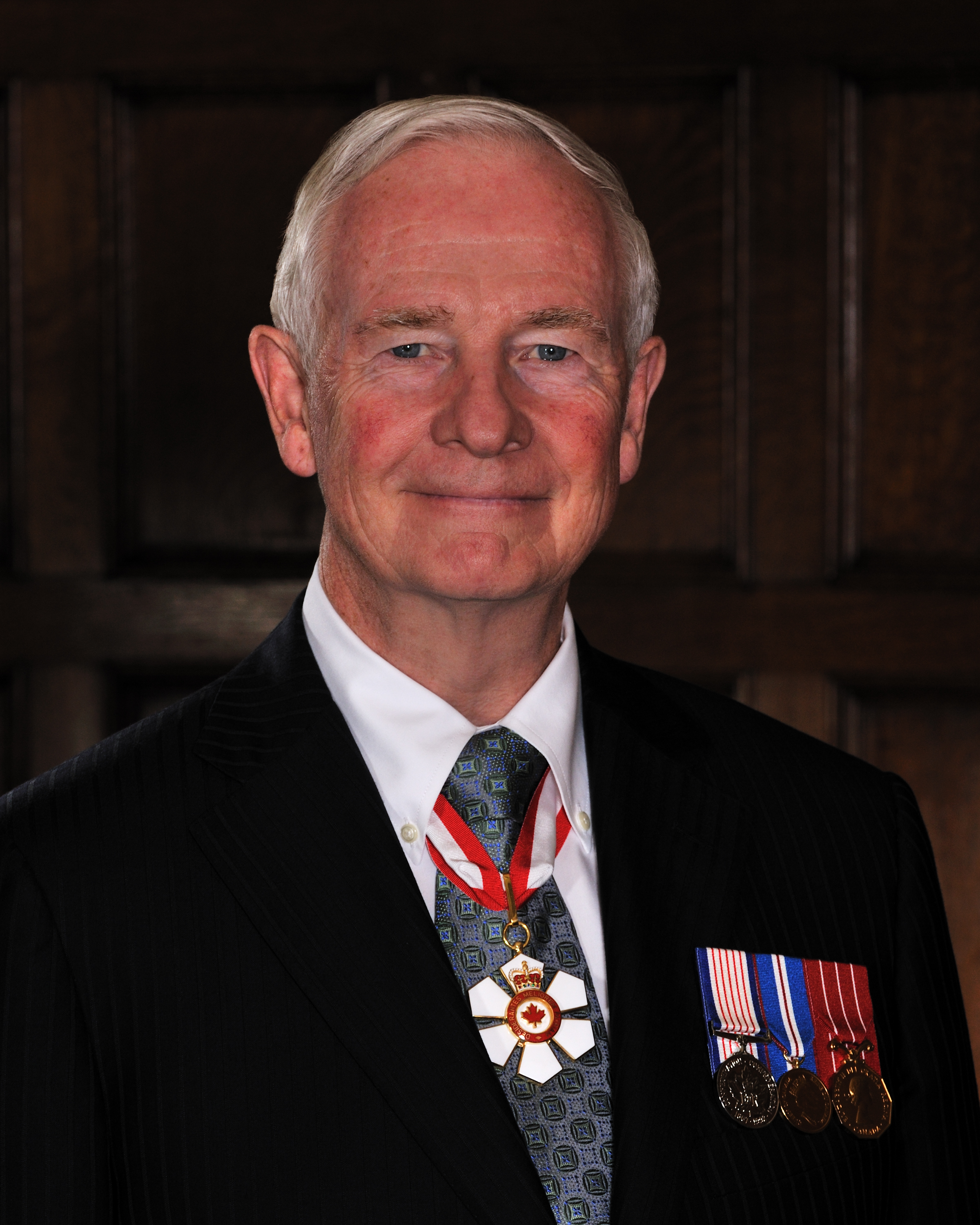
Represented by
David Johnston
Governor General since 1 October 2010
David Johnston
Governor General since 1 October 2010
| Click map for larger view |
| Click flag for Country Report |






| TRAFFICKING IN PERSONS |
None reported.