| CHAD Republic of Chad Republique du Tchad/Jumhuriyat Tshad Joined United Nations: 20 September 1960 Human Rights as assured by their constitution Click here Updated 16 August 2012 |
| CAPITAL |
| POPULATION |
| CHIEF OF STATE |
| SELECTION PROCESS |
N'Djamena
10,975,648 (July 2012 est.)
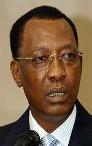
Lt. Gen. Idriss Deby Itno
President since 4 December 1990
President since 4 December 1990
President elected by popular vote to serve five-year term; if no
candidate receives at least 50% of the total vote, the two
candidates receiving the most votes must stand for a second round
of voting; last held 25 April 2011
Next scheduled election: 2016
candidate receives at least 50% of the total vote, the two
candidates receiving the most votes must stand for a second round
of voting; last held 25 April 2011
Next scheduled election: 2016
HEAD OF GOVERNMENT
SELECTION PROCESS
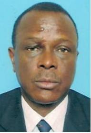
Emmanuel Nadingar
Prime Minister since 05 March 2010
Prime Minister since 05 March 2010
Prime Minister appointed by the president
| DECLARATION OF HUMAN RIGHTS |
| ETHNIC GROUPS |
Sara 27.7%, Arab 12.3%, Mayo-Kebbi 11.5%, Kanem-Bornou 9%, Ouaddai 8.7%, Hadjarai 6.7%, Tandjile 6.5%, Gorane
6.3%, Fitri-Batha 4.7%, other 6.4%, unknown 0.3% (1993 census)
6.3%, Fitri-Batha 4.7%, other 6.4%, unknown 0.3% (1993 census)
| RELIGIONS |
Muslim 53.1%, Catholic 20.1%, Protestant 14.2%, animist 7.3%, other 0.5%, unknown 1.7%, atheist 3.1% (1993 census)
| GOVERNMENT STRUCTURE |
Republic comprised of 14 prefectures (prefectures, singular - prefecture); Legal system is based on French civil law system
and Chadian customary law; has not accepted compulsory ICJ jurisdiction
Executive: President elected by popular vote to serve five-year term; if no candidate receives at least 50% of the total vote,
the two candidates receiving the most votes must stand for a second round of voting; last held 25 April 2011 (next to be held
by 2016); prime minister appointed by the president
Legislative: Unicameral National Assembly or Assemblee Nationale (188 seats; members are elected by popular vote to
serve five-year terms)
National Assembly - last held 13 February 2011 (next to be held by 2015); note - legislative elections, originally scheduled for
2006, were first delayed by National Assembly action and subsequently by an accord, signed in August 2007, between
government and opposition parties
Judicial: Supreme Court; Court of Appeal; Criminal Courts; Magistrate Courts
and Chadian customary law; has not accepted compulsory ICJ jurisdiction
Executive: President elected by popular vote to serve five-year term; if no candidate receives at least 50% of the total vote,
the two candidates receiving the most votes must stand for a second round of voting; last held 25 April 2011 (next to be held
by 2016); prime minister appointed by the president
Legislative: Unicameral National Assembly or Assemblee Nationale (188 seats; members are elected by popular vote to
serve five-year terms)
National Assembly - last held 13 February 2011 (next to be held by 2015); note - legislative elections, originally scheduled for
2006, were first delayed by National Assembly action and subsequently by an accord, signed in August 2007, between
government and opposition parties
Judicial: Supreme Court; Court of Appeal; Criminal Courts; Magistrate Courts
| LANGUAGES |
French (official), Arabic (official), Sara (in south), more than 120 different languages and dialects
| BRIEF HISTORY |
| ECONOMIC OVERVIEW |
Chad's primarily agricultural economy will continue to be boosted by major foreign direct investment projects in the oil sector
that began in 2000. At least 80% of Chad's population relies on subsistence farming and livestock raising for its livelihood.
Chad's economy has long been handicapped by its landlocked position, high energy costs, and a history of instability. Chad
relies on foreign assistance and foreign capital for most public and private sector investment projects. A consortium led by two
US companies has been investing $3.7 billion to develop oil reserves - estimated at 1 billion barrels - in southern Chad.
Chinese companies are also expanding exploration efforts and are currently building a 311-km pipleline and the country's first
refinery. The nation's total oil reserves are estimated at 1.5 billion barrels. Oil production came on stream in late 2003. Chad
began to export oil in 2004. Cotton, cattle, and gum arabic provide the bulk of Chad's non-oil export earnings.
that began in 2000. At least 80% of Chad's population relies on subsistence farming and livestock raising for its livelihood.
Chad's economy has long been handicapped by its landlocked position, high energy costs, and a history of instability. Chad
relies on foreign assistance and foreign capital for most public and private sector investment projects. A consortium led by two
US companies has been investing $3.7 billion to develop oil reserves - estimated at 1 billion barrels - in southern Chad.
Chinese companies are also expanding exploration efforts and are currently building a 311-km pipleline and the country's first
refinery. The nation's total oil reserves are estimated at 1.5 billion barrels. Oil production came on stream in late 2003. Chad
began to export oil in 2004. Cotton, cattle, and gum arabic provide the bulk of Chad's non-oil export earnings.
| POLITICAL CLIMATE |
A strong executive branch headed by President Idriss Déby dominates the Chadian political system. Following his military
overthrow of Hissène Habré in December 1990, Déby won presidential elections in 1996 and 2001. The constitutional basis
for the government is the 1996 constitution, under which the president was limited to two terms of office until Déby had that
provision repealed in 2005. The president has the power to appoint the prime minister and the Council of State (or cabinet),
and exercises considerable influence over appointments of judges, generals, provincial officials and heads of Chad’s parastatal
firms. In cases of grave and immediate threat, the president, in consultation with the National Assembly President and Council
of State, may declare a state of emergency. Most of the Déby's key advisors are members of the Zaghawa clan, although some
southern and opposition personalities are represented in his government.
According to the 1996 constitution, the National Assembly deputies are elected by universal suffrage for 4-year terms.
Parliamentary elections are scheduled for spring 2002. The Assembly holds regular sessions twice a year, starting in March
and October, and can hold special sessions as necessary and called by the prime minister. Deputies elect a president of the
National Assembly every 2 years. Assembly deputies or members of the executive branch may introduce legislation; once
passed by the Assembly, the president must take action to either sign or reject the law within 15 days. The National Assembly
must approve the prime minister’s plan of government and may force the prime minister to resign through a majority vote of no-
confidence. However, if the National Assembly rejects the executive branch’s program twice in one year, the president may
disband the Assembly and call for new legislative elections. In practice, the president exercises considerable influence over the
National Assembly through the MPS party structure.
Source: Wikipedia: Politics of Chad
overthrow of Hissène Habré in December 1990, Déby won presidential elections in 1996 and 2001. The constitutional basis
for the government is the 1996 constitution, under which the president was limited to two terms of office until Déby had that
provision repealed in 2005. The president has the power to appoint the prime minister and the Council of State (or cabinet),
and exercises considerable influence over appointments of judges, generals, provincial officials and heads of Chad’s parastatal
firms. In cases of grave and immediate threat, the president, in consultation with the National Assembly President and Council
of State, may declare a state of emergency. Most of the Déby's key advisors are members of the Zaghawa clan, although some
southern and opposition personalities are represented in his government.
According to the 1996 constitution, the National Assembly deputies are elected by universal suffrage for 4-year terms.
Parliamentary elections are scheduled for spring 2002. The Assembly holds regular sessions twice a year, starting in March
and October, and can hold special sessions as necessary and called by the prime minister. Deputies elect a president of the
National Assembly every 2 years. Assembly deputies or members of the executive branch may introduce legislation; once
passed by the Assembly, the president must take action to either sign or reject the law within 15 days. The National Assembly
must approve the prime minister’s plan of government and may force the prime minister to resign through a majority vote of no-
confidence. However, if the National Assembly rejects the executive branch’s program twice in one year, the president may
disband the Assembly and call for new legislative elections. In practice, the president exercises considerable influence over the
National Assembly through the MPS party structure.
Source: Wikipedia: Politics of Chad
| INTERNATIONAL DISPUTES |
Since 2003, ad hoc armed militia groups and the Sudanese military have driven hundreds of thousands of Darfur residents into
Chad; Chad wishes to be a helpful mediator in resolving the Darfur conflict, and in 2010 established a joint border monitoring
force with Sudan, which has helped to reduce cross-border banditry and violence; only Nigeria and Cameroon have heeded
the Lake Chad Commission's admonition to ratify the delimitation treaty, which also includes the Chad-Niger and
Niger-Nigeria boundaries
Chad; Chad wishes to be a helpful mediator in resolving the Darfur conflict, and in 2010 established a joint border monitoring
force with Sudan, which has helped to reduce cross-border banditry and violence; only Nigeria and Cameroon have heeded
the Lake Chad Commission's admonition to ratify the delimitation treaty, which also includes the Chad-Niger and
Niger-Nigeria boundaries



| REFUGEES AND INTERNALLY DISPLACED PERSONS (IDP) |
Refugees (country of origin): 278,257 (Sudan); 69,428 (Central African Republic) (2010)
IDPs: 131,000 (fighting between government forces and rebel groups; majority are in the east) (2011)
IDPs: 131,000 (fighting between government forces and rebel groups; majority are in the east) (2011)
| ILLICIT DRUGS |
None reported.
| HUMAN RIGHTS STATEMENTS, ANALYSIS AND CRITIQUES |
2011 Human Rights Report: Chad
Bureau of Democracy, Human Rights, and Labor
2011 Country Reports on Human Rights Practices
May 24, 2012
Chad is a centralized republic in which the executive branch dominates the legislature and judiciary. Legislative and presidential
elections were held during the year. In April President Idriss Deby Itno, leader of the Patriotic Salvation Movement (MPS), was
elected to a fourth term with 83.6 percent of valid votes. However, major opposition figures chose to boycott the presidential
election, which was marked by low voter turnout. Deby has ruled the country since taking power in a 1990 coup. In February’s
legislative elections, the ruling MPS won 118 of the National Assembly’s 188 seats. International observers deemed these elections
to be legitimate and credible. Despite logistical issues, both the legislative and presidential elections occurred without violence.
There were instances in which elements of the security forces acted independently of civilian control.
The most significant human rights problems reported were abuses by security forces, including beatings; harsh and life-threatening
prison conditions, which resulted in inmate deaths; and discrimination and violence against women and children, including female
genital mutilation (FGM), as well as child abuse and child marriage.
Other human rights abuses included reports of rape committed by men wearing uniforms; arbitrary arrest and detention; lengthy
pretrial detention; denial of fair public trial; and executive influence on the judiciary. In addition, there were some limitations on
freedom of speech and press. Refugee abuse continued, and corruption was widespread. Trafficking in persons, particularly related
to child herders and domestic servants, reportedly occurred, as did sexual exploitation. Ethnic-based discrimination, forced labor,
including of children, and exploitive child labor were problems.
The government took steps to prosecute or punish some officials who committed abuses; however, accountability was limited due
to a lack of checks and balances; inadequate institutional capacity, including in the judiciary; a culture of impunity; and widespread
corruption.
Click here to read more »
Bureau of Democracy, Human Rights, and Labor
2011 Country Reports on Human Rights Practices
May 24, 2012
Chad is a centralized republic in which the executive branch dominates the legislature and judiciary. Legislative and presidential
elections were held during the year. In April President Idriss Deby Itno, leader of the Patriotic Salvation Movement (MPS), was
elected to a fourth term with 83.6 percent of valid votes. However, major opposition figures chose to boycott the presidential
election, which was marked by low voter turnout. Deby has ruled the country since taking power in a 1990 coup. In February’s
legislative elections, the ruling MPS won 118 of the National Assembly’s 188 seats. International observers deemed these elections
to be legitimate and credible. Despite logistical issues, both the legislative and presidential elections occurred without violence.
There were instances in which elements of the security forces acted independently of civilian control.
The most significant human rights problems reported were abuses by security forces, including beatings; harsh and life-threatening
prison conditions, which resulted in inmate deaths; and discrimination and violence against women and children, including female
genital mutilation (FGM), as well as child abuse and child marriage.
Other human rights abuses included reports of rape committed by men wearing uniforms; arbitrary arrest and detention; lengthy
pretrial detention; denial of fair public trial; and executive influence on the judiciary. In addition, there were some limitations on
freedom of speech and press. Refugee abuse continued, and corruption was widespread. Trafficking in persons, particularly related
to child herders and domestic servants, reportedly occurred, as did sexual exploitation. Ethnic-based discrimination, forced labor,
including of children, and exploitive child labor were problems.
The government took steps to prosecute or punish some officials who committed abuses; however, accountability was limited due
to a lack of checks and balances; inadequate institutional capacity, including in the judiciary; a culture of impunity; and widespread
corruption.
Click here to read more »
21 October 2011
Committee on the Elimination of Discrimination against Women
Fiftieth session
Geneva, 3 – 21 October 2011
Concluding observations of the Committee on the Elimination of Discrimination against Women
Chad
A. Introduction
2. The Committee appreciates that the State party submitted its combined initial, second, third and fourth periodic report, although
it was long overdue and lacked specific sex disaggregated data and references to the Committee’s general recommendations. The
Committee also appreciates the written replies to the list of issues and questions raised by its pre-session working group and the
further clarifications to the questions posed orally by the Committee.
3. The Committee notes with concern the changes in the composition of the delegation of the State party and regrets the absence of
representatives from relevant ministries and institutions from N’Djamena, including women, with expertise in the areas covered by
the Convention. The Committee, however, appreciates the dialogue that took place between the representative of the Permanent
Mission of the Republic of Chad to the United Nations in Geneva and the members of the Committee.
B. Positive Aspects
4. The Committee notes with appreciation that the advancement of women rights and gender equality has been included, in August
2011, as one of the priorities in the agenda of the government, as indicated by the delegation during the dialogue.
5. The Committee commends the adoption of:
a) Act No. 006/PR/02 of 15 April 2002 on Reproductive Health, which prohibits domestic and sexual violence as well as harmful
practices, such as FGM and early marriages (art.9); and
b) Decree No. 414/PR/PM/MEN/2007 of 17 May 2007 which establishes the Directorate for the Advancement of Girls’ Education
within the Ministry of Education.
C. Principle areas of concern and recommendations
10. The Committee recalls the State party’s obligation to systematically and continuously implement all the provisions of the
Convention on the Elimination of All Forms of Discrimination against Women and views the concerns and recommendations
identified in the present concluding observations as requiring the State party’s priority attention between now and the submission of
the next periodic report. Consequently, the Committee urges the State party to focus on those areas in its implementation activities
and to report on action taken and results achieved in its next periodic report. It calls upon the State party to submit the present
concluding observations to all relevant ministries, to the National Assembly and to the judiciary, so as to ensure their full
implementation.
Click here to read more »
Committee on the Elimination of Discrimination against Women
Fiftieth session
Geneva, 3 – 21 October 2011
Concluding observations of the Committee on the Elimination of Discrimination against Women
Chad
A. Introduction
2. The Committee appreciates that the State party submitted its combined initial, second, third and fourth periodic report, although
it was long overdue and lacked specific sex disaggregated data and references to the Committee’s general recommendations. The
Committee also appreciates the written replies to the list of issues and questions raised by its pre-session working group and the
further clarifications to the questions posed orally by the Committee.
3. The Committee notes with concern the changes in the composition of the delegation of the State party and regrets the absence of
representatives from relevant ministries and institutions from N’Djamena, including women, with expertise in the areas covered by
the Convention. The Committee, however, appreciates the dialogue that took place between the representative of the Permanent
Mission of the Republic of Chad to the United Nations in Geneva and the members of the Committee.
B. Positive Aspects
4. The Committee notes with appreciation that the advancement of women rights and gender equality has been included, in August
2011, as one of the priorities in the agenda of the government, as indicated by the delegation during the dialogue.
5. The Committee commends the adoption of:
a) Act No. 006/PR/02 of 15 April 2002 on Reproductive Health, which prohibits domestic and sexual violence as well as harmful
practices, such as FGM and early marriages (art.9); and
b) Decree No. 414/PR/PM/MEN/2007 of 17 May 2007 which establishes the Directorate for the Advancement of Girls’ Education
within the Ministry of Education.
C. Principle areas of concern and recommendations
10. The Committee recalls the State party’s obligation to systematically and continuously implement all the provisions of the
Convention on the Elimination of All Forms of Discrimination against Women and views the concerns and recommendations
identified in the present concluding observations as requiring the State party’s priority attention between now and the submission of
the next periodic report. Consequently, the Committee urges the State party to focus on those areas in its implementation activities
and to report on action taken and results achieved in its next periodic report. It calls upon the State party to submit the present
concluding observations to all relevant ministries, to the National Assembly and to the judiciary, so as to ensure their full
implementation.
Click here to read more »
FREEDOM IN THE WORLD REPORT- 2012
Political Rights Score: 7
Civil Liberties Score: 6
Status: Not Free
Overview
In April 2011, longtime president Idriss Déby was reelected with 89 percent of the vote, in an election that was boycotted by the
three main opposition candidates. In February, Déby’s Patriotic Salvation Movement (MPS) party had retained its absolute majority
in the National Assembly amid allegations of fraud by the opposition. The security situation improved during the year, although
bandit attacks continued throughout the country.
After years of regular fighting in the region, Chad by the end of 2011 was home to some 130,000 internally displaced persons
(IDPs) and an estimated 363,000 refugees from Darfur and the Central African Republic, according to the Office of the UN High
Commissioner for Refugees (UNHCR). The UN Mission in the Central African Republic and Chad (MINURCAT) had been formed
in 2007 to help care for and protect these civilians. Its original mandate was set to expire in May 2010, but was renewed until
December 31. In February 2010, Déby requested that UN troops leave Chad, while humanitarian groups expressed concern about
increased insecurity if the force were to withdraw. By December, MINURCAT had withdrawn all of its troops. The security
situation in 2011 improved significantly, despite bandit attacks across the country. The UNHCR reported that 50,000 IDPs had
returned to their areas of origin in 2011.
After years of delay, parliamentary elections were held in February 2011, the first in which opposition parties participated. In the
enlarged, 188-seat National Assembly, Déby’s MPS party won 117 seats, and 14 more seats went to Déby’s allies, securing an
absolute majority for the president. The most successful opposition party won only 10 seats. Citing irregularities before and during
the parliamentary election, the three main opposition candidates boycotted the presidential poll in April, which Déby won with 89
percent of the vote. The Independent Electoral Commission (CENI) reported voter participation for the election at 64 percent,
though African Union observers said the turnout was much lower.
In June, the rebel group Popular Front for Reconstruction (FPR) signed a peace agreement with the government. Also that month,
the government signed an action plan with the United Nations to end the use of child soldiers by the country’s security forces.
Chad was one of six nations listed as a violator by the UN secretary general in an annual report on children and armed conflict.
Chad is not an electoral democracy. The country has never experienced a free and fair transfer of power through elections. The
president is elected for five-year terms, and a 2005 constitutional amendment abolished term limits. The executive branch
dominates the judicial and legislative branches, and the president appoints the prime minister. The unicameral National Assembly
consists of 188 members elected for four-year terms.
Click here to read more »
Political Rights Score: 7
Civil Liberties Score: 6
Status: Not Free
Overview
In April 2011, longtime president Idriss Déby was reelected with 89 percent of the vote, in an election that was boycotted by the
three main opposition candidates. In February, Déby’s Patriotic Salvation Movement (MPS) party had retained its absolute majority
in the National Assembly amid allegations of fraud by the opposition. The security situation improved during the year, although
bandit attacks continued throughout the country.
After years of regular fighting in the region, Chad by the end of 2011 was home to some 130,000 internally displaced persons
(IDPs) and an estimated 363,000 refugees from Darfur and the Central African Republic, according to the Office of the UN High
Commissioner for Refugees (UNHCR). The UN Mission in the Central African Republic and Chad (MINURCAT) had been formed
in 2007 to help care for and protect these civilians. Its original mandate was set to expire in May 2010, but was renewed until
December 31. In February 2010, Déby requested that UN troops leave Chad, while humanitarian groups expressed concern about
increased insecurity if the force were to withdraw. By December, MINURCAT had withdrawn all of its troops. The security
situation in 2011 improved significantly, despite bandit attacks across the country. The UNHCR reported that 50,000 IDPs had
returned to their areas of origin in 2011.
After years of delay, parliamentary elections were held in February 2011, the first in which opposition parties participated. In the
enlarged, 188-seat National Assembly, Déby’s MPS party won 117 seats, and 14 more seats went to Déby’s allies, securing an
absolute majority for the president. The most successful opposition party won only 10 seats. Citing irregularities before and during
the parliamentary election, the three main opposition candidates boycotted the presidential poll in April, which Déby won with 89
percent of the vote. The Independent Electoral Commission (CENI) reported voter participation for the election at 64 percent,
though African Union observers said the turnout was much lower.
In June, the rebel group Popular Front for Reconstruction (FPR) signed a peace agreement with the government. Also that month,
the government signed an action plan with the United Nations to end the use of child soldiers by the country’s security forces.
Chad was one of six nations listed as a violator by the UN secretary general in an annual report on children and armed conflict.
Chad is not an electoral democracy. The country has never experienced a free and fair transfer of power through elections. The
president is elected for five-year terms, and a 2005 constitutional amendment abolished term limits. The executive branch
dominates the judicial and legislative branches, and the president appoints the prime minister. The unicameral National Assembly
consists of 188 members elected for four-year terms.
Click here to read more »
20 July 2012
ICJ: Ex-Chad leader Habré’s victims’ long wait for justice
Senegal must abide by today’s decision by the International Court of Justice (ICJ) and prosecute the former president of Chad
Hissène Habré on charges relating to large-scale human rights abuses during his time in power, Amnesty International said.
“This is a victory for victims that’s long overdue, and now it’s high time the courts in Senegal delivered justice. They must
immediately comply with this ruling,” said Michael Bochenek, Amnesty International’s Law and Policy Programme Director.
“The latest judgment of the International Court of Justice brings hope to the many who have been waiting more than a decade for
Senegal to take action.”
Habré was overthrown on 1 December 1990 after a brutal rule that spanned more than eight years from June 1982.
He has been living in Dakar since being granted political asylum by Senegal soon after his ouster.
On 3 February 2000, the Dakar Regional Court indicted the former Chadian leader for "crimes against humanity, acts of torture and
barbarity," but a Court of Appeal later ruled that they did not have jurisdiction to try acts of torture committed by a foreigner
outside of its territory.
Today’s judgement by the ICJ by a majority of 14 to 2 found that Senegal must “without further delay, submit the case of Mr
Hissène Habré to its competent authorities for the purpose of prosecution, if it does not extradite him”.
An extradition request from Belgium has been pending since 2005.
However, the ICJ failed to rule on other aspects of the case including whether the obligation to extradite or prosecute existed under
customary international law.
In its judgment, it also failed to consider the matter of universal jurisdiction for crimes against humanity, missing out on a unique
opportunity to further develop international law in relation to these most serious of crimes.
Click here to read more »
ICJ: Ex-Chad leader Habré’s victims’ long wait for justice
Senegal must abide by today’s decision by the International Court of Justice (ICJ) and prosecute the former president of Chad
Hissène Habré on charges relating to large-scale human rights abuses during his time in power, Amnesty International said.
“This is a victory for victims that’s long overdue, and now it’s high time the courts in Senegal delivered justice. They must
immediately comply with this ruling,” said Michael Bochenek, Amnesty International’s Law and Policy Programme Director.
“The latest judgment of the International Court of Justice brings hope to the many who have been waiting more than a decade for
Senegal to take action.”
Habré was overthrown on 1 December 1990 after a brutal rule that spanned more than eight years from June 1982.
He has been living in Dakar since being granted political asylum by Senegal soon after his ouster.
On 3 February 2000, the Dakar Regional Court indicted the former Chadian leader for "crimes against humanity, acts of torture and
barbarity," but a Court of Appeal later ruled that they did not have jurisdiction to try acts of torture committed by a foreigner
outside of its territory.
Today’s judgement by the ICJ by a majority of 14 to 2 found that Senegal must “without further delay, submit the case of Mr
Hissène Habré to its competent authorities for the purpose of prosecution, if it does not extradite him”.
An extradition request from Belgium has been pending since 2005.
However, the ICJ failed to rule on other aspects of the case including whether the obligation to extradite or prosecute existed under
customary international law.
In its judgment, it also failed to consider the matter of universal jurisdiction for crimes against humanity, missing out on a unique
opportunity to further develop international law in relation to these most serious of crimes.
Click here to read more »
Justice in Senegal
by Reed Brody
Published in: Huffington Post
August 2, 2012
Twenty-one years after his overthrow and flight to Senegal, the former Chadian dictator Hissène Habré may finally face trial for
brutality against his own people. On Tuesday, July 24, four days after the world court in The Hague ruled that Senegal must bring
Habré to justice, Senegal and the African Union agreed on a plan for a special court to try Habré. Senegal's new president, Macky
Sall, says he wants proceedings to begin later this year.
If the case does go forward, it would mark a significant reversal of fortune for Habré and his victims. Despite being accused of
thousands of political killings and systematic torture during his 1982-1990 reign, Habré has basked in two seaside villas in Dakar,
using the millions he allegedly stole from Chad to build a network of supporters in Senegal.
A Senegalese judge indicted Habré in 2000 on atrocity charges, but former president Abdoulaye Wade found one pretext after
another to delay Habré's reckoning, turning his victims' saga into what the Nobel Peace Prize winner Bishop Desmond Tutu
described as an "interminable political and legal soap opera."
Indeed, it is only the tenacity and perseverance of a group of prison survivors that has kept the case going for so many years.
Souleymane Guengueng, who almost died from dengue fever during 2 ½ years in Habré's jails and who watched dozens of
cellmates die, took an oath that if he got out alive, he would fight for justice. He rallied wary survivors and widows into an
association and went to Senegal to press charges.
When threats from Habré's henchmen back in Chad forced Guengueng into exile, he was replaced by Clement Abaifouta -- the
"gravedigger" whose prison job was to bury other detainees in mass graves. Their lawyer, Jacqueline Moudeina, still has shrapnel in
her leg from 2001, when one of Habré's security chiefs, who had returned as police chief of Chad's capital, had a grenade thrown
at her.
The case nearly ended in 2001, when Senegalese courts, following interference by President Wade, ruled they couldn't try Habré
for crimes committed abroad. But the victims filed a case in Belgium, whose long-arm universal jurisdiction law allowed its courts
to hear many foreign atrocity charges. A four-year Belgian investigation led to Habré's indictment there and Belgium's request for
Habré's extradition.
Click here to read more »
by Reed Brody
Published in: Huffington Post
August 2, 2012
Twenty-one years after his overthrow and flight to Senegal, the former Chadian dictator Hissène Habré may finally face trial for
brutality against his own people. On Tuesday, July 24, four days after the world court in The Hague ruled that Senegal must bring
Habré to justice, Senegal and the African Union agreed on a plan for a special court to try Habré. Senegal's new president, Macky
Sall, says he wants proceedings to begin later this year.
If the case does go forward, it would mark a significant reversal of fortune for Habré and his victims. Despite being accused of
thousands of political killings and systematic torture during his 1982-1990 reign, Habré has basked in two seaside villas in Dakar,
using the millions he allegedly stole from Chad to build a network of supporters in Senegal.
A Senegalese judge indicted Habré in 2000 on atrocity charges, but former president Abdoulaye Wade found one pretext after
another to delay Habré's reckoning, turning his victims' saga into what the Nobel Peace Prize winner Bishop Desmond Tutu
described as an "interminable political and legal soap opera."
Indeed, it is only the tenacity and perseverance of a group of prison survivors that has kept the case going for so many years.
Souleymane Guengueng, who almost died from dengue fever during 2 ½ years in Habré's jails and who watched dozens of
cellmates die, took an oath that if he got out alive, he would fight for justice. He rallied wary survivors and widows into an
association and went to Senegal to press charges.
When threats from Habré's henchmen back in Chad forced Guengueng into exile, he was replaced by Clement Abaifouta -- the
"gravedigger" whose prison job was to bury other detainees in mass graves. Their lawyer, Jacqueline Moudeina, still has shrapnel in
her leg from 2001, when one of Habré's security chiefs, who had returned as police chief of Chad's capital, had a grenade thrown
at her.
The case nearly ended in 2001, when Senegalese courts, following interference by President Wade, ruled they couldn't try Habré
for crimes committed abroad. But the victims filed a case in Belgium, whose long-arm universal jurisdiction law allowed its courts
to hear many foreign atrocity charges. A four-year Belgian investigation led to Habré's indictment there and Belgium's request for
Habré's extradition.
Click here to read more »
TRANSLATED FROM FRENCH BY GOOGLE TRANSLATE
14 August 2012
EXCLUSIVE NTERVIEW of President Idriss Deby Itno
"It is through work that we can live better. We will keep our commitments vis-à-vis the Chadian people. "
Mr. Speaker, the celebration of this act only on August 11 three days after celebrating the first anniversary of your inauguration. One
year before your birthday, are you satisfied or a President you can say I can do better?
First, I will take this great occasion of the 52nd anniversary of the accession to international sovereignty of our country to wish a
happy new year to our beautiful country, peace and stability, sine qua non for any country developing. We lived on August 8th and
August 11th we live, and two successive events that arrive at the same time. It seems very difficult to judge oneself. In my case, I
always wanted to leave the care of Chadian judge me. I am early in my tenure, I have 4 years. I say satisfied or not satisfied when I
finish my term, God willing. For now, I'm not complaining over everything I have promised the people of Chad and my own
ambitions as I have for this country. I did not complain and I will not say that I succeeded or not, but the time will come when the
Chadians themselves the result of my review and I will tell themselves what they think.
Youth and women are subject to your concerns. To date, what has been done for them?
The issue of youth and women should be the concern of all managers at all levels. These are arms that produce valid but are also very
vulnerable layers. They also ensure the country's future. There are significant investments to make in their favor, in all sectors. First,
we must ensure that the youth of today is not yesterday's. We need a new Chadian youth. Through training, of course, by acquiring
new knowledge, new skills course, but especially by the love of work, good work, as they are sensitive layers. We have experienced
war. The men were charged with doing something else, it is women who have cared for the family during this difficult period the
country has known. In our homes, our traditions, we know that women more than men, that men produce more and work harder
than men. These are obvious reasons that lead us to say that we support the work of women who are organized in groups and who
are already doing good things, giving them credit, while training them and mentoring. And of course, for the management of some of
their activities by improving their production. In some countries, people say that women are more productive than man. It goes
without saying that each produces. The woman and man together constitute human society. The time has come for equality is
established between men and women. The time has also come for our girls leave the housework and go to school. If we want to
ensure the future of this country, it is a conviction or even an obligation for each family to send girls to school. Instead of girls is not
next to the pot or the home but at school.
Click here to read more »
14 August 2012
EXCLUSIVE NTERVIEW of President Idriss Deby Itno
"It is through work that we can live better. We will keep our commitments vis-à-vis the Chadian people. "
Mr. Speaker, the celebration of this act only on August 11 three days after celebrating the first anniversary of your inauguration. One
year before your birthday, are you satisfied or a President you can say I can do better?
First, I will take this great occasion of the 52nd anniversary of the accession to international sovereignty of our country to wish a
happy new year to our beautiful country, peace and stability, sine qua non for any country developing. We lived on August 8th and
August 11th we live, and two successive events that arrive at the same time. It seems very difficult to judge oneself. In my case, I
always wanted to leave the care of Chadian judge me. I am early in my tenure, I have 4 years. I say satisfied or not satisfied when I
finish my term, God willing. For now, I'm not complaining over everything I have promised the people of Chad and my own
ambitions as I have for this country. I did not complain and I will not say that I succeeded or not, but the time will come when the
Chadians themselves the result of my review and I will tell themselves what they think.
Youth and women are subject to your concerns. To date, what has been done for them?
The issue of youth and women should be the concern of all managers at all levels. These are arms that produce valid but are also very
vulnerable layers. They also ensure the country's future. There are significant investments to make in their favor, in all sectors. First,
we must ensure that the youth of today is not yesterday's. We need a new Chadian youth. Through training, of course, by acquiring
new knowledge, new skills course, but especially by the love of work, good work, as they are sensitive layers. We have experienced
war. The men were charged with doing something else, it is women who have cared for the family during this difficult period the
country has known. In our homes, our traditions, we know that women more than men, that men produce more and work harder
than men. These are obvious reasons that lead us to say that we support the work of women who are organized in groups and who
are already doing good things, giving them credit, while training them and mentoring. And of course, for the management of some of
their activities by improving their production. In some countries, people say that women are more productive than man. It goes
without saying that each produces. The woman and man together constitute human society. The time has come for equality is
established between men and women. The time has also come for our girls leave the housework and go to school. If we want to
ensure the future of this country, it is a conviction or even an obligation for each family to send girls to school. Instead of girls is not
next to the pot or the home but at school.
Click here to read more »
TRANSLATED FROM FRENCH BY GOOGLE TRANSLATE
Chad: A training on conditions of detention in N'Djamena
By Edward Takadji - 23/09/2011
It will perhaps put an end to certain practices in Chadian prisons
This training session will be a good opportunity for the participants who come from all regional offices of the Association for the
Promotion of Defense of Human Rights (ATPDH) to reflect on the conditions of incarceration in prisons in Chad . By placing this
training session under the theme: "the conditions of prisoners and prisoners in general and in particular minors," ATPDH wants to
not only educate those responsible for these facilities, but urge the judicial authorities to improve living conditions in various prisons
in Chad. "Prisoners live in difficult conditions in prions in Chad. The government is fighting but much remains to be done. That's
why we want to do advocacy work in this direction in order to end this situation, "says one of the organizers of this training.
The Chadian Association for the Promotion of Defense of Human Rights (ATPDH) would change the face of prisons in Chad
because of this organization for human rights requires that the prison is a place of correction and not to torture. Djim is a former
prisoner from the prison in N'Djamena, he recounts his ordeal: "I spent two years in prison. This has not been easy for me because
we are not at all well treated. It lacks even products for us and it plays on us. Some of us are subsequently died of disease early. If
today, organizations of human rights can change that, I think it's a good thing for the inmates. "
In recent years, organizations of human rights struggle daily to improve prison conditions in Chadian prisons. They visit prisoners
in N'Djamena and in the provinces and produce reports. Sometimes forcing the authorities to respond to improvements. Today, if
in N'Djamena, the change is observed in some places of detention, the opposite is true in other parts of the country. Prisoners live
the ordeal, some escaped by now. This was the case, a few weeks ago in Abeche.
Click here to read more »
Chad: A training on conditions of detention in N'Djamena
By Edward Takadji - 23/09/2011
It will perhaps put an end to certain practices in Chadian prisons
This training session will be a good opportunity for the participants who come from all regional offices of the Association for the
Promotion of Defense of Human Rights (ATPDH) to reflect on the conditions of incarceration in prisons in Chad . By placing this
training session under the theme: "the conditions of prisoners and prisoners in general and in particular minors," ATPDH wants to
not only educate those responsible for these facilities, but urge the judicial authorities to improve living conditions in various prisons
in Chad. "Prisoners live in difficult conditions in prions in Chad. The government is fighting but much remains to be done. That's
why we want to do advocacy work in this direction in order to end this situation, "says one of the organizers of this training.
The Chadian Association for the Promotion of Defense of Human Rights (ATPDH) would change the face of prisons in Chad
because of this organization for human rights requires that the prison is a place of correction and not to torture. Djim is a former
prisoner from the prison in N'Djamena, he recounts his ordeal: "I spent two years in prison. This has not been easy for me because
we are not at all well treated. It lacks even products for us and it plays on us. Some of us are subsequently died of disease early. If
today, organizations of human rights can change that, I think it's a good thing for the inmates. "
In recent years, organizations of human rights struggle daily to improve prison conditions in Chadian prisons. They visit prisoners
in N'Djamena and in the provinces and produce reports. Sometimes forcing the authorities to respond to improvements. Today, if
in N'Djamena, the change is observed in some places of detention, the opposite is true in other parts of the country. Prisoners live
the ordeal, some escaped by now. This was the case, a few weeks ago in Abeche.
Click here to read more »
TRANSLATED FROM FRENCH BY GOOGLE TRANSLATE
The Chadian League for Human Rights (LTDH): "Operation Cobra is only a bluff! "
By the writing / August 1, 2012
Walking around the evils that undermine our judicial system, the relocation of Dembé market through the transfer of the prison
Moussoro, President of the LTDH, Massalbaye Tenebaye unveils "Operation Cobra" .
What's your analysis of "Operation Cobra" éclenchée by the Minister of Justice, Sanitation and Promotion of Good Governance in
our country?
Do not show blind optimism on the release and the Minister's speech on this operation Cobra. It shall, in our opinion and the facts
concerning previous arrests for embezzlement, an aberrant effect. I think we can not claim to do something new with the old.
There were many arrests, many media mobilizations around all that and we saw what it gave. For these people found themselves
most often free to move. All this brings us to consider several situations in our righteousness. It is true that Operation Cobra
deserves to be launched. But this raises the question of what are the resources that the appropriate Minister can mobilize to get to
dismantle or circumscribe the phenomenon of corruption, illicit enrichment, embezzlement of public purse?
What you hints?
Indeed, there are five elements that we must consider. First, about the arrests and detentions recorded, justice placed undue
political considerations. So they swallow, drowning all issues that relate to the search for truth. Therefore, there necessarily and as
we have seen, partial justice. It is biased because it is a legal dependent. It deprives the detainees of the right of defense, the right to
seek treatment, no presumption of innocence. That is to say that the law 004 which deals with corruption is unconstitutional
because there is a critical element missing: the persons referred to are not entitled to bail. But under the Constitution, every accused
is presumed innocent, therefore has certain rights. Then, this justice is biased because it is weakened. When you see the successive
arrests, there is a systematic violation of procedural rules. Chad is a republic with laws and legal mechanisms that must be
respected. For example when a minister and we are accused of fact, this is not the ordinary courts to judge us, only the High Court
of Justice has jurisdiction to do so. So before arriving in Criminal, observe the procedure. So, we would question the competence
of judges who will be responsible for these cases. The procedure is biased, political considerations weighing all their weight, and
heavy pressures exerted on judges, they are either required to consider the politics so do not say the right words is therefore still
have the right to engage in the sanction as was the case in the case of Emmanuel Gali. In this case, the independence of judges
disappear. Finally, to curb corruption and other illicit enrichment, there must be laws. The Cobra is an animal attack. But to attack
techniques are needed which are laws that we must obey. We found that our laws are weak, there are many deficiencies in legal
terms. So if Operation Cobra has to work, it must obey the Constitution, the rules published by the United Nations, it obeys the
rights of the human person. That's all we ask of this Operation Cobra.
What is your view on the pairing of the Ministry of Justice and the Sanitation?
Twinning with the Ministry of Justice and of Sanitation, we have a minister who finds himself both Minister Sharif and judge. So
whatever decisions it makes, they will be challenged! So the default is by design of the structure itself, all ready to
confusion. In short, once the initiatives lend themselves to the confusion, we should not have any illusions about the purpose, the
outcome of any matter which will be held there.
How do you assess the relocation of Dembé market?
There were violent scenes with dead men should be condemned, not to mention police brutality against the resistance of traders.
However, two things catch our attention. It is true that we need a Chad who develops a modern Chad. And, Dembé market as it
existed was forced to relocate. But, on the other side, we have a government that governs in violence. It introduces little
pedagogical approaches to explain issues to the people, it's against the law. To do this, the government will continue for many
injustices done to these traders. Besides the matter is pending in court, she waits for justice and the right to say that the verdict!
The government has acted irresponsibly, then in any work, he must change his methods. A capital can not evolve with responsible
citizens, the law-abiding citizens. Why our rulers require citizens to respect the law when they themselves are unable to comply?
What do you say the transfer of the prison in Moussoro?
Again this is irresponsible! What motivated the destruction of the prison in N'djamena before building another very far from the
capital? This greatly complicates the deportation of prisoners and especially the holding of public hearings of the courts of any
jurisdiction in N'djamena that is not theirs. We go there for violation of rules to another. We asked the government to produce an
agenda for building a new prison in N'Djamena three months ago. But there is no response to date. We never saw a capital
without prison! It does not honor Chad. In reality, the picture of Chad is seriously undermined, because we have leaders
disrespectful, unscrupulous human rights and freedom and they intend to enforce them by citizens.
How do you respond to allegations of bias in reference to the struggles waged LTDH?
No, let's be clear. Of all the positions we have taken publicly, look what elements we attack? All our positions are based on a
unanimous call to respect the laws! LTDH not defending a thief, a diverter of public goods, an individual! It defends the law,
fundamental rights of the detainees which you refer, they can respond normally and according to rules of the acts alleged against
them in court and the people, that's it!
Click here to read more>>
The Chadian League for Human Rights (LTDH): "Operation Cobra is only a bluff! "
By the writing / August 1, 2012
Walking around the evils that undermine our judicial system, the relocation of Dembé market through the transfer of the prison
Moussoro, President of the LTDH, Massalbaye Tenebaye unveils "Operation Cobra" .
What's your analysis of "Operation Cobra" éclenchée by the Minister of Justice, Sanitation and Promotion of Good Governance in
our country?
Do not show blind optimism on the release and the Minister's speech on this operation Cobra. It shall, in our opinion and the facts
concerning previous arrests for embezzlement, an aberrant effect. I think we can not claim to do something new with the old.
There were many arrests, many media mobilizations around all that and we saw what it gave. For these people found themselves
most often free to move. All this brings us to consider several situations in our righteousness. It is true that Operation Cobra
deserves to be launched. But this raises the question of what are the resources that the appropriate Minister can mobilize to get to
dismantle or circumscribe the phenomenon of corruption, illicit enrichment, embezzlement of public purse?
What you hints?
Indeed, there are five elements that we must consider. First, about the arrests and detentions recorded, justice placed undue
political considerations. So they swallow, drowning all issues that relate to the search for truth. Therefore, there necessarily and as
we have seen, partial justice. It is biased because it is a legal dependent. It deprives the detainees of the right of defense, the right to
seek treatment, no presumption of innocence. That is to say that the law 004 which deals with corruption is unconstitutional
because there is a critical element missing: the persons referred to are not entitled to bail. But under the Constitution, every accused
is presumed innocent, therefore has certain rights. Then, this justice is biased because it is weakened. When you see the successive
arrests, there is a systematic violation of procedural rules. Chad is a republic with laws and legal mechanisms that must be
respected. For example when a minister and we are accused of fact, this is not the ordinary courts to judge us, only the High Court
of Justice has jurisdiction to do so. So before arriving in Criminal, observe the procedure. So, we would question the competence
of judges who will be responsible for these cases. The procedure is biased, political considerations weighing all their weight, and
heavy pressures exerted on judges, they are either required to consider the politics so do not say the right words is therefore still
have the right to engage in the sanction as was the case in the case of Emmanuel Gali. In this case, the independence of judges
disappear. Finally, to curb corruption and other illicit enrichment, there must be laws. The Cobra is an animal attack. But to attack
techniques are needed which are laws that we must obey. We found that our laws are weak, there are many deficiencies in legal
terms. So if Operation Cobra has to work, it must obey the Constitution, the rules published by the United Nations, it obeys the
rights of the human person. That's all we ask of this Operation Cobra.
What is your view on the pairing of the Ministry of Justice and the Sanitation?
Twinning with the Ministry of Justice and of Sanitation, we have a minister who finds himself both Minister Sharif and judge. So
whatever decisions it makes, they will be challenged! So the default is by design of the structure itself, all ready to
confusion. In short, once the initiatives lend themselves to the confusion, we should not have any illusions about the purpose, the
outcome of any matter which will be held there.
How do you assess the relocation of Dembé market?
There were violent scenes with dead men should be condemned, not to mention police brutality against the resistance of traders.
However, two things catch our attention. It is true that we need a Chad who develops a modern Chad. And, Dembé market as it
existed was forced to relocate. But, on the other side, we have a government that governs in violence. It introduces little
pedagogical approaches to explain issues to the people, it's against the law. To do this, the government will continue for many
injustices done to these traders. Besides the matter is pending in court, she waits for justice and the right to say that the verdict!
The government has acted irresponsibly, then in any work, he must change his methods. A capital can not evolve with responsible
citizens, the law-abiding citizens. Why our rulers require citizens to respect the law when they themselves are unable to comply?
What do you say the transfer of the prison in Moussoro?
Again this is irresponsible! What motivated the destruction of the prison in N'djamena before building another very far from the
capital? This greatly complicates the deportation of prisoners and especially the holding of public hearings of the courts of any
jurisdiction in N'djamena that is not theirs. We go there for violation of rules to another. We asked the government to produce an
agenda for building a new prison in N'Djamena three months ago. But there is no response to date. We never saw a capital
without prison! It does not honor Chad. In reality, the picture of Chad is seriously undermined, because we have leaders
disrespectful, unscrupulous human rights and freedom and they intend to enforce them by citizens.
How do you respond to allegations of bias in reference to the struggles waged LTDH?
No, let's be clear. Of all the positions we have taken publicly, look what elements we attack? All our positions are based on a
unanimous call to respect the laws! LTDH not defending a thief, a diverter of public goods, an individual! It defends the law,
fundamental rights of the detainees which you refer, they can respond normally and according to rules of the acts alleged against
them in court and the people, that's it!
Click here to read more>>
The territory now known as Chad possesses some of the richest archaeological sites in Africa. A possibly hominid skull has
been found in 2002 in Borkou that is more than 7 million years old, and in 1996 a 3 million years old hominid jaw. During
the 7th millennium BC, the northern half of Chad was part of a broad expanse of land, stretching from the Indus River in the
east to the Atlantic Ocean in the west, in which ecological conditions favored early human settlement. Rock art of the
"Round Head" style, found in the Ennedi region, has been dated to before the 7th millennium BC and, because of the tools
with which the rocks were carved and the scenes they depict, may represent the oldest evidence in the Sahara of Neolithic
industries. Many of the pottery-making and Neolithic activities in Ennedi date back further than any of those of the Nile
Valley to the east. In the prehistoric period, Chad was much wetter than it is today, as evidenced by large game animals
depicted in rock paintings in the Tibesti and Borkou regions. Recent linguistic research suggests that all of Africa's languages
south of the Sahara Desert (except Khoisan) originated in prehistoric times in a narrow band between Lake Chad and the
Nile Valley. The origins of Chad's peoples, however, remain unclear. Several of the proven archaeological sites have been
only partially studied, and other sites of great potential have yet to be mapped. Toward the end of the 1st millennium AD,
the formation of states does not begin across central Chad in the sahelian zone between the desert and the savanna. For
almost the next 1.000 years, these states, their relations with each other, and their effects on the peoples who lived in
"stateless" societies along their peripheries dominated Chad's political history. Recent research suggests that indigenous
Africans founded most of these states, not migrating Arabic-speaking groups, as was believed previously. Nonetheless,
immigrants, Arabic-speaking or otherwise, played a significant role, along with Islam, in the formation and early evolution.
Most states began as kingdoms, in which the king was considered divine and endowed with temporal and spiritual powers.
All states were militaristic (or they did not survive long), but none was able to expand far into southern Chad, where forests
and the tsetse fly complicated the use of cavalry. Control over the trans-Saharan trade routes that passed through the region
formed the economic basis of these kingdoms. Although many states rose and fell, the most important and durable of the
empires were Kanem-Bornu, Baguirmi, and Ouaddai, according to most written sources (mainly court chronicles and
writings of Arab traders and travelers). The Kanem Empire originated in the 9th century AD to the northeast of Lake Chad.
Historians agree that the leaders of the new state were ancestors of the Kanembu people. Toward the end of the 11th
century the Sayfawa king (or mai, the title of the Sayfawa rulers) Hummay, converted to Islam. In the following century the
Sayfawa rulers expanded southward into Kanem, where was to rise their first capital, Njimi. Kanem's expansion peaked
during the long and energetic reign of Mai Dunama Dabbalemi (c. 1221–1259). By the end of the fourteenth century,
internal struggles and external attacks had torn Kanem apart. Finally, around 1396 the Bulala invaders forced Mai Umar
Idrismi to abandon Njimi and move the Kanembu people to Bornu on the western edge of Lake Chad. Over time, the
intermarriage of the Kanembu and Bornu peoples created a new people and language, the Kanuri, and founded a new
capital, Ngazargamu. In addition to Kanem-Bornu, two other states in the region, Baguirmi and Ouaddai, achieved historical
prominence. Baguirmi emerged to the southeast of Kanem-Bornu in the sixteenth century. Islam was adopted, and the state
became a sultanate. Absorbed into Kanem-Bornu, Baguirmi broke free later in the 1600s, only to be returned to tributary
status in the mid-1700s. Located northeast of Baguirmi, Ouaddai was a non-Muslim kingdom that emerged in the 16th
century as an offshoot of the state of Darfur (in present-day Sudan). Early in the 17th century, groups in the region rallied to
Abd al-Karim, who overthrew the ruling Tunjur group, transforming Ouaddai in an Islamic sultanate. During much of the
18th century, Ouaddai resisted reincorporation into Darfur. The French first penetrated Chad in 1891, establishing their
authority through military expeditions primarily against the Muslim kingdoms. The decisive colonial battle for Chad was
fought on April 22, 1900 at Kousséri between the French Major Lamy and the Sudanese warlord Rabih az-Zubayr, both of
whom were killed in the battle. In 1905, administrative responsibility for Chad was placed under a governor-general
stationed at Brazzaville, capital of French Equatorial Africa (AEF). Chad did not have a separate colonial status until 1920,
when it was placed under a lieutenant-governor stationed in Fort-Lamy (today N'Djamena). During World War II, Chad
was the first French colony to rejoin the Allies (August 26, 1940), after the defeat of France by Germany. Under the
administration of Félix Éboué, France's first black colonial governor, a military column, commanded by Colonel Leclerc, and
including two battalions of Sara troops, moved north from N'Djamena (then Fort Lamy) to engage Axis forces in Libya,
where, in partnership with the British Army's Long Range Desert Group, they captured Kufra. After the war ended local
parties started to develop in Chad. After a referendum on territorial autonomy (September 28, 1958), French Equatorial
Africa was dissolved, and its four constituent states – Gabon, Congo (Brazzaville), the Central African Republic, and Chad
became autonomous members of the French Community (November 28, 1958). On August 11, 1960, Chad became an
independent nation under its first president, François Tombalbaye. One of the most prominent aspects of Tombalbaye's rule
to prove itself was his authoritarianism and distrust of democracy. Already in January 1962 he banned all political parties
except his own PPT, and started immediately concentrating all power in his own hands. His treatment of opponents, real or
imagined, was extremely harsh, filling the prisons with thousands of political prisoners. The coup d'état that terminated
Tombalbaye's government received an enthusiastic response in N'Djamena. The southerner General Félix Malloum emerged
early as the chairman of the new junta. Internal dissent within the government led Prime Minister Habré to send his forces
against Malloum's national army in the capital in February 1979. Malloum was ousted from the presidency, but the resulting
civil war amongst the 11 emergent factions was so widespread that it rendered the central government largely irrelevant.
Libya's partial withdrawal to the Aozou Strip in northern Chad cleared the way for Habré's forces to enter N’Djamena in
June. French troops and an OAU peacekeeping force of 3,500 Nigerian, Senegalese, and Zairian troops (partially funded
by the United States) remained neutral during the conflict.A cease-fire between Chad and Libya held from 1987 to 1988,
and negotiations over the next several years led to the 1994 International Court of Justice decision granting Chad
sovereignty over the Aouzou strip, effectively ending Libyan occupation. However, rivalry between Hadjerai, Zaghawa and
Gorane groups within the government grew in the late 1980s. In April 1989, Idriss Déby, one of Habré's leading generals
and a Zaghawa, defected and fled to Darfur in Sudan, from which he mounted a Zaghawa-supported series of attacks on
Habré (a Gorane). In December 1990, with Libyan assistance and no opposition from French troops stationed in Chad,
Déby’s forces successfully marched on N’Djamena. After 3 months of provisional government, Déby’s Patriotic Salvation
Movement (MPS) approved a national charter on February 28, 1991, with Déby as president. In 2003, Chad began
receiving refugees from the Darfur region of western Sudan. More than 200,000 refugees fled the fighting between two rebel
groups and government-supported militias known as Janjaweed. A number of border incidents led to the Chadian-Sudanese
War which began 23 December 2005. An attack on N'Djamena was defeated on April 13, 2006 in the Battle of
N'Djamena. The President on national radio stated that the situation was under control, but residents, diplomats and
journalists reportedly heard shots of weapons fire. On November 25, 2006, rebels captured the eastern town of Abeche,
capital of Ouaddaï Department and center for humanitarian aid to the Darfur region in Sudan. On the same day, a separate
rebel group Rally of Democratic Forces had captured Biltine. On November 26, 2006, the Chadian government claimed to
have recaptured both towns, although rebels still claimed control of Biltine.On Friday, February 1, 2008, rebels, an
opposition alliance of leaders Mahamat Nouri, a former defense minister, and Timane Erdimi, a nephew of Idriss Déby who
was his chief of staff, attacked the Chadian capital of Ndjamena - even surrounding the Presidential Palace. But Idris Deby
with government troops fought back. French forces flew in ammunition for Chadian government troops but took no active
part in the fighting. UN has said that up to 20,000 people left the region, taking refuge in nearby Cameroon and Nigeria.
Hundreds of people were killed, mostly civilians. Nearly 100 children at the center of an international scandal that left them
stranded at an orphanage in remote eastern Chad returned home after nearly five months March 14, 2008. The 97 children
were taken from their homes in October 2007 by a then-obscure French charity, Zoé's Ark, which claimed they were
orphans from Sudan's war-torn Darfur region.
Sources: Wikipedia History of Chad
been found in 2002 in Borkou that is more than 7 million years old, and in 1996 a 3 million years old hominid jaw. During
the 7th millennium BC, the northern half of Chad was part of a broad expanse of land, stretching from the Indus River in the
east to the Atlantic Ocean in the west, in which ecological conditions favored early human settlement. Rock art of the
"Round Head" style, found in the Ennedi region, has been dated to before the 7th millennium BC and, because of the tools
with which the rocks were carved and the scenes they depict, may represent the oldest evidence in the Sahara of Neolithic
industries. Many of the pottery-making and Neolithic activities in Ennedi date back further than any of those of the Nile
Valley to the east. In the prehistoric period, Chad was much wetter than it is today, as evidenced by large game animals
depicted in rock paintings in the Tibesti and Borkou regions. Recent linguistic research suggests that all of Africa's languages
south of the Sahara Desert (except Khoisan) originated in prehistoric times in a narrow band between Lake Chad and the
Nile Valley. The origins of Chad's peoples, however, remain unclear. Several of the proven archaeological sites have been
only partially studied, and other sites of great potential have yet to be mapped. Toward the end of the 1st millennium AD,
the formation of states does not begin across central Chad in the sahelian zone between the desert and the savanna. For
almost the next 1.000 years, these states, their relations with each other, and their effects on the peoples who lived in
"stateless" societies along their peripheries dominated Chad's political history. Recent research suggests that indigenous
Africans founded most of these states, not migrating Arabic-speaking groups, as was believed previously. Nonetheless,
immigrants, Arabic-speaking or otherwise, played a significant role, along with Islam, in the formation and early evolution.
Most states began as kingdoms, in which the king was considered divine and endowed with temporal and spiritual powers.
All states were militaristic (or they did not survive long), but none was able to expand far into southern Chad, where forests
and the tsetse fly complicated the use of cavalry. Control over the trans-Saharan trade routes that passed through the region
formed the economic basis of these kingdoms. Although many states rose and fell, the most important and durable of the
empires were Kanem-Bornu, Baguirmi, and Ouaddai, according to most written sources (mainly court chronicles and
writings of Arab traders and travelers). The Kanem Empire originated in the 9th century AD to the northeast of Lake Chad.
Historians agree that the leaders of the new state were ancestors of the Kanembu people. Toward the end of the 11th
century the Sayfawa king (or mai, the title of the Sayfawa rulers) Hummay, converted to Islam. In the following century the
Sayfawa rulers expanded southward into Kanem, where was to rise their first capital, Njimi. Kanem's expansion peaked
during the long and energetic reign of Mai Dunama Dabbalemi (c. 1221–1259). By the end of the fourteenth century,
internal struggles and external attacks had torn Kanem apart. Finally, around 1396 the Bulala invaders forced Mai Umar
Idrismi to abandon Njimi and move the Kanembu people to Bornu on the western edge of Lake Chad. Over time, the
intermarriage of the Kanembu and Bornu peoples created a new people and language, the Kanuri, and founded a new
capital, Ngazargamu. In addition to Kanem-Bornu, two other states in the region, Baguirmi and Ouaddai, achieved historical
prominence. Baguirmi emerged to the southeast of Kanem-Bornu in the sixteenth century. Islam was adopted, and the state
became a sultanate. Absorbed into Kanem-Bornu, Baguirmi broke free later in the 1600s, only to be returned to tributary
status in the mid-1700s. Located northeast of Baguirmi, Ouaddai was a non-Muslim kingdom that emerged in the 16th
century as an offshoot of the state of Darfur (in present-day Sudan). Early in the 17th century, groups in the region rallied to
Abd al-Karim, who overthrew the ruling Tunjur group, transforming Ouaddai in an Islamic sultanate. During much of the
18th century, Ouaddai resisted reincorporation into Darfur. The French first penetrated Chad in 1891, establishing their
authority through military expeditions primarily against the Muslim kingdoms. The decisive colonial battle for Chad was
fought on April 22, 1900 at Kousséri between the French Major Lamy and the Sudanese warlord Rabih az-Zubayr, both of
whom were killed in the battle. In 1905, administrative responsibility for Chad was placed under a governor-general
stationed at Brazzaville, capital of French Equatorial Africa (AEF). Chad did not have a separate colonial status until 1920,
when it was placed under a lieutenant-governor stationed in Fort-Lamy (today N'Djamena). During World War II, Chad
was the first French colony to rejoin the Allies (August 26, 1940), after the defeat of France by Germany. Under the
administration of Félix Éboué, France's first black colonial governor, a military column, commanded by Colonel Leclerc, and
including two battalions of Sara troops, moved north from N'Djamena (then Fort Lamy) to engage Axis forces in Libya,
where, in partnership with the British Army's Long Range Desert Group, they captured Kufra. After the war ended local
parties started to develop in Chad. After a referendum on territorial autonomy (September 28, 1958), French Equatorial
Africa was dissolved, and its four constituent states – Gabon, Congo (Brazzaville), the Central African Republic, and Chad
became autonomous members of the French Community (November 28, 1958). On August 11, 1960, Chad became an
independent nation under its first president, François Tombalbaye. One of the most prominent aspects of Tombalbaye's rule
to prove itself was his authoritarianism and distrust of democracy. Already in January 1962 he banned all political parties
except his own PPT, and started immediately concentrating all power in his own hands. His treatment of opponents, real or
imagined, was extremely harsh, filling the prisons with thousands of political prisoners. The coup d'état that terminated
Tombalbaye's government received an enthusiastic response in N'Djamena. The southerner General Félix Malloum emerged
early as the chairman of the new junta. Internal dissent within the government led Prime Minister Habré to send his forces
against Malloum's national army in the capital in February 1979. Malloum was ousted from the presidency, but the resulting
civil war amongst the 11 emergent factions was so widespread that it rendered the central government largely irrelevant.
Libya's partial withdrawal to the Aozou Strip in northern Chad cleared the way for Habré's forces to enter N’Djamena in
June. French troops and an OAU peacekeeping force of 3,500 Nigerian, Senegalese, and Zairian troops (partially funded
by the United States) remained neutral during the conflict.A cease-fire between Chad and Libya held from 1987 to 1988,
and negotiations over the next several years led to the 1994 International Court of Justice decision granting Chad
sovereignty over the Aouzou strip, effectively ending Libyan occupation. However, rivalry between Hadjerai, Zaghawa and
Gorane groups within the government grew in the late 1980s. In April 1989, Idriss Déby, one of Habré's leading generals
and a Zaghawa, defected and fled to Darfur in Sudan, from which he mounted a Zaghawa-supported series of attacks on
Habré (a Gorane). In December 1990, with Libyan assistance and no opposition from French troops stationed in Chad,
Déby’s forces successfully marched on N’Djamena. After 3 months of provisional government, Déby’s Patriotic Salvation
Movement (MPS) approved a national charter on February 28, 1991, with Déby as president. In 2003, Chad began
receiving refugees from the Darfur region of western Sudan. More than 200,000 refugees fled the fighting between two rebel
groups and government-supported militias known as Janjaweed. A number of border incidents led to the Chadian-Sudanese
War which began 23 December 2005. An attack on N'Djamena was defeated on April 13, 2006 in the Battle of
N'Djamena. The President on national radio stated that the situation was under control, but residents, diplomats and
journalists reportedly heard shots of weapons fire. On November 25, 2006, rebels captured the eastern town of Abeche,
capital of Ouaddaï Department and center for humanitarian aid to the Darfur region in Sudan. On the same day, a separate
rebel group Rally of Democratic Forces had captured Biltine. On November 26, 2006, the Chadian government claimed to
have recaptured both towns, although rebels still claimed control of Biltine.On Friday, February 1, 2008, rebels, an
opposition alliance of leaders Mahamat Nouri, a former defense minister, and Timane Erdimi, a nephew of Idriss Déby who
was his chief of staff, attacked the Chadian capital of Ndjamena - even surrounding the Presidential Palace. But Idris Deby
with government troops fought back. French forces flew in ammunition for Chadian government troops but took no active
part in the fighting. UN has said that up to 20,000 people left the region, taking refuge in nearby Cameroon and Nigeria.
Hundreds of people were killed, mostly civilians. Nearly 100 children at the center of an international scandal that left them
stranded at an orphanage in remote eastern Chad returned home after nearly five months March 14, 2008. The 97 children
were taken from their homes in October 2007 by a then-obscure French charity, Zoé's Ark, which claimed they were
orphans from Sudan's war-torn Darfur region.
Sources: Wikipedia History of Chad


| Click on map for larger view |
Click on flag for Country Report




| TRAFFICKING IN PERSONS |
Current situation: Chad is a source, transit, and destination country for children trafficked for the purposes of forced labor
and commercial sexual exploitation; the majority of children are trafficked within Chad for involuntary domestic servitude,
forced cattle herding, forced begging, forced labor in petty commerce or the fishing industry, or for commercial sexual
exploitation; to a lesser extent, Chadian children are also trafficked to Cameroon, the Central African Republic, and Nigeria for
cattle herding; children may also be trafficked from Cameroon and the Central African Republic to Chad's oil producing
regions for sexual exploitation
Tier rating: the Government of Chad does not fully comply with the minimum standards for the elimination of trafficking and is
not making any significant efforts to do so; although facing resource constraints, the government has the capacity to conduct
basic anti-trafficking law enforcement efforts, yet did not do so during the last year; it showed no results in enforcing
government policy prohibiting the recruitment of child soldiers; Chad has not ratified the 2000 UN TIP Protocol (2009)
and commercial sexual exploitation; the majority of children are trafficked within Chad for involuntary domestic servitude,
forced cattle herding, forced begging, forced labor in petty commerce or the fishing industry, or for commercial sexual
exploitation; to a lesser extent, Chadian children are also trafficked to Cameroon, the Central African Republic, and Nigeria for
cattle herding; children may also be trafficked from Cameroon and the Central African Republic to Chad's oil producing
regions for sexual exploitation
Tier rating: the Government of Chad does not fully comply with the minimum standards for the elimination of trafficking and is
not making any significant efforts to do so; although facing resource constraints, the government has the capacity to conduct
basic anti-trafficking law enforcement efforts, yet did not do so during the last year; it showed no results in enforcing
government policy prohibiting the recruitment of child soldiers; Chad has not ratified the 2000 UN TIP Protocol (2009)