
| ESTONIA Republic of Estonia Eesti Vabariik Joined United Nations: 17 September 1991 Human Rights as assured by their constitution Click here Updated 07 March 2013 |

| CAPITAL |
| POPULATION |
| CHIEF OF STATE |
| SELECTION PROCESS |
Tallinn
1,274,709 (July 2012 est.)
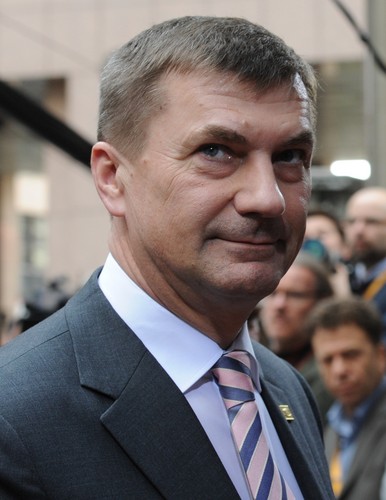
Andrus Ansip
Prime Minister since 12 April 2005
Prime Minister since 12 April 2005
President elected by Parliament for a five-year term (eligible for a
second term); if a candidate does not secure two-thirds of the votes
after three rounds of balloting in the Parliament, then an electoral
assembly (made up of Parliament plus members of local
governments) elects the president, choosing between the two
candidates with the largest percentage of votes; election last held 29
August 2011
Next scheduled election: Fall of 2016
second term); if a candidate does not secure two-thirds of the votes
after three rounds of balloting in the Parliament, then an electoral
assembly (made up of Parliament plus members of local
governments) elects the president, choosing between the two
candidates with the largest percentage of votes; election last held 29
August 2011
Next scheduled election: Fall of 2016
HEAD OF GOVERNMENT
SELECTION PROCESS
Prime minister nominated by the president and approved by
Parliament
Parliament
| DECLARATION OF HUMAN RIGHTS |
| ETHNIC GROUPS |
Estonian 68.7%, Russian 25.6%, Ukrainian 2.1%, Belarusian 1.2%, Finn 0.8%, other 1.6% (2008 census)
| RELIGIONS |
Evangelical Lutheran 13.6%, Orthodox 12.8%, other Christian (including Methodist, Seventh-Day Adventist, Roman Catholic,
Pentecostal) 1.4%, unaffiliated 34.1%, other and unspecified 32%, none 6.1% (2000 census)
Pentecostal) 1.4%, unaffiliated 34.1%, other and unspecified 32%, none 6.1% (2000 census)
| GOVERNMENT STRUCTURE |
Parliamentary republic with 15 counties (maakonnad, singular - maakond); Legal system is based on civil law system; accepts
compulsory ICJ jurisdiction with reservations
Executive: President elected by Parliament for a five-year term (eligible for a second term); if a candidate does not secure
two-thirds of the votes after three rounds of balloting in the Parliament, then an electoral assembly (made up of Parliament plus
members of local councils) elects the president, choosing between the two candidates with the largest number of votes; election last
held on 29 August 2011 (next to be held in the fall of 2016); prime minister nominated by the president and approved by Parliament
Legislative: Unicameral Parliament or Riigikogu (101 seats; members are elected by popular vote to serve four-year terms)
elections: last held on 6 March 2011 (next to be held in March 2015)
Judicial: National Court (chairman appointed by Parliament for life)
compulsory ICJ jurisdiction with reservations
Executive: President elected by Parliament for a five-year term (eligible for a second term); if a candidate does not secure
two-thirds of the votes after three rounds of balloting in the Parliament, then an electoral assembly (made up of Parliament plus
members of local councils) elects the president, choosing between the two candidates with the largest number of votes; election last
held on 29 August 2011 (next to be held in the fall of 2016); prime minister nominated by the president and approved by Parliament
Legislative: Unicameral Parliament or Riigikogu (101 seats; members are elected by popular vote to serve four-year terms)
elections: last held on 6 March 2011 (next to be held in March 2015)
Judicial: National Court (chairman appointed by Parliament for life)
| LANGUAGES |
Estonian (official) 67.3%, Russian 29.7%, other 2.3%, unknown 0.7% (2000 census)
| BRIEF HISTORY |
The region has been populated since the end of the last glacial era, about 10.000 B.C. The earliest traces of human settlement in
Estonia are connected with Kunda culture. The Early Mesolithic Pulli settlement is located by the Pärnu River. It has been dated to
the beginning of the 9th millennium B.C. The beginning of the Neolithic period is marked by the ceramics of the Narva culture,
appear in Estonia at the beginning of the 5th millennium. The oldest finds date from around 4900 B.C. The beginning of the Bronze
Age in Estonia is dated to approximately 1800 B.C. The development of the borders between the Finnic peoples and the Balts was
under way. The first fortified settlements, Asva and Ridala on the island of Saaremaa and Iru in the Northern Estonia began to be
built. The Pre-Roman Iron Age began in Estonia about 500 B.C. and lasted until the middle of the 1st century A.D. The Roman
Iron Age in Estonia is roughly dated to between 50 and 450 A.D., the era that was affected by the influence of the Roman Empire.
The name of Estonia occurs first in a form of Aestii in the 1st century AD by Tacitus, however, it might have indicated Baltic tribes
living in the area. In Northern Sagas (9th century) the term started to be used to indicate the Estonians. The Chudes as mentioned
by a monk Nestor in the earliest Russian chronicles, were the Ests or Esthonians. According to Nestor in 1030 Yaroslav I the Wise
invaded the country of the Chuds and laid the foundations of Yuriev, (the historical Russian name of Tartu, Estonia). According to
Old East Slavic chronicles the Chudes where one of the founders of the Rus' state. In the 11th century the Scandinavians are
frequently chronicled as combating the Vikings from the eastern shores of the Baltic Sea. Estonia remained one of the last corners of
medieval Europe to be Christianized. In 1193 Pope Celestine III called for a crusade against pagans in Northern Europe. Northern
Crusades from Northern Germany established the stronghold of Riga (in modern Latvia). With the help of the newly converted local
tribes of Livs and Letts, the crusaders initiated raids into part of what is present-day Estonia in 1208. Estonian tribes fiercely
resisted the attacks from Riga and occasionally themselves sacked territories controlled by the crusaders. Northern Estonia was
conquered by Danish crusaders led by king Waldemar II, who arrived in 1219 on the site of in an Estonian town of Lindanisse. The
first written mention of the Estonian Swedes comes from 1294, in the laws of the town of Haapsalu. Estonia in Livonian
Confederation from 1228 to the 1560s. In 1227 the Sword Brethren conquered the last indigenous stronghold in the Estonian island
of Saaremaa. After the conquest, all remaining local pagans of Estonia were ostensibly Christianized. Despite local rebellions and
Muscovian invasions in 1481 and 1558, the local Low German-speaking upper class continued to rule Estonia and from 1524
preserved Estonian commitment to the Protestant Reformation. During the Livonian War in 1561, northern Estonia submitted to
Swedish control, while southern Estonia briefly came under the control of Polish-Lithuanian Commonwealth in the 1580s. In 1625,
mainland Estonia came entirely under Swedish rule. Estonia was administratively divided between the provinces of Estonia in the
north and Livonia in southern Estonia and northern Latvia, a division which persisted until the early twentieth century. Estonia placed
itself under Swedish rule in 1561 to receive protection against Russia and Poland as the Livonian Order lost their foothold in the
Baltic provinces. Territorially it represented the northern part of present day Estonia. Livonia was conquered from the Polish-
Lithuanian Commonwealth by 1629 in the Polish-Swedish War. Sweden's defeat by Russia in the Great Northern War in 1721
resulted in the Treaty of Nystad, and Russian rule was then imposed on what later became modern Estonia. Nonetheless, the legal
system, Lutheran church, local and town governments, and education remained mostly German until the late 19th century and
partially until 1918. By 1819, the Baltic provinces were the first in the Russian empire in which serfdom was abolished, the largely
autonomous nobility allowing the peasants to own their own land or move to the cities. Estonia as a unified political entity first
emerged after the Russian February Revolution of 1917. With the collapse of the Russian Empire in World War I, Russia's
Provisional Government granted national autonomy to an unified Estonia in April. Elections for a provisional parliament, Maapäev
was organized, with the Menshevik and Bolshevik fractions of the Russian Social Democratic Labour Party obtaining a part of the
vote. On November 5, 1917, two days before the October Revolution in Saint Petersburg, Estonian Bolshevik leader Jaan Anvelt
violently usurped power from the legally constituted Maapäev in a coup d'etat, forcing the Maapäev underground. In February, after
the collapse of the peace talks between Soviet Russia and the German Empire, mainland Estonia was occupied by the Germans. A
military invasion by Red Army followed a few days later, however, marking the beginning of the Estonian War of Independence
(1918-1920). The first Constitution of Estonia was adopted on June 15, 1920. The Republic of Estonia obtained international
recognition and became a member of the League of Nations in 1921. The first period of independence lasted 22 years, beginning in
1918. Estonia underwent a number of economic, social, and political reforms necessary to come to terms with its new status as a
sovereign state. Economically and socially, land reform in 1919 was the most important step. Large estate holdings belonging to the
Baltic nobility were redistributed among the peasants and especially among volunteers in the Estonian War of Independence. The
first constitution of the Republic of Estonia, adopted in 1920, established a parliamentary form of government. The parliament
(Riigikogu) consisted of 100 members elected for 3-year terms. Estonia had pursued a policy of neutrality, but it was of no
consequence after the Soviet Union and Nazi Germany signed the Molotov-Ribbentrop Pact on August 23, 1939 in which the two
great powers agreed to divide up the countries situated between them (Poland, Lithuania, Latvia, Estonia, and Finland) with Estonia
falling in the Soviet "sphere of influence". After Nazi Germany invaded the Soviet Union on June 22, 1941, and the Wehrmacht
reached Estonia in July 1941, most Estonians greeted the Germans with relatively open arms and hoped to restore independence.
But it soon became clear that sovereignty was out of the question. As the Germans retreated in September 1944, Jüri Uluots, the
last Prime Minister of the Estonian Republic prior to Soviet occupation, assumed the responsibilities of president (as dictated in the
Constitution) and appointed a new government while seeking recognition from the Allies. An anti-Soviet guerrilla movement known
as the "Metsavennad" ("Forest Brothers") developed in the countryside, reaching its zenith in 1946-48. After Stalin's death, Party
membership vastly expanded its social base to include more ethnic Estonians. A grassroots Estonian Citizens' Committees
Movement launched in 1989 with the objective of registering all pre-war citizens of the Republic of Estonia and their descendants in
order to convene a Congress of Estonia. Through a strict, non-confrontational policy in pursuing independence, Estonia managed to
avoid the violence which Latvia and Lithuania incurred in the bloody January 1991 crackdowns and in the border customs-post
guard murders that summer. During the August coup in the U.S.S.R., Estonia was able to maintain constant operation and control of
its telecommunications facilities, thereby offering the West a clear view into the latest coup developments and serving as a conduit
for swift Western support and recognition of Estonia's "confirmation" of independence on August 20, 1991. After more than 3 years
of negotiations, on August 31, 1994, the armed forces of Russia withdrew from Estonia. Since the last Russian troops left in 1994,
Estonia has been free to promote economic and political ties with Western Europe. Estonia opened accession negotiations with the
European Union in 1998 and joined in 2004, shortly after becoming a member of NATO. On 4 April 2005, President Rüütel
nominated Reform party leader Andrus Ansip as Prime Minister designate by and asked him to form a new government, the 8th in
12 years. On 18 May 2005, Estonia signed a border treaty with the Russian Federation in Moscow. The European Parliament
election of 2009 in Estonia scored a 43.9% turnout – about 17.1% higher than during the previous election, and slightly above the
European average of 42.94%. On 1 January 2011 Estonia adopted the Euro. The enlargement of the eurozone, although limited,
was hailed as a good sign in a period of global financial crisis and instability of the euro. Being a member of the eurozone, NATO
and the EU, Estonia is the most integrated in Western European organizations of all Nordic states. Estonia–Russia relations remain
tense.
Source: Wikipedia: History of Estonia
Estonia are connected with Kunda culture. The Early Mesolithic Pulli settlement is located by the Pärnu River. It has been dated to
the beginning of the 9th millennium B.C. The beginning of the Neolithic period is marked by the ceramics of the Narva culture,
appear in Estonia at the beginning of the 5th millennium. The oldest finds date from around 4900 B.C. The beginning of the Bronze
Age in Estonia is dated to approximately 1800 B.C. The development of the borders between the Finnic peoples and the Balts was
under way. The first fortified settlements, Asva and Ridala on the island of Saaremaa and Iru in the Northern Estonia began to be
built. The Pre-Roman Iron Age began in Estonia about 500 B.C. and lasted until the middle of the 1st century A.D. The Roman
Iron Age in Estonia is roughly dated to between 50 and 450 A.D., the era that was affected by the influence of the Roman Empire.
The name of Estonia occurs first in a form of Aestii in the 1st century AD by Tacitus, however, it might have indicated Baltic tribes
living in the area. In Northern Sagas (9th century) the term started to be used to indicate the Estonians. The Chudes as mentioned
by a monk Nestor in the earliest Russian chronicles, were the Ests or Esthonians. According to Nestor in 1030 Yaroslav I the Wise
invaded the country of the Chuds and laid the foundations of Yuriev, (the historical Russian name of Tartu, Estonia). According to
Old East Slavic chronicles the Chudes where one of the founders of the Rus' state. In the 11th century the Scandinavians are
frequently chronicled as combating the Vikings from the eastern shores of the Baltic Sea. Estonia remained one of the last corners of
medieval Europe to be Christianized. In 1193 Pope Celestine III called for a crusade against pagans in Northern Europe. Northern
Crusades from Northern Germany established the stronghold of Riga (in modern Latvia). With the help of the newly converted local
tribes of Livs and Letts, the crusaders initiated raids into part of what is present-day Estonia in 1208. Estonian tribes fiercely
resisted the attacks from Riga and occasionally themselves sacked territories controlled by the crusaders. Northern Estonia was
conquered by Danish crusaders led by king Waldemar II, who arrived in 1219 on the site of in an Estonian town of Lindanisse. The
first written mention of the Estonian Swedes comes from 1294, in the laws of the town of Haapsalu. Estonia in Livonian
Confederation from 1228 to the 1560s. In 1227 the Sword Brethren conquered the last indigenous stronghold in the Estonian island
of Saaremaa. After the conquest, all remaining local pagans of Estonia were ostensibly Christianized. Despite local rebellions and
Muscovian invasions in 1481 and 1558, the local Low German-speaking upper class continued to rule Estonia and from 1524
preserved Estonian commitment to the Protestant Reformation. During the Livonian War in 1561, northern Estonia submitted to
Swedish control, while southern Estonia briefly came under the control of Polish-Lithuanian Commonwealth in the 1580s. In 1625,
mainland Estonia came entirely under Swedish rule. Estonia was administratively divided between the provinces of Estonia in the
north and Livonia in southern Estonia and northern Latvia, a division which persisted until the early twentieth century. Estonia placed
itself under Swedish rule in 1561 to receive protection against Russia and Poland as the Livonian Order lost their foothold in the
Baltic provinces. Territorially it represented the northern part of present day Estonia. Livonia was conquered from the Polish-
Lithuanian Commonwealth by 1629 in the Polish-Swedish War. Sweden's defeat by Russia in the Great Northern War in 1721
resulted in the Treaty of Nystad, and Russian rule was then imposed on what later became modern Estonia. Nonetheless, the legal
system, Lutheran church, local and town governments, and education remained mostly German until the late 19th century and
partially until 1918. By 1819, the Baltic provinces were the first in the Russian empire in which serfdom was abolished, the largely
autonomous nobility allowing the peasants to own their own land or move to the cities. Estonia as a unified political entity first
emerged after the Russian February Revolution of 1917. With the collapse of the Russian Empire in World War I, Russia's
Provisional Government granted national autonomy to an unified Estonia in April. Elections for a provisional parliament, Maapäev
was organized, with the Menshevik and Bolshevik fractions of the Russian Social Democratic Labour Party obtaining a part of the
vote. On November 5, 1917, two days before the October Revolution in Saint Petersburg, Estonian Bolshevik leader Jaan Anvelt
violently usurped power from the legally constituted Maapäev in a coup d'etat, forcing the Maapäev underground. In February, after
the collapse of the peace talks between Soviet Russia and the German Empire, mainland Estonia was occupied by the Germans. A
military invasion by Red Army followed a few days later, however, marking the beginning of the Estonian War of Independence
(1918-1920). The first Constitution of Estonia was adopted on June 15, 1920. The Republic of Estonia obtained international
recognition and became a member of the League of Nations in 1921. The first period of independence lasted 22 years, beginning in
1918. Estonia underwent a number of economic, social, and political reforms necessary to come to terms with its new status as a
sovereign state. Economically and socially, land reform in 1919 was the most important step. Large estate holdings belonging to the
Baltic nobility were redistributed among the peasants and especially among volunteers in the Estonian War of Independence. The
first constitution of the Republic of Estonia, adopted in 1920, established a parliamentary form of government. The parliament
(Riigikogu) consisted of 100 members elected for 3-year terms. Estonia had pursued a policy of neutrality, but it was of no
consequence after the Soviet Union and Nazi Germany signed the Molotov-Ribbentrop Pact on August 23, 1939 in which the two
great powers agreed to divide up the countries situated between them (Poland, Lithuania, Latvia, Estonia, and Finland) with Estonia
falling in the Soviet "sphere of influence". After Nazi Germany invaded the Soviet Union on June 22, 1941, and the Wehrmacht
reached Estonia in July 1941, most Estonians greeted the Germans with relatively open arms and hoped to restore independence.
But it soon became clear that sovereignty was out of the question. As the Germans retreated in September 1944, Jüri Uluots, the
last Prime Minister of the Estonian Republic prior to Soviet occupation, assumed the responsibilities of president (as dictated in the
Constitution) and appointed a new government while seeking recognition from the Allies. An anti-Soviet guerrilla movement known
as the "Metsavennad" ("Forest Brothers") developed in the countryside, reaching its zenith in 1946-48. After Stalin's death, Party
membership vastly expanded its social base to include more ethnic Estonians. A grassroots Estonian Citizens' Committees
Movement launched in 1989 with the objective of registering all pre-war citizens of the Republic of Estonia and their descendants in
order to convene a Congress of Estonia. Through a strict, non-confrontational policy in pursuing independence, Estonia managed to
avoid the violence which Latvia and Lithuania incurred in the bloody January 1991 crackdowns and in the border customs-post
guard murders that summer. During the August coup in the U.S.S.R., Estonia was able to maintain constant operation and control of
its telecommunications facilities, thereby offering the West a clear view into the latest coup developments and serving as a conduit
for swift Western support and recognition of Estonia's "confirmation" of independence on August 20, 1991. After more than 3 years
of negotiations, on August 31, 1994, the armed forces of Russia withdrew from Estonia. Since the last Russian troops left in 1994,
Estonia has been free to promote economic and political ties with Western Europe. Estonia opened accession negotiations with the
European Union in 1998 and joined in 2004, shortly after becoming a member of NATO. On 4 April 2005, President Rüütel
nominated Reform party leader Andrus Ansip as Prime Minister designate by and asked him to form a new government, the 8th in
12 years. On 18 May 2005, Estonia signed a border treaty with the Russian Federation in Moscow. The European Parliament
election of 2009 in Estonia scored a 43.9% turnout – about 17.1% higher than during the previous election, and slightly above the
European average of 42.94%. On 1 January 2011 Estonia adopted the Euro. The enlargement of the eurozone, although limited,
was hailed as a good sign in a period of global financial crisis and instability of the euro. Being a member of the eurozone, NATO
and the EU, Estonia is the most integrated in Western European organizations of all Nordic states. Estonia–Russia relations remain
tense.
Source: Wikipedia: History of Estonia
| ECONOMIC OVERVIEW |
Estonia, a member of the European Union and the eurozone since 2004, has a modern market-based economy and one of the
higher per capita income levels in Central Europe and the Baltic region. Estonia's successive governments have pursued a free
market, pro-business economic agenda and have wavered little in their commitment to pro-market reforms. The current government
has followed sound fiscal policies that have resulted in balanced budgets and low public debt. The economy benefits from strong
electronics and telecommunications sectors and strong trade ties with Finland, Sweden, Russia, and Germany. Tallinn's priority has
been to sustain high growth rates - on average 8% per year from 2003 to 2007. Estonia's economy fell into recession in mid-2008
with GDP contracting 14.3% in 2009, as a result of an investment and consumption slump following the bursting of the real estate
market bubble and a decrease in export demand as result of economic slowdown in the rest of Europe. Estonia rebounded nearly
8% in 2011 and the Estonian economy now has one of the higher GDP growth rates in Europe. Estonia adopted the euro on 1
January 2011.
Source: CIA World Factbook (select Estonia)
higher per capita income levels in Central Europe and the Baltic region. Estonia's successive governments have pursued a free
market, pro-business economic agenda and have wavered little in their commitment to pro-market reforms. The current government
has followed sound fiscal policies that have resulted in balanced budgets and low public debt. The economy benefits from strong
electronics and telecommunications sectors and strong trade ties with Finland, Sweden, Russia, and Germany. Tallinn's priority has
been to sustain high growth rates - on average 8% per year from 2003 to 2007. Estonia's economy fell into recession in mid-2008
with GDP contracting 14.3% in 2009, as a result of an investment and consumption slump following the bursting of the real estate
market bubble and a decrease in export demand as result of economic slowdown in the rest of Europe. Estonia rebounded nearly
8% in 2011 and the Estonian economy now has one of the higher GDP growth rates in Europe. Estonia adopted the euro on 1
January 2011.
Source: CIA World Factbook (select Estonia)
| POLITICAL CLIMATE |
The general consensus in the Estonian media seems to be that the new cabinet, on the level of competence, is not necessarily an
improvement over the old one. The new government is colloquially called the "Garlic Coalition", because the agreement between the
party leaders was reached at the Tallinn restaurant "Balthasar", which specialises in garlic dishes.
On 18 May 2005, Estonia signed a border treaty with the Russian Federation in Moscow. The treaty was ratified by the Riigikogu
on 20 June 2005. However, in the end of June the Russian Ministry of Foreign Affairs informed that it did not intend to become a
party to the border treaty and did not consider itself bound by the circumstances concerning the object and the purposes of the
treaty due to the fact that Riigikogu had attached a preambula to the ratification act that referenced earlier documents that mentioned
the Soviet occupation and the uninterrupted legal continuity of the Republic of Estonia during the Soviet period. The issue remains
unsolved and is in focus of European level discussions.
Internet voting has already been used in local elections in Estonia, and the lawmakers in Estonia have authorized internet voting for
parliamentary elections as well. (see COM).
On 4 April 2006, Fatherland Union and Res Publica decided to form a united right-conservative party. The two parties joining was
approved on 4 June by both parties in Pärnu. The joined party name is Isamaa ja Res Publica Liit (Union of Pro Patria and Res
Publica).
The activity of the government is directed by the Prime Minister, who is the de facto political head of state. He does not head any
specific ministry, but is, in accordance with the constitution, the supervisor of the work of the government. The Prime Minister’s
significance and role in the government and his relations with other ministries often depend on the position of the party led by the
prime minister in vis-à-vis the coalition partners, and on how much influence the prime minister possesses within his own party. If the
prime minister has a strong position within his party, and the government is made up solely of representatives of that party, he can
enjoy considerable authority. In all crucial national questions, however, the final word rests with Riigikogu as the legislative power.
Source: Wikipedia: Politics of Estonia
improvement over the old one. The new government is colloquially called the "Garlic Coalition", because the agreement between the
party leaders was reached at the Tallinn restaurant "Balthasar", which specialises in garlic dishes.
On 18 May 2005, Estonia signed a border treaty with the Russian Federation in Moscow. The treaty was ratified by the Riigikogu
on 20 June 2005. However, in the end of June the Russian Ministry of Foreign Affairs informed that it did not intend to become a
party to the border treaty and did not consider itself bound by the circumstances concerning the object and the purposes of the
treaty due to the fact that Riigikogu had attached a preambula to the ratification act that referenced earlier documents that mentioned
the Soviet occupation and the uninterrupted legal continuity of the Republic of Estonia during the Soviet period. The issue remains
unsolved and is in focus of European level discussions.
Internet voting has already been used in local elections in Estonia, and the lawmakers in Estonia have authorized internet voting for
parliamentary elections as well. (see COM).
On 4 April 2006, Fatherland Union and Res Publica decided to form a united right-conservative party. The two parties joining was
approved on 4 June by both parties in Pärnu. The joined party name is Isamaa ja Res Publica Liit (Union of Pro Patria and Res
Publica).
The activity of the government is directed by the Prime Minister, who is the de facto political head of state. He does not head any
specific ministry, but is, in accordance with the constitution, the supervisor of the work of the government. The Prime Minister’s
significance and role in the government and his relations with other ministries often depend on the position of the party led by the
prime minister in vis-à-vis the coalition partners, and on how much influence the prime minister possesses within his own party. If the
prime minister has a strong position within his party, and the government is made up solely of representatives of that party, he can
enjoy considerable authority. In all crucial national questions, however, the final word rests with Riigikogu as the legislative power.
Source: Wikipedia: Politics of Estonia
| INTERNATIONAL DISPUTES |
Russia recalled its signature to the 1996 technical border agreement with Estonia in 2005, rather than concede to Estonia's
appending prepared a unilateral declaration referencing Soviet occupation and territorial losses; Russia demands better
accommodation of Russian-speaking population in Estonia; Estonian citizen groups continue to press for realignment of the
boundary based on the 1920 Tartu Peace Treaty that would bring the now divided ethnic Setu people and parts of the Narva region
within Estonia; as a member state that forms part of the EU's external border, Estonia must implement the strict Schengen border
rules with Russia.
appending prepared a unilateral declaration referencing Soviet occupation and territorial losses; Russia demands better
accommodation of Russian-speaking population in Estonia; Estonian citizen groups continue to press for realignment of the
boundary based on the 1920 Tartu Peace Treaty that would bring the now divided ethnic Setu people and parts of the Narva region
within Estonia; as a member state that forms part of the EU's external border, Estonia must implement the strict Schengen border
rules with Russia.


| REFUGEES AND INTERNALLY DISPLACED PERSONS (IDPS) |
None reported.
| ILLICIT DRUGS |
Growing producer of synthetic drugs; increasingly important transshipment zone for cannabis, cocaine, opiates, and synthetic
drugs since joining the European Union and the Schengen Accord; potential money laundering related to organized crime and
drug trafficking is a concern, as is possible use of the gambling sector to launder funds; major use of opiates and ecstasy.
drugs since joining the European Union and the Schengen Accord; potential money laundering related to organized crime and
drug trafficking is a concern, as is possible use of the gambling sector to launder funds; major use of opiates and ecstasy.
| HUMAN RIGHTS STATEMENTS, ANALYSIS AND CRITIQUES |
2011 Human Rights Report: Estonia
Bureau of Democracy, Human Rights, and Labor
2011 Country Reports on Human Rights Practices
May 25, 2012
Estonia is a multiparty, constitutional democracy with a unicameral parliament, a prime minister as head of government, and a president
as head of state. The prime minister and cabinet generally represent the party or coalition of parties that have a majority of seats in
parliament. Parliamentary elections held on March 6 were generally free and fair. Security forces reported to civilian authorities.
While there were no reports of widespread human rights abuses, there continued to be reports of trafficking, primarily of women for
sexual exploitation and men and women for forced labor elsewhere in the EU. Conditions in some detention centers remained poor, and
lengthy pretrial detention continued to be a problem. The country made only slow progress during the year in naturalizing its large
population of stateless persons.
There were human rights problems in other areas. There were allegations that police used excessive force during the arrest of suspects.
Societal problems included domestic violence and discrimination against women in the workplace.
The government took steps to punish officials who committed abuses, and there were no reports of impunity.
Click here to read more »
Bureau of Democracy, Human Rights, and Labor
2011 Country Reports on Human Rights Practices
May 25, 2012
Estonia is a multiparty, constitutional democracy with a unicameral parliament, a prime minister as head of government, and a president
as head of state. The prime minister and cabinet generally represent the party or coalition of parties that have a majority of seats in
parliament. Parliamentary elections held on March 6 were generally free and fair. Security forces reported to civilian authorities.
While there were no reports of widespread human rights abuses, there continued to be reports of trafficking, primarily of women for
sexual exploitation and men and women for forced labor elsewhere in the EU. Conditions in some detention centers remained poor, and
lengthy pretrial detention continued to be a problem. The country made only slow progress during the year in naturalizing its large
population of stateless persons.
There were human rights problems in other areas. There were allegations that police used excessive force during the arrest of suspects.
Societal problems included domestic violence and discrimination against women in the workplace.
The government took steps to punish officials who committed abuses, and there were no reports of impunity.
Click here to read more »
16 December 2011
Committee on Economic, Social and Cultural Rights
Forty-seventh session
14 November-2 December 2011
Consideration of reports submitted by States parties under articles 16 and 17 of the Covenant
Concluding observations of the Committee on Economic, Social and Cultural Rights
Estonia
A. Introduction
2. The Committee welcomes the submission of the second periodic report of Estonia which complies with the Committee’s
reporting guidelines. The Committee also welcomes the written replies to its list of issues (E/C.12/EST/Q/2/Add.1). Moreover, the
Committee welcomes the statistical data provided in both documents which enabled the Committee to make an assessment of the
progress in the realization of the rights.
3. The Committee welcomes the dialogue with the State party and the frank and constructive interaction it had with the high-level
and large delegation which comprised representatives from relevant ministries.
B. Positive aspects
4. The Committee welcomes the ratification of the following instruments: the Optional Protocol to the Convention against Torture
and Other Cruel, Inhuman or Degrading Treatment or Punishment (18 Dec. 2006), the Second Optional Protocol to the International
Covenant on Civil and Political Rights, aiming at the abolition of the death penalty (30 Jan. 2004), and the Optional Protocol to the
Convention on the Rights of the Child on the sale of children, child prostitution and child pornography (3 Aug. 2004).
5. The Committee notes with appreciation the efforts made by the State party in promoting the implementation of economic, social
and cultural rights.
C. Principal subjects of concern and recommendations
6. The Committee notes with concern that legal obligations incurred by the State party at the international level are restrictively
interpreted by the judiciary as representing merely non-self-executing obligations and not giving rise to subjective claim rights at the
domestic level. Thus, individuals are unable to claim violations of their economic, social and cultural rights emanating from the Covenant.
The Committee recommends that the State party establish training programmes for the legal profession and judges on the scope of
economic, social and cultural rights emanating from the Covenant and of the State party’s obligation to effectively implement binding
human rights obligations at the domestic level. The Committee refers the State party to its general comments Nos. 3 (1990) on the nature
of States parties’ obligations and 9 (1998) on the domestic application of the Covenant.
7. The Committee urges the State party to take steps to make any necessary legislative amendments to bring the Chancellor of
Justice into compliance with the Paris Principles and to apply for its accreditation to the International Coordinating Committee of
National Institutions for the Promotion and Protection of Human Rights in due course. The Committee also draws the attention of the
State party to its general comment No. 10 (1998) on the role of national human rights institutions in the protection of economic, social
and cultural rights.
Click here to read more »
Committee on Economic, Social and Cultural Rights
Forty-seventh session
14 November-2 December 2011
Consideration of reports submitted by States parties under articles 16 and 17 of the Covenant
Concluding observations of the Committee on Economic, Social and Cultural Rights
Estonia
A. Introduction
2. The Committee welcomes the submission of the second periodic report of Estonia which complies with the Committee’s
reporting guidelines. The Committee also welcomes the written replies to its list of issues (E/C.12/EST/Q/2/Add.1). Moreover, the
Committee welcomes the statistical data provided in both documents which enabled the Committee to make an assessment of the
progress in the realization of the rights.
3. The Committee welcomes the dialogue with the State party and the frank and constructive interaction it had with the high-level
and large delegation which comprised representatives from relevant ministries.
B. Positive aspects
4. The Committee welcomes the ratification of the following instruments: the Optional Protocol to the Convention against Torture
and Other Cruel, Inhuman or Degrading Treatment or Punishment (18 Dec. 2006), the Second Optional Protocol to the International
Covenant on Civil and Political Rights, aiming at the abolition of the death penalty (30 Jan. 2004), and the Optional Protocol to the
Convention on the Rights of the Child on the sale of children, child prostitution and child pornography (3 Aug. 2004).
5. The Committee notes with appreciation the efforts made by the State party in promoting the implementation of economic, social
and cultural rights.
C. Principal subjects of concern and recommendations
6. The Committee notes with concern that legal obligations incurred by the State party at the international level are restrictively
interpreted by the judiciary as representing merely non-self-executing obligations and not giving rise to subjective claim rights at the
domestic level. Thus, individuals are unable to claim violations of their economic, social and cultural rights emanating from the Covenant.
The Committee recommends that the State party establish training programmes for the legal profession and judges on the scope of
economic, social and cultural rights emanating from the Covenant and of the State party’s obligation to effectively implement binding
human rights obligations at the domestic level. The Committee refers the State party to its general comments Nos. 3 (1990) on the nature
of States parties’ obligations and 9 (1998) on the domestic application of the Covenant.
7. The Committee urges the State party to take steps to make any necessary legislative amendments to bring the Chancellor of
Justice into compliance with the Paris Principles and to apply for its accreditation to the International Coordinating Committee of
National Institutions for the Promotion and Protection of Human Rights in due course. The Committee also draws the attention of the
State party to its general comment No. 10 (1998) on the role of national human rights institutions in the protection of economic, social
and cultural rights.
Click here to read more »
Freedom In The World 2012 Report
Political Rights Score: 1
Civil Liberties Score: 1
Status: Free
Overview
Estonia officially joined the euro currency zone on January 1, 2011, and the government continued to implement fiscal austerity
measures as the economy slowly improved. Parliamentary elections in March saw the re-election of Andrus Ansip’s Reform Party,
which formed a majority coalition with the Union of Pro Patria and Res Publica. Incumbent president Toomas Hendrik Ilves was re-
elected in August for another five-year term.
A series of shifting multiparty coalitions have held power since independence. Following 2007 parliamentary elections, Prime Minister
Andrus Ansip’s center-right Reform Party formed a coalition with the Union of Pro Patria and Res Publica (IRL) and the Social
Democratic Party (SDE). The new government faced a major crisis in April 2007, when plans to relocate a Soviet World War II
memorial and exhume the remains of Soviet soldiers buried at the site sparked two days of violent protests, mostly by young ethnic
Russians. Meanwhile, large-scale cyberattacks, which were reportedly traced to internet addresses within Russia, took down Estonian
commercial and governmental websites. Intermittent tensions with Russia have continued; in 2011, Estonia expressed concern over
Russia’s growing military operations in its Western Military District, which borders Estonia, and over increased military spending,
including Russia’s recent contract for the purchase of two warships that could be stationed in the Baltic Sea.
In the March 6, 2011 parliamentary elections, the incumbent Reform Party won 33 seats, the Center Party took 26 seats, the Union of
Pro Patria and Res Publica (IRL) captured 23 seats, and the SDE won 19 seats. For the first time, both the Green Party and the Estonian
People’s Union failed to pass the five percent electoral threshold. The Reform Party and the IRL formed a governing coalition, and
Andrus Ansip became the first prime minister since Estonia’s independence to win two successive elections. Presidential elections were
held on August 29, and incumbent Toomas Hendrik Ilves was re-elected by Parliament for a second five-year term. He enjoyed the
support of 73 members of Parliament, marking the first time since independence a candidate received the requisite two-thirds majority in
the first round of voting. Indrek Tarand, an independent candidate nominated by the Center Party, received 25 votes.
The Estonian economy continued its slow recovery from the international downturn that began in 2008, with real GDP growth for 2011
at 7.6 percent, and an unemployment rate that decreased from 14.4 percent to 11.4 percent between the first and fourth quarters of
2011. While the country’s entry into the euro currency zone on January 1, 2011 went smoothly, protests were held in Tallinn in
September over Estonia’s proposed contribution to the eurozone bailout package. However, the government’s commitment to long-term
fiscal austerity measures was rewarded when two international ratings agencies upgraded Estonia’s credit rating.
Click here to read more »
Political Rights Score: 1
Civil Liberties Score: 1
Status: Free
Overview
Estonia officially joined the euro currency zone on January 1, 2011, and the government continued to implement fiscal austerity
measures as the economy slowly improved. Parliamentary elections in March saw the re-election of Andrus Ansip’s Reform Party,
which formed a majority coalition with the Union of Pro Patria and Res Publica. Incumbent president Toomas Hendrik Ilves was re-
elected in August for another five-year term.
A series of shifting multiparty coalitions have held power since independence. Following 2007 parliamentary elections, Prime Minister
Andrus Ansip’s center-right Reform Party formed a coalition with the Union of Pro Patria and Res Publica (IRL) and the Social
Democratic Party (SDE). The new government faced a major crisis in April 2007, when plans to relocate a Soviet World War II
memorial and exhume the remains of Soviet soldiers buried at the site sparked two days of violent protests, mostly by young ethnic
Russians. Meanwhile, large-scale cyberattacks, which were reportedly traced to internet addresses within Russia, took down Estonian
commercial and governmental websites. Intermittent tensions with Russia have continued; in 2011, Estonia expressed concern over
Russia’s growing military operations in its Western Military District, which borders Estonia, and over increased military spending,
including Russia’s recent contract for the purchase of two warships that could be stationed in the Baltic Sea.
In the March 6, 2011 parliamentary elections, the incumbent Reform Party won 33 seats, the Center Party took 26 seats, the Union of
Pro Patria and Res Publica (IRL) captured 23 seats, and the SDE won 19 seats. For the first time, both the Green Party and the Estonian
People’s Union failed to pass the five percent electoral threshold. The Reform Party and the IRL formed a governing coalition, and
Andrus Ansip became the first prime minister since Estonia’s independence to win two successive elections. Presidential elections were
held on August 29, and incumbent Toomas Hendrik Ilves was re-elected by Parliament for a second five-year term. He enjoyed the
support of 73 members of Parliament, marking the first time since independence a candidate received the requisite two-thirds majority in
the first round of voting. Indrek Tarand, an independent candidate nominated by the Center Party, received 25 votes.
The Estonian economy continued its slow recovery from the international downturn that began in 2008, with real GDP growth for 2011
at 7.6 percent, and an unemployment rate that decreased from 14.4 percent to 11.4 percent between the first and fourth quarters of
2011. While the country’s entry into the euro currency zone on January 1, 2011 went smoothly, protests were held in Tallinn in
September over Estonia’s proposed contribution to the eurozone bailout package. However, the government’s commitment to long-term
fiscal austerity measures was rewarded when two international ratings agencies upgraded Estonia’s credit rating.
Click here to read more »
16 October 2012
OPEN LETTER: ESTONIA’S CANDIDACY FOR ELECTION TO THE UN HUMAN RIGHTS COUNCIL
We write on the occasion of your country’s candidacy for membership of the UN Human Rights Council in the elections scheduled for
12 November 2012. We welcome your submission of election pledges to promote and protect human rights at the national and
international levels, as indicated in the Annex to the letter dated 13 June 2012 from the Permanent Representative of Estonia to the United
Nations to the President of the General Assembly.
We recall that, according to General Assembly resolution 60/251, members of the Council shall uphold the highest standards in the
promotion and protection of human rights and fully cooperate with the Council. On the occasion of Estonia’s candidacy, we take the
opportunity to comment on your election pledges and to note additional opportunities for your government to promote and protect
human rights. In doing so, we refer to the guidance of the Office of the High Commissioner for Human Rights on presenting voluntary
human rights pledges and commitments, including that such pledges and commitments should be specific, measurable and verifiable.
Commitments at the international level
Ratification of international human rights instruments
We welcome your commitment to prepare for ratification of the Convention on the Rights of Persons with Disabilities, the International
Convention for the Protection of All Persons from Enforced Disappearance, and the Optional Protocol to the Convention on the Rights
of the Child on the involvement of children in armed conflict. You also say that you will consider ratification of the Optional Protocol to
the Convention on the Elimination of All Forms of Discrimination against Women. Further to these commitments, we also wish to
encourage you to ratify the Optional Protocol to the International Covenant on Economic, Social and Cultural Rights
Click here to read more »
OPEN LETTER: ESTONIA’S CANDIDACY FOR ELECTION TO THE UN HUMAN RIGHTS COUNCIL
We write on the occasion of your country’s candidacy for membership of the UN Human Rights Council in the elections scheduled for
12 November 2012. We welcome your submission of election pledges to promote and protect human rights at the national and
international levels, as indicated in the Annex to the letter dated 13 June 2012 from the Permanent Representative of Estonia to the United
Nations to the President of the General Assembly.
We recall that, according to General Assembly resolution 60/251, members of the Council shall uphold the highest standards in the
promotion and protection of human rights and fully cooperate with the Council. On the occasion of Estonia’s candidacy, we take the
opportunity to comment on your election pledges and to note additional opportunities for your government to promote and protect
human rights. In doing so, we refer to the guidance of the Office of the High Commissioner for Human Rights on presenting voluntary
human rights pledges and commitments, including that such pledges and commitments should be specific, measurable and verifiable.
Commitments at the international level
Ratification of international human rights instruments
We welcome your commitment to prepare for ratification of the Convention on the Rights of Persons with Disabilities, the International
Convention for the Protection of All Persons from Enforced Disappearance, and the Optional Protocol to the Convention on the Rights
of the Child on the involvement of children in armed conflict. You also say that you will consider ratification of the Optional Protocol to
the Convention on the Elimination of All Forms of Discrimination against Women. Further to these commitments, we also wish to
encourage you to ratify the Optional Protocol to the International Covenant on Economic, Social and Cultural Rights
Click here to read more »
UN: Noncompetitive Elections Weaken Rights Council
Newly Elected Countries Should Do More to Respect Rights
November 12, 2012
(New York) – Limited competition in elections for the United Nations Human Rights Council undermines membership standards set for
the body by the UN General Assembly, Human Rights Watch, FORUM-ASIA, and the East and Horn of Africa Human Rights Defenders
Project said today. Although the General Assembly elected 18 countries to the Human Rights Council on November 12, 2012, only three
faced challengers in their bids for a seat.
“To call the vote in the General Assembly an ‘election’ gives this process way too much credit,” said Peggy Hicks, global advocacy
director at Human Rights Watch. “Until there is real competition for seats in the Human Rights Council, its membership standards will
remain more rhetoric than reality.”
Seats on the Council are allotted by regional group. Only the Western Europe and Other Group (WEOG) put forward more candidates
than the number of seats available. Germany, Greece, Ireland, Sweden, and the United States vied for three seats, which ultimately went
to Germany, Ireland, and the US.
The other countries elected in the other regional groups are Côte d’Ivoire, Ethiopia, Gabon, Kenya, and Sierra Leone from the Africa
Group; Japan, Kazakhstan, Pakistan, South Korea, and the United Arab Emirates (UAE) from the Asia Group; Estonia and Montenegro
from the Eastern European Group; and Argentina, Brazil, and Venezuela from the Latin America and Caribbean Group.
Click here to read more »
Newly Elected Countries Should Do More to Respect Rights
November 12, 2012
(New York) – Limited competition in elections for the United Nations Human Rights Council undermines membership standards set for
the body by the UN General Assembly, Human Rights Watch, FORUM-ASIA, and the East and Horn of Africa Human Rights Defenders
Project said today. Although the General Assembly elected 18 countries to the Human Rights Council on November 12, 2012, only three
faced challengers in their bids for a seat.
“To call the vote in the General Assembly an ‘election’ gives this process way too much credit,” said Peggy Hicks, global advocacy
director at Human Rights Watch. “Until there is real competition for seats in the Human Rights Council, its membership standards will
remain more rhetoric than reality.”
Seats on the Council are allotted by regional group. Only the Western Europe and Other Group (WEOG) put forward more candidates
than the number of seats available. Germany, Greece, Ireland, Sweden, and the United States vied for three seats, which ultimately went
to Germany, Ireland, and the US.
The other countries elected in the other regional groups are Côte d’Ivoire, Ethiopia, Gabon, Kenya, and Sierra Leone from the Africa
Group; Japan, Kazakhstan, Pakistan, South Korea, and the United Arab Emirates (UAE) from the Asia Group; Estonia and Montenegro
from the Eastern European Group; and Argentina, Brazil, and Venezuela from the Latin America and Caribbean Group.
Click here to read more »
Government Communication Unit, 23 February 2013 19:13
Prime Minister Ansip: Estonia does not have a better alternative to parliamentary democracy
Tartu, Vanemuine Theatre, 23 February 2013 – Prime Minister Andrus Ansip said in his speech on the eve of Independence Day that in
his view Estonia has no better alternative to the present organisation of parliamentary democracy.
“Ideas that are supported by many find their way to political parties via elections and then move on to the activities of the Riigikogu and
the government,” he said. “That’s the way representative democracy works.” He added that initiatives from outside of parties and
elections are a natural part of this system. The prime minister said that he was convinced the voluntary sector could not replace political
parties. “They exist side by side; they cooperate and complement each other,” he said, adding that both must learn to respect each other.
The head of government also spoke about his faith in the ability of Estonian parties to evolve. “I can imagine the critical reaction this will
get, but I still feel that the political parties in Estonia are more transparent and controlled than ever before, and that the people have more
power than ever before,” he said. “Yes, it could be ever better – but then things always could be.”
The head of government said that the uniform crowdsourcing platform initiated by the President of the Republic deserves support. “I
hope this process leads to the birth of ideas that promote democracy and make life better in Estonia – that’s our common goal, after all,”
Ansip said.
The head of government believes that the state has been responsibly governed by its consecutive governments. “We haven’t lived on
account of the future, we haven’t taken out loans that will bring us to our knees and we’ve saved in the good times, which has helped us
survive the bad times,” he said. “At a time when many countries are having to pay huge interest on huge loans, we can pay the wages of
our doctors, teachers, policemen and other state officials, raise pensions and avoid excessively high taxes.”
Ansip said that the people of Estonia have supported the common sense policy of the government. He admitted that the credibility of the
government has declined, but that it remains among the most trusted in the European Union. “People only trust their governments more
in the eight oldest and richest European countries,” he said, adding that in comparison to other Member States, people also have more
trust in state institutions and political parties than average.
The prime minister delivers a speech at a reception hosted by the mayor of Tartu at the Vanemuine Theatre on the evening of 23
February every year.
Click here to read more »
Prime Minister Ansip: Estonia does not have a better alternative to parliamentary democracy
Tartu, Vanemuine Theatre, 23 February 2013 – Prime Minister Andrus Ansip said in his speech on the eve of Independence Day that in
his view Estonia has no better alternative to the present organisation of parliamentary democracy.
“Ideas that are supported by many find their way to political parties via elections and then move on to the activities of the Riigikogu and
the government,” he said. “That’s the way representative democracy works.” He added that initiatives from outside of parties and
elections are a natural part of this system. The prime minister said that he was convinced the voluntary sector could not replace political
parties. “They exist side by side; they cooperate and complement each other,” he said, adding that both must learn to respect each other.
The head of government also spoke about his faith in the ability of Estonian parties to evolve. “I can imagine the critical reaction this will
get, but I still feel that the political parties in Estonia are more transparent and controlled than ever before, and that the people have more
power than ever before,” he said. “Yes, it could be ever better – but then things always could be.”
The head of government said that the uniform crowdsourcing platform initiated by the President of the Republic deserves support. “I
hope this process leads to the birth of ideas that promote democracy and make life better in Estonia – that’s our common goal, after all,”
Ansip said.
The head of government believes that the state has been responsibly governed by its consecutive governments. “We haven’t lived on
account of the future, we haven’t taken out loans that will bring us to our knees and we’ve saved in the good times, which has helped us
survive the bad times,” he said. “At a time when many countries are having to pay huge interest on huge loans, we can pay the wages of
our doctors, teachers, policemen and other state officials, raise pensions and avoid excessively high taxes.”
Ansip said that the people of Estonia have supported the common sense policy of the government. He admitted that the credibility of the
government has declined, but that it remains among the most trusted in the European Union. “People only trust their governments more
in the eight oldest and richest European countries,” he said, adding that in comparison to other Member States, people also have more
trust in state institutions and political parties than average.
The prime minister delivers a speech at a reception hosted by the mayor of Tartu at the Vanemuine Theatre on the evening of 23
February every year.
Click here to read more »
Summary of the Monitoring of the Rights of the Child and Parenting 2012 is now available in English
Chancellery of Chancellor of Justice, 19.02.2013
Introduction
The way we regard childhood and children has changed and the amount of attention paid to the rights of the child has increased
considerably
The traditional view of a child mainly emphasises his or her incompetence, immaturity and dependence on an adult, but the modern
understanding of a child sees the child as an independent, active and competent participant in social life (e.g. Jenks, 2005a; Jenks,
2005b; James and James, 2004; Corsaro, 2005). The way the relationships between a child and an adult are understood has also
changed– in addition to protecting and teaching the child, the adult’s role is now seen to include the child, having a dialogue with the
child and supporting the child’s activity. Children are seen as a social group, which means that children have their own opinions,
feelings, experiences and interests that may not coincide with those of adults (Näsman and von Gerber, 2002; Prout and James,
2005). Children are seen as individuals who have rights just like adults do.
The UN Convention on the Rights of the Child (1989) has played a significant role in attributing importance to these rights, as it is the
main legislative document that regulates issues related to the rights, stipulating the main rights of the child and giving guidelines on their
protection. The Convention is considered a turning point in the treatment of the rights of the child, with the understanding of a more
competent and active child having been introduced to laws via this document (Vellerhellen, 1996).
The UN Convention on the Rights of the Child has been ratified by almost every country in the world. Estonia joined it immediately after
regaining independence in 1991. In Estonia the rights of the child are regulated by the Republic of Estonia Child Protection Act (1992)
1, which was prepared on the basis of the Convention. This means that Estonia has assumed the obligation to follow the principles of the
Convention and guarantee the rights of the child. The institution of the Ombudsman for Children was created in Estonia in 2011 to help
the state better perform this duty. The tasks of the Ombudsman for Children are performed by the Chancellor of Justice and include
protecting and promoting the rights of the child.
Click here to read more »
Chancellery of Chancellor of Justice, 19.02.2013
Introduction
The way we regard childhood and children has changed and the amount of attention paid to the rights of the child has increased
considerably
The traditional view of a child mainly emphasises his or her incompetence, immaturity and dependence on an adult, but the modern
understanding of a child sees the child as an independent, active and competent participant in social life (e.g. Jenks, 2005a; Jenks,
2005b; James and James, 2004; Corsaro, 2005). The way the relationships between a child and an adult are understood has also
changed– in addition to protecting and teaching the child, the adult’s role is now seen to include the child, having a dialogue with the
child and supporting the child’s activity. Children are seen as a social group, which means that children have their own opinions,
feelings, experiences and interests that may not coincide with those of adults (Näsman and von Gerber, 2002; Prout and James,
2005). Children are seen as individuals who have rights just like adults do.
The UN Convention on the Rights of the Child (1989) has played a significant role in attributing importance to these rights, as it is the
main legislative document that regulates issues related to the rights, stipulating the main rights of the child and giving guidelines on their
protection. The Convention is considered a turning point in the treatment of the rights of the child, with the understanding of a more
competent and active child having been introduced to laws via this document (Vellerhellen, 1996).
The UN Convention on the Rights of the Child has been ratified by almost every country in the world. Estonia joined it immediately after
regaining independence in 1991. In Estonia the rights of the child are regulated by the Republic of Estonia Child Protection Act (1992)
1, which was prepared on the basis of the Convention. This means that Estonia has assumed the obligation to follow the principles of the
Convention and guarantee the rights of the child. The institution of the Ombudsman for Children was created in Estonia in 2011 to help
the state better perform this duty. The tasks of the Ombudsman for Children are performed by the Chancellor of Justice and include
protecting and promoting the rights of the child.
Click here to read more »
Comments by the Legal Information Centre for Human Rights to the National report submitted in accordance with paragraph
15 (a) of the annex to Human Rights Council resolution 5/1– ESTONIA(A/HRC/WG.6/10/EST/1)
January 2011
As of 1 January 2010 total population of Estonia was 1,340,127. Ethnic non-Estonians make up 31.2% (417,729) of all population. The
biggest group of them were ethnic Russians (25.6%), Ukrainians (2.1%) and Byelorussians (1.2%). According to 2000 census most of
ethnic minorities (both Russians and non-Russian ethnic groups) are native speakers of Russian (30% of all population). In the capital
city of Tallinn ethnic Russians and other minorities make up about 45% of the population (and more than 80% in Ida-Viru county).1
National minorities, integration, citizenship, refugees Cultural autonomy. Status of a national minority
Facts:
•Estonia adopted the National Minorities Cultural Autonomy Act in 1993. The firstautonomy bodies were created by Swedes and Finns in
early 2000s. In 2009 the Ministry of Culture formed an expert group to discuss possible amendments to this act.2
•The National Minorities Cultural Autonomy Act and the instrument of ratification of the Framework Convention for the Protection of
National Minority (FCNM) both include an identical definition of a “national minority” (only Estonian nationals can be recognised as
such). However, non-citizens may take part in the actives of a cultural autonomy (but without the right to participate in decision-making).
•A recent attempt to found a Russian cultural autonomy failed due to the critical position of the Ministry of Culture regarding capacities of
an applicant organisation.3
•Estonia does not have any other acts specifically dedicated to national minority members.
Comments:
•International and national experts have repeatedly criticised the National Minorities Cultural Autonomy Act as a clumsy and inefficient
tool to address the pending problems of the minority population. Most of experts advocated for the adoption a new comprehensive act to
enlist and guarantee basic minority rights.
•Some 1/3 of Estonian population are ethnic non-Estonians and 1/6 of the population are long-termed residents of Estonia without
Estonian citizenship (see below). That means that about half of minority population falls outside the scope of the definition of “a
national minority” (as provided for in the National Minorities Cultural Autonomy Act and in the instrument of ratification of the FCNM).
•The situation regarding non-registration of a Russian cultural autonomy was to put to prove the low practical applicability of a law in
case of a minority group which makes up 1/4 of the total population of the country.
Click here to read more>>
15 (a) of the annex to Human Rights Council resolution 5/1– ESTONIA(A/HRC/WG.6/10/EST/1)
January 2011
As of 1 January 2010 total population of Estonia was 1,340,127. Ethnic non-Estonians make up 31.2% (417,729) of all population. The
biggest group of them were ethnic Russians (25.6%), Ukrainians (2.1%) and Byelorussians (1.2%). According to 2000 census most of
ethnic minorities (both Russians and non-Russian ethnic groups) are native speakers of Russian (30% of all population). In the capital
city of Tallinn ethnic Russians and other minorities make up about 45% of the population (and more than 80% in Ida-Viru county).1
National minorities, integration, citizenship, refugees Cultural autonomy. Status of a national minority
Facts:
•Estonia adopted the National Minorities Cultural Autonomy Act in 1993. The firstautonomy bodies were created by Swedes and Finns in
early 2000s. In 2009 the Ministry of Culture formed an expert group to discuss possible amendments to this act.2
•The National Minorities Cultural Autonomy Act and the instrument of ratification of the Framework Convention for the Protection of
National Minority (FCNM) both include an identical definition of a “national minority” (only Estonian nationals can be recognised as
such). However, non-citizens may take part in the actives of a cultural autonomy (but without the right to participate in decision-making).
•A recent attempt to found a Russian cultural autonomy failed due to the critical position of the Ministry of Culture regarding capacities of
an applicant organisation.3
•Estonia does not have any other acts specifically dedicated to national minority members.
Comments:
•International and national experts have repeatedly criticised the National Minorities Cultural Autonomy Act as a clumsy and inefficient
tool to address the pending problems of the minority population. Most of experts advocated for the adoption a new comprehensive act to
enlist and guarantee basic minority rights.
•Some 1/3 of Estonian population are ethnic non-Estonians and 1/6 of the population are long-termed residents of Estonia without
Estonian citizenship (see below). That means that about half of minority population falls outside the scope of the definition of “a
national minority” (as provided for in the National Minorities Cultural Autonomy Act and in the instrument of ratification of the FCNM).
•The situation regarding non-registration of a Russian cultural autonomy was to put to prove the low practical applicability of a law in
case of a minority group which makes up 1/4 of the total population of the country.
Click here to read more>>
| Click map for larger view |
| Click flag for Country Report |



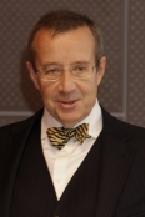
Toomas Hendrik Ilves
President since 9 October 2006
President since 9 October 2006
| TRAFFICKING IN PERSONS |
None reported.