
| ETHIOPIA Federal Democratic Republic of Ethiopia Ityop'iya Federalawi Demokrasiyawi Ripeblik Joined United Nations: 13 November 1945 Human Rights as assured by their constitution Click here Updated 26 November 2012 |

| CAPITAL |
| POPULATION |
| CHIEF OF STATE |
| SELECTION PROCESS |
Addis Ababa
91,195,675
note: estimates for this country explicitly take into account the effects of
excess mortality due to AIDS; this can result in lower life expectancy, higher
infant mortality and death rates, lower population and growth rates, and
changes in the distribution of population by age and sex than would otherwise
be expected (July 2012 est.)
note: estimates for this country explicitly take into account the effects of
excess mortality due to AIDS; this can result in lower life expectancy, higher
infant mortality and death rates, lower population and growth rates, and
changes in the distribution of population by age and sex than would otherwise
be expected (July 2012 est.)
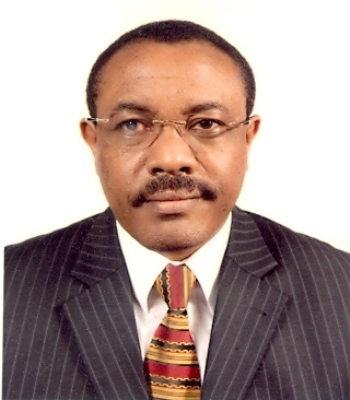
Hailemariam Desalegn
Prime Minister since August 1995
Prime Minister since August 1995
President elected by the House of People's Representatives for a
six-year term (eligible for a second term); election last held 9
October 2007
Next scheduled election: October 2013
six-year term (eligible for a second term); election last held 9
October 2007
Next scheduled election: October 2013
HEAD OF GOVERNMENT
SELECTION PROCESS
Prime Minister designated by the party in power following
legislative elections; election last held 23 May 2010
Next scheduled election: 2015
legislative elections; election last held 23 May 2010
Next scheduled election: 2015
| DECLARATION OF HUMAN RIGHTS |
| ETHNIC GROUPS |
Oromo 34.5%, Amara 26.9%, Somalie 6.2%, Tigraway 6.1%, Sidama 4%, Guragie 2.5%, Welaita 2.3%, Hadiya 1.7%, Affar
1.7%, Gamo 1.5%, Gedeo 1.3%, other 11.3% (2007 Census)
1.7%, Gamo 1.5%, Gedeo 1.3%, other 11.3% (2007 Census)
| RELIGIONS |
Orthodox 43.5%, Muslim 33.9%, Protestant 18.6%, traditional 2.6%, Catholic 0.7%, other 0.7% (2007 Census)
| GOVERNMENT STRUCTURE |
Federal republic with 9 ethnically-based states (kililoch, singular - kilil) and 2 self-governing administrations* (astedaderoch, singular
- astedader); Legal system is based on civil law; currently transitional mix of national and regional courts; has not accepted
compulsory ICJ jurisdiction
Executive: President elected by the House of People's Representatives for a six-year term (eligible for a second term); election last
held 9 October 2007 (next to be held in October 2013); Prime Minister designated by the party in power following legislative
elections
Legislative: Bicameral Parliament consists of the House of Federation (or upper chamber) (108 seats; members are chosen by
state assemblies to serve five-year terms) and the House of People's Representatives (or lower chamber) (547 seats; members are
directly elected by popular vote from single-member districts to serve five-year terms)
elections: last held 23 May 2010 (next to be held in 2015
Judicial: Federal Supreme Court (the president and vice president of the Federal Supreme Court are recommended by the prime
minister and appointed by the House of People's Representatives; for other federal judges, the prime minister submits to the House
of People's Representatives for appointment candidates selected by the Federal Judicial Administrative Council)
- astedader); Legal system is based on civil law; currently transitional mix of national and regional courts; has not accepted
compulsory ICJ jurisdiction
Executive: President elected by the House of People's Representatives for a six-year term (eligible for a second term); election last
held 9 October 2007 (next to be held in October 2013); Prime Minister designated by the party in power following legislative
elections
Legislative: Bicameral Parliament consists of the House of Federation (or upper chamber) (108 seats; members are chosen by
state assemblies to serve five-year terms) and the House of People's Representatives (or lower chamber) (547 seats; members are
directly elected by popular vote from single-member districts to serve five-year terms)
elections: last held 23 May 2010 (next to be held in 2015
Judicial: Federal Supreme Court (the president and vice president of the Federal Supreme Court are recommended by the prime
minister and appointed by the House of People's Representatives; for other federal judges, the prime minister submits to the House
of People's Representatives for appointment candidates selected by the Federal Judicial Administrative Council)
| LANGUAGES |
Oromigna (official regional) 33.8%, Amarigna (Amharic) (official) 29.3%, Somaligna 6.2%, Tigrigna (official regional) 5.9%,
Sidamigna 4%, Wolayitigna 2.2%, Guaragigna 2%, Affarigna 1.7%, Hadiyigna 1.7%, Gamogna 1.5%, other 11.7%, English
(official) (major foreign language taught in schools), Arabic (official) (1994 census)
Sidamigna 4%, Wolayitigna 2.2%, Guaragigna 2%, Affarigna 1.7%, Hadiyigna 1.7%, Gamogna 1.5%, other 11.7%, English
(official) (major foreign language taught in schools), Arabic (official) (1994 census)
| BRIEF HISTORY |
Ethiopia is the oldest independent country in Africa, with one of the longest recorded histories in the world. Ethiopia has seen human
habitation for longer than almost anywhere else in the world, possibly being the location where Homo sapiens evolved. The first
records of Ethiopia proper come from Egyptian traders from about 3000 BC, who refer to lands south of Nubia or Cush as Punt
and Yam. Most Ethiopianists trace the history of modern Ethiopia from the time of arrival of Sabaeans. Only a few historians insist
on the link of modern Ethiopia to pre-Sabaean original Cush people. Such is the link to the D'mt kingdom. Around 800 BC the
kingdom of D’mt arose in Ethiopia, centering around Yeha (thought to be its capital) in northern Ethiopia. Traditions in the early
churches of Ethiopia indicates that much of the country once embraced Jewish beliefs and culture as part of its religious system. It is
possible that Judaism may have entered (modern-day) Ethiopia as early as the 8th century BCE either through Egypt (southward
across Nubia) or because of trade links along the Red Sea coast. Sometime in the early medieval era, the Ethiopian Orthodox
Church Towahido has produced some details to the Biblical record of visit to the King of Israel by the Queen of Sheba. The
Ethiopian version of the story details an affair between King Solomon of Israel and Makeda supposedly the name of the Queen of
Saba, or Queen of Sheba. The first verifiable kingdom of great power to rise in Ethiopia was that of Axum in the first century AD. It
was one of many successor kingdoms to D'mt and was able to unite the northern Ethiopian plateau beginning around the first
century BC. They established bases on the northern highlands of the Ethiopian Plateau and from there expanded southward. The
Persian religious figure Mani listed Axum with Rome, Persia, and China as one of the four great powers of his time. Christianity was
introduced into the country by Frumentius, who was consecrated first bishop of Ethiopia by Saint Athanasius of Alexandria about
330. Frumentius converted Ezana, who has left several inscriptions detailing his reign both before and after his conversion. The end
of the Axumite Kingdom is as much of a mystery as its beginning. Lacking a detailed history, the kingdom's fall has been attributed
to a persistent drought, overgrazing, deforestation, plague, a shift in trade routes that reduced the importance of the Red Sea -- or a
combination of these factors. About 1000 (presumably c 960), a non-Christian princess, Yodit ("Gudit", a play on Yodit meaning
evil), conspired to murder all the members of the royal family and establish herself as monarch. According to legends, during the
execution of the royals, an infant heir of the Axumite monarch was carted off by some faithful adherents, and conveyed to Shewa,
where his authority was acknowledged, while Yodit reigned for forty years over the rest of the kingdom, and transmitted the crown
to her descendants. Around 1270, a new dynasty was established in the Abyssinian highlands under Yekuno Amlak who deposed
the last of the Zagwe kings and married one of their daughters. According to legends, the new dynasty were male-line descendants
of Axumite monarchs, now recognized as the continuing Solomonic dynasty (the kingdom being thus restored to the biblical royal
house). Towards the close of the 15th century the Portuguese missions into Ethiopia began. A belief had long prevailed in Europe of
the existence of a Christian kingdom in the far east, whose monarch was known as Prester John, and various expeditions had been
sent in quest of it. Among others engaged in this search was Pero da Covilhã, who arrived in Ethiopia in 1490, and, believing that he
had at length reached the far-famed kingdom, presented to the [nəgusä nägäst] of the country, a letter from his master the king of
Portugal, addressed to Prester John. Between 1528 and 1540 armies of Muslims, under the Imam Ahmad ibn Ibrihim al-Ghazi,
entered Ethiopia from the low country to the south-east, and overran the kingdom, obliging the emperor to take refuge in the
mountain fastnesses. In this extremity recourse was again had to the Portuguese. The Jesuits who had accompanied or followed the
da Gama expedition into Ethiopia, and fixed their headquarters at Fremona (near Adwa), were oppressed and neglected, but not
actually expelled. In the beginning of the 17th century Father Pedro Páez arrived at Fremona, a man of great tact and judgment,
who soon rose into high favour at court, and gained over the emperor to his faith. Some historians date the murder of Iyasu I, and
the resultant decline in the prestige of the dynasty, as the beginning of the Ethiopian Zemene Mesafint ("Era of the Princes",) a time
of disorder when the power of the monarchy was eclipsed by the power of local warlords. This bitter religious conflict contributed
to hostility toward foreign Christians and Europeans, which persisted into the 20th century and was a factor in Ethiopia's isolation
until the mid-19th century, when the first British mission, sent in 1805 to conclude an alliance with Ethiopia and obtain a port on the
Red Sea in case France conquered Egypt. The success of this mission opened Ethiopia to many more travellers, missionaries and
merchants of all countries, and the stream of Europeans continued until well into Tewodros's reign. This isolation was pierced by
very few European travellers. One was the French physician C.J. Poncet, who went there in 1698, via Sennar and the Blue Nile.
After him James Bruce entered the country in 1769, with the object of discovering the sources of the Nile, which he was convinced
lay in Ethiopia. Under the Emperors Tewodros II (1855 - 1868), Yohannes IV (1872 - 1889), and Menelek II (1889 - 1913), the
kingdom began to emerge from its medieval isolation. Ethiopia was the last country of Africa to be colonized by European powers.
Only in the first half of the XX century Italy was able to conquer and colonize Ethiopia (with the Italian invasion of 1935 that
originated a brief occupation between 1936 and 1941). Several colonial powers had interests and designs on Ethiopia in the context
of the "Scramble for Africa." When Victoria, Queen of the United Kingdom, in 1867 failed to answer a letter Tewodros II of
Ethiopia had sent her, he took it as an insult and imprisoned several British residents, including the consul. An army of 12,000 was
sent from Bombay to Ethiopia to rescue the captured nationals, under the command of Sir Robert Napier. The Ethiopians were
defeated, and the British stormed the fortress of Magdala (now known as Amba Mariam) on April 13, 1868. When the Emperor
heard that the gate had fallen, he fired a pistol into his mouth and killed himself. Sir Robert Napier was raised to the peerage, and
given the title of Lord Napier of Magdala. Upon the death of Empress Zauditu in 1930, Ras Tafari Makonnen, adopting the throne
name Haile Selassie, was crowned Emperor Haile Selassie I of Ethiopia. His full title was "His Imperial Majesty Haile Selassie I,
Conquering Lion of the Tribe of Judah, King of Kings of Ethiopia and Elect of God." After WWII, Emperor Selassie exerted
numerous efforts to promote the modernization of his nation. The country's first important school of higher education, University
College of Addis Ababa, was founded in 1950. The Constitution of 1931 was replaced with a new one in 1955. After a period of
civil unrest which began in February 1974, the aging Emperor Haile Selassie I was deposed. On September 12, 1974, a provisional
administrative council of soldiers, known as the Derg ("committee") seized power from the emperor and installed a government
which was socialist in name and military in style. Lt. Col. Mengistu Haile Mariam assumed power as head of state and Derg
chairman, after having his two predecessors killed, as well as tens of thousands of other suspected opponents. The new Marxist
government undertook socialist reforms, including nationalisation of landlords' and church's property. From 1977 through early
1978, thousands of suspected enemies of the Derg were tortured and/or killed in a purge called the "red terror." In May 1991,
EPRDF forces advanced on Addis Ababa. Eritrea separated from Ethiopia following the fall of the Derg in 1991, after a long
independentist war.In 1994, a new constitution was written that formed a bicameral legislature and a judicial system. In 1998, a
border dispute with Ethiopia led to the Eritrean-Ethiopian War, which killed thousands of soldiers from both countries. While the
war hurt the nation's economy, it also strengthened the ruling coalition. The border war ended in 2000 with a negotiated agreement
known as the Algiers Agreement. With the collapse of the Soviet Union, and with the rise of radical Islamism, Ethiopia again turned
to the Western powers for alliance and assistance. In 2006, an Islamic organisation seen by many as having ties with al-Qaeda, the
Islamic Courts Union, spread rapidly in Somalia. Ethiopian troops continued to occupy Somalia in 2007 as a growing resistance
begun to build up. Human Rights Watch accused Ethiopia of various abuses including indiscriminate killing of civilians during the
2007 battle in Mogadishu. Ethiopian forces pulled out of Somalia in January 2009, leaving a small African Union force and smaller
Somali Transitional Government force to maintain the peace. Reports immediately emerged of religious fundamentalist forces
occupying one of two former Ethiopian bases in Mogadishu shortly after withdrawal.
Source: Wikipedia: History of Ethiopia
habitation for longer than almost anywhere else in the world, possibly being the location where Homo sapiens evolved. The first
records of Ethiopia proper come from Egyptian traders from about 3000 BC, who refer to lands south of Nubia or Cush as Punt
and Yam. Most Ethiopianists trace the history of modern Ethiopia from the time of arrival of Sabaeans. Only a few historians insist
on the link of modern Ethiopia to pre-Sabaean original Cush people. Such is the link to the D'mt kingdom. Around 800 BC the
kingdom of D’mt arose in Ethiopia, centering around Yeha (thought to be its capital) in northern Ethiopia. Traditions in the early
churches of Ethiopia indicates that much of the country once embraced Jewish beliefs and culture as part of its religious system. It is
possible that Judaism may have entered (modern-day) Ethiopia as early as the 8th century BCE either through Egypt (southward
across Nubia) or because of trade links along the Red Sea coast. Sometime in the early medieval era, the Ethiopian Orthodox
Church Towahido has produced some details to the Biblical record of visit to the King of Israel by the Queen of Sheba. The
Ethiopian version of the story details an affair between King Solomon of Israel and Makeda supposedly the name of the Queen of
Saba, or Queen of Sheba. The first verifiable kingdom of great power to rise in Ethiopia was that of Axum in the first century AD. It
was one of many successor kingdoms to D'mt and was able to unite the northern Ethiopian plateau beginning around the first
century BC. They established bases on the northern highlands of the Ethiopian Plateau and from there expanded southward. The
Persian religious figure Mani listed Axum with Rome, Persia, and China as one of the four great powers of his time. Christianity was
introduced into the country by Frumentius, who was consecrated first bishop of Ethiopia by Saint Athanasius of Alexandria about
330. Frumentius converted Ezana, who has left several inscriptions detailing his reign both before and after his conversion. The end
of the Axumite Kingdom is as much of a mystery as its beginning. Lacking a detailed history, the kingdom's fall has been attributed
to a persistent drought, overgrazing, deforestation, plague, a shift in trade routes that reduced the importance of the Red Sea -- or a
combination of these factors. About 1000 (presumably c 960), a non-Christian princess, Yodit ("Gudit", a play on Yodit meaning
evil), conspired to murder all the members of the royal family and establish herself as monarch. According to legends, during the
execution of the royals, an infant heir of the Axumite monarch was carted off by some faithful adherents, and conveyed to Shewa,
where his authority was acknowledged, while Yodit reigned for forty years over the rest of the kingdom, and transmitted the crown
to her descendants. Around 1270, a new dynasty was established in the Abyssinian highlands under Yekuno Amlak who deposed
the last of the Zagwe kings and married one of their daughters. According to legends, the new dynasty were male-line descendants
of Axumite monarchs, now recognized as the continuing Solomonic dynasty (the kingdom being thus restored to the biblical royal
house). Towards the close of the 15th century the Portuguese missions into Ethiopia began. A belief had long prevailed in Europe of
the existence of a Christian kingdom in the far east, whose monarch was known as Prester John, and various expeditions had been
sent in quest of it. Among others engaged in this search was Pero da Covilhã, who arrived in Ethiopia in 1490, and, believing that he
had at length reached the far-famed kingdom, presented to the [nəgusä nägäst] of the country, a letter from his master the king of
Portugal, addressed to Prester John. Between 1528 and 1540 armies of Muslims, under the Imam Ahmad ibn Ibrihim al-Ghazi,
entered Ethiopia from the low country to the south-east, and overran the kingdom, obliging the emperor to take refuge in the
mountain fastnesses. In this extremity recourse was again had to the Portuguese. The Jesuits who had accompanied or followed the
da Gama expedition into Ethiopia, and fixed their headquarters at Fremona (near Adwa), were oppressed and neglected, but not
actually expelled. In the beginning of the 17th century Father Pedro Páez arrived at Fremona, a man of great tact and judgment,
who soon rose into high favour at court, and gained over the emperor to his faith. Some historians date the murder of Iyasu I, and
the resultant decline in the prestige of the dynasty, as the beginning of the Ethiopian Zemene Mesafint ("Era of the Princes",) a time
of disorder when the power of the monarchy was eclipsed by the power of local warlords. This bitter religious conflict contributed
to hostility toward foreign Christians and Europeans, which persisted into the 20th century and was a factor in Ethiopia's isolation
until the mid-19th century, when the first British mission, sent in 1805 to conclude an alliance with Ethiopia and obtain a port on the
Red Sea in case France conquered Egypt. The success of this mission opened Ethiopia to many more travellers, missionaries and
merchants of all countries, and the stream of Europeans continued until well into Tewodros's reign. This isolation was pierced by
very few European travellers. One was the French physician C.J. Poncet, who went there in 1698, via Sennar and the Blue Nile.
After him James Bruce entered the country in 1769, with the object of discovering the sources of the Nile, which he was convinced
lay in Ethiopia. Under the Emperors Tewodros II (1855 - 1868), Yohannes IV (1872 - 1889), and Menelek II (1889 - 1913), the
kingdom began to emerge from its medieval isolation. Ethiopia was the last country of Africa to be colonized by European powers.
Only in the first half of the XX century Italy was able to conquer and colonize Ethiopia (with the Italian invasion of 1935 that
originated a brief occupation between 1936 and 1941). Several colonial powers had interests and designs on Ethiopia in the context
of the "Scramble for Africa." When Victoria, Queen of the United Kingdom, in 1867 failed to answer a letter Tewodros II of
Ethiopia had sent her, he took it as an insult and imprisoned several British residents, including the consul. An army of 12,000 was
sent from Bombay to Ethiopia to rescue the captured nationals, under the command of Sir Robert Napier. The Ethiopians were
defeated, and the British stormed the fortress of Magdala (now known as Amba Mariam) on April 13, 1868. When the Emperor
heard that the gate had fallen, he fired a pistol into his mouth and killed himself. Sir Robert Napier was raised to the peerage, and
given the title of Lord Napier of Magdala. Upon the death of Empress Zauditu in 1930, Ras Tafari Makonnen, adopting the throne
name Haile Selassie, was crowned Emperor Haile Selassie I of Ethiopia. His full title was "His Imperial Majesty Haile Selassie I,
Conquering Lion of the Tribe of Judah, King of Kings of Ethiopia and Elect of God." After WWII, Emperor Selassie exerted
numerous efforts to promote the modernization of his nation. The country's first important school of higher education, University
College of Addis Ababa, was founded in 1950. The Constitution of 1931 was replaced with a new one in 1955. After a period of
civil unrest which began in February 1974, the aging Emperor Haile Selassie I was deposed. On September 12, 1974, a provisional
administrative council of soldiers, known as the Derg ("committee") seized power from the emperor and installed a government
which was socialist in name and military in style. Lt. Col. Mengistu Haile Mariam assumed power as head of state and Derg
chairman, after having his two predecessors killed, as well as tens of thousands of other suspected opponents. The new Marxist
government undertook socialist reforms, including nationalisation of landlords' and church's property. From 1977 through early
1978, thousands of suspected enemies of the Derg were tortured and/or killed in a purge called the "red terror." In May 1991,
EPRDF forces advanced on Addis Ababa. Eritrea separated from Ethiopia following the fall of the Derg in 1991, after a long
independentist war.In 1994, a new constitution was written that formed a bicameral legislature and a judicial system. In 1998, a
border dispute with Ethiopia led to the Eritrean-Ethiopian War, which killed thousands of soldiers from both countries. While the
war hurt the nation's economy, it also strengthened the ruling coalition. The border war ended in 2000 with a negotiated agreement
known as the Algiers Agreement. With the collapse of the Soviet Union, and with the rise of radical Islamism, Ethiopia again turned
to the Western powers for alliance and assistance. In 2006, an Islamic organisation seen by many as having ties with al-Qaeda, the
Islamic Courts Union, spread rapidly in Somalia. Ethiopian troops continued to occupy Somalia in 2007 as a growing resistance
begun to build up. Human Rights Watch accused Ethiopia of various abuses including indiscriminate killing of civilians during the
2007 battle in Mogadishu. Ethiopian forces pulled out of Somalia in January 2009, leaving a small African Union force and smaller
Somali Transitional Government force to maintain the peace. Reports immediately emerged of religious fundamentalist forces
occupying one of two former Ethiopian bases in Mogadishu shortly after withdrawal.
Source: Wikipedia: History of Ethiopia
| ECONOMIC OVERVIEW |
Ethiopia's economy is based on agriculture, which accounts for 41% of GDP and 85% of total employment. Coffee has been a
major export crop. The agricultural sector suffers from poor cultivation practices and frequent drought, but recent joint efforts by the
Government of Ethiopia and donors have strengthened Ethiopia's agricultural resilience, contributing to a reduction in the number of
Ethiopians threatened with starvation. The five-year Growth and Transformation Plan that Ethiopia unveiled in October 2010
presents a government-led effort to achieve the country's ambitious development goals. The banking, insurance, and micro-credit
industries are restricted to domestic investors, but Ethiopia has attracted significant foreign investment in textiles, leather, commercial
agriculture and manufacturing. Under Ethiopia's constitution, the state owns all land and provides long-term leases to the tenants;
land use certificates are now being issued in some areas so that tenants have more recognizable rights to continued occupancy and
hence make more concerted efforts to improve their leaseholds. While GDP growth has remained high, per capita income is among
the lowest in the world.
Source: CIA World Factbook (select Ethiopia)
major export crop. The agricultural sector suffers from poor cultivation practices and frequent drought, but recent joint efforts by the
Government of Ethiopia and donors have strengthened Ethiopia's agricultural resilience, contributing to a reduction in the number of
Ethiopians threatened with starvation. The five-year Growth and Transformation Plan that Ethiopia unveiled in October 2010
presents a government-led effort to achieve the country's ambitious development goals. The banking, insurance, and micro-credit
industries are restricted to domestic investors, but Ethiopia has attracted significant foreign investment in textiles, leather, commercial
agriculture and manufacturing. Under Ethiopia's constitution, the state owns all land and provides long-term leases to the tenants;
land use certificates are now being issued in some areas so that tenants have more recognizable rights to continued occupancy and
hence make more concerted efforts to improve their leaseholds. While GDP growth has remained high, per capita income is among
the lowest in the world.
Source: CIA World Factbook (select Ethiopia)
| POLITICAL CLIMATE |
Since 1991, Ethiopia has established warm relations with the United States and western Europe and has sought substantial
economic aid from Western countries and the World Bank. In 2004, the government began a drive to move more than two million
people away from the arid highlands of the east, proposing that these resettlements would reduce food shortages.
Ethiopia held another general election in May 2005, which drew a record number of voters, with 90% of the electorate turning out
to cast their vote. While the European Union election observer team of Ana Maria Gomes deemed the elections to have fallen short
of international standards for fair and free elections, other teams drew totally different conclusions. The African Union report on
September 14 commended "the Ethiopian people's display of genuine commitment to democratic ideals".
The opposition complained that the ruling EPRDF engaged in widespread vote rigging and intimidation, alleging fraud in 299
constituencies. All allegations were investigated by the National Electoral Board of Ethiopia in cooperation with election monitors, a
process which delayed the release of the final results. In June 2005, with the results of the election still unclear, a group of university
students protested these alleged discrepancies, encouraged by supporters of the Coalition for Unity opposition party, despite a ban
on protests imposed by the government. On June 8, 26 people were killed in Addis Ababa as a result of rioting, which led to the
arrest of hundreds of protesters. By February 2006, six hundred remained in custody, facing trial in March.
Following the death of Ethiopia's long-time Prime Minister Meles Zenawi on 20 August 2012, Deputy PM Hailemariam was
appointed as the acting Premier. Hailemariam later became the permanent Prime Minister on 21 September 2012.
Source: Wikipedia: Politics of Ethiopia
economic aid from Western countries and the World Bank. In 2004, the government began a drive to move more than two million
people away from the arid highlands of the east, proposing that these resettlements would reduce food shortages.
Ethiopia held another general election in May 2005, which drew a record number of voters, with 90% of the electorate turning out
to cast their vote. While the European Union election observer team of Ana Maria Gomes deemed the elections to have fallen short
of international standards for fair and free elections, other teams drew totally different conclusions. The African Union report on
September 14 commended "the Ethiopian people's display of genuine commitment to democratic ideals".
The opposition complained that the ruling EPRDF engaged in widespread vote rigging and intimidation, alleging fraud in 299
constituencies. All allegations were investigated by the National Electoral Board of Ethiopia in cooperation with election monitors, a
process which delayed the release of the final results. In June 2005, with the results of the election still unclear, a group of university
students protested these alleged discrepancies, encouraged by supporters of the Coalition for Unity opposition party, despite a ban
on protests imposed by the government. On June 8, 26 people were killed in Addis Ababa as a result of rioting, which led to the
arrest of hundreds of protesters. By February 2006, six hundred remained in custody, facing trial in March.
Following the death of Ethiopia's long-time Prime Minister Meles Zenawi on 20 August 2012, Deputy PM Hailemariam was
appointed as the acting Premier. Hailemariam later became the permanent Prime Minister on 21 September 2012.
Source: Wikipedia: Politics of Ethiopia
| INTERNATIONAL DISPUTES |
Eritrea and Ethiopia agreed to abide by the 2002 Eritrea-Ethiopia Boundary Commission's (EEBC) delimitation decision, but
neither party responded to the revised line detailed in the November 2006 EEBC Demarcation Statement; UN Peacekeeping
Mission to Ethiopia and Eritrea (UNMEE), which has monitored the 25-km-wide Temporary Security Zone in Eritrea since 2000,
is extended for six months in 2007 despite Eritrean restrictions on its operations and reduced force of 17,000; the undemarcated
former British administrative line has little meaning as a political separation to rival clans within Ethiopia's Ogaden and southern
Somalia's Oromo region; Ethiopian forces invaded southern Somalia and routed Islamist Courts from Mogadishu in January 2007;
"Somaliland" secessionists provide port facilities in Berbera and trade ties to landlocked Ethiopia; civil unrest in eastern Sudan has
hampered efforts to demarcate the porous boundary with Ethiopia
neither party responded to the revised line detailed in the November 2006 EEBC Demarcation Statement; UN Peacekeeping
Mission to Ethiopia and Eritrea (UNMEE), which has monitored the 25-km-wide Temporary Security Zone in Eritrea since 2000,
is extended for six months in 2007 despite Eritrean restrictions on its operations and reduced force of 17,000; the undemarcated
former British administrative line has little meaning as a political separation to rival clans within Ethiopia's Ogaden and southern
Somalia's Oromo region; Ethiopian forces invaded southern Somalia and routed Islamist Courts from Mogadishu in January 2007;
"Somaliland" secessionists provide port facilities in Berbera and trade ties to landlocked Ethiopia; civil unrest in eastern Sudan has
hampered efforts to demarcate the porous boundary with Ethiopia


| REFUGEES AND INTERNALLY DISPLACED PERSONS (IDPS) |
Refugees (country of origin): 66,980 (Sudan); 16,576 (Somalia); 13,078 (Eritrea)
IDPs: 200,000 (border war with Eritrea from 1998-2000, ethnic clashes in Gambela, and ongoing Ethiopian military
counterinsurgency in Somali region; most IDPs are in Tigray and Gambela Provinces) (2007)
IDPs: 200,000 (border war with Eritrea from 1998-2000, ethnic clashes in Gambela, and ongoing Ethiopian military
counterinsurgency in Somali region; most IDPs are in Tigray and Gambela Provinces) (2007)
| ILLICIT DRUGS |
Transit hub for heroin originating in Southwest and Southeast Asia and destined for Europe, as well as cocaine destined for
markets in southern Africa; cultivates qat (khat) for local use and regional export, principally to Djibouti and Somalia (legal in all
three countries); the lack of a well-developed financial system limits the country's utility as a money laundering center.
markets in southern Africa; cultivates qat (khat) for local use and regional export, principally to Djibouti and Somalia (legal in all
three countries); the lack of a well-developed financial system limits the country's utility as a money laundering center.
| HUMAN RIGHTS STATEMENTS, ANALYSIS AND CRITIQUES |
2011 Human Rights Reports: Ethiopia
Bureau of Democracy, Human Rights, and Labor
2011 Country Reports on Human Rights Practices
May 25, 2012
Ethiopia is a federal republic led by Prime Minister Meles Zenawi and the Ethiopian People’s Revolutionary Democratic Front (EPRDF).
In national parliamentary elections in May 2010, the EPRDF and affiliated parties won 545 of 547 seats to remain in power for a fourth
consecutive five-year term. The EPRDF is made up of four ethnically based political organizations: the Tigrayan People’s Liberation
Front, Amhara National Democratic Movement, Oromo People’s Democratic Organization, and Southern Ethiopian People’s Democratic
Movement. Although the relatively few international officials allowed to observe the elections concluded that technical aspects of the
vote were handled competently, some also noted that an environment conducive to free and fair elections was not in place prior to
election day. Several laws, regulations, and procedures implemented since the 2005 national elections created a clear advantage for the
EPRDF throughout the electoral process. Security forces generally reported to civilian authorities; however, there were instances in
which special police and local militias acted independently of civilian control.
The most significant human rights problems included the government's arrest of more than 100 opposition political figures, activists,
journalists, and bloggers. The government charged 14 of those arrested under the antiterrorism proclamation. In addition it charged
another 17 persons outside the country in absentia under this proclamation. The government restricted freedom of the press, and fear of
harassment and arrest led journalists to practice self-censorship. The Charities and Societies Proclamation (CSO law) continued to
impose severe restrictions on civil society and nongovernmental organization (NGO) activities.
Other human rights problems included torture, beating, abuse, and mistreatment of detainees by security forces; harsh and at times life-
threatening prison conditions; arbitrary arrest and detention; detention without charge and lengthy pretrial detention; infringement on
citizens’ privacy rights, including illegal searches; allegations of abuses in connection with the continued low-level conflict in parts of the
Somali region; restrictions on freedom of assembly, association, and movement; police, administrative, and judicial corruption; violence
and societal discrimination against women and abuse of children; female genital mutilation (FGM); exploitation of children for economic
and sexual purposes; trafficking in persons; societal discrimination against persons with disabilities; clashes between ethnic minorities;
discrimination against persons based on their sexual orientation and against persons with HIV/AIDS; limits on worker rights; forced
labor; and child labor, including forced child labor.
Impunity was a problem. The government did not take steps to prosecute or otherwise punish officials who committed abuses other
than corruption.
The Ogaden National Liberation Front (ONLF), an ethnically based, violent, and increasingly fragmented separatist group operating in the
Somali region, was responsible for abuses.
Click here to read more »
Bureau of Democracy, Human Rights, and Labor
2011 Country Reports on Human Rights Practices
May 25, 2012
Ethiopia is a federal republic led by Prime Minister Meles Zenawi and the Ethiopian People’s Revolutionary Democratic Front (EPRDF).
In national parliamentary elections in May 2010, the EPRDF and affiliated parties won 545 of 547 seats to remain in power for a fourth
consecutive five-year term. The EPRDF is made up of four ethnically based political organizations: the Tigrayan People’s Liberation
Front, Amhara National Democratic Movement, Oromo People’s Democratic Organization, and Southern Ethiopian People’s Democratic
Movement. Although the relatively few international officials allowed to observe the elections concluded that technical aspects of the
vote were handled competently, some also noted that an environment conducive to free and fair elections was not in place prior to
election day. Several laws, regulations, and procedures implemented since the 2005 national elections created a clear advantage for the
EPRDF throughout the electoral process. Security forces generally reported to civilian authorities; however, there were instances in
which special police and local militias acted independently of civilian control.
The most significant human rights problems included the government's arrest of more than 100 opposition political figures, activists,
journalists, and bloggers. The government charged 14 of those arrested under the antiterrorism proclamation. In addition it charged
another 17 persons outside the country in absentia under this proclamation. The government restricted freedom of the press, and fear of
harassment and arrest led journalists to practice self-censorship. The Charities and Societies Proclamation (CSO law) continued to
impose severe restrictions on civil society and nongovernmental organization (NGO) activities.
Other human rights problems included torture, beating, abuse, and mistreatment of detainees by security forces; harsh and at times life-
threatening prison conditions; arbitrary arrest and detention; detention without charge and lengthy pretrial detention; infringement on
citizens’ privacy rights, including illegal searches; allegations of abuses in connection with the continued low-level conflict in parts of the
Somali region; restrictions on freedom of assembly, association, and movement; police, administrative, and judicial corruption; violence
and societal discrimination against women and abuse of children; female genital mutilation (FGM); exploitation of children for economic
and sexual purposes; trafficking in persons; societal discrimination against persons with disabilities; clashes between ethnic minorities;
discrimination against persons based on their sexual orientation and against persons with HIV/AIDS; limits on worker rights; forced
labor; and child labor, including forced child labor.
Impunity was a problem. The government did not take steps to prosecute or otherwise punish officials who committed abuses other
than corruption.
The Ogaden National Liberation Front (ONLF), an ethnically based, violent, and increasingly fragmented separatist group operating in the
Somali region, was responsible for abuses.
Click here to read more »
31 May 2012
Committee on Economic, Social and Cultural Rights
Forty-eighth session
30 April-18 May 2012
Consideration of reports submitted by States parties under articles 16 and 17 of the Covenant
Concluding observations of the Committee on Economic, Social and Cultural Rights
Ethiopia
A. Introduction
2. The Committee welcomes the submission of the combined initial, second and third periodic reports of Ethiopia, although
regrettably submitted with a significant delay, and notes the replies to the list of issues, made available to the Committee only on the day
prior to the dialogue with the State party’s delegation.
3. The Committee welcomes the initial and frank dialogue it had with the delegation of the State party, but regrets the absence of
experts from relevant ministries and Government departments, who could have provided it with detailed information concerning the
enjoyment of Covenant rights in the State party and the challenges faced by the State party in the full implementation of the Covenant.
B. Positive aspects
4. The Committee notes with appreciation efforts made by the State party in promoting the implementation of economic, social and
cultural rights. The Committee welcomes in particular:
(a) The significant poverty reduction achieved since 2004, as a result of the prioritization of poverty reduction in the State party’s
development policies, strategies and programmes;
(b) The establishment of a National Steering Committee against Sexual Exploitation of Children and the formulation of an Action
Plan on Sexual Abuse and Exploitation of Children 2006-2010;
C. Principal subjects of concern and recommendations
5. The Committee acknowledges with appreciation that the State party continues to host a large number of refugees from countries
within the region, including Sudan, Kenya and Somalia.
6. The Committee welcomes the 1994 Constitution, which reflects the importance accorded, in the legal order of the State party, to
the prohibition on racial discrimination, including during times of national emergency.
D. Concerns and recommendations
5. The Committee is concerned that despite the constitutional provision making international agreements ratified by the State party
an integral part of the law of the land, no information has been made available illustrating the actual application of the Covenant. This
might indicate that the International Covenant on Economic, Social and Cultural Rights has not been invoked nor applied by the courts.
The Committee requests the State party to submit in its next periodic report detailed information on cases before the courts in which the
Covenant provided the legal basis for or was invoked in the court decisions.
6. The Committee notes with concern that the Ethiopian Human Rights Commission has not yet applied for accreditation with the
International Coordinating Committee of National Institutions for the Promotion and Protection of Human Rights. The Committee is
concerned about the level of compliance of the Ethiopian Human Rights Commission with the Paris Principles.
The Committee recommends that the State party take all the necessary steps in order to ensure that the status of the Ethiopian Human
Rights Commission, including mandate, independence, and capacities, fully complies with the Paris Principles.
Click here to read more »
Committee on Economic, Social and Cultural Rights
Forty-eighth session
30 April-18 May 2012
Consideration of reports submitted by States parties under articles 16 and 17 of the Covenant
Concluding observations of the Committee on Economic, Social and Cultural Rights
Ethiopia
A. Introduction
2. The Committee welcomes the submission of the combined initial, second and third periodic reports of Ethiopia, although
regrettably submitted with a significant delay, and notes the replies to the list of issues, made available to the Committee only on the day
prior to the dialogue with the State party’s delegation.
3. The Committee welcomes the initial and frank dialogue it had with the delegation of the State party, but regrets the absence of
experts from relevant ministries and Government departments, who could have provided it with detailed information concerning the
enjoyment of Covenant rights in the State party and the challenges faced by the State party in the full implementation of the Covenant.
B. Positive aspects
4. The Committee notes with appreciation efforts made by the State party in promoting the implementation of economic, social and
cultural rights. The Committee welcomes in particular:
(a) The significant poverty reduction achieved since 2004, as a result of the prioritization of poverty reduction in the State party’s
development policies, strategies and programmes;
(b) The establishment of a National Steering Committee against Sexual Exploitation of Children and the formulation of an Action
Plan on Sexual Abuse and Exploitation of Children 2006-2010;
C. Principal subjects of concern and recommendations
5. The Committee acknowledges with appreciation that the State party continues to host a large number of refugees from countries
within the region, including Sudan, Kenya and Somalia.
6. The Committee welcomes the 1994 Constitution, which reflects the importance accorded, in the legal order of the State party, to
the prohibition on racial discrimination, including during times of national emergency.
D. Concerns and recommendations
5. The Committee is concerned that despite the constitutional provision making international agreements ratified by the State party
an integral part of the law of the land, no information has been made available illustrating the actual application of the Covenant. This
might indicate that the International Covenant on Economic, Social and Cultural Rights has not been invoked nor applied by the courts.
The Committee requests the State party to submit in its next periodic report detailed information on cases before the courts in which the
Covenant provided the legal basis for or was invoked in the court decisions.
6. The Committee notes with concern that the Ethiopian Human Rights Commission has not yet applied for accreditation with the
International Coordinating Committee of National Institutions for the Promotion and Protection of Human Rights. The Committee is
concerned about the level of compliance of the Ethiopian Human Rights Commission with the Paris Principles.
The Committee recommends that the State party take all the necessary steps in order to ensure that the status of the Ethiopian Human
Rights Commission, including mandate, independence, and capacities, fully complies with the Paris Principles.
Click here to read more »
U.N. Elects Human Rights' Foes to the Human Rights Council
Nov 13 2012 - 2:38pm
The reelection of the United States to the United Nations Human Rights Council was a positive development in a largely disappointing
election by the UN General Assembly (UNGA) yesterday, in which seven countries with poor human rights records—Cote d’Ivoire,
Ethiopia, Gabon, Kazakhstan, Pakistan, the United Arab Emirates, and Venezuela—were also elected.
According to a Freedom House assessment of the candidates, of the 16 new Council members elected, the above-named seven clearly
fail to meet the Council’s criteria for membership which states that members should “uphold the highest standards in the promotion and
protection of human rights.” All were elected with an overwhelming majority. Council members are elected by the full UNGA in a secret
ballot, with the five regional groups each presenting a slate of candidates. All regional groups, with the exception of the Western Europe
and Other States Group, which includes the United States, ran “clean slates,” meaning that unqualified candidates ran unopposed and
were virtually guaranteed a seat on the Council.
“The election of human-rights abusing countries such as Ethiopia, Pakistan, and Venezuela flies in the face of the very values that the
Council was created to uphold. Their election hurts the Council’s credibility,” said Sarah Trister, author of the report and manager of
congressional affairs at Freedom House. “If every regional group ran a competitive slate for the Council, states would have a real choice
and countries with poor human rights records would be discouraged from throwing their hat in the ring.”
In the past two years, the Council has made notable progress in addressing some of the world’s most pressing human rights concerns,
due in large part to U.S. engagement. The U.S. played an influential role in pushing the body to tackle the horrific human rights situations
in Syria, Libya, Iran and Belarus. It has also guided increased efforts to address global issues of concern including internet freedom and
freedom of association as well as helping to stymie efforts to ban blasphemy under international law.
“The United States is a positive force at the UN Human Rights Council and its leadership at the Council has made a real difference,” said
Daniel Calingaert, executive vice president at Freedom House. “Freedom House welcomes the U.S. reelection and hopes to see this
progress continue in its next term.”
The following countries were also elected to the Council: Brazil, Kenya, Sierra Leone, Argentina, Estonia, Germany, Ireland, Japan,
Montenegro, and South Korea.
Click here to read more »
Nov 13 2012 - 2:38pm
The reelection of the United States to the United Nations Human Rights Council was a positive development in a largely disappointing
election by the UN General Assembly (UNGA) yesterday, in which seven countries with poor human rights records—Cote d’Ivoire,
Ethiopia, Gabon, Kazakhstan, Pakistan, the United Arab Emirates, and Venezuela—were also elected.
According to a Freedom House assessment of the candidates, of the 16 new Council members elected, the above-named seven clearly
fail to meet the Council’s criteria for membership which states that members should “uphold the highest standards in the promotion and
protection of human rights.” All were elected with an overwhelming majority. Council members are elected by the full UNGA in a secret
ballot, with the five regional groups each presenting a slate of candidates. All regional groups, with the exception of the Western Europe
and Other States Group, which includes the United States, ran “clean slates,” meaning that unqualified candidates ran unopposed and
were virtually guaranteed a seat on the Council.
“The election of human-rights abusing countries such as Ethiopia, Pakistan, and Venezuela flies in the face of the very values that the
Council was created to uphold. Their election hurts the Council’s credibility,” said Sarah Trister, author of the report and manager of
congressional affairs at Freedom House. “If every regional group ran a competitive slate for the Council, states would have a real choice
and countries with poor human rights records would be discouraged from throwing their hat in the ring.”
In the past two years, the Council has made notable progress in addressing some of the world’s most pressing human rights concerns,
due in large part to U.S. engagement. The U.S. played an influential role in pushing the body to tackle the horrific human rights situations
in Syria, Libya, Iran and Belarus. It has also guided increased efforts to address global issues of concern including internet freedom and
freedom of association as well as helping to stymie efforts to ban blasphemy under international law.
“The United States is a positive force at the UN Human Rights Council and its leadership at the Council has made a real difference,” said
Daniel Calingaert, executive vice president at Freedom House. “Freedom House welcomes the U.S. reelection and hopes to see this
progress continue in its next term.”
The following countries were also elected to the Council: Brazil, Kenya, Sierra Leone, Argentina, Estonia, Germany, Ireland, Japan,
Montenegro, and South Korea.
Click here to read more »
2 November 2012
Ethiopia: Government continues to target peaceful Muslim protest movement
The Ethiopian authorities are committing human rights violations in response to the ongoing Muslim protest movement in the country.
Large numbers of protestors have been arrested, many of whom remain in detention. There are also numerous reports of police using
excessive force against peaceful demonstrators. Key figures within the movement have been charged with terrorism offences. Most of
those arrested and charged appear to have been targeted solely because of their participation in a peaceful protest movement.
Tens of thousands of Muslims have participated in regular peaceful protests throughout 2012, opposing alleged government interference
in Islamic affairs. Protestors accuse the government of attempting to impose the teachings of the Al Ahbash sect of Islam on the Muslim
community and of interference in elections for the Supreme Council of Islamic Affairs. Ethiopia’s Constitution prohibits state
involvement in religious affairs. The Constitution also contains an expansive provision on the right to peacefully protest, which is
routinely flouted by the authorities.
Allegations of excessive use of force by police
An incident that occurred in Gerba town, in the South Wollo zone of the Amhara region, on Sunday 21 October -during which police
officers fired on civilians, killing at least three people and injuring others - raises serious questions about the use of deadly force against
protestors. In speaking about the incident to the media, the government confirmed the three deaths but claimed that protestors had
attacked a police station armed with machetes and hand guns to try to secure the release of another protestor who had been arrested
earlier in the day. The government also stated that a police officer was killed in the alleged attack. However, the protestors report that
they had peacefully demanded and secured the release of the arrested person during the morning of 21 October and the protest had
subsequently dispersed. Later in the day federal police, called in as reinforcements, arrived at the mosque in Gerba town and opened fire,
targeting people coming out of the mosque as well as others in the vicinity. One man told Amnesty International that he had seen a police
officer killed in the ensuing violence. Other witnesses said they could not confirm any police deaths. An unknown number of arrests are
reported to have taken place during the incident on 21 October and more arrests reportedly occurred in the aftermath of the incident,
including the arrests of people who spoke to the media about events.
Amnesty International has previously reported on similar, incidents of police allegedly using excessive force. In July Amnesty
International called for an investigation into two incidents – at Awalia and Anwar mosques in Addis Ababa – in relation to which
numerous allegations were made about excessive use of force by police, including firing live ammunition and beating protestors in the
street and in detention, resulting in many injuries among protestors. However, no investigation has taken place to Amnesty International’s
knowledge.
Click here to read more »
Ethiopia: Government continues to target peaceful Muslim protest movement
The Ethiopian authorities are committing human rights violations in response to the ongoing Muslim protest movement in the country.
Large numbers of protestors have been arrested, many of whom remain in detention. There are also numerous reports of police using
excessive force against peaceful demonstrators. Key figures within the movement have been charged with terrorism offences. Most of
those arrested and charged appear to have been targeted solely because of their participation in a peaceful protest movement.
Tens of thousands of Muslims have participated in regular peaceful protests throughout 2012, opposing alleged government interference
in Islamic affairs. Protestors accuse the government of attempting to impose the teachings of the Al Ahbash sect of Islam on the Muslim
community and of interference in elections for the Supreme Council of Islamic Affairs. Ethiopia’s Constitution prohibits state
involvement in religious affairs. The Constitution also contains an expansive provision on the right to peacefully protest, which is
routinely flouted by the authorities.
Allegations of excessive use of force by police
An incident that occurred in Gerba town, in the South Wollo zone of the Amhara region, on Sunday 21 October -during which police
officers fired on civilians, killing at least three people and injuring others - raises serious questions about the use of deadly force against
protestors. In speaking about the incident to the media, the government confirmed the three deaths but claimed that protestors had
attacked a police station armed with machetes and hand guns to try to secure the release of another protestor who had been arrested
earlier in the day. The government also stated that a police officer was killed in the alleged attack. However, the protestors report that
they had peacefully demanded and secured the release of the arrested person during the morning of 21 October and the protest had
subsequently dispersed. Later in the day federal police, called in as reinforcements, arrived at the mosque in Gerba town and opened fire,
targeting people coming out of the mosque as well as others in the vicinity. One man told Amnesty International that he had seen a police
officer killed in the ensuing violence. Other witnesses said they could not confirm any police deaths. An unknown number of arrests are
reported to have taken place during the incident on 21 October and more arrests reportedly occurred in the aftermath of the incident,
including the arrests of people who spoke to the media about events.
Amnesty International has previously reported on similar, incidents of police allegedly using excessive force. In July Amnesty
International called for an investigation into two incidents – at Awalia and Anwar mosques in Addis Ababa – in relation to which
numerous allegations were made about excessive use of force by police, including firing live ammunition and beating protestors in the
street and in detention, resulting in many injuries among protestors. However, no investigation has taken place to Amnesty International’s
knowledge.
Click here to read more »
Death of an Autocrat: What Comes Next for Ethiopia?
by Kenneth Roth
Published in: Los Angeles Times
September 1, 2012
Prime Minister Meles Zenawi of Ethiopia, who died last week after a long illness, liked to portray his country's leadership as collective.
But there was never any doubt about who was in charge.
As dictators go, he had much going for him. Stunningly smart, strategic, practical, he cared about his country and, by all appearances,
resisted the kind of graft and corruption that has plagued many African nations. During his rule, Ethiopia's economy expanded
significantly, and he played an important role in the wider region.
But Meles' death points up the limitations of autocratic rule. Because he failed to establish the rule of law and set up strong democratic
institutions, Ethiopia is likely to face a period of uncertainty, and possibly one of serious upheaval. The odds of finding another
strongman of comparable skill are remote.
I had two lengthy meetings with Meles before he took ill. In neither case did I mince words about the increasing severity of his
repression: the thousands of political prisoners, the widespread torture, the counterinsurgency atrocities, the suppression of independent
journalists and nongovernmental groups. He seemed to enjoy the opportunity to spar, as if tired of the sycophants surrounding him.
During the first meeting, in his office in Addis Ababa, he was accompanied by a single aide who left halfway through the meeting. At the
second, during a conference in Munich, he summoned me to his hotel suite while his aides waited outside. Meles was not one to need
help managing difficult subjects.
When I fired questions at him, he answered quickly and decisively, never conceding a point but always remaining calm:
Why was he blocking foreign funding for civil-society groups? Because they should rely on domestic support the way his student group
did during his university days, and besides, the activists were just looking to get rich.
Why did he accept massive international aid to the government but refuse to allow international aid to Ethiopian nongovernmental
groups? Because the government could stand up to foreign manipulation while private organizations wouldn't be able to.
If Meles wasn't corrupt in the traditional sense — no fancy cars, Swiss bank accounts or foreign villas — he did have ways of
rewarding the faithful. As a detailed on-site Human Rights Watch investigation showed, the ruling party tended to steer donor-supplied
benefits such as seeds and fertilizer to party supporters while punishing opponents by withholding services. Meles told me he opposed
this manipulation, but he refused to announce his opposition publicly so local officials could hear it. "We have other ways to
communicate," he told me, but his government didn't stop the practice.
Click here to read more »
by Kenneth Roth
Published in: Los Angeles Times
September 1, 2012
Prime Minister Meles Zenawi of Ethiopia, who died last week after a long illness, liked to portray his country's leadership as collective.
But there was never any doubt about who was in charge.
As dictators go, he had much going for him. Stunningly smart, strategic, practical, he cared about his country and, by all appearances,
resisted the kind of graft and corruption that has plagued many African nations. During his rule, Ethiopia's economy expanded
significantly, and he played an important role in the wider region.
But Meles' death points up the limitations of autocratic rule. Because he failed to establish the rule of law and set up strong democratic
institutions, Ethiopia is likely to face a period of uncertainty, and possibly one of serious upheaval. The odds of finding another
strongman of comparable skill are remote.
I had two lengthy meetings with Meles before he took ill. In neither case did I mince words about the increasing severity of his
repression: the thousands of political prisoners, the widespread torture, the counterinsurgency atrocities, the suppression of independent
journalists and nongovernmental groups. He seemed to enjoy the opportunity to spar, as if tired of the sycophants surrounding him.
During the first meeting, in his office in Addis Ababa, he was accompanied by a single aide who left halfway through the meeting. At the
second, during a conference in Munich, he summoned me to his hotel suite while his aides waited outside. Meles was not one to need
help managing difficult subjects.
When I fired questions at him, he answered quickly and decisively, never conceding a point but always remaining calm:
Why was he blocking foreign funding for civil-society groups? Because they should rely on domestic support the way his student group
did during his university days, and besides, the activists were just looking to get rich.
Why did he accept massive international aid to the government but refuse to allow international aid to Ethiopian nongovernmental
groups? Because the government could stand up to foreign manipulation while private organizations wouldn't be able to.
If Meles wasn't corrupt in the traditional sense — no fancy cars, Swiss bank accounts or foreign villas — he did have ways of
rewarding the faithful. As a detailed on-site Human Rights Watch investigation showed, the ruling party tended to steer donor-supplied
benefits such as seeds and fertilizer to party supporters while punishing opponents by withholding services. Meles told me he opposed
this manipulation, but he refused to announce his opposition publicly so local officials could hear it. "We have other ways to
communicate," he told me, but his government didn't stop the practice.
Click here to read more »
09/28/12
Ethiopia: Prime Minister Hailemariam Desalegn's address to UN General Assembly
Mr. President,
The reason why I am here at this podium, to make my maiden speech to the General Assembly as the leader of the new Ethiopia, is
because we lost our leader only a little more than a month ago. The passing of Prime Minister Meles Zenawi is a huge loss for Ethiopia;
and undoubtedly for Africa, as well. He was a man of prodigious intellect who was uncompromising in his insistence that Ethiopians and
Africans should own and protect their development strategies and their approaches to governance and democratization. The late
Ethiopian Prime Minister, and the party he led, have facilitated the emergence of the new Ethiopia, which has rekindled the hope of
Ethiopians in the future and strengthened their confidence to overcome adversities. Ethiopians proved their mettle, and what they are
made of, when unexpectedly they were told about the tragedy the nation faced. It is an honour and a blessing to be a leader of a people
who are generous in paying tribute to those, like Prime Minister Meles, who served them selflessly; a people who had the maturity and
wisdom to see, and even lucidly articulate, who did what for the nation and for the people of Ethiopia.
Naturally, this would make any normal human being, with the opportunity to lead the country, to ask himself what more one can do for
his people, not in words but in deeds, as our late Prime Minister often emphasized. There were indeed, as should be expected, doomsday
scenarios bandied around about Ethiopia's future. But the people of Ethiopia- from north to south, from east to west, across the length
and breadth of the country - were categorical in stating in unison how much they embrace the unity of the country, unity that celebrates
their diversity and built on the bedrock of their federal constitution. Let me take this opportunity to thank, on behalf of the Ethiopian
people and that of my own, all those leaders and heads of delegation who came to Addis Ababa to be with us at our time of grief. We
cherish your friendship. I wish to reiterate my condolences to the people and Government of Ghana, Malawi and Guinea Bissau, who
have also lost their leaders recently.
We Ethiopians are confident that we have come a long way. Never in its entire modern history has Ethiopia had the kind of rapid
economic growth that it has witnessed over the last decade or so. For the first time in its modern history, Ethiopia has begun to see a
bright light at the end of the tunnel in terms of real prospects for economic transformation. We are, no doubt, on a hugely promising
trajectory. Our Growth and Transformation Plan to which our late Prime Minister was devoted and which is now embraced by our
people, is designed to catapult our nation to that destination which has eluded our people for so long but which is now within reach.
We do all this also with full recognition of our responsibility, as the second most populous country in Africa, to contribute to regional
integration. We foresee huge possibilities for bringing the countries of the greater Horn of Africa together. We have already gone some
distance in playing a catalytic role in laying the infrastructural basis for consolidating economic ties with the countries of our region. The
electric power interconnections and the road networks that we have built, and are in the process of building with Djibouti, Sudan, Kenya
and South Sudan, are emblematic of our resolve to play our part in regional integration. We are confident that Somalia and others,
without exception, will follow suit.
Click here to read more »
Ethiopia: Prime Minister Hailemariam Desalegn's address to UN General Assembly
Mr. President,
The reason why I am here at this podium, to make my maiden speech to the General Assembly as the leader of the new Ethiopia, is
because we lost our leader only a little more than a month ago. The passing of Prime Minister Meles Zenawi is a huge loss for Ethiopia;
and undoubtedly for Africa, as well. He was a man of prodigious intellect who was uncompromising in his insistence that Ethiopians and
Africans should own and protect their development strategies and their approaches to governance and democratization. The late
Ethiopian Prime Minister, and the party he led, have facilitated the emergence of the new Ethiopia, which has rekindled the hope of
Ethiopians in the future and strengthened their confidence to overcome adversities. Ethiopians proved their mettle, and what they are
made of, when unexpectedly they were told about the tragedy the nation faced. It is an honour and a blessing to be a leader of a people
who are generous in paying tribute to those, like Prime Minister Meles, who served them selflessly; a people who had the maturity and
wisdom to see, and even lucidly articulate, who did what for the nation and for the people of Ethiopia.
Naturally, this would make any normal human being, with the opportunity to lead the country, to ask himself what more one can do for
his people, not in words but in deeds, as our late Prime Minister often emphasized. There were indeed, as should be expected, doomsday
scenarios bandied around about Ethiopia's future. But the people of Ethiopia- from north to south, from east to west, across the length
and breadth of the country - were categorical in stating in unison how much they embrace the unity of the country, unity that celebrates
their diversity and built on the bedrock of their federal constitution. Let me take this opportunity to thank, on behalf of the Ethiopian
people and that of my own, all those leaders and heads of delegation who came to Addis Ababa to be with us at our time of grief. We
cherish your friendship. I wish to reiterate my condolences to the people and Government of Ghana, Malawi and Guinea Bissau, who
have also lost their leaders recently.
We Ethiopians are confident that we have come a long way. Never in its entire modern history has Ethiopia had the kind of rapid
economic growth that it has witnessed over the last decade or so. For the first time in its modern history, Ethiopia has begun to see a
bright light at the end of the tunnel in terms of real prospects for economic transformation. We are, no doubt, on a hugely promising
trajectory. Our Growth and Transformation Plan to which our late Prime Minister was devoted and which is now embraced by our
people, is designed to catapult our nation to that destination which has eluded our people for so long but which is now within reach.
We do all this also with full recognition of our responsibility, as the second most populous country in Africa, to contribute to regional
integration. We foresee huge possibilities for bringing the countries of the greater Horn of Africa together. We have already gone some
distance in playing a catalytic role in laying the infrastructural basis for consolidating economic ties with the countries of our region. The
electric power interconnections and the road networks that we have built, and are in the process of building with Djibouti, Sudan, Kenya
and South Sudan, are emblematic of our resolve to play our part in regional integration. We are confident that Somalia and others,
without exception, will follow suit.
Click here to read more »
September 5, 2012
Press Release
Hampering Free Press Is Unconstitutional!
& Respect the Rights of the Convicted!
1. Recalling our previous Press Release (May 19, 2012) and Urgent Appeal (August 6, 2012) that called upon the concerned organs both
national and international, we have been trying to gather the efforts of all concerned and the Ethiopian people to give a better and
guaranteed protection to the right to freedom of expression in Ethiopia. Once again HRCO reiterates the constitutional provision Article
29 that provides “Everyone has the right to freedom of expression without any interference. This right shall include freedom to seek,
receive, and impart information and ideas of all kinds, regardless of frontiers, either orally, in writing or in print, in the form of art, or
through any media of his choice”.
For any person who has been observing the hurdles thrown against the independent media in Ethiopia it is easy to confer that the free
press exists in an unpredictable environment where its life hangs on the caprice of government authorities. It was three months ago that
the Government owned Berhanena Selam Printing Enterprise floated a draft contract for private publishers which if made practical would
entitle this enterprise with the power to deny its services to any material it receives for printing if it deems is not legal. This is tantamount
to a power of censorship even though this draft contract is not yet fully operational in the face of a lot of opposition from these private
publishers, mostly newspapers.
Then after, following the imprisonment of a newspaper editor and writer from the Amharic newspaper Fitih, another newspaper called
Finote Netsanet has been expressing its concern that it is becoming difficult for it to get the services of the Berehanena Selam Printing
Enterprise (bearing in mind that government enterprises are the only service provides for newspaper publishing in Ethiopia).
Commendable as it is that the Ministry of Justice has withdrawn the charges made against the imprisoned editor who has been charged
for his articles written on Fitih, and set him free, these newspapers still face the blatant denials of service by this printing enterprise.
Starting last week the two newspapers Fitih and Finote Ntsanet, both known for their critical view on government policies and practices
and their focus on political matters have stopped their publication due to the refusal by the enterprise. The officials from this enterprise
have responded to our questions that HRCO stands for democracy, the rule of law and the respect of human rights the management has
decided not to accept requests by these two newspaper publishers to prevent a future legal liability that would arise in cases of the
newspapers committing a crime through their publications. This is not a tenable reason for an enterprise that is not jointly criminally
liable for the legal offences by the private publishers or the editors and it is inconceivable to take such a stance speculating upon a crime
that will materialize in the future. Even then, there are no new legal developments that require such a drastic move to totally deny printing
for these newspapers that are among the few remaining symbols of independent media that face frequent reprisals. This is happening
while other newspapers are allowed to get the service sending a clear message to the public that the printing enterprise is being selective
and deriding the constitutional principle that holds the press shall entertain diverse opinions and the people have the right of access to
information of public interest.
This continuing repression against the media denies the public to exercise its right to freely express its views upon public affairs in
economic, political or other social matters and its access to information of public interest as provided in the FDRE constitution, Article
29/3/b/.
Click here to read more »
Press Release
Hampering Free Press Is Unconstitutional!
& Respect the Rights of the Convicted!
1. Recalling our previous Press Release (May 19, 2012) and Urgent Appeal (August 6, 2012) that called upon the concerned organs both
national and international, we have been trying to gather the efforts of all concerned and the Ethiopian people to give a better and
guaranteed protection to the right to freedom of expression in Ethiopia. Once again HRCO reiterates the constitutional provision Article
29 that provides “Everyone has the right to freedom of expression without any interference. This right shall include freedom to seek,
receive, and impart information and ideas of all kinds, regardless of frontiers, either orally, in writing or in print, in the form of art, or
through any media of his choice”.
For any person who has been observing the hurdles thrown against the independent media in Ethiopia it is easy to confer that the free
press exists in an unpredictable environment where its life hangs on the caprice of government authorities. It was three months ago that
the Government owned Berhanena Selam Printing Enterprise floated a draft contract for private publishers which if made practical would
entitle this enterprise with the power to deny its services to any material it receives for printing if it deems is not legal. This is tantamount
to a power of censorship even though this draft contract is not yet fully operational in the face of a lot of opposition from these private
publishers, mostly newspapers.
Then after, following the imprisonment of a newspaper editor and writer from the Amharic newspaper Fitih, another newspaper called
Finote Netsanet has been expressing its concern that it is becoming difficult for it to get the services of the Berehanena Selam Printing
Enterprise (bearing in mind that government enterprises are the only service provides for newspaper publishing in Ethiopia).
Commendable as it is that the Ministry of Justice has withdrawn the charges made against the imprisoned editor who has been charged
for his articles written on Fitih, and set him free, these newspapers still face the blatant denials of service by this printing enterprise.
Starting last week the two newspapers Fitih and Finote Ntsanet, both known for their critical view on government policies and practices
and their focus on political matters have stopped their publication due to the refusal by the enterprise. The officials from this enterprise
have responded to our questions that HRCO stands for democracy, the rule of law and the respect of human rights the management has
decided not to accept requests by these two newspaper publishers to prevent a future legal liability that would arise in cases of the
newspapers committing a crime through their publications. This is not a tenable reason for an enterprise that is not jointly criminally
liable for the legal offences by the private publishers or the editors and it is inconceivable to take such a stance speculating upon a crime
that will materialize in the future. Even then, there are no new legal developments that require such a drastic move to totally deny printing
for these newspapers that are among the few remaining symbols of independent media that face frequent reprisals. This is happening
while other newspapers are allowed to get the service sending a clear message to the public that the printing enterprise is being selective
and deriding the constitutional principle that holds the press shall entertain diverse opinions and the people have the right of access to
information of public interest.
This continuing repression against the media denies the public to exercise its right to freely express its views upon public affairs in
economic, political or other social matters and its access to information of public interest as provided in the FDRE constitution, Article
29/3/b/.
Click here to read more »
Legacies of Prime Minister Meles Zenawi to Good Governance
Monday, 27 August 2012 07:55
First and foremost, the Federal Democratic Republic of Ethiopia Institution of the Ombudsman expresses its somberly smitten heart of
sadness on the death of the far-sighted and visionary leader, “an architect of Ethiopian Growth and Transformation Plan, who uplifted
Ethiopian people from poverty, illiteracy, and maladministration. He has left his timeless and boarderless legacies and put his everlasting
colorful prints on Ethiopian people which will be remembered forever above his grave.
Prime Minister Meles Zenawi was awarded the Good Governance Award of the Global Coalition for Africa for efficiently and effectively
leading Ethiopia straight to a democratic path in times of strident challenges. Besides, he was selected for the good governance award by
the United States of American-based Corporate Council on Africa. Prime Minister Meles’s democratic government was accordingly and
timely credited with major and contemporary reforms such as those that accommodate a multi-party political system that democratically
entertains opposition parties in Ethiopia and the introduction of private press and freedom of speech in the country.
Tabor 100 which is a United States of American based Non-Governmental Organization which courageously labeled Prime Minister
Meles Zenawi an “international leader of the year 2005” has also honored the multi-sectorial efforts of his Ethiopian government in
general for its long-lasting war on the deep-rooted poverty and backwardness. Hence, the Ethiopian Institution of the Ombudsman
believes that Prime Meles Zenawi was a multi-perceptive and clear visionary leader who bestowed his time all to the cause of extricating
Ethiopia and its peoples from poverty and illiteracy. Most importantly, he had a deep seated love and a far-sighted vision for Ethiopia and
its Nations, nationalities, the people raising his country’s image and physique higher in the international vista. He was instrumental in
drawing up the right mix of policies for the country and had, by his leadership, placed Ethiopia on the path of democracy and
development, ensuring that a renaissance of the nation was realizable, and was within reach as the chief architect of the five-year
Growth and Transformation Plan (GTP). Above all, Prime Minister Meles Zenawi was a jack-of-all-trades to Ethiopia’s renaissance and
super move in the factions of democracy and good governance.
Therefore, in mourn we promise for the perpetuation of all his visions and plans for we want to write his name above his grave.
Click here to read more>>
Monday, 27 August 2012 07:55
First and foremost, the Federal Democratic Republic of Ethiopia Institution of the Ombudsman expresses its somberly smitten heart of
sadness on the death of the far-sighted and visionary leader, “an architect of Ethiopian Growth and Transformation Plan, who uplifted
Ethiopian people from poverty, illiteracy, and maladministration. He has left his timeless and boarderless legacies and put his everlasting
colorful prints on Ethiopian people which will be remembered forever above his grave.
Prime Minister Meles Zenawi was awarded the Good Governance Award of the Global Coalition for Africa for efficiently and effectively
leading Ethiopia straight to a democratic path in times of strident challenges. Besides, he was selected for the good governance award by
the United States of American-based Corporate Council on Africa. Prime Minister Meles’s democratic government was accordingly and
timely credited with major and contemporary reforms such as those that accommodate a multi-party political system that democratically
entertains opposition parties in Ethiopia and the introduction of private press and freedom of speech in the country.
Tabor 100 which is a United States of American based Non-Governmental Organization which courageously labeled Prime Minister
Meles Zenawi an “international leader of the year 2005” has also honored the multi-sectorial efforts of his Ethiopian government in
general for its long-lasting war on the deep-rooted poverty and backwardness. Hence, the Ethiopian Institution of the Ombudsman
believes that Prime Meles Zenawi was a multi-perceptive and clear visionary leader who bestowed his time all to the cause of extricating
Ethiopia and its peoples from poverty and illiteracy. Most importantly, he had a deep seated love and a far-sighted vision for Ethiopia and
its Nations, nationalities, the people raising his country’s image and physique higher in the international vista. He was instrumental in
drawing up the right mix of policies for the country and had, by his leadership, placed Ethiopia on the path of democracy and
development, ensuring that a renaissance of the nation was realizable, and was within reach as the chief architect of the five-year
Growth and Transformation Plan (GTP). Above all, Prime Minister Meles Zenawi was a jack-of-all-trades to Ethiopia’s renaissance and
super move in the factions of democracy and good governance.
Therefore, in mourn we promise for the perpetuation of all his visions and plans for we want to write his name above his grave.
Click here to read more>>
| Click map for larger view |
| Click flag for Country Report |



Girma Woldegiorgis
President since 8 October 2001
President since 8 October 2001
| TRAFFICKING IN PERSONS |
None reported.