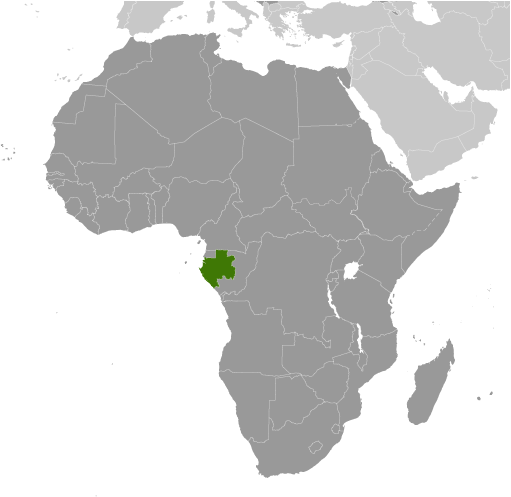

| GABON Gabonese Republic Republique Gabonaise Joined United Nations: 20 September 1960 Human Rights as assured by their constitution Click here Updated 22 July 2012 |

| CAPITAL |
| POPULATION |
| CHIEF OF STATE |
| SELECTION PROCESS |
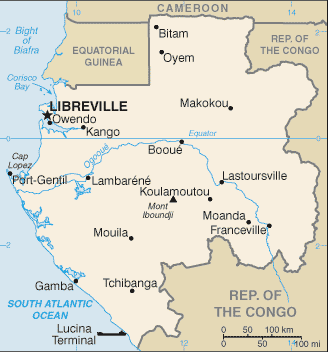
Libreville
1,608,321
note: estimates for this country explicitly take into account the effects of excess mortality
due to AIDS; this can result in lower life expectancy, higher infant mortality, higher
death rates, lower population growth rates, and changes in the distribution of
population by age and sex than would otherwise be expected (July 2012 est.)
note: estimates for this country explicitly take into account the effects of excess mortality
due to AIDS; this can result in lower life expectancy, higher infant mortality, higher
death rates, lower population growth rates, and changes in the distribution of
population by age and sex than would otherwise be expected (July 2012 est.)
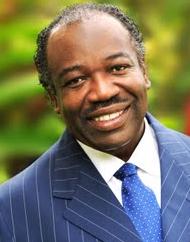
Ali-Ben Bongo Ondimba
President since 15 October 2009
President since 15 October 2009
President elected by popular vote for a seven-year term (no
term limits); NOTE: A special election was held on 30 August
2009 following the death of President El Hadj Omar Bongo
Ondimba on 8 June 2009. Though the results were disputed by a
number of candidates and internal observers, Bong's son Al-Ben
was certified by the Gabonese Constitutional Court
Next scheduled election: 2016
term limits); NOTE: A special election was held on 30 August
2009 following the death of President El Hadj Omar Bongo
Ondimba on 8 June 2009. Though the results were disputed by a
number of candidates and internal observers, Bong's son Al-Ben
was certified by the Gabonese Constitutional Court
Next scheduled election: 2016
HEAD OF GOVERNMENT
SELECTION PROCESS
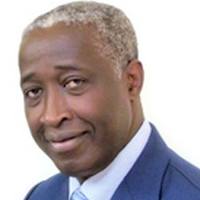
Raymond Ndong Sima
Prime Minister
since 27 February 2012
Prime Minister
since 27 February 2012
Prime Minister is appointed by the president
| DECLARATION OF HUMAN RIGHTS |
| ETHNIC GROUPS |
Bantu tribes, including four major tribal groupings (Fang, Bapounou, Nzebi, Obamba); other Africans and Europeans,
154,000, including 10,700 French and 11,000 persons of dual nationality
154,000, including 10,700 French and 11,000 persons of dual nationality
| RELIGIONS |
Christian 55%-75%, animist, Muslim less than 1%
| GOVERNMENT STRUCTURE |
Republic; multiparty presidential regime- 9 provinces, Legal system is based on French civil law system and customary law;
judicial review of legislative acts in Constitutional Chamber of the Supreme Court; has not accepted compulsory ICJ jurisdiction
Executive: President popularly elected for seven-year term with no term limits; election last held 30 August 2009 (next to be
held in 2016); prime minister appointed by the president
Legislative: Bicameral legislature consists of the Senate (91 seats; members elected by members of municipal councils
and departmental assemblies) and the National Assembly or Assemblee Nationale (120 seats; members are elected by
direct, popular vote to serve five-year terms)
elections: Senate - last held on 18 January 2009 (next to be held in January 2015); National Assembly - last held on 17
December 2011 (next to be held in December 2016)
Judicial: Supreme Court or Cour Supreme consisting of three chambers - Judicial, Administrative, and Accounts;
Constitutional Court; Courts of Appeal; Court of State Security; County Courts
judicial review of legislative acts in Constitutional Chamber of the Supreme Court; has not accepted compulsory ICJ jurisdiction
Executive: President popularly elected for seven-year term with no term limits; election last held 30 August 2009 (next to be
held in 2016); prime minister appointed by the president
Legislative: Bicameral legislature consists of the Senate (91 seats; members elected by members of municipal councils
and departmental assemblies) and the National Assembly or Assemblee Nationale (120 seats; members are elected by
direct, popular vote to serve five-year terms)
elections: Senate - last held on 18 January 2009 (next to be held in January 2015); National Assembly - last held on 17
December 2011 (next to be held in December 2016)
Judicial: Supreme Court or Cour Supreme consisting of three chambers - Judicial, Administrative, and Accounts;
Constitutional Court; Courts of Appeal; Court of State Security; County Courts
| LANGUAGES |
French (official), Fang, Myene, Nzebi, Bapounou/Eschira, Bandjabi
| BRIEF HISTORY |
During the last seven centuries, Bantu groups arrived in Gabon from several directions to escape enemies or find new
land. Little is known of tribal life before European contact, but tribal art suggests a rich cultural heritage. Gabon's first
confirmed European visitors were Portuguese traders who arrived in the 15th century and named the country after the
Portuguese word gabao — a coat with sleeve and hood resembling the shape of the Komo river estuary. The coast
became a center of the slave trade. Dutch, English, and French traders came in the 16th century. France assumed the
status of protector by signing treaties with Gabonese coastal chiefs in 1839 and 1841. American missionaries from New
England established a mission at Baraka (now Libreville) in 1842. In 1849, the French captured a slave ship and released
the passengers at the mouth of the Komo river. The slaves named their settlement Libreville - French for "free town."
French explorers penetrated Gabon's dense jungles between 1862 and 1887. The most famous, Savorgnan de Brazza,
used Gabonese bearers and guides in his search for the headwaters of the Congo river. France occupied Gabon in 1885,
but did not administer it until 1903. In 1910, Gabon became one of the four territories of French Equatorial Africa, a
federation that survived until 1959. The former territories all became independent in August, 1960 -- as Chad (August
11), the Central African Republic (August 13), Congo-Brazzaville (August 15), and finally Gabon on August 17.
At the time of Gabon's independence in 1960, two principal political parties existed: the Bloc Democratique Gabonais
(BDG), led by Leon M'Ba, and the Union Democratique et Sociale Gabonaise (UDSG), led by J.H. Aubame. In the first
post-independence election, held under a parliamentary system, neither party was able to win a majority. The BDG
obtained support from three of the four independent legislative deputies, and M'Ba was named Prime Minister. Soon after
concluding that Gabon had an insufficient number of people for a two-party system, the two party leaders agreed on a
single list of candidates. In the February 1961 election, held under the new presidential system, M'Ba became President
and Aubame became Foreign Minister. This one-party system appeared to work until February 1963, when the larger
BDG element forced the UDSG members to choose between a merger of the parties or resignation. The UDSG cabinet
ministers resigned, and M'Ba called an election for February 1964 and a reduced number of National Assembly deputies
(from 67 to 47). The UDSG failed to muster a list of candidates able to meet the requirements of the electoral decrees.
When the BDG appeared likely to win the election by default, the Gabonese military toppled M'Ba in a bloodless coup on
February 18, 1964. French troops re-established his government the next day. Elections were held in April 1964 with
many opposition participants. BDG-supported candidates won 31 seats and the opposition 16. Late in 1966, the
constitution was revised to provide for automatic succession of the vice president should the president die in office. In
March 1967, Leon M'Ba and Omar Bongo (then Albert Bongo) were elected President and Vice President. M'Ba died
later that year, and Omar Bongo became President. In March 1968, Bongo declared Gabon a one-party state by
dissolving the BDG and establishing a new party--the Parti Democratique Gabonais (PDG). He invited all Gabonese,
regardless of previous political affiliation, to participate. Bongo was elected President in February 1975; in April 1975,
the office of vice president was abolished and replaced by the office of prime minister, who had no right to automatic
succession. Bongo was re-elected President in December 1979 and November 1986 to 7-year terms. A 1990
conference approved sweeping political reforms, including creation of a national Senate, decentralization of the budgetary
process, freedom of assembly and press, and cancellation of the exit visa requirement. In an attempt to guide the political
system's transformation to multiparty democracy, Bongo resigned as PDG chairman. The Gabonese Social Democratic
Grouping (RSDG), as the resulting government was called, was smaller than the previous government and included
representatives from several opposition parties in its cabinet. The RSDG drafted a provisional constitution in May 1990
that provided a basic bill of rights and an independent judiciary but retained strong executive powers for the president.
After further review by a constitutional committee and the National Assembly, this document came into force in March
1991. In September 1990, two coup d’etat attempts were uncovered and aborted. Despite anti-government
demonstrations after the untimely death of an opposition leader, the first multiparty National Assembly elections in almost
30 years took place in September-October 1990, with the PDG garnering a large majority. The PDG won a landslide
victory in the legislative election, but several major cities, including Libreville, elected opposition mayors during the 1997
local election. President Bongo coasted to easy re-elections in December 1998 and November 2005, with large
majorities of the vote against a divided opposition. While Bongo's major opponents rejected the outcome as fraudulent,
some international observers characterized the results as representative despite any perceived irregularities. Legislative
elections held in 2001-2002, which were boycotted by a number of smaller opposition parties and were widely criticized
for their administrative weaknesses, produced a National Assembly almost completely dominated by the PDG and allied
independents.Only two autocratic presidents have ruled Gabon since independence from France in 1960. El Hadj Omar
Bongo Ondimba - one of the longest-serving heads of state in the world - dominated the country's political scene for
almost four decades. President Bongo introduced a nominal multiparty system and a new constitution in the early 1990s.
However, allegations of electoral fraud during local elections in 2002-03 and the presidential elections in 2005 have
exposed the weaknesses of formal political structures in Gabon. Gabon's political opposition remains weak, divided, and
financially dependent on the current regime. Despite political conditions, a small population, abundant natural resources,
and considerable foreign support have helped make Gabon one of the more prosperous and stable African countries.El
Hadj Omar die in a Spanish hospital on 8 June 2009 and was succeeded by his Ali Ben, his son on 16 October 2009
following a disputed election.
Sources; Wikipedia History of Gabon; CIA World Factbook (select Gabon)
land. Little is known of tribal life before European contact, but tribal art suggests a rich cultural heritage. Gabon's first
confirmed European visitors were Portuguese traders who arrived in the 15th century and named the country after the
Portuguese word gabao — a coat with sleeve and hood resembling the shape of the Komo river estuary. The coast
became a center of the slave trade. Dutch, English, and French traders came in the 16th century. France assumed the
status of protector by signing treaties with Gabonese coastal chiefs in 1839 and 1841. American missionaries from New
England established a mission at Baraka (now Libreville) in 1842. In 1849, the French captured a slave ship and released
the passengers at the mouth of the Komo river. The slaves named their settlement Libreville - French for "free town."
French explorers penetrated Gabon's dense jungles between 1862 and 1887. The most famous, Savorgnan de Brazza,
used Gabonese bearers and guides in his search for the headwaters of the Congo river. France occupied Gabon in 1885,
but did not administer it until 1903. In 1910, Gabon became one of the four territories of French Equatorial Africa, a
federation that survived until 1959. The former territories all became independent in August, 1960 -- as Chad (August
11), the Central African Republic (August 13), Congo-Brazzaville (August 15), and finally Gabon on August 17.
At the time of Gabon's independence in 1960, two principal political parties existed: the Bloc Democratique Gabonais
(BDG), led by Leon M'Ba, and the Union Democratique et Sociale Gabonaise (UDSG), led by J.H. Aubame. In the first
post-independence election, held under a parliamentary system, neither party was able to win a majority. The BDG
obtained support from three of the four independent legislative deputies, and M'Ba was named Prime Minister. Soon after
concluding that Gabon had an insufficient number of people for a two-party system, the two party leaders agreed on a
single list of candidates. In the February 1961 election, held under the new presidential system, M'Ba became President
and Aubame became Foreign Minister. This one-party system appeared to work until February 1963, when the larger
BDG element forced the UDSG members to choose between a merger of the parties or resignation. The UDSG cabinet
ministers resigned, and M'Ba called an election for February 1964 and a reduced number of National Assembly deputies
(from 67 to 47). The UDSG failed to muster a list of candidates able to meet the requirements of the electoral decrees.
When the BDG appeared likely to win the election by default, the Gabonese military toppled M'Ba in a bloodless coup on
February 18, 1964. French troops re-established his government the next day. Elections were held in April 1964 with
many opposition participants. BDG-supported candidates won 31 seats and the opposition 16. Late in 1966, the
constitution was revised to provide for automatic succession of the vice president should the president die in office. In
March 1967, Leon M'Ba and Omar Bongo (then Albert Bongo) were elected President and Vice President. M'Ba died
later that year, and Omar Bongo became President. In March 1968, Bongo declared Gabon a one-party state by
dissolving the BDG and establishing a new party--the Parti Democratique Gabonais (PDG). He invited all Gabonese,
regardless of previous political affiliation, to participate. Bongo was elected President in February 1975; in April 1975,
the office of vice president was abolished and replaced by the office of prime minister, who had no right to automatic
succession. Bongo was re-elected President in December 1979 and November 1986 to 7-year terms. A 1990
conference approved sweeping political reforms, including creation of a national Senate, decentralization of the budgetary
process, freedom of assembly and press, and cancellation of the exit visa requirement. In an attempt to guide the political
system's transformation to multiparty democracy, Bongo resigned as PDG chairman. The Gabonese Social Democratic
Grouping (RSDG), as the resulting government was called, was smaller than the previous government and included
representatives from several opposition parties in its cabinet. The RSDG drafted a provisional constitution in May 1990
that provided a basic bill of rights and an independent judiciary but retained strong executive powers for the president.
After further review by a constitutional committee and the National Assembly, this document came into force in March
1991. In September 1990, two coup d’etat attempts were uncovered and aborted. Despite anti-government
demonstrations after the untimely death of an opposition leader, the first multiparty National Assembly elections in almost
30 years took place in September-October 1990, with the PDG garnering a large majority. The PDG won a landslide
victory in the legislative election, but several major cities, including Libreville, elected opposition mayors during the 1997
local election. President Bongo coasted to easy re-elections in December 1998 and November 2005, with large
majorities of the vote against a divided opposition. While Bongo's major opponents rejected the outcome as fraudulent,
some international observers characterized the results as representative despite any perceived irregularities. Legislative
elections held in 2001-2002, which were boycotted by a number of smaller opposition parties and were widely criticized
for their administrative weaknesses, produced a National Assembly almost completely dominated by the PDG and allied
independents.Only two autocratic presidents have ruled Gabon since independence from France in 1960. El Hadj Omar
Bongo Ondimba - one of the longest-serving heads of state in the world - dominated the country's political scene for
almost four decades. President Bongo introduced a nominal multiparty system and a new constitution in the early 1990s.
However, allegations of electoral fraud during local elections in 2002-03 and the presidential elections in 2005 have
exposed the weaknesses of formal political structures in Gabon. Gabon's political opposition remains weak, divided, and
financially dependent on the current regime. Despite political conditions, a small population, abundant natural resources,
and considerable foreign support have helped make Gabon one of the more prosperous and stable African countries.El
Hadj Omar die in a Spanish hospital on 8 June 2009 and was succeeded by his Ali Ben, his son on 16 October 2009
following a disputed election.
Sources; Wikipedia History of Gabon; CIA World Factbook (select Gabon)
| ECONOMIC OVERVIEW |
Gabon enjoys a per capita income four times that of most sub-Saharan African nations, but because of high income
inequality, a large proportion of the population remains poor. Gabon depended on timber and manganese until oil was
discovered offshore in the early 1970s. The economy was reliant on oil for about 50% of its GDP, about 70% of
revenues, and 87% of goods exports for 2010, although some fields have passed their peak production. A rebound of oil
prices from 1999 to 2008 helped growth, but declining production has hampered Gabon from fully realizing potential
gains. Gabon signed a 14-month Stand-By Arrangement with the IMF in May 2007, and later that year issued a $1 billion
sovereign bond to buy back a sizable portion of its Paris Club debt. Gabon continues to face fluctuating prices for its oil,
timber, and manganese exports. Despite the abundance of natural wealth, poor fiscal management has stifled the
economy. However, President BONGO has made efforts to increase transparency and is taking steps to make Gabon a
more attractive investment destination to diversify the economy. BONGO intends to boost growth by increasing
government investment in human resources and infrastructure.
inequality, a large proportion of the population remains poor. Gabon depended on timber and manganese until oil was
discovered offshore in the early 1970s. The economy was reliant on oil for about 50% of its GDP, about 70% of
revenues, and 87% of goods exports for 2010, although some fields have passed their peak production. A rebound of oil
prices from 1999 to 2008 helped growth, but declining production has hampered Gabon from fully realizing potential
gains. Gabon signed a 14-month Stand-By Arrangement with the IMF in May 2007, and later that year issued a $1 billion
sovereign bond to buy back a sizable portion of its Paris Club debt. Gabon continues to face fluctuating prices for its oil,
timber, and manganese exports. Despite the abundance of natural wealth, poor fiscal management has stifled the
economy. However, President BONGO has made efforts to increase transparency and is taking steps to make Gabon a
more attractive investment destination to diversify the economy. BONGO intends to boost growth by increasing
government investment in human resources and infrastructure.
| POLITICAL CLIMATE |
Following President Bongo's re-election in December 1993 with 51% of the vote, opposition candidates refused to
validate the election results. Serious civil disturbances, which were heavily repressed by the presidential guard, led to an
agreement between the government and opposition factions to work toward a political settlement. These talks led to the
Paris Accords in November 1994 in which several opposition figures were included in a government of national unity.
This arrangement soon broke down, and the 1996 and 1997 legislative and municipal elections provided the background
for renewed partisan politics. The PDG won a landslide victory in the legislative election, but several major cities, including
Libreville, elected opposition mayors during the 1997 local election. President Bongo coasted to an easy re-election in
December 1998 with 66% of the vote against a divided opposition. While Bongo's major opponents rejected the
outcome as fraudulent, international observers characterized the result as representative even if the election suffered from
serious administrative problems. There was no serious civil disorder or protests following the election in contrast to the
1993 election.
The president is elected by popular vote for a seven-year term. He appoints the prime minister. The Council of Ministers
is appointed by the prime minister in consultation with the president. President El Hadj Omar Bongo Ondimba, in power
since 1967 and the longest-serving African head of state, was re-elected to another seven-year term according to poll
results returned from elections held on November 27, 2005. According to figures provided by Gabon's Interior Ministry,
this was achieved with 79.1% of the votes cast. In 2003 the President amended the Constitution of Gabon to remove any
restrictions on the number of terms a president is allowed to serve. On 8 June 2009, President Bongo died. An election
was held on 30 August 2009, rife with accusations of irregularities and corruption with Bongo's son, Ali-Ben Bongo
Ondimba, declared as president. The president retains strong powers, such as authority to dissolve the National
Assembly, declare a state of siege, delay legislation, conduct referendums, and appoint and dismiss the prime minister and
cabinet members.
Wikipedia: Politics of Gabon
validate the election results. Serious civil disturbances, which were heavily repressed by the presidential guard, led to an
agreement between the government and opposition factions to work toward a political settlement. These talks led to the
Paris Accords in November 1994 in which several opposition figures were included in a government of national unity.
This arrangement soon broke down, and the 1996 and 1997 legislative and municipal elections provided the background
for renewed partisan politics. The PDG won a landslide victory in the legislative election, but several major cities, including
Libreville, elected opposition mayors during the 1997 local election. President Bongo coasted to an easy re-election in
December 1998 with 66% of the vote against a divided opposition. While Bongo's major opponents rejected the
outcome as fraudulent, international observers characterized the result as representative even if the election suffered from
serious administrative problems. There was no serious civil disorder or protests following the election in contrast to the
1993 election.
The president is elected by popular vote for a seven-year term. He appoints the prime minister. The Council of Ministers
is appointed by the prime minister in consultation with the president. President El Hadj Omar Bongo Ondimba, in power
since 1967 and the longest-serving African head of state, was re-elected to another seven-year term according to poll
results returned from elections held on November 27, 2005. According to figures provided by Gabon's Interior Ministry,
this was achieved with 79.1% of the votes cast. In 2003 the President amended the Constitution of Gabon to remove any
restrictions on the number of terms a president is allowed to serve. On 8 June 2009, President Bongo died. An election
was held on 30 August 2009, rife with accusations of irregularities and corruption with Bongo's son, Ali-Ben Bongo
Ondimba, declared as president. The president retains strong powers, such as authority to dissolve the National
Assembly, declare a state of siege, delay legislation, conduct referendums, and appoint and dismiss the prime minister and
cabinet members.
Wikipedia: Politics of Gabon
| INTERNATIONAL DISPUTES |
UN urges Equatorial Guinea and Gabon to resolve the sovereignty dispute over Gabon-occupied Mbane Island and
lesser islands and to establish a maritime boundary in hydrocarbon-rich Corisco Bay
lesser islands and to establish a maritime boundary in hydrocarbon-rich Corisco Bay


| REFUGEES AND INTERNALLY DISPLACED PERSONS (IDP) |
Refugees (country of origin): 7,178 (Republic of Congo) (2007)
| ILLICIT DRUGS |
None reported
| HUMAN RIGHTS STATEMENTS, ANALYSIS AND CRITIQUES |
2011 Human Rights Report: Gabon
Bureau of Democracy, Human Rights, and Labor
2011 Country Reports on Human Rights Practices
May 25, 2012
Gabon is a republic dominated by a strong presidency and the Democratic Party of Gabon (PDG), which has held power since 1968. In
2009 President Ali Bongo Ondimba was elected in a poll characterized by international observers as generally free and fair, although
irregularities and post-election violence occurred. Security forces reported to civilian authorities.
The most important human rights problems in the country were ritual killings, harsh prison conditions, and lengthy pretrial detention.
Other major human rights problems included: police use of excessive force; an inefficient judiciary subject to government influence;
restrictions on privacy and the press; harassment and extortion of African immigrants and refugees; widespread government corruption;
violence against women; societal discrimination against women, noncitizen Africans, Pygmies, and persons with HIV/AIDS; trafficking
in persons, particularly children; and forced child labor.
The government sometimes took steps to prosecute and punish officials who committed abuses, but impunity was a problem.
Click here to read more »
Bureau of Democracy, Human Rights, and Labor
2011 Country Reports on Human Rights Practices
May 25, 2012
Gabon is a republic dominated by a strong presidency and the Democratic Party of Gabon (PDG), which has held power since 1968. In
2009 President Ali Bongo Ondimba was elected in a poll characterized by international observers as generally free and fair, although
irregularities and post-election violence occurred. Security forces reported to civilian authorities.
The most important human rights problems in the country were ritual killings, harsh prison conditions, and lengthy pretrial detention.
Other major human rights problems included: police use of excessive force; an inefficient judiciary subject to government influence;
restrictions on privacy and the press; harassment and extortion of African immigrants and refugees; widespread government corruption;
violence against women; societal discrimination against women, noncitizen Africans, Pygmies, and persons with HIV/AIDS; trafficking
in persons, particularly children; and forced child labor.
The government sometimes took steps to prosecute and punish officials who committed abuses, but impunity was a problem.
Click here to read more »
Trafficking in persons: first fact-finding mission ever to Gabon by a UN independent expert
GENEVA (10 May 2012)
The United Nations Special Rapporteur on trafficking in persons, especially women and children, Joy Ngozi Ezeilo, will conduct an
official visit to Libreville, Gabon, from 14 to 18 May. Her fact-finding mission will be the first ever to the West African country by an
independent expert of the UN Human Rights Council.
“During my mission I will examine the situation of trafficked men, women and children and assess the anti-trafficking measures,” said
Ms. Ezeilo, who visits the country at the invitation of the Government.
The UN Special Rapporteur is mandated by the UN Human Rights Council to promote the prevention of trafficking in persons in all its
forms and to encourage measures to uphold and protect the human rights of victims.
Ms. Ezeilo will meet with representatives of various Government agencies and the judiciary, as well as members of international and civil
society organizations working on the fight against trafficking in persons. “I look forward to engaging in a constructive dialogue with the
Government and all relevant authorities in a collective effort to combat all forms of human trafficking in the country,” she said.
The human rights expert will also visit centers and shelters in Libreville, where victims of trafficking receive assistance.
At the end of her visit on Friday 18 May, Special Rapporteur will hold a press conference at the UNDP Conference Room, behind the
Palais de Justice, Libreville at 11:00h.
She will present a comprehensive report containing her conclusions and recommendations at the 23rd session of the UN Human Rights
Council in June 2013.
Click here to read more »
GENEVA (10 May 2012)
The United Nations Special Rapporteur on trafficking in persons, especially women and children, Joy Ngozi Ezeilo, will conduct an
official visit to Libreville, Gabon, from 14 to 18 May. Her fact-finding mission will be the first ever to the West African country by an
independent expert of the UN Human Rights Council.
“During my mission I will examine the situation of trafficked men, women and children and assess the anti-trafficking measures,” said
Ms. Ezeilo, who visits the country at the invitation of the Government.
The UN Special Rapporteur is mandated by the UN Human Rights Council to promote the prevention of trafficking in persons in all its
forms and to encourage measures to uphold and protect the human rights of victims.
Ms. Ezeilo will meet with representatives of various Government agencies and the judiciary, as well as members of international and civil
society organizations working on the fight against trafficking in persons. “I look forward to engaging in a constructive dialogue with the
Government and all relevant authorities in a collective effort to combat all forms of human trafficking in the country,” she said.
The human rights expert will also visit centers and shelters in Libreville, where victims of trafficking receive assistance.
At the end of her visit on Friday 18 May, Special Rapporteur will hold a press conference at the UNDP Conference Room, behind the
Palais de Justice, Libreville at 11:00h.
She will present a comprehensive report containing her conclusions and recommendations at the 23rd session of the UN Human Rights
Council in June 2013.
Click here to read more »
Freedom In The World 2012 Report
Political Rights Score: 6
Civil Liberties Score: 5
Status: Not Free
Overview
Tensions between President Ali Ben Bongo Ondimba and National Union (UN) opposition leader André Mba Obame erupted in January 2011
when Obame declared himself the rightful winner of the 2009 presidential election. The ensuing government crackdown resulted in the
dissolution of the UN party and Obame was charged with treason. An opposition boycott of the December legislative election led to a
landslide victory for the ruling Gabonese Democratic Party.
Gabon gained independence from France in 1960. Omar Bongo Ondimba became president in 1967 and solidified the Gabonese Democratic
Party’s (PDG) grip on power. In 1990, protests prompted by economic hardship led to multiparty legislative elections. Bongo and the ruling
PDG retained power over subsequent years through a series of flawed elections.
In 2006 legislative elections, the PDG and allied parties won some 100 of the 120 seats in the National Assembly, the bicameral parliament’s
lower house. Observers called the elections credible and an improvement over the 2005 presidential contest, which had led to postelection
violence and accusations of irregularities. Regional and municipal councilors voted in the 2009 Senate election in which the PDG captured
75 of 102 seats.
Bongo died in June 2009 after more than 40 years in power, and in keeping with the constitution, Senate president Rose Francine Rogombe
became interim head of state. Defense Minister Ali Ben Bongo Ondimba, son of the late president, was nominated as the PDG candidate for
a snap presidential election. Several senior PDG figures, including former interior minister André Mba Obame, decided to run as
independents. Bongo won the August 2009 election with almost 42 percent of the vote, while Mba Obame and Pierre Mamboundou each
received 25 percent. Although the opposition challenged the official results amid violent protests, the Constitutional Court upheld Bongo’s
victory following a recount in September.
On January 25, 2011, Mba Obame declared himself the legitimate president of Gabon and established a parallel government. Drawing
analogies with the successful rebellion against Tunisia’s Ben Ali regime, Mba Obame and his supporters tried to ignite a popular uprising.
However, aside from a series of demonstrations held on January 29, Mba Obame’s pronouncements did not lead to large-scale protests.
The Gabonese government charged Mba Obame with treason and outlawed his opposition party, the National Union (UN).
Legislative elections for the 120-seat National Assembly were held on December 17, 2011. Voter turnout was only 34 percent due to a
boycott called by the opposition over the Bongo government’s failure to implement biometric technology for voter registration. Claiming to
respect a June 2011 Constitutional Court ruling that rejected a proposal to delay elections for a year, the Bongo government announced in
August that the December legislative elections would be held as planned. Consequently, 13 opposition parties withdrew from Gabon’s
independent electoral commission in protest. As a result, the PDG captured 114 of the 120 seats. By year’s end, 45 objections to the
election had been filed, and the Constitutional Court had yet to confirm the results.
Click here to read more »
Political Rights Score: 6
Civil Liberties Score: 5
Status: Not Free
Overview
Tensions between President Ali Ben Bongo Ondimba and National Union (UN) opposition leader André Mba Obame erupted in January 2011
when Obame declared himself the rightful winner of the 2009 presidential election. The ensuing government crackdown resulted in the
dissolution of the UN party and Obame was charged with treason. An opposition boycott of the December legislative election led to a
landslide victory for the ruling Gabonese Democratic Party.
Gabon gained independence from France in 1960. Omar Bongo Ondimba became president in 1967 and solidified the Gabonese Democratic
Party’s (PDG) grip on power. In 1990, protests prompted by economic hardship led to multiparty legislative elections. Bongo and the ruling
PDG retained power over subsequent years through a series of flawed elections.
In 2006 legislative elections, the PDG and allied parties won some 100 of the 120 seats in the National Assembly, the bicameral parliament’s
lower house. Observers called the elections credible and an improvement over the 2005 presidential contest, which had led to postelection
violence and accusations of irregularities. Regional and municipal councilors voted in the 2009 Senate election in which the PDG captured
75 of 102 seats.
Bongo died in June 2009 after more than 40 years in power, and in keeping with the constitution, Senate president Rose Francine Rogombe
became interim head of state. Defense Minister Ali Ben Bongo Ondimba, son of the late president, was nominated as the PDG candidate for
a snap presidential election. Several senior PDG figures, including former interior minister André Mba Obame, decided to run as
independents. Bongo won the August 2009 election with almost 42 percent of the vote, while Mba Obame and Pierre Mamboundou each
received 25 percent. Although the opposition challenged the official results amid violent protests, the Constitutional Court upheld Bongo’s
victory following a recount in September.
On January 25, 2011, Mba Obame declared himself the legitimate president of Gabon and established a parallel government. Drawing
analogies with the successful rebellion against Tunisia’s Ben Ali regime, Mba Obame and his supporters tried to ignite a popular uprising.
However, aside from a series of demonstrations held on January 29, Mba Obame’s pronouncements did not lead to large-scale protests.
The Gabonese government charged Mba Obame with treason and outlawed his opposition party, the National Union (UN).
Legislative elections for the 120-seat National Assembly were held on December 17, 2011. Voter turnout was only 34 percent due to a
boycott called by the opposition over the Bongo government’s failure to implement biometric technology for voter registration. Claiming to
respect a June 2011 Constitutional Court ruling that rejected a proposal to delay elections for a year, the Bongo government announced in
August that the December legislative elections would be held as planned. Consequently, 13 opposition parties withdrew from Gabon’s
independent electoral commission in protest. As a result, the PDG captured 114 of the 120 seats. By year’s end, 45 objections to the
election had been filed, and the Constitutional Court had yet to confirm the results.
Click here to read more »
AMNESTY INTERNATIONAL
PUBLIC STATEMENT
12 June 2012
UN Human Rights Council 2012 elections: An appeal for African leadership
African states have shown increasing readiness to engage the UN Human Rights Council in responding to human rights developments in
Africa requiring the attention of the broader international community. Amnesty International urges African leaders meeting at the 19th
Summit of the African Union to demonstrate the same leadership and set a positive example by ensuring contested elections to the
Human Rights Council as required by the letter and spirit of the Council’s founding resolution A/RES/60/251.
UN General Assembly members must have real choice to select those states that have the strongest demonstrated commitment to uphold
human rights and to take effective action in the UN Human Rights Council to protect human rights. Amnesty International urges African
Union member states to ensure that there will be more candidates from Africa than the vacant five seats available to it at the election of
Council members scheduled for November 2012.
The practice of ‘clean slates’, where the number of candidates matches exactly the number vacancies, is inconsistent with the letter and
spirit of resolution A/RES/60/251, which clearly contemplates contested elections for membership of the Council. The resolution calls
for members of the Human Rights Council to be elected directly and individually by the majority of all of the members of the General
Assembly taking into account the contribution by candidates to the promotion and protection of human rights and their voluntary pledges
and commitments. A clean slate leaves no electoral choice to the UN member states not involved in determining the slate and thereby
frustrates their right of vote.
General Assembly resolution 60/251 stipulates that those states elected as members of the Human Rights Council must uphold the
highest standards in the promotion and protection of human rights. UN member states must be confident that they have been able to
exercise their ballots in favour of states that have proved themselves capable of meeting that standard.
The spirit and letter of resolution 60/251 can only be satisfied if there are competitive elections in which UN member states are offered
the possibility of choosing among candidates for the available seats on the Council.
Background
On Friday 13 July, the African Union 19th Summit is expected to consider five candidates for the five seats of the African Group open
for election to UN Human Rights Council on 16 November 2012. The candidates that the African Group’s permanent representatives in
New York have reportedly recommended for endorsement are: Cote d’Ivoire, Ethiopia, Gabon, Sierra Leone and Sudan.
Amnesty International has written to the members of all UN regional groups to encourage them to ensure that there are more candidates
than the number of seats reserved to their group at the upcoming elections to the Human Rights Council and that candidates submit
concrete, credible, and measurable pledges to promote and protect human rights at the national and international levels.
Click here to read more »
PUBLIC STATEMENT
12 June 2012
UN Human Rights Council 2012 elections: An appeal for African leadership
African states have shown increasing readiness to engage the UN Human Rights Council in responding to human rights developments in
Africa requiring the attention of the broader international community. Amnesty International urges African leaders meeting at the 19th
Summit of the African Union to demonstrate the same leadership and set a positive example by ensuring contested elections to the
Human Rights Council as required by the letter and spirit of the Council’s founding resolution A/RES/60/251.
UN General Assembly members must have real choice to select those states that have the strongest demonstrated commitment to uphold
human rights and to take effective action in the UN Human Rights Council to protect human rights. Amnesty International urges African
Union member states to ensure that there will be more candidates from Africa than the vacant five seats available to it at the election of
Council members scheduled for November 2012.
The practice of ‘clean slates’, where the number of candidates matches exactly the number vacancies, is inconsistent with the letter and
spirit of resolution A/RES/60/251, which clearly contemplates contested elections for membership of the Council. The resolution calls
for members of the Human Rights Council to be elected directly and individually by the majority of all of the members of the General
Assembly taking into account the contribution by candidates to the promotion and protection of human rights and their voluntary pledges
and commitments. A clean slate leaves no electoral choice to the UN member states not involved in determining the slate and thereby
frustrates their right of vote.
General Assembly resolution 60/251 stipulates that those states elected as members of the Human Rights Council must uphold the
highest standards in the promotion and protection of human rights. UN member states must be confident that they have been able to
exercise their ballots in favour of states that have proved themselves capable of meeting that standard.
The spirit and letter of resolution 60/251 can only be satisfied if there are competitive elections in which UN member states are offered
the possibility of choosing among candidates for the available seats on the Council.
Background
On Friday 13 July, the African Union 19th Summit is expected to consider five candidates for the five seats of the African Group open
for election to UN Human Rights Council on 16 November 2012. The candidates that the African Group’s permanent representatives in
New York have reportedly recommended for endorsement are: Cote d’Ivoire, Ethiopia, Gabon, Sierra Leone and Sudan.
Amnesty International has written to the members of all UN regional groups to encourage them to ensure that there are more candidates
than the number of seats reserved to their group at the upcoming elections to the Human Rights Council and that candidates submit
concrete, credible, and measurable pledges to promote and protect human rights at the national and international levels.
Click here to read more »
Gabon/Nigeria/South Africa: Reconsider Support for Deferral of ICC Kenya Investigation
Civil Society Letter to the Ministries of Foreign Affairs of African ICC States Parties on the UN Security Council
March 2, 2011
Your Excellencies,
We, the undersigned organizations, urge your government to reconsider support for a United Nations Security Council deferral of
investigations and prosecutions of the International Criminal Court (ICC) in Kenya under article 16 of the Rome Statute. Any deferral under
article 16 would be contrary to the law and would further delay justice for the victims of crimes committed during the violence that
followed Kenya's 2007 polls.
As you are aware, the Assembly of Heads of State and Government of the African Union (AU) adopted a decision during the January 2011
AU summit supporting and endorsing Kenya's request for a deferral. This follows requests made by the ICC prosecutor in December 2010
for summonses to appear for six Kenyan citizens for crimes against humanity allegedly committed during the 2007-2008 post-election
violence. That violence claimed over 1,100 lives and forced nearly 400,000 from their homes.
The Assembly decision cites as a basis for the deferral the need to "allow for a National Mechanism to investigate and prosecute the cases
under a reformed Judiciary provided for in the new constitutional dispensation, in line with the principle of complementarity..." But
complementarity-a core Rome Statute principle establishing the ICC as a court of last resort that steps in only where national authorities are
unwilling or unable-is distinct from an article 16 deferral.
Instead, article 16 allows the Security Council in exceptional circumstances to pass a resolution under its Chapter VII authority to defer an
ICC investigation or prosecution for a renewable period of 12 months. Chapter VII of the UN Charter, in turn, only empowers the Security
Council to take measures to "maintain or restore international peace and security." A deferral of an ICC investigation risks legitimizing
political interference with the work of a judicial institution and could set a dangerous precedent for accused in other situations. Therefore,
use of article 16 should be extremely rare. and then gave the money to his daughter, an unemployed student. For a while she kept the
money in a safe deposit box in a U.S. bank.
Click here to read more »
Civil Society Letter to the Ministries of Foreign Affairs of African ICC States Parties on the UN Security Council
March 2, 2011
Your Excellencies,
We, the undersigned organizations, urge your government to reconsider support for a United Nations Security Council deferral of
investigations and prosecutions of the International Criminal Court (ICC) in Kenya under article 16 of the Rome Statute. Any deferral under
article 16 would be contrary to the law and would further delay justice for the victims of crimes committed during the violence that
followed Kenya's 2007 polls.
As you are aware, the Assembly of Heads of State and Government of the African Union (AU) adopted a decision during the January 2011
AU summit supporting and endorsing Kenya's request for a deferral. This follows requests made by the ICC prosecutor in December 2010
for summonses to appear for six Kenyan citizens for crimes against humanity allegedly committed during the 2007-2008 post-election
violence. That violence claimed over 1,100 lives and forced nearly 400,000 from their homes.
The Assembly decision cites as a basis for the deferral the need to "allow for a National Mechanism to investigate and prosecute the cases
under a reformed Judiciary provided for in the new constitutional dispensation, in line with the principle of complementarity..." But
complementarity-a core Rome Statute principle establishing the ICC as a court of last resort that steps in only where national authorities are
unwilling or unable-is distinct from an article 16 deferral.
Instead, article 16 allows the Security Council in exceptional circumstances to pass a resolution under its Chapter VII authority to defer an
ICC investigation or prosecution for a renewable period of 12 months. Chapter VII of the UN Charter, in turn, only empowers the Security
Council to take measures to "maintain or restore international peace and security." A deferral of an ICC investigation risks legitimizing
political interference with the work of a judicial institution and could set a dangerous precedent for accused in other situations. Therefore,
use of article 16 should be extremely rare. and then gave the money to his daughter, an unemployed student. For a while she kept the
money in a safe deposit box in a U.S. bank.
Click here to read more »
TRANSLATED FROM FRENCH BY GOOGLE TRANSLATE
SPEECH BY HIS EXCELLENCY
MR Ali Bongo- PRESIDENT OF THE REPUBLIC OF GABON
GENERAL DEBATE
THE 66th SESSION OF THE GENERAL ASSEMBLY UNITED NATIONS
New York, September 22, 2011
Mr. President,
In speaking, allow me to recall first of all how Gabon has always strived to contribute to peace and settlement conflicts peacefully through
dialogue and mediation. For we conviction of the link between peace and security on the one hand, and development and democracy on the
other. And it is because Gabonese live in peace in their territory with their neighbors and with the world, they will be able to reach new
goals developing.
It is this conviction that underlies the development vision Future of Gabon, which I proposed to my countrymen when I agreed to the
highest office. And since I last spoke to the General Assembly, there One year, my Government has taken action, and we measure with
modest effort and time needed for future progress.
You have proposed to discuss the role of mediation. This question is central to the purpose of our organization is guarantee peace and
security in the world. Mediation and prevention conflicts must remain our first modes of collective action.
We all feel the need, in a complex world, to access more democracy, a world where economic and cultural exchanges would be better
balanced, and where the prevention of crises, whether political or otherwise, would be better organized, including means increased warning
and mediation.
Gabon has a historical commitment to mediation and resolution of disputes and conflicts. This orientation has always been a foundations of
our relations with our neighbors and brothers in the subregion Central Africa, as well as our contributions to the resolution conflicts in
Africa. My country never to depart from this path ever, in especially at a time when Africa is trying to achieve integration political and
economic.
Our commitment to the peaceful settlement of disputes and conflicts is in keeping with our commitments under the various conventions
and treaties relating to human rights, the Law Caring at the promotion of democracy and the rule of law, but as cooperation and solidarity.
We know that mediation may be limits, and international community must always be prepared, if necessary, to consider other modes of
prevention and conflict resolution.
These conflicts will be more complex and multidimensional in the future. The economic crises, environmental crises, the aspirations for
democracy and freedom that take new forms, will exacerbate tensions. We must be alert to these developments.
Click here to read more
SPEECH BY HIS EXCELLENCY
MR Ali Bongo- PRESIDENT OF THE REPUBLIC OF GABON
GENERAL DEBATE
THE 66th SESSION OF THE GENERAL ASSEMBLY UNITED NATIONS
New York, September 22, 2011
Mr. President,
In speaking, allow me to recall first of all how Gabon has always strived to contribute to peace and settlement conflicts peacefully through
dialogue and mediation. For we conviction of the link between peace and security on the one hand, and development and democracy on the
other. And it is because Gabonese live in peace in their territory with their neighbors and with the world, they will be able to reach new
goals developing.
It is this conviction that underlies the development vision Future of Gabon, which I proposed to my countrymen when I agreed to the
highest office. And since I last spoke to the General Assembly, there One year, my Government has taken action, and we measure with
modest effort and time needed for future progress.
You have proposed to discuss the role of mediation. This question is central to the purpose of our organization is guarantee peace and
security in the world. Mediation and prevention conflicts must remain our first modes of collective action.
We all feel the need, in a complex world, to access more democracy, a world where economic and cultural exchanges would be better
balanced, and where the prevention of crises, whether political or otherwise, would be better organized, including means increased warning
and mediation.
Gabon has a historical commitment to mediation and resolution of disputes and conflicts. This orientation has always been a foundations of
our relations with our neighbors and brothers in the subregion Central Africa, as well as our contributions to the resolution conflicts in
Africa. My country never to depart from this path ever, in especially at a time when Africa is trying to achieve integration political and
economic.
Our commitment to the peaceful settlement of disputes and conflicts is in keeping with our commitments under the various conventions
and treaties relating to human rights, the Law Caring at the promotion of democracy and the rule of law, but as cooperation and solidarity.
We know that mediation may be limits, and international community must always be prepared, if necessary, to consider other modes of
prevention and conflict resolution.
These conflicts will be more complex and multidimensional in the future. The economic crises, environmental crises, the aspirations for
democracy and freedom that take new forms, will exacerbate tensions. We must be alert to these developments.
Click here to read more
TRANSLATED FROM FRENCH BY GOOGLE TRANSLATE
In conclave in Libreville
21-03-2012
The work of the second meeting of the Central African mediators were opened yesterday by Prime Minister of Gabon, Raymond
Ndong Sima under the theme "Role and place of the Ombudsman in the institutional landscape of Central African countries. ".
Prime Minister of Gabon, Raymond Ndong Sima opened in Libreville yesterday the work of the second meeting of the Central
African mediators in the presence of presidents of constitutional institutions and government official. In attendance were the
mediators of Congo, Chad, Central Africa, Gabon and their collaborators were joined by the Deputy Ombudsman of Angola, arrived
in Libreville in the afternoon.
This is the second meeting of its kind after the one held in Bangui, Central African Republic, in January 2011. This meeting, held on
the theme "Role and place of the Ombudsman in the institutional landscape of Central African countries," aims to situate the
importance that the public authorities of the countries concerned agree to this institution. We are also talking to the mediators of the
African Centre mediate an institution unknown to the public.
The ceremony of the second meeting of the mediators of Central Africa was marked by speeches by the head of the Gabonese
government and the Ombudsman of the Republic of Gabon, Jean Louis Messan. In his speech for the occasion, Prime Minister,
Raymond Ndong Sima, stressed that the mediating institutions have played an important role in strengthening states. However, the
prime minister acknowledged that these institutions seem to suffer from the ignorance of many. For him, this second meeting in
Libreville should be the starting point for a real awakening to catch up the delay by mediating institutions in Central Africa.
Click here to read more »
In conclave in Libreville
21-03-2012
The work of the second meeting of the Central African mediators were opened yesterday by Prime Minister of Gabon, Raymond
Ndong Sima under the theme "Role and place of the Ombudsman in the institutional landscape of Central African countries. ".
Prime Minister of Gabon, Raymond Ndong Sima opened in Libreville yesterday the work of the second meeting of the Central
African mediators in the presence of presidents of constitutional institutions and government official. In attendance were the
mediators of Congo, Chad, Central Africa, Gabon and their collaborators were joined by the Deputy Ombudsman of Angola, arrived
in Libreville in the afternoon.
This is the second meeting of its kind after the one held in Bangui, Central African Republic, in January 2011. This meeting, held on
the theme "Role and place of the Ombudsman in the institutional landscape of Central African countries," aims to situate the
importance that the public authorities of the countries concerned agree to this institution. We are also talking to the mediators of the
African Centre mediate an institution unknown to the public.
The ceremony of the second meeting of the mediators of Central Africa was marked by speeches by the head of the Gabonese
government and the Ombudsman of the Republic of Gabon, Jean Louis Messan. In his speech for the occasion, Prime Minister,
Raymond Ndong Sima, stressed that the mediating institutions have played an important role in strengthening states. However, the
prime minister acknowledged that these institutions seem to suffer from the ignorance of many. For him, this second meeting in
Libreville should be the starting point for a real awakening to catch up the delay by mediating institutions in Central Africa.
Click here to read more »
TRANSLATED FROM FRENCH BY GOOGLE TRANSLATE
Ali Bongo: the new battle, over the opinion of Gabon
Author / Source: Young Africa · Date: February 7, 2012
The December parliamentary gave absolute majority in the head of state. Two years after his inauguration, Ali Bongo has all the
cards in hand to achieve its objectives. Except, perhaps, the accession of the Gabonese civil society.
Growth, development, emergence ... Upon his inauguration, October 16, 2009, Ali Bongo (ABO) was selected from the lexicon of
the economy keywords leadership. As to distance itself from the regime of Bongo father, who spent much more time for political
maneuvering ... The sign also a break with the old Africa, including young people no longer want: this unequal society where
corruption purchase of prebends allegiances and sharing were erected mode of redistribution of national wealth. The priority given
to the economy is also a way to show that the new power is not deaf to the impatience of Gabon, a small population of "oil emirate"
who cares forty years of scheming politicians.
Voiceless opposition
Meanwhile, the president has not forgotten that without policy space, would govern an empty word. That it would be difficult to
implement his program if he had to fight a hostile Parliament. The obstacle that threatened to curtail his term has fallen since, after
parliamentary elections on December 17, the Gabonese Democratic Party (PDG) has granted an absolute majority in the National
Assembly with 114 deputies out 120. It must be said that the opposition is less offensive and relatively voiceless since the death in
October, Pierre Mamboundou, leader of the Union of Gabonese People (UPG), and prolonged exile Andre Mba Obame (Africa
South and France), who declared himself president in January 2011. Only civil society is still playing against the powers.
The time has come to implement the necessary reforms to accelerate growth, the rate stood at 5.6% in 2011. It is time to tackle
such corruption, which undermines the effectiveness of the public service and has considerably delayed the construction programs
of social housing of the State, which led to the dismissal last June, of part of the staff of the Ministry of Housing.
The power was looking towards new horizons. For him, the twentieth century will be Asian.
This is also the time to pursue the strategy of acquiring shares in the capital of foreign companies exploiting the mineral resources
of the country or forest. Good point: December 29, the Deposit and Consignment of Gabon has acquired 35% of Africa Rougier
International, holder of more than 2 million hectares of forest concessions in Gabon, Cameroon and Congo. A similar operation had
already taken place in October 2010 between the French Eramet and the State, for a stake in Libreville scalable (up to 10% of the
capital, in addition to the 25% already held, between 2010 and 2015 ) in the Mining Company of Ogooué (Comilog) Gabonese
subsidiary of Eramet, specializing in the extraction of ore and sinter production of manganese.
The desire to break with the past and finding new growth also pushed the power Gabon to look to new horizons. And for ABO, it
is clear that the twenty-first century will be Asian. Decided to continue diversifying the economy, heavily dependent on oil prices,
the dollar and the euro, it opens the door to new foreign partners. Singapore's Olam, owner of a special economic zone (SEZ) to
NKOK, 27 km north of Libreville, is the symbol of the tropic East. The SEZ is a joint venture between the Asian group (60% of
shares), who made $ 4 billion in sales in Africa in 2010 and the Gabonese government (40%). Its goal is to eventually create more
than 7,000 jobs and attract an average of $ 1 billion of foreign direct investment per year.
Click here to read more »
Ali Bongo: the new battle, over the opinion of Gabon
Author / Source: Young Africa · Date: February 7, 2012
The December parliamentary gave absolute majority in the head of state. Two years after his inauguration, Ali Bongo has all the
cards in hand to achieve its objectives. Except, perhaps, the accession of the Gabonese civil society.
Growth, development, emergence ... Upon his inauguration, October 16, 2009, Ali Bongo (ABO) was selected from the lexicon of
the economy keywords leadership. As to distance itself from the regime of Bongo father, who spent much more time for political
maneuvering ... The sign also a break with the old Africa, including young people no longer want: this unequal society where
corruption purchase of prebends allegiances and sharing were erected mode of redistribution of national wealth. The priority given
to the economy is also a way to show that the new power is not deaf to the impatience of Gabon, a small population of "oil emirate"
who cares forty years of scheming politicians.
Voiceless opposition
Meanwhile, the president has not forgotten that without policy space, would govern an empty word. That it would be difficult to
implement his program if he had to fight a hostile Parliament. The obstacle that threatened to curtail his term has fallen since, after
parliamentary elections on December 17, the Gabonese Democratic Party (PDG) has granted an absolute majority in the National
Assembly with 114 deputies out 120. It must be said that the opposition is less offensive and relatively voiceless since the death in
October, Pierre Mamboundou, leader of the Union of Gabonese People (UPG), and prolonged exile Andre Mba Obame (Africa
South and France), who declared himself president in January 2011. Only civil society is still playing against the powers.
The time has come to implement the necessary reforms to accelerate growth, the rate stood at 5.6% in 2011. It is time to tackle
such corruption, which undermines the effectiveness of the public service and has considerably delayed the construction programs
of social housing of the State, which led to the dismissal last June, of part of the staff of the Ministry of Housing.
The power was looking towards new horizons. For him, the twentieth century will be Asian.
This is also the time to pursue the strategy of acquiring shares in the capital of foreign companies exploiting the mineral resources
of the country or forest. Good point: December 29, the Deposit and Consignment of Gabon has acquired 35% of Africa Rougier
International, holder of more than 2 million hectares of forest concessions in Gabon, Cameroon and Congo. A similar operation had
already taken place in October 2010 between the French Eramet and the State, for a stake in Libreville scalable (up to 10% of the
capital, in addition to the 25% already held, between 2010 and 2015 ) in the Mining Company of Ogooué (Comilog) Gabonese
subsidiary of Eramet, specializing in the extraction of ore and sinter production of manganese.
The desire to break with the past and finding new growth also pushed the power Gabon to look to new horizons. And for ABO, it
is clear that the twenty-first century will be Asian. Decided to continue diversifying the economy, heavily dependent on oil prices,
the dollar and the euro, it opens the door to new foreign partners. Singapore's Olam, owner of a special economic zone (SEZ) to
NKOK, 27 km north of Libreville, is the symbol of the tropic East. The SEZ is a joint venture between the Asian group (60% of
shares), who made $ 4 billion in sales in Africa in 2010 and the Gabonese government (40%). Its goal is to eventually create more
than 7,000 jobs and attract an average of $ 1 billion of foreign direct investment per year.
Click here to read more »
| Click map for larger view |
| Click flag for Country Report |




| TRAFFICKING IN PERSONS |
Current situation: Gabon is predominantly a destination country for children trafficked from other African countries for
the purpose of forced labor; girls are primarily trafficked for domestic servitude, forced market vending, forced restaurant
labor, and sexual exploitation, while boys are trafficked for forced street hawking and forced labor in small workshops
Tier rating: Tier 2 Watch List - Gabon is on the Tier 2 Watch List for its failure to provide evidence of increasing efforts
to combat human trafficking in 2007, particularly in terms of efforts to convict and punish trafficking offenders; the
government has not reported the convictions or sentences of any trafficking offenders; the government did not take steps
to reduce demand for commercial sex acts (2008)
the purpose of forced labor; girls are primarily trafficked for domestic servitude, forced market vending, forced restaurant
labor, and sexual exploitation, while boys are trafficked for forced street hawking and forced labor in small workshops
Tier rating: Tier 2 Watch List - Gabon is on the Tier 2 Watch List for its failure to provide evidence of increasing efforts
to combat human trafficking in 2007, particularly in terms of efforts to convict and punish trafficking offenders; the
government has not reported the convictions or sentences of any trafficking offenders; the government did not take steps
to reduce demand for commercial sex acts (2008)