
| GIBRALTAR Gibraltar Gibraltar (Overseas territory of the United Kingdom) Joined United Nations: 24 October 1945 Human Rights as assured by their constitution Click here Updated 24 March 2013 |

| CAPITAL |
| POPULATION |
| CHIEF OF STATE |
| SELECTION PROCESS |
Gibraltar
29,111 (July 2013 est.)
Represented by
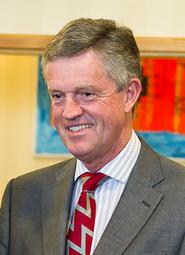
Vice Admiral Sir Adrian Johns
Governor since 26 October 2009
Vice Admiral Sir Adrian Johns
Governor since 26 October 2009
The monarchy is hereditary; governor appointed by the monarch;
Next scheduled election: None
Next scheduled election: None
HEAD OF GOVERNMENT
SELECTION PROCESS
Following legislative elections, the leader of the majority party or
the leader of the majority coalition is usually appointed chief
minister by the governor. Elections last held on 8 December 2011
Next scheduled election: 8 December 2015
the leader of the majority coalition is usually appointed chief
minister by the governor. Elections last held on 8 December 2011
Next scheduled election: 8 December 2015
| DECLARATION OF HUMAN RIGHTS |
| ETHNIC GROUPS |
Spanish, Italian, English, Maltese, Portuguese, German, North Africans
| RELIGIONS |
Roman Catholic 78.1%, Church of England 7%, other Christian 3.2%, Muslim 4%, Jewish 2.1%, Hindu 1.8%, other or
unspecified 0.9%, none 2.9% (2001 census)
unspecified 0.9%, none 2.9% (2001 census)
| GOVERNMENT STRUCTURE |
Overseas territory of the UK with 0 administrative divisions; Legal system are the laws of the UK, where applicable
Executive: The monarch is hereditary; governor appointed by the monarch; following legislative elections, the leader of the majority
party or the leader of the majority coalition is usually appointed chief minister by the governor
Legislative: Unicameral Parliament (18 seats: 17 members elected by popular vote, 1 for the Speaker appointed by Parliament; to
serve four-year terms)
elections: last held 8 December 2011 (next to be held not later than 8 December 2015)
Judicial: Supreme Court; Court of Appeal
Executive: The monarch is hereditary; governor appointed by the monarch; following legislative elections, the leader of the majority
party or the leader of the majority coalition is usually appointed chief minister by the governor
Legislative: Unicameral Parliament (18 seats: 17 members elected by popular vote, 1 for the Speaker appointed by Parliament; to
serve four-year terms)
elections: last held 8 December 2011 (next to be held not later than 8 December 2015)
Judicial: Supreme Court; Court of Appeal
| LANGUAGES |
English (used in schools and for official purposes), Spanish, Italian, Portuguese
| BRIEF HISTORY |
There is evidence of human habitation in Gibraltar going as far back as Neanderthal man, an extinct species of the Homo genus. The
first historical people known to have settled there were the Phoenicians around 950 BC. Semi-permanent settlements were later
established by the Carthaginians and Romans. After the collapse of the Roman Empire, Gibraltar came briefly under the control of
the Vandals, and would later form part of the Visigothic Kingdom of Hispania until its collapse due to the Muslim conquest in 711
AD. At that time, Gibraltar was named as one of the Pillars of Hercules, after the legend of the creation of the Straits of Gibraltar.
On April 30, 711, the Umayyad general Tariq ibn Ziyad led a Berber-dominated army across the Strait from Ceuta. He first
attempted to land at Algeciras but failed. Subsequently, he landed undetected at the southern point of the Rock from present-day
Morocco in his quest for Spain. Little was built during the first four centuries of Moorish control. The first permanent settlement was
built by the Almohad Sultan Abd al-Mu'min, who ordered the construction of a fortification on the Rock, the remains of which are
still present. Gibraltar would later become part of the Kingdom of Granada until 1309, when it would be briefly occupied by
Castilian troops. In 1333, it was conquered by the Marinids who had invaded Muslim Spain. The Marinids ceded Gibraltar to the
Kingdom of Granada in 1374. Finally, it was reconquered definitively by the Duke of Medina Sidonia in 1462, ending 750 years of
Moorish control. In the initial years under Medina Sidonia, Gibraltar was granted sovereignty as a home to a population of exiled
Sephardic Jews. Pedro de Herrera, a Jewish converso from Córdoba who had led the conquest of Gibraltar, led a group of 4,350
Jews from Córdoba and Seville to establish themselves in the town. A community was built and a garrison established to defend the
peninsula. However, this lasted only three years. In 1476, the Duke of Medina Sidonia realigned with the Spanish Crown; the
Sefardim were then forced back to Córdoba and the Spanish Inquisition. In 1501 Gibraltar passed under the hands of the Spanish
Crown, which had been established in 1479. Gibraltar was granted its coat of arms by a Royal Warrant passed in Toledo by
Isabella of Castile in 1501. The naval Battle of Gibraltar took place on April 25, 1607 during the Eighty Years' War when a Dutch
fleet surprised and engaged a Spanish fleet anchored at the Bay of Gibraltar. During the four-hour action, the entire Spanish fleet
was destroyed. During the War of the Spanish Succession, British and Dutch troops, allies of Archduke Charles, the Austrian
pretender to the Spanish Crown, formed a confederate fleet and attacked various towns on the southern coast of Spain. On 4
August 1704, after six hours of bombardment starting at 5 a.m., the confederate fleet, commanded by Admiral Sir George Rooke
assisted by Field Marshal Prince George of Hesse-Darmstadt comprising some 1800 Dutch and British marines captured the town
of Gibraltar and claimed it in the name of the Archduke Charles. Terms of surrender were agreed upon, after which much of the
population chose to leave Gibraltar peacefully. Franco-Spanish troops failed to retake the town, and British sovereignty over
Gibraltar was subsequently recognised by the 1713 Treaty of Utrecht, which ended the war. In this treaty, Spain ceded Gibraltar
(Article X) and Minorca (article XI) to the United Kingdom in perpetuity. Great Britain has retained sovereignty over the former
ever since, despite all attempts by Spain to recapture it. Due to military incursions by Spain various fortifications were established
and occupied by British troops in the area which came to be known as "the British Neutral Ground." This was the area to the north
of Gibraltar, militarily conquered and continuously occupied by the British except during time of war. (The sovereignty of this area,
which today contains the airport, cemetery, a number of housing estates and the sports centre, is separately disputed by Spain.)
During the American Revolution, the Spanish, who had entered the conflict against the British, imposed a stringent blockade against
Gibraltar as part of an unsuccessful siege (the Great Siege of Gibraltar) that lasted for more than three years, from 1779 to 1783.
On 14 September 1782, the British destroyed the floating batteries of the French and Spanish besiegers, and in February 1783 the
signing of peace preliminaries ended the siege. Gibraltar subsequently became an important naval base for the Royal Navy and
played an important part in the Battle of Trafalgar. Its strategic value increased with the opening of the Suez Canal, as it controlled
the important sea route between the UK and colonies such as India and Australia. During World War II, the civilian residents of
Gibraltar were evacuated, and the Rock was turned into a fortress. An airfield was built over the civilian racecourse. Guns on
Gibraltar controlled the entrance to the Mediterranean Sea, but plans by Nazi Germany to capture the Rock, codenamed Operation
Felix, later named Llona, were frustrated by Spain's reluctance to allow the German Army onto Spanish soil and the excessive price
Franco placed on his aid. Germany's Admiral Wilhelm Canaris, head of the Abwehr, also helped by filing a pointedly negative
assessment of the options. Canaris was a leader of the German high command resistance to Hitler, and tipped off Franco who
erected concrete barriers on roads leading to the Pyrenees. In the 1950s, Spain, then under the dictatorship of Francisco Franco,
renewed its claim to sovereignty over Gibraltar, sparked in part by the visit of Queen Elizabeth II in 1954 to celebrate the 250th
anniversary of the Rock's capture. For the next thirty years, Spain restricted movement between Gibraltar and Spain, in application
of one of the articles of the Treaty. A referendum was held on September 10, 1967, in which Gibraltar's voters were asked whether
they wished to either pass under Spanish sovereignty, or remain under British sovereignty, with institutions of self-government. The
vote was overwhelmingly in favour of continuance of British sovereignty, with 12,138 to 44 voting to reject Spanish sovereignty.
This led to the granting of autonomous status in May 1969 , which the Government of Spain strongly opposed. In response, the
following month Spain completely closed the border with Gibraltar and severed all communication links. The border with Spain was
partially reopened in 1982, and fully reopened in 1985 prior to Spain's accession into the European Community. Joint talks on the
future of the Rock held between Spain and the United Kingdom have occurred since the late 1980s, with various proposals for joint
sovereignty discussed. However, another referendum organised in Gibraltar in 2002 rejected the idea of joint sovereignty by 17,900
(98.97%) votes to 187 (1.03%). The British Government restated that, in accordance with the preamble of the constitution of
Gibraltar, the "UK will never enter into arrangements under which the people of Gibraltar would pass under the sovereignty of
another state against their freely and democratically expressed wishes." The question of Gibraltar continues to affect Anglo-Spanish
relations. In 1981 it was announced that the honeymoon for the royal wedding between prince Charles and Diana Spencer would
start from Gibraltar. The Spanish Government responded that King Juan Carlos and Queen Sofia had declined their invitation to the
ceremony as an act of protest. In 1988, SAS troops shot and killed three members of the IRA who were planning an attack on the
British Army band. The ensuing "Death on the Rock" controversy prompted a major political row in the UK. 2006 saw
representatives of the United Kingdom, Gibraltar and Spain conclude talks in Córdoba, Spain, a landmark agreement on a range of
cross-cutting issues affecting the Rock and the Campo de Gibraltar removing many of the restrictions imposed by Spain. This
agreement resolved a number of long standing issues; improved flow of traffic at the frontier, use of the airport by other carriers,
recognition of the 350 telephone code and the settlement of the long-running dispute regarding the pensions of former Spanish
workers in Gibraltar, who lost their jobs when Spain closed its border in 1969. Throughout 2009, a dispute over Gibraltar's claim
to territorial waters extending out three miles gave rise to periodic non-violent maritime confrontations between Spanish and UK
naval patrols. A new noncolonial constitution came into effect in 2007, and the European Court of First Instance recognized
Gibraltar's right to regulate its own tax regime in December 2008. The UK retains responsibility for defense, foreign relations,
internal security, and financial stability. Tourism in Gibraltar was encouraged through refurbishing and pedestrianising key areas of
the city, building a new passenger terminal to welcome cruise ship visitors and opening new marinas and leisure facilities. By 2011,
Gibraltar was attracting over 10 million visitors a year compared to a population of 29,752, giving it one of the highest
tourist-to-resident ratios in the world. As of 2013, Gibraltar is ranked as the second most prosperous territory of the European
Union and the 18th most prosperous worldwide in terms of gross domestic product by purchasing power parity per capita (the
United Kingdom, for comparison, is 33rd worldwide and Spain is 44th).
Source: Wikipedia: Gibraltar
first historical people known to have settled there were the Phoenicians around 950 BC. Semi-permanent settlements were later
established by the Carthaginians and Romans. After the collapse of the Roman Empire, Gibraltar came briefly under the control of
the Vandals, and would later form part of the Visigothic Kingdom of Hispania until its collapse due to the Muslim conquest in 711
AD. At that time, Gibraltar was named as one of the Pillars of Hercules, after the legend of the creation of the Straits of Gibraltar.
On April 30, 711, the Umayyad general Tariq ibn Ziyad led a Berber-dominated army across the Strait from Ceuta. He first
attempted to land at Algeciras but failed. Subsequently, he landed undetected at the southern point of the Rock from present-day
Morocco in his quest for Spain. Little was built during the first four centuries of Moorish control. The first permanent settlement was
built by the Almohad Sultan Abd al-Mu'min, who ordered the construction of a fortification on the Rock, the remains of which are
still present. Gibraltar would later become part of the Kingdom of Granada until 1309, when it would be briefly occupied by
Castilian troops. In 1333, it was conquered by the Marinids who had invaded Muslim Spain. The Marinids ceded Gibraltar to the
Kingdom of Granada in 1374. Finally, it was reconquered definitively by the Duke of Medina Sidonia in 1462, ending 750 years of
Moorish control. In the initial years under Medina Sidonia, Gibraltar was granted sovereignty as a home to a population of exiled
Sephardic Jews. Pedro de Herrera, a Jewish converso from Córdoba who had led the conquest of Gibraltar, led a group of 4,350
Jews from Córdoba and Seville to establish themselves in the town. A community was built and a garrison established to defend the
peninsula. However, this lasted only three years. In 1476, the Duke of Medina Sidonia realigned with the Spanish Crown; the
Sefardim were then forced back to Córdoba and the Spanish Inquisition. In 1501 Gibraltar passed under the hands of the Spanish
Crown, which had been established in 1479. Gibraltar was granted its coat of arms by a Royal Warrant passed in Toledo by
Isabella of Castile in 1501. The naval Battle of Gibraltar took place on April 25, 1607 during the Eighty Years' War when a Dutch
fleet surprised and engaged a Spanish fleet anchored at the Bay of Gibraltar. During the four-hour action, the entire Spanish fleet
was destroyed. During the War of the Spanish Succession, British and Dutch troops, allies of Archduke Charles, the Austrian
pretender to the Spanish Crown, formed a confederate fleet and attacked various towns on the southern coast of Spain. On 4
August 1704, after six hours of bombardment starting at 5 a.m., the confederate fleet, commanded by Admiral Sir George Rooke
assisted by Field Marshal Prince George of Hesse-Darmstadt comprising some 1800 Dutch and British marines captured the town
of Gibraltar and claimed it in the name of the Archduke Charles. Terms of surrender were agreed upon, after which much of the
population chose to leave Gibraltar peacefully. Franco-Spanish troops failed to retake the town, and British sovereignty over
Gibraltar was subsequently recognised by the 1713 Treaty of Utrecht, which ended the war. In this treaty, Spain ceded Gibraltar
(Article X) and Minorca (article XI) to the United Kingdom in perpetuity. Great Britain has retained sovereignty over the former
ever since, despite all attempts by Spain to recapture it. Due to military incursions by Spain various fortifications were established
and occupied by British troops in the area which came to be known as "the British Neutral Ground." This was the area to the north
of Gibraltar, militarily conquered and continuously occupied by the British except during time of war. (The sovereignty of this area,
which today contains the airport, cemetery, a number of housing estates and the sports centre, is separately disputed by Spain.)
During the American Revolution, the Spanish, who had entered the conflict against the British, imposed a stringent blockade against
Gibraltar as part of an unsuccessful siege (the Great Siege of Gibraltar) that lasted for more than three years, from 1779 to 1783.
On 14 September 1782, the British destroyed the floating batteries of the French and Spanish besiegers, and in February 1783 the
signing of peace preliminaries ended the siege. Gibraltar subsequently became an important naval base for the Royal Navy and
played an important part in the Battle of Trafalgar. Its strategic value increased with the opening of the Suez Canal, as it controlled
the important sea route between the UK and colonies such as India and Australia. During World War II, the civilian residents of
Gibraltar were evacuated, and the Rock was turned into a fortress. An airfield was built over the civilian racecourse. Guns on
Gibraltar controlled the entrance to the Mediterranean Sea, but plans by Nazi Germany to capture the Rock, codenamed Operation
Felix, later named Llona, were frustrated by Spain's reluctance to allow the German Army onto Spanish soil and the excessive price
Franco placed on his aid. Germany's Admiral Wilhelm Canaris, head of the Abwehr, also helped by filing a pointedly negative
assessment of the options. Canaris was a leader of the German high command resistance to Hitler, and tipped off Franco who
erected concrete barriers on roads leading to the Pyrenees. In the 1950s, Spain, then under the dictatorship of Francisco Franco,
renewed its claim to sovereignty over Gibraltar, sparked in part by the visit of Queen Elizabeth II in 1954 to celebrate the 250th
anniversary of the Rock's capture. For the next thirty years, Spain restricted movement between Gibraltar and Spain, in application
of one of the articles of the Treaty. A referendum was held on September 10, 1967, in which Gibraltar's voters were asked whether
they wished to either pass under Spanish sovereignty, or remain under British sovereignty, with institutions of self-government. The
vote was overwhelmingly in favour of continuance of British sovereignty, with 12,138 to 44 voting to reject Spanish sovereignty.
This led to the granting of autonomous status in May 1969 , which the Government of Spain strongly opposed. In response, the
following month Spain completely closed the border with Gibraltar and severed all communication links. The border with Spain was
partially reopened in 1982, and fully reopened in 1985 prior to Spain's accession into the European Community. Joint talks on the
future of the Rock held between Spain and the United Kingdom have occurred since the late 1980s, with various proposals for joint
sovereignty discussed. However, another referendum organised in Gibraltar in 2002 rejected the idea of joint sovereignty by 17,900
(98.97%) votes to 187 (1.03%). The British Government restated that, in accordance with the preamble of the constitution of
Gibraltar, the "UK will never enter into arrangements under which the people of Gibraltar would pass under the sovereignty of
another state against their freely and democratically expressed wishes." The question of Gibraltar continues to affect Anglo-Spanish
relations. In 1981 it was announced that the honeymoon for the royal wedding between prince Charles and Diana Spencer would
start from Gibraltar. The Spanish Government responded that King Juan Carlos and Queen Sofia had declined their invitation to the
ceremony as an act of protest. In 1988, SAS troops shot and killed three members of the IRA who were planning an attack on the
British Army band. The ensuing "Death on the Rock" controversy prompted a major political row in the UK. 2006 saw
representatives of the United Kingdom, Gibraltar and Spain conclude talks in Córdoba, Spain, a landmark agreement on a range of
cross-cutting issues affecting the Rock and the Campo de Gibraltar removing many of the restrictions imposed by Spain. This
agreement resolved a number of long standing issues; improved flow of traffic at the frontier, use of the airport by other carriers,
recognition of the 350 telephone code and the settlement of the long-running dispute regarding the pensions of former Spanish
workers in Gibraltar, who lost their jobs when Spain closed its border in 1969. Throughout 2009, a dispute over Gibraltar's claim
to territorial waters extending out three miles gave rise to periodic non-violent maritime confrontations between Spanish and UK
naval patrols. A new noncolonial constitution came into effect in 2007, and the European Court of First Instance recognized
Gibraltar's right to regulate its own tax regime in December 2008. The UK retains responsibility for defense, foreign relations,
internal security, and financial stability. Tourism in Gibraltar was encouraged through refurbishing and pedestrianising key areas of
the city, building a new passenger terminal to welcome cruise ship visitors and opening new marinas and leisure facilities. By 2011,
Gibraltar was attracting over 10 million visitors a year compared to a population of 29,752, giving it one of the highest
tourist-to-resident ratios in the world. As of 2013, Gibraltar is ranked as the second most prosperous territory of the European
Union and the 18th most prosperous worldwide in terms of gross domestic product by purchasing power parity per capita (the
United Kingdom, for comparison, is 33rd worldwide and Spain is 44th).
Source: Wikipedia: Gibraltar
| ECONOMIC OVERVIEW |
Self-sufficient Gibraltar benefits from an extensive shipping trade, offshore banking, and its position as an international conference
center. Tax rates are low to attract foreign investment. The British military presence has been sharply reduced and now contributes
about 7% to the local economy, compared with 60% in 1984. The financial sector, tourism (almost 5 million visitors in 1998),
gaming revenues, shipping services fees, and duties on consumer goods also generate revenue. The financial sector, tourism, and the
shipping sector contribute 30%, 30%, and 25%, respectively, of GDP. Telecommunications, e-commerce, and e-gaming account
for the remaining 15%. In recent years, Gibraltar has seen major structural change from a public to a private sector economy, but
changes in government spending still have a major impact on the level of employment.
Source: CIA World Factbook (select Gibraltar)
center. Tax rates are low to attract foreign investment. The British military presence has been sharply reduced and now contributes
about 7% to the local economy, compared with 60% in 1984. The financial sector, tourism (almost 5 million visitors in 1998),
gaming revenues, shipping services fees, and duties on consumer goods also generate revenue. The financial sector, tourism, and the
shipping sector contribute 30%, 30%, and 25%, respectively, of GDP. Telecommunications, e-commerce, and e-gaming account
for the remaining 15%. In recent years, Gibraltar has seen major structural change from a public to a private sector economy, but
changes in government spending still have a major impact on the level of employment.
Source: CIA World Factbook (select Gibraltar)
| POLITICAL CLIMATE |
In a referendum on September 10, 1967, the people of Gibraltar voted by 12,138 to 44 to reject the transfer of sovereignty to
Spain and to remain under British sovereignty. This day is now celebrated as Gibraltar's National Day. In a referendum organised
by the Government of Gibraltar on November 7, 2002, voters overwhelmingly rejected the principle that Spain and the United
Kingdom should share sovereignty over Gibraltar, by 17,900 votes to 187 on a turnout of almost 88%.
Unlike most other British territories, Gibraltar has not been offered independence by the UK. It has been suggested that this is on
the grounds that the Treaty of Utrecht, under which Spain ceded the territory to the British Crown, and which states that should the
British Crown wish to dispose of Gibraltar, it must be first offered to Spain. However, the Gibraltar Government has pointed out at
the UN that Article 103 of the UN Charter overrules and annuls this "reversionary clause".
Neither the United Kingdom nor Spain seem keen to test the legal status of Clause X of the Treaty of Utrecht in court. The
remaining parts of the treaty that regulated such things as the slave trade, and the transfer of Minorca to the British, have become
obsolete.
Spain argues that Gibraltar's status is an anachronism, and that it should become an autonomous community of Spain, similar to
Catalonia or the Basque Country. It also argues that the principle of territorial integrity, not self-determination applies, drawing
parallels with the British handover of Hong Kong to the People's Republic of China in 1997. However, at the same time, successive
Spanish governments have refused to countenance the handover of their north African enclaves of Ceuta and Melilla to Morocco.
The Junta de Andalucia (Andalucia's elected regional government) believes that Gibraltar should be integrated into its regional
autonomy.
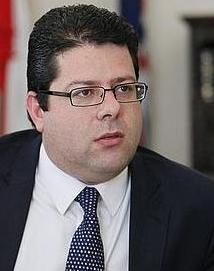
The Government of Gibraltar is elected for a term of four years. The head of Government is the Chief Minister, currently the Hon.
Fabian Picardo, of the Gibraltar Socialist Labour Party (GSLP), who have been in office since 9 December 2011 in alliance with
the Gibraltar Liberal Party (Liberals) following a general election. The Leader of the Opposition is former Chief Minister the Hon.
Peter Caruana of the Gibraltar Social Democrats (GSD).
Source: Wikipedia: Politics of Gibraltar
Spain and to remain under British sovereignty. This day is now celebrated as Gibraltar's National Day. In a referendum organised
by the Government of Gibraltar on November 7, 2002, voters overwhelmingly rejected the principle that Spain and the United
Kingdom should share sovereignty over Gibraltar, by 17,900 votes to 187 on a turnout of almost 88%.
Unlike most other British territories, Gibraltar has not been offered independence by the UK. It has been suggested that this is on
the grounds that the Treaty of Utrecht, under which Spain ceded the territory to the British Crown, and which states that should the
British Crown wish to dispose of Gibraltar, it must be first offered to Spain. However, the Gibraltar Government has pointed out at
the UN that Article 103 of the UN Charter overrules and annuls this "reversionary clause".
Neither the United Kingdom nor Spain seem keen to test the legal status of Clause X of the Treaty of Utrecht in court. The
remaining parts of the treaty that regulated such things as the slave trade, and the transfer of Minorca to the British, have become
obsolete.
Spain argues that Gibraltar's status is an anachronism, and that it should become an autonomous community of Spain, similar to
Catalonia or the Basque Country. It also argues that the principle of territorial integrity, not self-determination applies, drawing
parallels with the British handover of Hong Kong to the People's Republic of China in 1997. However, at the same time, successive
Spanish governments have refused to countenance the handover of their north African enclaves of Ceuta and Melilla to Morocco.
The Junta de Andalucia (Andalucia's elected regional government) believes that Gibraltar should be integrated into its regional
autonomy.
The Government of Gibraltar is elected for a term of four years. The head of Government is the Chief Minister, currently the Hon.
Fabian Picardo, of the Gibraltar Socialist Labour Party (GSLP), who have been in office since 9 December 2011 in alliance with
the Gibraltar Liberal Party (Liberals) following a general election. The Leader of the Opposition is former Chief Minister the Hon.
Peter Caruana of the Gibraltar Social Democrats (GSD).
Source: Wikipedia: Politics of Gibraltar
| INTERNATIONAL DISPUTES |
In 2002, Gibraltar residents voted overwhelmingly by referendum to reject any "shared sovereignty" arrangement; the government of
Gibraltar insists on equal participation in talks between the UK and Spain; Spain disapproves of UK plans to grant Gibraltar even
greater autonomy Strait.
Gibraltar insists on equal participation in talks between the UK and Spain; Spain disapproves of UK plans to grant Gibraltar even
greater autonomy Strait.


| REFUGEES AND INTERNALLY DISPLACED PERSONS (IDPS) |
None reported.
| ILLICIT DRUGS |
None reported.
| HUMAN RIGHTS STATEMENTS, ANALYSIS AND CRITIQUES |
AGREEMENT BETWEEN THE GOVERNMENT OF THE UNITED STATES OF
AMERICA AND THE GOVERNMENT OF GIBRALTAR FOR THE EXCHANGE OF
INFORMATION RELATING TO TAXES
31 March 2009
Whereas Gibraltar has long been active in international efforts in the fight against financial and other crimes, including combating the
financing of terrorism;
Whereas the Internal Revenue Service of the United States of America has determined Gibraltar's know-your-customer rules to be
acceptable for purposes of the Qualified Intermediary regime, which provides simplified withholding and reporting obligations for
payments of income from the United States to an account holder through one or more foreign intermediaries;
Whereas the Government of the United States of America and the Government of Gibraltar ("the parties") recognise that present
legislation already provides for the exchange of information in criminal tax matters, which is conducted by the United States through the
Department of Justice and by Gibraltar through the Office of the Chief Secretary;
Whereas the parties wish to establish the terms and conditions governing the exchange of information relating to taxes;
Now, therefore, the parties have agreed as follows
Article 1
The parties shall provide assistance through exchange of information that is foreseeably relevant to the administration and enforcement
of the domestic laws of the parties concerning the taxes covered by this Agreement, including information that is foreseeably relevant to
the determination, assessment, enforcement or collection of tax with respect to persons subject to such taxes, or to the investigation or
prosecution of criminal tax matters in relation to such persons.
•
Article 2
Jurisdiction
To enable the scope of this Agreement to be implemented and subject to the provisions of Article 7, information shall be provided in
accordance with this Agreement by the competent authority of the requested party without regard to whether the person to whom the
information relates is, or whether the information is held by, a resident of a party. A requested party shall not be obliged to provide
information which is neither held by its authorities nor in the possession or control of persons who are within its territorial jurisdiction
Click here to read more »
AMERICA AND THE GOVERNMENT OF GIBRALTAR FOR THE EXCHANGE OF
INFORMATION RELATING TO TAXES
31 March 2009
Whereas Gibraltar has long been active in international efforts in the fight against financial and other crimes, including combating the
financing of terrorism;
Whereas the Internal Revenue Service of the United States of America has determined Gibraltar's know-your-customer rules to be
acceptable for purposes of the Qualified Intermediary regime, which provides simplified withholding and reporting obligations for
payments of income from the United States to an account holder through one or more foreign intermediaries;
Whereas the Government of the United States of America and the Government of Gibraltar ("the parties") recognise that present
legislation already provides for the exchange of information in criminal tax matters, which is conducted by the United States through the
Department of Justice and by Gibraltar through the Office of the Chief Secretary;
Whereas the parties wish to establish the terms and conditions governing the exchange of information relating to taxes;
Now, therefore, the parties have agreed as follows
Article 1
The parties shall provide assistance through exchange of information that is foreseeably relevant to the administration and enforcement
of the domestic laws of the parties concerning the taxes covered by this Agreement, including information that is foreseeably relevant to
the determination, assessment, enforcement or collection of tax with respect to persons subject to such taxes, or to the investigation or
prosecution of criminal tax matters in relation to such persons.
•
Article 2
Jurisdiction
To enable the scope of this Agreement to be implemented and subject to the provisions of Article 7, information shall be provided in
accordance with this Agreement by the competent authority of the requested party without regard to whether the person to whom the
information relates is, or whether the information is held by, a resident of a party. A requested party shall not be obliged to provide
information which is neither held by its authorities nor in the possession or control of persons who are within its territorial jurisdiction
Click here to read more »
BRIEFING ON THE UNITED KINGDOM AND ITS CROWN DEPENDENCIES AND OVERSEAS TERRITORIES
FOR THE COMMITTEE ON THE ELIMINATION OF DISCRIMINATION AGAINST WOMEN
PRESESSIONAL WORKING GROUP
October 2012
From Peter Newell, Coordinator, Global Initiative
The human rights obligation to prohibit corporal punishment– a keystrategy in eliminating all forms of violence
The legality and practice of corporal punishment of girls breaches their fundamental rights to respect for their human dignity and
physical integrity, to equality under the law and to protection from all forms of violence– rights guaranteed in the Convention on the
Elimination of All Forms of Discrimination Against Women and other international human rights instruments. There are strong links
between corporal punishment of children– girls and boys– and all other forms of violence, including gender-based violence . As the
Committee on the Rights of the Child emphasised in its General Comment No. 8 (2006), 1 addressing corporal punishment is “a key
strategy for reducing and preventing all form of violence in societies”.
4 The legality of corporal punishment in the British Overseas Territories (OTs):
Anguilla, Bermuda, British Virgin Islands, Cayman Islands, Falkland Islands, Gibraltar, Montserrat, Pitcairn Islands, St Helena, Turks and
Caicos Islands
With the exception of the Pitcairn Islands– where the common law defence for the use of force in disciplining children has been
explicitly repealed– corporal punishment is lawful in the home and in almost all care settings in all OTs and in schools in all but the
Falkland Islands and St Helena.
Home:
The right to administer “reasonable chastisement” under English common law applies in the Overseas Territories. It is confirmed as “the
right of any parent, teacher or other person having the lawful control or charge of a child or young person to administer punishment” or
similar provision in the British Virgin Islands (Criminal Code, art. 192), the Cayman Islands (Penal Code, art. 226; Juveniles Law 1990,
art. 41), Gibraltar (Criminal Offences Act 1960, art. 82; Crimes Act 2011, art. 172), Montserrat (Penal Code 1983, art. 193; Juveniles
Act 1982, art. 37), St Helena (Welfare of Children Ordinance 2008, art. 144) and the Turks and Caicos Islands (Juveniles Ordinance
1968, art. 5). In Bermuda, it is confirmed as the right to use “reasonable” force “by way of correction” (Criminal Code 1907, art. 74).
Click here to read more »
FOR THE COMMITTEE ON THE ELIMINATION OF DISCRIMINATION AGAINST WOMEN
PRESESSIONAL WORKING GROUP
October 2012
From Peter Newell, Coordinator, Global Initiative
The human rights obligation to prohibit corporal punishment– a keystrategy in eliminating all forms of violence
The legality and practice of corporal punishment of girls breaches their fundamental rights to respect for their human dignity and
physical integrity, to equality under the law and to protection from all forms of violence– rights guaranteed in the Convention on the
Elimination of All Forms of Discrimination Against Women and other international human rights instruments. There are strong links
between corporal punishment of children– girls and boys– and all other forms of violence, including gender-based violence . As the
Committee on the Rights of the Child emphasised in its General Comment No. 8 (2006), 1 addressing corporal punishment is “a key
strategy for reducing and preventing all form of violence in societies”.
4 The legality of corporal punishment in the British Overseas Territories (OTs):
Anguilla, Bermuda, British Virgin Islands, Cayman Islands, Falkland Islands, Gibraltar, Montserrat, Pitcairn Islands, St Helena, Turks and
Caicos Islands
With the exception of the Pitcairn Islands– where the common law defence for the use of force in disciplining children has been
explicitly repealed– corporal punishment is lawful in the home and in almost all care settings in all OTs and in schools in all but the
Falkland Islands and St Helena.
Home:
The right to administer “reasonable chastisement” under English common law applies in the Overseas Territories. It is confirmed as “the
right of any parent, teacher or other person having the lawful control or charge of a child or young person to administer punishment” or
similar provision in the British Virgin Islands (Criminal Code, art. 192), the Cayman Islands (Penal Code, art. 226; Juveniles Law 1990,
art. 41), Gibraltar (Criminal Offences Act 1960, art. 82; Crimes Act 2011, art. 172), Montserrat (Penal Code 1983, art. 193; Juveniles
Act 1982, art. 37), St Helena (Welfare of Children Ordinance 2008, art. 144) and the Turks and Caicos Islands (Juveniles Ordinance
1968, art. 5). In Bermuda, it is confirmed as the right to use “reasonable” force “by way of correction” (Criminal Code 1907, art. 74).
Click here to read more »
Freedom In The World Report: Morocco 2003 (including Gibraltar)
Political Rights Score: 5
Civil Liberties Score: 5
Status: Partly Free
Overview
Interior Minister Driss Jettou was appointed prime minister. The 25-member coalition government he unveiled in December was little
different than its predecessor. Indeed, 19 members were carried over from the previous cabinet. The cabinet's size and diffuse
ideological composition were widely criticized as an indication that the palace did not want an effective decision-making body. There
were widespread complaints that politicians did not consult sufficiently within their respective parties before making decisions.
Another central component of the political reform process--the anticorruption campaign--also stalled in 2002. Following a judicial
investigation into the alleged diversion of more than $1 billion from a state bank, Credit Immobilier et Hotelier (CIH), to cronies of the
late King Hassan, the Special Court of Justice ordered the arrest of former CIH president Moulay Zine Zahidi and 15 senior CIH
executives in October. Zahidi went into hiding and gave an interview with the Casablanca-based Le Journal, claiming that several of the
bank's poor decisions regarding well-connected donors (such as its decision to buy back a tourist resort from Morocco's ambassador to
the United Nations for $3 million) were ordered by unspecified higher-ups in the Moroccan government. The two reporters who filed the
interview were detained and interrogated.
Political reforms have been intended first and foremost to bolster the domestic legitimacy and international standing of King Mohammed
VI, not to devolve decision-making power from the palace to the politicians. Concerns that the king's unwillingness to relinquish his grip
on power will further inflame Islamist militancy have become widespread among secular liberals, and contributed to a rift within the
royal family between King Mohammed and his 38-year old cousin, Prince Moulay Hisham. The latter began openly criticizing the
government in 2001, warning of potential political instability and hinting that the principle of primogeniture should not dictate the royal
succession in Morocco. Hisham was forced to leave the country in January 2002 after a stream of reports in the pro-government media
accused him of conspiring to launch a coup.
Although Morocco is not known for the kind of Islamist violence that wracked neighboring Algeria, the palace moved against radical
Islamists following the arrest in May 2002 of three Saudi members of al-Qaeda allegedly plotting to attack NATO warships in the Straits
of Gibraltar. Up to 20 Moroccans accused of providing them with financial assistance were reportedly arrested. Over the summer, the
authorities launched a crackdown on obscure radical Islamist groups (dubbed "militant Salafists" by the authorities) in low-income
districts of Casablanca, Tangiers, and other cities.
Click here for more»
Political Rights Score: 5
Civil Liberties Score: 5
Status: Partly Free
Overview
Interior Minister Driss Jettou was appointed prime minister. The 25-member coalition government he unveiled in December was little
different than its predecessor. Indeed, 19 members were carried over from the previous cabinet. The cabinet's size and diffuse
ideological composition were widely criticized as an indication that the palace did not want an effective decision-making body. There
were widespread complaints that politicians did not consult sufficiently within their respective parties before making decisions.
Another central component of the political reform process--the anticorruption campaign--also stalled in 2002. Following a judicial
investigation into the alleged diversion of more than $1 billion from a state bank, Credit Immobilier et Hotelier (CIH), to cronies of the
late King Hassan, the Special Court of Justice ordered the arrest of former CIH president Moulay Zine Zahidi and 15 senior CIH
executives in October. Zahidi went into hiding and gave an interview with the Casablanca-based Le Journal, claiming that several of the
bank's poor decisions regarding well-connected donors (such as its decision to buy back a tourist resort from Morocco's ambassador to
the United Nations for $3 million) were ordered by unspecified higher-ups in the Moroccan government. The two reporters who filed the
interview were detained and interrogated.
Political reforms have been intended first and foremost to bolster the domestic legitimacy and international standing of King Mohammed
VI, not to devolve decision-making power from the palace to the politicians. Concerns that the king's unwillingness to relinquish his grip
on power will further inflame Islamist militancy have become widespread among secular liberals, and contributed to a rift within the
royal family between King Mohammed and his 38-year old cousin, Prince Moulay Hisham. The latter began openly criticizing the
government in 2001, warning of potential political instability and hinting that the principle of primogeniture should not dictate the royal
succession in Morocco. Hisham was forced to leave the country in January 2002 after a stream of reports in the pro-government media
accused him of conspiring to launch a coup.
Although Morocco is not known for the kind of Islamist violence that wracked neighboring Algeria, the palace moved against radical
Islamists following the arrest in May 2002 of three Saudi members of al-Qaeda allegedly plotting to attack NATO warships in the Straits
of Gibraltar. Up to 20 Moroccans accused of providing them with financial assistance were reportedly arrested. Over the summer, the
authorities launched a crackdown on obscure radical Islamist groups (dubbed "militant Salafists" by the authorities) in low-income
districts of Casablanca, Tangiers, and other cities.
Click here for more»
Deadly Movements: Transportation Controls in the Arms Trade Treaty (IANSA)
18 July 2010
2/STOPPING UNAUTHORISED AND ILLEGAL INTERNATIONAL ARMS TRANSFERS
All UN Member States have legal obligations to impose controls on arms transportation in some cases to prevent unauthorised or illegal
international arms transfers.3 Recognising states' existing legal authority over ships and aircraft which are registered or 'flagged' in their
jurisdictions, most UN Security Council arms embargoes require all states to prevent the supply of arms and other embargoed materiel
“using their flag vessels or aircraft” to embargoed regions or entities.4 Many UN Security Council arms embargoes also require states to
prevent the “direct or indirect supply” of arms “by their nationals”, an obligation which includes nationals engaged in the transportation
of arms internationally to embargoed regions or entities.
Beyond specific obligations imposed by binding UN Security Council arms embargoes, many states have recognised the role that some
transport service providers have played in helping to transfer arms shipments internationally to unauthorised or unlawful end-users or
end-uses. This was recognised in the 2007 report of the UN Group of Governmental Experts on combating illicit brokering in small arms
and light weapons, which recommended that all states should be encouraged to adequately regulate through their national laws “closely
associated activities” of arms brokering, including “transport [and] freight forwarding”.5 The Group’s recommendations, which all
states have been encouraged to implement by a 2007 UN General Assembly resolution, backed by 179 states, reflect the widespread
findings of arms embargo investigative panels established by the UN Security Council, as well as investigative reports by Amnesty
International and other non-governmental organisations. This extensive body of detailed investigative work has highlighted the critical
role played by cargo carriers, ship and aircraft owners, shipping brokers, charterers and freight forwarders in supplying shipments of
arms and ammunition to arms-embargoed states and armed opposition groups, and to those committing serious violations of international
law.6
Court documents appear to show how Minin reportedly provided not just arms but an aircraft which was used to transport them to
Liberia. Using a company registered in Gibraltar, Minin reportedly arranged for the arms shipment to be transported from Ukraine to
Burkina Faso using an Antonov-124 aircraft operated by a UK company, and provided an end-user certificate ostensibly indicating that
the arms were destined for the government of Burkina Faso. Flight records and photographs indicate that the arms were then flown on
from Ouagadougou and Bobo Dioulasso in Burkina Faso to Liberia, using a private BAC-111 jet owned by Minin, registered in the
Cayman Islands.13
Click here to read more »
18 July 2010
2/STOPPING UNAUTHORISED AND ILLEGAL INTERNATIONAL ARMS TRANSFERS
All UN Member States have legal obligations to impose controls on arms transportation in some cases to prevent unauthorised or illegal
international arms transfers.3 Recognising states' existing legal authority over ships and aircraft which are registered or 'flagged' in their
jurisdictions, most UN Security Council arms embargoes require all states to prevent the supply of arms and other embargoed materiel
“using their flag vessels or aircraft” to embargoed regions or entities.4 Many UN Security Council arms embargoes also require states to
prevent the “direct or indirect supply” of arms “by their nationals”, an obligation which includes nationals engaged in the transportation
of arms internationally to embargoed regions or entities.
Beyond specific obligations imposed by binding UN Security Council arms embargoes, many states have recognised the role that some
transport service providers have played in helping to transfer arms shipments internationally to unauthorised or unlawful end-users or
end-uses. This was recognised in the 2007 report of the UN Group of Governmental Experts on combating illicit brokering in small arms
and light weapons, which recommended that all states should be encouraged to adequately regulate through their national laws “closely
associated activities” of arms brokering, including “transport [and] freight forwarding”.5 The Group’s recommendations, which all
states have been encouraged to implement by a 2007 UN General Assembly resolution, backed by 179 states, reflect the widespread
findings of arms embargo investigative panels established by the UN Security Council, as well as investigative reports by Amnesty
International and other non-governmental organisations. This extensive body of detailed investigative work has highlighted the critical
role played by cargo carriers, ship and aircraft owners, shipping brokers, charterers and freight forwarders in supplying shipments of
arms and ammunition to arms-embargoed states and armed opposition groups, and to those committing serious violations of international
law.6
Court documents appear to show how Minin reportedly provided not just arms but an aircraft which was used to transport them to
Liberia. Using a company registered in Gibraltar, Minin reportedly arranged for the arms shipment to be transported from Ukraine to
Burkina Faso using an Antonov-124 aircraft operated by a UK company, and provided an end-user certificate ostensibly indicating that
the arms were destined for the government of Burkina Faso. Flight records and photographs indicate that the arms were then flown on
from Ouagadougou and Bobo Dioulasso in Burkina Faso to Liberia, using a private BAC-111 jet owned by Minin, registered in the
Cayman Islands.13
Click here to read more »
Hidden Emergency
Migrant deaths in the Mediterranean
August 16, 2012
The mothers of young Tunisian men who disappeared without a trace after setting off in early 2011 on the dangerous voyage across the
Mediterranean are still searching for their loved ones. In meetings with Tunisian and Italian officials, they are asking for help and for the
truth. As one mother who travelled to Italy explained, “If I can’t find my own son, I will find at least one son. I want to be told what
happened to them.” They hope their sons arrived safely, but the reality is that they may be among the thousands who have died
attempting to cross the Mediterranean.
The number of migrant deaths in the Mediterranean, a sea with many busy shipping lanes where international law and centuries of
custom oblige ships to assist those in need, is shocking.
The United Nations High Commissioner for Refugees (UNHCR) estimates that 1,500 people died in the Mediterranean in 2011 alone,
making it the deadliest year on record.[1]Fortress Europe, an internet blog that tracks deaths of those seeking to reach Europe, puts the
number at over 2,000. The real number may be even higher.
Political upheaval and armed conflict in North Africa last year created particular circumstances that may have led to more people
embarking on even more dangerous crossings. Yet, migration to Europe by those fleeing persecution or just seeking a better life is a
regular, yearly phenomenon, and so too are deaths at sea. According to Fortress Europe, over 13,500 people have died attempting these
crossings since 1998.[2]
The death toll during the first six months of 2012 has reached at least 170.[3]An Eritrean man lived to tell of the deaths of every one of
his 54 fellow passengers when their small dinghy sank in the Mediterranean in early July. He clung to the remains of the dinghy for days
before being sighted by fishermen and rescued by the Tunisian Coast Guard.
Unless more is done, it is certain that more will die.
Europe has a responsibility to make sure that preventing deaths at sea is at the heart of a coordinated European-wide approach to boat
migration, not a self-serving afterthought to policies focused on preventing arrivals or another maneuver by northern member states to
shift the burden to southern member states like Italy and Malta.
With admirable candor, EU Commissioner Cecilia Malmström said recently that Europe had, in its reaction to the Arab Spring, “missed
the opportunity to show the EU is ready to defend, to stand up, and to help." Immediate, concerted efforts to prevent deaths at sea must
be part of rectifying what Malmström called Europe’s “historic mistake.”[4]
Europe’s Response to Boat Migration
People have been risking their lives to come to Europe, either in search of economic stability or a safe haven from war and persecution,
for decades. Major sea routes to Europe include from North Africa (particularly from Libya, Egypt, Tunisia, and Morocco) to Italy and
Malta across the Sicilian Channel and from West Africa (but also from Morocco and Algeria) to Spain’s Canary Islands in the Atlantic
Ocean. There is also some travel to Spain’s southern coast across the Strait of Gibraltar.
Click here to read more »
Migrant deaths in the Mediterranean
August 16, 2012
The mothers of young Tunisian men who disappeared without a trace after setting off in early 2011 on the dangerous voyage across the
Mediterranean are still searching for their loved ones. In meetings with Tunisian and Italian officials, they are asking for help and for the
truth. As one mother who travelled to Italy explained, “If I can’t find my own son, I will find at least one son. I want to be told what
happened to them.” They hope their sons arrived safely, but the reality is that they may be among the thousands who have died
attempting to cross the Mediterranean.
The number of migrant deaths in the Mediterranean, a sea with many busy shipping lanes where international law and centuries of
custom oblige ships to assist those in need, is shocking.
The United Nations High Commissioner for Refugees (UNHCR) estimates that 1,500 people died in the Mediterranean in 2011 alone,
making it the deadliest year on record.[1]Fortress Europe, an internet blog that tracks deaths of those seeking to reach Europe, puts the
number at over 2,000. The real number may be even higher.
Political upheaval and armed conflict in North Africa last year created particular circumstances that may have led to more people
embarking on even more dangerous crossings. Yet, migration to Europe by those fleeing persecution or just seeking a better life is a
regular, yearly phenomenon, and so too are deaths at sea. According to Fortress Europe, over 13,500 people have died attempting these
crossings since 1998.[2]
The death toll during the first six months of 2012 has reached at least 170.[3]An Eritrean man lived to tell of the deaths of every one of
his 54 fellow passengers when their small dinghy sank in the Mediterranean in early July. He clung to the remains of the dinghy for days
before being sighted by fishermen and rescued by the Tunisian Coast Guard.
Unless more is done, it is certain that more will die.
Europe has a responsibility to make sure that preventing deaths at sea is at the heart of a coordinated European-wide approach to boat
migration, not a self-serving afterthought to policies focused on preventing arrivals or another maneuver by northern member states to
shift the burden to southern member states like Italy and Malta.
With admirable candor, EU Commissioner Cecilia Malmström said recently that Europe had, in its reaction to the Arab Spring, “missed
the opportunity to show the EU is ready to defend, to stand up, and to help." Immediate, concerted efforts to prevent deaths at sea must
be part of rectifying what Malmström called Europe’s “historic mistake.”[4]
Europe’s Response to Boat Migration
People have been risking their lives to come to Europe, either in search of economic stability or a safe haven from war and persecution,
for decades. Major sea routes to Europe include from North Africa (particularly from Libya, Egypt, Tunisia, and Morocco) to Italy and
Malta across the Sicilian Channel and from West Africa (but also from Morocco and Algeria) to Spain’s Canary Islands in the Atlantic
Ocean. There is also some travel to Spain’s southern coast across the Strait of Gibraltar.
Click here to read more »
Date: 22nd February 2013
NO CHANGE TO RELIGIOUS EDUCATION IN SCHOOLS
Her Majesty’s Government of Gibraltar notes the comments made in a statement by the Secular Humanist Society of Gibraltar on the
teaching of Religious Education at our secondary schools. Specifically, the Government and the Department of Education in particular
wish to completely disassociate themselves with any comments made in that statement as to the value of Religious Education in our
schools.
We categorically confirm that nothing has in fact changed on the approach to and teaching of Religious Education in our schools.
Religious Education has been, is at present and will continue to be one of the core subjects taught in our schools. Indeed, the Education
(National Curriculum) Regulations 1991 provide that the basic curriculum shall include provisions for religious education for all
registered pupils. There are no plans at all to change this.
Although Religious Education is a core subject (in the same way as English and Maths), the practice has been that some students do
not take RE in exceptional circumstances on the grounds of conscience or religious beliefs. This practice has existed for many years.
Where this has happened, the student was not able to study an alternative GCSE.
Representations were made to the Government by the parent of one of these students that it was unfair that an alternative GCSE should
not be offered where these exceptional circumstances arise with the consequence that the student would take one GCSE less than other
students. The Government agreed in principle purely on educational grounds to explore the possibility of offering such an alternative
subject provided that the key elements of moral and social education which RE covers were also contained in that subject.
This possibility is still being explored and the Government cannot state at this stage whether it will be feasible or viable in practice to
provide such an alternative subject to these students.
Click here to read more »
NO CHANGE TO RELIGIOUS EDUCATION IN SCHOOLS
Her Majesty’s Government of Gibraltar notes the comments made in a statement by the Secular Humanist Society of Gibraltar on the
teaching of Religious Education at our secondary schools. Specifically, the Government and the Department of Education in particular
wish to completely disassociate themselves with any comments made in that statement as to the value of Religious Education in our
schools.
We categorically confirm that nothing has in fact changed on the approach to and teaching of Religious Education in our schools.
Religious Education has been, is at present and will continue to be one of the core subjects taught in our schools. Indeed, the Education
(National Curriculum) Regulations 1991 provide that the basic curriculum shall include provisions for religious education for all
registered pupils. There are no plans at all to change this.
Although Religious Education is a core subject (in the same way as English and Maths), the practice has been that some students do
not take RE in exceptional circumstances on the grounds of conscience or religious beliefs. This practice has existed for many years.
Where this has happened, the student was not able to study an alternative GCSE.
Representations were made to the Government by the parent of one of these students that it was unfair that an alternative GCSE should
not be offered where these exceptional circumstances arise with the consequence that the student would take one GCSE less than other
students. The Government agreed in principle purely on educational grounds to explore the possibility of offering such an alternative
subject provided that the key elements of moral and social education which RE covers were also contained in that subject.
This possibility is still being explored and the Government cannot state at this stage whether it will be feasible or viable in practice to
provide such an alternative subject to these students.
Click here to read more »
Annual Report 2011
March 2012
INTRODUCTION
This year has been marked by the administrative disorder which ensued after the Buildings and Works Department was dissolved by the
Government of Gibraltar and the new Housing Works Agency created. This is the subject of comment on my Review (see page 13).
Reports
There was a general consensus in our office that our reports were perhaps too long and often not reader-friendly. After researching
other jurisdictions and considering our resources, we decided to change the style of our reports. Our aim has always been to include in
the reports as much detail as possible including delays in receiving replies to our inquiries, the idea being to make the public aware of the
work of the public administration. We shall still continue to provide all the relevant information albeit in a better and more fluent manner
which, hopefully, will make our reports more amenable to the reader.
Principles of Good Administration
We have continued to promote the Principles of Good Administration to all those under our jurisdiction. The Principles have proved to be
an excellent tool in our work and we now regularly measure the circumstances leading to complaints against the Principles. Basically,
we try to establish what actually happened against what should have happened and whether the Principles have been applied.
Positive Results
There is no doubt that since the Ombudsman was established in Gibraltar, there has been a very positive development in the manner in
which service is delivered to the public. During the course of investigations the entity being complained about has the opportunity to
review its actions and to discuss the circumstances of the complaint with us. This exercise in itself proves to be a useful review of their
procedures and deficiencies (where they exist) are identified. Thus it is my belief that complaints are useful tools which should be
welcomed as instruments for the promotion of good governance.
As an example of the above, stemming from a recent investigation, we were recently informed by the Gibraltar Electricity Authority that
instructions had been issued to ensure that they do not connect or reconnect a non-registered consumer. Thus any reconnection or
connection after hours has to be checked against the records of the registered consumer on the next working day and instructions have
been issued that if the record card is not found, then a proper investigation should take place in order to establish if the occupier of the
property is eligible to be the registered consumer. This action can only be described as good governance.
Click here to read more »
March 2012
INTRODUCTION
This year has been marked by the administrative disorder which ensued after the Buildings and Works Department was dissolved by the
Government of Gibraltar and the new Housing Works Agency created. This is the subject of comment on my Review (see page 13).
Reports
There was a general consensus in our office that our reports were perhaps too long and often not reader-friendly. After researching
other jurisdictions and considering our resources, we decided to change the style of our reports. Our aim has always been to include in
the reports as much detail as possible including delays in receiving replies to our inquiries, the idea being to make the public aware of the
work of the public administration. We shall still continue to provide all the relevant information albeit in a better and more fluent manner
which, hopefully, will make our reports more amenable to the reader.
Principles of Good Administration
We have continued to promote the Principles of Good Administration to all those under our jurisdiction. The Principles have proved to be
an excellent tool in our work and we now regularly measure the circumstances leading to complaints against the Principles. Basically,
we try to establish what actually happened against what should have happened and whether the Principles have been applied.
Positive Results
There is no doubt that since the Ombudsman was established in Gibraltar, there has been a very positive development in the manner in
which service is delivered to the public. During the course of investigations the entity being complained about has the opportunity to
review its actions and to discuss the circumstances of the complaint with us. This exercise in itself proves to be a useful review of their
procedures and deficiencies (where they exist) are identified. Thus it is my belief that complaints are useful tools which should be
welcomed as instruments for the promotion of good governance.
As an example of the above, stemming from a recent investigation, we were recently informed by the Gibraltar Electricity Authority that
instructions had been issued to ensure that they do not connect or reconnect a non-registered consumer. Thus any reconnection or
connection after hours has to be checked against the records of the registered consumer on the next working day and instructions have
been issued that if the record card is not found, then a proper investigation should take place in order to establish if the occupier of the
property is eligible to be the registered consumer. This action can only be described as good governance.
Click here to read more »
Monday, November 12, 2012
ALVAREZ CALLS ON GIB BUSINESS & FINANCE TO BE ‘VISIONARY’
Felix Alvarez, Equality Rights group (GGR) Chairman, has sent a message of congratulations to a Financial Services Summit held in
London at the global headquarters of the reputed law firm Clifford Chance and supported by US Secretary of State Hilary Clinton. The
Summit brings together major global corporations to discuss the opportunity that increasing equality brings to the marketplace.
The Finance Centre in Gibraltar should take note of how the marketplace is moving along with social change all round,’ Mr Alvarez
stated. ‘At this important Summit, the world’s largest companies are coming together to discuss how the financial services industry can
work with and benefit from equality. No doubt at all, major corporations see not only the altruistic value of this, but also the market
opportunities which are arising as society changes. The companies participating in the Summit represent eleven major companies with
more than $630 billion (£385 billion) in market capitalisation.
‘Likewise, we in Gibraltar must also be visionaries if we wish to stay ahead of trends and safeguard our economic growth in the present
and for the future. Civil Society includes the Business Sector, not just social non-governmental organisations. We’re all in this together to
see mutual growth and progress for our people. Activists must be open to this kind of social inclusion and mutual support,’ Mr Alvarez
continued. ‘And we are pleased to note voices such as the Chief Executive of Barclays confirm that, in his words, ‘Equality is critically
important to Barclays because it helps to ensure that we provide customers and clients with the best possible service.’
‘I am certain leaders of the local Business Community in general, as well as the Finance Centre industry in Gibraltar in particular, will
take note of not only this Summit but of what it means in terms of entrepreneurial opportunity for growing our economic base and
increasing employment as the world itself becomes more competitive for a slice of a growing ‘equality niche,’ Mr Alvarez ended.
Click here to read more>>
ALVAREZ CALLS ON GIB BUSINESS & FINANCE TO BE ‘VISIONARY’
Felix Alvarez, Equality Rights group (GGR) Chairman, has sent a message of congratulations to a Financial Services Summit held in
London at the global headquarters of the reputed law firm Clifford Chance and supported by US Secretary of State Hilary Clinton. The
Summit brings together major global corporations to discuss the opportunity that increasing equality brings to the marketplace.
The Finance Centre in Gibraltar should take note of how the marketplace is moving along with social change all round,’ Mr Alvarez
stated. ‘At this important Summit, the world’s largest companies are coming together to discuss how the financial services industry can
work with and benefit from equality. No doubt at all, major corporations see not only the altruistic value of this, but also the market
opportunities which are arising as society changes. The companies participating in the Summit represent eleven major companies with
more than $630 billion (£385 billion) in market capitalisation.
‘Likewise, we in Gibraltar must also be visionaries if we wish to stay ahead of trends and safeguard our economic growth in the present
and for the future. Civil Society includes the Business Sector, not just social non-governmental organisations. We’re all in this together to
see mutual growth and progress for our people. Activists must be open to this kind of social inclusion and mutual support,’ Mr Alvarez
continued. ‘And we are pleased to note voices such as the Chief Executive of Barclays confirm that, in his words, ‘Equality is critically
important to Barclays because it helps to ensure that we provide customers and clients with the best possible service.’
‘I am certain leaders of the local Business Community in general, as well as the Finance Centre industry in Gibraltar in particular, will
take note of not only this Summit but of what it means in terms of entrepreneurial opportunity for growing our economic base and
increasing employment as the world itself becomes more competitive for a slice of a growing ‘equality niche,’ Mr Alvarez ended.
Click here to read more>>
| Click map for larger view |
| Click flag for Country Report |



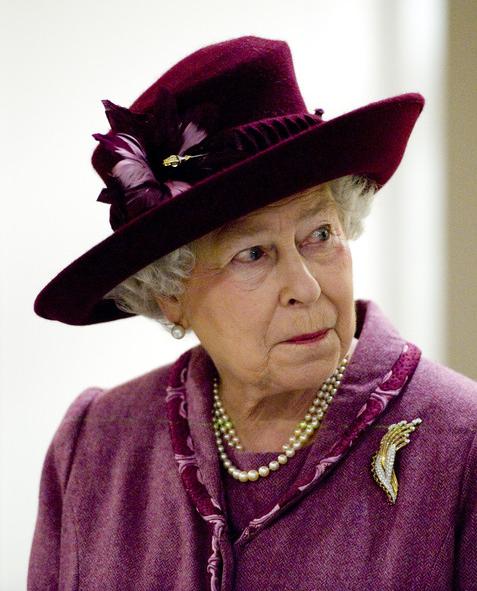
Elizabeth II of the United Kingdom
Queen since 6 February 1952
Queen since 6 February 1952
| TRAFFICKING IN PERSONS |
None reported.
Fabian Picardo
Chief Minister since 9 December 2011
Chief Minister since 9 December 2011



Prince Charles of the United Kingdom
Heir Apparent since 14 November 1948
Heir Apparent since 14 November 1948