| GUADELOUPE Overseas Department of Guadeloupe Pays d'outre-mer de Guadeloupe (overseas department of France) Joined United Nations: 24 October 1945 Human Rights as assured by their constitution Click here Updated 11 February 2013 |
| CAPITAL |
| POPULATION |
| CHIEF OF STATE |
| SELECTION PROCESS |
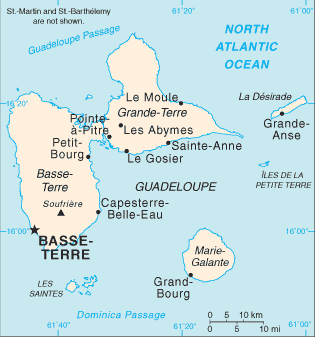
Basse-Terre
405,500 (Jan 2008 est.)
Francois Hollande
President of France since 15 May 2012
President of France since 15 May 2012
French president elected by popular vote for a five-year term;
Prefect appointed by the French president on the advice of the
French Ministry of Interior. Election last held 22 April and 6 May
2012
Next scheduled election: Spring 2017
Prefect appointed by the French president on the advice of the
French Ministry of Interior. Election last held 22 April and 6 May
2012
Next scheduled election: Spring 2017
HEAD OF GOVERNMENT
SELECTION PROCESS
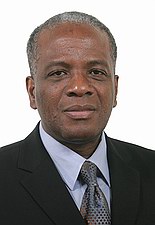
Jacques Gillot
President of the General Council
Since 26 March 2001
President of the General Council
Since 26 March 2001
President of the General Council and the President of the
Regional Council are elected by the members of the Territorial
Assembly for five-year terms (no term limits)
Regional Council are elected by the members of the Territorial
Assembly for five-year terms (no term limits)
| DECLARATION OF HUMAN RIGHTS |
| ETHNIC GROUPS |
Black / Mulatto 71%, White 9%, from Tamil Nadu and other parts of India / Indian 15%, Lebanese / Syrians 2%
| RELIGIONS |
Roman Catholic 86%, Protestant 5%, Hindu / African 4%, Jehovah's Witnesses 2%
| GOVERNMENT STRUCTURE |
Overseas Region of France with 2 Arrondissements, 40 Cantons and 32 Communes . Legal system is based on French
civil law system with indigenous concepts; review of administrative but not legislative acts
Executive: - president elected by popular vote for a five-year term (changed from seven-year term in October 2000);
election last held 22 April and 6 May 2007 (next to be held spring 2012); represented by prefect, President of the
Regional Council and the President of the General Council are elected by the members of the Territorial Assembly for
five-year terms (no term limits)
Legislative: Unicameral General Council (Conseil général; 42 seats) and Unicameral Regional Council (Conseil régional;
41 seats); Elections: General Council: last held 3 August 2012, next due 2016; Regional Council last held 01 March
2012, next due March 2018
Judicial: Court of Appeal (Cour d'Appel) in Basse-Terre; Assize Court (Cour d'assises) in Basse-Terre to try felonies,
consisting of three judges and a popular jury; Several first instance courts of varying competence levels, in Basse-Terre,
Pointe-à-Pitre, Saint-Martin and Grand-Bourg
civil law system with indigenous concepts; review of administrative but not legislative acts
Executive: - president elected by popular vote for a five-year term (changed from seven-year term in October 2000);
election last held 22 April and 6 May 2007 (next to be held spring 2012); represented by prefect, President of the
Regional Council and the President of the General Council are elected by the members of the Territorial Assembly for
five-year terms (no term limits)
Legislative: Unicameral General Council (Conseil général; 42 seats) and Unicameral Regional Council (Conseil régional;
41 seats); Elections: General Council: last held 3 August 2012, next due 2016; Regional Council last held 01 March
2012, next due March 2018
Judicial: Court of Appeal (Cour d'Appel) in Basse-Terre; Assize Court (Cour d'assises) in Basse-Terre to try felonies,
consisting of three judges and a popular jury; Several first instance courts of varying competence levels, in Basse-Terre,
Pointe-à-Pitre, Saint-Martin and Grand-Bourg
| LANGUAGES |
French (official) 99%, Most locals also speak Creole language
| BRIEF HISTORY |
The earliest settlers on Guadeloupe arrived around 300 BC and developed agriculture on the island. They were
removed by the more warlike Caribs. It was the Caribs who called the island "Karukera," which is roughly translated as
"island with beautiful waters." They were also the tribe to meet all of the later settlers to the island. Columbus' second
journey brought him to this island on November 14, 1493. He named it for an image in a Spanish monastery he had
visited: Santa María de Guadalupe de Extremadura, an image of the Virgin Mary venerated at Villuercas, in Guadalupe,
Extremadura. No settlements were established on the island for many years but it was used as a trading post. However,
in 1635 the French Compagnie des Îles de l'Amérique sent explorers to take control of the island. They succeeded, but
nearly wiped out the Caribs in doing so. It was not annexed to the Kingdom of France until 1674. After successful
settlement on the island of St Christophe (St Kitts), the French American Islands Company delegated Charles Lienard
and Jean Duplessis, Lord of Ossonville to colonize one or any of the region’s islands, Guadeloupe, Martinique or
Dominica. Due to Martinique’s inhospitable nature, the duo resolved to settle in Guadeloupe. The French took
possession of the island in 1635 and wiped out many of the Carib amerindians. It was annexed to the kingdom of
France in 1674. Over the next century, the island was seized several times by the British. One indication of
Guadeloupe's prosperity at this time is that in the Treaty of Paris (1763), France, defeated in war, agreed to abandon
its territorial claims in Canada in return for British recognition of French control of Guadeloupe. In 1790, the upper
classes of Guadeloupe refused to obey the new laws of equal rights for the free colored and attempted to declare
independence, resulting in great disturbances; a fire broke out in Pointe-à-Pitre and devastated a third of the town, and
a struggle between the monarchists (who wanted independence) and the republicans (who were faithful to revolutionary
France) ended in the victory of the monarchists, who declared independence in 1791, followed by the refusal to receive
the new governor appointed by Paris in 1792. In 1793, a slave rebellion started, which made the upper classes turn to
the British and ask them to occupy the island. In an effort to take advantage of the chaos ensuing from the French
Revolution, Britain attempted to seize Guadeloupe in 1794 and held it from April 21 to June 2. The French retook the
island under the command of Victor Hugues, who succeeded in freeing the slaves. They revolted and turned on the
slave-owners who controlled the sugar plantations, but when American interests were threatened, Napoleon sent a
force to suppress the rebels and reinstitute slavery. Louis Delgrès and a group of revolutionary soldiers killed
themselves on the slopes of the Matouba volcano when it became obvious that the invading troops would take control
of the island. The occupation force killed approximately 10,000 Guadeloupeans in the process of restoring order to the
island. On February 4, 1810 the British once again seized the island. By the Anglo-Swedish alliance of March 3, 1813,
it was ceded to Sweden but the British administration continued in place while Swedish commissioners were sent to
make arrangements for the transfer. Sweden already had a colony in the area, but then by the Treaty of Paris of May
30, 1814, ceded Guadeloupe once more to France . An ensuing settlement between Sweden and the British gave rise
to the Guadeloupe Fund. French control of Guadeloupe was finally acknowledged in the Treaty of Vienna in 1815.
Slavery was abolished on the island in 1848 at the initiative of Victor Schoelcher. Today the population of Guadeloupe
is mostly of African origin with an important European and Indian active population. Lebanese, Chinese, and people of
many other origins are also present. On February 22, 2007 the island communes of Saint-Martin and Saint-Barthélemy
were officially detached from Guadeloupe and became two separate French overseas collectivities with their own local
administration, henceforth separated from Guadeloupe. Their combined population was 35,930 and their combined
land area was 74.2 km² at the 1999 census. Guadeloupe thereby lost 8.5 percent of its population and 4.36 percent of
its land area, based upon numbers from that census. In early 2009, Guadeloupe experienced widespread public unrest
as part of the 2009 French Caribbean general strikes, with protests focusing on low wages, high costs of living and
social inequality. President of the Region, Victor Lurel resigns July 10, 2012, following his appointment as Minister of
Overseas . Josette Borel-Lincertin succeeding August 3, 2012, elected with 33 votes out of 38 voters .
Sources: Wikipedia: History of Guadeloupe
removed by the more warlike Caribs. It was the Caribs who called the island "Karukera," which is roughly translated as
"island with beautiful waters." They were also the tribe to meet all of the later settlers to the island. Columbus' second
journey brought him to this island on November 14, 1493. He named it for an image in a Spanish monastery he had
visited: Santa María de Guadalupe de Extremadura, an image of the Virgin Mary venerated at Villuercas, in Guadalupe,
Extremadura. No settlements were established on the island for many years but it was used as a trading post. However,
in 1635 the French Compagnie des Îles de l'Amérique sent explorers to take control of the island. They succeeded, but
nearly wiped out the Caribs in doing so. It was not annexed to the Kingdom of France until 1674. After successful
settlement on the island of St Christophe (St Kitts), the French American Islands Company delegated Charles Lienard
and Jean Duplessis, Lord of Ossonville to colonize one or any of the region’s islands, Guadeloupe, Martinique or
Dominica. Due to Martinique’s inhospitable nature, the duo resolved to settle in Guadeloupe. The French took
possession of the island in 1635 and wiped out many of the Carib amerindians. It was annexed to the kingdom of
France in 1674. Over the next century, the island was seized several times by the British. One indication of
Guadeloupe's prosperity at this time is that in the Treaty of Paris (1763), France, defeated in war, agreed to abandon
its territorial claims in Canada in return for British recognition of French control of Guadeloupe. In 1790, the upper
classes of Guadeloupe refused to obey the new laws of equal rights for the free colored and attempted to declare
independence, resulting in great disturbances; a fire broke out in Pointe-à-Pitre and devastated a third of the town, and
a struggle between the monarchists (who wanted independence) and the republicans (who were faithful to revolutionary
France) ended in the victory of the monarchists, who declared independence in 1791, followed by the refusal to receive
the new governor appointed by Paris in 1792. In 1793, a slave rebellion started, which made the upper classes turn to
the British and ask them to occupy the island. In an effort to take advantage of the chaos ensuing from the French
Revolution, Britain attempted to seize Guadeloupe in 1794 and held it from April 21 to June 2. The French retook the
island under the command of Victor Hugues, who succeeded in freeing the slaves. They revolted and turned on the
slave-owners who controlled the sugar plantations, but when American interests were threatened, Napoleon sent a
force to suppress the rebels and reinstitute slavery. Louis Delgrès and a group of revolutionary soldiers killed
themselves on the slopes of the Matouba volcano when it became obvious that the invading troops would take control
of the island. The occupation force killed approximately 10,000 Guadeloupeans in the process of restoring order to the
island. On February 4, 1810 the British once again seized the island. By the Anglo-Swedish alliance of March 3, 1813,
it was ceded to Sweden but the British administration continued in place while Swedish commissioners were sent to
make arrangements for the transfer. Sweden already had a colony in the area, but then by the Treaty of Paris of May
30, 1814, ceded Guadeloupe once more to France . An ensuing settlement between Sweden and the British gave rise
to the Guadeloupe Fund. French control of Guadeloupe was finally acknowledged in the Treaty of Vienna in 1815.
Slavery was abolished on the island in 1848 at the initiative of Victor Schoelcher. Today the population of Guadeloupe
is mostly of African origin with an important European and Indian active population. Lebanese, Chinese, and people of
many other origins are also present. On February 22, 2007 the island communes of Saint-Martin and Saint-Barthélemy
were officially detached from Guadeloupe and became two separate French overseas collectivities with their own local
administration, henceforth separated from Guadeloupe. Their combined population was 35,930 and their combined
land area was 74.2 km² at the 1999 census. Guadeloupe thereby lost 8.5 percent of its population and 4.36 percent of
its land area, based upon numbers from that census. In early 2009, Guadeloupe experienced widespread public unrest
as part of the 2009 French Caribbean general strikes, with protests focusing on low wages, high costs of living and
social inequality. President of the Region, Victor Lurel resigns July 10, 2012, following his appointment as Minister of
Overseas . Josette Borel-Lincertin succeeding August 3, 2012, elected with 33 votes out of 38 voters .
Sources: Wikipedia: History of Guadeloupe
| ECONOMIC OVERVIEW |
Guadeloupe sends four deputies to the French National Assembly and three senators to the French Senate. One of the
four National Assembly constituencies still includes Saint-Martin and Saint-Barthélemy even though they have seceded
from Guadeloupe in 2007. This situation lasted until 2012 when Saint-Martin and Saint-Barthélemy sent their own
deputies to the French National Assembly. President of the Region, Victor Lurel resigns July 10, 2012, following his
appointment as Minister of Overseas . Josette Borel-Lincertin succeeding August 3, 2012, elected with 33 votes out of
38 voters .
Source: Wikipedia: Politics of Guadeloupe
four National Assembly constituencies still includes Saint-Martin and Saint-Barthélemy even though they have seceded
from Guadeloupe in 2007. This situation lasted until 2012 when Saint-Martin and Saint-Barthélemy sent their own
deputies to the French National Assembly. President of the Region, Victor Lurel resigns July 10, 2012, following his
appointment as Minister of Overseas . Josette Borel-Lincertin succeeding August 3, 2012, elected with 33 votes out of
38 voters .
Source: Wikipedia: Politics of Guadeloupe
| POLITICAL CLIMATE |
In 2006 the GDP per capita of Guadeloupe at real exchange rates, not at PPP, was €17,338 (US$21,780). The
economy of Guadeloupe depends on tourism, agriculture, light industry and services. But it especially depends on
France for large subsidies and imports. Tourism is a key industry, with 83.3% of tourists visiting from metropolitan
France, 10.8% coming from the rest of Europe, 3.4% coming from the United States, 1.5% coming from Canada,
0.4% coming from South America and 0.6% coming from the rest of the world.[7] An increasingly large number of
cruise ships visit the islands. The traditional sugarcane crop is slowly being replaced by other crops, such as bananas
(which now supply about 50% of export earnings), eggplant, guinnep, noni, sapotilla, paroka, pikinga, giraumon
squash, yam, gourd, plantain, christophine, monbin, prunecafé, cocoa, jackfruit, pomegranate, and many varieties of
flowers. Other vegetables and root crops are cultivated for local consumption, although Guadeloupe is still dependent
on imported food, mainly from France. Light industry features sugar and rum, solar energy, and many industrial
productions. Most manufactured goods and fuel are imported. Unemployment is especially high among the youth.
Hurricanes periodically devastate the economy.
economy of Guadeloupe depends on tourism, agriculture, light industry and services. But it especially depends on
France for large subsidies and imports. Tourism is a key industry, with 83.3% of tourists visiting from metropolitan
France, 10.8% coming from the rest of Europe, 3.4% coming from the United States, 1.5% coming from Canada,
0.4% coming from South America and 0.6% coming from the rest of the world.[7] An increasingly large number of
cruise ships visit the islands. The traditional sugarcane crop is slowly being replaced by other crops, such as bananas
(which now supply about 50% of export earnings), eggplant, guinnep, noni, sapotilla, paroka, pikinga, giraumon
squash, yam, gourd, plantain, christophine, monbin, prunecafé, cocoa, jackfruit, pomegranate, and many varieties of
flowers. Other vegetables and root crops are cultivated for local consumption, although Guadeloupe is still dependent
on imported food, mainly from France. Light industry features sugar and rum, solar energy, and many industrial
productions. Most manufactured goods and fuel are imported. Unemployment is especially high among the youth.
Hurricanes periodically devastate the economy.
| INTERNATIONAL DISPUTES |
None reported.


| REFUGEES AND INTERNALLY DISPLACED PERSONS (IDP) |
None reported.
| ILLICIT DRUGS |
None reported.
| HUMAN RIGHTS STATEMENTS, ANALYSIS AND CRITIQUES |
2011 Human Rights Report: France (including Guadeloupe and other Overseas Territories)
Bureau of Democracy, Human Rights, and Labor
2011 Country Reports on Human Rights Practices
May 25, 2012
France is a multiparty constitutional democracy. The president of the republic is elected by popular vote for a five-year term. Nicolas
Sarkozy is the incumbent. The upper house (Senate) of the bicameral parliament is elected indirectly through an electoral college,
while the lower house (National Assembly) is elected directly. Elections for seats in the National Assembly and for the presidency in
2007 and for seats in the Senate in 2011 were considered free and fair. The Union for a Popular Movement (UMP) is the majority
party in parliament. Security forces reported to civilian authorities.
The most significant human rights problem during the year involved government evictions and compulsory repatriations of illegal
immigrants from Romania and Bulgaria, many of whom were Roma. Several attacks against Roma were also reported. Overcrowded
and unhygienic conditions in prisons were compounded by problems in the judicial system, including lengthy pretrial detention and
protracted investigation and trials. French Muslims and others of immigrant origin faced some discrimination, particularly, in the case
of Muslims, as a result of a prohibition against face-covering attire in public institutions.
Other human rights problems reported during the year included antidefamation laws that limited freedom of speech and press, societal
violence against women, anti-Semitic incidents, and trafficking in persons.
The government took steps to prosecute and punish security force and other officials who committed abuses. Impunity was not
widespread.
Note: The country includes 11 overseas administrative divisions that are covered in this report. Four overseas territories in French
Guiana, Guadeloupe, Martinique, and Reunion, have the same political status as the 22 metropolitan regions and 101 departments on
the mainland. Five divisions are overseas “collectivities”: French Polynesia, Saint-Barthelemy, Saint-Martin, Saint-Pierre and Miquelon,
and Wallis and Futuna. New Caledonia is a special overseas collectivity with a unique, semiautonomous status between an independent
country and an overseas department. Mayotte became the 101st department on March 31, 2011. Citizens of these territories
periodically elect deputies and senators to represent them in parliament, like the other overseas regions and departments.
Section 1. Respect for the Integrity of the Person, Including Freedom from:Share
Click here to read more »
Bureau of Democracy, Human Rights, and Labor
2011 Country Reports on Human Rights Practices
May 25, 2012
France is a multiparty constitutional democracy. The president of the republic is elected by popular vote for a five-year term. Nicolas
Sarkozy is the incumbent. The upper house (Senate) of the bicameral parliament is elected indirectly through an electoral college,
while the lower house (National Assembly) is elected directly. Elections for seats in the National Assembly and for the presidency in
2007 and for seats in the Senate in 2011 were considered free and fair. The Union for a Popular Movement (UMP) is the majority
party in parliament. Security forces reported to civilian authorities.
The most significant human rights problem during the year involved government evictions and compulsory repatriations of illegal
immigrants from Romania and Bulgaria, many of whom were Roma. Several attacks against Roma were also reported. Overcrowded
and unhygienic conditions in prisons were compounded by problems in the judicial system, including lengthy pretrial detention and
protracted investigation and trials. French Muslims and others of immigrant origin faced some discrimination, particularly, in the case
of Muslims, as a result of a prohibition against face-covering attire in public institutions.
Other human rights problems reported during the year included antidefamation laws that limited freedom of speech and press, societal
violence against women, anti-Semitic incidents, and trafficking in persons.
The government took steps to prosecute and punish security force and other officials who committed abuses. Impunity was not
widespread.
Note: The country includes 11 overseas administrative divisions that are covered in this report. Four overseas territories in French
Guiana, Guadeloupe, Martinique, and Reunion, have the same political status as the 22 metropolitan regions and 101 departments on
the mainland. Five divisions are overseas “collectivities”: French Polynesia, Saint-Barthelemy, Saint-Martin, Saint-Pierre and Miquelon,
and Wallis and Futuna. New Caledonia is a special overseas collectivity with a unique, semiautonomous status between an independent
country and an overseas department. Mayotte became the 101st department on March 31, 2011. Citizens of these territories
periodically elect deputies and senators to represent them in parliament, like the other overseas regions and departments.
Section 1. Respect for the Integrity of the Person, Including Freedom from:Share
Click here to read more »
TRANSLATED FROM FRENCH BY GOOGLE TRANSLATE
27 April 2012
Human Rights Committee
104th session
New York, 12–30 March 2012
Report of the Special Rapporteur for follow-up on concluding observations of the Human Rights Committee
(104th session, March 2012)
The following report sets out the information received by the Special Rapporteur for follow-up on concluding observations and the
steps that she took between the 103rd and 104th sessions pursuant to the Human Rights Committee’s rules of procedure. All the
available information concerning the follow-up procedure used by the Committee since its eighty-seventh session, held in July 2006, is
outlined in the table appended as an annex to this report, which covers the measures taken in connection with States parties that have
not responded during the period under consideration, States parties with respect to which the Committee has completed its follow-up
activities, and States parties whose responses will be considered at the Committee’s next session.
Summary of third reply – paragraph 18:
The immigration situation is very different in overseas departments, regions and communities (DROM-COM). The Government has
built administrative detention centres in DROM-COM with high levels of illegal immigration: Guadeloupe, French Guyana, Réunion and
Mayotte. The Government has also built permanent or temporary administrative detention facilities in other locations (statistical
information provided on administrative detention centres and facilities in DROM-COM). Renovation work has been carried out at the
administrative detention centre in Guadeloupe (2009–2010) and French Guyana (2007–2008) (bringing equipment and operations up to
standard).
Click here to read more »
27 April 2012
Human Rights Committee
104th session
New York, 12–30 March 2012
Report of the Special Rapporteur for follow-up on concluding observations of the Human Rights Committee
(104th session, March 2012)
The following report sets out the information received by the Special Rapporteur for follow-up on concluding observations and the
steps that she took between the 103rd and 104th sessions pursuant to the Human Rights Committee’s rules of procedure. All the
available information concerning the follow-up procedure used by the Committee since its eighty-seventh session, held in July 2006, is
outlined in the table appended as an annex to this report, which covers the measures taken in connection with States parties that have
not responded during the period under consideration, States parties with respect to which the Committee has completed its follow-up
activities, and States parties whose responses will be considered at the Committee’s next session.
Summary of third reply – paragraph 18:
The immigration situation is very different in overseas departments, regions and communities (DROM-COM). The Government has
built administrative detention centres in DROM-COM with high levels of illegal immigration: Guadeloupe, French Guyana, Réunion and
Mayotte. The Government has also built permanent or temporary administrative detention facilities in other locations (statistical
information provided on administrative detention centres and facilities in DROM-COM). Renovation work has been carried out at the
administrative detention centre in Guadeloupe (2009–2010) and French Guyana (2007–2008) (bringing equipment and operations up to
standard).
Click here to read more »
FREEDOM IN THE WORLD 2010 REPORT FRANCE(including Guadeloupe)
Political Rights Score: 1
Civil Liberties Score: 1
Status: Free
Overview
Several commissions reviewed a range of issues in France in 2009, including those related to the judiciary, measuring the country's
ethnic composition, the French administrative system, and the wearing of burqas. Meanwhile, a month-long general strike in
Guadeloupe and Martinique led to a governmental increase in payments to low-wage workers.
In early 2009, major protests broke out in Guadeloupe and Martinique, two French overseas departments equal in status to those in
mainland France. A month-long general strike began over the cost of living but also reflected tensions between the black majority
and the ruling whites. French riot police were sent in and ultimately reached a deal whereby the government agreed to increase
payments to low-wage workers.
Click here to read more »
Political Rights Score: 1
Civil Liberties Score: 1
Status: Free
Overview
Several commissions reviewed a range of issues in France in 2009, including those related to the judiciary, measuring the country's
ethnic composition, the French administrative system, and the wearing of burqas. Meanwhile, a month-long general strike in
Guadeloupe and Martinique led to a governmental increase in payments to low-wage workers.
In early 2009, major protests broke out in Guadeloupe and Martinique, two French overseas departments equal in status to those in
mainland France. A month-long general strike began over the cost of living but also reflected tensions between the black majority
and the ruling whites. French riot police were sent in and ultimately reached a deal whereby the government agreed to increase
payments to low-wage workers.
Click here to read more »
Summit of the Americas fails to address human rights
20 April 2009
The fifth Summit of the Americas has failed to recognize that human rights must be placed at the centre of efforts to confront the
many fundamental challenges facing the region.
Governments from every country in the Americas, except for Cuba, took part in the four-yearly meeting held in Port of Spain,
Trinidad and Tobago, between 17 and 19 April.
The 34 heads of state and government discussed the Summit's three principal themes: human prosperity, energy security and
environmental sustainability.
The Declaration of Commitment of Port of Spain was adopted by consensus at the close of the Summit on 19 April. Based on the
three themes, the Declaration fails to lay out a clear human rights framework for progress in these areas.
A number of governments, including Venezuela, Bolivia, Nicaragua and Honduras, indicated that they were not prepared to formally
sign the Declaration. Leaders agreed to instead adopt it by consensus and have Trinidadian Prime Minister Manning sign on behalf of
all leaders.
The governments that had registered objections did not feel that the Declaration deals adequately with the current global economic
crisis. They also wanted to see strong references to the issue of Cuba's reintegration into Organization of American States (OAS) and
the lifting of the US embargo against Cuba.
Amnesty International delegates at the Summit urged the governments of the region to make a firm commitment to ensuring that all
measures taken in response to the current global economic crisis fully conform to their human rights obligations. But the recognition
in the Declaration of the responsibility governments have to address the crisis does not acknowledge human rights at all.
"At a time of global economic turmoil and with a new spirit of compromise in the air between the government of US President
Barrack Obama and other governments in the Americas this Summit offered an unparalleled opportunity to lay out a strong human
rights vision for the Americas," said Alex Neve, Secretary General of Amnesty International Canada, who was part of the Amnesty
International delegation at the Summit. "Instead, human rights have once again been pushed to the back."
Click here to read more »
20 April 2009
The fifth Summit of the Americas has failed to recognize that human rights must be placed at the centre of efforts to confront the
many fundamental challenges facing the region.
Governments from every country in the Americas, except for Cuba, took part in the four-yearly meeting held in Port of Spain,
Trinidad and Tobago, between 17 and 19 April.
The 34 heads of state and government discussed the Summit's three principal themes: human prosperity, energy security and
environmental sustainability.
The Declaration of Commitment of Port of Spain was adopted by consensus at the close of the Summit on 19 April. Based on the
three themes, the Declaration fails to lay out a clear human rights framework for progress in these areas.
A number of governments, including Venezuela, Bolivia, Nicaragua and Honduras, indicated that they were not prepared to formally
sign the Declaration. Leaders agreed to instead adopt it by consensus and have Trinidadian Prime Minister Manning sign on behalf of
all leaders.
The governments that had registered objections did not feel that the Declaration deals adequately with the current global economic
crisis. They also wanted to see strong references to the issue of Cuba's reintegration into Organization of American States (OAS) and
the lifting of the US embargo against Cuba.
Amnesty International delegates at the Summit urged the governments of the region to make a firm commitment to ensuring that all
measures taken in response to the current global economic crisis fully conform to their human rights obligations. But the recognition
in the Declaration of the responsibility governments have to address the crisis does not acknowledge human rights at all.
"At a time of global economic turmoil and with a new spirit of compromise in the air between the government of US President
Barrack Obama and other governments in the Americas this Summit offered an unparalleled opportunity to lay out a strong human
rights vision for the Americas," said Alex Neve, Secretary General of Amnesty International Canada, who was part of the Amnesty
International delegation at the Summit. "Instead, human rights have once again been pushed to the back."
Click here to read more »
Guadeloupe, Article 25
Wednesday, 02 May 2012
Committee Against Torture: Considering the Periodic Report of France 27th-28th of April 2010. With References to
Overseas Issues. Alternative Report of the Collective Overseas Migrants on April 15, 2010
The collective known as Migrants Overseas [Communiqué Collective Migrants Overseas (MOM)] was established in 2006, as a
network of thirteen national associations working in conjunction to enforce the rights and liberties of all peoples in French Overseas
Territories. These are regions where Human Rights have been neglected throughout history and continue to be neglected (Guadeloupe,
Mayotte, French Guiana, Saint-Martin). Human Rights continue to be routinely violated on Guadeloupe, particularly with regard to the
poor conditions of Administrative Detention Centers (ARC) on the Island. Citizens are denied legal protections provided in other
French Departments, including France itself. Administrative practices and procedures routinely ignore French Law, while persons
detained are kept for months and as much as 2 years without proper due process and without being formally charged with offenses.
The conditions in these Administrative Detention Centers has been cited by Human Rights Watch as “on par with the most undignified
of environments in modern society.”
Click here to read more»
Wednesday, 02 May 2012
Committee Against Torture: Considering the Periodic Report of France 27th-28th of April 2010. With References to
Overseas Issues. Alternative Report of the Collective Overseas Migrants on April 15, 2010
The collective known as Migrants Overseas [Communiqué Collective Migrants Overseas (MOM)] was established in 2006, as a
network of thirteen national associations working in conjunction to enforce the rights and liberties of all peoples in French Overseas
Territories. These are regions where Human Rights have been neglected throughout history and continue to be neglected (Guadeloupe,
Mayotte, French Guiana, Saint-Martin). Human Rights continue to be routinely violated on Guadeloupe, particularly with regard to the
poor conditions of Administrative Detention Centers (ARC) on the Island. Citizens are denied legal protections provided in other
French Departments, including France itself. Administrative practices and procedures routinely ignore French Law, while persons
detained are kept for months and as much as 2 years without proper due process and without being formally charged with offenses.
The conditions in these Administrative Detention Centers has been cited by Human Rights Watch as “on par with the most undignified
of environments in modern society.”
Click here to read more»
TRANSLATED FROM FRENCH BY GOOGLE TRANSLATE
Regional Delegation for Women's Rights and Equality (DRDFE)
Updated on: 19/03/2012 2:13 p.m.
To reduce gender inequality, promote access to rights, fight against any threat to the integrity of women, these are the objectives
of the policy of women's rights and equality between women and men, as at national and local level.
THE DRDFE is responsible for boosting regional politics of women's rights and equality between women and men. Its steering
role, organization and liaison is essential, it contributes to the coherence of its interministerial missions, provides the necessary
visibility to public actions, and part of the integrated approach recommended by the European and international.
The action of the regional delegation for women's rights and equality is structured around the four pillars of the political rights of
women and equality between women and men:
gender and women's access to responsibilities and decision-making in politics, in the business world, in public office and in
community life,
the fight against stereotypes orientation, job desegregation, equal opportunities and pay and entrepreneurship by women
respect for human dignity, the fight against any form of attack on the integrity and especially the fight against violence against
women,
articulation time work, family and social life.
Politics of women's rights and equality between women and men are by nature cross and inter the DRDFE develop partnerships
with relevant departments of the State, including:
the fight against violence: the DRJSCS , the services of the Ministry of Justice, the ARS , police and gendarmerie ...;
for equal work and pay, the mix of jobs, the creation of businesses and companies: DIECCTE and other services involved in
labor and employment ...;
For orientation, access to scientific and technical careers, diversity respect between girls and boys, women and men in the
educational system: the Rector, DAF ...
DRDFE the awareness and the network of correspondents and referents "equality between men and women" of different
administrations and initiates actions with a regional scope which allowed her to develop the actions and role of the state and
develop appropriate communication towards the public.
The composition of DRDFE:
The Regional Delegate for Women's Rights and Equality: MARIE-ANGELIQUE Helen
A collaborator of the DR: Discount Jospitre
Click here to read more »
Regional Delegation for Women's Rights and Equality (DRDFE)
Updated on: 19/03/2012 2:13 p.m.
To reduce gender inequality, promote access to rights, fight against any threat to the integrity of women, these are the objectives
of the policy of women's rights and equality between women and men, as at national and local level.
THE DRDFE is responsible for boosting regional politics of women's rights and equality between women and men. Its steering
role, organization and liaison is essential, it contributes to the coherence of its interministerial missions, provides the necessary
visibility to public actions, and part of the integrated approach recommended by the European and international.
The action of the regional delegation for women's rights and equality is structured around the four pillars of the political rights of
women and equality between women and men:
gender and women's access to responsibilities and decision-making in politics, in the business world, in public office and in
community life,
the fight against stereotypes orientation, job desegregation, equal opportunities and pay and entrepreneurship by women
respect for human dignity, the fight against any form of attack on the integrity and especially the fight against violence against
women,
articulation time work, family and social life.
Politics of women's rights and equality between women and men are by nature cross and inter the DRDFE develop partnerships
with relevant departments of the State, including:
the fight against violence: the DRJSCS , the services of the Ministry of Justice, the ARS , police and gendarmerie ...;
for equal work and pay, the mix of jobs, the creation of businesses and companies: DIECCTE and other services involved in
labor and employment ...;
For orientation, access to scientific and technical careers, diversity respect between girls and boys, women and men in the
educational system: the Rector, DAF ...
DRDFE the awareness and the network of correspondents and referents "equality between men and women" of different
administrations and initiates actions with a regional scope which allowed her to develop the actions and role of the state and
develop appropriate communication towards the public.
The composition of DRDFE:
The Regional Delegate for Women's Rights and Equality: MARIE-ANGELIQUE Helen
A collaborator of the DR: Discount Jospitre
Click here to read more »
TRANSLATED FROM FRENCH BY GOOGLE TRANSLATE
Rights defender listening to the citizen
Updated on: 12/05/2012 3:57 p.m.
Institution created since 1 May 2011, the Human Rights Defender is the constitutional body of the same name and the person
performing the function. In France since June 22, 2011, according to the Human Rights Defender is Mr. Dominique BAUDIS.
The advocate provides a public service under the protection of the rights and freedoms of citizens.
The Defender of Rights has all the powers and prerogatives conferred previously formed from the networks created by:
the Ombudsman: disputes with utilities,
the Ombudsman for Children: rights of the child,
the National Commission on Security Ethics ( CNDS ) ethically by people engaged in security
the High Authority against Discrimination and for Equality ( HALDE ): the fight against discrimination.
The Defender of Rights has powers own investigation, including the possibility of entering the State Council in case of doubt
on the interpretation of legal texts.
After reviewing each case, it determines whether the complaint is valid examining the case and trying to focus on the amicable
resolution of the dispute. If necessary, he may make representations to the courts.
A network of 450 delegates, distributed throughout the country, assists the Human Rights Defender's mission.
Three delegates territorial rights defender perform their duties in Guadeloupe.
They constitute the first level of listening, information and referral of applicants, and are ideally placed to make a complaint.
Any natural or legal person who is aggrieved in their rights or freedoms or who thinks they have been discriminated against, may
directly enter the territorial delegate rights defender.
Referral to the territorial representative Rights Defender is FREE.
The delegate of Rights Defender can also be entered indirectly by the beneficiaries or legal representatives of victims, minors and
their families and associations rights and fight against discrimination.
It can also self-refer or be referred by parliamentarians to any matter within its jurisdiction.
It is very easy to get in touch with the territorial delegate rights defender (rendezvous point home, mail, email).
List of Delegates territorial rights defender
in Guadeloupe
Basse-Terre
Click here to read more »
Rights defender listening to the citizen
Updated on: 12/05/2012 3:57 p.m.
Institution created since 1 May 2011, the Human Rights Defender is the constitutional body of the same name and the person
performing the function. In France since June 22, 2011, according to the Human Rights Defender is Mr. Dominique BAUDIS.
The advocate provides a public service under the protection of the rights and freedoms of citizens.
The Defender of Rights has all the powers and prerogatives conferred previously formed from the networks created by:
the Ombudsman: disputes with utilities,
the Ombudsman for Children: rights of the child,
the National Commission on Security Ethics ( CNDS ) ethically by people engaged in security
the High Authority against Discrimination and for Equality ( HALDE ): the fight against discrimination.
The Defender of Rights has powers own investigation, including the possibility of entering the State Council in case of doubt
on the interpretation of legal texts.
After reviewing each case, it determines whether the complaint is valid examining the case and trying to focus on the amicable
resolution of the dispute. If necessary, he may make representations to the courts.
A network of 450 delegates, distributed throughout the country, assists the Human Rights Defender's mission.
Three delegates territorial rights defender perform their duties in Guadeloupe.
They constitute the first level of listening, information and referral of applicants, and are ideally placed to make a complaint.
Any natural or legal person who is aggrieved in their rights or freedoms or who thinks they have been discriminated against, may
directly enter the territorial delegate rights defender.
Referral to the territorial representative Rights Defender is FREE.
The delegate of Rights Defender can also be entered indirectly by the beneficiaries or legal representatives of victims, minors and
their families and associations rights and fight against discrimination.
It can also self-refer or be referred by parliamentarians to any matter within its jurisdiction.
It is very easy to get in touch with the territorial delegate rights defender (rendezvous point home, mail, email).
List of Delegates territorial rights defender
in Guadeloupe
Basse-Terre
Click here to read more »
TRANSLATED FROM FRENCH BY GOOGLE TRANSLATE
Migrants in Guadeloupe, French Guiana and Mayotte: France again condemned by the European Court of Human Rights
December 19, 2012
The European Court of Human Rights has condemned France once again, for the expulsion of migrants which it carries out in
Guyana, Guadeloupe and Mayotte. These areas look desperately to lawless areas, and the judgment of the Court, which was
adopted unanimously in its formation the most solemn, reiterated that the legislation is applied exceptions violates the right to an
effective remedy guaranteed by the European Convention on Human Rights. The collective Overseas Migrants analysis that
judgment in a statement.
Stop Souza Ribeiro c. France, December 13, 2012, No. 22689/07
Every year tens of thousands of removal are performed from Guyana, Guadeloupe and Mayotte (as Saint-Martin and
Saint-Barthélemy) without judicial review in derogation of common law applicable in France, which provides the suspensive effect
of appeals against administrative distance.
Unanimously, the European Court of Human Rights held in its formation the most solemn just say that this emergency legislation
violated the right to an effective remedy under Article 13 of the Convention: case, the applicant 1 to 1 Brazilian national - had been
deported to Guyana before the Administrative Tribunal of Cayenne could decide on his appeal, in which he invoked the violation of
the right to respect family life.
The Strasbourg Court held in section rejected the request by four votes against three (ECtHR, 31 June 2011, No. 07 22 689, De
Souza Ribeiro c. France), the matter was referred to the Grand Chamber; Cimade Gisti the third and LDH were involved. The
decision of 13 December 2012 reverses the previous one.
The Court considers that Article 13 in conjunction with Article 8 of the Convention "requires the state to provide the person
concerned an opportunity to challenge the deportation or refusal of a residence permit and to obtain a sufficient review and provide
adequate procedural safeguards relevant issues by a competent internal body providing sufficient guarantees of independence and
impartiality. "
Citing plenty of third party intervention, the Court notes that expeditious practices indicate the circumstances of the case and extra
sweeps rituals arguments justifying a law of exception in overseas.
"[...], Who was arrested on the morning of 25 January 2007, the applicant underwent a APRF (prefectural deportation) and was
placed in administrative detention on the same day at 10 am, and then be away the next 16 hours. It was therefore far from Guiana
less than thirty-six hours after his arrest, "on the basis of a reasoned decision succinctly and stereotyped certify" the superficial
examination of the applicant's situation made by the prefectural authority. "
While saying "recognizes the need for States to fight against illegal immigration and have the necessary resources to deal with such
phenomena," the Court finds that this requirement does not justify "to deny the applicant the opportunity to have practical minimum
procedural safeguards adequate to protect against an expulsion decision arbitrary. "
The infringement of the right to effective remedy under Article 13 of the European Convention on Human Rights together with the
right to respect for their private and family life for so many people arrested in an expeditious manner and renewed since the addition
overseas.
For the second time in 20122, the Court condemned France to a question on the effectiveness of national procedures for
immigration and their operation. The French State must terminate the proceedings by the Court condemned plans including
exceptions applicable to foreigners overseas incompatible with respect for human rights guaranteed by the European Convention in
all territories of the French Republic.
Collective migrants overseas (MOM):
ADDE: lawyers to defend the rights of foreigners; AIDS; CCFD: Catholic Committee against Hunger and for Development; Cimade:
ecumenical service support; Collectif Haiti de France; Comede: Medical Committee for exiles Gisti: group Information and support
for immigrants; Elena lawyers for asylum; LDH: League of Human Rights, Doctors of the World, MRAP: French Movement
against Racism and for Friendship between people; OIP : International Observatory of Prisons, Secours Catholique.
Click here to read more »
Migrants in Guadeloupe, French Guiana and Mayotte: France again condemned by the European Court of Human Rights
December 19, 2012
The European Court of Human Rights has condemned France once again, for the expulsion of migrants which it carries out in
Guyana, Guadeloupe and Mayotte. These areas look desperately to lawless areas, and the judgment of the Court, which was
adopted unanimously in its formation the most solemn, reiterated that the legislation is applied exceptions violates the right to an
effective remedy guaranteed by the European Convention on Human Rights. The collective Overseas Migrants analysis that
judgment in a statement.
Stop Souza Ribeiro c. France, December 13, 2012, No. 22689/07
Every year tens of thousands of removal are performed from Guyana, Guadeloupe and Mayotte (as Saint-Martin and
Saint-Barthélemy) without judicial review in derogation of common law applicable in France, which provides the suspensive effect
of appeals against administrative distance.
Unanimously, the European Court of Human Rights held in its formation the most solemn just say that this emergency legislation
violated the right to an effective remedy under Article 13 of the Convention: case, the applicant 1 to 1 Brazilian national - had been
deported to Guyana before the Administrative Tribunal of Cayenne could decide on his appeal, in which he invoked the violation of
the right to respect family life.
The Strasbourg Court held in section rejected the request by four votes against three (ECtHR, 31 June 2011, No. 07 22 689, De
Souza Ribeiro c. France), the matter was referred to the Grand Chamber; Cimade Gisti the third and LDH were involved. The
decision of 13 December 2012 reverses the previous one.
The Court considers that Article 13 in conjunction with Article 8 of the Convention "requires the state to provide the person
concerned an opportunity to challenge the deportation or refusal of a residence permit and to obtain a sufficient review and provide
adequate procedural safeguards relevant issues by a competent internal body providing sufficient guarantees of independence and
impartiality. "
Citing plenty of third party intervention, the Court notes that expeditious practices indicate the circumstances of the case and extra
sweeps rituals arguments justifying a law of exception in overseas.
"[...], Who was arrested on the morning of 25 January 2007, the applicant underwent a APRF (prefectural deportation) and was
placed in administrative detention on the same day at 10 am, and then be away the next 16 hours. It was therefore far from Guiana
less than thirty-six hours after his arrest, "on the basis of a reasoned decision succinctly and stereotyped certify" the superficial
examination of the applicant's situation made by the prefectural authority. "
While saying "recognizes the need for States to fight against illegal immigration and have the necessary resources to deal with such
phenomena," the Court finds that this requirement does not justify "to deny the applicant the opportunity to have practical minimum
procedural safeguards adequate to protect against an expulsion decision arbitrary. "
The infringement of the right to effective remedy under Article 13 of the European Convention on Human Rights together with the
right to respect for their private and family life for so many people arrested in an expeditious manner and renewed since the addition
overseas.
For the second time in 20122, the Court condemned France to a question on the effectiveness of national procedures for
immigration and their operation. The French State must terminate the proceedings by the Court condemned plans including
exceptions applicable to foreigners overseas incompatible with respect for human rights guaranteed by the European Convention in
all territories of the French Republic.
Collective migrants overseas (MOM):
ADDE: lawyers to defend the rights of foreigners; AIDS; CCFD: Catholic Committee against Hunger and for Development; Cimade:
ecumenical service support; Collectif Haiti de France; Comede: Medical Committee for exiles Gisti: group Information and support
for immigrants; Elena lawyers for asylum; LDH: League of Human Rights, Doctors of the World, MRAP: French Movement
against Racism and for Friendship between people; OIP : International Observatory of Prisons, Secours Catholique.
Click here to read more »

Represented by
Marcelle Pierrot
Prefect since 23 January 2013
Marcelle Pierrot
Prefect since 23 January 2013
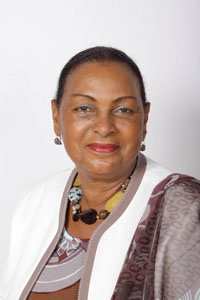
Josette Borel-Lincertin
President of the Regional Council
Since 3 August 2012
President of the Regional Council
Since 3 August 2012

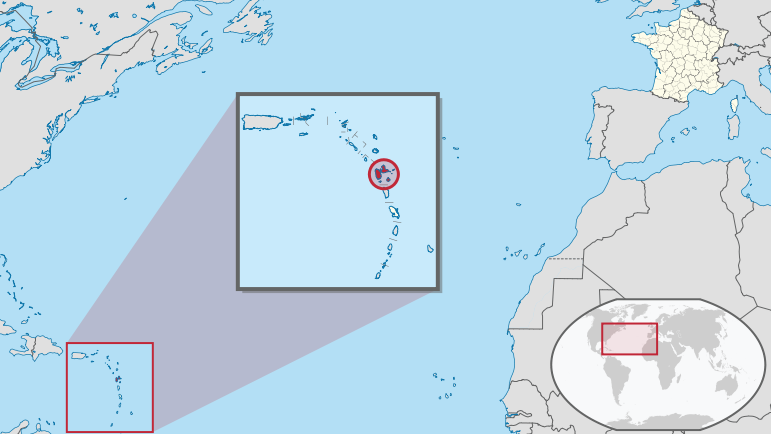
Click on map for larger view
Click on flag for Country Report



| TRAFFICKING IN PERSONS |
None reported.