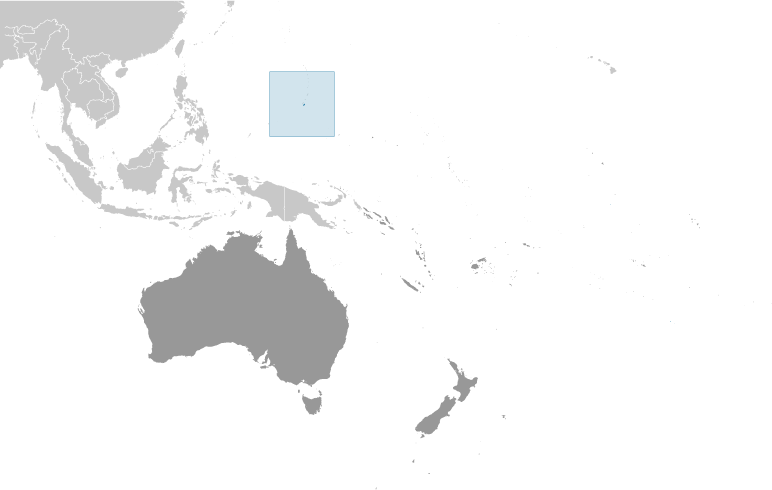

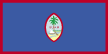
| GUAM Territory of Guam Territory of Guam (Organized, unincorporated territory of the United States) Joined United Nations: 24 October 1945 Human Rights as assured by their constitution Click here Updated 24 September 2012 |
| CAPITAL |
| POPULATION |
| CHIEF OF STATE |
| SELECTION PROCESS |
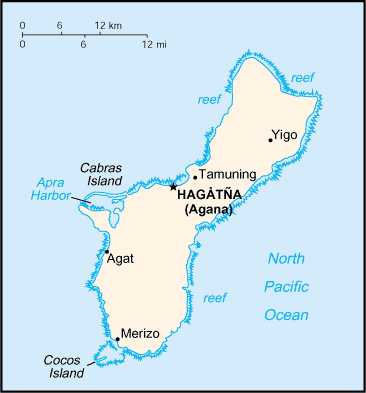
Hagatna (Agana)
159,914 (July 2012 est.)
Barack Hussein Obama
President of the United States
since 20 January 2009
President of the United States
since 20 January 2009
President and Vice President elected via electoral college for a
four year term; eligible for a second term. Under the US
Constitution, residents of unincorporated territories, such
as Guam, do not vote in elections for US president and
vice president Election last held: 04 November 2008
Next scheduled election: November 2012
four year term; eligible for a second term. Under the US
Constitution, residents of unincorporated territories, such
as Guam, do not vote in elections for US president and
vice president Election last held: 04 November 2008
Next scheduled election: November 2012
HEAD OF GOVERNMENT
SELECTION PROCESS
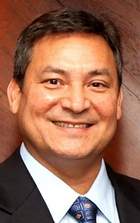
Eddie Calvo
Governor since 3 January 2011
Governor since 3 January 2011
Governor and lieutenant governor elected on the same ticket by
popular vote for four-year term (can serve two consecutive
terms, then must wait a full term before running again); election
last held 2 November 2010
Next scheduled election: November 2014
popular vote for four-year term (can serve two consecutive
terms, then must wait a full term before running again); election
last held 2 November 2010
Next scheduled election: November 2014
| DECLARATION OF HUMAN RIGHTS |
| ETHNIC GROUPS |
Chamorro 37.1%, Filipino 26.3%, other Pacific islander 11.3%, white 6.9%, other Asian 6.3%, other ethnic origin
or race 2.3%, mixed 9.8% (2000 census)
or race 2.3%, mixed 9.8% (2000 census)
| RELIGIONS |
Roman Catholic 85%, other 15% (1999 est.)
| GOVERNMENT STRUCTURE |
Organized, unincorporated territory of the US with policy relations between Guam and the US under the jurisdiction of the Office
of Insular Affairs, US Department of the Interior; no administrative divisions. Legal is modeled on US; US federal laws apply
Executive: President and Vice President elected for four year terms, eligible for second term (not voted for by Guam
residents); Governor and Lieutenant Governor elected for four years up to two consecutive terms by Guam citizens
Legislative: Unicameral Legislature (15 seats; members elected by popular vote to serve two-year terms)
elections: last held on 2 November 2010 (next to be held in November 2012)
Judicial: Federal District Court (judge is appointed by the president); Territorial Superior Court (judges appointed for
eight-year terms by the governor)
of Insular Affairs, US Department of the Interior; no administrative divisions. Legal is modeled on US; US federal laws apply
Executive: President and Vice President elected for four year terms, eligible for second term (not voted for by Guam
residents); Governor and Lieutenant Governor elected for four years up to two consecutive terms by Guam citizens
Legislative: Unicameral Legislature (15 seats; members elected by popular vote to serve two-year terms)
elections: last held on 2 November 2010 (next to be held in November 2012)
Judicial: Federal District Court (judge is appointed by the president); Territorial Superior Court (judges appointed for
eight-year terms by the governor)
| LANGUAGES |
English 38.3%, Chamorro 22.2%, Philippine languages 22.2%, other Pacific island languages 6.8%, Asian languages
7%, other languages 3.5% (2000 census)
7%, other languages 3.5% (2000 census)
| BRIEF HISTORY |
It is believed that Guam was first discovered by sea-faring people who migrated from southeastern Indonesia around
2000 BC. Another theory points to the Philippines as a possible origin. Most of what is known about Pre-Contact
("Ancient") Chamorros comes from legends and myths, archaeological evidence, Jesuit missionary accounts, and
observations from visiting scientists like Otto von Kotzebue and Louis de Freycinet. When Europeans first arrived on
Guam Chamorro society roughly fell into three classes: matua (upper class), achaot (middle class), and mana'chang (lower
class). The matua were located in the coastal villages, which meant they had the best access to fishing grounds, while the
mana'chang were located in the interior of the island. Matua and mana'chang rarely communicated with each other, and
matua often used achaot as a go-between. There were also "makana" (shamans), skilled in healing and medicine. The only
remnant of pre-European belief systems is a lingering folk belief in Taotao Mona. The "latte stones" familiar to Guam
residents and visitors alike were in fact a recent development in Pre-Contact Chamorro society. The latte stone consists
of a head and a base shaped out of limestone. On March 6, 1521 Ferdinand Magellan came across Guam on his
expedition to circumnavigate the globe. He and his crewmen were greeted by the Chamorros, in small fast vessels called
"flying proas". They welcomed the Europeans with food and drink. According to Chamorro folk history, the Chamorros
expected to be paid in return while the Europeans saw the supplies given to them as gifts. When — having not been
recompensed for the food and hospitality — the Chamorros stole upon Magellan's ships taking iron from the decks. In
response, the Spaniards killed several islanders and burned their homes. Magellan and his men left Guam and continued
their journey to the spice islands. Angry at the 'larcenous' natives, he first dubbed Guam and the rest of the Mariana
Islands "Las Islas de los Ladrones", (The Islands of the Thieves), but in 1668 the first missionary to Guam, Padre San
Vitores, changed the name to "Las Marianas" after Mariana of Austria, widow of Spain's Philip IV. Within decades,
Guam was colonized by Spain. It was an important stop along the Spanish route between the Philippines and Mexico for
trade galleons and whaling ships. The original inhabitant population dwindled significantly as a result of disease and
rebellion against the Spaniards. Much of the adult male population was killed. Still, a population of those who identified
themselves as Chamorros remained, though the culture and bloodlines began to incorporate Spanish and other European
religion, customs, and language. On June 21, 1898, Guam was captured by the United States in a bloodless landing
during the Spanish-American War. By the Treaty of Paris, Spain officially ceded Guam to the United States. Since then,
Guam served as a way station for American ships traveling to and from the Philippines. During World War II, Guam was
attacked and invaded by the Japanese armed forces shortly after December 7, 1941. Most U.S. military personnel
evacuated prior to the invasion. The Japanese military occupation lasted from 1941 to 1944 and was a brutal experience
for the Chamorro people, whose loyalty to the United States became a point of contention with the Japanese. Some
American servicemen were still on the island and were hidden by the Chamorro people. The Battle of Guam started on
July 21, 1944 with American troops landing on the island and Guam was recaptured from Japanese military rule on
August 10 in an Allied victory. The immediate years after World War II saw the U.S. Navy attempting to resume its
predominance in Guam affairs. This eventually led to resentment, and thus increased political pressure for greater
autonomy from Chamorro leaders. The result was the Guam Organic Act of 1950 (signed by President Harry S.
Truman), which established Guam as an unincorporated organized territory of the United States and, for the first time in
Guam History, provided for a civilian government. The Immigration and Nationality Act of 1952, section 307, granted
U.S. citizenship to "all persons born in the island of Guam on or after April 11, 1899 (whether before or after August 1,
1950)". In the 1960s, under President John F. Kennedy, the island's required security clearance for visitors was lifted. In
the meantime, Guam's local government had formed several political status commissions to address possible options for
self-determination. The following year after passage of the Guam Delegate Act saw the creation of the "Status
Commission" by the Twelfth Guam Legislature. This was followed by the establishment of the "Second Political Status
Commission" in 1975 and the Guam "Commission on Self-Determination" (CSD) in 1980. The Twenty-Fourth Guam
Legislature established the "Commission on Decolonization" in 1996 to enhance CSD's ongoing studies of various political
status options and public education campaigns. Not until 1988, six years after Guam residents overwhelmingly approved
Commonwealth status, was the first Guam Commonwealth Act introduced into Congress. Delegates have subsequently
reintroduced the bill with little success. Guam's U.S. military installations remain among the most strategically vital in the
Pacific Ocean. When the United States closed its Navy and Air Force bases in the Philippines after the expiration of their
leases in the early 1990s, many of the forces stationed there were relocated to Guam. Recent proposals to strengthen
U.S. military facilities, including negotiations to transfer 8,000 U.S. Marines from Okinawa, also indicate renewed interest
in Guam by the U.S. military. American forces are scheduled to relocate from Okinawa to Guam beginning in 2012 or
2013. "Cosmopolitan" Guam poses particular challenges for Chamorros struggling to preserve their culture and identity in
the face of acculturation. The increasing numbers of Chamorros, especially Chamorro youth, relocating to the U.S.
Mainland has further complicated both definition and preservation of Chamorro identity.
Sources Wikipedia: History of Guam
2000 BC. Another theory points to the Philippines as a possible origin. Most of what is known about Pre-Contact
("Ancient") Chamorros comes from legends and myths, archaeological evidence, Jesuit missionary accounts, and
observations from visiting scientists like Otto von Kotzebue and Louis de Freycinet. When Europeans first arrived on
Guam Chamorro society roughly fell into three classes: matua (upper class), achaot (middle class), and mana'chang (lower
class). The matua were located in the coastal villages, which meant they had the best access to fishing grounds, while the
mana'chang were located in the interior of the island. Matua and mana'chang rarely communicated with each other, and
matua often used achaot as a go-between. There were also "makana" (shamans), skilled in healing and medicine. The only
remnant of pre-European belief systems is a lingering folk belief in Taotao Mona. The "latte stones" familiar to Guam
residents and visitors alike were in fact a recent development in Pre-Contact Chamorro society. The latte stone consists
of a head and a base shaped out of limestone. On March 6, 1521 Ferdinand Magellan came across Guam on his
expedition to circumnavigate the globe. He and his crewmen were greeted by the Chamorros, in small fast vessels called
"flying proas". They welcomed the Europeans with food and drink. According to Chamorro folk history, the Chamorros
expected to be paid in return while the Europeans saw the supplies given to them as gifts. When — having not been
recompensed for the food and hospitality — the Chamorros stole upon Magellan's ships taking iron from the decks. In
response, the Spaniards killed several islanders and burned their homes. Magellan and his men left Guam and continued
their journey to the spice islands. Angry at the 'larcenous' natives, he first dubbed Guam and the rest of the Mariana
Islands "Las Islas de los Ladrones", (The Islands of the Thieves), but in 1668 the first missionary to Guam, Padre San
Vitores, changed the name to "Las Marianas" after Mariana of Austria, widow of Spain's Philip IV. Within decades,
Guam was colonized by Spain. It was an important stop along the Spanish route between the Philippines and Mexico for
trade galleons and whaling ships. The original inhabitant population dwindled significantly as a result of disease and
rebellion against the Spaniards. Much of the adult male population was killed. Still, a population of those who identified
themselves as Chamorros remained, though the culture and bloodlines began to incorporate Spanish and other European
religion, customs, and language. On June 21, 1898, Guam was captured by the United States in a bloodless landing
during the Spanish-American War. By the Treaty of Paris, Spain officially ceded Guam to the United States. Since then,
Guam served as a way station for American ships traveling to and from the Philippines. During World War II, Guam was
attacked and invaded by the Japanese armed forces shortly after December 7, 1941. Most U.S. military personnel
evacuated prior to the invasion. The Japanese military occupation lasted from 1941 to 1944 and was a brutal experience
for the Chamorro people, whose loyalty to the United States became a point of contention with the Japanese. Some
American servicemen were still on the island and were hidden by the Chamorro people. The Battle of Guam started on
July 21, 1944 with American troops landing on the island and Guam was recaptured from Japanese military rule on
August 10 in an Allied victory. The immediate years after World War II saw the U.S. Navy attempting to resume its
predominance in Guam affairs. This eventually led to resentment, and thus increased political pressure for greater
autonomy from Chamorro leaders. The result was the Guam Organic Act of 1950 (signed by President Harry S.
Truman), which established Guam as an unincorporated organized territory of the United States and, for the first time in
Guam History, provided for a civilian government. The Immigration and Nationality Act of 1952, section 307, granted
U.S. citizenship to "all persons born in the island of Guam on or after April 11, 1899 (whether before or after August 1,
1950)". In the 1960s, under President John F. Kennedy, the island's required security clearance for visitors was lifted. In
the meantime, Guam's local government had formed several political status commissions to address possible options for
self-determination. The following year after passage of the Guam Delegate Act saw the creation of the "Status
Commission" by the Twelfth Guam Legislature. This was followed by the establishment of the "Second Political Status
Commission" in 1975 and the Guam "Commission on Self-Determination" (CSD) in 1980. The Twenty-Fourth Guam
Legislature established the "Commission on Decolonization" in 1996 to enhance CSD's ongoing studies of various political
status options and public education campaigns. Not until 1988, six years after Guam residents overwhelmingly approved
Commonwealth status, was the first Guam Commonwealth Act introduced into Congress. Delegates have subsequently
reintroduced the bill with little success. Guam's U.S. military installations remain among the most strategically vital in the
Pacific Ocean. When the United States closed its Navy and Air Force bases in the Philippines after the expiration of their
leases in the early 1990s, many of the forces stationed there were relocated to Guam. Recent proposals to strengthen
U.S. military facilities, including negotiations to transfer 8,000 U.S. Marines from Okinawa, also indicate renewed interest
in Guam by the U.S. military. American forces are scheduled to relocate from Okinawa to Guam beginning in 2012 or
2013. "Cosmopolitan" Guam poses particular challenges for Chamorros struggling to preserve their culture and identity in
the face of acculturation. The increasing numbers of Chamorros, especially Chamorro youth, relocating to the U.S.
Mainland has further complicated both definition and preservation of Chamorro identity.
Sources Wikipedia: History of Guam
| ECONOMIC OVERVIEW |
The economy depends largely on US military spending and tourism. Total US grants, wage payments, and procurement
outlays amounted to $1.3 billion in 2004. Over the past 30 years, the tourist industry has grown to become the largest
income source following national defense. The Guam economy continues to experience expansion in both its tourism and
military sectors.
Source: CIA World Fact Book (select Guam)
outlays amounted to $1.3 billion in 2004. Over the past 30 years, the tourist industry has grown to become the largest
income source following national defense. The Guam economy continues to experience expansion in both its tourism and
military sectors.
Source: CIA World Fact Book (select Guam)
| POLITICAL CLIMATE |
The population of Guam is largely proud to be Americans, and the economy is greatly dependent on the U.S. military
bases there. The U.S. connection also contributes to Guam's status as a Japanese tourist destination. The Guamanian
population is generally culturally sympathetic toward the United States, based especially in common tribulations during
World War II, and on good relations with the U.S. military since.
However, maintenance of the status quo vis-à-vis the current political relationship between the territory and the United
States is not without controversy. There is a significant movement in favor of the Territory becoming a commonwealth,
which would give it a political status similar to Puerto Rico and the Northern Mariana Islands. Competing movements with
less significant influence exist, which advocate political independence from the United States, statehood, or a combination
with the Northern Mariana Islands as a single territory (not necessarily commonwealth). These proposals however, are
not seen as favorable or realistic within the U.S. federal government, which argues Guam does not have the financial
stability or self sufficiency to warrant such status. The same sources quickly provide evidence of Guam’s increasing
reliance on Federal spending, and question how commonwealth status or statehood would benefit the United States as a
greater whole.
In whatever form it takes, most people on Guam favor a modified version of the current Territorial status, involving greater
autonomy from the federal government (similar to the autonomy of individual States). Perceived indifference by the U.S.
Congress regarding a change-of-status petition submitted by Guam has led many to feel that the territory is being unjustly
deprived of the benefits of a more equitable union with the United States.
Source: Wikipedia: Politics of Guam
bases there. The U.S. connection also contributes to Guam's status as a Japanese tourist destination. The Guamanian
population is generally culturally sympathetic toward the United States, based especially in common tribulations during
World War II, and on good relations with the U.S. military since.
However, maintenance of the status quo vis-à-vis the current political relationship between the territory and the United
States is not without controversy. There is a significant movement in favor of the Territory becoming a commonwealth,
which would give it a political status similar to Puerto Rico and the Northern Mariana Islands. Competing movements with
less significant influence exist, which advocate political independence from the United States, statehood, or a combination
with the Northern Mariana Islands as a single territory (not necessarily commonwealth). These proposals however, are
not seen as favorable or realistic within the U.S. federal government, which argues Guam does not have the financial
stability or self sufficiency to warrant such status. The same sources quickly provide evidence of Guam’s increasing
reliance on Federal spending, and question how commonwealth status or statehood would benefit the United States as a
greater whole.
In whatever form it takes, most people on Guam favor a modified version of the current Territorial status, involving greater
autonomy from the federal government (similar to the autonomy of individual States). Perceived indifference by the U.S.
Congress regarding a change-of-status petition submitted by Guam has led many to feel that the territory is being unjustly
deprived of the benefits of a more equitable union with the United States.
Source: Wikipedia: Politics of Guam
| INTERNATIONAL DISPUTES |
None reported.


| REFUGEES AND INTERNALLY DISPLACED PERSONS (IDP) |
None reported.
| ILLICIT DRUGS |
None reported.
| HUMAN RIGHTS STATEMENTS, ANALYSIS AND CRITIQUES |
The U.S. State Department does not issue an annual Country Report regarding the Human Rights practices of the United
states and its territories. It does, however, assess the Human Rights condition of foreign countries as stated below:
The protection of fundamental human rights was a foundation stone in the establishment of the United States over 200 years ago.
Since then, a central goal of U.S. foreign policy has been the promotion of respect for human rights, as embodied in the Universal
Declaration of Human Rights. The United States understands that the existence of human rights helps secure the peace, deter
aggression, promote the rule of law, combat crime and corruption, strengthen democracies, and prevent humanitarian crises.
Because the promotion of human rights is an important national interest, the United States seeks to:
states and its territories. It does, however, assess the Human Rights condition of foreign countries as stated below:
The protection of fundamental human rights was a foundation stone in the establishment of the United States over 200 years ago.
Since then, a central goal of U.S. foreign policy has been the promotion of respect for human rights, as embodied in the Universal
Declaration of Human Rights. The United States understands that the existence of human rights helps secure the peace, deter
aggression, promote the rule of law, combat crime and corruption, strengthen democracies, and prevent humanitarian crises.
Because the promotion of human rights is an important national interest, the United States seeks to:
- Hold governments accountable to their obligations under universal human rights norms and international human rights
instruments; - Promote greater respect for human rights, including freedom from torture, freedom of expression, press freedom, women's
rights, children's rights, and the protection of minorities; - Promote the rule of law, seek accountability, and change cultures of impunity;
- Assist efforts to reform and strengthen the institutional capacity of the Office of the UN High Commissioner for Human
Rights and the UN Commission on Human Rights; and - Coordinate human rights activities with important allies, including the EU, and regional organizations.
Indigenous Peoples Participation in Decision Making - A Paper Prepared for the UN Expert Mechanism on the Rights of
Indigenous Peoples.
By Mililani Trask
January, 2010
I. International Law Relating to the Right of Indigenous Peoples to Participate in Decision Making
A. General Considerations:
“In the particular context of indigenous peoples, notions of democracy (including decentralized government) and of cultural
integrity join to create a sui generis self-government norm. The norm included two distinct but interrelated strains. One upholds
spheres of governmental or administrative autonomy for indigenous communities: the other seeks to ensure the effective
participation of those communities in all decisions affecting them that are left to the larger institutions of decision making.” [Anaya,
Int. Law & IP’s pg 151]
Item # 4a –
Topic: Implementing the Declaration (& the Forums Past Recommendations)
Presenter: Erity Teave Hei (Rapanui Parliament)
Collective Intervention of indigenous peoples living under colonial domination;
Since the cold war ended, only one NSGT has attained self-governance/self-determination – Timor Leste. Several NSGT’s remain
in a state of political disenfranchisement as “colonies” of the Administering States. These are: Guam and America Samoa (U.S.),
Kanaki- New Caledonia (France), Pitcairn Island (U.K.) and the Tokelau Islands (NZ). There are also serious issues that have yet
to be addressed relating to French Occupied Polynesia (France) and Hawaii and Alaska which were removed unilaterally by the U.
S. in 1959. Decolonization issues also arise in the case of Rapanui, and Maluku, both of who are signatories to this
interventionAloha Mdm. Chair & Colleagues of the Permanent Forum,
If you search the annals of International Law you will find that the word “sacred”
is used only once. This is in relation to the “sacred trust obligation” which Administering States have to the “inhabitants of the
(non-self-governing) territories” under Article 73 of the United Nations Charter. This “sacred obligation” is owed to millions of
Indigenous Peoples who reside in the Pacific and Caribbean and who, under International Law, are unable to express their right to
self-determination and self-governance because they were placed by the United Nations on the list of “Non-Self Governing
Territories (NSGT)” in the early 1940’s when the United Nations was created.
The NSGT’s are recognized as the old world colonies that were subjected to colonization during the era of colonial
imperialism. International Law concedes that the peoples of the NSGT’s are denied the most important of all human rights, the right
of self-governance. Under International Law, the States that were designated to administer the NSGT’s were to assist these peoples
in attaining a full measure of self governance. When this was achieved, the peoples of the NSGT’s were to be given the opportunity
to choose the form of government they desired, including Independence. Under International Law, the territory and land base of
the Nests is not considered to be part of the Administering State.
Click here to read more »
Indigenous Peoples.
By Mililani Trask
January, 2010
I. International Law Relating to the Right of Indigenous Peoples to Participate in Decision Making
A. General Considerations:
“In the particular context of indigenous peoples, notions of democracy (including decentralized government) and of cultural
integrity join to create a sui generis self-government norm. The norm included two distinct but interrelated strains. One upholds
spheres of governmental or administrative autonomy for indigenous communities: the other seeks to ensure the effective
participation of those communities in all decisions affecting them that are left to the larger institutions of decision making.” [Anaya,
Int. Law & IP’s pg 151]
Item # 4a –
Topic: Implementing the Declaration (& the Forums Past Recommendations)
Presenter: Erity Teave Hei (Rapanui Parliament)
Collective Intervention of indigenous peoples living under colonial domination;
Since the cold war ended, only one NSGT has attained self-governance/self-determination – Timor Leste. Several NSGT’s remain
in a state of political disenfranchisement as “colonies” of the Administering States. These are: Guam and America Samoa (U.S.),
Kanaki- New Caledonia (France), Pitcairn Island (U.K.) and the Tokelau Islands (NZ). There are also serious issues that have yet
to be addressed relating to French Occupied Polynesia (France) and Hawaii and Alaska which were removed unilaterally by the U.
S. in 1959. Decolonization issues also arise in the case of Rapanui, and Maluku, both of who are signatories to this
interventionAloha Mdm. Chair & Colleagues of the Permanent Forum,
If you search the annals of International Law you will find that the word “sacred”
is used only once. This is in relation to the “sacred trust obligation” which Administering States have to the “inhabitants of the
(non-self-governing) territories” under Article 73 of the United Nations Charter. This “sacred obligation” is owed to millions of
Indigenous Peoples who reside in the Pacific and Caribbean and who, under International Law, are unable to express their right to
self-determination and self-governance because they were placed by the United Nations on the list of “Non-Self Governing
Territories (NSGT)” in the early 1940’s when the United Nations was created.
The NSGT’s are recognized as the old world colonies that were subjected to colonization during the era of colonial
imperialism. International Law concedes that the peoples of the NSGT’s are denied the most important of all human rights, the right
of self-governance. Under International Law, the States that were designated to administer the NSGT’s were to assist these peoples
in attaining a full measure of self governance. When this was achieved, the peoples of the NSGT’s were to be given the opportunity
to choose the form of government they desired, including Independence. Under International Law, the territory and land base of
the Nests is not considered to be part of the Administering State.
Click here to read more »
Today's American: How Free?
Political Process: Needs Repair- Full Chapter
01 January 2008
Aided by a vigorous press, an energetic civil society, and the determination of whichever party comprises the “loyal opposition” at
each level of the system, today’s American is free to choose who holds political power and has at least as much influence on the
workings of government as citizens in any other democracy. The process through which citizens compete for political office, and
more generally for influence over government actions and the substance of public policy, is relatively transparent and accessible to
those who choose to take part.
Yet, as the world famously learned in November and December 2000, the United States has a remarkably decentralized and diverse
set of electoral arrangements in which a closely decided contest can lead to political firestorms and diminished public confidence in
the integrity of the process. Controversy continues about how the country can compile an accurate registry of eligible voters,
ascertain that these persons each vote only once in elections when they desire to participate, and be confident in the announced
results. Several major efforts have been undertaken to find solutions consistent with the American federal system. A bipartisan
commission led by former President Jimmy Carter and former Secretary of State James Baker produced one of the more
compelling proposals as part of a comprehensive set of recommendations in September 2005.
Voting Rights for the District of Columbia
The 585,000 residents of the District of Columbia do not enjoy the same political rights as other U.S. citizens. There are also a
number of small U.S. island territories that have limited access to the federal political process, including American Samoa,Guam, ,
and the U.S. Virgin Islands. Puerto Rico is the largest, though its citizens have consistently voted to retain the island’s current
intermediary status as a commonwealth rather than seek full statehood or independence. As U.S. territories that are not states, these
five jurisdictions fall into a constitutional lacuna that leaves their residents with many of the obligations of citizenship but without a
say in the election of full voting members of Congress. Their elected delegates have long been permitted to participate in the
deliberations of the House and to vote in House committees. In 1993 and again in 2007, Democratic majorities in the House adopted
a procedural rule that permits the five delegates to vote with the full House, but their votes count only if they have no effect on a
measure’s ultimate outcome. None of the five territories are represented in the Senate. Puerto Rico
Click here to read more>>
Political Process: Needs Repair- Full Chapter
01 January 2008
Aided by a vigorous press, an energetic civil society, and the determination of whichever party comprises the “loyal opposition” at
each level of the system, today’s American is free to choose who holds political power and has at least as much influence on the
workings of government as citizens in any other democracy. The process through which citizens compete for political office, and
more generally for influence over government actions and the substance of public policy, is relatively transparent and accessible to
those who choose to take part.
Yet, as the world famously learned in November and December 2000, the United States has a remarkably decentralized and diverse
set of electoral arrangements in which a closely decided contest can lead to political firestorms and diminished public confidence in
the integrity of the process. Controversy continues about how the country can compile an accurate registry of eligible voters,
ascertain that these persons each vote only once in elections when they desire to participate, and be confident in the announced
results. Several major efforts have been undertaken to find solutions consistent with the American federal system. A bipartisan
commission led by former President Jimmy Carter and former Secretary of State James Baker produced one of the more
compelling proposals as part of a comprehensive set of recommendations in September 2005.
Voting Rights for the District of Columbia
The 585,000 residents of the District of Columbia do not enjoy the same political rights as other U.S. citizens. There are also a
number of small U.S. island territories that have limited access to the federal political process, including American Samoa,Guam, ,
and the U.S. Virgin Islands. Puerto Rico is the largest, though its citizens have consistently voted to retain the island’s current
intermediary status as a commonwealth rather than seek full statehood or independence. As U.S. territories that are not states, these
five jurisdictions fall into a constitutional lacuna that leaves their residents with many of the obligations of citizenship but without a
say in the election of full voting members of Congress. Their elected delegates have long been permitted to participate in the
deliberations of the House and to vote in House committees. In 1993 and again in 2007, Democratic majorities in the House adopted
a procedural rule that permits the five delegates to vote with the full House, but their votes count only if they have no effect on a
measure’s ultimate outcome. None of the five territories are represented in the Senate. Puerto Rico
Click here to read more>>
VIDEO: Former Amnesty International Director Here For Payu-Ta Micronesian Non-Profit Congress
Last Updated on Monday, 24 October 2011
Guam - James O'dea, the former director of Amnesty International, is on Guam for Payu-ta's 2nd annual Micronesian non-profit
congress that begins today and ends on the 28th. O'dea will be meeting with local non-profit and non-governmental organizations
while here and will deliver the keynote address at this year's conference.
James O'dea was the director of Amnesty Interational in Washington D.C. for ten years. He's seen what he calls the crisis of
humanity in places like Beirut, Turkey, and Rwanda. "After all those experiences and being with torture survivors and massacre
victims and seeing it upfront I'm someone who is very hopeful and positive about the direction of the world and seeing that in fact
despite all of our challenges we really can breakthrough to a new level on planet earth," said O'Dea.
So how does he remain so positive? "I've seen the capacity of so called average people in so many places like Ysrael, Palestine,
Rwanda, Northern Ireland and many many places that have suffered these incredible crisis. The average person's capacity to face
the truth to reconcile with the people they've had differences with and to forgive and to heal and to stop the endless transmission of
the wounding from one generation to another,” explained O'Dea.
He's here to participate and speak in Payu-ta inc's second Micronesian non profit congress titled "Weaving Policy and Practice: the
role of nonprofit organizations in sustaining pacific communities"
"How do we beef up the capacity of nonprofit organizations to serve the people to serve their voice and what they need in society
because the political structures don't go deep enough into the issues the social issues that we really need to address,” said Odea of
some of the questions he's looking into.
"I think Mr. O'dea's message is really universal he talks about basic issues of connection kinship humanity and larger connections
with the earth, here on Guam we have a deep connection with the land a deep connection with the ocean and this conference is a
wonderful opportunity for us to meet and collaborate with other Micronesians and other pacific islanders,” said Dr. Melissa Taitano.
Click here to read more»
Last Updated on Monday, 24 October 2011
Guam - James O'dea, the former director of Amnesty International, is on Guam for Payu-ta's 2nd annual Micronesian non-profit
congress that begins today and ends on the 28th. O'dea will be meeting with local non-profit and non-governmental organizations
while here and will deliver the keynote address at this year's conference.
James O'dea was the director of Amnesty Interational in Washington D.C. for ten years. He's seen what he calls the crisis of
humanity in places like Beirut, Turkey, and Rwanda. "After all those experiences and being with torture survivors and massacre
victims and seeing it upfront I'm someone who is very hopeful and positive about the direction of the world and seeing that in fact
despite all of our challenges we really can breakthrough to a new level on planet earth," said O'Dea.
So how does he remain so positive? "I've seen the capacity of so called average people in so many places like Ysrael, Palestine,
Rwanda, Northern Ireland and many many places that have suffered these incredible crisis. The average person's capacity to face
the truth to reconcile with the people they've had differences with and to forgive and to heal and to stop the endless transmission of
the wounding from one generation to another,” explained O'Dea.
He's here to participate and speak in Payu-ta inc's second Micronesian non profit congress titled "Weaving Policy and Practice: the
role of nonprofit organizations in sustaining pacific communities"
"How do we beef up the capacity of nonprofit organizations to serve the people to serve their voice and what they need in society
because the political structures don't go deep enough into the issues the social issues that we really need to address,” said Odea of
some of the questions he's looking into.
"I think Mr. O'dea's message is really universal he talks about basic issues of connection kinship humanity and larger connections
with the earth, here on Guam we have a deep connection with the land a deep connection with the ocean and this conference is a
wonderful opportunity for us to meet and collaborate with other Micronesians and other pacific islanders,” said Dr. Melissa Taitano.
Click here to read more»
A Costly Move
June 14, 2011
I. Summary
The transfers are devastating, absolutely devastating. [Detainees] are loaded onto a plane in the middle of the night. They have no
idea where they are, no idea what [US] state they are in.
—Rebecca Schreve, immigration attorney, El Paso, Texas, January 29, 2009
Every year, US Immigration and Customs Enforcement (ICE) detains hundreds of thousands of immigrants, including legal
permanent residents, refugees, and undocumented persons, while their asylum or deportation cases move through the immigration
courts. Detainees can be held for anywhere from a few weeks to a few years while their cases proceed. With close to 400,000
immigrants in detention each year, space in detention centers, especially near cities where immigrants live, has not kept pace. In
addition, ICE has built a detention system, relying on subcontracts with state jails and prisons, which cannot operate without
shuffling detainees among hundreds of facilities located throughout the United States.
As a result, most detainees will be loaded at some point during their detention onto a government-contracted car, bus, or airplane
and transferred from one detention center to another: 52 percent of detainees experienced at least one such transfer in 2009. And
numbers are growing: between 2004 and 2009, the number of transfers tripled. In total, some 2 million detainee transfers occurred
between 1998 and 2010.
GUAM Ninth Circuit
FACTS and CASES
59 Number of detainees transferred out of the state between FY 1999 and FY 2009.
140 Number of detainees transferred to the state between FY 1999 and FY 2009.
FACILITY TYPES
3 Other Facility Type
1 Holding/Staging Facility
TOP 5 FACILITIES HOLDING DETAINEES
DEPARTMENT OF CORRECTIONS [2,330]
DEPARTMENT OF YOUTH AFFAIRS [54]
DEPT OF CORRECTIONS-HAGATNA [46]
AGANA INS [26]
Click here to read more>>
June 14, 2011
I. Summary
The transfers are devastating, absolutely devastating. [Detainees] are loaded onto a plane in the middle of the night. They have no
idea where they are, no idea what [US] state they are in.
—Rebecca Schreve, immigration attorney, El Paso, Texas, January 29, 2009
Every year, US Immigration and Customs Enforcement (ICE) detains hundreds of thousands of immigrants, including legal
permanent residents, refugees, and undocumented persons, while their asylum or deportation cases move through the immigration
courts. Detainees can be held for anywhere from a few weeks to a few years while their cases proceed. With close to 400,000
immigrants in detention each year, space in detention centers, especially near cities where immigrants live, has not kept pace. In
addition, ICE has built a detention system, relying on subcontracts with state jails and prisons, which cannot operate without
shuffling detainees among hundreds of facilities located throughout the United States.
As a result, most detainees will be loaded at some point during their detention onto a government-contracted car, bus, or airplane
and transferred from one detention center to another: 52 percent of detainees experienced at least one such transfer in 2009. And
numbers are growing: between 2004 and 2009, the number of transfers tripled. In total, some 2 million detainee transfers occurred
between 1998 and 2010.
GUAM Ninth Circuit
FACTS and CASES
59 Number of detainees transferred out of the state between FY 1999 and FY 2009.
140 Number of detainees transferred to the state between FY 1999 and FY 2009.
FACILITY TYPES
3 Other Facility Type
1 Holding/Staging Facility
TOP 5 FACILITIES HOLDING DETAINEES
DEPARTMENT OF CORRECTIONS [2,330]
DEPARTMENT OF YOUTH AFFAIRS [54]
DEPT OF CORRECTIONS-HAGATNA [46]
AGANA INS [26]
Click here to read more>>
20 June 2012
Guahan Coalition for Peace and Justice establishes international law as basis of the self determination process in Guahan
(Guam)
STATEMENT to the UNITED NATIONS SPECIAL COMMITTEE ON DECOLONISATION ON THE QUESTION OF GUAM
United Nations Headquarters
New York, N.Y.
by JULIAN AGUON, ESQ.
Hafa Adai and greetings from Guam Your Excellency Mr. Chairman Diego Morejón Pazmino and distinguished members of the
Special Committee on Decolonization. Thank you for the opportunity to share with this esteemed committee my perspective relative
to some of the current realities and prospects respecting the implementation of the Declaration on the Granting of Independence to
Colonial Countries and Peoples in this now Third International Decade for the Eradication of Colonialism.
I am Julian Aguon, a Guam-based attorney whose work and legal scholarship centers on international law, specifically self-
determination and decolonization in the separate, albeit at times overlapping, contexts of non-self-governing peoples on the one
hand, and indigenous peoples on the other. By way of background, I am indigenous Chamoru of Guam, a small Pacific island that
remains on your list of non-self-governing territories.
I offer the following testimony in my capacity as a member of the Guahan Coalition for Peace and Justice, a Guam-based
nongovernmental organization engaged in self-determination scholarship and advocacy, as well as an international law scholar
schooled in the subject of self-determination. I shall keep my comments limited to one of the more important and pressing issues
being debated, and in my opinion, misrepresented, in Guam today; that is, the issue of whom constitutes the appropriate electorate
in any self-determination plebiscite now or in the future held in Guam.
Though international law provides certain instructions on this matter, of late there has been an attempt in Guam (and other similarly
situated territories) to distort the character of the “self” in self-determination, a situation that, if left unchecked, threatens to further
confound the all-important implementation of the decolonization declaration in this Third Decade.
The following is an appraisal of the self-determination right under international law meant to speak to the twin issues of what it is
and who holds it.
What is the content of the right of self-determination?
From the founding of the United Nations at the end of World War II until today, the international community has had to address the
plight of colonized peoples, and later of indigenous peoples. Early in this period, it concluded that the situation of colonized peoples
could be corrected only if they became formally vested with the right of self-determination. In fact, the UN Charter itself, being
both a political compact and an organic document, asserted that the principle of the self-determination of peoples is the very
foundation on which a new interstate system dedicated to the peaceful settlement of disputes and the outlawing of war is to be built.
Click here to read more »
Guahan Coalition for Peace and Justice establishes international law as basis of the self determination process in Guahan
(Guam)
STATEMENT to the UNITED NATIONS SPECIAL COMMITTEE ON DECOLONISATION ON THE QUESTION OF GUAM
United Nations Headquarters
New York, N.Y.
by JULIAN AGUON, ESQ.
Hafa Adai and greetings from Guam Your Excellency Mr. Chairman Diego Morejón Pazmino and distinguished members of the
Special Committee on Decolonization. Thank you for the opportunity to share with this esteemed committee my perspective relative
to some of the current realities and prospects respecting the implementation of the Declaration on the Granting of Independence to
Colonial Countries and Peoples in this now Third International Decade for the Eradication of Colonialism.
I am Julian Aguon, a Guam-based attorney whose work and legal scholarship centers on international law, specifically self-
determination and decolonization in the separate, albeit at times overlapping, contexts of non-self-governing peoples on the one
hand, and indigenous peoples on the other. By way of background, I am indigenous Chamoru of Guam, a small Pacific island that
remains on your list of non-self-governing territories.
I offer the following testimony in my capacity as a member of the Guahan Coalition for Peace and Justice, a Guam-based
nongovernmental organization engaged in self-determination scholarship and advocacy, as well as an international law scholar
schooled in the subject of self-determination. I shall keep my comments limited to one of the more important and pressing issues
being debated, and in my opinion, misrepresented, in Guam today; that is, the issue of whom constitutes the appropriate electorate
in any self-determination plebiscite now or in the future held in Guam.
Though international law provides certain instructions on this matter, of late there has been an attempt in Guam (and other similarly
situated territories) to distort the character of the “self” in self-determination, a situation that, if left unchecked, threatens to further
confound the all-important implementation of the decolonization declaration in this Third Decade.
The following is an appraisal of the self-determination right under international law meant to speak to the twin issues of what it is
and who holds it.
What is the content of the right of self-determination?
From the founding of the United Nations at the end of World War II until today, the international community has had to address the
plight of colonized peoples, and later of indigenous peoples. Early in this period, it concluded that the situation of colonized peoples
could be corrected only if they became formally vested with the right of self-determination. In fact, the UN Charter itself, being
both a political compact and an organic document, asserted that the principle of the self-determination of peoples is the very
foundation on which a new interstate system dedicated to the peaceful settlement of disputes and the outlawing of war is to be built.
Click here to read more »
‘NEWS: Money Available to Prevent Violence Against Women
On September 12, 2012
The Office of the Governor is pleased to announce that the U.S. Department of Justice, Office on Violence Against Women has
approved its 2012 application for funds under the Services*Training*Officers*Prosecutors (STOP) Violence Against Women Act
(VAWA) program.
The amount of $658,386 will be used to develop and strengthen effective responses to violence against women. Funding
distribution will be in compliance with the VAWA 2005 for the following categories: law enforcement, prosecution, non-
government organization (NGO) services, courts and discretionary.
New, potential or continuing subprojects may include the following:
Criminal justice agencies/government organizations: Department of Corrections – parole; Governor’s Community Outreach-
Federal Programs Office (GCO-FPO); Guam Police Department, Victims Assistance Unit (GPD-VAU); Office of the Attorney
General/Victim Witness Ayuda Services; and Superior Court of Guam.
NGOs: Alee Shelter, Catholic Social Services; Archdiocese of Agana ; Erica’s House , Soroptimist of the Marianas Guam; Guam
Coalition Against Sexual Assault & Family Violence; Guam Sexual Assault & Abuse Resource Center Association; Guma’ Mami,
Inc.; Immaculate Heart of Mary Catholic Parish, Life Teen Ministries and/or United Faith Coalition; Public Defender Service
Corporation; and Victim Advocates Reaching Out. There are $177,764 available for NGOs to vie. NGO applications for funds are
due to the GCO-FPO c/o Central Files, Office of the Governor, Adelup, Guam no later than 30 days from date of this publication.
Click here to read more »
On September 12, 2012
The Office of the Governor is pleased to announce that the U.S. Department of Justice, Office on Violence Against Women has
approved its 2012 application for funds under the Services*Training*Officers*Prosecutors (STOP) Violence Against Women Act
(VAWA) program.
The amount of $658,386 will be used to develop and strengthen effective responses to violence against women. Funding
distribution will be in compliance with the VAWA 2005 for the following categories: law enforcement, prosecution, non-
government organization (NGO) services, courts and discretionary.
New, potential or continuing subprojects may include the following:
Criminal justice agencies/government organizations: Department of Corrections – parole; Governor’s Community Outreach-
Federal Programs Office (GCO-FPO); Guam Police Department, Victims Assistance Unit (GPD-VAU); Office of the Attorney
General/Victim Witness Ayuda Services; and Superior Court of Guam.
NGOs: Alee Shelter, Catholic Social Services; Archdiocese of Agana ; Erica’s House , Soroptimist of the Marianas Guam; Guam
Coalition Against Sexual Assault & Family Violence; Guam Sexual Assault & Abuse Resource Center Association; Guma’ Mami,
Inc.; Immaculate Heart of Mary Catholic Parish, Life Teen Ministries and/or United Faith Coalition; Public Defender Service
Corporation; and Victim Advocates Reaching Out. There are $177,764 available for NGOs to vie. NGO applications for funds are
due to the GCO-FPO c/o Central Files, Office of the Governor, Adelup, Guam no later than 30 days from date of this publication.
Click here to read more »
VIDEO: Guam Buildup & Self Determination Planks in National Democratic Platform
Last Updated on Thursday, 06 September 2012
Guam - The Democratic Party platform out this week, pledges support for Guam's self-determination, the military buildup and
equal treatment for the territories under federal programs.
The platform is of course just a statement of broad principles, but it still reflects the direction democrats want to take insular policy.
Guam Congresswoman Madeleine Bordallo is among the Guam delegates at the National Convention in Charlotte, North Carolina.
The Democratic platform supports “full self-government and self-determination” for the territories and pledges to “work as
partners” with Guam on “the military matters.”
Bordallo says Guam won’t let Obama forget that. “We’re going to remember that and he’s going to have to comply with it. So,
yeah, I think it’s great. And, the military build-up is important and I know he gave us the Russian visa-waiver, so that, I’m going to
be escalating my efforts to work with the administration on that.”
The platform also says the party “takes seriously the unique health care challenges Pacific Island communities face.”
And it backs “strong economic development,” education and infrastructure and working toward “fair and equitable treatment”
under federal programs where the islands haven’t always gotten proportionate funding with the states.
Bordallo will be among the 9-voting members present to cast 12-votes for President Obama, with three Guam delegates unable to
attend.
Bordallo says delegation leader and Guam Senator Rory Respicio will cast Guam’s votes. “They’ll say, ‘Guam’ from the podium.
And then, we’ll say, ‘Guam, where America’s day begins, casts its 12 votes, for the next President of the United States, President
Barack Obama.”
Bordallo, who’s been going to conventions since 1964, says Guam and its delegates at that moment, will have the national media
spotlight, as its delegation crowds around Senator Respicio.
Click here to read more »
Last Updated on Thursday, 06 September 2012
Guam - The Democratic Party platform out this week, pledges support for Guam's self-determination, the military buildup and
equal treatment for the territories under federal programs.
The platform is of course just a statement of broad principles, but it still reflects the direction democrats want to take insular policy.
Guam Congresswoman Madeleine Bordallo is among the Guam delegates at the National Convention in Charlotte, North Carolina.
The Democratic platform supports “full self-government and self-determination” for the territories and pledges to “work as
partners” with Guam on “the military matters.”
Bordallo says Guam won’t let Obama forget that. “We’re going to remember that and he’s going to have to comply with it. So,
yeah, I think it’s great. And, the military build-up is important and I know he gave us the Russian visa-waiver, so that, I’m going to
be escalating my efforts to work with the administration on that.”
The platform also says the party “takes seriously the unique health care challenges Pacific Island communities face.”
And it backs “strong economic development,” education and infrastructure and working toward “fair and equitable treatment”
under federal programs where the islands haven’t always gotten proportionate funding with the states.
Bordallo will be among the 9-voting members present to cast 12-votes for President Obama, with three Guam delegates unable to
attend.
Bordallo says delegation leader and Guam Senator Rory Respicio will cast Guam’s votes. “They’ll say, ‘Guam’ from the podium.
And then, we’ll say, ‘Guam, where America’s day begins, casts its 12 votes, for the next President of the United States, President
Barack Obama.”
Bordallo, who’s been going to conventions since 1964, says Guam and its delegates at that moment, will have the national media
spotlight, as its delegation crowds around Senator Respicio.
Click here to read more »

Joseph Robinette Biden, Jr.
Vice President of the United States
since 20 January 2009
Vice President of the United States
since 20 January 2009
| Click map for larger view |
| Click flag for Country Report |




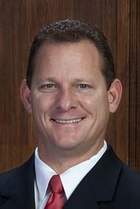
Ray Tenorio
Lieutenant Governor since 3 January 2011
Lieutenant Governor since 3 January 2011
| TRAFFICKING IN PERSONS |
None reported.