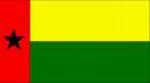

| GUINEA-BISSAU Republic of Guinea-Bissau Republic da Guine-Bissau Joined United Nations: 17 September 1974 Human Rights as assured by their constitution Click here Updated 31 December 2012 |

| CAPITAL |
| POPULATION |
| CHIEF OF STATE |
| SELECTION PROCESS |
Bissau
1,628,603 (July 2012 est.)
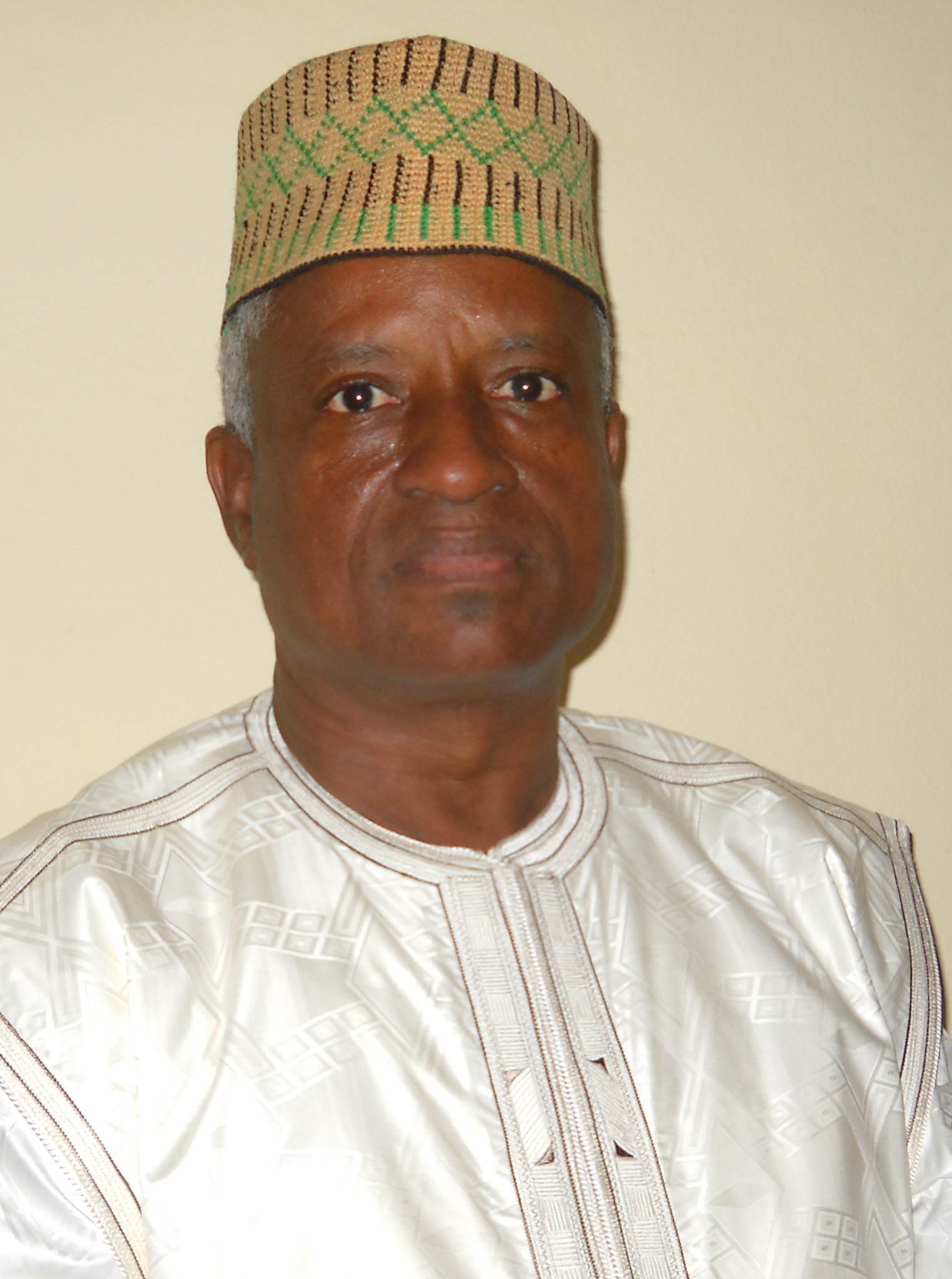
Rui Duarte Barros
Transitional Prime Minister since 16 May 2012
Transitional Prime Minister since 16 May 2012
Note: in the aftermath of the April 2012 coup that deposed the
government, an agreement was reached between ECOWAS
mediators and the military junta to name Nhamadjo as transitional
president with a one year term; president elected by popular vote
for a five-year term (no term limits); election last held on 18 March
2012 with a runoff between the two leading candidates scheduled
for 22 April 2012;
Next scheduled election: April 2013
government, an agreement was reached between ECOWAS
mediators and the military junta to name Nhamadjo as transitional
president with a one year term; president elected by popular vote
for a five-year term (no term limits); election last held on 18 March
2012 with a runoff between the two leading candidates scheduled
for 22 April 2012;
Next scheduled election: April 2013
HEAD OF GOVERNMENT
SELECTION PROCESS
Prime minister appointed by the president
Next scheduled election: April 2013
Next scheduled election: April 2013
| DECLARATION OF HUMAN RIGHTS |
| ETHNIC GROUPS |
African 99% (includes Balanta 30%, Fula 20%, Manjaca 14%, Mandinga 13%, Papel 7%), European and mulatto less than 1%
| RELIGIONS |
Muslim 50%, indigenous beliefs 40%, Christian 10%
| GOVERNMENT STRUCTURE |
Republic with 9 regions (regioes, singular - regiao); Legal system is based on French civil law; accepts compulsory ICJ jurisdiction
Executive: President elected by popular vote for a five-year term (no term limits); election last held on 18 March 2012 with a
runoff between the two leading candidates scheduled for 22 April 2012; prime minister appointed by the president after consultation
with party leaders in the legislature ; note: in the aftermath of the April 2012 coup that deposed the government, an agreement was
reached between ECOWAS mediators and the military junta to name NHAMADJO as transitional president with a one year term
Legislative: Unicameral National People's Assembly or Assembleia Nacional Popular (100 seats; members are elected by popular
vote to serve four-year terms)
elections: last held 16 November 2008 (next to be held April 2013)
Judicial: Supreme Court or Supremo Tribunal da Justica (consists of nine justices appointed by the president and serve at his
pleasure; final court of appeals in criminal and civil cases); Regional Courts (one in each of nine regions; first court of appeals for
Sectoral Court decisions; hear all felony cases and civil cases valued at over $1,000); 24 Sectoral Courts (judges are not
necessarily trained lawyers; they hear civil cases under $1,000 and misdemeanor criminal cases)
Executive: President elected by popular vote for a five-year term (no term limits); election last held on 18 March 2012 with a
runoff between the two leading candidates scheduled for 22 April 2012; prime minister appointed by the president after consultation
with party leaders in the legislature ; note: in the aftermath of the April 2012 coup that deposed the government, an agreement was
reached between ECOWAS mediators and the military junta to name NHAMADJO as transitional president with a one year term
Legislative: Unicameral National People's Assembly or Assembleia Nacional Popular (100 seats; members are elected by popular
vote to serve four-year terms)
elections: last held 16 November 2008 (next to be held April 2013)
Judicial: Supreme Court or Supremo Tribunal da Justica (consists of nine justices appointed by the president and serve at his
pleasure; final court of appeals in criminal and civil cases); Regional Courts (one in each of nine regions; first court of appeals for
Sectoral Court decisions; hear all felony cases and civil cases valued at over $1,000); 24 Sectoral Courts (judges are not
necessarily trained lawyers; they hear civil cases under $1,000 and misdemeanor criminal cases)
| LANGUAGES |
Portuguese (official), Crioulo, African languages
| BRIEF HISTORY |
The Mandinka arrived in Guinea-Bissau around the year 1200. One of the generals of Sundiata Keita, Tirmakhan Traore,
conquered the area making Kaabu Mali's western tinkuru, or outpost. By the beginning of the 14th century, much of Guinea-Bissau
was under the control of the Mali Empire and ruled by a Fama (provincial king) loyal to the Mansa of Mali. As in many places that
saw Mandinka migrations, many of Guinea-Bissau's native populations were dominated or assimilated with resisters being sold into
slavery via the trans-Sahara trade routes to Arab buyers. Guinea-Bissau was once the kingdom of Gabù (Kaabu), part of the Mali
Empire; parts of the kingdom persisted until the eighteenth century. The rivers of Guinea and the islands of Cape Verde were among
the first areas in Africa explored by the Portuguese, notably Nuno Tristão, in the 15th century. Portugal claimed Portuguese Guinea
in 1446, but few trading posts were established before 1600. In 1630, a "captaincy-general" of Portuguese Guinea was established
to administer the territory. With the cooperation of some local tribes, the Portuguese entered the slave trade and exported large
numbers of Africans to the Western Hemisphere via the Cape Verde Islands. Cacheu became one of the major slave centers, and a
small fort still stands in the town. The slave trade declined in the 19th century, and Bissau, originally founded as a military and
slave-trading center in 1765, grew to become the major commercial center. Portuguese conquest and consolidation of the interior
did not begin until the latter half of the 19th century. Portugal lost part of Guinea to French West Africa, including the center of
earlier Portuguese commercial interest, the Casamance River region. A dispute with Britain over the island of Bolama was settled in
Portugal's favor with the involvement of U.S. President Ulysses S. Grant. Before World War I, Portuguese forces, with some
assistance from the Muslim population, subdued animist tribes and eventually established the territory's borders. The interior of
Portuguese Guinea was brought under control after more than 30 years of fighting; final subjugation of the Bijagós Islands did not
occur until 1936. The administrative capital was moved from Bolama to Bissau in 1941, and in 1952, by constitutional amendment,
the colony of Portuguese Guinea became an overseas province of Portugal. In 1956, the African Party for the Independence of
Guinea and Cape Verde (PAIGC) was organized clandestinely by Amílcar Cabral and Rafael Barbosa. The PAIGC moved its
headquarters to Conakry, Guinea, in 1960 and started an armed rebellion against the Portuguese in 1961 (for a detailed account of
this struggle, see the PAIGC page). Despite the presence of Portuguese troops, which grew to more than 35,000, the PAIGC
steadily expanded its influence until, by 1968, it controlled most of the country. It established civilian rule in the territory under its
control and held elections for a National Assembly. Portuguese forces and civilians increasingly were confined to their garrisons and
larger towns. The Portuguese Governor and Commander in Chief from 1968 to 1973, General António de Spínola, returned to
Portugal and led the movement which brought democracy to Portugal and independence for its colonies. Amílcar Cabral was
assassinated in Conakry in 1973, and party leadership fell to Aristides Pereira, who later became the first president of the Republic
of Cape Verde. The PAIGC National Assembly met at Boe in the southeastern region and declared the independence of
Guinea-Bissau on September 24, 1973 and was recognized by a 93-7 UN General Assembly vote in November [1] ,
unprecedented as it denounced illegal Portuguese aggression and occupation and was prior to complete control and Portuguese
recognition. Following Portugal's April 1974 Carnation Revolution, it granted independence to Guinea-Bissau on September 10,
1974. Luís Cabral, Amílcar Cabral's half-brother, became President of Guinea-Bissau. In late 1980, the government was
overthrown in a relatively bloodless coup led by Prime Minister and former armed forces commander João Bernardo Vieira. From
November 1980 to May 1984, power was held by a provisional government responsible to a Revolutionary Council headed by
President João Bernardo Vieira. In 1984, the council was dissolved, and the National Popular Assembly (ANP) was reconstituted.
The single-party assembly approved a new constitution, elected President Vieira to a new 5-year term, and elected a Council of
State, which was the executive agent of the ANP. Under this system, the president presides over the Council of State and serves as
head of state and government. The president also was head of the PAIGC and commander in chief of the armed forces. There were
alleged coup plots against the Vieira government in 1983, 1985, and 1993. In 1986, first Vice President Paulo Correia and five
others were executed for treason following a lengthy trial. In 1994, 20 years after independence from Portugal, the country's first
multiparty legislative and presidential elections were held. An army uprising that triggered the Guinea-Bissau Civil War in 1998,
created hundreds of thousands of displaced persons. The president was ousted by a military junta in May 7, 1999. An interim
government turned over power in February 2000 when opposition leader Kumba Ialá took office following two rounds of
transparent presidential elections. Guinea-Bissau's transition back to democracy has been complicated by a crippled economy
devastated by civil war and the military's predilection for governmental meddling. In September 2003 a bloodless coup took place
in which the military, headed by General Veríssimo Correia Seabra, arrested Ialá, because "he was unable to solve the problems".
After being delayed several times, legislative elections were held in April 2004. A mutiny of military factions in October 2004
resulted in the death of General Seabra and others, and caused widespread unrest. The Prime Minister Carlos Gomes Júnior has
stated that the mutineers were ex-UN soldiers recently returned from Liberia who were angry about delays in being paid. Talks
between these soldiers and the authorities have so far failed to come to an agreement. In June 2005, presidential elections were held
for the first time since the coup that deposed Ialá. Ialá returned as the candidate for the PRS, claiming to be the legitimate president
of the country, but the election was won by former president João Bernardo Vieira, deposed in the 1998 coup. Vieira was a
candidate for one sect of the PAIGC. Vieira defeated Malam Bacai Sanha in a runoff-election, but Sanha refused initially to
concede, claiming that the elections had been fraudulent in two constituencies, including the capital Bissau. Despite reports that there
had been an influx of arms in the weeks leading up to the election and reports of some 'disturbances during campaigning' - including
attacks on the presidential palace and the Interior Ministry by as-yet-unidentified gunmen - European monitors labelled the election
as "calm and organized". President Joao Bernardo Vieira was killed by renegade soldiers on 02 March 2009, The military denies a
coup has taken place. Country's most recent (bloodless) coup was in 2003 but is thought to have been a revenge attack, after the
army chief of staff, a chief political rival, died in an explosion a few hours earlier.While on 5 June, several major politicians (Baciro
Dabo, Faustino Imbali and Helder Proenca) were shot dead, officially to counter a planned coup d'État against the temporary
military leadership. A presidential election was held in Guinea-Bissau on 28 June 2009 following the assassination of President João
Bernardo Vieira on 2 March 2009. As no candidate won a majority in the first round, a second round was held on 26 July 2009
between the two leading candidates, Malam Bacai Sanhá of the governing African Party for the Independence of Guinea and Cape
Verde (PAIGC) and opposition leader Kumba Ialá. Sanhá won with a substantial majority in the second round, according to official
results. The first round of an early presidential election was held in Guinea-Bissau on 18 March 2012 following the death of
President Malam Bacai Sanhá on 9 January. A run-off was set to be held on 29 April after being postponed by a week as
announced by electoral commission chief Desejado Lima Dacosta. However, after a military coup, the leading candidates were
arrested and the election was cancelled. The junta's spokesman then announced plans to hold an election in two years, despite the
condemnation.
Source: Wikipedia: History of Guinea-Bissau
conquered the area making Kaabu Mali's western tinkuru, or outpost. By the beginning of the 14th century, much of Guinea-Bissau
was under the control of the Mali Empire and ruled by a Fama (provincial king) loyal to the Mansa of Mali. As in many places that
saw Mandinka migrations, many of Guinea-Bissau's native populations were dominated or assimilated with resisters being sold into
slavery via the trans-Sahara trade routes to Arab buyers. Guinea-Bissau was once the kingdom of Gabù (Kaabu), part of the Mali
Empire; parts of the kingdom persisted until the eighteenth century. The rivers of Guinea and the islands of Cape Verde were among
the first areas in Africa explored by the Portuguese, notably Nuno Tristão, in the 15th century. Portugal claimed Portuguese Guinea
in 1446, but few trading posts were established before 1600. In 1630, a "captaincy-general" of Portuguese Guinea was established
to administer the territory. With the cooperation of some local tribes, the Portuguese entered the slave trade and exported large
numbers of Africans to the Western Hemisphere via the Cape Verde Islands. Cacheu became one of the major slave centers, and a
small fort still stands in the town. The slave trade declined in the 19th century, and Bissau, originally founded as a military and
slave-trading center in 1765, grew to become the major commercial center. Portuguese conquest and consolidation of the interior
did not begin until the latter half of the 19th century. Portugal lost part of Guinea to French West Africa, including the center of
earlier Portuguese commercial interest, the Casamance River region. A dispute with Britain over the island of Bolama was settled in
Portugal's favor with the involvement of U.S. President Ulysses S. Grant. Before World War I, Portuguese forces, with some
assistance from the Muslim population, subdued animist tribes and eventually established the territory's borders. The interior of
Portuguese Guinea was brought under control after more than 30 years of fighting; final subjugation of the Bijagós Islands did not
occur until 1936. The administrative capital was moved from Bolama to Bissau in 1941, and in 1952, by constitutional amendment,
the colony of Portuguese Guinea became an overseas province of Portugal. In 1956, the African Party for the Independence of
Guinea and Cape Verde (PAIGC) was organized clandestinely by Amílcar Cabral and Rafael Barbosa. The PAIGC moved its
headquarters to Conakry, Guinea, in 1960 and started an armed rebellion against the Portuguese in 1961 (for a detailed account of
this struggle, see the PAIGC page). Despite the presence of Portuguese troops, which grew to more than 35,000, the PAIGC
steadily expanded its influence until, by 1968, it controlled most of the country. It established civilian rule in the territory under its
control and held elections for a National Assembly. Portuguese forces and civilians increasingly were confined to their garrisons and
larger towns. The Portuguese Governor and Commander in Chief from 1968 to 1973, General António de Spínola, returned to
Portugal and led the movement which brought democracy to Portugal and independence for its colonies. Amílcar Cabral was
assassinated in Conakry in 1973, and party leadership fell to Aristides Pereira, who later became the first president of the Republic
of Cape Verde. The PAIGC National Assembly met at Boe in the southeastern region and declared the independence of
Guinea-Bissau on September 24, 1973 and was recognized by a 93-7 UN General Assembly vote in November [1] ,
unprecedented as it denounced illegal Portuguese aggression and occupation and was prior to complete control and Portuguese
recognition. Following Portugal's April 1974 Carnation Revolution, it granted independence to Guinea-Bissau on September 10,
1974. Luís Cabral, Amílcar Cabral's half-brother, became President of Guinea-Bissau. In late 1980, the government was
overthrown in a relatively bloodless coup led by Prime Minister and former armed forces commander João Bernardo Vieira. From
November 1980 to May 1984, power was held by a provisional government responsible to a Revolutionary Council headed by
President João Bernardo Vieira. In 1984, the council was dissolved, and the National Popular Assembly (ANP) was reconstituted.
The single-party assembly approved a new constitution, elected President Vieira to a new 5-year term, and elected a Council of
State, which was the executive agent of the ANP. Under this system, the president presides over the Council of State and serves as
head of state and government. The president also was head of the PAIGC and commander in chief of the armed forces. There were
alleged coup plots against the Vieira government in 1983, 1985, and 1993. In 1986, first Vice President Paulo Correia and five
others were executed for treason following a lengthy trial. In 1994, 20 years after independence from Portugal, the country's first
multiparty legislative and presidential elections were held. An army uprising that triggered the Guinea-Bissau Civil War in 1998,
created hundreds of thousands of displaced persons. The president was ousted by a military junta in May 7, 1999. An interim
government turned over power in February 2000 when opposition leader Kumba Ialá took office following two rounds of
transparent presidential elections. Guinea-Bissau's transition back to democracy has been complicated by a crippled economy
devastated by civil war and the military's predilection for governmental meddling. In September 2003 a bloodless coup took place
in which the military, headed by General Veríssimo Correia Seabra, arrested Ialá, because "he was unable to solve the problems".
After being delayed several times, legislative elections were held in April 2004. A mutiny of military factions in October 2004
resulted in the death of General Seabra and others, and caused widespread unrest. The Prime Minister Carlos Gomes Júnior has
stated that the mutineers were ex-UN soldiers recently returned from Liberia who were angry about delays in being paid. Talks
between these soldiers and the authorities have so far failed to come to an agreement. In June 2005, presidential elections were held
for the first time since the coup that deposed Ialá. Ialá returned as the candidate for the PRS, claiming to be the legitimate president
of the country, but the election was won by former president João Bernardo Vieira, deposed in the 1998 coup. Vieira was a
candidate for one sect of the PAIGC. Vieira defeated Malam Bacai Sanha in a runoff-election, but Sanha refused initially to
concede, claiming that the elections had been fraudulent in two constituencies, including the capital Bissau. Despite reports that there
had been an influx of arms in the weeks leading up to the election and reports of some 'disturbances during campaigning' - including
attacks on the presidential palace and the Interior Ministry by as-yet-unidentified gunmen - European monitors labelled the election
as "calm and organized". President Joao Bernardo Vieira was killed by renegade soldiers on 02 March 2009, The military denies a
coup has taken place. Country's most recent (bloodless) coup was in 2003 but is thought to have been a revenge attack, after the
army chief of staff, a chief political rival, died in an explosion a few hours earlier.While on 5 June, several major politicians (Baciro
Dabo, Faustino Imbali and Helder Proenca) were shot dead, officially to counter a planned coup d'État against the temporary
military leadership. A presidential election was held in Guinea-Bissau on 28 June 2009 following the assassination of President João
Bernardo Vieira on 2 March 2009. As no candidate won a majority in the first round, a second round was held on 26 July 2009
between the two leading candidates, Malam Bacai Sanhá of the governing African Party for the Independence of Guinea and Cape
Verde (PAIGC) and opposition leader Kumba Ialá. Sanhá won with a substantial majority in the second round, according to official
results. The first round of an early presidential election was held in Guinea-Bissau on 18 March 2012 following the death of
President Malam Bacai Sanhá on 9 January. A run-off was set to be held on 29 April after being postponed by a week as
announced by electoral commission chief Desejado Lima Dacosta. However, after a military coup, the leading candidates were
arrested and the election was cancelled. The junta's spokesman then announced plans to hold an election in two years, despite the
condemnation.
Source: Wikipedia: History of Guinea-Bissau
| ECONOMIC OVERVIEW |
One of the poorest countries in the world, Guinea-Bissau's legal economy depends mainly on farming and fishing, but trafficking in
narcotics is probably the most lucrative trade. The combination of limited economic prospects, a weak and faction-ridden
government, and favorable geography have made this West African country a way station for drugs bound for Europe. Cashew
crops have increased remarkably in recent years; low rainfall hindered cereals and other crops in 2011. Guinea-Bissau exports fish
and seafood along with small amounts of peanuts, palm kernels, and timber. Rice is the major crop and staple food. However,
intermittent fighting between Senegalese-backed government troops and a military junta destroyed much of the country's
infrastructure and caused widespread damage to the economy in 1998; the civil war led to a 28% drop in GDP that year, with
partial recovery in 1999-2002. In December 2003, the World Bank, IMF, and UNDP were forced to step in to provide
emergency budgetary support in the amount of $107 million for 2004, representing over 80% of the total national budget. The
government is successfully implementing a three-year $33 million extended credit arrangement with the IMF that runs through 2012.
In December 2010 the World Bank and IMF announced support for $1.2 billion worth of debt relief. Guinea-Bissau made
progress with debt relief in 2011 when members of the Paris Club opted to write-off much of the country's obligations.
Source: CIA World Factbook (select Guinea-Bissau)
narcotics is probably the most lucrative trade. The combination of limited economic prospects, a weak and faction-ridden
government, and favorable geography have made this West African country a way station for drugs bound for Europe. Cashew
crops have increased remarkably in recent years; low rainfall hindered cereals and other crops in 2011. Guinea-Bissau exports fish
and seafood along with small amounts of peanuts, palm kernels, and timber. Rice is the major crop and staple food. However,
intermittent fighting between Senegalese-backed government troops and a military junta destroyed much of the country's
infrastructure and caused widespread damage to the economy in 1998; the civil war led to a 28% drop in GDP that year, with
partial recovery in 1999-2002. In December 2003, the World Bank, IMF, and UNDP were forced to step in to provide
emergency budgetary support in the amount of $107 million for 2004, representing over 80% of the total national budget. The
government is successfully implementing a three-year $33 million extended credit arrangement with the IMF that runs through 2012.
In December 2010 the World Bank and IMF announced support for $1.2 billion worth of debt relief. Guinea-Bissau made
progress with debt relief in 2011 when members of the Paris Club opted to write-off much of the country's obligations.
Source: CIA World Factbook (select Guinea-Bissau)
| POLITICAL CLIMATE |
In Guinea-Bissau in 1989, the ruling African Independence Party of Guinea and Cape Verde(PAIGC) under the direction of
President João Bernardo "Nino" Vieira began to outline a political liberalization program which the People's National Assembly
approved in 1991. Reforms that paved the way for multi-party democracy included the repeal of articles of the constitution, which
had enshrined the leading role of the PAIGC. Laws were ratified to allow the formation of other political parties, a free press, and
independent trade unions with the right to strike.
Guinea-Bissau's first multi-party elections for president and parliament were held in 1994. Following the 1998-99 civil war,
presidential and legislative elections were again held, bringing opposition leader Kumba Ialá and his Party for Social Renewal to
power. Ialá was ousted in a bloodless coup in September 2003, and Henrique Rosa was sworn in as President.
Former President Viera was once again elected as President in July 2005. The government of Prime Minister Carlos Gomes Júnior
was elected in March 2004 in a free and fair election round, but was replaced by the government of Prime Minister Aristides
Gomes which took office already in November 2005. Aristides Gomes lost a no-confidence vote and submitted his resignation in
March 2007. Martinho Ndafa Kabi was proposed as prime minister by a coalition composed of the PAIGC, the Social Renewal
Party (PRS), and the United Social Democratic Party (PUSD). In the November 2008 legislative election, PAIGC won a majority
of 67 out of 100 seats in the National People's Assembly. Gomes himself was elected to a seat as a PAIGC candidate in the 24th
constituency, located in Bissau. Following the election, Vieira appointed Gomes as Prime Minister on December 25, 2008. Gomes
said on this occasion that his government would focus on "good governance and a reform of the justice system" and that he and
Vieira would "put aside any personal differences" in order to work towards solving the country's problems. He was sworn in on
January 2, 2009.
On March 2, 2009 President João Bernardo Vieira was assassinated by what preliminary reports indicated to be a group of
soldiers avenging the death of the head of joint chiefs of staff, General Batista Tagme Na Wai. Tagme died in an explosion on
Sunday, March 1, 2009 in an assassination apparently ordered by President Vieira. Military leaders in the country have pledged to
respect the constitutional order of succession and plan to appoint National Assembly Speaker Raimundo Pereira as an interim
president until a nationwide election in 60 days. Malam Bacai Sanha was elected president on 26 July 2009. The first round of an
early presidential election was held in Guinea-Bissau on 18 March 2012 following the death of President Malam Bacai Sanhá on 9
January. A run-off was set to be held on 29 April after being postponed by a week as announced by electoral commission chief
Desejado Lima Dacosta. However, after a military coup, the leading candidates were arrested and the election was cancelled. The
junta's spokesman then announced plans to hold an election in two years, despite the condemnation.
Source: Wikipedia: Politics of Guinea-Bissau
President João Bernardo "Nino" Vieira began to outline a political liberalization program which the People's National Assembly
approved in 1991. Reforms that paved the way for multi-party democracy included the repeal of articles of the constitution, which
had enshrined the leading role of the PAIGC. Laws were ratified to allow the formation of other political parties, a free press, and
independent trade unions with the right to strike.
Guinea-Bissau's first multi-party elections for president and parliament were held in 1994. Following the 1998-99 civil war,
presidential and legislative elections were again held, bringing opposition leader Kumba Ialá and his Party for Social Renewal to
power. Ialá was ousted in a bloodless coup in September 2003, and Henrique Rosa was sworn in as President.
Former President Viera was once again elected as President in July 2005. The government of Prime Minister Carlos Gomes Júnior
was elected in March 2004 in a free and fair election round, but was replaced by the government of Prime Minister Aristides
Gomes which took office already in November 2005. Aristides Gomes lost a no-confidence vote and submitted his resignation in
March 2007. Martinho Ndafa Kabi was proposed as prime minister by a coalition composed of the PAIGC, the Social Renewal
Party (PRS), and the United Social Democratic Party (PUSD). In the November 2008 legislative election, PAIGC won a majority
of 67 out of 100 seats in the National People's Assembly. Gomes himself was elected to a seat as a PAIGC candidate in the 24th
constituency, located in Bissau. Following the election, Vieira appointed Gomes as Prime Minister on December 25, 2008. Gomes
said on this occasion that his government would focus on "good governance and a reform of the justice system" and that he and
Vieira would "put aside any personal differences" in order to work towards solving the country's problems. He was sworn in on
January 2, 2009.
On March 2, 2009 President João Bernardo Vieira was assassinated by what preliminary reports indicated to be a group of
soldiers avenging the death of the head of joint chiefs of staff, General Batista Tagme Na Wai. Tagme died in an explosion on
Sunday, March 1, 2009 in an assassination apparently ordered by President Vieira. Military leaders in the country have pledged to
respect the constitutional order of succession and plan to appoint National Assembly Speaker Raimundo Pereira as an interim
president until a nationwide election in 60 days. Malam Bacai Sanha was elected president on 26 July 2009. The first round of an
early presidential election was held in Guinea-Bissau on 18 March 2012 following the death of President Malam Bacai Sanhá on 9
January. A run-off was set to be held on 29 April after being postponed by a week as announced by electoral commission chief
Desejado Lima Dacosta. However, after a military coup, the leading candidates were arrested and the election was cancelled. The
junta's spokesman then announced plans to hold an election in two years, despite the condemnation.
Source: Wikipedia: Politics of Guinea-Bissau
| INTERNATIONAL DISPUTES |
In 2006, political instability within Senegal's Casamance region resulted in thousands of Senegalese refugees, cross-border raids,
and arms smuggling into Guinea-Bissau.
and arms smuggling into Guinea-Bissau.


| REFUGEES AND INTERNALLY DISPLACED PERSONS (IDPS) |
Refugees (country of origin): 7,658 (Senegal) (2011)
| ILLICIT DRUGS |
Increasingly important transit country for South American cocaine en route to Europe; enabling environment for trafficker
operations thanks to pervasive corruption; archipelago-like geography around the capital facilitates drug smuggling
operations thanks to pervasive corruption; archipelago-like geography around the capital facilitates drug smuggling
| HUMAN RIGHTS STATEMENTS, ANALYSIS AND CRITIQUES |
2011 Human Rights Report: Guinea-Bissau
Bureau of Democracy, Human Rights, and Labor
2011 Country Reports on Human Rights Practices
May 25, 2012
Guinea-Bissau is a multiparty republic. In July 2009 Malam Bacai Sanha of the African Party for the Independence of Guinea and Cape
Verde (PAIGC) was elected president in elections following the assassination of Joao Bernardo Vieira by the military. International
observers declared the election to be generally free and fair despite election-related violence preceding the polls. As in the previous year,
there were multiple instances in which elements of the security forces acted independently of civilian control. On December 26, fighting
between rival factions of the military resulted in two deaths.
Serious human rights abuses included beating and torture by security forces, poor conditions of detention, and violence--including
female genital mutilation (FGM)--and discrimination against women.
Other human rights abuses included arbitrary arrest and detention; lack of judicial independence and due process; interference with
privacy; intimidation of journalists; widespread official corruption, exacerbated by government officials’ impunity and suspected
involvement in drug trafficking; trafficking of children; and child labor, including some forced labor.
The government did not take steps to prosecute or punish officials who committed abuses, whether in the security services or elsewhere
in the government, and impunity was a serious problem.
Click here to read more »
Bureau of Democracy, Human Rights, and Labor
2011 Country Reports on Human Rights Practices
May 25, 2012
Guinea-Bissau is a multiparty republic. In July 2009 Malam Bacai Sanha of the African Party for the Independence of Guinea and Cape
Verde (PAIGC) was elected president in elections following the assassination of Joao Bernardo Vieira by the military. International
observers declared the election to be generally free and fair despite election-related violence preceding the polls. As in the previous year,
there were multiple instances in which elements of the security forces acted independently of civilian control. On December 26, fighting
between rival factions of the military resulted in two deaths.
Serious human rights abuses included beating and torture by security forces, poor conditions of detention, and violence--including
female genital mutilation (FGM)--and discrimination against women.
Other human rights abuses included arbitrary arrest and detention; lack of judicial independence and due process; interference with
privacy; intimidation of journalists; widespread official corruption, exacerbated by government officials’ impunity and suspected
involvement in drug trafficking; trafficking of children; and child labor, including some forced labor.
The government did not take steps to prosecute or punish officials who committed abuses, whether in the security services or elsewhere
in the government, and impunity was a serious problem.
Click here to read more »
UN human rights chief concerned over instability and violations in Guinea-Bissau
25 May 2012
The top United Nations human rights official said today she remains concerned over continuing instability in Guinea Bissau, following the
coup there last month and reports of human rights violations, including the violent repression of a peaceful demonstration, looting and
arbitrary detention of civilians.
“Anyone who has committed violent or excessive acts must be held accountable,” the UN High Commissioner for Human Rights, Navi
Pillay, said in a press release.
She took note of the fact that Guinea-Bissau’s Military Command had on Tuesday handed over power to a transitional civilian
Government, following the signing of a political agreement and a transitional political pact.
“I cannot stress enough the importance of full respect for the fundamental human rights of freedom of movement and expression, as
well as peaceful association and assembly,” said Ms. Pillay. “The transitional government has a clear duty to ensure that all human rights
are fully respected and protected in the country, including the right to security and safety of those who need to return to their homes.”
Soldiers in Guinea-Bissau – a West African country with a history of coups, misrule and political instability since it gained independence
from Portugal in 1974 – seized power on 12 April. The coup d’etat came ahead of a presidential run-off election that was slated for 22
April between Carlos Gomes Júnior and a former president, Kumba Yala – and prompted calls from the international community for the
return to civilian rule and the restoration of constitutional order.
Last week, the Security Council imposed a travel ban against five military officers involved in the coup and demanded that the Guinea-
Bissau military leadership take immediate steps to restore and respect constitutional order.
“I hope that, with the establishment of a transitional government, the right of individuals to free movement will be guaranteed,” Ms.
Pillay said. She urged the authorities to withdraw a list reportedly circulated by the Military Command containing the names of 57 people
forbidden to leave the country until further notice.
Ms. Pillay also stressed that any restriction on a person’s right to leave the country based on political considerations, rather than
legitimate limitations, could be a violation of the International Covenant on Civil and Political Rights, which Guinea-Bissau ratified in
December 2010.
According to the Covenant, a person’s right to leave any country, including his or her own, can only be restricted in very specific
circumstances.
In addition, the High Commissioner welcomed the release on 27 April of former interim president Raimundo Pereira and Mr. Gomes
Júnior, who were arrested and kept in detention in the aftermath of the 12 April coup d’etat. The release was the result of mediation by
the Economic Community of West African States.
Click here to read more »
25 May 2012
The top United Nations human rights official said today she remains concerned over continuing instability in Guinea Bissau, following the
coup there last month and reports of human rights violations, including the violent repression of a peaceful demonstration, looting and
arbitrary detention of civilians.
“Anyone who has committed violent or excessive acts must be held accountable,” the UN High Commissioner for Human Rights, Navi
Pillay, said in a press release.
She took note of the fact that Guinea-Bissau’s Military Command had on Tuesday handed over power to a transitional civilian
Government, following the signing of a political agreement and a transitional political pact.
“I cannot stress enough the importance of full respect for the fundamental human rights of freedom of movement and expression, as
well as peaceful association and assembly,” said Ms. Pillay. “The transitional government has a clear duty to ensure that all human rights
are fully respected and protected in the country, including the right to security and safety of those who need to return to their homes.”
Soldiers in Guinea-Bissau – a West African country with a history of coups, misrule and political instability since it gained independence
from Portugal in 1974 – seized power on 12 April. The coup d’etat came ahead of a presidential run-off election that was slated for 22
April between Carlos Gomes Júnior and a former president, Kumba Yala – and prompted calls from the international community for the
return to civilian rule and the restoration of constitutional order.
Last week, the Security Council imposed a travel ban against five military officers involved in the coup and demanded that the Guinea-
Bissau military leadership take immediate steps to restore and respect constitutional order.
“I hope that, with the establishment of a transitional government, the right of individuals to free movement will be guaranteed,” Ms.
Pillay said. She urged the authorities to withdraw a list reportedly circulated by the Military Command containing the names of 57 people
forbidden to leave the country until further notice.
Ms. Pillay also stressed that any restriction on a person’s right to leave the country based on political considerations, rather than
legitimate limitations, could be a violation of the International Covenant on Civil and Political Rights, which Guinea-Bissau ratified in
December 2010.
According to the Covenant, a person’s right to leave any country, including his or her own, can only be restricted in very specific
circumstances.
In addition, the High Commissioner welcomed the release on 27 April of former interim president Raimundo Pereira and Mr. Gomes
Júnior, who were arrested and kept in detention in the aftermath of the 12 April coup d’etat. The release was the result of mediation by
the Economic Community of West African States.
Click here to read more »
Guinea-Bissau Must Solidify Civilian Rule Following Coup
May 23 2012 - 2:33pm
Six weeks after a coup ousted the nation’s prime minister and president, Guinea-Bissau’s military junta announced on May 23 that it is
returning the country to civilian rule. While the establishment of an interim civilian authority is an encouraging development, Freedom
House urges the transitional government to work quickly to set a date for new elections and to take practical steps to rein in military
power under civilian leadership.
The handover of political power was the result of a deal negotiated by the Economic Community of West African States (ECOWAS), a
regional organization of fifteen nations. According to the deal, elections are to be organized within a year and a contingent of more than
600 troops are to be stationed in the country for peacekeeping purposes. The new transitional government does not include any
members from the previous administration and the new defense minister was one of the coup leaders. The military reportedly
handpicked the new interim president, Manuel Serifo Nhamadjo, and has placed two army officers within the new cabinet under Prime
Minister Rui Duarte Barros.
Democratic elections had been scheduled to take place less than a month from when the coup occurred on April 12. The junta targeted
the government of former Prime Minister Carlos Gomes Jr. under the pretext that they were plotting to enlist troops from nearby Angola
to attack Guinea-Bissau’s own armed forces. About 200 Angolan officers have been stationed in the country for the past year as part of
a bilateral military training agreement.
Guinea-Bissau has been persistently plagued by political instability, with no elected leader in nearly 40 years of independence finishing
their time in office. The country is ranked Partly Free in Freedom in the World 2012 and Freedom of the Press 2012.
Click here to read more »
May 23 2012 - 2:33pm
Six weeks after a coup ousted the nation’s prime minister and president, Guinea-Bissau’s military junta announced on May 23 that it is
returning the country to civilian rule. While the establishment of an interim civilian authority is an encouraging development, Freedom
House urges the transitional government to work quickly to set a date for new elections and to take practical steps to rein in military
power under civilian leadership.
The handover of political power was the result of a deal negotiated by the Economic Community of West African States (ECOWAS), a
regional organization of fifteen nations. According to the deal, elections are to be organized within a year and a contingent of more than
600 troops are to be stationed in the country for peacekeeping purposes. The new transitional government does not include any
members from the previous administration and the new defense minister was one of the coup leaders. The military reportedly
handpicked the new interim president, Manuel Serifo Nhamadjo, and has placed two army officers within the new cabinet under Prime
Minister Rui Duarte Barros.
Democratic elections had been scheduled to take place less than a month from when the coup occurred on April 12. The junta targeted
the government of former Prime Minister Carlos Gomes Jr. under the pretext that they were plotting to enlist troops from nearby Angola
to attack Guinea-Bissau’s own armed forces. About 200 Angolan officers have been stationed in the country for the past year as part of
a bilateral military training agreement.
Guinea-Bissau has been persistently plagued by political instability, with no elected leader in nearly 40 years of independence finishing
their time in office. The country is ranked Partly Free in Freedom in the World 2012 and Freedom of the Press 2012.
Click here to read more »
25 October 2012
Guinea Bissau: Beatings and intimidation create a climate of fear
A climate of fear has fallen over Guinea Bissau since Tuesday when two government critics were badly beaten and soldiers conducted
searches for people they suspect were involved in an attack on a military barracks early Sunday.
The government claims the attack on the barracks of an elite army unit based on the outskirts of the capital, Bissau, was an attempted
coup by supporters of the previous Prime Minister Carlos Gomez Júnior, who was himself ousted by a coup in April this year.
“It is wholly unacceptable that civilians are being terrorised because they happen to live in an area where the army suspects that
supporters of the former government are hiding,” said Noel Kututwa, Amnesty International’s southern Africa director.
“It is imperative that the authorities uphold the rule of law and conduct investigations into this alleged attack rather than hunting
opposition politicians down on the streets.”
On Tuesday 23 October two outspoken critics of the transitional government were badly beaten by soldiers, some of whom were
dressed in civilian clothes.
Iancuba Indjai, leader of the Partido da Solidaridade e Trabalho (Party of solidarity and Labour Workers Solidarity – PST) was assaulted,
bundled into a car and dumped some 40 kilometres outside the city. He was recognised by local residents and was later collected by his
family. He is currently in an embassy receiving medical treatment.
Following the coup in April, Iancuba Indjai had to go into hiding as the military were seeking to arrest him.
Later on Tuesday, Silvestre Alves, a lawyer and president of a political party Movimento Democrático Guineense or MDG (Guinean
Democratic Movement), was taken from his office and also severely beaten and dumped north of Bissau. He is currently hospitalised in
an intensive care unit suffering from severe head injuries and two broken legs.
The authorities have also now accused the former secretary of state for fisheries, Tomas Barbosa, of collusion in Sunday’s attack and
are hunting for him. According to information received by Amnesty International he has taken refuge in an embassy.
Click here to read more »
Guinea Bissau: Beatings and intimidation create a climate of fear
A climate of fear has fallen over Guinea Bissau since Tuesday when two government critics were badly beaten and soldiers conducted
searches for people they suspect were involved in an attack on a military barracks early Sunday.
The government claims the attack on the barracks of an elite army unit based on the outskirts of the capital, Bissau, was an attempted
coup by supporters of the previous Prime Minister Carlos Gomez Júnior, who was himself ousted by a coup in April this year.
“It is wholly unacceptable that civilians are being terrorised because they happen to live in an area where the army suspects that
supporters of the former government are hiding,” said Noel Kututwa, Amnesty International’s southern Africa director.
“It is imperative that the authorities uphold the rule of law and conduct investigations into this alleged attack rather than hunting
opposition politicians down on the streets.”
On Tuesday 23 October two outspoken critics of the transitional government were badly beaten by soldiers, some of whom were
dressed in civilian clothes.
Iancuba Indjai, leader of the Partido da Solidaridade e Trabalho (Party of solidarity and Labour Workers Solidarity – PST) was assaulted,
bundled into a car and dumped some 40 kilometres outside the city. He was recognised by local residents and was later collected by his
family. He is currently in an embassy receiving medical treatment.
Following the coup in April, Iancuba Indjai had to go into hiding as the military were seeking to arrest him.
Later on Tuesday, Silvestre Alves, a lawyer and president of a political party Movimento Democrático Guineense or MDG (Guinean
Democratic Movement), was taken from his office and also severely beaten and dumped north of Bissau. He is currently hospitalised in
an intensive care unit suffering from severe head injuries and two broken legs.
The authorities have also now accused the former secretary of state for fisheries, Tomas Barbosa, of collusion in Sunday’s attack and
are hunting for him. According to information received by Amnesty International he has taken refuge in an embassy.
Click here to read more »
Statement on Transparency Reports for the Convention on Cluster Munitions
Mary Wareham Delivers Statement at the Third Meeting of States Parties to the Convention in Oslo
September 13, 2012
Thank you, Chair.
Three-quarters of States Parties have provided initial Article 7 transparency reports, and we congratulate them for that. However, 20
States Parties are late in submitting their initial transparency reports, including 12 that had submission deadlines in 2011. We would like
to see a 100% compliance rate for this important legal obligation. The lack of transparency reports from Chile and Guinea-Bissau is of
particular concern as they both have stockpiles to declare and destroy.
Ten of the 47 States Parties that have submitted initial Article 7 reports have yet to provide their annual updated report for 2011 that was
due by 30 April 2012. Providing the annual report should be a simple process as the cover page can be used to indicate no change and
only the forms containing new information need to be submitted.
We welcome the submission of voluntary reports by signatories Canada, DR Congo, and Palau, and urge other signatories to follow this
example by providing voluntary reports.
While it is the responsibility of States Parties to provide timely and complete reports, it can be a challenge to locate the reporting template
on the UN website. We would like to see these made more easily and readily accessible online. We welcome the completion of the guide
on transparency reporting that Belgium has produced and hope that this will assist States Parties to compile, complete, and submit their
reports.
Through the wealth of information provided in the transparency reports, we are beginning to get a fuller and more complete
understanding of how states are proceeding to implement the convention. Many Article 7 reports contain “good news” with respect to
swift destruction of cluster munition stockpiles and national implementation measures to provide a few examples. We welcome the
definitive statements that some States Parties have made in their Article 7 transparency reports that they do not possess stockpiles, but
others that we do not believe maintain any stocks have not made that clear in their reports.
For a couple of States Parties that were not previously known to have stocks (FYR Macedonia and Mozambique), the process of
preparing the transparency report has resulted in the identification of stockpiled cluster munitions, indicating their thoroughness in
fulfilling their reporting obligation.
Click here to read more »
Mary Wareham Delivers Statement at the Third Meeting of States Parties to the Convention in Oslo
September 13, 2012
Thank you, Chair.
Three-quarters of States Parties have provided initial Article 7 transparency reports, and we congratulate them for that. However, 20
States Parties are late in submitting their initial transparency reports, including 12 that had submission deadlines in 2011. We would like
to see a 100% compliance rate for this important legal obligation. The lack of transparency reports from Chile and Guinea-Bissau is of
particular concern as they both have stockpiles to declare and destroy.
Ten of the 47 States Parties that have submitted initial Article 7 reports have yet to provide their annual updated report for 2011 that was
due by 30 April 2012. Providing the annual report should be a simple process as the cover page can be used to indicate no change and
only the forms containing new information need to be submitted.
We welcome the submission of voluntary reports by signatories Canada, DR Congo, and Palau, and urge other signatories to follow this
example by providing voluntary reports.
While it is the responsibility of States Parties to provide timely and complete reports, it can be a challenge to locate the reporting template
on the UN website. We would like to see these made more easily and readily accessible online. We welcome the completion of the guide
on transparency reporting that Belgium has produced and hope that this will assist States Parties to compile, complete, and submit their
reports.
Through the wealth of information provided in the transparency reports, we are beginning to get a fuller and more complete
understanding of how states are proceeding to implement the convention. Many Article 7 reports contain “good news” with respect to
swift destruction of cluster munition stockpiles and national implementation measures to provide a few examples. We welcome the
definitive statements that some States Parties have made in their Article 7 transparency reports that they do not possess stockpiles, but
others that we do not believe maintain any stocks have not made that clear in their reports.
For a couple of States Parties that were not previously known to have stocks (FYR Macedonia and Mozambique), the process of
preparing the transparency report has resulted in the identification of stockpiled cluster munitions, indicating their thoroughness in
fulfilling their reporting obligation.
Click here to read more »
TRANSLATED FROM PORTUGUESE BY GOOGLE TRANSLATE
PRT Serifo NHAMAJO DENOUNCES 'OUTSIDE THREAT' TO COUNTRY
11/24/2012
Manuel Serifo Nhamadjo, President of Guinea-Bissau's transition, denounced this Monday, November 12th, a possible threat to the
country from abroad.
Serifo Nhamadjo made the statement to reporters after their participation in the meeting of ECOWAS, held during the last weekend
weekend, 10 and 11 November in Abuja, Nigeria.
"If there is an external threat to the country, it is necessary that the forces of defense and security precautions are taken to avoid the
worst," said the President of transition following the home visits made in Gabu, by soldiers from the east of the country.
The operation sought mercenaries possible that the transitional authorities accuse of having entered in Guinea-Bissau.
On 7 November, the General Staff of the Armed Forces put on alert throughout the night, the military and armed in all units of the
interior and the capital.
Briefings indicate that the NNP National Antiaircraft Defense was also on high alert, waiting for the alleged attack than it turned out
tonight.
Click here to read more »
PRT Serifo NHAMAJO DENOUNCES 'OUTSIDE THREAT' TO COUNTRY
11/24/2012
Manuel Serifo Nhamadjo, President of Guinea-Bissau's transition, denounced this Monday, November 12th, a possible threat to the
country from abroad.
Serifo Nhamadjo made the statement to reporters after their participation in the meeting of ECOWAS, held during the last weekend
weekend, 10 and 11 November in Abuja, Nigeria.
"If there is an external threat to the country, it is necessary that the forces of defense and security precautions are taken to avoid the
worst," said the President of transition following the home visits made in Gabu, by soldiers from the east of the country.
The operation sought mercenaries possible that the transitional authorities accuse of having entered in Guinea-Bissau.
On 7 November, the General Staff of the Armed Forces put on alert throughout the night, the military and armed in all units of the
interior and the capital.
Briefings indicate that the NNP National Antiaircraft Defense was also on high alert, waiting for the alleged attack than it turned out
tonight.
Click here to read more »
GUINEA-BISSAU: Fear amid human rights abuses
BISSAU, 9 November 2012 (IRIN)
A 21 October attack in Guinea-Bissau - when soldiers stormed barracks near Bissau's main airport, targeting military figures and leaving
six people dead - has provoked more fear than the numerous coups and counter-coups of recent years.
The transitional government branded the attack a coup attempt, and accused former colonial power Portugal of backing it in an attempt
to propel former Prime Minister Carlos Gomes Junior, who is in exile there, back into power. Within days, alleged coup leader Captain
Pansau N'Tchama was arrested on the island of Bolama, in the Bijagos archipelago. He is expected to face a military court later in the
year.
Although Guinea-Bissau's history is littered with coups, counter-coups and attempted coups, most ordinary Bissau-Guineans have not
been involved or directly affected.
However, October's attack has ramped up tensions, largely because it took place during a dedicated transition period backed by regional
bloc the Economic Community of West African States (ECOWAS) and designed to lead Guinea-Bissau towards fresh elections in April
2013.
The attack also raised fears of rising human rights abuses: Two politicians, Yancuba Djola Indjai and Silvestre Alves, were badly beaten
by soldiers the day after the coup attempt and a Portuguese journalist was expelled from the country.
On 6 November Luis Ocante da Silva, who was an ally of the ex-army head José Zamora Induta, was abducted from his home by a
group of uniformed men, and was today reported to have died from his wounds.
"The last time I saw this level of fear among activists and commentators was in the build-up to the civil war in the late 1990s," a former
diplomat told IRIN on condition of anonymity. "People are really afraid to talk in public about politics or even initiatives," he said. "It has
also raised tensions between ethnicities as so many difficult questions rear their heads regarding Bissau's future."
Some Bissau-Guineans say they had been expecting an attack. "If it wasn't last month, it might have been this month," said Alfonso
Gomes Vieira, who works as an upholsterer in Bissau. "The transitional period is seen as a cover-up... How could we gloss over all of
Guinea-Bissau's problems and pretend things are fine?
Since the April coup several sources say drug trafficking has mounted in Guinea-Bissau. Two planes full of cocaine have allegedly
landed on the mainland over the past two weeks: in Gabu, southeast of the capital Bissau on 5 November, and in Catio, southwestern
Bissau, the week before.
Ongoing crisis
"This is another sad episode in Guinea-Bissau's ongoing crisis," said Lorenso, an administrative officer at a radio station in Bissau who
gave his first name only. "The path to new elections has been littered. I didn't expect things to run smoothly, but there is an underlying
sense that things are getting worse, that this was not an isolated incident… Maybe we'll never be free from this insecurity."
In January, President Malam Bacai Sanha, who was elected in 2009, died of illness in a Paris hospital. His death created a void that was
set to be filled during elections scheduled for March and April 2012. But between the first and second rounds, soldiers staged a coup,
ousting acting President Raimundo Pereira and his prime minister Carlos Gomes Junior, the frontrunner in the second round of the vote.
The coup came as security sector reforms were under way, approved by parliament, backed by the European Union (EU) and the UN,
and designed to revamp the armed forces, initiate pension plans for military members of retirement age, and create a force that would
work in cooperation with civilian leaders.
Reforms stalled
"Security sector reform is a difficult task," a member of the UN team charged with instigating reforms, told IRIN on condition of
anonymity. "There are dozens of army members who are 70 years old or upwards, some of whom are in their nineties. They don't want
to change. Their tensions with the government date back to the independence war against Portugal in some cases, and they aren't about
to be resolved just because we tell them it's a good idea."
Although the EU has withdrawn programmes and financial backing from Guinea-Bissau in the wake of April's coup, the UN-backed
security sector reform programme is ongoing. But those involved say it may as well have ground to a halt.
"We had high hopes," a UN trainer told IRIN in November. "But we're working with people who don't want to change. No matter how
strong the reasons for change, it has to come from them and we are seeing a lot of resistance. They do not want to cooperate with
whoever is in charge at a civilian level; they want the civilian leaders to cooperate with them.”
Trust levels low
October's events were a setback for human rights in Guinea-Bissau, say rights groups. Several arrests have been made since N'Tchama
was caught in late October. At least two journalists have gone into hiding, and - as yet unfounded - rumours of assassinations are
circulating.
"Having human rights is one thing, but applying them is something else entirely, Fernando Texeira, coordinator of human rights group
Casa dos Direitos in Bissau, told IRIN.
"We're working on outreach projects to inform people that they have human rights, but what kind of rights do they really have right
now? We have to ask ourselves whether the future will bring true justice and liberty to Bissau,” said Texeira.
The Casa dos Direitos building, which was once Bissau's main jail, includes a room that is equipped with seats and a projector for talks
and debates, he said. "We planned to invite people to come and speak about human rights and politics, but people are afraid… Nobody
feels comfortable discussing their political views with people they don't know or trust at the moment."
Click here to read more »
BISSAU, 9 November 2012 (IRIN)
A 21 October attack in Guinea-Bissau - when soldiers stormed barracks near Bissau's main airport, targeting military figures and leaving
six people dead - has provoked more fear than the numerous coups and counter-coups of recent years.
The transitional government branded the attack a coup attempt, and accused former colonial power Portugal of backing it in an attempt
to propel former Prime Minister Carlos Gomes Junior, who is in exile there, back into power. Within days, alleged coup leader Captain
Pansau N'Tchama was arrested on the island of Bolama, in the Bijagos archipelago. He is expected to face a military court later in the
year.
Although Guinea-Bissau's history is littered with coups, counter-coups and attempted coups, most ordinary Bissau-Guineans have not
been involved or directly affected.
However, October's attack has ramped up tensions, largely because it took place during a dedicated transition period backed by regional
bloc the Economic Community of West African States (ECOWAS) and designed to lead Guinea-Bissau towards fresh elections in April
2013.
The attack also raised fears of rising human rights abuses: Two politicians, Yancuba Djola Indjai and Silvestre Alves, were badly beaten
by soldiers the day after the coup attempt and a Portuguese journalist was expelled from the country.
On 6 November Luis Ocante da Silva, who was an ally of the ex-army head José Zamora Induta, was abducted from his home by a
group of uniformed men, and was today reported to have died from his wounds.
"The last time I saw this level of fear among activists and commentators was in the build-up to the civil war in the late 1990s," a former
diplomat told IRIN on condition of anonymity. "People are really afraid to talk in public about politics or even initiatives," he said. "It has
also raised tensions between ethnicities as so many difficult questions rear their heads regarding Bissau's future."
Some Bissau-Guineans say they had been expecting an attack. "If it wasn't last month, it might have been this month," said Alfonso
Gomes Vieira, who works as an upholsterer in Bissau. "The transitional period is seen as a cover-up... How could we gloss over all of
Guinea-Bissau's problems and pretend things are fine?
Since the April coup several sources say drug trafficking has mounted in Guinea-Bissau. Two planes full of cocaine have allegedly
landed on the mainland over the past two weeks: in Gabu, southeast of the capital Bissau on 5 November, and in Catio, southwestern
Bissau, the week before.
Ongoing crisis
"This is another sad episode in Guinea-Bissau's ongoing crisis," said Lorenso, an administrative officer at a radio station in Bissau who
gave his first name only. "The path to new elections has been littered. I didn't expect things to run smoothly, but there is an underlying
sense that things are getting worse, that this was not an isolated incident… Maybe we'll never be free from this insecurity."
In January, President Malam Bacai Sanha, who was elected in 2009, died of illness in a Paris hospital. His death created a void that was
set to be filled during elections scheduled for March and April 2012. But between the first and second rounds, soldiers staged a coup,
ousting acting President Raimundo Pereira and his prime minister Carlos Gomes Junior, the frontrunner in the second round of the vote.
The coup came as security sector reforms were under way, approved by parliament, backed by the European Union (EU) and the UN,
and designed to revamp the armed forces, initiate pension plans for military members of retirement age, and create a force that would
work in cooperation with civilian leaders.
Reforms stalled
"Security sector reform is a difficult task," a member of the UN team charged with instigating reforms, told IRIN on condition of
anonymity. "There are dozens of army members who are 70 years old or upwards, some of whom are in their nineties. They don't want
to change. Their tensions with the government date back to the independence war against Portugal in some cases, and they aren't about
to be resolved just because we tell them it's a good idea."
Although the EU has withdrawn programmes and financial backing from Guinea-Bissau in the wake of April's coup, the UN-backed
security sector reform programme is ongoing. But those involved say it may as well have ground to a halt.
"We had high hopes," a UN trainer told IRIN in November. "But we're working with people who don't want to change. No matter how
strong the reasons for change, it has to come from them and we are seeing a lot of resistance. They do not want to cooperate with
whoever is in charge at a civilian level; they want the civilian leaders to cooperate with them.”
Trust levels low
October's events were a setback for human rights in Guinea-Bissau, say rights groups. Several arrests have been made since N'Tchama
was caught in late October. At least two journalists have gone into hiding, and - as yet unfounded - rumours of assassinations are
circulating.
"Having human rights is one thing, but applying them is something else entirely, Fernando Texeira, coordinator of human rights group
Casa dos Direitos in Bissau, told IRIN.
"We're working on outreach projects to inform people that they have human rights, but what kind of rights do they really have right
now? We have to ask ourselves whether the future will bring true justice and liberty to Bissau,” said Texeira.
The Casa dos Direitos building, which was once Bissau's main jail, includes a room that is equipped with seats and a projector for talks
and debates, he said. "We planned to invite people to come and speak about human rights and politics, but people are afraid… Nobody
feels comfortable discussing their political views with people they don't know or trust at the moment."
Click here to read more »
TRANSLATED FROM PORTUGUESE BY GOOGLE TRANSLATE
Guinean League for Human Rights describes "full pursuit" in the country
Lusa Oct 22, 2012,
The climate in Guinea-Bissau is "full pursuit" and "generalized fear," says the president of the Guinean Human Rights League, advocating
a "free expertise" to the incident early Sunday morning, in Bissau, which resulted in six deaths.
"We have followed closely the persecution being carried out internally in the country," said Luis Vaz Martins, Lusa in Lisbon where.
"We have been receiving, every minute, panicked calls from people who are seeking refuge and to guard against not being attacked by
armed individuals," he said, when asked about a possible "manhunt" underway. "There's a chase total, live in a climate of generalized
fear," he confirmed.
"According to our sources on the ground, individuals linked to Frenagolpe [National Front antigolpe State triggered the April 12] and the
PAIGC [African Party for the Independence of Guinea and Cape Verde, in power until the coup of April 12] are being persecuted, "said
the president of the League.
Already "some arrests have been made," which "does not testify to the good name of Guinea-Bissau, nor help this transition process
underway," Luis Vaz Martins believes, remembering that it is for the courts detain and prosecute people.
At dawn on Sunday, a group of armed men tried to take by force the headquarters of paracomandos, an elite unit of the armed forces of
Guinea-Bissau, which resulted in six deaths, all group burglar.
Without ruling on whether the six deaths have resulted from clashes or premeditated executions, the League president stressed that "it
was good to have an independent investigation to determine what happened."
Appealing "to the weighting, to dialogue," the League "condemns any violent act and that threatens the physical integrity of citizens," he
said, stressing that "there is in this way that Guinea-Bissau will find the best way to solving the problem. "
Advocating a "concert" of positions between different internal entities and various international institutions, the Guinean Human Rights
League again claim that the United Nations take "leadership" of the ongoing transition process, integrating "other forces" such as the
Community of Portuguese Language Countries (CPLP) and the African Union.
"The monopolization of this process by ECOWAS [Economic Community of West African States] will lead us to a deeper crisis," argues.
In the opinion of Luis Vaz Martins, ECOWAS, the only international body that recognized the coup of April 12, that ousted interim
President and elected Guinean Government has "absolutely" been more a problem than a solution.
Click here to read more>>
Guinean League for Human Rights describes "full pursuit" in the country
Lusa Oct 22, 2012,
The climate in Guinea-Bissau is "full pursuit" and "generalized fear," says the president of the Guinean Human Rights League, advocating
a "free expertise" to the incident early Sunday morning, in Bissau, which resulted in six deaths.
"We have followed closely the persecution being carried out internally in the country," said Luis Vaz Martins, Lusa in Lisbon where.
"We have been receiving, every minute, panicked calls from people who are seeking refuge and to guard against not being attacked by
armed individuals," he said, when asked about a possible "manhunt" underway. "There's a chase total, live in a climate of generalized
fear," he confirmed.
"According to our sources on the ground, individuals linked to Frenagolpe [National Front antigolpe State triggered the April 12] and the
PAIGC [African Party for the Independence of Guinea and Cape Verde, in power until the coup of April 12] are being persecuted, "said
the president of the League.
Already "some arrests have been made," which "does not testify to the good name of Guinea-Bissau, nor help this transition process
underway," Luis Vaz Martins believes, remembering that it is for the courts detain and prosecute people.
At dawn on Sunday, a group of armed men tried to take by force the headquarters of paracomandos, an elite unit of the armed forces of
Guinea-Bissau, which resulted in six deaths, all group burglar.
Without ruling on whether the six deaths have resulted from clashes or premeditated executions, the League president stressed that "it
was good to have an independent investigation to determine what happened."
Appealing "to the weighting, to dialogue," the League "condemns any violent act and that threatens the physical integrity of citizens," he
said, stressing that "there is in this way that Guinea-Bissau will find the best way to solving the problem. "
Advocating a "concert" of positions between different internal entities and various international institutions, the Guinean Human Rights
League again claim that the United Nations take "leadership" of the ongoing transition process, integrating "other forces" such as the
Community of Portuguese Language Countries (CPLP) and the African Union.
"The monopolization of this process by ECOWAS [Economic Community of West African States] will lead us to a deeper crisis," argues.
In the opinion of Luis Vaz Martins, ECOWAS, the only international body that recognized the coup of April 12, that ousted interim
President and elected Guinean Government has "absolutely" been more a problem than a solution.
Click here to read more>>
| Click map for larger view |
| Click flag for Country Report |



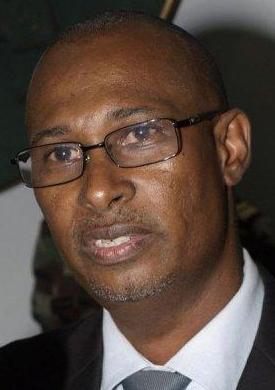
Manuel Serifo Nhamadjo
Transitional President since 11 May 2012
Transitional President since 11 May 2012
| TRAFFICKING IN PERSONS |
Current situation: Guinea-Bissau is a source country for children trafficked primarily for forced begging and forced agricultural
labor to other West African countries
Tier rating: Tier 2 Watch List - for the second year in a row, Guinea-Bissau is on the Tier 2 Watch List for its failure to combat
severe forms of trafficking in persons, as evidenced by the continued failure to pass an anti-trafficking law and inadequate efforts to
investigate or prosecute trafficking crimes or convict and punish trafficking offenders (2008)
labor to other West African countries
Tier rating: Tier 2 Watch List - for the second year in a row, Guinea-Bissau is on the Tier 2 Watch List for its failure to combat
severe forms of trafficking in persons, as evidenced by the continued failure to pass an anti-trafficking law and inadequate efforts to
investigate or prosecute trafficking crimes or convict and punish trafficking offenders (2008)