


| IRAQ Republic of Iraq Al Jumhuriyah al Iraqiyah Joined United Nations: 21 December 1945 Human Rights as assured by their constitution Click here Updated 02 January 2013 |

| CAPITAL |
| POPULATION |
| CHIEF OF STATE |
| SELECTION PROCESS |
Baghdad
31,129,225 (July 2012 est.)
Nuri al-Maliki
Prime Minister since 20 May 2006
Prime Minister since 20 May 2006
In April 2006, after the ratification of the new Iraqi Constitution in
2005, Jalal Talabani was elected as President of the Republic of Iraq
under the new Constitution, and thus became the first President of the
permanent Government established by the new constitutional order.
Election last held: 11 November 2010
Next scheduled election: 2014
2005, Jalal Talabani was elected as President of the Republic of Iraq
under the new Constitution, and thus became the first President of the
permanent Government established by the new constitutional order.
Election last held: 11 November 2010
Next scheduled election: 2014
HEAD OF GOVERNMENT
SELECTION PROCESS
Prime Minister chosen by parliamentary members of the
majority party following legislative elections; election last held 7
March 2010
Next scheduled election: 2014
majority party following legislative elections; election last held 7
March 2010
Next scheduled election: 2014
| DECLARATION OF HUMAN RIGHTS |
| ETHNIC GROUPS |
Arab 75%-80%, Kurdish 15%-20%, Turkmen, Assyrian, or other 5%
| RELIGIONS |
Muslim 97% (Shi'a 60%-65%, Sunni 32%-37%), Christian or other 3%
note: while there has been voluntary relocation of many Christian families to northern Iraq, recent reporting indicates that the
overall Christian population may have dropped by as much as 50 percent since the fall of the Saddam HUSSEIN regime in 2003,
with many fleeing to Syria, Jordan, and Lebanon
note: while there has been voluntary relocation of many Christian families to northern Iraq, recent reporting indicates that the
overall Christian population may have dropped by as much as 50 percent since the fall of the Saddam HUSSEIN regime in 2003,
with many fleeing to Syria, Jordan, and Lebanon
| GOVERNMENT STRUCTURE |
Parliamentary democracy with 18 governorates (muhafazat, singular - muhafazah); Legal system is based on European civil and
Islamic law under the framework outlined in the Iraqi Constitution; has not accepted compulsory ICJ jurisdiction
Executive: President elected by Council of Representatives (parliament) to serve a four-year term (eligible for a second term);
election last held on 11 November 2010 (next to be held in 2014)
Legislative: Unicameral Council of Representatives (325 seats consisting of 317 members elected by an optional open-list and
representing a specific governorate, proportional representation system and 8 seats reserved for minorities; members serve
four-year terms); note - Iraq's Constitution calls for the establishment of an upper house, the Federation Council
elections: last held on 7 March 2010 for an enlarged 325-seat parliament (next to be held in 2014)
Judicial: The Iraq Constitution calls for the federal judicial power to be comprised of the Higher Judicial Council, Federal Supreme
Court, Federal Court of Cassation, Public Prosecution Department, Judiciary Oversight Commission and other federal courts that
are regulated in accordance with the law
Islamic law under the framework outlined in the Iraqi Constitution; has not accepted compulsory ICJ jurisdiction
Executive: President elected by Council of Representatives (parliament) to serve a four-year term (eligible for a second term);
election last held on 11 November 2010 (next to be held in 2014)
Legislative: Unicameral Council of Representatives (325 seats consisting of 317 members elected by an optional open-list and
representing a specific governorate, proportional representation system and 8 seats reserved for minorities; members serve
four-year terms); note - Iraq's Constitution calls for the establishment of an upper house, the Federation Council
elections: last held on 7 March 2010 for an enlarged 325-seat parliament (next to be held in 2014)
Judicial: The Iraq Constitution calls for the federal judicial power to be comprised of the Higher Judicial Council, Federal Supreme
Court, Federal Court of Cassation, Public Prosecution Department, Judiciary Oversight Commission and other federal courts that
are regulated in accordance with the law
| LANGUAGES |
Arabic, Kurdish (official in Kurdish regions), Assyrian, Armenian
| BRIEF HISTORY |
It was in Mesopotamia about 3000 BC where the Sumerian culture flourished. The civilized life that emerged at Sumer was shaped
by two conflicting factors: the unpredictability of the Tigris and Euphrates rivers, which at any time could unleash devastating floods
that wiped out the entire populace, and the extreme richness of the river valleys, caused by centuries-old deposits of soil.
Eventually, the Sumerians had to battle other peoples. Some of the earliest of these wars were with the Elamites living in what is
now western Iran. In 2340 BC, the great Akkadian leader Sargon conquered Sumer and built the Akkadian Empire stretching over
most of the Sumerian city-states and extending as far away as Lebanon. After the later collapse of the Sumerian civilization, the
people were reunited in 1700 BC by King Hammurabi of Babylon (1792-1750 BC), and the country flourished under the name of
Babylonia. Babylonian rule encompassed a huge area covering most of the Tigris-Euphrates river valley from Sumer and the Persian
Gulf. The Assyrians, after they finally broke free of the Mitanni, were the next major power to assert themselves on Mesopotamia.
After defeating and virtually annexing Mitanni, the Assyrians challenged Babylonia. Eventually, during the 800s BC, one of the most
powerful tribes outside Babylon, the Chaldeans (Latin Chaldaeus, Greek Khaldaios, Assyrian Kaldu), gained prominence. Various
invaders conquered the land after Nebuchadrezzar's death, including Cyrus the Great in 539 BC and Alexander the Great in 331
BC, who died there in 323 BC. In the 6th century BC, it became part of the Persian Empire, then was conquered by Alexander the
Great and remained under Greek rule under the Seleucid dynasty for nearly two centuries. Babylon declined after the founding of
Seleucia on the Tigris, the new Seleucid Empire capital. A Central Asian tribe of Iranian peoples called Parthians then annexed the
region followed by the Sassanid Persians until the 7th century, when Arab Muslims captured it. The Arabic term "Iraq", a derivative
form of Persian Ērāk ("lower Iran") was not used at this time. The first organised conflict between local Bedouin Arab tribes and
Iranian forces seems to have been in 634, when the Arabs were defeated at the Battle of the Bridge. There was a force of some
5,000 Muslims under Abū `Ubayd ath-Thaqafī, which was routed by the Iranians. Around 636, a much larger Arab Muslim force
under Sa`d ibn Abī Waqqās defeated the main Iranian army at the Battle of al-Qādisiyyah and moved on to sack the capital of the
Iranian Empire, Ctesiphon. The Islamic conquest was followed by mass immigration of Arabs from eastern Arabia and Mazun
(Oman) to Khvarvārān. During the late 14th and early 15th centuries, the Black Sheep Turkmen ruled the area now known as Iraq.
In 1466, the White Sheep Turkmen defeated the Black Sheep and took control. In the 16th century, most of the territory of present-
day Iraq came under the control of Ottoman Empire as the pashalik of Baghdad. Throughout most of the period of Ottoman rule
(1533-1918) the territory of present-day Iraq was a battle zone between the rival regional empires and tribal alliances. The Safavid
dynasty of Iran briefly asserted their hegemony over Iraq in the periods of 1508-1533 and 1622-1638. During the years 1747-
1831 Iraq was ruled by the Mamluk officers of Georgian origin who succeeded in obtaining autonomy from the Sublime Porte,
suppressed tribal revolts, curbed the power of the Janissaries, restored order and introduced a program of modernization of
economy and military. In 1831, the Ottomans managed to overthrow the Mamluk regime and imposed their direct control over
Iraq. Ottoman rule over Iraq lasted until the Great War (World War I) when the Ottomans sided with Germany and the Central
Powers. British forces invaded the country and suffered a major defeat at the hands of the Turkish army during the Siege of Kut
(1915–16). British forces regrouped and captured Baghdad in 1917. An armistice was signed in 1918. Iraq was carved out of the
Ottoman Empire by the French and British as agreed in the Sykes-Picot Agreement. On 11 November 1920 it became a League of
Nations mandate under British control with the name "State of Iraq". Britain imposed a Hāshimite monarchy on Iraq and defined the
territorial limits of Iraq without taking into account the politics of the different ethnic and religious groups in the country, in particular
those of the Kurds to the north. During the British occupation, the Shi'ites and Kurds fought for independence. Britain used chemical
weapons (white phosphorus bombs) against Kurdish villagers in the revolt, an early application of aerial bombing. In the Mandate
period and beyond, the British supported the traditional, Sunni leadership (such as the tribal shaykhs) over the growing, urban-
based nationalist movement. Emir Faisal, leader of the Arab revolt against the Ottoman sultān during the Great War, and member of
the Sunni Hashimite family from Mecca, became the first king of the new state. He obtained the throne partly by the influence of T.
E. Lawrence. Although the monarch was legitimized and proclaimed King by a plebiscite in 1921, nominal independence was only
achieved in 1932, when the British Mandate officially ended. In 1945, Iraq joined the United Nations and became a founding
member of the Arab League. In 1948, Iraq and five other Arab countries fought a war against the newly-declared State of Israel. In
February 1958, King Hussein of Jordan and `Abd al-Ilāh proposed a union of Hāshimite monarchies to counter the recently formed
Egyptian-Syrian union. The prime minister Nuri as-Said wanted Kuwait to be part of the proposed Arab-Hāshimite Union. Shaykh
`Abd-Allāh as-Salīm, the ruler of Kuwait, was invited to Baghdad to discuss Kuwait's future. This policy brought the government of
Iraq into direct conflict with Britain, which did not want to grant independence to Kuwait. Inspired by Nasser, officers from the
Nineteenth Brigade known as "Free Officers", under the leadership of Brigadier Abd al-Karīm Qāsim (known as "az-Za`īm", 'the
leader') and Colonel Abdul Salam Arif overthrew the Hashimite monarchy on 14 July 1958. King Faisal II and `Abd al-Ilāh were
executed in the gardens of ar-Rihāb Palace. In 1961, Kuwait gained independence from Britain and Iraq claimed sovereignty over
Kuwait. During the 1970s, border disputes with Iran and Kuwait caused many problems. Kuwait's refusal to allow Iraq to build a
harbour in the Shatt al-Arab delta strengthened Iraq's belief that conservative powers in the region were trying to control the Persian
Gulf. Iran's occupation of numerous islands in the Strait of Hormuz didn't help alter Iraq's fears. In July 1979, president Ahmed
Hassan Al-Bakr resigned, and his chosen successor, Saddam Hussein, assumed the offices of both President and Chairman of the
Revolutionary Command Council. He was the de facto ruler of Iraq for some years before he formally came to power. Territorial
disputes with Iran led to an inconclusive and costly eight-year war, the Iran-Iraq War (1980 – 1988, termed Qādisiyyat-Saddām –
'Saddam's Qādisiyyah'), which devastated the economy. Iraq declared victory in 1988 but actually achieved a weary return to the
status quo ante bellum. The war left Iraq with the largest military establishment in the Persian Gulf region but with huge debts and an
ongoing rebellion by Kurdish elements in the northern mountains. A long-standing territorial dispute led to the invasion of Kuwait in
1990. In November 1990, the UN Security Council adopted Resolution 678, permitting member states to use all necessary means,
authorising military action against the Iraqi forces occupying Kuwait and demanded a complete withdrawal by 15 January 1991.
When Saddam Hussein failed to comply with this demand, the Persian Gulf War (Operation "Desert Storm") ensued on January 17,
1991. With allied troops of 28 countries, led by the US launching an aerial bombardment on Baghdad. The war, which proved
disastrous for Iraq, lasted only six weeks. On 6 August 1990, after the Iraqi invasion of Kuwait, the U.N. Security Council adopted
Resolution 661 which imposed economic sanctions on Iraq, providing for a full trade embargo, excluding medical supplies, food and
other items of humanitarian necessity, these to be determined by the Security Council sanctions committee. After the terrorist
attacks by the group formed by the multi-millionaire Saudi Osama bin Laden on New York and Washington in the United States in
2001, American foreign policy began to call for the removal of the Ba'ath government in Iraq. In March 2003 the United States and
the United Kingdom, with military aid from other nations, invaded Iraq. In 2003, after the American and British invasion, Iraq was
occupied by Coalition forces. On 23 May 2003, the UN Security Council unanimously approved a resolution lifting all economic
sanctions against Iraq. On 28 June 2004, the occupation was formally ended by the U.S.-led coalition, which transferred power to
an interim Iraqi government led by Prime Minister Iyad Allawi. The Iraqi government has officially requested the assistance of (at
least) American troops until further notice. On January 30, 2005, the transitional parliamentary elections took place. By the end of
2006 violence continued as the new Iraqi Government struggled to extend complete security within Iraq. Reported acts of violence
conducted by an uneasy tapestry of independence activists and opponents of foreign domination steadily increased by the end of
2006. These attacks become predominately aimed at Iraqi collaborators rather than foreign occupation forces. In mid-October
2006, a statement was released, stating that the Mujahideen Shura Council had been disbanded and was replaced by the "Islamic
State of Iraq". In addition to these sectarian and religious divides, an incredible amount of collateral damage has been the result.
There have been concerns that the country has become condemned "to repeat the undemocratic cycle which began in the 1920s
and eventually produced the Saddam Hussein regime."[5] In order to combat these issues, several organizations have stepped in to
set up shelters for physically and sexually abused women, notably the Organization of Women's Freedom in Iraq (OWFI) and
MADRE, among others. Following a surge in U.S. troops in 2007 and 2008, violence in Iraq began to decrease. The war was
declared formally over in December 2011.
Source: Wikipedia: History of Iraq
by two conflicting factors: the unpredictability of the Tigris and Euphrates rivers, which at any time could unleash devastating floods
that wiped out the entire populace, and the extreme richness of the river valleys, caused by centuries-old deposits of soil.
Eventually, the Sumerians had to battle other peoples. Some of the earliest of these wars were with the Elamites living in what is
now western Iran. In 2340 BC, the great Akkadian leader Sargon conquered Sumer and built the Akkadian Empire stretching over
most of the Sumerian city-states and extending as far away as Lebanon. After the later collapse of the Sumerian civilization, the
people were reunited in 1700 BC by King Hammurabi of Babylon (1792-1750 BC), and the country flourished under the name of
Babylonia. Babylonian rule encompassed a huge area covering most of the Tigris-Euphrates river valley from Sumer and the Persian
Gulf. The Assyrians, after they finally broke free of the Mitanni, were the next major power to assert themselves on Mesopotamia.
After defeating and virtually annexing Mitanni, the Assyrians challenged Babylonia. Eventually, during the 800s BC, one of the most
powerful tribes outside Babylon, the Chaldeans (Latin Chaldaeus, Greek Khaldaios, Assyrian Kaldu), gained prominence. Various
invaders conquered the land after Nebuchadrezzar's death, including Cyrus the Great in 539 BC and Alexander the Great in 331
BC, who died there in 323 BC. In the 6th century BC, it became part of the Persian Empire, then was conquered by Alexander the
Great and remained under Greek rule under the Seleucid dynasty for nearly two centuries. Babylon declined after the founding of
Seleucia on the Tigris, the new Seleucid Empire capital. A Central Asian tribe of Iranian peoples called Parthians then annexed the
region followed by the Sassanid Persians until the 7th century, when Arab Muslims captured it. The Arabic term "Iraq", a derivative
form of Persian Ērāk ("lower Iran") was not used at this time. The first organised conflict between local Bedouin Arab tribes and
Iranian forces seems to have been in 634, when the Arabs were defeated at the Battle of the Bridge. There was a force of some
5,000 Muslims under Abū `Ubayd ath-Thaqafī, which was routed by the Iranians. Around 636, a much larger Arab Muslim force
under Sa`d ibn Abī Waqqās defeated the main Iranian army at the Battle of al-Qādisiyyah and moved on to sack the capital of the
Iranian Empire, Ctesiphon. The Islamic conquest was followed by mass immigration of Arabs from eastern Arabia and Mazun
(Oman) to Khvarvārān. During the late 14th and early 15th centuries, the Black Sheep Turkmen ruled the area now known as Iraq.
In 1466, the White Sheep Turkmen defeated the Black Sheep and took control. In the 16th century, most of the territory of present-
day Iraq came under the control of Ottoman Empire as the pashalik of Baghdad. Throughout most of the period of Ottoman rule
(1533-1918) the territory of present-day Iraq was a battle zone between the rival regional empires and tribal alliances. The Safavid
dynasty of Iran briefly asserted their hegemony over Iraq in the periods of 1508-1533 and 1622-1638. During the years 1747-
1831 Iraq was ruled by the Mamluk officers of Georgian origin who succeeded in obtaining autonomy from the Sublime Porte,
suppressed tribal revolts, curbed the power of the Janissaries, restored order and introduced a program of modernization of
economy and military. In 1831, the Ottomans managed to overthrow the Mamluk regime and imposed their direct control over
Iraq. Ottoman rule over Iraq lasted until the Great War (World War I) when the Ottomans sided with Germany and the Central
Powers. British forces invaded the country and suffered a major defeat at the hands of the Turkish army during the Siege of Kut
(1915–16). British forces regrouped and captured Baghdad in 1917. An armistice was signed in 1918. Iraq was carved out of the
Ottoman Empire by the French and British as agreed in the Sykes-Picot Agreement. On 11 November 1920 it became a League of
Nations mandate under British control with the name "State of Iraq". Britain imposed a Hāshimite monarchy on Iraq and defined the
territorial limits of Iraq without taking into account the politics of the different ethnic and religious groups in the country, in particular
those of the Kurds to the north. During the British occupation, the Shi'ites and Kurds fought for independence. Britain used chemical
weapons (white phosphorus bombs) against Kurdish villagers in the revolt, an early application of aerial bombing. In the Mandate
period and beyond, the British supported the traditional, Sunni leadership (such as the tribal shaykhs) over the growing, urban-
based nationalist movement. Emir Faisal, leader of the Arab revolt against the Ottoman sultān during the Great War, and member of
the Sunni Hashimite family from Mecca, became the first king of the new state. He obtained the throne partly by the influence of T.
E. Lawrence. Although the monarch was legitimized and proclaimed King by a plebiscite in 1921, nominal independence was only
achieved in 1932, when the British Mandate officially ended. In 1945, Iraq joined the United Nations and became a founding
member of the Arab League. In 1948, Iraq and five other Arab countries fought a war against the newly-declared State of Israel. In
February 1958, King Hussein of Jordan and `Abd al-Ilāh proposed a union of Hāshimite monarchies to counter the recently formed
Egyptian-Syrian union. The prime minister Nuri as-Said wanted Kuwait to be part of the proposed Arab-Hāshimite Union. Shaykh
`Abd-Allāh as-Salīm, the ruler of Kuwait, was invited to Baghdad to discuss Kuwait's future. This policy brought the government of
Iraq into direct conflict with Britain, which did not want to grant independence to Kuwait. Inspired by Nasser, officers from the
Nineteenth Brigade known as "Free Officers", under the leadership of Brigadier Abd al-Karīm Qāsim (known as "az-Za`īm", 'the
leader') and Colonel Abdul Salam Arif overthrew the Hashimite monarchy on 14 July 1958. King Faisal II and `Abd al-Ilāh were
executed in the gardens of ar-Rihāb Palace. In 1961, Kuwait gained independence from Britain and Iraq claimed sovereignty over
Kuwait. During the 1970s, border disputes with Iran and Kuwait caused many problems. Kuwait's refusal to allow Iraq to build a
harbour in the Shatt al-Arab delta strengthened Iraq's belief that conservative powers in the region were trying to control the Persian
Gulf. Iran's occupation of numerous islands in the Strait of Hormuz didn't help alter Iraq's fears. In July 1979, president Ahmed
Hassan Al-Bakr resigned, and his chosen successor, Saddam Hussein, assumed the offices of both President and Chairman of the
Revolutionary Command Council. He was the de facto ruler of Iraq for some years before he formally came to power. Territorial
disputes with Iran led to an inconclusive and costly eight-year war, the Iran-Iraq War (1980 – 1988, termed Qādisiyyat-Saddām –
'Saddam's Qādisiyyah'), which devastated the economy. Iraq declared victory in 1988 but actually achieved a weary return to the
status quo ante bellum. The war left Iraq with the largest military establishment in the Persian Gulf region but with huge debts and an
ongoing rebellion by Kurdish elements in the northern mountains. A long-standing territorial dispute led to the invasion of Kuwait in
1990. In November 1990, the UN Security Council adopted Resolution 678, permitting member states to use all necessary means,
authorising military action against the Iraqi forces occupying Kuwait and demanded a complete withdrawal by 15 January 1991.
When Saddam Hussein failed to comply with this demand, the Persian Gulf War (Operation "Desert Storm") ensued on January 17,
1991. With allied troops of 28 countries, led by the US launching an aerial bombardment on Baghdad. The war, which proved
disastrous for Iraq, lasted only six weeks. On 6 August 1990, after the Iraqi invasion of Kuwait, the U.N. Security Council adopted
Resolution 661 which imposed economic sanctions on Iraq, providing for a full trade embargo, excluding medical supplies, food and
other items of humanitarian necessity, these to be determined by the Security Council sanctions committee. After the terrorist
attacks by the group formed by the multi-millionaire Saudi Osama bin Laden on New York and Washington in the United States in
2001, American foreign policy began to call for the removal of the Ba'ath government in Iraq. In March 2003 the United States and
the United Kingdom, with military aid from other nations, invaded Iraq. In 2003, after the American and British invasion, Iraq was
occupied by Coalition forces. On 23 May 2003, the UN Security Council unanimously approved a resolution lifting all economic
sanctions against Iraq. On 28 June 2004, the occupation was formally ended by the U.S.-led coalition, which transferred power to
an interim Iraqi government led by Prime Minister Iyad Allawi. The Iraqi government has officially requested the assistance of (at
least) American troops until further notice. On January 30, 2005, the transitional parliamentary elections took place. By the end of
2006 violence continued as the new Iraqi Government struggled to extend complete security within Iraq. Reported acts of violence
conducted by an uneasy tapestry of independence activists and opponents of foreign domination steadily increased by the end of
2006. These attacks become predominately aimed at Iraqi collaborators rather than foreign occupation forces. In mid-October
2006, a statement was released, stating that the Mujahideen Shura Council had been disbanded and was replaced by the "Islamic
State of Iraq". In addition to these sectarian and religious divides, an incredible amount of collateral damage has been the result.
There have been concerns that the country has become condemned "to repeat the undemocratic cycle which began in the 1920s
and eventually produced the Saddam Hussein regime."[5] In order to combat these issues, several organizations have stepped in to
set up shelters for physically and sexually abused women, notably the Organization of Women's Freedom in Iraq (OWFI) and
MADRE, among others. Following a surge in U.S. troops in 2007 and 2008, violence in Iraq began to decrease. The war was
declared formally over in December 2011.
Source: Wikipedia: History of Iraq
| ECONOMIC OVERVIEW |
An improving security environment and foreign investment are helping to spur economic activity, particularly in the energy,
construction, and retail sectors. Broader economic development, long-term fiscal health, and sustained improvements in the overall
standard of living still depend on the central government passing major policy reforms. Iraq's largely state-run economy is dominated
by the oil sector, which provides more than 90% of government revenue and 80% of foreign exchange earnings. Since mid-2009,
oil export earnings have returned to levels seen before Operation Iraqi Freedom. As global oil prices remained high for much of
2011, government revenues increased accordingly. For 2012, Iraq's draft budget forecasts oil exports of 2.6 million barrels per day
(bbl/day), a significant increase from Iraq's average of 2.2 million bbl/day in 2011. Iraq's contracts with major oil companies have
the potential to further expand oil revenues, but Iraq will need to make significant upgrades to its oil processing, pipeline, and export
infrastructure to enable these deals to reach their economic potential. Iraq is making slow progress enacting laws and developing the
institutions needed to implement economic policy, and political reforms are still needed to assuage investors' concerns regarding the
uncertain business climate. The government of Iraq is eager to attract additional foreign direct investment, but it faces a number of
obstacles including a tenuous political system and concerns about security and societal stability. Rampant corruption, outdated
infrastructure, insufficient essential services, and antiquated commercial laws stifle investment and continue to constrain growth of
private, nonoil sectors. In 2010, Baghdad signed agreements with both the IMF and World Bank for conditional aid programs
designed to help strengthen Iraq's economic institutions. Iraq is considering a package of laws to establish a modern legal
framework for the oil sector and a mechanism to equitably divide oil revenues within the nation, although these reforms are still
under contentious and sporadic negotiation. Political and economic tensions between Baghdad and local governments have led
some provincial councils to use their budgets to independently promote and facilitate investment at the local level. The Central Bank
has successfully held the exchange rate at about 1,170 Iraqi dinar/US dollar since January 2009. Inflation has remained under
control since 2006 as security improved. However, Iraqi leaders remain hard pressed to translate macroeconomic gains into an
improved standard of living for the Iraqi populace. Unemployment remains a problem throughout the country. Encouraging private
enterprise through deregulation would make it easier for both Iraqi citizens and foreign investors to start new businesses. Rooting
out corruption and implementing reforms - such as bank restructuring and developing the private sector - would be important steps
in this direction.
Source: CIA World Factbook (select Iraq)
construction, and retail sectors. Broader economic development, long-term fiscal health, and sustained improvements in the overall
standard of living still depend on the central government passing major policy reforms. Iraq's largely state-run economy is dominated
by the oil sector, which provides more than 90% of government revenue and 80% of foreign exchange earnings. Since mid-2009,
oil export earnings have returned to levels seen before Operation Iraqi Freedom. As global oil prices remained high for much of
2011, government revenues increased accordingly. For 2012, Iraq's draft budget forecasts oil exports of 2.6 million barrels per day
(bbl/day), a significant increase from Iraq's average of 2.2 million bbl/day in 2011. Iraq's contracts with major oil companies have
the potential to further expand oil revenues, but Iraq will need to make significant upgrades to its oil processing, pipeline, and export
infrastructure to enable these deals to reach their economic potential. Iraq is making slow progress enacting laws and developing the
institutions needed to implement economic policy, and political reforms are still needed to assuage investors' concerns regarding the
uncertain business climate. The government of Iraq is eager to attract additional foreign direct investment, but it faces a number of
obstacles including a tenuous political system and concerns about security and societal stability. Rampant corruption, outdated
infrastructure, insufficient essential services, and antiquated commercial laws stifle investment and continue to constrain growth of
private, nonoil sectors. In 2010, Baghdad signed agreements with both the IMF and World Bank for conditional aid programs
designed to help strengthen Iraq's economic institutions. Iraq is considering a package of laws to establish a modern legal
framework for the oil sector and a mechanism to equitably divide oil revenues within the nation, although these reforms are still
under contentious and sporadic negotiation. Political and economic tensions between Baghdad and local governments have led
some provincial councils to use their budgets to independently promote and facilitate investment at the local level. The Central Bank
has successfully held the exchange rate at about 1,170 Iraqi dinar/US dollar since January 2009. Inflation has remained under
control since 2006 as security improved. However, Iraqi leaders remain hard pressed to translate macroeconomic gains into an
improved standard of living for the Iraqi populace. Unemployment remains a problem throughout the country. Encouraging private
enterprise through deregulation would make it easier for both Iraqi citizens and foreign investors to start new businesses. Rooting
out corruption and implementing reforms - such as bank restructuring and developing the private sector - would be important steps
in this direction.
Source: CIA World Factbook (select Iraq)
| POLITICAL CLIMATE |
Under the Iraqi transitional constitution, signed March 2004, the country's executive branch is now led by a three-person
presidential council. The election system for the council effectively ensures that all three of Iraq's major ethnic groups are
represented. The constitution also includes basic freedoms like freedom of religion, speech, and assembly, and is perceived by some
to be more progressive than the U.S. Constitution. Controversially, however, it states that all laws that were in effect on the transfer
date cannot be repealed. Furthermore, since the coalition forces are currently working to maintain order and create a stable society
under the United Nations, coalition troops can remain in control of the country indefinitely despite the transfer of sovereignty. Since
Iraqi forces are currently considered not fully trained and equipped to police and secure their country, it is expected that coalition
troops will remain until Iraqi forces no longer require their support. However, these rules will be set aside once the Transitional
National Assembly is seated.
On 5 April 2005, the Iraqi National Assembly appointed Jalal Talabani, a prominent Kurdish leader, President. It also appointed
Adel Abdul Mehdi, a Shiite Arab, and Ghazi al-Yawar, the former Interim President and a Sunni Arab, as Vice Presidents. Ibrahim
al-Jaafari a Shiite, whose United Iraq Alliance Party won the largest share of the vote, was appointed the new Prime Minister of
Iraq. Most power is vested in him. The new government was faced with two major tasks. The first is to attempt to rein in a violent
insurgency, which has blighted the country in recent months, killing many Iraqi civilians and officials as well as a number of U.S.
troops. (As of mid-2005, approximately 135,000 American troops remain in Iraq with 2,214 U.S. soldiers killed.) The second
major task was to re-engage in the writing of a new Iraqi constitution, as outlined above, to replace the Iraqi transitional constitution
of 2004.
A parliamentary election was held in Iraq on 7 March 2010. The election decided the 325 members of the Council of
Representatives of Iraq who will elect the Iraqi Prime Minister and President. The election resulted in a partial victory for the Iraqi
National Movement, led by former Interim Prime Minister Ayad Allawi, which won a total of 91 seats, making it the largest alliance
in the Council. The State of Law Coalition, led by incumbent Prime Minister Nouri Al-Maliki, was the second largest grouping with
89 seats.
The election has been controversial. Prior to the election, the Supreme Court in Iraq ruled that the existing electoral law/rule was
unconstitutional, and a new elections law made major changes in the electoral system. On 15 January 2010 Iraq's electoral
commission banned 499 candidates from the election due to alleged links with the Ba'ath Party. Before the start of the campaign on
12 February 2010, the IHEC confirmed that the appeals by banned candidates had been rejected and thus all 456 banned
candidates would not be allowed to run for the election. The Supreme Court has not made a final ruling on the matter. A recount of
the votes in Baghdad was ordered on 19 April 2010. On 14 May IHEC announced that after 11,298 ballot boxes had been
recounted, there was no sign of fraud or violations.
The new parliament opened on 14 June 2010. After months of fraught negotiations, an agreement was reached on the formation of
a new government on November 11. Talabani would continue as president, Al-Maliki would stay on as prime minister and Allawi
would head a new security council. According to Transparency International, Iraq's is the most corrupt government in the Middle
East, and is described as a “hybrid regime” (between a “flawed democracy” and an “authoritarian regime”). The 2011 report "Costs
of War" from Brown University's Watson Institute for International Studies concluded that U.S. military presence in Iraq has not
been able to prevent this corruption, noting that as early as 2006, "there were clear signs that post-Saddam Iraq was not going to
be the linchpin for a new democratic Middle East."
Source: Wikipedia: Politics of Iraq
presidential council. The election system for the council effectively ensures that all three of Iraq's major ethnic groups are
represented. The constitution also includes basic freedoms like freedom of religion, speech, and assembly, and is perceived by some
to be more progressive than the U.S. Constitution. Controversially, however, it states that all laws that were in effect on the transfer
date cannot be repealed. Furthermore, since the coalition forces are currently working to maintain order and create a stable society
under the United Nations, coalition troops can remain in control of the country indefinitely despite the transfer of sovereignty. Since
Iraqi forces are currently considered not fully trained and equipped to police and secure their country, it is expected that coalition
troops will remain until Iraqi forces no longer require their support. However, these rules will be set aside once the Transitional
National Assembly is seated.
On 5 April 2005, the Iraqi National Assembly appointed Jalal Talabani, a prominent Kurdish leader, President. It also appointed
Adel Abdul Mehdi, a Shiite Arab, and Ghazi al-Yawar, the former Interim President and a Sunni Arab, as Vice Presidents. Ibrahim
al-Jaafari a Shiite, whose United Iraq Alliance Party won the largest share of the vote, was appointed the new Prime Minister of
Iraq. Most power is vested in him. The new government was faced with two major tasks. The first is to attempt to rein in a violent
insurgency, which has blighted the country in recent months, killing many Iraqi civilians and officials as well as a number of U.S.
troops. (As of mid-2005, approximately 135,000 American troops remain in Iraq with 2,214 U.S. soldiers killed.) The second
major task was to re-engage in the writing of a new Iraqi constitution, as outlined above, to replace the Iraqi transitional constitution
of 2004.
A parliamentary election was held in Iraq on 7 March 2010. The election decided the 325 members of the Council of
Representatives of Iraq who will elect the Iraqi Prime Minister and President. The election resulted in a partial victory for the Iraqi
National Movement, led by former Interim Prime Minister Ayad Allawi, which won a total of 91 seats, making it the largest alliance
in the Council. The State of Law Coalition, led by incumbent Prime Minister Nouri Al-Maliki, was the second largest grouping with
89 seats.
The election has been controversial. Prior to the election, the Supreme Court in Iraq ruled that the existing electoral law/rule was
unconstitutional, and a new elections law made major changes in the electoral system. On 15 January 2010 Iraq's electoral
commission banned 499 candidates from the election due to alleged links with the Ba'ath Party. Before the start of the campaign on
12 February 2010, the IHEC confirmed that the appeals by banned candidates had been rejected and thus all 456 banned
candidates would not be allowed to run for the election. The Supreme Court has not made a final ruling on the matter. A recount of
the votes in Baghdad was ordered on 19 April 2010. On 14 May IHEC announced that after 11,298 ballot boxes had been
recounted, there was no sign of fraud or violations.
The new parliament opened on 14 June 2010. After months of fraught negotiations, an agreement was reached on the formation of
a new government on November 11. Talabani would continue as president, Al-Maliki would stay on as prime minister and Allawi
would head a new security council. According to Transparency International, Iraq's is the most corrupt government in the Middle
East, and is described as a “hybrid regime” (between a “flawed democracy” and an “authoritarian regime”). The 2011 report "Costs
of War" from Brown University's Watson Institute for International Studies concluded that U.S. military presence in Iraq has not
been able to prevent this corruption, noting that as early as 2006, "there were clear signs that post-Saddam Iraq was not going to
be the linchpin for a new democratic Middle East."
Source: Wikipedia: Politics of Iraq
| INTERNATIONAL DISPUTES |
Approximately two million Iraqis have fled the conflict in Iraq, with the majority taking refuge in Syria and Jordan, and lesser
numbers to Egypt, Lebanon, Iran, and Turkey; Iraq's lack of a maritime boundary with Iran prompts jurisdiction disputes beyond
the mouth of the Shatt al Arab in the Persian Gulf; Turkey has expressed concern over the autonomous status of Kurds in Iraq
numbers to Egypt, Lebanon, Iran, and Turkey; Iraq's lack of a maritime boundary with Iran prompts jurisdiction disputes beyond
the mouth of the Shatt al Arab in the Persian Gulf; Turkey has expressed concern over the autonomous status of Kurds in Iraq


| REFUGEES AND INTERNALLY DISPLACED PERSONS (IDPS) |
Refugees (country of origin): 10,798 (Palestinian Territories); 7,989 (Iran); 15,606 (Turkey); 33,700 (Syria)
IDPs: 1.3 million (ethno-sectarian violence) (2012)
IDPs: 1.3 million (ethno-sectarian violence) (2012)
| ILLICIT DRUGS |
None reported.
| HUMAN RIGHTS STATEMENTS, ANALYSIS AND CRITIQUES |
2011 Human Rights Report: Iraq
Bureau of Democracy, Human Rights, and Labor
2011 Country Reports on Human Rights Practices
May 25, 2012
Iraq is a constitutional parliamentary republic. Prime Minister Nouri Kamal al-Maliki was sworn in following free and fair elections in
March 2010, once the major political parties reached a power-sharing agreement that allowed the government to be seated in December
2010. While the government is inclusive of all major political parties, significant unresolved issues continued to hamper its operation as
permanent ministers of defense and interior had yet to be appointed at year’s end. However, during the year, the role of the Council of
Representatives (COR) and provincial governments increased. Iraqi Security Forces (ISF) reported to civilian authorities, but continuing
violence, corruption, and organizational dysfunction undermined the government’s protection of human rights.
During the year the most significant human rights developments were continuing abuses by sectarian and ethnic armed groups and
violations by government-affiliated forces. Divisions between Shia and Sunni and between Arab and Kurd empowered sectarian militant
organizations. These militants, purporting to defend one group through acts of intimidation and revenge against another, influenced
political outcomes. Terrorist attacks designed to weaken the government and deepen societal divisions occurred during the year.
The three most important human rights problems in the country were governmental and societal violence reflecting a precarious security
situation, a fractionalized population mirroring deep divisions exacerbated by Saddam Hussein’s legacy, and rampant corruption at all
levels of government and society.
During the year the following significant human rights problems were also reported: arbitrary or unlawful deprivation of life; extremist
and terrorist bombings and executions; disappearances; torture and other cruel, inhuman, or degrading treatment or punishment; poor
conditions in pretrial detention and prison facilities; arbitrary arrest and detention; denial of fair public trials; delays in resolving property
restitution claims; insufficient judicial institutional capacity; arbitrary interference with privacy and home; limits on freedoms of speech,
press, and assembly; extremist threats and violence; limits on religious freedom due to extremist threats and violence; restrictions on
freedom of movement; large numbers of internally displaced persons (IDPs) and refugees; lack of transparency and significant
constraints on international organizations and nongovernmental organizations’ (NGOs) investigations of alleged violations of human
rights; discrimination against and societal abuses of women and ethnic, religious, and racial minorities; trafficking in persons; societal
discrimination and violence against individuals based on sexual orientation and gender identity; and limited exercise of labor rights.
A culture of impunity has largely protected members of the security services, as well as those elsewhere in the government, from
investigation and successful prosecution of human rights violations.
Terrorist groups such as al-Qaida in Iraq committed attacks against a wide swath of society, including Sunnis, Shia, and members of
other sects or ethnicities, security forces, places of worship, religious pilgrims, economic infrastructure, and government officials. Their
means were suicide bombings, attacks with improvised explosive devices, drive-by shootings, and other acts of violence aimed at
weakening the government and deepening ethnosectarian divisions. Certain militant organizations, such as those influenced by Iran, also
committed numerous terrorist attacks, primarily against foreign embassies and foreign military forces.
Click here to read more »
Bureau of Democracy, Human Rights, and Labor
2011 Country Reports on Human Rights Practices
May 25, 2012
Iraq is a constitutional parliamentary republic. Prime Minister Nouri Kamal al-Maliki was sworn in following free and fair elections in
March 2010, once the major political parties reached a power-sharing agreement that allowed the government to be seated in December
2010. While the government is inclusive of all major political parties, significant unresolved issues continued to hamper its operation as
permanent ministers of defense and interior had yet to be appointed at year’s end. However, during the year, the role of the Council of
Representatives (COR) and provincial governments increased. Iraqi Security Forces (ISF) reported to civilian authorities, but continuing
violence, corruption, and organizational dysfunction undermined the government’s protection of human rights.
During the year the most significant human rights developments were continuing abuses by sectarian and ethnic armed groups and
violations by government-affiliated forces. Divisions between Shia and Sunni and between Arab and Kurd empowered sectarian militant
organizations. These militants, purporting to defend one group through acts of intimidation and revenge against another, influenced
political outcomes. Terrorist attacks designed to weaken the government and deepen societal divisions occurred during the year.
The three most important human rights problems in the country were governmental and societal violence reflecting a precarious security
situation, a fractionalized population mirroring deep divisions exacerbated by Saddam Hussein’s legacy, and rampant corruption at all
levels of government and society.
During the year the following significant human rights problems were also reported: arbitrary or unlawful deprivation of life; extremist
and terrorist bombings and executions; disappearances; torture and other cruel, inhuman, or degrading treatment or punishment; poor
conditions in pretrial detention and prison facilities; arbitrary arrest and detention; denial of fair public trials; delays in resolving property
restitution claims; insufficient judicial institutional capacity; arbitrary interference with privacy and home; limits on freedoms of speech,
press, and assembly; extremist threats and violence; limits on religious freedom due to extremist threats and violence; restrictions on
freedom of movement; large numbers of internally displaced persons (IDPs) and refugees; lack of transparency and significant
constraints on international organizations and nongovernmental organizations’ (NGOs) investigations of alleged violations of human
rights; discrimination against and societal abuses of women and ethnic, religious, and racial minorities; trafficking in persons; societal
discrimination and violence against individuals based on sexual orientation and gender identity; and limited exercise of labor rights.
A culture of impunity has largely protected members of the security services, as well as those elsewhere in the government, from
investigation and successful prosecution of human rights violations.
Terrorist groups such as al-Qaida in Iraq committed attacks against a wide swath of society, including Sunnis, Shia, and members of
other sects or ethnicities, security forces, places of worship, religious pilgrims, economic infrastructure, and government officials. Their
means were suicide bombings, attacks with improvised explosive devices, drive-by shootings, and other acts of violence aimed at
weakening the government and deepening ethnosectarian divisions. Certain militant organizations, such as those influenced by Iran, also
committed numerous terrorist attacks, primarily against foreign embassies and foreign military forces.
Click here to read more »
12 August 2011
Human Rights Council
Eighteenth session
Agenda item 3
Promotion and protection of all human rights, civil, political, economic, social and cultural rights, including the right to
development
Report of the Working Group on the use of mercenaries as a means of violating human rights and impeding the exercise of
the right of peoples to self-determination
Chair-Rapporteur: José Luis Gómez del Prado
Mission to Iraq
Summary
In the last decade, Iraq has been a major theatre of operations for private military and security companies. A series of high-profile
incidents involving such companies, such as the Nissour Square shooting in 2007, have focused attention on the negative impact of their
activities on Iraqis’ human rights. Such incidents, as well as abuses reported in other parts of the world, have prompted efforts to ensure
that security companies and their personnel are held responsible for violations of human rights.
During its visit to Iraq, the Working Group learned that the number of incidents involving private military and security companies had
decreased in recent years. This could be attributed to several factors: the decrease in their military-related activities in Iraq; stricter
regulation by the Iraqi authorities; and efforts by the United States of America to tighten oversight of its private security contractors
operating in Iraq. The Working Group commends the efforts of the Iraqi and United States authorities in this regard.
Despite this decrease in incidents, Iraq continues to grapple with the grant of legal immunity extended to private security contractors
under Order 17 issued by the Coalition Provisional Authority (CPA). This immunity prevented prosecutions in Iraqi courts. Nor have
prosecutions in the home countries of such companies been successful. Four years after Nissour Square, the case against the alleged
perpetrators is still pending in United States courts. Other alleged perpetrators have not even been brought to court so far. The Working
Group is deeply concerned about the lack of accountability for violations committed between 2003 and 2009 and recalls that the victims
of such violations and their families are still waiting for justice.
In a welcome development, the 2009 Status of Forces Agreement (SOFA) between Iraq and the United States contains a provision
removing the immunity of some private foreign security contractors in Iraq. It is not clear, however, whether this removal of immunity
covers all contractors employed by the Government of the United States and whether it is fully applied in Iraqi courts. The Working
Group recommends that this legal situation be clarified as a matter of priority.
Click here to read more »
Human Rights Council
Eighteenth session
Agenda item 3
Promotion and protection of all human rights, civil, political, economic, social and cultural rights, including the right to
development
Report of the Working Group on the use of mercenaries as a means of violating human rights and impeding the exercise of
the right of peoples to self-determination
Chair-Rapporteur: José Luis Gómez del Prado
Mission to Iraq
Summary
In the last decade, Iraq has been a major theatre of operations for private military and security companies. A series of high-profile
incidents involving such companies, such as the Nissour Square shooting in 2007, have focused attention on the negative impact of their
activities on Iraqis’ human rights. Such incidents, as well as abuses reported in other parts of the world, have prompted efforts to ensure
that security companies and their personnel are held responsible for violations of human rights.
During its visit to Iraq, the Working Group learned that the number of incidents involving private military and security companies had
decreased in recent years. This could be attributed to several factors: the decrease in their military-related activities in Iraq; stricter
regulation by the Iraqi authorities; and efforts by the United States of America to tighten oversight of its private security contractors
operating in Iraq. The Working Group commends the efforts of the Iraqi and United States authorities in this regard.
Despite this decrease in incidents, Iraq continues to grapple with the grant of legal immunity extended to private security contractors
under Order 17 issued by the Coalition Provisional Authority (CPA). This immunity prevented prosecutions in Iraqi courts. Nor have
prosecutions in the home countries of such companies been successful. Four years after Nissour Square, the case against the alleged
perpetrators is still pending in United States courts. Other alleged perpetrators have not even been brought to court so far. The Working
Group is deeply concerned about the lack of accountability for violations committed between 2003 and 2009 and recalls that the victims
of such violations and their families are still waiting for justice.
In a welcome development, the 2009 Status of Forces Agreement (SOFA) between Iraq and the United States contains a provision
removing the immunity of some private foreign security contractors in Iraq. It is not clear, however, whether this removal of immunity
covers all contractors employed by the Government of the United States and whether it is fully applied in Iraqi courts. The Working
Group recommends that this legal situation be clarified as a matter of priority.
Click here to read more »
Freedom In The World 2012 Report
Political Rights Score: 5
Civil Liberties Score: 6
Status: Not Free
Overview
In December 2011, immediately after the U.S. military completed its scheduled withdrawal from the country, tensions arose again
between Sunni and Shiite political parties. The Sunni Iraqiya Party boycotted the parliament in response to a perceived power grab by
Prime Minister Nouri al-Maliki and the issuing of an arrest warrant for the Sunni vice president. Also during the year, Turkey and Iran
launched attacks into northern Iraq to suppress Kurdish guerrilla groups, and ongoing sectarian, terrorist, and political violence targeted
government forces, journalists, and ordinary civilians.
The 2009 provincial elections did not include the autonomous Kurdish region or the contested province of Kirkuk. Separate elections in
July 2009 for the Kurdish regional parliament and presidency featured high turnout and a fairly strong showing by a new opposition bloc
called Gorran (Change), which took about a quarter of the parliamentary vote. A referendum to determine whether Kirkuk would join the
Kurdish region remained delayed through 2011, despite a constitutional provision that had required it before the end of 2007.
Parliamentary elections were held in March 2010, despite having been constitutionally mandated for January 2010. They were governed
by a 2009 election law that called for an open-list, proportional-representation voting system, with multimember districts corresponding
to the 18 provinces. A total of eight seats were reserved for Christians and other religious minorities.
Despite violence on election day, the polling itself was seen as relatively free and fair. The electoral commission took candidates’
complaints seriously and conducted a partial recount, but found no evidence of significant fraud. Voters clearly demonstrated their
frustration with the government by returning only 62 of the previous parliament’s 275 members, but the elections resulted in political
deadlock. Despite a constitutional requirement to form a government within 30 days of the election results’ announcement, neither of the
rival blocs was able to organize a majority, with foreign powers including Iran, Saudi Arabia, and the United States reportedly playing a
role in the lengthy negotiations. The new parliament reelected Kurdish leader Jalal Talabani as president in November 2010, and in
December 2010, al-Maliki finally secured parliamentary approval for a unity government that encompassed all major factions, including
Iraqiya and al-Sadr’s Shiite movement.
The long postelection interregnum featured an escalation in sectarian and antigovernment violence. Insurgents began targeting national
institutions, especially the security services, and sites with sectarian significance during the spring. By the summer of 2010, violence had
reached heights not seen in years. In the beginning of 2011, U.S. military officials estimated a 20 percent decrease in overall security
incidents from 2010. However, Al-Qaeda launched retaliatory in Mesopotamia against civilians, politicians, Iraqi security forces, and
American troops after the killing of Osama bin Laden by U.S. forces in Pakistan in May. Additionally, as the U.S. Military ramped up its
efforts to redeploy troops and evacuate Iraq during the summer, various militia groups sought to take advantage of a security vacuum as
Iraqi forces proved unable to stem the violence. In total, the violence was estimated to have cost the lives of over 4,000 Iraqi civilians in
2011.
In keeping with a 2008 security agreement between Iraq and the United States, about 50,000 U.S. military personnel remained in Iraq
through 2011, though they had withdrawn from Iraqi cities in 2009 and formally ended combat operations in 2010. American and Iraqi
political leaders had expected to agree on a reduced presence of up to 5,000 U.S. troops beyond 2011, but such a pact was ultimately
precluded by the Iraqi parliament’s refusal to grant U.S. personnel immunity from prosecution under Iraqi law. Consequently, the last U.
S. troops left the country in December.
Within days of the completion of the U.S. withdrawal, tension arose once again between Sunni and Shiite political parties. In an apparent
power grab by Prime Minister Nouri al-Maliki’s ruling coalition, an arrest warrant was issued for Vice President Tariq al-Hashmi, a
Sunni politician, alleging him of running a “death squad” that targeted police and government officials. Al-Hashmi fled to the northern
Kurdish region, but arrests of other Sunni, Baathist, and secular Shiite political figures followed, and al-Hashmi’s Sunni Iraqiya Party
boycotted the parliament in protest.
In addition to ongoing violence and political strife, Iraq continues to suffer from economic difficulties and insecure borders. The
government has remained unable to provide basic public services. While electricity provision, for example, has increased significantly in
recent years, it has not kept pace with growing demand, and most Iraqis lack a reliable source of power. Unemployment hovers above
20 percent nationally, and reaches as high as 55 percent in some rural areas. Employment among those aged 15 to 24 is also high at
around 23 percent.
In August and October 2011, in response to Kurdish guerrilla attacks, Turkey and Iran launched cross-border assaults on suspected
guerrilla targets in northern Iraq. These were the first such attacks since 2008.
Click here to read more »
Political Rights Score: 5
Civil Liberties Score: 6
Status: Not Free
Overview
In December 2011, immediately after the U.S. military completed its scheduled withdrawal from the country, tensions arose again
between Sunni and Shiite political parties. The Sunni Iraqiya Party boycotted the parliament in response to a perceived power grab by
Prime Minister Nouri al-Maliki and the issuing of an arrest warrant for the Sunni vice president. Also during the year, Turkey and Iran
launched attacks into northern Iraq to suppress Kurdish guerrilla groups, and ongoing sectarian, terrorist, and political violence targeted
government forces, journalists, and ordinary civilians.
The 2009 provincial elections did not include the autonomous Kurdish region or the contested province of Kirkuk. Separate elections in
July 2009 for the Kurdish regional parliament and presidency featured high turnout and a fairly strong showing by a new opposition bloc
called Gorran (Change), which took about a quarter of the parliamentary vote. A referendum to determine whether Kirkuk would join the
Kurdish region remained delayed through 2011, despite a constitutional provision that had required it before the end of 2007.
Parliamentary elections were held in March 2010, despite having been constitutionally mandated for January 2010. They were governed
by a 2009 election law that called for an open-list, proportional-representation voting system, with multimember districts corresponding
to the 18 provinces. A total of eight seats were reserved for Christians and other religious minorities.
Despite violence on election day, the polling itself was seen as relatively free and fair. The electoral commission took candidates’
complaints seriously and conducted a partial recount, but found no evidence of significant fraud. Voters clearly demonstrated their
frustration with the government by returning only 62 of the previous parliament’s 275 members, but the elections resulted in political
deadlock. Despite a constitutional requirement to form a government within 30 days of the election results’ announcement, neither of the
rival blocs was able to organize a majority, with foreign powers including Iran, Saudi Arabia, and the United States reportedly playing a
role in the lengthy negotiations. The new parliament reelected Kurdish leader Jalal Talabani as president in November 2010, and in
December 2010, al-Maliki finally secured parliamentary approval for a unity government that encompassed all major factions, including
Iraqiya and al-Sadr’s Shiite movement.
The long postelection interregnum featured an escalation in sectarian and antigovernment violence. Insurgents began targeting national
institutions, especially the security services, and sites with sectarian significance during the spring. By the summer of 2010, violence had
reached heights not seen in years. In the beginning of 2011, U.S. military officials estimated a 20 percent decrease in overall security
incidents from 2010. However, Al-Qaeda launched retaliatory in Mesopotamia against civilians, politicians, Iraqi security forces, and
American troops after the killing of Osama bin Laden by U.S. forces in Pakistan in May. Additionally, as the U.S. Military ramped up its
efforts to redeploy troops and evacuate Iraq during the summer, various militia groups sought to take advantage of a security vacuum as
Iraqi forces proved unable to stem the violence. In total, the violence was estimated to have cost the lives of over 4,000 Iraqi civilians in
2011.
In keeping with a 2008 security agreement between Iraq and the United States, about 50,000 U.S. military personnel remained in Iraq
through 2011, though they had withdrawn from Iraqi cities in 2009 and formally ended combat operations in 2010. American and Iraqi
political leaders had expected to agree on a reduced presence of up to 5,000 U.S. troops beyond 2011, but such a pact was ultimately
precluded by the Iraqi parliament’s refusal to grant U.S. personnel immunity from prosecution under Iraqi law. Consequently, the last U.
S. troops left the country in December.
Within days of the completion of the U.S. withdrawal, tension arose once again between Sunni and Shiite political parties. In an apparent
power grab by Prime Minister Nouri al-Maliki’s ruling coalition, an arrest warrant was issued for Vice President Tariq al-Hashmi, a
Sunni politician, alleging him of running a “death squad” that targeted police and government officials. Al-Hashmi fled to the northern
Kurdish region, but arrests of other Sunni, Baathist, and secular Shiite political figures followed, and al-Hashmi’s Sunni Iraqiya Party
boycotted the parliament in protest.
In addition to ongoing violence and political strife, Iraq continues to suffer from economic difficulties and insecure borders. The
government has remained unable to provide basic public services. While electricity provision, for example, has increased significantly in
recent years, it has not kept pace with growing demand, and most Iraqis lack a reliable source of power. Unemployment hovers above
20 percent nationally, and reaches as high as 55 percent in some rural areas. Employment among those aged 15 to 24 is also high at
around 23 percent.
In August and October 2011, in response to Kurdish guerrilla attacks, Turkey and Iran launched cross-border assaults on suspected
guerrilla targets in northern Iraq. These were the first such attacks since 2008.
Click here to read more »
20 December 2012
URGENT ACTION
ONE BROTHER RELEASED, TWO STILL HELD IN IRAQ
One of three brothers arrested in Iraq has been released. The other brothers have been reportedly tortured while held incommunicado
and require access to adequate medical treatment. ‘Adel Hamdi Shihab was released in the early hours of 13 December. Shamil Hamdi
Shihab and ‘Amer Hamdi Shihab have been transferred to Ramadi's Tasfirat Prison, west of Baghdad, on or about 17 December.
In the early hours of 5 December security forces arrested ‘Adel Hamdi Shihab and his two brothers, Shamil Hamdi Shihab and ‘Amer
Hamdi Shihab, at their homes in Ramadi and took them to the Directorate of Counter- Crime. All three brothers are in their late 40s or
early 50s. They were taken before an investigating judge on 9 December. According to reports received by Amnesty InternationaI both
Shamil Hamdi Shihab and ‘Amer Hamdi Shihab have been subjected to torture or other ill-treatment,
‘Adel Hamdi Shihab was released in the early hours of 13 December and, according to Amnesty International’s information, has not said
he was tortured or otherwise ill-treated. Shamil Hamdi Shihab and ‘Amer Hamdi Shihab, however, are reported to have been tortured and
otherwise ill-treated before they were transferred to Ramadi's Tasfirat Prison, west of Baghdad, on or about 17 December. While they
now have access to their lawyers and relatives, they need adequate medical treatment reportedly in connection with injuries they suffered
under torture.
Click here to read more »
URGENT ACTION
ONE BROTHER RELEASED, TWO STILL HELD IN IRAQ
One of three brothers arrested in Iraq has been released. The other brothers have been reportedly tortured while held incommunicado
and require access to adequate medical treatment. ‘Adel Hamdi Shihab was released in the early hours of 13 December. Shamil Hamdi
Shihab and ‘Amer Hamdi Shihab have been transferred to Ramadi's Tasfirat Prison, west of Baghdad, on or about 17 December.
In the early hours of 5 December security forces arrested ‘Adel Hamdi Shihab and his two brothers, Shamil Hamdi Shihab and ‘Amer
Hamdi Shihab, at their homes in Ramadi and took them to the Directorate of Counter- Crime. All three brothers are in their late 40s or
early 50s. They were taken before an investigating judge on 9 December. According to reports received by Amnesty InternationaI both
Shamil Hamdi Shihab and ‘Amer Hamdi Shihab have been subjected to torture or other ill-treatment,
‘Adel Hamdi Shihab was released in the early hours of 13 December and, according to Amnesty International’s information, has not said
he was tortured or otherwise ill-treated. Shamil Hamdi Shihab and ‘Amer Hamdi Shihab, however, are reported to have been tortured and
otherwise ill-treated before they were transferred to Ramadi's Tasfirat Prison, west of Baghdad, on or about 17 December. While they
now have access to their lawyers and relatives, they need adequate medical treatment reportedly in connection with injuries they suffered
under torture.
Click here to read more »
Iraq/Turkey: Open Borders to All Syrian Refugees
At Least 10,000 Stranded in Difficult, Dangerous Conditions
October 14, 2012
(Beirut) – The Iraqi and Turkish authorities should immediately re-open border crossings where more than 10,000 Syrians have been
stranded for weeks and allow all those wishing to seek asylum to cross without delay, Human Rights Watch said today. Tens of
thousands of Syrians fleeing recent fighting – including in Syria’s Aleppo, Idlib, and Deir el Zor provinces – are attempting to use the
crossings to reach Iraq and Turkey quickly and safely.
Since the second half of August 2012, Iraq and Turkey have unlawfully prevented thousands of Syrians from entering their countries
through these crossing points. Each country has allowed only a limited number of people to cross, either based on medical emergencies
or on arbitrary limits. Blocking people from crossing international borders to claim asylum – whether through formal or informal
crossing points – breaches international law, Human Rights Watch said.
“Over 10,000 desperate Syrians fleeing the terror of aerial bombardment and shelling are stuck on the Iraqi and Turkish borders, many
living in miserable conditions,” said Gerry Simpson, senior refugees researcher and advocate at Human Rights Watch. “Iraq and Turkey
should keep their borders open at all times to people fleeing threats to their lives and other forms of persecution.”
Human Rights Watch said that Turkey deserves credit and support for hosting almost 100,000 refugees in 14 camps and thousands of
other Syrians who live outside camps, but that it is required to keep its borders open to people who want to claim asylum. Donor
countries, including the European Union, should provide generous financial and other support to Turkey to establish further camps for
Syrians fleeing the conflict, Human Rights Watch said.
On October 6 and 9, Human Rights Watch met with dozens of Syrians in Syria who were stranded near the Turkish border, all of whom
said they fled aerial bombardment and shelling and that they had been stuck at the border for weeks after Turkish border guards said that
they could not cross. Some said border guards told them they could not cross because Turkey’s refugee camps were full.
A senior Turkish official told Human Rights Watch that because its refugee camps were at capacity, Turkey was making sure some aid
was getting to Syrians inside Syria near Turkey’s border who in Turkey’s view were not in danger of getting caught up in fighting and
only needed assistance.
The 1951 Refugee Convention, customary international refugee law and international human rights law require all countries to respect the
principle of non-refoulement, which prohibits rejection of asylum seekers at borders that expose them to threats to their lives or freedom.
Human Rights Watch said that Turkey’s obligation to allow anyone to seek asylum meant that a lack of space in refugee camps or
assisting Syrians on the Syrian side were not valid reasons for delaying Syrians’ access to Turkey to claim asylum. Syrians should be
temporarily accommodated in Iraq and Turkey while they are screened and then allowed to move freely or taken to camps.
Click here to read more »
At Least 10,000 Stranded in Difficult, Dangerous Conditions
October 14, 2012
(Beirut) – The Iraqi and Turkish authorities should immediately re-open border crossings where more than 10,000 Syrians have been
stranded for weeks and allow all those wishing to seek asylum to cross without delay, Human Rights Watch said today. Tens of
thousands of Syrians fleeing recent fighting – including in Syria’s Aleppo, Idlib, and Deir el Zor provinces – are attempting to use the
crossings to reach Iraq and Turkey quickly and safely.
Since the second half of August 2012, Iraq and Turkey have unlawfully prevented thousands of Syrians from entering their countries
through these crossing points. Each country has allowed only a limited number of people to cross, either based on medical emergencies
or on arbitrary limits. Blocking people from crossing international borders to claim asylum – whether through formal or informal
crossing points – breaches international law, Human Rights Watch said.
“Over 10,000 desperate Syrians fleeing the terror of aerial bombardment and shelling are stuck on the Iraqi and Turkish borders, many
living in miserable conditions,” said Gerry Simpson, senior refugees researcher and advocate at Human Rights Watch. “Iraq and Turkey
should keep their borders open at all times to people fleeing threats to their lives and other forms of persecution.”
Human Rights Watch said that Turkey deserves credit and support for hosting almost 100,000 refugees in 14 camps and thousands of
other Syrians who live outside camps, but that it is required to keep its borders open to people who want to claim asylum. Donor
countries, including the European Union, should provide generous financial and other support to Turkey to establish further camps for
Syrians fleeing the conflict, Human Rights Watch said.
On October 6 and 9, Human Rights Watch met with dozens of Syrians in Syria who were stranded near the Turkish border, all of whom
said they fled aerial bombardment and shelling and that they had been stuck at the border for weeks after Turkish border guards said that
they could not cross. Some said border guards told them they could not cross because Turkey’s refugee camps were full.
A senior Turkish official told Human Rights Watch that because its refugee camps were at capacity, Turkey was making sure some aid
was getting to Syrians inside Syria near Turkey’s border who in Turkey’s view were not in danger of getting caught up in fighting and
only needed assistance.
The 1951 Refugee Convention, customary international refugee law and international human rights law require all countries to respect the
principle of non-refoulement, which prohibits rejection of asylum seekers at borders that expose them to threats to their lives or freedom.
Human Rights Watch said that Turkey’s obligation to allow anyone to seek asylum meant that a lack of space in refugee camps or
assisting Syrians on the Syrian side were not valid reasons for delaying Syrians’ access to Turkey to claim asylum. Syrians should be
temporarily accommodated in Iraq and Turkey while they are screened and then allowed to move freely or taken to camps.
Click here to read more »
Statement
31/12/2012 10:36 AM
While the Constitution and in force Legislations guaranteed the freedom of expression, assembly freedom and peaceful demonstration
;but these freedoms should be exercised within the framework of legitimacy and without prejudice to public order , morality and not be
the cause of creating chaos and discord and disruption of public utilities and the people's interests, and to carried only through
knowledge of the specialized authorities and under license.
The happenings taking place now in some provincial of invitations of civil disobedience and disrupt the work of departments and public
utilities to stop services are in contrary to the Constitution and the laws in force.
Departments and provincial government departments are to refrain from implementing these decisions and illegal orders not to be
exposed to legal repercussions.
The ministers and heads of departments not associated with the Ministry are to follow up the implementation of this statement and
prevent disabling services and public interests.
Click here to read more »
31/12/2012 10:36 AM
While the Constitution and in force Legislations guaranteed the freedom of expression, assembly freedom and peaceful demonstration
;but these freedoms should be exercised within the framework of legitimacy and without prejudice to public order , morality and not be
the cause of creating chaos and discord and disruption of public utilities and the people's interests, and to carried only through
knowledge of the specialized authorities and under license.
The happenings taking place now in some provincial of invitations of civil disobedience and disrupt the work of departments and public
utilities to stop services are in contrary to the Constitution and the laws in force.
Departments and provincial government departments are to refrain from implementing these decisions and illegal orders not to be
exposed to legal repercussions.
The ministers and heads of departments not associated with the Ministry are to follow up the implementation of this statement and
prevent disabling services and public interests.
Click here to read more »
11/20/2012
Minister of Human Rights confirmed during a meeting Msala internationally need to remove Iraq from Chapter VII
Search and Human Rights Minister Mohamed Sudanese Xiaa with a high-level international coordinator for missing Kuwaiti Ambassador
Gennady Tarasov bilateral relations between the two countries during a meeting at the ministry.
A statement from the Ministry today that "Sudanese confirmed Iraq's commitment to continue cooperation with Kuwait and the
International Organization for ending file missing Kuwaitis by investing the positive atmosphere that prevails relations between Iraq and
Kuwait, as well as the upcoming visit of the Secretary-General of the United Nations Ban Ki-moon to Baghdad."
He added that "the time has come to remove Iraq from Chapter VII, and referral of missing Kuwaitis from its international bilateral
cooperation under the supervision of a third party", adding that "the Kuwaiti side expressed during the meetings of the Joint Ministerial
Committee agreed to issue United Nations of any decision out this file of international framework to bilateral cooperation. "
For his part, praised Tarasov, according to the statement "the great efforts made by the Ministry of Human Rights and its cooperation
in the search for the remains of missing Kuwaitis and which come within the framework of the efforts of the Iraqi government to end
this file, also praised the positive development of the bilateral relations between Iraq and Kuwait."
The statement continued, "Tarasov pledged that he will be members of the UN Security Council in his report Iraq's commitment to
continue cooperation in the file of missing Kuwaitis, also convey the point of view of the Iraqi government to refer the file from its
international framework as a prelude to remove Iraq from Chapter VII."
The United Nations Mission in Iraq [UNAMI] has announced the approval of Kuwait invest Taweidadtha in Iraq, and the Head of
Mission Martin Kobler said in a press statement that "Kuwait agrees to transfer a large part of the compensation to the investment in
Basra and a number of provinces."
Ties Iraqi - Kuwaiti described as positive development over the past few months, to end the outstanding issues between the two
countries, and to remove Iraq from international sanctions imposed on it in the seventh item, before the UN Security Council.
The latest developments announced two countries to end the row and the final settlement of the issue of Iraqi Airways, said after
Emir of Kuwait Sabah Al-Ahmad Al-Sabah on 23 October last Emiri Decree approving the financial settlement, after the two
sides signed a final settlement by the Iraq to pay $ 500 million in compensation final to Kuwait Airways.
Click here to read more »
Minister of Human Rights confirmed during a meeting Msala internationally need to remove Iraq from Chapter VII
Search and Human Rights Minister Mohamed Sudanese Xiaa with a high-level international coordinator for missing Kuwaiti Ambassador
Gennady Tarasov bilateral relations between the two countries during a meeting at the ministry.
A statement from the Ministry today that "Sudanese confirmed Iraq's commitment to continue cooperation with Kuwait and the
International Organization for ending file missing Kuwaitis by investing the positive atmosphere that prevails relations between Iraq and
Kuwait, as well as the upcoming visit of the Secretary-General of the United Nations Ban Ki-moon to Baghdad."
He added that "the time has come to remove Iraq from Chapter VII, and referral of missing Kuwaitis from its international bilateral
cooperation under the supervision of a third party", adding that "the Kuwaiti side expressed during the meetings of the Joint Ministerial
Committee agreed to issue United Nations of any decision out this file of international framework to bilateral cooperation. "
For his part, praised Tarasov, according to the statement "the great efforts made by the Ministry of Human Rights and its cooperation
in the search for the remains of missing Kuwaitis and which come within the framework of the efforts of the Iraqi government to end
this file, also praised the positive development of the bilateral relations between Iraq and Kuwait."
The statement continued, "Tarasov pledged that he will be members of the UN Security Council in his report Iraq's commitment to
continue cooperation in the file of missing Kuwaitis, also convey the point of view of the Iraqi government to refer the file from its
international framework as a prelude to remove Iraq from Chapter VII."
The United Nations Mission in Iraq [UNAMI] has announced the approval of Kuwait invest Taweidadtha in Iraq, and the Head of
Mission Martin Kobler said in a press statement that "Kuwait agrees to transfer a large part of the compensation to the investment in
Basra and a number of provinces."
Ties Iraqi - Kuwaiti described as positive development over the past few months, to end the outstanding issues between the two
countries, and to remove Iraq from international sanctions imposed on it in the seventh item, before the UN Security Council.
The latest developments announced two countries to end the row and the final settlement of the issue of Iraqi Airways, said after
Emir of Kuwait Sabah Al-Ahmad Al-Sabah on 23 October last Emiri Decree approving the financial settlement, after the two
sides signed a final settlement by the Iraq to pay $ 500 million in compensation final to Kuwait Airways.
Click here to read more »
Iraq Foundation Holds Screening in DC
Posted on Oct 9, 2012
On October 9, 2012, IF hosted a screening of the film, “Interfaith Dialogue in Mesopotamia,” at the Johns Hopkins School of Advanced
International Studies (SAIS) in Washington, DC. The screening was held in cooperation with the Global Politics and Religion Initiative
and the Middle East Studies Program of SAIS.
Dr. Leila Austin, Co-Director, Global Politics and Religion Initiative, SAIS provided opening comments and welcomed attendees to SAIS.
Rend Al-Rahim, Executive Director of the Iraq Foundation provided an introduction of the Iraq Foundation (IF), the film and welcomed
Michael Posner, Assistant Secretary of State for the Bureau of Democracy, Human Rights and Labor. Mr. Posner discussed the
importance of freedom of religion and religious diversity in Iraq and in the Middle East region. His Excellency, Ambassador Samir
Sumaidaie commented on the history of religious coexistence in Iraq.
The screening aimed to capture Iraq’s thriving belief cultures and foster understanding among a U.S.-based audience of Iraq’s long
history as a country where religious diversity has flourished. To achieve this goal, the event showcased a film, produced in cooperation
with AlSumaria, based on documentaries produced by the participants of the Interfaith Cooperation Project (ICP), which aims to deepen
public knowledge and promote dialogue about Iraq’s diverse religious heritage and to enhance religious freedom, interfaith cooperation,
trust and mutual respect among faith communities. As part of this project, IF sponsored a nationwide documentary film competition and
selected teams of young Iraqi men and women from different religious backgrounds and provinces who came together to produce 15
documentaries on significant historic religious sites across Iraq. The 5 best documentaries were edited and broadcast on national
television. Documentaries cover historic shrines of all religions and a special emphasis on religious sites that are ‘shared’ by many
different faiths and religious sites in close proximity, demonstrating how different faiths can live and worship side by side. Project
participants held 63 discussion-based screenings of the documentaries in 15 provinces, reaching an audience of over 8,000 people.
Documentaries were broadcasted on five national Iraqi TV stations. It is estimated that one in four Iraqis has seen at least one of the
documentaries.
Click here to read more>>
Posted on Oct 9, 2012
On October 9, 2012, IF hosted a screening of the film, “Interfaith Dialogue in Mesopotamia,” at the Johns Hopkins School of Advanced
International Studies (SAIS) in Washington, DC. The screening was held in cooperation with the Global Politics and Religion Initiative
and the Middle East Studies Program of SAIS.
Dr. Leila Austin, Co-Director, Global Politics and Religion Initiative, SAIS provided opening comments and welcomed attendees to SAIS.
Rend Al-Rahim, Executive Director of the Iraq Foundation provided an introduction of the Iraq Foundation (IF), the film and welcomed
Michael Posner, Assistant Secretary of State for the Bureau of Democracy, Human Rights and Labor. Mr. Posner discussed the
importance of freedom of religion and religious diversity in Iraq and in the Middle East region. His Excellency, Ambassador Samir
Sumaidaie commented on the history of religious coexistence in Iraq.
The screening aimed to capture Iraq’s thriving belief cultures and foster understanding among a U.S.-based audience of Iraq’s long
history as a country where religious diversity has flourished. To achieve this goal, the event showcased a film, produced in cooperation
with AlSumaria, based on documentaries produced by the participants of the Interfaith Cooperation Project (ICP), which aims to deepen
public knowledge and promote dialogue about Iraq’s diverse religious heritage and to enhance religious freedom, interfaith cooperation,
trust and mutual respect among faith communities. As part of this project, IF sponsored a nationwide documentary film competition and
selected teams of young Iraqi men and women from different religious backgrounds and provinces who came together to produce 15
documentaries on significant historic religious sites across Iraq. The 5 best documentaries were edited and broadcast on national
television. Documentaries cover historic shrines of all religions and a special emphasis on religious sites that are ‘shared’ by many
different faiths and religious sites in close proximity, demonstrating how different faiths can live and worship side by side. Project
participants held 63 discussion-based screenings of the documentaries in 15 provinces, reaching an audience of over 8,000 people.
Documentaries were broadcasted on five national Iraqi TV stations. It is estimated that one in four Iraqis has seen at least one of the
documentaries.
Click here to read more>>
| Click map for larger view |
| Click flag for Country Report |



Jalal Talabani
President since 6 April 2005
President since 6 April 2005
Khudayr Musa Jafar Abbas al-Khuzai
Vice President since 22 April 2006
Vice President since 22 April 2006
| TRAFFICKING IN PERSONS |
None reported.
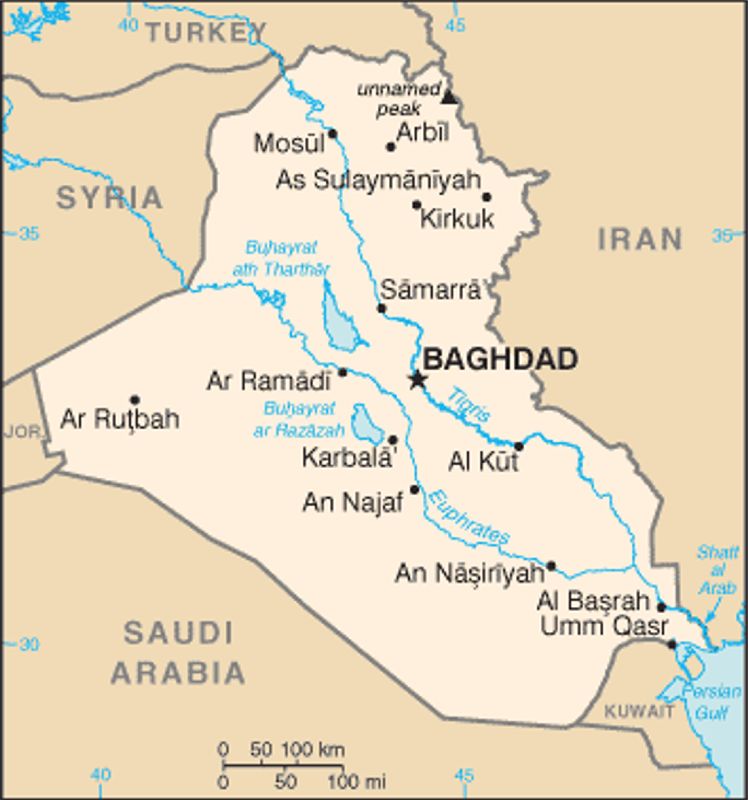
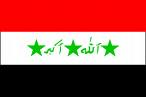


Tariq al-Hashimi
Vice President since 22 April 2006
Vice President since 22 April 2006

Husayn Ibrahim Salih al-Shahristani
Deputy Prime Minister since 21 December 2010
Deputy Prime Minister since 21 December 2010
Rowsch Nuri Shaways
Deputy Prime Minister since 11 January 2010
Deputy Prime Minister since 11 January 2010


Salih al-Mutlaq
Deputy Prime Minister since 21 December 2010
Deputy Prime Minister since 21 December 2010
