| ISLE OF MAN Isle of Man Isle of Man (British Crown Dependency) Joined United Nations: 24 October 1945 Human Rights as assured by their constitution Click here Updated 05 November 2012 |
| CAPITAL |
| POPULATION |
| CHIEF OF STATE |
| SELECTION PROCESS |
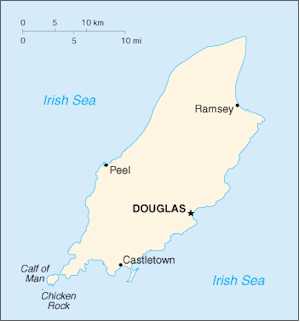
Douglas
85,421 (July 2012 est.)
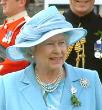
Elizabeth II of United Kingdom
Lord of Man since 6 February 1952
Lord of Man since 6 February 1952
The Monarch is hereditary; Lieutenant Governor appointed by
the monarch for a five-year term;
Next scheduled election: None
the monarch for a five-year term;
Next scheduled election: None
HEAD OF GOVERNMENT
SELECTION PROCESS
Allan Bell
Chief Minister since 11 October 2011
Chief Minister since 11 October 2011
House of Keys speaker elected Chief Minister by the Tynwald
for a five year term. Election last held 11 October 2011
Next scheduled election: December 2016
for a five year term. Election last held 11 October 2011
Next scheduled election: December 2016
| DECLARATION OF HUMAN RIGHTS |
| ETHNIC GROUPS |
Manx (Norse-Celtic descent), Britons
| RELIGIONS |
Anglican, Methodist, Baptist, Presbyterian, Society of Friends, Roman Catholic
| GOVERNMENT STRUCTURE |
British Crown Dependency; Parliamentary Democracy; no first-order administrative divisions as defined by the US
Government, but there are 24 local authorities each with its own elections. Legal system is English common law and
Manx statute
Executive: Monarch represented by Lieutenant Governor; The Chief Minister is elected by the Tynwald for a five-year
term; election last held 11 October 2011 (next to be held in December 2016)
Legislative: Bicameral Tynwald consists of the Legislative Council (an 11-member body composed of the President
of Tynwald, the Lord Bishop of Sodor and Man, a nonvoting attorney general, and eight others named by the House of
Keys) and the House of Keys (24 seats; members are elected by popular vote to serve five-year terms)
elections: House of Keys - last held 29 September 2011 (next to be held in September 2016)
Judicial: High Court of Justice (justices are appointed by the Lord Chancellor of England on the nomination of the
lieutenant governor)
Government, but there are 24 local authorities each with its own elections. Legal system is English common law and
Manx statute
Executive: Monarch represented by Lieutenant Governor; The Chief Minister is elected by the Tynwald for a five-year
term; election last held 11 October 2011 (next to be held in December 2016)
Legislative: Bicameral Tynwald consists of the Legislative Council (an 11-member body composed of the President
of Tynwald, the Lord Bishop of Sodor and Man, a nonvoting attorney general, and eight others named by the House of
Keys) and the House of Keys (24 seats; members are elected by popular vote to serve five-year terms)
elections: House of Keys - last held 29 September 2011 (next to be held in September 2016)
Judicial: High Court of Justice (justices are appointed by the Lord Chancellor of England on the nomination of the
lieutenant governor)
| LANGUAGES |
English, Manx Gaelic (about 2% of the population has some knowledge)
| BRIEF HISTORY |
The secular history of the Isle of Man during the Brythonic period remains mysterious: we have no surviving trustworthy
record of any event whatever before the incursions of the Northmen, since the exploits attributed to Báetán mac Cairill,
king of Ulster, at the end of the 6th century, formally supposed to have taken place in the Isle of Man, really occurred in
the country between the Firths of Clyde and Forth. Even if the supposed conquest of the Menavian islands - Man and
Anglesey - by Edwin of Northumbria, in 616, did take place, it could not have led to any permanent results; for, when the
English were driven from the coasts of Cumberland and Lancashire soon afterwards, they could not well have retained
their hold on the island to the west of these coasts. One can speculate, however, that when Ecfrid's Northumbrians laid
Ireland waste from Dublin to Drogheda in 684, they temporarily occupied Man. In the later part of the first millennium AD
colonists from Ireland settled in Man. Manx, a Goidelic language, provides the main evidence of this; earlier evidence
suggests that a Welsh-speaking people lived there. One big historical argument addresses whether the present Manx
language survived from pre-Norse days, or whether it reflects a linguistic reintroduction after the Norse invasion. Evidence
may yet be forthcoming to shed further light on this area of debate from the study of the landscape, place names and land
tenure. Tradition attributes the island's conversion to Christianity to St Maughold (Maccul), an Irish missionary who gives
his name to a parish. The island's name derives from Mannanan, the Brythonic and Gaelic equivalent of Neptune. During
the period of Scandinavian domination there are two main epochs -- one before the conquest of Man by Godred Crovan
in 1079, and the other after it. Warfare and unsettled rule characterize the earlier epoch; the later saw comparatively more
peace. Between about A.D. 800 and 815 the Vikings came to Man chiefly for plunder; between about 850 and 990,
when they settled in it, the island fell under the rule of the Scandinavian kings of Dublin; and between 990 and 1079, it
became subject to the powerful earls of Orkney. In the 1130s the Church sent a small mission to establish the first
bishopric on the Isle of Man, and appointed Wimund as the first Bishop. He soon after gave up his role as fisher of men,
and became the hunter of men, embarking with a band of followers on a career of murder and looting throughout Scotland
and the surrounding islands. Finally, in 1261, Alexander III of Scotland sent envoys to Norway to negotiate for the
cession of the isles, but their efforts led to no result. He therefore initiated hostilities which terminated in the indecisive
Battle of Largs against of the Norwegian fleet in 1263. However the Norwegian king Haakon Haakonsson died the
following winter, and this allowed king Alexander to bring the war to a successful conclusion. Magnus, king of Man and
the Isles (reigned 1252 - 1265), who had fought on the Norwegian side, had to surrender all the islands over which he
had ruled, except Man, for which he did homage. Two years later Magnus died and in 1266 King Magnus VI of Norway
ceded the islands, including Man, to Scotland in the Treaty of Perth in consideration of the sum of 4000 marks (known as
"merks" in Scotland) and an annuity of 100 marks. But Scotland's rule over Man did not become firmly established till
1275, when the Manx suffered defeat in a decisive battle at Ronaldsway, near Castletown. In 1290 King Edward I of
England was in possession of Man, and it remained in English hands till 1313, when Robert Bruce took it after besieging
Castle Rushen for five weeks. Then, until 1346, when the battle of Nevilles Cross decided the long struggle between
England and Scotland in England's favour, there followed a confused period when Man sometimes experienced English
rule and sometimes Scottish. About 1333 King Edward III of England granted Man to William de Montacute, 3rd Baron
Montacute, (later the 1st Earl of Salisbury), as his absolute possession, without reserving any service to be rendered to
him. With the accession of the Stanleys to the throne there begins a better epoch in Manx history. Though the island's new
rulers rarely visited its shores, they placed it under responsible governors, who, in the main, seem to have treated it with
justice. Of the thirteen members of the family who ruled in Man, the second Sir John Stanley (1414 - 1432), [[James
Stanley, 7th Earl of Derby |James, the 7th Earl]] (1627 - 1651), and the 10th Earl of the same name (1702 - 1736) had
the most important influence on it. The first curbed the power of the spiritual barons, introduced trial by jury, instead of
trial by battle, and ordered the laws to be written. The second, known as the Great Stanley, and his wife, Charlotte de la
Tremoille (or Tremouille), are probably the most striking figures in Manx history. In 1643 Charles I ordered him to go to
Man, where the people, who were no doubt influenced by what was taking place in England, threatened to revolt. But his
arrival, with English soldiers, soon put a stop to anything of this kind. He conciliated the people by his affability, brought in
Englishmen to teach various handicrafts and tried to help the farmers by improving the breed of Manx horses, and, at the
same time, he restricted the exactions of the Church. But the Manx people never had less liberty than under his rule. In
August 1651 he Stanley to England with some of his troops, among whom were 300 Manxmen, to join King Charles II,
and he and they shared in the decisive defeat of the Royalists at Worcester. He was captured and confined in Chester
Castle, and, after being tried by court martial, was executed at Bolton. Soon after his death the Manx Militia, under the
command of William Christian (known by his Manx name of Illiam Dhone), rose against the Countess and captured all the
insular forts except Rushen and Peel. They were then joined by a Parliamentary force under Colonel Duckenfield, to
whom the Countess surrendered after a brief resistance. Cromwell had appointed Thomas Fairfax Lord of Mann and the
Isles in September, so that Man continued under a monarchical government and remained in the same relation to England
as before. The restoration of Stanley government in 1660 therefore caused as little friction and alteration as its temporary
cessation had. The agrarian question subsided only in 1704, when James, Charles's brother and successor, largely through
the influence of Bishop Wilson, entered into a compact with his tenants, which became embodied in an act, called the Act
of Settlement. Their compact secured the tenants in the possession of their estates in perpetuity on condition of a fixed
rent, and a small fine on succession or alienation. From the great importance of this act to the Manx people it has been
called their Magna Carta. After 1866, when the Isle of Man obtained a measure of at least nominal Home Rule, the Manx
people have made remarkable progress, and at the present day form a prosperous community, with tax haven status and
a thriving tourist industry. The Isle of Man was used as a base for Alien Civilian Internment camps in both the First World
War (1914-18) and the Second World War (1939-45). As the century progressed, the Manx tourist economy declined
greatly, as the English and Irish started flying to Spain for package holidays. The Manx government responded to this
situation by making the island a tax haven. The 1990s and early twenty first century have seen a greater recognition of
indigenous Manx culture, such as the first Manx language primary school, as well as a general re-evaluation of the island's
economy.
Source: Wikipedia History of Isle of Man
record of any event whatever before the incursions of the Northmen, since the exploits attributed to Báetán mac Cairill,
king of Ulster, at the end of the 6th century, formally supposed to have taken place in the Isle of Man, really occurred in
the country between the Firths of Clyde and Forth. Even if the supposed conquest of the Menavian islands - Man and
Anglesey - by Edwin of Northumbria, in 616, did take place, it could not have led to any permanent results; for, when the
English were driven from the coasts of Cumberland and Lancashire soon afterwards, they could not well have retained
their hold on the island to the west of these coasts. One can speculate, however, that when Ecfrid's Northumbrians laid
Ireland waste from Dublin to Drogheda in 684, they temporarily occupied Man. In the later part of the first millennium AD
colonists from Ireland settled in Man. Manx, a Goidelic language, provides the main evidence of this; earlier evidence
suggests that a Welsh-speaking people lived there. One big historical argument addresses whether the present Manx
language survived from pre-Norse days, or whether it reflects a linguistic reintroduction after the Norse invasion. Evidence
may yet be forthcoming to shed further light on this area of debate from the study of the landscape, place names and land
tenure. Tradition attributes the island's conversion to Christianity to St Maughold (Maccul), an Irish missionary who gives
his name to a parish. The island's name derives from Mannanan, the Brythonic and Gaelic equivalent of Neptune. During
the period of Scandinavian domination there are two main epochs -- one before the conquest of Man by Godred Crovan
in 1079, and the other after it. Warfare and unsettled rule characterize the earlier epoch; the later saw comparatively more
peace. Between about A.D. 800 and 815 the Vikings came to Man chiefly for plunder; between about 850 and 990,
when they settled in it, the island fell under the rule of the Scandinavian kings of Dublin; and between 990 and 1079, it
became subject to the powerful earls of Orkney. In the 1130s the Church sent a small mission to establish the first
bishopric on the Isle of Man, and appointed Wimund as the first Bishop. He soon after gave up his role as fisher of men,
and became the hunter of men, embarking with a band of followers on a career of murder and looting throughout Scotland
and the surrounding islands. Finally, in 1261, Alexander III of Scotland sent envoys to Norway to negotiate for the
cession of the isles, but their efforts led to no result. He therefore initiated hostilities which terminated in the indecisive
Battle of Largs against of the Norwegian fleet in 1263. However the Norwegian king Haakon Haakonsson died the
following winter, and this allowed king Alexander to bring the war to a successful conclusion. Magnus, king of Man and
the Isles (reigned 1252 - 1265), who had fought on the Norwegian side, had to surrender all the islands over which he
had ruled, except Man, for which he did homage. Two years later Magnus died and in 1266 King Magnus VI of Norway
ceded the islands, including Man, to Scotland in the Treaty of Perth in consideration of the sum of 4000 marks (known as
"merks" in Scotland) and an annuity of 100 marks. But Scotland's rule over Man did not become firmly established till
1275, when the Manx suffered defeat in a decisive battle at Ronaldsway, near Castletown. In 1290 King Edward I of
England was in possession of Man, and it remained in English hands till 1313, when Robert Bruce took it after besieging
Castle Rushen for five weeks. Then, until 1346, when the battle of Nevilles Cross decided the long struggle between
England and Scotland in England's favour, there followed a confused period when Man sometimes experienced English
rule and sometimes Scottish. About 1333 King Edward III of England granted Man to William de Montacute, 3rd Baron
Montacute, (later the 1st Earl of Salisbury), as his absolute possession, without reserving any service to be rendered to
him. With the accession of the Stanleys to the throne there begins a better epoch in Manx history. Though the island's new
rulers rarely visited its shores, they placed it under responsible governors, who, in the main, seem to have treated it with
justice. Of the thirteen members of the family who ruled in Man, the second Sir John Stanley (1414 - 1432), [[James
Stanley, 7th Earl of Derby |James, the 7th Earl]] (1627 - 1651), and the 10th Earl of the same name (1702 - 1736) had
the most important influence on it. The first curbed the power of the spiritual barons, introduced trial by jury, instead of
trial by battle, and ordered the laws to be written. The second, known as the Great Stanley, and his wife, Charlotte de la
Tremoille (or Tremouille), are probably the most striking figures in Manx history. In 1643 Charles I ordered him to go to
Man, where the people, who were no doubt influenced by what was taking place in England, threatened to revolt. But his
arrival, with English soldiers, soon put a stop to anything of this kind. He conciliated the people by his affability, brought in
Englishmen to teach various handicrafts and tried to help the farmers by improving the breed of Manx horses, and, at the
same time, he restricted the exactions of the Church. But the Manx people never had less liberty than under his rule. In
August 1651 he Stanley to England with some of his troops, among whom were 300 Manxmen, to join King Charles II,
and he and they shared in the decisive defeat of the Royalists at Worcester. He was captured and confined in Chester
Castle, and, after being tried by court martial, was executed at Bolton. Soon after his death the Manx Militia, under the
command of William Christian (known by his Manx name of Illiam Dhone), rose against the Countess and captured all the
insular forts except Rushen and Peel. They were then joined by a Parliamentary force under Colonel Duckenfield, to
whom the Countess surrendered after a brief resistance. Cromwell had appointed Thomas Fairfax Lord of Mann and the
Isles in September, so that Man continued under a monarchical government and remained in the same relation to England
as before. The restoration of Stanley government in 1660 therefore caused as little friction and alteration as its temporary
cessation had. The agrarian question subsided only in 1704, when James, Charles's brother and successor, largely through
the influence of Bishop Wilson, entered into a compact with his tenants, which became embodied in an act, called the Act
of Settlement. Their compact secured the tenants in the possession of their estates in perpetuity on condition of a fixed
rent, and a small fine on succession or alienation. From the great importance of this act to the Manx people it has been
called their Magna Carta. After 1866, when the Isle of Man obtained a measure of at least nominal Home Rule, the Manx
people have made remarkable progress, and at the present day form a prosperous community, with tax haven status and
a thriving tourist industry. The Isle of Man was used as a base for Alien Civilian Internment camps in both the First World
War (1914-18) and the Second World War (1939-45). As the century progressed, the Manx tourist economy declined
greatly, as the English and Irish started flying to Spain for package holidays. The Manx government responded to this
situation by making the island a tax haven. The 1990s and early twenty first century have seen a greater recognition of
indigenous Manx culture, such as the first Manx language primary school, as well as a general re-evaluation of the island's
economy.
Source: Wikipedia History of Isle of Man
| ECONOMIC OVERVIEW |
Offshore banking, manufacturing, and tourism are key sectors of the economy. The government offers low taxes and
other incentives to high-technology companies and financial institutions to locate on the island; this has paid off in
expanding employment opportunities in high-income industries. As a result, agriculture and fishing, once the mainstays
of the economy, have declined in their contributions to GDP. The Isle of Man also attracts online gambling sites and the
film industry. Trade is mostly with the UK. The Isle of Man enjoys free access to EU markets.
Source: CIA World Factbook (select Man, Isle of)
other incentives to high-technology companies and financial institutions to locate on the island; this has paid off in
expanding employment opportunities in high-income industries. As a result, agriculture and fishing, once the mainstays
of the economy, have declined in their contributions to GDP. The Isle of Man also attracts online gambling sites and the
film industry. Trade is mostly with the UK. The Isle of Man enjoys free access to EU markets.
Source: CIA World Factbook (select Man, Isle of)
| POLITICAL CLIMATE |
In the 2011 Manx general election, of 29 September, the Liberal Vannin Party won three seats, up one since the last
election, the remaining seats were won by independents.[4] Three ministers lost their seats Anne Craine, Martyn
Quayle, and Adrian Earnshaw as well as the former vice chairman of the Liberal Vannin Party Bill Malarkey. Voter
turnout dropped from 64% to 54%.
Most Manx politicians stand for election as independents rather than as representatives of political parties. Though
political parties do exist, their influence is not nearly as strong as is the case in mainland Britain. Consequently, much
Manx legislation develops through consensus among the members of Tynwald, which contrasts with the much more
adversarial nature of the British Parliament.
The largest political party is the recently established Liberal Vannin Party, which promotes greater Manx independence
and more accountability in Government. In the 2011 Manx general election it won three seats in Tynwald including
Leader Peter Karran MHK.
A Manx Labour Party also exists, unaffiliated to the British Labour Party.
A political pressure group Mec Vannin advocates the establishment of a sovereign republic.
The island also formerly had a Manx National Party and a Manx Communist Party. There are Manx members in the
Celtic League, a political pressure group that advocates greater co-operation between and political autonomy for the
Celtic nations.
The main political issues include the Island's relationship with the finance sector, housing prices and shortages, and the
Manx language.
The vast majority of the members of the House of Keys are non-partisan (19), with two representatives from the Manx
Labour Party and three from the Alliance for Progressive Government.
Source: Wikipedia Politics of Isle of Man
election, the remaining seats were won by independents.[4] Three ministers lost their seats Anne Craine, Martyn
Quayle, and Adrian Earnshaw as well as the former vice chairman of the Liberal Vannin Party Bill Malarkey. Voter
turnout dropped from 64% to 54%.
Most Manx politicians stand for election as independents rather than as representatives of political parties. Though
political parties do exist, their influence is not nearly as strong as is the case in mainland Britain. Consequently, much
Manx legislation develops through consensus among the members of Tynwald, which contrasts with the much more
adversarial nature of the British Parliament.
The largest political party is the recently established Liberal Vannin Party, which promotes greater Manx independence
and more accountability in Government. In the 2011 Manx general election it won three seats in Tynwald including
Leader Peter Karran MHK.
A Manx Labour Party also exists, unaffiliated to the British Labour Party.
A political pressure group Mec Vannin advocates the establishment of a sovereign republic.
The island also formerly had a Manx National Party and a Manx Communist Party. There are Manx members in the
Celtic League, a political pressure group that advocates greater co-operation between and political autonomy for the
Celtic nations.
The main political issues include the Island's relationship with the finance sector, housing prices and shortages, and the
Manx language.
The vast majority of the members of the House of Keys are non-partisan (19), with two representatives from the Manx
Labour Party and three from the Alliance for Progressive Government.
Source: Wikipedia Politics of Isle of Man
| INTERNATIONAL DISPUTES |
None reported.


| REFUGEES AND INTERNALLY DISPLACED PERSONS (IDP) |
None reported.
| ILLICIT DRUGS |
None reported.
| HUMAN RIGHTS STATEMENTS, ANALYSIS AND CRITIQUES |
INCSR 2008 Volume II
Money Laundering and Financial Crimes
Isle of Man
The Isle of Man (IOM) is a Crown Dependency of the United Kingdom with its own parliament, government, and laws. Its large
and sophisticated financial center is potentially vulnerable to money laundering at the layering and integration stages. Most of the
illicit funds in the IOM are from fraud schemes and narcotics trafficking in other jurisdictions, including the United Kingdom. The
U.S. dollar is the most common currency used for criminal activity in the IOM. Identity theft and Internet abuse are growing
segments of financial crime activity.
No current data regarding the entities that comprise the IOM financial industry has been reported. As of September 30, 2004, the
IOM’s financial industry consisted of approximately 19 life insurance companies, 25 insurance managers, more than 177 captive
insurance companies, 53 licensed banks and two licensed building societies, 82 investment business license holders, 30.1 billion
pounds (approximately U.S. $59 billion) in bank deposits, and 164 collective investment schemes with 6.5 billion pounds
(approximately U.S. $12.7 billion) of funds under management. There were also 171 licensed corporate service providers.
The IOM criminalized money laundering related to narcotics trafficking in 1987. The Criminal Justice (Money Laundering
Offenses) Act 1998, extends the definition of money laundering to cover all serious crimes and led to the creation of the Anti-
Money Laundering (AML) Code, which came into force in December 1998. The AML Code has subsequently been replaced by the
Criminal Justice (Money Laundering) Code 2007 (the Code), enacted in September 2007. Requirements under the 2007 Code apply
to banking, investment, and collective investment schemes, fiduciary services business, insurance, building societies, credit unions,
local authorities authorized to raise or borrow money, bureaux de change, estate agents, bookmakers and casinos (excluding online
gambling), accountants, notaries and legal practitioners, insurance intermediaries, retirement benefits schemes, administrators
and trustees, auditors, the Post Office, and any activity involving money transmission services or check encashment facilities.
The Code requires that obligated entities implement AML policies, procedures, and practices, including employing them for
countering terrorist financing. The Code mandates that obligated entities institute procedures to establish customer identification
requirements; report suspicious transactions; maintain adequate records; adopt adequate internal controls and communication
procedures; provide appropriate training for employees; and establish internal reporting protocols. There is no minimum threshold
for obliged entities to file a suspicious transaction report (STR), and safe harbor provisions in the law protect reporting individuals
when they file an STR. It is an offense to fail to disclose suspicion of money laundering for all predicate crimes. Failure to comply
with the requirements of the Code may bring a fine, imprisonment of up to two years, or both.
Click here to read more »
Money Laundering and Financial Crimes
Isle of Man
The Isle of Man (IOM) is a Crown Dependency of the United Kingdom with its own parliament, government, and laws. Its large
and sophisticated financial center is potentially vulnerable to money laundering at the layering and integration stages. Most of the
illicit funds in the IOM are from fraud schemes and narcotics trafficking in other jurisdictions, including the United Kingdom. The
U.S. dollar is the most common currency used for criminal activity in the IOM. Identity theft and Internet abuse are growing
segments of financial crime activity.
No current data regarding the entities that comprise the IOM financial industry has been reported. As of September 30, 2004, the
IOM’s financial industry consisted of approximately 19 life insurance companies, 25 insurance managers, more than 177 captive
insurance companies, 53 licensed banks and two licensed building societies, 82 investment business license holders, 30.1 billion
pounds (approximately U.S. $59 billion) in bank deposits, and 164 collective investment schemes with 6.5 billion pounds
(approximately U.S. $12.7 billion) of funds under management. There were also 171 licensed corporate service providers.
The IOM criminalized money laundering related to narcotics trafficking in 1987. The Criminal Justice (Money Laundering
Offenses) Act 1998, extends the definition of money laundering to cover all serious crimes and led to the creation of the Anti-
Money Laundering (AML) Code, which came into force in December 1998. The AML Code has subsequently been replaced by the
Criminal Justice (Money Laundering) Code 2007 (the Code), enacted in September 2007. Requirements under the 2007 Code apply
to banking, investment, and collective investment schemes, fiduciary services business, insurance, building societies, credit unions,
local authorities authorized to raise or borrow money, bureaux de change, estate agents, bookmakers and casinos (excluding online
gambling), accountants, notaries and legal practitioners, insurance intermediaries, retirement benefits schemes, administrators
and trustees, auditors, the Post Office, and any activity involving money transmission services or check encashment facilities.
The Code requires that obligated entities implement AML policies, procedures, and practices, including employing them for
countering terrorist financing. The Code mandates that obligated entities institute procedures to establish customer identification
requirements; report suspicious transactions; maintain adequate records; adopt adequate internal controls and communication
procedures; provide appropriate training for employees; and establish internal reporting protocols. There is no minimum threshold
for obliged entities to file a suspicious transaction report (STR), and safe harbor provisions in the law protect reporting individuals
when they file an STR. It is an offense to fail to disclose suspicion of money laundering for all predicate crimes. Failure to comply
with the requirements of the Code may bring a fine, imprisonment of up to two years, or both.
Click here to read more »
15 June 2011
Committee on the Elimination of Discrimination against Women
Consideration of reports submitted by States parties under article 18 of the Convention on the Elimination of All Forms
of Discrimination against Women
Seventh periodic report of States parties
Addendum
United Kingdom of Great Britain and Northern Ireland (Isle of Man)
Introduction
1. A general political, legal, social and economic description of the Isle of Man is set out in Appendix XII to the Core Document of
the Overseas Territories and Crown Dependencies of the United Kingdom (HRI/CORE/1/Add.62 of January 1996) as supplemented
by Part I of the Initial Report for the Isle of Man (CEDAW/C/5/Add.52/Amend.3).
Reservations
4. The Isle of Man Government has noted that the United Kingdom Government has withdrawn a number of reservations to the
Convention which formerly applied to the United Kingdom and which continue to apply to the Isle of Man. The Isle of Man
Government is in the process of considering which of those reservations that have been withdrawn for the United Kingdom may
also be withdrawn for the Isle of Man.
PART 2 – ARTICLES
Articles 2 and 3
5. The Isle of Man Government Strategic Plan 2007 – 2011 established the overall aim of the Government as “to protect and
promote the well-being of the family and provide for the economic and social inclusion of all in our community”.
Article 9
12. The Isle of Man’s legislation concerning nationality and immigration is the United Kingdom’s legislation as extended to the
Island. The Immigration (Isle of Man) Order 2008 updated the legislation as it has effect in the Isle of Man by extending provisions
of the UK’s Acts, up to those contained in the Immigration, Asylum and Nationality Act 2006.
Article 10
13. As previously reported, primary, secondary and further education is provided by the Isle of Man Government equally to girls
and boys.
14. The Careers Service continues to provide career and vocational guidance to boys and girls and to men and women, without any
discrimination on the ground of sex. The Job Centre, which is now a function of the Department of Economic Development, also
ensures that all vacancies, other than a very small number of jobs where the applicant’s sex is a genuine occupational qualification,
are open to both men and women. During the reporting period the Careers Service transferred from the former Department of
Education (now the Department of Education and Children) to the Department of Economic Development.
Click here to read more »
Committee on the Elimination of Discrimination against Women
Consideration of reports submitted by States parties under article 18 of the Convention on the Elimination of All Forms
of Discrimination against Women
Seventh periodic report of States parties
Addendum
United Kingdom of Great Britain and Northern Ireland (Isle of Man)
Introduction
1. A general political, legal, social and economic description of the Isle of Man is set out in Appendix XII to the Core Document of
the Overseas Territories and Crown Dependencies of the United Kingdom (HRI/CORE/1/Add.62 of January 1996) as supplemented
by Part I of the Initial Report for the Isle of Man (CEDAW/C/5/Add.52/Amend.3).
Reservations
4. The Isle of Man Government has noted that the United Kingdom Government has withdrawn a number of reservations to the
Convention which formerly applied to the United Kingdom and which continue to apply to the Isle of Man. The Isle of Man
Government is in the process of considering which of those reservations that have been withdrawn for the United Kingdom may
also be withdrawn for the Isle of Man.
PART 2 – ARTICLES
Articles 2 and 3
5. The Isle of Man Government Strategic Plan 2007 – 2011 established the overall aim of the Government as “to protect and
promote the well-being of the family and provide for the economic and social inclusion of all in our community”.
Article 9
12. The Isle of Man’s legislation concerning nationality and immigration is the United Kingdom’s legislation as extended to the
Island. The Immigration (Isle of Man) Order 2008 updated the legislation as it has effect in the Isle of Man by extending provisions
of the UK’s Acts, up to those contained in the Immigration, Asylum and Nationality Act 2006.
Article 10
13. As previously reported, primary, secondary and further education is provided by the Isle of Man Government equally to girls
and boys.
14. The Careers Service continues to provide career and vocational guidance to boys and girls and to men and women, without any
discrimination on the ground of sex. The Job Centre, which is now a function of the Department of Economic Development, also
ensures that all vacancies, other than a very small number of jobs where the applicant’s sex is a genuine occupational qualification,
are open to both men and women. During the reporting period the Careers Service transferred from the former Department of
Education (now the Department of Education and Children) to the Department of Economic Development.
Click here to read more »
FREEDOM IN THE WORLD 2006 REPORT
United Kingdom
The center-left Labour party and the center-right Conservative Party dominate the political scene-one or the other has governed
without coalition partners since World War II. The Liberal Democratic Party, now somewhat to the left of Labour, is the
third-largest party. The other chief parties are mainly regional. These include the Welsh-nationalist Plaid Cymru and the Scottish
National Party. They also include several parties in Northern Ireland: Sinn Fein and the Social Democratic and Labour party (both
Catholic and republican), and the Ulster Unionist Party and the Democratic Unionist Party (both Protestant and unionist).
After a period of centralization under Conservative governments from 1979 to 1997, the Labour Party made constitutional reform a
key part of its 1997 election platform. In government, it has delivered a far-reaching (though asymmetrical) devolution of power to
Northern Ireland, Scotland, and Wales. The first elections to the Scottish Parliament and the Welsh Assembly were held in 1999.
The Scottish body has more power (including some tax-raising powers) than its Welsh counterpart, largely because of stronger
separatist sentiment in Scotland. Welsh nationalism is largely cultural; with official protection and encouragement, the number of
Welsh-language speakers actually grew 17 percent from 1991 to 2001. The Northern Ireland Assembly was suspended in October
2002 after complications in the peace process.
The government is largely free of pervasive corruption. However, in November 2005, the home secretary, David Blunkett, was
forced to resign from the cabinet a second time, after failing to report according to parliamentary rules that he had taken paid work
while he was out of the cabinet. The United Kingdom was ranked 11 out of 159 countries surveyed in Transparency International's
2005 Corruption Perceptions Index.
Click here to read more »
United Kingdom
The center-left Labour party and the center-right Conservative Party dominate the political scene-one or the other has governed
without coalition partners since World War II. The Liberal Democratic Party, now somewhat to the left of Labour, is the
third-largest party. The other chief parties are mainly regional. These include the Welsh-nationalist Plaid Cymru and the Scottish
National Party. They also include several parties in Northern Ireland: Sinn Fein and the Social Democratic and Labour party (both
Catholic and republican), and the Ulster Unionist Party and the Democratic Unionist Party (both Protestant and unionist).
After a period of centralization under Conservative governments from 1979 to 1997, the Labour Party made constitutional reform a
key part of its 1997 election platform. In government, it has delivered a far-reaching (though asymmetrical) devolution of power to
Northern Ireland, Scotland, and Wales. The first elections to the Scottish Parliament and the Welsh Assembly were held in 1999.
The Scottish body has more power (including some tax-raising powers) than its Welsh counterpart, largely because of stronger
separatist sentiment in Scotland. Welsh nationalism is largely cultural; with official protection and encouragement, the number of
Welsh-language speakers actually grew 17 percent from 1991 to 2001. The Northern Ireland Assembly was suspended in October
2002 after complications in the peace process.
The government is largely free of pervasive corruption. However, in November 2005, the home secretary, David Blunkett, was
forced to resign from the cabinet a second time, after failing to report according to parliamentary rules that he had taken paid work
while he was out of the cabinet. The United Kingdom was ranked 11 out of 159 countries surveyed in Transparency International's
2005 Corruption Perceptions Index.
Click here to read more »
Isle of Man link to South Sudan arms deal
Published on Tuesday 3 July 2012
AN Isle of Man-registered company has been accused of being involved in supplying arms for a forgotten conflict in South Sudan.
Amnesty International alleged that a Manx-based company Ace Shipping had been involved in the charter of ships used to transport
Ukrainian-supplied battle tanks to the South Sudanese Armed Forces.
Its report, entitled ‘Overshadowed Conflict, Arms supplies fuel violations in Mayom County, Unity State’, says that scores of
people have been killed or injured, had their homes destroyed, or have been forced to flee due to indiscriminate attacks on civilian
areas by the South Sudanese Armed Forces in South Sudan’s Unity State in 2010 and 2011.
Ahead of the first anniversary of South Sudan’s independence, Amnesty International is calling for a treaty to end irresponsible
arms transfers to those likely to use them for serious violations of human rights and war crimes.
The organisation there have been repeated incidents of civilians being killed or injured during fighting between the Sudan People’s
Liberation Army (SPLA) and the armed opposition group, the South Sudan Liberation Army (SSLA).
‘Ukrainian supplied T-72 main battle tanks have been used in such attacks by the SPLA. The clandestine delivery of these battle
tanks from Ukraine to South Sudan in 2009, involved transfers via Kenya and Uganda and included shipping companies from
Germany and Ukraine, and UK and Isle of Man-registered shell companies,’ according to the report which names Ace Shipping,
which is registered at Kissack Court, Parliament Street, Ramsey.
Amnesty International does not allege any wrongdoing by the Ukrainian and German shipping companies that operated the ships.
A Manx government spokesman said: ‘The Isle of Man complies fully with current UN and EU arms embargoes and has in place
controls on trafficking of certain arms which are the same as the UK’s. The report says there was no wrongdoing on the part of
the shipping companies involved but they are highlighting this as part of their campaign to introduce wider arms controls around the
world.’
Click here to read more »
Published on Tuesday 3 July 2012
AN Isle of Man-registered company has been accused of being involved in supplying arms for a forgotten conflict in South Sudan.
Amnesty International alleged that a Manx-based company Ace Shipping had been involved in the charter of ships used to transport
Ukrainian-supplied battle tanks to the South Sudanese Armed Forces.
Its report, entitled ‘Overshadowed Conflict, Arms supplies fuel violations in Mayom County, Unity State’, says that scores of
people have been killed or injured, had their homes destroyed, or have been forced to flee due to indiscriminate attacks on civilian
areas by the South Sudanese Armed Forces in South Sudan’s Unity State in 2010 and 2011.
Ahead of the first anniversary of South Sudan’s independence, Amnesty International is calling for a treaty to end irresponsible
arms transfers to those likely to use them for serious violations of human rights and war crimes.
The organisation there have been repeated incidents of civilians being killed or injured during fighting between the Sudan People’s
Liberation Army (SPLA) and the armed opposition group, the South Sudan Liberation Army (SSLA).
‘Ukrainian supplied T-72 main battle tanks have been used in such attacks by the SPLA. The clandestine delivery of these battle
tanks from Ukraine to South Sudan in 2009, involved transfers via Kenya and Uganda and included shipping companies from
Germany and Ukraine, and UK and Isle of Man-registered shell companies,’ according to the report which names Ace Shipping,
which is registered at Kissack Court, Parliament Street, Ramsey.
Amnesty International does not allege any wrongdoing by the Ukrainian and German shipping companies that operated the ships.
A Manx government spokesman said: ‘The Isle of Man complies fully with current UN and EU arms embargoes and has in place
controls on trafficking of certain arms which are the same as the UK’s. The report says there was no wrongdoing on the part of
the shipping companies involved but they are highlighting this as part of their campaign to introduce wider arms controls around the
world.’
Click here to read more »
Regional Restraints on Corporal Punishment
The European Convention for the Protection of Human Rights and Fundamental Freedoms
Thus, in the Case of Costello-Roberts,54 the European Court held by five votes to four that three whacks of a slipper by a
headmaster against a seven-year-old's bottom did not rise to the requisite level of severity to constitute a violation of human rights
norms.55 The four dissenters, however, stated that "the official and formalised nature of the punishment meted out, without
adequate consent of the mother, was degrading to the applicant and violated Article 3."56 Although it has hesitated to declare all
forms of corporal punishment violations of the European Convention, the court has noted with approval the general trend toward
the abolition of corporal punishment."57 Even in Costello-Roberts, the court took pains to note that it was not endorsing corporal
punishment, stating explicitly that it did not "[wish] to be taken to approve in any way the retention of corporal punishment as part
of the disciplinary regime of a school."58
57 In Tyrer, the court stated that "recent developments and commonly accepted standards in the penal policy of member states of
the Council of Europe influence the Court's interpretation . . . ." The court looked to these developments and not to the general
cultural conditions on the Isle of Man when deciding that the caning violated the European Convention. The court held that it was
irrelevant that a majority of the population on the Isle supported corporal punishment or that corporal punishment may deter
criminal activity. Tyrer, para. 31.
Click here to read more »
The European Convention for the Protection of Human Rights and Fundamental Freedoms
Thus, in the Case of Costello-Roberts,54 the European Court held by five votes to four that three whacks of a slipper by a
headmaster against a seven-year-old's bottom did not rise to the requisite level of severity to constitute a violation of human rights
norms.55 The four dissenters, however, stated that "the official and formalised nature of the punishment meted out, without
adequate consent of the mother, was degrading to the applicant and violated Article 3."56 Although it has hesitated to declare all
forms of corporal punishment violations of the European Convention, the court has noted with approval the general trend toward
the abolition of corporal punishment."57 Even in Costello-Roberts, the court took pains to note that it was not endorsing corporal
punishment, stating explicitly that it did not "[wish] to be taken to approve in any way the retention of corporal punishment as part
of the disciplinary regime of a school."58
57 In Tyrer, the court stated that "recent developments and commonly accepted standards in the penal policy of member states of
the Council of Europe influence the Court's interpretation . . . ." The court looked to these developments and not to the general
cultural conditions on the Isle of Man when deciding that the caning violated the European Convention. The court held that it was
irrelevant that a majority of the population on the Isle supported corporal punishment or that corporal punishment may deter
criminal activity. Tyrer, para. 31.
Click here to read more »
The role and future of the commonwealth
Written evidence from the Isle of Man Government
25 January 2012
Human Rights and "soft power"
21. In terms of the promotion of human rights, "soft power" and a positive image of the (UK and) Isle of Man, the Island has been
able to provide support to the Commonwealth and its members in a number of ways, in order to promote human rights, the rule of
law and democracy, and adherence to prevailing international standards.
22. For example, Tynwald’s long association with the Commonwealth Parliamentary Association (CPA) has allowed it to promote
the Island as a good ‘international citizen’ in terms of the maintenance of a strong tradition of parliamentary democracy in a small
nation. The Isle of Man has the oldest parliament in continuous existence, and over the years Manx parliamentarians have provided
advice and support to new democracies which have achieved independence from the UK, and have set up their own systems of
government. This includes participating as observers in elections, and also hosting and participating in CPA conferences. In
1983/84 the Speaker of the House of Keys, Sir Charles Kerruish MHK, was the President of the CPA, and it was in 1983 that the
Isle of Man instigated the establishment of the Law Officers of Small Commonwealth Jurisdictions. (This group still meets every
two to three years, and is now supported by the Commonwealth Secretariat).
23. It is notable that there is now a predominance of small states within the Commonwealth and the Isle of Man has been able to
support the promotion of democratic values and robust parliamentary practice through its membership of the CPA.
24. More recently, the Isle of Man Government, in conjunction with the Commonwealth Secretariat, the World Bank, the Small
States Network for Economic Development and Oxford University, has sponsored the Small States Financial Management
Programme. Participants in the programme are drawn from officials within finance ministries, central banks, and regulatory bodies
in small developing countries. They benefit from access to some of the best practitioners and academics in the world, during an
innovative two-week learning experience where they have the opportunity to share their own countries’ ambitions and challenges
and to consider possible solutions.
25. The programme takes place annually at both the Isle of Man International Business School and Oxford, and covers key issues
such as risk assessment, management and regulation, debt and cash management, and regulatory collaboration.
Question 5 – What direct benefits does the Commonwealth bring to citizens of the UK and of Commonwealth countries?
26. One of the benefits which the Commonwealth brings to the Isle of Man is the ability to participate in the Commonwealth
Games. The Isle of Man is a member of the Commonwealth Games Federation in its own right, and as well as regularly
participating in the Commonwealth Games and Commonwealth Youth Games, it hosted the Commonwealth Youth Games in 2011.
This gives an opportunity for Isle of Man competitors to participate at an international level and has recently provided a stepping
stone to membership of the Great Britain Olympic team.
Question 6 – What role and status should the British Overseas Territories, Crown Dependencies and self-governing jurisdictions
have in relation to the Commonwealth?
Click here to read more »
Written evidence from the Isle of Man Government
25 January 2012
Human Rights and "soft power"
21. In terms of the promotion of human rights, "soft power" and a positive image of the (UK and) Isle of Man, the Island has been
able to provide support to the Commonwealth and its members in a number of ways, in order to promote human rights, the rule of
law and democracy, and adherence to prevailing international standards.
22. For example, Tynwald’s long association with the Commonwealth Parliamentary Association (CPA) has allowed it to promote
the Island as a good ‘international citizen’ in terms of the maintenance of a strong tradition of parliamentary democracy in a small
nation. The Isle of Man has the oldest parliament in continuous existence, and over the years Manx parliamentarians have provided
advice and support to new democracies which have achieved independence from the UK, and have set up their own systems of
government. This includes participating as observers in elections, and also hosting and participating in CPA conferences. In
1983/84 the Speaker of the House of Keys, Sir Charles Kerruish MHK, was the President of the CPA, and it was in 1983 that the
Isle of Man instigated the establishment of the Law Officers of Small Commonwealth Jurisdictions. (This group still meets every
two to three years, and is now supported by the Commonwealth Secretariat).
23. It is notable that there is now a predominance of small states within the Commonwealth and the Isle of Man has been able to
support the promotion of democratic values and robust parliamentary practice through its membership of the CPA.
24. More recently, the Isle of Man Government, in conjunction with the Commonwealth Secretariat, the World Bank, the Small
States Network for Economic Development and Oxford University, has sponsored the Small States Financial Management
Programme. Participants in the programme are drawn from officials within finance ministries, central banks, and regulatory bodies
in small developing countries. They benefit from access to some of the best practitioners and academics in the world, during an
innovative two-week learning experience where they have the opportunity to share their own countries’ ambitions and challenges
and to consider possible solutions.
25. The programme takes place annually at both the Isle of Man International Business School and Oxford, and covers key issues
such as risk assessment, management and regulation, debt and cash management, and regulatory collaboration.
Question 5 – What direct benefits does the Commonwealth bring to citizens of the UK and of Commonwealth countries?
26. One of the benefits which the Commonwealth brings to the Isle of Man is the ability to participate in the Commonwealth
Games. The Isle of Man is a member of the Commonwealth Games Federation in its own right, and as well as regularly
participating in the Commonwealth Games and Commonwealth Youth Games, it hosted the Commonwealth Youth Games in 2011.
This gives an opportunity for Isle of Man competitors to participate at an international level and has recently provided a stepping
stone to membership of the Great Britain Olympic team.
Question 6 – What role and status should the British Overseas Territories, Crown Dependencies and self-governing jurisdictions
have in relation to the Commonwealth?
Click here to read more »
22nd July 2010
New police complaints procedure endorsed by Tynwald
THE Department of Home plans to introduce a new, more independent police complaints procedure next year.
At its sitting last week, Tynwald approved the Report on the Isle of Man Police Complaints Process and its recommendation that
the Department progress the proposed comprehensive complaints process as quickly as possible through a Police (Amendment) Bill
and associated Regulations. Home Affairs Minister Adrian Earnshaw sought a combined vote when the motion failed to win the
support of Legislative Council in May (voting was Keys: 18 for; 5 against; Legislative Council: 3 for; 4 against).
Further to the combined vote last week, (19 votes for; 10 against), the Department is preparing drafting instructions to expedite
drafting of the Bill.
Home Affairs Minister Adrian Earnshaw MHK said:
‘The review of the police complaints process was prompted by the recommendations of the Select Committee of Tynwald in
relation to a Petition by Roy Redmayne.
‘The Department has been mindful of the need to develop a system that is robust and is likely to command public confidence. As a
result, a new process has been designed around the current Police Complaints Administrative Process, which was put in place
more than three years ago in response to the problems experienced by complainants at that time. This has proved to be successful
in dealing with complaints in a timely and effective manner, whilst avoiding the requirement to find large budgetary increases to
fund the process.
‘The new process will provide increased independence, greater auditing, and an appeal process under a tribunal.’
Retired advocates have since the early 1990s been appointed as independent Police Complaints Commissioners and have supervised
the investigation of complaints, which were and are still assigned to an investigating police officer within the IoM Constabulary
unless the Police Complaints Commissioner decides to call in an outside police force to investigate.
The current Police Complaints Commissioner is highly respected local advocate Geoff Karran MBE. More details of his role can be
found here.
The report paves the way for the Police Complaints Commissioner to be re-named Police Ombudsman. Complainants who are not
satisfied with the decision of the Police Ombudsman would have the right to appeal to the independent Police Complaints Appeals
Tribunal.
Changing the law will formalise the process that has been effective, including setting time limits for investigating complaints and
setting down requirements for investigation reports to provide clarity on each stage of the investigation, how the conclusions are
reached and whether complaints are upheld or not. It also enables reporting to identify any learning for the Constabulary or other
individuals.
The Department has recognised that there remain a number of areas where protection for the public who make complaints can be
improved, beyond that provided in other jurisdictions, and these have been incorporated in the new process. Measures include:-
* Improving the independence of the process by removing the involvement of the Department in the appointment of the newly
named Police Ombudsman;
* The introduction of a tri monthly audit of informally resolved complaints by the Ombudsman to ensure this process is fair to
complainants;
* Powers to continue investigations against retired officers;
* Added involvement of the Ombudsman in the right to direct what disciplinary action should be taken against police officers
where complaints are substantiated;
* The right of the complainant to meet with the Ombudsman;
* The introduction of an Appeal to a Tribunal to consider decisions of the Ombudsman. This is not provided in the UK or other
jurisdictions and is a further layer of independence; and-
* External audit of the process.
The Report details how, while considering the appropriate way to develop the police complaints process, the Department gave due
regard to established practices elsewhere in Europe. Throughout these jurisdictions, with the exception of Northern Ireland, the
investigation of the majority of complaints occurs within the police force concerned.
The DHA concluded that the Isle of Man would be better served by establishing in law the interim process currently in place with
additional safeguards contained in the proposal but without the need for establishing a costly police complaints body and its
associated support services, which only Northern Ireland has to deal with specific policing issues that arise there.
Click here to read more »
New police complaints procedure endorsed by Tynwald
THE Department of Home plans to introduce a new, more independent police complaints procedure next year.
At its sitting last week, Tynwald approved the Report on the Isle of Man Police Complaints Process and its recommendation that
the Department progress the proposed comprehensive complaints process as quickly as possible through a Police (Amendment) Bill
and associated Regulations. Home Affairs Minister Adrian Earnshaw sought a combined vote when the motion failed to win the
support of Legislative Council in May (voting was Keys: 18 for; 5 against; Legislative Council: 3 for; 4 against).
Further to the combined vote last week, (19 votes for; 10 against), the Department is preparing drafting instructions to expedite
drafting of the Bill.
Home Affairs Minister Adrian Earnshaw MHK said:
‘The review of the police complaints process was prompted by the recommendations of the Select Committee of Tynwald in
relation to a Petition by Roy Redmayne.
‘The Department has been mindful of the need to develop a system that is robust and is likely to command public confidence. As a
result, a new process has been designed around the current Police Complaints Administrative Process, which was put in place
more than three years ago in response to the problems experienced by complainants at that time. This has proved to be successful
in dealing with complaints in a timely and effective manner, whilst avoiding the requirement to find large budgetary increases to
fund the process.
‘The new process will provide increased independence, greater auditing, and an appeal process under a tribunal.’
Retired advocates have since the early 1990s been appointed as independent Police Complaints Commissioners and have supervised
the investigation of complaints, which were and are still assigned to an investigating police officer within the IoM Constabulary
unless the Police Complaints Commissioner decides to call in an outside police force to investigate.
The current Police Complaints Commissioner is highly respected local advocate Geoff Karran MBE. More details of his role can be
found here.
The report paves the way for the Police Complaints Commissioner to be re-named Police Ombudsman. Complainants who are not
satisfied with the decision of the Police Ombudsman would have the right to appeal to the independent Police Complaints Appeals
Tribunal.
Changing the law will formalise the process that has been effective, including setting time limits for investigating complaints and
setting down requirements for investigation reports to provide clarity on each stage of the investigation, how the conclusions are
reached and whether complaints are upheld or not. It also enables reporting to identify any learning for the Constabulary or other
individuals.
The Department has recognised that there remain a number of areas where protection for the public who make complaints can be
improved, beyond that provided in other jurisdictions, and these have been incorporated in the new process. Measures include:-
* Improving the independence of the process by removing the involvement of the Department in the appointment of the newly
named Police Ombudsman;
* The introduction of a tri monthly audit of informally resolved complaints by the Ombudsman to ensure this process is fair to
complainants;
* Powers to continue investigations against retired officers;
* Added involvement of the Ombudsman in the right to direct what disciplinary action should be taken against police officers
where complaints are substantiated;
* The right of the complainant to meet with the Ombudsman;
* The introduction of an Appeal to a Tribunal to consider decisions of the Ombudsman. This is not provided in the UK or other
jurisdictions and is a further layer of independence; and-
* External audit of the process.
The Report details how, while considering the appropriate way to develop the police complaints process, the Department gave due
regard to established practices elsewhere in Europe. Throughout these jurisdictions, with the exception of Northern Ireland, the
investigation of the majority of complaints occurs within the police force concerned.
The DHA concluded that the Isle of Man would be better served by establishing in law the interim process currently in place with
additional safeguards contained in the proposal but without the need for establishing a costly police complaints body and its
associated support services, which only Northern Ireland has to deal with specific policing issues that arise there.
Click here to read more »
Celtic League reacts to Hango Hill graffiti
Fri, 30 Dec 2011
The Celtic League believe a graffiti attack at Hango Hill may have been deliberately timed to coincide with the Illiam Dhone
Commemoration.
A crude drawing was spray painted on the historic monument sometime around Christmas Eve.
Nationalists are due to gather at the site for the annual commemorative service on Monday.
The group says it's unclear if the vandalism is anti-nationalist but suspects the timing may be deliberate.
It accuses the police and media of being low-key over the event, unlike when anti-colonial slogans were daubed around the Isle of
Man by nationalists two years ago.
The Celtic League says if this latest attack is anti-nationalist, it marks a new twist in political agitation in Mann.
The motives of the vandal aren't known, but it hasn't previously been thought to be politically motivated.
Click here to read more »
Fri, 30 Dec 2011
The Celtic League believe a graffiti attack at Hango Hill may have been deliberately timed to coincide with the Illiam Dhone
Commemoration.
A crude drawing was spray painted on the historic monument sometime around Christmas Eve.
Nationalists are due to gather at the site for the annual commemorative service on Monday.
The group says it's unclear if the vandalism is anti-nationalist but suspects the timing may be deliberate.
It accuses the police and media of being low-key over the event, unlike when anti-colonial slogans were daubed around the Isle of
Man by nationalists two years ago.
The Celtic League says if this latest attack is anti-nationalist, it marks a new twist in political agitation in Mann.
The motives of the vandal aren't known, but it hasn't previously been thought to be politically motivated.
Click here to read more »

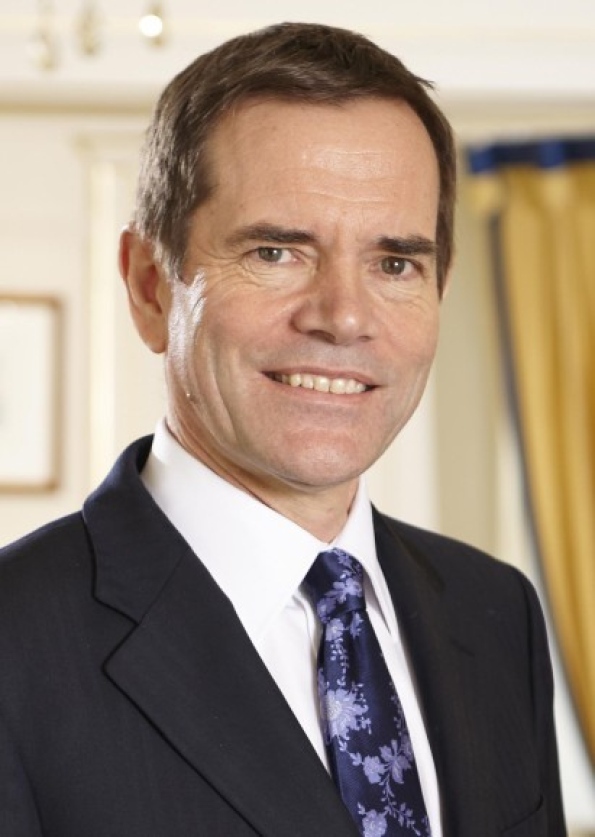
Represented by
Adam Wood
Lieutenant Governor since 7 April 2011
Adam Wood
Lieutenant Governor since 7 April 2011
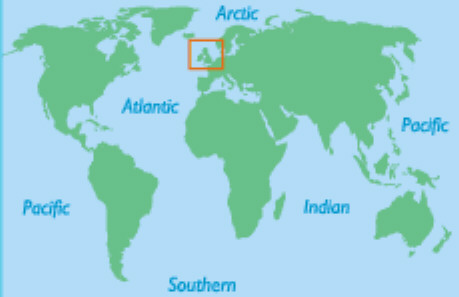
| Click map for larger view |
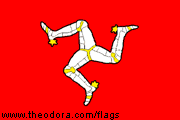
| Click flag for Country Report |




| TRAFFICKING IN PERSONS |
None reported.