
| JORDAN Hashemite Kingdom of Jordan Al Mamlakah al Urduniyah al Hashimiyah Joined United Nations: 14 December 1955 Human Rights as assured by their constitution Click here Updated 20 January 2013 |

| CAPITAL |
| POPULATION |
| CHIEF OF STATE |
| SELECTION PROCESS |
Amman
6,508,887 (July 2012 est.)
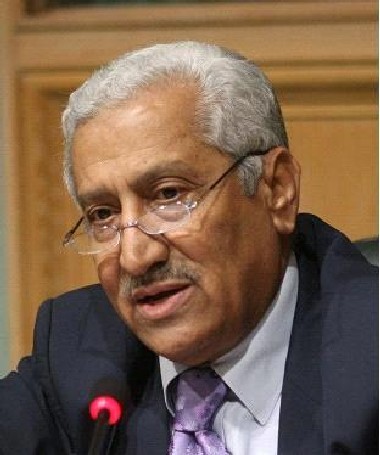
Abdullah Nsour
Prime Minister since 11 October 2012
Prime Minister since 11 October 2012
The Monarch is hereditary; the Heir Apparent is the eldest son of
the Monarch and first in line to inherit the throne
Next scheduled election: None
the Monarch and first in line to inherit the throne
Next scheduled election: None
HEAD OF GOVERNMENT
SELECTION PROCESS
Prime Minister and Deputy Prime Minister appointed by and
serve at the pleasure of the Monarch
Next scheduled election: None
serve at the pleasure of the Monarch
Next scheduled election: None
| DECLARATION OF HUMAN RIGHTS |
| ETHNIC GROUPS |
Arab 98%, Circassian 1%, Armenian 1%
| RELIGIONS |
Sunni Muslim 92%, Christian 6% (majority Greek Orthodox, but some Greek and Roman Catholics, Syrian Orthodox, Coptic
Orthodox, Armenian Orthodox, and Protestant denominations), other 2% (several small Shi'a Muslim and Druze populations)
(2001 est.)
Orthodox, Armenian Orthodox, and Protestant denominations), other 2% (several small Shi'a Muslim and Druze populations)
(2001 est.)
| GOVERNMENT STRUCTURE |
Constitutional monarchy with 12 governorates (muhafazat, singular - muhafazah); Legal system is based on Islamic law and French
codes; judicial review of legislative acts in a specially provided High Tribunal; has not accepted compulsory ICJ jurisdiction
Executive: The monarch is hereditary; prime minister appointed by the monarch
Legislative: Bicameral National Assembly or Majlis al-'Umma consists of the Senate, also called the House of Notables or Majlis
al-Ayan (60 seats; members appointed by the monarch to serve four-year terms) and the Chamber of Deputies, also called the
House of Representatives or Majlis al-Nuwaab (120 seats; members elected using a single, non-transferable vote system in
multi-member districts to serve four-year terms); note - the new electoral law enacted in May 2010 allocated an additional 10 seats
(6 seats added to the number reserved for women, bringing the total to 12; 2 additional seats for Amman; and 1 seat each for the
cities of Zarqa and Irbid; unchanged are 9 seats reserved for Christian candidates, 9 for Bedouin candidates, and 3 for Jordanians
of Chechen or Circassian descent
elections: Chamber of Deputies - last held on 9 November 2010 (next to be held on 23 Janary 2013); note - the King dissolved the
previous Chamber of Deputies in November 2009, midway through the parliamentary term
Judicial: Court of Cassation; Supreme Court (court of final appeal)
codes; judicial review of legislative acts in a specially provided High Tribunal; has not accepted compulsory ICJ jurisdiction
Executive: The monarch is hereditary; prime minister appointed by the monarch
Legislative: Bicameral National Assembly or Majlis al-'Umma consists of the Senate, also called the House of Notables or Majlis
al-Ayan (60 seats; members appointed by the monarch to serve four-year terms) and the Chamber of Deputies, also called the
House of Representatives or Majlis al-Nuwaab (120 seats; members elected using a single, non-transferable vote system in
multi-member districts to serve four-year terms); note - the new electoral law enacted in May 2010 allocated an additional 10 seats
(6 seats added to the number reserved for women, bringing the total to 12; 2 additional seats for Amman; and 1 seat each for the
cities of Zarqa and Irbid; unchanged are 9 seats reserved for Christian candidates, 9 for Bedouin candidates, and 3 for Jordanians
of Chechen or Circassian descent
elections: Chamber of Deputies - last held on 9 November 2010 (next to be held on 23 Janary 2013); note - the King dissolved the
previous Chamber of Deputies in November 2009, midway through the parliamentary term
Judicial: Court of Cassation; Supreme Court (court of final appeal)
| LANGUAGES |
Arabic (official), English widely understood among upper and middle classes
| BRIEF HISTORY |
The land that became Jordan forms part of the richly historical Fertile Crescent region. Its history began around 2000 B.C., when
Semitic Amorites settled around the Jordan River in the area called Canaan. Subsequent invaders and settlers included Hittites,
Egyptians, Israelites, Assyrians, Babylonians, Persians, Greeks, Romans, Arab Muslims, Christian Crusaders, Mameluks, Ottoman
Turks, Circassians, and, finally, the British. Evidence of human settlement in Jordan dates back to the Paleolithic period (500000 -
17000 BCE). While there is no architectural evidence from this era, archaeologists have found tools, such as flint and basalt hand-
axes, knives and scraping implements. In the Neolithic period (8500-4500 BCE), three major shifts occurred. First, people became
sedentary living in small villages and concurrently, new food sources were discovered and domesticated, such as cereal grains, peas
and lentils, as well as goats. The population increased reaching tens of thousands of people. Second, the shift in settlement patterns
was catalyzed by a marked change in the weather, particularly affecting the eastern desert, which grew warmer and drier, eventually
becoming entirely uninhabitable for most of year. This watershed climate change is believed to have occurred between 6500 and
5500 BCE. Third, between 5500 - 4500 BCE pottery from clay, rather than plaster, began to be produced. Pottery-making
technologies were likely introduced to the area by craftsmen from Mesopotamia. During the Early Bronze Age (3200-1950 BCE),
many villages were built that included defensive fortifications, most likely to protect against marauding nomadic tribes. Simple water
infrastructures were also constructed. At Bab al-Dhra in Wadi ‘Araba, archaeologists discovered over 20,000 shaft tombs with
multiple chambers as well as houses of mud-brick containing human bones, pots, jewelry and weapons. Hundreds of dolmens
scattered throughout the mountains have been dated to the late Chalcolithic and Early Bronze Ages. While in Egypt and
Mesopotamia, writing developed before 3000 BCE, writing was not really used in Jordan, Palestine and Syria until some thousand
years later, even though archeological evidence indicates that Jordan was in fact trading with Egypt and Mesopotamia. Between
2300 - 1950 BCE, many of the large, fortified hilltop towns were abandoned in favor of either small, unfortified villages or a
pastoral lifestyle. New fortifications appeared at sites like Amman's Citadel, Irbid, and Tabaqat Fahl (or Pella). Towns were
surrounded by ramparts made of earth embankments and the slopes were covered in hard plaster, making it slippery and difficult to
climb. Pella was enclosed by massive walls and watch towers. Archaeologists usually date the end of the Middle Bronze Age to
about 1550 BCE, when the Hyksos were driven out of Egypt during the 17th and 18th Dynasties. A number of Middle Bronze Age
towns in Palestine and Jordan were destroyed during this time. When King Abdullah I was first installed, the country now known as
Jordan didn't look the way it now does. Jordan first took Aqaba from al-Hijaz, then expanded its boundary exchange with Saudi
Arabia to give up a considerable area of desert and get closer to Aqaba. At the end of World War I, the territory now comprising
Israel, Jordan, the West Bank, the Gaza Strip, and Jerusalem was awarded to the United Kingdom by the League of Nations as the
mandate called "Palestine Trans-Jordan." In 1922, the British, with the League's approval under the terms of the Mandate,
partitioned Palestine at the Jordan River and established the semi-autonomous Emirate of Trans-Jordan in those territories to the
east. The British installed the Hashemite Prince Abdullah I while continuing the administration of separate Palestine and Trans-
Jordan under a common British High Commissioner. The mandate over Trans-Jordan ended on May 22, 1946; on May 25, the
country became the independent Hashemite Kingdom of Trans-Jordan. It ended its special defense treaty relationship with the
United Kingdom in 1957. Trans-Jordan was one of the Arab states opposed to the second partition of Palestine and creation of
Israel in May 1948. It participated in the war between the Arab states and the newly founded State of Israel. The Armistice
Agreements of April 3, 1949 left Jordan in control of the West Bank and provided that the armistice demarcation lines were without
prejudice to future territorial settlements or boundary lines. In March of 1949, Trans-Jordan became Jordan, and annexed the West
Bank. Only two countries, however recognized this annexation: Britain and Pakistan. It is unknown why Pakistan recognized this
annexation. In 1950, the country was renamed "the Hashemite Kingdom of Jordan" to include those portions of Palestine annexed
by King Abdullah. On July 20, 1951, King Abdullah I was shot dead in Jerusalem while visiting the Al Aqsa Mosque. His assassin,
a Palestinian from the Husseini clan, was apparently concerned that Jordan and Lebanon were discussing a separate peace with
Israel. Abdullah's grandson, Prince Hussein Ibn Talal was with him at the time and was hit too. King Abdullah's eldest son, Talal Ibn
Abdullah, was proclaimed king but he was deposed in 1952 because of a mental illness. His son Hussein Ibn Talal became king on
his eighteenth birthday, in 1953. In 1957 Jordan terminated special treaty relations with Great Britain. Jordan signed a mutual
defense pact in May 1967 with Egypt, and it participated in the June 1967 war between Israel and the Arab states of Syria, Egypt,
and Iraq. During the war, Israel gained control of the West Bank and East Jerusalem. The 1967 war led to a dramatic increase in
the number of Palestinians living in Jordan. Its Palestinian refugee population — 700,000 in 1966 — grew by another 300,000 from
the West Bank. The period following the 1967 war saw an upsurge in the power and importance of Palestinian militants (fedayeen)
in Jordan. No fighting occurred along the 1967 Jordan River cease-fire line during the October 1973 Arab-Israeli war, but Jordan
sent a brigade to Syria to fight Israeli units on Syrian territory. In 1988, Jordan renounced all claims to the West Bank but retained
an administrative role pending a final settlement, and its 1994 treaty with Israel allowed for a continuing Jordanian role in Muslim
holy places in Jerusalem. Jordan did not participate in the Gulf War of 1990–1991. The war led to a repeal of U.S. aid to Jordan
due to King Hussein’s support of Saddam Hussein. In 1991, Jordan agreed, along with Syria, Lebanon, and Palestinian
representatives, to participate in direct peace negotiations with Israel sponsored by the U.S. and Russia. It negotiated an end to
hostilities with Israel and signed a declaration to that effect on July 25, 1994. As a result, an Israeli-Jordanian peace treaty was
concluded on October 26, 1994. Following the outbreak of Israeli-Palestinian fighting in September 2000, the Jordanian
government offered its help to both parties. Jordan has since sought to remain at peace with all of its neighbours. Following the
outbreak of Israeli-Palestinian fighting in September 2000, Amman withdrew its ambassador to Israel for four years. Jordan's
gradual institution of political and civil liberty has continued, but the slow pace of reform has led to increasing discontent. The first
parliamentary elections under King Abdullah II were held in June 2003. Independent candidates loyal to the king won two-thirds of
the seats. The first local elections since 1999 were held in July 2007. In November 2009, the King once more dissolved parliament
half-way through its four-year term. The following month, he appointed a new premier to push through economic reform. A new
electoral law was introduced May 2010, but pro-reform campaigners said it did little to make system more representational. The
parliamentary elections of November 2010 were boycotted by the opposition Islamic Action Front. Riots broke out after it was
announced that pro-government candidates had won a sweeping victory. On 14 January, the 2011 Jordanian protests began in
Jordan's capital Amman, and at Ma'an, Al Karak, Salt and Irbid, and other cities. In October 2012 King Abdullah called for early
parliamentary elections, to be held at some this year. Mass demonstrations took place in Amman (November 2012) against the
lifting of fuel subsidies. Public calls for the end of the monarchy were heard. Clashes between protesters and supporters of the king
followed.
Source: Wikipedia: History of Jordan
Semitic Amorites settled around the Jordan River in the area called Canaan. Subsequent invaders and settlers included Hittites,
Egyptians, Israelites, Assyrians, Babylonians, Persians, Greeks, Romans, Arab Muslims, Christian Crusaders, Mameluks, Ottoman
Turks, Circassians, and, finally, the British. Evidence of human settlement in Jordan dates back to the Paleolithic period (500000 -
17000 BCE). While there is no architectural evidence from this era, archaeologists have found tools, such as flint and basalt hand-
axes, knives and scraping implements. In the Neolithic period (8500-4500 BCE), three major shifts occurred. First, people became
sedentary living in small villages and concurrently, new food sources were discovered and domesticated, such as cereal grains, peas
and lentils, as well as goats. The population increased reaching tens of thousands of people. Second, the shift in settlement patterns
was catalyzed by a marked change in the weather, particularly affecting the eastern desert, which grew warmer and drier, eventually
becoming entirely uninhabitable for most of year. This watershed climate change is believed to have occurred between 6500 and
5500 BCE. Third, between 5500 - 4500 BCE pottery from clay, rather than plaster, began to be produced. Pottery-making
technologies were likely introduced to the area by craftsmen from Mesopotamia. During the Early Bronze Age (3200-1950 BCE),
many villages were built that included defensive fortifications, most likely to protect against marauding nomadic tribes. Simple water
infrastructures were also constructed. At Bab al-Dhra in Wadi ‘Araba, archaeologists discovered over 20,000 shaft tombs with
multiple chambers as well as houses of mud-brick containing human bones, pots, jewelry and weapons. Hundreds of dolmens
scattered throughout the mountains have been dated to the late Chalcolithic and Early Bronze Ages. While in Egypt and
Mesopotamia, writing developed before 3000 BCE, writing was not really used in Jordan, Palestine and Syria until some thousand
years later, even though archeological evidence indicates that Jordan was in fact trading with Egypt and Mesopotamia. Between
2300 - 1950 BCE, many of the large, fortified hilltop towns were abandoned in favor of either small, unfortified villages or a
pastoral lifestyle. New fortifications appeared at sites like Amman's Citadel, Irbid, and Tabaqat Fahl (or Pella). Towns were
surrounded by ramparts made of earth embankments and the slopes were covered in hard plaster, making it slippery and difficult to
climb. Pella was enclosed by massive walls and watch towers. Archaeologists usually date the end of the Middle Bronze Age to
about 1550 BCE, when the Hyksos were driven out of Egypt during the 17th and 18th Dynasties. A number of Middle Bronze Age
towns in Palestine and Jordan were destroyed during this time. When King Abdullah I was first installed, the country now known as
Jordan didn't look the way it now does. Jordan first took Aqaba from al-Hijaz, then expanded its boundary exchange with Saudi
Arabia to give up a considerable area of desert and get closer to Aqaba. At the end of World War I, the territory now comprising
Israel, Jordan, the West Bank, the Gaza Strip, and Jerusalem was awarded to the United Kingdom by the League of Nations as the
mandate called "Palestine Trans-Jordan." In 1922, the British, with the League's approval under the terms of the Mandate,
partitioned Palestine at the Jordan River and established the semi-autonomous Emirate of Trans-Jordan in those territories to the
east. The British installed the Hashemite Prince Abdullah I while continuing the administration of separate Palestine and Trans-
Jordan under a common British High Commissioner. The mandate over Trans-Jordan ended on May 22, 1946; on May 25, the
country became the independent Hashemite Kingdom of Trans-Jordan. It ended its special defense treaty relationship with the
United Kingdom in 1957. Trans-Jordan was one of the Arab states opposed to the second partition of Palestine and creation of
Israel in May 1948. It participated in the war between the Arab states and the newly founded State of Israel. The Armistice
Agreements of April 3, 1949 left Jordan in control of the West Bank and provided that the armistice demarcation lines were without
prejudice to future territorial settlements or boundary lines. In March of 1949, Trans-Jordan became Jordan, and annexed the West
Bank. Only two countries, however recognized this annexation: Britain and Pakistan. It is unknown why Pakistan recognized this
annexation. In 1950, the country was renamed "the Hashemite Kingdom of Jordan" to include those portions of Palestine annexed
by King Abdullah. On July 20, 1951, King Abdullah I was shot dead in Jerusalem while visiting the Al Aqsa Mosque. His assassin,
a Palestinian from the Husseini clan, was apparently concerned that Jordan and Lebanon were discussing a separate peace with
Israel. Abdullah's grandson, Prince Hussein Ibn Talal was with him at the time and was hit too. King Abdullah's eldest son, Talal Ibn
Abdullah, was proclaimed king but he was deposed in 1952 because of a mental illness. His son Hussein Ibn Talal became king on
his eighteenth birthday, in 1953. In 1957 Jordan terminated special treaty relations with Great Britain. Jordan signed a mutual
defense pact in May 1967 with Egypt, and it participated in the June 1967 war between Israel and the Arab states of Syria, Egypt,
and Iraq. During the war, Israel gained control of the West Bank and East Jerusalem. The 1967 war led to a dramatic increase in
the number of Palestinians living in Jordan. Its Palestinian refugee population — 700,000 in 1966 — grew by another 300,000 from
the West Bank. The period following the 1967 war saw an upsurge in the power and importance of Palestinian militants (fedayeen)
in Jordan. No fighting occurred along the 1967 Jordan River cease-fire line during the October 1973 Arab-Israeli war, but Jordan
sent a brigade to Syria to fight Israeli units on Syrian territory. In 1988, Jordan renounced all claims to the West Bank but retained
an administrative role pending a final settlement, and its 1994 treaty with Israel allowed for a continuing Jordanian role in Muslim
holy places in Jerusalem. Jordan did not participate in the Gulf War of 1990–1991. The war led to a repeal of U.S. aid to Jordan
due to King Hussein’s support of Saddam Hussein. In 1991, Jordan agreed, along with Syria, Lebanon, and Palestinian
representatives, to participate in direct peace negotiations with Israel sponsored by the U.S. and Russia. It negotiated an end to
hostilities with Israel and signed a declaration to that effect on July 25, 1994. As a result, an Israeli-Jordanian peace treaty was
concluded on October 26, 1994. Following the outbreak of Israeli-Palestinian fighting in September 2000, the Jordanian
government offered its help to both parties. Jordan has since sought to remain at peace with all of its neighbours. Following the
outbreak of Israeli-Palestinian fighting in September 2000, Amman withdrew its ambassador to Israel for four years. Jordan's
gradual institution of political and civil liberty has continued, but the slow pace of reform has led to increasing discontent. The first
parliamentary elections under King Abdullah II were held in June 2003. Independent candidates loyal to the king won two-thirds of
the seats. The first local elections since 1999 were held in July 2007. In November 2009, the King once more dissolved parliament
half-way through its four-year term. The following month, he appointed a new premier to push through economic reform. A new
electoral law was introduced May 2010, but pro-reform campaigners said it did little to make system more representational. The
parliamentary elections of November 2010 were boycotted by the opposition Islamic Action Front. Riots broke out after it was
announced that pro-government candidates had won a sweeping victory. On 14 January, the 2011 Jordanian protests began in
Jordan's capital Amman, and at Ma'an, Al Karak, Salt and Irbid, and other cities. In October 2012 King Abdullah called for early
parliamentary elections, to be held at some this year. Mass demonstrations took place in Amman (November 2012) against the
lifting of fuel subsidies. Public calls for the end of the monarchy were heard. Clashes between protesters and supporters of the king
followed.
Source: Wikipedia: History of Jordan
| ECONOMIC OVERVIEW |
Jordan's economy is among the smallest in the Middle East, with insufficient supplies of water, oil, and other natural resources,
underlying the government's heavy reliance on foreign assistance. Other economic challenges for the government include chronic
high rates of poverty, unemployment, inflation, and a large budget deficit. Since assuming the throne in 1999, King ABDALLAH
has implemented significant economic reforms, such as opening the trade regime, privatizing state-owned companies, and eliminating
some fuel subsidies, which in the last decade spurred economic growth by attracting foreign investment and creating some jobs. The
global economic slowdown and regional turmoil, however, have depressed Jordan's GDP growth, impacting export-oriented
sectors, construction, and tourism. In 2011 the government approved two economic relief packages and a budgetary supplement,
largely to improve the living conditions for the middle and poor classes. Jordan's finances have also been strained by a series of
natural gas pipeline attacks in Egypt, causing Jordan to substitute more expensive heavy fuel oils to generate electricity. An influx of
foreign aid, especially from Gulf countries, has helped to somewhat offset these extrabudgetary expenditures, but the budget deficit
is likely to remain high, at nearly 10% of GDP excluding grants. Amman likely will continue to depend heavily on foreign assistance
to finance the deficit in 2012. Jordan's financial sector has been relatively isolated from the international financial crisis because of its
limited exposure to overseas capital markets. Jordan is currently exploring nuclear power generation to forestall energy shortfalls.
Source: CIA World Factbook (select Jordan)
underlying the government's heavy reliance on foreign assistance. Other economic challenges for the government include chronic
high rates of poverty, unemployment, inflation, and a large budget deficit. Since assuming the throne in 1999, King ABDALLAH
has implemented significant economic reforms, such as opening the trade regime, privatizing state-owned companies, and eliminating
some fuel subsidies, which in the last decade spurred economic growth by attracting foreign investment and creating some jobs. The
global economic slowdown and regional turmoil, however, have depressed Jordan's GDP growth, impacting export-oriented
sectors, construction, and tourism. In 2011 the government approved two economic relief packages and a budgetary supplement,
largely to improve the living conditions for the middle and poor classes. Jordan's finances have also been strained by a series of
natural gas pipeline attacks in Egypt, causing Jordan to substitute more expensive heavy fuel oils to generate electricity. An influx of
foreign aid, especially from Gulf countries, has helped to somewhat offset these extrabudgetary expenditures, but the budget deficit
is likely to remain high, at nearly 10% of GDP excluding grants. Amman likely will continue to depend heavily on foreign assistance
to finance the deficit in 2012. Jordan's financial sector has been relatively isolated from the international financial crisis because of its
limited exposure to overseas capital markets. Jordan is currently exploring nuclear power generation to forestall energy shortfalls.
Source: CIA World Factbook (select Jordan)
| POLITICAL CLIMATE |
King Hussein ruled Jordan from 1953 to 1999, surviving a number of challenges to his rule, drawing on the loyalty of his military,
and serving as a symbol of unity and stability for both the East Bank and Palestinian communities in Jordan. King Hussein ended
martial law in 1991 and legalized political parties in 1992. In 1989 and 1993, Jordan held free and fair parliamentary elections.
Controversial changes in the election law led Islamist parties to boycott the 1997 elections.
King Abdullah II succeeded his father Hussein following the latter's death in February 1999. Abdullah moved quickly to reaffirm
Jordan's peace treaty with Israel and its relations with the United States. Abdullah, during the first year in power, refocused the
government's agenda on economic reform.
Executive authority is vested in the king and his cabinet. The king signs, executes, and vetoes all laws. The king may also suspend or
dissolve parliament, and shorten or lengthen the term of session. A veto by the king may be overridden by a two-thirds vote of both
houses of parliament at his discretion, most recently in November 2009. He appoints and may dismiss all judges by decree,
approves amendments to the constitution, declares war, and commands the armed forces. Cabinet decisions, court judgments, and
the national currency are issued in his name. The Cabinet, led by a prime minister, was formerly appointed by the king, but following
the 2011 Jordanian protests, King Abdullah agreed to an elected cabinet. The cabinet is responsible to the Chamber of Deputies on
matters of general policy and can be forced to resign by a two-thirds vote of "no confidence" by that body.
Jordan's continuing structural economic difficulties, burgeoning population, and more open political environment led to the
emergence of a variety of political parties. Moving toward greater independence, Jordan's parliament has investigated corruption
charges against several regime figures and has become the major forum in which differing political views, including those of political
Islamists, are expressed. While King Abdullah remains the ultimate authority in Jordan, the parliament plays an important role. On
February 1, 2011, it was announced that King Abdullah had dismissed his government. This has been interpreted as a pre-emptive
move in the context of the Tunisian Jasmine Revolution and unfolding events in nearby Egypt.
Source: Wikipedia: Politics of Jordan
and serving as a symbol of unity and stability for both the East Bank and Palestinian communities in Jordan. King Hussein ended
martial law in 1991 and legalized political parties in 1992. In 1989 and 1993, Jordan held free and fair parliamentary elections.
Controversial changes in the election law led Islamist parties to boycott the 1997 elections.
King Abdullah II succeeded his father Hussein following the latter's death in February 1999. Abdullah moved quickly to reaffirm
Jordan's peace treaty with Israel and its relations with the United States. Abdullah, during the first year in power, refocused the
government's agenda on economic reform.
Executive authority is vested in the king and his cabinet. The king signs, executes, and vetoes all laws. The king may also suspend or
dissolve parliament, and shorten or lengthen the term of session. A veto by the king may be overridden by a two-thirds vote of both
houses of parliament at his discretion, most recently in November 2009. He appoints and may dismiss all judges by decree,
approves amendments to the constitution, declares war, and commands the armed forces. Cabinet decisions, court judgments, and
the national currency are issued in his name. The Cabinet, led by a prime minister, was formerly appointed by the king, but following
the 2011 Jordanian protests, King Abdullah agreed to an elected cabinet. The cabinet is responsible to the Chamber of Deputies on
matters of general policy and can be forced to resign by a two-thirds vote of "no confidence" by that body.
Jordan's continuing structural economic difficulties, burgeoning population, and more open political environment led to the
emergence of a variety of political parties. Moving toward greater independence, Jordan's parliament has investigated corruption
charges against several regime figures and has become the major forum in which differing political views, including those of political
Islamists, are expressed. While King Abdullah remains the ultimate authority in Jordan, the parliament plays an important role. On
February 1, 2011, it was announced that King Abdullah had dismissed his government. This has been interpreted as a pre-emptive
move in the context of the Tunisian Jasmine Revolution and unfolding events in nearby Egypt.
Source: Wikipedia: Politics of Jordan
| INTERNATIONAL DISPUTES |
Approximately two million Iraqis have fled the conflict in Iraq, with the majority taking refuge in Syria and Jordan; 2004 Agreement
settles border dispute with Syria pending demarcation
settles border dispute with Syria pending demarcation


| REFUGEES AND INTERNALLY DISPLACED PERSONS (IDPS) |
Refugees (country of origin): 1,979,580 (Palestinian Refugees) (UNRWA); 173,680 (Syria); 29,286 (Iraq) (2012)
| ILLICIT DRUGS |
None reported.
| HUMAN RIGHTS STATEMENTS, ANALYSIS AND CRITIQUES |
2011 Human Rights Report: Jordan
Bureau of Democracy, Human Rights, and Labor
2011 Country Reports on Human Rights Practices
May 25, 2012
The Hashemite Kingdom of Jordan is a constitutional monarchy ruled by King Abdullah II bin Hussein. The constitution concentrates
executive and legislative authority in the king. The multiparty parliament consists of the 60-member House of Notables (Majlis al-Ayan)
appointed by the king and a 120-member elected lower house, the Chamber of Deputies (Majlis al-Nuwwab). Parliamentary elections,
which international observers deemed credible, took place in November 2010. Security forces reported to civilian authorities.
Throughout the year citizens staged weekly demonstrations calling for various political and economic reforms. The demonstrations were
mostly peaceful; however, there were incidents of violence by counterprotesters and security forces against protesters. The government
did not investigate or prosecute individuals and security officials accused of inciting violence during the demonstrations.
The three most significant continuing human rights problems were citizens’ inability to peacefully change their government, abuses
committed with impunity by security services, and violence against women.
Other human rights problems were arbitrary deprivation of life, torture or mistreatment, poor prison conditions, arbitrary arrest and
denial of due process through administrative detention, prolonged detention, and external interference in judicial decisions. Citizens
continued to report infringements on their privacy rights, and legal and societal discrimination against persons of Palestinian origin
remained widespread. Restrictive legislation and regulations limited freedoms of speech and press, while government interference in the
media and threats of fines and detention further encouraged self-censorship. The government amended the law restricting freedom of
assembly and more frequently allowed protesters to gather without interference, although counterdemonstrators and at times security
forces used violence against them. The government continued to restrict freedom of association. Local human rights organizations
reported widespread violence against women and children. Legal and societal discrimination and harassment remained a problem for
women, religious minorities, converts from Islam, and members of the lesbian, gay, bisexual, and transgender (LGBT) community. The
government restricted labor rights, and local and international human rights organizations reported high levels of abuse of foreign
domestic workers.
Impunity remained problematic. The government did not take steps to investigate, prosecute, or punish officials who committed abuses.
Click here to read more »
Bureau of Democracy, Human Rights, and Labor
2011 Country Reports on Human Rights Practices
May 25, 2012
The Hashemite Kingdom of Jordan is a constitutional monarchy ruled by King Abdullah II bin Hussein. The constitution concentrates
executive and legislative authority in the king. The multiparty parliament consists of the 60-member House of Notables (Majlis al-Ayan)
appointed by the king and a 120-member elected lower house, the Chamber of Deputies (Majlis al-Nuwwab). Parliamentary elections,
which international observers deemed credible, took place in November 2010. Security forces reported to civilian authorities.
Throughout the year citizens staged weekly demonstrations calling for various political and economic reforms. The demonstrations were
mostly peaceful; however, there were incidents of violence by counterprotesters and security forces against protesters. The government
did not investigate or prosecute individuals and security officials accused of inciting violence during the demonstrations.
The three most significant continuing human rights problems were citizens’ inability to peacefully change their government, abuses
committed with impunity by security services, and violence against women.
Other human rights problems were arbitrary deprivation of life, torture or mistreatment, poor prison conditions, arbitrary arrest and
denial of due process through administrative detention, prolonged detention, and external interference in judicial decisions. Citizens
continued to report infringements on their privacy rights, and legal and societal discrimination against persons of Palestinian origin
remained widespread. Restrictive legislation and regulations limited freedoms of speech and press, while government interference in the
media and threats of fines and detention further encouraged self-censorship. The government amended the law restricting freedom of
assembly and more frequently allowed protesters to gather without interference, although counterdemonstrators and at times security
forces used violence against them. The government continued to restrict freedom of association. Local human rights organizations
reported widespread violence against women and children. Legal and societal discrimination and harassment remained a problem for
women, religious minorities, converts from Islam, and members of the lesbian, gay, bisexual, and transgender (LGBT) community. The
government restricted labor rights, and local and international human rights organizations reported high levels of abuse of foreign
domestic workers.
Impunity remained problematic. The government did not take steps to investigate, prosecute, or punish officials who committed abuses.
Click here to read more »
9 March 2012
Committee on the Elimination of Racial Discrimination
Eightieth session
13 February – 9 March 2012
Consideration of reports submitted by States parties under article 9 of the Convention
Concluding observations of the Committee on the Elimination of Racial Discrimination
Jordan
A. Introduction
2. The Committee welcomes the report, albeit delayed, submitted by the State party, and expresses appreciation for the frank and
constructive oral responses provided by the multi-sectoral delegation during the consideration of the report.
3. The Committee commends the inclusion by the State party, in its periodic report, of new and updated information on the
implementation of the Convention.
B. Positive aspects
4. The Committee welcomes the State party’s recent legislative amendments to facilitate greater protection of human rights and give
effect to the Convention, including: amendments to the Constitution of Jordan, in September 2011, which strengthen the rule of law;
and, amendments to its Labour Code, in August 2010, which enlarged the scope of labour law to include migrant domestic workers.
5. The Committee notes with appreciation the establishment of the National Human Rights Centre in accordance with the Paris
Principles, in 2002.
C. Concerns and recommendations
7. While the Committee welcomes the information contained in the report of the State party, the Committee notes the limitations in
census information in the State party and wishes to receive additional information on the characteristics and particular situation of the
various ethnic groups.
In keeping with its General Recommendation No. 8 (1990) on Interpretation and application of article 1(1) and (4) (identification with a
particular racial or ethnic group), and with paragraphs 10 to 12 of the guidelines for the CERD-specific reports to be submitted by State
parties under article 9, paragraph 1, of the Convention (CERD/C/2007/1), the Committee requests the State party to include in its next
periodic report disaggregated data, including by ethnic origin, and including on the enjoyment of the right to education and socio-
economic development.
8. The Committee notes that the State party is a monist State and international conventions, including the International Convention on the
Elimination of All Forms of Racial Discrimination, have direct effect and primacy in its legal system. However, the Committee remains
concerned that there is no clear definition of direct and indirect discrimination in the legislation of the State party. (Article 1).
The Committee recommends that the State party introduce a clear definition of direct and indirect discrimination into its administrative,
criminal and civil laws. In doing so, the Committee draws the State party’s attention to its General Recommendation No. 14 (1993) on
Definition of Racial Discrimination.
Click here to read more »
Committee on the Elimination of Racial Discrimination
Eightieth session
13 February – 9 March 2012
Consideration of reports submitted by States parties under article 9 of the Convention
Concluding observations of the Committee on the Elimination of Racial Discrimination
Jordan
A. Introduction
2. The Committee welcomes the report, albeit delayed, submitted by the State party, and expresses appreciation for the frank and
constructive oral responses provided by the multi-sectoral delegation during the consideration of the report.
3. The Committee commends the inclusion by the State party, in its periodic report, of new and updated information on the
implementation of the Convention.
B. Positive aspects
4. The Committee welcomes the State party’s recent legislative amendments to facilitate greater protection of human rights and give
effect to the Convention, including: amendments to the Constitution of Jordan, in September 2011, which strengthen the rule of law;
and, amendments to its Labour Code, in August 2010, which enlarged the scope of labour law to include migrant domestic workers.
5. The Committee notes with appreciation the establishment of the National Human Rights Centre in accordance with the Paris
Principles, in 2002.
C. Concerns and recommendations
7. While the Committee welcomes the information contained in the report of the State party, the Committee notes the limitations in
census information in the State party and wishes to receive additional information on the characteristics and particular situation of the
various ethnic groups.
In keeping with its General Recommendation No. 8 (1990) on Interpretation and application of article 1(1) and (4) (identification with a
particular racial or ethnic group), and with paragraphs 10 to 12 of the guidelines for the CERD-specific reports to be submitted by State
parties under article 9, paragraph 1, of the Convention (CERD/C/2007/1), the Committee requests the State party to include in its next
periodic report disaggregated data, including by ethnic origin, and including on the enjoyment of the right to education and socio-
economic development.
8. The Committee notes that the State party is a monist State and international conventions, including the International Convention on the
Elimination of All Forms of Racial Discrimination, have direct effect and primacy in its legal system. However, the Committee remains
concerned that there is no clear definition of direct and indirect discrimination in the legislation of the State party. (Article 1).
The Committee recommends that the State party introduce a clear definition of direct and indirect discrimination into its administrative,
criminal and civil laws. In doing so, the Committee draws the State party’s attention to its General Recommendation No. 14 (1993) on
Definition of Racial Discrimination.
Click here to read more »
Amendments to Law in Jordan Restrict Press, Internet Freedom
Aug 27 2012 - 3:55pm
Draft amendments to Jordan’s Press and Publications Law with regards to website content are the latest attempt by the Jordanian
government to muzzle its critics and the media. Freedom House denounces these amendments as an affront to press freedom and calls
upon the Jordanian parliament to vote against them.
The amendments, which were approved last week and must now pass through parliament, would require websites dealing with “press
materials” to register with the Department of Press and Publication and pay a fee of more than $1,400 (1,000 Jordanian dinars).
Websites would be obligated to appoint a chief editor who is a member of the Jordanian Press Council, and would be held accountable
for all comments posted on their website. The General Manager of the Department of Press and Publication would have the authority to
block websites - including those broadcasting from abroad - if they breach the law.
If passed, these amendments will severely restrict free speech and expression online and contradict Jordan’s previous commitment to
internet freedom.
Jordan is rated Not Free in Freedom in the World 2012 and Partly Free in Freedom on the Net 2011. Since Arab Spring protests
occurred across the region, the government has sought to tighten its grip amid rising opposition from activists. Charges against
Jordanian citizens for “criticizing the king” occur regularly. While the government approved a code of conduct several years ago with
the intention of fostering a “free and independent media,” journalists still are closely watched by intelligence agencies and face
harassment. Bloggers have been arrested by Jordanian authorities, and as a result, many practice self-censorship. Earlier this month, a
satellite channel was closed after airing views that were critical of royal officials.
Click here to read more »
Aug 27 2012 - 3:55pm
Draft amendments to Jordan’s Press and Publications Law with regards to website content are the latest attempt by the Jordanian
government to muzzle its critics and the media. Freedom House denounces these amendments as an affront to press freedom and calls
upon the Jordanian parliament to vote against them.
The amendments, which were approved last week and must now pass through parliament, would require websites dealing with “press
materials” to register with the Department of Press and Publication and pay a fee of more than $1,400 (1,000 Jordanian dinars).
Websites would be obligated to appoint a chief editor who is a member of the Jordanian Press Council, and would be held accountable
for all comments posted on their website. The General Manager of the Department of Press and Publication would have the authority to
block websites - including those broadcasting from abroad - if they breach the law.
If passed, these amendments will severely restrict free speech and expression online and contradict Jordan’s previous commitment to
internet freedom.
Jordan is rated Not Free in Freedom in the World 2012 and Partly Free in Freedom on the Net 2011. Since Arab Spring protests
occurred across the region, the government has sought to tighten its grip amid rising opposition from activists. Charges against
Jordanian citizens for “criticizing the king” occur regularly. While the government approved a code of conduct several years ago with
the intention of fostering a “free and independent media,” journalists still are closely watched by intelligence agencies and face
harassment. Bloggers have been arrested by Jordanian authorities, and as a result, many practice self-censorship. Earlier this month, a
satellite channel was closed after airing views that were critical of royal officials.
Click here to read more »
18 January 2013
Refugees from Syria face further suffering if Jordan closes border
Preventing refugees from entering Jordan to escape the conflict in Syria would increase suffering and could lead to further bloodshed
and human rights abuses, Amnesty International said today following the Jordanian Prime Minister’s announcement that the Jordanian
authorities would close the border if Syrian President Bashar al-Assad's government collapses.
At a press conference in the Jordanian capital Amman on Thursday, Prime Minister Abdallah Ensour told reporters that his country
would not allow the continued entry of refugees into its territory if al-Assad’s government falls or refugee numbers rise significantly, but
would seek to keep them inside Syria.
"At a time when people in Syria may need protection the most, Jordan is effectively threatening to close its borders, further exposing
them to harm,” said Charlotte Phillips from Amnesty International’s refugee team.
“Supporters of the al-Assad government, many from Syria’s minorities, are already facing human rights abuses by armed opposition
forces.”
"If the al-Assad government is overthrown, there is a very real concern that those perceived supporters will be at risk of harm, including
reprisal attacks, from armed opposition groups.”
It is also likely that many others will need to seek sanctuary from the continuing violence and humanitarian emergency which has taken
hold in Syria. Civilians, regardless of which group or community they belong to, may need to leave Syria to avoid being caught up in
fighting between the various factions.
At Thursday’s press conference, the Jordanian Prime Minister also stated that Palestinians fleeing Syria with Syrian identity cards are
being blocked from entry.
"Jordan, as well as other countries neighbouring Syria, have an obligation under international law to ensure that all those fleeing
persecution or human rights abuses are able to seek asylum on their territories, both now and in the future," said Phillips
"Everyone has a right to leave their country and seek asylum. States are prohibited from forcibly returning anyone, in any manner
whatsoever, to a country or territory where they would face a real risk of persecution or serious human rights abuses. This includes
rejecting people at the border."
“Palestinians should not be denied the right to seek asylum because of their identity.”
Click here to read more »
Refugees from Syria face further suffering if Jordan closes border
Preventing refugees from entering Jordan to escape the conflict in Syria would increase suffering and could lead to further bloodshed
and human rights abuses, Amnesty International said today following the Jordanian Prime Minister’s announcement that the Jordanian
authorities would close the border if Syrian President Bashar al-Assad's government collapses.
At a press conference in the Jordanian capital Amman on Thursday, Prime Minister Abdallah Ensour told reporters that his country
would not allow the continued entry of refugees into its territory if al-Assad’s government falls or refugee numbers rise significantly, but
would seek to keep them inside Syria.
"At a time when people in Syria may need protection the most, Jordan is effectively threatening to close its borders, further exposing
them to harm,” said Charlotte Phillips from Amnesty International’s refugee team.
“Supporters of the al-Assad government, many from Syria’s minorities, are already facing human rights abuses by armed opposition
forces.”
"If the al-Assad government is overthrown, there is a very real concern that those perceived supporters will be at risk of harm, including
reprisal attacks, from armed opposition groups.”
It is also likely that many others will need to seek sanctuary from the continuing violence and humanitarian emergency which has taken
hold in Syria. Civilians, regardless of which group or community they belong to, may need to leave Syria to avoid being caught up in
fighting between the various factions.
At Thursday’s press conference, the Jordanian Prime Minister also stated that Palestinians fleeing Syria with Syrian identity cards are
being blocked from entry.
"Jordan, as well as other countries neighbouring Syria, have an obligation under international law to ensure that all those fleeing
persecution or human rights abuses are able to seek asylum on their territories, both now and in the future," said Phillips
"Everyone has a right to leave their country and seek asylum. States are prohibited from forcibly returning anyone, in any manner
whatsoever, to a country or territory where they would face a real risk of persecution or serious human rights abuses. This includes
rejecting people at the border."
“Palestinians should not be denied the right to seek asylum because of their identity.”
Click here to read more »
Jordan: End Protester Trials in State Security Courts
Drop Charges Against Peaceful Protesters; Investigate Security Force Abuses
November 30, 2012
(Beirut) – Jordanian authorities should stop using state security courts to try civilians, including for participating in peaceful protests.
Protests have intensified following an announcement by the government on November 14, 2012, that it would end fuel subsidies.
The authorities have arrested over 300 people since November 14, later releasing several dozen. At least 107, including 9 children, were
referred to state security courts on charges including “subverting the system of government,” “participation in unlawful gatherings,” and
“vandalism of property.” While some protests turned violent, authorities have targeted protesters who participated in peaceful gatherings.
“Instead of respecting the right to peaceful protest, the Jordanian authorities are using what remains essentially a military court to punish
civilians, including peaceful protesters,” said Joe Stork, deputy Middle East director at Human Rights Watch. “Authorities should stop
using the special security courts to try civilians, and recognize that peaceful assembly is not a crime.”
Jordan’s State Security Court is a special court that is not independent of the executive. The prime minister appoints its judges, who
typically sit on panels of two military judges and one civilian judge. The court has jurisdiction over penal code crimes deemed to harm
Jordan’s internal and external security – involving drugs, explosives, weapons, espionage, and high treason but also including offenses
related to peaceful speech.
Security forces attacked protesters both during demonstrations and in detention centers. On November 14, Mahdi al-Saafin, a leader of
the Democratic Youth Federation, was injured when, according to his family, security forces unleashed dogs on a group of protesters
during a demonstration in Jabal al-Hussain, a suburb of Amman.
His family told Human Rights Watch that security forces then took al-Saafin to Al’abdaly police center, where police officers beat him
repeatedly for three days and forced him to stand naked with a group of other detainees. He faces a trial by a state security court on
charges of “subverting the system of government,”“participation in unlawful gatherings,” and “vandalism of property.” Family members
said that authorities have not allowed him to see a doctor, although during a visit the family observed injuries that appeared to be from
the beatings.
Sahel Musalma, a 23-year-old pharmaceutical worker in Amman, also faces trial in a state security court. A member of his family told
Human Rights Watch that security forces arrested him at a restaurant after he participated in a peaceful protest, and beat him with
batons while taking him into custody. Security officials also beat him several times in jail, and forced him to stand naked, his family said.
Musalma faces charges of “participation in unlawful gatherings” and “vandalism of property,” although he told his family that he did not
participate in any violent protest. He is his family’s sole breadwinner.
Click here to read more »
Drop Charges Against Peaceful Protesters; Investigate Security Force Abuses
November 30, 2012
(Beirut) – Jordanian authorities should stop using state security courts to try civilians, including for participating in peaceful protests.
Protests have intensified following an announcement by the government on November 14, 2012, that it would end fuel subsidies.
The authorities have arrested over 300 people since November 14, later releasing several dozen. At least 107, including 9 children, were
referred to state security courts on charges including “subverting the system of government,” “participation in unlawful gatherings,” and
“vandalism of property.” While some protests turned violent, authorities have targeted protesters who participated in peaceful gatherings.
“Instead of respecting the right to peaceful protest, the Jordanian authorities are using what remains essentially a military court to punish
civilians, including peaceful protesters,” said Joe Stork, deputy Middle East director at Human Rights Watch. “Authorities should stop
using the special security courts to try civilians, and recognize that peaceful assembly is not a crime.”
Jordan’s State Security Court is a special court that is not independent of the executive. The prime minister appoints its judges, who
typically sit on panels of two military judges and one civilian judge. The court has jurisdiction over penal code crimes deemed to harm
Jordan’s internal and external security – involving drugs, explosives, weapons, espionage, and high treason but also including offenses
related to peaceful speech.
Security forces attacked protesters both during demonstrations and in detention centers. On November 14, Mahdi al-Saafin, a leader of
the Democratic Youth Federation, was injured when, according to his family, security forces unleashed dogs on a group of protesters
during a demonstration in Jabal al-Hussain, a suburb of Amman.
His family told Human Rights Watch that security forces then took al-Saafin to Al’abdaly police center, where police officers beat him
repeatedly for three days and forced him to stand naked with a group of other detainees. He faces a trial by a state security court on
charges of “subverting the system of government,”“participation in unlawful gatherings,” and “vandalism of property.” Family members
said that authorities have not allowed him to see a doctor, although during a visit the family observed injuries that appeared to be from
the beatings.
Sahel Musalma, a 23-year-old pharmaceutical worker in Amman, also faces trial in a state security court. A member of his family told
Human Rights Watch that security forces arrested him at a restaurant after he participated in a peaceful protest, and beat him with
batons while taking him into custody. Security officials also beat him several times in jail, and forced him to stand naked, his family said.
Musalma faces charges of “participation in unlawful gatherings” and “vandalism of property,” although he told his family that he did not
participate in any violent protest. He is his family’s sole breadwinner.
Click here to read more »
Speech of His Majesty King Abdullah II
Before the 67th Plenary Session of the United Nations General Assembly
New York, US
25 September 2012
My friends,
'To unite our strength.' These four words, in the United Nations Charter, are not just an old dream. They are a modern urgency. The U.
N., and this General Assembly - empowered and strong - are needed today as never before.
In my region, we have important tasks ahead. To provide new and better opportunities for our people, especially our youth. To avert the
dangers of regional instability and conflict. And to fulfil the universal desire - the basic human right - to live in freedom, dignity, justice,
and peace. The international community has a crucial interest in supporting countries that are taking risks for peace and for reform.
In Jordan we have charted our course guided by our heritage of mutual respect and moderation. Our Arab Spring journey is one of
opportunity, to accelerate home-grown reforms and achieve national goals.
Last year, I stood before you and spoke about the reforms that were on the horizon. Since then, new and comprehensive constitutional
amendments, as well as new laws, have created a matrix of institutions and principles to support our path of reform and
democratisation. And with the new year, we will have our new parliament, and our Jordanian Summer will begin.
While we deal with these challenges, we must never lose focus on the crisis at the heart of the region. For almost sixty-five years, the
Palestinian people have been the exception to the U.N. promise. The shelter of international law and human rights: except ... not yet. The
dignity of living in freedom and security: except ... not yet. The right to self-determination: except ... not yet. Enough.
As the Arab Spring demanded dignity for all, so it demanded the end of exceptionalism. No single issue causes greater anger than to tell
an entire people that when it comes to global justice, they don't count. The Arab Summer cannot bear its full fruit, until the Palestinian-
Israeli conflict ends, and ends with a just peace - and a Palestinian state living side by side with a secure Israel at peace with the entire
region.
Earlier this year, in Amman, we succeeded in getting both sides back to the table for exploratory talks. Then positive traction stopped
again. Illegal settlement-building and unilateral actions continue, constituting direct threats to a negotiated peace.
Click here to read more »
Before the 67th Plenary Session of the United Nations General Assembly
New York, US
25 September 2012
My friends,
'To unite our strength.' These four words, in the United Nations Charter, are not just an old dream. They are a modern urgency. The U.
N., and this General Assembly - empowered and strong - are needed today as never before.
In my region, we have important tasks ahead. To provide new and better opportunities for our people, especially our youth. To avert the
dangers of regional instability and conflict. And to fulfil the universal desire - the basic human right - to live in freedom, dignity, justice,
and peace. The international community has a crucial interest in supporting countries that are taking risks for peace and for reform.
In Jordan we have charted our course guided by our heritage of mutual respect and moderation. Our Arab Spring journey is one of
opportunity, to accelerate home-grown reforms and achieve national goals.
Last year, I stood before you and spoke about the reforms that were on the horizon. Since then, new and comprehensive constitutional
amendments, as well as new laws, have created a matrix of institutions and principles to support our path of reform and
democratisation. And with the new year, we will have our new parliament, and our Jordanian Summer will begin.
While we deal with these challenges, we must never lose focus on the crisis at the heart of the region. For almost sixty-five years, the
Palestinian people have been the exception to the U.N. promise. The shelter of international law and human rights: except ... not yet. The
dignity of living in freedom and security: except ... not yet. The right to self-determination: except ... not yet. Enough.
As the Arab Spring demanded dignity for all, so it demanded the end of exceptionalism. No single issue causes greater anger than to tell
an entire people that when it comes to global justice, they don't count. The Arab Summer cannot bear its full fruit, until the Palestinian-
Israeli conflict ends, and ends with a just peace - and a Palestinian state living side by side with a secure Israel at peace with the entire
region.
Earlier this year, in Amman, we succeeded in getting both sides back to the table for exploratory talks. Then positive traction stopped
again. Illegal settlement-building and unilateral actions continue, constituting direct threats to a negotiated peace.
Click here to read more »
National Human Rights Institutions to Focus on Women’s Rights at International Conference
On August 10, 2012
National Human Rights Institutions (NHRIs) from around the world are set to meet in Jordan later this year to discuss the role of NHRIs
in promoting gender equality and women’s rights.
The 11th International Conference of NHRIs will be held in Amman, Jordan, from 5-7 November 2012. The conference will be hosted
by Jordan’s National Centre for Human Rights under the Royal Patronage and in cooperation with the International Coordinating
Committee of National Human Rights Institutions (ICC) and the Office of the High Commissioner for Human Rights (OHCHR). The
theme for the Conference is ‘The Human Rights of Women and Girls, Gender Equality: The Role of National Human Rights Institutions’.
The overall objective is to explore potential roles and strategic engagement (nationally, regionally and internationally) for NHRIs,
individually and collectively with the aim of realising the human rights and gender equality of women and girls with a particularly focus
on two priority areas; i) violence against women and girl-children and ii) women’s empowerment: economic and social rights and the
right to participation. The expected outcome is the adoption of a final declaration.
A forum for members of civil society is scheduled for 5 November 2012, it is intended that the results of this forum will be shared and
discussed by NHRIs at the Conference.
A Concept Note is now available. Further information on the Conference including registration is available here.
Click here to read more »
On August 10, 2012
National Human Rights Institutions (NHRIs) from around the world are set to meet in Jordan later this year to discuss the role of NHRIs
in promoting gender equality and women’s rights.
The 11th International Conference of NHRIs will be held in Amman, Jordan, from 5-7 November 2012. The conference will be hosted
by Jordan’s National Centre for Human Rights under the Royal Patronage and in cooperation with the International Coordinating
Committee of National Human Rights Institutions (ICC) and the Office of the High Commissioner for Human Rights (OHCHR). The
theme for the Conference is ‘The Human Rights of Women and Girls, Gender Equality: The Role of National Human Rights Institutions’.
The overall objective is to explore potential roles and strategic engagement (nationally, regionally and internationally) for NHRIs,
individually and collectively with the aim of realising the human rights and gender equality of women and girls with a particularly focus
on two priority areas; i) violence against women and girl-children and ii) women’s empowerment: economic and social rights and the
right to participation. The expected outcome is the adoption of a final declaration.
A forum for members of civil society is scheduled for 5 November 2012, it is intended that the results of this forum will be shared and
discussed by NHRIs at the Conference.
A Concept Note is now available. Further information on the Conference including registration is available here.
Click here to read more »
NGO STATEMENT TO NATIONAL INSTITUTIONS for the PROMOTION AND PROTECTION OF HUMAN RIGHTS
November 6, 2012
This statement is an outcome of the participation of more than 100 NGOs from four continents – Africa, Asia, the Americas, and Europe
in the NGO Forum on the role of National Institutions in promoting gender equality and the human rights of women and girls. The NGO
Forum held in Amman (4-5 November 4-5 ,2012) organized by the Amman Center for Human Rights Studies (ACHRS) and in
collaboration with the Asian Network of Non-governmental Organizations Working with NHRIs (ANNI) and the Jordanian National
Commission for Women (JNCW).
We hope that these recommendations will be considered for incorporation into the outcome document of the 11th International
Conference of the International Coordinating Committee and National Institutions for the Promotion and Protection for Human Rights.
Recognizing the significance of the NGO Forum being held in the Arab region, which has experienced egregious violations of collective
human rights in the context of foreign occupation and in the particular context of the recent popular Arab uprising, involving bloodshed,
the participants wish to emphasize the importance of recognizing collective rights, including the right to self determination, the right to
peace and security, and the right development, the lack of which cause grievous violations of the rights of women and girls, in particular
those belonging to marginalized and vulnerable communities. To strengthen the engagement of Arab civil society organizations (CSOs)
with their National Institutions, the NGOs in the Arab region will form an Arab Network of CSOs and liaise with the ANNI Network to
effectively monitor National Institutions within a region-specific context. This would be realized and implemented by the Amman Center
for Human Rights Studies (ACHRS) in cooperation with ANNI in 2013.
We express shock and grave concern at the wrongful pending impeachment of Dr. Shirani Bandaranayake, the first ever woman Chief
Justice of Sri Lanka. The NGO Forum is outraged that Ms. Hassan Asadi Zeydabadi who is the Secretary of Human Rights Committee
(ADVAR) in Iran and a member of ANNI who has been in prison since 2010 at Evin Prison in Tehran. We call for attention to large
numbers of women living in the Occupied Territories of Palestine and the denial of all economic, social and cultural rights. We saluté the
valiant struggles of over 20,000 women in Koodankulam who are protesting the nuclear power plant in their neighborhood, against
whom over 70,000 criminal cases, including sedition and waging war against the state have been registered.
Click here to read more>>
November 6, 2012
This statement is an outcome of the participation of more than 100 NGOs from four continents – Africa, Asia, the Americas, and Europe
in the NGO Forum on the role of National Institutions in promoting gender equality and the human rights of women and girls. The NGO
Forum held in Amman (4-5 November 4-5 ,2012) organized by the Amman Center for Human Rights Studies (ACHRS) and in
collaboration with the Asian Network of Non-governmental Organizations Working with NHRIs (ANNI) and the Jordanian National
Commission for Women (JNCW).
We hope that these recommendations will be considered for incorporation into the outcome document of the 11th International
Conference of the International Coordinating Committee and National Institutions for the Promotion and Protection for Human Rights.
Recognizing the significance of the NGO Forum being held in the Arab region, which has experienced egregious violations of collective
human rights in the context of foreign occupation and in the particular context of the recent popular Arab uprising, involving bloodshed,
the participants wish to emphasize the importance of recognizing collective rights, including the right to self determination, the right to
peace and security, and the right development, the lack of which cause grievous violations of the rights of women and girls, in particular
those belonging to marginalized and vulnerable communities. To strengthen the engagement of Arab civil society organizations (CSOs)
with their National Institutions, the NGOs in the Arab region will form an Arab Network of CSOs and liaise with the ANNI Network to
effectively monitor National Institutions within a region-specific context. This would be realized and implemented by the Amman Center
for Human Rights Studies (ACHRS) in cooperation with ANNI in 2013.
We express shock and grave concern at the wrongful pending impeachment of Dr. Shirani Bandaranayake, the first ever woman Chief
Justice of Sri Lanka. The NGO Forum is outraged that Ms. Hassan Asadi Zeydabadi who is the Secretary of Human Rights Committee
(ADVAR) in Iran and a member of ANNI who has been in prison since 2010 at Evin Prison in Tehran. We call for attention to large
numbers of women living in the Occupied Territories of Palestine and the denial of all economic, social and cultural rights. We saluté the
valiant struggles of over 20,000 women in Koodankulam who are protesting the nuclear power plant in their neighborhood, against
whom over 70,000 criminal cases, including sedition and waging war against the state have been registered.
Click here to read more>>
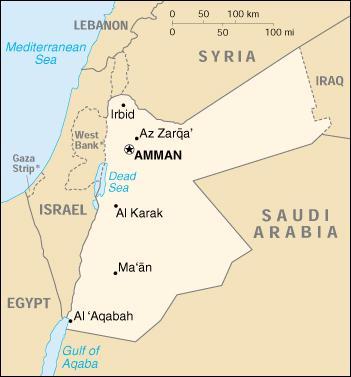
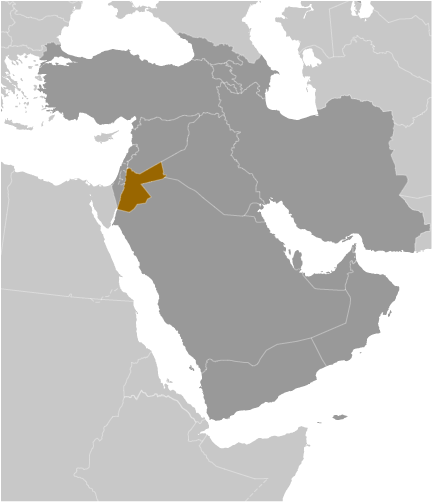
| Click map for larger view |
| Click flag for Country Report |



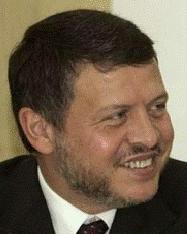
Abdallah II
King since 7 February 1999
King since 7 February 1999
Hussein bin-Abdallah
Prince and Heir Apparent since 1994
Prince and Heir Apparent since 1994
| TRAFFICKING IN PERSONS |
None reported.


Awad Khulayfat
Deputy Prime Minister
since 11 October 2012
Deputy Prime Minister
since 11 October 2012