
| MADAGASCAR Republic of Madagascar Republique de Madagascar/ Repoblikan'i Madagasikara Joined United Nations: 20 September 1960 Human Rights as assured by their constitution Click here Updated 05 April 2013 |

| CAPITAL |
| POPULATION |
| CHIEF OF STATE |
| SELECTION PROCESS |
Antananarivo
22,599,098 (July 2013 est.)
On 17 March 2009, democratically elected President Marc
Ravalomanana stepped down handing the government over to the
military, which in turn conferred the presidency on opposition leader
and Antananarivo mayor Andry Rajoelina, who will head the High
Transitional Authority; a power-sharing agreement was reached in
August 2009, establishing a 15-month transition period to conclude
with general elections in 2010; suspended
Next scheduled election: first round of the presidential
elections are scheduled for 8 May 2013, with a second round
to be held alongside parliamentary elections on 3 July
Ravalomanana stepped down handing the government over to the
military, which in turn conferred the presidency on opposition leader
and Antananarivo mayor Andry Rajoelina, who will head the High
Transitional Authority; a power-sharing agreement was reached in
August 2009, establishing a 15-month transition period to conclude
with general elections in 2010; suspended
Next scheduled election: first round of the presidential
elections are scheduled for 8 May 2013, with a second round
to be held alongside parliamentary elections on 3 July
HEAD OF GOVERNMENT
SELECTION PROCESS
According to the Madagascar Constitution, the Prime Minister is
the Head of Government
the Head of Government
| DECLARATION OF HUMAN RIGHTS |
| ETHNIC GROUPS |
Malayo-Indonesian (Merina and related Betsileo), Cotiers (mixed African, Malayo-Indonesian, and Arab ancestry -
Betsimisaraka, Tsimihety, Antaisaka, Sakalava), French, Indian, Creole, Comoran
Betsimisaraka, Tsimihety, Antaisaka, Sakalava), French, Indian, Creole, Comoran
| RELIGIONS |
Indigenous beliefs 52%, Christian 41%, Muslim 7%
| GOVERNMENT STRUCTURE |
Republic with 6 provinces (faritany); Legal system is based on French civil law system and traditional Malagasy law; accepts
compulsory ICJ jurisdiction with reservations
Executive: On 17 March 2009, democratically elected President Marc Ravalomanana stepped down handing the government over
to the military, which in turn conferred the presidency on opposition leader and Antananarivo mayor Andry Rajoelina, who will head
the High Transitional Authority; a power-sharing agreement was reached in August 2009, establishing a 15-month transition period
to conclude with general elections in 2010; suspended. Next scheduled election: first round of the presidential elections are
scheduled for 8 May 2013, with a second round to be held alongside parliamentary elections on 3 July
Legislative: Bicameral legislature consists of a National Assembly or Assemblee Nationale (127 seats - reduced from 160 seats by
an April 2007 national referendum; members are elected by popular vote to serve four-year terms) and a Senate or Senat (100
seats; two-thirds of the seats filled by regional assemblies; the remaining one-third of seats appointed by the president; to serve four-
year terms)
elections: National Assembly - last held on 23 September 2007 (next to be held on 3 July 2013); note - a power-sharing agreement
in the summer of 2009 established a 15-month transition, concluding in general elections tentatively scheduled for 3 July 2013 after
repeated delays
Judicial: Supreme Court or Cour Supreme; High Constitutional Court or Haute Cour Constitutionnelle
compulsory ICJ jurisdiction with reservations
Executive: On 17 March 2009, democratically elected President Marc Ravalomanana stepped down handing the government over
to the military, which in turn conferred the presidency on opposition leader and Antananarivo mayor Andry Rajoelina, who will head
the High Transitional Authority; a power-sharing agreement was reached in August 2009, establishing a 15-month transition period
to conclude with general elections in 2010; suspended. Next scheduled election: first round of the presidential elections are
scheduled for 8 May 2013, with a second round to be held alongside parliamentary elections on 3 July
Legislative: Bicameral legislature consists of a National Assembly or Assemblee Nationale (127 seats - reduced from 160 seats by
an April 2007 national referendum; members are elected by popular vote to serve four-year terms) and a Senate or Senat (100
seats; two-thirds of the seats filled by regional assemblies; the remaining one-third of seats appointed by the president; to serve four-
year terms)
elections: National Assembly - last held on 23 September 2007 (next to be held on 3 July 2013); note - a power-sharing agreement
in the summer of 2009 established a 15-month transition, concluding in general elections tentatively scheduled for 3 July 2013 after
repeated delays
Judicial: Supreme Court or Cour Supreme; High Constitutional Court or Haute Cour Constitutionnelle
| LANGUAGES |
English (official), French (official), Malagasy (official)
| BRIEF HISTORY |
Malagasy mythology portrays a tribe of pale dwarf-like people called the Vazimba as the original inhabitants. Some Malagasy
believe that these original inhabitants still live in the deepest recesses of the forest. In an island whose inhabitants practice ancestor-
worship, the inhabitants venerate the Vazimba as the most ancient of ancestors. The kings of some Malagasy tribes claim a blood
kinship to the Vazimba. Archaeologists place the arrival of humans on Madagascar in the centuries between 200 and 500 A.D.,
when seafarers from southeast Asia (probably from Borneo or the southern Celebes) arrived in their outrigger canoes. The original
Malagasy came to the island as part of the great Austronesian expansion, the movement of people that populated the Malay
Peninsula, Java, Sumatra, Micronesia, and all of Polynesia (including New Zealand, Hawaii and Easter Island). Medieval Arab
navigators and geographers may have known about Madagascar. Various names labelled the island off the southern coast of Ophir
(Africa): Phebol, Cernea, Menuthias, Medruthis, Sherbezat, Camarcada, and the Island of the Moon. Madagascar gets its current
name from Marco Polo, (1254 — 1324), the Venetian explorer, who described an African island of untold wealth called
Madeigascar in his memoirs (1298 - 1320). Polo heard about the island second-hand during his travels in Asia (1271 - 1295).
Most scholars believe that he described Mogadishu, the port located in present-day Somalia. Nevertheless, Italian cartographers
attached the name "Madagascar" to the island during the Renaissance. Bantu settlers probably crossed the Mozambique Channel to
Madagascar at about the same time as or shortly after the Indonesians arrived. Although the majority of words in the Malagasy
language have Malayan-Polynesian affinities, a smattering of Bantu words — omby (ox), ondry (sheep), and others — appears as
well. From this evidence, some anthropologists believe that Indonesian and Bantu settlers intermixed early in the island’s history.
According to the traditions of some Malagasy peoples, the first Arabs to settle in Madagascar came as refugees from the civil wars
that followed the death of Mohammed in 632. Beginning in the tenth or eleventh century, Arabic and Zanzibari slave-traders
worked their way down the east coast of Africa in their dhows and established settlements on the west coast of Madagascar.
Notably they included the Zafiraminia, traditional ancestors of the Antemoro, Antanosy and other east-coast ethnicities. The last
wave of Arab immigrants, the Antalaotra, immigrated from eastern African colonies. They settled the north-west of the island
(Majunga area) and introduced, for the first time, Islam to Madagascar. By the fifteenth century Europeans had wrested control of
the spice-trade from the Muslims. They did this by by-passing the Middle East and sending their cargo-ships around the Cape of
Good Hope to India. The Portuguese mariner Diogo Dias became the first European to set foot on Madagascar when his ship,
bound for India, blew off course in 1500. In the ensuing two-hundred years, the English and French tried (and failed) to establish
settlements on the island. Fever, dysentery, hostile Malagasy tribespeople, and the trying arid climate of southern Madagascar soon
terminated the English settlement near Toliary (Tuléar) in 1646. Another English settlement in the north in Nosy Bé came to an end
in 1649. The French colony at Taolañaro (Fort Dauphin) fared a little better: it lasted thirty years. In 1665, François Caron, the
Director General of the newly formed French East India Company, sailed to Madagascar. The Company failed to found a colony
on Madagascar but established ports on the nearby islands of Bourbon and Île-de-France (today's Réunion and Mauritius
respectively). Between 1680 and 1725, Madagascar became a pirate stronghold. Many unfortunate sailors became shipwrecked
and stranded on the island. Those who survived settled down with the natives, or more often, found French or English colonies on
the island or even pirate havens and thus become pirates themselves. Prior to the arrival of Europeans, the Malagasy tribes
occasionally waged wars to capture and enslave prisoners. They either sold the slaves to Arab traders or kept them on-hand as
laborers. Following the arrival of European slavers, human chattels became more valuable, and the coastal tribes of Madagascar
took to warring with each other to obtain prisoners for the lucrative slave-trade. The Merina kingdom In the central highlands of
Madagascar, a state of rice-farmers, had lived in relative isolation from the rest of Madagascar for several centuries, but by 1824
the Merina had conquered nearly all of Madagascar — thanks to the leadership of two shrewd kings, Andrianampoinimerina (circa
1745 – 1810) and his son Radama I (1792 – 1828). The British, eager to exert control over the trade routes of the Indian Ocean,
had captured the islands of Réunion and Mauritius from the French in 1810. Although they returned Réunion to France, they kept
Mauritius as a base for expanding the British Empire. Mauritius’s governor, to woo Madagascar from French control, recognized
Radama I as King of Madagascar, a diplomatic maneuver meant to underscore the idea of the sovereignty of the island and thus to
preclude claims by any European powers. The Malagasy people remember Queen Rasoaherina for sending ambassadors to
London and Paris and for prohibiting Sunday markets. On June 30, 1865, she signed a treaty with the United Kingdom giving
British citizens the right to rent land and property on the island and to have a resident ambassador. With the United States of
America she signed a trade agreement that also limited the importation of weapons and the export of cattle. In 1896 the French
Parliament voted to annex Madagascar. The 103-year-old Merina monarchy ended with the royal family sent into exile in Algeria.
The British accepted the imposition of a French protectorate over Madagascar in 1890 in return for eventual British control over
Zanzibar (subsequently part of Tanzania) and as part of an overall definition of spheres-of-influence in the area. The French didn't
establish control over Madagascar by military force, instead they convinced the people of Madagascar to join their empire between
1895 and 1896. Malagasy troops fought in France, Morocco, and Syria during World War II. After France fell to the Germans in
1940, the Vichy government administered Madagascar until 1942, when British Empire troops occupied the strategic island in the
Battle of Madagascar in order to preclude its seizure by the Japanese. The United Kingdom handed over control of the island to
Free French Forces in 1943. The French subsequently established reformed institutions in 1956 under the Loi Cadre (Overseas
Reform Act), and Madagascar moved peacefully toward independence. The Malagasy Republic, proclaimed on October 14, 1958,
became an autonomous state within the French Community. A period of provisional government ended with the adoption of a
constitution in 1959 and full independence on June 26, 1960, with Philibert Tsiranana as President. Tsiranana's rule represented
continuation, with French settlers (or colons) still in positions of power. Unlike many of France's former colonies, the Malagasy
Republic strongly resisted movements towards communism. On 5 February 1975, Colonel Richard Ratsimandrava became the
President of Madagascar. After six days as head of the country, he died in an assassination while driving from the presidential
palace to his home. Political power passed to Gilles Andriamahazo. On 15 June 1975 Lieutenant-Commander Didier Ratsiraka
(who had previously served as foreign minister) came to power in a coup. Elected president for a seven-year term, Ratsiraka
moved further towards socialism, nationalising much of the economy and cutting all ties with France. Eventually opposition — both
in Madagascar and internationally — forced him to reconsider his position, and in 1992 the country adopted a new and democratic
constitution. The first multi-party elections came in 1993, with Albert Zafy defeating Ratsiraka. Ravlomanana's I Love Madagascar
party achieved overwhelming electoral success in December 2002 and he survived an attempted coup in January 2003. He used his
mandate to work closely with the International Monetary Fund (IMF) and the World Bank to reform the economy, to end
corruption and to realise the country's potential. Ravlomanana's I Love Madagascar party achieved overwhelming electoral success
in December 2001 and he survived an attempted coup in January 2003. He used his mandate to work closely with the IMF and the
World Bank to reform the economy, to end corruption and to realise the country's potential. Ratsiraka went on trial (in absentia) for
embezzlement (the authorities charged him with taking $8m of public money with him into exile) and the court sentenced him to ten
years' hard labour. Ravalomanana is credited with improving the country's infrastructure, such as roads, along with making
improvements in education and health, but has faced criticism for his lack of progress against poverty; purchasing power is said to
have declined during his time in office. On November 18, 2006, his plane was forced to divert from Madagascar's capital during a
return trip from Europe following reports of a coup underway in Antananarivo and shooting near the airport; however, this alleged
coup attempt was unsuccessful. Ravalomanana ran for a second term in the presidential election held on December 3, 2006.
According to official results, he won the election with 54.79% of the vote in the first round; his best results were in Antananarivo
Province, where he received the support of 75.39% of voters. He was sworn in for his second term on January 19, 2007.
Ravalomanana dissolved the National Assembly in July 2007, prior to the end of its term, following a constitutional referendum
earlier in the year. Ravalomanana said that a new election needed to be held so that the National Assembly would reflect the
changes made in this referendum. He is currently involved in a political standoff after he closed the TV station belonging to
Antananarivo mayor Andry Rajoelina. In January 2009 protests which then turned violent were organized and spearheaded by
Andry Rajoelina, the mayor of the capital city of Antananarivo and a prominent opponent of President Ravalomanana. The situation
has fundamentally changed on March 10, 2009 when army leaders forced the recently appointed defence secretary to resign (the
previous one had decided to resign after the killings by the presidential guard on February 7, 2009). They also announced that they
gave the opponents 72 hours to dialogue and find a solution to the crisis before they would take further action. This move came
after the leaders of the main military camp had announced a day earlier that they would not execute orders coming from the
presidency any more since their duty was to protect the people, and not to oppress them, as groups of the military had done over
the last few days. On 16 March, the army seized the presidential palace in the centre of Antananarivo. Ravalomanana was not in the
palace at the time. He finally handed his resignation to the army. However, the army have decided to hand over power to his fierce
political rival, Andry Rajoelina. The High Transitional Authority (Malagasy: Fitondrana Avon'ny Tetezamita (FAT); French: Haute
Autorité de Transition or HAT) is a provisional executive body that came to power in Madagascar following the coup that forced
Marc Ravalomanana to leave the country on March 17, 2009 as a result of the 2009 Malagasy protests. It is headed by Andry
Rajoelina, who appointed members to the body weeks prior to the handing of executive authority from Ravalomanana to the
military, which subsequently gave the authority over to the High Transitional Authority. The HAT is primarily dominated by members
of Determined Malagasy Youth, Rajoelina's party. On September 17, 2011, a "Roadmap for Ending the Crisis in Madagascar,"
was signed by opposition leaders that was backed by the Southern African Development Community, or SADC. This resolution
aimed at creating a stable government once more, and ending the political crisis that endured in Madagascar. On 28 October, 2011,
Rajoelina announced the selection of a Prime Minister of consensus, Omer Beriziky, who is responsible for forming a new
government of consensus intended to facilitate preparations for internationally recognized presidential elections. General elections
are planned for Madagascar in 2013. The first round of the presidential elections are scheduled for 8 May 2013, with a second
round to be held alongside parliamentary elections on 3 July. The elections had previously been scheduled separately for various
dates before finally being merged in May 2011 and postponed to September 2011, May 2012 and then November 2012.
Source: Wikipedia: History of Madagascar
believe that these original inhabitants still live in the deepest recesses of the forest. In an island whose inhabitants practice ancestor-
worship, the inhabitants venerate the Vazimba as the most ancient of ancestors. The kings of some Malagasy tribes claim a blood
kinship to the Vazimba. Archaeologists place the arrival of humans on Madagascar in the centuries between 200 and 500 A.D.,
when seafarers from southeast Asia (probably from Borneo or the southern Celebes) arrived in their outrigger canoes. The original
Malagasy came to the island as part of the great Austronesian expansion, the movement of people that populated the Malay
Peninsula, Java, Sumatra, Micronesia, and all of Polynesia (including New Zealand, Hawaii and Easter Island). Medieval Arab
navigators and geographers may have known about Madagascar. Various names labelled the island off the southern coast of Ophir
(Africa): Phebol, Cernea, Menuthias, Medruthis, Sherbezat, Camarcada, and the Island of the Moon. Madagascar gets its current
name from Marco Polo, (1254 — 1324), the Venetian explorer, who described an African island of untold wealth called
Madeigascar in his memoirs (1298 - 1320). Polo heard about the island second-hand during his travels in Asia (1271 - 1295).
Most scholars believe that he described Mogadishu, the port located in present-day Somalia. Nevertheless, Italian cartographers
attached the name "Madagascar" to the island during the Renaissance. Bantu settlers probably crossed the Mozambique Channel to
Madagascar at about the same time as or shortly after the Indonesians arrived. Although the majority of words in the Malagasy
language have Malayan-Polynesian affinities, a smattering of Bantu words — omby (ox), ondry (sheep), and others — appears as
well. From this evidence, some anthropologists believe that Indonesian and Bantu settlers intermixed early in the island’s history.
According to the traditions of some Malagasy peoples, the first Arabs to settle in Madagascar came as refugees from the civil wars
that followed the death of Mohammed in 632. Beginning in the tenth or eleventh century, Arabic and Zanzibari slave-traders
worked their way down the east coast of Africa in their dhows and established settlements on the west coast of Madagascar.
Notably they included the Zafiraminia, traditional ancestors of the Antemoro, Antanosy and other east-coast ethnicities. The last
wave of Arab immigrants, the Antalaotra, immigrated from eastern African colonies. They settled the north-west of the island
(Majunga area) and introduced, for the first time, Islam to Madagascar. By the fifteenth century Europeans had wrested control of
the spice-trade from the Muslims. They did this by by-passing the Middle East and sending their cargo-ships around the Cape of
Good Hope to India. The Portuguese mariner Diogo Dias became the first European to set foot on Madagascar when his ship,
bound for India, blew off course in 1500. In the ensuing two-hundred years, the English and French tried (and failed) to establish
settlements on the island. Fever, dysentery, hostile Malagasy tribespeople, and the trying arid climate of southern Madagascar soon
terminated the English settlement near Toliary (Tuléar) in 1646. Another English settlement in the north in Nosy Bé came to an end
in 1649. The French colony at Taolañaro (Fort Dauphin) fared a little better: it lasted thirty years. In 1665, François Caron, the
Director General of the newly formed French East India Company, sailed to Madagascar. The Company failed to found a colony
on Madagascar but established ports on the nearby islands of Bourbon and Île-de-France (today's Réunion and Mauritius
respectively). Between 1680 and 1725, Madagascar became a pirate stronghold. Many unfortunate sailors became shipwrecked
and stranded on the island. Those who survived settled down with the natives, or more often, found French or English colonies on
the island or even pirate havens and thus become pirates themselves. Prior to the arrival of Europeans, the Malagasy tribes
occasionally waged wars to capture and enslave prisoners. They either sold the slaves to Arab traders or kept them on-hand as
laborers. Following the arrival of European slavers, human chattels became more valuable, and the coastal tribes of Madagascar
took to warring with each other to obtain prisoners for the lucrative slave-trade. The Merina kingdom In the central highlands of
Madagascar, a state of rice-farmers, had lived in relative isolation from the rest of Madagascar for several centuries, but by 1824
the Merina had conquered nearly all of Madagascar — thanks to the leadership of two shrewd kings, Andrianampoinimerina (circa
1745 – 1810) and his son Radama I (1792 – 1828). The British, eager to exert control over the trade routes of the Indian Ocean,
had captured the islands of Réunion and Mauritius from the French in 1810. Although they returned Réunion to France, they kept
Mauritius as a base for expanding the British Empire. Mauritius’s governor, to woo Madagascar from French control, recognized
Radama I as King of Madagascar, a diplomatic maneuver meant to underscore the idea of the sovereignty of the island and thus to
preclude claims by any European powers. The Malagasy people remember Queen Rasoaherina for sending ambassadors to
London and Paris and for prohibiting Sunday markets. On June 30, 1865, she signed a treaty with the United Kingdom giving
British citizens the right to rent land and property on the island and to have a resident ambassador. With the United States of
America she signed a trade agreement that also limited the importation of weapons and the export of cattle. In 1896 the French
Parliament voted to annex Madagascar. The 103-year-old Merina monarchy ended with the royal family sent into exile in Algeria.
The British accepted the imposition of a French protectorate over Madagascar in 1890 in return for eventual British control over
Zanzibar (subsequently part of Tanzania) and as part of an overall definition of spheres-of-influence in the area. The French didn't
establish control over Madagascar by military force, instead they convinced the people of Madagascar to join their empire between
1895 and 1896. Malagasy troops fought in France, Morocco, and Syria during World War II. After France fell to the Germans in
1940, the Vichy government administered Madagascar until 1942, when British Empire troops occupied the strategic island in the
Battle of Madagascar in order to preclude its seizure by the Japanese. The United Kingdom handed over control of the island to
Free French Forces in 1943. The French subsequently established reformed institutions in 1956 under the Loi Cadre (Overseas
Reform Act), and Madagascar moved peacefully toward independence. The Malagasy Republic, proclaimed on October 14, 1958,
became an autonomous state within the French Community. A period of provisional government ended with the adoption of a
constitution in 1959 and full independence on June 26, 1960, with Philibert Tsiranana as President. Tsiranana's rule represented
continuation, with French settlers (or colons) still in positions of power. Unlike many of France's former colonies, the Malagasy
Republic strongly resisted movements towards communism. On 5 February 1975, Colonel Richard Ratsimandrava became the
President of Madagascar. After six days as head of the country, he died in an assassination while driving from the presidential
palace to his home. Political power passed to Gilles Andriamahazo. On 15 June 1975 Lieutenant-Commander Didier Ratsiraka
(who had previously served as foreign minister) came to power in a coup. Elected president for a seven-year term, Ratsiraka
moved further towards socialism, nationalising much of the economy and cutting all ties with France. Eventually opposition — both
in Madagascar and internationally — forced him to reconsider his position, and in 1992 the country adopted a new and democratic
constitution. The first multi-party elections came in 1993, with Albert Zafy defeating Ratsiraka. Ravlomanana's I Love Madagascar
party achieved overwhelming electoral success in December 2002 and he survived an attempted coup in January 2003. He used his
mandate to work closely with the International Monetary Fund (IMF) and the World Bank to reform the economy, to end
corruption and to realise the country's potential. Ravlomanana's I Love Madagascar party achieved overwhelming electoral success
in December 2001 and he survived an attempted coup in January 2003. He used his mandate to work closely with the IMF and the
World Bank to reform the economy, to end corruption and to realise the country's potential. Ratsiraka went on trial (in absentia) for
embezzlement (the authorities charged him with taking $8m of public money with him into exile) and the court sentenced him to ten
years' hard labour. Ravalomanana is credited with improving the country's infrastructure, such as roads, along with making
improvements in education and health, but has faced criticism for his lack of progress against poverty; purchasing power is said to
have declined during his time in office. On November 18, 2006, his plane was forced to divert from Madagascar's capital during a
return trip from Europe following reports of a coup underway in Antananarivo and shooting near the airport; however, this alleged
coup attempt was unsuccessful. Ravalomanana ran for a second term in the presidential election held on December 3, 2006.
According to official results, he won the election with 54.79% of the vote in the first round; his best results were in Antananarivo
Province, where he received the support of 75.39% of voters. He was sworn in for his second term on January 19, 2007.
Ravalomanana dissolved the National Assembly in July 2007, prior to the end of its term, following a constitutional referendum
earlier in the year. Ravalomanana said that a new election needed to be held so that the National Assembly would reflect the
changes made in this referendum. He is currently involved in a political standoff after he closed the TV station belonging to
Antananarivo mayor Andry Rajoelina. In January 2009 protests which then turned violent were organized and spearheaded by
Andry Rajoelina, the mayor of the capital city of Antananarivo and a prominent opponent of President Ravalomanana. The situation
has fundamentally changed on March 10, 2009 when army leaders forced the recently appointed defence secretary to resign (the
previous one had decided to resign after the killings by the presidential guard on February 7, 2009). They also announced that they
gave the opponents 72 hours to dialogue and find a solution to the crisis before they would take further action. This move came
after the leaders of the main military camp had announced a day earlier that they would not execute orders coming from the
presidency any more since their duty was to protect the people, and not to oppress them, as groups of the military had done over
the last few days. On 16 March, the army seized the presidential palace in the centre of Antananarivo. Ravalomanana was not in the
palace at the time. He finally handed his resignation to the army. However, the army have decided to hand over power to his fierce
political rival, Andry Rajoelina. The High Transitional Authority (Malagasy: Fitondrana Avon'ny Tetezamita (FAT); French: Haute
Autorité de Transition or HAT) is a provisional executive body that came to power in Madagascar following the coup that forced
Marc Ravalomanana to leave the country on March 17, 2009 as a result of the 2009 Malagasy protests. It is headed by Andry
Rajoelina, who appointed members to the body weeks prior to the handing of executive authority from Ravalomanana to the
military, which subsequently gave the authority over to the High Transitional Authority. The HAT is primarily dominated by members
of Determined Malagasy Youth, Rajoelina's party. On September 17, 2011, a "Roadmap for Ending the Crisis in Madagascar,"
was signed by opposition leaders that was backed by the Southern African Development Community, or SADC. This resolution
aimed at creating a stable government once more, and ending the political crisis that endured in Madagascar. On 28 October, 2011,
Rajoelina announced the selection of a Prime Minister of consensus, Omer Beriziky, who is responsible for forming a new
government of consensus intended to facilitate preparations for internationally recognized presidential elections. General elections
are planned for Madagascar in 2013. The first round of the presidential elections are scheduled for 8 May 2013, with a second
round to be held alongside parliamentary elections on 3 July. The elections had previously been scheduled separately for various
dates before finally being merged in May 2011 and postponed to September 2011, May 2012 and then November 2012.
Source: Wikipedia: History of Madagascar
| ECONOMIC OVERVIEW |
After discarding socialist economic policies in the mid-1990s, Madagascar followed a World Bank- and IMF-led policy of
privatization and liberalization that has been undermined since the start of the political crisis. This strategy placed the country on a
slow and steady growth path from an extremely low level. Agriculture, including fishing and forestry, is a mainstay of the economy,
accounting for more than one-fourth of GDP and employing 80% of the population. Exports of apparel boomed in recent years
primarily due to duty-free access to the US, however, Madagascar's failure to comply with the requirements of the African Growth
and Opportunity Act (AGOA) led to the termination of the country's duty-free access in January 2010 and a sharp fall in textile
production. Deforestation and erosion, aggravated by the use of firewood as the primary source of fuel, are serious concerns. The
current political crisis, which began in early 2009, has dealt additional blows to the economy. Tourism dropped more than 50% in
2009 compared with the previous year, and many investors are wary of entering the uncertain investment environment. Growth was
anemic during 2010 to 2012 although expansion in mining and agricultural sectors is expected to contribute to more growth in 2013.
Source: CIA World Factbook (select Madagascar)
privatization and liberalization that has been undermined since the start of the political crisis. This strategy placed the country on a
slow and steady growth path from an extremely low level. Agriculture, including fishing and forestry, is a mainstay of the economy,
accounting for more than one-fourth of GDP and employing 80% of the population. Exports of apparel boomed in recent years
primarily due to duty-free access to the US, however, Madagascar's failure to comply with the requirements of the African Growth
and Opportunity Act (AGOA) led to the termination of the country's duty-free access in January 2010 and a sharp fall in textile
production. Deforestation and erosion, aggravated by the use of firewood as the primary source of fuel, are serious concerns. The
current political crisis, which began in early 2009, has dealt additional blows to the economy. Tourism dropped more than 50% in
2009 compared with the previous year, and many investors are wary of entering the uncertain investment environment. Growth was
anemic during 2010 to 2012 although expansion in mining and agricultural sectors is expected to contribute to more growth in 2013.
Source: CIA World Factbook (select Madagascar)
| POLITICAL CLIMATE |
In December 2001, a presidential election was held in which both major candidates claimed victory. The Ministry of the Interior
declared incumbent Ratsiraka of the AREMA party victorious. Marc Ravalomanana contested the results and claimed victory. A
political crisis followed in which Ratsiraka supporters cut major transport routes from the primary port city to the capital city, a
stronghold of Ravalomanana support. Sporadic violence and considerable economic disruption continued until July 2002 when
Ratsiraka and several of his prominent supporters fled to exile in France. In addition to political differences, ethnic differences
played a role in the crisis and continue to play a role in politics. Ratsiraka is from the coastal Betsimisaraka tribe and Ravalomanana
comes from the highland Merina tribe.
After the end of the 2002 political crisis, President Ravalomanana began many reform projects, forcefully advocating "rapid and
durable development" and the launching of a battle against corruption. December 2002 legislative elections gave his newly formed
TIM (Tiako-I-Madagasikara) (I Love Madagascar) Party a commanding majority in the National Assembly. November 2003
municipal elections were conducted freely, returning a majority of supporters of the president, but also significant numbers of
independent and regional opposition figures.
Following the crisis of 2002, the President replaced provincial governors with appointed PDSs (Presidents des Delegations
Speciales). Subsequent legislation established a structure of 22 regions to decentralize administration. In September 2004, the
Government named 22 Regional Chiefs, reporting directly to the President, to implement its decentralization plans. Financing and
specific powers for the regional administrations remain to be clarified.
On 17 March 2009, Andry Rajoelina declared himself President following a coup which culminated in the resignation of President
Marc Ravalomanana. According to the Madagascar Constitution Rajoelina is not qualified to be President as he is only 34 and the
Constitution requires all candidates to be at least 40. Rajoelina has suspended Constitutional rule. A "unity" government has been
established with Rajoelina agreeing to not stand for election as president. Next scheduled election: October 2010. General elections
are planned for Madagascar in 2013. The first round of the presidential elections are scheduled for 8 May 2013, with a second
round to be held alongside parliamentary elections on 3 July. The elections had previously been scheduled separately for various
dates before finally being merged in May 2011 and postponed to September 2011, May 2012 and then November 2012.
Source: Wikipedia: Politics of Madagascar
declared incumbent Ratsiraka of the AREMA party victorious. Marc Ravalomanana contested the results and claimed victory. A
political crisis followed in which Ratsiraka supporters cut major transport routes from the primary port city to the capital city, a
stronghold of Ravalomanana support. Sporadic violence and considerable economic disruption continued until July 2002 when
Ratsiraka and several of his prominent supporters fled to exile in France. In addition to political differences, ethnic differences
played a role in the crisis and continue to play a role in politics. Ratsiraka is from the coastal Betsimisaraka tribe and Ravalomanana
comes from the highland Merina tribe.
After the end of the 2002 political crisis, President Ravalomanana began many reform projects, forcefully advocating "rapid and
durable development" and the launching of a battle against corruption. December 2002 legislative elections gave his newly formed
TIM (Tiako-I-Madagasikara) (I Love Madagascar) Party a commanding majority in the National Assembly. November 2003
municipal elections were conducted freely, returning a majority of supporters of the president, but also significant numbers of
independent and regional opposition figures.
Following the crisis of 2002, the President replaced provincial governors with appointed PDSs (Presidents des Delegations
Speciales). Subsequent legislation established a structure of 22 regions to decentralize administration. In September 2004, the
Government named 22 Regional Chiefs, reporting directly to the President, to implement its decentralization plans. Financing and
specific powers for the regional administrations remain to be clarified.
On 17 March 2009, Andry Rajoelina declared himself President following a coup which culminated in the resignation of President
Marc Ravalomanana. According to the Madagascar Constitution Rajoelina is not qualified to be President as he is only 34 and the
Constitution requires all candidates to be at least 40. Rajoelina has suspended Constitutional rule. A "unity" government has been
established with Rajoelina agreeing to not stand for election as president. Next scheduled election: October 2010. General elections
are planned for Madagascar in 2013. The first round of the presidential elections are scheduled for 8 May 2013, with a second
round to be held alongside parliamentary elections on 3 July. The elections had previously been scheduled separately for various
dates before finally being merged in May 2011 and postponed to September 2011, May 2012 and then November 2012.
Source: Wikipedia: Politics of Madagascar
| INTERNATIONAL DISPUTES |
Claims Bassas da India, Europa Island, Glorioso Islands, and Juan de Nova Island (all administered by France); the vegetated
drying cays of Banc du Geyser, which were claimed by Madagascar in 1976, also fall within the EEZ claims of the Comoros and
France (Glorioso Islands, part of the French Southern and Antarctic Lands)
drying cays of Banc du Geyser, which were claimed by Madagascar in 1976, also fall within the EEZ claims of the Comoros and
France (Glorioso Islands, part of the French Southern and Antarctic Lands)


| REFUGEES AND INTERNALLY DISPLACED PERSONS (IDPS) |
None reported.
| ILLICIT DRUGS |
Illicit producer of cannabis (cultivated and wild varieties) used mostly for domestic consumption; transshipment point for heroin.
| HUMAN RIGHTS STATEMENTS, ANALYSIS AND CRITIQUES |
2011 Human Rights Report: Madagascar
Bureau of Democracy, Human Rights, and Labor
2011 Country Reports on Human Rights Practices
May 25, 2012
Madagascar is ruled by an unelected and illegal civilian regime that assumed power in a March 2009 coup with military support. Andry
Nirina Rajoelina adopted the title of president of the High Transition Authority (HAT), at the head of a loose coalition of former
opposition politicians, intending to remain in this position until elections are held. Former president Marc Ravalomanana, democratically
elected in 2006, is in exile. On September 17, local political leaders signed a “Roadmap For Ending the Crisis in Madagascar,” brokered
by mediators acting on behalf of the Southern African Development Community (SADC), which established a transitional process
intended to culminate in free and open elections for the restoration of a legal government. In accordance with the letter, if not the spirit,
of this roadmap, Rajoelina appointed a “Prime Minister of Consensus” on October 28, a 35-member “Government of National Unity”
cabinet on November 21, and a “Transition Congress” with more than 160 members, and a “High Transitional Council” with more than
360 members on December 1. Military leaders continued to assert their autonomy from the current political leadership, despite their tacit
support of Rajoelina and the SADC-endorsed roadmap. There were instances in which elements of the security forces acted
independently of civilian control.
The three most important human rights abuses included unlawful killings and other security force abuses, arbitrary arrest and detention,
and the inability of citizens to choose their government.
Other human rights problems included harsh prison conditions, sometimes resulting in deaths; lengthy pretrial detention; an inefficient
judiciary that lacked independence; violence against and intimidation of journalists; restrictions on freedoms of speech, press, and
assembly; official corruption and impunity; societal discrimination and violence against women, persons with disabilities, and the lesbian,
gay, bisexual and transgender (LGBT) community; trafficking of women and children; and child labor, including forced child labor.
The government did not take steps to prosecute or punish officials who committed abuses, and impunity remained a problem.
Click here to read more »
Bureau of Democracy, Human Rights, and Labor
2011 Country Reports on Human Rights Practices
May 25, 2012
Madagascar is ruled by an unelected and illegal civilian regime that assumed power in a March 2009 coup with military support. Andry
Nirina Rajoelina adopted the title of president of the High Transition Authority (HAT), at the head of a loose coalition of former
opposition politicians, intending to remain in this position until elections are held. Former president Marc Ravalomanana, democratically
elected in 2006, is in exile. On September 17, local political leaders signed a “Roadmap For Ending the Crisis in Madagascar,” brokered
by mediators acting on behalf of the Southern African Development Community (SADC), which established a transitional process
intended to culminate in free and open elections for the restoration of a legal government. In accordance with the letter, if not the spirit,
of this roadmap, Rajoelina appointed a “Prime Minister of Consensus” on October 28, a 35-member “Government of National Unity”
cabinet on November 21, and a “Transition Congress” with more than 160 members, and a “High Transitional Council” with more than
360 members on December 1. Military leaders continued to assert their autonomy from the current political leadership, despite their tacit
support of Rajoelina and the SADC-endorsed roadmap. There were instances in which elements of the security forces acted
independently of civilian control.
The three most important human rights abuses included unlawful killings and other security force abuses, arbitrary arrest and detention,
and the inability of citizens to choose their government.
Other human rights problems included harsh prison conditions, sometimes resulting in deaths; lengthy pretrial detention; an inefficient
judiciary that lacked independence; violence against and intimidation of journalists; restrictions on freedoms of speech, press, and
assembly; official corruption and impunity; societal discrimination and violence against women, persons with disabilities, and the lesbian,
gay, bisexual and transgender (LGBT) community; trafficking of women and children; and child labor, including forced child labor.
The government did not take steps to prosecute or punish officials who committed abuses, and impunity remained a problem.
Click here to read more »
8 March 2012
Committee on the Rights of the Child
Fifty-ninth session
16 January–3 February 2012
Consideration of reports submitted by States parties under article 44 of the Convention
Concluding observations: Madagascar
I. Introduction
2. The Committee welcomes the submission of the combined third and fourth periodic report as well as the written replies to its list of
issues (CRC/C/MDG/Q/34/Add.1). The Committee expresses appreciation for the dialogue held with the delegation of the State
party, which allowed the Committee to gain a better understanding of the situation of children in the State party
II. Follow-up measures undertaken and progress achieved by the State party
3. The Committee welcomes the adoption of the following legislative measures:
(a) Law No 2007–038 of 14 January 2008 amending and supplementing certain provisions of the Penal Code combating trafficking in
persons and sex tourism;
(b) Law No. 2007-023 of 20 August 2007 on the rights and protection of children;
(c) Marriage and Matrimonial Property Act No. 2007–022 of 20 August 2007 on marriage, setting the legal age for marriage at 18;
and
(d)Law No. 2005-014 of 7 September 2005 on adoption.
III. Factors and difficulties impeding the implementation of the Convention
7. The Committee takes note of the current and unfolding political crisis in the State party, which is currently led by a transitional
government, and the negative effect this has had on the development and implementation of relevant legislation, policy and programmes
for children. The Committee reminds the State party of the continuity of international human rights obligations, that the rights under the
Convention apply to all children at all times and that it is the primary responsibility of the State party to take all appropriate measures to
respect and ensure the rights set forth in the Convention regardless of political disputes or leadership structure. The Committee also
takes note of the negative impact of frequent natural disasters, including hurricanes and typhoons, on the children in the State party.
IV. Main areas of concerns and recommendations
A. General measures of implementation (arts. 4, 42 and 44, para. 6, of the Convention)
The Committee’s previous recommendations
8. The Committee welcomes efforts by the State party to implement the Committee’s concluding observations on the State party’s
second periodic report (CRC/C/15/Add.218). Nevertheless, the Committee notes with regret that several of these concluding
observations have not been sufficiently addressed or addressed at all.
9. The Committee urges the State party to take all necessary measures to address those recommendations from the concluding
observations to its second periodic report (CRC/C/15/Add.218) that have not yet been implemented or sufficiently implemented, including
those on developing a comprehensive national plan of action on children’s rights, efficient and effective coordination, independent
monitoring and children with disabilities, and to provide adequate follow-up to the recommendations contained in the present concluding
observations.
Click here to read more »
Committee on the Rights of the Child
Fifty-ninth session
16 January–3 February 2012
Consideration of reports submitted by States parties under article 44 of the Convention
Concluding observations: Madagascar
I. Introduction
2. The Committee welcomes the submission of the combined third and fourth periodic report as well as the written replies to its list of
issues (CRC/C/MDG/Q/34/Add.1). The Committee expresses appreciation for the dialogue held with the delegation of the State
party, which allowed the Committee to gain a better understanding of the situation of children in the State party
II. Follow-up measures undertaken and progress achieved by the State party
3. The Committee welcomes the adoption of the following legislative measures:
(a) Law No 2007–038 of 14 January 2008 amending and supplementing certain provisions of the Penal Code combating trafficking in
persons and sex tourism;
(b) Law No. 2007-023 of 20 August 2007 on the rights and protection of children;
(c) Marriage and Matrimonial Property Act No. 2007–022 of 20 August 2007 on marriage, setting the legal age for marriage at 18;
and
(d)Law No. 2005-014 of 7 September 2005 on adoption.
III. Factors and difficulties impeding the implementation of the Convention
7. The Committee takes note of the current and unfolding political crisis in the State party, which is currently led by a transitional
government, and the negative effect this has had on the development and implementation of relevant legislation, policy and programmes
for children. The Committee reminds the State party of the continuity of international human rights obligations, that the rights under the
Convention apply to all children at all times and that it is the primary responsibility of the State party to take all appropriate measures to
respect and ensure the rights set forth in the Convention regardless of political disputes or leadership structure. The Committee also
takes note of the negative impact of frequent natural disasters, including hurricanes and typhoons, on the children in the State party.
IV. Main areas of concerns and recommendations
A. General measures of implementation (arts. 4, 42 and 44, para. 6, of the Convention)
The Committee’s previous recommendations
8. The Committee welcomes efforts by the State party to implement the Committee’s concluding observations on the State party’s
second periodic report (CRC/C/15/Add.218). Nevertheless, the Committee notes with regret that several of these concluding
observations have not been sufficiently addressed or addressed at all.
9. The Committee urges the State party to take all necessary measures to address those recommendations from the concluding
observations to its second periodic report (CRC/C/15/Add.218) that have not yet been implemented or sufficiently implemented, including
those on developing a comprehensive national plan of action on children’s rights, efficient and effective coordination, independent
monitoring and children with disabilities, and to provide adequate follow-up to the recommendations contained in the present concluding
observations.
Click here to read more »
Freedom in the World 2012
Madagascar
Political Rights- 6
Civil Liberties- 4
Overview:
Madagascar’s protracted political crisis appeared to draw closer to a resolution in September 2011, when all but one of the main political
stakeholders signed an amended “road map” to elections within one year. The agreement called for de facto president Andry Rajoelina—
who had taken power after a 2009 military coup—to lead a transitional government until the elections. It also stipulated that former
president Marc Ravalomanana, who had been living in exile under threat of arrest, be permitted to return to Madagascar
“unconditionally,” though he had yet to return to the country at year’s end.
In August 2010, Rajoelina announced that he was abandoning the power-sharing agreement. He instead concluded an accord with 99
minor parties and set the presidential poll for May 2011. While Rajoelina stated that he would not stand for the presidency, the main
opposition parties and SADC refused to endorse his plan, citing the Maputo Declaration’s call for a coalition government to oversee the
electoral process. The political climate became further polarized after Ravalomanana, who was living in exile in South Africa, was
sentenced in absentia in August to life with hard labor for ordering the killing of at least 30 opposition protesters in February 2009. A
national conference sponsored by Rajoelina that was designed to provide an internal solution to the crisis took place in September 2010.
It was boycotted by the major opposition parties and did not have the support of the international community. Rajoelina appointed a
transitional parliament in October, with some members of the opposition included. In a November referendum boycotted by the
opposition, voters approved constitutional changes sought by Rajoelina, including a lowering of the minimum age for the president from
40 to 35. (Rajoelina turned 37 in May 2011.) Continuing unrest within the military led to an unsuccessful coup attempt in November,
triggered by the constitutional referendum.
Nevertheless, internationally mediated talks continued, and by March 2011, SADC had shifted its stance, backing a plan that allowed
Rajoelina to be recognized as Madagascar’s interim president until elections, as long as the opposition was fairly represented in the
transitional administration. However, the main opposition parties rejected the plan when Rajoelina reappointed his ally, General Camille
Vital, as prime minster, and continued to prevent Ravalomanana from returning from exile. After sustained pressure by SADC and the
EU, an amended road map was initialed in September by all the main parties except Ratsiraka. The deal legitimized Rajoelina as
Madagascar’s interim president, provided for the unconditional return of Ravalomanana, called for elections to be held within one year
and a transitional administration that included all parties to lead the country to the elections, and urged the passage of an amnesty law for
those accused of political crimes. Rajoelina named Omer Beriziky consensus prime minister in late October, and supporters of
Ravalomanana and Zafy in November agreed to join a 35-member unity cabinet. In December, Rajoelina appointed a transitional
parliament that included supporters of all signatories of the road map. However, Ravalomanana had yet to return by the end of 2011;
some Rajoelina supporters threatened to arrest him if he did, while others pledged to respect the road map.
The 2009 coup and ensuing political crisis seriously damaged Madagascar’s economy. Following Rajoelina’s takeover, the international
community—including the EU and the African Union—levied severe sanctions on the country, but continued to provide humanitarian aid.
The September 2011 agreement, if implemented in full, could allow for the lifting of sanctions and the renewal of EU aid.
Click here to read more »
Madagascar
Political Rights- 6
Civil Liberties- 4
Overview:
Madagascar’s protracted political crisis appeared to draw closer to a resolution in September 2011, when all but one of the main political
stakeholders signed an amended “road map” to elections within one year. The agreement called for de facto president Andry Rajoelina—
who had taken power after a 2009 military coup—to lead a transitional government until the elections. It also stipulated that former
president Marc Ravalomanana, who had been living in exile under threat of arrest, be permitted to return to Madagascar
“unconditionally,” though he had yet to return to the country at year’s end.
In August 2010, Rajoelina announced that he was abandoning the power-sharing agreement. He instead concluded an accord with 99
minor parties and set the presidential poll for May 2011. While Rajoelina stated that he would not stand for the presidency, the main
opposition parties and SADC refused to endorse his plan, citing the Maputo Declaration’s call for a coalition government to oversee the
electoral process. The political climate became further polarized after Ravalomanana, who was living in exile in South Africa, was
sentenced in absentia in August to life with hard labor for ordering the killing of at least 30 opposition protesters in February 2009. A
national conference sponsored by Rajoelina that was designed to provide an internal solution to the crisis took place in September 2010.
It was boycotted by the major opposition parties and did not have the support of the international community. Rajoelina appointed a
transitional parliament in October, with some members of the opposition included. In a November referendum boycotted by the
opposition, voters approved constitutional changes sought by Rajoelina, including a lowering of the minimum age for the president from
40 to 35. (Rajoelina turned 37 in May 2011.) Continuing unrest within the military led to an unsuccessful coup attempt in November,
triggered by the constitutional referendum.
Nevertheless, internationally mediated talks continued, and by March 2011, SADC had shifted its stance, backing a plan that allowed
Rajoelina to be recognized as Madagascar’s interim president until elections, as long as the opposition was fairly represented in the
transitional administration. However, the main opposition parties rejected the plan when Rajoelina reappointed his ally, General Camille
Vital, as prime minster, and continued to prevent Ravalomanana from returning from exile. After sustained pressure by SADC and the
EU, an amended road map was initialed in September by all the main parties except Ratsiraka. The deal legitimized Rajoelina as
Madagascar’s interim president, provided for the unconditional return of Ravalomanana, called for elections to be held within one year
and a transitional administration that included all parties to lead the country to the elections, and urged the passage of an amnesty law for
those accused of political crimes. Rajoelina named Omer Beriziky consensus prime minister in late October, and supporters of
Ravalomanana and Zafy in November agreed to join a 35-member unity cabinet. In December, Rajoelina appointed a transitional
parliament that included supporters of all signatories of the road map. However, Ravalomanana had yet to return by the end of 2011;
some Rajoelina supporters threatened to arrest him if he did, while others pledged to respect the road map.
The 2009 coup and ensuing political crisis seriously damaged Madagascar’s economy. Following Rajoelina’s takeover, the international
community—including the EU and the African Union—levied severe sanctions on the country, but continued to provide humanitarian aid.
The September 2011 agreement, if implemented in full, could allow for the lifting of sanctions and the renewal of EU aid.
Click here to read more »
Madagascar Annual Report 2012
The state of the world's human rights
WEDNESDAY 23 May 2012
Security forces committed serious human rights violations including unlawful killings, torture, and unlawful arrests and detentions.
Harassment and intimidation of journalists and lawyers as well as detention without trial of political opponents continued. Prison
conditions were harsh and the rights of detainees were regularly violated.
Background
A “road map” to resolve the ongoing political crisis was signed in the capital Antananarivo on 17 September by Malagasy political leaders
under the mediation of the Southern African Development Community (SADC). A new Prime Minister was appointed in October and a
Government of National Unity, including opposition members, was formed in November. Former President Didier Ratsiraka returned to
Madagascar in November after nine years of exile in France but went back to Paris on 12 December. A new Transitional Parliament was
proclaimed on 1 December.
Unlawful killings
Criminal suspects were killed by members of the security forces with almost total impunity.
Three men were shot dead in Antananarivo on 8 September by police officers from the Rapid Intervention Group (GIR). The men
were reportedly unarmed and did not resist the police orders to stop. Despite wide publicity around the incident, no investigation had
been opened at the end of the year.
On 9 December, prosecutor Michel Rahavana was killed near his office and the prison in Toliara by a group of police officers
attempting to release a colleague who had been arrested by the prosecutor in connection with a theft. Following a strike by members of
the judiciary, the Minister of Justice announced at the end of the year that an investigation would be conducted.
Death in custody
On 17 July, taxi driver Hajaharimananirainy Zenon, known as Bota, died after being arrested and tortured in the 67 ha neighbourhood
of Antananarivo by members of the Intervention Police Force (FIP) who dropped his body at the Antananarivo Hospital morgue the
following morning. Hajaharimananirainy Zenon’s family lodged a formal complaint on 30 August but it was not clear at the end of the
year if any official investigation had started.
Detention without trial
Dozens of perceived or real opponents to the High Transitional Authority (Haute Autorité de la Transition, HAT) remained detained
without trial, some since 2009.
Rakotompanahy Andry Faly, a former intern at the Malagasy Broadcasting System (MBS) radio station, remained in detention despite
his serious medical condition and repeated requests to be granted bail that were turned down by the authorities. Andry Faly had been
arrested with three other MBS staff in Antananarivo in June 2009 by members of the National Joint Commission of Inquiry (CNME), a
security body especially created by the HAT. In July 2011, he was transferred to the clinic of the Antanimora central prison in
Antananarivo where he remained at the end of the year. He was among 18 detainees who went on hunger strike in 2010 calling on the
authorities to expedite their trial.
Click here to read more »
The state of the world's human rights
WEDNESDAY 23 May 2012
Security forces committed serious human rights violations including unlawful killings, torture, and unlawful arrests and detentions.
Harassment and intimidation of journalists and lawyers as well as detention without trial of political opponents continued. Prison
conditions were harsh and the rights of detainees were regularly violated.
Background
A “road map” to resolve the ongoing political crisis was signed in the capital Antananarivo on 17 September by Malagasy political leaders
under the mediation of the Southern African Development Community (SADC). A new Prime Minister was appointed in October and a
Government of National Unity, including opposition members, was formed in November. Former President Didier Ratsiraka returned to
Madagascar in November after nine years of exile in France but went back to Paris on 12 December. A new Transitional Parliament was
proclaimed on 1 December.
Unlawful killings
Criminal suspects were killed by members of the security forces with almost total impunity.
Three men were shot dead in Antananarivo on 8 September by police officers from the Rapid Intervention Group (GIR). The men
were reportedly unarmed and did not resist the police orders to stop. Despite wide publicity around the incident, no investigation had
been opened at the end of the year.
On 9 December, prosecutor Michel Rahavana was killed near his office and the prison in Toliara by a group of police officers
attempting to release a colleague who had been arrested by the prosecutor in connection with a theft. Following a strike by members of
the judiciary, the Minister of Justice announced at the end of the year that an investigation would be conducted.
Death in custody
On 17 July, taxi driver Hajaharimananirainy Zenon, known as Bota, died after being arrested and tortured in the 67 ha neighbourhood
of Antananarivo by members of the Intervention Police Force (FIP) who dropped his body at the Antananarivo Hospital morgue the
following morning. Hajaharimananirainy Zenon’s family lodged a formal complaint on 30 August but it was not clear at the end of the
year if any official investigation had started.
Detention without trial
Dozens of perceived or real opponents to the High Transitional Authority (Haute Autorité de la Transition, HAT) remained detained
without trial, some since 2009.
Rakotompanahy Andry Faly, a former intern at the Malagasy Broadcasting System (MBS) radio station, remained in detention despite
his serious medical condition and repeated requests to be granted bail that were turned down by the authorities. Andry Faly had been
arrested with three other MBS staff in Antananarivo in June 2009 by members of the National Joint Commission of Inquiry (CNME), a
security body especially created by the HAT. In July 2011, he was transferred to the clinic of the Antanimora central prison in
Antananarivo where he remained at the end of the year. He was among 18 detainees who went on hunger strike in 2010 calling on the
authorities to expedite their trial.
Click here to read more »
Without Protection
September 16, 2010
Executive Summary
I thought that the police are like Madagascar. When you have a problem you go there. But here, they are part of the problem.
–Malagasy worker, February 9, 2010.
On December 9, 2009, a Lebanese criminal court sentenced a Lebanese woman to 15 days in jail for repeatedly beating Jonalin Malibago,
her Filipina maid, three years earlier. Lebanese newspapers hailed the case a landmark victory for the country’s estimated 200,000
migrant domestic workers (MDWs), many of whom report abuse at the hands of their employers. The case illustrated the positive role
that the judiciary can play in protecting MDWs, even though the sentence was lenient given the violation. But it also raised at least one
significant question: was the Malibago verdicta rare instance of an employer being held to account for abuses against MDWsor was it
part of a broader pattern of successful prosecutions?
This report seeks to answer that question. To do so, Human Rights Watch reviewed 114 Lebanese judicial decisions in which MDWs
were either plaintiffs or defendants, and interviewed MDWs who reported abuse as well as lawyers who regularly take up their cases. It
finds that the Lebanese judicial system is failing to protect the rights of MDWs, and that while Malibago’s case is by no means unique in
holding an employer accountable for mistreatment, too many other workers do not receive justice.
In cases where MDWs complained about employers failing to hand over passports or other identity papers, the courts dismissed the
complaint, or simply asked the employer to return the document. Even then, there was little follow-up to ensure compliance, and no
employer was prosecuted for his or her behavior in any case that Human Rights Watch reviewed. Accepting the argument of employers
that it is legitimate to hold an employee’s passport to prevent her from running away, judges have rejected attempts by activists and
lawyers to challenge passport withholding on the grounds that it amounts to “deprivation of liberty” (Hajez Huriyat). In 2001, an
investigative judge in Beirut dismissed a complaint brought by two women from Madagascar against their recruitment agency for
“confiscation of passport,” reasoning that “it is natural for the employer to confiscate the maid’s passport and keep it with him, in case
she tries to escape from his house to work in another without compensating him.”[2]
Click here to read more »
September 16, 2010
Executive Summary
I thought that the police are like Madagascar. When you have a problem you go there. But here, they are part of the problem.
–Malagasy worker, February 9, 2010.
On December 9, 2009, a Lebanese criminal court sentenced a Lebanese woman to 15 days in jail for repeatedly beating Jonalin Malibago,
her Filipina maid, three years earlier. Lebanese newspapers hailed the case a landmark victory for the country’s estimated 200,000
migrant domestic workers (MDWs), many of whom report abuse at the hands of their employers. The case illustrated the positive role
that the judiciary can play in protecting MDWs, even though the sentence was lenient given the violation. But it also raised at least one
significant question: was the Malibago verdicta rare instance of an employer being held to account for abuses against MDWsor was it
part of a broader pattern of successful prosecutions?
This report seeks to answer that question. To do so, Human Rights Watch reviewed 114 Lebanese judicial decisions in which MDWs
were either plaintiffs or defendants, and interviewed MDWs who reported abuse as well as lawyers who regularly take up their cases. It
finds that the Lebanese judicial system is failing to protect the rights of MDWs, and that while Malibago’s case is by no means unique in
holding an employer accountable for mistreatment, too many other workers do not receive justice.
In cases where MDWs complained about employers failing to hand over passports or other identity papers, the courts dismissed the
complaint, or simply asked the employer to return the document. Even then, there was little follow-up to ensure compliance, and no
employer was prosecuted for his or her behavior in any case that Human Rights Watch reviewed. Accepting the argument of employers
that it is legitimate to hold an employee’s passport to prevent her from running away, judges have rejected attempts by activists and
lawyers to challenge passport withholding on the grounds that it amounts to “deprivation of liberty” (Hajez Huriyat). In 2001, an
investigative judge in Beirut dismissed a complaint brought by two women from Madagascar against their recruitment agency for
“confiscation of passport,” reasoning that “it is natural for the employer to confiscate the maid’s passport and keep it with him, in case
she tries to escape from his house to work in another without compensating him.”[2]
Click here to read more »
TRANSLATED FROM FRENCH BY GOOGLE TRANSLATE
PRESS RELEASE
Ceremony in memory of victims of the massacre of 07 February 2009 Ambohitsorohitra
Antananarivo, February 7, 2013
As every year, the Association of Victims of 07 February, usually known by the acronym AV7, holds a ceremony in memory of victims
of the massacre of 07 February 2009. For this year, this commemoration was held on Thursday, February 7, 2013 at the State Palace
Ambohitsorohitra in the presence of the President of the Transition and no less initiator of the Orange Revolution, Mr. Andry Rajoelina
Nirina.
This simple ceremony but significant, given the fact that rekindles the fervor of patriotism everyone was preceded by an ecumenical
worship.
In his speech, the President of the AV7, Boana RAFARAMANDIMBY Jean Pierre, in a tone of circumstances explained: "Four years
have passed. Many have lost their lives in this place, and unfortunately, many are still missing. Some of us will carry forever sequelae.
All this to say that the wounds have not yet healed and we are members of the AV7, are still in mourning. It is inconceivable that
Malagasy blood can perpetrate such violence against his countrymen. We conducted a peaceful struggle with empty hands, for change,
but we were greeted by shooting without warning. We strongly condemn the acts perpetrated February 7, 2009. We will continue to
seek that justice is done. That the perpetrators of this crime, the sponsor who is currently in South Africa, are punished. We eagerly
await the court verdict. It's time to be patriotic to the martyrs can rest in peace and that victims can finally find peace. " In his
testimony, Boana RAFARAMANDIMBY was a moving reminder of what he has experienced during the event. For their part, the
survivors and families of victims of crimes February 07 expressed their gratitude to President Rajoelina as well as towards the Crisis.
In addition, on behalf of its peers, the President of the AV7 stressed lawsuits already underway on this matter: "we make a solemn appeal
to the location of the transitional authorities and advocates of human rights in support us in this process. "
Click here to read more »
PRESS RELEASE
Ceremony in memory of victims of the massacre of 07 February 2009 Ambohitsorohitra
Antananarivo, February 7, 2013
As every year, the Association of Victims of 07 February, usually known by the acronym AV7, holds a ceremony in memory of victims
of the massacre of 07 February 2009. For this year, this commemoration was held on Thursday, February 7, 2013 at the State Palace
Ambohitsorohitra in the presence of the President of the Transition and no less initiator of the Orange Revolution, Mr. Andry Rajoelina
Nirina.
This simple ceremony but significant, given the fact that rekindles the fervor of patriotism everyone was preceded by an ecumenical
worship.
In his speech, the President of the AV7, Boana RAFARAMANDIMBY Jean Pierre, in a tone of circumstances explained: "Four years
have passed. Many have lost their lives in this place, and unfortunately, many are still missing. Some of us will carry forever sequelae.
All this to say that the wounds have not yet healed and we are members of the AV7, are still in mourning. It is inconceivable that
Malagasy blood can perpetrate such violence against his countrymen. We conducted a peaceful struggle with empty hands, for change,
but we were greeted by shooting without warning. We strongly condemn the acts perpetrated February 7, 2009. We will continue to
seek that justice is done. That the perpetrators of this crime, the sponsor who is currently in South Africa, are punished. We eagerly
await the court verdict. It's time to be patriotic to the martyrs can rest in peace and that victims can finally find peace. " In his
testimony, Boana RAFARAMANDIMBY was a moving reminder of what he has experienced during the event. For their part, the
survivors and families of victims of crimes February 07 expressed their gratitude to President Rajoelina as well as towards the Crisis.
In addition, on behalf of its peers, the President of the AV7 stressed lawsuits already underway on this matter: "we make a solemn appeal
to the location of the transitional authorities and advocates of human rights in support us in this process. "
Click here to read more »
TRANSLATED FROM FRENCH BY GOOGLE TRANSLATE
Rights: National Council of gestation
May 31, 2012
Following the remarks made by the U.S. government that Madagascar does not provide enough efforts for the promotion of human
rights, the Interdepartmental Commission to study the issue was introduced. But at the same time we learn that from May 29 to June 1 is
at Antsirabe a workshop for implementation of the National Council for Human Rights (CNDH). This meeting takes place in the presence
of about 150 magistrates courts and tribunals and the main theme of reflection "Heads of Jurisdiction: greatness and servitude." In the
Governing Council, which took place yesterday, the Prime Minister Omer Beriziky, he praised the initiative of the Ministry of Justice
since the establishment of this Council "strengthen human rights in the country subject which attracts the attention of the international
community in particular. "
Click here to read more »
Rights: National Council of gestation
May 31, 2012
Following the remarks made by the U.S. government that Madagascar does not provide enough efforts for the promotion of human
rights, the Interdepartmental Commission to study the issue was introduced. But at the same time we learn that from May 29 to June 1 is
at Antsirabe a workshop for implementation of the National Council for Human Rights (CNDH). This meeting takes place in the presence
of about 150 magistrates courts and tribunals and the main theme of reflection "Heads of Jurisdiction: greatness and servitude." In the
Governing Council, which took place yesterday, the Prime Minister Omer Beriziky, he praised the initiative of the Ministry of Justice
since the establishment of this Council "strengthen human rights in the country subject which attracts the attention of the international
community in particular. "
Click here to read more »
TRANSLATED FROM FRENCH BY GOOGLE TRANSLATE
PRESS RELEASE - March 2013
HIGHLIGHTS OF THE MONTH
27 March 2013
AMNESTY - The Special Committee of the Supreme Court issued its first list of 16 recipients of amnesty "wide and right." Topping the
list: Pierrot Rajaonarivelo, Minister of Foreign Affairs, a political exile in 2002, convicted in absentia case for a tax exemption and
usurpation of functions. 11 of the 16 beneficiaries of the military, most convicted of attempted coup chaired Ravalomanana. Politicians
Ratsiraka camp who have distinguished themselves during the crisis of 2001 have also been successful. Among the few personalities
amnesty involved in the 2009 crisis, Eliane Naika, after the Ravalomanana. Pety Rakotoniaina PDS Fianarantsoa, and Jean-Eugène
Voninahitsy Congressman, are notably absent from this first wave. Marc Ravalomanana, who was sentenced by the court for serious
violations of human rights, is automatically excluded. To his supporters, his case is not justice but the roadmap. As such, it must have a
political amnesty, as recalled by the SADC, which calls for the application of the same measure to Andry Rajoelina and security forces.
The Minister of Justice has hinted that she does not approve the bill passed in 2012 granting amnesty to those convicted of
embezzlement of public goods provision that could benefit two potential candidates Pety Rakotoniaina and Jean-Eugène Voninahitsy.
Officers involved in the second case BANI, in November 2010, may be excluded from the amnesty, the power and the military
command never admitted that they can be treated as political prisoners. A second list is expected. Other files will go for advice by the
CRM, part of the application procedure amnesty application.
CENIT call on the international expertise for the implementation of the amnesty. She wants members of entities covered by the amnesty
benefit from the expertise and international experience in the field.
For the United Nations, "the publication of the list of amnesty is paramount." To make the single ballot, must indeed have the final list of
candidates, some of whom expect this publication to apply. Filing Application for the presidential opens April 8 and ends April 28. For
legislative records must be filed between 6 and 26 May These dates must set a benchmark for the work that should engage the CRM.
Radavidson Andriamparany, declared candidate for president, is convinced of the need to demand amnesty approach public repentance.
Nominate individuals for various elections is amnesty debate. Members of the "Group of Experts election," as well as some training
signatories of the road campaigning for the exclusion of all beneficiaries of the amnesty.
CRM - Its 44 members were sworn in spite of controversies about the composition of the list and how they have been appointed.
Ravalomanana said the trust this institution has vowed to strictly observe the law. Movement Church (HFM) is critical and wants to
entrust the reconciliation of churches FFKM. Announced that it will conduct its own mission of reconciliation and no plans to join forces
with other entities. He confirmed his refusal to cooperate with the CRM.
Click here to read more>>
PRESS RELEASE - March 2013
HIGHLIGHTS OF THE MONTH
27 March 2013
AMNESTY - The Special Committee of the Supreme Court issued its first list of 16 recipients of amnesty "wide and right." Topping the
list: Pierrot Rajaonarivelo, Minister of Foreign Affairs, a political exile in 2002, convicted in absentia case for a tax exemption and
usurpation of functions. 11 of the 16 beneficiaries of the military, most convicted of attempted coup chaired Ravalomanana. Politicians
Ratsiraka camp who have distinguished themselves during the crisis of 2001 have also been successful. Among the few personalities
amnesty involved in the 2009 crisis, Eliane Naika, after the Ravalomanana. Pety Rakotoniaina PDS Fianarantsoa, and Jean-Eugène
Voninahitsy Congressman, are notably absent from this first wave. Marc Ravalomanana, who was sentenced by the court for serious
violations of human rights, is automatically excluded. To his supporters, his case is not justice but the roadmap. As such, it must have a
political amnesty, as recalled by the SADC, which calls for the application of the same measure to Andry Rajoelina and security forces.
The Minister of Justice has hinted that she does not approve the bill passed in 2012 granting amnesty to those convicted of
embezzlement of public goods provision that could benefit two potential candidates Pety Rakotoniaina and Jean-Eugène Voninahitsy.
Officers involved in the second case BANI, in November 2010, may be excluded from the amnesty, the power and the military
command never admitted that they can be treated as political prisoners. A second list is expected. Other files will go for advice by the
CRM, part of the application procedure amnesty application.
CENIT call on the international expertise for the implementation of the amnesty. She wants members of entities covered by the amnesty
benefit from the expertise and international experience in the field.
For the United Nations, "the publication of the list of amnesty is paramount." To make the single ballot, must indeed have the final list of
candidates, some of whom expect this publication to apply. Filing Application for the presidential opens April 8 and ends April 28. For
legislative records must be filed between 6 and 26 May These dates must set a benchmark for the work that should engage the CRM.
Radavidson Andriamparany, declared candidate for president, is convinced of the need to demand amnesty approach public repentance.
Nominate individuals for various elections is amnesty debate. Members of the "Group of Experts election," as well as some training
signatories of the road campaigning for the exclusion of all beneficiaries of the amnesty.
CRM - Its 44 members were sworn in spite of controversies about the composition of the list and how they have been appointed.
Ravalomanana said the trust this institution has vowed to strictly observe the law. Movement Church (HFM) is critical and wants to
entrust the reconciliation of churches FFKM. Announced that it will conduct its own mission of reconciliation and no plans to join forces
with other entities. He confirmed his refusal to cooperate with the CRM.
Click here to read more>>
| Click map for larger view |
| Click flag for Country Report |



Andry Nirina Rajoelina
President since 18 March 2009
President since 18 March 2009
| TRAFFICKING IN PERSONS |
None reported.
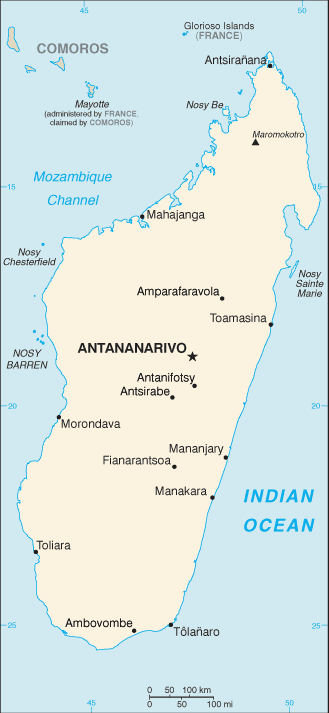

Jean Omer Beriziky
Prime Minister since 2 November 2011
Prime Minister since 2 November 2011
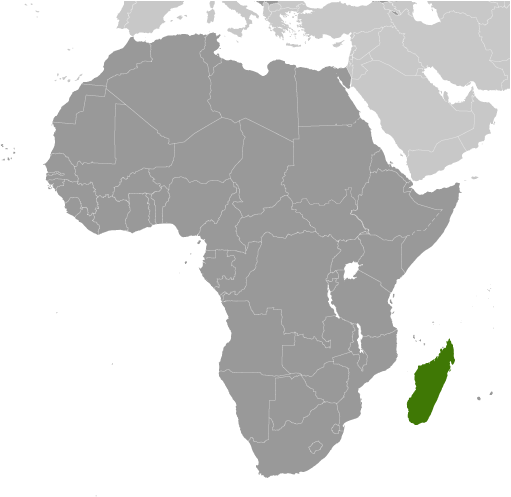
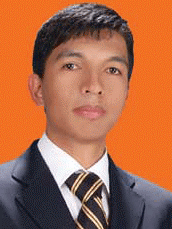

Hajo Andrianainarivelo and Pierrot Botozaza
Deputy Prime Ministers since 2 November 2011
Deputy Prime Ministers since 2 November 2011