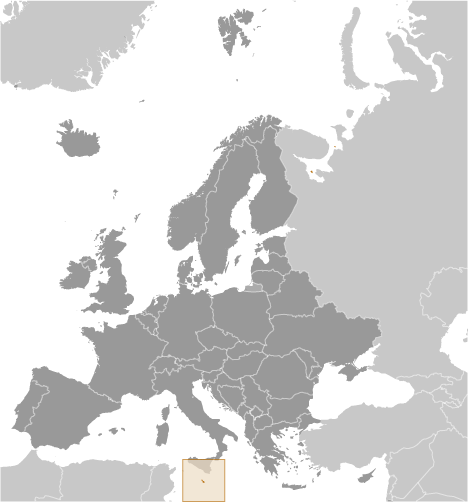

| MALTA Republic of Malta Repubblika ta' Malta Joined United Nations: 1 December 1964 Human Rights as assured by their constitution Click here Updated 13 March 2013 |

| CAPITAL |
| POPULATION |
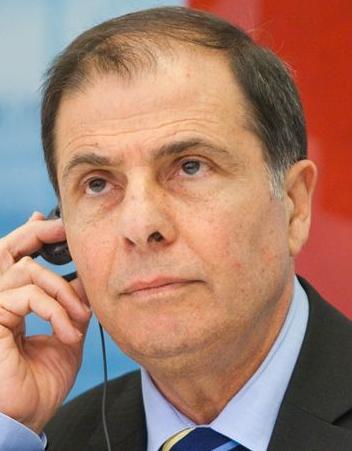
| CHIEF OF STATE |
| SELECTION PROCESS |
Valletta
409,836 (July 2012 est.)
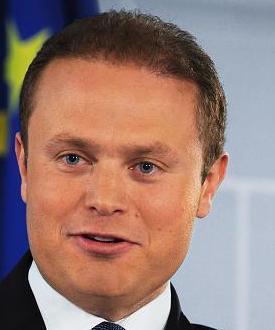
Joseph Muscat
Prime Minister since 11 March 2013
Prime Minister since 11 March 2013
President elected by the House of Representatives for a five-year
term (eligible for a second term); election last held 12 January 2009
Next scheduled election: April 2014
term (eligible for a second term); election last held 12 January 2009
Next scheduled election: April 2014
HEAD OF GOVERNMENT
SELECTION PROCESS
Following legislative elections, the leader of the majority party or
leader of a majority coalition is usually appointed prime minister
by the president for a five-year term; the deputy prime minister is
appointed by the president on the advice of the prime minister;
last held 9 March 2013
Next scheduled election: March 2018
leader of a majority coalition is usually appointed prime minister
by the president for a five-year term; the deputy prime minister is
appointed by the president on the advice of the prime minister;
last held 9 March 2013
Next scheduled election: March 2018
| DECLARATION OF HUMAN RIGHTS |
| ETHNIC GROUPS |
Maltese (descendants of ancient Carthaginians and Phoenicians, with strong elements of Italian and other Mediterranean stock)
| RELIGIONS |
Roman Catholic 98%
| GOVERNMENT STRUCTURE |
Republic with no administrative divisions; Legal system is based on English common law and Roman civil law; accepts compulsory
ICJ jurisdiction with reservations
Executive: President elected by the House of Representatives for a five-year term (eligible for a second term); election last held on
12 January 2009 (next to be held by April 2014); following legislative elections, the leader of the majority party or leader of a
majority coalition is usually appointed prime minister by the president for a five-year term; the deputy prime minister is appointed by
the president on the advice of the prime minister
Legislative: Unicameral House of Representatives (usually 65 seats; members are elected by popular vote on the basis of
proportional representation to serve five-year terms; note - additional seats are given to the party with the largest popular vote to
ensure a legislative majority)
elections: last held on 9 March 2013 (next to be held by March 2018)
Judicial: Constitutional Court; Court of Appeal; judges for both courts are appointed by the president on the advice of the prime
minister
ICJ jurisdiction with reservations
Executive: President elected by the House of Representatives for a five-year term (eligible for a second term); election last held on
12 January 2009 (next to be held by April 2014); following legislative elections, the leader of the majority party or leader of a
majority coalition is usually appointed prime minister by the president for a five-year term; the deputy prime minister is appointed by
the president on the advice of the prime minister
Legislative: Unicameral House of Representatives (usually 65 seats; members are elected by popular vote on the basis of
proportional representation to serve five-year terms; note - additional seats are given to the party with the largest popular vote to
ensure a legislative majority)
elections: last held on 9 March 2013 (next to be held by March 2018)
Judicial: Constitutional Court; Court of Appeal; judges for both courts are appointed by the president on the advice of the prime
minister
| LANGUAGES |
Maltese (official) 90.2%, English (official) 6%, multilingual 3%, other 0.8% (2005 census)
| BRIEF HISTORY |
Man first arrived in Malta around 5200 BC. These first Neolithic people probably arrived from Sicily (about 100 kilometres/60
miles north), and were mainly farming and fishing communities, with some evidence of hunting activities. They apparently lived in
caves and open dwellings. During the centuries that followed there is evidence of further contacts with other cultures, which left their
influence on the local communities, evidenced by their pottery designs and colours. One of the most notable periods of Malta's
history is the temple period, starting around 3600 BC. The Ggantia Prehistoric Temple in Gozo are the oldest free-standing
buildings in the world (photo). Many of the temples are in the form of five semicircular rooms connected at the centre. It has been
suggested that these might have represented the head, arms and legs of a deity, since one of the commonest kinds of statue found in
these temples is a fat woman — a symbol of fertility. The Temple period lasted until about 2500 BC, at which point the civilization
that raised these huge monoliths seems to have disappeared. There is much speculation about what might have happened and
whether they were completely wiped out or assimilated. The society that built these structures eventually died out or at any rate
disappeared. Phoenicians from Tyre colonized the islands around 1000 BC, using them as an outpost from which they expanded
sea explorations and trade in the Mediterranean. In the late 8th century BC, a Greek colony called Melite (from the Doric Greek
word for "honeybee") was founded on the main island. The islands later came under the control of Carthage (400 BC) and then of
Rome (218 BC). The islands prospered under Roman rule, during which time they were considered a Municipium and a Foederata
Civitas. Many Roman antiquities still exist, testifying to the close link between the Maltese inhabitants and the people of Rome. In
AD 60, the islands were visited by Saint Paul, who is said to have been shipwrecked on the shores of the aptly-named "Saint Paul's
Bay". Studies of the currents and prevalent winds at the time however, render it more likely that the shipwreck occurred in or
around St. Thomas Bay in Marsaskala. In 440 the island was captured by the Vandals, which had recently occupied the Roman
province of Africa. It was recovered by the east Roman general Belisarius in 533, along with the other Vandal possessions, and
remained a part of the east Roman province of Sicily for the next 340 years. Malta was occupied by Sicilian Arabs in AD 870. The
following 260 years of Arab rule had a very great influence on the existing civilization. The Arabs introduced many new techniques
in irrigation, some of which are still used, unchanged. Many place names in Malta also date to this period. The city of Mdina,
extensively modified in this period, also bears slight resemblance to towns found in the North of Africa. The Norman takeover of
Malta isolated the Maltese dialect of Arabic from Islamic contact and mainstream Arabic, and Maltese evolved quickly into a
distinct language. It is a Semitic language, derived from Arabic and later much influenced by Italian (Sicilian and Standard Italian),
and to some degree also by English. For many centuries, the Maltese language was only used in spoken form, and Italian was used
for writing. Today the Maltese language, written in the Latin alphabet, is used as the standard language of Malta, alongside English,
which remains an official language. In 1091, count Roger I of Sicily, made an initial attempt to establish Norman rule of Malta. In
1127, his son Roger II of Sicily succeeded. This marked the gradual change from an Arab cultural influence to a European one. In
1191, Tancred of Sicily appointed Margaritus of Brindisi the first Count of Malta. Until the 13th century, however, there remained a
strong Muslim segment of society. Malta was an appendage of Sicily for 440 years. During this period, Malta was sold and resold
to various feudal lords and barons and was dominated successively by the rulers of Swabia, Angevin, Aragon, Castile, and Spain.
Eventually Aragon, who then ruled Malta, joined with Castile in 1479, and Malta became part of the Spanish Empire. In the early
16th century, the Ottoman Empire started spreading over the region, reaching South-East Europe. The Spanish king Charles V
feared that if Rome fell to the Turks, it would be the end of Christian Europe. In 1522, Suleiman II drove the Knight Hospitallers of
St. John out of Rhodes. They dispersed to their commanderies in Europe. Wanting to protect Rome from invasion from the South,
in 1530, Charles V handed over the island to these Knights. For the next 275 years, these famous "Knights of Malta" made the
island their domain. They built towns, palaces, churches, gardens, and fortifications and embellished the island with numerous works
of art and enhanced cultural heritage. On May 18, 1565, Suleiman the Magnificent laid siege to Malta. By the time the Ottoman
fleet arrived the Knights were as ready as they could be. First the Ottomans attacked the newly built fort of St. Elmo and after a
whole month of fighting the fort was in rubble and the soldiers kept fighting till the Turks ended their lives. After this they started
attacking Birgu and the fortifications at Senglea but to no gain. After a protracted siege ended on September 8 of the same year,
which became known in history as "the Great Siege", the Ottoman Empire conceded defeat as the approaching winter storms
threatened to prevent them from leaving. The Ottoman empire had expected an easy victory within weeks. They had 40,000 men
arrayed against the Knights' nine thousand, most of them Maltese soldiers and simple citizens bearing arms. Their loss of thousands
of men was very demoralising. The Ottomans made no further significant military advances in Europe and the Sultan died a few
years later. Over the years, the power of the Knights declined; their reign ended when Napoleon Bonaparte's fleet arrived in 1798,
en route to his expedition of Egypt. Napoleon asked for safe harbor to resupply his ships, and when they refused to supply him with
water, Napoleon Bonaparte sent a division to scale the hills of Valetta. The Maltese people rebelled, and the French garrison of
General Claude-Henri Belgrand de Vaubois retreated into Valletta. After several failed attempts by the locals to retake Valletta,
they asked the British for assistance. Rear Admiral Lord Horatio Nelson decided on a total blockade, and in 1800 the French
garrison surrendered. In 1800, Malta voluntarily became part of the British Empire. Under the terms of the 1802 Treaty of Amiens,
Britain was supposed to evacuate the island, but failed to keep this obligation - one of several mutual cases of non-adherence to the
treaty, which eventually led to its collapse and the resumption of war between Britain and France. Before the arrival of the British,
the language of the educated elite had been Italian, but this was increasingly downgraded by the increased use of English. In 1934,
English and Maltese were declared the sole official languages. Being a British colony, situated close to Sicily and the Axis shipping
lanes, Malta was bombarded by the Italian and German air forces. After the war, the islands were given self-rule. Malta was the
only British colony where integration with the UK was seriously considered, and subsequent British governments have ruled out
integration for remaining overseas territories, such as Gibraltar. It was soon clear that the locals now favoured independence, and on
21 September 1964, Malta became an independent state. Malta became a republic on December 13, 1974, with the last Governor-
General, Sir Anthony Mamo, as its first President. In 1979 the last British forces left the island. Malta joined the EU in May 2004.
On 16 May 2007, the European Commission backed by the European Central Bank gave its green light for the introduction in
January 2008.The EU finance ministers gave the green light on 10 July 2007. On 1st January 2008 Malta adopted the Euro as the
national currency together with the Maltese Lira. On 1st February 2008 the Maltese Lira lost its legal tender. In the context of EU
membership, Malta joined the eurozone on 1 January 2008; the 2008 election confirmed Gonzi in the premiership, while in 2009
George Abela became President of Malta. On 28 May 2011, Maltese voted 'yes' in the consultative divorce referendum. At that
time, Malta was one of only three countries in the world, along with the Philippines and the Vatican City, in which divorce was not
permitted. As a consequence of the referendum outcome, a law allowing divorce under certain conditions was enacted in the same
year. Following a corruption scandal John Dalli had to resign and was replaced by Tonio Borg as Maltese commissioner in 2012. A
snap election was called for March 2013 after the Gonzi government lost the Parliamentary majority. The Maltese general election
took place on Saturday, 9 March 2013. The Labour Party won a majority of seats thus defeating the Nationalist Party, which had
been in power for 15 years with Joseph Muscat elected at the new Prime Minister.
Source: Wikipedia: History of Malta
miles north), and were mainly farming and fishing communities, with some evidence of hunting activities. They apparently lived in
caves and open dwellings. During the centuries that followed there is evidence of further contacts with other cultures, which left their
influence on the local communities, evidenced by their pottery designs and colours. One of the most notable periods of Malta's
history is the temple period, starting around 3600 BC. The Ggantia Prehistoric Temple in Gozo are the oldest free-standing
buildings in the world (photo). Many of the temples are in the form of five semicircular rooms connected at the centre. It has been
suggested that these might have represented the head, arms and legs of a deity, since one of the commonest kinds of statue found in
these temples is a fat woman — a symbol of fertility. The Temple period lasted until about 2500 BC, at which point the civilization
that raised these huge monoliths seems to have disappeared. There is much speculation about what might have happened and
whether they were completely wiped out or assimilated. The society that built these structures eventually died out or at any rate
disappeared. Phoenicians from Tyre colonized the islands around 1000 BC, using them as an outpost from which they expanded
sea explorations and trade in the Mediterranean. In the late 8th century BC, a Greek colony called Melite (from the Doric Greek
word for "honeybee") was founded on the main island. The islands later came under the control of Carthage (400 BC) and then of
Rome (218 BC). The islands prospered under Roman rule, during which time they were considered a Municipium and a Foederata
Civitas. Many Roman antiquities still exist, testifying to the close link between the Maltese inhabitants and the people of Rome. In
AD 60, the islands were visited by Saint Paul, who is said to have been shipwrecked on the shores of the aptly-named "Saint Paul's
Bay". Studies of the currents and prevalent winds at the time however, render it more likely that the shipwreck occurred in or
around St. Thomas Bay in Marsaskala. In 440 the island was captured by the Vandals, which had recently occupied the Roman
province of Africa. It was recovered by the east Roman general Belisarius in 533, along with the other Vandal possessions, and
remained a part of the east Roman province of Sicily for the next 340 years. Malta was occupied by Sicilian Arabs in AD 870. The
following 260 years of Arab rule had a very great influence on the existing civilization. The Arabs introduced many new techniques
in irrigation, some of which are still used, unchanged. Many place names in Malta also date to this period. The city of Mdina,
extensively modified in this period, also bears slight resemblance to towns found in the North of Africa. The Norman takeover of
Malta isolated the Maltese dialect of Arabic from Islamic contact and mainstream Arabic, and Maltese evolved quickly into a
distinct language. It is a Semitic language, derived from Arabic and later much influenced by Italian (Sicilian and Standard Italian),
and to some degree also by English. For many centuries, the Maltese language was only used in spoken form, and Italian was used
for writing. Today the Maltese language, written in the Latin alphabet, is used as the standard language of Malta, alongside English,
which remains an official language. In 1091, count Roger I of Sicily, made an initial attempt to establish Norman rule of Malta. In
1127, his son Roger II of Sicily succeeded. This marked the gradual change from an Arab cultural influence to a European one. In
1191, Tancred of Sicily appointed Margaritus of Brindisi the first Count of Malta. Until the 13th century, however, there remained a
strong Muslim segment of society. Malta was an appendage of Sicily for 440 years. During this period, Malta was sold and resold
to various feudal lords and barons and was dominated successively by the rulers of Swabia, Angevin, Aragon, Castile, and Spain.
Eventually Aragon, who then ruled Malta, joined with Castile in 1479, and Malta became part of the Spanish Empire. In the early
16th century, the Ottoman Empire started spreading over the region, reaching South-East Europe. The Spanish king Charles V
feared that if Rome fell to the Turks, it would be the end of Christian Europe. In 1522, Suleiman II drove the Knight Hospitallers of
St. John out of Rhodes. They dispersed to their commanderies in Europe. Wanting to protect Rome from invasion from the South,
in 1530, Charles V handed over the island to these Knights. For the next 275 years, these famous "Knights of Malta" made the
island their domain. They built towns, palaces, churches, gardens, and fortifications and embellished the island with numerous works
of art and enhanced cultural heritage. On May 18, 1565, Suleiman the Magnificent laid siege to Malta. By the time the Ottoman
fleet arrived the Knights were as ready as they could be. First the Ottomans attacked the newly built fort of St. Elmo and after a
whole month of fighting the fort was in rubble and the soldiers kept fighting till the Turks ended their lives. After this they started
attacking Birgu and the fortifications at Senglea but to no gain. After a protracted siege ended on September 8 of the same year,
which became known in history as "the Great Siege", the Ottoman Empire conceded defeat as the approaching winter storms
threatened to prevent them from leaving. The Ottoman empire had expected an easy victory within weeks. They had 40,000 men
arrayed against the Knights' nine thousand, most of them Maltese soldiers and simple citizens bearing arms. Their loss of thousands
of men was very demoralising. The Ottomans made no further significant military advances in Europe and the Sultan died a few
years later. Over the years, the power of the Knights declined; their reign ended when Napoleon Bonaparte's fleet arrived in 1798,
en route to his expedition of Egypt. Napoleon asked for safe harbor to resupply his ships, and when they refused to supply him with
water, Napoleon Bonaparte sent a division to scale the hills of Valetta. The Maltese people rebelled, and the French garrison of
General Claude-Henri Belgrand de Vaubois retreated into Valletta. After several failed attempts by the locals to retake Valletta,
they asked the British for assistance. Rear Admiral Lord Horatio Nelson decided on a total blockade, and in 1800 the French
garrison surrendered. In 1800, Malta voluntarily became part of the British Empire. Under the terms of the 1802 Treaty of Amiens,
Britain was supposed to evacuate the island, but failed to keep this obligation - one of several mutual cases of non-adherence to the
treaty, which eventually led to its collapse and the resumption of war between Britain and France. Before the arrival of the British,
the language of the educated elite had been Italian, but this was increasingly downgraded by the increased use of English. In 1934,
English and Maltese were declared the sole official languages. Being a British colony, situated close to Sicily and the Axis shipping
lanes, Malta was bombarded by the Italian and German air forces. After the war, the islands were given self-rule. Malta was the
only British colony where integration with the UK was seriously considered, and subsequent British governments have ruled out
integration for remaining overseas territories, such as Gibraltar. It was soon clear that the locals now favoured independence, and on
21 September 1964, Malta became an independent state. Malta became a republic on December 13, 1974, with the last Governor-
General, Sir Anthony Mamo, as its first President. In 1979 the last British forces left the island. Malta joined the EU in May 2004.
On 16 May 2007, the European Commission backed by the European Central Bank gave its green light for the introduction in
January 2008.The EU finance ministers gave the green light on 10 July 2007. On 1st January 2008 Malta adopted the Euro as the
national currency together with the Maltese Lira. On 1st February 2008 the Maltese Lira lost its legal tender. In the context of EU
membership, Malta joined the eurozone on 1 January 2008; the 2008 election confirmed Gonzi in the premiership, while in 2009
George Abela became President of Malta. On 28 May 2011, Maltese voted 'yes' in the consultative divorce referendum. At that
time, Malta was one of only three countries in the world, along with the Philippines and the Vatican City, in which divorce was not
permitted. As a consequence of the referendum outcome, a law allowing divorce under certain conditions was enacted in the same
year. Following a corruption scandal John Dalli had to resign and was replaced by Tonio Borg as Maltese commissioner in 2012. A
snap election was called for March 2013 after the Gonzi government lost the Parliamentary majority. The Maltese general election
took place on Saturday, 9 March 2013. The Labour Party won a majority of seats thus defeating the Nationalist Party, which had
been in power for 15 years with Joseph Muscat elected at the new Prime Minister.
Source: Wikipedia: History of Malta
| ECONOMIC OVERVIEW |
Malta - the smallest economy in the euro zone - produces only about 20% of its food needs, has limited fresh water supplies, and
has few domestic energy sources. Malta's geographic position between Europe and North Africa makes it a target for illegal
immigration, which has strained Malta's political and economic resources. Malta's fertility rate is below the EU average, and
population growth in recent years has largely been from immigration, putting increasing pressure on the pension system. Malta
adopted the euro on 1 January 2008. Malta's economy is dependent on foreign trade, manufacturing, and tourism, and was hurt by
the global economic downturn. Malta has low unemployment relative to other European countries, and growth has recovered since
the 2009 recession. Malta's financial services industry has grown in recent years and it has avoided contagion from the European
financial crisis, largely because its debt is mostly held domestically and its banks have low exposure to the sovereign debt of
peripheral European countries. Malta reduced its deficit below 3 percent of GDP, leading the EU to dismiss its official excessive
deficit procedure against Malta in 2012.
Source: CIA World Factbook (select Malta)
has few domestic energy sources. Malta's geographic position between Europe and North Africa makes it a target for illegal
immigration, which has strained Malta's political and economic resources. Malta's fertility rate is below the EU average, and
population growth in recent years has largely been from immigration, putting increasing pressure on the pension system. Malta
adopted the euro on 1 January 2008. Malta's economy is dependent on foreign trade, manufacturing, and tourism, and was hurt by
the global economic downturn. Malta has low unemployment relative to other European countries, and growth has recovered since
the 2009 recession. Malta's financial services industry has grown in recent years and it has avoided contagion from the European
financial crisis, largely because its debt is mostly held domestically and its banks have low exposure to the sovereign debt of
peripheral European countries. Malta reduced its deficit below 3 percent of GDP, leading the EU to dismiss its official excessive
deficit procedure against Malta in 2012.
Source: CIA World Factbook (select Malta)
| POLITICAL CLIMATE |
Since Independence, general elections have been held in 1966, 1971, 1976, 1981, 1987, 1992, 1996, 1998 , 2003 and 2008.
Two parties have dominated Malta's polarized and evenly-divided politics during this period: the Partit Nazzjonalista and the Partit
Laburista. Third parties have failed to score any electoral success: in the last election 2008 the Democratic Alternative (a Green
Party established in 1989) managed to secure only 1.31% of the first preference votes nationwide. Elections have invariably
generated a widespread voter turnout exceeding 90% of registered voters.
The Nationalist government wrapped up negotiations for European Union membership by the end of 2002. A referendum on the
issue was called in March of 2003 for which the Nationalists and the Democratic Alternative campaigned for a "yes" vote while
Labour campaigned heavily for "no" vote, invalidate their vote or abstain. Turnout was 91%, with more than 53% voting "yes".
On 1st January 2004, Malta entered the EU and four years later on 1st January 2008, Malta entered the Eurozone and adopted the
Euro as the national currency. On 4th February 2008, the Prime Minister asked the President to dissolve parliament. The elections
were held in March of 2008 coinciding the 5 years anniversary when the Maltese voted Yes in the Referendum. In the General
Elections 2008 The Malta Labour Party lost narrowly for the third consecutive time obtaining 48.79% of the overall votes whilst the
Nationalist Party obtaining a 49.34% relative majority of the votes. On 28 May 2011, Maltese voted 'yes' in the consultative
divorce referendum. At that time, Malta was one of only three countries in the world, along with the Philippines and the Vatican
City, in which divorce was not permitted. As a consequence of the referendum outcome, a law allowing divorce under certain
conditions was enacted in the same year. Following a corruption scandal John Dalli had to resign and was replaced by Tonio Borg
as Maltese commissioner in 2012. A snap election was called for March 2013 after the Gonzi government lost the Parliamentary
majority. The Maltese general election took place on Saturday, 9 March 2013. The Labour Party won a majority of seats thus
defeating the Nationalist Party, which had been in power for 15 years with Joseph Muscat elected at the new Prime Minister.
Source: Wikipedia: Politics of Malta
Two parties have dominated Malta's polarized and evenly-divided politics during this period: the Partit Nazzjonalista and the Partit
Laburista. Third parties have failed to score any electoral success: in the last election 2008 the Democratic Alternative (a Green
Party established in 1989) managed to secure only 1.31% of the first preference votes nationwide. Elections have invariably
generated a widespread voter turnout exceeding 90% of registered voters.
The Nationalist government wrapped up negotiations for European Union membership by the end of 2002. A referendum on the
issue was called in March of 2003 for which the Nationalists and the Democratic Alternative campaigned for a "yes" vote while
Labour campaigned heavily for "no" vote, invalidate their vote or abstain. Turnout was 91%, with more than 53% voting "yes".
On 1st January 2004, Malta entered the EU and four years later on 1st January 2008, Malta entered the Eurozone and adopted the
Euro as the national currency. On 4th February 2008, the Prime Minister asked the President to dissolve parliament. The elections
were held in March of 2008 coinciding the 5 years anniversary when the Maltese voted Yes in the Referendum. In the General
Elections 2008 The Malta Labour Party lost narrowly for the third consecutive time obtaining 48.79% of the overall votes whilst the
Nationalist Party obtaining a 49.34% relative majority of the votes. On 28 May 2011, Maltese voted 'yes' in the consultative
divorce referendum. At that time, Malta was one of only three countries in the world, along with the Philippines and the Vatican
City, in which divorce was not permitted. As a consequence of the referendum outcome, a law allowing divorce under certain
conditions was enacted in the same year. Following a corruption scandal John Dalli had to resign and was replaced by Tonio Borg
as Maltese commissioner in 2012. A snap election was called for March 2013 after the Gonzi government lost the Parliamentary
majority. The Maltese general election took place on Saturday, 9 March 2013. The Labour Party won a majority of seats thus
defeating the Nationalist Party, which had been in power for 15 years with Joseph Muscat elected at the new Prime Minister.
Source: Wikipedia: Politics of Malta
| INTERNATIONAL DISPUTES |
None reported.


| REFUGEES AND INTERNALLY DISPLACED PERSONS (IDPS) |
None reported.
| ILLICIT DRUGS |
Minor transshipment point for hashish from North Africa to Western Europe
| HUMAN RIGHTS STATEMENTS, ANALYSIS AND CRITIQUES |
2011 Human Rights Reports: Malta
Bureau of Democracy, Human Rights, and Labor
2011 Country Reports on Human Rights Practices
May 25, 2012
Malta is a constitutional republic and parliamentary democracy. The president is the head of state and is appointed by the unicameral
parliament (House of Representatives). The president appoints as prime minister the leader of the party winning a majority of seats in
parliamentary elections. General elections held in 2008 were judged free and fair. Security forces reported to civilian authorities.
The government’s harsh treatment of detained irregular migrants and asylum seekers from North Africa was the most serious human
rights problem during the year, with strongest criticism directed at housing conditions and inadequate government programs for
integrating migrants into Maltese society.
Other significant reported problems included lengthy delays in the judicial system, which sometimes diminished individuals’ access to
due process; restrictions on freedom of speech and of the press; and criminal prosecution of individuals for public blasphemy. Societal
problems included child abuse, trafficking in persons, and substandard work conditions for irregular migrants.
The government took steps to prosecute and punish officials who committed abuses, whether in security services or elsewhere in the
government. There were no reports of impunity.
Click here to read more »
Bureau of Democracy, Human Rights, and Labor
2011 Country Reports on Human Rights Practices
May 25, 2012
Malta is a constitutional republic and parliamentary democracy. The president is the head of state and is appointed by the unicameral
parliament (House of Representatives). The president appoints as prime minister the leader of the party winning a majority of seats in
parliamentary elections. General elections held in 2008 were judged free and fair. Security forces reported to civilian authorities.
The government’s harsh treatment of detained irregular migrants and asylum seekers from North Africa was the most serious human
rights problem during the year, with strongest criticism directed at housing conditions and inadequate government programs for
integrating migrants into Maltese society.
Other significant reported problems included lengthy delays in the judicial system, which sometimes diminished individuals’ access to
due process; restrictions on freedom of speech and of the press; and criminal prosecution of individuals for public blasphemy. Societal
problems included child abuse, trafficking in persons, and substandard work conditions for irregular migrants.
The government took steps to prosecute and punish officials who committed abuses, whether in security services or elsewhere in the
government. There were no reports of impunity.
Click here to read more »
5 February 2013
Committee on the Rights of the Child
Concluding observations on the combined second periodic reports of Malta, adopted by the Committee at its sixty-second
session (14 January – 1 February 2013)
I. Introduction
2. The Committee welcomes the submission of the second periodic report of the State party (CRC/C/MLT/2) and the written replies
to its list of issues (CRC/C/MLT/Q/2/Add.1). However, the Committee regrets that these written replies which were due for submission
on 16 November 2012 were only submitted on 16 January 2013, impeding the Committee’s insight on the latest situation in the State
party. The Committee expresses appreciation for the constructive dialogue held with the multi-sectoral delegation of the State party.
II. Follow-up measures undertaken and progress achieved by the State party
4. The Committee welcomes the adoption of the following legislative measures:
(a) Act XVIII of 2004 amending the Civil Code (Chapter 16 of the Laws of Malta) to remove the distinction between legitimate and
illegitimate children;
(b) The Overseas Adoption (Definition) Order of 2004 bringing Maltese legislation on adoption in line with the Hague Convention on
Protection of Children and Cooperation in respect of Inter-country Adoption; and
(c) The Refugees Act of 2001 (Chapter 420 of the Laws of Malta), which allows for any child or young person below the age of
eighteen years to apply for asylum.
III. Factors and difficulties impeding the implementation of the Convention
7. The Committee recognises the substantial numbers of persons seeking asylum and/or refugee status in the State party. The
Committee notes that this has negatively impacted the implementation of the rights enshrined in the Convention, particularly for children
in an asylum and/or refugee seeking situation.
IV. Main areas of concerns and recommendations
A. General measures of implementation (arts. 4, 42 and 44, para. 6 of the Convention
The Committee’s previous recommendations
8. The Committee, while welcoming the State party’s efforts to implement the Committee’s concluding observations of June 2000
on the State party’s initial report (CRC/C/15/Add.129), notes with regret that some of the recommendations, contained therein have not
been fully addressed.
9. The Committee urges the State party to take all necessary measures to address those recommendations from the concluding
observations of the initial periodic report under the Convention that have not been implemented or sufficiently implemented, particularly
those related to legislation, allocation of resources, best interests of the child, corporal punishment, abuse and neglect and adolescent
health.
Click here to read more »
Committee on the Rights of the Child
Concluding observations on the combined second periodic reports of Malta, adopted by the Committee at its sixty-second
session (14 January – 1 February 2013)
I. Introduction
2. The Committee welcomes the submission of the second periodic report of the State party (CRC/C/MLT/2) and the written replies
to its list of issues (CRC/C/MLT/Q/2/Add.1). However, the Committee regrets that these written replies which were due for submission
on 16 November 2012 were only submitted on 16 January 2013, impeding the Committee’s insight on the latest situation in the State
party. The Committee expresses appreciation for the constructive dialogue held with the multi-sectoral delegation of the State party.
II. Follow-up measures undertaken and progress achieved by the State party
4. The Committee welcomes the adoption of the following legislative measures:
(a) Act XVIII of 2004 amending the Civil Code (Chapter 16 of the Laws of Malta) to remove the distinction between legitimate and
illegitimate children;
(b) The Overseas Adoption (Definition) Order of 2004 bringing Maltese legislation on adoption in line with the Hague Convention on
Protection of Children and Cooperation in respect of Inter-country Adoption; and
(c) The Refugees Act of 2001 (Chapter 420 of the Laws of Malta), which allows for any child or young person below the age of
eighteen years to apply for asylum.
III. Factors and difficulties impeding the implementation of the Convention
7. The Committee recognises the substantial numbers of persons seeking asylum and/or refugee status in the State party. The
Committee notes that this has negatively impacted the implementation of the rights enshrined in the Convention, particularly for children
in an asylum and/or refugee seeking situation.
IV. Main areas of concerns and recommendations
A. General measures of implementation (arts. 4, 42 and 44, para. 6 of the Convention
The Committee’s previous recommendations
8. The Committee, while welcoming the State party’s efforts to implement the Committee’s concluding observations of June 2000
on the State party’s initial report (CRC/C/15/Add.129), notes with regret that some of the recommendations, contained therein have not
been fully addressed.
9. The Committee urges the State party to take all necessary measures to address those recommendations from the concluding
observations of the initial periodic report under the Convention that have not been implemented or sufficiently implemented, particularly
those related to legislation, allocation of resources, best interests of the child, corporal punishment, abuse and neglect and adolescent
health.
Click here to read more »
Freedom In The World 2012 Report
Political Rights Score: 1
Civil Liberties Score: 1
Status: Free
Overview
Malta continued to face numerous challenges related to immigration in 2011, including xenophobia, poor conditions in detention and open
centers, and rioting. Meanwhile, a law legalizing divorce was adopted in July, and the government continued to take steps to address
corruption.
Former PL leader George Abela was sworn in as president in April 2009. Abela, who was very popular with voters from both parties,
was the first president to be nominated by a political party not in power and the first since 1974 to be backed by both sides of the House
of Representatives.
Given Malta’s central location in the Mediterranean, Malta has received an increasing number of immigrants, refugees, and asylum-
seekers over the last decade, mostly from Sub-Saharan Africa, who subsequently settle in the country or proceed to migrate to other EU
countries. A 2008 agreement between Italy and Libya succeeded in curbing immigration to the EU, and by 2010, unauthorized
immigration to Malta had significantly declined. A 2010 pilot intra-EU Relocation of Refugees from Malta program also helped to reduce
the number of immigrants that Malta would need to accept. However, in 2011, immigration to Malta began to increase again due to the
armed conflict in Libya.
Incoming refugees and asylum-seekers still face mandatory detention of up to 18 months under Maltese law. In March 2011, the
Commissioner for Human Rights of the Council of Europe released a report on the reception of immigrants and asylum seekers in Malta,
which concluded that the Maltese policy on forced detention for asylum seekers violates the European Convention of Human Rights. The
report also documented inadequate conditions in certain open centers, and reported that a majority of immigrants faced xenophobia and
discrimination in housing, employment, and services. Malta’s media and political discourse were also criticized for contributing to an
atmosphere of hostility and intolerance toward immigrants. Riots occurred at the Safi Detention Centre in May and in August, sparked by
limited food supplies and the rejection of asylum applications.
Malta is an electoral democracy. Members of the 69-seat unicameral legislature, the House of Representatives, are elected for five-year
terms. Lawmakers elect the president, who also serves for five years. The president names the prime minister, usually the leader of the
majority party or coalition.
Click here to read more »
Political Rights Score: 1
Civil Liberties Score: 1
Status: Free
Overview
Malta continued to face numerous challenges related to immigration in 2011, including xenophobia, poor conditions in detention and open
centers, and rioting. Meanwhile, a law legalizing divorce was adopted in July, and the government continued to take steps to address
corruption.
Former PL leader George Abela was sworn in as president in April 2009. Abela, who was very popular with voters from both parties,
was the first president to be nominated by a political party not in power and the first since 1974 to be backed by both sides of the House
of Representatives.
Given Malta’s central location in the Mediterranean, Malta has received an increasing number of immigrants, refugees, and asylum-
seekers over the last decade, mostly from Sub-Saharan Africa, who subsequently settle in the country or proceed to migrate to other EU
countries. A 2008 agreement between Italy and Libya succeeded in curbing immigration to the EU, and by 2010, unauthorized
immigration to Malta had significantly declined. A 2010 pilot intra-EU Relocation of Refugees from Malta program also helped to reduce
the number of immigrants that Malta would need to accept. However, in 2011, immigration to Malta began to increase again due to the
armed conflict in Libya.
Incoming refugees and asylum-seekers still face mandatory detention of up to 18 months under Maltese law. In March 2011, the
Commissioner for Human Rights of the Council of Europe released a report on the reception of immigrants and asylum seekers in Malta,
which concluded that the Maltese policy on forced detention for asylum seekers violates the European Convention of Human Rights. The
report also documented inadequate conditions in certain open centers, and reported that a majority of immigrants faced xenophobia and
discrimination in housing, employment, and services. Malta’s media and political discourse were also criticized for contributing to an
atmosphere of hostility and intolerance toward immigrants. Riots occurred at the Safi Detention Centre in May and in August, sparked by
limited food supplies and the rejection of asylum applications.
Malta is an electoral democracy. Members of the 69-seat unicameral legislature, the House of Representatives, are elected for five-year
terms. Lawmakers elect the president, who also serves for five years. The president names the prime minister, usually the leader of the
majority party or coalition.
Click here to read more »
Europe: S.O.S. Europe: Human rights and migration control
13 June 2012
3. RESCUE AT SEA
The sea voyage of migrants to Europe is generally organized by smugglers or traffickers. They often resort to makeshift boats,
overcrowded and lacking professional crew as safety equipment. It is not uncommon for boats migrants find themselves in distress.
According to UNHCR, at least 1500 people were killed while trying to cross the Mediterranean in 2011.
International Law of the Sea sets out the principles for assistance to vessels and persons in distress at sea states are under an obligation
to help people in this situation, regardless of their nationality, status or circumstances in which they are found. Private vessels must also
assist any vessel in distress.
However, the policies and practices of several European countries have delayed rescue operations, delays sometimes seem akin to an
attempt on the part of countries not assume responsibility vis-à-vis migrants and refugees. Malta and Italy have repeatedly denied that
people rescued in international waters by private vessels arriving on their territory, forcing the ships private (often fishing vessels) to
carry passengers traumatized and desperate until that a political agreement on their destination is reached.
Ignored distress calls
The testimonies of survivors revealed to light several cases of distress ignored. For example, 6 April 2011, more than 200 people,
Somalis and Eritreans for most who sailed in Libya, drowned in the sinking of their boat. The disaster occurred in the area of search and
rescue of Malta. Although the country has received the distress signal, it has not started operating, arguing that research units and rescue
of Italy were closer geographically. When Italian ship finally arrived on the scene of the sinking, most of the passengers were dead. Only
47 people survived. Italian authorities said that Malta had breached its international obligations, that Malta has denied.
One of the most shocking examples of non-assistance to persons in danger at sea took place a few days before: 63 people lost their lives
in the Mediterranean Sea. End of March 2011, while NATO forces patrolling the area, a small boat carrying 72 people (including two
babies) from Eritrea, Ethiopia, Ghana, Nigeria and Sudan drifted in the Mediterranean Sea for more than two weeks.
Party with Libya on board passengers trying to flee the ongoing conflict and reach Europe, the boat quickly ran out of fuel while low
water supplies and food for passengers are exhausted. In desperation, they called on a satellite phone Eritrean priest in Rome to inform
their plight. This in turn contacted the Italian coast guard and NATO headquarters in Naples. The survivors told a military helicopter had
sent their water and biscuits using a rope, but never returned. Fishing boats and military vessels would also approached the boat to drift
or have seen without rescuing passengers. After a week, they began to die. The corpses were thrown into the sea, while the passengers
were taken alive delirium. In desperation, some were thrown into the water. The boat adrift finally stranded on the Libyan coast, its
starting point. Only nine of the 72 people on board survived the terrible journey.
This incident occurred at a time when the military intervention in Libya was justified primarily by the desire to avoid civilian casualties,
and where navigation in the South of the Mediterranean (where migrants have died) was particularly intense, precisely because of the
deployment of the armed forces.
Click here to read more »
13 June 2012
3. RESCUE AT SEA
The sea voyage of migrants to Europe is generally organized by smugglers or traffickers. They often resort to makeshift boats,
overcrowded and lacking professional crew as safety equipment. It is not uncommon for boats migrants find themselves in distress.
According to UNHCR, at least 1500 people were killed while trying to cross the Mediterranean in 2011.
International Law of the Sea sets out the principles for assistance to vessels and persons in distress at sea states are under an obligation
to help people in this situation, regardless of their nationality, status or circumstances in which they are found. Private vessels must also
assist any vessel in distress.
However, the policies and practices of several European countries have delayed rescue operations, delays sometimes seem akin to an
attempt on the part of countries not assume responsibility vis-à-vis migrants and refugees. Malta and Italy have repeatedly denied that
people rescued in international waters by private vessels arriving on their territory, forcing the ships private (often fishing vessels) to
carry passengers traumatized and desperate until that a political agreement on their destination is reached.
Ignored distress calls
The testimonies of survivors revealed to light several cases of distress ignored. For example, 6 April 2011, more than 200 people,
Somalis and Eritreans for most who sailed in Libya, drowned in the sinking of their boat. The disaster occurred in the area of search and
rescue of Malta. Although the country has received the distress signal, it has not started operating, arguing that research units and rescue
of Italy were closer geographically. When Italian ship finally arrived on the scene of the sinking, most of the passengers were dead. Only
47 people survived. Italian authorities said that Malta had breached its international obligations, that Malta has denied.
One of the most shocking examples of non-assistance to persons in danger at sea took place a few days before: 63 people lost their lives
in the Mediterranean Sea. End of March 2011, while NATO forces patrolling the area, a small boat carrying 72 people (including two
babies) from Eritrea, Ethiopia, Ghana, Nigeria and Sudan drifted in the Mediterranean Sea for more than two weeks.
Party with Libya on board passengers trying to flee the ongoing conflict and reach Europe, the boat quickly ran out of fuel while low
water supplies and food for passengers are exhausted. In desperation, they called on a satellite phone Eritrean priest in Rome to inform
their plight. This in turn contacted the Italian coast guard and NATO headquarters in Naples. The survivors told a military helicopter had
sent their water and biscuits using a rope, but never returned. Fishing boats and military vessels would also approached the boat to drift
or have seen without rescuing passengers. After a week, they began to die. The corpses were thrown into the sea, while the passengers
were taken alive delirium. In desperation, some were thrown into the water. The boat adrift finally stranded on the Libyan coast, its
starting point. Only nine of the 72 people on board survived the terrible journey.
This incident occurred at a time when the military intervention in Libya was justified primarily by the desire to avoid civilian casualties,
and where navigation in the South of the Mediterranean (where migrants have died) was particularly intense, precisely because of the
deployment of the armed forces.
Click here to read more »
Malta: A mandate for reform
November 19, 2012
Kyle Knight
Published in: Times of Malta
Kelile T. fled Ethiopia when he was 17, crossing the Mediterranean in search of refuge. When he arrived in Malta, he was detained and
was taken to the Safi immigration detention facility.
During nine months in detention, his mental health declined and he was transferred to a hospital for 15 days of mental health treatment.
When Human Rights Watch interviewed him in March after his return to Safi, he said: “I take medicine now, for sleep. No medicine, I
can’t sleep… My mind is no good. This is a hard place. I need a free place.”
Malta should be proud of its recent ratification of the United Nations Convention on the Rights of Persons with Disabilities, a crucial tool
for protecting the rights of more than one billion people with disabilities worldwide.
As the Government begins to integrate the convention into its laws and policies, it should understand that the protections apply to the
thousands of migrants and asylum seekers who linger in immigration detention in Malta each year.
Many of them suffer mental trauma before fleeing their own countries or during harrowing months-long migration across the Sahara and
the Mediterranean. And some experience a decline in mental health while detained.
In a July 2012 report – Boat Ride To Detention – Human Rights Watch documented stories of many migrants like Kelile. Malta detains
virtually every migrant who arrives by boat for up to 12 – or even 18 – months. This includes even vulnerable migrants who have been
persecuted or who have a physical or mental disability, though some efforts are made to identify and release vulnerable migrants early.
Detention, especially when prolonged, can seriously affect the mental health of migrants. Research has shown that it can cause higher
rates of post-traumatic stress disorder, anxiety and depression and exacerbate pre-existing symptoms, including mental trauma sustained
while fleeing torture or persecution.
Even when a migrant has not suffered trauma before reaching Malta, immigration detention takes a substantial toll on migrants’ mental
health, especially for children. Migrant children in detention are at risk of a variety of psychosocial and developmental problems,
including feelings of isolation, detachment and a loss of confidence.
Many of the people that Human Rights Watch has interviewed said that their mental health deteriorated because of their long stays in
detention.
Click here to read more »
November 19, 2012
Kyle Knight
Published in: Times of Malta
Kelile T. fled Ethiopia when he was 17, crossing the Mediterranean in search of refuge. When he arrived in Malta, he was detained and
was taken to the Safi immigration detention facility.
During nine months in detention, his mental health declined and he was transferred to a hospital for 15 days of mental health treatment.
When Human Rights Watch interviewed him in March after his return to Safi, he said: “I take medicine now, for sleep. No medicine, I
can’t sleep… My mind is no good. This is a hard place. I need a free place.”
Malta should be proud of its recent ratification of the United Nations Convention on the Rights of Persons with Disabilities, a crucial tool
for protecting the rights of more than one billion people with disabilities worldwide.
As the Government begins to integrate the convention into its laws and policies, it should understand that the protections apply to the
thousands of migrants and asylum seekers who linger in immigration detention in Malta each year.
Many of them suffer mental trauma before fleeing their own countries or during harrowing months-long migration across the Sahara and
the Mediterranean. And some experience a decline in mental health while detained.
In a July 2012 report – Boat Ride To Detention – Human Rights Watch documented stories of many migrants like Kelile. Malta detains
virtually every migrant who arrives by boat for up to 12 – or even 18 – months. This includes even vulnerable migrants who have been
persecuted or who have a physical or mental disability, though some efforts are made to identify and release vulnerable migrants early.
Detention, especially when prolonged, can seriously affect the mental health of migrants. Research has shown that it can cause higher
rates of post-traumatic stress disorder, anxiety and depression and exacerbate pre-existing symptoms, including mental trauma sustained
while fleeing torture or persecution.
Even when a migrant has not suffered trauma before reaching Malta, immigration detention takes a substantial toll on migrants’ mental
health, especially for children. Migrant children in detention are at risk of a variety of psychosocial and developmental problems,
including feelings of isolation, detachment and a loss of confidence.
Many of the people that Human Rights Watch has interviewed said that their mental health deteriorated because of their long stays in
detention.
Click here to read more »
TRANSLATED FROM MALTESE BY GOOGLE TRANSLATE
Nations MESSAGE FROM PRIME MINISTER JOSEPH MUSCAT
Reference Number: PR0386, Press Release Issue Date: March 11, 2013
With the General Election of 9 March 2013 sent a clear signal of the Maltese population to be cut off from past policies and see a new
style of leadership.
The message was not sent only to one party or another, but was sent to all politicians.
The policy of unity that steered during the campaign, will continue to manage it in Government. We have been elected and will negotiate
movement as a movement.
The vast majority gained more with art.
The decisions we take will matter.
But do we humbly.
We seek to include everyone in the major decisions to be taken by the new government. For my government, anyone who wants to take
ownership for our country to move forward, the entire space will be needed.
The transition is made in one country is serene and becoming serene. We will continue to manage on this line.
Despite the electoral gap, with a irrelevant to the Opposition. Democracy empowers to management. But management must respect and
submit to public scrutiny and his opponents.
I'm not ready move on someone. This while we see that in the past suffered from some form of injustice, take the remedy it deserves,
without creating new injustices.
Now is the time to start delivering on the ground what we talked it over recent months. It's time to Deliver.
Our country deserves stability. And will nagħtuh that stability after nearly more than a year during which the people did not know his
location with his government.
The first priority of a new government will be to move the Budget for 2013. As promised, we are going to keep the budget as submitted
by the previous administration to rectify the difference tax on the minimum wage. This is to send a signal start of certainty.
All this can be done. And we can do and achieve more. But I need the help of everyone to really achieve our goal. Being one country,
united, we use the service of anyone willing to help. In practice, and the Government, we really Malta that has us all.
Click here to read more »
Nations MESSAGE FROM PRIME MINISTER JOSEPH MUSCAT
Reference Number: PR0386, Press Release Issue Date: March 11, 2013
With the General Election of 9 March 2013 sent a clear signal of the Maltese population to be cut off from past policies and see a new
style of leadership.
The message was not sent only to one party or another, but was sent to all politicians.
The policy of unity that steered during the campaign, will continue to manage it in Government. We have been elected and will negotiate
movement as a movement.
The vast majority gained more with art.
The decisions we take will matter.
But do we humbly.
We seek to include everyone in the major decisions to be taken by the new government. For my government, anyone who wants to take
ownership for our country to move forward, the entire space will be needed.
The transition is made in one country is serene and becoming serene. We will continue to manage on this line.
Despite the electoral gap, with a irrelevant to the Opposition. Democracy empowers to management. But management must respect and
submit to public scrutiny and his opponents.
I'm not ready move on someone. This while we see that in the past suffered from some form of injustice, take the remedy it deserves,
without creating new injustices.
Now is the time to start delivering on the ground what we talked it over recent months. It's time to Deliver.
Our country deserves stability. And will nagħtuh that stability after nearly more than a year during which the people did not know his
location with his government.
The first priority of a new government will be to move the Budget for 2013. As promised, we are going to keep the budget as submitted
by the previous administration to rectify the difference tax on the minimum wage. This is to send a signal start of certainty.
All this can be done. And we can do and achieve more. But I need the help of everyone to really achieve our goal. Being one country,
united, we use the service of anyone willing to help. In practice, and the Government, we really Malta that has us all.
Click here to read more »
ANNUAL REPORT 2011
01 August 2012
Introduction
In its sitting on 16 February 2011 the House of Representatives approved Motion 203 that was presented by the Prime Minister and
seconded by the Leader of the Opposition for the appointment of Chief Justice Emeritus Joseph Said Pullicino for a second term of five
years. On 11 March 2011 the Ombudsman was sworn in by the President of the Republic for his second mandate during a ceremony at
the Palace in Valletta.
This reappointment signified recognition of the contribution by this Office under the leadership of Chief Justice Emeritus Joseph Said
Pullicino to improved standards of public administration and was a sign of trust in the institution’s programme for its continued
development in the years ahead. When viewed against this background, however, it is not without a sense of concern that even at the
very outset of this review on developments that took place in the Maltese ombudsman institution during 2011, this Office would like to
put on record that although it was eager to roll out and assume its added responsibilities following the enactment by the House of
Representatives of Act No. XVII of 2010 in November 2010 and the assent by the President of the Republic, this momentum was
somewhat halted as the provisions of this Act had not yet taken effect by the end of the year.
The institution’s programme of activities for 2011 was geared mainly on three planks:
•firstly, the continuing commitment to the Ombudsman’s core function to promote transparency, fairness, equity and administrative
justice in the operations of the Maltese public authorities that fall under its jurisdiction and to restore dignity and justice to citizens with a
sustained grievance against a public institution;
•secondly, the implementation of a plan of action for the expansion of the Maltese ombudsman service based on the convergence of
specialised sectoral scrutiny mechanisms operating autonomously but under the baton of and guided by the Parliamentary Ombudsman
as one unified service to allow for a more effective surveillance of administrative action in the three areas that have been designated
priority status in the country’s ongoing development programme namely education, health and the environment; and
• thirdly, the organization and hosting of the Fifth Conference of the Association of Mediterranean Ombudsmen in Malta on 30-31 May
2011 and of the meeting of the Public Sector Ombudsmen (PSO) Group of the British and Irish Ombudsman Association (BIOA) on 2-3
June 2011.
This Office is justifiably satisfied that in its core mission it continued to perform creditably well. The right by Maltese citizens to good
public administration gained further inroad in the national mindset also due to the contribution by this institution although without doubt a
lot still remains to be done to embed and to sustain this national commitment to good governance among all sections of Maltese society.
Click here to read more »
01 August 2012
Introduction
In its sitting on 16 February 2011 the House of Representatives approved Motion 203 that was presented by the Prime Minister and
seconded by the Leader of the Opposition for the appointment of Chief Justice Emeritus Joseph Said Pullicino for a second term of five
years. On 11 March 2011 the Ombudsman was sworn in by the President of the Republic for his second mandate during a ceremony at
the Palace in Valletta.
This reappointment signified recognition of the contribution by this Office under the leadership of Chief Justice Emeritus Joseph Said
Pullicino to improved standards of public administration and was a sign of trust in the institution’s programme for its continued
development in the years ahead. When viewed against this background, however, it is not without a sense of concern that even at the
very outset of this review on developments that took place in the Maltese ombudsman institution during 2011, this Office would like to
put on record that although it was eager to roll out and assume its added responsibilities following the enactment by the House of
Representatives of Act No. XVII of 2010 in November 2010 and the assent by the President of the Republic, this momentum was
somewhat halted as the provisions of this Act had not yet taken effect by the end of the year.
The institution’s programme of activities for 2011 was geared mainly on three planks:
•firstly, the continuing commitment to the Ombudsman’s core function to promote transparency, fairness, equity and administrative
justice in the operations of the Maltese public authorities that fall under its jurisdiction and to restore dignity and justice to citizens with a
sustained grievance against a public institution;
•secondly, the implementation of a plan of action for the expansion of the Maltese ombudsman service based on the convergence of
specialised sectoral scrutiny mechanisms operating autonomously but under the baton of and guided by the Parliamentary Ombudsman
as one unified service to allow for a more effective surveillance of administrative action in the three areas that have been designated
priority status in the country’s ongoing development programme namely education, health and the environment; and
• thirdly, the organization and hosting of the Fifth Conference of the Association of Mediterranean Ombudsmen in Malta on 30-31 May
2011 and of the meeting of the Public Sector Ombudsmen (PSO) Group of the British and Irish Ombudsman Association (BIOA) on 2-3
June 2011.
This Office is justifiably satisfied that in its core mission it continued to perform creditably well. The right by Maltese citizens to good
public administration gained further inroad in the national mindset also due to the contribution by this institution although without doubt a
lot still remains to be done to embed and to sustain this national commitment to good governance among all sections of Maltese society.
Click here to read more »
Promoting racial equality ...
Understanding the situation of ethnic minorities and housing
Monday 17th December, 2012
The promotion of racial equality was the main objective of an EU co-funded project implemented throughout this year by the National
Commission for the Promotion of Equality (NCPE). JUST/2011/PROG/AG/1902 I’m Not Racist, But... was a project co-funded by EU
PROGRESS funds. The Agency for the Welfare of Asylum Seekers (AWAS), Jesuit Refugee Service (JRS) Malta and the United
Nations High Commissioner for Refugees (UNHCR) Malta were partners in this project.
At the opening of a Conference concluding this project, NCPE’s Commissioner Ms Maud Muscat explained the purpose of this
Conference which is to discuss the activities implemented under the I’m Not Racist, But... initiative and to identify insights from these
activities for a more effective promotion of anti-racism.
In his address, Minister for Justice, Dialogue and the Family Dr. Chris Said said that through the project I’m Not Racist, But... NCPE
continued to raise awareness and spur development in the area of equality. Minister Said mentioned how this project’s activities brought
immigrant and ethnic community groups from different countries in contact with people who work and practice in the field of equality
thereby enhancing the dissemination of information about lobbying and advocacy, empowerment, rights and remedies, getting one’s
voice heard and reporting perceived discrimination.
Following a presentation of the main activities of I’m Not Racist, But..., delivered by the Project’s Coordinator Ms Francesca Dayal, the
results of a research study on immigrant and ethnic minority groups and housing in Malta were presented. Researchers Ms Marika Fsadni
and Dr Maria Pisani explained how this qualitative research delved into the housing experiences of ethnic minorities and the concerns of
property owners and their representatives. It was explained that discrimination in housing may take place in denying, directly or
indirectly, an individual or a group the right to buy or rent any housing, on the basis of their race, ethnicity or colour. Therefore, the
research illustrates numerous examples of direct and indirect housing discrimination in Malta.
Dr. Neil Falzon, the trainer of the four training sesssions given to the African Communities said that nearly one hundred and forty (140)
persons from the African communities living in Malta were trained on various issues. The main aim of this training was to contribute in
laying the foundations to empower the African communities in Malta to take up their role and participate more actively in the
implementation of legislation relating to difference of treatment and discrimination.
External evaluator, Prof. Suzanne Gatt, highlighted a background research on the situation of immigrant and ethnic minority groups in
Malta before this project was carried out, especially with regards to the areas of housing and accommodation being targeted in this
project.
Click here to read more>>
Understanding the situation of ethnic minorities and housing
Monday 17th December, 2012
The promotion of racial equality was the main objective of an EU co-funded project implemented throughout this year by the National
Commission for the Promotion of Equality (NCPE). JUST/2011/PROG/AG/1902 I’m Not Racist, But... was a project co-funded by EU
PROGRESS funds. The Agency for the Welfare of Asylum Seekers (AWAS), Jesuit Refugee Service (JRS) Malta and the United
Nations High Commissioner for Refugees (UNHCR) Malta were partners in this project.
At the opening of a Conference concluding this project, NCPE’s Commissioner Ms Maud Muscat explained the purpose of this
Conference which is to discuss the activities implemented under the I’m Not Racist, But... initiative and to identify insights from these
activities for a more effective promotion of anti-racism.
In his address, Minister for Justice, Dialogue and the Family Dr. Chris Said said that through the project I’m Not Racist, But... NCPE
continued to raise awareness and spur development in the area of equality. Minister Said mentioned how this project’s activities brought
immigrant and ethnic community groups from different countries in contact with people who work and practice in the field of equality
thereby enhancing the dissemination of information about lobbying and advocacy, empowerment, rights and remedies, getting one’s
voice heard and reporting perceived discrimination.
Following a presentation of the main activities of I’m Not Racist, But..., delivered by the Project’s Coordinator Ms Francesca Dayal, the
results of a research study on immigrant and ethnic minority groups and housing in Malta were presented. Researchers Ms Marika Fsadni
and Dr Maria Pisani explained how this qualitative research delved into the housing experiences of ethnic minorities and the concerns of
property owners and their representatives. It was explained that discrimination in housing may take place in denying, directly or
indirectly, an individual or a group the right to buy or rent any housing, on the basis of their race, ethnicity or colour. Therefore, the
research illustrates numerous examples of direct and indirect housing discrimination in Malta.
Dr. Neil Falzon, the trainer of the four training sesssions given to the African Communities said that nearly one hundred and forty (140)
persons from the African communities living in Malta were trained on various issues. The main aim of this training was to contribute in
laying the foundations to empower the African communities in Malta to take up their role and participate more actively in the
implementation of legislation relating to difference of treatment and discrimination.
External evaluator, Prof. Suzanne Gatt, highlighted a background research on the situation of immigrant and ethnic minority groups in
Malta before this project was carried out, especially with regards to the areas of housing and accommodation being targeted in this
project.
Click here to read more>>
| Click map for larger view |
| Click flag for Country Report |



George Abela
President since 4 April 2009
President since 4 April 2009
| TRAFFICKING IN PERSONS |
None reported.