
| MONACO Principality of Monaco Principaute de Monaco Joined United Nations: 28 May 1993 Human Rights as assured by their constitution Click here Updated 29 November 2012 |

| CAPITAL |
| POPULATION |
| CHIEF OF STATE |
| SELECTION PROCESS |
Monaco
30,510 (July 2012 est.)
Prince Albert II assumed the crown upon the death of his father
Prince Rainer III who ruled for nearly 56 years. Princess Caroline,
Albert's sister, became the heir presumptive upon his ascension to
the throne
Next scheduled election: None. The monarchy is hereditary
Prince Rainer III who ruled for nearly 56 years. Princess Caroline,
Albert's sister, became the heir presumptive upon his ascension to
the throne
Next scheduled election: None. The monarchy is hereditary
HEAD OF GOVERNMENT
SELECTION PROCESS
Minister of state appointed by the monarch from a list of three
French national candidates presented by the French Government
Next scheduled election: none, serves at the pleasure of
the monarch
French national candidates presented by the French Government
Next scheduled election: none, serves at the pleasure of
the monarch
| DECLARATION OF HUMAN RIGHTS |
| ETHNIC GROUPS |
French 47%, Monegasque 16%, Italian 16%, other 21%
| RELIGIONS |
Roman Catholic 90%, other 10%
| GOVERNMENT STRUCTURE |
Constitutional monarchy with no first-order administrative divisions as defined by the US Government, but there are four quarters
(quartiers, singular - quartier); Legal system is based on French law; has not accepted compulsory ICJ jurisdiction
Executive: The monarchy is hereditary; minister of state appointed by the monarch from a list of three French national candidates
presented by the French Government
Next scheduled elections: none, the monarchy is hereditary and the chief of state serves at the pleasure of the monarch
Legislative: Unicameral National Council or Conseil National (24 seats; 16 members elected by list majority system, 8 by
proportional representation; to serve five-year terms)
elections: last held 3 February 2008 (next to be held February 2013)
Judicial: Supreme Court or Tribunal Supreme (judges appointed by the monarch on the basis of nominations by the National
Council)
(quartiers, singular - quartier); Legal system is based on French law; has not accepted compulsory ICJ jurisdiction
Executive: The monarchy is hereditary; minister of state appointed by the monarch from a list of three French national candidates
presented by the French Government
Next scheduled elections: none, the monarchy is hereditary and the chief of state serves at the pleasure of the monarch
Legislative: Unicameral National Council or Conseil National (24 seats; 16 members elected by list majority system, 8 by
proportional representation; to serve five-year terms)
elections: last held 3 February 2008 (next to be held February 2013)
Judicial: Supreme Court or Tribunal Supreme (judges appointed by the monarch on the basis of nominations by the National
Council)
| LANGUAGES |
French (official), English, Italian, Monegasque
| BRIEF HISTORY |
The Rock of Monaco served as a shelter for the area's early inhabitants from the end of the Paleolithic period, approximately
300,000 BC, evidence of which has been found in a cave in St. Martin's Gardens. According to the accounts of historian Diodorus
Siculus and geographer Strabo, the area's first permanent settlers were the mountain-dwelling Ligures, who emigrated from their
native city of Genoa, Italy. However, the ancient Ligurian language, which was apparently not Indo-European, is not connected to
the Italian dialect spoken by the modern inhabitants of Liguria, nor to the modern Monegasque language. The Phocaeans of
Massalia founded the colony of Monoikos, named for its Ligurian inhabitants, in the 6th century B.C. in the area now known as
Monaco. Monoikos was associated with Hercules, venerated in this location alone as Hercules Monoecus. After the Gallic Wars,
Monoecus, which served as a stopping-point for Julius Caesar on his way to campaign in Greece, fell under Roman control as part
of the Maritime Alps province (Gallia Transalpina). Monaco remained under Roman control until the collapse of the Western
Roman Empire in 476, from which point the area was ravaged by Saracens and various barbarian tribes. Though these raids left the
area almost entirely depopulated, the Saracens were expelled in 975, and by the 11th century area was again populated by
Ligurians. In 1191, Holy Roman Emperor Henry VI granted suzerainty over the area to the city of Genoa, the native home of the
Ligurians. On June 10, 1215, a detachment of Genoese Ghibellines led by Fulco del Cassello began the construction of a fortress
atop the Rock of Monaco. This date is often cited as the beginning of Monaco's modern history. The Grimaldis, descended from
Otto Canella and taking their name from his son Grimaldo, were an ancient and prominent Guelphic Genoese family who, in the
course of the civil strife in Genoa between the Guelphs and Ghibellines, took refuge in Monaco, accompanied by various other
Guelphic families, most notably the Fieschis. François Grimaldi seized the Rock of Monaco in 1297; the area remained under the
control of the Grimaldi family to the present day, except when under French control from 1793 to May 17, 1814. Designated as a
protectorate of the Kingdom of Sardinia in 1815 by the Congress of Vienna after Napoleon's defeat, Monaco's sovereignty was
confirmed by the Franco-Monegasque Treaty of 1861. The Prince of Monaco was an absolute ruler until a constitution was
promulgated in 1911. In July 1918, a treaty was signed providing for limited French protection over Monaco. While Prince Louis II'
sympathies were strongly pro-French, he tried to keep Monaco neutral during World War II but supported the Vichy French
government of his old army colleague, Marshall Philippe Pétain. Nonetheless, his tiny principality was tormented by domestic
conflict partly as a result of Louis' indecisiveness, and also because the majority of the population was of Italian descent; many of
them supported the fascist regime of Italy's Benito Mussolini. In 1943, the Italian Army invaded and occupied Monaco, setting up a
fascist puppet government. Soon after, following Mussolini's fall in Italy, the German Army occupied Monaco and began the
deportation of the Jewish population. The current ruler, Prince Albert II, succeeded his father Prince Rainier III in 2005. Prince
Rainier, in turn, had acceded to the throne following the death of his grandfather, Prince Louis II, in 1949. The revised Constitution
of Monaco, proclaimed in 1962, abolished capital punishment, provided for female suffrage, established a Supreme Court to
guarantee fundamental liberties and made it difficult for a French national to transfer his or her residence there. In 1993, Monaco
became an official member of the United Nations with full voting rights. In 2002, a new treaty between France and Monaco clarifies
that if there are no heirs to carry on the dynasty, the Principality will remain an independent nation, rather than be annexed by
France. Monaco's military defense, however, is still the responsibility of France. The principality's mild climate, attractive scenery,
and gambling facilities have made Monaco world famous as a tourism and recreation centre.
Source: Wikipedia: History of Monaco
300,000 BC, evidence of which has been found in a cave in St. Martin's Gardens. According to the accounts of historian Diodorus
Siculus and geographer Strabo, the area's first permanent settlers were the mountain-dwelling Ligures, who emigrated from their
native city of Genoa, Italy. However, the ancient Ligurian language, which was apparently not Indo-European, is not connected to
the Italian dialect spoken by the modern inhabitants of Liguria, nor to the modern Monegasque language. The Phocaeans of
Massalia founded the colony of Monoikos, named for its Ligurian inhabitants, in the 6th century B.C. in the area now known as
Monaco. Monoikos was associated with Hercules, venerated in this location alone as Hercules Monoecus. After the Gallic Wars,
Monoecus, which served as a stopping-point for Julius Caesar on his way to campaign in Greece, fell under Roman control as part
of the Maritime Alps province (Gallia Transalpina). Monaco remained under Roman control until the collapse of the Western
Roman Empire in 476, from which point the area was ravaged by Saracens and various barbarian tribes. Though these raids left the
area almost entirely depopulated, the Saracens were expelled in 975, and by the 11th century area was again populated by
Ligurians. In 1191, Holy Roman Emperor Henry VI granted suzerainty over the area to the city of Genoa, the native home of the
Ligurians. On June 10, 1215, a detachment of Genoese Ghibellines led by Fulco del Cassello began the construction of a fortress
atop the Rock of Monaco. This date is often cited as the beginning of Monaco's modern history. The Grimaldis, descended from
Otto Canella and taking their name from his son Grimaldo, were an ancient and prominent Guelphic Genoese family who, in the
course of the civil strife in Genoa between the Guelphs and Ghibellines, took refuge in Monaco, accompanied by various other
Guelphic families, most notably the Fieschis. François Grimaldi seized the Rock of Monaco in 1297; the area remained under the
control of the Grimaldi family to the present day, except when under French control from 1793 to May 17, 1814. Designated as a
protectorate of the Kingdom of Sardinia in 1815 by the Congress of Vienna after Napoleon's defeat, Monaco's sovereignty was
confirmed by the Franco-Monegasque Treaty of 1861. The Prince of Monaco was an absolute ruler until a constitution was
promulgated in 1911. In July 1918, a treaty was signed providing for limited French protection over Monaco. While Prince Louis II'
sympathies were strongly pro-French, he tried to keep Monaco neutral during World War II but supported the Vichy French
government of his old army colleague, Marshall Philippe Pétain. Nonetheless, his tiny principality was tormented by domestic
conflict partly as a result of Louis' indecisiveness, and also because the majority of the population was of Italian descent; many of
them supported the fascist regime of Italy's Benito Mussolini. In 1943, the Italian Army invaded and occupied Monaco, setting up a
fascist puppet government. Soon after, following Mussolini's fall in Italy, the German Army occupied Monaco and began the
deportation of the Jewish population. The current ruler, Prince Albert II, succeeded his father Prince Rainier III in 2005. Prince
Rainier, in turn, had acceded to the throne following the death of his grandfather, Prince Louis II, in 1949. The revised Constitution
of Monaco, proclaimed in 1962, abolished capital punishment, provided for female suffrage, established a Supreme Court to
guarantee fundamental liberties and made it difficult for a French national to transfer his or her residence there. In 1993, Monaco
became an official member of the United Nations with full voting rights. In 2002, a new treaty between France and Monaco clarifies
that if there are no heirs to carry on the dynasty, the Principality will remain an independent nation, rather than be annexed by
France. Monaco's military defense, however, is still the responsibility of France. The principality's mild climate, attractive scenery,
and gambling facilities have made Monaco world famous as a tourism and recreation centre.
Source: Wikipedia: History of Monaco
| ECONOMIC OVERVIEW |
Monaco, bordering France on the Mediterranean coast, is a popular resort, attracting tourists to its casino and pleasant climate. The
principality also is a major banking center and has successfully sought to diversify into services and small, high-value-added,
nonpolluting industries. The state has no income tax and low business taxes and thrives as a tax haven both for individuals who have
established residence and for foreign companies that have set up businesses and offices. Monaco, however, is not a tax-free shelter;
it charges nearly 20% value-added tax, collects stamp duties, and companies face a 33% tax on profits unless they can show that
three-quarters of profits are generated within the principality. Monaco's reliance on tourism and banking for its economic growth has
left it vulnerable to a downturn in France and other European economies which are the principality''s main trade partners. In 2009,
Monaco''s GDP fell by 11.5% as the euro-zone crisis precipitated a sharp drop in tourism and retail activity and home sales. A
modest recovery ensued in 2010 with GDP growth of 2.5%, but Monaco''s economic prospects remain clouded in uncertainty tied
to future euro-zone growth. Weak economic growth also has deteriorated public finances as the principality recorded a budget
deficit of 1.9% of GDP in 2010. Monaco was formally removed from the OECD''s "grey list" of uncooperative tax jurisdictions in
late 2009, but continues to face international pressure to abandon its banking secrecy laws and help combat tax evasion. The state
retains monopolies in a number of sectors, including tobacco, the telephone network, and the postal service. Living standards are
high, roughly comparable to those in prosperous French metropolitan areas.
Source: CIA World Factbook (select Monaco)
principality also is a major banking center and has successfully sought to diversify into services and small, high-value-added,
nonpolluting industries. The state has no income tax and low business taxes and thrives as a tax haven both for individuals who have
established residence and for foreign companies that have set up businesses and offices. Monaco, however, is not a tax-free shelter;
it charges nearly 20% value-added tax, collects stamp duties, and companies face a 33% tax on profits unless they can show that
three-quarters of profits are generated within the principality. Monaco's reliance on tourism and banking for its economic growth has
left it vulnerable to a downturn in France and other European economies which are the principality''s main trade partners. In 2009,
Monaco''s GDP fell by 11.5% as the euro-zone crisis precipitated a sharp drop in tourism and retail activity and home sales. A
modest recovery ensued in 2010 with GDP growth of 2.5%, but Monaco''s economic prospects remain clouded in uncertainty tied
to future euro-zone growth. Weak economic growth also has deteriorated public finances as the principality recorded a budget
deficit of 1.9% of GDP in 2010. Monaco was formally removed from the OECD''s "grey list" of uncooperative tax jurisdictions in
late 2009, but continues to face international pressure to abandon its banking secrecy laws and help combat tax evasion. The state
retains monopolies in a number of sectors, including tobacco, the telephone network, and the postal service. Living standards are
high, roughly comparable to those in prosperous French metropolitan areas.
Source: CIA World Factbook (select Monaco)
| POLITICAL CLIMATE |
The politics of Monaco have traditionally been under the autocratic control of the Prince of Monaco, and from its founding the
principality was a monarchy ruled by the House of Grimaldi; however, with the creation of a Constitution in 1911, the Prince
relinquished his autocratic rule and the principality became a constitutional monarchy. Though he remains the head of state, some of
his former power is now devolved to several advisory and legislative bodies.
A first Constitution of Monaco was adopted in 1911 and a new one, awarded by Prince Rainier III on December 17, 1962,
outlines legislative, judicial, and executive branches of government, which consist of several administrative offices and a number of
councils. Despite having relinquished some of his formerly absolute power, the Prince of Monaco remains head of state and retains
most of the country's governing power; however, the principality's judicial and legislative bodies may operate independent of his
control.
The Council of Government is under the authority of the prince. The prince is hereditary, the minister of state appointed by the
monarch from a list of three French national candidates presented by the French Government. The prince is advised by the Crown
Council of Monaco.
Source: Wikipedia: Politics of Marshall Islands
principality was a monarchy ruled by the House of Grimaldi; however, with the creation of a Constitution in 1911, the Prince
relinquished his autocratic rule and the principality became a constitutional monarchy. Though he remains the head of state, some of
his former power is now devolved to several advisory and legislative bodies.
A first Constitution of Monaco was adopted in 1911 and a new one, awarded by Prince Rainier III on December 17, 1962,
outlines legislative, judicial, and executive branches of government, which consist of several administrative offices and a number of
councils. Despite having relinquished some of his formerly absolute power, the Prince of Monaco remains head of state and retains
most of the country's governing power; however, the principality's judicial and legislative bodies may operate independent of his
control.
The Council of Government is under the authority of the prince. The prince is hereditary, the minister of state appointed by the
monarch from a list of three French national candidates presented by the French Government. The prince is advised by the Crown
Council of Monaco.
Source: Wikipedia: Politics of Marshall Islands
| INTERNATIONAL DISPUTES |
None reported.


| REFUGEES AND INTERNALLY DISPLACED PERSONS (IDPS) |
None reported.
| ILLICIT DRUGS |
None reported.
| HUMAN RIGHTS STATEMENTS, ANALYSIS AND CRITIQUES |
2011 Human Rights Reports: Monaco
Bureau of Democracy, Human Rights, and Labor
2011 Country Reports on Human Rights Practices
May 25, 2012
The Principality of Monaco is a constitutional monarchy in which the sovereign prince plays the leading governmental role. The prince
appoints the government consisting of a minister of state and five counselors. The prince shares the country’s legislative power with the
popularly elected 24-member National Council. In 2008 the country held multiparty elections for the National Council that were
considered free and fair. Security forces reported to civilian authorities.
There were no reports of widespread or systemic human rights abuses.
The electoral system allows citizens to change many aspects of their government, but there is no constitutional provision to allow the
citizens to change the monarchical nature of the government.
The government punished officials who committed abuses.
Click here to read more »
Bureau of Democracy, Human Rights, and Labor
2011 Country Reports on Human Rights Practices
May 25, 2012
The Principality of Monaco is a constitutional monarchy in which the sovereign prince plays the leading governmental role. The prince
appoints the government consisting of a minister of state and five counselors. The prince shares the country’s legislative power with the
popularly elected 24-member National Council. In 2008 the country held multiparty elections for the National Council that were
considered free and fair. Security forces reported to civilian authorities.
There were no reports of widespread or systemic human rights abuses.
The electoral system allows citizens to change many aspects of their government, but there is no constitutional provision to allow the
citizens to change the monarchical nature of the government.
The government punished officials who committed abuses.
Click here to read more »
17 June 2011
Committee against Torture
Forty-sixth session
9 May–3 June 2011
Consideration of reports submitted by States parties under article 19 of the Convention
Concluding observations of the Committee against Torture
Monaco
A. Introduction
2. The Committee welcomes the fourth and fifth periodic reports of Monaco and the fact that they were submitted in accordance with
the new optional reporting procedure under which the State party replies to a list of issues sent to it by the Committee
(CAT/C/MCO/Q/4). The Committee thanks the State party for agreeing to submit its report under this new optional procedure, which
facilitates cooperation between the State party and the Committee.
3. The Committee welcomes the frank and constructive dialogue with the State party’s high-level delegation, which it thanks for its
clear, specific and detailed answers during the dialogue, and also for the additional written replies provided.
B. Positive aspects
4. The Committee notes with satisfaction that the State party has ratified the following international human rights instruments during the
reporting period:
(a) Convention on the Elimination of All Forms of Discrimination against Women, in 2005;
(b) Optional Protocol to the Convention on the Rights of the Child on the sale of children, child prostitution and child pornography, in
2008.
C. Principal subjects of concern and recommendations
Definition and criminalization of torture
7. The Committee notes that article 8 of the Code of Criminal Procedure, which establishes the jurisdiction of the courts for acts of
torture committed abroad, refers to article 1 of the Convention. However, it remains concerned that the Criminal Code, despite having
recently been revised, does not include a definition of torture that fully accords with article 1 of the Convention. The Committee is also
concerned at the lack of any specific provision making torture an offence (arts. 1 and 4).
The State party should incorporate in its criminal law a definition of torture that is fully consistent with article 1 of the Convention. The
Committee considers that States parties, by naming and defining the offence of torture in accordance with articles 1 and 4 of the
Convention and by making it distinct from other crimes, will directly advance the Convention’s overarching aim of preventing torture,
inter alia, by alerting everyone, including perpetrators, victims and the public, to the particular gravity of the crime of torture and by
increasing the deterrent effect of the prohibition of torture.
Click here to read more »
Committee against Torture
Forty-sixth session
9 May–3 June 2011
Consideration of reports submitted by States parties under article 19 of the Convention
Concluding observations of the Committee against Torture
Monaco
A. Introduction
2. The Committee welcomes the fourth and fifth periodic reports of Monaco and the fact that they were submitted in accordance with
the new optional reporting procedure under which the State party replies to a list of issues sent to it by the Committee
(CAT/C/MCO/Q/4). The Committee thanks the State party for agreeing to submit its report under this new optional procedure, which
facilitates cooperation between the State party and the Committee.
3. The Committee welcomes the frank and constructive dialogue with the State party’s high-level delegation, which it thanks for its
clear, specific and detailed answers during the dialogue, and also for the additional written replies provided.
B. Positive aspects
4. The Committee notes with satisfaction that the State party has ratified the following international human rights instruments during the
reporting period:
(a) Convention on the Elimination of All Forms of Discrimination against Women, in 2005;
(b) Optional Protocol to the Convention on the Rights of the Child on the sale of children, child prostitution and child pornography, in
2008.
C. Principal subjects of concern and recommendations
Definition and criminalization of torture
7. The Committee notes that article 8 of the Code of Criminal Procedure, which establishes the jurisdiction of the courts for acts of
torture committed abroad, refers to article 1 of the Convention. However, it remains concerned that the Criminal Code, despite having
recently been revised, does not include a definition of torture that fully accords with article 1 of the Convention. The Committee is also
concerned at the lack of any specific provision making torture an offence (arts. 1 and 4).
The State party should incorporate in its criminal law a definition of torture that is fully consistent with article 1 of the Convention. The
Committee considers that States parties, by naming and defining the offence of torture in accordance with articles 1 and 4 of the
Convention and by making it distinct from other crimes, will directly advance the Convention’s overarching aim of preventing torture,
inter alia, by alerting everyone, including perpetrators, victims and the public, to the particular gravity of the crime of torture and by
increasing the deterrent effect of the prohibition of torture.
Click here to read more »
Freedom In The World 2012 Report
Political Rights Score: 2
Civil Liberties Score: 1
Status: Free
Overview
In January 2011, Prince Albert II reshuffled his government in an attempt to attract foreign investors. In July, Albert wed Charlene
Wittstock, a South African Olympic swimmer. Issues of free speech arose during the year, when at least two people faced legal
penalties for insulting the monarchy.
In the 2008 legislative elections, the Union of Monaco (UPM) won 21 of the 24 seats in the Conseil National, or parliament. The
conservative opposition party, Rally and Issues for Monaco (REM), captured the remaining three seats.
In January 2011, Albert performed a long-rumored cabinet reshuffle in an attempt to create a government that would be more attractive
to foreign investors. He appointed a new economy minister, foreign minister, and minister for public works, the environment, and urban
planning.
On July 1, Albert wed Charlene Wittstock of South Africa, a former Olympic swimmer, in a small civil ceremony at the Palace of
Monaco; thousands of people watched the ceremony on screens set up outside the palace. The following day a more elaborate ceremony
took place, attended by numerous international celebrities and royal figures. The wedding dominated much of Monegasque news in the
first part of 2011.
Monaco is an electoral democracy. However, the prince, who serves as head of state, has the sole authority to initiate legislation and
change the government. The 24 members of the unicameral Conseil National are elected for five-year terms; 16 are chosen through a
majority electoral system and 8 by proportional representation.
The head of government, known as the minister of state, is traditionally appointed by the monarch from a candidate list of three French
nationals submitted by the French government. The current minister of state, Michel Roger, has held the post since March 2010. The
monarch also appoints five other ministers who make up the cabinet. All legislation and the budget require the approval of the Conseil
National, which is currently dominated by the UPM. The only other party represented is the REM.
Click here to read more »
Political Rights Score: 2
Civil Liberties Score: 1
Status: Free
Overview
In January 2011, Prince Albert II reshuffled his government in an attempt to attract foreign investors. In July, Albert wed Charlene
Wittstock, a South African Olympic swimmer. Issues of free speech arose during the year, when at least two people faced legal
penalties for insulting the monarchy.
In the 2008 legislative elections, the Union of Monaco (UPM) won 21 of the 24 seats in the Conseil National, or parliament. The
conservative opposition party, Rally and Issues for Monaco (REM), captured the remaining three seats.
In January 2011, Albert performed a long-rumored cabinet reshuffle in an attempt to create a government that would be more attractive
to foreign investors. He appointed a new economy minister, foreign minister, and minister for public works, the environment, and urban
planning.
On July 1, Albert wed Charlene Wittstock of South Africa, a former Olympic swimmer, in a small civil ceremony at the Palace of
Monaco; thousands of people watched the ceremony on screens set up outside the palace. The following day a more elaborate ceremony
took place, attended by numerous international celebrities and royal figures. The wedding dominated much of Monegasque news in the
first part of 2011.
Monaco is an electoral democracy. However, the prince, who serves as head of state, has the sole authority to initiate legislation and
change the government. The 24 members of the unicameral Conseil National are elected for five-year terms; 16 are chosen through a
majority electoral system and 8 by proportional representation.
The head of government, known as the minister of state, is traditionally appointed by the monarch from a candidate list of three French
nationals submitted by the French government. The current minister of state, Michel Roger, has held the post since March 2010. The
monarch also appoints five other ministers who make up the cabinet. All legislation and the budget require the approval of the Conseil
National, which is currently dominated by the UPM. The only other party represented is the REM.
Click here to read more »
Suggested recommendations to states included in the fifth round of
Universal Periodic Review
May 2009
Recommendations to the government of Monaco
International Criminal Court
· To promptly ratify the Rome Statute of the International Criminal Court, signed on 18 July 1998, and implement it in national law;
· To accede to the Agreement on the Privileges and Immunities of the International Criminal Courtand implement it in national law.
Click here to read more »
Universal Periodic Review
May 2009
Recommendations to the government of Monaco
International Criminal Court
· To promptly ratify the Rome Statute of the International Criminal Court, signed on 18 July 1998, and implement it in national law;
· To accede to the Agreement on the Privileges and Immunities of the International Criminal Courtand implement it in national law.
Click here to read more »
Monaco
August 1, 2000
Monaco: Landmine Monitor Report 2000
The Principality of Monaco ratified the Mine Ban Treaty (MBT) on 17 November 1998, and it entered into force for Monaco on 1 May
1999. It voted in favor of the pro-ban United Nations General Assembly resolutions in 1997 and 1998, and co-sponsored and voted in
favor of the December 1999 resolution. Monaco has not submitted its initial implementation report as required by Article 7, which was
due by 27 October 1999.
Click here to read more »
August 1, 2000
Monaco: Landmine Monitor Report 2000
The Principality of Monaco ratified the Mine Ban Treaty (MBT) on 17 November 1998, and it entered into force for Monaco on 1 May
1999. It voted in favor of the pro-ban United Nations General Assembly resolutions in 1997 and 1998, and co-sponsored and voted in
favor of the December 1999 resolution. Monaco has not submitted its initial implementation report as required by Article 7, which was
due by 27 October 1999.
Click here to read more »
TRANSLATED FROM FRENCH BY GOOGLE TRANSLATE
November 20, 2012 Dispatch
International Day of the Rights of the Child 2012
International Day of Children's Rights, organized by the Directorate of National Education, Youth and Sports has just ended with the
show at the Auditorium Rainier III by 400 students from schools in Monaco.
HRH Princess Caroline of Hanover was honored by His presence this beautiful representation which took place before a large audience
composed of the Monegasque authorities, teachers, students and their parents. They were able to admire songs, dances, body language
built around the theme of the year - "A Better World".
Recipe of the show were donated to two organizations, who each received € 8,000:
* The "AMADE", World Association of Children's Friends, Foundation for disadvantaged children, chaired by HRH Princess Caroline of
Hanover.
* "Interactions & Solidarity", chaired by Anne Faraggi for all projects developed in Kenya over access to education, preservation of
water resources and the protection of vulnerable children.
Click here to read more »
November 20, 2012 Dispatch
International Day of the Rights of the Child 2012
International Day of Children's Rights, organized by the Directorate of National Education, Youth and Sports has just ended with the
show at the Auditorium Rainier III by 400 students from schools in Monaco.
HRH Princess Caroline of Hanover was honored by His presence this beautiful representation which took place before a large audience
composed of the Monegasque authorities, teachers, students and their parents. They were able to admire songs, dances, body language
built around the theme of the year - "A Better World".
Recipe of the show were donated to two organizations, who each received € 8,000:
* The "AMADE", World Association of Children's Friends, Foundation for disadvantaged children, chaired by HRH Princess Caroline of
Hanover.
* "Interactions & Solidarity", chaired by Anne Faraggi for all projects developed in Kenya over access to education, preservation of
water resources and the protection of vulnerable children.
Click here to read more »
TRANSLATED FROM FRENCH BY GOOGLE TRANSLATE
Transparency" Monaco is cooperating
Posted AFP on 01/10/2012
Justice Monaco has been addressed over the last twelve months, 88 inquiries from foreign judicial authorities, of which 34 related to
money laundering offenses, detailed today the Attorney General of Monaco Jean-Pierre Dréno . "The exchange of letters rogatory were
very supported," summarized the prosecutor, during the traditional ceremony of judicial return of the principality.
There still criticized a decade in international judicial cooperation, the principality now boasts greater transparency.
Of the 88 letters rogatory issued by foreign authorities over twelve months, 15 came from Italy and 25 in France. As for the principality,
it has in turn issued abroad 58 international letters rogatory, including 15 related to money laundering offenses. These statistics on
international judicial assistance are up, compared to the two previous years.
Moreover, 17 extraditions were treated as in the previous year by the Monegasque courts, including 11 at the request of foreign
countries, six requested by Monaco.
The tiny principality of 35,000 people, which treats its reputation for security state to continue to attract wealthy residents, has
imprisoned over twelve months 160 people (against 146 in 2010/2011). The Prosecutor General of Monaco has recorded nearly 2,600
criminal cases, including 615 thefts, 113 cases of narcotics, or 123 lines while intoxicated. In corrections (642 judgments), it has also
increased the use of rapid procedures for flagrant offenses (54%) to "curb insecurity and sense of impunity," commented Mr. Dréno.
accomplices, before the correctional tribunal either by writ or by summons served by the public prosecutor’s office.
Click here to read more »
Transparency" Monaco is cooperating
Posted AFP on 01/10/2012
Justice Monaco has been addressed over the last twelve months, 88 inquiries from foreign judicial authorities, of which 34 related to
money laundering offenses, detailed today the Attorney General of Monaco Jean-Pierre Dréno . "The exchange of letters rogatory were
very supported," summarized the prosecutor, during the traditional ceremony of judicial return of the principality.
There still criticized a decade in international judicial cooperation, the principality now boasts greater transparency.
Of the 88 letters rogatory issued by foreign authorities over twelve months, 15 came from Italy and 25 in France. As for the principality,
it has in turn issued abroad 58 international letters rogatory, including 15 related to money laundering offenses. These statistics on
international judicial assistance are up, compared to the two previous years.
Moreover, 17 extraditions were treated as in the previous year by the Monegasque courts, including 11 at the request of foreign
countries, six requested by Monaco.
The tiny principality of 35,000 people, which treats its reputation for security state to continue to attract wealthy residents, has
imprisoned over twelve months 160 people (against 146 in 2010/2011). The Prosecutor General of Monaco has recorded nearly 2,600
criminal cases, including 615 thefts, 113 cases of narcotics, or 123 lines while intoxicated. In corrections (642 judgments), it has also
increased the use of rapid procedures for flagrant offenses (54%) to "curb insecurity and sense of impunity," commented Mr. Dréno.
accomplices, before the correctional tribunal either by writ or by summons served by the public prosecutor’s office.
Click here to read more »
February 7th, 2012
Princess Caroline Awarded for Humanitarian Work
On Monday, Monaco’s Princess Caroline was the recipient of the Menschen in Europa award for her work with AMADE - Association
Mondiale des Amis de l’Enfance. The award was given out in Passau, Germany and before the event, Her Royal Highness gave a rare
interview about her humanitarianism.
“The situation of children looks today much different,” Caroline told Passauer Neue Presse. “The threats they face have changed
considerably over the years. War, malnutrition, the global financial crisis, illiteracy, the AIDS pandemic. . . The challenges have evolved
– as well as AMADE – but the core message remains the same as those who wanted to emphasize my mother: children must be the
center of all our thoughts and interests.”
AMADE was established 50 years ago by Caroline’s mother, the late Princess Grace. While the Princess is pleased with how much work
the charity has done, she believes there is still more to be done.
“If one takes a look back, we have come a long way and have won many battles. But when you look forward is the way, is to go much
longer, and there is still fight out many fights.
“More than anything, these children need to feel that they are loved and that they are not violated. The cards, which they were given into
the hand of life were purely arbitrary. You have not chosen, as orphans grow up, to lose their parents, have no access to medical care
and education have to live in a country that was shattered by war. . . What they need is the feeling of being cared for. Tenderness. Like
every other child in the world,” said Caroline.
“It is our responsibility to get involved and try to improve the world, our children will inherit,” she added.
At the gala ceremony, Princess Caroline was awarded by longtime friend, fashion designer Karl Lagerfeld. She also gave a speech,
warning that the current global financial crisis would hurt children in third world countries. “Developing countries will have to pay a
price.”
Click here to read more>>
Princess Caroline Awarded for Humanitarian Work
On Monday, Monaco’s Princess Caroline was the recipient of the Menschen in Europa award for her work with AMADE - Association
Mondiale des Amis de l’Enfance. The award was given out in Passau, Germany and before the event, Her Royal Highness gave a rare
interview about her humanitarianism.
“The situation of children looks today much different,” Caroline told Passauer Neue Presse. “The threats they face have changed
considerably over the years. War, malnutrition, the global financial crisis, illiteracy, the AIDS pandemic. . . The challenges have evolved
– as well as AMADE – but the core message remains the same as those who wanted to emphasize my mother: children must be the
center of all our thoughts and interests.”
AMADE was established 50 years ago by Caroline’s mother, the late Princess Grace. While the Princess is pleased with how much work
the charity has done, she believes there is still more to be done.
“If one takes a look back, we have come a long way and have won many battles. But when you look forward is the way, is to go much
longer, and there is still fight out many fights.
“More than anything, these children need to feel that they are loved and that they are not violated. The cards, which they were given into
the hand of life were purely arbitrary. You have not chosen, as orphans grow up, to lose their parents, have no access to medical care
and education have to live in a country that was shattered by war. . . What they need is the feeling of being cared for. Tenderness. Like
every other child in the world,” said Caroline.
“It is our responsibility to get involved and try to improve the world, our children will inherit,” she added.
At the gala ceremony, Princess Caroline was awarded by longtime friend, fashion designer Karl Lagerfeld. She also gave a speech,
warning that the current global financial crisis would hurt children in third world countries. “Developing countries will have to pay a
price.”
Click here to read more>>
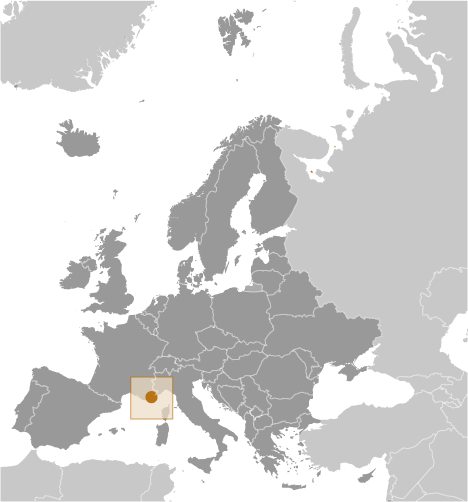
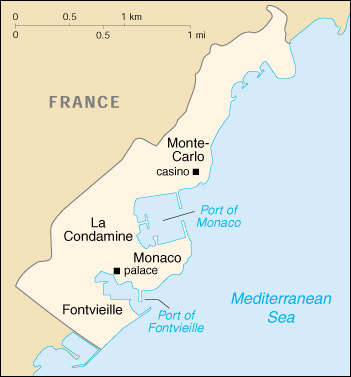
| Click map for larger view |
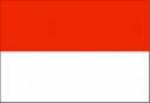
| Click flag for Country Report |



Prince Albert II
Sovereign since 6 April 2005
Sovereign since 6 April 2005
| TRAFFICKING IN PERSONS |
None reported.
Michel Roger
Minister of State since 29 March 2010
Minister of State since 29 March 2010


Princess Caroline of Hanover
Heir Presumptive since 6 April 2005
Heir Presumptive since 6 April 2005