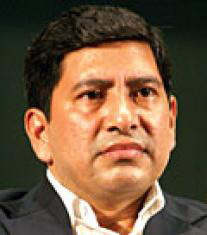
| NEPAL Nepal Nepal Joined United Nations: 14 December 1955 Human Rights as assured by their constitution Click here Updated 19 November 2012 |
| CAPITAL |
| POPULATION |
| CHIEF OF STATE |
| SELECTION PROCESS |
Kathmandu
29,890,686 (July 2012 est.)
Ram Baran Yadav
President since 23 July 2008
President since 23 July 2008
Following power-sharing discussions that lasted several months,
Prachanda was elected as Prime Minister by the Constituent
Assembly on August 15, 2008.
Next elections: TBD
Prachanda was elected as Prime Minister by the Constituent
Assembly on August 15, 2008.
Next elections: TBD
HEAD OF GOVERNMENT
Baburam Bhattarai
Prime Minister since 29 August 2011
Prime Minister since 29 August 2011
| DECLARATION OF HUMAN RIGHTS |
| ETHNIC GROUPS |
Chhettri 15.5%, Brahman-Hill 12.5%, Magar 7%, Tharu 6.6%, Tamang 5.5%, Newar 5.4%, Muslim 4.2%, Kami
3.9%, Yadav 3.9%, other 32.7%, unspecified 2.8% (2001 census)
3.9%, Yadav 3.9%, other 32.7%, unspecified 2.8% (2001 census)
| RELIGIONS |
Hindu 80.6%, Buddhist 10.7%, Muslim 4.2%, Kirant 3.6%, other 0.9% (2001 census)
note: only official Hindu state in the world though transition to secular democracy under consideration
note: only official Hindu state in the world though transition to secular democracy under consideration
| GOVERNMENT STRUCTURE |
Democratic republic with 14 zones (anchal, singular and plural); Legal is based on Hindu legal concepts and English
common law; has not accepted compulsory ICJ jurisdiction
Executive: Under the terms of the Nepalese Interim Constitution the Prime Minister is the Chief of State and Head of
Government selected by the seven parties which make up the governing coalition though power is currently separated
between a President, who serves as Chief of State and a Prime Minister who serves as Head of Government
Elections: President- 15 July 2008; Prime Minister- 15 August 2008; Next election to be determined
Legislative: an Interim Parliament was formed on 15 January 2007 following the promulgation of an interim constitution
elections: last held 10 April 2008; A Constituent Assembly election will be held in Nepal on 22 November 2012 following
the dissolution of the constituent assembly on 27 May.
Judicial: Supreme Court or Sarbochha Adalat (chief justice is appointed by the monarch on recommendation of the
Constitutional Council; the other judges are appointed by the monarch on the recommendation of the Judicial Council)
common law; has not accepted compulsory ICJ jurisdiction
Executive: Under the terms of the Nepalese Interim Constitution the Prime Minister is the Chief of State and Head of
Government selected by the seven parties which make up the governing coalition though power is currently separated
between a President, who serves as Chief of State and a Prime Minister who serves as Head of Government
Elections: President- 15 July 2008; Prime Minister- 15 August 2008; Next election to be determined
Legislative: an Interim Parliament was formed on 15 January 2007 following the promulgation of an interim constitution
elections: last held 10 April 2008; A Constituent Assembly election will be held in Nepal on 22 November 2012 following
the dissolution of the constituent assembly on 27 May.
Judicial: Supreme Court or Sarbochha Adalat (chief justice is appointed by the monarch on recommendation of the
Constitutional Council; the other judges are appointed by the monarch on the recommendation of the Judicial Council)
| LANGUAGES |
Nepali 47.8%, Maithali 12.1%, Bhojpuri 7.4%, Tharu (Dagaura/Rana) 5.8%, Tamang 5.1%, Newar 3.6%, Magar
3.3%, Awadhi 2.4%, other 10%, unspecified 2.5% (2001 census)
note: many in government and business also speak English
3.3%, Awadhi 2.4%, other 10%, unspecified 2.5% (2001 census)
note: many in government and business also speak English
| BRIEF HISTORY |
The toponym "Nepal" may derive from the Sanskrit nipalaya, which means "at the foot of the mountains" or "abode at the
foot," a reference to its location in relation to the Himalayas. Neolithic tools found in the Kathmandu Valley indicate that
people have been living in the Himalayan region for at least 9,000 years. Documented references reach back to the first
millennium BCE, when ancient Indian epics such as the Mahabharata mention the Kiratas, the inhabitants of Nepal. It
appears that people who were probably of Tibeto-Burman ethnicity lived in Nepal 2,500 years ago. Indo-Aryan tribes
began arriving around 1500 BCE from the northwest. Around 1000 BCE, small kingdoms and confederations of clans
arose in the region. One of the earliest confederations was that of the Shakya clan, whose capital was Kapilavastu, near
the present-day border with India. One of its princes was Siddharta Gautama (563–483 BCE), who renounced his
royalty to lead an ascetic life and came to be known as the Buddha ("the enlightened one"). By 260 BCE, most of
northern India was ruled by the Maurya Empire. Although not all of Nepal was under Maurya rule, there is evidence of at
least the influence of Ashoka the Great—the ruler of the Maurya Empire from 273 to 232 BCE and a convert to
Buddhism—have been found in the Kathmandu Valley. In the fourth century CE, the area fell under the Gupta Empire.
Though all of Nepal wasn't under the direct control of the Guptas, they have had an influence on its culture. Between
about 400 and 750 AD, Nepal's present capital Kathmandu was ruled by the Licchavi kingdom. Archaeological evidence
for this period mainly consists of stonework inscriptions, reckoned on two separate, consecutive eras. The Licchavi rulers
arranged for the documentation of information on politics, society, and the economy in the region. Most of the Licchavi
records—written in Sanskrit—are deeds reporting donations to religious foundations, predominantly Hindu temples; and
the last such record was added in 733. The Licchavi dynasty went into decline in the late eighth century and was followed
by a Newari era, from 879, although the extent of their control over the entire country is uncertain. By the late 11th
century, southern Nepal came under the influence of the Chalukaya Empire of southern India. Under the Chalukayas,
Nepal's religious establishment changed as the kings patronised Hinduism instead of the prevailing Buddhism. By the early
12th century, leaders were emerging whose names ended with the Sanskrit suffix malla ("wrestler"). Arimalla was the first
king of this dynasty, which was initially marked by upheaval before the kings consolidated their power over the next 200
years. Thirteenth-century Nepal was occasionally pillaged by the Delhi Sultanate of northern India, and was marked by
increased militarisation. By the late 14th century much of the country came under the rule of the king Jayasthitimalla, who
managed to unite most of the fragmented power bases. This unity was short-lived: in 1482 the kingdom was carved into
three: Kathmandu, Patan, and Bhadgaon. Modern Nepal was created in the latter half of the 18th century when Prithvi
Narayan Shah, the ruler of the small principality of Gorkha, formed a unified country from a number of independent hill
states. The country was frequently called the Gorkha Kingdom. It is a misconception that the Gurkhas took their name
from the Gorkha region of Nepal. The region was given its name after the Gurkhas had established their control of these
areas. Gurkha, also spelt as Gorkha, are people from Nepal who take their name from the legendary eighth century Hindu
warrior-saint Guru Gorakhnath. Gurkhas claim descent from the Hindu Rajputs and Brahmins of Northern India, who
entered modern Nepal from the west. After decades of rivalry between the medieval kingdoms, Prithvi Narayan Shah
dedicated himself at an early age to the conquest of the Kathmandu valley and the creation of a single state, which he
achieved in 1768. After 1800, the heirs of Prithvi Narayan Shah proved unable to maintain firm political control over
Nepal. A period of internal turmoil followed. Rivalry between Nepal and the British East India Company over the
annexation of minor states bordering Nepal eventually led to the Anglo-Nepalese War (1814–16), in which Nepal
suffered a complete rout. The Treaty of Sugauli was signed in 1816, ceding parts of the Terrai and Sikkim to the British in
exchange for Nepalese autonomy. Factionalism among the royal family led to a period of instability after the war. In 1846,
Queen Rajendralakshmi plotted to overthrow Jang Bahadur, a fast-rising military leader who was presenting a threat to
her power. The plot was uncovered and the queen had several hundred princes and chieftains executed after an armed
clash between military personnel and administrators loyal to the queen. This came to be known as the Kot Massacre.
However, Bahadur emerged victorious and founded the Rana lineage. In 1923 Britain and Nepal formally signed an
agreement of friendship, in which Nepal's independence was recognised by the British. In the late 1940s. Meanwhile, with
the annexation of Tibet by the Chinese in 1950, India faced the prospect of an expansive military power operating under a
radically different political philosophy on its long northern borders, and was thus keen to avoid instability in Nepal. Forced
to act, India sponsored both King Tribhuvan as Nepal's new ruler in 1951, and a new government, mostly comprising the
Nepali Congress Party. After years of power wrangling between Tribhuvan's son, King Mahendra and the government,
Mahendra dissolved the democratic experiment in 1960. In 1962 he declared that a "partyless" panchayat system would
govern Nepal. Declaring parliamentary democracy a failure 18 months later, King Mahendra dismissed the Koirala
government and promulgated a new constitution on December 16, 1962. The new constitution established a "partyless"
system of panchayats (councils) which King Mahendra considered to be a democratic form of government closer to
Nepalese traditions. King Mahendra was succeeded by his 27 year-old son, King Birendra, in 1972. In February 1996,
one of the Maoist parties started a bid to replace the parliamentary monarchy with a so-called people's new democratic
republic, through a Maoist revolutionary strategy known as the people's war, which has led to the Nepalese Civil War.
Led by Dr. Baburam Bhattarai and Pushpa Kamal Dahal (also known as "Prachanda"), the insurgency began in five
districts in Nepal: Rolpa, Rukum, Jajarkot, Gorkha, and Sindhuli. The Maoists declared the existence of a provisional
"people's government" at the district level in several locations. At one point, 70% of Nepal's countryside was under
Maoist rule. In June 2001 Crown Prince Dipendra went on a shooting-spree assassinating 11 members of the royal family
including King Birendra and Queen Aishwarya before shooting himself. Due to his survival he temporarily became king
before dying of his wounds resulting in Prince Gyanendra (Birendra's brother) inheriting the throne. Meanwhile, the Maoist
rebellion escalated, and in October 2002 the king temporarily deposed the government and took complete control of it. A
week later he reappointed another government, but the country is still very unstable because of the civil war with the
Maoists, the various political factions, the king's attempts to take more control of the government and worries about the
competence of Gyanendra's son and heir, Prince Paras. King Gyanendra took control once again on February 1, 2005.
Municipal elections in February 2006 were described by the European Union as "a backward step for democracy", as the
major parties boycotted the election and some candidates were forced to run for office by the army.[3] In April 2006
strikes and street protests in Kathmandu forced the king to reinstate the parliament. A seven-party coalition resumed
control of the government and stripped the king of most of his powers. Until May 28, 2008, Nepal was a constitutional
monarchy. On that date the constitution was altered by the Constituent Assembly to make the country a republic.
Following a nation-wide election in April 2008, the newly formed Constituent Assembly declared Nepal a federal
democratic republic and abolished the monarchy at its first meeting the following month. The Constituent Assembly
elected the country's first president in July. Between 2008 and 2011 there have been four different coalition governments,
led twice by the United Communist Party of Nepal-Maoist, which received a plurality of votes in the Constituent
Assembly election, and twice by the Communist Party of Nepal-United Marxist-Leninist. In November 2011, Maoist
Prime Minister Baburam BHATTARAI, who was elected in August 2011, and the leaders of the main political parties
signed an agreement seeking to conclude the peace process and recommit the Constituent Assembly to finish drafting the
constitution by a May 2012 deadline. That deadline was once again extended to 22 November 2012.
Sources Wikipedia: History of Nepal
foot," a reference to its location in relation to the Himalayas. Neolithic tools found in the Kathmandu Valley indicate that
people have been living in the Himalayan region for at least 9,000 years. Documented references reach back to the first
millennium BCE, when ancient Indian epics such as the Mahabharata mention the Kiratas, the inhabitants of Nepal. It
appears that people who were probably of Tibeto-Burman ethnicity lived in Nepal 2,500 years ago. Indo-Aryan tribes
began arriving around 1500 BCE from the northwest. Around 1000 BCE, small kingdoms and confederations of clans
arose in the region. One of the earliest confederations was that of the Shakya clan, whose capital was Kapilavastu, near
the present-day border with India. One of its princes was Siddharta Gautama (563–483 BCE), who renounced his
royalty to lead an ascetic life and came to be known as the Buddha ("the enlightened one"). By 260 BCE, most of
northern India was ruled by the Maurya Empire. Although not all of Nepal was under Maurya rule, there is evidence of at
least the influence of Ashoka the Great—the ruler of the Maurya Empire from 273 to 232 BCE and a convert to
Buddhism—have been found in the Kathmandu Valley. In the fourth century CE, the area fell under the Gupta Empire.
Though all of Nepal wasn't under the direct control of the Guptas, they have had an influence on its culture. Between
about 400 and 750 AD, Nepal's present capital Kathmandu was ruled by the Licchavi kingdom. Archaeological evidence
for this period mainly consists of stonework inscriptions, reckoned on two separate, consecutive eras. The Licchavi rulers
arranged for the documentation of information on politics, society, and the economy in the region. Most of the Licchavi
records—written in Sanskrit—are deeds reporting donations to religious foundations, predominantly Hindu temples; and
the last such record was added in 733. The Licchavi dynasty went into decline in the late eighth century and was followed
by a Newari era, from 879, although the extent of their control over the entire country is uncertain. By the late 11th
century, southern Nepal came under the influence of the Chalukaya Empire of southern India. Under the Chalukayas,
Nepal's religious establishment changed as the kings patronised Hinduism instead of the prevailing Buddhism. By the early
12th century, leaders were emerging whose names ended with the Sanskrit suffix malla ("wrestler"). Arimalla was the first
king of this dynasty, which was initially marked by upheaval before the kings consolidated their power over the next 200
years. Thirteenth-century Nepal was occasionally pillaged by the Delhi Sultanate of northern India, and was marked by
increased militarisation. By the late 14th century much of the country came under the rule of the king Jayasthitimalla, who
managed to unite most of the fragmented power bases. This unity was short-lived: in 1482 the kingdom was carved into
three: Kathmandu, Patan, and Bhadgaon. Modern Nepal was created in the latter half of the 18th century when Prithvi
Narayan Shah, the ruler of the small principality of Gorkha, formed a unified country from a number of independent hill
states. The country was frequently called the Gorkha Kingdom. It is a misconception that the Gurkhas took their name
from the Gorkha region of Nepal. The region was given its name after the Gurkhas had established their control of these
areas. Gurkha, also spelt as Gorkha, are people from Nepal who take their name from the legendary eighth century Hindu
warrior-saint Guru Gorakhnath. Gurkhas claim descent from the Hindu Rajputs and Brahmins of Northern India, who
entered modern Nepal from the west. After decades of rivalry between the medieval kingdoms, Prithvi Narayan Shah
dedicated himself at an early age to the conquest of the Kathmandu valley and the creation of a single state, which he
achieved in 1768. After 1800, the heirs of Prithvi Narayan Shah proved unable to maintain firm political control over
Nepal. A period of internal turmoil followed. Rivalry between Nepal and the British East India Company over the
annexation of minor states bordering Nepal eventually led to the Anglo-Nepalese War (1814–16), in which Nepal
suffered a complete rout. The Treaty of Sugauli was signed in 1816, ceding parts of the Terrai and Sikkim to the British in
exchange for Nepalese autonomy. Factionalism among the royal family led to a period of instability after the war. In 1846,
Queen Rajendralakshmi plotted to overthrow Jang Bahadur, a fast-rising military leader who was presenting a threat to
her power. The plot was uncovered and the queen had several hundred princes and chieftains executed after an armed
clash between military personnel and administrators loyal to the queen. This came to be known as the Kot Massacre.
However, Bahadur emerged victorious and founded the Rana lineage. In 1923 Britain and Nepal formally signed an
agreement of friendship, in which Nepal's independence was recognised by the British. In the late 1940s. Meanwhile, with
the annexation of Tibet by the Chinese in 1950, India faced the prospect of an expansive military power operating under a
radically different political philosophy on its long northern borders, and was thus keen to avoid instability in Nepal. Forced
to act, India sponsored both King Tribhuvan as Nepal's new ruler in 1951, and a new government, mostly comprising the
Nepali Congress Party. After years of power wrangling between Tribhuvan's son, King Mahendra and the government,
Mahendra dissolved the democratic experiment in 1960. In 1962 he declared that a "partyless" panchayat system would
govern Nepal. Declaring parliamentary democracy a failure 18 months later, King Mahendra dismissed the Koirala
government and promulgated a new constitution on December 16, 1962. The new constitution established a "partyless"
system of panchayats (councils) which King Mahendra considered to be a democratic form of government closer to
Nepalese traditions. King Mahendra was succeeded by his 27 year-old son, King Birendra, in 1972. In February 1996,
one of the Maoist parties started a bid to replace the parliamentary monarchy with a so-called people's new democratic
republic, through a Maoist revolutionary strategy known as the people's war, which has led to the Nepalese Civil War.
Led by Dr. Baburam Bhattarai and Pushpa Kamal Dahal (also known as "Prachanda"), the insurgency began in five
districts in Nepal: Rolpa, Rukum, Jajarkot, Gorkha, and Sindhuli. The Maoists declared the existence of a provisional
"people's government" at the district level in several locations. At one point, 70% of Nepal's countryside was under
Maoist rule. In June 2001 Crown Prince Dipendra went on a shooting-spree assassinating 11 members of the royal family
including King Birendra and Queen Aishwarya before shooting himself. Due to his survival he temporarily became king
before dying of his wounds resulting in Prince Gyanendra (Birendra's brother) inheriting the throne. Meanwhile, the Maoist
rebellion escalated, and in October 2002 the king temporarily deposed the government and took complete control of it. A
week later he reappointed another government, but the country is still very unstable because of the civil war with the
Maoists, the various political factions, the king's attempts to take more control of the government and worries about the
competence of Gyanendra's son and heir, Prince Paras. King Gyanendra took control once again on February 1, 2005.
Municipal elections in February 2006 were described by the European Union as "a backward step for democracy", as the
major parties boycotted the election and some candidates were forced to run for office by the army.[3] In April 2006
strikes and street protests in Kathmandu forced the king to reinstate the parliament. A seven-party coalition resumed
control of the government and stripped the king of most of his powers. Until May 28, 2008, Nepal was a constitutional
monarchy. On that date the constitution was altered by the Constituent Assembly to make the country a republic.
Following a nation-wide election in April 2008, the newly formed Constituent Assembly declared Nepal a federal
democratic republic and abolished the monarchy at its first meeting the following month. The Constituent Assembly
elected the country's first president in July. Between 2008 and 2011 there have been four different coalition governments,
led twice by the United Communist Party of Nepal-Maoist, which received a plurality of votes in the Constituent
Assembly election, and twice by the Communist Party of Nepal-United Marxist-Leninist. In November 2011, Maoist
Prime Minister Baburam BHATTARAI, who was elected in August 2011, and the leaders of the main political parties
signed an agreement seeking to conclude the peace process and recommit the Constituent Assembly to finish drafting the
constitution by a May 2012 deadline. That deadline was once again extended to 22 November 2012.
Sources Wikipedia: History of Nepal
| ECONOMIC OVERVIEW |
Nepal is among the poorest and least developed countries in the world, with with about one-third of its population living
below the poverty line. Agriculture is the mainstay of the economy, providing a livelihood for three-fourths of the
population and accounting for about one-third of GDP. Industrial activity mainly involves the processing of agricultural
products, including pulses, jute, sugarcane, tobacco, and grain. Nepal has considerable scope for exploiting its potential in
hydropower, with an estimated 42,000 MW of feasible capacity, but political instability hampers foreign investment.
Additional challenges to Nepal's growth include its landlocked geographic location, civil strife and labor unrest, and its
susceptibility to natural disaster.
Sources CIA World Factbook (select Nepal)
below the poverty line. Agriculture is the mainstay of the economy, providing a livelihood for three-fourths of the
population and accounting for about one-third of GDP. Industrial activity mainly involves the processing of agricultural
products, including pulses, jute, sugarcane, tobacco, and grain. Nepal has considerable scope for exploiting its potential in
hydropower, with an estimated 42,000 MW of feasible capacity, but political instability hampers foreign investment.
Additional challenges to Nepal's growth include its landlocked geographic location, civil strife and labor unrest, and its
susceptibility to natural disaster.
Sources CIA World Factbook (select Nepal)
| POLITICAL CLIMATE |
Major parties such as the Unified Communist Party of Nepal (Maoist), Communist Party of Nepal (Unified Marxist-
Leninist) (CPN UML) and the Nepali Congress agreed to write a constitution to replace the interim one within 2 years.
However, uncooperative and "selfish" behavior of the political parties has been cited[by whom?] as the major cause
behind the de-railing of the peace process.
The Maoists, as the largest party of the country, took power right after the elections and named Pushpa Kamal Dahal
(Prachanda) as the Prime Minister of the country. CPN UML also joined this government, but the Nepali Congress took
the part of the main opposition party. People soon saw that the country's situation deteriorated and political turmoils were
in store.[citation needed] Prachanda soon fell into a dispute with the then army chief Rookmangud Katwal and decided to
sack him. But the President Ram Baran Yadav, as the supreme head of military power in the country, revoked this
decision and gave the army chief additional time in office. An angry Prachanda and his party quit the government, majorly
citing this reason and decided to operate as the main opposition to the government headed by CPN UML and its co-
partner Nepali Congress afterwards. Madhav Kumar Nepal was named the Prime Minister.
The Maoists have been to this date[when?] demanding civilian supremacy over the army.
The Maoists have been forcing closures - commonly known as bandhs - in the country, and have also declared
autonomous states for almost all the ethnic groups in Nepal - seen[by whom?] as a part of revenge against the action that
foiled their decision to sack the army chief.
Political leaders continue to discuss plans to end this turmoil, but none of the talks have been successful. Rising inflation,
economic downturn, poverty, insecurity and uncertainty are the major problems. Many analysts[which?] opine that
freedom has brought anarchy to the country. Many[who?] doubt that the political parties will succeed in writing a
constitution.
On May 2012 constitution assembly was dissolved and another election to select the constitution assembly members was
decleared by Dr. Baburam Bhattarai
Source: Wikipedia: Politics of Nepal
Leninist) (CPN UML) and the Nepali Congress agreed to write a constitution to replace the interim one within 2 years.
However, uncooperative and "selfish" behavior of the political parties has been cited[by whom?] as the major cause
behind the de-railing of the peace process.
The Maoists, as the largest party of the country, took power right after the elections and named Pushpa Kamal Dahal
(Prachanda) as the Prime Minister of the country. CPN UML also joined this government, but the Nepali Congress took
the part of the main opposition party. People soon saw that the country's situation deteriorated and political turmoils were
in store.[citation needed] Prachanda soon fell into a dispute with the then army chief Rookmangud Katwal and decided to
sack him. But the President Ram Baran Yadav, as the supreme head of military power in the country, revoked this
decision and gave the army chief additional time in office. An angry Prachanda and his party quit the government, majorly
citing this reason and decided to operate as the main opposition to the government headed by CPN UML and its co-
partner Nepali Congress afterwards. Madhav Kumar Nepal was named the Prime Minister.
The Maoists have been to this date[when?] demanding civilian supremacy over the army.
The Maoists have been forcing closures - commonly known as bandhs - in the country, and have also declared
autonomous states for almost all the ethnic groups in Nepal - seen[by whom?] as a part of revenge against the action that
foiled their decision to sack the army chief.
Political leaders continue to discuss plans to end this turmoil, but none of the talks have been successful. Rising inflation,
economic downturn, poverty, insecurity and uncertainty are the major problems. Many analysts[which?] opine that
freedom has brought anarchy to the country. Many[who?] doubt that the political parties will succeed in writing a
constitution.
On May 2012 constitution assembly was dissolved and another election to select the constitution assembly members was
decleared by Dr. Baburam Bhattarai
Source: Wikipedia: Politics of Nepal
| INTERNATIONAL DISPUTES |
Joint border commission continues to work on contested sections of boundary with India, including the 400 square
kilometer dispute over the source of the Kalapani River; India has instituted a stricter border regime to restrict transit of
Maoist insurgents and illegal cross-border activities; approximately 106,000 Bhutanese Lhotshampas (Hindus) have been
confined in refugee camps in southeastern Nepal since 1990
kilometer dispute over the source of the Kalapani River; India has instituted a stricter border regime to restrict transit of
Maoist insurgents and illegal cross-border activities; approximately 106,000 Bhutanese Lhotshampas (Hindus) have been
confined in refugee camps in southeastern Nepal since 1990


| REFUGEES AND INTERNALLY DISPLACED PERSONS (IDP) |
Refugees (country of origin): 74,536 (Bhutan); 15,000 (Tibet/China) (2010)
IDPs: 50,000 (remaining from ten-year Maoist insurgency that officially ended in 2006; displacement spread across the
country) (2012)
IDPs: 50,000 (remaining from ten-year Maoist insurgency that officially ended in 2006; displacement spread across the
country) (2012)
| TRAFFICKING IN PERSONS |
None reported.
| HUMAN RIGHTS STATEMENTS, ANALYSIS AND CRITIQUES |
2011 Human Rights Report: Nepal
Bureau of Democracy, Human Rights, and Labor
2011 Country Reports on Human Rights Practices
May 25, 2012
Nepal is a federal democratic republic. The political system is based on the Interim Constitution of Nepal 2063 (2007), with a prime
minister as the chief executive and a 601-member Constituent Assembly, which is responsible for drafting a new constitution. The
Constituent Assembly extended the deadline for the completion of a new constitution several times, most recently to May 27, 2012.
Baburam Bhattarai of the Unified Communist Party of Nepal-Maoist was elected prime minister by parliament on August 28; he is
the fourth prime minister since the 2008 Constituent Assembly election. Domestic and international observers generally
characterized the 2008 election results as credible, although there were reports of political violence, intimidation, and voting
irregularities. Security forces reported to civilian authorities, but there were frequent instances in which elements of the security
forces acted independently of civilian control.
The most significant human rights problems were abuses committed by the security forces (including members of the Nepal Army,
Nepal Police, and Armed Police Force), which were responsible for extrajudicial killings, torture, and arbitrary arrest and detention;
the government’s failure to effectively enforce the law, which undermined the freedoms of speech and press; and continuing
violence and lawbreaking by illegal armed groups.
Other human rights problems included extremely poor prison conditions, with conditions at detention centers even worse. Officials
sometimes used antiterrorism legislation to justify excessive use of force. Corruption existed at all levels of government and the
police, and the courts remained vulnerable to political pressure, bribery, and intimidation. The government sometimes restricted
freedom of assembly. The government limited freedoms for refugees, particularly for the Tibetan community. Discrimination
against women was a problem, and citizenship laws that discriminate based on gender contributed to statelessness. Domestic
violence against women remained a serious problem, and dowry-related deaths occurred. Violence against children was
widespread, although rarely prosecuted, and commercial sexual exploitation of children remained a serious problem. Discrimination
against persons with disabilities, some ethnic groups, and persons with HIV/AIDS was a problem. Violence associated with caste-
based discrimination occurred. There were some restrictions on worker rights, and forced and bonded labor and child labor
remained significant problems.
Impunity for human rights violators continued to be a serious problem. The government took limited steps to prosecute or punish
officials who committed abuses, whether in the security forces or elsewhere in the government. Investigations into individual
abuses and legal punishment for perpetrators sometimes occurred, but for many abuses, including serious abuses that occurred
during the armed insurgency, a lack of accountability created an atmosphere of impunity. Authorities failed to implement court-
ordered arrests of military personnel, Maoists, and other politically connected individuals accused or convicted of human rights
violations.
Numerous armed groups, largely in the Tarai region, attacked civilians, government officials, members of particular ethnic groups,
each other, and Maoist militias. Some members of the Maoist-affiliated Young Communist League (YCL) were responsible for
extortion and intimidation, although the number of incidents declined during the year. Members of other small, ethnically based
armed groups were responsible for killings, abductions, extortion, and intimidation. Armed groups were responsible for numerous
disappearances (mainly in the Tarai region). Armed groups, criminals, and political parties used threats of violence to intimidate
journalists throughout the country.
Click here to read more »
Bureau of Democracy, Human Rights, and Labor
2011 Country Reports on Human Rights Practices
May 25, 2012
Nepal is a federal democratic republic. The political system is based on the Interim Constitution of Nepal 2063 (2007), with a prime
minister as the chief executive and a 601-member Constituent Assembly, which is responsible for drafting a new constitution. The
Constituent Assembly extended the deadline for the completion of a new constitution several times, most recently to May 27, 2012.
Baburam Bhattarai of the Unified Communist Party of Nepal-Maoist was elected prime minister by parliament on August 28; he is
the fourth prime minister since the 2008 Constituent Assembly election. Domestic and international observers generally
characterized the 2008 election results as credible, although there were reports of political violence, intimidation, and voting
irregularities. Security forces reported to civilian authorities, but there were frequent instances in which elements of the security
forces acted independently of civilian control.
The most significant human rights problems were abuses committed by the security forces (including members of the Nepal Army,
Nepal Police, and Armed Police Force), which were responsible for extrajudicial killings, torture, and arbitrary arrest and detention;
the government’s failure to effectively enforce the law, which undermined the freedoms of speech and press; and continuing
violence and lawbreaking by illegal armed groups.
Other human rights problems included extremely poor prison conditions, with conditions at detention centers even worse. Officials
sometimes used antiterrorism legislation to justify excessive use of force. Corruption existed at all levels of government and the
police, and the courts remained vulnerable to political pressure, bribery, and intimidation. The government sometimes restricted
freedom of assembly. The government limited freedoms for refugees, particularly for the Tibetan community. Discrimination
against women was a problem, and citizenship laws that discriminate based on gender contributed to statelessness. Domestic
violence against women remained a serious problem, and dowry-related deaths occurred. Violence against children was
widespread, although rarely prosecuted, and commercial sexual exploitation of children remained a serious problem. Discrimination
against persons with disabilities, some ethnic groups, and persons with HIV/AIDS was a problem. Violence associated with caste-
based discrimination occurred. There were some restrictions on worker rights, and forced and bonded labor and child labor
remained significant problems.
Impunity for human rights violators continued to be a serious problem. The government took limited steps to prosecute or punish
officials who committed abuses, whether in the security forces or elsewhere in the government. Investigations into individual
abuses and legal punishment for perpetrators sometimes occurred, but for many abuses, including serious abuses that occurred
during the armed insurgency, a lack of accountability created an atmosphere of impunity. Authorities failed to implement court-
ordered arrests of military personnel, Maoists, and other politically connected individuals accused or convicted of human rights
violations.
Numerous armed groups, largely in the Tarai region, attacked civilians, government officials, members of particular ethnic groups,
each other, and Maoist militias. Some members of the Maoist-affiliated Young Communist League (YCL) were responsible for
extortion and intimidation, although the number of incidents declined during the year. Members of other small, ethnically based
armed groups were responsible for killings, abductions, extortion, and intimidation. Armed groups were responsible for numerous
disappearances (mainly in the Tarai region). Armed groups, criminals, and political parties used threats of violence to intimidate
journalists throughout the country.
Click here to read more »
19 June 2012
Committee on the Rights of the Child
Sixtieth session
29 May – 15 June 2012
Consideration of reports submitted by States parties under article 12, paragraph 1, of the Optional Protocol to the
Convention on the Rights of the Child on the sale of children, child prostitution and child pornography
Concluding observations: Nepal
I. Introduction
2. The Committee welcomes the submission of the State party‘s initial report, which was informative, analytical and self-critical,
and the written replies to its list of issues (CRC/C/OPSC/NPL/Q/Add.1). The Committee appreciates the constructive dialogue held
with the State party delegation.
3. The Committee reminds the State party that these concluding observations should be read in conjunction with its concluding
observations adopted on the fourth report of the State party under the Convention on the Rights of the Child (CRC/C/15/Add.261)
on 21 September 2005.
II. General Observations
Positive aspects
4. The Committee welcomes the various positive measures in areas relevant to the implementation of the Optional Protocol
(hereafter, the Protocol), in particular the adoption of:
(a) Caste-Based Discrimination and Untouchability (Crime and Offences) Act in May 2011;
(b) Domestic Violence Control and Punishment Act in April 2009;
(c) Human Trafficking and Transportation Control Act in July 2007 and its 2008 Regulations;
(d) Minimum Standard Rules for Running Child Welfare Homes in 2007;
(e) Gender Equality Act in 2006
III. Data
7. While noting with appreciation the data contained in the State party‘s report and noting the collection of relevant data by the
Nepal Police, the Office of the General Attorney and the Supreme Court, the Committee is however concerned about the lack of a
comprehensive data collection system which enables the record, referral and follow-up of all cases covered by the Protocol and to
analyse and assess progress in the implementation of the Protocol.
8. The Committee urges the State party to set up a comprehensive and centralized data collection system with the support of its
partners and to analyse the data collected as a basis for assessing progress achieved and to help design policies and programmes to
implement the Protocol. The data should be disaggregated by age, sex, geographic location, ethnicity and socio-economic
background to facilitate analysis on the offences covered by the Protocol. The Committee recommends that the State party
strengthen its technical cooperation with, among others, UNICEF and the United Nations Development Programme in this regard.
IV. General measures of implementation
Legislation
9. While commending the State party for the numerous legislations adopted in relation to the Protocol, the Committee expresses
concern that the State party has not taken the necessary measures to ensure the full incorporation of the Protocol into its domestic
legal system. The Committee is also concerned that the State party has not yet finalized the revision of the Children‘s Act of 1992
which only applies to children under the age of 16 years.
10. The Committee urges the State party to take all necessary measures to ensure the full incorporation of the Protocol in its
domestic legal system. The Committee also urges the State party to speed up the revision process of the Children’s Act and ensure
that this act and all child-related laws protect all children below the age of 18 years.
Click here to read more »
Committee on the Rights of the Child
Sixtieth session
29 May – 15 June 2012
Consideration of reports submitted by States parties under article 12, paragraph 1, of the Optional Protocol to the
Convention on the Rights of the Child on the sale of children, child prostitution and child pornography
Concluding observations: Nepal
I. Introduction
2. The Committee welcomes the submission of the State party‘s initial report, which was informative, analytical and self-critical,
and the written replies to its list of issues (CRC/C/OPSC/NPL/Q/Add.1). The Committee appreciates the constructive dialogue held
with the State party delegation.
3. The Committee reminds the State party that these concluding observations should be read in conjunction with its concluding
observations adopted on the fourth report of the State party under the Convention on the Rights of the Child (CRC/C/15/Add.261)
on 21 September 2005.
II. General Observations
Positive aspects
4. The Committee welcomes the various positive measures in areas relevant to the implementation of the Optional Protocol
(hereafter, the Protocol), in particular the adoption of:
(a) Caste-Based Discrimination and Untouchability (Crime and Offences) Act in May 2011;
(b) Domestic Violence Control and Punishment Act in April 2009;
(c) Human Trafficking and Transportation Control Act in July 2007 and its 2008 Regulations;
(d) Minimum Standard Rules for Running Child Welfare Homes in 2007;
(e) Gender Equality Act in 2006
III. Data
7. While noting with appreciation the data contained in the State party‘s report and noting the collection of relevant data by the
Nepal Police, the Office of the General Attorney and the Supreme Court, the Committee is however concerned about the lack of a
comprehensive data collection system which enables the record, referral and follow-up of all cases covered by the Protocol and to
analyse and assess progress in the implementation of the Protocol.
8. The Committee urges the State party to set up a comprehensive and centralized data collection system with the support of its
partners and to analyse the data collected as a basis for assessing progress achieved and to help design policies and programmes to
implement the Protocol. The data should be disaggregated by age, sex, geographic location, ethnicity and socio-economic
background to facilitate analysis on the offences covered by the Protocol. The Committee recommends that the State party
strengthen its technical cooperation with, among others, UNICEF and the United Nations Development Programme in this regard.
IV. General measures of implementation
Legislation
9. While commending the State party for the numerous legislations adopted in relation to the Protocol, the Committee expresses
concern that the State party has not taken the necessary measures to ensure the full incorporation of the Protocol into its domestic
legal system. The Committee is also concerned that the State party has not yet finalized the revision of the Children‘s Act of 1992
which only applies to children under the age of 16 years.
10. The Committee urges the State party to take all necessary measures to ensure the full incorporation of the Protocol in its
domestic legal system. The Committee also urges the State party to speed up the revision process of the Children’s Act and ensure
that this act and all child-related laws protect all children below the age of 18 years.
Click here to read more »
Freedom In The World 2012 Report
Political Rights Score: 4
Civil Liberties Score: 4
Status: Partly Free
Overview
After a delay of roughly seven months, the Constituent Assembly in February 2011 chose Nepal’s fourth prime minister in three
years. However, political instability and violence continued, and the temporary legislature missed its latest deadline to adopt a
permanent constitution. The new prime minister, Jhalanath Khanal, consequently resigned in August, and was replaced by Maoist
candidate Baburam Bhattarai. Meanwhile, in addition to more recent abuses, human rights groups criticized the ongoing impunity
for crimes committed during the civil war.
After a series of delays, CA elections were finally held in April 2008, and international observers deemed them generally free and
fair, with few incidents of violence on election day. However, the campaign period was marred by regular attacks on candidates
and campaign workers. The Maoists captured 220 of the 601 seats. Its nearest rival was the NC (110 seats), followed by the CPN-
UML (103 seats), the Madhesi People’s Rights Forum (52 seats), and a range of smaller parties and independents. The CA quickly
voted to replace the monarchy with a republican system, and in July it chose the NC’s Ram Baran Yadav as president. Maoist
leader Prachanda was elected prime minister in August, and the Maoists formed a coalition government.
Frustrated by the military’s resistance to integration with former Maoist fighters, Prachanda in May 2009 ordered the firing of army
chief Rookmangud Katawal. However, the move drew objections from other parties, and the president, who technically controlled
such decisions, ultimately rejected the dismissal. Prachanda resigned, and a new government led by the CPN-UML was formed.
The Maoists subsequently mounted frequent protests and physically blockaded the CA for a time.
Ongoing Maoist obstruction contributed to Prime Minister Madhav Kumar Nepal’s decision to resign in June 2010. After months of
disagreement, the CA finally chose Jhalanath Khanal of the CPN-UML as the new prime minister in February 2011. He too was
forced from office in August as the major parties failed to make any progress in drafting a permanent constitution. Maoist candidate
Baburam Bhattarai was chosen to lead a new coalition government, but his pledges to promote interparty reconciliation and pass a
constitution had yet to bear fruit at year’s end.
Nepal is not an electoral democracy. The CA elections held in April 2008 were found to be “generally organized in a professional
and transparent manner” by a European Union observation team. However, the observers noted that they did not fully meet
international standards due to restrictions on freedoms of assembly, movement, and expression.
Click here to read more »
Political Rights Score: 4
Civil Liberties Score: 4
Status: Partly Free
Overview
After a delay of roughly seven months, the Constituent Assembly in February 2011 chose Nepal’s fourth prime minister in three
years. However, political instability and violence continued, and the temporary legislature missed its latest deadline to adopt a
permanent constitution. The new prime minister, Jhalanath Khanal, consequently resigned in August, and was replaced by Maoist
candidate Baburam Bhattarai. Meanwhile, in addition to more recent abuses, human rights groups criticized the ongoing impunity
for crimes committed during the civil war.
After a series of delays, CA elections were finally held in April 2008, and international observers deemed them generally free and
fair, with few incidents of violence on election day. However, the campaign period was marred by regular attacks on candidates
and campaign workers. The Maoists captured 220 of the 601 seats. Its nearest rival was the NC (110 seats), followed by the CPN-
UML (103 seats), the Madhesi People’s Rights Forum (52 seats), and a range of smaller parties and independents. The CA quickly
voted to replace the monarchy with a republican system, and in July it chose the NC’s Ram Baran Yadav as president. Maoist
leader Prachanda was elected prime minister in August, and the Maoists formed a coalition government.
Frustrated by the military’s resistance to integration with former Maoist fighters, Prachanda in May 2009 ordered the firing of army
chief Rookmangud Katawal. However, the move drew objections from other parties, and the president, who technically controlled
such decisions, ultimately rejected the dismissal. Prachanda resigned, and a new government led by the CPN-UML was formed.
The Maoists subsequently mounted frequent protests and physically blockaded the CA for a time.
Ongoing Maoist obstruction contributed to Prime Minister Madhav Kumar Nepal’s decision to resign in June 2010. After months of
disagreement, the CA finally chose Jhalanath Khanal of the CPN-UML as the new prime minister in February 2011. He too was
forced from office in August as the major parties failed to make any progress in drafting a permanent constitution. Maoist candidate
Baburam Bhattarai was chosen to lead a new coalition government, but his pledges to promote interparty reconciliation and pass a
constitution had yet to bear fruit at year’s end.
Nepal is not an electoral democracy. The CA elections held in April 2008 were found to be “generally organized in a professional
and transparent manner” by a European Union observation team. However, the observers noted that they did not fully meet
international standards due to restrictions on freedoms of assembly, movement, and expression.
Click here to read more »
6 October 2012
Nepal: Promotion of War Crimes Suspect Affront to Justice
The Nepali cabinet’s decision on October 4, 2012, to promote a colonel suspected of involvement in war crimes to the rank of
brigadier general is a slap in the face for the victims of Nepal’s protracted civil war, Human Rights Watch, Amnesty International,
and the International Commission of Jurists said today.
The United Nations and the Nepali National Human Rights Commission compiled credible evidence of systematic enforced
disappearances and torture at Bhairabnath Battalion headquarters in Kathmandu under the command of the colonel, Raju Basnet, in
2003. On the basis of this evidence, in 2007 Nepal’s Supreme Court ordered an independent investigation and prosecution of these
human rights violations. That order includes allegations that Basnet personally committed acts of torture.
“Nepal’s cabinet has thrown the entire idea of holding soldiers accountable for abuses out the door,” said Brad Adams, Asia
director at Human Rights Watch. “This cynical and reprehensible decision seriously undermines respect for human rights and
contradicts Nepal’s assurances to the international community that it would hold those implicated in wartime crimes to account.”
Basnet’s promotion occurred under the leadership of the United Communist Party of Nepal – Maoist (UCPN-M). During the war,
the UCPN-M was itself responsible for enforced disappearances, torture, and unlawful killings, and has not had to answer for a
single wartime violation, the groups said. Agni Sapkota, a UCPN-M member, was appointed to a cabinet position even as he was
under a court-ordered police investigation for his involvement in a 2005 unlawful killing.
“Despite years of promises, the Maoists and the army have shown themselves united in one crucial aspect: contempt for the notion
of accountability for criminal acts and victims’ rights to justice, truth, and reparation,” said Polly Truscott, Amnesty International’s
South Asia director.
International law applicable in Nepal obligates the government to investigate and prosecute serious violations of international human
rights and humanitarian law. Consistent with international legal principles, officials implicated in serious offenses should be removed
or suspended pending completion of full investigations, with full respect for their due process rights.
The Nepali Supreme Court in an August decision directed the government to put in place appropriate legislation and guidelines to
ensure that security officials are vetted before they are appointed or promoted to high-level positions.
Click here to read more »
Nepal: Promotion of War Crimes Suspect Affront to Justice
The Nepali cabinet’s decision on October 4, 2012, to promote a colonel suspected of involvement in war crimes to the rank of
brigadier general is a slap in the face for the victims of Nepal’s protracted civil war, Human Rights Watch, Amnesty International,
and the International Commission of Jurists said today.
The United Nations and the Nepali National Human Rights Commission compiled credible evidence of systematic enforced
disappearances and torture at Bhairabnath Battalion headquarters in Kathmandu under the command of the colonel, Raju Basnet, in
2003. On the basis of this evidence, in 2007 Nepal’s Supreme Court ordered an independent investigation and prosecution of these
human rights violations. That order includes allegations that Basnet personally committed acts of torture.
“Nepal’s cabinet has thrown the entire idea of holding soldiers accountable for abuses out the door,” said Brad Adams, Asia
director at Human Rights Watch. “This cynical and reprehensible decision seriously undermines respect for human rights and
contradicts Nepal’s assurances to the international community that it would hold those implicated in wartime crimes to account.”
Basnet’s promotion occurred under the leadership of the United Communist Party of Nepal – Maoist (UCPN-M). During the war,
the UCPN-M was itself responsible for enforced disappearances, torture, and unlawful killings, and has not had to answer for a
single wartime violation, the groups said. Agni Sapkota, a UCPN-M member, was appointed to a cabinet position even as he was
under a court-ordered police investigation for his involvement in a 2005 unlawful killing.
“Despite years of promises, the Maoists and the army have shown themselves united in one crucial aspect: contempt for the notion
of accountability for criminal acts and victims’ rights to justice, truth, and reparation,” said Polly Truscott, Amnesty International’s
South Asia director.
International law applicable in Nepal obligates the government to investigate and prosecute serious violations of international human
rights and humanitarian law. Consistent with international legal principles, officials implicated in serious offenses should be removed
or suspended pending completion of full investigations, with full respect for their due process rights.
The Nepali Supreme Court in an August decision directed the government to put in place appropriate legislation and guidelines to
ensure that security officials are vetted before they are appointed or promoted to high-level positions.
Click here to read more »
Nepal: Rights Groups Condemn Amnesty Ordinance
Respect Obligations to Prosecute Worst Crimes From Civil War Era
August 31, 2012
(New York) – President Ram Baran Yadav of Nepal should return an executive ordinance that would effectively permit amnesty for
crimes committed during the country’s civil war from 1996 to 2006, four human rights groups said today in a letter to the
president. The president should return the ordinance to the government and remind it of its obligations under both national and
international law to prosecute acts that constitute crimes under international law, the groups said.
Amnesty International, Human Rights Watch, the International Commission of Jurists (ICJ), and TRIAL (Swiss Association against
Impunity) obtained a copy of the ordinance on August 28, 2012. It proposes the establishment of a Commission of Inquiry on
Disappeared Persons, Truth and Reconciliation with absolute discretion to recommend the granting of amnesties for serious human
rights violations, including crimes under international law. The cabinet delivered the ordinance directly to President Yadav without
any consultation – either with the public or the National Human Rights Commission.
“This ordinance in its current form represents nothing more than a blatant attempt to sweep aside years of efforts to establish
properly constituted, properly mandated, independent commissions on disappearances and on truth and reconciliation,” said Sam
Zarifi, Asia director at the International Commission of Jurists. “Far from delivering justice, truth, and reparation after years of
grievances, the proposed commission would allow amnesty for crimes under international law, which flies in the face of Nepal’s
obligations under both national and international law.”
The rights groups have previously called on the government to ensure that legislation establishing transitional justice mechanisms
conforms to international law and standards, including ensuring that amnesty is not granted for crimes under international law.
These include extrajudicial executions, sexual violence committed as war crimes or crimes against humanity, enforced
disappearance, and torture.
The groups urged President Yadav to return the ordinance, guarantee a fair and inclusive process for the establishment of
transitional justice mechanisms, and ensure that the government meets its obligations under national and international law.
Granting amnesty for acts that constitute crimes under international law – such as torture, war crimes, crimes against humanity,
and genocide – violates the duties of countries under international law to prosecute these crimes, the groups said. A developing
body of law, standards, and decisions by international bodies highlights the prohibition on amnesty for these crimes. Among other
international standards, such a prohibition is included in article 24 of the United Nations Updated Set of Principles for the Promotion
and Protection of Human Rights through Action to Combat Impunity and the International Covenant on Civil and Political Rights, as
affirmed by the UN Human Rights Committee.
Click here to read more »
Respect Obligations to Prosecute Worst Crimes From Civil War Era
August 31, 2012
(New York) – President Ram Baran Yadav of Nepal should return an executive ordinance that would effectively permit amnesty for
crimes committed during the country’s civil war from 1996 to 2006, four human rights groups said today in a letter to the
president. The president should return the ordinance to the government and remind it of its obligations under both national and
international law to prosecute acts that constitute crimes under international law, the groups said.
Amnesty International, Human Rights Watch, the International Commission of Jurists (ICJ), and TRIAL (Swiss Association against
Impunity) obtained a copy of the ordinance on August 28, 2012. It proposes the establishment of a Commission of Inquiry on
Disappeared Persons, Truth and Reconciliation with absolute discretion to recommend the granting of amnesties for serious human
rights violations, including crimes under international law. The cabinet delivered the ordinance directly to President Yadav without
any consultation – either with the public or the National Human Rights Commission.
“This ordinance in its current form represents nothing more than a blatant attempt to sweep aside years of efforts to establish
properly constituted, properly mandated, independent commissions on disappearances and on truth and reconciliation,” said Sam
Zarifi, Asia director at the International Commission of Jurists. “Far from delivering justice, truth, and reparation after years of
grievances, the proposed commission would allow amnesty for crimes under international law, which flies in the face of Nepal’s
obligations under both national and international law.”
The rights groups have previously called on the government to ensure that legislation establishing transitional justice mechanisms
conforms to international law and standards, including ensuring that amnesty is not granted for crimes under international law.
These include extrajudicial executions, sexual violence committed as war crimes or crimes against humanity, enforced
disappearance, and torture.
The groups urged President Yadav to return the ordinance, guarantee a fair and inclusive process for the establishment of
transitional justice mechanisms, and ensure that the government meets its obligations under national and international law.
Granting amnesty for acts that constitute crimes under international law – such as torture, war crimes, crimes against humanity,
and genocide – violates the duties of countries under international law to prosecute these crimes, the groups said. A developing
body of law, standards, and decisions by international bodies highlights the prohibition on amnesty for these crimes. Among other
international standards, such a prohibition is included in article 24 of the United Nations Updated Set of Principles for the Promotion
and Protection of Human Rights through Action to Combat Impunity and the International Covenant on Civil and Political Rights, as
affirmed by the UN Human Rights Committee.
Click here to read more »
Press Note
September 18, 2012
Verified as "Disqualified" Maoists Combatants decry their Desertion:
knock the door of NHRC
The delegation of ex-Maoist combatants, categorized with 'Disqualified" tag during verification, visited the NHRC on Monday and
placed their problems and concerns before the NHRC Officials. During their visit, Krishna Prasad Dangal 'Kiran', general secretary
of the former 'People's Liberation Army' (PLA) said that having been harnessed with the tag 'disqualified by the state, their dignity
and self-esteem has gone downtrodden in society.
General Secretary Dangal unveiled injustice perpetuated to them while in cantonment. "We have received benefits such as ration and
salary for nine months only. We never knew where the benefits as such went for the rest of the duration,' Mr. Dangal said.
Having been treated as the third class citizens, the problems of the exit combatants have been neglected by all the concerned to the
highest extent. "We have toiled our sweat and blood only to be tagged with the term 'disqualified' in the end. No authority has paid
any heed to our woes of injustice, ' he lamented.
Speaking to the delegation, Chairperson Kedar Nath Upadhyay said that the term "disqualified" used to address the combatants not
meeting the standard during their exit is indeed objectionable. He suggested the delegation to come up with the problems and submit
them in the form of complaint so that it would be easy to look into the matter process wise.
Member Gauri Pradhan said that the tag 'Disqualified' given to the combatants has hurt their dignity and self-esteem. Pointing out
the necessity of social reintegration of the exit combatants, he said that the state ought to give serious attention towards this.
Earlier, the delegation of the exit PLA combatants has submitted the memorandum to the Prime Minister. Submitted on September
17, 2012, the memorandum includes the demands such as the removal of 'Disqualified" tag given to them during verification,
provision of lump-sum financial package to them, immediate release of the arrested exit combatants, and the disclosure of the details
related to the financial expenditure provided by the UN Peace Fund for the rehabilitation of the PLA.
Click here to read more »
September 18, 2012
Verified as "Disqualified" Maoists Combatants decry their Desertion:
knock the door of NHRC
The delegation of ex-Maoist combatants, categorized with 'Disqualified" tag during verification, visited the NHRC on Monday and
placed their problems and concerns before the NHRC Officials. During their visit, Krishna Prasad Dangal 'Kiran', general secretary
of the former 'People's Liberation Army' (PLA) said that having been harnessed with the tag 'disqualified by the state, their dignity
and self-esteem has gone downtrodden in society.
General Secretary Dangal unveiled injustice perpetuated to them while in cantonment. "We have received benefits such as ration and
salary for nine months only. We never knew where the benefits as such went for the rest of the duration,' Mr. Dangal said.
Having been treated as the third class citizens, the problems of the exit combatants have been neglected by all the concerned to the
highest extent. "We have toiled our sweat and blood only to be tagged with the term 'disqualified' in the end. No authority has paid
any heed to our woes of injustice, ' he lamented.
Speaking to the delegation, Chairperson Kedar Nath Upadhyay said that the term "disqualified" used to address the combatants not
meeting the standard during their exit is indeed objectionable. He suggested the delegation to come up with the problems and submit
them in the form of complaint so that it would be easy to look into the matter process wise.
Member Gauri Pradhan said that the tag 'Disqualified' given to the combatants has hurt their dignity and self-esteem. Pointing out
the necessity of social reintegration of the exit combatants, he said that the state ought to give serious attention towards this.
Earlier, the delegation of the exit PLA combatants has submitted the memorandum to the Prime Minister. Submitted on September
17, 2012, the memorandum includes the demands such as the removal of 'Disqualified" tag given to them during verification,
provision of lump-sum financial package to them, immediate release of the arrested exit combatants, and the disclosure of the details
related to the financial expenditure provided by the UN Peace Fund for the rehabilitation of the PLA.
Click here to read more »
Statement by Rt. Hon. Dr. Baburam Bhattarai, Prime Minister of the Federal
Democratic Republic of Nepal, at the United Nations Conference on Sustainable
Development (RIO+20 Conference), Rio de Janeiro,
20 June 2012
Madame Chair,
We must acknowledge that persistent poverty, unsustainable consumption and production patterns and climate change impacts are
today’s overriding concerns for all of humanity and for the Mother Earth. The question before us now is how to pursue an
economic growth and development that ensures the progress and well being of all the people on this planet in an equitable,
sustainable and just manner.
Let me now briefly touch upon the context of sustainable development in my country Nepal.
After the completion of the ongoing protracted political transition in Nepal, we plan to embark upon a rapid and sustainable
economic development of the country. Inclusive and equitable economic development, poverty eradication, sustainable management
of natural resources and environmental protection are our overriding priorities. Despite our daunting economic and geographic
challenges as a least developed and land locked country and limited technical and institutional capacities, we have initiated national
framework of actions for sustainable development with a multi‐stakeholder approach. We have created a policy framework, plan
of action, institutional set-up, monitoring and evaluation arrangements and high‐level coordination mechanism at the central level.
As part of our national initiatives, we have launched Sustainable Community
Development and Community Forestry Programs, rural energy program as well as inclusive governance. Likewise, we are giving
due priority to hydropower development and sustainable tourism in Nepal as part of our green growth strategy.
Let the conference radiate a ray of hope and instil confidence in the lives of the millions of poor, women and oppressed nationalities
around the world that it will make a difference in their lives and their children’s lives.
Click here to read more »
Democratic Republic of Nepal, at the United Nations Conference on Sustainable
Development (RIO+20 Conference), Rio de Janeiro,
20 June 2012
Madame Chair,
We must acknowledge that persistent poverty, unsustainable consumption and production patterns and climate change impacts are
today’s overriding concerns for all of humanity and for the Mother Earth. The question before us now is how to pursue an
economic growth and development that ensures the progress and well being of all the people on this planet in an equitable,
sustainable and just manner.
Let me now briefly touch upon the context of sustainable development in my country Nepal.
After the completion of the ongoing protracted political transition in Nepal, we plan to embark upon a rapid and sustainable
economic development of the country. Inclusive and equitable economic development, poverty eradication, sustainable management
of natural resources and environmental protection are our overriding priorities. Despite our daunting economic and geographic
challenges as a least developed and land locked country and limited technical and institutional capacities, we have initiated national
framework of actions for sustainable development with a multi‐stakeholder approach. We have created a policy framework, plan
of action, institutional set-up, monitoring and evaluation arrangements and high‐level coordination mechanism at the central level.
As part of our national initiatives, we have launched Sustainable Community
Development and Community Forestry Programs, rural energy program as well as inclusive governance. Likewise, we are giving
due priority to hydropower development and sustainable tourism in Nepal as part of our green growth strategy.
Let the conference radiate a ray of hope and instil confidence in the lives of the millions of poor, women and oppressed nationalities
around the world that it will make a difference in their lives and their children’s lives.
Click here to read more »
CIAA allows NCHL to resume electronic cheque clearing service
KATHMANDU, FEB 01, 2012
The Commission for the Investigation of Abuse of Authority (CIAA) on Wednesday dispatched a letter to the Nepal Clearing House
Limited (NCHL), asking it to resume the electronic cheque clearing (ECC) service.
The anti-graft body on December 30 had ordered NCHL to halt its operations after it received a complaint that the company
purchased software paying more than the actual market price. CIAA had directed NCHL not to resume operations until it completes
its investigation.
Although the investigation has not completed, CIAA allowed NCHL to resume operations, asking it to offer the service free of cost.
“The CIAA investigation will continue,” Dilli Raman Acharya, joint attorney general at CIAA.
NHCL CEO Neelesh Man Singh Pradhan confirmed that they received the CIAA letter. “However, it is not clear weather banks
should provide free-of-cost service to their clients or it is us who should not charge the banks.”
According to an NHCL official, they will probably start clearing cheques next Monday.
NHCL has been established in the joint ownership of 23 commercial banks, two development banks, Nepal Rastra Bank (NRB) and
Smart Choice Technologies (SCT) to run ECC service.
Some bankers had expressed strong reservations on the high amount paid for the software, saying that the cost would ultimately be
transferred to member banks and financial institutions (BFIs). Nepal Banker Association (NBA) recently formed a three-member
committee to study the issue.
ECC system makes the clearing cheques process swifter. Under this process, a bank, after accepting cheques from customers,
scans the cheques and sends them to NCHL, which will then forward it to the paying bank. The paying bank, after verifying
signature and other details, will send the cheques back to NCHL, which will then forward them to NRB for final settlement.
According to NHLC, the entire process is completed in real time.
The Nepal Rastra Bank, however, has maintained that the procurement process was transparent and the price for the software is
different in different countries.
Click here to read more »
KATHMANDU, FEB 01, 2012
The Commission for the Investigation of Abuse of Authority (CIAA) on Wednesday dispatched a letter to the Nepal Clearing House
Limited (NCHL), asking it to resume the electronic cheque clearing (ECC) service.
The anti-graft body on December 30 had ordered NCHL to halt its operations after it received a complaint that the company
purchased software paying more than the actual market price. CIAA had directed NCHL not to resume operations until it completes
its investigation.
Although the investigation has not completed, CIAA allowed NCHL to resume operations, asking it to offer the service free of cost.
“The CIAA investigation will continue,” Dilli Raman Acharya, joint attorney general at CIAA.
NHCL CEO Neelesh Man Singh Pradhan confirmed that they received the CIAA letter. “However, it is not clear weather banks
should provide free-of-cost service to their clients or it is us who should not charge the banks.”
According to an NHCL official, they will probably start clearing cheques next Monday.
NHCL has been established in the joint ownership of 23 commercial banks, two development banks, Nepal Rastra Bank (NRB) and
Smart Choice Technologies (SCT) to run ECC service.
Some bankers had expressed strong reservations on the high amount paid for the software, saying that the cost would ultimately be
transferred to member banks and financial institutions (BFIs). Nepal Banker Association (NBA) recently formed a three-member
committee to study the issue.
ECC system makes the clearing cheques process swifter. Under this process, a bank, after accepting cheques from customers,
scans the cheques and sends them to NCHL, which will then forward it to the paying bank. The paying bank, after verifying
signature and other details, will send the cheques back to NCHL, which will then forward them to NRB for final settlement.
According to NHLC, the entire process is completed in real time.
The Nepal Rastra Bank, however, has maintained that the procurement process was transparent and the price for the software is
different in different countries.
Click here to read more »

Paramananda Jha
Vice President since 23 July 2008
Vice President since 23 July 2008
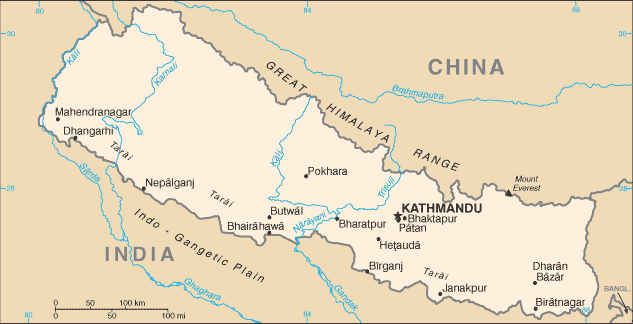
| Click map for larger view |
| Click flag for Country Report |





| ILLICIT DRUGS |
Illicit producer of cannabis and hashish for the domestic and international drug markets; transit point for opiates from
Southeast Asia to the West
Southeast Asia to the West


| SELECTION PROCESS |
President and Vice President elected by Parliament; Under the
interim Constitution, terms have not been clearly defined but,
upon the election of the new Prime Minister, A Constituent
Assembly election will be held in Nepal on 22 November 2012
following the dissolution of the constituent assembly on 27 May.
Next elections: TBD
interim Constitution, terms have not been clearly defined but,
upon the election of the new Prime Minister, A Constituent
Assembly election will be held in Nepal on 22 November 2012
following the dissolution of the constituent assembly on 27 May.
Next elections: TBD
Bijay Kumar Gachhedar
Deputy Prime Minister
since 23 May 2009
Deputy Prime Minister
since 23 May 2009
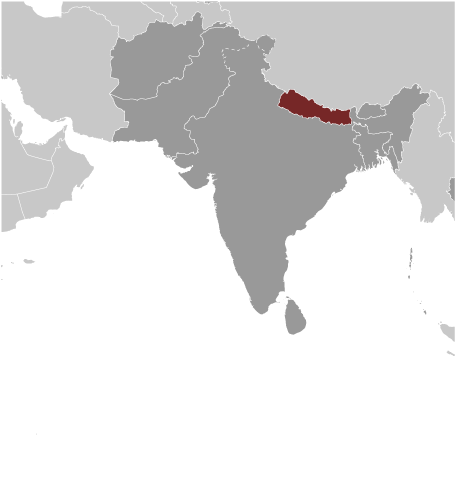


Narayan Kaji Shrestha
Deputy Prime Minister
since 29 August 2011
Deputy Prime Minister
since 29 August 2011