| NEW ZEALAND New Zealand New Zealand Joined United Nations: 24 October 1945 Human Rights as assured by their constitution Click here Updated 25 August 2012 |
| CAPITAL |
| POPULATION |
| CHIEF OF STATE |
| SELECTION PROCESS |
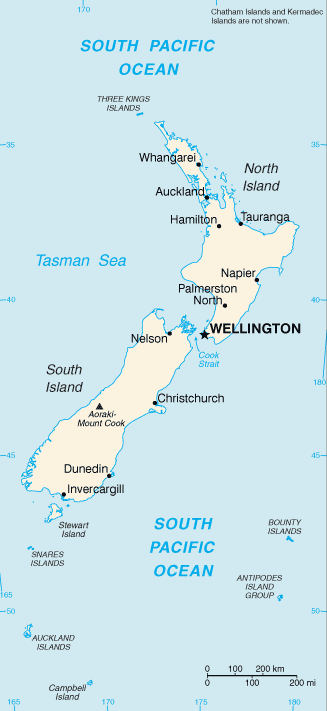
Wellington
4,327,944 (July 2012 est.)
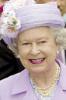
Elizabeth II of United Kingdom
Queen since 6 February 1952
Queen since 6 February 1952
The monarch is hereditary and holds that position for life or until
abdication. The Governor General is selected by the Queen.
Next scheduled election: None
abdication. The Governor General is selected by the Queen.
Next scheduled election: None
HEAD OF GOVERNMENT
SELECTION PROCESS
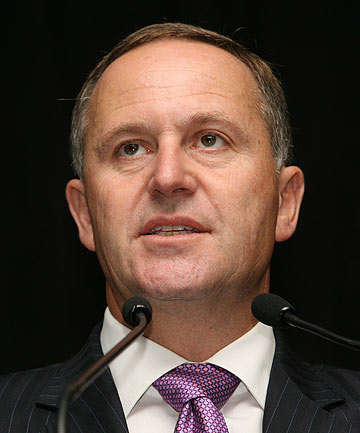
John Phillip Key
Prime Minister since 08 November 2008
Prime Minister since 08 November 2008
Following legislative elections, the leader of the majority party or
leader of a majority coalition is sworn in as prime minister by the
governor general; last election held 26 November 2011
Next scheduled election: No later than November 2014
leader of a majority coalition is sworn in as prime minister by the
governor general; last election held 26 November 2011
Next scheduled election: No later than November 2014
| DECLARATION OF HUMAN RIGHTS |
| ETHNIC GROUPS |
European 56.8%, Asian 8%, Maori 7.4%, Pacific islander 4.6%, mixed 9.7%, other 13.5% (2006 Census)
| RELIGIONS |
Protestant 38.6% (Anglican 13.8%, Presbyterian, Congregational, and Reformed 10%, Christian (no denomination
specified) 4.6%, Methodist 3%, Pentecostal 2%, Baptist 1.4%, other Christian 3.8%), Roman Catholic 12.6%,
Maori Christian 1.6%, Hindu 1.6%, Buddhist 1.3%, other religions 2.2%, none 32.2%, other or unidentified 9.9%
(2006 Census)
specified) 4.6%, Methodist 3%, Pentecostal 2%, Baptist 1.4%, other Christian 3.8%), Roman Catholic 12.6%,
Maori Christian 1.6%, Hindu 1.6%, Buddhist 1.3%, other religions 2.2%, none 32.2%, other or unidentified 9.9%
(2006 Census)
| GOVERNMENT STRUCTURE |
Parliamentary democracy ; 16 regions and 1 territory. Legal system is based on English law, with special land legislation
and land courts for the Maori; accepts compulsory ICJ jurisdiction, with reservations
Executive: Monarch represented by Governor General; Prime Minister and Deputy Prime Minister selected by
Governor General and are traditionally leaders of majority part or coalition
Legislative: Unicameral House of Representatives - commonly called Parliament (120 seats; 69 members elected by
popular vote in single-member constituencies including seven Maori constituencies, and 51 proportional seats chosen from
party lists, all to serve three-year terms)
elections: Last held on 26 November 2011 (next to be held not later than November 2014)
Judicial: Supreme Court; Court of Appeal; High Court; note - Judges appointed by the Governor-General
and land courts for the Maori; accepts compulsory ICJ jurisdiction, with reservations
Executive: Monarch represented by Governor General; Prime Minister and Deputy Prime Minister selected by
Governor General and are traditionally leaders of majority part or coalition
Legislative: Unicameral House of Representatives - commonly called Parliament (120 seats; 69 members elected by
popular vote in single-member constituencies including seven Maori constituencies, and 51 proportional seats chosen from
party lists, all to serve three-year terms)
elections: Last held on 26 November 2011 (next to be held not later than November 2014)
Judicial: Supreme Court; Court of Appeal; High Court; note - Judges appointed by the Governor-General
| LANGUAGES |
English (official) 91.2%, Maori (official) 3.9%, Samoan 2.1%, French 1.3%, Hindi 1.1%, Yue 1.1%, Northern
Chinese 1%, other 12.9%, New Zealand Sign Language (official)
note: shares sum to 114.6% due to multiple responses on census (2006 Census)
Chinese 1%, other 12.9%, New Zealand Sign Language (official)
note: shares sum to 114.6% due to multiple responses on census (2006 Census)
| BRIEF HISTORY |
New Zealand was originally settled by waves of Polynesians some time between 1000 and 1300 CE, although some
evidence suggests earlier settlement. The descendants of these settlers created a distinct culture and became known as the
Māori. Separate settlement of the tiny Chatham Islands in the east of New Zealand produced the Moriori people;
linguistic evidence (see Clark 1994 cited in References below) indicates that the Moriori were mainland Māori who
ventured eastward. Some of the Māori (particularly in the North Island), called their new homeland "Aotearoa" ("land of
the long white cloud"). As the large game became scarce or extinct, cultivation and horticulture grew in economic
importance. New Zealand has no native land mammals, apart from some rare bats. Birds, fish and sea mammals were
important sources of protein. Māori cultivated food plants which they had brought with them from Polynesia, including
sweet potatoes (called kūmara), and taro. They also cultivated the cabbage tree, a plant endemic to New Zealand.
Cannibalism, as elsewhere in the Pacific, played a very small part in the diet. The first Europeans known to reach New
Zealand were the crew of Dutch explorer Abel Tasman, who arrived with his ships Heemskerck and Zeehaen. Tasman
anchored at the northern end of the South Island in December 1642 but sailed northward to Tonga following a clash with
local Māori. Tasman sketched sections of the two main islands' west coasts. Tasman called them Staten Landt and that
name appeared on his first maps of the country. Dutch cartographers changed the name to Nova Zeelandia in Latin which
derived from Nieuw Zeeland in Dutch. It was subsequently Anglicised as New Zealand by British naval captain James
Cook of the HM Bark Endeavour who visited the islands more than 100 years after Tasman (1769-1770). Cook
returned to New Zealand on both of his subsequent voyages. From the 1790s, the waters around New Zealand were
visited by British, French, and American whaling ships, whose crews sometimes came into conflict with Māori inhabitants.
Seal hunters quickly exploited the abundant fur seal colonies around the coastline. The arrival of traders and missionaries
in the 1800s and 1810s provided the opportunity to trade goods and ideas, but added to local disputes. The first full-
blooded European infant in the territory, Thomas King, was born in 1815 in the Bay of Islands. The initiation of large-
scale settlement and land purchases in 1839 by the New Zealand Company, coupled with increasing French interest in the
islands, finally prompted the British government to take control of the situation. In 1788 Arthur Phillip founded the colony
of New South Wales. According to Phillip's amended Commission dated 25 April 1787, the colony included "all the
islands adjacent in the Pacific Ocean" and running westward on the continent to the 135th meridian. The key founding
document of modern New Zealand was the Treaty of Waitangi signed on 6th February 1840, between Britain and Māori
chiefs. Britain was represented by William Hobson who had arrived in January 1840 with instructions to negotiate with
Māori to cede sovereignty over as much of the country as he saw fit. Two versions of the treaty were created, an English
and a version translated into Māori by the missionary Henry Williams. Historians have debated the differences between
the Māori and English translations. New Zealand decided against joining the Commonwealth of Australia in 1901, and
instead changed from being a colony to a separate "dominion" in 1907, equal in status to Australia and Canada. The
current Labour government followed its November 1999 election success by substantially outpolling National in the July
2002 general election, and increasing its share of party vote again in the 2005 election, although with a much narrower
margin. Helen Clark became the first Labour Leader to give her party three terms since World War II. John Key led the
National Party to victory in both the November 2008 and the November 2011 general elections. Key leads the Fifth
National Government of New Zealand which entered government at the beginning of the late-2000s recession in 2008. In
his first term, Key's government implemented a GST rise and personal tax cuts. In February 2011, a major earthquake in
Christchurch, the nation's second largest city, significantly impacted the national economy and the government formed the
Canterbury Earthquake Recovery Authority in response. In its second term, Key's government announced a policy of
partial privatisation of state-owned assets. In foreign policy, Key announced the withdrawal of New Zealand Defence
Force personnel from their deployment in the war in Afghanistan, signed the Wellington Declaration with the United States
and pushed for more nations to join the Trans-Pacific Strategic Economic Partnership. Tourism and agriculture are now
the major industries that contribute to New Zealand's economy. The traditional agricultural products of meat, dairy and
wool has been supplemented by other products such as fruit, wine and timber.
Sources Wikipedia: History of New Zealand
evidence suggests earlier settlement. The descendants of these settlers created a distinct culture and became known as the
Māori. Separate settlement of the tiny Chatham Islands in the east of New Zealand produced the Moriori people;
linguistic evidence (see Clark 1994 cited in References below) indicates that the Moriori were mainland Māori who
ventured eastward. Some of the Māori (particularly in the North Island), called their new homeland "Aotearoa" ("land of
the long white cloud"). As the large game became scarce or extinct, cultivation and horticulture grew in economic
importance. New Zealand has no native land mammals, apart from some rare bats. Birds, fish and sea mammals were
important sources of protein. Māori cultivated food plants which they had brought with them from Polynesia, including
sweet potatoes (called kūmara), and taro. They also cultivated the cabbage tree, a plant endemic to New Zealand.
Cannibalism, as elsewhere in the Pacific, played a very small part in the diet. The first Europeans known to reach New
Zealand were the crew of Dutch explorer Abel Tasman, who arrived with his ships Heemskerck and Zeehaen. Tasman
anchored at the northern end of the South Island in December 1642 but sailed northward to Tonga following a clash with
local Māori. Tasman sketched sections of the two main islands' west coasts. Tasman called them Staten Landt and that
name appeared on his first maps of the country. Dutch cartographers changed the name to Nova Zeelandia in Latin which
derived from Nieuw Zeeland in Dutch. It was subsequently Anglicised as New Zealand by British naval captain James
Cook of the HM Bark Endeavour who visited the islands more than 100 years after Tasman (1769-1770). Cook
returned to New Zealand on both of his subsequent voyages. From the 1790s, the waters around New Zealand were
visited by British, French, and American whaling ships, whose crews sometimes came into conflict with Māori inhabitants.
Seal hunters quickly exploited the abundant fur seal colonies around the coastline. The arrival of traders and missionaries
in the 1800s and 1810s provided the opportunity to trade goods and ideas, but added to local disputes. The first full-
blooded European infant in the territory, Thomas King, was born in 1815 in the Bay of Islands. The initiation of large-
scale settlement and land purchases in 1839 by the New Zealand Company, coupled with increasing French interest in the
islands, finally prompted the British government to take control of the situation. In 1788 Arthur Phillip founded the colony
of New South Wales. According to Phillip's amended Commission dated 25 April 1787, the colony included "all the
islands adjacent in the Pacific Ocean" and running westward on the continent to the 135th meridian. The key founding
document of modern New Zealand was the Treaty of Waitangi signed on 6th February 1840, between Britain and Māori
chiefs. Britain was represented by William Hobson who had arrived in January 1840 with instructions to negotiate with
Māori to cede sovereignty over as much of the country as he saw fit. Two versions of the treaty were created, an English
and a version translated into Māori by the missionary Henry Williams. Historians have debated the differences between
the Māori and English translations. New Zealand decided against joining the Commonwealth of Australia in 1901, and
instead changed from being a colony to a separate "dominion" in 1907, equal in status to Australia and Canada. The
current Labour government followed its November 1999 election success by substantially outpolling National in the July
2002 general election, and increasing its share of party vote again in the 2005 election, although with a much narrower
margin. Helen Clark became the first Labour Leader to give her party three terms since World War II. John Key led the
National Party to victory in both the November 2008 and the November 2011 general elections. Key leads the Fifth
National Government of New Zealand which entered government at the beginning of the late-2000s recession in 2008. In
his first term, Key's government implemented a GST rise and personal tax cuts. In February 2011, a major earthquake in
Christchurch, the nation's second largest city, significantly impacted the national economy and the government formed the
Canterbury Earthquake Recovery Authority in response. In its second term, Key's government announced a policy of
partial privatisation of state-owned assets. In foreign policy, Key announced the withdrawal of New Zealand Defence
Force personnel from their deployment in the war in Afghanistan, signed the Wellington Declaration with the United States
and pushed for more nations to join the Trans-Pacific Strategic Economic Partnership. Tourism and agriculture are now
the major industries that contribute to New Zealand's economy. The traditional agricultural products of meat, dairy and
wool has been supplemented by other products such as fruit, wine and timber.
Sources Wikipedia: History of New Zealand
| ECONOMIC OVERVIEW |
Over the past 20 years the government has transformed New Zealand from an agrarian economy dependent on
concessionary British market access to a more industrialized, free market economy that can compete globally. This
dynamic growth has boosted real incomes - but left behind some at the bottom of the ladder - and broadened and
deepened the technological capabilities of the industrial sector. Per capita income rose for ten consecutive years until
2007 in purchasing power parity terms, but fell in 2008-09. Debt-driven consumer spending drove robust growth in the
first half of the decade, helping fuel a large balance of payments deficit that posed a challenge for economic managers.
Inflationary pressures caused the central bank to raise its key rate steadily from January 2004 until it was among the
highest in the OECD in 2007-08; international capital inflows attracted to the high rates further strengthened the currency
and housing market, however, aggravating the current account deficit. The economy fell into recession before the start of
the global financial crisis and contracted for five consecutive quarters in 2008-09. In line with global peers, the central
bank cut interest rates aggressively and the government developed fiscal stimulus measures. The economy posted a 2%
decline in 2009, but pulled out of recession late in the year, and achieved 1.7% growth in 2010 and 2% in 2011.
Nevertheless, key trade sectors remain vulnerable to weak external demand. The government plans to raise productivity
growth and develop infrastructure, while reining in government spending.
Source: CIA World Factbook (select New Zealand)
concessionary British market access to a more industrialized, free market economy that can compete globally. This
dynamic growth has boosted real incomes - but left behind some at the bottom of the ladder - and broadened and
deepened the technological capabilities of the industrial sector. Per capita income rose for ten consecutive years until
2007 in purchasing power parity terms, but fell in 2008-09. Debt-driven consumer spending drove robust growth in the
first half of the decade, helping fuel a large balance of payments deficit that posed a challenge for economic managers.
Inflationary pressures caused the central bank to raise its key rate steadily from January 2004 until it was among the
highest in the OECD in 2007-08; international capital inflows attracted to the high rates further strengthened the currency
and housing market, however, aggravating the current account deficit. The economy fell into recession before the start of
the global financial crisis and contracted for five consecutive quarters in 2008-09. In line with global peers, the central
bank cut interest rates aggressively and the government developed fiscal stimulus measures. The economy posted a 2%
decline in 2009, but pulled out of recession late in the year, and achieved 1.7% growth in 2010 and 2% in 2011.
Nevertheless, key trade sectors remain vulnerable to weak external demand. The government plans to raise productivity
growth and develop infrastructure, while reining in government spending.
Source: CIA World Factbook (select New Zealand)
| POLITICAL CLIMATE |
New Zealand was the first country in the world in which all the highest offices were occupied by women, between March
2005 and August 2006: the Sovereign Queen Elizabeth II of New Zealand, Governor-General Dame Silvia Cartwright,
Prime Minister Helen Clark, Speaker of the New Zealand House of Representatives Margaret Wilson and Chief Justice
Dame Sian Elias.
After the General election in November 2008, the National Party moved quickly to form a minority government with the
ACT Party and the Maori Party. This arrangement allowed National to decrease its reliance on the right-leaning ACT
party, whose policies are sometimes controversial with the greater New Zealand public. Currently, John Key, who took
control of the National Party from Don Brash, is Prime Minister, and Bill English is the deputy. This arrangement conforms
to the general tradition of having a north-south split in the major parties' leadership, as John Key's residence is in
Auckland and Bill English's electorate is in the South Island.
Source: Wikipedia: Politics of New Zealand
2005 and August 2006: the Sovereign Queen Elizabeth II of New Zealand, Governor-General Dame Silvia Cartwright,
Prime Minister Helen Clark, Speaker of the New Zealand House of Representatives Margaret Wilson and Chief Justice
Dame Sian Elias.
After the General election in November 2008, the National Party moved quickly to form a minority government with the
ACT Party and the Maori Party. This arrangement allowed National to decrease its reliance on the right-leaning ACT
party, whose policies are sometimes controversial with the greater New Zealand public. Currently, John Key, who took
control of the National Party from Don Brash, is Prime Minister, and Bill English is the deputy. This arrangement conforms
to the general tradition of having a north-south split in the major parties' leadership, as John Key's residence is in
Auckland and Bill English's electorate is in the South Island.
Source: Wikipedia: Politics of New Zealand
| INTERNATIONAL DISPUTES |
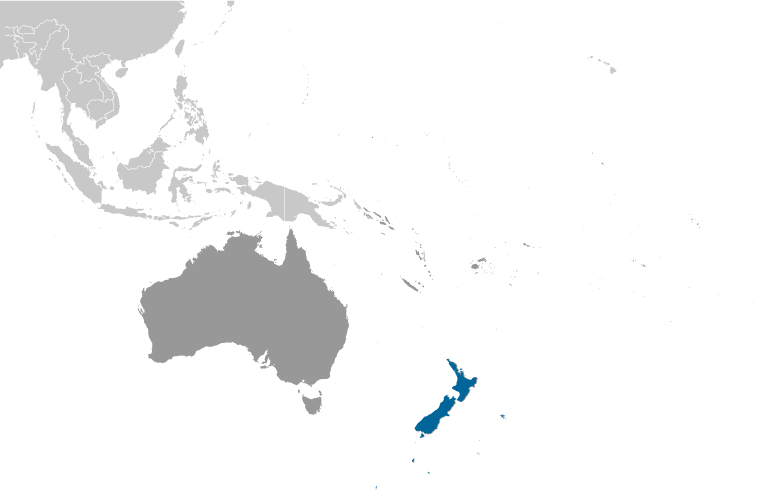
Asserts a territorial claim in Antarctica (Ross Dependency) [see Antarctica]


| REFUGEES AND INTERNALLY DISPLACED PERSONS (IDP) |
None reported.
| ILLICIT DRUGS |
Significant consumer of amphetamines.
| HUMAN RIGHTS STATEMENTS, ANALYSIS AND CRITIQUES |
2011 Human Rights Report: New Zealand
Bureau of Democracy, Human Rights, and Labor
2011 Country Reports on Human Rights Practices
May 24, 2012
New Zealand is a parliamentary democracy. Citizens choose their representatives in free and fair multiparty elections, most recently
held on November 26, when the National Party won 59 parliamentary seats and formed a minority coalition government with John
Key as prime minister. Security forces reported to civilian authorities.
There were no reports of widespread human rights problems, but indigenous persons disproportionately experienced societal
problems and ethnic minority individuals experienced societal discrimination. There also were allegations during the year of labor
abuses of crewmembers on board foreign chartered vessels fishing in the country’s Exclusive Economic Zone (EEZ).
Violence against women also was a problem.
The government took steps to prosecute officials who committed abuses.
Click here to read more »
Bureau of Democracy, Human Rights, and Labor
2011 Country Reports on Human Rights Practices
May 24, 2012
New Zealand is a parliamentary democracy. Citizens choose their representatives in free and fair multiparty elections, most recently
held on November 26, when the National Party won 59 parliamentary seats and formed a minority coalition government with John
Key as prime minister. Security forces reported to civilian authorities.
There were no reports of widespread human rights problems, but indigenous persons disproportionately experienced societal
problems and ethnic minority individuals experienced societal discrimination. There also were allegations during the year of labor
abuses of crewmembers on board foreign chartered vessels fishing in the country’s Exclusive Economic Zone (EEZ).
Violence against women also was a problem.
The government took steps to prosecute officials who committed abuses.
Click here to read more »
31 May 2012
Committee on Economic, Social and Cultural Rights
Forty-eighth session
30 April-18 May 2012
Consideration of reports submitted by States parties under articles 16 and 17 of the Covenant
Concluding observations of the Committee on Economic, Social and Cultural Rights
New Zealand
A. Introduction
2. The Committee welcomes the submission of the third periodic report of New Zealand which is self-critical and describes
the measures taken to implement the recommendations made by the Committee in its previous concluding observations. The
Committee also welcomes the written replies to its list of issues (E/C.12/NZL/Q/3/Add.1). The Committee appreciates the quality of
information contained in both documents.
3. The Committee notes with appreciation the frank, positive and constructive engagement of the State party’s delegation with
the Committee.
B. Positive aspects
4. The Committee welcomes the ratification by the State party of the Optional Protocol to the Convention against Torture on
14 March 2008, the Convention on the Rights of Persons with Disabilities on 25 September 2008, and the Optional Protocol to the
Convention on the Rights of the Child on the sale of children, child prostitution and child pornography on 20 September 2011. The
Committee also welcomes the State party’s endorsement of the United Nations Declaration on the Rights of Indigenous Peoples.
5. The Committee welcomes the range of measures taken by the State party to promote the realization of economic, social and
cultural rights, noting the following in particular:
(a) The recognition of sign language as an official language;
C. Principal subjects of concern and recommendations
9. In view of the State party’s dualist regime, the Committee is concerned that, notwithstanding existing legislation providing
for some elements of economic, social and cultural rights, the provisions of the Covenant have not been fully incorporated into the
domestic legal order (art. 2, para. 1).
The Committee urges the State party to take the necessary measures, in the context of the ongoing constitutional review process,
to give the Covenant full effect in its domestic legal order. The Committee also calls on the State party to ensure that redress for
violations of the Covenant rights can be sought through the State party’s varied recourse mechanisms. The Committee requests
that the State party provide in its next periodic report information on court cases where the provisions of the Covenant have not
only been invoked but also applied.
Click here to read more »
Committee on Economic, Social and Cultural Rights
Forty-eighth session
30 April-18 May 2012
Consideration of reports submitted by States parties under articles 16 and 17 of the Covenant
Concluding observations of the Committee on Economic, Social and Cultural Rights
New Zealand
A. Introduction
2. The Committee welcomes the submission of the third periodic report of New Zealand which is self-critical and describes
the measures taken to implement the recommendations made by the Committee in its previous concluding observations. The
Committee also welcomes the written replies to its list of issues (E/C.12/NZL/Q/3/Add.1). The Committee appreciates the quality of
information contained in both documents.
3. The Committee notes with appreciation the frank, positive and constructive engagement of the State party’s delegation with
the Committee.
B. Positive aspects
4. The Committee welcomes the ratification by the State party of the Optional Protocol to the Convention against Torture on
14 March 2008, the Convention on the Rights of Persons with Disabilities on 25 September 2008, and the Optional Protocol to the
Convention on the Rights of the Child on the sale of children, child prostitution and child pornography on 20 September 2011. The
Committee also welcomes the State party’s endorsement of the United Nations Declaration on the Rights of Indigenous Peoples.
5. The Committee welcomes the range of measures taken by the State party to promote the realization of economic, social and
cultural rights, noting the following in particular:
(a) The recognition of sign language as an official language;
C. Principal subjects of concern and recommendations
9. In view of the State party’s dualist regime, the Committee is concerned that, notwithstanding existing legislation providing
for some elements of economic, social and cultural rights, the provisions of the Covenant have not been fully incorporated into the
domestic legal order (art. 2, para. 1).
The Committee urges the State party to take the necessary measures, in the context of the ongoing constitutional review process,
to give the Covenant full effect in its domestic legal order. The Committee also calls on the State party to ensure that redress for
violations of the Covenant rights can be sought through the State party’s varied recourse mechanisms. The Committee requests
that the State party provide in its next periodic report information on court cases where the provisions of the Covenant have not
only been invoked but also applied.
Click here to read more »
Freedom in the World Report- 2012
Political Rights Score: 1
Civil Liberties Score: 1
Status: Free
Overview
Prime Minister John Key was elected to a second term as a result of general elections in November 2011 that saw his National
Party maintain its parliamentary majority. A massive earthquake in Christchurch in February 2011 killed more than 180 people and
left thousands injured and homeless. In October, a cargo ship ran aground on a reef in Tauranga, spilling oil and other hazardous
materials.
In November 2010, New Zealand signed the Wellington Declaration with the United States, which restored bilateral defense ties
and marked a significant change in New Zealand’s defense and security policies. The United States had ended its previous treaty
obligations with New Zealand in 1986 after nuclear weapons were barred from entering New Zealand’s ports.
Two disasters struck New Zealand in 2011. In February, a major earthquake hit Christchurch, killing more than 180 people and
leaving thousands injured and homeless. Rescue and recovery costs prompted the government to impose major spending cuts to
limit an expected budget deficit. The government committed in May to buy more than 5,000 homes destroyed by the earthquake as
a way to compensate victims and facilitate reconstruction. Meanwhile, in October, a cargo ship ran aground on a coral reef near
the North Island port of Tauranga, spilling at least 70 containers of oil and hazardous materials into the water. The ship’s captain
was arrested and faced criminal charges for his role in the incident.
In general elections held in November 2011, the National Party took 59 parliamentary seats, and Key secured a second term in
office. The National Party formed a coalition government with the ACT New Zealand Party and the United Future Party, both of
which won one seat each. Economic issues had dominated the election campaigns, with Key pledging to sell more state assets. The
election results caused the number of seats in Parliament to decrease from 122 to 121 as a result of New Zealand’s proportional
representative system; voters decided to retain that system in a referendum also held in November.
New Zealand is an electoral democracy. A mixed-member electoral system combines voting in geographic districts with
proportional representation balloting. As a member of the Commonwealth, a governor-general represents Britain’s Queen Elizabeth
II as the ceremonial head of state. The prime minister, the head of government, is the leader of the majority party or coalition and
is appointed by the governor-general. The unicameral Parliament, or House of Representatives, has 121 members who are elected
to three-year terms.
Click here to read more »
Political Rights Score: 1
Civil Liberties Score: 1
Status: Free
Overview
Prime Minister John Key was elected to a second term as a result of general elections in November 2011 that saw his National
Party maintain its parliamentary majority. A massive earthquake in Christchurch in February 2011 killed more than 180 people and
left thousands injured and homeless. In October, a cargo ship ran aground on a reef in Tauranga, spilling oil and other hazardous
materials.
In November 2010, New Zealand signed the Wellington Declaration with the United States, which restored bilateral defense ties
and marked a significant change in New Zealand’s defense and security policies. The United States had ended its previous treaty
obligations with New Zealand in 1986 after nuclear weapons were barred from entering New Zealand’s ports.
Two disasters struck New Zealand in 2011. In February, a major earthquake hit Christchurch, killing more than 180 people and
leaving thousands injured and homeless. Rescue and recovery costs prompted the government to impose major spending cuts to
limit an expected budget deficit. The government committed in May to buy more than 5,000 homes destroyed by the earthquake as
a way to compensate victims and facilitate reconstruction. Meanwhile, in October, a cargo ship ran aground on a coral reef near
the North Island port of Tauranga, spilling at least 70 containers of oil and hazardous materials into the water. The ship’s captain
was arrested and faced criminal charges for his role in the incident.
In general elections held in November 2011, the National Party took 59 parliamentary seats, and Key secured a second term in
office. The National Party formed a coalition government with the ACT New Zealand Party and the United Future Party, both of
which won one seat each. Economic issues had dominated the election campaigns, with Key pledging to sell more state assets. The
election results caused the number of seats in Parliament to decrease from 122 to 121 as a result of New Zealand’s proportional
representative system; voters decided to retain that system in a referendum also held in November.
New Zealand is an electoral democracy. A mixed-member electoral system combines voting in geographic districts with
proportional representation balloting. As a member of the Commonwealth, a governor-general represents Britain’s Queen Elizabeth
II as the ceremonial head of state. The prime minister, the head of government, is the leader of the majority party or coalition and
is appointed by the governor-general. The unicameral Parliament, or House of Representatives, has 121 members who are elected
to three-year terms.
Click here to read more »
24 May 2012
Amnesty Report 2012
New Zealand
Indigenous Peoples’ property rights were partially recognized by the Marine and Coastal Area Act. The Minister of Defence
admitted he could not guarantee that detainees captured during joint operations in Afghanistan had not been tortured. Levels of child
poverty remained high, disproportionately affecting Māori and Pacific communities.
Legal, constitutional or institutional developments
Economic, social and cultural rights were not included in the New Zealand Bill of Rights Act. The Act did not explicitly give the
judiciary the power to issue remedies for breaches of its provisions. New Zealand still had not ratified the Optional Protocol to the
International Covenant on Economic, Social and Cultural Rights.
Indigenous Peoples’ rights
In March, the Marine and Coastal Area (Takutai Moana) Act 2011 was passed, repealing the Foreshore and Seabed Act 2004,
which had prevented Māori property claims to these areas. However, the 2011 Act did not allow Māori to apply for exclusive
occupation in these areas or to claim lands in private ownership; and all claims to traditional rights had to be made within six years.
Workers’ rights
In June, crew members of South Korean chartered fishing vessels Oyang 75 and Shin Ji refused to reboard their vessels, docked in
the ports of Lyttelton and Auckland. The government subsequently launched a ministerial inquiry in July to investigate allegations of
mental, physical and sexual abuse of crew members, and that they had not received their wages.
Counter-terror and security
In October, the New Zealand Defence Force (NZDF) released a report into NZDF’s potential complicity in torture in Afghanistan.
The report confirmed that one person detained since September 2009 by the New Zealand Special Air Service (NZSAS) was being
monitored to ensure his well-being. In contrast, the Minister of Defence admitted that the NZDF were not monitoring detainees
captured during joint operations between the Afghan National Police Crisis Response Unit and the NZSAS, and could not guarantee
that they had not been tortured.
Click here to read more »
Amnesty Report 2012
New Zealand
Indigenous Peoples’ property rights were partially recognized by the Marine and Coastal Area Act. The Minister of Defence
admitted he could not guarantee that detainees captured during joint operations in Afghanistan had not been tortured. Levels of child
poverty remained high, disproportionately affecting Māori and Pacific communities.
Legal, constitutional or institutional developments
Economic, social and cultural rights were not included in the New Zealand Bill of Rights Act. The Act did not explicitly give the
judiciary the power to issue remedies for breaches of its provisions. New Zealand still had not ratified the Optional Protocol to the
International Covenant on Economic, Social and Cultural Rights.
Indigenous Peoples’ rights
In March, the Marine and Coastal Area (Takutai Moana) Act 2011 was passed, repealing the Foreshore and Seabed Act 2004,
which had prevented Māori property claims to these areas. However, the 2011 Act did not allow Māori to apply for exclusive
occupation in these areas or to claim lands in private ownership; and all claims to traditional rights had to be made within six years.
Workers’ rights
In June, crew members of South Korean chartered fishing vessels Oyang 75 and Shin Ji refused to reboard their vessels, docked in
the ports of Lyttelton and Auckland. The government subsequently launched a ministerial inquiry in July to investigate allegations of
mental, physical and sexual abuse of crew members, and that they had not received their wages.
Counter-terror and security
In October, the New Zealand Defence Force (NZDF) released a report into NZDF’s potential complicity in torture in Afghanistan.
The report confirmed that one person detained since September 2009 by the New Zealand Special Air Service (NZSAS) was being
monitored to ensure his well-being. In contrast, the Minister of Defence admitted that the NZDF were not monitoring detainees
captured during joint operations between the Afghan National Police Crisis Response Unit and the NZSAS, and could not guarantee
that they had not been tortured.
Click here to read more »
Statement on CCW Protocol III on Incendiary Weapons - Response to Proposal
Bonnie Docherty Delivers Statement at the Fourth Review Conference of the Convention on Conventional Weapons in
Geneva
November 21, 2011
Thank you Mr. Chairman
We wish to respond to the proposal to remove the reference to white phosphorus from the Final Document’s section on the
“Review of the Protocols.” It is important to keep it in this place.
First, white phosphorus was discussed as an incendiary weapon in the context of Protocol III by several states in Main Committee
I last week, including Australia, Belarus, Germany, the Holy See, and Qatar.
Additionally, in letters received by Human Rights Watch, Austria and Switzerland have stated that they are considering the
possibility of amending the protocol, while Saudi Arabia affirmed that it would be willing to consider this issue if there is
consensus during the review conference. Ireland said it is “open to proposals to consider particular weapons in the CCW context,
including white phosphorus.” Belgium, Canada, and New Zealand have also indicated their readiness to discuss Protocol III.
Clearly there are many states that are concerned about Protocol III and how it applies to white phosphorus.
Second, white phosphorus is used as an incendiary weapon. It is not just used for marking and obscuring. It is also used for
incendiary purposes and causes the same horrific injuries as other incendiary munitions. Indeed, that is one of the reasons why
Human Rights Watch is calling for a review of Protocol III. To provide adequate humanitarian protections, the protocol should
expand its definition to encompass all weapons with incendiary effects and should include stronger regulations or prohibitions that
eliminate the distinction between air- and ground-launched incendiary munitions.
Click here to read more »
Bonnie Docherty Delivers Statement at the Fourth Review Conference of the Convention on Conventional Weapons in
Geneva
November 21, 2011
Thank you Mr. Chairman
We wish to respond to the proposal to remove the reference to white phosphorus from the Final Document’s section on the
“Review of the Protocols.” It is important to keep it in this place.
First, white phosphorus was discussed as an incendiary weapon in the context of Protocol III by several states in Main Committee
I last week, including Australia, Belarus, Germany, the Holy See, and Qatar.
Additionally, in letters received by Human Rights Watch, Austria and Switzerland have stated that they are considering the
possibility of amending the protocol, while Saudi Arabia affirmed that it would be willing to consider this issue if there is
consensus during the review conference. Ireland said it is “open to proposals to consider particular weapons in the CCW context,
including white phosphorus.” Belgium, Canada, and New Zealand have also indicated their readiness to discuss Protocol III.
Clearly there are many states that are concerned about Protocol III and how it applies to white phosphorus.
Second, white phosphorus is used as an incendiary weapon. It is not just used for marking and obscuring. It is also used for
incendiary purposes and causes the same horrific injuries as other incendiary munitions. Indeed, that is one of the reasons why
Human Rights Watch is calling for a review of Protocol III. To provide adequate humanitarian protections, the protocol should
expand its definition to encompass all weapons with incendiary effects and should include stronger regulations or prohibitions that
eliminate the distinction between air- and ground-launched incendiary munitions.
Click here to read more »
New Zealand's General Debate Statement
New Zealand Permanent Mission to the United Nations | Te Mängai o Aotearoa
Statement by H.E. Jim Mclay, Permanent Representative, to the United Nations in New York - 27 September 2011
The February Christchurch earthquake was followed by the devastation wrought on our close friend Japan. I repeat our heartfelt
sympathy to Japan, so steadfast in its support for New Zealand in our time of need. Those disasters, and others elsewhere,
reinforced the importance of effective disaster preparedness, response and recovery.
New Zealand will work with the UN, NGOs, and international agencies so the lessons learned from Christchurch are shared, and
others can be better prepared.
For regions as vulnerable as ours, disaster preparedness is no desktop exercise - it’s a matter of survival.
Likewise, for our Pacific neighbours, another high risk, climate change, is no abstract threat, confined to thousands of pages of
reports and esoteric debate; it’s a fundamental question of existence.
For the Pacific, climate change is a grave and present threat to livelihoods, security and well-being. Our Secretary-General
experienced these challenges first-hand when he visited several Pacific states; including one post-conflict society, and another
whose people see, on a daily basis, the dangers of rising oceans. He experienced real “vulnerability” when his hotel room, in
addition to the towels and the telephone, was equipped with a lifejacket. And he saw the impact of rising oceans on the viability
and survival of many communities when his plane had to be “wheels up" from the country’s airport (its major link with the world)
before the tide came in.
Much more of that, Mr President, and whole populations will be on the move (as they’ll be in other regions as well) – with
implications for regional and international stability and security.
Faced with that, it’s self-evident that all relevant international fora – including the Security Council – must play their part in
addressing this challenge. That means taking urgent and effective action on emissions reduction. It means strengthening adaptation
in developing countries, particularly the most vulnerable. And it means acknowledging and planning for security implications,
before they become threats to regional and international security.
New Zealand takes pride in its diversity. We are indigenous Māori; we are European; and we are the many peoples from Asia-
Pacific and elsewhere who call New Zealand home. We’re also proud to be part of the Pacific Islands Forum, the foremost
regional body.
For 40 years, it’s been central to the region’s efforts to address its own problems; whether they be the special development
challenges of small, isolated, vulnerable island states, or halting and healing the impacts of violent conflict. And it’s done that in the
time-honoured “Pacific Way” – through respectful dialogue, cooperation, and joint action.
Click here to read more »
New Zealand Permanent Mission to the United Nations | Te Mängai o Aotearoa
Statement by H.E. Jim Mclay, Permanent Representative, to the United Nations in New York - 27 September 2011
The February Christchurch earthquake was followed by the devastation wrought on our close friend Japan. I repeat our heartfelt
sympathy to Japan, so steadfast in its support for New Zealand in our time of need. Those disasters, and others elsewhere,
reinforced the importance of effective disaster preparedness, response and recovery.
New Zealand will work with the UN, NGOs, and international agencies so the lessons learned from Christchurch are shared, and
others can be better prepared.
For regions as vulnerable as ours, disaster preparedness is no desktop exercise - it’s a matter of survival.
Likewise, for our Pacific neighbours, another high risk, climate change, is no abstract threat, confined to thousands of pages of
reports and esoteric debate; it’s a fundamental question of existence.
For the Pacific, climate change is a grave and present threat to livelihoods, security and well-being. Our Secretary-General
experienced these challenges first-hand when he visited several Pacific states; including one post-conflict society, and another
whose people see, on a daily basis, the dangers of rising oceans. He experienced real “vulnerability” when his hotel room, in
addition to the towels and the telephone, was equipped with a lifejacket. And he saw the impact of rising oceans on the viability
and survival of many communities when his plane had to be “wheels up" from the country’s airport (its major link with the world)
before the tide came in.
Much more of that, Mr President, and whole populations will be on the move (as they’ll be in other regions as well) – with
implications for regional and international stability and security.
Faced with that, it’s self-evident that all relevant international fora – including the Security Council – must play their part in
addressing this challenge. That means taking urgent and effective action on emissions reduction. It means strengthening adaptation
in developing countries, particularly the most vulnerable. And it means acknowledging and planning for security implications,
before they become threats to regional and international security.
New Zealand takes pride in its diversity. We are indigenous Māori; we are European; and we are the many peoples from Asia-
Pacific and elsewhere who call New Zealand home. We’re also proud to be part of the Pacific Islands Forum, the foremost
regional body.
For 40 years, it’s been central to the region’s efforts to address its own problems; whether they be the special development
challenges of small, isolated, vulnerable island states, or halting and healing the impacts of violent conflict. And it’s done that in the
time-honoured “Pacific Way” – through respectful dialogue, cooperation, and joint action.
Click here to read more »
Religious ministers’ choice who they marry
August 24, 2012
Current media debate about Labour MP Louisa Wall’s Marriage (Definition of Marriage) Amendment Bill touches on the
relationship between freedom of religion and freedom from discrimination. The Human Rights Act 1993 (HRA) would not prevent
religious ministers from refusing to marry same-sex couples.
“Religious ministers have the right to refuse to marry anyone. That right will not change if the Bill becomes law,” said Chief
Commissioner David Rutherford. “It will be up to any individual marriage celebrant, including those who are religious ministers, to
decide whether or not they wish to marry a same-sex couple.”
This right already exists in section 29 of the Marriage Act which states that a marriage licence “shall authorise but not oblige” any
marriage celebrant to solemnise that marriage.
This position also reflects international human rights law. As a religious marriage is a core part of practising a religion, religious
officials and leaders are free to refuse to perform marriages that are not in accordance with their religious beliefs.
Everyone is entitled to have and express their own personal beliefs, including religious beliefs. It is unlawful to discriminate against
someone in any area of public life that is covered by the HRA, because of their sexual orientation or religious belief, unless there is
an explicit exception in the HRA.
“Religious ceremonies, services and private religious spaces are not an area of public life covered by the HRA. This means a
Minister or religious organisation can choose who is able to be married in their ceremonial or consecrated spaces such as a church
or temple,” said Mr Rutherford.
“Same-sex couples have the same right as other New Zealand couples to freedom from discrimination in public spaces.” When
religious organisations provide goods or services or accommodation to the public they are held to the same non-discrimination
standards as others. “If a church rents out its hall to members of the public it would be unlawful to refuse to rent the hall to a
same-sex couple because of their sexual orientation”.
Click here to read more »
August 24, 2012
Current media debate about Labour MP Louisa Wall’s Marriage (Definition of Marriage) Amendment Bill touches on the
relationship between freedom of religion and freedom from discrimination. The Human Rights Act 1993 (HRA) would not prevent
religious ministers from refusing to marry same-sex couples.
“Religious ministers have the right to refuse to marry anyone. That right will not change if the Bill becomes law,” said Chief
Commissioner David Rutherford. “It will be up to any individual marriage celebrant, including those who are religious ministers, to
decide whether or not they wish to marry a same-sex couple.”
This right already exists in section 29 of the Marriage Act which states that a marriage licence “shall authorise but not oblige” any
marriage celebrant to solemnise that marriage.
This position also reflects international human rights law. As a religious marriage is a core part of practising a religion, religious
officials and leaders are free to refuse to perform marriages that are not in accordance with their religious beliefs.
Everyone is entitled to have and express their own personal beliefs, including religious beliefs. It is unlawful to discriminate against
someone in any area of public life that is covered by the HRA, because of their sexual orientation or religious belief, unless there is
an explicit exception in the HRA.
“Religious ceremonies, services and private religious spaces are not an area of public life covered by the HRA. This means a
Minister or religious organisation can choose who is able to be married in their ceremonial or consecrated spaces such as a church
or temple,” said Mr Rutherford.
“Same-sex couples have the same right as other New Zealand couples to freedom from discrimination in public spaces.” When
religious organisations provide goods or services or accommodation to the public they are held to the same non-discrimination
standards as others. “If a church rents out its hall to members of the public it would be unlawful to refuse to rent the hall to a
same-sex couple because of their sexual orientation”.
Click here to read more »
10th Annual Immigration Law Conference
Auckland, 10 August 2012
Presentation by Chief Ombudsman Dame Beverley Wakem
Complaints received against Immigration New Zealand
In the immigration context, there was a spike in the number of complaints we received against Immigration New Zealand during
the 2009-2010 reporting year. In 2008-2009 we received around 200 complaints against Immigration New Zealand. In 2009-2010
we received 295 complaints and in 2010-2011 we received 252 complaints.
Combined with the often complex nature of these complaints, this inevitably gave rise to work pressures in the immigration area. I
acknowledge that there have been significant delays in progressing some complaints against Immigration New Zealand. Given the
considerable pressures on my Office and the resource constraints that we operate under, current staffing levels do not meet work
capacity requirements. This has had an unfortunate impact in the immigration area, which I regret.
By April 2011, the work pressures in the immigration area had resulted in a large backlog of complaints. At that point in time we
had 188 Ombudsmen Act complaints against Immigration New Zealand on hand in total, including 117 complaints that we did not
have the resources to immediately progress.
In April 2011, I instituted a process of careful review of the immigration complaints on hand and a reallocation of Office
resources to address the unacceptable delays that I had noted in this area. At that time, approximately 2.7 Full Time Equivalent
operational staff were committed to processing Ombudsmen Act complaints against Immigration New Zealand. I now have
approximately 4.2 Full Time Equivalent operational staff doing that work. That represents approximately 20% of the total
operational capacity for processing Ombudsmen Act complaints. 11 staff in my Office are now actively engaged in handling
complaints against Immigration New Zealand, on either a full time or part time basis.
In overall management terms this is not sustainable – the sector is taking – and has for some time – a disproportionate share of
our total resources. Accordingly, we need to, and do, work closely with Immigration New Zealand to reduce the incidence of
challenges to their decisions by improving process and practice.
Click here to read more »
Auckland, 10 August 2012
Presentation by Chief Ombudsman Dame Beverley Wakem
Complaints received against Immigration New Zealand
In the immigration context, there was a spike in the number of complaints we received against Immigration New Zealand during
the 2009-2010 reporting year. In 2008-2009 we received around 200 complaints against Immigration New Zealand. In 2009-2010
we received 295 complaints and in 2010-2011 we received 252 complaints.
Combined with the often complex nature of these complaints, this inevitably gave rise to work pressures in the immigration area. I
acknowledge that there have been significant delays in progressing some complaints against Immigration New Zealand. Given the
considerable pressures on my Office and the resource constraints that we operate under, current staffing levels do not meet work
capacity requirements. This has had an unfortunate impact in the immigration area, which I regret.
By April 2011, the work pressures in the immigration area had resulted in a large backlog of complaints. At that point in time we
had 188 Ombudsmen Act complaints against Immigration New Zealand on hand in total, including 117 complaints that we did not
have the resources to immediately progress.
In April 2011, I instituted a process of careful review of the immigration complaints on hand and a reallocation of Office
resources to address the unacceptable delays that I had noted in this area. At that time, approximately 2.7 Full Time Equivalent
operational staff were committed to processing Ombudsmen Act complaints against Immigration New Zealand. I now have
approximately 4.2 Full Time Equivalent operational staff doing that work. That represents approximately 20% of the total
operational capacity for processing Ombudsmen Act complaints. 11 staff in my Office are now actively engaged in handling
complaints against Immigration New Zealand, on either a full time or part time basis.
In overall management terms this is not sustainable – the sector is taking – and has for some time – a disproportionate share of
our total resources. Accordingly, we need to, and do, work closely with Immigration New Zealand to reduce the incidence of
challenges to their decisions by improving process and practice.
Click here to read more »

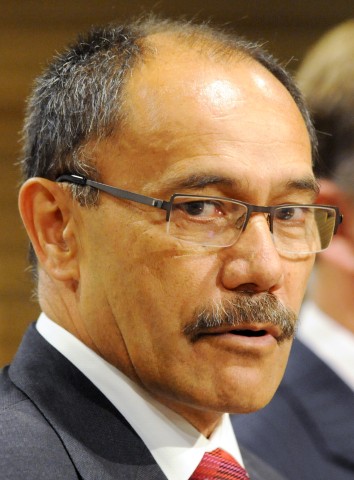
Represented by
Lt. Gen. Sir Jerry Mateparae
Governor General since 31 August 2011
Lt. Gen. Sir Jerry Mateparae
Governor General since 31 August 2011
| Click map for larger view |
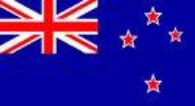
| Click flag for Country Report |





| TRAFFICKING IN PERSONS |
None reported.
Simon William "Bill" English
Deputy Prime Minister
since 08 November 2008
Deputy Prime Minister
since 08 November 2008