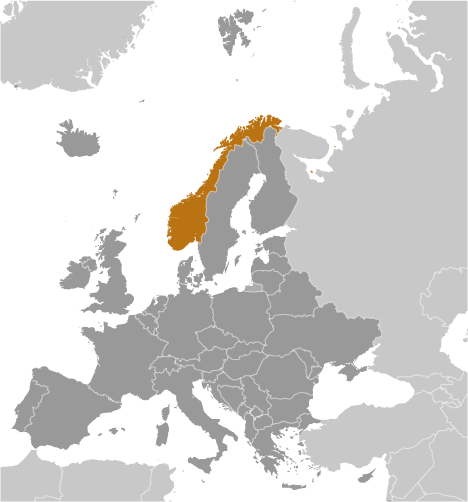
| NORWAY Kingdom of Norway Kongeriket Norge Joined United Nations: 27 November 1945 Human Rights as assured by their constitution Click here Updated 29 August 2012 |
| CAPITAL |
| POPULATION |
| CHIEF OF STATE |
| SELECTION PROCESS |
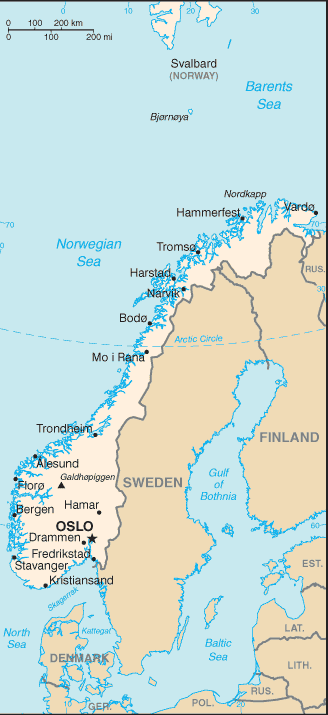
Oslo
4,707,270 (July 2012 est.)
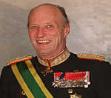
Harald V
King since 17 January 1991
King since 17 January 1991
Ascended to the throne upon the death of his father King Olav
V after 33 year rule
Next scheduled election: None, the monarch is
hereditary; heir apparent is Crown Prince Haakon
Magnus
V after 33 year rule
Next scheduled election: None, the monarch is
hereditary; heir apparent is Crown Prince Haakon
Magnus
HEAD OF GOVERNMENT
SELECTION PROCESS
Jens Stoltenberg
Prime Minister since 17 October 2005
Prime Minister since 17 October 2005
Following legislative elections, the leader of the majority party or
the leader of the majority coalition is usually appointed prime
minister by the monarch with the consent of the parliament
the leader of the majority coalition is usually appointed prime
minister by the monarch with the consent of the parliament
| DECLARATION OF HUMAN RIGHTS |
| ETHNIC GROUPS |
Norwegian 94.4% (includes Sami, about 60,000), other European 3.6%, other 2% (2007 estimate)
| RELIGIONS |
Church of Norway 85.7%, Pentecostal 1%, Roman Catholic 1%, other Christian 2.4%, Muslim 1.8%, other 8.1%
(2004)
(2004)
| GOVERNMENT STRUCTURE |
Constitutional monarchy comprised of 19 counties (fylker, singular - fylke); Legal system is a mixture of customary
law, civil law system, and common law traditions; Supreme Court renders advisory opinions to legislature when
asked; accepts compulsory ICJ jurisdiction, with reservations
Executive: The monarch is hereditary; prime minister appointed by the monarch following legislative elections
Legislative: modified unicameral Parliament or Storting (169 seats; members are elected by popular vote by
proportional representation to serve four-year terms)
elections: last held 14 September 2009 (next to be held in September 2013)
Judicial: Supreme Court or Hoyesterett (justices appointed by the monarch)
law, civil law system, and common law traditions; Supreme Court renders advisory opinions to legislature when
asked; accepts compulsory ICJ jurisdiction, with reservations
Executive: The monarch is hereditary; prime minister appointed by the monarch following legislative elections
Legislative: modified unicameral Parliament or Storting (169 seats; members are elected by popular vote by
proportional representation to serve four-year terms)
elections: last held 14 September 2009 (next to be held in September 2013)
Judicial: Supreme Court or Hoyesterett (justices appointed by the monarch)
| LANGUAGES |
Bokmal Norwegian (official), Nynorsk Norwegian (official), small Sami- and Finnish-speaking minorities; note -
Sami is official in six municipalities
Sami is official in six municipalities
| BRIEF HISTORY |
| ECONOMIC OVERVIEW |
Over the past 20 years the government has transformed New Zealand from an agrarian economy dependent on
concessionary British market access to a more industrialized, free market economy that can compete globally. This
dynamic growth has boosted real incomes - but left behind some at the bottom of the ladder - and broadened and
deepened the technological capabilities of the industrial sector. Per capita income rose for ten consecutive years until
2007 in purchasing power parity terms, but fell in 2008-09. Debt-driven consumer spending drove robust growth in
the first half of the decade, helping fuel a large balance of payments deficit that posed a challenge for economic
managers. Inflationary pressures caused the central bank to raise its key rate steadily from January 2004 until it was
among the highest in the OECD in 2007-08; international capital inflows attracted to the high rates further
strengthened the currency and housing market, however, aggravating the current account deficit. The economy fell
into recession before the start of the global financial crisis and contracted for five consecutive quarters in 2008-09. In
line with global peers, the central bank cut interest rates aggressively and the government developed fiscal stimulus
measures. The economy posted a 2% decline in 2009, but pulled out of recession late in the year, and achieved
1.7% growth in 2010 and 2% in 2011. Nevertheless, key trade sectors remain vulnerable to weak external demand.
The government plans to raise productivity growth and develop infrastructure, while reining in government spending.
Source: CIA World Factbook (select Norway)
concessionary British market access to a more industrialized, free market economy that can compete globally. This
dynamic growth has boosted real incomes - but left behind some at the bottom of the ladder - and broadened and
deepened the technological capabilities of the industrial sector. Per capita income rose for ten consecutive years until
2007 in purchasing power parity terms, but fell in 2008-09. Debt-driven consumer spending drove robust growth in
the first half of the decade, helping fuel a large balance of payments deficit that posed a challenge for economic
managers. Inflationary pressures caused the central bank to raise its key rate steadily from January 2004 until it was
among the highest in the OECD in 2007-08; international capital inflows attracted to the high rates further
strengthened the currency and housing market, however, aggravating the current account deficit. The economy fell
into recession before the start of the global financial crisis and contracted for five consecutive quarters in 2008-09. In
line with global peers, the central bank cut interest rates aggressively and the government developed fiscal stimulus
measures. The economy posted a 2% decline in 2009, but pulled out of recession late in the year, and achieved
1.7% growth in 2010 and 2% in 2011. Nevertheless, key trade sectors remain vulnerable to weak external demand.
The government plans to raise productivity growth and develop infrastructure, while reining in government spending.
Source: CIA World Factbook (select Norway)
| POLITICAL CLIMATE |
Norway is a constitutional monarchy, where the King has mainly symbolic power. The Royal House is a branch of
the princely family of Glücksburg, originally from Schleswig-Holstein in Germany. The functions of the King, Harald
V, are mainly ceremonial, but he has influence as the symbol of national unity. Although the constitution of 1814
grants important executive powers to the King, these are always exercised by the Council of State in the name of the
King (King's Council, or cabinet). The King is also High Protector of the Church of Norway (the state church),
Grand Master of The Royal Norwegian Order of St. Olav, and symbolically Supreme Commander of the
Norwegian armed forces.
A coalition between the Labour Party, Socialist Left Party, and Centre Party, took over government from 17
October, 2005 after the 2005 general election, where this so-called red-green alternative received a majority of 87
out of 169 seats in the Storting.
This is a historical coalition in several aspects; it is the first time the Socialist Left has sat in government, the first time
the Labour Party sits in a coalition government since the 1945 four-month post-war trans-party government
(otherwise in government alone), and the first time the Centre Party sits in government along with socialist parties
(otherwise in coalition with conservative and/or other centre parties).
Source: Politics of Norway
the princely family of Glücksburg, originally from Schleswig-Holstein in Germany. The functions of the King, Harald
V, are mainly ceremonial, but he has influence as the symbol of national unity. Although the constitution of 1814
grants important executive powers to the King, these are always exercised by the Council of State in the name of the
King (King's Council, or cabinet). The King is also High Protector of the Church of Norway (the state church),
Grand Master of The Royal Norwegian Order of St. Olav, and symbolically Supreme Commander of the
Norwegian armed forces.
A coalition between the Labour Party, Socialist Left Party, and Centre Party, took over government from 17
October, 2005 after the 2005 general election, where this so-called red-green alternative received a majority of 87
out of 169 seats in the Storting.
This is a historical coalition in several aspects; it is the first time the Socialist Left has sat in government, the first time
the Labour Party sits in a coalition government since the 1945 four-month post-war trans-party government
(otherwise in government alone), and the first time the Centre Party sits in government along with socialist parties
(otherwise in coalition with conservative and/or other centre parties).
Source: Politics of Norway
| INTERNATIONAL DISPUTES |
Norway asserts a territorial claim in Antarctica (Ross Dependency);


| REFUGEES AND INTERNALLY DISPLACED PERSONS (IDP) |
None reported.
| ILLICIT DRUGS |
None reported.
| HUMAN RIGHTS STATEMENTS, ANALYSIS AND CRITIQUES |
2011 Human Rights Report: Norway
Bureau of Democracy, Human Rights, and Labor
2011 Country Reports on Human Rights Practices
May 24, 2012
Norway is a parliamentary democracy and constitutional monarchy. The country is governed by a prime minister, a cabinet, and a
169-seat parliament (Storting) that is elected every four years and cannot be dissolved. Free and fair elections to the multiparty
parliament were held in 2009. Security forces reported to civilian authorities.
In a country where there were few abuses, violence against women was a continuing societal problem.
Other problems reported during the year included use of police holding cells to detain arrestees for longer periods than permitted by
law and occasional incarceration of juveniles in adult prisons. There were also reports of some anti-Semitism, as well as
stigmatizing rhetoric against immigrants and Muslims, particularly on the Internet.
There were no reports of officials committing abuses in the security services or elsewhere in the government during the year.
Click here to read more »
Bureau of Democracy, Human Rights, and Labor
2011 Country Reports on Human Rights Practices
May 24, 2012
Norway is a parliamentary democracy and constitutional monarchy. The country is governed by a prime minister, a cabinet, and a
169-seat parliament (Storting) that is elected every four years and cannot be dissolved. Free and fair elections to the multiparty
parliament were held in 2009. Security forces reported to civilian authorities.
In a country where there were few abuses, violence against women was a continuing societal problem.
Other problems reported during the year included use of police holding cells to detain arrestees for longer periods than permitted by
law and occasional incarceration of juveniles in adult prisons. There were also reports of some anti-Semitism, as well as
stigmatizing rhetoric against immigrants and Muslims, particularly on the Internet.
There were no reports of officials committing abuses in the security services or elsewhere in the government during the year.
Click here to read more »
9 March 2012
Committee on the Elimination of Discrimination against Women
Fifty-first session
13 February – March 2012
Concluding observations of the Committee on the Elimination of Discrimination against Women
Norway
A. Introduction
2. The Committee expresses its appreciation to the State party for its eight periodic report, which was submitted on time, followed
the Committee’s guidelines for the preparation of reports, took into account the Committee’s previous concluding observations
and was prepared through a consultative process with the participation of Government bodies and civil society. The Committee
expresses its appreciation to the State party for its oral presentation, the written replies to the list of issues and questions raised by
its presession working group and the further clarifications to the questions posed orally by the Committee.
B. Positive aspects
5. The Committee welcomes the progress achieved since the adoption of its last concluding observations in 2007, including the
legislative reforms that have been undertaken and the adoption of a range of legislative measures and policies. Specific reference is
made to the:
a. Incorporation of the Convention and its Optional Protocol into Human Rights Act (Act relating to the strengthening of the status
of human rights in Norwegian law 1999- 05-21-30), which gives precedence in case of any conflict with domestic legislation
(2009);
b. Adoption of the first National Action Plan on Gender Equality 2011 – 2014 (2011) which specifically addresses the Convention
and the State Party’s obligations under it;
C. Principal areas of concern and recommendations
7. The Committee recalls the obligation of the State party to systematically and continuously implement all the provisions of the
Convention and views the concerns and recommendations identified in the present concluding observations as requiring the priority
attention of the State party between now and the submission of the next periodic report. Consequently, the Committee urges the
State party to focus on those areas in its implementation activities and to report on actions taken and results achieved in its next
periodic report. The Committee calls upon the State party to submit the present concluding observations to all relevant ministries, to
the Parliament, and to the judiciary, so as to ensure their full implementation.
Click here to read more »
Committee on the Elimination of Discrimination against Women
Fifty-first session
13 February – March 2012
Concluding observations of the Committee on the Elimination of Discrimination against Women
Norway
A. Introduction
2. The Committee expresses its appreciation to the State party for its eight periodic report, which was submitted on time, followed
the Committee’s guidelines for the preparation of reports, took into account the Committee’s previous concluding observations
and was prepared through a consultative process with the participation of Government bodies and civil society. The Committee
expresses its appreciation to the State party for its oral presentation, the written replies to the list of issues and questions raised by
its presession working group and the further clarifications to the questions posed orally by the Committee.
B. Positive aspects
5. The Committee welcomes the progress achieved since the adoption of its last concluding observations in 2007, including the
legislative reforms that have been undertaken and the adoption of a range of legislative measures and policies. Specific reference is
made to the:
a. Incorporation of the Convention and its Optional Protocol into Human Rights Act (Act relating to the strengthening of the status
of human rights in Norwegian law 1999- 05-21-30), which gives precedence in case of any conflict with domestic legislation
(2009);
b. Adoption of the first National Action Plan on Gender Equality 2011 – 2014 (2011) which specifically addresses the Convention
and the State Party’s obligations under it;
C. Principal areas of concern and recommendations
7. The Committee recalls the obligation of the State party to systematically and continuously implement all the provisions of the
Convention and views the concerns and recommendations identified in the present concluding observations as requiring the priority
attention of the State party between now and the submission of the next periodic report. Consequently, the Committee urges the
State party to focus on those areas in its implementation activities and to report on actions taken and results achieved in its next
periodic report. The Committee calls upon the State party to submit the present concluding observations to all relevant ministries, to
the Parliament, and to the judiciary, so as to ensure their full implementation.
Click here to read more »
FREEDOM IN THE WORLD- 2012
Political Rights Score: 1
Civil Liberties Score: 1
Status: Free
Overview
The July terrorist attacks in Oslo and Uttoya by Norwegian national Anders Breivik shook Norway in 2011. Breivik detonated a
bomb in Oslo near government buildings and attacked participants of a political summer camp on the island of Uttoya with a
machine gun, killing 77 people. Widespread criticism of the police’s handling of the crisis lead to the resignation of Minister of
Justice Knut Storberget in November. Meanwhile, asylum seekers continued to be rejected and repatriated in the midst of calls and
marches for increased tolerance and multiculturalism.
On July 22, 2011, Norwegian national and right-wing fundamentalist Anders Breivik detonated a powerful bomb in the center of
Oslo near several government buildings, killing eight people and inflicting widespread material damage. Breivik then proceeded to
shoot and kill 69 people attending a Labor Party summer youth camp on the island of Uttoya. The attacks, which were the deadliest
in Scandinavia since World War II, inspired a national and regional discussion of the origins of Breivik’s ideology, which seemed to
be based in the extreme right. It included anti-immigrant sentiments, particularly against Muslim immigration, and a radical
resistance and hostility to Norway’s multicultural agenda and its native Norwegian supporters. Breivik is scheduled to go to trial in
April 2012.
Minister of Justice Knut Storberget resigned in November 2011, citing personal reasons, but tacitly acknowledging the intense
critique he received over the poor police response to the July Breivik massacre as significant to his decision; it took police more
than an hour and a half to reach the island of Uttoya and arrest Breivik after he opened fire.
Municipal and county elections in September 2011 saw a loss of votes for the anti-immigration Progress Party, but gains for the
Conservatives, Liberals, and Labour parties.
Immigration to Norway has increased fivefold since the 1970s, including recent asylum seekers predominantly from Afghanistan,
Iraq, Somalia, and Eritrea. More than 10 percent of Norway’s population was foreign-born in 2011. However, according to the
United Nations High Commissioner for Refugees, there was a 42 percent drop in the number of people seeking asylum in Norway
in 2010, but a dramatic increase in the number of rejected asylum claims and voluntary and forced repatriations. In July 2010,
residents vandalized and set fire to asylum “waiting centers” near Nannestad and Drammen. Officials alleged that the fire was
intentionally set by asylum seekers whose applications had been denied. Residents have reported poor living conditions in the
centers, including a lack of food and mental healthcare, though the authorities have denied such claims. Plans proposed in 2010 to
create “return facilities” for those denied asylum in order to expedite deportation and reduce overcrowding were rejected in
September 2011 due to costs. However, the national debate on immigration was affected by the Breivik attacks in July, resulting in
numerous marches and calls for strengthening Norway’s tolerance and multiculturalism.
The trial of three terrorist suspects arrested in 2010 commenced in September 2011. The three were charged with conspiracy to
commit terrorism based on their plans to attack the headquarters of Jyllands-Posten, the Danish newspaper that published cartoons
featuring the prophet Muhammad in 2005. The trial was ongoing at year’s end.
Click here to read more »
Political Rights Score: 1
Civil Liberties Score: 1
Status: Free
Overview
The July terrorist attacks in Oslo and Uttoya by Norwegian national Anders Breivik shook Norway in 2011. Breivik detonated a
bomb in Oslo near government buildings and attacked participants of a political summer camp on the island of Uttoya with a
machine gun, killing 77 people. Widespread criticism of the police’s handling of the crisis lead to the resignation of Minister of
Justice Knut Storberget in November. Meanwhile, asylum seekers continued to be rejected and repatriated in the midst of calls and
marches for increased tolerance and multiculturalism.
On July 22, 2011, Norwegian national and right-wing fundamentalist Anders Breivik detonated a powerful bomb in the center of
Oslo near several government buildings, killing eight people and inflicting widespread material damage. Breivik then proceeded to
shoot and kill 69 people attending a Labor Party summer youth camp on the island of Uttoya. The attacks, which were the deadliest
in Scandinavia since World War II, inspired a national and regional discussion of the origins of Breivik’s ideology, which seemed to
be based in the extreme right. It included anti-immigrant sentiments, particularly against Muslim immigration, and a radical
resistance and hostility to Norway’s multicultural agenda and its native Norwegian supporters. Breivik is scheduled to go to trial in
April 2012.
Minister of Justice Knut Storberget resigned in November 2011, citing personal reasons, but tacitly acknowledging the intense
critique he received over the poor police response to the July Breivik massacre as significant to his decision; it took police more
than an hour and a half to reach the island of Uttoya and arrest Breivik after he opened fire.
Municipal and county elections in September 2011 saw a loss of votes for the anti-immigration Progress Party, but gains for the
Conservatives, Liberals, and Labour parties.
Immigration to Norway has increased fivefold since the 1970s, including recent asylum seekers predominantly from Afghanistan,
Iraq, Somalia, and Eritrea. More than 10 percent of Norway’s population was foreign-born in 2011. However, according to the
United Nations High Commissioner for Refugees, there was a 42 percent drop in the number of people seeking asylum in Norway
in 2010, but a dramatic increase in the number of rejected asylum claims and voluntary and forced repatriations. In July 2010,
residents vandalized and set fire to asylum “waiting centers” near Nannestad and Drammen. Officials alleged that the fire was
intentionally set by asylum seekers whose applications had been denied. Residents have reported poor living conditions in the
centers, including a lack of food and mental healthcare, though the authorities have denied such claims. Plans proposed in 2010 to
create “return facilities” for those denied asylum in order to expedite deportation and reduce overcrowding were rejected in
September 2011 due to costs. However, the national debate on immigration was affected by the Breivik attacks in July, resulting in
numerous marches and calls for strengthening Norway’s tolerance and multiculturalism.
The trial of three terrorist suspects arrested in 2010 commenced in September 2011. The three were charged with conspiracy to
commit terrorism based on their plans to attack the headquarters of Jyllands-Posten, the Danish newspaper that published cartoons
featuring the prophet Muhammad in 2005. The trial was ongoing at year’s end.
Click here to read more »
Myanmar: Aung San Suu Kyi visit to Oslo and Dublin
12 June 2012
On 15 – 18 June, Daw Aung San Suu Kyi, Burmese politician, human rights defender and former prisoner of conscience who spent
some 15 years under house arrest in Myanmar, will visit Ireland and Norway.
This historic trip is her first visit to Europe in more than two decades.
On 16 June in Oslo, Norway Aung San Suu Kyi will accept the Nobel Peace Prize she was awarded in 1991 for her peaceful
struggle for democracy. At 12.00 – 13.15 GMT, she will give the Nobel lecture in Oslo City Hall.
On the afternoon of 16 June, 15.00 – 17.00 GMT, a public celebration will be held in front of Oslo City Hall, where it is expected
that Aung San Suu Kyi will give a short speech.
On 18 June, Art for Amnesty is hosting a concert in Dublin, Ireland, in her honour called ‘Electric Burma’. The concert is at 17.00
at the Bord Gais Energy Theatre, and Daw Aung San Suu Kyi will be presented with an Amnesty International Ambassador of
Conscience Award by Bono.
After the concert, at 20.30, Amnesty International Ireland will host a public event outside the Bord Gais Energy Theatre. It is
expected that 5,000 people will attend to sing ‘happy birthday’ - Aung San Suu Kyi’s birthday is 19 June - and that Suu Kyi will
address the assembled crowd.
Click here to read more »
12 June 2012
On 15 – 18 June, Daw Aung San Suu Kyi, Burmese politician, human rights defender and former prisoner of conscience who spent
some 15 years under house arrest in Myanmar, will visit Ireland and Norway.
This historic trip is her first visit to Europe in more than two decades.
On 16 June in Oslo, Norway Aung San Suu Kyi will accept the Nobel Peace Prize she was awarded in 1991 for her peaceful
struggle for democracy. At 12.00 – 13.15 GMT, she will give the Nobel lecture in Oslo City Hall.
On the afternoon of 16 June, 15.00 – 17.00 GMT, a public celebration will be held in front of Oslo City Hall, where it is expected
that Aung San Suu Kyi will give a short speech.
On 18 June, Art for Amnesty is hosting a concert in Dublin, Ireland, in her honour called ‘Electric Burma’. The concert is at 17.00
at the Bord Gais Energy Theatre, and Daw Aung San Suu Kyi will be presented with an Amnesty International Ambassador of
Conscience Award by Bono.
After the concert, at 20.30, Amnesty International Ireland will host a public event outside the Bord Gais Energy Theatre. It is
expected that 5,000 people will attend to sing ‘happy birthday’ - Aung San Suu Kyi’s birthday is 19 June - and that Suu Kyi will
address the assembled crowd.
Click here to read more »
Q&A: Human Rights in Europe in the Aftermath of the Norway Attacks
August 4, 2011
(London) – Human Rights Watch today released the following questions and answers in the wake of the terrorist attacks in Norway:
The terrorist attacks in Norway on July 22, 2011, which killed 77 people and injured more than 150 others, were a horrifying
assault on the right to life. The events in Norway also highlight wider concerns about growing intolerance in Europe, the rise of far-
right and populist political parties, and the often acrimonious debate about multiculturalism and integration. In the wake of this
tragedy, Europe as a whole, both leaders and citizens, should ask tough questions about the risks arising from current political
trends, and how best to respond while upholding human rights.
What are the risks to human rights in Europe following the Norway attacks?
The most immediate risk is that European leaders will rush to respond to the attacks with counterterrorism policies that undermine
human rights.
The Norwegian prime minister, Jens Stoltenberg, has said that the country will respond with more democracy, victims’ families
have emphasized the need to respect human rights and the rule of law, and the confessed attacker is being prosecuted under the
existing criminal justice system.
But in the wake of the September 11, 2001 terrorist attacks and subsequent attacks in Madrid and London, many governments in
Europe as well as the United States responded with policies that raise serious human rights concerns. These include complicity in
torture, forced return of terrorism suspects to countries with poor records on torture, lengthy detention without trial, and trials that
fall short of international due process standards. Governments should resist the temptation to respond to these attacks with policies
that raise similar human rights concerns.
Click here to read more »
August 4, 2011
(London) – Human Rights Watch today released the following questions and answers in the wake of the terrorist attacks in Norway:
The terrorist attacks in Norway on July 22, 2011, which killed 77 people and injured more than 150 others, were a horrifying
assault on the right to life. The events in Norway also highlight wider concerns about growing intolerance in Europe, the rise of far-
right and populist political parties, and the often acrimonious debate about multiculturalism and integration. In the wake of this
tragedy, Europe as a whole, both leaders and citizens, should ask tough questions about the risks arising from current political
trends, and how best to respond while upholding human rights.
What are the risks to human rights in Europe following the Norway attacks?
The most immediate risk is that European leaders will rush to respond to the attacks with counterterrorism policies that undermine
human rights.
The Norwegian prime minister, Jens Stoltenberg, has said that the country will respond with more democracy, victims’ families
have emphasized the need to respect human rights and the rule of law, and the confessed attacker is being prosecuted under the
existing criminal justice system.
But in the wake of the September 11, 2001 terrorist attacks and subsequent attacks in Madrid and London, many governments in
Europe as well as the United States responded with policies that raise serious human rights concerns. These include complicity in
torture, forced return of terrorism suspects to countries with poor records on torture, lengthy detention without trial, and trials that
fall short of international due process standards. Governments should resist the temptation to respond to these attacks with policies
that raise similar human rights concerns.
Click here to read more »
UNPFII: the UN Declaration on the Rights of Indigenous Peoples, 5 years
Last updated: 5/18/2012
This statement on the UN Declaration on the Rights of Indigenous Peoples, 5 years, was held by UN Ambassador Morten Wetland on
May 17th, during the 11th Session of the Permanent Forum on Indigenous Issues.
198 years ago today, the Constitution of Norway was adopted establishing Norway’ independence and the right of people of Norway
to self determination. This constitution has been amended many times and now makes explicit the responsibility of the Government to
create conditions enabling the Sami people to preserve and develop its language, culture and way of life. Today, many proposals for
revision of the constitution are under consideration by the Norwegian Parliament. And one of those proposals is to include a specific
mention of the status of the Sami people as an indigenous people in the constitution itself.
It is altogether fitting today, that the people of Norway also commemorate the fifth anniversary of the adoption of the UN Declaration
on the Rights of Indigenous Peoples in 2007.
The Government of Norway participated actively in the work on the Declaration since it started almost three decades ago. Our goal
was to arrive at a Declaration that could strengthen the protection of all the world’s indigenous peoples. The Declaration
contextualizes all existing human rights for indigenous peoples and it has become a beacon of light and hope for millions of indigenous
peoples’ in their struggles to establish their rights.
Representatives from the Sami Parliament were included in the Norwegian delegation to the negotiations in the United Nations in all
meetings. This was a valuable and necessary contribution to the whole process.
Important principles of the Declaration were already implemented in Norway’s national legal framework, such as the Sami Act and the
Finnmark Act.
Unsurprisingly, there are still issues that have not been resolved. There is for example an ongoing process regarding land rights and
management in traditional Sami areas south of Finnmark.
Since the year 2005, we have an Agreement on Procedures for Consultations between the State Authorities and the Sami Parliament.
The Procedures for Consultations seek to ensure that the Sami people can genuinely participate in and have a real influence on
decision-making processes that may affect Sami interests directly.
Full agreement cannot be reached on all matters, but it is important that the democratic processes contribute to the best possible
outcome.
Click here to read more »
Last updated: 5/18/2012
This statement on the UN Declaration on the Rights of Indigenous Peoples, 5 years, was held by UN Ambassador Morten Wetland on
May 17th, during the 11th Session of the Permanent Forum on Indigenous Issues.
198 years ago today, the Constitution of Norway was adopted establishing Norway’ independence and the right of people of Norway
to self determination. This constitution has been amended many times and now makes explicit the responsibility of the Government to
create conditions enabling the Sami people to preserve and develop its language, culture and way of life. Today, many proposals for
revision of the constitution are under consideration by the Norwegian Parliament. And one of those proposals is to include a specific
mention of the status of the Sami people as an indigenous people in the constitution itself.
It is altogether fitting today, that the people of Norway also commemorate the fifth anniversary of the adoption of the UN Declaration
on the Rights of Indigenous Peoples in 2007.
The Government of Norway participated actively in the work on the Declaration since it started almost three decades ago. Our goal
was to arrive at a Declaration that could strengthen the protection of all the world’s indigenous peoples. The Declaration
contextualizes all existing human rights for indigenous peoples and it has become a beacon of light and hope for millions of indigenous
peoples’ in their struggles to establish their rights.
Representatives from the Sami Parliament were included in the Norwegian delegation to the negotiations in the United Nations in all
meetings. This was a valuable and necessary contribution to the whole process.
Important principles of the Declaration were already implemented in Norway’s national legal framework, such as the Sami Act and the
Finnmark Act.
Unsurprisingly, there are still issues that have not been resolved. There is for example an ongoing process regarding land rights and
management in traditional Sami areas south of Finnmark.
Since the year 2005, we have an Agreement on Procedures for Consultations between the State Authorities and the Sami Parliament.
The Procedures for Consultations seek to ensure that the Sami people can genuinely participate in and have a real influence on
decision-making processes that may affect Sami interests directly.
Full agreement cannot be reached on all matters, but it is important that the democratic processes contribute to the best possible
outcome.
Click here to read more »
Increased control and suspicion making
Published Jul 5, 2012 10:30 AM
Increased criminalisation and suspicion making of human groups, higher penalties and more people in prison from countries outside
the EU are all tendencies now being reflected both inside the Nordic countries and the EU.
You need not leaf through too many newspapers to find articles on Latvian gangs, criminal immigrants, professional political
asylum seekers and prisons filled with foreign prisoners. Research shows that the stories told in media are not that far from reality.
This also suggests that these groups of people are soon to be thrown suspicion on as they enter the borders of Europe.
The risk society
«The risk society» is a term used within the academia to describe a Europe and an EU where the citizens feel like they are loosing
control of dangers threatening, and where fear of strangers and increased criminalisation are tendencies which are more and more
visible in the battle of dealing with those inescapable risks.
One of EU´s purposes is to secure freedom, safety and justice for its citizens. Increased control of foreigners and «third country
citizens» is a necessary result of a constantly closer interwoven Europe working actively to ward off and minimise risks, Synnøve
Ugelvik tells us.
A new «penalty climate»
- It may seem as if EU and its member countries are heading towards a system of government where more emphasis is put on
penalties and the system of criminal control than it used to. Today wee see tendencies of a society which governs through crime
control and where the EU´s harmonisation of the member countries´criminal law through more framework decisions has lead to a
more «punishing» society, with increasing prison numbers and higher sentencing. With an eye to European populations of
prisoners, the increased control will affect foreigners in particular and immigrants from countries outside, or more remotely
connected to the EU and Schengen. In Germany´s Northern Rhine area for instance, the rate of imprisonment is twenty times
higher for gypsies which are not from German descendance than the average, Ugelvik states.
As a researcher at the Institute of Public and International Law at the University of Oslo, she is interested in how it affects the
Nordic and the European society that people may move freely across borders within the EU and the Schengen-countries. Ugelvik is
one of two editors of the book Justice and Security in the 21st Century (2012), and has also, as a part of the project Justice in the
Risk Society, written the article «Towards a harmonious Europe» published in «Retfærd» (Volume 35, 2012). Here she sheds light
on themes and ways of presenting problems precisely in the context of open borders between the Schengen- countries, enforced
external border control and increased fear of strangers.
Click here to read more »
Published Jul 5, 2012 10:30 AM
Increased criminalisation and suspicion making of human groups, higher penalties and more people in prison from countries outside
the EU are all tendencies now being reflected both inside the Nordic countries and the EU.
You need not leaf through too many newspapers to find articles on Latvian gangs, criminal immigrants, professional political
asylum seekers and prisons filled with foreign prisoners. Research shows that the stories told in media are not that far from reality.
This also suggests that these groups of people are soon to be thrown suspicion on as they enter the borders of Europe.
The risk society
«The risk society» is a term used within the academia to describe a Europe and an EU where the citizens feel like they are loosing
control of dangers threatening, and where fear of strangers and increased criminalisation are tendencies which are more and more
visible in the battle of dealing with those inescapable risks.
One of EU´s purposes is to secure freedom, safety and justice for its citizens. Increased control of foreigners and «third country
citizens» is a necessary result of a constantly closer interwoven Europe working actively to ward off and minimise risks, Synnøve
Ugelvik tells us.
A new «penalty climate»
- It may seem as if EU and its member countries are heading towards a system of government where more emphasis is put on
penalties and the system of criminal control than it used to. Today wee see tendencies of a society which governs through crime
control and where the EU´s harmonisation of the member countries´criminal law through more framework decisions has lead to a
more «punishing» society, with increasing prison numbers and higher sentencing. With an eye to European populations of
prisoners, the increased control will affect foreigners in particular and immigrants from countries outside, or more remotely
connected to the EU and Schengen. In Germany´s Northern Rhine area for instance, the rate of imprisonment is twenty times
higher for gypsies which are not from German descendance than the average, Ugelvik states.
As a researcher at the Institute of Public and International Law at the University of Oslo, she is interested in how it affects the
Nordic and the European society that people may move freely across borders within the EU and the Schengen-countries. Ugelvik is
one of two editors of the book Justice and Security in the 21st Century (2012), and has also, as a part of the project Justice in the
Risk Society, written the article «Towards a harmonious Europe» published in «Retfærd» (Volume 35, 2012). Here she sheds light
on themes and ways of presenting problems precisely in the context of open borders between the Schengen- countries, enforced
external border control and increased fear of strangers.
Click here to read more »
Saami Council Letter to Beowulf Mining
12 January 2012
Dear Clive Sinclair-Poulton, CEO and Chairman of the Board, Beowulf Mining Plc.,
The Saami Counci1 writes to you in regards to our concerns over Beowulf Minings’ current exploration activities and planned
mining activities in the Jokkmokk area, in the far north of Sweden. We would like to take the opportunity to highlight the human
rights violations associated with the activities.
As part of our work, the Saami Council monitors mining, wind power, forestry and other industrial activities in the Saami areas,
seeking to ensure that indigenous rights are respected. We have been contacted by one of our member organisations, SSR – the
National Swedish Saami Association – and the Saami reindeer communities of Sirges and Jåhkågaska. The communities have
recently expressed their firm opposition over Beowulf Minings mining and exploration plans in Jokkmokk in an open letter to your
management on January 11th.
There are three points we generally like to raise with companies who may not be aware of their international obligations. The first
concerns your company’s direct obligations in regards to international law, which affirms that indigenous peoples’ communities
hold property rights to areas traditionally used. This position of international law has also been confirmed by Swedish law, most
recently by the Supreme Court’s ruling in the so called Nordmaling Case. Consequently, no industrial activities are permitted in
Saami reindeer herding communities’ traditional territories unless an agreement is reached with the relevant community. This
property right is protected by the Swedish Constitution, as well as of Article 1 of Additional Protocol 1 to the European Convention
on Human Rights, in addition to other international legal instruments such as the UN Convention on the Elimination of Racial
Discrimination, the Universal Declaration on Human Rights and the UN Declaration on the Rights of Indigenous Peoples. In
addition, the right to culture as enshrined e.g. in the International Covenant on Civil and Political Rights Article 27, as interpreted by
the UN Human Rights Committee, establishes that the right to culture prohibits any activity that renders it seriously more difficult
for indigenous individuals to continuously pursue their traditional livelihoods, such as reindeer husbandry.
The second point concerns the obligations your investors and partners have to ensure that they are not complicit in breaching
indigenous rights. For instance, companies and investors involved in Beowulf’s projects risk breaching the Equator Principles (to
which all reputable investments banks are now signatories), the OECD Guidelines (which apply to multinational enterprises
operating in or from adhering countries) and the UN Global Compact.
Click here to read more »
12 January 2012
Dear Clive Sinclair-Poulton, CEO and Chairman of the Board, Beowulf Mining Plc.,
The Saami Counci1 writes to you in regards to our concerns over Beowulf Minings’ current exploration activities and planned
mining activities in the Jokkmokk area, in the far north of Sweden. We would like to take the opportunity to highlight the human
rights violations associated with the activities.
As part of our work, the Saami Council monitors mining, wind power, forestry and other industrial activities in the Saami areas,
seeking to ensure that indigenous rights are respected. We have been contacted by one of our member organisations, SSR – the
National Swedish Saami Association – and the Saami reindeer communities of Sirges and Jåhkågaska. The communities have
recently expressed their firm opposition over Beowulf Minings mining and exploration plans in Jokkmokk in an open letter to your
management on January 11th.
There are three points we generally like to raise with companies who may not be aware of their international obligations. The first
concerns your company’s direct obligations in regards to international law, which affirms that indigenous peoples’ communities
hold property rights to areas traditionally used. This position of international law has also been confirmed by Swedish law, most
recently by the Supreme Court’s ruling in the so called Nordmaling Case. Consequently, no industrial activities are permitted in
Saami reindeer herding communities’ traditional territories unless an agreement is reached with the relevant community. This
property right is protected by the Swedish Constitution, as well as of Article 1 of Additional Protocol 1 to the European Convention
on Human Rights, in addition to other international legal instruments such as the UN Convention on the Elimination of Racial
Discrimination, the Universal Declaration on Human Rights and the UN Declaration on the Rights of Indigenous Peoples. In
addition, the right to culture as enshrined e.g. in the International Covenant on Civil and Political Rights Article 27, as interpreted by
the UN Human Rights Committee, establishes that the right to culture prohibits any activity that renders it seriously more difficult
for indigenous individuals to continuously pursue their traditional livelihoods, such as reindeer husbandry.
The second point concerns the obligations your investors and partners have to ensure that they are not complicit in breaching
indigenous rights. For instance, companies and investors involved in Beowulf’s projects risk breaching the Equator Principles (to
which all reputable investments banks are now signatories), the OECD Guidelines (which apply to multinational enterprises
operating in or from adhering countries) and the UN Global Compact.
Click here to read more »
Recent archeological finds (2005) have it that hunters from the south - most likely the Hamburg culture - in summer
time could travel far north along the Norwegian coast line as early as the start of Holocene, 12 000 years ago, when
the icecap was still on the highland. Temporary settlements and traces of tipis have been found as far north as the
Alta region. Bremsnes-hulen, a cave near Kristiansund and Fosna north of Trondheim are the earliest sites. The clue
to travel the coastal tundra dryshod was the sea level being 50 m lower than today. Settled since the end of the last
ice age, modern-day Scandinavia contains finds from the Stone age and Bronze age, such as rock carvings. From the
time of the Roman Empire until about 800 AD, Scandinavia is known for its Iron Age culture. Many stone
inscriptions can be found, written in Runes. Then Scandinavia became famous in the Middle Ages for its fearless
warriors, explorers and traders, the Vikings. Between AD 800 and AD 1100, the Vikings discovered and settled
Iceland and Greenland, and conquered parts of Britain, and Ireland, and were also known to travel as far as
Constantinople, Greece, Northern Africa and Newfoundland. By utilising their excellent boats and organisation they
became master traders and warriors. In the 12th and 13th centuries, several history works, known as the kings'
sagas were written in Norway and Iceland, the best known of which is Snorri Sturluson's Heimskringla (c. 1220).
These provide our main sources for the early history of Norway. However, their accuracy for the earliest period is
uncertain, and a much debated topic among modern historians. The stories about the earliest times are partly
legendary in nature, and are not taken as accurate history by modern historians. By the time of the first historical
records of Scandinavia, about the 700s AD, Norway was divided into many petty kingdoms. A number of small
communities were gradually organised into larger regions in the 9th century, and in 872 King Harald Fairhair unified
the realm and became its first supreme ruler. King Harald had many children, and his heirs ruled Norway with short
interruptions until 1319. Religious influence from Europe (especially England and Ireland) led to the adoption of
Christianity. Central in this was King Olav Haraldsson ("The Holy") who died in the Battle of Stiklestad on July 29,
1030. He became Norway's patron Saint Olav, and his tomb at Nidaros cathedral Trondheim became the most
important pilgrimage destination in Northern Europe. The archdiocese of Nidaros was established in 1153. Between
1130 and 1240 Norway underwent a period known as the civil war era. Around 1200, the Norwegian king ruled
over land from Man in the Irish Sea to the Kola Peninsula in the east. Greenland and Iceland were incorporated as
dependencies in 1262. After the Black Death Norway entered into a period of decline. The Royal line died out and
the country entered into two unequal unions from 1396 until 1814; this period was called "the 400-year-night" by
Henrik Ibsen during the national romantic period as Norwegian national awareness was rediscovered in the 19th
century. It can be broken into two main periods: 1) The union of all Scandinavia referred to as the Kalmar Union,
and 2) The Danish Period or Union with Denmark. King Haakon V died without male heirs in 1319. His daughter
married a Swedish prince, whose son Magnus Eriksson inherited both kingdoms. Magnus's son Haakon VI and his
infant son Olav IV were Norway's last native kings until Harald V ascended to the throne in 1991. Margrethe, the
queen mother, succeeded in uniting Norway with Denmark and Sweden in the Kalmar Union (1397–1523), which
ended after 180 years when Sweden seceded in 1536. Norway's power was weakened during this period by the
loss of a large part of the population during the Black Death pandemic of 1349–1351. The elite in Norway was so
weakened that it was not able to resist the pressures from the Danes. More and more decisions were taken in
Kopenhagen and the Norwegian Riksråd was eventually disbanded. The Danish crown was represented by a
governor styled Statholder, but it was always important for the King to maintain Norway's legal status as a separate
hereditary kingdom. In 1814 Denmark-Norway was defeated in the Napoleonic wars and the king was forced to
cede Norway to the king of Sweden in the Treaty of Kiel (January 14). Owing to an omission in the treaty, the
Norwegian dependencies Iceland, Greenland and the Faroe Islands were kept by Denmark. In an attempt to retain
control over Norway despite the treaty, the Viceroy and hereditary prince of Denmark-Norway encouraged
representatives of various social and political factions to gather at Eidsvoll to declare independence, adopt a
constitution and elect hereditary prince Christian Frederik as king. May 17 is still celebrated as the day of the new
democratic constitution of independent Norway. Sweden responded later the same year by waging war on Norway.
In the peace negotiations, Christian Frederik agreed to relinquish claims to the Norwegian throne and return to
Denmark if Sweden would accept the democratic Norwegian constitution and a loose personal union. The
Norwegian parliament (Stortinget) then elected the Swedish king as king of Norway on November 4, 1814. The
Swedish crown was represented by a governor-general styled Stattholder, often noble, repeatedly even the Crown
Prince (then called Viceroy). The union was peacefully dissolved in 1905 after several years of political unrest when
Sweden recognised Norwegian independence. The parliament offered the throne to Prince Carl of Denmark, who
accepted it after a referendum confirmed the monarchy and rejected a republican form of government. On
November 18 he ascended the throne under the Norwegian name of Haakon VII. Norway remained neutral during
World War I. However, 1,156 Norwegian sailors were lost during the U-boat war. Despite their neutrality, the
Norwegian government went to considerable lengths to accommodate Britain, on account of both British pressure
and an anti-German sentiment. These accommodations came in the form of the very large Norwegian merchant fleet,
who delivered essential supplies to Britain, who in return supplied Norway with vital coal. This led to Norway
occasionally being called The Neutral Ally. As World War II erupted, Norway insisted on remaining neutral despite
warnings from some political factions that the country's strategic importance was too great for Nazi Germany to leave
it alone, and attempts from the same factions to obtain political consensus to build up sufficient defences to withstand
an invasion long enough for Allied reinforcements to arrive from France and Britain. In a surprise dawn attack on
April 9, 1940, Germany launched Operation Weserübung. The German forces attacked Oslo and the major
Norwegian ports (Bergen, Trondheim, Kristiansand and Narvik) and quickly gained footholds in those cities and the
surrounding areas. After the liberation, active members of the National Socialist party and those who had
collaborated with the enemy were prosecuted and sentenced. Twenty-five Norwegians, including Quisling, were
executed for treason and/or war crimes, and 12 Germans were executed for war crimes.In 1949 Norway became a
member of NATO. The discovery of oil and gas in adjacent waters in the late 1960s boosted Norway's economic
fortunes. The current focus is on containing spending on the extensive welfare system and planning for the time when
petroleum reserves are depleted. In referenda held in 1972 and on November 28, 1994, Norway rejected joining
the European Union, though it remains associated with it through being part of the wider European Economic Area.
Norway has advanced in its standard of living beyond many of its European counterparts, in large part to its affluent
economy. As a result, for the last several years the United Nations has ranked Norway as having the highest
standard of living in the world. Since the year 2000, Norway has focused on culture. A number of museums have
been built and now the new Munch museum and the Historic Museum is the government's current focus. The
construction of the new financial district is a new mass-scale project in Oslo. March 2000, and Jens Stoltenberg
took over the government with a cabinet from the Norwegian Labour Party. Since 2005, Jens Stoltenberg has been
leading a red-green coalition, consisting of Norwegian Labour Party, Socialist Left Party and Center Party. Norway
participated in sending troops to serve in Afghanistan as part of the NATO force that responded to the Taliban
government’s support of al-Qaeda. Norway also contributed warplanes to the NATO mission to Libya in 2011. On
July 22, 2011, Norwegian conservative Anders Behring Breivik launched a terror attack on the capital, bombing
government offices in Oslo and orchestrating a shooting at Utøya Island in Buskerud, where the Workers' Youth
League (the youth wing of the Labour Party) was holding an annual youth camp. Eight people perished in the blast in
central Oslo, and sixty-nine people were gunned down at Utøya, mainly teenagers.
Sources: Wikipedia: History of Norway
time could travel far north along the Norwegian coast line as early as the start of Holocene, 12 000 years ago, when
the icecap was still on the highland. Temporary settlements and traces of tipis have been found as far north as the
Alta region. Bremsnes-hulen, a cave near Kristiansund and Fosna north of Trondheim are the earliest sites. The clue
to travel the coastal tundra dryshod was the sea level being 50 m lower than today. Settled since the end of the last
ice age, modern-day Scandinavia contains finds from the Stone age and Bronze age, such as rock carvings. From the
time of the Roman Empire until about 800 AD, Scandinavia is known for its Iron Age culture. Many stone
inscriptions can be found, written in Runes. Then Scandinavia became famous in the Middle Ages for its fearless
warriors, explorers and traders, the Vikings. Between AD 800 and AD 1100, the Vikings discovered and settled
Iceland and Greenland, and conquered parts of Britain, and Ireland, and were also known to travel as far as
Constantinople, Greece, Northern Africa and Newfoundland. By utilising their excellent boats and organisation they
became master traders and warriors. In the 12th and 13th centuries, several history works, known as the kings'
sagas were written in Norway and Iceland, the best known of which is Snorri Sturluson's Heimskringla (c. 1220).
These provide our main sources for the early history of Norway. However, their accuracy for the earliest period is
uncertain, and a much debated topic among modern historians. The stories about the earliest times are partly
legendary in nature, and are not taken as accurate history by modern historians. By the time of the first historical
records of Scandinavia, about the 700s AD, Norway was divided into many petty kingdoms. A number of small
communities were gradually organised into larger regions in the 9th century, and in 872 King Harald Fairhair unified
the realm and became its first supreme ruler. King Harald had many children, and his heirs ruled Norway with short
interruptions until 1319. Religious influence from Europe (especially England and Ireland) led to the adoption of
Christianity. Central in this was King Olav Haraldsson ("The Holy") who died in the Battle of Stiklestad on July 29,
1030. He became Norway's patron Saint Olav, and his tomb at Nidaros cathedral Trondheim became the most
important pilgrimage destination in Northern Europe. The archdiocese of Nidaros was established in 1153. Between
1130 and 1240 Norway underwent a period known as the civil war era. Around 1200, the Norwegian king ruled
over land from Man in the Irish Sea to the Kola Peninsula in the east. Greenland and Iceland were incorporated as
dependencies in 1262. After the Black Death Norway entered into a period of decline. The Royal line died out and
the country entered into two unequal unions from 1396 until 1814; this period was called "the 400-year-night" by
Henrik Ibsen during the national romantic period as Norwegian national awareness was rediscovered in the 19th
century. It can be broken into two main periods: 1) The union of all Scandinavia referred to as the Kalmar Union,
and 2) The Danish Period or Union with Denmark. King Haakon V died without male heirs in 1319. His daughter
married a Swedish prince, whose son Magnus Eriksson inherited both kingdoms. Magnus's son Haakon VI and his
infant son Olav IV were Norway's last native kings until Harald V ascended to the throne in 1991. Margrethe, the
queen mother, succeeded in uniting Norway with Denmark and Sweden in the Kalmar Union (1397–1523), which
ended after 180 years when Sweden seceded in 1536. Norway's power was weakened during this period by the
loss of a large part of the population during the Black Death pandemic of 1349–1351. The elite in Norway was so
weakened that it was not able to resist the pressures from the Danes. More and more decisions were taken in
Kopenhagen and the Norwegian Riksråd was eventually disbanded. The Danish crown was represented by a
governor styled Statholder, but it was always important for the King to maintain Norway's legal status as a separate
hereditary kingdom. In 1814 Denmark-Norway was defeated in the Napoleonic wars and the king was forced to
cede Norway to the king of Sweden in the Treaty of Kiel (January 14). Owing to an omission in the treaty, the
Norwegian dependencies Iceland, Greenland and the Faroe Islands were kept by Denmark. In an attempt to retain
control over Norway despite the treaty, the Viceroy and hereditary prince of Denmark-Norway encouraged
representatives of various social and political factions to gather at Eidsvoll to declare independence, adopt a
constitution and elect hereditary prince Christian Frederik as king. May 17 is still celebrated as the day of the new
democratic constitution of independent Norway. Sweden responded later the same year by waging war on Norway.
In the peace negotiations, Christian Frederik agreed to relinquish claims to the Norwegian throne and return to
Denmark if Sweden would accept the democratic Norwegian constitution and a loose personal union. The
Norwegian parliament (Stortinget) then elected the Swedish king as king of Norway on November 4, 1814. The
Swedish crown was represented by a governor-general styled Stattholder, often noble, repeatedly even the Crown
Prince (then called Viceroy). The union was peacefully dissolved in 1905 after several years of political unrest when
Sweden recognised Norwegian independence. The parliament offered the throne to Prince Carl of Denmark, who
accepted it after a referendum confirmed the monarchy and rejected a republican form of government. On
November 18 he ascended the throne under the Norwegian name of Haakon VII. Norway remained neutral during
World War I. However, 1,156 Norwegian sailors were lost during the U-boat war. Despite their neutrality, the
Norwegian government went to considerable lengths to accommodate Britain, on account of both British pressure
and an anti-German sentiment. These accommodations came in the form of the very large Norwegian merchant fleet,
who delivered essential supplies to Britain, who in return supplied Norway with vital coal. This led to Norway
occasionally being called The Neutral Ally. As World War II erupted, Norway insisted on remaining neutral despite
warnings from some political factions that the country's strategic importance was too great for Nazi Germany to leave
it alone, and attempts from the same factions to obtain political consensus to build up sufficient defences to withstand
an invasion long enough for Allied reinforcements to arrive from France and Britain. In a surprise dawn attack on
April 9, 1940, Germany launched Operation Weserübung. The German forces attacked Oslo and the major
Norwegian ports (Bergen, Trondheim, Kristiansand and Narvik) and quickly gained footholds in those cities and the
surrounding areas. After the liberation, active members of the National Socialist party and those who had
collaborated with the enemy were prosecuted and sentenced. Twenty-five Norwegians, including Quisling, were
executed for treason and/or war crimes, and 12 Germans were executed for war crimes.In 1949 Norway became a
member of NATO. The discovery of oil and gas in adjacent waters in the late 1960s boosted Norway's economic
fortunes. The current focus is on containing spending on the extensive welfare system and planning for the time when
petroleum reserves are depleted. In referenda held in 1972 and on November 28, 1994, Norway rejected joining
the European Union, though it remains associated with it through being part of the wider European Economic Area.
Norway has advanced in its standard of living beyond many of its European counterparts, in large part to its affluent
economy. As a result, for the last several years the United Nations has ranked Norway as having the highest
standard of living in the world. Since the year 2000, Norway has focused on culture. A number of museums have
been built and now the new Munch museum and the Historic Museum is the government's current focus. The
construction of the new financial district is a new mass-scale project in Oslo. March 2000, and Jens Stoltenberg
took over the government with a cabinet from the Norwegian Labour Party. Since 2005, Jens Stoltenberg has been
leading a red-green coalition, consisting of Norwegian Labour Party, Socialist Left Party and Center Party. Norway
participated in sending troops to serve in Afghanistan as part of the NATO force that responded to the Taliban
government’s support of al-Qaeda. Norway also contributed warplanes to the NATO mission to Libya in 2011. On
July 22, 2011, Norwegian conservative Anders Behring Breivik launched a terror attack on the capital, bombing
government offices in Oslo and orchestrating a shooting at Utøya Island in Buskerud, where the Workers' Youth
League (the youth wing of the Labour Party) was holding an annual youth camp. Eight people perished in the blast in
central Oslo, and sixty-nine people were gunned down at Utøya, mainly teenagers.
Sources: Wikipedia: History of Norway


Click on map for larger view
Click on flag for Country Report





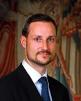
Haakon Magnus
Crown Prince and Heir Apparent
since 20 July 1973
Crown Prince and Heir Apparent
since 20 July 1973
| TRAFFICKING IN PERSONS |
None reported.