| PAPUA NEW GUINEA Independent State of Papua New Guinea Papuaniugini Joined United Nations: 10 October 1975 Human Rights as assured by their constitution Click here Updated 08 September 2012 |
| CAPITAL |
| POPULATION |
| CHIEF OF STATE |
| SELECTION PROCESS |
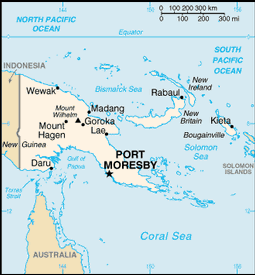
Port Moresby
6,310,129 (July 2012 est.)
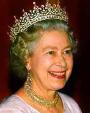
Elizabeth II of the United Kingdom
Queen since 6 February 1952
Queen since 6 February 1952
Monarch is hereditary; governor general appointed by the National
Executive Council
Next scheduled election: None
Executive Council
Next scheduled election: None
HEAD OF GOVERNMENT
SELECTION PROCESS
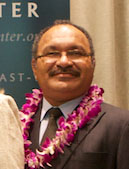
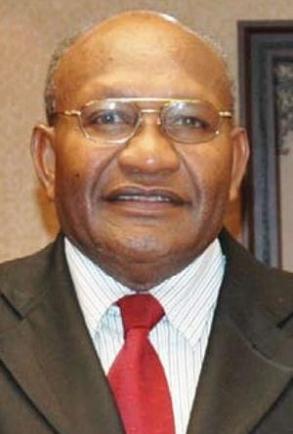
Peter Paire O'Neill
Prime Minister since 2 August 2011
Prime Minister since 2 August 2011
Following legislative elections, the leader of the majority party or
the leader of the majority coalition usually is appointed prime
minister by the governor general; deputy prime minister
appointed by prime minister; elections: last held from 3 August
2012,
Next to be held: 2017
the leader of the majority coalition usually is appointed prime
minister by the governor general; deputy prime minister
appointed by prime minister; elections: last held from 3 August
2012,
Next to be held: 2017
| DECLARATION OF HUMAN RIGHTS |
| ETHNIC GROUPS |
Melanesian, Papuan, Negrito, Micronesian, Polynesian
| RELIGIONS |
Roman Catholic 27%, Protestant 69.4% (Evangelical Lutheran 19.5%, United Church 11.5%, Seventh-Day Adventist
10%, Pentecostal 8.6%, Evangelical Alliance 5.2%, Anglican 3.2%, Baptist 2.5%, other Protestant 8.9%), Baha'i 0.3%,
indigenous beliefs and other 3.3% (2000 census)
10%, Pentecostal 8.6%, Evangelical Alliance 5.2%, Anglican 3.2%, Baptist 2.5%, other Protestant 8.9%), Baha'i 0.3%,
indigenous beliefs and other 3.3% (2000 census)
| GOVERNMENT STRUCTURE |
Constitutional parliamentary democracy with 20 provinces. Legal system is based on English common law
Executive: - The monarch is hereditary; governor general appointed by the National Executive Council; following
legislative elections, the leader of the majority party or the leader of the majority coalition usually is appointed prime
minister by the governor general
Legislative: Unicameral National Parliament - sometimes referred to as the House of Assembly (109 seats, 89 elected
from open electorates and 20 from provincial electorates; members elected by popular vote to serve five-year terms)
elections: last held from 23 June 2012 to 27 July 2012; (next to be held in June 2017)
Judicial: Supreme Court (the chief justice is appointed by the governor general on the proposal of the National Executive
Council after consultation with the minister responsible for justice; other judges are appointed by the Judicial and Legal
Services Commission)
Executive: - The monarch is hereditary; governor general appointed by the National Executive Council; following
legislative elections, the leader of the majority party or the leader of the majority coalition usually is appointed prime
minister by the governor general
Legislative: Unicameral National Parliament - sometimes referred to as the House of Assembly (109 seats, 89 elected
from open electorates and 20 from provincial electorates; members elected by popular vote to serve five-year terms)
elections: last held from 23 June 2012 to 27 July 2012; (next to be held in June 2017)
Judicial: Supreme Court (the chief justice is appointed by the governor general on the proposal of the National Executive
Council after consultation with the minister responsible for justice; other judges are appointed by the Judicial and Legal
Services Commission)
| LANGUAGES |
Tok Pisin (official), English (official), Hiri Motu (official), some 860 indigenous languages spoken (over one-tenth of the
world's total)
note: Tok Pisin, a creole language, is widely used and understood; English is spoken by 1%-2%; Hiri Motu is spoken by
less than 2%
world's total)
note: Tok Pisin, a creole language, is widely used and understood; English is spoken by 1%-2%; Hiri Motu is spoken by
less than 2%
| BRIEF HISTORY |
Archeological evidence indicates that humans arrived on New Guinea at least 60,000 years ago, probably by sea from
Southeast Asia during an ice age period when the sea was lower and distances between islands shorter. Although the
first arrivals were hunters and gatherers, early evidence shows that people managed the forest environment to provide
food. There are indications that gardening was being practiced at the same time that agriculture was developing in
Mesopotamia and Egypt. Complex mulches, crop rotations and tillages are used in rotation on terraces with complex
irrigation systems. Some authorities believe that New Guinea gardeners invented crop rotation well before western
Europeans. When Europeans first arrived, inhabitants of New Guinea and nearby islands--while still relying on bone,
wood, and stone tools--had a productive agricultural system. They traded along the coast, where products mainly were
pottery, shell ornaments, and foodstuffs, and in the interior, where forest products were exchanged for shells and other
sea products. The first Europeans to sight New Guinea were probably the Portuguese and Spanish navigators sailing in
the South Pacific in the early part of the 16th century. In 1526-27, Don Jorge de Meneses/Menezes accidentally came
upon the principal island and is credited with naming it Papua, a Malay word for the frizzled quality of Melanesian hair.
The term New Guinea was applied to the island in 1545 by a Spaniard, Yñigo Ortiz de Retez, because of a fancied
resemblance between the islands' inhabitants and those found on the African Guinea coast. Although European
navigators visited the islands and explored their coastlines for the next 170 years, little was known of the inhabitants by
Europeans until the late 19th century, when Nicholai Miklukho-Maklai spent several years living among native tribes
and described their way of life in a comprehensive treatise. In 1883, the Colony of Queensland purported to annex the
southern half of eastern New Guinea. On November 6, 1884, a British protectorate was proclaimed over the southern
coast of New Guinea and its adjacent islands. The protectorate, called British New Guinea, was annexed outright on
September 4, 1888. The possession was placed under the authority of the Commonwealth of Australia in 1902.
Following the passage of the Papua Act, 1905, British New Guinea became the Territory of Papua, and formal
Australian administration began in 1906, although Papua remained de jure a British possession until the independence
of Papua New Guinea in 1975. Papua was administered under the Papua Act until it was invaded by the Empire of
Japan in 1941, and civil administration suspended. During the Pacific War, Papua was governed by an Australian
military administration from Port Moresby, where General Douglas MacArthur occasionally made his headquarters.
With Europe's growing desire for coconut oil, Godeffroy's of Hamburg, the largest trading firm in the Pacific, began
trading for copra in the New Guinea Islands. In 1884, the German Empire formally took possession of the northeast
quarter of the island and put its administration in the hands of a chartered trading company formed for the purpose, the
Neu Guinea Kompanie. In the charter granted to this company by the German Imperial Government in May of 1885, it
was given the power to exercise sovereign rights over the territory and other "unoccupied" lands in the name of the
government, and the ability to "negotiate" directly with the native inhabitants. Relationships with foreign powers were
retained as the preserve of the German government. The Neu Guinea Kompanie paid for the local governmental
institutions directly, in return for the concessions which had been awarded to it. In 1899, the German imperial
government assumed direct control of the territory, thereafter known as German New Guinea. In 1914, Australian
troops occupied German New Guinea, and it remained under Australian military control through World War I, until
1921. The Commonwealth of Australia assumed a mandate from the League of Nations for governing the former
German territory of New Guinea in 1920. It was administered under this mandate until the Japanese invasion in
December 1941 brought about the suspension of Australian civil administration. Much of the Territory of New Guinea,
including the islands of Bougainville and New Britain, was occupied by Japanese forces until recaptured. Following the
surrender of the Japanese in 1945, civil administration of Papua as well as New Guinea was restored, and under the
Papua New Guinea Provisional Administration Act, (1945-46, Papua and New Guinea were combined in an
administrative union. The Papua and New Guinea Act of 1949 formally approved the placing of New Guinea under the
international trusteeship system and confirmed the administrative union of New Guinea and Papua under the title of The
Territory of Papua and New Guinea. The act provided for a Legislative Council (established in 1951), a judicial
organization, a public service, and a system of local government. A House of Assembly replaced the Legislative
Council in 1963, and the first House of Assembly opened on June 8, 1964. In 1972, the name of the territory was
changed to Papua New Guinea. Elections in 1972 resulted in the formation of a ministry headed by Chief Minister
Michael Somare, who pledged to lead the country to self-government and then to independence. Papua New Guinea
became self-governing on December 1, 1973 and achieved independence on September 16, 1975. A nine-year
secessionist revolt on the island of Bougainville claimed some 20,000 lives. The rebellion began in early 1989, active
hostilities ended with a truce in October 1997 and a permanent ceasefire was signed in April 1998. A peace agreement
between the Government and ex-combatants was signed in August 2001. Relations with Australia have continued to
show signs of strain. While on a state visit in March of 2005, Prime Minister Somare was asked to submit to a security
check and remove his shoes upon arriving at the airport in Brisbane. Despite demands from the PNG government that
Australia apologize, the latter refused.
Sources: Wikipedia: History of Papua New Guinea
Southeast Asia during an ice age period when the sea was lower and distances between islands shorter. Although the
first arrivals were hunters and gatherers, early evidence shows that people managed the forest environment to provide
food. There are indications that gardening was being practiced at the same time that agriculture was developing in
Mesopotamia and Egypt. Complex mulches, crop rotations and tillages are used in rotation on terraces with complex
irrigation systems. Some authorities believe that New Guinea gardeners invented crop rotation well before western
Europeans. When Europeans first arrived, inhabitants of New Guinea and nearby islands--while still relying on bone,
wood, and stone tools--had a productive agricultural system. They traded along the coast, where products mainly were
pottery, shell ornaments, and foodstuffs, and in the interior, where forest products were exchanged for shells and other
sea products. The first Europeans to sight New Guinea were probably the Portuguese and Spanish navigators sailing in
the South Pacific in the early part of the 16th century. In 1526-27, Don Jorge de Meneses/Menezes accidentally came
upon the principal island and is credited with naming it Papua, a Malay word for the frizzled quality of Melanesian hair.
The term New Guinea was applied to the island in 1545 by a Spaniard, Yñigo Ortiz de Retez, because of a fancied
resemblance between the islands' inhabitants and those found on the African Guinea coast. Although European
navigators visited the islands and explored their coastlines for the next 170 years, little was known of the inhabitants by
Europeans until the late 19th century, when Nicholai Miklukho-Maklai spent several years living among native tribes
and described their way of life in a comprehensive treatise. In 1883, the Colony of Queensland purported to annex the
southern half of eastern New Guinea. On November 6, 1884, a British protectorate was proclaimed over the southern
coast of New Guinea and its adjacent islands. The protectorate, called British New Guinea, was annexed outright on
September 4, 1888. The possession was placed under the authority of the Commonwealth of Australia in 1902.
Following the passage of the Papua Act, 1905, British New Guinea became the Territory of Papua, and formal
Australian administration began in 1906, although Papua remained de jure a British possession until the independence
of Papua New Guinea in 1975. Papua was administered under the Papua Act until it was invaded by the Empire of
Japan in 1941, and civil administration suspended. During the Pacific War, Papua was governed by an Australian
military administration from Port Moresby, where General Douglas MacArthur occasionally made his headquarters.
With Europe's growing desire for coconut oil, Godeffroy's of Hamburg, the largest trading firm in the Pacific, began
trading for copra in the New Guinea Islands. In 1884, the German Empire formally took possession of the northeast
quarter of the island and put its administration in the hands of a chartered trading company formed for the purpose, the
Neu Guinea Kompanie. In the charter granted to this company by the German Imperial Government in May of 1885, it
was given the power to exercise sovereign rights over the territory and other "unoccupied" lands in the name of the
government, and the ability to "negotiate" directly with the native inhabitants. Relationships with foreign powers were
retained as the preserve of the German government. The Neu Guinea Kompanie paid for the local governmental
institutions directly, in return for the concessions which had been awarded to it. In 1899, the German imperial
government assumed direct control of the territory, thereafter known as German New Guinea. In 1914, Australian
troops occupied German New Guinea, and it remained under Australian military control through World War I, until
1921. The Commonwealth of Australia assumed a mandate from the League of Nations for governing the former
German territory of New Guinea in 1920. It was administered under this mandate until the Japanese invasion in
December 1941 brought about the suspension of Australian civil administration. Much of the Territory of New Guinea,
including the islands of Bougainville and New Britain, was occupied by Japanese forces until recaptured. Following the
surrender of the Japanese in 1945, civil administration of Papua as well as New Guinea was restored, and under the
Papua New Guinea Provisional Administration Act, (1945-46, Papua and New Guinea were combined in an
administrative union. The Papua and New Guinea Act of 1949 formally approved the placing of New Guinea under the
international trusteeship system and confirmed the administrative union of New Guinea and Papua under the title of The
Territory of Papua and New Guinea. The act provided for a Legislative Council (established in 1951), a judicial
organization, a public service, and a system of local government. A House of Assembly replaced the Legislative
Council in 1963, and the first House of Assembly opened on June 8, 1964. In 1972, the name of the territory was
changed to Papua New Guinea. Elections in 1972 resulted in the formation of a ministry headed by Chief Minister
Michael Somare, who pledged to lead the country to self-government and then to independence. Papua New Guinea
became self-governing on December 1, 1973 and achieved independence on September 16, 1975. A nine-year
secessionist revolt on the island of Bougainville claimed some 20,000 lives. The rebellion began in early 1989, active
hostilities ended with a truce in October 1997 and a permanent ceasefire was signed in April 1998. A peace agreement
between the Government and ex-combatants was signed in August 2001. Relations with Australia have continued to
show signs of strain. While on a state visit in March of 2005, Prime Minister Somare was asked to submit to a security
check and remove his shoes upon arriving at the airport in Brisbane. Despite demands from the PNG government that
Australia apologize, the latter refused.
Sources: Wikipedia: History of Papua New Guinea
| ECONOMIC OVERVIEW |
The governments of Papua New Guinea are characterized by weak political parties and highly unstable parliamentary
coalitions. The prime minister, elected by Parliament, chooses the other members of the cabinet. Since independence in
1975, members have been elected by the first past the post system, with winners frequently gaining less than 15% of
the vote. Electoral reforms in 2001 introduced the Limited Preferential Vote system (LPV), a modified version of
Alternative vote. The first general election to use LPV will be held in 2007. Parliament introduced reforms in June 1995
to change the provincial government system, with regional (at-large) members of Parliament becoming provincial
governors, while retaining their national seats in Parliament.
The last national election was held in June 2007. Michael Somare was reelected Prime Minister, a position he also held
in the country's first parliament after independence. Somare has held power since 2002, where he won in a violence-
marred polling. Supplementary elections were held in Southern Highlands province in June 2003 after record levels of
electoral fraud and intimidation during the 2002 polls.
A study by the Australian Strategic Policy Institute, entitled "Strengthening our neighbour: Australia and the future of
Papua New Guinea" and published in December 2004 found that PNG's weak government and policing has allowed
organized crime gangs to relocate from Southeast Asia in recent years.
The 2011–2012 Papua New Guinean constitutional crisis is an ongoing dispute in Papua New Guinea between Peter
O'Neill and Sir Michael Somare over who is legally Prime Minister of Papua New Guinea.
On 26 January 2012, about 30 soldiers under the leadership of Colonel Yaura Sasa took control of the Taurama
Barracks and military headquarters in Port Moresby, placing the head of the PNG defence force, Brigadier General
Francis Agwi, under house arrest. Sasa had been appointed defence chief by Somare several days earlier. Sasa
requested that O'Neill step down as prime minister in favour of Somare within a week. O'Neill's deputy Belden Namah
said that 15 of the soldiers involved in the mutiny had been arrested and Sasa may be charged with treason. Sasa, still
at Taurama Barracks, requested a pardon. Standard & Poor's revised its outlook for PNG to negative after the mutiny
attempt. Australian Prime Minister Julia Gillard condemned the attempted mutiny, saying the military has no place in
Papua New Guinea politics.
Source: Wikipedia: Politics of Papua New Guinea
coalitions. The prime minister, elected by Parliament, chooses the other members of the cabinet. Since independence in
1975, members have been elected by the first past the post system, with winners frequently gaining less than 15% of
the vote. Electoral reforms in 2001 introduced the Limited Preferential Vote system (LPV), a modified version of
Alternative vote. The first general election to use LPV will be held in 2007. Parliament introduced reforms in June 1995
to change the provincial government system, with regional (at-large) members of Parliament becoming provincial
governors, while retaining their national seats in Parliament.
The last national election was held in June 2007. Michael Somare was reelected Prime Minister, a position he also held
in the country's first parliament after independence. Somare has held power since 2002, where he won in a violence-
marred polling. Supplementary elections were held in Southern Highlands province in June 2003 after record levels of
electoral fraud and intimidation during the 2002 polls.
A study by the Australian Strategic Policy Institute, entitled "Strengthening our neighbour: Australia and the future of
Papua New Guinea" and published in December 2004 found that PNG's weak government and policing has allowed
organized crime gangs to relocate from Southeast Asia in recent years.
The 2011–2012 Papua New Guinean constitutional crisis is an ongoing dispute in Papua New Guinea between Peter
O'Neill and Sir Michael Somare over who is legally Prime Minister of Papua New Guinea.
On 26 January 2012, about 30 soldiers under the leadership of Colonel Yaura Sasa took control of the Taurama
Barracks and military headquarters in Port Moresby, placing the head of the PNG defence force, Brigadier General
Francis Agwi, under house arrest. Sasa had been appointed defence chief by Somare several days earlier. Sasa
requested that O'Neill step down as prime minister in favour of Somare within a week. O'Neill's deputy Belden Namah
said that 15 of the soldiers involved in the mutiny had been arrested and Sasa may be charged with treason. Sasa, still
at Taurama Barracks, requested a pardon. Standard & Poor's revised its outlook for PNG to negative after the mutiny
attempt. Australian Prime Minister Julia Gillard condemned the attempted mutiny, saying the military has no place in
Papua New Guinea politics.
Source: Wikipedia: Politics of Papua New Guinea
| POLITICAL CLIMATE |
Papua New Guinea (PNG) is richly endowed with natural resources, but exploitation has been hampered by rugged
terrain, land tenure issues, and the high cost of developing infrastructure. The economy has a small formal sector,
focused mainly on the export of those natural resources, and an informal sector, employing the majority of the
population. Agriculture provides a subsistence livelihood for 85% of the people. Mineral deposits, including copper,
gold, and oil, account for nearly two-thirds of export earnings. Natural gas reserves amount to an estimated 227 billion
cubic meters. A consortium led by a major American oil company is constructing a liquefied natural gas (LNG)
production facility that could begin exporting in 2014. As the largest investment project in the country's history, it has
the potential to double GDP in the near-term and triple Papua New Guinea's export revenue. An American-owned firm
also opened PNG's first oil refinery in 2004 and is building a second LNG production facility. The government faces
the challenge of ensuring transparency and accountability for revenues flowing from this and other large LNG projects.
In 2011 and 2012, the National Parliament passed legislation that created an offshore Sovereign Wealth Fund (SWF)
to manage government surpluses from mineral, oil, and natural gas projects. In recent years, the government has
opened up markets in telecommunications and air transport, making both more affordable to the people. Numerous
challenges still face the government of Peter O'NEILL, including providing physical security for foreign investors,
regaining investor confidence, restoring integrity to state institutions, promoting economic efficiency by privatizing
moribund state institutions, and maintaining good relations with Australia, its former colonial ruler. Other socio-cultural
challenges could upend the economy including chronic law and order and land tenure issues. The global financial crisis
had little impact because of continued foreign demand for PNG's commodities.
Source: CIA World Factbook (select Papua New Guinea)
terrain, land tenure issues, and the high cost of developing infrastructure. The economy has a small formal sector,
focused mainly on the export of those natural resources, and an informal sector, employing the majority of the
population. Agriculture provides a subsistence livelihood for 85% of the people. Mineral deposits, including copper,
gold, and oil, account for nearly two-thirds of export earnings. Natural gas reserves amount to an estimated 227 billion
cubic meters. A consortium led by a major American oil company is constructing a liquefied natural gas (LNG)
production facility that could begin exporting in 2014. As the largest investment project in the country's history, it has
the potential to double GDP in the near-term and triple Papua New Guinea's export revenue. An American-owned firm
also opened PNG's first oil refinery in 2004 and is building a second LNG production facility. The government faces
the challenge of ensuring transparency and accountability for revenues flowing from this and other large LNG projects.
In 2011 and 2012, the National Parliament passed legislation that created an offshore Sovereign Wealth Fund (SWF)
to manage government surpluses from mineral, oil, and natural gas projects. In recent years, the government has
opened up markets in telecommunications and air transport, making both more affordable to the people. Numerous
challenges still face the government of Peter O'NEILL, including providing physical security for foreign investors,
regaining investor confidence, restoring integrity to state institutions, promoting economic efficiency by privatizing
moribund state institutions, and maintaining good relations with Australia, its former colonial ruler. Other socio-cultural
challenges could upend the economy including chronic law and order and land tenure issues. The global financial crisis
had little impact because of continued foreign demand for PNG's commodities.
Source: CIA World Factbook (select Papua New Guinea)
| INTERNATIONAL DISPUTES |
Relies on assistance from Australia to keep out illegal cross-border activities from primarily Indonesia, including goods
smuggling, illegal narcotics trafficking, and squatters and secessionists
smuggling, illegal narcotics trafficking, and squatters and secessionists


| REFUGEES AND INTERNALLY DISPLACED PERSONS (IDP) |
Refugees (country of origin): 9,689 (Indonesia) (2010)
| ILLICIT DRUGS |
Major consumer of cannabis.
| HUMAN RIGHTS STATEMENTS, ANALYSIS AND CRITIQUES |
2011 Human Rights Report: Papua New Guinea
Bureau of Democracy, Human Rights, and Labor
2011 Country Reports on Human Rights Practices
May 24, 2012
Papua New Guinea is a constitutional, federal, multiparty, parliamentary democracy. On August 2, Peter O’Neill was elected prime
minister when the speaker of Parliament declared the premiership vacant due to the prolonged illness and absence of former prime
minister Sir Michael Somare. On December 12, the Supreme Court declared O’Neill's election unconstitutional and restored Somare as
prime minister. On the same day Parliament disqualified Somare as a member of Parliament (MP) and reelected O’Neill as prime
minister. Security forces reported to civilian authorities, but there were some instances in which they acted independently of civilian
control.
The principal human rights abuses were severe police abuse of detainees; violence and discrimination against women; and vigilante
killings and abuses, some related to alleged involvement in sorcery and witchcraft.
Other human rights problems included arbitrary or unlawful killings by police; poor prison conditions; lengthy pretrial detention;
infringement of citizens’ privacy rights, particularly in highland areas; government corruption; abuse and sexual exploitation of
children; trafficking in persons; discrimination against persons with disabilities; intertribal violence; and ineffective enforcement of
labor laws.
Despite minor reforms to the justice system, the government frequently failed to prosecute or punish officials who committed abuses,
whether in the security services or elsewhere in the government, and impunity was pervasive.
Click here to read more »
Bureau of Democracy, Human Rights, and Labor
2011 Country Reports on Human Rights Practices
May 24, 2012
Papua New Guinea is a constitutional, federal, multiparty, parliamentary democracy. On August 2, Peter O’Neill was elected prime
minister when the speaker of Parliament declared the premiership vacant due to the prolonged illness and absence of former prime
minister Sir Michael Somare. On December 12, the Supreme Court declared O’Neill's election unconstitutional and restored Somare as
prime minister. On the same day Parliament disqualified Somare as a member of Parliament (MP) and reelected O’Neill as prime
minister. Security forces reported to civilian authorities, but there were some instances in which they acted independently of civilian
control.
The principal human rights abuses were severe police abuse of detainees; violence and discrimination against women; and vigilante
killings and abuses, some related to alleged involvement in sorcery and witchcraft.
Other human rights problems included arbitrary or unlawful killings by police; poor prison conditions; lengthy pretrial detention;
infringement of citizens’ privacy rights, particularly in highland areas; government corruption; abuse and sexual exploitation of
children; trafficking in persons; discrimination against persons with disabilities; intertribal violence; and ineffective enforcement of
labor laws.
Despite minor reforms to the justice system, the government frequently failed to prosecute or punish officials who committed abuses,
whether in the security services or elsewhere in the government, and impunity was pervasive.
Click here to read more »
30 July 2010
Committee on the Elimination of Discrimination
against Women
Forty-sixth session
12-30 July 2010
Concluding observations of the Committee on the
Elimination of Discrimination against Women
Papua New Guinea
Introduction
2. The Committee commends the State party for its ratification of the Convention without reservations. It expresses its appreciation to
the State party for the quality and frankness of its combined initial, second and third report, but regrets the significant delay of 13
years in the submission of the report. It also appreciates the fact that the report followed the Committee’s former guidelines for the
preparation of initial reports, including reference to the Committee’s general recommendations, and that it was prepared through a
consultative process with the participation of Government bodies.
Positive aspects
6. The Committee welcomes the adoption by the State party of the 2009 Lukautim Pikinini (Child Protection) Act, including a range of
provisions to protect girls from discrimination.
7. The Committee notes with satisfaction several legislative initiatives by the State party in relation to sexual offences, including the
enactment, in 2002, of the Sexual Offences and Crimes against Children Act under the revised Criminal Code, introducing a series of
new offences, including marital rape, graded according to the seriousness of the harm and incorporating the ways in which women
are sexually violated.
Principal areas of concern and recommendations
9. The Committee recalls the obligation of the State party to systematically and continuously implement all the provisions of the
Convention. It views the concerns and recommendations identified in the present concluding observations as requiring the priority
attention of the State party between now and the submission of its next periodic report. Consequently, the Committee urges the State
party to focus on those areas in its implementation activities and to report on action taken and results achieved in its next periodic
report. It calls upon the State party to submit the present concluding observations to all relevant ministries, Parliament and the
judiciary in order to ensure their full implementation.
Click here to read more »
Committee on the Elimination of Discrimination
against Women
Forty-sixth session
12-30 July 2010
Concluding observations of the Committee on the
Elimination of Discrimination against Women
Papua New Guinea
Introduction
2. The Committee commends the State party for its ratification of the Convention without reservations. It expresses its appreciation to
the State party for the quality and frankness of its combined initial, second and third report, but regrets the significant delay of 13
years in the submission of the report. It also appreciates the fact that the report followed the Committee’s former guidelines for the
preparation of initial reports, including reference to the Committee’s general recommendations, and that it was prepared through a
consultative process with the participation of Government bodies.
Positive aspects
6. The Committee welcomes the adoption by the State party of the 2009 Lukautim Pikinini (Child Protection) Act, including a range of
provisions to protect girls from discrimination.
7. The Committee notes with satisfaction several legislative initiatives by the State party in relation to sexual offences, including the
enactment, in 2002, of the Sexual Offences and Crimes against Children Act under the revised Criminal Code, introducing a series of
new offences, including marital rape, graded according to the seriousness of the harm and incorporating the ways in which women
are sexually violated.
Principal areas of concern and recommendations
9. The Committee recalls the obligation of the State party to systematically and continuously implement all the provisions of the
Convention. It views the concerns and recommendations identified in the present concluding observations as requiring the priority
attention of the State party between now and the submission of its next periodic report. Consequently, the Committee urges the State
party to focus on those areas in its implementation activities and to report on action taken and results achieved in its next periodic
report. It calls upon the State party to submit the present concluding observations to all relevant ministries, Parliament and the
judiciary in order to ensure their full implementation.
Click here to read more »
Freedom In The World Report 2012
Political Rights Score: 4
Civil Liberties Score: 3
Status: Partly Free
Overview
In August 2011, Peter O’Neill became prime minister after Michael Somare stepped down amid corruption charges and health
problems. In October, Somare claimed that he had never formally left office. Although the Supreme Court in December ruled that
O’Neill’s election was unconstitutional and Somare should be reinstated, the speaker of Parliament continued to recognize O’Neill
as prime minister, in defiance of the court’s ruling.
Prime Minister Michael Somare’s ruling National Alliance (NA) won 27 of the 109 Parliament seats in July 2007 elections, and the
71-year-old Somare was chosen for a second five-year term. The elections were marred by many reports of fraud, lost ballots, and
attacks on journalists and candidates.
Natural-resource exploitation, including mining and logging, provide the bulk of government revenue, though strong economic
growth has been overshadowed by increasing levels of violence and poverty, while public health, education, and infrastructure has
also suffered. Gun battles, youth violence, clan wars, sorcery-related violence, rape and domestic abuse are not uncommon. In
October 2011, a lawmaker was formally charged with the 2010 rape of a 14-year old girl. In November, two days of youth rioting
and ethnic violence in Lae, PNG’s second biggest city, left more than a thousand people homeless.
In December 2010, Somare stepped down to face a leadership tribunal for allegedly failing to file complete financial statements
between 1993 and 2004. Although legally he remained prime minister, he appointed Deputy Prime Minister Sam Abal as acting
prime minister for the duration of the investigation. In March 2011, Somare was found guilty on 13 charges of misconduct; he was
sentenced to two weeks of suspension from office without pay, beginning on April 4, but was allowed to keep his position as a
member of Parliament. In mid-April, Somare traveled to Singapore to seek medical treatment, and his family in late June announced
his retirement as prime minister due to poor health. Abal attempted to stay in power, but faced internal party challenges. On August
2, Parliament elected Peter O’Neill prime minister. In October, Somare claimed that he had never formally left office and sued to
regain his position. On December 11, the Supreme Court ruled that O’Neill’s election by Parliament had been unconstitutional and
Somare should be reinstated. However, the speaker of Parliament continued to recognize O’Neill as prime minister at year’s end, in
defiance of the court’s ruling. In an attempt to prevent Somare from continuing his court challenge or competing in future
elections, Parliament voted 68 to 3 on December 21 to restrict anyone aged 72 or older from becoming or remaining prime
minister; the law was made retroactive to August 1, 2011.
Click here to read more »
Political Rights Score: 4
Civil Liberties Score: 3
Status: Partly Free
Overview
In August 2011, Peter O’Neill became prime minister after Michael Somare stepped down amid corruption charges and health
problems. In October, Somare claimed that he had never formally left office. Although the Supreme Court in December ruled that
O’Neill’s election was unconstitutional and Somare should be reinstated, the speaker of Parliament continued to recognize O’Neill
as prime minister, in defiance of the court’s ruling.
Prime Minister Michael Somare’s ruling National Alliance (NA) won 27 of the 109 Parliament seats in July 2007 elections, and the
71-year-old Somare was chosen for a second five-year term. The elections were marred by many reports of fraud, lost ballots, and
attacks on journalists and candidates.
Natural-resource exploitation, including mining and logging, provide the bulk of government revenue, though strong economic
growth has been overshadowed by increasing levels of violence and poverty, while public health, education, and infrastructure has
also suffered. Gun battles, youth violence, clan wars, sorcery-related violence, rape and domestic abuse are not uncommon. In
October 2011, a lawmaker was formally charged with the 2010 rape of a 14-year old girl. In November, two days of youth rioting
and ethnic violence in Lae, PNG’s second biggest city, left more than a thousand people homeless.
In December 2010, Somare stepped down to face a leadership tribunal for allegedly failing to file complete financial statements
between 1993 and 2004. Although legally he remained prime minister, he appointed Deputy Prime Minister Sam Abal as acting
prime minister for the duration of the investigation. In March 2011, Somare was found guilty on 13 charges of misconduct; he was
sentenced to two weeks of suspension from office without pay, beginning on April 4, but was allowed to keep his position as a
member of Parliament. In mid-April, Somare traveled to Singapore to seek medical treatment, and his family in late June announced
his retirement as prime minister due to poor health. Abal attempted to stay in power, but faced internal party challenges. On August
2, Parliament elected Peter O’Neill prime minister. In October, Somare claimed that he had never formally left office and sued to
regain his position. On December 11, the Supreme Court ruled that O’Neill’s election by Parliament had been unconstitutional and
Somare should be reinstated. However, the speaker of Parliament continued to recognize O’Neill as prime minister at year’s end, in
defiance of the court’s ruling. In an attempt to prevent Somare from continuing his court challenge or competing in future
elections, Parliament voted 68 to 3 on December 21 to restrict anyone aged 72 or older from becoming or remaining prime
minister; the law was made retroactive to August 1, 2011.
Click here to read more »
Papua New Guinea: Amnesty International welcomes commitment to eliminate gender-based violence, and urges
investigation of sorcery-related killings and forced evictions
5 October 2011
Amnesty International shares the concerns raised by 18 States with regard to discrimination and violence against women in Papua
New Guinea.1 We welcome the government’s support of recommendations to eliminate gender-based violence, including by
addressing impunity for such violations;2 to reinforce the legal framework for the prevention of violence against women;3 and to
extend an invitation to the UN Special Rapporteur on Violence against Women.4 We call on Papua New Guinea to put in place
coherent plans at the national, provincial and local levels for the prevention of violence against women, to ensure women’s access to
emergency accommodation, healthcare services, counselling and legal advice, and to ensure that professionals are trained to respond
to female survivors of gender-based violence in a manner which respects women’s human rights and prioritizes their safety and
welfare.
In Papua New Guinea sorcery is sometimes believed to account for a sudden or unexplained death or illness and the person thought to
be responsible may be killed. Women are more likely to be accused of sorcery, especially if they are suffering from HIV/AIDS. In one
case from January 2009, a group of men stripped a woman naked, gagged, tortured and burned her alive at Kerebug rubbish dump
because they suspected her of practicing witchcraft. We urge Papua New Guinea to review the law on sorcery and sorcery-related
killings as recommended in the review,5 to investigate all sorcery-related killings to ensure that the perpetrators are brought to justice,
to develop and implement strategies to prevent further sorcery-related killings, and to challenge any link between women with
HIV/AIDS and the notion of sorcery.
In 2009, Amnesty investigated circumstances surrounding the forced evictions in Porgera, Western Highlands. We found that aspects
of the police’s conduct violated both domestic and international human rights law when they burned down houses and destroyed
personal belongings, gardens and livestock. We call on Papua New Guinea to implement the recommendation to increase scrutiny over
extractive and logging industries to reduce the negative effect on the enjoyment of human rights.6 We also urge the government to
investigate forced evictions in Porgera, to hold to account those responsible for human rights abuses, and to provide remedies to those
affected, including alternative accommodation and compensation. We regret that Papua New Guinea has rejected recommendations to
confirm the de facto moratorium on executions towards the total abolition of the death penalty.7
Click here to read more »
investigation of sorcery-related killings and forced evictions
5 October 2011
Amnesty International shares the concerns raised by 18 States with regard to discrimination and violence against women in Papua
New Guinea.1 We welcome the government’s support of recommendations to eliminate gender-based violence, including by
addressing impunity for such violations;2 to reinforce the legal framework for the prevention of violence against women;3 and to
extend an invitation to the UN Special Rapporteur on Violence against Women.4 We call on Papua New Guinea to put in place
coherent plans at the national, provincial and local levels for the prevention of violence against women, to ensure women’s access to
emergency accommodation, healthcare services, counselling and legal advice, and to ensure that professionals are trained to respond
to female survivors of gender-based violence in a manner which respects women’s human rights and prioritizes their safety and
welfare.
In Papua New Guinea sorcery is sometimes believed to account for a sudden or unexplained death or illness and the person thought to
be responsible may be killed. Women are more likely to be accused of sorcery, especially if they are suffering from HIV/AIDS. In one
case from January 2009, a group of men stripped a woman naked, gagged, tortured and burned her alive at Kerebug rubbish dump
because they suspected her of practicing witchcraft. We urge Papua New Guinea to review the law on sorcery and sorcery-related
killings as recommended in the review,5 to investigate all sorcery-related killings to ensure that the perpetrators are brought to justice,
to develop and implement strategies to prevent further sorcery-related killings, and to challenge any link between women with
HIV/AIDS and the notion of sorcery.
In 2009, Amnesty investigated circumstances surrounding the forced evictions in Porgera, Western Highlands. We found that aspects
of the police’s conduct violated both domestic and international human rights law when they burned down houses and destroyed
personal belongings, gardens and livestock. We call on Papua New Guinea to implement the recommendation to increase scrutiny over
extractive and logging industries to reduce the negative effect on the enjoyment of human rights.6 We also urge the government to
investigate forced evictions in Porgera, to hold to account those responsible for human rights abuses, and to provide remedies to those
affected, including alternative accommodation and compensation. We regret that Papua New Guinea has rejected recommendations to
confirm the de facto moratorium on executions towards the total abolition of the death penalty.7
Click here to read more »
World Report 2012: Papua New Guinea
Events of 2011
January 22, 2012
Papua New Guinea has abundant natural resources, but poor governance and corruption have prevented ordinary citizens from
benefitting from this wealth. The government has failed to safeguard environmental concerns in mining operations, and the
continued dumping of mine waste into rivers poses potentially severe health risks.
The government has not taken concrete steps to address pervasive abuses by the police force that are committed with impunity, as
documented in a February report by the United Nations special rapporteur on torture. Violence against women is widespread,
buttressed by limited social services and a weak justice system.
Dysfunctional government institutions continue to paralyze the country. In August Peter O’Neill, the former treasurer, was elected
prime minister after opposition leaders persuaded parliament to declare the prime minister’s office vacant while sitting Prime
Minister Michael Somare received medical treatment overseas. In September the National Court referred Somare’s bid to hold his
seat in parliament to the Supreme Court. Somare has been the country’s dominant political figure for more than 40 years. Some
have expressed cautious optimism that new leadership could herald a more transparent and accountable government.
Extractive industries are the main engine of the economy, but the government has long failed to adequately regulate them, with
devastating consequences to the environment. Papua New Guinea’s sprawling Porgera gold mine, 95 percent owned by Canadian
company Barrick Gold, has produced more than 16 million ounces of gold since opening in 1990, worth more than US$20 billion
today. The mine dumps 16,000 tons of liquid waste into the Porgera River every day, a controversial practice that is out of line
with current industry standards. Critics worry it could pose serious health risks to communities downstream.
A protracted legal battle over the Ramu Nickel mine, set to begin operations in late 2011, involves Ramu Nico Management (MCC),
the Chinese company that owns the majority of the mine, and landowners raising compensation discrepancies and environmental
concerns. In July the National Court dismissed an application that landowners had brought for a permanent injunction preventing
the mine from dumping waste into the sea. The Supreme Court was hearing an appeal at this writing.
Exploration drilling as part of a projected $15 billion Liquid Natural Gas (LNG) project is set to expand at the end of the year.
Disputes between local landowners and LNG contractors have been common since the project was sanctioned in 2009, and
unresolved disputes over compensation for landowners, outstanding business development grants, and inadequate benefits for
employees continue to generate protests and occasional violence. In August local villagers attacked two employees at the LNG site
in Komo, a proposed airfield, forcing Exxon Mobile to temporarily halt operations.
Click here to read more »
Events of 2011
January 22, 2012
Papua New Guinea has abundant natural resources, but poor governance and corruption have prevented ordinary citizens from
benefitting from this wealth. The government has failed to safeguard environmental concerns in mining operations, and the
continued dumping of mine waste into rivers poses potentially severe health risks.
The government has not taken concrete steps to address pervasive abuses by the police force that are committed with impunity, as
documented in a February report by the United Nations special rapporteur on torture. Violence against women is widespread,
buttressed by limited social services and a weak justice system.
Dysfunctional government institutions continue to paralyze the country. In August Peter O’Neill, the former treasurer, was elected
prime minister after opposition leaders persuaded parliament to declare the prime minister’s office vacant while sitting Prime
Minister Michael Somare received medical treatment overseas. In September the National Court referred Somare’s bid to hold his
seat in parliament to the Supreme Court. Somare has been the country’s dominant political figure for more than 40 years. Some
have expressed cautious optimism that new leadership could herald a more transparent and accountable government.
Extractive industries are the main engine of the economy, but the government has long failed to adequately regulate them, with
devastating consequences to the environment. Papua New Guinea’s sprawling Porgera gold mine, 95 percent owned by Canadian
company Barrick Gold, has produced more than 16 million ounces of gold since opening in 1990, worth more than US$20 billion
today. The mine dumps 16,000 tons of liquid waste into the Porgera River every day, a controversial practice that is out of line
with current industry standards. Critics worry it could pose serious health risks to communities downstream.
A protracted legal battle over the Ramu Nickel mine, set to begin operations in late 2011, involves Ramu Nico Management (MCC),
the Chinese company that owns the majority of the mine, and landowners raising compensation discrepancies and environmental
concerns. In July the National Court dismissed an application that landowners had brought for a permanent injunction preventing
the mine from dumping waste into the sea. The Supreme Court was hearing an appeal at this writing.
Exploration drilling as part of a projected $15 billion Liquid Natural Gas (LNG) project is set to expand at the end of the year.
Disputes between local landowners and LNG contractors have been common since the project was sanctioned in 2009, and
unresolved disputes over compensation for landowners, outstanding business development grants, and inadequate benefits for
employees continue to generate protests and occasional violence. In August local villagers attacked two employees at the LNG site
in Komo, a proposed airfield, forcing Exxon Mobile to temporarily halt operations.
Click here to read more »
PAPUA NEW GUINEA COUNTRY STATEMENT
DELIVERED BY HON. PETER O'NEill, CMG, MP PRIME MINISTER OF PAPUA NEW GUINEA
AT THE GENERAL DEBATE SESSION OF THE 66TH UNITED NATIONS GENERAL ASSEMBLY
24th SEPTEMBER 2011, NEW YORK
Mr. President
Papua New Guinea continues to benefit from a strong UN presence through its delivery of various development programs.
Papua New Guinea has welcomed and formalized the "One UN - Delivering as One"concept in 2006, as a model self-starter
country. This has unified all the efforts of various UN Agencies under One Budgetary Framework, Monitoring and Evaluation
process.
This concept will enable a more effective and efficient way for the UN to deliver on its mandate. In particular, the new Country
Program for Papua New Guinea which will be rolled out beginning in January 2012 targeting Governance, Social Justice, Health,
Education, Gender, Environment, Climate Change and Disaster Management.
Since the publication of the inaugural MDG Report in 2004, Papua 'New Guinea has produced two MDG progress reports. The
first was a summary report in 2009 and the second a comprehensive report in 2010. These reports showed that we were able to
achieve some of the national MDG targets, especially on poverty reduction and child mortality.
In terms of universal primary education, Papua New Guinea is progressing well with enrollments for children in grades one to six
increasing significantly by 53%. This is a marked improvement and will increase the literacy rate in the long term.
Our Government recently announced a free education policy from elementary level to Year 10 and subsidized education from
Grades 11 to University, commencing 2012.
We are also revamping our National Health system to improve immunization programs, clean and safer water supply, centralize the
purchase and supply of drugs, maternal and child mortality, and reduce malaria, HIV Aids, and other communicable diseases.
Women play critical roles in all facets of development. Our Government is conscious of the need to have more women participate
actively in the affairs of state and in the economic life of Papua New Guinea.
I am pleased to report that we have recently passed the first vote on a parliamentary bill that will provide for 22 reserved seats for
women to contest in the coming Elections in 2012. This does not stop them from contesting any of the existing seats.
Click here to read more »
DELIVERED BY HON. PETER O'NEill, CMG, MP PRIME MINISTER OF PAPUA NEW GUINEA
AT THE GENERAL DEBATE SESSION OF THE 66TH UNITED NATIONS GENERAL ASSEMBLY
24th SEPTEMBER 2011, NEW YORK
Mr. President
Papua New Guinea continues to benefit from a strong UN presence through its delivery of various development programs.
Papua New Guinea has welcomed and formalized the "One UN - Delivering as One"concept in 2006, as a model self-starter
country. This has unified all the efforts of various UN Agencies under One Budgetary Framework, Monitoring and Evaluation
process.
This concept will enable a more effective and efficient way for the UN to deliver on its mandate. In particular, the new Country
Program for Papua New Guinea which will be rolled out beginning in January 2012 targeting Governance, Social Justice, Health,
Education, Gender, Environment, Climate Change and Disaster Management.
Since the publication of the inaugural MDG Report in 2004, Papua 'New Guinea has produced two MDG progress reports. The
first was a summary report in 2009 and the second a comprehensive report in 2010. These reports showed that we were able to
achieve some of the national MDG targets, especially on poverty reduction and child mortality.
In terms of universal primary education, Papua New Guinea is progressing well with enrollments for children in grades one to six
increasing significantly by 53%. This is a marked improvement and will increase the literacy rate in the long term.
Our Government recently announced a free education policy from elementary level to Year 10 and subsidized education from
Grades 11 to University, commencing 2012.
We are also revamping our National Health system to improve immunization programs, clean and safer water supply, centralize the
purchase and supply of drugs, maternal and child mortality, and reduce malaria, HIV Aids, and other communicable diseases.
Women play critical roles in all facets of development. Our Government is conscious of the need to have more women participate
actively in the affairs of state and in the economic life of Papua New Guinea.
I am pleased to report that we have recently passed the first vote on a parliamentary bill that will provide for 22 reserved seats for
women to contest in the coming Elections in 2012. This does not stop them from contesting any of the existing seats.
Click here to read more »
Ombudsman Commission to probe Oro disaster funds
February 3, 2012
The Ombudsman Commission will be moving quickly to investigate many allegations in the disaster stricken Northern Province in
both the provincial administration and disaster restoration funds.
The Chief Ombudsman Chronox Manek confirmed this to the Post-Courier while expressing his sympathy to the people facing
disaster throughout the country due to heavy rains and the recent mudslide in the Hides Gas Project area in the Southern Highlands
Province last week.
Mr Manek said misuse of public monies and bad leadership was a man-made disaster that affected the lives of many of our citizens,
especially those living in rural areas.
“However, the worst comes to worst when funds allocated to save lives are misused by those who are entrusted to save lives,”
he said.
Mr Manek said his officers in numerous occasions visited Northern Province and people were still living in care centres with little
support in terms of rehabilitation, visitations by government officers and provision of government services in helping them to
rebuild their lives.
In fact, it had been reported that there was nil government services for people to rebuild their lives.
“This draws a conclusion as where all the millions of kina allocated by the National Government had gone to. This brings to a
question also as to whether we are placing the right people in the right positions to deliver what the Government intends to deliver
throughout the country,” Mr Manek asked.
Mr Manek confirmed a number of complains on the misuse of public funds.
He said the recent allegations relating to diversion and misuse of public funds by the administration, were among those the
commission would look at. The chief ombudsman said public service heads in the provinces must be true in serving their people
and appointments must be done in merits since the power to hire and fire now rests with the public service heads in the provinces.
Mr Manek also said persons entrusted to deliver in emergencies must deliver with honesty because at the end of the day, God
would judge you.
“In Northern Province alone, many allegations have surfaced since the 2007 Tropical Cyclone Guba disaster and the
Ombudsman Commission will deal with these allegations immediately,” he said.
Click here to read more »
February 3, 2012
The Ombudsman Commission will be moving quickly to investigate many allegations in the disaster stricken Northern Province in
both the provincial administration and disaster restoration funds.
The Chief Ombudsman Chronox Manek confirmed this to the Post-Courier while expressing his sympathy to the people facing
disaster throughout the country due to heavy rains and the recent mudslide in the Hides Gas Project area in the Southern Highlands
Province last week.
Mr Manek said misuse of public monies and bad leadership was a man-made disaster that affected the lives of many of our citizens,
especially those living in rural areas.
“However, the worst comes to worst when funds allocated to save lives are misused by those who are entrusted to save lives,”
he said.
Mr Manek said his officers in numerous occasions visited Northern Province and people were still living in care centres with little
support in terms of rehabilitation, visitations by government officers and provision of government services in helping them to
rebuild their lives.
In fact, it had been reported that there was nil government services for people to rebuild their lives.
“This draws a conclusion as where all the millions of kina allocated by the National Government had gone to. This brings to a
question also as to whether we are placing the right people in the right positions to deliver what the Government intends to deliver
throughout the country,” Mr Manek asked.
Mr Manek confirmed a number of complains on the misuse of public funds.
He said the recent allegations relating to diversion and misuse of public funds by the administration, were among those the
commission would look at. The chief ombudsman said public service heads in the provinces must be true in serving their people
and appointments must be done in merits since the power to hire and fire now rests with the public service heads in the provinces.
Mr Manek also said persons entrusted to deliver in emergencies must deliver with honesty because at the end of the day, God
would judge you.
“In Northern Province alone, many allegations have surfaced since the 2007 Tropical Cyclone Guba disaster and the
Ombudsman Commission will deal with these allegations immediately,” he said.
Click here to read more »
Statement read at Barrick's 2012 AGM on behalf of the Porgera Alliance
by Porgera Alliance
May 2nd, 2012
For 4 years we have come to Canada to demand our basic rights. Today, because of political turmoil in Papua New Guinea, we are
sending this statement instead of appearing in person. You extract hundreds of thousands of ounces of gold from our lands every
year, and yet you deny us our dignity and basic human rights.
Our request – the solution – is to relocate our people to an area where we can live away from the mine, away from the daily
environmental hazards, the militarization, the detentions, the shootings and the rapes. We want to live in an area where we can live a
subsistence lifestyle, where our garden areas aren't over run with waste.
As this statement is being read, Porgera is being occupied by 120 soldiers, sent there on Barrick's request. We need an apology for
the the continual human rights abuses that we endure, and compensation for the victims. We need to agree to a plan where we can
be resettled out of the Special Mining Lease area, where we can grow food, live in peace, send our children to school, and have our
basic health needs met.
Every year we have brought our complaints to this board, only to have our suffering ignored and the situation get worse.
And with each passing year, more evidence validates our experience, with reports from Human Rights Watch, Amnesty
International, Harvard Law, and Mining Watch confirming the abuses we face because of your mining operation.
When will you acknowledge the harms that your company has cause and work towards resolving these issues? When will you go
beyond covering up your abuses and address the root issues, such as the urgent need for resettlement?
We understand that the life of the mine is extended beyond 2023, and if this is the case, we need to work towards long terms
solutions today.
Click here to read more »
by Porgera Alliance
May 2nd, 2012
For 4 years we have come to Canada to demand our basic rights. Today, because of political turmoil in Papua New Guinea, we are
sending this statement instead of appearing in person. You extract hundreds of thousands of ounces of gold from our lands every
year, and yet you deny us our dignity and basic human rights.
Our request – the solution – is to relocate our people to an area where we can live away from the mine, away from the daily
environmental hazards, the militarization, the detentions, the shootings and the rapes. We want to live in an area where we can live a
subsistence lifestyle, where our garden areas aren't over run with waste.
As this statement is being read, Porgera is being occupied by 120 soldiers, sent there on Barrick's request. We need an apology for
the the continual human rights abuses that we endure, and compensation for the victims. We need to agree to a plan where we can
be resettled out of the Special Mining Lease area, where we can grow food, live in peace, send our children to school, and have our
basic health needs met.
Every year we have brought our complaints to this board, only to have our suffering ignored and the situation get worse.
And with each passing year, more evidence validates our experience, with reports from Human Rights Watch, Amnesty
International, Harvard Law, and Mining Watch confirming the abuses we face because of your mining operation.
When will you acknowledge the harms that your company has cause and work towards resolving these issues? When will you go
beyond covering up your abuses and address the root issues, such as the urgent need for resettlement?
We understand that the life of the mine is extended beyond 2023, and if this is the case, we need to work towards long terms
solutions today.
Click here to read more »

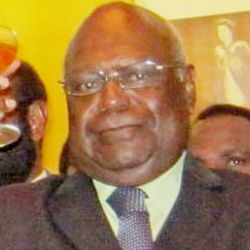
Represented by
Michael Ogio
Governor General since 25 February 2011
Michael Ogio
Governor General since 25 February 2011
Leo Dion
Deputy Prime Minister since 9 August 2012
Deputy Prime Minister since 9 August 2012

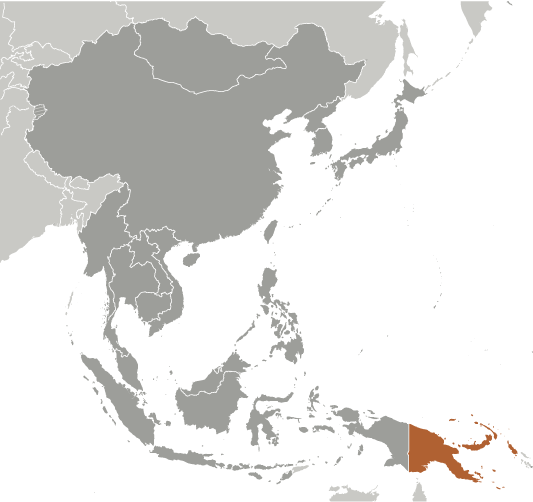
Click on map for larger view
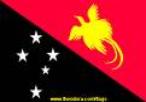
Click on flag for Country Report



| TRAFFICKING IN PERSONS |
Current situation: Papua New Guinea is a country of destination for women and children from Malaysia, the
Philippines, Thailand, and China trafficked for the purpose of commercial sexual exploitation; internal trafficking of
women and children for the purposes of sexual exploitation and involuntary domestic servitude occurs as well
Tier rating: Tier 3 - Papua New Guinea does not fully comply with the minimum standards for the elimination of
trafficking and is not making significant efforts to do so; the current legal framework does not contain elements of
crimes that characterize trafficking; the government lacks victim protection services or a systematic procedure to
identify victims of trafficking; the government did not prosecute anyone in 2007 for trafficking; Papua New Guinea has
not ratified the 2000 UN TIP Protocol (2008)
Philippines, Thailand, and China trafficked for the purpose of commercial sexual exploitation; internal trafficking of
women and children for the purposes of sexual exploitation and involuntary domestic servitude occurs as well
Tier rating: Tier 3 - Papua New Guinea does not fully comply with the minimum standards for the elimination of
trafficking and is not making significant efforts to do so; the current legal framework does not contain elements of
crimes that characterize trafficking; the government lacks victim protection services or a systematic procedure to
identify victims of trafficking; the government did not prosecute anyone in 2007 for trafficking; Papua New Guinea has
not ratified the 2000 UN TIP Protocol (2008)