| PARAGUAY Republic of Paraguay Republica del Paraguay Joined United Nations: 24 October 1945 Human Rights as assured by their constitution Click here Updated 25 September 2012 |
| CAPITAL |
| POPULATION |
| CHIEF OF STATE |
| SELECTION PROCESS |
Asuncion
6,541,591 (July 2012 est.)
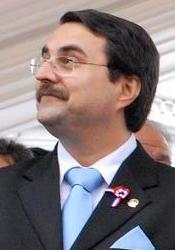
Luis Federico Franco Gómez
President since 22 June 2012
President since 22 June 2012
President and vice president elected on the same ticket by
popular vote for a single five-year term; election last held 27
April 2008
NOTE- Following the impeachment of President Fernando
Lugo by the Senate on 22 June 2012 Franco, as duly elected
vice president, to complete the presidential mandate until 15
August 2013 assumed the presidency
Next scheduled election: April 2013
popular vote for a single five-year term; election last held 27
April 2008
NOTE- Following the impeachment of President Fernando
Lugo by the Senate on 22 June 2012 Franco, as duly elected
vice president, to complete the presidential mandate until 15
August 2013 assumed the presidency
Next scheduled election: April 2013
HEAD OF GOVERNMENT
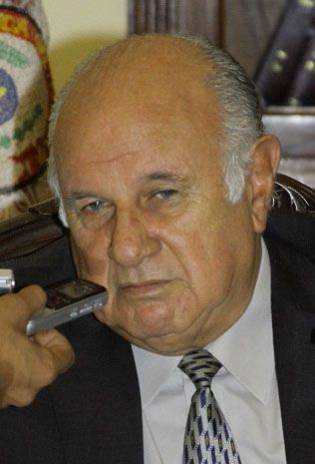
Oscar Denis Sánchez
Vice President since 28 June 2012
Vice President since 28 June 2012
According to the Paraguay Constitution the president is both the
chief of state and head of government
chief of state and head of government
| DECLARATION OF HUMAN RIGHTS |
| ETHNIC GROUPS |
Mestizo (mixed Spanish and Amerindian) 95%, other 5%
| RELIGIONS |
Roman Catholic 89.6%, Protestant 6.2%, other Christian 1.1%, other or unspecified 1.9%, none 1.1% (2002
census)
census)
| GOVERNMENT STRUCTURE |
Constitutional republic comprised of 17 departments (departamentos, singular - departamento) and 1 capital city;
Legal system is based on Argentine codes, Roman law, and French codes; judicial review of legislative acts in
Supreme Court of Justice; accepts compulsory ICJ jurisdiction
Executive: President and Vice President elected on the same ticket by popular vote for a single five-year term;
election last held 20 April 2008 (next to be held April 2013) NOTE- Following the impeachment of President
Fernando Lugo by the Senate on 22 June 2012 Franco, as duly elected vice president, to complete the presidential
mandate until 15 August 2013 assumed the presidency
Legislative: Bicameral Congress or Congreso consists of the Chamber of Senators or Camara de Senadores (45
seats; members are elected by popular vote to serve five-year terms) and the Chamber of Deputies or Camara de
Diputados (80 seats; members are elected by popular vote to serve five-year terms)
elections: Chamber of Senators - last held 20 April 2008 (next to be held in April 2013); Chamber of Deputies - last
held 20 April 2008 (next to be held in April 2013)
Judicial: Supreme Court of Justice or Corte Suprema de Justicia (judges appointed on the proposal of the Council
of Magistrates or Consejo de la Magistratura)
Legal system is based on Argentine codes, Roman law, and French codes; judicial review of legislative acts in
Supreme Court of Justice; accepts compulsory ICJ jurisdiction
Executive: President and Vice President elected on the same ticket by popular vote for a single five-year term;
election last held 20 April 2008 (next to be held April 2013) NOTE- Following the impeachment of President
Fernando Lugo by the Senate on 22 June 2012 Franco, as duly elected vice president, to complete the presidential
mandate until 15 August 2013 assumed the presidency
Legislative: Bicameral Congress or Congreso consists of the Chamber of Senators or Camara de Senadores (45
seats; members are elected by popular vote to serve five-year terms) and the Chamber of Deputies or Camara de
Diputados (80 seats; members are elected by popular vote to serve five-year terms)
elections: Chamber of Senators - last held 20 April 2008 (next to be held in April 2013); Chamber of Deputies - last
held 20 April 2008 (next to be held in April 2013)
Judicial: Supreme Court of Justice or Corte Suprema de Justicia (judges appointed on the proposal of the Council
of Magistrates or Consejo de la Magistratura)
| LANGUAGES |
Spanish (official), Guarani (official)
| BRIEF HISTORY |
| ECONOMIC OVERVIEW |
Landlocked Paraguay has a market economy distinguished by a large informal sector, featuring re-export of
imported consumer goods to neighboring countries, as well as the activities of thousands of microenterprises and
urban street vendors. A large percentage of the population, especially in rural areas, derives its living from agricultural
activity, often on a subsistence basis. Because of the importance of the informal sector, accurate economic measures
are difficult to obtain. On a per capita basis, real income has stagnated at 1980 levels. The economy grew rapidly
between 2003 and 2008 as growing world demand for commodities combined with high prices and favorable
weather to support Paraguay's commodity-based export expansion. Paraguay is the sixth largest soy producer in the
world. Drought hit in 2008, reducing agricultural exports and slowing the economy even before the onset of the
global recession. The economy fell 3.8% in 2009, as lower world demand and commodity prices caused exports to
contract. The government reacted by introducing fiscal and monetary stimulus packages. Growth resumed at a 15%
level in 2010, the highest in South America, but slowed to 6.4% in 2011 as the stimulus subsided. Political
uncertainty, corruption, limited progress on structural reform, and deficient infrastructure are the main obstacles to
growth.
Source: CIA World Factbook (select Paraguay)
imported consumer goods to neighboring countries, as well as the activities of thousands of microenterprises and
urban street vendors. A large percentage of the population, especially in rural areas, derives its living from agricultural
activity, often on a subsistence basis. Because of the importance of the informal sector, accurate economic measures
are difficult to obtain. On a per capita basis, real income has stagnated at 1980 levels. The economy grew rapidly
between 2003 and 2008 as growing world demand for commodities combined with high prices and favorable
weather to support Paraguay's commodity-based export expansion. Paraguay is the sixth largest soy producer in the
world. Drought hit in 2008, reducing agricultural exports and slowing the economy even before the onset of the
global recession. The economy fell 3.8% in 2009, as lower world demand and commodity prices caused exports to
contract. The government reacted by introducing fiscal and monetary stimulus packages. Growth resumed at a 15%
level in 2010, the highest in South America, but slowed to 6.4% in 2011 as the stimulus subsided. Political
uncertainty, corruption, limited progress on structural reform, and deficient infrastructure are the main obstacles to
growth.
Source: CIA World Factbook (select Paraguay)
| POLITICAL CLIMATE |
Paraguay's highly centralized government was fundamentally changed by the 1992 constitution, which reinforced a
division of powers that in the previous two Constitutions existed mostly on paper.
The president, popularly elected for a 5-year term, appoints a cabinet. The president nominates the Council of
Ministers. The presidential elections of 2008 were won on 20 April 2008 by Fernando Lugo, a Roman Catholic
bishop whose ministerial duties have been suspended on his request by the Holy See. It's the first time in 61 years
that the Colorado Party lost a presidential election in Paraguay, and only a second time that a leftist will serve as
president (first time was in 1936-37) and first time freely elected.
In Paraguay, the post of First Lady is official, and thus the Office of the First Lady the Nation of the Republic of
Paraguay was created.
According to Paraguayan law, this office depends structurally and financially upon the Presidency of the Republic.
The office exercises mainly social functions, but also those related to health, through the REPADEH Foundation. The
current president is single and, prior to the Presidency a Catholic priest who, though unmarried, has recently admitted
fathering at least one child.
Source: Wikipedia: Politics of Paraguay
division of powers that in the previous two Constitutions existed mostly on paper.
The president, popularly elected for a 5-year term, appoints a cabinet. The president nominates the Council of
Ministers. The presidential elections of 2008 were won on 20 April 2008 by Fernando Lugo, a Roman Catholic
bishop whose ministerial duties have been suspended on his request by the Holy See. It's the first time in 61 years
that the Colorado Party lost a presidential election in Paraguay, and only a second time that a leftist will serve as
president (first time was in 1936-37) and first time freely elected.
In Paraguay, the post of First Lady is official, and thus the Office of the First Lady the Nation of the Republic of
Paraguay was created.
According to Paraguayan law, this office depends structurally and financially upon the Presidency of the Republic.
The office exercises mainly social functions, but also those related to health, through the REPADEH Foundation. The
current president is single and, prior to the Presidency a Catholic priest who, though unmarried, has recently admitted
fathering at least one child.
Source: Wikipedia: Politics of Paraguay
| INTERNATIONAL DISPUTES |
Unruly region at convergence of Argentina-Brazil-Paraguay borders is locus of money laundering, smuggling, arms
and illegal narcotics trafficking, and fundraising for extremist organizations
and illegal narcotics trafficking, and fundraising for extremist organizations


| REFUGEES AND INTERNALLY DISPLACED PERSONS (IDP) |
None reported.
| ILLICIT DRUGS |
Major illicit producer of cannabis, most or all of which is consumed in Brazil, Argentina, and Chile; transshipment
country for Andean cocaine headed for Brazil, other Southern Cone markets, and Europe; weak border controls,
extensive corruption and money-laundering activity, especially in the Tri-Border Area; weak anti-money-laundering
laws and enforcement
country for Andean cocaine headed for Brazil, other Southern Cone markets, and Europe; weak border controls,
extensive corruption and money-laundering activity, especially in the Tri-Border Area; weak anti-money-laundering
laws and enforcement
| HUMAN RIGHTS STATEMENTS, ANALYSIS AND CRITIQUES |
2011 Human Rights Report: Paraguay
Bureau of Democracy, Human Rights, and Labor
2011 Country Reports on Human Rights Practices
May 25, 2012
Paraguay is a multiparty, constitutional republic. In 2008 Fernando Lugo of the Patriotic Alliance for Change won the presidency in
elections that were generally free and fair. Security forces reported to civilian authorities.
The principal human rights problems were killings by police or government officials; harsh, occasionally life-threatening conditions
in prisons; and political interference, corruption, and inefficiency in the judiciary.
Discrimination and violence against women; indigenous persons; persons with disabilities; and lesbian, gay, bisexual, and
transgender (LGBT) persons continued, as did trafficking in persons. Exploitation of child labor and violations of worker rights also
remained serious problems.
There was impunity for officials who committed abuses in the security forces and elsewhere in government.
Click here to read more »
Bureau of Democracy, Human Rights, and Labor
2011 Country Reports on Human Rights Practices
May 25, 2012
Paraguay is a multiparty, constitutional republic. In 2008 Fernando Lugo of the Patriotic Alliance for Change won the presidency in
elections that were generally free and fair. Security forces reported to civilian authorities.
The principal human rights problems were killings by police or government officials; harsh, occasionally life-threatening conditions
in prisons; and political interference, corruption, and inefficiency in the judiciary.
Discrimination and violence against women; indigenous persons; persons with disabilities; and lesbian, gay, bisexual, and
transgender (LGBT) persons continued, as did trafficking in persons. Exploitation of child labor and violations of worker rights also
remained serious problems.
There was impunity for officials who committed abuses in the security forces and elsewhere in government.
Click here to read more »
16 May 2012
Committee on the Protection of the Rights of All Migrant Workers and Members of Their Families
Sixteenth session
16–27 April 2012
Consideration of reports submitted by States parties under article 74 of the Convention
Concluding observations of the Committee on the Protection of the Rights of All Migrant Workers and Members of
Their Families
Paraguay
A. Introduction
2. The Committee welcomes the submission, albeit late, of the initial report of the State party and appreciates the constructive
dialogue held with its delegation. The Committee thanks the State party for its replies to the list of issues and the exhaustive
additional information provided by the delegation. It regrets, however, that the report and the written replies did not provide
sufficient information on certain legal and practical matters.
B. Positive aspects
5. The Committee notes with satisfaction that, pursuant to a referendum held on 9 October 2011, Paraguayans residing abroad
gained the right to vote and that article 120 of the Constitution has been amended to indicate that Paraguayans abroad are entitled to
vote.
6. The Committee welcomes the State party’s efforts to assist Paraguayans who decide to return to their country under the “My
Country, My Home” Programme.
C. Principal subjects of concern, suggestions and recommendations
1. General measures of implementation (arts. 73 and 84)
Legislation and application
12. The Committee notes that Paraguay has not yet made the declarations provided for in articles 76 and 77 of the Convention,
whereby it would recognize the competence of the Committee to receive communications from States parties and individuals.
13. The Committee invites the State party to consider the possibility of making the declarations provided for in articles 76 and 77 of
the Convention.
14. The Committee notes that Paraguay has not yet become party to the International Labour Organization (ILO) Migration for
Employment Convention (Revised), 1949 (No. 97), the ILO Migrant Workers (Supplementary Provisions) Convention, 1975 (No.
143) or the ILO Private Employment Agencies Convention, 1997 (No. 181). The Committee also notes that Paraguay is considering
the possibility of ratifying the ILO Domestic Workers Convention, 2011 (No. 189).
Click here to read more »
Committee on the Protection of the Rights of All Migrant Workers and Members of Their Families
Sixteenth session
16–27 April 2012
Consideration of reports submitted by States parties under article 74 of the Convention
Concluding observations of the Committee on the Protection of the Rights of All Migrant Workers and Members of
Their Families
Paraguay
A. Introduction
2. The Committee welcomes the submission, albeit late, of the initial report of the State party and appreciates the constructive
dialogue held with its delegation. The Committee thanks the State party for its replies to the list of issues and the exhaustive
additional information provided by the delegation. It regrets, however, that the report and the written replies did not provide
sufficient information on certain legal and practical matters.
B. Positive aspects
5. The Committee notes with satisfaction that, pursuant to a referendum held on 9 October 2011, Paraguayans residing abroad
gained the right to vote and that article 120 of the Constitution has been amended to indicate that Paraguayans abroad are entitled to
vote.
6. The Committee welcomes the State party’s efforts to assist Paraguayans who decide to return to their country under the “My
Country, My Home” Programme.
C. Principal subjects of concern, suggestions and recommendations
1. General measures of implementation (arts. 73 and 84)
Legislation and application
12. The Committee notes that Paraguay has not yet made the declarations provided for in articles 76 and 77 of the Convention,
whereby it would recognize the competence of the Committee to receive communications from States parties and individuals.
13. The Committee invites the State party to consider the possibility of making the declarations provided for in articles 76 and 77 of
the Convention.
14. The Committee notes that Paraguay has not yet become party to the International Labour Organization (ILO) Migration for
Employment Convention (Revised), 1949 (No. 97), the ILO Migrant Workers (Supplementary Provisions) Convention, 1975 (No.
143) or the ILO Private Employment Agencies Convention, 1997 (No. 181). The Committee also notes that Paraguay is considering
the possibility of ratifying the ILO Domestic Workers Convention, 2011 (No. 189).
Click here to read more »
Impeachment of Paraguayan President Threatens Fledgling Democracy
Jun 26 2012 - 5:48pm
Freedom House denounces the decision by Paraguay’s parliament to impeach President Fernando Lugo and calls for the restoration
of Lugo’s presidency, allowing him to serve out the remainder of his term which was scheduled to end in April 2013.
After only a few hours of deliberation and without time for Mr. Lugo to prepare his defense, the Senate voted in favor of
impeachment on charges of mishandling a recent land dispute between police and protesters in which 17 people were killed. Vice
President Federico Franco was appointed president on June 22. Lugo, who would have been ineligible to run for reelection, initially
accepted his ouster, but has since announced his intention to reclaim his office and has assembled a symbolic parallel Cabinet. The
ousted president has been consistently hampered by an opposition parliament determined to curb his authority.
“Regardless of the legality of the parliament’s actions, this was clearly a political move and one that threatens to destabilize the
country’s tenuous grasp on democracy,” said David J. Kramer, president of Freedom House. “We welcome the swift response of
Brazil and other regional democracies in condemning this undemocratic action and call on the parliament to restore Lugo to the
presidency.” Kramer added that the impeachment of Lugo was especially disturbing in light of a recent series of anti-democratic
policies adopted by leaders of a number of other South American countries.
Regional organizations were quick to denounce the impeachment. Paraguay has been suspended from the Union of South
American Nations (Unasur) and Mercosur, a regional trading bloc, and numerous democratic heads of state have refused to
acknowledge the new president and threatened sanctions, labeling the move a coup d’état.
Mr. Lugo was elected in a free and fair election in 2008, ending 61 years of rule by the Colorado Party, a vestige of Paraguay’s
long period of dictatorship under Gen. Alfredo Stroessner. He was greeted with great optimism, but has since struggled to
implement his agenda for democratic reforms, facing political resistance and widespread corruption, parts of the legacy left behind
by long-standing authoritarianism.
Click here to read more »
Jun 26 2012 - 5:48pm
Freedom House denounces the decision by Paraguay’s parliament to impeach President Fernando Lugo and calls for the restoration
of Lugo’s presidency, allowing him to serve out the remainder of his term which was scheduled to end in April 2013.
After only a few hours of deliberation and without time for Mr. Lugo to prepare his defense, the Senate voted in favor of
impeachment on charges of mishandling a recent land dispute between police and protesters in which 17 people were killed. Vice
President Federico Franco was appointed president on June 22. Lugo, who would have been ineligible to run for reelection, initially
accepted his ouster, but has since announced his intention to reclaim his office and has assembled a symbolic parallel Cabinet. The
ousted president has been consistently hampered by an opposition parliament determined to curb his authority.
“Regardless of the legality of the parliament’s actions, this was clearly a political move and one that threatens to destabilize the
country’s tenuous grasp on democracy,” said David J. Kramer, president of Freedom House. “We welcome the swift response of
Brazil and other regional democracies in condemning this undemocratic action and call on the parliament to restore Lugo to the
presidency.” Kramer added that the impeachment of Lugo was especially disturbing in light of a recent series of anti-democratic
policies adopted by leaders of a number of other South American countries.
Regional organizations were quick to denounce the impeachment. Paraguay has been suspended from the Union of South
American Nations (Unasur) and Mercosur, a regional trading bloc, and numerous democratic heads of state have refused to
acknowledge the new president and threatened sanctions, labeling the move a coup d’état.
Mr. Lugo was elected in a free and fair election in 2008, ending 61 years of rule by the Colorado Party, a vestige of Paraguay’s
long period of dictatorship under Gen. Alfredo Stroessner. He was greeted with great optimism, but has since struggled to
implement his agenda for democratic reforms, facing political resistance and widespread corruption, parts of the legacy left behind
by long-standing authoritarianism.
Click here to read more »
8 August 2012
Americas: Time and again, Indigenous rights trampled for development
Slow progress
Despite myriad cases across the Americas where Indigenous Peoples – often with the support of Amnesty International and other
civil society organizations – continue to fight to have their rights respected, there have been some glimmers of hope since last year.
In August 2011, Peru approved a law on Indigenous Peoples’ right to consultation when they are likely to be affected by planned
development projects. While reaction to the measure was initially positive – it is the first of its kind in the Americas – the
negotiations broke down with Peru’s Indigenous Peoples about further regulation and implementation.
Paraguayan authorities reached a deal in February 2012 to restore ancestral territory to the Yakye Axa Indigenous community, who
had fought a two-decade legal battle to return after being forced off their lands by ranchers. But they are still waiting to get access
to those lands. Other Indigenous Peoples in Paraguay, like the Sawhoyamaxa, are still awaiting the resolution of their longstanding
land disputes.
And just last month, after a long legal battle, the Inter-American Court of Human Rights found Ecuador responsible for violating the
rights of the Kichwa Indigenous People of Sarayaku after it allowed oil exploration on their ancestral lands in the Amazon rainforest.
Sarayaku leader José Gualinga is convinced that the Sarayaku victory will have an impact in the whole region.
“We’ll be watching to ensure the ruling is complied with and that the territories of Indigenous peoples in Ecuador and across the
Americas are respected in the face of damaging extractive activities such as oil exploration. Long live Sarayaku and the Indigenous
peoples of the continent,” said Gualinga.
Amnesty International will continue to campaign alongside the region’s Indigenous Peoples to ensure their rights are respected.
“These small glimmers of hope show that with tenacity and resolve, Indigenous Peoples can overcome the odds to ensure states
respect their rights,” said Machain.
“From the Arctic Circle to Tierra del Fuego, we’re calling on all governments in the Americas to respect the right of Indigenous
peoples to consultation and free, prior and informed consent. Authorities must work with them to ensure development projects do
not neglect or threaten their rights.”
Click here to read more »
Americas: Time and again, Indigenous rights trampled for development
Slow progress
Despite myriad cases across the Americas where Indigenous Peoples – often with the support of Amnesty International and other
civil society organizations – continue to fight to have their rights respected, there have been some glimmers of hope since last year.
In August 2011, Peru approved a law on Indigenous Peoples’ right to consultation when they are likely to be affected by planned
development projects. While reaction to the measure was initially positive – it is the first of its kind in the Americas – the
negotiations broke down with Peru’s Indigenous Peoples about further regulation and implementation.
Paraguayan authorities reached a deal in February 2012 to restore ancestral territory to the Yakye Axa Indigenous community, who
had fought a two-decade legal battle to return after being forced off their lands by ranchers. But they are still waiting to get access
to those lands. Other Indigenous Peoples in Paraguay, like the Sawhoyamaxa, are still awaiting the resolution of their longstanding
land disputes.
And just last month, after a long legal battle, the Inter-American Court of Human Rights found Ecuador responsible for violating the
rights of the Kichwa Indigenous People of Sarayaku after it allowed oil exploration on their ancestral lands in the Amazon rainforest.
Sarayaku leader José Gualinga is convinced that the Sarayaku victory will have an impact in the whole region.
“We’ll be watching to ensure the ruling is complied with and that the territories of Indigenous peoples in Ecuador and across the
Americas are respected in the face of damaging extractive activities such as oil exploration. Long live Sarayaku and the Indigenous
peoples of the continent,” said Gualinga.
Amnesty International will continue to campaign alongside the region’s Indigenous Peoples to ensure their rights are respected.
“These small glimmers of hope show that with tenacity and resolve, Indigenous Peoples can overcome the odds to ensure states
respect their rights,” said Machain.
“From the Arctic Circle to Tierra del Fuego, we’re calling on all governments in the Americas to respect the right of Indigenous
peoples to consultation and free, prior and informed consent. Authorities must work with them to ensure development projects do
not neglect or threaten their rights.”
Click here to read more »
Paraguay: Short Shrift for Due Process in Impeachment
June 25, 2012
(Washington, DC) – The impeachment process that led to the removal from office of President Fernando Lugo of Paraguay on
June 22, 2012 showed a lack of respect for due process.
The Chamber of Deputies initiated the process on June 21, accusing Lugo, among other reasons, of being responsible for clashes
between police officers and peasants that led to 17 deaths on both sides in mid-June. The following day, the Senate carried out the
impeachment trial, lasting less than five hours, during which Lugo had only two hours to present his defense. The Senate promptly
found him guilty and removed him from office. Media accounts said the Senate rejected Lugo's request for additional time to
prepare his defense. Federico Franco, Lugo's vice president, took office as Paraguay's president on the same day.
“The extremely rapid process to impeach former President Lugo raises questions about his ability to adequately defend himself,”
said José Miguel Vivanco, Americas director at Human Rights Watch. “A process that leads to the removal of an elected head of
state and does not respect basic due process guarantees is a serious blow to the rule of law.”
Lugo's impeachment followed a procedure provided for in article 225 of the Paraguayan constitution, which establishes that the
president can be impeached if he "performs poorly his functions" or commits crimes. The constitution requires a two-thirds
majority vote to support the accusation by the Chamber of Deputies, followed by a public trial in the Senate. A two-thirds majority
vote by the Senate is required to remove the president from office.
The constitution, however, also provides for the right to defense in any process that "could lead to a penalty or sanction" and
explicitly states that every individual has a right to "indispensable time to prepare the defense."
Click here to read more »
June 25, 2012
(Washington, DC) – The impeachment process that led to the removal from office of President Fernando Lugo of Paraguay on
June 22, 2012 showed a lack of respect for due process.
The Chamber of Deputies initiated the process on June 21, accusing Lugo, among other reasons, of being responsible for clashes
between police officers and peasants that led to 17 deaths on both sides in mid-June. The following day, the Senate carried out the
impeachment trial, lasting less than five hours, during which Lugo had only two hours to present his defense. The Senate promptly
found him guilty and removed him from office. Media accounts said the Senate rejected Lugo's request for additional time to
prepare his defense. Federico Franco, Lugo's vice president, took office as Paraguay's president on the same day.
“The extremely rapid process to impeach former President Lugo raises questions about his ability to adequately defend himself,”
said José Miguel Vivanco, Americas director at Human Rights Watch. “A process that leads to the removal of an elected head of
state and does not respect basic due process guarantees is a serious blow to the rule of law.”
Lugo's impeachment followed a procedure provided for in article 225 of the Paraguayan constitution, which establishes that the
president can be impeached if he "performs poorly his functions" or commits crimes. The constitution requires a two-thirds
majority vote to support the accusation by the Chamber of Deputies, followed by a public trial in the Senate. A two-thirds majority
vote by the Senate is required to remove the president from office.
The constitution, however, also provides for the right to defense in any process that "could lead to a penalty or sanction" and
explicitly states that every individual has a right to "indispensable time to prepare the defense."
Click here to read more »
TRANSLATED FROM SPANISH BY GOOGLE TRANSLATE
Paraguay, present at the 67th United Nations General Assembly
Monday, September 24, 2012
Officially, tomorrow, Tuesday, September 25 will open in New York, United States, the 67th General Assembly of the United Nations,
a meeting that brings together more than 120 heads of state, governments, prime ministers and ministers.
Paraguay will participate in this great event, for which a committee headed by Dr. Federico Franco already in that country.
After welcoming greetings protocol Secretary General Ban Ki-moon, President of the Federative Republic of Brazil, Dilma Rousseff,
will open the discussion period.
The issues on the agenda relate to the promotion of economic growth and sustainable development, peacekeeping and security,
development of Africa, human rights advocacy and effective coordination of humanitarian assistance activities.
Also discuss the promotion of justice and international law, disarmament, drug trafficking of drugs, crime prevention, combating
terrorism and making statements for each area.
Parallel to the summit agenda, Dr. Franco shared bilateral meetings with international policymakers, industry and governments of the
participating nations.
In that order, will hold a meeting this morning with Professor Jeffrey Sachs and Luis Alberto Moreno, president of the Inter-American
Development Bank.
In the afternoon will offer a press conference with national media and international, anticipating for the evening reception attendance
at Clinton Global Initiative, and to provide the President of the United States of America, Barack Obama.
Tomorrow Tuesday, Franco will be at the opening of the general debate, to share the noon luncheon, after which he will meet with
the Spanish prime minister, Mariano Rajoy, among other activities within its extensive agenda, which will last until the day Friday 28th
of the current month.
Click here to read more »
Paraguay, present at the 67th United Nations General Assembly
Monday, September 24, 2012
Officially, tomorrow, Tuesday, September 25 will open in New York, United States, the 67th General Assembly of the United Nations,
a meeting that brings together more than 120 heads of state, governments, prime ministers and ministers.
Paraguay will participate in this great event, for which a committee headed by Dr. Federico Franco already in that country.
After welcoming greetings protocol Secretary General Ban Ki-moon, President of the Federative Republic of Brazil, Dilma Rousseff,
will open the discussion period.
The issues on the agenda relate to the promotion of economic growth and sustainable development, peacekeeping and security,
development of Africa, human rights advocacy and effective coordination of humanitarian assistance activities.
Also discuss the promotion of justice and international law, disarmament, drug trafficking of drugs, crime prevention, combating
terrorism and making statements for each area.
Parallel to the summit agenda, Dr. Franco shared bilateral meetings with international policymakers, industry and governments of the
participating nations.
In that order, will hold a meeting this morning with Professor Jeffrey Sachs and Luis Alberto Moreno, president of the Inter-American
Development Bank.
In the afternoon will offer a press conference with national media and international, anticipating for the evening reception attendance
at Clinton Global Initiative, and to provide the President of the United States of America, Barack Obama.
Tomorrow Tuesday, Franco will be at the opening of the general debate, to share the noon luncheon, after which he will meet with
the Spanish prime minister, Mariano Rajoy, among other activities within its extensive agenda, which will last until the day Friday 28th
of the current month.
Click here to read more »
TRANSLATED FROM SPANISH BY GOOGLE TRANSLATE
Casado SA and Loma Plata tractor violate indigenous rights and environmental isolates Ayoreo forests
Tuesday August 7, 2012 11:03
Predation and ethnocide Totobiegosode Heritage Upper Paraguay
Lignum Court in Lot 260 - August 2, 2012
During a recent intervention of the Attorney Environmental Heritage lands Ayoreo Totobiegosode, Alto Paraguay, Chaco, we
confirmed the operation of major innovations in the area known as Lot 260 of the company Carlos Casado SA claims to possess,
located in the southern part of the indigenous forests. Also in the northeast bordering lands, private property Ayoreo invasion was
found by tractors and large size of the company Sandro Funk, Loma Plata, Chaco, passing through the newly opened large
chopped, to do work in the next room Panambi Pora SA. Such actions violate rights occurred in the center of the great dangers of
Heritage generate forced contact, as in previous years, with indigenous people in remote traveling in that area.
Last Thursday 02 of current certified allegations were made by leaders on large Ayoreo Totobiegosode unlicensed environmental
innovations in the forests of its property in the area of an area held by the company Carlos Casado SA. Tala valuable rosewood
trees, construction of a large breakwater with Australian tank, Chopped and opening several wiring jobs were sufficiently
documented by the Environmental Prosecutor by Jose Luis Casaccia. Groups pawns were surprised by official intervention came
after being informed about these actions displayed by satellite photos. Pawns reported being taken there by a contractor named
Celso Meza, turn hired by Hugo Ovando, a manager of the company Carlos Casado SA.
Field also recorded evidence of the invasion of private property Ayoreo Totobiegosode another farm adjoining the northeast with
the first, where the movement of machines found in freshly chopped open, tractors TDC plate No. 082, leash, trailer and truck
Sheet No. BCX959 owned company Sandro Funk Loma Plata, Chaco.
This movement of heavy machinery and people happens in open violation of indigenous rights guaranteed by the national legislation
and international conventions, is serious contempt of environmental law and disregard evidence to collective ownership of land and
natural resources with much effort cautelados Ayoreo Totobiegosode owners, who claimed for years that they are respected,
regularized and protected forests they inhabit isolated relatives, contact fleeing, claiming the protection of their relatives and the
safeguarding of cultural rights, self-determination, environmental and territory thereof, and communities already settled in the areas
contacted Heritage.
The forced contact or liable for the Totobiegosode in isolation will be directly responsible for the branches of government and
public agencies of jurisdiction, and companies involved in the affected area illegally.
Click here to read more »
Casado SA and Loma Plata tractor violate indigenous rights and environmental isolates Ayoreo forests
Tuesday August 7, 2012 11:03
Predation and ethnocide Totobiegosode Heritage Upper Paraguay
Lignum Court in Lot 260 - August 2, 2012
During a recent intervention of the Attorney Environmental Heritage lands Ayoreo Totobiegosode, Alto Paraguay, Chaco, we
confirmed the operation of major innovations in the area known as Lot 260 of the company Carlos Casado SA claims to possess,
located in the southern part of the indigenous forests. Also in the northeast bordering lands, private property Ayoreo invasion was
found by tractors and large size of the company Sandro Funk, Loma Plata, Chaco, passing through the newly opened large
chopped, to do work in the next room Panambi Pora SA. Such actions violate rights occurred in the center of the great dangers of
Heritage generate forced contact, as in previous years, with indigenous people in remote traveling in that area.
Last Thursday 02 of current certified allegations were made by leaders on large Ayoreo Totobiegosode unlicensed environmental
innovations in the forests of its property in the area of an area held by the company Carlos Casado SA. Tala valuable rosewood
trees, construction of a large breakwater with Australian tank, Chopped and opening several wiring jobs were sufficiently
documented by the Environmental Prosecutor by Jose Luis Casaccia. Groups pawns were surprised by official intervention came
after being informed about these actions displayed by satellite photos. Pawns reported being taken there by a contractor named
Celso Meza, turn hired by Hugo Ovando, a manager of the company Carlos Casado SA.
Field also recorded evidence of the invasion of private property Ayoreo Totobiegosode another farm adjoining the northeast with
the first, where the movement of machines found in freshly chopped open, tractors TDC plate No. 082, leash, trailer and truck
Sheet No. BCX959 owned company Sandro Funk Loma Plata, Chaco.
This movement of heavy machinery and people happens in open violation of indigenous rights guaranteed by the national legislation
and international conventions, is serious contempt of environmental law and disregard evidence to collective ownership of land and
natural resources with much effort cautelados Ayoreo Totobiegosode owners, who claimed for years that they are respected,
regularized and protected forests they inhabit isolated relatives, contact fleeing, claiming the protection of their relatives and the
safeguarding of cultural rights, self-determination, environmental and territory thereof, and communities already settled in the areas
contacted Heritage.
The forced contact or liable for the Totobiegosode in isolation will be directly responsible for the branches of government and
public agencies of jurisdiction, and companies involved in the affected area illegally.
Click here to read more »
TRANSLATED FROM SPANISH BY GOOGLE TRANSLATE
OMBUDSMAN
"International Year of Sustainable Energy for All"
MESSAGE OF THE OMBUDSMAN FOR THE COMMEMORATION
THE INTERNATIONAL WOMEN'S DAY
Asuncion, March 8, 2012
On this date a year marks the recognition of the International Day Working Women and International Women's Day.
It commemorates the struggle of women for their participation, on an equal footing with the man, in society and in its integrated
development as a person, fight for suffrage female oppression denouncing social, family and work, the right to hold office public,
the right to work, to vocational training and employment discrimination.
In December 1977, the UN General Assembly proclaimed March 8 as Day International Women's Rights and International Peace.
The International Women's Day has acquired from a dimension XX century world. The international movement to defend the rights
of women is increasing and is reinforced by the United Nations, helping it commemoration a rallying point for coordinated efforts
for such rights.
In 2011 was celebrated the centenary of International Women's Day operating UN Entity for Gender Equality and the
Empowerment of Women also known as UN Women. They have made great strides to improve status of women, since the
passage of laws favorable to greater participation in different areas of society.
But we must not be content with that. That's why in 2012, worldwide, has established itself as Topic Institutionalized by which all
organizations social, governmental and non-governmental organizations must work for "Empowering women peasant-Ending
hunger and poverty. "
Despite the recognition of many rights obtained by incessant struggles women and organizations, still a long way to go for cash
recognition of other rights, and especially for the elimination of violence against women. That is, the Ombudsman recommended to
address the issue of women in several fronts and efforts in the fight against violence, hunger and poverty. Moreover, urges all
women, young girls and Paraguay and worldwide not to give up in the fight for their rights and for a better country, and the
Government implement mechanisms and actions to achieve greater participation and access of women to private or public office,
and to prevent and combat violence against women.
Click here to read more »
OMBUDSMAN
"International Year of Sustainable Energy for All"
MESSAGE OF THE OMBUDSMAN FOR THE COMMEMORATION
THE INTERNATIONAL WOMEN'S DAY
Asuncion, March 8, 2012
On this date a year marks the recognition of the International Day Working Women and International Women's Day.
It commemorates the struggle of women for their participation, on an equal footing with the man, in society and in its integrated
development as a person, fight for suffrage female oppression denouncing social, family and work, the right to hold office public,
the right to work, to vocational training and employment discrimination.
In December 1977, the UN General Assembly proclaimed March 8 as Day International Women's Rights and International Peace.
The International Women's Day has acquired from a dimension XX century world. The international movement to defend the rights
of women is increasing and is reinforced by the United Nations, helping it commemoration a rallying point for coordinated efforts
for such rights.
In 2011 was celebrated the centenary of International Women's Day operating UN Entity for Gender Equality and the
Empowerment of Women also known as UN Women. They have made great strides to improve status of women, since the
passage of laws favorable to greater participation in different areas of society.
But we must not be content with that. That's why in 2012, worldwide, has established itself as Topic Institutionalized by which all
organizations social, governmental and non-governmental organizations must work for "Empowering women peasant-Ending
hunger and poverty. "
Despite the recognition of many rights obtained by incessant struggles women and organizations, still a long way to go for cash
recognition of other rights, and especially for the elimination of violence against women. That is, the Ombudsman recommended to
address the issue of women in several fronts and efforts in the fight against violence, hunger and poverty. Moreover, urges all
women, young girls and Paraguay and worldwide not to give up in the fight for their rights and for a better country, and the
Government implement mechanisms and actions to achieve greater participation and access of women to private or public office,
and to prevent and combat violence against women.
Click here to read more »
The original inhabitants of present-day Paraguay were Guaraní Amerindians of the Tupi-Guaraní language family. As
many as 150,000 Amerindians may have been living in Paraguay at the time of the earliest European contacts. The
first European known to have explored Paraguay was the Italian Sebastian Cabot, sailing from 1526 to 1530 in the
service of Spain. The first permanent Spanish settlement, Nuestra Señora de la Asunción (Our Lady of the
Assumption, present-day Asunción), was founded at the confluence of the Paraguay and Pilcomayo rivers on
Assumption Day, 15 August 1537. Paraguay's next two centuries were dominated by Jesuit missionaries, whose
efforts to protect the Amerindians from Portuguese slave traders and Spanish colonists resulted in one of the most
remarkable social experiments in the New World. Shortly after the founding of Asunción, missionary efforts began.
The priests organized Guaraní families in mission villages (reducciones) designed as self-sufficient communes.
Amerindians were taught trades, improved methods of cultivation, and the fine arts, as well as religion. Above all,
they were protected from exploitation by the Spanish colonists, who sought to exploit them. As the settlements
prospered and grew in number to around 30 (with over 100,000 Amerindians), the jealousy of the colonists sparked
a campaign to discredit the Jesuits. Eventually, the King of Spain became convinced that the order was trying to set
up a private kingdom in the New World, and in 1767, he expelled the Jesuits from the New World. . In achieving
independence, Paraguay first had to fight the forces of Argentina. Buenos Aires called on Paraguay in 1810 to follow
its lead in a virtual declaration of independence. Paraguay declared independence from Spain but rejected the
leadership of Buenos Aires. An Argentine expedition was decisively defeated, and Paraguay completed its move
toward independence by deposing the last of its royal governors in 1811. Since then, Paraguay has been dominated
by dictatorships or near-dictatorships. The first and most famous of the dictators was José Gaspar Rodríguez de
Francia (known as "El Supremo"), granted full dictatorial powers for three years in 1814 and thereafter had the term
extended for life. Francia attempted to cut Paraguay off from all contact with the outside world. Commerce was
suspended, foreigners were expelled, relations with the papacy were broken off, and an anticlerical campaign was
begun. All criticism was stifled, and a widespread spy network was developed. However, at the same time, Francia
was honest and tireless in his devotion to his personal concept of the country's welfare. Francia governed until his
death in 1840. Today, he is regarded as Paraguay's "founding father." The next dictator was Carlos Antonio López.
López loosened the ties of dictatorship only slightly, but reversed Francia's paranoid isolationism became the largest
landowner and the richest man in Paraguay. He made his son Francisco Solano López commander-in-chief of the
army, thereby ensuring the younger López's succession to power in 1862, when the elder López died.
During his dictatorship, Francisco Solano López provoked quarrels with Argentina, Brazil, and Uruguay, who allied
and attacked Paraguay. The War of the Triple Alliance (1865–70), sometimes called the Paraguayan War, was the
bloodiest in Latin American history. The war was a disaster for Paraguay, which lost two-thirds of all its adult males,
including López himself. Paraguay's population fell from about 600,000 to about 250,000. For the next 50 years,
Paraguay stagnated economically. The male population was replaced by an influx of immigrants from Italy, Spain,
Germany, and Argentina. Politically, there was a succession of leaders, alternating between the Colorado and Liberal
parties. Then, a long-smoldering feud with Bolivia broke into open warfare (1932–35) after oil was discovered in the
Chaco, a desolate area known as the "green hell." Paraguayans conquered three-fourths of the disputed territory,
most of which they retained following the peace settlement of 1938. Although President Eusebio Ayala emerged
victorious from the Chaco War, he did not last long. The war produced a set of heroes, all of whom had great
ambitions. One such man, Col. Rafael Franco, took power in February 1936. In 1939, after two more coups, Gen.
José Felix Estigarribía, commander-in-chief during the Chaco War, was elected president. Estigarribía was killed in
an airplane crash only a year later, and Gen. Higinio Morínigo, the minister of war, was appointed president by the
cabinet. Through World War II, Morínigo received large amounts of aid from the United States, even though he
allowed widespread Axis activity in the country. Morínigo retired in 1948, but was unable to find a successor. After
a one-year period of instability, Federico Chávez seized control, and ruled from 1949 until 1954. In May 1954,
Gen. Alfredo Stroessner, commander-in-chief of the armed forces, used his cavalry to seize power. With US help,
he brought financial stability to an economy racked by runaway inflation, but he used terrorist methods in silencing all
opposition. On 17 September 1980, the exiled former dictator of Nicaragua, Anastasio Somoza Debayle, who had
been granted asylum by the Stroessner government, was assassinated in Asunción, and Paraguay broke off relations
with Nicaragua. During the 1980s, Stroessner relaxed his hold on Paraguay. On 3 February 1989 Stroessner's 35-
year dictatorship came to an end at the hand of Gen. Andrés Rodríguez, second in command of the Paraguayan
military. Immediately after the coup, Rodríguez announced that elections would be held in May. With only three
months to prepare, little opposition beyond Domingo Laíno was mounted, and Rodríguez won easily with 75.8% of
the vote. Rodríguez promised and delivered elections in 1993. In those elections, Colorado candidate Juan Carlos
Wasmosy was elected to the presidency, the first time a civilian had become president through popular election since
1954. In the 1990s, Paraguay experienced 0% economic growth. In the 1998 presidential elections, Raúl Cubas of
the Colorado Party became president with 55.3% of the vote, but a year later he had to resign after the assassination
of vice president Luis Argaña. On April 27, 2003, Colorado Party candidate Oscar Duarte won the presidential
election with 37.1% of the vote. Duarte has promised to fight corruption and has sought to portray himself as a
modernizer and democratizing leader that will open Paraguay to the world economy. On 20 April 2008 Fernando
Lugo of the Alianza Patriotica por el Cambio (Patriotic Alliance for Change) was elected President.Political instability
in the past year, fueled by disputes within Fernando Lugo's cabinet, has led the right wing Colorado Party to regain
popularity. Reports suggest that the businessman Horacio Cartes is the new political figure amid disputes. Despite the
DEA's strong accusations against Cartes involving him in drug trafficking, he continues to amass followers in the
political arena. On 14 January 2011, the Colorado Party convention enabled Horacio Cartes to run as the
presidential candidate for the party, even though, as reports suggest, the party's constitution didn't allow it. On 21
June 2012, impeachment proceedings against President Lugo began in the country's lower house, controlled by his
opponents. Lugo was given less than twenty-four hours to prepare for the proceedings and only two hours in which
to mount a defense. Impeachment was quickly approved and the resulting trial in Paraguay's Senate, also controlled
by the opposition, ended with the removal of Lugo from office and Vice President Federico Franco assuming the
duties of president. Lugo's rivals blame him for the deaths of 17 people - eight police officers and nine farmers - in
armed clashes after police were ambushed by armed peasants when enforcing an eviction order against trespassers.
Lugo's supporters quickly gathered outside Congress to protest the decision as a "politically motivated coup d'etat".
Lugo's removal from office on June 22, 2012 is considered by UNASUR and other neighboring countries, especially
those currently governed by leftist leaders, as a coup d'État. However, the Organization of American States, which
sent a mission to Paraguay to gather information on the impeachment process, concluded that no coup d'État had
occurred and that the impeachment process had been carried out in accordance with the Constitution of Paraguay.
Sources: Nations Encyclopedia: History of Paraguay
many as 150,000 Amerindians may have been living in Paraguay at the time of the earliest European contacts. The
first European known to have explored Paraguay was the Italian Sebastian Cabot, sailing from 1526 to 1530 in the
service of Spain. The first permanent Spanish settlement, Nuestra Señora de la Asunción (Our Lady of the
Assumption, present-day Asunción), was founded at the confluence of the Paraguay and Pilcomayo rivers on
Assumption Day, 15 August 1537. Paraguay's next two centuries were dominated by Jesuit missionaries, whose
efforts to protect the Amerindians from Portuguese slave traders and Spanish colonists resulted in one of the most
remarkable social experiments in the New World. Shortly after the founding of Asunción, missionary efforts began.
The priests organized Guaraní families in mission villages (reducciones) designed as self-sufficient communes.
Amerindians were taught trades, improved methods of cultivation, and the fine arts, as well as religion. Above all,
they were protected from exploitation by the Spanish colonists, who sought to exploit them. As the settlements
prospered and grew in number to around 30 (with over 100,000 Amerindians), the jealousy of the colonists sparked
a campaign to discredit the Jesuits. Eventually, the King of Spain became convinced that the order was trying to set
up a private kingdom in the New World, and in 1767, he expelled the Jesuits from the New World. . In achieving
independence, Paraguay first had to fight the forces of Argentina. Buenos Aires called on Paraguay in 1810 to follow
its lead in a virtual declaration of independence. Paraguay declared independence from Spain but rejected the
leadership of Buenos Aires. An Argentine expedition was decisively defeated, and Paraguay completed its move
toward independence by deposing the last of its royal governors in 1811. Since then, Paraguay has been dominated
by dictatorships or near-dictatorships. The first and most famous of the dictators was José Gaspar Rodríguez de
Francia (known as "El Supremo"), granted full dictatorial powers for three years in 1814 and thereafter had the term
extended for life. Francia attempted to cut Paraguay off from all contact with the outside world. Commerce was
suspended, foreigners were expelled, relations with the papacy were broken off, and an anticlerical campaign was
begun. All criticism was stifled, and a widespread spy network was developed. However, at the same time, Francia
was honest and tireless in his devotion to his personal concept of the country's welfare. Francia governed until his
death in 1840. Today, he is regarded as Paraguay's "founding father." The next dictator was Carlos Antonio López.
López loosened the ties of dictatorship only slightly, but reversed Francia's paranoid isolationism became the largest
landowner and the richest man in Paraguay. He made his son Francisco Solano López commander-in-chief of the
army, thereby ensuring the younger López's succession to power in 1862, when the elder López died.
During his dictatorship, Francisco Solano López provoked quarrels with Argentina, Brazil, and Uruguay, who allied
and attacked Paraguay. The War of the Triple Alliance (1865–70), sometimes called the Paraguayan War, was the
bloodiest in Latin American history. The war was a disaster for Paraguay, which lost two-thirds of all its adult males,
including López himself. Paraguay's population fell from about 600,000 to about 250,000. For the next 50 years,
Paraguay stagnated economically. The male population was replaced by an influx of immigrants from Italy, Spain,
Germany, and Argentina. Politically, there was a succession of leaders, alternating between the Colorado and Liberal
parties. Then, a long-smoldering feud with Bolivia broke into open warfare (1932–35) after oil was discovered in the
Chaco, a desolate area known as the "green hell." Paraguayans conquered three-fourths of the disputed territory,
most of which they retained following the peace settlement of 1938. Although President Eusebio Ayala emerged
victorious from the Chaco War, he did not last long. The war produced a set of heroes, all of whom had great
ambitions. One such man, Col. Rafael Franco, took power in February 1936. In 1939, after two more coups, Gen.
José Felix Estigarribía, commander-in-chief during the Chaco War, was elected president. Estigarribía was killed in
an airplane crash only a year later, and Gen. Higinio Morínigo, the minister of war, was appointed president by the
cabinet. Through World War II, Morínigo received large amounts of aid from the United States, even though he
allowed widespread Axis activity in the country. Morínigo retired in 1948, but was unable to find a successor. After
a one-year period of instability, Federico Chávez seized control, and ruled from 1949 until 1954. In May 1954,
Gen. Alfredo Stroessner, commander-in-chief of the armed forces, used his cavalry to seize power. With US help,
he brought financial stability to an economy racked by runaway inflation, but he used terrorist methods in silencing all
opposition. On 17 September 1980, the exiled former dictator of Nicaragua, Anastasio Somoza Debayle, who had
been granted asylum by the Stroessner government, was assassinated in Asunción, and Paraguay broke off relations
with Nicaragua. During the 1980s, Stroessner relaxed his hold on Paraguay. On 3 February 1989 Stroessner's 35-
year dictatorship came to an end at the hand of Gen. Andrés Rodríguez, second in command of the Paraguayan
military. Immediately after the coup, Rodríguez announced that elections would be held in May. With only three
months to prepare, little opposition beyond Domingo Laíno was mounted, and Rodríguez won easily with 75.8% of
the vote. Rodríguez promised and delivered elections in 1993. In those elections, Colorado candidate Juan Carlos
Wasmosy was elected to the presidency, the first time a civilian had become president through popular election since
1954. In the 1990s, Paraguay experienced 0% economic growth. In the 1998 presidential elections, Raúl Cubas of
the Colorado Party became president with 55.3% of the vote, but a year later he had to resign after the assassination
of vice president Luis Argaña. On April 27, 2003, Colorado Party candidate Oscar Duarte won the presidential
election with 37.1% of the vote. Duarte has promised to fight corruption and has sought to portray himself as a
modernizer and democratizing leader that will open Paraguay to the world economy. On 20 April 2008 Fernando
Lugo of the Alianza Patriotica por el Cambio (Patriotic Alliance for Change) was elected President.Political instability
in the past year, fueled by disputes within Fernando Lugo's cabinet, has led the right wing Colorado Party to regain
popularity. Reports suggest that the businessman Horacio Cartes is the new political figure amid disputes. Despite the
DEA's strong accusations against Cartes involving him in drug trafficking, he continues to amass followers in the
political arena. On 14 January 2011, the Colorado Party convention enabled Horacio Cartes to run as the
presidential candidate for the party, even though, as reports suggest, the party's constitution didn't allow it. On 21
June 2012, impeachment proceedings against President Lugo began in the country's lower house, controlled by his
opponents. Lugo was given less than twenty-four hours to prepare for the proceedings and only two hours in which
to mount a defense. Impeachment was quickly approved and the resulting trial in Paraguay's Senate, also controlled
by the opposition, ended with the removal of Lugo from office and Vice President Federico Franco assuming the
duties of president. Lugo's rivals blame him for the deaths of 17 people - eight police officers and nine farmers - in
armed clashes after police were ambushed by armed peasants when enforcing an eviction order against trespassers.
Lugo's supporters quickly gathered outside Congress to protest the decision as a "politically motivated coup d'etat".
Lugo's removal from office on June 22, 2012 is considered by UNASUR and other neighboring countries, especially
those currently governed by leftist leaders, as a coup d'État. However, the Organization of American States, which
sent a mission to Paraguay to gather information on the impeachment process, concluded that no coup d'État had
occurred and that the impeachment process had been carried out in accordance with the Constitution of Paraguay.
Sources: Nations Encyclopedia: History of Paraguay


| Click on map for larger view |
| Click on flag for Country Report |



| TRAFFICKING IN PERSONS |
None reported.