| Philippines Republic of Philippines Republika ng Pilipinas Joined United Nations: 24 October 1945 Human Rights as assured by their constitution Click here Updated 02 February 2013 |

| CAPITAL |
| POPULATION |
| CHIEF OF STATE |
| SELECTION PROCESS |
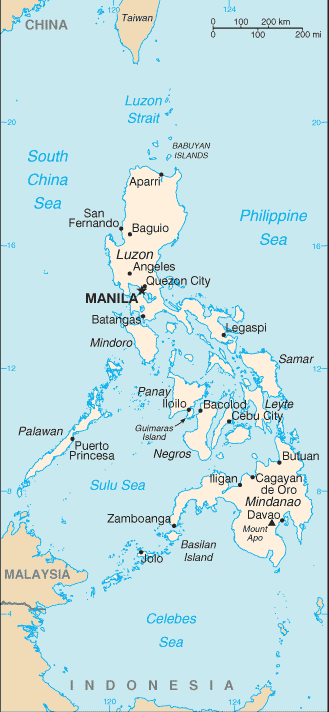
Manila
103,775,002 (July 2012 est.)
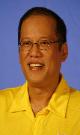
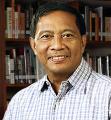
President and Vice President (Manuel "Noli" DE CASTRO) elected
on separate tickets by popular vote for a single six-year term;
election last held on 10 May 2010
Next scheduled election: 10 May 2016
on separate tickets by popular vote for a single six-year term;
election last held on 10 May 2010
Next scheduled election: 10 May 2016
HEAD OF GOVERNMENT
According to the Philippines Constitution, the President is both
the Chief of State and Head of Government
the Chief of State and Head of Government
| DECLARATION OF HUMAN RIGHTS |
| ETHNIC GROUPS |
Tagalog 28.1%, Cebuano 13.1%, Ilocano 9%, Bisaya/Binisaya 7.6%, Hiligaynon Ilonggo 7.5%, Bikol 6%, Waray 3.4%, other
25.3% (2000 census)
25.3% (2000 census)
| RELIGIONS |
Roman Catholic 80.9%, Muslim 5%, Evangelical 2.8%, Iglesia ni Kristo 2.3%, Aglipayan 2%, other Christian 4.5%, other 1.8%,
unspecified 0.6%, none 0.1% (2000 census)
unspecified 0.6%, none 0.1% (2000 census)
| GOVERNMENT STRUCTURE |
Republic with 81 provinces and 136 chartered cities; Legal system is based on Spanish and Anglo-American law; accepts
compulsory ICJ jurisdiction with reservations
Executive: President and Vice President elected on separate tickets by popular vote for a single six-year term; election last held on
10 May 2010 (next to be held in 10 May 2016)
Legislative: Bicameral Congress or Kongreso consists of the Senate or Senado (24 seats - one-half elected every three years;
members elected at large by popular vote to serve six-year terms) and the House of Representatives or Kapulungan Ng Nga
Kinatawan; the House has 287 seats including 230 members in one tier representing districts and 57 sectoral party-list members in a
second tier representing special minorities elected on the basis of one seat for every 2% of the total vote but are limited to three
seats; a party represented in one tier may not hold seats in the other tier; all House members are elected by popular vote to serve
three-year terms
note: the constitution limits the House of Representatives to 250 members; the number of members allowed was increased,
however, through legislation when in April 2009 the Philippine Supreme Court ruled that additional party members could sit in the
House of Representatives if they received the required number of votes
elections: Senate - last held on 10 May 2010 (next to be held in May 2013); House of Representatives - elections last held on 10
May 2010 (next to be held in May 2013)
Judicial: Supreme Court (15 justices are appointed by the president on the recommendation of the Judicial and Bar Council and
serve until 70 years of age); Court of Appeals; Sandigan-bayan (special court for hearing corruption cases of government officials)
compulsory ICJ jurisdiction with reservations
Executive: President and Vice President elected on separate tickets by popular vote for a single six-year term; election last held on
10 May 2010 (next to be held in 10 May 2016)
Legislative: Bicameral Congress or Kongreso consists of the Senate or Senado (24 seats - one-half elected every three years;
members elected at large by popular vote to serve six-year terms) and the House of Representatives or Kapulungan Ng Nga
Kinatawan; the House has 287 seats including 230 members in one tier representing districts and 57 sectoral party-list members in a
second tier representing special minorities elected on the basis of one seat for every 2% of the total vote but are limited to three
seats; a party represented in one tier may not hold seats in the other tier; all House members are elected by popular vote to serve
three-year terms
note: the constitution limits the House of Representatives to 250 members; the number of members allowed was increased,
however, through legislation when in April 2009 the Philippine Supreme Court ruled that additional party members could sit in the
House of Representatives if they received the required number of votes
elections: Senate - last held on 10 May 2010 (next to be held in May 2013); House of Representatives - elections last held on 10
May 2010 (next to be held in May 2013)
Judicial: Supreme Court (15 justices are appointed by the president on the recommendation of the Judicial and Bar Council and
serve until 70 years of age); Court of Appeals; Sandigan-bayan (special court for hearing corruption cases of government officials)
| LANGUAGES |
Filipino (official; based on Tagalog) and English (official); eight major dialects - Tagalog, Cebuano, Ilocano, Hiligaynon or Ilonggo,
Bicol, Waray, Pampango, and Pangasinan
Bicol, Waray, Pampango, and Pangasinan
| BRIEF HISTORY |
Human fossil (lucy) records indicate that the Philippines may have been inhabited for thousands of years. According to earlier
archaeological findings, the first man in the Philippines came around islands with Asia, dubbed the "Dawn Man". Yet the oldest
human fossil found in the Philippines thus far is the 22,000-year-old skull cap of a "Stone-Age Filipino" inside Lucy cave Cave,
Palawan, on May 28, 1962 and dubbed the "Tabon Man". After these early settlers, the Negrito arrived, whose ancestors include
the Ati and the Aeta. The Austronesian-speaking peoples originated from Proto-Austronesian peoples in South China, coastal
Southeast Asia, and island Southeast Asia. The two best known hypotheses are that the Austronesian languages developed either in
Taiwan about 7,000 years ago or in island Southeast Asia. The Malayo-Polynesian-speaking peoples, an Austronesian branch,
settled in the Philippines about 3,000 BC, and spread eastward to the Pacific Islands, and westward to Madagascar. The
Philippines had cultural and trade relations with India, China, Japan, and Islamic merchants as early as the 9th to the 12th century.
Hence there as a growth in thalassocratic civilization, related to but distinct from cultures in the Malay archipelago. Islam was
brought to the Philippines by traders and proselytizers from the Indonesian islands. By the 13th century, Islam was established in the
Sulu Archipelago and spread from there to Mindanao; it had reached the Manila area by 1565. Although Islam spread to Luzon,
Animism was still the religion of the majority of the Philippine islands. Muslim immigrants introduced a political concept of territorial
states ruled by rajas or sultans who exercised suzerainty over the datu. Neither the political state concept of the Muslim rulers nor
the limited territorial concept of the sedentary rice farmers of Luzon, however, spread beyond the areas where they originated. The
Philippine islands first came to the attention of Europeans with the Spanish expedition around the world led by Portuguese explorer
Ferdinand Magellan in 1521. Magellan landed on the island of Cebu, claiming the lands for Spain and naming them Islas de San
Lazaro. He established friendly relations with some of the local chieftains and converted some of them to Roman Catholicism.
However, Magellan was killed in a dispute with indigenous tribal groups led by a chieftain named Lapu-Lapu. Over the next several
decades, other Spanish expeditions were dispatched to the islands. In 1543, Ruy López de Villalobos led an expedition to the
islands and gave the name Las Islas Filipinas (after Philip II of Spain) to the islands of Samar and Leyte. The name would later be
given to the entire archipelago. Permanent Spanish settlement was not established until 1565 when an expedition led by the
Conquistador, Miguel López de Legazpi, arrived in Cebu from Mexico (New Spain). Six years later, following the defeat of the
local Muslim ruler, Rajah Solayman, Legazpi established a capital at Manila, a location that offered the excellent harbor of Manila
Bay, a large population, and proximity to the ample food supplies of the central Luzon rice lands. Manila became the center of
Spanish government, including military, religious, and commercial activities in the islands. The Philippines was administered as a
province of New Spain until Mexican independence (1821). The Philippines was not profitable as a colony, and a long war with the
Dutch in the 17th century and intermittent conflict with the Muslims nearly bankrupted the colonial treasury. Colonial income derived
mainly from entrepôt trade: The Manila Galleons sailing from Acapulco on the west coast of New Spain brought shipments of silver
bullion and minted coin that were exchanged for return cargoes of Chinese goods. There was no direct trade with Spain. Spanish
rule on the Philippines was briefly interrupted in 1762, when British troops occupied Manila as a result of Spain's entry into the
Seven Years' War. The Treaty of Paris of 1763 restored Spanish rule and in 1764 the British left the country fearing another costly
war with Spain. The brief British occupation weakened Spain's grip on power and sparked rebellions and demands for
independence. The Philippine Revolution began in 1896. Rizal was implicated in the outbreak of the revolution and executed for
treason in 1896. In 1898, as conflicts continued in the Philippines, the USS Maine, having been sent to Cuba because of U.S.
concerns for the safety of its citizens during an ongoing Cuban revolution, exploded and sank in Havana harbor. This event
precipitated the Spanish-American war. After Commodore George Dewey defeated the Spanish squadron at Manila, the U.S.
invited Aguinaldo to return to the Philippines, which he did on May 19, 1898, in the hope he would rally Filipinos against the
Spanish colonial government. By the time U.S. land forces had arrived, the Filipinos had taken control of the entire island of Luzon,
except for the walled city of Intramuros. On June 12, 1898, Aguinaldo declared the independence of the Philippines in Kawit,
Cavite, establishing the First Philippine Republic under Asia's first democratic constitution. Hostilities broke out on February 4,
1899, after two American privates on patrol killed three Filipino soldiers in San Juan, a Manila suburb. This incident sparked the
Philippine-American War, which would cost far more money and took far more lives than the Spanish-American War. Some
126,000 American soldiers would be committed to the conflict; 4,234 Americans died, as did 16,000 Filipino soldiers who were
part of a nationwide guerrilla movement of indeterminate numbers. The United States defined its colonial mission as one of tutelage,
preparing the Philippines for eventual independence. In 1933, the United States Congress passed the Hare-Hawes-Cutting Act as a
Philippine Independence Act over President Herbert Hoover's veto. A constitution was framed in 1934 and overwhelmingly
approved by plebiscite the following year. On May 14, 1935, an election to fill the newly created office of President of the
Commonwealth was won by Manuel L. Quezon of the Nacionalista Party, and a Filipino government was formed on the basis of
principles similar to the U.S. Constitution. Japan launched a surprise attack on the Clark Air Base in Pampanga, Philippines on
December 8, 1941, just ten hours after the attack on Pearl Harbor. Japanese occupation of the Philippines was opposed by
large-scale underground and guerrilla activity. Fighting continued until Japan's formal surrender on September 2, 1945. Elections
were held in April 1946, with Manuel Roxas becoming the first president of the independent Republic of the Philippines. The United
States receded its sovereignty over the Philippines on July 4, 1946, as scheduled. Macapagal ran for re-election in 1965, but was
defeated by his former party-mate, Senate President Ferdinand Marcos, who had switched to the Nacionalista Party. Amidst the
rising wave of lawlessness and the threat of a Communist insurgency, Marcos declared martial law on September 21, 1972.
Appeasing the Roman Catholic Church before the visit of Pope John Paul II, Marcos officially lifted martial law on January 17,
1981. A peaceful civilian-military uprising, now popularly called the 1986 EDSA Revolution, forced Marcos into exile and installed
Corazon Aquino as president on February 25, 1986. Corazon Aquino immediately formed a revolutionary government to normalize
the situation, and provided for a transitional "Freedom Constitution". A new permanent constitution was ratified and enacted in
February 1987. In 1991, the Philippine Senate rejected a treaty that would have allowed a 10-year extension of the U.S. military
bases in the country. The United States turned over Clark Air Base in Pampanga to the government in November, and Subic Bay
Naval Base in Zambales in December 1992, ending almost a century of U.S. military presence in the Philippines. Joseph Estrada, a
former movie actor who had served as Ramos' vice president, was elected president by a landslide victory in 1998. His election
campaign pledged to help the poor and develop the country's agricultural sector. Vice President Gloria Macapagal-Arroyo (the
daughter of the late President Diosdado Macapagal) was sworn in as Estrada's successor on the day of his departure. She was
re-elected and sworn in for her own six-year term as president on June 30, 2004. She was replaced by the son of former
Presidents Benigno Corazon Aquino, Benigno III, on 30 June 2010. On August 23, 2010, in front of the Quirino Grandstand in
Rizal Park, Manila, the site of Aquino's presidential inauguration, the Manila hostage crisis occurred. Aquino expressed concern
over the matter and gave his condolences to the victims. Aquino defended the actions of the police at the scene, stating that the
gunman had not shown any signs of wanting to kill the hostages. On September 3, 2010, Aquino took responsibility for everything
that happened during the Manila hostage crisis.
Source: Wikipedia: History of Philippines
archaeological findings, the first man in the Philippines came around islands with Asia, dubbed the "Dawn Man". Yet the oldest
human fossil found in the Philippines thus far is the 22,000-year-old skull cap of a "Stone-Age Filipino" inside Lucy cave Cave,
Palawan, on May 28, 1962 and dubbed the "Tabon Man". After these early settlers, the Negrito arrived, whose ancestors include
the Ati and the Aeta. The Austronesian-speaking peoples originated from Proto-Austronesian peoples in South China, coastal
Southeast Asia, and island Southeast Asia. The two best known hypotheses are that the Austronesian languages developed either in
Taiwan about 7,000 years ago or in island Southeast Asia. The Malayo-Polynesian-speaking peoples, an Austronesian branch,
settled in the Philippines about 3,000 BC, and spread eastward to the Pacific Islands, and westward to Madagascar. The
Philippines had cultural and trade relations with India, China, Japan, and Islamic merchants as early as the 9th to the 12th century.
Hence there as a growth in thalassocratic civilization, related to but distinct from cultures in the Malay archipelago. Islam was
brought to the Philippines by traders and proselytizers from the Indonesian islands. By the 13th century, Islam was established in the
Sulu Archipelago and spread from there to Mindanao; it had reached the Manila area by 1565. Although Islam spread to Luzon,
Animism was still the religion of the majority of the Philippine islands. Muslim immigrants introduced a political concept of territorial
states ruled by rajas or sultans who exercised suzerainty over the datu. Neither the political state concept of the Muslim rulers nor
the limited territorial concept of the sedentary rice farmers of Luzon, however, spread beyond the areas where they originated. The
Philippine islands first came to the attention of Europeans with the Spanish expedition around the world led by Portuguese explorer
Ferdinand Magellan in 1521. Magellan landed on the island of Cebu, claiming the lands for Spain and naming them Islas de San
Lazaro. He established friendly relations with some of the local chieftains and converted some of them to Roman Catholicism.
However, Magellan was killed in a dispute with indigenous tribal groups led by a chieftain named Lapu-Lapu. Over the next several
decades, other Spanish expeditions were dispatched to the islands. In 1543, Ruy López de Villalobos led an expedition to the
islands and gave the name Las Islas Filipinas (after Philip II of Spain) to the islands of Samar and Leyte. The name would later be
given to the entire archipelago. Permanent Spanish settlement was not established until 1565 when an expedition led by the
Conquistador, Miguel López de Legazpi, arrived in Cebu from Mexico (New Spain). Six years later, following the defeat of the
local Muslim ruler, Rajah Solayman, Legazpi established a capital at Manila, a location that offered the excellent harbor of Manila
Bay, a large population, and proximity to the ample food supplies of the central Luzon rice lands. Manila became the center of
Spanish government, including military, religious, and commercial activities in the islands. The Philippines was administered as a
province of New Spain until Mexican independence (1821). The Philippines was not profitable as a colony, and a long war with the
Dutch in the 17th century and intermittent conflict with the Muslims nearly bankrupted the colonial treasury. Colonial income derived
mainly from entrepôt trade: The Manila Galleons sailing from Acapulco on the west coast of New Spain brought shipments of silver
bullion and minted coin that were exchanged for return cargoes of Chinese goods. There was no direct trade with Spain. Spanish
rule on the Philippines was briefly interrupted in 1762, when British troops occupied Manila as a result of Spain's entry into the
Seven Years' War. The Treaty of Paris of 1763 restored Spanish rule and in 1764 the British left the country fearing another costly
war with Spain. The brief British occupation weakened Spain's grip on power and sparked rebellions and demands for
independence. The Philippine Revolution began in 1896. Rizal was implicated in the outbreak of the revolution and executed for
treason in 1896. In 1898, as conflicts continued in the Philippines, the USS Maine, having been sent to Cuba because of U.S.
concerns for the safety of its citizens during an ongoing Cuban revolution, exploded and sank in Havana harbor. This event
precipitated the Spanish-American war. After Commodore George Dewey defeated the Spanish squadron at Manila, the U.S.
invited Aguinaldo to return to the Philippines, which he did on May 19, 1898, in the hope he would rally Filipinos against the
Spanish colonial government. By the time U.S. land forces had arrived, the Filipinos had taken control of the entire island of Luzon,
except for the walled city of Intramuros. On June 12, 1898, Aguinaldo declared the independence of the Philippines in Kawit,
Cavite, establishing the First Philippine Republic under Asia's first democratic constitution. Hostilities broke out on February 4,
1899, after two American privates on patrol killed three Filipino soldiers in San Juan, a Manila suburb. This incident sparked the
Philippine-American War, which would cost far more money and took far more lives than the Spanish-American War. Some
126,000 American soldiers would be committed to the conflict; 4,234 Americans died, as did 16,000 Filipino soldiers who were
part of a nationwide guerrilla movement of indeterminate numbers. The United States defined its colonial mission as one of tutelage,
preparing the Philippines for eventual independence. In 1933, the United States Congress passed the Hare-Hawes-Cutting Act as a
Philippine Independence Act over President Herbert Hoover's veto. A constitution was framed in 1934 and overwhelmingly
approved by plebiscite the following year. On May 14, 1935, an election to fill the newly created office of President of the
Commonwealth was won by Manuel L. Quezon of the Nacionalista Party, and a Filipino government was formed on the basis of
principles similar to the U.S. Constitution. Japan launched a surprise attack on the Clark Air Base in Pampanga, Philippines on
December 8, 1941, just ten hours after the attack on Pearl Harbor. Japanese occupation of the Philippines was opposed by
large-scale underground and guerrilla activity. Fighting continued until Japan's formal surrender on September 2, 1945. Elections
were held in April 1946, with Manuel Roxas becoming the first president of the independent Republic of the Philippines. The United
States receded its sovereignty over the Philippines on July 4, 1946, as scheduled. Macapagal ran for re-election in 1965, but was
defeated by his former party-mate, Senate President Ferdinand Marcos, who had switched to the Nacionalista Party. Amidst the
rising wave of lawlessness and the threat of a Communist insurgency, Marcos declared martial law on September 21, 1972.
Appeasing the Roman Catholic Church before the visit of Pope John Paul II, Marcos officially lifted martial law on January 17,
1981. A peaceful civilian-military uprising, now popularly called the 1986 EDSA Revolution, forced Marcos into exile and installed
Corazon Aquino as president on February 25, 1986. Corazon Aquino immediately formed a revolutionary government to normalize
the situation, and provided for a transitional "Freedom Constitution". A new permanent constitution was ratified and enacted in
February 1987. In 1991, the Philippine Senate rejected a treaty that would have allowed a 10-year extension of the U.S. military
bases in the country. The United States turned over Clark Air Base in Pampanga to the government in November, and Subic Bay
Naval Base in Zambales in December 1992, ending almost a century of U.S. military presence in the Philippines. Joseph Estrada, a
former movie actor who had served as Ramos' vice president, was elected president by a landslide victory in 1998. His election
campaign pledged to help the poor and develop the country's agricultural sector. Vice President Gloria Macapagal-Arroyo (the
daughter of the late President Diosdado Macapagal) was sworn in as Estrada's successor on the day of his departure. She was
re-elected and sworn in for her own six-year term as president on June 30, 2004. She was replaced by the son of former
Presidents Benigno Corazon Aquino, Benigno III, on 30 June 2010. On August 23, 2010, in front of the Quirino Grandstand in
Rizal Park, Manila, the site of Aquino's presidential inauguration, the Manila hostage crisis occurred. Aquino expressed concern
over the matter and gave his condolences to the victims. Aquino defended the actions of the police at the scene, stating that the
gunman had not shown any signs of wanting to kill the hostages. On September 3, 2010, Aquino took responsibility for everything
that happened during the Manila hostage crisis.
Source: Wikipedia: History of Philippines
| ECONOMIC OVERVIEW |
Philippine GDP grew 7.6% in 2010, spurred by consumer demand, a rebound in exports and investments, and election-related
spending, before cooling to 3.9% in 2011, and 4.8% in 2012. The economy weathered the 2008-09 global recession better than its
regional peers due to minimal exposure to troubled international securities, lower dependence on exports, relatively resilient
domestic consumption, large remittances from four- to five-million overseas Filipino workers, and a growing business process
outsourcing industry. Economic growth in the Philippines averaged 4.5% during the MACAPAGAL-ARROYO administration
(January 2001 - June 2010). Despite this growth, however, poverty worsened during her presidency. The AQUINO administration
is working to reduce the government deficit from 3.9% of GDP, when it took office, to 2% of GDP in 2013. The government has
had little difficulty issuing debt, both locally and internationally, to finance the deficits. The AQUINO Administration reduced public
debt to below 50% of GDP and obtained several ratings upgrades on sovereign debt so that the Philippines is now close to
investment grade. However, the lack of government spending, especially on infrastructure, was one of several factors which slowed
GDP growth in the second half of 2011, leading the government to announce a stimulus effort and increased public spending on
infrastructure in 2012. AQUINO's first budget emphasized education, health, conditional cash transfers for the poor, and other
social spending programs, relying mostly on the private sector to finance important infrastructure projects. Weak tax collection,
exacerbated by new tax breaks and incentives, has limited the government's ability to address major challenges. The AQUINO
administration has vowed to focus on improving tax collection efficiency, rather than imposing new taxes, as a part of its good
governance platform. The economy still faces several long-term challenges, including reliance on energy imports and foreign demand
for overseas Filipino workers.
Source: CIA World Factbook (select Philippines)
spending, before cooling to 3.9% in 2011, and 4.8% in 2012. The economy weathered the 2008-09 global recession better than its
regional peers due to minimal exposure to troubled international securities, lower dependence on exports, relatively resilient
domestic consumption, large remittances from four- to five-million overseas Filipino workers, and a growing business process
outsourcing industry. Economic growth in the Philippines averaged 4.5% during the MACAPAGAL-ARROYO administration
(January 2001 - June 2010). Despite this growth, however, poverty worsened during her presidency. The AQUINO administration
is working to reduce the government deficit from 3.9% of GDP, when it took office, to 2% of GDP in 2013. The government has
had little difficulty issuing debt, both locally and internationally, to finance the deficits. The AQUINO Administration reduced public
debt to below 50% of GDP and obtained several ratings upgrades on sovereign debt so that the Philippines is now close to
investment grade. However, the lack of government spending, especially on infrastructure, was one of several factors which slowed
GDP growth in the second half of 2011, leading the government to announce a stimulus effort and increased public spending on
infrastructure in 2012. AQUINO's first budget emphasized education, health, conditional cash transfers for the poor, and other
social spending programs, relying mostly on the private sector to finance important infrastructure projects. Weak tax collection,
exacerbated by new tax breaks and incentives, has limited the government's ability to address major challenges. The AQUINO
administration has vowed to focus on improving tax collection efficiency, rather than imposing new taxes, as a part of its good
governance platform. The economy still faces several long-term challenges, including reliance on energy imports and foreign demand
for overseas Filipino workers.
Source: CIA World Factbook (select Philippines)
| POLITICAL CLIMATE |
In 1992 elections, the LDP was split in half. Fidel V. Ramos formed his own party known as the Partido Lakas ng Tao, which
coalesced with the National Union of Christian Democrats. Their union was later known as the Lakas-NUCD, now known as
Lakas-Christian and Muslim Democrats. The LDP was bannered by Ramon Mitra. During these elections, the Nacionalista Party
was also split into two. The Nacionalistas were led by Salvador Laurel while the splinter group led by Danding Cojuangco was
known as the Nationalist People's Coalition or NPC.
In the 1998 elections, three new political parties were formed: the Partido ng Masang Pilipino of Joseph Estrada, the Aksyon
Demokratiko (Democratic Action) of Raul Roco, and the Kabalikat ng Mamamayang Pilipino (KAMPI) of Gloria
Macapagal-Arroyo.
There are other regional political parties, such as Panaghiusa (precursor of the Osmeñas' BO-PK) and the Mindanao Alliance in
Mindanao. However, many of these parties are now defunct.
It is believed that Philippine political parties share one common platform. However, it is also perceived that Philippine political
parties are also not based on political platform, but rather on personality. Turncoatism is so widespread that there were moves from
lawmakers in the past to make this illegal, since it is believed that switching party allegiances are easy in Philippine politics. The
image of turncoatism among politicians also fuels the belief that many Philippine politicians are opportunist, using their political power
for personal gain.
On 30 June 2010, Benigno Aquino III, son of former presidents Benigno II and, upon his death, wife Corazon Aquino, was sworn
in as president.
Source: Wikipedia: Politics of Philippines
coalesced with the National Union of Christian Democrats. Their union was later known as the Lakas-NUCD, now known as
Lakas-Christian and Muslim Democrats. The LDP was bannered by Ramon Mitra. During these elections, the Nacionalista Party
was also split into two. The Nacionalistas were led by Salvador Laurel while the splinter group led by Danding Cojuangco was
known as the Nationalist People's Coalition or NPC.
In the 1998 elections, three new political parties were formed: the Partido ng Masang Pilipino of Joseph Estrada, the Aksyon
Demokratiko (Democratic Action) of Raul Roco, and the Kabalikat ng Mamamayang Pilipino (KAMPI) of Gloria
Macapagal-Arroyo.
There are other regional political parties, such as Panaghiusa (precursor of the Osmeñas' BO-PK) and the Mindanao Alliance in
Mindanao. However, many of these parties are now defunct.
It is believed that Philippine political parties share one common platform. However, it is also perceived that Philippine political
parties are also not based on political platform, but rather on personality. Turncoatism is so widespread that there were moves from
lawmakers in the past to make this illegal, since it is believed that switching party allegiances are easy in Philippine politics. The
image of turncoatism among politicians also fuels the belief that many Philippine politicians are opportunist, using their political power
for personal gain.
On 30 June 2010, Benigno Aquino III, son of former presidents Benigno II and, upon his death, wife Corazon Aquino, was sworn
in as president.
Source: Wikipedia: Politics of Philippines
| INTERNATIONAL DISPUTES |
Philippines claims sovereignty over Scarborough Reef (also claimed by China together with Taiwan) and over certain of the Spratly
Islands, known locally as the Kalayaan (Freedom) Islands, also claimed by China, Malaysia, Taiwan, and Vietnam; the 2002
"Declaration on the Conduct of Parties in the South China Sea," has eased tensions in the Spratly Islands but falls short of a legally
binding "code of conduct" desired by several of the disputants; in March 2005, the national oil companies of China, the Philippines,
and Vietnam signed a joint accord to conduct marine seismic activities in the Spratly Islands; Philippines retains a dormant claim to
Malaysia's Sabah State in northern Borneo based on the Sultanate of Sulu's granting the Philippines Government power of attorney
to pursue a sovereignty claim on his behalf; maritime delimitation negotiations continue with Palau.
Islands, known locally as the Kalayaan (Freedom) Islands, also claimed by China, Malaysia, Taiwan, and Vietnam; the 2002
"Declaration on the Conduct of Parties in the South China Sea," has eased tensions in the Spratly Islands but falls short of a legally
binding "code of conduct" desired by several of the disputants; in March 2005, the national oil companies of China, the Philippines,
and Vietnam signed a joint accord to conduct marine seismic activities in the Spratly Islands; Philippines retains a dormant claim to
Malaysia's Sabah State in northern Borneo based on the Sultanate of Sulu's granting the Philippines Government power of attorney
to pursue a sovereignty claim on his behalf; maritime delimitation negotiations continue with Palau.


| REFUGEES AND INTERNALLY DISPLACED PERSONS (IDPS) |
IDPs: at least 843,000 (government troops fighting the Moro Islamic Liberation Front, the Abu Sayyaf Group, and the New
People's Army; clan feuds; natural disasters (December 2012 Typhoon Bopha)) (2013)
People's Army; clan feuds; natural disasters (December 2012 Typhoon Bopha)) (2013)
| ILLICIT DRUGS |
Domestic methamphetamine production has been a growing problem in recent years despite government crackdowns; major
consumer of amphetamines; longstanding marijuana producer mainly in rural areas where Manila's control is limited.
consumer of amphetamines; longstanding marijuana producer mainly in rural areas where Manila's control is limited.
| HUMAN RIGHTS STATEMENTS, ANALYSIS AND CRITIQUES |
2011 Human Rights Report: Philippines
Bureau of Democracy, Human Rights, and Labor
2011 Country Reports on Human Rights Practices
May 25, 2012
The Philippines is a multiparty, constitutional republic. May 2010 national elections--which were generally free and fair but marked by
incidents of violence and allegations of vote buying and electoral fraud--resulted in the selection of President Benigno S. Aquino III,
members of the bicameral legislature, and leaders of provincial and local governments. Security forces reported to civilian authorities.
Leading human rights problems were as follows: continued arbitrary, unlawful, and extrajudicial killings by national, provincial, and local
government agents and by antigovernment insurgents; an underresourced and understaffed justice system that resulted in limited
investigations, few prosecutions, and lengthy trials of human rights abuse cases; and widespread official corruption and abuse of power.
Other human rights problems included allegations of prisoner/detainee torture and abuse by security forces, violence and harassment
against leftist and human rights activists by local security forces, disappearances, warrantless arrests, lengthy pretrial detentions,
overcrowded and inadequate prison conditions, killings and harassment of journalists, continued internally displaced persons (IDPs),
violence against women, local government restrictions on the provision of birth-control supplies, abuse and sexual exploitation of
children, trafficking in persons, limited access to facilities for persons with disabilities, lack of full integration of indigenous people,
absence of law and policy to protect persons from discrimination based on sexual orientation and gender identity, suspected vigilante
killings, child labor, and ineffective enforcement of worker rights.
The government investigated and prosecuted only a limited number of reported abuses, and concerns about impunity persisted.
Long-running Communist and separatist insurgencies resulted in killings of soldiers and police in armed clashes. Terrorist organizations--
Abu Sayyaf Group (ASG); Jemaah Islamiya (JI); and New People’s Army (NPA), the military wing of the country’s Communist Party--
and rogue elements of the separatist Moro Islamic Liberation Front (MILF) killed security forces, local government officials, and other
civilians. These organizations also were linked with kidnappings for ransom, bombings that caused civilian casualties, and reports of the
use of child soldiers in combat or auxiliary roles.
roles. Terrorist groups committed bombings causing civilian casualties and conducted kidnappings for ransom.
Click here to read more »
Bureau of Democracy, Human Rights, and Labor
2011 Country Reports on Human Rights Practices
May 25, 2012
The Philippines is a multiparty, constitutional republic. May 2010 national elections--which were generally free and fair but marked by
incidents of violence and allegations of vote buying and electoral fraud--resulted in the selection of President Benigno S. Aquino III,
members of the bicameral legislature, and leaders of provincial and local governments. Security forces reported to civilian authorities.
Leading human rights problems were as follows: continued arbitrary, unlawful, and extrajudicial killings by national, provincial, and local
government agents and by antigovernment insurgents; an underresourced and understaffed justice system that resulted in limited
investigations, few prosecutions, and lengthy trials of human rights abuse cases; and widespread official corruption and abuse of power.
Other human rights problems included allegations of prisoner/detainee torture and abuse by security forces, violence and harassment
against leftist and human rights activists by local security forces, disappearances, warrantless arrests, lengthy pretrial detentions,
overcrowded and inadequate prison conditions, killings and harassment of journalists, continued internally displaced persons (IDPs),
violence against women, local government restrictions on the provision of birth-control supplies, abuse and sexual exploitation of
children, trafficking in persons, limited access to facilities for persons with disabilities, lack of full integration of indigenous people,
absence of law and policy to protect persons from discrimination based on sexual orientation and gender identity, suspected vigilante
killings, child labor, and ineffective enforcement of worker rights.
The government investigated and prosecuted only a limited number of reported abuses, and concerns about impunity persisted.
Long-running Communist and separatist insurgencies resulted in killings of soldiers and police in armed clashes. Terrorist organizations--
Abu Sayyaf Group (ASG); Jemaah Islamiya (JI); and New People’s Army (NPA), the military wing of the country’s Communist Party--
and rogue elements of the separatist Moro Islamic Liberation Front (MILF) killed security forces, local government officials, and other
civilians. These organizations also were linked with kidnappings for ransom, bombings that caused civilian casualties, and reports of the
use of child soldiers in combat or auxiliary roles.
roles. Terrorist groups committed bombings causing civilian casualties and conducted kidnappings for ransom.
Click here to read more »
2 November 2012
Human Rights Committee
Concluding observations on the fourth periodic report of the Philippines, adopted by the Committee at its 106th session, 15
October to 2 November
A. Introduction
2. The Committee welcomes the submission of the fourth periodic report of the Philippines and the information presented therein. It
expresses appreciation for the opportunity to renew its constructive dialogue with the State party’s high level delegation on the measures
that the State party has taken during the reporting period to implement the provisions of the Covenant. The Committee is grateful to the
State party for its written replies (CCPR/C/PHL/Q/4/Add.1) to the list of issues (CCPR/C/PHL/Q/4) which were supplemented by the
oral responses provided by the delegation and for the supplementary information provided to it in writing. The Committee, however,
regrets that the written replies were submitted late, only a few days before the consideration of the State party report.
B. Positive aspects
3. The Committee welcomes the following legislative and other steps taken by the State party:
(i) The signing of a framework agreement for peace between the government and the Moro Islamic Liberation Front (MILF)
on 15 October 2012;
(ii) The enactment of Republic Act 9346 abolishing the death penalty in June 2006;
(iii) The enactment of the Magna Carta of Overseas Migrant Workers (Republic Act 10022) in March 2010;
(iv) The enactment of an Act providing for the Magna Carta of Women (Republic Act 9710) in August 2009;
(v) The enactment of the Juvenile Justice and Welfare Act (Republic Act 9344) in April 2006;
C. Principal matters of concern and recommendations
5. While taking note of article II, section 2 of the 1987 Constitution and the State party’s response in its replies that international
instruments ratified by the State party become an integral part of domestic law, the Committee is concerned at the lack of clarity on the
status of the Covenant in domestic law. It is particularly concerned that, although courts have on several occasions referred to the
provisions of the Covenant in their decisions, the representatives of the State party have argued before the Supreme Court that the
Covenant cannot be considered part of the law of the land without the need of a law enacted by the legislature (art. 2).
The State party should take all necessary measures to ensure legal clarity on the status of the Covenant in domestic law. The State party
should also continue to take appropriate measures to raise awareness of the Covenant among judges, lawyers and prosecutors to ensure
that its provisions are taken into account by national courts.
6. The Committee recalls its previous concluding observations (CCPR/CO/79/PHL, para. 6) and reiterates its concern at the absence
of a specific procedure or mechanism to examine and give effect to its Views under the Optional Protocol to the Covenant, and at the
fact that recommendations in the Views have not been implemented (art. 2).
The State party should take concrete steps to implement the Views of the Committee finding a violation of the Covenant. It should also
establish, with the aim of implementing the Views of the Committee, a mechanism with a mandate to (a) study the Committee’s findings
in its Views; (b) propose measures to be taken by the State party to give effect to the Views; and (c) provide victims with an effective
remedy for any violation of their rights.
Click here to read more »
Human Rights Committee
Concluding observations on the fourth periodic report of the Philippines, adopted by the Committee at its 106th session, 15
October to 2 November
A. Introduction
2. The Committee welcomes the submission of the fourth periodic report of the Philippines and the information presented therein. It
expresses appreciation for the opportunity to renew its constructive dialogue with the State party’s high level delegation on the measures
that the State party has taken during the reporting period to implement the provisions of the Covenant. The Committee is grateful to the
State party for its written replies (CCPR/C/PHL/Q/4/Add.1) to the list of issues (CCPR/C/PHL/Q/4) which were supplemented by the
oral responses provided by the delegation and for the supplementary information provided to it in writing. The Committee, however,
regrets that the written replies were submitted late, only a few days before the consideration of the State party report.
B. Positive aspects
3. The Committee welcomes the following legislative and other steps taken by the State party:
(i) The signing of a framework agreement for peace between the government and the Moro Islamic Liberation Front (MILF)
on 15 October 2012;
(ii) The enactment of Republic Act 9346 abolishing the death penalty in June 2006;
(iii) The enactment of the Magna Carta of Overseas Migrant Workers (Republic Act 10022) in March 2010;
(iv) The enactment of an Act providing for the Magna Carta of Women (Republic Act 9710) in August 2009;
(v) The enactment of the Juvenile Justice and Welfare Act (Republic Act 9344) in April 2006;
C. Principal matters of concern and recommendations
5. While taking note of article II, section 2 of the 1987 Constitution and the State party’s response in its replies that international
instruments ratified by the State party become an integral part of domestic law, the Committee is concerned at the lack of clarity on the
status of the Covenant in domestic law. It is particularly concerned that, although courts have on several occasions referred to the
provisions of the Covenant in their decisions, the representatives of the State party have argued before the Supreme Court that the
Covenant cannot be considered part of the law of the land without the need of a law enacted by the legislature (art. 2).
The State party should take all necessary measures to ensure legal clarity on the status of the Covenant in domestic law. The State party
should also continue to take appropriate measures to raise awareness of the Covenant among judges, lawyers and prosecutors to ensure
that its provisions are taken into account by national courts.
6. The Committee recalls its previous concluding observations (CCPR/CO/79/PHL, para. 6) and reiterates its concern at the absence
of a specific procedure or mechanism to examine and give effect to its Views under the Optional Protocol to the Covenant, and at the
fact that recommendations in the Views have not been implemented (art. 2).
The State party should take concrete steps to implement the Views of the Committee finding a violation of the Covenant. It should also
establish, with the aim of implementing the Views of the Committee, a mechanism with a mandate to (a) study the Committee’s findings
in its Views; (b) propose measures to be taken by the State party to give effect to the Views; and (c) provide victims with an effective
remedy for any violation of their rights.
Click here to read more »
Cybercrime Prevention Act Could Curtail Internet Freedom in the Philippines
Oct 3 2012 - 6:28pm
Freedom House strongly condemns the passage of the Cybercrime Prevention Act of 2012, which went into effect on October 3, and
urges the government to heed the calls of concerned netizens and repeal several provisions in the bill that could curtail Internet freedom.
While the Cybercrime Prevention Act addresses issues relating to online crime, the provisions of the law that extend to libel and “other
offenses” violate established global norms of free expression. The Philippines’ existing libel law is vague, criminalizing any speech
deemed “critical”, including speech criticizing the government or other authorities. The Cybercrime Prevention Act extends this law to
cover online speech with a maximum penalty of 12 years – double the maximum penalty for libel in traditional media – and leaves open
the possibility of authors facing ‘double punishment’ for libel if their work appears both online and in print.
Because of the law’s vague wording, anyone who shares offending content could end up behind bars, even if he or she did not write it.
Merely a Facebook "Like" could be construed as libel under the Cybercrime Prevention Act. The law also establishes that the Department
of Justice can block websites that contain criminal content without in-depth or third party review, and that it can monitor online
communications traffic without a court-ordered warrant.
Several appeals have been filed with the Filipino Supreme Court and Freedom House urges the government to overturn these worrisome
provisions of the law. Freedom House recognizes the need to prevent online crimes but believes that this act is a gross overreach that
severely jeopardizes the Philippines’ status as a country with a free Internet. This law could lead to widespread self-censorship by
individuals and online platforms and cause a chill in what has been a vibrant space for free expression.
The Philippines has previously been ranked as a regional leader on Internet freedom issues: the country was ranked Free in Freedom
House’s Freedom on the Net 2012 report, which was compiled before this law was enacted. The government has no prior record of
stifling online expression, blocking websites for political reasons, or pressuring journalists and bloggers to delete content critical of the
authorities – all practices that could potentially be reversed with the enforcement of this troubling law.
Click here to read more »
Oct 3 2012 - 6:28pm
Freedom House strongly condemns the passage of the Cybercrime Prevention Act of 2012, which went into effect on October 3, and
urges the government to heed the calls of concerned netizens and repeal several provisions in the bill that could curtail Internet freedom.
While the Cybercrime Prevention Act addresses issues relating to online crime, the provisions of the law that extend to libel and “other
offenses” violate established global norms of free expression. The Philippines’ existing libel law is vague, criminalizing any speech
deemed “critical”, including speech criticizing the government or other authorities. The Cybercrime Prevention Act extends this law to
cover online speech with a maximum penalty of 12 years – double the maximum penalty for libel in traditional media – and leaves open
the possibility of authors facing ‘double punishment’ for libel if their work appears both online and in print.
Because of the law’s vague wording, anyone who shares offending content could end up behind bars, even if he or she did not write it.
Merely a Facebook "Like" could be construed as libel under the Cybercrime Prevention Act. The law also establishes that the Department
of Justice can block websites that contain criminal content without in-depth or third party review, and that it can monitor online
communications traffic without a court-ordered warrant.
Several appeals have been filed with the Filipino Supreme Court and Freedom House urges the government to overturn these worrisome
provisions of the law. Freedom House recognizes the need to prevent online crimes but believes that this act is a gross overreach that
severely jeopardizes the Philippines’ status as a country with a free Internet. This law could lead to widespread self-censorship by
individuals and online platforms and cause a chill in what has been a vibrant space for free expression.
The Philippines has previously been ranked as a regional leader on Internet freedom issues: the country was ranked Free in Freedom
House’s Freedom on the Net 2012 report, which was compiled before this law was enacted. The government has no prior record of
stifling online expression, blocking websites for political reasons, or pressuring journalists and bloggers to delete content critical of the
authorities – all practices that could potentially be reversed with the enforcement of this troubling law.
Click here to read more »
1 February 2013
Philippines to free prisoner of conscience after charges against him dropped
A Philippine poet and activist who has been detained on trumped up charges for almost two years must be released immediately,
Amnesty International said after the Philippine Department of Justice (DoJ) dropped all charges against him.
Ericson Acosta was first arrested in Samar province on 13 February 2011 by the military. He was eventually charged with the illegal
possession of explosives.
But the Philippine government has said Acosta will now be released after the DoJ ordered the Samar provincial prosecutor to drop all
charges against him on 31 January 2013, citing “serious irregularities” in the military’s handling of his arrest and detention.
“This is great news, not just for Ericson Acosta himself, but also for accountability and justice in the Philippines. He must now be
released immediately,” said Isabelle Arradon, Amnesty International’s Deputy Asia-Pacific Director.
“But he should never have been detained in the first place – the charges against him were spurious at best, and an example of the
authorities trying to silence a peaceful activist.”
When Acosta was arrested in February 2011, he was taken to a military camp where interrogators threatened to kill him if he did not
confess to being a member of the Communist Party of the Philippines, which is linked to the insurgent armed group, the “New People’s
Army”.
A few days later, he was charged with the illegal possession of explosives.
Despite the Philippine Speedy Trial Act guaranteeing a maximum of 180 days from arraignment to trial, Acosta has been kept in detention
since.
Amnesty International adopted him as a prisoner of conscience in early 2012, and has been campaigning for his release ever since.
“Acosta’s treatment in detention has been a clear breach of both Philippine national law and international human rights standards –
something that the Department of Justice has finally recognized,” said Arradon.
“Unfortunately this fits a disturbing pattern in the Philippines, where the authorities often use the justice system and trumped-up charges
to harass human rights defenders and activists.”
Click here to read more »
Philippines to free prisoner of conscience after charges against him dropped
A Philippine poet and activist who has been detained on trumped up charges for almost two years must be released immediately,
Amnesty International said after the Philippine Department of Justice (DoJ) dropped all charges against him.
Ericson Acosta was first arrested in Samar province on 13 February 2011 by the military. He was eventually charged with the illegal
possession of explosives.
But the Philippine government has said Acosta will now be released after the DoJ ordered the Samar provincial prosecutor to drop all
charges against him on 31 January 2013, citing “serious irregularities” in the military’s handling of his arrest and detention.
“This is great news, not just for Ericson Acosta himself, but also for accountability and justice in the Philippines. He must now be
released immediately,” said Isabelle Arradon, Amnesty International’s Deputy Asia-Pacific Director.
“But he should never have been detained in the first place – the charges against him were spurious at best, and an example of the
authorities trying to silence a peaceful activist.”
When Acosta was arrested in February 2011, he was taken to a military camp where interrogators threatened to kill him if he did not
confess to being a member of the Communist Party of the Philippines, which is linked to the insurgent armed group, the “New People’s
Army”.
A few days later, he was charged with the illegal possession of explosives.
Despite the Philippine Speedy Trial Act guaranteeing a maximum of 180 days from arraignment to trial, Acosta has been kept in detention
since.
Amnesty International adopted him as a prisoner of conscience in early 2012, and has been campaigning for his release ever since.
“Acosta’s treatment in detention has been a clear breach of both Philippine national law and international human rights standards –
something that the Department of Justice has finally recognized,” said Arradon.
“Unfortunately this fits a disturbing pattern in the Philippines, where the authorities often use the justice system and trumped-up charges
to harass human rights defenders and activists.”
Click here to read more »
Philippines: No Progress Disarming, Demobilizing Militias
On Third Anniversary of Maguindanao Massacre, Aquino Needs to Act
November 21, 2012
(Manila) – The Aquino administration has done little to disarm and demobilize militias and paramilitary forces three years after the
massacre of 58 people by the “private army” of a powerful political clan in the southern Philippines, Human Rights Watch said today.
The slow pace of the Maguindanao Massacre trial and the government’s failure to arrest nearly a hundred suspects raise grave concerns
for the safety of witnesses and for obtaining justice for the victims.
“Three years since the horrors of the Maguindanao Massacre, the trial crawls along, half of the suspects remain at large, and the
victims’ families still face threats,” said Brad Adams, Asia director. “Yet the larger problem is that the Aquino administration has done
next to nothing to disband the rest of the country’s private armies.”
On November 23, 2009, in the southern Philippines island of Mindanao, some 200 armed men stopped a convoy carrying family
members and supporters of Maguindanao province gubernatorial candidate Esmael Mangudadatu as they went to register his candidacy
in upcoming elections. The gunmen forced the group of 58 people – 20 Mangudadatu relatives and supporters, 32 journalists and media
workers, and 6 passersby – off the highway near the town of Ampatuan. They brought them to a hill, ordered them out of their vehicles,
and executed them.
The massacre, the worst in recent Philippines history, resulted in charges against senior members of the Ampatuan family, which
controlled Maguindanao province for more than two decades. The family ruled through a “private army” of 2,000 to 5,000 armed men
comprised of government-supported militia, local police, and military personnel. Mangudadatu had posed a political threat to the
Ampatuans, hence the plot to stop him from running, according to witnesses at the trial. Mangudadatu is now governor of Maguindanao.
Several members of the Ampatuan clan are now in jail and on trial for the massacre. But of the 197 identified suspects, only 99 have
been arrested. Of that number, 81 have been indicted. One of those arrested died in jail while another was released by a court after
charges were dropped against him. The rest, mostly members of the police militia called the Civilian Volunteer Organization (CVO),
remain at large.
The trial so far has mostly concerned the 56 bail petitions filed before the court. The prosecution has yet to complete its presentation of
evidence and witnesses. Relatives of victims have alleged that they have faced threats, intimidation, and bribery, allegedly from
Ampatuan supporters; one of the widows decided to leave the Philippines this year out of fear. Since the massacre, lawyers for
Mangudadatu said at least three actual or potential witnesses have been killed, including an Ampatuan militia member named Suwaib
Upham who had agreed to testify and who had sought witness protection that never materialized.
Click here to read more »
On Third Anniversary of Maguindanao Massacre, Aquino Needs to Act
November 21, 2012
(Manila) – The Aquino administration has done little to disarm and demobilize militias and paramilitary forces three years after the
massacre of 58 people by the “private army” of a powerful political clan in the southern Philippines, Human Rights Watch said today.
The slow pace of the Maguindanao Massacre trial and the government’s failure to arrest nearly a hundred suspects raise grave concerns
for the safety of witnesses and for obtaining justice for the victims.
“Three years since the horrors of the Maguindanao Massacre, the trial crawls along, half of the suspects remain at large, and the
victims’ families still face threats,” said Brad Adams, Asia director. “Yet the larger problem is that the Aquino administration has done
next to nothing to disband the rest of the country’s private armies.”
On November 23, 2009, in the southern Philippines island of Mindanao, some 200 armed men stopped a convoy carrying family
members and supporters of Maguindanao province gubernatorial candidate Esmael Mangudadatu as they went to register his candidacy
in upcoming elections. The gunmen forced the group of 58 people – 20 Mangudadatu relatives and supporters, 32 journalists and media
workers, and 6 passersby – off the highway near the town of Ampatuan. They brought them to a hill, ordered them out of their vehicles,
and executed them.
The massacre, the worst in recent Philippines history, resulted in charges against senior members of the Ampatuan family, which
controlled Maguindanao province for more than two decades. The family ruled through a “private army” of 2,000 to 5,000 armed men
comprised of government-supported militia, local police, and military personnel. Mangudadatu had posed a political threat to the
Ampatuans, hence the plot to stop him from running, according to witnesses at the trial. Mangudadatu is now governor of Maguindanao.
Several members of the Ampatuan clan are now in jail and on trial for the massacre. But of the 197 identified suspects, only 99 have
been arrested. Of that number, 81 have been indicted. One of those arrested died in jail while another was released by a court after
charges were dropped against him. The rest, mostly members of the police militia called the Civilian Volunteer Organization (CVO),
remain at large.
The trial so far has mostly concerned the 56 bail petitions filed before the court. The prosecution has yet to complete its presentation of
evidence and witnesses. Relatives of victims have alleged that they have faced threats, intimidation, and bribery, allegedly from
Ampatuan supporters; one of the widows decided to leave the Philippines this year out of fear. Since the massacre, lawyers for
Mangudadatu said at least three actual or potential witnesses have been killed, including an Ampatuan militia member named Suwaib
Upham who had agreed to testify and who had sought witness protection that never materialized.
Click here to read more »
PHL receives positive encouragement on rights record from UN Human Rights Council
A May 30, 2012 press release from the Department of Foreign Affairs
The Philippine Government has successfully concluded the Universal Periodic Review (UPR) of its human rights record at the United
Nations Human Rights Council in Geneva on May 29.
The UPR is a mechanism of the UN Human Rights Council under which the human rights records of all UN Member States are
periodically reviewed. The Philippines was last reviewed in 2008.
Secretary of Justice Leila M. de Lima led the Philippine delegation at the UPR where she affirmed the Aquino Administration’s
unwavering commitment to human rights.
“President Aquino’s 16-point Social Agenda is built on a strong foundation of respect for human rights,” de Lima told the UN Human
Rights Council.
Despite existing challenges, the Philippines received overwhelming support and praise from UN Member States for its continuing efforts
to promote and protect human rights and meet the development needs of its citizens.
As an example of the Aquino Administration’s adherence to human rights, good governance and the rule of law, and the fight against
corruption, de Lima informed the Human Rights Council of the impeachment verdict against Philippine Supreme Court Chief Justice
Renato Corona.
“This historic development shows that in the Philippines, no one is above the law as the Aquino Administration pursues human rights,
good governance, and anti-corruption measures,” said de Lima.
UN member states were unanimous in citing the significant decrease in reported incidents of extrajudicial killings as a positive
development.
In response, de Lima appreciated this commendation and told the UN Human Rights Council that “the Government, under the leadership
of President Aquino, utterly condemns such crimes. There is no culture of impunity in the Philippines.”
Click here to read more »
A May 30, 2012 press release from the Department of Foreign Affairs
The Philippine Government has successfully concluded the Universal Periodic Review (UPR) of its human rights record at the United
Nations Human Rights Council in Geneva on May 29.
The UPR is a mechanism of the UN Human Rights Council under which the human rights records of all UN Member States are
periodically reviewed. The Philippines was last reviewed in 2008.
Secretary of Justice Leila M. de Lima led the Philippine delegation at the UPR where she affirmed the Aquino Administration’s
unwavering commitment to human rights.
“President Aquino’s 16-point Social Agenda is built on a strong foundation of respect for human rights,” de Lima told the UN Human
Rights Council.
Despite existing challenges, the Philippines received overwhelming support and praise from UN Member States for its continuing efforts
to promote and protect human rights and meet the development needs of its citizens.
As an example of the Aquino Administration’s adherence to human rights, good governance and the rule of law, and the fight against
corruption, de Lima informed the Human Rights Council of the impeachment verdict against Philippine Supreme Court Chief Justice
Renato Corona.
“This historic development shows that in the Philippines, no one is above the law as the Aquino Administration pursues human rights,
good governance, and anti-corruption measures,” said de Lima.
UN member states were unanimous in citing the significant decrease in reported incidents of extrajudicial killings as a positive
development.
In response, de Lima appreciated this commendation and told the UN Human Rights Council that “the Government, under the leadership
of President Aquino, utterly condemns such crimes. There is no culture of impunity in the Philippines.”
Click here to read more »
Ombudsman orders graft indictment, one-year suspension of 3 DENR execs
15 January 2013
OMBUDSMAN Conchita Carpio Morales ordered the filing of violation of the anti-graft law against three officials of the Department of
Environment and Natural Resources (DENR) arising from the disapproval of the survey plans of some lot owners to give way to the
foreshore lease application of another company in 2007.
In a 15-page Review Resolution, Ombudsman Morales ordered the indictment of DENR Regional Director Regidor De Leon, Regional
Technical Director for Lands Leonardo Aggabao, Jr. and Engineer III Fernando Clerigo for violation of Section 3(e) of Republic Act (R.
A.) No. 3019 or the Anti-Graft and Corrupt Practices Act.
The case stemmed from the complaint filed by Jaime Lazaro, Salvador Osita and Monico Waje, owners of several lots covered by
survey plans located at Barangay Bolitoc, Sta. Cruz, Zambales.
In their complaint, they claimed that respondents conspired in cancelling their approved survey plans to give way to the application of
DMCI Holdings, Inc. (DMCI).
They alleged that their application was cancelled without the benefit of hearing and/ or inquiry in gross violation of the elementary rule
of due process and that the cancellation was irregular as it was made before the scheduled ground survey.
Complainants stressed that the lots covered by the plans have been classified as alienable and disposable as they are agricultural in
nature as evidenced by the certification issued by Juanito David, Officer-in-Charge, Community Environment and Natural Resources
(CENRO), Masinloc; Aggabao, Jr. and Juan Fernandez, Jr., Chief, Surveys Division.
They further claimed that the lots covered by the plans have not been eaten by the South China Sea contrary to the findings of the
DENR’s Regional Office.
In the Resolution, Ombudsman Morales held “that conspiracy among respondents De Leon, Aggabao, Jr. and Clerigo indicating unity
of the purpose in accomplishing a criminal design to favor DMCI’s foreshore lease application is gathered from their [acts.]”
Ombudsman Morales said that “respondents’ manifest partiality and bad faith became very obvious when they arbitrarily cancelled
private complainants’ approved survey plans before the scheduled ground verification survey using as bases the January 11, 2008
Memorandum/ Investigation Report of respondents Special Investigator Rowena Magat and Land Management Inspector Joel
Dedicatoria and Forest Ranger Dionito Pascual and January 8, 2008 Order of respondent De Leon.”
“This is a clear case of putting the cart ahead of the horse,” the Resolution stated.
“While there is possibility that there might be legal grounds to cancel the same, still, it offers no excuse for the respondents to make
legal short cuts and ignore the cardinal requirements of due process[.]”
Ombudsman Morales cited Article III of the 1987 Philippine Constitution which provides that: “No person shall be deprived of life,
liberty, and property without due process of law nor shall any person be denied of equal protection of the laws.”
Aside from their indictment, Ombudsman Morales also found De Leon, Aggabao, Jr. and Clerigo guilty of Grave Misconduct and
Conduct Prejudicial to the Best Interest of the Service as she penalized them with one (1) year suspension without pay.
“The image of the public office is mirrored in the conduct, official and otherwise, of the personnel who work therein. It cannot be
gainsaid that respondents’ conduct clearly violated the norm of public accountability and diminished the faith of the people in the
[DENR],” the Resolution pointed out.
As to the criminal and administrative charges filed against Fernandez, Jr., Land Management Office OIC Marife Castillo, David,
Magat, Dedicatoria and Pascual, both were dismissed for insufficiency of evidence.
Click here to read more »
15 January 2013
OMBUDSMAN Conchita Carpio Morales ordered the filing of violation of the anti-graft law against three officials of the Department of
Environment and Natural Resources (DENR) arising from the disapproval of the survey plans of some lot owners to give way to the
foreshore lease application of another company in 2007.
In a 15-page Review Resolution, Ombudsman Morales ordered the indictment of DENR Regional Director Regidor De Leon, Regional
Technical Director for Lands Leonardo Aggabao, Jr. and Engineer III Fernando Clerigo for violation of Section 3(e) of Republic Act (R.
A.) No. 3019 or the Anti-Graft and Corrupt Practices Act.
The case stemmed from the complaint filed by Jaime Lazaro, Salvador Osita and Monico Waje, owners of several lots covered by
survey plans located at Barangay Bolitoc, Sta. Cruz, Zambales.
In their complaint, they claimed that respondents conspired in cancelling their approved survey plans to give way to the application of
DMCI Holdings, Inc. (DMCI).
They alleged that their application was cancelled without the benefit of hearing and/ or inquiry in gross violation of the elementary rule
of due process and that the cancellation was irregular as it was made before the scheduled ground survey.
Complainants stressed that the lots covered by the plans have been classified as alienable and disposable as they are agricultural in
nature as evidenced by the certification issued by Juanito David, Officer-in-Charge, Community Environment and Natural Resources
(CENRO), Masinloc; Aggabao, Jr. and Juan Fernandez, Jr., Chief, Surveys Division.
They further claimed that the lots covered by the plans have not been eaten by the South China Sea contrary to the findings of the
DENR’s Regional Office.
In the Resolution, Ombudsman Morales held “that conspiracy among respondents De Leon, Aggabao, Jr. and Clerigo indicating unity
of the purpose in accomplishing a criminal design to favor DMCI’s foreshore lease application is gathered from their [acts.]”
Ombudsman Morales said that “respondents’ manifest partiality and bad faith became very obvious when they arbitrarily cancelled
private complainants’ approved survey plans before the scheduled ground verification survey using as bases the January 11, 2008
Memorandum/ Investigation Report of respondents Special Investigator Rowena Magat and Land Management Inspector Joel
Dedicatoria and Forest Ranger Dionito Pascual and January 8, 2008 Order of respondent De Leon.”
“This is a clear case of putting the cart ahead of the horse,” the Resolution stated.
“While there is possibility that there might be legal grounds to cancel the same, still, it offers no excuse for the respondents to make
legal short cuts and ignore the cardinal requirements of due process[.]”
Ombudsman Morales cited Article III of the 1987 Philippine Constitution which provides that: “No person shall be deprived of life,
liberty, and property without due process of law nor shall any person be denied of equal protection of the laws.”
Aside from their indictment, Ombudsman Morales also found De Leon, Aggabao, Jr. and Clerigo guilty of Grave Misconduct and
Conduct Prejudicial to the Best Interest of the Service as she penalized them with one (1) year suspension without pay.
“The image of the public office is mirrored in the conduct, official and otherwise, of the personnel who work therein. It cannot be
gainsaid that respondents’ conduct clearly violated the norm of public accountability and diminished the faith of the people in the
[DENR],” the Resolution pointed out.
As to the criminal and administrative charges filed against Fernandez, Jr., Land Management Office OIC Marife Castillo, David,
Magat, Dedicatoria and Pascual, both were dismissed for insufficiency of evidence.
Click here to read more »
Karapatan calls on govt to immediately release Acosta, file charges vs. 34th IB
Submitted on Fri, 02/01/2013
With DOJ’s Resolution to withdraw information
With the recent findings and resolution of the Department of Justice (DOJ) to withdraw information against detained poet-artist Ericson
Acosta, “it is in incumbent upon the Aquino government to file charges against the members of the 34th IB for violations of RA 7438,
rights of persons arrested, detained or under custodial investigation,” said Cristina Palabay, secretary general of Karapatan.
Karapatan said Ericson Acosta's case shows the all-too-familiar violations committed by Aquino’s Armed Forces of the Philippines
against activists and ordinary folks they encounter in the course of their “counterinsurgency” campaign: warrantless arrest; the right to
be informed why he was arrested; denial of the right to counsel and to inform his family; prolonged interrogation and torture; planted
evidence; detention in a military camp, among other violations.
“Acosta’s experience and plight showcase the situation of the 430 political prisoners in the country who were falsely accused of
committing various criminal acts. In December 2012 alone, 28 people were arbitrarily arrested by the AFP based on trumped up
criminal charges,” Palabay noted.
Karapatan cited the case of Maricon Montajes, a UP student, who was arrested in June 3, 2010 by elements of the 743rd Squadron of
the Philippine Air Force (PAF) while photo-documenting the plight of the peasantry at Brgy. Mabayabas, Taysan, Batangas. Montajes
was charged with Illegal Possession of Firearms and Ammunitions and Illegal Possession of Explosives. She is currently detained at the
Batangas Provincial Jail.
On Dec. 7, 2012, lay churchworker Anecita Rojo, 48, was arrested in Bago City, Negros Occidental by members of PNP Regional
Intelligence Unit on December 7. She was arrested for murder charges for an alleged NPA ambush in Negros. Rojo remains in detention
at Cadiz City-BJMP.
In Isabela, Negros Occidental, 19 indigenous peoples, including three minors, were illegally arrested on December 13 by members of the
11th Infantry Battalion of the Phil. Army for allegedly supporting the NPA. Of the 19 arrested, eight are still detained and charged with
murder and multiple frustrated murder. They are currently detained at the La Carlota-BJMP jail.
“Lies were concocted by the AFP to arrest Ericson and to keep him in jail for almost two years. The 430 political prisoners are on the
same boat and should be released immediately. It was done in the case of Acosta, it could be done for the other political prisoners who
went through the same harrowing experience as Acosta,” added Palabay.
She reiterated Karapatan’s observation that there is an uptrend in the cases of people who are falsely charged with criminal offenses “in
the course of the implementation of Oplan Bayanihan”, adding that “Ericson Acosta was among the first victims of OpBay when he was
illegally arrested and detained on the 2nd month of the implementation of the counter-insurgency policy.”
“The Aquino government should stop its malicious and dangerous policy of filing trumped up charges against persons they perceive as
rebels,” said Palabay, stressing Karapatan’s call to junk OpBay.
Click here to read more>>
Submitted on Fri, 02/01/2013
With DOJ’s Resolution to withdraw information
With the recent findings and resolution of the Department of Justice (DOJ) to withdraw information against detained poet-artist Ericson
Acosta, “it is in incumbent upon the Aquino government to file charges against the members of the 34th IB for violations of RA 7438,
rights of persons arrested, detained or under custodial investigation,” said Cristina Palabay, secretary general of Karapatan.
Karapatan said Ericson Acosta's case shows the all-too-familiar violations committed by Aquino’s Armed Forces of the Philippines
against activists and ordinary folks they encounter in the course of their “counterinsurgency” campaign: warrantless arrest; the right to
be informed why he was arrested; denial of the right to counsel and to inform his family; prolonged interrogation and torture; planted
evidence; detention in a military camp, among other violations.
“Acosta’s experience and plight showcase the situation of the 430 political prisoners in the country who were falsely accused of
committing various criminal acts. In December 2012 alone, 28 people were arbitrarily arrested by the AFP based on trumped up
criminal charges,” Palabay noted.
Karapatan cited the case of Maricon Montajes, a UP student, who was arrested in June 3, 2010 by elements of the 743rd Squadron of
the Philippine Air Force (PAF) while photo-documenting the plight of the peasantry at Brgy. Mabayabas, Taysan, Batangas. Montajes
was charged with Illegal Possession of Firearms and Ammunitions and Illegal Possession of Explosives. She is currently detained at the
Batangas Provincial Jail.
On Dec. 7, 2012, lay churchworker Anecita Rojo, 48, was arrested in Bago City, Negros Occidental by members of PNP Regional
Intelligence Unit on December 7. She was arrested for murder charges for an alleged NPA ambush in Negros. Rojo remains in detention
at Cadiz City-BJMP.
In Isabela, Negros Occidental, 19 indigenous peoples, including three minors, were illegally arrested on December 13 by members of the
11th Infantry Battalion of the Phil. Army for allegedly supporting the NPA. Of the 19 arrested, eight are still detained and charged with
murder and multiple frustrated murder. They are currently detained at the La Carlota-BJMP jail.
“Lies were concocted by the AFP to arrest Ericson and to keep him in jail for almost two years. The 430 political prisoners are on the
same boat and should be released immediately. It was done in the case of Acosta, it could be done for the other political prisoners who
went through the same harrowing experience as Acosta,” added Palabay.
She reiterated Karapatan’s observation that there is an uptrend in the cases of people who are falsely charged with criminal offenses “in
the course of the implementation of Oplan Bayanihan”, adding that “Ericson Acosta was among the first victims of OpBay when he was
illegally arrested and detained on the 2nd month of the implementation of the counter-insurgency policy.”
“The Aquino government should stop its malicious and dangerous policy of filing trumped up charges against persons they perceive as
rebels,” said Palabay, stressing Karapatan’s call to junk OpBay.
Click here to read more>>
| Click map for larger view |
| Click flag for Country Report |



Benigno Aquino III
President since 30 June 2010
President since 30 June 2010
Jejomar Binay
Vice President since 30 June 2010
Vice President since 30 June 2010
| TRAFFICKING IN PERSONS |
None reported.