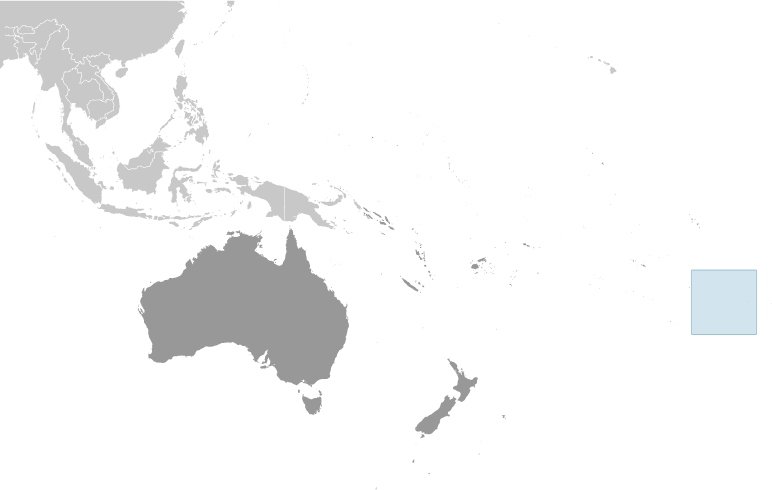

| PITCAIRN ISLANDS Pitcairn, Henderson, Ducie, and Oeno Islands Pitcairn, Henderson, Ducie, and Oeno Islands (overseas Territory of the United Kingdom) Joined United Nations: 24 October 1945 Human Rights as assured by their constitution Click here Updated 17 August 2012 |
| CAPITAL |
| POPULATION |
| CHIEF OF STATE |
| SELECTION PROCESS |
Adamstown
48
Elizabeth II of United Kingdom
Queen since 6 February 1952
Queen since 6 February 1952
The monarch is hereditary and holds that position for life or until
abdication. The governor and commissioner are appointed by
the Queen
Next scheduled election: None
abdication. The governor and commissioner are appointed by
the Queen
Next scheduled election: None
HEAD OF GOVERNMENT
SELECTION PROCESS
Mike Warren
Mayor and Chairman of the Island Council
since 1 January 2008
Mayor and Chairman of the Island Council
since 1 January 2008
Governor and commissioner appointed by the monarch; island
mayor elected by popular vote for a three-year term; election
last held 24 December 2009
Next scheduled election: December 2012
mayor elected by popular vote for a three-year term; election
last held 24 December 2009
Next scheduled election: December 2012
| DECLARATION OF HUMAN RIGHTS |
| ETHNIC GROUPS |
Descendants of the Bounty mutineers and their Tahitian wives
| RELIGIONS |
Seventh-Day Adventist 100%
| GOVERNMENT STRUCTURE |
Overseas territory of the UK with no administrative division. Legal system is comprised of local island by-laws
Executive: Monarch represented by Governor and Commissioner; mayor elected by popular vote for a three-year
term; elections: last held on 24 December 2009 (next to be held December 2012)
Legislative: Unicameral Island Council (10 seats - 5 elected by popular vote, 1 nominated by the 5 elected members,
2 appointed by the governor including 1 seat for the Island Secretary, the Island Mayor, and a commissioner liaising
between the governor and council; elected members serve one-year terms)
elections: last held last held in 01 December 2011 (next to be held December 2012)
Judicial: Magistrate's Court; Supreme Court; Court of Appeal; Judicial Officers are appointed by the Governor
Executive: Monarch represented by Governor and Commissioner; mayor elected by popular vote for a three-year
term; elections: last held on 24 December 2009 (next to be held December 2012)
Legislative: Unicameral Island Council (10 seats - 5 elected by popular vote, 1 nominated by the 5 elected members,
2 appointed by the governor including 1 seat for the Island Secretary, the Island Mayor, and a commissioner liaising
between the governor and council; elected members serve one-year terms)
elections: last held last held in 01 December 2011 (next to be held December 2012)
Judicial: Magistrate's Court; Supreme Court; Court of Appeal; Judicial Officers are appointed by the Governor
| LANGUAGES |
English (official), Pitkern (mixture of an 18th century English dialect and a Tahitian dialect)
| BRIEF HISTORY |
The original settlers of the Pitcairn Islands (Ducie, Henderson, Oeno and Pitcairn) were Polynesians who appear to have
lived on Pitcairn and Henderson for several centuries. However, although archaeologists believe that Polynesians were
living on Pitcairn as late as the 15th century, the islands were uninhabited when they were discovered by Europeans.
Ducie and Henderson Islands are believed to have been discovered by Europeans on 26 January 1606 by Portuguese
sailor Pedro Fernandez de Quiros, who named them La Encarnación and San Juan Bautista respectively. However, some
sources express doubt about exactly which of the islands were visited and named by Quiros, suggesting that Quiros’ La
Encarnación may actually have been Henderson Island, and San Juan Bautista may have been Pitcairn Island. Ducie
Island was rediscovered in 1791 by the British Capt. Edwards aboard H.M.S. Pandora, and named after Baron Francis
Ducie, a captain in the Royal Navy. It was annexed by Britain on 19 December 1902, and in 1938 it was formally
incorporated into Pitcairn to become part of a single administrative district (the "Pitcairn Group of Islands".) Henderson
Island was rediscovered on 17 January 1819 by British Capt. Henderson of the British East India Company ship
Hercules. On the 2 March 1819, Captain Henry King, sailing aboard the Elizabeth, landed on the island to find the King's
colours already flying. His crew scratched the name of their ship into a tree and for some years the island's name was
Elizabeth or Henderson interchangeably. Henderson Island was annexed by Britain and incorporated into Pitcairn in 1938.
Oeno Island was discovered on the 26 January 1824 by U.S. Captain George Worth aboard the whaler Oeno. On the
10th July 1902 Oeno was annexed by Britain. It was incorporated into Pitcairn in 1938. Pitcairn Island itself was
discovered on July 3, 1767 by the crew of the British sloop HMS Swallow, commanded by Captain Philip Carteret
(though according to some it had perhaps been visited by Quiros in 1606). It was named after Midshipman Robert
Pitcairn, a fifteen-year-old crewmember who was the first to sight the island. (Pitcairn was the son of British Marine
Officer John Pitcairn, who was second in command of British forces stationed in Massachusetts during the American
Revolutionary War and was fatally wounded in one of the defining battles of that war, the Battle of Bunker Hill.)
In 1790, the mutineers of HMAV Bounty and their Tahitian companions, some of whom may have been kidnapped from
Tahiti, settled on Pitcairn Island and set fire to the Bounty. The wreck is still visible underwater in Bounty Bay. The ship
itself was discovered in 1957 by National Geographic explorer Luis Marden. Although the settlers were able to survive
by farming and fishing, the initial period of settlement was marked by serious tensions among the settlers. Alcoholism,
murder, disease and other ills took the lives of most mutineers and Tahitian men. John Adams and Ned Young turned to
the Scriptures using the ship's Bible as their guide for a new and peaceful society. Young eventually died of an asthmatic
infection. The Pitcairners also converted to Christianity; however they would later convert from their existing form of
Christianity to Adventism after a successful Adventist mission in the 1890s. When the American sailing ship Topaz found
Pitcairn again, John Adams was granted amnesty for his mutiny. The island became a British colony in 1838. By the mid-
1850s the Pitcairn community was outgrowing the island and its leaders appealed to the British government for assistance.
They were offered Norfolk Island and on 3 May 1856, the entire community of 193 people set sail for Norfolk on board
the Morayshire, arriving on 8 June after a miserable five-week trip. But after eighteen months on Norfolk, seventeen of
the Pitcairners returned to their home island; five years later another twenty-seven did the same. Since a population peak
of 233 in 1937, the island has been suffering from emigration, primarily to New Zealand, leaving some fifty people living
on Pitcairn. There are allegations of a long history and tradition of sexual abuse of girls as young as 7, which culminated in
2004 in the charging of seven men living on Pitcairn, and another six now living abroad, with sex-related offences,
including rape. On October 25, 2004, six men were convicted, including Steve Christian, the island's mayor at the time.
See Pitcairn rape trial of 2004. The British government has decided to set up a prison for only the island, and spend an
annual budget of $950,000, after the six men lost their final appeal.
Source: Wikipedia History of Pitcairn Islands
lived on Pitcairn and Henderson for several centuries. However, although archaeologists believe that Polynesians were
living on Pitcairn as late as the 15th century, the islands were uninhabited when they were discovered by Europeans.
Ducie and Henderson Islands are believed to have been discovered by Europeans on 26 January 1606 by Portuguese
sailor Pedro Fernandez de Quiros, who named them La Encarnación and San Juan Bautista respectively. However, some
sources express doubt about exactly which of the islands were visited and named by Quiros, suggesting that Quiros’ La
Encarnación may actually have been Henderson Island, and San Juan Bautista may have been Pitcairn Island. Ducie
Island was rediscovered in 1791 by the British Capt. Edwards aboard H.M.S. Pandora, and named after Baron Francis
Ducie, a captain in the Royal Navy. It was annexed by Britain on 19 December 1902, and in 1938 it was formally
incorporated into Pitcairn to become part of a single administrative district (the "Pitcairn Group of Islands".) Henderson
Island was rediscovered on 17 January 1819 by British Capt. Henderson of the British East India Company ship
Hercules. On the 2 March 1819, Captain Henry King, sailing aboard the Elizabeth, landed on the island to find the King's
colours already flying. His crew scratched the name of their ship into a tree and for some years the island's name was
Elizabeth or Henderson interchangeably. Henderson Island was annexed by Britain and incorporated into Pitcairn in 1938.
Oeno Island was discovered on the 26 January 1824 by U.S. Captain George Worth aboard the whaler Oeno. On the
10th July 1902 Oeno was annexed by Britain. It was incorporated into Pitcairn in 1938. Pitcairn Island itself was
discovered on July 3, 1767 by the crew of the British sloop HMS Swallow, commanded by Captain Philip Carteret
(though according to some it had perhaps been visited by Quiros in 1606). It was named after Midshipman Robert
Pitcairn, a fifteen-year-old crewmember who was the first to sight the island. (Pitcairn was the son of British Marine
Officer John Pitcairn, who was second in command of British forces stationed in Massachusetts during the American
Revolutionary War and was fatally wounded in one of the defining battles of that war, the Battle of Bunker Hill.)
In 1790, the mutineers of HMAV Bounty and their Tahitian companions, some of whom may have been kidnapped from
Tahiti, settled on Pitcairn Island and set fire to the Bounty. The wreck is still visible underwater in Bounty Bay. The ship
itself was discovered in 1957 by National Geographic explorer Luis Marden. Although the settlers were able to survive
by farming and fishing, the initial period of settlement was marked by serious tensions among the settlers. Alcoholism,
murder, disease and other ills took the lives of most mutineers and Tahitian men. John Adams and Ned Young turned to
the Scriptures using the ship's Bible as their guide for a new and peaceful society. Young eventually died of an asthmatic
infection. The Pitcairners also converted to Christianity; however they would later convert from their existing form of
Christianity to Adventism after a successful Adventist mission in the 1890s. When the American sailing ship Topaz found
Pitcairn again, John Adams was granted amnesty for his mutiny. The island became a British colony in 1838. By the mid-
1850s the Pitcairn community was outgrowing the island and its leaders appealed to the British government for assistance.
They were offered Norfolk Island and on 3 May 1856, the entire community of 193 people set sail for Norfolk on board
the Morayshire, arriving on 8 June after a miserable five-week trip. But after eighteen months on Norfolk, seventeen of
the Pitcairners returned to their home island; five years later another twenty-seven did the same. Since a population peak
of 233 in 1937, the island has been suffering from emigration, primarily to New Zealand, leaving some fifty people living
on Pitcairn. There are allegations of a long history and tradition of sexual abuse of girls as young as 7, which culminated in
2004 in the charging of seven men living on Pitcairn, and another six now living abroad, with sex-related offences,
including rape. On October 25, 2004, six men were convicted, including Steve Christian, the island's mayor at the time.
See Pitcairn rape trial of 2004. The British government has decided to set up a prison for only the island, and spend an
annual budget of $950,000, after the six men lost their final appeal.
Source: Wikipedia History of Pitcairn Islands
| ECONOMIC OVERVIEW |
The inhabitants of this tiny isolated economy exist on fishing, subsistence farming, handicrafts, and postage stamps. The
fertile soil of the valleys produces a wide variety of fruits and vegetables, including citrus, sugarcane, watermelons,
bananas, yams, and beans. Bartering is an important part of the economy. The major sources of revenue are the sale of
postage stamps to collectors and the sale of handicrafts to passing ships.
fertile soil of the valleys produces a wide variety of fruits and vegetables, including citrus, sugarcane, watermelons,
bananas, yams, and beans. Bartering is an important part of the economy. The major sources of revenue are the sale of
postage stamps to collectors and the sale of handicrafts to passing ships.
| POLITICAL CLIMATE |
The Queen is represented by the Governor of the Pitcairn Islands, who is the British High Commissioner to New
Zealand, currently George Fergusson. The Governor's Representative is the liaison person between the governor and
the Island Council - this is probably the most remote and inaccessible diplomatic posting in the world. The non-resident
Commissioner, appointed by the Governor, is responsible for the day-to-day administration of the island as well as for
its economic regeneration. But because the high commissioner does not live on the island, its daily affairs are taken care
of by the mayor of Pitcairn from 1999 onwards. Island Magistrate is a governor appointed job. Chairman of the
Internal Committee is an elected official. Until 30 October 2004, the mayor was Steve Christian; after his rape
conviction on October 24, 2004, Christian was dismissed (after refusing to resign). Brenda Christian was selected by
the Island Council, to be mayor for November and December 2004, until an election was held. Jay Warren was
elected on December 15, 2004. The island Mayor is elected by popular vote for a three-year term. In December
2007, Mike Warren succeeded Jay Warren as Mayor and was reelected 24 December 2009.
The Pitcairn Islands have a unicameral Island Council (10 seats - The Mayor and the Chairman of the Island Council
both hold membership ex officio; 4 elected by popular vote, 1 co-opted by the Chairman and the 4 other elected
members; 2 appointed by the Governor including the Island Secretary (ex officio); the tenth seat is reserved for a
Commissioner (non-resident) who liaises between the Council and the Governor. Except for the Mayor, who has a
three year term, and the Island Secretary, whose term is indefinite, members serve one-year terms.
Council elections are held on 24 December every year. A new constitution was adopted on 17 February 2010 and
declared at a public assembly in the town square of Adamstown by Governor Fergusson to all 53 island residents.
Zealand, currently George Fergusson. The Governor's Representative is the liaison person between the governor and
the Island Council - this is probably the most remote and inaccessible diplomatic posting in the world. The non-resident
Commissioner, appointed by the Governor, is responsible for the day-to-day administration of the island as well as for
its economic regeneration. But because the high commissioner does not live on the island, its daily affairs are taken care
of by the mayor of Pitcairn from 1999 onwards. Island Magistrate is a governor appointed job. Chairman of the
Internal Committee is an elected official. Until 30 October 2004, the mayor was Steve Christian; after his rape
conviction on October 24, 2004, Christian was dismissed (after refusing to resign). Brenda Christian was selected by
the Island Council, to be mayor for November and December 2004, until an election was held. Jay Warren was
elected on December 15, 2004. The island Mayor is elected by popular vote for a three-year term. In December
2007, Mike Warren succeeded Jay Warren as Mayor and was reelected 24 December 2009.
The Pitcairn Islands have a unicameral Island Council (10 seats - The Mayor and the Chairman of the Island Council
both hold membership ex officio; 4 elected by popular vote, 1 co-opted by the Chairman and the 4 other elected
members; 2 appointed by the Governor including the Island Secretary (ex officio); the tenth seat is reserved for a
Commissioner (non-resident) who liaises between the Council and the Governor. Except for the Mayor, who has a
three year term, and the Island Secretary, whose term is indefinite, members serve one-year terms.
Council elections are held on 24 December every year. A new constitution was adopted on 17 February 2010 and
declared at a public assembly in the town square of Adamstown by Governor Fergusson to all 53 island residents.
| INTERNATIONAL DISPUTES |
None reported.


| REFUGEES AND INTERNALLY DISPLACED PERSONS (IDP) |
None reported.
| ILLICIT DRUGS |
None reported.
| HUMAN RIGHTS STATEMENTS, ANALYSIS AND CRITIQUES |
2012 Investment Climate Statement
Bureau of Economic and Business Affairs
June 2012
Report
British Overseas Territories
The British Overseas Territories (BOTs) comprise Anguilla, British Antarctic Territory, Bermuda, British Indian Ocean Territory,
British Virgin Islands, Cayman Islands, Falkland Islands, Gibraltar, Montserrat, Pitcairn Islands, St. Helena and its dependencies
Ascension and Tristan da Cunha, Turks and Caicos Islands, South Georgia and South Sandwich Islands, and Sovereign Base Areas
on Cyprus. The BOTs retain a substantial measure of responsibility for their own affairs. Local self-government is usually provided
by an Executive Council and elected legislature. Governors or Commissioners are appointed by the Crown on the advice of the
British Foreign Secretary, and retain responsibility for external affairs, defense, and internal security. However, the UK imposed
direct rule on the Turks and Caicos Islands in August 2009 after an inquiry found evidence of corruption and incompetence. Its
Premier was removed and its constitution was suspended. The UK now rules directly through its Governor.
The UK's Department for International Development (DFID) is committed to “help to provide an improved environment for
economic and social development and promote self-sustainability” of the BOTs. Many of the territories are now broadly self-
sufficient. However, DFID maintains development assistance programs in St. Helena, Montserrat and Pitcairn, including budgetary
aid to meet the islands' essential needs and development assistance to help encourage economic growth and social development.
Other BOTs receive small levels of assistance through "cross-territory" programs for issues such as environmental protection,
disaster prevention, HIV/AIDS and child protection. The UK also lends to the BOTs as needed, up to a pre-set limit, but assumes no
liability for them if they encounter financial difficulty.
Pitcairn Islands: The Pitcairn Islands have approximately 50 residents, with a workforce of approximately 15. The territory does
not have an airstrip or safe harbor. Residents exist on fishing, subsistence farming, and handcrafts.
Click here to read more »
Bureau of Economic and Business Affairs
June 2012
Report
British Overseas Territories
The British Overseas Territories (BOTs) comprise Anguilla, British Antarctic Territory, Bermuda, British Indian Ocean Territory,
British Virgin Islands, Cayman Islands, Falkland Islands, Gibraltar, Montserrat, Pitcairn Islands, St. Helena and its dependencies
Ascension and Tristan da Cunha, Turks and Caicos Islands, South Georgia and South Sandwich Islands, and Sovereign Base Areas
on Cyprus. The BOTs retain a substantial measure of responsibility for their own affairs. Local self-government is usually provided
by an Executive Council and elected legislature. Governors or Commissioners are appointed by the Crown on the advice of the
British Foreign Secretary, and retain responsibility for external affairs, defense, and internal security. However, the UK imposed
direct rule on the Turks and Caicos Islands in August 2009 after an inquiry found evidence of corruption and incompetence. Its
Premier was removed and its constitution was suspended. The UK now rules directly through its Governor.
The UK's Department for International Development (DFID) is committed to “help to provide an improved environment for
economic and social development and promote self-sustainability” of the BOTs. Many of the territories are now broadly self-
sufficient. However, DFID maintains development assistance programs in St. Helena, Montserrat and Pitcairn, including budgetary
aid to meet the islands' essential needs and development assistance to help encourage economic growth and social development.
Other BOTs receive small levels of assistance through "cross-territory" programs for issues such as environmental protection,
disaster prevention, HIV/AIDS and child protection. The UK also lends to the BOTs as needed, up to a pre-set limit, but assumes no
liability for them if they encounter financial difficulty.
Pitcairn Islands: The Pitcairn Islands have approximately 50 residents, with a workforce of approximately 15. The territory does
not have an airstrip or safe harbor. Residents exist on fishing, subsistence farming, and handcrafts.
Click here to read more »
1 June 2012
DECOLONIZATION IN THE PACIFIC: CONTEXT, ISSUES, AND POSSIBLE OPTIONS FOR THE THIRD UNITED
NATIONS DECADE FOR THE ERADICATION OF COLONIALISM
Edward P. Wolfers
Almost one-third (five) of the 16 remaining entities on the United Nations’ (UN) list of non-self-governing territories are in the
Pacific. The region comes second in number and diversity of ongoing colonial relationships only to the Atlantic and Caribbean,
where almost two-thirds (or nine) such territories are located (there are a further two – one each in Europe and Africa).
Each of the Pacific territories consists of a small group of islands, surrounded by a large Exclusive Economic Zone endowed with
rich fisheries, as well as other marine and submarine resources. Populations vary in size from 66 in Pitcairn Islands (a quite
substantial increase from the recent past) - through just over 1,000 in Tokelau and 57,000+ in American Samoa and 150,000+ in
Guam - to almost a quarter of a million in New Caledonia.1 The relevant administering powers are, respectively, the United
Kingdom (UK) for Pitcairn Islands, New Zealand for Tokelau, the United States of America (USA) for both American Samoa and
Guam, and France for New Caledonia.
With New Caledonia located in Melanesia, Guam in Micronesia, and the other territories in Polynesia, inhabitants of indigenous
descent in each of these regions are both culturally and linguistically diverse from one another (and, in the case, of New Caledonia,
in common with other parts of Melanesia, internally so), even as they may all identify themselves as Pacific Islanders. They are also
in the minority in Guam and New Caledonia2 - though only Pitcairn Islands, whose inhabitants are descended from immigrants
from the UK and Tahiti, can accurately be described as a colony of settlement in the classic sense (in this case, with no locally
indigenous ancestors among them at all). The economic circumstances and other living conditions of the majority of indigenous
inhabitants of these territories are not readily distinguishable from those of indigenous people in other small island developing
countries in the Pacific where rural subsistence and growing urban resettlement, including the expansion, both in number and size,
of slums, are increasingly the norms.
Click here to read more »
DECOLONIZATION IN THE PACIFIC: CONTEXT, ISSUES, AND POSSIBLE OPTIONS FOR THE THIRD UNITED
NATIONS DECADE FOR THE ERADICATION OF COLONIALISM
Edward P. Wolfers
Almost one-third (five) of the 16 remaining entities on the United Nations’ (UN) list of non-self-governing territories are in the
Pacific. The region comes second in number and diversity of ongoing colonial relationships only to the Atlantic and Caribbean,
where almost two-thirds (or nine) such territories are located (there are a further two – one each in Europe and Africa).
Each of the Pacific territories consists of a small group of islands, surrounded by a large Exclusive Economic Zone endowed with
rich fisheries, as well as other marine and submarine resources. Populations vary in size from 66 in Pitcairn Islands (a quite
substantial increase from the recent past) - through just over 1,000 in Tokelau and 57,000+ in American Samoa and 150,000+ in
Guam - to almost a quarter of a million in New Caledonia.1 The relevant administering powers are, respectively, the United
Kingdom (UK) for Pitcairn Islands, New Zealand for Tokelau, the United States of America (USA) for both American Samoa and
Guam, and France for New Caledonia.
With New Caledonia located in Melanesia, Guam in Micronesia, and the other territories in Polynesia, inhabitants of indigenous
descent in each of these regions are both culturally and linguistically diverse from one another (and, in the case, of New Caledonia,
in common with other parts of Melanesia, internally so), even as they may all identify themselves as Pacific Islanders. They are also
in the minority in Guam and New Caledonia2 - though only Pitcairn Islands, whose inhabitants are descended from immigrants
from the UK and Tahiti, can accurately be described as a colony of settlement in the classic sense (in this case, with no locally
indigenous ancestors among them at all). The economic circumstances and other living conditions of the majority of indigenous
inhabitants of these territories are not readily distinguishable from those of indigenous people in other small island developing
countries in the Pacific where rural subsistence and growing urban resettlement, including the expansion, both in number and size,
of slums, are increasingly the norms.
Click here to read more »
No reports from Freedom House mentioning Pitcairn Islands after exhaustive search of their data base. Please forward
any information you may have regarding Freedom House efforts on behalf of Pitcairn Islands to the Pax Gaea World Post
Human Rights Report editor at the link below.
Contact the editor »
any information you may have regarding Freedom House efforts on behalf of Pitcairn Islands to the Pax Gaea World Post
Human Rights Report editor at the link below.
Contact the editor »
Consideration of reports submitted by States parties
under article 40 of the Covenant
Concluding Observations of the Human Rights Committee
UNITED KINGDOM OF GREAT BRITAIN AND NORTHERN IRELAND AND
OVERSEAS TERRITORIES OF THE UNITED KINGDOM OF GREAT BRITAIN AND NORTHERN IRELAND
Part I
1. The Committee considered the fifth periodic report submitted by the United Kingdom of Great Britain and Northern Ireland
(CCPR/C/UK/99/5) and the fourth and fifth combined report on the Overseas Territories of the United Kingdom and Northern
Ireland (CCPR/C/UKOT/5) at its 1960th, 1961st, 1962nd and 1963rd meetings, held on 17 and 18 October 2001. The Committee
adopted the following concluding observations at its 1976th and 1977th meetings, held on 29 October 2001.
Part III
OVERSEAS TERRITORIES OF THE UNITED KINGDOM OF GREAT BRITAIN AND NORTHERN IRELAND
23. The Committee is deeply concerned that the protection of Covenant rights in the overseas territories is weaker and more
irregular than in the metropolitan area. The Committee regrets that the provisions of the Human Rights Act 1998, which
significantly improve the protection of many rights contained in the Covenant, do not extend to the overseas territories (except, to
an extent, Pitcairn and St Helena). The Committee regrets that the Covenant rights are not incorporated into the legislation of the
territories, and that its provisions cannot be invoked directly before or applied by the judiciary. The consequences are especially
regrettable in those overseas territories (British Virgin Islands, Cayman Islands, St. Helena and Pitcairn) whose constitutions do not
contain chapters on fundamental rights. In this regard, the Committee would welcome answers to the questions not dealt with by
the delegation.
Click here to read more »
under article 40 of the Covenant
Concluding Observations of the Human Rights Committee
UNITED KINGDOM OF GREAT BRITAIN AND NORTHERN IRELAND AND
OVERSEAS TERRITORIES OF THE UNITED KINGDOM OF GREAT BRITAIN AND NORTHERN IRELAND
Part I
1. The Committee considered the fifth periodic report submitted by the United Kingdom of Great Britain and Northern Ireland
(CCPR/C/UK/99/5) and the fourth and fifth combined report on the Overseas Territories of the United Kingdom and Northern
Ireland (CCPR/C/UKOT/5) at its 1960th, 1961st, 1962nd and 1963rd meetings, held on 17 and 18 October 2001. The Committee
adopted the following concluding observations at its 1976th and 1977th meetings, held on 29 October 2001.
Part III
OVERSEAS TERRITORIES OF THE UNITED KINGDOM OF GREAT BRITAIN AND NORTHERN IRELAND
23. The Committee is deeply concerned that the protection of Covenant rights in the overseas territories is weaker and more
irregular than in the metropolitan area. The Committee regrets that the provisions of the Human Rights Act 1998, which
significantly improve the protection of many rights contained in the Covenant, do not extend to the overseas territories (except, to
an extent, Pitcairn and St Helena). The Committee regrets that the Covenant rights are not incorporated into the legislation of the
territories, and that its provisions cannot be invoked directly before or applied by the judiciary. The consequences are especially
regrettable in those overseas territories (British Virgin Islands, Cayman Islands, St. Helena and Pitcairn) whose constitutions do not
contain chapters on fundamental rights. In this regard, the Committee would welcome answers to the questions not dealt with by
the delegation.
Click here to read more »
III. COMMONWEALTH COUNTRIES SUPPORTING THE BAN TREATY
United Kingdom(11) (London)
The U.K. itself does not have a landmine problem although there have been reports of a limited number of landmines being used in
Northern Ireland. There is a serious problem of uncleared landmines in the Falkland/Malvinas Islands, which are administered by
the U.K. but claimed by Argentina. Mines were implanted by Argentine forces during the war with the U.K. which ended in 1982.
There are 117 identified minefields, with a total of 25-30,000 landmines. Due to the environment, the exact locations of many of
these mines are not known. Eighty percent were laid in peat and beach sand, both of which are subject to movement.(12)
The U.K. was a major antipersonnel mine producer and exporter in the past. On July 27, 1994 it adopted a limited moratorium on
the export of "dumb" mines. On April 23, 1996 it expanded its export moratorium to include all antipersonnel mines, and declared a
suspension of use, except with ministerial authorization. The U.K.'s commitment to a ban intensified greatly with the Labour Party
victory and on May 21, 1997 the U.K. permanently banned the production, import and export of antipersonnel mines and
committed itself to the destruction of its stockpiles by 2005 (at the latest).
The U.K. co-sponsored UNGA Resolution 51/45S and voted "Yes." It endorsed the Brussels Declaration and participated in the Oslo
negotiations. It is expected to sign the treaty in December.
11. The United Kingdom of Great Britain and Northern Ireland. Great Britain comprises England. Scotland and Wales. Its
Dependent Territories are: Anguilla, Bermuda, British Antarctic Territory, British Indian Ocean Territory, British Virgin Islands,
Cayman Islands, Falkland Islands, Gibraltar, Montserrat, Pitcairn, Henderson, Ducie and Oeno Islands, St. Helena and St. Helena
Dependencies (Ascension and Tristan da Cunha), South Georgia and the South Sandwich Islands, and Turks and Caicos Islands.
Click here to read more »
United Kingdom(11) (London)
The U.K. itself does not have a landmine problem although there have been reports of a limited number of landmines being used in
Northern Ireland. There is a serious problem of uncleared landmines in the Falkland/Malvinas Islands, which are administered by
the U.K. but claimed by Argentina. Mines were implanted by Argentine forces during the war with the U.K. which ended in 1982.
There are 117 identified minefields, with a total of 25-30,000 landmines. Due to the environment, the exact locations of many of
these mines are not known. Eighty percent were laid in peat and beach sand, both of which are subject to movement.(12)
The U.K. was a major antipersonnel mine producer and exporter in the past. On July 27, 1994 it adopted a limited moratorium on
the export of "dumb" mines. On April 23, 1996 it expanded its export moratorium to include all antipersonnel mines, and declared a
suspension of use, except with ministerial authorization. The U.K.'s commitment to a ban intensified greatly with the Labour Party
victory and on May 21, 1997 the U.K. permanently banned the production, import and export of antipersonnel mines and
committed itself to the destruction of its stockpiles by 2005 (at the latest).
The U.K. co-sponsored UNGA Resolution 51/45S and voted "Yes." It endorsed the Brussels Declaration and participated in the Oslo
negotiations. It is expected to sign the treaty in December.
11. The United Kingdom of Great Britain and Northern Ireland. Great Britain comprises England. Scotland and Wales. Its
Dependent Territories are: Anguilla, Bermuda, British Antarctic Territory, British Indian Ocean Territory, British Virgin Islands,
Cayman Islands, Falkland Islands, Gibraltar, Montserrat, Pitcairn, Henderson, Ducie and Oeno Islands, St. Helena and St. Helena
Dependencies (Ascension and Tristan da Cunha), South Georgia and the South Sandwich Islands, and Turks and Caicos Islands.
Click here to read more »
Human Rights and Pitcairn
08 July 2011
The people of Pitcairn Island have been undergoing training in Human Rights awareness.
In early June, two trainers from The Commonwealth Foundation, the Commonwealth Human Rights Initiative and the
Commonwealth Legal Education Association provided the training. The programme was open to everyone on the Island and
courses were very well attended.
As the smallest and one of the most isolated of the British Overseas Territories, Pitcairn Island law must conform to the same level
of regard for human rights as British law. Two trainers, both lawyers and advocates for the Commonwealth Foundation, visited the
Island for ten days.
During this time, they held a programme of courses giving instruction and advice on how to ensure that the laws and ordinances of
Pitcairn conform to the Island Constitution. This included the development of a National Human Rights Action Plan for Pitcairn.
This was their second visit to Pitcairn - the first had taken place in September 2009, just before the adoption of Pitcairn's new
Constitution in early 2010.
Meanwhile the first graduation ceremony for the five students from the inaugural Child Protection Studies programme was held in
the Pitcairn Town Hall on Monday 27th June with family and friends present.
The NZQA accredited qualification developed by Child Matters in New Zealand, especially for Pitcairn Island consisted of ten, two
hour modules delivered by two trainers in New Zealand using video conferencing equipment. Facilitated by the Family and
Community Advisor on Pitcairn, sessions were followed by tutorials and group discussions.
Click here to read more »
08 July 2011
The people of Pitcairn Island have been undergoing training in Human Rights awareness.
In early June, two trainers from The Commonwealth Foundation, the Commonwealth Human Rights Initiative and the
Commonwealth Legal Education Association provided the training. The programme was open to everyone on the Island and
courses were very well attended.
As the smallest and one of the most isolated of the British Overseas Territories, Pitcairn Island law must conform to the same level
of regard for human rights as British law. Two trainers, both lawyers and advocates for the Commonwealth Foundation, visited the
Island for ten days.
During this time, they held a programme of courses giving instruction and advice on how to ensure that the laws and ordinances of
Pitcairn conform to the Island Constitution. This included the development of a National Human Rights Action Plan for Pitcairn.
This was their second visit to Pitcairn - the first had taken place in September 2009, just before the adoption of Pitcairn's new
Constitution in early 2010.
Meanwhile the first graduation ceremony for the five students from the inaugural Child Protection Studies programme was held in
the Pitcairn Town Hall on Monday 27th June with family and friends present.
The NZQA accredited qualification developed by Child Matters in New Zealand, especially for Pitcairn Island consisted of ten, two
hour modules delivered by two trainers in New Zealand using video conferencing equipment. Facilitated by the Family and
Community Advisor on Pitcairn, sessions were followed by tutorials and group discussions.
Click here to read more »
Enacted by the Governor of the Islands
of Pitcairn, Henderson, Ducie and Oeno
OMBUDSMEN ORDINANCE 2012
DATE MADE: 17 MAY 2012
DATE PUBLISHED: 21 MAY 2012
An Ordinance to prescribe the functions, powers and jurisdiction of ombudsmen in Pitcairn
PART I – PRELIMINARY
Title and commencement
1. This Ordinance may be cited as the Ombudsmen Ordinance 2012 and shall come into force on the day after it is published.
Definitions 2. In this Ordinance, unless the context otherwise requires—
“action” includes an omission;
“aggrieved person” means a member of the public who claims to have suffered injustice in consequence of maladministration in the
Government of Pitcairn or in a body mentioned in Schedule 1;
“Ombudsman”, in relation to any function, power, or duty under this Ordinance, means the Ombudsman for the time being
investigating the complaint in respect of which the function, power, or duty is being exercised;
Ombudsmen 3. – (1) There shall be appointed one or more Ombudsmen.
(2) Each Ombudsman shall be appointed by the Governor.
(3) If more than one, then one of the Ombudsmen shall be appointed as Chief Ombudsman, and shall be responsible for the
administration of the office, and the co-ordination and allocation of the work between the Ombudsmen.
(4) An Ombudsman shall not, without the approval of the Governor in each particular case, hold any office of trust or profit, other
than his or her office as an Ombudsman, or engage in any occupation for reward in Pitcairn outside the duties of his or her office.
(5) Except as otherwise provided in this Ordinance, every Ombudsman shall hold office for a term of 5 years.
(6) Any Ombudsman may at any time resign his or her office by writing addressed to the Governor of Pitcairn, and shall so resign
his or her office onattaining the age of 72 years.
Click here to read more »
of Pitcairn, Henderson, Ducie and Oeno
OMBUDSMEN ORDINANCE 2012
DATE MADE: 17 MAY 2012
DATE PUBLISHED: 21 MAY 2012
An Ordinance to prescribe the functions, powers and jurisdiction of ombudsmen in Pitcairn
PART I – PRELIMINARY
Title and commencement
1. This Ordinance may be cited as the Ombudsmen Ordinance 2012 and shall come into force on the day after it is published.
Definitions 2. In this Ordinance, unless the context otherwise requires—
“action” includes an omission;
“aggrieved person” means a member of the public who claims to have suffered injustice in consequence of maladministration in the
Government of Pitcairn or in a body mentioned in Schedule 1;
“Ombudsman”, in relation to any function, power, or duty under this Ordinance, means the Ombudsman for the time being
investigating the complaint in respect of which the function, power, or duty is being exercised;
Ombudsmen 3. – (1) There shall be appointed one or more Ombudsmen.
(2) Each Ombudsman shall be appointed by the Governor.
(3) If more than one, then one of the Ombudsmen shall be appointed as Chief Ombudsman, and shall be responsible for the
administration of the office, and the co-ordination and allocation of the work between the Ombudsmen.
(4) An Ombudsman shall not, without the approval of the Governor in each particular case, hold any office of trust or profit, other
than his or her office as an Ombudsman, or engage in any occupation for reward in Pitcairn outside the duties of his or her office.
(5) Except as otherwise provided in this Ordinance, every Ombudsman shall hold office for a term of 5 years.
(6) Any Ombudsman may at any time resign his or her office by writing addressed to the Governor of Pitcairn, and shall so resign
his or her office onattaining the age of 72 years.
Click here to read more »
Volume 5 No 6
June 2011
HUMAN RIGHTS SEMINAR
DfiD sent two professionals to review what we call the “child ban” (restrictions for children to visit the island, commented on in
previous issues ), observed and consulted with islanders. Their report will be released later this year. Lindi and Stephanie, the two
Human Rights ladies, who conducted a week long Human Rights seminar for us in September 2009, prior to the creation of our
Constitution (March 2010), returned for another seminar which was well attended and raised a lot of interest and discussions. The
seven day seminar was attended by around 15 or so islanders every day, others attended sporadically. All the Division Managers
and Council members attended, except two.
Several of our laws and ordinances appeared to be contrary to our Constitution as well as against Human Rights, so our newly
formed National Action Plan (for Human Rights) group has quite a job ahead aligning legislation to Human Rights. One seminar
member suggested that it might be easier if we just skip our Pitcairn laws and go by English laws altogether, but that raised
indignant protests from the islanders as well as from Lindi and Stephanie. Pitcairn is not an extension of London, Kent and
Yorkshire, and Pitcairners should not give up the right to have their own laws.
Click here to read more »
June 2011
HUMAN RIGHTS SEMINAR
DfiD sent two professionals to review what we call the “child ban” (restrictions for children to visit the island, commented on in
previous issues ), observed and consulted with islanders. Their report will be released later this year. Lindi and Stephanie, the two
Human Rights ladies, who conducted a week long Human Rights seminar for us in September 2009, prior to the creation of our
Constitution (March 2010), returned for another seminar which was well attended and raised a lot of interest and discussions. The
seven day seminar was attended by around 15 or so islanders every day, others attended sporadically. All the Division Managers
and Council members attended, except two.
Several of our laws and ordinances appeared to be contrary to our Constitution as well as against Human Rights, so our newly
formed National Action Plan (for Human Rights) group has quite a job ahead aligning legislation to Human Rights. One seminar
member suggested that it might be easier if we just skip our Pitcairn laws and go by English laws altogether, but that raised
indignant protests from the islanders as well as from Lindi and Stephanie. Pitcairn is not an extension of London, Kent and
Yorkshire, and Pitcairners should not give up the right to have their own laws.
Click here to read more »

Represented by
Victoria M. Treadell
UK High Commissioner to New Zealand and
Governor (nonresident) of the Pitcairn
Islands l since 1 May 2010
Victoria M. Treadell
UK High Commissioner to New Zealand and
Governor (nonresident) of the Pitcairn
Islands l since 1 May 2010
| Click map for larger view |
| Click flag for Country Report |

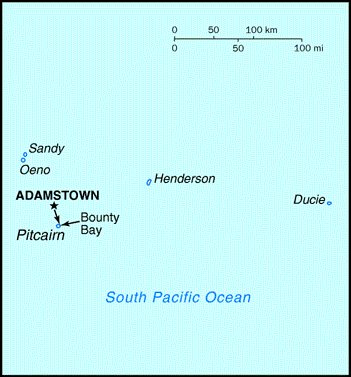
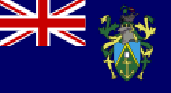

Represented by
Leslie Jaques
Commissioner (nonresident) of the
Pitcairn Islands l since 1 April 2006
Leslie Jaques
Commissioner (nonresident) of the
Pitcairn Islands l since 1 April 2006




| TRAFFICKING IN PERSONS |
None reported.