
| QATAR State of Qatar Dawlat Qatar Joined United Nations: 21 September 1971 Human Rights as assured by their constitution Click here Updated 23 February 2013 |

| CAPITAL |
| POPULATION |
| CHIEF OF STATE |
| SELECTION PROCESS |
Doha
1,951,591 (July 2012 est.)
Hamad bin Jasim bin Jabir al-Thani
Prime Minister since 3 April 2007
Prime Minister since 3 April 2007
Monarch is hereditary; Hamad assumed crown when he ousted his
father, Amir Khalifa bin Hamad al-Thani, in a bloodless coup;
Tamim is the fourth son of the monarch
Next scheduled election: None
father, Amir Khalifa bin Hamad al-Thani, in a bloodless coup;
Tamim is the fourth son of the monarch
Next scheduled election: None
HEAD OF GOVERNMENT
SELECTION PROCESS
Prime Minister and Deputy Prime Minister appointed by the
monarch
Next scheduled election: None
monarch
Next scheduled election: None
| DECLARATION OF HUMAN RIGHTS |
| ETHNIC GROUPS |
Arab 40%, Indian 18%, Pakistani 18%, Iranian 10%, other 14%
| RELIGIONS |
Muslim 77.5%, Christian 8.5%, other 14% (2004 census)
| GOVERNMENT STRUCTURE |
Emirate with 10 municipalities (baladiyat, singular - baladiyah); Legal system is based on Islamic and civil law codes; discretionary
system of law controlled by the amir, although civil codes are being implemented; Islamic law dominates family and personal
matters; has not accepted compulsory ICJ jurisdiction
Executive: The monarchy is hereditary however Hamad assumed crown when he ousted his father, Amir Khalifa bin Hamad
al-Thani, in a bloodless coup; Tamim is the fourth son of the monarch; Prime Minister and Deputy Prime Minister appointed by the
monarch
note: in April 2007, Qatar held nationwide elections for a 29-member Central Municipal Council (CMC), which has limited
consultative powers aimed at improving the provision of municipal services; the first election for the CMC was held in March 1999
Legislative: Unicameral Advisory Council or Majlis al-Shura (35 seats; members appointed)
note: no legislative elections have been held since 1970 when there were partial elections to the body; Council members have had
their terms extended every four years since; the new constitution, which came into force on 9 June 2005, provides for a 45-member
Consultative Council or Majlis al-Shura; the public would elect two-thirds of the Majlis al-Shura; the amir would appoint the
remaining members; election last held 1 June 2010; next scheduled election: June 2013
Judicial: Courts of First Instance, Appeal, and Cassation; note - the Amir appoints all judges - based on the recommendation of
the Supreme Judiciary Council - for renewable three-year terms
system of law controlled by the amir, although civil codes are being implemented; Islamic law dominates family and personal
matters; has not accepted compulsory ICJ jurisdiction
Executive: The monarchy is hereditary however Hamad assumed crown when he ousted his father, Amir Khalifa bin Hamad
al-Thani, in a bloodless coup; Tamim is the fourth son of the monarch; Prime Minister and Deputy Prime Minister appointed by the
monarch
note: in April 2007, Qatar held nationwide elections for a 29-member Central Municipal Council (CMC), which has limited
consultative powers aimed at improving the provision of municipal services; the first election for the CMC was held in March 1999
Legislative: Unicameral Advisory Council or Majlis al-Shura (35 seats; members appointed)
note: no legislative elections have been held since 1970 when there were partial elections to the body; Council members have had
their terms extended every four years since; the new constitution, which came into force on 9 June 2005, provides for a 45-member
Consultative Council or Majlis al-Shura; the public would elect two-thirds of the Majlis al-Shura; the amir would appoint the
remaining members; election last held 1 June 2010; next scheduled election: June 2013
Judicial: Courts of First Instance, Appeal, and Cassation; note - the Amir appoints all judges - based on the recommendation of
the Supreme Judiciary Council - for renewable three-year terms
| LANGUAGES |
Arabic (official), English commonly used as a second language
| BRIEF HISTORY |
First signs of human habitation in the Qatar peninsula date from 4000BC. Archaeological expeditions from Denmark (1965), Britain
(1973) and France (1976) found rock carvings and groups of pottery that indicate human presence at that time. Qatar also appears
on ancient maps, a clear sign that travellers and explorers knew of the presence of civilised settlements there. Some historical texts
claim that the first inhabitants of Qatar are the ancient Canaanites, a people known for their trade and navigation skills. Qatar
strategic location on the Arabian Gulf was the main reason for the seasonal migration of Arab tribes from the Arabian Peninsula and
particularly from the Nejd desert. When the ancient Mediterranean flourished with many civilisations, the Arabian Gulf area, with its
strategic location, found commercial prosperity. Many fishing centres like Al Bida, Al Khor, Al Wakra and Al Zubara appeared
which encouraged pearl trading. The Gulf suffered from a commercial decline during the Roman era as trade concentrated in the
Red Sea area. However, from the third century AD the Gulf area regained its important trading position.In the pre-Islamic time, the
peninsula was often dominated by various Persian dynasties, the last of which--the Sasanians, included the peninsula, which they
called Meshmahig ("Big Island") it in their province of Bahran / Bahrain with its capital at Shirin (probably, the modern Qatif) that
included the island of Bahrain and the coastal regions of modern Saudi Arabia. In the Islamic time, this was one of the earliest
locales occupied by the Muslims. Carmatism (Qarmatism) arrived in the area very early in the Islamic time and spread widely as it
did in the neighboring Hasa region. In the medieval times, the Qatar was often than not independent and a participant in the great
Persian Gulf-Indian Ocean commerce. Many races and ideas were introduced into the peninsula from Africa, South and Southeast
Asia, as well as Malayan archipelago. Today, the traces of these early interactions with the oceanic world of Indian Ocean remains
in the existence of small minorities of races, peoples, languages and religions such as the tropic Africans and the Shihus. After
domination by the Ottoman and British empires for centuries, Qatar became an independent state on September 3, 1971. Although
the peninsular land mass that makes up Qatar has sustained humans for thousands of years, for the bulk of its history the arid climate
fostered only short-term settlements by nomadic tribes. Clans such as the Al Khalifa and the Al Saud (which would later ascend
thrones of Bahrain and Saudi Arabia respectively) swept through the Arabian peninsula and camped on the coasts within small
fishing and pearling villages. The British initially sought out Qatar and the Persian Gulf as an intermediary vantage point en route to
their colonial interests in India, although the discovery of oil and other hydrocarbons in the early twentieth century would re-
invigorate their interest. During the nineteenth century, the time of Britain’s formative ventures into the region, the Al Khalifa clan
reigned over the Northern Qatari peninsula from the nearby island of Bahrain to the west. Although Qatar had the legal status of a
dependency, resentment festered against the Bahraini Al Khalifas along the eastern seaboard of the Qatari peninsula. In 1867, the
Al Khalifas launched a successful effort to quash the Qatari rebels sending a massive naval force to Wakrah. However, the Bahraini
aggression was in violation on the 1820 Anglo-Bahraini Treaty. The diplomatic response of the British to this violation set into
motion the political forces that would eventuate in the founding of the state of Qatar. In addition to censuring Bahrain for its breach
of agreement, the British Protectorate (per Colonel Lewis Pelly) asked to negotiate with a representative from Qatar. The request
carried with it a tacit recognition of Qatar’s status as distinct from Bahrain. The Qataris chose as their negotiator the respected
entrepreneur and long-time resident of Doha, Muhammed bin Thani. His clan, the Al Thanis, had taken relatively little part in Gulf
politics, but the diplomatic foray ensured their participation in the movement towards independence and their dominion as the future
ruling family, a dynasty that continues to this day. The results of the negotiations left Qatar with a new-found sense of political
selfhood, although it did not gain official standing as a British protectorate until 1916. The reach of the British Empire diminished
after the Second World War, especially following Indian independence in 1947. Pressure for a British withdrawal from the Arab
emirates in the Gulf increased during the 1950s, and the British welcomed Kuwait's declaration of independence in 1961. When
Britain officially announced in 1968 that it would disengage politically, though not economically, from the Persian Gulf in three years'
time, Qatar joined Bahrain and seven other Trucial States in a federation. Regional disputes however, quickly compelled Qatar to
resign and declare independence from the coalition that would evolve into the seven-emirate United Arab Emirates. On September
3, 1971, Qatar became an independent sovereign state. Since 1995, Emir Hamad bin Khalifa Al Thani has ruled Qatar, seizing
control of the country from his father Khalifa bin Hamad Al Thani while the latter vacationed in Switzerland. Under Emir Hamad,
Qatar has experienced a notable amount of socio-political liberalization, including the enfranchisement of women, a new constitution,
and the launch of Al Jazeera, a leading English and Arabic news source, which operates a website and satellite television news
channel. Qatar ranks as the ninth richest country in the world per capita. Qatar served as the headquarters and one of the main
launching sites of the US invasion of Iraq in 2003. In 2005, a suicide-bombing killed a British teacher at the Doha Players Theatre,
shocking a country that had not previously experienced acts of terrorism. It is not clear if the bombing was committed by an
organized terrorist group, and although the investigation is ongoing there are indications that the attack was the work of an
individual, not a group.
Source: Wikipedia: History of Qatar
(1973) and France (1976) found rock carvings and groups of pottery that indicate human presence at that time. Qatar also appears
on ancient maps, a clear sign that travellers and explorers knew of the presence of civilised settlements there. Some historical texts
claim that the first inhabitants of Qatar are the ancient Canaanites, a people known for their trade and navigation skills. Qatar
strategic location on the Arabian Gulf was the main reason for the seasonal migration of Arab tribes from the Arabian Peninsula and
particularly from the Nejd desert. When the ancient Mediterranean flourished with many civilisations, the Arabian Gulf area, with its
strategic location, found commercial prosperity. Many fishing centres like Al Bida, Al Khor, Al Wakra and Al Zubara appeared
which encouraged pearl trading. The Gulf suffered from a commercial decline during the Roman era as trade concentrated in the
Red Sea area. However, from the third century AD the Gulf area regained its important trading position.In the pre-Islamic time, the
peninsula was often dominated by various Persian dynasties, the last of which--the Sasanians, included the peninsula, which they
called Meshmahig ("Big Island") it in their province of Bahran / Bahrain with its capital at Shirin (probably, the modern Qatif) that
included the island of Bahrain and the coastal regions of modern Saudi Arabia. In the Islamic time, this was one of the earliest
locales occupied by the Muslims. Carmatism (Qarmatism) arrived in the area very early in the Islamic time and spread widely as it
did in the neighboring Hasa region. In the medieval times, the Qatar was often than not independent and a participant in the great
Persian Gulf-Indian Ocean commerce. Many races and ideas were introduced into the peninsula from Africa, South and Southeast
Asia, as well as Malayan archipelago. Today, the traces of these early interactions with the oceanic world of Indian Ocean remains
in the existence of small minorities of races, peoples, languages and religions such as the tropic Africans and the Shihus. After
domination by the Ottoman and British empires for centuries, Qatar became an independent state on September 3, 1971. Although
the peninsular land mass that makes up Qatar has sustained humans for thousands of years, for the bulk of its history the arid climate
fostered only short-term settlements by nomadic tribes. Clans such as the Al Khalifa and the Al Saud (which would later ascend
thrones of Bahrain and Saudi Arabia respectively) swept through the Arabian peninsula and camped on the coasts within small
fishing and pearling villages. The British initially sought out Qatar and the Persian Gulf as an intermediary vantage point en route to
their colonial interests in India, although the discovery of oil and other hydrocarbons in the early twentieth century would re-
invigorate their interest. During the nineteenth century, the time of Britain’s formative ventures into the region, the Al Khalifa clan
reigned over the Northern Qatari peninsula from the nearby island of Bahrain to the west. Although Qatar had the legal status of a
dependency, resentment festered against the Bahraini Al Khalifas along the eastern seaboard of the Qatari peninsula. In 1867, the
Al Khalifas launched a successful effort to quash the Qatari rebels sending a massive naval force to Wakrah. However, the Bahraini
aggression was in violation on the 1820 Anglo-Bahraini Treaty. The diplomatic response of the British to this violation set into
motion the political forces that would eventuate in the founding of the state of Qatar. In addition to censuring Bahrain for its breach
of agreement, the British Protectorate (per Colonel Lewis Pelly) asked to negotiate with a representative from Qatar. The request
carried with it a tacit recognition of Qatar’s status as distinct from Bahrain. The Qataris chose as their negotiator the respected
entrepreneur and long-time resident of Doha, Muhammed bin Thani. His clan, the Al Thanis, had taken relatively little part in Gulf
politics, but the diplomatic foray ensured their participation in the movement towards independence and their dominion as the future
ruling family, a dynasty that continues to this day. The results of the negotiations left Qatar with a new-found sense of political
selfhood, although it did not gain official standing as a British protectorate until 1916. The reach of the British Empire diminished
after the Second World War, especially following Indian independence in 1947. Pressure for a British withdrawal from the Arab
emirates in the Gulf increased during the 1950s, and the British welcomed Kuwait's declaration of independence in 1961. When
Britain officially announced in 1968 that it would disengage politically, though not economically, from the Persian Gulf in three years'
time, Qatar joined Bahrain and seven other Trucial States in a federation. Regional disputes however, quickly compelled Qatar to
resign and declare independence from the coalition that would evolve into the seven-emirate United Arab Emirates. On September
3, 1971, Qatar became an independent sovereign state. Since 1995, Emir Hamad bin Khalifa Al Thani has ruled Qatar, seizing
control of the country from his father Khalifa bin Hamad Al Thani while the latter vacationed in Switzerland. Under Emir Hamad,
Qatar has experienced a notable amount of socio-political liberalization, including the enfranchisement of women, a new constitution,
and the launch of Al Jazeera, a leading English and Arabic news source, which operates a website and satellite television news
channel. Qatar ranks as the ninth richest country in the world per capita. Qatar served as the headquarters and one of the main
launching sites of the US invasion of Iraq in 2003. In 2005, a suicide-bombing killed a British teacher at the Doha Players Theatre,
shocking a country that had not previously experienced acts of terrorism. It is not clear if the bombing was committed by an
organized terrorist group, and although the investigation is ongoing there are indications that the attack was the work of an
individual, not a group.
Source: Wikipedia: History of Qatar
| ECONOMIC OVERVIEW |
Qatar has prospered in the last several years with continued high real GDP growth. Throughout the financial crisis Qatari authorities
sought to protect the local banking sector with direct investments into domestic banks. GDP had rebounded in 2010 largely due to
the increase in oil prices, and 2011's growth was supported by Qatar's investment in expanding its gas sector. GDP slowed to 6.3%
in 2012 as Qatar's gas sector expansion moved toward completion. Economic policy is focused on developing Qatar's
nonassociated natural gas reserves and increasing private and foreign investment in non-energy sectors, but oil and gas still account
for more than 50% of GDP, roughly 85% of export earnings, and 70% of government revenues. Oil and gas have made Qatar the
world's highest per-capita income country and the country with the lowest unemployment. Proved oil reserves in excess of 25 billion
barrels should enable continued output at current levels for 57 years. Qatar's proved reserves of natural gas exceed 25 trillion cubic
meters, more than 13% of the world total and third largest in the world. Qatar's successful 2022 world cup bid will likely accelerate
large-scale infrastructure projects such as Qatar's metro system and the Qatar-Bahrain causeway.
Source: CIA World Factbook (select Qatar)
sought to protect the local banking sector with direct investments into domestic banks. GDP had rebounded in 2010 largely due to
the increase in oil prices, and 2011's growth was supported by Qatar's investment in expanding its gas sector. GDP slowed to 6.3%
in 2012 as Qatar's gas sector expansion moved toward completion. Economic policy is focused on developing Qatar's
nonassociated natural gas reserves and increasing private and foreign investment in non-energy sectors, but oil and gas still account
for more than 50% of GDP, roughly 85% of export earnings, and 70% of government revenues. Oil and gas have made Qatar the
world's highest per-capita income country and the country with the lowest unemployment. Proved oil reserves in excess of 25 billion
barrels should enable continued output at current levels for 57 years. Qatar's proved reserves of natural gas exceed 25 trillion cubic
meters, more than 13% of the world total and third largest in the world. Qatar's successful 2022 world cup bid will likely accelerate
large-scale infrastructure projects such as Qatar's metro system and the Qatar-Bahrain causeway.
Source: CIA World Factbook (select Qatar)
| POLITICAL CLIMATE |
In Qatar, the ruling Al Thani (الثاني) family continued to hold power following the declaration of independence in 1971. The head of
state is the Emir, and the right to rule Qatar is passed on within the Al Thani family. Politically, Qatar is evolving from a traditional
society into a modern welfare state. Government departments have been established to meet the requirements of social and
economic progress. The Basic Law of Qatar 1970 institutionalized local customs rooted in Qatar's conservative Wahhabi heritage,
granting the Emir preeminent power. The Emir's role is influenced by continuing traditions of consultation, rule by consensus, and the
citizen's right to appeal personally to the Emir. The Emir, while directly accountable to no one, cannot violate the Shari’a (Islamic
law) and, in practice, must consider the opinions of leading notables and the religious establishment. Their position was
institutionalized in the Advisory Council, an appointed body that assists the Emir in formulating policy. There is no electoral system.
Political parties are banned.
The influx of expatriate Arabs has introduced ideas that call into question the tenets of Qatar's traditional society, but there has been
no serious challenge to Al Thani rule.
On June 27, 1995, the Deputy Ruler, Sheikh Hamad bin Khalifa, deposed his father Emir Khalifa in a bloodless coup. Emir Hamad
and his father reconciled in 1996. Increased freedom of the press followed, and the Qatar-based Al Jazeera television channel
(founded late 1996) is widely regarded as the only example of free and uncensored source of news in Arab countries.
The Consultative Assembly (Majlis as-Shura) has 35 appointed members with only consultative tasks. However, the 2003
Constitution of Qatar calls for a 45 member elected Legislature, which is to be made up of 30 elected representatives and 15
appointed by the Emir. In 2006, Prime Minister Al Thani – then the Deputy PM – announced that elections would be held in 2007.
However, only a legislative council to review the subject was created that year. The actual elections have been postponed three
times; most recently in June 2010, when the Emir extended the Consultative Assembly's tenure until 2013. In November 2011, Emir
Hamad bin Khalifa Al Thani announced the first legislative election to take place in 2013, following a series of postponements
Source: Wikipedia: Politics of Qatar
state is the Emir, and the right to rule Qatar is passed on within the Al Thani family. Politically, Qatar is evolving from a traditional
society into a modern welfare state. Government departments have been established to meet the requirements of social and
economic progress. The Basic Law of Qatar 1970 institutionalized local customs rooted in Qatar's conservative Wahhabi heritage,
granting the Emir preeminent power. The Emir's role is influenced by continuing traditions of consultation, rule by consensus, and the
citizen's right to appeal personally to the Emir. The Emir, while directly accountable to no one, cannot violate the Shari’a (Islamic
law) and, in practice, must consider the opinions of leading notables and the religious establishment. Their position was
institutionalized in the Advisory Council, an appointed body that assists the Emir in formulating policy. There is no electoral system.
Political parties are banned.
The influx of expatriate Arabs has introduced ideas that call into question the tenets of Qatar's traditional society, but there has been
no serious challenge to Al Thani rule.
On June 27, 1995, the Deputy Ruler, Sheikh Hamad bin Khalifa, deposed his father Emir Khalifa in a bloodless coup. Emir Hamad
and his father reconciled in 1996. Increased freedom of the press followed, and the Qatar-based Al Jazeera television channel
(founded late 1996) is widely regarded as the only example of free and uncensored source of news in Arab countries.
The Consultative Assembly (Majlis as-Shura) has 35 appointed members with only consultative tasks. However, the 2003
Constitution of Qatar calls for a 45 member elected Legislature, which is to be made up of 30 elected representatives and 15
appointed by the Emir. In 2006, Prime Minister Al Thani – then the Deputy PM – announced that elections would be held in 2007.
However, only a legislative council to review the subject was created that year. The actual elections have been postponed three
times; most recently in June 2010, when the Emir extended the Consultative Assembly's tenure until 2013. In November 2011, Emir
Hamad bin Khalifa Al Thani announced the first legislative election to take place in 2013, following a series of postponements
Source: Wikipedia: Politics of Qatar
| INTERNATIONAL DISPUTES |
None reported.


| REFUGEES AND INTERNALLY DISPLACED PERSONS (IDPS) |
None reported.
| ILLICIT DRUGS |
None reported.
| HUMAN RIGHTS STATEMENTS, ANALYSIS AND CRITIQUES |
2011 Human Rights Report: Qatar
Bureau of Democracy, Human Rights, and Labor
2011 Country Reports on Human Rights Practices
May 25, 2012
Qatar is a constitutional monarchy in which Emir Sheikh Hamad bin Khalifa al-Thani exercises full executive power. The population is
approximately 1.76 million, of whom approximately 250,000 are citizens. The 2005 constitution provides for hereditary rule by the
Emir's male branch of the al-Thani family. Sharia (Islamic law) is a primary source of legislation. Security forces reported to civilian
authorities.
The principal human rights problems were the inability of citizens to peacefully change their government, restriction of fundamental civil
liberties, and pervasive denial of workers’ rights. Despite the constitution’s establishment of the right of association, the monarch-
appointed government prohibited organized political life and restricted civil liberties, including freedoms of speech, press, and assembly
and access to a fair trial for persons held under the Protection of Society Law and Combating Terrorism Law.
Other continuing human rights concerns included restrictions on freedom of religion and movement, as foreign laborers could not freely
travel abroad. Trafficking in persons, primarily in the labor and domestic worker sectors, was a problem. Legal, institutional, and cultural
discrimination against women limited their participation in society. The unresolved legal status of “Bidoons” (stateless persons with
residency ties) resulted in social discrimination against these noncitizens.
The government took steps to prosecute those who committed abuses, and there were no cases of impunity reporte
Click here to read more »
Bureau of Democracy, Human Rights, and Labor
2011 Country Reports on Human Rights Practices
May 25, 2012
Qatar is a constitutional monarchy in which Emir Sheikh Hamad bin Khalifa al-Thani exercises full executive power. The population is
approximately 1.76 million, of whom approximately 250,000 are citizens. The 2005 constitution provides for hereditary rule by the
Emir's male branch of the al-Thani family. Sharia (Islamic law) is a primary source of legislation. Security forces reported to civilian
authorities.
The principal human rights problems were the inability of citizens to peacefully change their government, restriction of fundamental civil
liberties, and pervasive denial of workers’ rights. Despite the constitution’s establishment of the right of association, the monarch-
appointed government prohibited organized political life and restricted civil liberties, including freedoms of speech, press, and assembly
and access to a fair trial for persons held under the Protection of Society Law and Combating Terrorism Law.
Other continuing human rights concerns included restrictions on freedom of religion and movement, as foreign laborers could not freely
travel abroad. Trafficking in persons, primarily in the labor and domestic worker sectors, was a problem. Legal, institutional, and cultural
discrimination against women limited their participation in society. The unresolved legal status of “Bidoons” (stateless persons with
residency ties) resulted in social discrimination against these noncitizens.
The government took steps to prosecute those who committed abuses, and there were no cases of impunity reporte
Click here to read more »
1 December 2012
Committee against Torture
Concluding observations on the second periodic report of Qatar, adopted by the Committee at its forty-nine session (29
October - 23 November 2012)
A. Introduction
2. The Committee welcomes the submission of the second periodic report of Qatar, which generally followed the reporting
guidelines, but regrets that it was submitted after a delay of more than three years. The Committee emphasized the importance of the
timely submission of the report to ensure a continuous analysis of the implementation of the Convention in the State party. The
Committee appreciated the State party’s written replies to the list of issues (CAT/C/QAT/Q/2/Add.2), which were provided by the State
party in Arabic and English.
3. The Committee notes with appreciation that a high-level delegation met with the Committee and they engaged in a constructive
dialogue covering various areas of concern under the Convention.
B. Positive aspects
4. The Committee welcomes that since the consideration of the initial report, the State party has ratified or acceded to the following
international instruments:
(a) The Convention on the Elimination of All Forms of Discrimination against Women, on 29 April 2009; and
(b) The Convention on the Rights of Persons with Disabilities, on 13 May 2008.
5. The Committee notes with appreciation the State party’s reforms in the field of human rights and on-going efforts to revise its
legislation in order to ensure stronger protection of human rights, including the rights protected in the Convention. The Committee
welcomes in particular:
(a) The establishment of the Supreme Constitutional Court, pursuant to Act No. 12 of 2008;
C. Principal subjects of concern and recommendations
Implementation of the Committee’s previous recommendations
6. While acknowledging the various steps taken by the State party to reform some of its legislation in line with the Convention, the
Committee notes with concern that many of its recommendations adopted following the consideration of the State party’s initial report
(CAT/C/QAT/CO/1) have not yet been implemented, and regrets that most subjects of concern remain.
The State party should re-examine, and take all necessary measures to give full effect to the recommendations adopted by the Committee
in its previous concluding observations.
Overarching considerations regarding implementation
7. The Committee regrets that, despite its repeated requests, most of the statistical information it requested was not provided. The
absence of comprehensive and disaggregated data on complaints, investigations, prosecutions and convictions of cases of torture and ill-
treatment by law enforcement, security and prison personnel, expulsions of immigrants and asylum-seekers, access to detention records,
trial duration, rehabilitation and compensation, and trafficking and sexual violence, severely hampers the identification of compliance or
non-compliance with the Convention requiring attention.
The State party should compile and provide the Committee, in its next periodic report, with information on complaints, investigations,
prosecution and convictions in cases of torture and ill-treatment, expulsions, length of trials of alleged perpetrators of torture and ill-
treatment, rehabilitation and compensation, trafficking and sexual violence, and the outcomes of all such complaints and cases. To this
end, statistical data should be disaggregated by gender, age, ethnicity status, nationality, relevant to the monitoring of the Convention.
Click here to read more »
Committee against Torture
Concluding observations on the second periodic report of Qatar, adopted by the Committee at its forty-nine session (29
October - 23 November 2012)
A. Introduction
2. The Committee welcomes the submission of the second periodic report of Qatar, which generally followed the reporting
guidelines, but regrets that it was submitted after a delay of more than three years. The Committee emphasized the importance of the
timely submission of the report to ensure a continuous analysis of the implementation of the Convention in the State party. The
Committee appreciated the State party’s written replies to the list of issues (CAT/C/QAT/Q/2/Add.2), which were provided by the State
party in Arabic and English.
3. The Committee notes with appreciation that a high-level delegation met with the Committee and they engaged in a constructive
dialogue covering various areas of concern under the Convention.
B. Positive aspects
4. The Committee welcomes that since the consideration of the initial report, the State party has ratified or acceded to the following
international instruments:
(a) The Convention on the Elimination of All Forms of Discrimination against Women, on 29 April 2009; and
(b) The Convention on the Rights of Persons with Disabilities, on 13 May 2008.
5. The Committee notes with appreciation the State party’s reforms in the field of human rights and on-going efforts to revise its
legislation in order to ensure stronger protection of human rights, including the rights protected in the Convention. The Committee
welcomes in particular:
(a) The establishment of the Supreme Constitutional Court, pursuant to Act No. 12 of 2008;
C. Principal subjects of concern and recommendations
Implementation of the Committee’s previous recommendations
6. While acknowledging the various steps taken by the State party to reform some of its legislation in line with the Convention, the
Committee notes with concern that many of its recommendations adopted following the consideration of the State party’s initial report
(CAT/C/QAT/CO/1) have not yet been implemented, and regrets that most subjects of concern remain.
The State party should re-examine, and take all necessary measures to give full effect to the recommendations adopted by the Committee
in its previous concluding observations.
Overarching considerations regarding implementation
7. The Committee regrets that, despite its repeated requests, most of the statistical information it requested was not provided. The
absence of comprehensive and disaggregated data on complaints, investigations, prosecutions and convictions of cases of torture and ill-
treatment by law enforcement, security and prison personnel, expulsions of immigrants and asylum-seekers, access to detention records,
trial duration, rehabilitation and compensation, and trafficking and sexual violence, severely hampers the identification of compliance or
non-compliance with the Convention requiring attention.
The State party should compile and provide the Committee, in its next periodic report, with information on complaints, investigations,
prosecution and convictions in cases of torture and ill-treatment, expulsions, length of trials of alleged perpetrators of torture and ill-
treatment, rehabilitation and compensation, trafficking and sexual violence, and the outcomes of all such complaints and cases. To this
end, statistical data should be disaggregated by gender, age, ethnicity status, nationality, relevant to the monitoring of the Convention.
Click here to read more »
Freedom In The World 2012 Report
Political Rights Score: 6
Civil Liberties Score: 5
Status: Not Free
Overview
For the seventh consecutive year, Qatar failed to hold promised parliamentary elections in 2011. In March, authorities detained human
rights activist and blogger Sultan al-Khalaifi and released him in April without charge. Twenty-nine citizens were elected, including one
woman, in municipal council elections in May.
In addition to Central Municipal Council elections in 2003, Qataris voted in a referendum that overwhelmingly approved its first
constitution, which came into force in 2005. The new constitution slightly broadened the scope of political participation without
eliminating the ruling family’s monopoly on power. However, most rights in the new constitution do not apply to noncitizen residents,
who form a majority of the population.
Voter turnout for the 2007 Central Municipal Council reached 51 percent, a considerable improvement over 2003, when just 30 percent
of the eligible electorate voted. The most recent Municipal Council elections were held in May 2011. Four of the 101 candidates were
women; the only woman who had previously served on the Council was re-elected. Voter turnout was 43 percent, with just 13,606
registered voters participating.
Qatar has hosted U.S. military forces for a number of years, and the U.S. presence grew significantly after 2001. The country has faced
severe criticism in the region for its ties to the United States and its tentative links with Israel. Qatar was deeply involved in regional
politics. It provided military and political support for the revolution in Libya and played a diplomatic role in the Israel-Palestine prisoner
swap in October.
Qatar is not an electoral democracy. The head of state is the emir, whose family holds a monopoly on political power. The 2005
constitution states that the emir appoints an heir apparent after consulting with the ruling family and other notables. The emir is also
responsible for appointing a prime minister and cabinet. The constitution stipulates the formation of a new elected parliament, the
Advisory Council (Majlis Al-Shura). Elections are to be held for 30 of the 45 seats for 4-year terms, while the emir has the power to
appoint the other 15 members. Although elections for this body were scheduled for 2010, Emir Hamad bin Khalifa al-Thani extended the
existing 35-member Council’s current session until 2013; its members are entirely appointed. Since 1999, voters have elected local
government representatives with limited powers to the 29-member Central Municipal Council; these representatives serve four-year
terms and report to the appointed minister of municipal affairs and agriculture.
Click here to read more »
Political Rights Score: 6
Civil Liberties Score: 5
Status: Not Free
Overview
For the seventh consecutive year, Qatar failed to hold promised parliamentary elections in 2011. In March, authorities detained human
rights activist and blogger Sultan al-Khalaifi and released him in April without charge. Twenty-nine citizens were elected, including one
woman, in municipal council elections in May.
In addition to Central Municipal Council elections in 2003, Qataris voted in a referendum that overwhelmingly approved its first
constitution, which came into force in 2005. The new constitution slightly broadened the scope of political participation without
eliminating the ruling family’s monopoly on power. However, most rights in the new constitution do not apply to noncitizen residents,
who form a majority of the population.
Voter turnout for the 2007 Central Municipal Council reached 51 percent, a considerable improvement over 2003, when just 30 percent
of the eligible electorate voted. The most recent Municipal Council elections were held in May 2011. Four of the 101 candidates were
women; the only woman who had previously served on the Council was re-elected. Voter turnout was 43 percent, with just 13,606
registered voters participating.
Qatar has hosted U.S. military forces for a number of years, and the U.S. presence grew significantly after 2001. The country has faced
severe criticism in the region for its ties to the United States and its tentative links with Israel. Qatar was deeply involved in regional
politics. It provided military and political support for the revolution in Libya and played a diplomatic role in the Israel-Palestine prisoner
swap in October.
Qatar is not an electoral democracy. The head of state is the emir, whose family holds a monopoly on political power. The 2005
constitution states that the emir appoints an heir apparent after consulting with the ruling family and other notables. The emir is also
responsible for appointing a prime minister and cabinet. The constitution stipulates the formation of a new elected parliament, the
Advisory Council (Majlis Al-Shura). Elections are to be held for 30 of the 45 seats for 4-year terms, while the emir has the power to
appoint the other 15 members. Although elections for this body were scheduled for 2010, Emir Hamad bin Khalifa al-Thani extended the
existing 35-member Council’s current session until 2013; its members are entirely appointed. Since 1999, voters have elected local
government representatives with limited powers to the 29-member Central Municipal Council; these representatives serve four-year
terms and report to the appointed minister of municipal affairs and agriculture.
Click here to read more »
24 January 2013
URGENT ACTION
Saudi ex-diplomat and family reach Morocco
Former Saudi Arabian diplomat Mishal bin Zaar Hamad al-Mutiry left Qatar safely on 18 January and is now in Morocco.
Former Saudi Arabian diplomat Mishal bin Zaar Hamad al-Mutiry (50) left Qatar on 18 January with his family, and reached Morocco on
the same day. They were assisted by the National Human Rights Committee in Qatar, who helped pay for their travel there.
Mishal bin Zaar Hamad al-Mutiry was dismissed from his job at the Saudi Arabian embassy in the Dutch city of The Hague in 2003, after
he complained to the Saudi Arabian authorities that the embassy was involved in funding terrorism. He subsequently made this allegation
public. He was granted political asylum in the Netherlands in September 2004.
He told Amnesty International that in 2006 he was taken at gunpoint by men in civilian clothes – whom he believed to be Saudi Arabian
agents – from the Netherlands to the Belgian capital, Brussels, by car. He said that one of his sons was taken away in another car. Once
in Brussels he was told to fly to the Saudi Arabian capital, Riyadh. He said, “I had no option but to go as they had my son”. He was
detained upon arrival and held for six months in the General Directorate of Investigations prison in Riyadh. He was reportedly detained
incommunicado for about a week during which he was said to have been subjected to torture or other ill-treatment, including being
beaten and made to stand for hours. He was released without charge but forbidden to leave Saudi Arabia. His son was also returned to
Saudi Arabia, but not detained.
Mishal bin Zaar Hamad al-Mutiry managed to flee Saudi Arabia to neighbouring Qatar on 11 August 2011. On 1 September 2012 the
Qatari authorities arrested him with the apparent intention of returning him to Saudi Arabia. They released him about a week later,
following pressure by human rights NGOs.
He was called by a senior Qatari police official on 2 January 2013 and told that the Ministry of Interior had written to say that he should
leave Qatar within 48 hours. When he said he could not afford to leave Qatar, he was asked to hand himself over to the authorities, who
would take care of deporting him to Saudi Arabia. He was asked repeatedly by the authorities to leave Qatar.
Mishal bin Zaar Hamad al-Mutiry has thanked Amnesty International for its efforts. We will continue to monitor the situation, in case the
Saudi Arabian authorities request that the Moroccan authorities forcibly return him.
Click here to read more »
URGENT ACTION
Saudi ex-diplomat and family reach Morocco
Former Saudi Arabian diplomat Mishal bin Zaar Hamad al-Mutiry left Qatar safely on 18 January and is now in Morocco.
Former Saudi Arabian diplomat Mishal bin Zaar Hamad al-Mutiry (50) left Qatar on 18 January with his family, and reached Morocco on
the same day. They were assisted by the National Human Rights Committee in Qatar, who helped pay for their travel there.
Mishal bin Zaar Hamad al-Mutiry was dismissed from his job at the Saudi Arabian embassy in the Dutch city of The Hague in 2003, after
he complained to the Saudi Arabian authorities that the embassy was involved in funding terrorism. He subsequently made this allegation
public. He was granted political asylum in the Netherlands in September 2004.
He told Amnesty International that in 2006 he was taken at gunpoint by men in civilian clothes – whom he believed to be Saudi Arabian
agents – from the Netherlands to the Belgian capital, Brussels, by car. He said that one of his sons was taken away in another car. Once
in Brussels he was told to fly to the Saudi Arabian capital, Riyadh. He said, “I had no option but to go as they had my son”. He was
detained upon arrival and held for six months in the General Directorate of Investigations prison in Riyadh. He was reportedly detained
incommunicado for about a week during which he was said to have been subjected to torture or other ill-treatment, including being
beaten and made to stand for hours. He was released without charge but forbidden to leave Saudi Arabia. His son was also returned to
Saudi Arabia, but not detained.
Mishal bin Zaar Hamad al-Mutiry managed to flee Saudi Arabia to neighbouring Qatar on 11 August 2011. On 1 September 2012 the
Qatari authorities arrested him with the apparent intention of returning him to Saudi Arabia. They released him about a week later,
following pressure by human rights NGOs.
He was called by a senior Qatari police official on 2 January 2013 and told that the Ministry of Interior had written to say that he should
leave Qatar within 48 hours. When he said he could not afford to leave Qatar, he was asked to hand himself over to the authorities, who
would take care of deporting him to Saudi Arabia. He was asked repeatedly by the authorities to leave Qatar.
Mishal bin Zaar Hamad al-Mutiry has thanked Amnesty International for its efforts. We will continue to monitor the situation, in case the
Saudi Arabian authorities request that the Moroccan authorities forcibly return him.
Click here to read more »
Qatar: Promises, Little Action on Migrant Workers’ Rights
Two Years After World Cup Bid Approved, Exploitative System Persists
February 7, 2013
(Doha) – Qatar has not delivered on its pledges to improve migrant workers’ rights, Human Rights Watch said today at a news
conference in Doha about its World Report 2013. More than two years after it won the right to host the 2022 World Cup, it is high time
for Qatar to deliver on its promises for reforms to prevent the trafficking and forced labor of migrant workers, Human Rights Watch
said. The Qatar Supreme Committee for Qatar 2022 – the tournament’s quasi-governmental delivery committee – has made encouraging
pledges on workers’ rights, but these lack detail. Nor do they mask the failure of the Qatari authorities either to reform exploitative laws,
such as the kafala system of sponsorship-based employment and the prohibition on trade unions, or to enforce the prohibition on illegal
recruitment fees and the confiscation of passports.
“Qatar’s rulers asserted in 2010 that the country’s successful bid for the World Cup could inspire positive change and leave a huge
legacy for the region, but the past two years have seen an absence of reform, said Jan Egeland, Europe director at Human Rights Watch.
“If this persists, the tournament threatens to turn Qatar into a crucible of exploitation and misery for the workers who will build it.”
In its 665-page report, Human Rights Watch assessed progress on human rights during the past year in more than 90 countries,
including an analysis of the aftermath of the Arab uprisings. The willingness of new governments to respect rights will determine
whether the Arab uprisings give birth to genuine democracy or simply spawn authoritarianism in new clothes, Human Rights Watch said.
In June 2012, a 146-page Human Rights Watch report, “Building a Better World Cup,” exposed in detail the shortcomings in Qatar’s
legal and regulatory framework, and the consequences for its migrant workers. They already constitute nearly 90 percent of Qatar’s
population of 1.9 million, and their numbers will continue to rise as World Cup 2022 construction begins in earnest in 2013. Most come
from countries in south Asia.
Laws intended to protect workers are rarely enforced in Qatar. Employers routinely confiscate passports, making it harder for workers
to leave, and workers typically pay exorbitant recruitment fees to agents who operate in Qatar and in sending countries such as Nepal.
Migrant workers have no right to unionize or strike, though they make up 99 percent of the private sector workforce.
Click here to read more »
Two Years After World Cup Bid Approved, Exploitative System Persists
February 7, 2013
(Doha) – Qatar has not delivered on its pledges to improve migrant workers’ rights, Human Rights Watch said today at a news
conference in Doha about its World Report 2013. More than two years after it won the right to host the 2022 World Cup, it is high time
for Qatar to deliver on its promises for reforms to prevent the trafficking and forced labor of migrant workers, Human Rights Watch
said. The Qatar Supreme Committee for Qatar 2022 – the tournament’s quasi-governmental delivery committee – has made encouraging
pledges on workers’ rights, but these lack detail. Nor do they mask the failure of the Qatari authorities either to reform exploitative laws,
such as the kafala system of sponsorship-based employment and the prohibition on trade unions, or to enforce the prohibition on illegal
recruitment fees and the confiscation of passports.
“Qatar’s rulers asserted in 2010 that the country’s successful bid for the World Cup could inspire positive change and leave a huge
legacy for the region, but the past two years have seen an absence of reform, said Jan Egeland, Europe director at Human Rights Watch.
“If this persists, the tournament threatens to turn Qatar into a crucible of exploitation and misery for the workers who will build it.”
In its 665-page report, Human Rights Watch assessed progress on human rights during the past year in more than 90 countries,
including an analysis of the aftermath of the Arab uprisings. The willingness of new governments to respect rights will determine
whether the Arab uprisings give birth to genuine democracy or simply spawn authoritarianism in new clothes, Human Rights Watch said.
In June 2012, a 146-page Human Rights Watch report, “Building a Better World Cup,” exposed in detail the shortcomings in Qatar’s
legal and regulatory framework, and the consequences for its migrant workers. They already constitute nearly 90 percent of Qatar’s
population of 1.9 million, and their numbers will continue to rise as World Cup 2022 construction begins in earnest in 2013. Most come
from countries in south Asia.
Laws intended to protect workers are rarely enforced in Qatar. Employers routinely confiscate passports, making it harder for workers
to leave, and workers typically pay exorbitant recruitment fees to agents who operate in Qatar and in sending countries such as Nepal.
Migrant workers have no right to unionize or strike, though they make up 99 percent of the private sector workforce.
Click here to read more »
Qatar Set up Advanced Legislations for Anti-Human Trafficking
Date: Jan 24, 2013
His Excellency Hasan bin Abdullah Al Ghanim, Minister of Justice, confirmed that Qatar has modern and advanced systems through
which it can control security issues relating to combating the phenomenon of human trafficking.
His Excellency further said in his answer to a questing asked by Al Raya at a press release following inauguration of the Third Anti-
Human Trafficking Forum launched on Tuesday, said: The entrance of any numbers of expatriates into Qatar shall not constitute any
danger as long as there are strong legislations that combat the phenomenon. Qatar is endeavoring to combat human trafficking at more
than one level. At the legislative level, very strong and advanced legislations have been developed to combat the phenomenon. At the
practical level, the government stood fast against the issue of using children in camel races, and servants abuse. At the regional and
international level, the world in his entirety is witnessing the effective contributions made by Qatar as it is considered among the first
countries that started combating of that phenomenon.
His Excellency the Minister further pointed out that the state has pinpointed some encroachments in this respect, yet there are no
statistics, particularly that the phenomenon is so limited in Qatar.
As to the development of organized crime, His Excellency the Minister of Justice said: Human trafficking is considered a lucrative
crime. It comes third worldwide after drugs and weapons trafficking. The phenomenon is highly associated with poverty; therefore
poverty must be fought first.
He further pointed out that Islam has fought that phenomenon well before the current positive law. Henceforth, the Arab and Muslim
communities vehemently fight and stand up against the human trafficking phenomenon
Click here to read more »
Date: Jan 24, 2013
His Excellency Hasan bin Abdullah Al Ghanim, Minister of Justice, confirmed that Qatar has modern and advanced systems through
which it can control security issues relating to combating the phenomenon of human trafficking.
His Excellency further said in his answer to a questing asked by Al Raya at a press release following inauguration of the Third Anti-
Human Trafficking Forum launched on Tuesday, said: The entrance of any numbers of expatriates into Qatar shall not constitute any
danger as long as there are strong legislations that combat the phenomenon. Qatar is endeavoring to combat human trafficking at more
than one level. At the legislative level, very strong and advanced legislations have been developed to combat the phenomenon. At the
practical level, the government stood fast against the issue of using children in camel races, and servants abuse. At the regional and
international level, the world in his entirety is witnessing the effective contributions made by Qatar as it is considered among the first
countries that started combating of that phenomenon.
His Excellency the Minister further pointed out that the state has pinpointed some encroachments in this respect, yet there are no
statistics, particularly that the phenomenon is so limited in Qatar.
As to the development of organized crime, His Excellency the Minister of Justice said: Human trafficking is considered a lucrative
crime. It comes third worldwide after drugs and weapons trafficking. The phenomenon is highly associated with poverty; therefore
poverty must be fought first.
He further pointed out that Islam has fought that phenomenon well before the current positive law. Henceforth, the Arab and Muslim
communities vehemently fight and stand up against the human trafficking phenomenon
Click here to read more »
Friday, December 7, 2012
Qatari Human Rights Official Defends Life Sentence for Poet Who Praised Arab Spring Uprisings
Three days after the United Nations Climate Change Conference began here in Doha, a Qatari court sentenced a local poet to life in
prison, a move that shocked many activists in the Gulf region and human rights observers. The sentencing of Mohammad ibn al-Dheeb
al-Ajami came nearly two years after he wrote a poem titled "Tunisian Jasmine," supporting the uprisings in the Arab world. "We are all
Tunisia in the face of repressive elites!" al-Ajami wrote. "The Arab governments and who rules them are, without exception, thieves.
Thieves!" We speak to his attorney and a member of Qatar’s National Human Rights Committee.
AMY GOODMAN: The War and Peace Report. I’m Amy Goodman. We are broadcasting here live in Qatar, in the Persian Gulf. Three
days after the United Nations Climate Change Conference began here in Doha, a Qatari court sentenced a local poet to life in prison, a
move that shocked many activists in the Gulf region and human rights observers. The sentencing of Mohammad ibn al-Dheeb al-Ajami
came nearly two years after he wrote a poem called "Tunisian Jasmine," supporting the uprisings in the Arab world. In the poem, he
called on Arabs to get rid of what he described as "imposed regimes."
MOHAMMAD AL-AJAMI: [translated] Knowing that those that satisfy themselves and upset their people tomorrow will have
someone else sitting in their seat, knowing that those that satisfy themselves and upset their people tomorrow will have someone else
sitting in their seat, for those that think the country is in your and your kids’ names, the country is for the people, and its glories are
theirs. Repeat with one voice, for one faith: We are all Tunisia in the face of repressive elites. We are all Tunisia in the face of repressive
elites. The Arab governments and who rules them are, without exception, thieves. Thieves! The question that frames the thoughts of
those who wonder will not find an answer in any official channels. As long as it imports everything it has from the West, why can’t it
import laws and freedoms? Why can’t it import laws and freedoms?
AMY GOODMAN: Special thanks to Ali Issa for help with the translation.
Mohammad al-Ajami was first arrested for allegedly disparaging members of Qatar’s ruling family, including the emir, in another poem.
Earlier this week, I spoke with Mohammad al-Ajami’s lawyer, Najeeb al-Nuaimi. Al-Nuaimi is former justice minister here in Qatar. His
past clients include, well, the former Iraqi president, Saddam Hussein, and scores of prisoners held at Guantánamo. I interviewed Najeeb
al-Nuaimi this week and began by talking about Mohammad al-Ajami’s arrest a year ago.
NAJEEB AL-NUAIMI: So, in November, they put a call for him: "Mohammad, you have to come to the police, to report to the police.
You have, Mohammad, to come to the police and report." And he kept saying, "Why should I report? For what?" Then he called the son
of the emir—he is a friend of his son, by the way—and told him, "Why they are calling me in the police?" He said, "No, no, no. Just go
there, and don’t worry. It’s just a routine register—I mean, some against you."
He went there, but he felt there was something, you know, planned for him. And he was questioned by the police. "You said that
poem?" He said, "Yeah, I said that poem." "Where?" "I said it in my—and I’m replying to the other poem. So what is wrong with it?" He
said, "You meant to say that, to encourage in the attempting of the coup?" He said, "No, I didn’t." He denied it. And he said, "Ah, but you
spoke a little bit that you were saying that the emir is not doing his job properly, according to the constitution." He said, "No, who made
this interpretation?" They said, "Well, we think it’s been interpreted that way." So he said, "No, no, no, no, no. If I have insulted the emir
on this, just continue, please, reading the poem. You will see in the end of it, I was really thanking the emir, not only disappointing him."
Then they said, "OK. Unfortunately, we have to arrest you." That moment, with his cousins, friends, and he said, "I will need—please,
call Dr. Najeeb al-Nuaimi. I need him to be my lawyer."
Then I have received a phone in the evening, same night, telling me that there is somebody, Mohammad. "Do you know Mohammad?"
I said, "No." "Heard his poem?" I said, "Never. I don’t hear this kind—you know, I don’t have time, in fact. And it’s not my hobby
much." And I said, "No, no. What is wrong with him?" And he said he had been arrested because he said a poem. I thought, "How
come?" We never had in the history of our judicial system, or even the Arab system, somebody will be arrested because he said a poem.
How many poets in our Arab history attacked the ruler, attacked everybody? I mean, even in ancient Islamic time, there are—you know,
everything about the kings, about the prince, nobody hanged them. They gave them money to shut their mouth. That’s the way. They
give him money, then he shuts his mouth. But why him? They said, "I don’t know." So I felt something unique in this case, something
unbelievable, to have somebody to be arrested for a poem.
AMY GOODMAN: And so, tell us about this decision this past week in court, after Mohammad al-Ajami was in jail in solitary
confinement for 11 months.
NAJEEB AL-NUAIMI: 29th of November, I attended. One word: Mohammad as-Ajami, sentence for life. I was shocked. "What? On
what basis?" He had no time to defend himself. He had no time for me to defend him. He didn’t accept my written memorandum. So he
just made it for himself. So it’s a kind of revenge. It became personal and a revenge against Mohammad. And anyhow, we appealed
today, before the court, and the court sees—the first session will have an appeal on 30th of December.
AMY GOODMAN: Does the emir have the power to pardon Mohammad al-Ajami?
NAJEEB AL-NUAIMI: He has. He has.
AMY GOODMAN: Have you appealed to the emir?
NAJEEB AL-NUAIMI: I don’t appeal. I’m a lawyer. His family can appeal, but not me. He can appeal, but not me. I don’t appeal.
Click here to read more »
Qatari Human Rights Official Defends Life Sentence for Poet Who Praised Arab Spring Uprisings
Three days after the United Nations Climate Change Conference began here in Doha, a Qatari court sentenced a local poet to life in
prison, a move that shocked many activists in the Gulf region and human rights observers. The sentencing of Mohammad ibn al-Dheeb
al-Ajami came nearly two years after he wrote a poem titled "Tunisian Jasmine," supporting the uprisings in the Arab world. "We are all
Tunisia in the face of repressive elites!" al-Ajami wrote. "The Arab governments and who rules them are, without exception, thieves.
Thieves!" We speak to his attorney and a member of Qatar’s National Human Rights Committee.
AMY GOODMAN: The War and Peace Report. I’m Amy Goodman. We are broadcasting here live in Qatar, in the Persian Gulf. Three
days after the United Nations Climate Change Conference began here in Doha, a Qatari court sentenced a local poet to life in prison, a
move that shocked many activists in the Gulf region and human rights observers. The sentencing of Mohammad ibn al-Dheeb al-Ajami
came nearly two years after he wrote a poem called "Tunisian Jasmine," supporting the uprisings in the Arab world. In the poem, he
called on Arabs to get rid of what he described as "imposed regimes."
MOHAMMAD AL-AJAMI: [translated] Knowing that those that satisfy themselves and upset their people tomorrow will have
someone else sitting in their seat, knowing that those that satisfy themselves and upset their people tomorrow will have someone else
sitting in their seat, for those that think the country is in your and your kids’ names, the country is for the people, and its glories are
theirs. Repeat with one voice, for one faith: We are all Tunisia in the face of repressive elites. We are all Tunisia in the face of repressive
elites. The Arab governments and who rules them are, without exception, thieves. Thieves! The question that frames the thoughts of
those who wonder will not find an answer in any official channels. As long as it imports everything it has from the West, why can’t it
import laws and freedoms? Why can’t it import laws and freedoms?
AMY GOODMAN: Special thanks to Ali Issa for help with the translation.
Mohammad al-Ajami was first arrested for allegedly disparaging members of Qatar’s ruling family, including the emir, in another poem.
Earlier this week, I spoke with Mohammad al-Ajami’s lawyer, Najeeb al-Nuaimi. Al-Nuaimi is former justice minister here in Qatar. His
past clients include, well, the former Iraqi president, Saddam Hussein, and scores of prisoners held at Guantánamo. I interviewed Najeeb
al-Nuaimi this week and began by talking about Mohammad al-Ajami’s arrest a year ago.
NAJEEB AL-NUAIMI: So, in November, they put a call for him: "Mohammad, you have to come to the police, to report to the police.
You have, Mohammad, to come to the police and report." And he kept saying, "Why should I report? For what?" Then he called the son
of the emir—he is a friend of his son, by the way—and told him, "Why they are calling me in the police?" He said, "No, no, no. Just go
there, and don’t worry. It’s just a routine register—I mean, some against you."
He went there, but he felt there was something, you know, planned for him. And he was questioned by the police. "You said that
poem?" He said, "Yeah, I said that poem." "Where?" "I said it in my—and I’m replying to the other poem. So what is wrong with it?" He
said, "You meant to say that, to encourage in the attempting of the coup?" He said, "No, I didn’t." He denied it. And he said, "Ah, but you
spoke a little bit that you were saying that the emir is not doing his job properly, according to the constitution." He said, "No, who made
this interpretation?" They said, "Well, we think it’s been interpreted that way." So he said, "No, no, no, no, no. If I have insulted the emir
on this, just continue, please, reading the poem. You will see in the end of it, I was really thanking the emir, not only disappointing him."
Then they said, "OK. Unfortunately, we have to arrest you." That moment, with his cousins, friends, and he said, "I will need—please,
call Dr. Najeeb al-Nuaimi. I need him to be my lawyer."
Then I have received a phone in the evening, same night, telling me that there is somebody, Mohammad. "Do you know Mohammad?"
I said, "No." "Heard his poem?" I said, "Never. I don’t hear this kind—you know, I don’t have time, in fact. And it’s not my hobby
much." And I said, "No, no. What is wrong with him?" And he said he had been arrested because he said a poem. I thought, "How
come?" We never had in the history of our judicial system, or even the Arab system, somebody will be arrested because he said a poem.
How many poets in our Arab history attacked the ruler, attacked everybody? I mean, even in ancient Islamic time, there are—you know,
everything about the kings, about the prince, nobody hanged them. They gave them money to shut their mouth. That’s the way. They
give him money, then he shuts his mouth. But why him? They said, "I don’t know." So I felt something unique in this case, something
unbelievable, to have somebody to be arrested for a poem.
AMY GOODMAN: And so, tell us about this decision this past week in court, after Mohammad al-Ajami was in jail in solitary
confinement for 11 months.
NAJEEB AL-NUAIMI: 29th of November, I attended. One word: Mohammad as-Ajami, sentence for life. I was shocked. "What? On
what basis?" He had no time to defend himself. He had no time for me to defend him. He didn’t accept my written memorandum. So he
just made it for himself. So it’s a kind of revenge. It became personal and a revenge against Mohammad. And anyhow, we appealed
today, before the court, and the court sees—the first session will have an appeal on 30th of December.
AMY GOODMAN: Does the emir have the power to pardon Mohammad al-Ajami?
NAJEEB AL-NUAIMI: He has. He has.
AMY GOODMAN: Have you appealed to the emir?
NAJEEB AL-NUAIMI: I don’t appeal. I’m a lawyer. His family can appeal, but not me. He can appeal, but not me. I don’t appeal.
Click here to read more »
Qatar: ANHRI Calls on the Authorities to Rescind the decision of Deporting the Saudi Opponent from their Territory
Cairo January 7, 2013
The Ministry of Interior represented in the police forces of the Capital, has informed the Saudi opponent “Meshaal Zea’ar Mutairi” on
Jan. 2, 2013, that the Minister of the Interior has issued a decree stipulating the need to leave within 48 hours. He was forced to sign a
pledge to leave Qatar, as well as not to be given a copy of the decision of leaving or declaration signed by him and in spite of reporting
Mutairi them that his daughters have pending cases before the judiciary, as well as the lack of funds has enable him to travel to any other
country other than Saudi Arabia.
Mutairi went to the State of Qatar to escape the intransigence of the Saudi regime with him and he suffered many violations, on the
background of brought a case against the Saudi government in a Belgian court, after being exposed to many harassments and abuses by
the followers of the Saudi government, on the background of a dispute with the Saudi ambassador in Netherlands as he was an
administrative attachee in the Saudi embassy to “the Hague”, after being suffered some attacks for exposing some financial and
administrative violations at the embassy and was dismissed from work and was asked to be deported to Saudi Arabia.
Since he was arrived Qatar subjected to many abuses and harassments by the Qatari authorities, as well as their exposure to a failed
kidnapping by unknown to be surrender to the Saudi Embassy in Qatar, in mid-August 2012, after he was refused a proposal of a Qatari
officials of negotiating with the authorities. In addition to he was arrested during the month of September by the Qatari authorities
structure handed over to Saudi authorities before being released ten days later.
ANHRI denounced the in a press release in September the arrest of the authorities to the Saudi oppositions without clear accusations
which is a violations to all the laws, treaties and charters and calls on not to surrender the authorities to Saudi-Arabia.
ANHRI said that “the persistence of the authorities to force the Saudi opposition to leave the territory in a short while despite his inability
to pay for the costs of traveling to force him to resort to the Saudi-Arabia embassy in order to be deported from Qatar, which is the
main goal of the authorities to force him to leave”. ANHRI calls on the authorities to rescind the decision of forcing the political
opposition to leave its territory”.
Click here to read more>>
Cairo January 7, 2013
The Ministry of Interior represented in the police forces of the Capital, has informed the Saudi opponent “Meshaal Zea’ar Mutairi” on
Jan. 2, 2013, that the Minister of the Interior has issued a decree stipulating the need to leave within 48 hours. He was forced to sign a
pledge to leave Qatar, as well as not to be given a copy of the decision of leaving or declaration signed by him and in spite of reporting
Mutairi them that his daughters have pending cases before the judiciary, as well as the lack of funds has enable him to travel to any other
country other than Saudi Arabia.
Mutairi went to the State of Qatar to escape the intransigence of the Saudi regime with him and he suffered many violations, on the
background of brought a case against the Saudi government in a Belgian court, after being exposed to many harassments and abuses by
the followers of the Saudi government, on the background of a dispute with the Saudi ambassador in Netherlands as he was an
administrative attachee in the Saudi embassy to “the Hague”, after being suffered some attacks for exposing some financial and
administrative violations at the embassy and was dismissed from work and was asked to be deported to Saudi Arabia.
Since he was arrived Qatar subjected to many abuses and harassments by the Qatari authorities, as well as their exposure to a failed
kidnapping by unknown to be surrender to the Saudi Embassy in Qatar, in mid-August 2012, after he was refused a proposal of a Qatari
officials of negotiating with the authorities. In addition to he was arrested during the month of September by the Qatari authorities
structure handed over to Saudi authorities before being released ten days later.
ANHRI denounced the in a press release in September the arrest of the authorities to the Saudi oppositions without clear accusations
which is a violations to all the laws, treaties and charters and calls on not to surrender the authorities to Saudi-Arabia.
ANHRI said that “the persistence of the authorities to force the Saudi opposition to leave the territory in a short while despite his inability
to pay for the costs of traveling to force him to resort to the Saudi-Arabia embassy in order to be deported from Qatar, which is the
main goal of the authorities to force him to leave”. ANHRI calls on the authorities to rescind the decision of forcing the political
opposition to leave its territory”.
Click here to read more>>
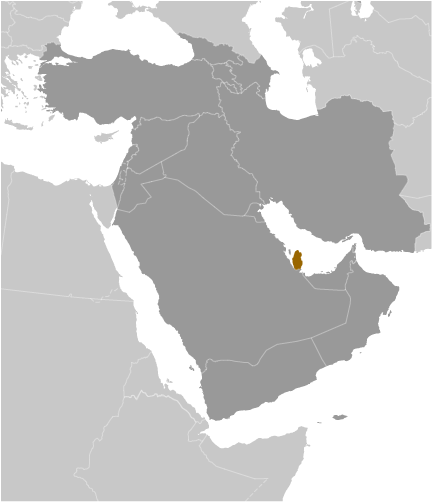
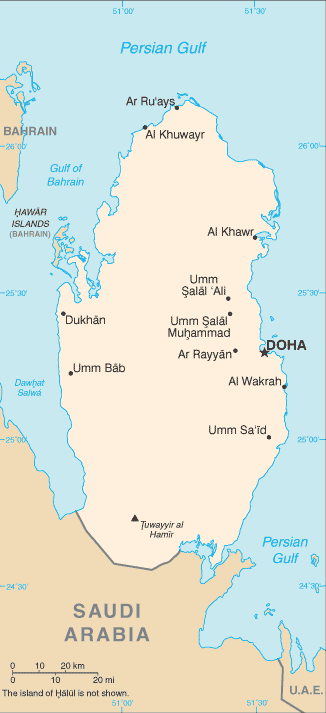
| Click map for larger view |
| Click flag for Country Report |



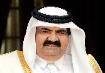
Hamad bin Khalifa al-Thani
Amir since 27 June 1995
Amir since 27 June 1995
Tamim bin Hamad bin Khalifa
al-Thani
Heir Apparent since 5 August 2003
al-Thani
Heir Apparent since 5 August 2003
| TRAFFICKING IN PERSONS |
None reported.



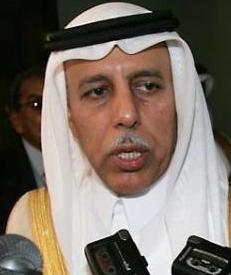
Ahmad bin Abdallah al-Mahmud
Deputy Prime Minister since 20 September 2011
Deputy Prime Minister since 20 September 2011