| SAMOA Independent State of Samoa Malo Sa'oloto Tuto'atasi o Samoa Joined United Nations: 15 December 1976 Human Rights as assured by their constitution Click here Updated 08 August 2012 |
| CAPITAL |
| POPULATION |
| CHIEF OF STATE |
| SELECTION PROCESS |
Apia
194,320 (July 2012 est.)
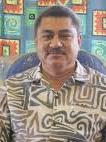
Tuiatua Tupua Tamasese Efi
Chief since 18 June 2007
Chief since 18 June 2007
Elected following the abdication Chief Tanumafili II Malietoa,
by the Legislative Assembly to serve a five-year term (no term
limits); Last election: 20 July 2012
Next scheduled election: 2017
by the Legislative Assembly to serve a five-year term (no term
limits); Last election: 20 July 2012
Next scheduled election: 2017
HEAD OF GOVERNMENT
SELECTION PROCESS
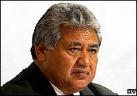
Sailele Malielegaoi Tuila'epa
Prime Minister since March 1996
Prime Minister since March 1996
Following legislative elections, the leader of the majority party is
usually appointed prime minister by the chief of state with the
approval of the Legislative Assembly; elections: election last
held: 4 March 2011
Next Election: not later than March 2016
usually appointed prime minister by the chief of state with the
approval of the Legislative Assembly; elections: election last
held: 4 March 2011
Next Election: not later than March 2016
| DECLARATION OF HUMAN RIGHTS |
| ETHNIC GROUPS |
Samoan 92.6%, Euronesians 7% (persons of European and Polynesian blood), Europeans 0.4%
| RELIGIONS |
Congregationalist 34.8%, Roman Catholic 19.6%, Methodist 15%, Latter-Day Saints 12.7%, Assembly of God
6.6%, Seventh-Day Adventist 3.5%, other Christian 4.5%, Worship Centre 1.3%, other 1.7%, unspecified 0.1%
(2001 census)
6.6%, Seventh-Day Adventist 3.5%, other Christian 4.5%, Worship Centre 1.3%, other 1.7%, unspecified 0.1%
(2001 census)
| GOVERNMENT STRUCTURE |
Mix of parliamentary democracy and constitutional monarchy comprised of 11 districts; Legal system is based on
English common law and local customs; judicial review of legislative acts with respect to fundamental rights of the
citizen; has not accepted compulsory ICJ jurisdiction
Executive: Following the abdication of Chief Tanumafili II MALIETOA, Tuiatua was elected chief by the Legislative
Assembly to serve a five-year term (no term limits); Last election: on 20 July 2012 (next to be held in 2017); following
legislative elections, the leader of the majority party is usually appointed prime minister by the chief of state with the
approval of the Legislative Assembly
Legislative: unicameral Legislative Assembly or Fono (49 seats - 47 elected by voters affiliated with traditional
village-based electoral districts, 2 elected by independent, mostly non-Samoan or part-Samoan, voters who cannot,
(or choose not to) establish a village affiliation; only chiefs (matai) may stand for election to the Fono from the 47
village-based electorates; members serve five-year terms) elections: election last held 4 March 2011 (next election to
be held not later than March 2016)
Judicial: Court of Appeal; Supreme Court; District Court; Land and Titles Court
English common law and local customs; judicial review of legislative acts with respect to fundamental rights of the
citizen; has not accepted compulsory ICJ jurisdiction
Executive: Following the abdication of Chief Tanumafili II MALIETOA, Tuiatua was elected chief by the Legislative
Assembly to serve a five-year term (no term limits); Last election: on 20 July 2012 (next to be held in 2017); following
legislative elections, the leader of the majority party is usually appointed prime minister by the chief of state with the
approval of the Legislative Assembly
Legislative: unicameral Legislative Assembly or Fono (49 seats - 47 elected by voters affiliated with traditional
village-based electoral districts, 2 elected by independent, mostly non-Samoan or part-Samoan, voters who cannot,
(or choose not to) establish a village affiliation; only chiefs (matai) may stand for election to the Fono from the 47
village-based electorates; members serve five-year terms) elections: election last held 4 March 2011 (next election to
be held not later than March 2016)
Judicial: Court of Appeal; Supreme Court; District Court; Land and Titles Court
| LANGUAGES |
Samoan (Polynesian), English
| BRIEF HISTORY |
| ECONOMIC OVERVIEW |
The economy of Samoa has traditionally been dependent on development aid, family remittances from overseas,
agriculture, and fishing. The country is vulnerable to devastating storms. Agriculture employs two-thirds of the labor
force and furnishes 90% of exports, featuring coconut cream, coconut oil, and copra. The manufacturing sector
mainly processes agricultural products. One factory in the Foreign Trade Zone employs 3,000 people to make
automobile electrical harnesses for an assembly plant in Australia. Tourism is an expanding sector accounting for
25% of GDP; 122,000 tourists visited the islands in 2007. In late September 2009, an earthquake and the resulting
tsunami severely damaged Samoa, and nearby American Samoa, disrupting transportation and power generation,
and resulting in about 200 deaths. The Samoan Government has called for deregulation of the financial sector,
encouragement of investment, and continued fiscal discipline, while at the same time protecting the environment.
Observers point to the flexibility of the labor market as a basic strength for future economic advances. Foreign
reserves are in a relatively healthy state, the external debt is stable, and inflation is low.
Source: CIA World Factbook (select Samoa)
agriculture, and fishing. The country is vulnerable to devastating storms. Agriculture employs two-thirds of the labor
force and furnishes 90% of exports, featuring coconut cream, coconut oil, and copra. The manufacturing sector
mainly processes agricultural products. One factory in the Foreign Trade Zone employs 3,000 people to make
automobile electrical harnesses for an assembly plant in Australia. Tourism is an expanding sector accounting for
25% of GDP; 122,000 tourists visited the islands in 2007. In late September 2009, an earthquake and the resulting
tsunami severely damaged Samoa, and nearby American Samoa, disrupting transportation and power generation,
and resulting in about 200 deaths. The Samoan Government has called for deregulation of the financial sector,
encouragement of investment, and continued fiscal discipline, while at the same time protecting the environment.
Observers point to the flexibility of the labor market as a basic strength for future economic advances. Foreign
reserves are in a relatively healthy state, the external debt is stable, and inflation is low.
Source: CIA World Factbook (select Samoa)
| POLITICAL CLIMATE |
The 1960 Constitution, which formally came into force with independence, is based on the British Westminster
model of parliamentary democracy, modified to take account of Samoan customs. Two of Samoa's four highest
ranking paramount chiefs (Tama a Aiga) at the time of independence were given lifetime appointments to jointly hold
the office of head of state while a third, Fiame Mata'afa Faumuina Mulinu'u II, became its first Prime Minister.
Malietoa Tanumafili II held the post of Head of State alone since the death of his colleague, Tupua Tamasese
Mea'ole, in 1963. Tanumafili died in May 2007 and his successor, Tupua Tamasese Tupuola Tufuga Efi was elected
by the legislature for a five-year term in June 2007. At the time the Constitution was adopted it was anticipated that
future Heads of State would be chosen from among the four Tama-a-Aiga 'royal' paramount chiefs. However, this is
not required by the Constitution and for this reason Samoa can be considered a republic rather than a constitutional
monarchy like the United Kingdom. Parliament (the Fono) can also amend the constitution through a simple majority
of votes in the house.
The Samoa system is very hard model of parliamentary democracy where the executive and the legislative arms of
government are fused together. The prime minister is chosen by a majority in the Fono and is appointed by the head
of state to form a government. The prime minister's preferred cabinet of 12 is appointed and sworn in by the head of
state, subject to the continuing confidence of the Fono, which since the rise of political parties in Samoa in the 1980s,
is controlled by the party with the majority of members in the Fono (the government).
The unicameral legislature, named the Fono Aoao Faitulafono (National Legislative Assembly) contains 49 members
serving five-year terms. Forty-seven are elected from ethnic Samoan territorial constituencies; the other two are
chosen by the Samoan citizens of non-Samoan origin on a separate electoral roll. Universal suffrage was extended in
1990, but only chiefs (matai) may stand for election to the Samoan seats. There are more than 25,000 matai in the
country, about 5% of whom are women.
The third Tamaaiga id Tuimalealiifano who was the deputy Head of State or a member of the Council of Deputies
when Samoa gained its independence in 1962.
Source: Wikipedia: Politics of Samoa
model of parliamentary democracy, modified to take account of Samoan customs. Two of Samoa's four highest
ranking paramount chiefs (Tama a Aiga) at the time of independence were given lifetime appointments to jointly hold
the office of head of state while a third, Fiame Mata'afa Faumuina Mulinu'u II, became its first Prime Minister.
Malietoa Tanumafili II held the post of Head of State alone since the death of his colleague, Tupua Tamasese
Mea'ole, in 1963. Tanumafili died in May 2007 and his successor, Tupua Tamasese Tupuola Tufuga Efi was elected
by the legislature for a five-year term in June 2007. At the time the Constitution was adopted it was anticipated that
future Heads of State would be chosen from among the four Tama-a-Aiga 'royal' paramount chiefs. However, this is
not required by the Constitution and for this reason Samoa can be considered a republic rather than a constitutional
monarchy like the United Kingdom. Parliament (the Fono) can also amend the constitution through a simple majority
of votes in the house.
The Samoa system is very hard model of parliamentary democracy where the executive and the legislative arms of
government are fused together. The prime minister is chosen by a majority in the Fono and is appointed by the head
of state to form a government. The prime minister's preferred cabinet of 12 is appointed and sworn in by the head of
state, subject to the continuing confidence of the Fono, which since the rise of political parties in Samoa in the 1980s,
is controlled by the party with the majority of members in the Fono (the government).
The unicameral legislature, named the Fono Aoao Faitulafono (National Legislative Assembly) contains 49 members
serving five-year terms. Forty-seven are elected from ethnic Samoan territorial constituencies; the other two are
chosen by the Samoan citizens of non-Samoan origin on a separate electoral roll. Universal suffrage was extended in
1990, but only chiefs (matai) may stand for election to the Samoan seats. There are more than 25,000 matai in the
country, about 5% of whom are women.
The third Tamaaiga id Tuimalealiifano who was the deputy Head of State or a member of the Council of Deputies
when Samoa gained its independence in 1962.
Source: Wikipedia: Politics of Samoa
| INTERNATIONAL DISPUTES |
None reported.


| REFUGEES AND INTERNALLY DISPLACED PERSONS (IDP) |
None reported.
| ILLICIT DRUGS |
None reported.
| HUMAN RIGHTS STATEMENTS, ANALYSIS AND CRITIQUES |
2011 Human Rights Report: Samoa
Bureau of Democracy, Human Rights, and Labor
2011 Country Reports on Human Rights Practices
May 24, 2012
Samoa is a constitutional parliamentary democracy that incorporates traditional practices into its governmental system. Executive
authority is vested in Head of State Tui Atua Tupua Tamasese Efi, elected by parliament in 2007. The unicameral parliament,
elected by universal suffrage, is composed of the heads of extended families (matai). The most recent parliamentary elections were
held in March and were marred by charges of bribery, treating, and gifting during the campaigns. Security forces reported to
civilian authorities.
The principal human rights problems were poor prison conditions and domestic violence against women.
Other human rights problems included police abuse, abuse of children, and discrimination against women and non-matai.
The government took steps to prosecute officials who committed abuses, whether in the security services or elsewhere in the
government.
Click here to read more »
Bureau of Democracy, Human Rights, and Labor
2011 Country Reports on Human Rights Practices
May 24, 2012
Samoa is a constitutional parliamentary democracy that incorporates traditional practices into its governmental system. Executive
authority is vested in Head of State Tui Atua Tupua Tamasese Efi, elected by parliament in 2007. The unicameral parliament,
elected by universal suffrage, is composed of the heads of extended families (matai). The most recent parliamentary elections were
held in March and were marred by charges of bribery, treating, and gifting during the campaigns. Security forces reported to
civilian authorities.
The principal human rights problems were poor prison conditions and domestic violence against women.
Other human rights problems included police abuse, abuse of children, and discrimination against women and non-matai.
The government took steps to prosecute officials who committed abuses, whether in the security services or elsewhere in the
government.
Click here to read more »
27 February 2009
ANNUAL REPORT OF THE UNITED NATIONS HIGH COMMISSIONER FOR HUMAN RIGHTS AND REPORTS OF THE
OFFICE OF THE HIGH COMMISSIONER AND THE SECRETARY-GENERAL
The rights of persons belonging to national or ethnic, religious and linguistic minorities*
Report of the Secretary-General
REPORT ON THE EXPERT MEETING ON INTEGRATION WITH DIVERSITY IN POLICING
Vienna International Centre, Vienna, Austria, 15-16 January 2008
I. BACKGROUND
1. Following the recommendation of the Working Group on Minorities and the Independent Expert on Minority Issues, the Office
of the High Commissioner for Human Rights (OHCHR) in cooperation with the International Labour Office (ILO) and the United
Nations Office on Drugs and Crime (UNODC) as well as the Independent Expert held an expert meeting on integration with
diversity in policing at the Vienna International Centre in Austria from 15 to 16 January 2008. The event was hosted by the Austrian
Government.
2. OHCHR invited 10 professionals from the police service of different regions and countries of the world (Brazil, Cameroon,
Canada, Hungary, India, Ireland, Nigeria, Pakistan, Samoa and South Africa) to participate in the meeting as experts and deliver
presentations focused on sharing of good experiences and lessons learned in relation to inclusion with diversity in policing.
III. SHARING OF GOOD EXPERIENCES AND LESSONS LEARNED
- PRESENTATIONS BY EXPERTS FROM NATIONAL POLICE FORCES
Fiji and Samoa
7. Kasanita Seruvatu, Training Adviser for the Samoa Police Project and former Director of Education and Training of the Fiji
Police, described problems of attracting certain segments of minorities due to unfavourable conditions such as low pay. The
recruitment in the Fiji Police has always been on a percentage basis, taking into account Fijians as the ethnic majority and Indians
as the largest minority. In all police recruitment, the majority intake has consisted of Fijians, followed by Indians and others. The
prospects for minority recruitment had improved when the compulsory height, weight, age and chest size requirements had been
removed from the selection requirements for recruits. In addition, the average age of 18-25 was moved up to 35. While the change
met with a lot of scepticism, it is now well accepted and recruitment is no longer discriminatory against a certain section of the
community, especially those of slight build.
8. Ms. Seruvatu further reported that in 2006, the Commissioner and the Board of Management made another concession intended
to promote integration with diversity. It allowed the Muslims in the Fiji Police Force to grow beards in accordance with their
religious beliefs. Recruitment advertisements are now placed in all ethnic newspapers - Fijian, English, Hindi, and Chinese, in order
to attract all minority groups. Although the Fiji Police has so far been unable to attract any Chinese into the police force, it is
attempting to rectify this by sending a Fijian police officer to mainland China to learn Mandarin for two years to enable him to better
respond to the needs of the Chinese community by removing the language barrier. Ms. Seruvatu also described interesting concepts
of community policing based on traditional chieftain systems in Samoa, and on the connection of the three pillars of culture, church
and government in Fiji, which have proved rather successful as they reach out to all communities and help accelerate integration.
Click here to read more »
ANNUAL REPORT OF THE UNITED NATIONS HIGH COMMISSIONER FOR HUMAN RIGHTS AND REPORTS OF THE
OFFICE OF THE HIGH COMMISSIONER AND THE SECRETARY-GENERAL
The rights of persons belonging to national or ethnic, religious and linguistic minorities*
Report of the Secretary-General
REPORT ON THE EXPERT MEETING ON INTEGRATION WITH DIVERSITY IN POLICING
Vienna International Centre, Vienna, Austria, 15-16 January 2008
I. BACKGROUND
1. Following the recommendation of the Working Group on Minorities and the Independent Expert on Minority Issues, the Office
of the High Commissioner for Human Rights (OHCHR) in cooperation with the International Labour Office (ILO) and the United
Nations Office on Drugs and Crime (UNODC) as well as the Independent Expert held an expert meeting on integration with
diversity in policing at the Vienna International Centre in Austria from 15 to 16 January 2008. The event was hosted by the Austrian
Government.
2. OHCHR invited 10 professionals from the police service of different regions and countries of the world (Brazil, Cameroon,
Canada, Hungary, India, Ireland, Nigeria, Pakistan, Samoa and South Africa) to participate in the meeting as experts and deliver
presentations focused on sharing of good experiences and lessons learned in relation to inclusion with diversity in policing.
III. SHARING OF GOOD EXPERIENCES AND LESSONS LEARNED
- PRESENTATIONS BY EXPERTS FROM NATIONAL POLICE FORCES
Fiji and Samoa
7. Kasanita Seruvatu, Training Adviser for the Samoa Police Project and former Director of Education and Training of the Fiji
Police, described problems of attracting certain segments of minorities due to unfavourable conditions such as low pay. The
recruitment in the Fiji Police has always been on a percentage basis, taking into account Fijians as the ethnic majority and Indians
as the largest minority. In all police recruitment, the majority intake has consisted of Fijians, followed by Indians and others. The
prospects for minority recruitment had improved when the compulsory height, weight, age and chest size requirements had been
removed from the selection requirements for recruits. In addition, the average age of 18-25 was moved up to 35. While the change
met with a lot of scepticism, it is now well accepted and recruitment is no longer discriminatory against a certain section of the
community, especially those of slight build.
8. Ms. Seruvatu further reported that in 2006, the Commissioner and the Board of Management made another concession intended
to promote integration with diversity. It allowed the Muslims in the Fiji Police Force to grow beards in accordance with their
religious beliefs. Recruitment advertisements are now placed in all ethnic newspapers - Fijian, English, Hindi, and Chinese, in order
to attract all minority groups. Although the Fiji Police has so far been unable to attract any Chinese into the police force, it is
attempting to rectify this by sending a Fijian police officer to mainland China to learn Mandarin for two years to enable him to better
respond to the needs of the Chinese community by removing the language barrier. Ms. Seruvatu also described interesting concepts
of community policing based on traditional chieftain systems in Samoa, and on the connection of the three pillars of culture, church
and government in Fiji, which have proved rather successful as they reach out to all communities and help accelerate integration.
Click here to read more »
FREEDOM IN THE WORLD REPORT- 2012
Political Rights Score: 2
Civil Liberties Score: 2
Status: Free
Overview
The Human Rights Protection Party (HRPP) captured the most seats in the March 2011 legislative elections. The HRPP’s Tuila’epa
Aiono Sailele Milielegaoi was elected to a third term as prime minister. In January, the government ended its monopoly on telephone
and internet services with the privatization of the state-owned telecommunications provider, SamoaTel.
In the March 4, 2011, parliamentary elections, the HRPP took 36 seats, while the Tautua Somoa Party (TSP) captured the
remaining 13 seats. The elections were generally regarded as fair and open, though the electoral court found four lawmakers from
both the HRPP and TSP—including the head of the TSP—guilty of bribing voters, and stripped them of their seats. Twelve
candidates from the HRPP and three from the TSP competed for the vacant seats in special by-elections in July. The HRPP
captured all four seats, boosting its majority to 40 seats in the parliament. Tuila’epa was subsequently elected to a third term as
prime minister.
Samoa depends heavily on annual remittances of $350 million from some 100,000 Samoans living abroad. The country has also
been forging closer ties with China to benefit from financial aid, development loans, and the sale of fishing licenses, though the
rapid expansion of Chinese presence in Samoan businesses has led local business leaders to warn of rising social tensions. To raise
further revenue for the country, the government legalized casino gambling in 2010, though no casinos had opened by the end of the
2011. Samoans will be barred from the casinos to appease religious opponents who worry that gambling will have a corrupting
influence on society. In December 2011, Samoa was admitted to the World Trade Organization (WTO); it has until June 2012 to
ratify the agreement.
The role and powers of village chiefs continued to stir controversy in 2011. Matai, or chiefs of extended families, control local
government and churches through the village fono, or legislature, which is open only to them. The Supreme Court ruled in 2000
that the village fono could not infringe on freedom of religion, speech, assembly, or association. However, entire families have been
forced to leave their villages for allegedly insulting a matai, embracing a different religion, or voting for political candidates not
endorsed by the matai. In June 2011, a matai who ran in the March general elections was banished by his village, which had backed
another candidate.
Click here to read more »
Political Rights Score: 2
Civil Liberties Score: 2
Status: Free
Overview
The Human Rights Protection Party (HRPP) captured the most seats in the March 2011 legislative elections. The HRPP’s Tuila’epa
Aiono Sailele Milielegaoi was elected to a third term as prime minister. In January, the government ended its monopoly on telephone
and internet services with the privatization of the state-owned telecommunications provider, SamoaTel.
In the March 4, 2011, parliamentary elections, the HRPP took 36 seats, while the Tautua Somoa Party (TSP) captured the
remaining 13 seats. The elections were generally regarded as fair and open, though the electoral court found four lawmakers from
both the HRPP and TSP—including the head of the TSP—guilty of bribing voters, and stripped them of their seats. Twelve
candidates from the HRPP and three from the TSP competed for the vacant seats in special by-elections in July. The HRPP
captured all four seats, boosting its majority to 40 seats in the parliament. Tuila’epa was subsequently elected to a third term as
prime minister.
Samoa depends heavily on annual remittances of $350 million from some 100,000 Samoans living abroad. The country has also
been forging closer ties with China to benefit from financial aid, development loans, and the sale of fishing licenses, though the
rapid expansion of Chinese presence in Samoan businesses has led local business leaders to warn of rising social tensions. To raise
further revenue for the country, the government legalized casino gambling in 2010, though no casinos had opened by the end of the
2011. Samoans will be barred from the casinos to appease religious opponents who worry that gambling will have a corrupting
influence on society. In December 2011, Samoa was admitted to the World Trade Organization (WTO); it has until June 2012 to
ratify the agreement.
The role and powers of village chiefs continued to stir controversy in 2011. Matai, or chiefs of extended families, control local
government and churches through the village fono, or legislature, which is open only to them. The Supreme Court ruled in 2000
that the village fono could not infringe on freedom of religion, speech, assembly, or association. However, entire families have been
forced to leave their villages for allegedly insulting a matai, embracing a different religion, or voting for political candidates not
endorsed by the matai. In June 2011, a matai who ran in the March general elections was banished by his village, which had backed
another candidate.
Click here to read more »
Suggested recommendations to States considered in the 11th round of
Universal Periodic Review, 2-13 May 2011
1 April 2011
Recommendations to the government of S amoa
Ratification of international human rights instruments
· To accede to and implement under national law the Agreement on the Privileges and Immunities of the International Criminal
Court, and to ratify and implement without delay the Second Optional Protocol to the International Covenant on Civil and Political
Rights aiming at the abolition of the death penalty, the Optional Protocol to the International Covenant of Economic, Social and
Cultural Rights; opting-in to its inquiry and inter-state procedures, and the International Convention for the Protection of All
Persons from Enforced Disappearance.
Click here to read more »
Universal Periodic Review, 2-13 May 2011
1 April 2011
Recommendations to the government of S amoa
Ratification of international human rights instruments
· To accede to and implement under national law the Agreement on the Privileges and Immunities of the International Criminal
Court, and to ratify and implement without delay the Second Optional Protocol to the International Covenant on Civil and Political
Rights aiming at the abolition of the death penalty, the Optional Protocol to the International Covenant of Economic, Social and
Cultural Rights; opting-in to its inquiry and inter-state procedures, and the International Convention for the Protection of All
Persons from Enforced Disappearance.
Click here to read more »
UN Human Rights Council: A Stunning Development Against Violence
Unprecedented Support for Statement on Sexual Orientation and Gender Identity
March 22, 2011
In a stunning development for the principles of the Universal Declaration of Human Rights, at the United Nations Human Rights
Council (UNHRC) in Geneva, today, Colombia delivered a Joint Statement during General Debate (Agenda Item 8 - Follow-up and
implementation of the Vienna Declaration and Program of Action) that called on States to end violence, criminal sanctions and
related human rights violations based on sexual orientation and gender identity, and urged the Human Rights Council to address
these important human rights issues. The statement was delivered on behalf of a broad grouping of 85 States from all regions of the
world.
Signatories to the Human Rights Council joint statement include: Albania, Andorra, Argentina, Armenia, Australia, Austria, Belgium,
Bolivia, Bosnia-Herzegovina, Brazil, Bulgaria, Canada, Central African Republic, Chile, Colombia, Costa Rica, Croatia, Cuba,
Cyprus, Czech Republic, Denmark, Dominica, Dominican Republic, Ecuador, El Salvador, Estonia, Fiji, Finland, France, Georgia,
Germany, Greece, Guatemala, Honduras, Hungary, Iceland, Ireland, Israel, Italy, Japan, Latvia, Liechtenstein, Lithuania,
Luxembourg, Malta, Marshall Islands, Mexico, Micronesia, Monaco, Mongolia, Montenegro, Nauru, Nepal, Netherlands, New
Zealand, Nicaragua, Norway, Palau, Panama, Paraguay, Poland, Portugal, Romania, Rwanda, Samoa, San Marino, Serbia,
Seychelles, Sierra Leone, Slovakia, Slovenia, South Africa, Spain, Sweden, Switzerland, Thailand, Timor-Leste, Tuvalu, Ukraine,
United Kingdom of Great Britain and Northern Ireland, United States of America, Uruguay, Vanuatu, Venezuela, and the Former
Yugoslav Republic of Macedonia.
Click here to read more »
Unprecedented Support for Statement on Sexual Orientation and Gender Identity
March 22, 2011
In a stunning development for the principles of the Universal Declaration of Human Rights, at the United Nations Human Rights
Council (UNHRC) in Geneva, today, Colombia delivered a Joint Statement during General Debate (Agenda Item 8 - Follow-up and
implementation of the Vienna Declaration and Program of Action) that called on States to end violence, criminal sanctions and
related human rights violations based on sexual orientation and gender identity, and urged the Human Rights Council to address
these important human rights issues. The statement was delivered on behalf of a broad grouping of 85 States from all regions of the
world.
Signatories to the Human Rights Council joint statement include: Albania, Andorra, Argentina, Armenia, Australia, Austria, Belgium,
Bolivia, Bosnia-Herzegovina, Brazil, Bulgaria, Canada, Central African Republic, Chile, Colombia, Costa Rica, Croatia, Cuba,
Cyprus, Czech Republic, Denmark, Dominica, Dominican Republic, Ecuador, El Salvador, Estonia, Fiji, Finland, France, Georgia,
Germany, Greece, Guatemala, Honduras, Hungary, Iceland, Ireland, Israel, Italy, Japan, Latvia, Liechtenstein, Lithuania,
Luxembourg, Malta, Marshall Islands, Mexico, Micronesia, Monaco, Mongolia, Montenegro, Nauru, Nepal, Netherlands, New
Zealand, Nicaragua, Norway, Palau, Panama, Paraguay, Poland, Portugal, Romania, Rwanda, Samoa, San Marino, Serbia,
Seychelles, Sierra Leone, Slovakia, Slovenia, South Africa, Spain, Sweden, Switzerland, Thailand, Timor-Leste, Tuvalu, Ukraine,
United Kingdom of Great Britain and Northern Ireland, United States of America, Uruguay, Vanuatu, Venezuela, and the Former
Yugoslav Republic of Macedonia.
Click here to read more »
11 July 2011
Matautu and Apia declare “this will never happen again”
The traditional leaders of Matautu and Apia – Toomalatai and Seumanutafa – and their delegations met this morning with Police
Minister Sala Pinati and Police Commissioner Lilomaiava Fou Taioalo to assure government of their full support following a street fight
that engulfed the eastern end of Beach Road – along Vaisigano Bridge – Friday and Saturday night.
Apia orator Tuiletufuga Siaosi Tuiletufuga – who spoke for both villages – said the youths involved do not belong to their respective
villages.
“As far as we know, they are from other villages who have settled in our area. And we (Apia and Matautu) have decided that all those
involved will be sent back to where they came from.
“We also want to assure the Police that we will not interfere with their work. Anybody that was involved in the fight, lock them up.
“We are ashamed of what has happened. Matautu and Apia are one village. We assure the country that we will not stand idly by but
will do our part as village leaders.”
“I’d like to assure government that this will never ever happen again.”
The two villages requested government to install streetlights along their inner roads, as according to Tuiletufuga, “these bad elements
tend to congregate in the cloak of darkness”. Minister Sala Pinati assured that Electric Power Corporation management will be
directed to install the street lights right away.
“EPC workmen will be there in your villages working towards that end before the end of the day.”
The meeting was called by Minister Sala at his office to seek a remedy to continuing violence that has, according to Tuiletufuga
“tainted the good name of our villages”. Sala pointed out that government’s concern was with the destruction of private and public
property and the poor image it has given the country as much of the fighting happened in front of Aggie Grey’s Hotel.
Click here to read more »
Matautu and Apia declare “this will never happen again”
The traditional leaders of Matautu and Apia – Toomalatai and Seumanutafa – and their delegations met this morning with Police
Minister Sala Pinati and Police Commissioner Lilomaiava Fou Taioalo to assure government of their full support following a street fight
that engulfed the eastern end of Beach Road – along Vaisigano Bridge – Friday and Saturday night.
Apia orator Tuiletufuga Siaosi Tuiletufuga – who spoke for both villages – said the youths involved do not belong to their respective
villages.
“As far as we know, they are from other villages who have settled in our area. And we (Apia and Matautu) have decided that all those
involved will be sent back to where they came from.
“We also want to assure the Police that we will not interfere with their work. Anybody that was involved in the fight, lock them up.
“We are ashamed of what has happened. Matautu and Apia are one village. We assure the country that we will not stand idly by but
will do our part as village leaders.”
“I’d like to assure government that this will never ever happen again.”
The two villages requested government to install streetlights along their inner roads, as according to Tuiletufuga, “these bad elements
tend to congregate in the cloak of darkness”. Minister Sala Pinati assured that Electric Power Corporation management will be
directed to install the street lights right away.
“EPC workmen will be there in your villages working towards that end before the end of the day.”
The meeting was called by Minister Sala at his office to seek a remedy to continuing violence that has, according to Tuiletufuga
“tainted the good name of our villages”. Sala pointed out that government’s concern was with the destruction of private and public
property and the poor image it has given the country as much of the fighting happened in front of Aggie Grey’s Hotel.
Click here to read more »
Samoa Ombudsman Recommends Changes To Voter Registration
‘Inefficient’ system purportedly ‘abused’ by political candidates
By Lance Polu
APIA, Samoa (Talamua, Aug. 6, 2012)
Re-casting the electoral rolls in Samoa with the conceptual registration framework is needed to provide quality interest-based
decision making and genuine popular electoral choices, whether by way of the ballot box or through traditional means.
This is one of the recommendations of the Commission of Inquiry into Electoral Matters 2012 chaired by the Ombudsman, Maiava
Iulai Toma in its report released last weekend.
The Report calls for stable electoral rolls comprised of properly eligible voters, and only properly eligible voters, in each of the
constituencies.
Voter registration, which has for years have been abused by candidates committees to entice voters, have not been assisted by an
inefficient registration system that have often seen a huge last minute rush for registrations. Voter registrations in a previous general
election ran throughout the night until morning giving candidates campaign committees a chance to influence voters. Last minute
rush in the last general elections resulted in the office floor caving in under the weight of the voters rushing in.
In its report, the Ombudsman says "Hopefully, it would increasingly be without the distraction of corrupt practices, acknowledged
openly to be overwhelming today.
"We dare to think this lofty ideal not to be out of reach if we act now to set our electoral house in order, before we become too set
in our ways or blasé about what is happening around us.
"The first step, in our view, is to re-cast the Electoral Rolls to accord with the conceptual registration framework explained above.
This could be effected between now and the next General Elections in 2016. We understand that the personal details of voters
already recorded in the electoral data base will greatly assist in this task.
"Once the rolls are tidied up, it should be simple enough to be rid, with respect, of the ugly "cattle herding" and "cattle rustling" type
absurdities to which a significant element of Samoa’s voting population is routinely subjected at election time by candidates’
campaign committees. This would be achieved by removing the loose eligibility criteria by which campaigners have been able to
initiate transfer registrations en masse. New requirements proposed below should so change things that these campaign strategies
would no longer be fruitful.
"In future, the initiative and responsibility for electoral registrations will be the business of the voter to be taken up by him with the
Office of the Electoral Commission, who in turn will give these matters proper attention and scrutiny.
Click here to read more »
‘Inefficient’ system purportedly ‘abused’ by political candidates
By Lance Polu
APIA, Samoa (Talamua, Aug. 6, 2012)
Re-casting the electoral rolls in Samoa with the conceptual registration framework is needed to provide quality interest-based
decision making and genuine popular electoral choices, whether by way of the ballot box or through traditional means.
This is one of the recommendations of the Commission of Inquiry into Electoral Matters 2012 chaired by the Ombudsman, Maiava
Iulai Toma in its report released last weekend.
The Report calls for stable electoral rolls comprised of properly eligible voters, and only properly eligible voters, in each of the
constituencies.
Voter registration, which has for years have been abused by candidates committees to entice voters, have not been assisted by an
inefficient registration system that have often seen a huge last minute rush for registrations. Voter registrations in a previous general
election ran throughout the night until morning giving candidates campaign committees a chance to influence voters. Last minute
rush in the last general elections resulted in the office floor caving in under the weight of the voters rushing in.
In its report, the Ombudsman says "Hopefully, it would increasingly be without the distraction of corrupt practices, acknowledged
openly to be overwhelming today.
"We dare to think this lofty ideal not to be out of reach if we act now to set our electoral house in order, before we become too set
in our ways or blasé about what is happening around us.
"The first step, in our view, is to re-cast the Electoral Rolls to accord with the conceptual registration framework explained above.
This could be effected between now and the next General Elections in 2016. We understand that the personal details of voters
already recorded in the electoral data base will greatly assist in this task.
"Once the rolls are tidied up, it should be simple enough to be rid, with respect, of the ugly "cattle herding" and "cattle rustling" type
absurdities to which a significant element of Samoa’s voting population is routinely subjected at election time by candidates’
campaign committees. This would be achieved by removing the loose eligibility criteria by which campaigners have been able to
initiate transfer registrations en masse. New requirements proposed below should so change things that these campaign strategies
would no longer be fruitful.
"In future, the initiative and responsibility for electoral registrations will be the business of the voter to be taken up by him with the
Office of the Electoral Commission, who in turn will give these matters proper attention and scrutiny.
Click here to read more »
SUNGO meet with the Parliament Committee
Written by SUNGO ILO
Saturday, 24 December 2011 00:33
This is one of the much anticipated proposals SUNGO has made to the government. After the public consultation about the issue of
More Women In Parliament in March, awaited was the respond to the proposed constitution to be submitted to the Parliament
Committee for consideration. Now the wait is over when SUNGO came face to face with the committee on the 1st of May to
discuss its submission. Although there were only six representatives present that day, it didn’t impede SUNGO to proceed because
of its role as the voice of the people. It was very challenging because tensions were high as members were unsure of the outcome.
Hence preparations were probably analyzed in all possible levels that might become confrontational.
Prior to the meeting, all members agreed that Lemalu Nele(media) would present the submission. Everyone else will have input on
some of the issues that she might miss out. “This is the first ever confrontational submission to the Parliament Committee I have
ever involved with”; she said “I strongly support the proposal, and for that reason I was honored when I was chosen to present
our submission.”
Overall, in marked contrast to any discarded opinions on the issue, the meeting has fostered a more civil and less disruptive form of
conflict resolution through dialogue and negotiations. After the proposal was delivered, the chairman of the committee MP Patea
gave the opportunity to other members of the committee to reflect upon what they thought of the proposal. None shared a different
idea to reject but very supportive of the proposal. They even complimented SUNGO on a very comprehensive report and the
initiative to collect opinions from the public on the issue.
He continued that SUNGO should consider approaching the Electoral Committee. “The best alternative is to cater for all possible
angles to ensure the support is enough when the issue is debated”, he said.
Supported by Lemalu, Vaasili Moelagi said, “This is the positive way forward that will save us in the future. Not so much of the
idea that we women want to race against our brothers in political leadership, but the recognition of our role as advisors.”
Gender equality also plays a vital role in the process, even though it contradicts to the cultural philosophies to some extent.
Nevertheless, the submission was successful
Click here to read more »
Written by SUNGO ILO
Saturday, 24 December 2011 00:33
This is one of the much anticipated proposals SUNGO has made to the government. After the public consultation about the issue of
More Women In Parliament in March, awaited was the respond to the proposed constitution to be submitted to the Parliament
Committee for consideration. Now the wait is over when SUNGO came face to face with the committee on the 1st of May to
discuss its submission. Although there were only six representatives present that day, it didn’t impede SUNGO to proceed because
of its role as the voice of the people. It was very challenging because tensions were high as members were unsure of the outcome.
Hence preparations were probably analyzed in all possible levels that might become confrontational.
Prior to the meeting, all members agreed that Lemalu Nele(media) would present the submission. Everyone else will have input on
some of the issues that she might miss out. “This is the first ever confrontational submission to the Parliament Committee I have
ever involved with”; she said “I strongly support the proposal, and for that reason I was honored when I was chosen to present
our submission.”
Overall, in marked contrast to any discarded opinions on the issue, the meeting has fostered a more civil and less disruptive form of
conflict resolution through dialogue and negotiations. After the proposal was delivered, the chairman of the committee MP Patea
gave the opportunity to other members of the committee to reflect upon what they thought of the proposal. None shared a different
idea to reject but very supportive of the proposal. They even complimented SUNGO on a very comprehensive report and the
initiative to collect opinions from the public on the issue.
He continued that SUNGO should consider approaching the Electoral Committee. “The best alternative is to cater for all possible
angles to ensure the support is enough when the issue is debated”, he said.
Supported by Lemalu, Vaasili Moelagi said, “This is the positive way forward that will save us in the future. Not so much of the
idea that we women want to race against our brothers in political leadership, but the recognition of our role as advisors.”
Gender equality also plays a vital role in the process, even though it contradicts to the cultural philosophies to some extent.
Nevertheless, the submission was successful
Click here to read more »
Samoa is a group of islands (formed about 7 million years ago) in the Pacific Ocean, roughly 15 degrees south of the
equator and some 8 degrees east of the International Dateline, that is about 1700 miles north east of New Zealand. It
is made up of nine islands. The two largest Savai'i and Upolu, account for most of population with only two others,
Manono and Apolima, being inhabited. The other five are called Fanuatapu, Namu'a, Nuutele, Nuulua, Nuusafee.
The history of Samoa began when immigrants from the Lau Islands in eastern Fiji arrived in the Samoan islands
approximately 3500 years ago and from there settled the rest of Polynesia. There is evidence to suggest they
travelled as far as South America. By 200 BC Samoa was the center of a flourishing Polynesian community with
trade taking place between Tonga, Fiji and Samoa. In about 1300 AD a group of settlers from Samoa colonised the
Tokelau islands, explaining the similarity between the two languages. Dutchman, Jacob Roggeveen, was the first
European to sight the islands, in 1722. Louis-Antoine de Bougainville, French explorer, named the islands the
Navigator Islands in 1768, after encountering Samoans in ocean-going canoes. In 1787, the French ship La Perouse
landed on Tutuila and a shore crew were attacked, leading to the death of 12 people. This event was captured by
the French artist Nicholas Ozanne. John Williams and Charles Barf, two missionaries from the London Missionary
Society, arrived at Samoa in 1830 and were responsible for the introduction of Christianity and destruction of the
traditional Samoan religion. In 1857 J.C. Godeffroy and Son (taken over by German Trading and Plantation
Company when their business failed) a German company founded their depot in Apia, a move which lead to Samoa
becoming the most popular trading post in the Pacific at that time. Halfway through the 19th century, the United
Kingdom, Germany and the United States all claimed parts of the kingdom of Samoa, and established trade posts.
King Malietoa Laupepa died in 1898 and was succeeded by Malietoa Tooa Mataafa. The US and British consuls
supported Malietoa Tanu, Laupepa's son. US and British warships, including USS Philadelphia shelled Apia on
March 15, 1899. In the Samoa Tripartite Convention, a joint commission of three members, Bartlett Tripp for the
United States, C. N. E. Eliot, C.B. for Great Britain, and Freiherr Speck von Sternberg for Germany, agreed to
divide the islands. Germany received the western part, (later known as Western Samoa), containing Upolu and
Savaii (the current Samoa) and other adjoining islands. These islands became known as German Samoa. The US
accepted Tutuila and Manu'a, which comprise a territory of the US known as American Samoa. In exchange for
Britain ceding claims in Samoa, Germany transferred their protectorates in the North Solomon Islands. The
monarchy was disestablished. From 1908, with the establishment of the Mau movement ("opinion") movement,
Western Samoans began to assert their claim to independence. Shortly after the outbreak of World War I, in August
1914, New Zealand sent an expeditionary force to seize and occupy German Samoa. Although Germany refused to
officially surrender the islands, no resistance was offered and the occupation took place without any fighting. New
Zealand continued the occupation of Western Samoa throughout World War I. In 1919, under the Treaty of
Versailles, Germany dropped its claims to the islands. New Zealand administered Western Samoa first as a League
of Nations Mandate and then as a United Nations trusteeship until the country received its independence on January
1, 1962 as Western Samoa as Chief Tanumafili II MALIETOA was made co-chief of state from 1 January 1962
until becoming sole chief of state 5 April 1963.Samoa was the first Polynesian nation to reestablish independence in
the 20th century.In July 1997 the constitution was amended to change the country's name from "Western Samoa" to
"Samoa." Samoa had been known simply as Samoa in the United Nations since joining the organization in 1976. The
neighboring U.S. territory of American Samoa protested the move, feeling that the change diminished its own
Samoan identity. American Samoans still use the terms "Western Samoa" and "Western Samoans." In 2002, New
Zealand's prime minister Helen Clark formally apologised for two incidents during the period of New Zealand's
administration: a failure to quarantine an influenza-carrying ship in 1919, leading to an epidemic which devastated the
Samoan population, and the shooting of leaders of the nonviolent Mau movement during a ceremonial procession in
1926. Samoa's rugby union team has achieved some notable successes, particularly in the sevens version of the
game. Chief Tanumafili II Malietoa abdicated as a result of poor health and Chief Tuiatua Tupua Tamasese Efi was
elected by the Legislative Assembly on 18 June 2007 to serve a five-year term ending heredity ascension of the Chef
of State.As the clock struck midnight (10:00 GMT Friday) as 29 December 2011 ended, Samoa and Tokelau
fast-forwarded to 31 December, missing out on 30 December entirely to be in synch with the time zones of Australia
and New Zealand, it two primary trading partners. Now Samoa and American Samoa have a 25 hour time
separation.
Sources: Wikipedia: History of Samoa ; Samoan Sensation ; CIA World Factbook (select Samoa)
equator and some 8 degrees east of the International Dateline, that is about 1700 miles north east of New Zealand. It
is made up of nine islands. The two largest Savai'i and Upolu, account for most of population with only two others,
Manono and Apolima, being inhabited. The other five are called Fanuatapu, Namu'a, Nuutele, Nuulua, Nuusafee.
The history of Samoa began when immigrants from the Lau Islands in eastern Fiji arrived in the Samoan islands
approximately 3500 years ago and from there settled the rest of Polynesia. There is evidence to suggest they
travelled as far as South America. By 200 BC Samoa was the center of a flourishing Polynesian community with
trade taking place between Tonga, Fiji and Samoa. In about 1300 AD a group of settlers from Samoa colonised the
Tokelau islands, explaining the similarity between the two languages. Dutchman, Jacob Roggeveen, was the first
European to sight the islands, in 1722. Louis-Antoine de Bougainville, French explorer, named the islands the
Navigator Islands in 1768, after encountering Samoans in ocean-going canoes. In 1787, the French ship La Perouse
landed on Tutuila and a shore crew were attacked, leading to the death of 12 people. This event was captured by
the French artist Nicholas Ozanne. John Williams and Charles Barf, two missionaries from the London Missionary
Society, arrived at Samoa in 1830 and were responsible for the introduction of Christianity and destruction of the
traditional Samoan religion. In 1857 J.C. Godeffroy and Son (taken over by German Trading and Plantation
Company when their business failed) a German company founded their depot in Apia, a move which lead to Samoa
becoming the most popular trading post in the Pacific at that time. Halfway through the 19th century, the United
Kingdom, Germany and the United States all claimed parts of the kingdom of Samoa, and established trade posts.
King Malietoa Laupepa died in 1898 and was succeeded by Malietoa Tooa Mataafa. The US and British consuls
supported Malietoa Tanu, Laupepa's son. US and British warships, including USS Philadelphia shelled Apia on
March 15, 1899. In the Samoa Tripartite Convention, a joint commission of three members, Bartlett Tripp for the
United States, C. N. E. Eliot, C.B. for Great Britain, and Freiherr Speck von Sternberg for Germany, agreed to
divide the islands. Germany received the western part, (later known as Western Samoa), containing Upolu and
Savaii (the current Samoa) and other adjoining islands. These islands became known as German Samoa. The US
accepted Tutuila and Manu'a, which comprise a territory of the US known as American Samoa. In exchange for
Britain ceding claims in Samoa, Germany transferred their protectorates in the North Solomon Islands. The
monarchy was disestablished. From 1908, with the establishment of the Mau movement ("opinion") movement,
Western Samoans began to assert their claim to independence. Shortly after the outbreak of World War I, in August
1914, New Zealand sent an expeditionary force to seize and occupy German Samoa. Although Germany refused to
officially surrender the islands, no resistance was offered and the occupation took place without any fighting. New
Zealand continued the occupation of Western Samoa throughout World War I. In 1919, under the Treaty of
Versailles, Germany dropped its claims to the islands. New Zealand administered Western Samoa first as a League
of Nations Mandate and then as a United Nations trusteeship until the country received its independence on January
1, 1962 as Western Samoa as Chief Tanumafili II MALIETOA was made co-chief of state from 1 January 1962
until becoming sole chief of state 5 April 1963.Samoa was the first Polynesian nation to reestablish independence in
the 20th century.In July 1997 the constitution was amended to change the country's name from "Western Samoa" to
"Samoa." Samoa had been known simply as Samoa in the United Nations since joining the organization in 1976. The
neighboring U.S. territory of American Samoa protested the move, feeling that the change diminished its own
Samoan identity. American Samoans still use the terms "Western Samoa" and "Western Samoans." In 2002, New
Zealand's prime minister Helen Clark formally apologised for two incidents during the period of New Zealand's
administration: a failure to quarantine an influenza-carrying ship in 1919, leading to an epidemic which devastated the
Samoan population, and the shooting of leaders of the nonviolent Mau movement during a ceremonial procession in
1926. Samoa's rugby union team has achieved some notable successes, particularly in the sevens version of the
game. Chief Tanumafili II Malietoa abdicated as a result of poor health and Chief Tuiatua Tupua Tamasese Efi was
elected by the Legislative Assembly on 18 June 2007 to serve a five-year term ending heredity ascension of the Chef
of State.As the clock struck midnight (10:00 GMT Friday) as 29 December 2011 ended, Samoa and Tokelau
fast-forwarded to 31 December, missing out on 30 December entirely to be in synch with the time zones of Australia
and New Zealand, it two primary trading partners. Now Samoa and American Samoa have a 25 hour time
separation.
Sources: Wikipedia: History of Samoa ; Samoan Sensation ; CIA World Factbook (select Samoa)


Click on map for larger view
Click on flag for Country Report





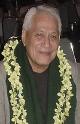
Fonotoe Pierre Lauofo
Deputy Prime Minister
since 22 March 2011
Deputy Prime Minister
since 22 March 2011
| TRAFFICKING IN PERSONS |
None reported.