



| SAO TOME AND PRINCIPE Democratic Republic of Sao Tome and Principe Republica Democratica de Sao Tome e Principe Joined United Nations: 16 September 1975 Human Rights as assured by their constitution Click here Updated 05 January 2013 |

| CAPITAL |
| POPULATION |
| CHIEF OF STATE |
| SELECTION PROCESS |
Sao Tome
183,176 (July 2012 est.)
Gabriel Arcanjo Ferreira Da Costa
Prime Minister since 10 December 2012
Prime Minister since 10 December 2012
President elected by popular vote for a five-year term (eligible for a
second term); election last held 17 July and 7 August 2011
Next scheduled election: 2016
second term); election last held 17 July and 7 August 2011
Next scheduled election: 2016
HEAD OF GOVERNMENT
SELECTION PROCESS
Prime Minister chosen by the National Assembly and approved
by the president; elections; last held: 1 August 2010
Next scheduled election: 2014
by the president; elections; last held: 1 August 2010
Next scheduled election: 2014
| DECLARATION OF HUMAN RIGHTS |
| ETHNIC GROUPS |
Mestico, angolares (descendants of Angolan slaves), forros (descendants of freed slaves), servicais (contract laborers from
Angola, Mozambique, and Cape Verde), tongas (children of servicais born on the islands), Europeans (primarily Portuguese)
Angola, Mozambique, and Cape Verde), tongas (children of servicais born on the islands), Europeans (primarily Portuguese)
| RELIGIONS |
Catholic 70.3%, Evangelical 3.4%, New Apostolic 2%, Adventist 1.8%, other 3.1%, none 19.4% (2001 census)
| GOVERNMENT STRUCTURE |
Republic with 2 provinces; Legal system is based on Portuguese legal system and customary law; has not accepted compulsory ICJ
jurisdiction
Executive: President elected by popular vote for a five-year term (eligible for a second term); election last held 17 July and 7
August 2011 (next to be held in 2016); prime minister chosen by the National Assembly and approved by the president
Legislative: Unicameral National Assembly or Assembleia Nacional (55 seats; members are elected by popular vote to serve
four-year terms)
elections: last held on 1 August 2010 (next to be held in 2014)
Judicial: Supreme Court (judges are appointed by the National Assembly)
jurisdiction
Executive: President elected by popular vote for a five-year term (eligible for a second term); election last held 17 July and 7
August 2011 (next to be held in 2016); prime minister chosen by the National Assembly and approved by the president
Legislative: Unicameral National Assembly or Assembleia Nacional (55 seats; members are elected by popular vote to serve
four-year terms)
elections: last held on 1 August 2010 (next to be held in 2014)
Judicial: Supreme Court (judges are appointed by the National Assembly)
| LANGUAGES |
Portuguese (official)
| BRIEF HISTORY |
The islands of São Tomé and Príncipe were uninhabited before the arrival of the Portuguese sometime in 1469, 1470, or 1471.
After the islands were discovered by Fernão do Pó, Portuguese navigators explored the islands and decided they would be a good
location for bases to trade with the mainland. The first successful settlement of São Tomé was established in 1493 by Álvaro
Caminha, who received the land as a grant from the crown. Príncipe was settled in 1500 under a similar arrangement. Attracting
settlers proved difficult, however, and most of the earliest inhabitants were "undesirables" sent from Portugal, mostly Jews. In time,
these settlers found the excellent volcanic soil of the region suitable for agriculture, especially the growing of sugar. The cultivation of
sugar was a labour intensive process and the Portuguese began to import large numbers of slaves from the African mainland. By the
mid-16th century, the Portuguese settlers had turned the islands into Africa's foremost exporter of sugar. São Tomé and Príncipe
were taken over and administered by the Portuguese crown in 1522 and 1573, respectively. However, superior sugar colonies in
the western hemisphere began to hurt the islands. The large slave population also proved difficult to control with Portugal unable to
invest many resources in the effort. Sugar cultivation thus declined over the next 100 years, and by the mid-17th century, the
economy of São Tomé had changed. It was now primarily a transit point for ships engaged in the slave trade between the West and
continental Africa. In the early 1800s, two new cash crops, coffee and cocoa, were introduced. The rich volcanic soils proved well
suited to the new cash crop industry, and soon extensive plantations (roças), owned by Portuguese companies or absentee
landlords, occupied almost all of the good farmland. By 1908, São Tomé had become the world's largest producer of cocoa, which
still is the country's most important crop. The roças system, which gave the plantation managers a high degree of authority, led to
abuses against the African farm workers. Although Portugal officially abolished slavery in 1876, the practice of forced paid labor
continued. In the early 1900s, an internationally publicized controversy arose over charges that Angolan contract workers were
being subjected to forced labor and unsatisfactory working conditions. Sporadic labor unrest and dissatisfaction continued well into
the 20th century, culminating in an outbreak of riots in 1953 in which several hundred African laborers were killed in a clash with
their Portuguese rulers. This "Batepá Massacre" remains a major event in the colonial history of the islands, and its anniversary is
officially observed by the government. By the late 1950s, when other emerging nations across the African Continent were
demanding independence, a small group of São Toméans had formed the Movement for the Liberation of São Tomé and Príncipe
(MLSTP), which eventually established its base in nearby Gabon. Picking up momentum in the 1960s, events moved quickly after
the overthrow of the Caetano dictatorship in Portugal in April 1974. The new Portuguese regime was committed to the dissolution
of its overseas colonies; in November 1974, their representatives met with the MLSTP in Algiers and worked out an agreement for
the transfer of sovereignty. After a period of transitional government, São Tomé and Príncipe achieved independence on July 12,
1975, choosing as its first president the MLSTP Secretary General Manuel Pinto da Costa. In 1990, São Tomé became one of the
first African countries to embrace democratic reform and changes to the constitution--the legalization of opposition political
parties--led to elections in 1991 that were nonviolent, free, and transparent. Miguel Trovoada, a former prime minister who had
been in exile since 1986, returned as an independent candidate and was elected president. Trovoada was re-elected in São Tomé's
second multiparty presidential election in 1996. The Party of Democratic Convergence (PCD) toppled the MLSTP to take a
majority of seats in the National Assembly, with the MLSTP becoming an important and vocal minority party. Municipal elections
followed in late 1992, in which the MLSTP came back to win a majority of seats on five of seven regional councils. In early
legislative elections in October 1994, the MLSTP won a plurality of seats in the Assembly. It regained an outright majority of seats
in the November 1998 elections. The Government of São Tomé fully functions under a multiparty system. Presidential elections
were held in July 2001. The candidate backed by the Independent Democratic Action party, Fradique de Menezes, was elected in
the first round and inaugurated on September 3. Parliamentary elections were held in March 2002. For the next four years, a series
of short-lived, opposition-led governments were formed. The army seized power for one week in July 2003, complaining of
corruption and that forthcoming oil revenues would not be divided fairly. An accord was negotiated under which President de
Menezes was returned to office. The cohabitation period ended in March 2006, when a pro-presidential coalition won enough seats
in National Assembly elections to form and head a new government. In the 30 July 2006 presidential election, Fradique de Menezes
easily won a second five-year term in office, defeating two other candidates Patrice Trovoada (son of former President Miguel
Trovoada) and independent Nilo Guimarães. Local elections, the first since 1992, took place on 27 August 2006 and were
dominated by members of the ruling coalition. A presidential election was held in São Tomé and Príncipe in 2011, the first round
beginning on 17 July 2011 with a run-off held on 7 August 2011. Incumbent President Fradique de Menezes has served the
maximum two terms and could not constitutionally seek a third term. The final result saw former president Manuel Pinto da Costa,
aged 74, elected in a narrow victory against Speaker of Parliament Evaristo Carvalho.
Source: Wikipedia: History of Sao Tome and Principe
After the islands were discovered by Fernão do Pó, Portuguese navigators explored the islands and decided they would be a good
location for bases to trade with the mainland. The first successful settlement of São Tomé was established in 1493 by Álvaro
Caminha, who received the land as a grant from the crown. Príncipe was settled in 1500 under a similar arrangement. Attracting
settlers proved difficult, however, and most of the earliest inhabitants were "undesirables" sent from Portugal, mostly Jews. In time,
these settlers found the excellent volcanic soil of the region suitable for agriculture, especially the growing of sugar. The cultivation of
sugar was a labour intensive process and the Portuguese began to import large numbers of slaves from the African mainland. By the
mid-16th century, the Portuguese settlers had turned the islands into Africa's foremost exporter of sugar. São Tomé and Príncipe
were taken over and administered by the Portuguese crown in 1522 and 1573, respectively. However, superior sugar colonies in
the western hemisphere began to hurt the islands. The large slave population also proved difficult to control with Portugal unable to
invest many resources in the effort. Sugar cultivation thus declined over the next 100 years, and by the mid-17th century, the
economy of São Tomé had changed. It was now primarily a transit point for ships engaged in the slave trade between the West and
continental Africa. In the early 1800s, two new cash crops, coffee and cocoa, were introduced. The rich volcanic soils proved well
suited to the new cash crop industry, and soon extensive plantations (roças), owned by Portuguese companies or absentee
landlords, occupied almost all of the good farmland. By 1908, São Tomé had become the world's largest producer of cocoa, which
still is the country's most important crop. The roças system, which gave the plantation managers a high degree of authority, led to
abuses against the African farm workers. Although Portugal officially abolished slavery in 1876, the practice of forced paid labor
continued. In the early 1900s, an internationally publicized controversy arose over charges that Angolan contract workers were
being subjected to forced labor and unsatisfactory working conditions. Sporadic labor unrest and dissatisfaction continued well into
the 20th century, culminating in an outbreak of riots in 1953 in which several hundred African laborers were killed in a clash with
their Portuguese rulers. This "Batepá Massacre" remains a major event in the colonial history of the islands, and its anniversary is
officially observed by the government. By the late 1950s, when other emerging nations across the African Continent were
demanding independence, a small group of São Toméans had formed the Movement for the Liberation of São Tomé and Príncipe
(MLSTP), which eventually established its base in nearby Gabon. Picking up momentum in the 1960s, events moved quickly after
the overthrow of the Caetano dictatorship in Portugal in April 1974. The new Portuguese regime was committed to the dissolution
of its overseas colonies; in November 1974, their representatives met with the MLSTP in Algiers and worked out an agreement for
the transfer of sovereignty. After a period of transitional government, São Tomé and Príncipe achieved independence on July 12,
1975, choosing as its first president the MLSTP Secretary General Manuel Pinto da Costa. In 1990, São Tomé became one of the
first African countries to embrace democratic reform and changes to the constitution--the legalization of opposition political
parties--led to elections in 1991 that were nonviolent, free, and transparent. Miguel Trovoada, a former prime minister who had
been in exile since 1986, returned as an independent candidate and was elected president. Trovoada was re-elected in São Tomé's
second multiparty presidential election in 1996. The Party of Democratic Convergence (PCD) toppled the MLSTP to take a
majority of seats in the National Assembly, with the MLSTP becoming an important and vocal minority party. Municipal elections
followed in late 1992, in which the MLSTP came back to win a majority of seats on five of seven regional councils. In early
legislative elections in October 1994, the MLSTP won a plurality of seats in the Assembly. It regained an outright majority of seats
in the November 1998 elections. The Government of São Tomé fully functions under a multiparty system. Presidential elections
were held in July 2001. The candidate backed by the Independent Democratic Action party, Fradique de Menezes, was elected in
the first round and inaugurated on September 3. Parliamentary elections were held in March 2002. For the next four years, a series
of short-lived, opposition-led governments were formed. The army seized power for one week in July 2003, complaining of
corruption and that forthcoming oil revenues would not be divided fairly. An accord was negotiated under which President de
Menezes was returned to office. The cohabitation period ended in March 2006, when a pro-presidential coalition won enough seats
in National Assembly elections to form and head a new government. In the 30 July 2006 presidential election, Fradique de Menezes
easily won a second five-year term in office, defeating two other candidates Patrice Trovoada (son of former President Miguel
Trovoada) and independent Nilo Guimarães. Local elections, the first since 1992, took place on 27 August 2006 and were
dominated by members of the ruling coalition. A presidential election was held in São Tomé and Príncipe in 2011, the first round
beginning on 17 July 2011 with a run-off held on 7 August 2011. Incumbent President Fradique de Menezes has served the
maximum two terms and could not constitutionally seek a third term. The final result saw former president Manuel Pinto da Costa,
aged 74, elected in a narrow victory against Speaker of Parliament Evaristo Carvalho.
Source: Wikipedia: History of Sao Tome and Principe
| ECONOMIC OVERVIEW |
This small, poor island economy has become increasingly dependent on cocoa since independence in 1975. Cocoa production has
substantially declined in recent years because of drought and mismanagement. Sao Tome and Principe has to import fuels, most
manufactured goods, consumer goods, and a substantial amount of food, making it vulnerable to fluctuations in global commodity
prices. Over the years, it has had difficulty servicing its external debt and has relied heavily on concessional aid and debt
rescheduling. Sao Tome and Principe benefited from $200 million in debt relief in December 2000 under the Highly Indebted Poor
Countries (HIPC) program, which helped bring down the country's $300 million debt burden. In August 2005, the government
signed on to a new 3-year IMF Poverty Reduction and Growth Facility (PRGF) program worth $4.3 million. In April 2011 the
country completed a Threshold Country Program with The Millennium Challenge Corporation to help increase tax revenues, reform
customs, and improve the business environment. Considerable potential exists for development of a tourist industry, and the
government has taken steps to expand facilities in recent years. The government also has attempted to reduce price controls and
subsidies. Potential exists for the development of petroleum resources in Sao Tome and Principe's territorial waters in the oil-rich
Gulf of Guinea, which are being jointly developed in a 60-40 split with Nigeria, but any actual production is at least several years
off. The first production licenses were sold in 2004, though a dispute over licensing with Nigeria delayed the country's receipt of
more than $20 million in signing bonuses for almost a year. Maintaining control of inflation, fiscal discipline, and increasing flows of
foreign direct investment into the oil sector, are the major economic problems facing the country.
Source: CIA World Factbook (select Sao Tome and Principe)
substantially declined in recent years because of drought and mismanagement. Sao Tome and Principe has to import fuels, most
manufactured goods, consumer goods, and a substantial amount of food, making it vulnerable to fluctuations in global commodity
prices. Over the years, it has had difficulty servicing its external debt and has relied heavily on concessional aid and debt
rescheduling. Sao Tome and Principe benefited from $200 million in debt relief in December 2000 under the Highly Indebted Poor
Countries (HIPC) program, which helped bring down the country's $300 million debt burden. In August 2005, the government
signed on to a new 3-year IMF Poverty Reduction and Growth Facility (PRGF) program worth $4.3 million. In April 2011 the
country completed a Threshold Country Program with The Millennium Challenge Corporation to help increase tax revenues, reform
customs, and improve the business environment. Considerable potential exists for development of a tourist industry, and the
government has taken steps to expand facilities in recent years. The government also has attempted to reduce price controls and
subsidies. Potential exists for the development of petroleum resources in Sao Tome and Principe's territorial waters in the oil-rich
Gulf of Guinea, which are being jointly developed in a 60-40 split with Nigeria, but any actual production is at least several years
off. The first production licenses were sold in 2004, though a dispute over licensing with Nigeria delayed the country's receipt of
more than $20 million in signing bonuses for almost a year. Maintaining control of inflation, fiscal discipline, and increasing flows of
foreign direct investment into the oil sector, are the major economic problems facing the country.
Source: CIA World Factbook (select Sao Tome and Principe)
| POLITICAL CLIMATE |
The Politics of São Tomé and Príncipe take place in a framework of a semi-presidential representative democratic republic,
whereby the President of São Tomé and Príncipe is head of state and the Prime Minister of São Tomé and Príncipe is head of
government, and of a pluriform multi-party system. Executive power is exercised by the government. Legislative power is vested in
both the government and the National Assembly. The Judiciary is independent of the executive and the legislature. São Tomé has
functioned under a multiparty system since 1990. Following the promulgation of a new constitution in 1990, São Tomé and Príncipe
held multiparty elections for the first time since independence. Shortly after the constitution took effect, the National Assembly
formally legalized opposition parties. Independent candidates also were permitted to participate in the January 1991 legislative
elections.
Since the constitutional reforms of 1990 and the elections of 1991, São Tomé and Príncipe has made great strides toward
developing its democratic institutions and further guaranteeing the civil and human rights of its citizens. São Toméans have freely
changed their government through peaceful and transparent elections, and while there have been disagreements and political
conflicts within the branches of government and the National Assembly, the debates have been carried out and resolved in open,
democratic, and legal fora, in accordance with the provisions of São Toméan law. A number of political parties actively participate
in government and openly express their views. Freedom of the press is respected, and there are several independent newspapers in
addition to the government bulletin. The government's respect for human rights is exemplary; the government does not engage in
repressive measures against its citizens, and respect for individuals' rights to due process and protection from government abuses is
widely honored. Freedom of expression is accepted, and the government has taken no repressive measures to silence critics.
Manuel Pinto da Costa previously served as São Tomé and Príncipe's first president from independence in 1975. He governed the
islands as a single-party socialist state under the Movement for the Liberation of São Tomé and Príncipe (Portuguese: Movimento
de Libertação de São Tomé e Príncipe, MLSTP).[6] In 1991, the legalisation of opposition political parties led to the country's first
election under a democratic system. Pinto da Costa was not a candidate in that election and instead announced he would retire from
politics. The MLSTP did not present an alternative candidate and Miguel Trovoada was elected unopposed. Despite his previous
declaration, Pinto da Costa returned to participate in the presidential elections of 1996, but was narrowly defeated by Trovoada. In
2001, he ran against incumbent president Fradique de Menezes, and was again unsuccessful. A briefly successful coup d'état led by
Major Fernando "Cobo" Pereira took place on 16 July 2003. A presidential election was held in São Tomé and Príncipe in 2011,
the first round beginning on 17 July 2011 with a run-off held on 7 August 2011. Incumbent President Fradique de Menezes has
served the maximum two terms and could not constitutionally seek a third term. The final result saw former president Manuel Pinto
da Costa, aged 74, elected in a narrow victory against Speaker of Parliament Evaristo Carvalho.
Source: Wikipedia: Politics of Sao Tome and Principe
whereby the President of São Tomé and Príncipe is head of state and the Prime Minister of São Tomé and Príncipe is head of
government, and of a pluriform multi-party system. Executive power is exercised by the government. Legislative power is vested in
both the government and the National Assembly. The Judiciary is independent of the executive and the legislature. São Tomé has
functioned under a multiparty system since 1990. Following the promulgation of a new constitution in 1990, São Tomé and Príncipe
held multiparty elections for the first time since independence. Shortly after the constitution took effect, the National Assembly
formally legalized opposition parties. Independent candidates also were permitted to participate in the January 1991 legislative
elections.
Since the constitutional reforms of 1990 and the elections of 1991, São Tomé and Príncipe has made great strides toward
developing its democratic institutions and further guaranteeing the civil and human rights of its citizens. São Toméans have freely
changed their government through peaceful and transparent elections, and while there have been disagreements and political
conflicts within the branches of government and the National Assembly, the debates have been carried out and resolved in open,
democratic, and legal fora, in accordance with the provisions of São Toméan law. A number of political parties actively participate
in government and openly express their views. Freedom of the press is respected, and there are several independent newspapers in
addition to the government bulletin. The government's respect for human rights is exemplary; the government does not engage in
repressive measures against its citizens, and respect for individuals' rights to due process and protection from government abuses is
widely honored. Freedom of expression is accepted, and the government has taken no repressive measures to silence critics.
Manuel Pinto da Costa previously served as São Tomé and Príncipe's first president from independence in 1975. He governed the
islands as a single-party socialist state under the Movement for the Liberation of São Tomé and Príncipe (Portuguese: Movimento
de Libertação de São Tomé e Príncipe, MLSTP).[6] In 1991, the legalisation of opposition political parties led to the country's first
election under a democratic system. Pinto da Costa was not a candidate in that election and instead announced he would retire from
politics. The MLSTP did not present an alternative candidate and Miguel Trovoada was elected unopposed. Despite his previous
declaration, Pinto da Costa returned to participate in the presidential elections of 1996, but was narrowly defeated by Trovoada. In
2001, he ran against incumbent president Fradique de Menezes, and was again unsuccessful. A briefly successful coup d'état led by
Major Fernando "Cobo" Pereira took place on 16 July 2003. A presidential election was held in São Tomé and Príncipe in 2011,
the first round beginning on 17 July 2011 with a run-off held on 7 August 2011. Incumbent President Fradique de Menezes has
served the maximum two terms and could not constitutionally seek a third term. The final result saw former president Manuel Pinto
da Costa, aged 74, elected in a narrow victory against Speaker of Parliament Evaristo Carvalho.
Source: Wikipedia: Politics of Sao Tome and Principe
| INTERNATIONAL DISPUTES |
None reported.


| REFUGEES AND INTERNALLY DISPLACED PERSONS (IDPS) |
None reported.
| ILLICIT DRUGS |
None reported.
| HUMAN RIGHTS STATEMENTS, ANALYSIS AND CRITIQUES |
211 Human Rights Report: Sao Tome and Principe
Bureau of Democracy, Human Rights, and Labor
2011 Country Reports on Human Rights Practices
May 25, 2012
The Democratic Republic of Sao Tome and Principe is a multiparty constitutional democracy. The head of state is President Manuel
Pinto da Costa, who was elected on August 7. The head of government is Prime Minister Patrice Emery Trovoada, whose party won the
most seats in legislative elections held in August 2010. International observers deemed both elections free and fair. Security forces
reported to civilian authorities.
Human rights abuses included difficult prison conditions, official corruption, and violence and discrimination against women.
While the government took some steps to punish officials who committed abuses, impunity was a problem.
Click here to read more »
Bureau of Democracy, Human Rights, and Labor
2011 Country Reports on Human Rights Practices
May 25, 2012
The Democratic Republic of Sao Tome and Principe is a multiparty constitutional democracy. The head of state is President Manuel
Pinto da Costa, who was elected on August 7. The head of government is Prime Minister Patrice Emery Trovoada, whose party won the
most seats in legislative elections held in August 2010. International observers deemed both elections free and fair. Security forces
reported to civilian authorities.
Human rights abuses included difficult prison conditions, official corruption, and violence and discrimination against women.
While the government took some steps to punish officials who committed abuses, impunity was a problem.
Click here to read more »
Human Rights Council adopts outcomes of Universal Periodic Review on Saint Kitts, and Nevis, Sao Tome and Principe and
Namibia
Human Rights Council
AFTERNOON
8 June 2011
The Human Rights Council this afternoon adopted the outcomes of the Universal Periodic Review on Saint Kitts and Nevis, Sao Tome
and Principe and Namibia.
Carlos Gustavo dos Anjos, Ambassador of Sao Tome and Principe to Belgium, stated that out of 72 recommendations, Sao Tome and
Principe took note of the recommendation regarding the ratification of the treaty on the International Criminal Court and all other
recommendations were accepted. Many of the recommendations were already being implemented, but the discussion on the progress in
implementation would have to be held on another occasion as the country was undergoing a pre-electoral period, which had delayed
implementation of some recommendations. Sao Tome and Principe welcomed the recommendation to create a human rights
commission, in accordance with the Paris Principles and had already undertaken some actions to reform the judicial system.
In the discussion on Sao Tome and Principe, speakers commended the delegation of Sao Tome and Principe for openly acknowledging
the human rights challenges that still faced the country, and added that the Human Rights Council and the international community must
take into consideration constraints confronting this country, such as global economic and financial crises, poverty and other challenges
typical for Small Island Developing States. Speakers recognised the progress made in the areas of combating poverty, the rights of
women and children, and the signing and ratification of certain core human rights instruments and treaties.
The following delegations spoke in the discussion on Sao Tome and Principe: Cuba, Timor Leste, Algeria, Morocco and Nigeria.
Recontre Africaine pour la Défense des Droits de l’Homme also took the floor.
Consideration of Outcome of Universal Periodic Review of Sao Tome and Principe
CARLOS GUSTAVO DOS ANJOS, Ambassador of Sao Tome and Principe to Belgium, stated he was pleased to submit the report
which constituted the assessment of the commitments entered into in February as a result of the Universal Periodic Review process. The
troika was made up of Norway, Nigeria and China. Sao Tome and Principe was fortunate to work with this team, which assured
submissions were in line with expectations. In total, 72 recommendations were made, which were merged into 22 recommendations.
Sao Tome and Principe would spare no effort in implementing the recommendations made.
Sao Tome and Principe took note of the recommendation regarding the ratification of the treaty on the International Criminal Court. All
other recommendations were accepted. Many of the recommendations were already being implemented. Discussion on progress in
implementation, however, needed to be discussed on another occasion.
Click here to read more »
Namibia
Human Rights Council
AFTERNOON
8 June 2011
The Human Rights Council this afternoon adopted the outcomes of the Universal Periodic Review on Saint Kitts and Nevis, Sao Tome
and Principe and Namibia.
Carlos Gustavo dos Anjos, Ambassador of Sao Tome and Principe to Belgium, stated that out of 72 recommendations, Sao Tome and
Principe took note of the recommendation regarding the ratification of the treaty on the International Criminal Court and all other
recommendations were accepted. Many of the recommendations were already being implemented, but the discussion on the progress in
implementation would have to be held on another occasion as the country was undergoing a pre-electoral period, which had delayed
implementation of some recommendations. Sao Tome and Principe welcomed the recommendation to create a human rights
commission, in accordance with the Paris Principles and had already undertaken some actions to reform the judicial system.
In the discussion on Sao Tome and Principe, speakers commended the delegation of Sao Tome and Principe for openly acknowledging
the human rights challenges that still faced the country, and added that the Human Rights Council and the international community must
take into consideration constraints confronting this country, such as global economic and financial crises, poverty and other challenges
typical for Small Island Developing States. Speakers recognised the progress made in the areas of combating poverty, the rights of
women and children, and the signing and ratification of certain core human rights instruments and treaties.
The following delegations spoke in the discussion on Sao Tome and Principe: Cuba, Timor Leste, Algeria, Morocco and Nigeria.
Recontre Africaine pour la Défense des Droits de l’Homme also took the floor.
Consideration of Outcome of Universal Periodic Review of Sao Tome and Principe
CARLOS GUSTAVO DOS ANJOS, Ambassador of Sao Tome and Principe to Belgium, stated he was pleased to submit the report
which constituted the assessment of the commitments entered into in February as a result of the Universal Periodic Review process. The
troika was made up of Norway, Nigeria and China. Sao Tome and Principe was fortunate to work with this team, which assured
submissions were in line with expectations. In total, 72 recommendations were made, which were merged into 22 recommendations.
Sao Tome and Principe would spare no effort in implementing the recommendations made.
Sao Tome and Principe took note of the recommendation regarding the ratification of the treaty on the International Criminal Court. All
other recommendations were accepted. Many of the recommendations were already being implemented. Discussion on progress in
implementation, however, needed to be discussed on another occasion.
Click here to read more »
Freedom In The World 2012 Report
Political Rights Score: 2
Civil Liberties Score: 2
Status: Free
Overview
Former president Manuel Pinto da Costa won the August 2011 presidential election, defeating the ruling party’s candidate, Evaristo
Carvalho, in a run-off vote. Meanwhile, the first international auction of oil explorations rights for the São Tomé Exclusive Economic
Zone was held in May 2011.
n the August 2010 parliamentary elections, the ADI captured 26 seats, followed by the MLSTP-PSD with 21 seats and the PCD with 7;
the MDFM-PL captured only 1 seat. The Supreme Court validated the results, and ADI leader Patrice Trovoada was appointed prime
minister.
After two unsuccessful electoral bids in 1996 and 2001, former president Pinto da Costa won the August 2011 presidential election. He
defeated the ruling party’s candidate, Evaristo Carvalho, in a run-off election with 52.9 percent of the vote. Foreign observers deemed
the highly contested elections credible and fair. Pinto da Costa has sought to quell fears about human rights violations during his previous
15-year authoritarian rule by vowing to respect the rights of São Toméans during his presidential term.
Large oil and natural gas deposits are thought to lie off the nation’s coast. The first international auction of oil explorations rights for the
São Tomé Exclusive Economic Zone was held in May 2011; companies from the United States, Nigeria, and the British Virgin Islands
were among those awarded rights. A 2001 agreement with Nigeria created the Joint Development Zone (JDZ), which provides São
Tomé and Principe with 40 percent of oil and gas revenues. Corruption allegations have surrounded the process by which exploration
blocks in the JDZ are awarded, and bonus funds intended for São Tomé’s oil account were allegedly transferred to a Nigerian bank in
2008.
São Tomé and Principe’s economy has seen steady growth since 2010 thanks to the expansion of trade and construction. However,
according to the IMF, despite the substantial debt relief São Tomé and Principe has received, the country remains at high risk of falling
back into debt distress because of its limited export and production base.
São Tomé and Principe is an electoral democracy. The 2010 parliamentary elections were free and fair, as were the presidential elections
in 2011. The president is elected for up to two five-year terms. Members of the unicameral, 55-seat National Assembly are elected by
popular vote to four-year terms.
Development aid and potential oil wealth have fueled corruption among the ruling elite. In November 2010, the president was implicated
in a scandal involving the sale of oil after the cabinet secretary declared that records of revenues from these sales could not be located in
the Treasury. The state prosecutor began an investigation into the matter in December 2010 but announced in February 2011 that it
would not be able to pursue the matter further due to immunity. The National Assembly removed the national audit office’s oversight of
the sale of public property and goods in 2009. The office initiated trials against five former government officials charged with the
misappropriation of social welfare money in late 2009, though Menezes pardoned 10 former officials imprisoned for embezzling food aid
funds in January 2010. São Tomé and Principe was ranked 100 out of 183 countries surveyed in Transparency International’s 2011
Corruption Perceptions Index.
Click here to read more »
Political Rights Score: 2
Civil Liberties Score: 2
Status: Free
Overview
Former president Manuel Pinto da Costa won the August 2011 presidential election, defeating the ruling party’s candidate, Evaristo
Carvalho, in a run-off vote. Meanwhile, the first international auction of oil explorations rights for the São Tomé Exclusive Economic
Zone was held in May 2011.
n the August 2010 parliamentary elections, the ADI captured 26 seats, followed by the MLSTP-PSD with 21 seats and the PCD with 7;
the MDFM-PL captured only 1 seat. The Supreme Court validated the results, and ADI leader Patrice Trovoada was appointed prime
minister.
After two unsuccessful electoral bids in 1996 and 2001, former president Pinto da Costa won the August 2011 presidential election. He
defeated the ruling party’s candidate, Evaristo Carvalho, in a run-off election with 52.9 percent of the vote. Foreign observers deemed
the highly contested elections credible and fair. Pinto da Costa has sought to quell fears about human rights violations during his previous
15-year authoritarian rule by vowing to respect the rights of São Toméans during his presidential term.
Large oil and natural gas deposits are thought to lie off the nation’s coast. The first international auction of oil explorations rights for the
São Tomé Exclusive Economic Zone was held in May 2011; companies from the United States, Nigeria, and the British Virgin Islands
were among those awarded rights. A 2001 agreement with Nigeria created the Joint Development Zone (JDZ), which provides São
Tomé and Principe with 40 percent of oil and gas revenues. Corruption allegations have surrounded the process by which exploration
blocks in the JDZ are awarded, and bonus funds intended for São Tomé’s oil account were allegedly transferred to a Nigerian bank in
2008.
São Tomé and Principe’s economy has seen steady growth since 2010 thanks to the expansion of trade and construction. However,
according to the IMF, despite the substantial debt relief São Tomé and Principe has received, the country remains at high risk of falling
back into debt distress because of its limited export and production base.
São Tomé and Principe is an electoral democracy. The 2010 parliamentary elections were free and fair, as were the presidential elections
in 2011. The president is elected for up to two five-year terms. Members of the unicameral, 55-seat National Assembly are elected by
popular vote to four-year terms.
Development aid and potential oil wealth have fueled corruption among the ruling elite. In November 2010, the president was implicated
in a scandal involving the sale of oil after the cabinet secretary declared that records of revenues from these sales could not be located in
the Treasury. The state prosecutor began an investigation into the matter in December 2010 but announced in February 2011 that it
would not be able to pursue the matter further due to immunity. The National Assembly removed the national audit office’s oversight of
the sale of public property and goods in 2009. The office initiated trials against five former government officials charged with the
misappropriation of social welfare money in late 2009, though Menezes pardoned 10 former officials imprisoned for embezzling food aid
funds in January 2010. São Tomé and Principe was ranked 100 out of 183 countries surveyed in Transparency International’s 2011
Corruption Perceptions Index.
Click here to read more »
Suggested recommendations to States considered in the tenth round of the
Universal Periodic Review, 24 January – 4 February 2011
1 November 2010
Recommendations to the government of Sao Tome and Principe
Ratification of international human rights standards
· To ratify and implement in national law the outstanding core international human rights treaties, including the International Covenant on
Economic, Social and Cultural Rights and its Optional Protocol; the International Covenant on Civil and Political Rights and its two
Optional Protocols; the International Convention for the Protection of All Persons from Enforced Disappearance, making the declarations
set out in Articles 31 and 32; and the Convention on the non-applicability of statutory limitations to war crimes and crimes against
humanity – all without making prohibited reservations.
International Criminal Court
· To promptly ratify the Rome Statute of the International Criminal Court, signed in 2000, and the Agreement on the Privileges and
Immunities of the International Criminal Court without making prohibited reservations and to implement them in national law.
Click here to read more »
Universal Periodic Review, 24 January – 4 February 2011
1 November 2010
Recommendations to the government of Sao Tome and Principe
Ratification of international human rights standards
· To ratify and implement in national law the outstanding core international human rights treaties, including the International Covenant on
Economic, Social and Cultural Rights and its Optional Protocol; the International Covenant on Civil and Political Rights and its two
Optional Protocols; the International Convention for the Protection of All Persons from Enforced Disappearance, making the declarations
set out in Articles 31 and 32; and the Convention on the non-applicability of statutory limitations to war crimes and crimes against
humanity – all without making prohibited reservations.
International Criminal Court
· To promptly ratify the Rome Statute of the International Criminal Court, signed in 2000, and the Agreement on the Privileges and
Immunities of the International Criminal Court without making prohibited reservations and to implement them in national law.
Click here to read more »
TRANSLATED FROM PORTUGUESE BY GOOGLE TRANSLATE
President defends individual and collective freedoms
19 October 2012
Manuel Pinto da Costa, who was speaking at the opening of the Second Meeting of Local Development, defended as contradictory soul
of democracy, and denied the possibility of the exchange of ideas and contradictory, causing situations where freedom of each is
challenged .
The President stressed that "democracy in the divergent points of view are natural, the confrontation of ideas is essential and healthy. But
it is necessary that this confrontation is, above all, constructive and that has always concerned the higher national interest, namely the
external credibility of our country. "
Only then, he added that the differences could be translated into concrete and positive results to improve the issues that are at stake.
Moreover warned that "the controversy by controversy, a controversy that exhausts itself only contributes to the erosion of energies that
often lack in will do to attack and solve real and true problems that plague our society '.
The Head of State has concluded that should be avoided at "all costs of natural brainstorming situations do not arise that jeopardize the
freedom of each and indirectly promote, for this or that reason, self censorship of citizens' ,
Click here to read more »
President defends individual and collective freedoms
19 October 2012
Manuel Pinto da Costa, who was speaking at the opening of the Second Meeting of Local Development, defended as contradictory soul
of democracy, and denied the possibility of the exchange of ideas and contradictory, causing situations where freedom of each is
challenged .
The President stressed that "democracy in the divergent points of view are natural, the confrontation of ideas is essential and healthy. But
it is necessary that this confrontation is, above all, constructive and that has always concerned the higher national interest, namely the
external credibility of our country. "
Only then, he added that the differences could be translated into concrete and positive results to improve the issues that are at stake.
Moreover warned that "the controversy by controversy, a controversy that exhausts itself only contributes to the erosion of energies that
often lack in will do to attack and solve real and true problems that plague our society '.
The Head of State has concluded that should be avoided at "all costs of natural brainstorming situations do not arise that jeopardize the
freedom of each and indirectly promote, for this or that reason, self censorship of citizens' ,
Click here to read more »
TRANSLATED FROM PORTUGUESE BY GOOGLE TRANSLATE
Friday, December 14, 2012 07:40
FONG/STP sensitize civil society to participate in public policy
Written by Nelson Smith
The Portuguese Cultural Center hosted 13 of this month, a roundtable on the role of civil society organizations and public policies. The
Federation of Non-Governmental Organizations of Saotome and Principe (FONG / STP) is responsible for organizing this event, which
was under discussion in the role that civil society organizations can play in public policies implemented by the state.
The idea was only to collect input from different personalities in order to find a better way for civil society organization may have a say
when the state is preparing public policies.
"The policies outlined by the States often do not give expected results. This is because the measures are taken without regard to civil
society, therefore, this roundtable is to discuss how to can have a space to give our opinion, if the State is to develop public policy, "said
Eduardo Spirit Holy FONG Executive Secretary.
A key recommendation of this roundtable is the need of the state of Sao Tome be more open to dialogue, especially with civil society so
that their policies can meet the real needs of the population. Beyond this, there are others, that the ruling class of the country should have
knowledge, through a document produced by FONG as part of this roundtable
"The recommendations and conclusions of this meeting we will share with the state. But the most important among them is the need for
the state to be more open to dialogue, so that policies can meet the real needs of the population, "concluded Eduardo Holy Spirit.
For this event, FONG was advised by the Portuguese NGO Cooperation Between Peoples (CEP), with funding from the European
Union, cooperation Portuguese and French Embassy.
Click here to read more »
Friday, December 14, 2012 07:40
FONG/STP sensitize civil society to participate in public policy
Written by Nelson Smith
The Portuguese Cultural Center hosted 13 of this month, a roundtable on the role of civil society organizations and public policies. The
Federation of Non-Governmental Organizations of Saotome and Principe (FONG / STP) is responsible for organizing this event, which
was under discussion in the role that civil society organizations can play in public policies implemented by the state.
The idea was only to collect input from different personalities in order to find a better way for civil society organization may have a say
when the state is preparing public policies.
"The policies outlined by the States often do not give expected results. This is because the measures are taken without regard to civil
society, therefore, this roundtable is to discuss how to can have a space to give our opinion, if the State is to develop public policy, "said
Eduardo Spirit Holy FONG Executive Secretary.
A key recommendation of this roundtable is the need of the state of Sao Tome be more open to dialogue, especially with civil society so
that their policies can meet the real needs of the population. Beyond this, there are others, that the ruling class of the country should have
knowledge, through a document produced by FONG as part of this roundtable
"The recommendations and conclusions of this meeting we will share with the state. But the most important among them is the need for
the state to be more open to dialogue, so that policies can meet the real needs of the population, "concluded Eduardo Holy Spirit.
For this event, FONG was advised by the Portuguese NGO Cooperation Between Peoples (CEP), with funding from the European
Union, cooperation Portuguese and French Embassy.
Click here to read more »
TRANSLATED FROM PORTUGUESE BY GOOGLE TRANSLATE
Sao Tome and Principe: Constitutional Court declares 'unfounded' appeal by ADI
2012-12-27 15:39:53
Sao Tome - The judges of the Constitutional Court judged counselors 'unfounded' the appeal brought by the parliamentary group of the
Independent Democratic Action (ADI).
After registering the applicants 'arguments, which were supported by the Attorney General of the Republic, Roberto Raposo, and the
National Assembly, a majority of justices concluded that "the convening of the plenary session of the 28th of November was regimental'
and consequently "the election of the new President of the Assembly (Alcino Pinto) is legal and valid."
Moreover, "the discussion and vote on the Motion of Censure was made pursuant procedural and constitutional."
The Constitutional Court also stated that "the National Assembly may by resolution work of the plenary and in an emergency initiative to
more than half of the deputies." Note that the then President of the Assembly, Evaristo Carvalho resigned with immediate effect.
"The call for this purpose by the oldest Member of the majority, when the oldest Member has voluntarily suspended its functions is
valid," he added.
The ten-page judgment also says that "Rules do not require the agreement between the Government and the National Assembly for
discussion and vote on the Motion of Censure" and emphasized that "both the procedural deadlines for submitting an application, as well
as the agenda may be validly amended in plenary, just that none of the MPs to oppose. "
According to the experts, the error of the ADI was to have self-excluded from the Assembly without studying the consequences of the
decision as well, in his eagerness to provoke infuncionalidade Parliament with a view to its dissolution and early elections.
He had only the presence of a member of the Independent Democratic Action disagree to block the most expedient then in opposition.
The judges of the Supreme clarified that the use of the parliamentary group of the ADI was not to assess the constitutionality of Motion
of censure, but the determination of a group of 29 MPs of the parliamentary MLSTP / PSD, PCD and MDFM / PL which has election of
his pair Alcino Pinto as President of the National Assembly and the entire process that led to it, as well as all acts and other deliberative
conducted under the chairmanship of the target, as well as those charged for the same.
Paquete Jose, one of the five judges of the Constitutional Court of Sao Tome and Principe, did not sign the Judgment n. 4/2012. The
other members of that body are: Milk Silvestre (President), Justino Veiga Tavares (Rapporteur), Alice Rodrigues Vera Cruze José
António Bandeira.
It was the second setback of the ADI in their legal battle to return to power. The Supreme Administrative Court revealed its "absolute
incompetence" to enjoy the feature introduced by Levy Nazareth, secretary general of the ADI, requesting the annulment of the process
that led to the fall of the government led by former Prime Minister Trovoada.
Click here to read more>>
Sao Tome and Principe: Constitutional Court declares 'unfounded' appeal by ADI
2012-12-27 15:39:53
Sao Tome - The judges of the Constitutional Court judged counselors 'unfounded' the appeal brought by the parliamentary group of the
Independent Democratic Action (ADI).
After registering the applicants 'arguments, which were supported by the Attorney General of the Republic, Roberto Raposo, and the
National Assembly, a majority of justices concluded that "the convening of the plenary session of the 28th of November was regimental'
and consequently "the election of the new President of the Assembly (Alcino Pinto) is legal and valid."
Moreover, "the discussion and vote on the Motion of Censure was made pursuant procedural and constitutional."
The Constitutional Court also stated that "the National Assembly may by resolution work of the plenary and in an emergency initiative to
more than half of the deputies." Note that the then President of the Assembly, Evaristo Carvalho resigned with immediate effect.
"The call for this purpose by the oldest Member of the majority, when the oldest Member has voluntarily suspended its functions is
valid," he added.
The ten-page judgment also says that "Rules do not require the agreement between the Government and the National Assembly for
discussion and vote on the Motion of Censure" and emphasized that "both the procedural deadlines for submitting an application, as well
as the agenda may be validly amended in plenary, just that none of the MPs to oppose. "
According to the experts, the error of the ADI was to have self-excluded from the Assembly without studying the consequences of the
decision as well, in his eagerness to provoke infuncionalidade Parliament with a view to its dissolution and early elections.
He had only the presence of a member of the Independent Democratic Action disagree to block the most expedient then in opposition.
The judges of the Supreme clarified that the use of the parliamentary group of the ADI was not to assess the constitutionality of Motion
of censure, but the determination of a group of 29 MPs of the parliamentary MLSTP / PSD, PCD and MDFM / PL which has election of
his pair Alcino Pinto as President of the National Assembly and the entire process that led to it, as well as all acts and other deliberative
conducted under the chairmanship of the target, as well as those charged for the same.
Paquete Jose, one of the five judges of the Constitutional Court of Sao Tome and Principe, did not sign the Judgment n. 4/2012. The
other members of that body are: Milk Silvestre (President), Justino Veiga Tavares (Rapporteur), Alice Rodrigues Vera Cruze José
António Bandeira.
It was the second setback of the ADI in their legal battle to return to power. The Supreme Administrative Court revealed its "absolute
incompetence" to enjoy the feature introduced by Levy Nazareth, secretary general of the ADI, requesting the annulment of the process
that led to the fall of the government led by former Prime Minister Trovoada.
Click here to read more>>
| Click map for larger view |
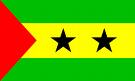
| Click flag for Country Report |



Manuel Pinto Da Costa
President since 3 September 2011
President since 3 September 2011
| TRAFFICKING IN PERSONS |
None reported.



São Tomé e Príncipe: Oil Deals and the New Government
A Chance to Improve Life for Its People by Managing Resources Well
August 24, 2010
(Washington, DC) - The tiny country of São Tomé e Príncipe is at a crossroads with a chance to benefit from its potential oil wealth,
Human Rights Watch said in a report released today. A new government is expected to form after the elections this month, and by the
end of the year São Tomé is expected to announce the companies selected as the winners of an important round of bidding for the right
to drill for oil in its offshore Exclusive Economic Zone.
The 23-page report, "An Uncertain Future: Oil Contracts and Stalled Reform in São Tomé e Príncipe," documents how São Tomé's
government remains ill-equipped to manage the revenues from any hydrocarbon endowment, despite domestic and international efforts
to improve financial transparency and accountability in anticipation of major oil discoveries. The international community and domestic
policy-makers invested in efforts to improve the management of the country's potential oil wealth to avoid the problems that have
plagued its neighbors, such as Angola or Equatorial Guinea. But the current government has not demonstrated the political will or
institutional capacity to follow through on reform.
"The new government needs to learn from past mistakes," said Arvind Ganesan, business and human rights director at Human Rights
Watch. "It has a window of opportunity and should use it to make sure São Tomé's citizens benefit from oil revenues when and if they
start to flow."
São Tomé is believed to possess offshore oil reserves valuable enough to transform life for the tiny island nation's impoverished people.
To date no oil has started to flow, and exploration continues. This has disappointed many São Toméans, but there should have been a
silver lining to the delay in drilling successful wells - it gave the country more time to prepare itself to manage responsibly the vast new
revenues that would come with oil. But until now, São Tomé's government has failed to make the most of that opportunity.
The failure of efforts to improve the country's management of its oil resources culminated in São Tomé's effective expulsion from the
Extractive Industries Transparency Initiative (EITI) in April 2010, along with Equatorial Guinea. The initiative aims to strengthen
governance by improving transparency and accountability through the verification and full publication of company payments and
government revenues from oil, gas, and mining.
São Tomé is one of the world's smallest and most neglected countries. Revenues from oil could dramatically improve life for São
Tomé's impoverished population, Human Rights Watch said. But if managed poorly they could send its government into a crippling spiral
of corruption, as has happened in Equatorial Guinea and Angola.
The new São Tomé government should make all financial transactions related to oil licensing public, including signature bonus payments
made by the companies for the right to obtain oil exploration concessions in its territory, Human Rights Watch said. It should also review
all oil contracts and renegotiate those that are deemed to fall short of international best practice and reopen its contacts with the EITI
Secretariat.
Human Rights Watch also urged the new São Tomé government and the next Nigerian government - after the 2011 Nigeria elections - to
review the arrangements for their Joint Development Zone for oil exploration.
Click here to read more »
A Chance to Improve Life for Its People by Managing Resources Well
August 24, 2010
(Washington, DC) - The tiny country of São Tomé e Príncipe is at a crossroads with a chance to benefit from its potential oil wealth,
Human Rights Watch said in a report released today. A new government is expected to form after the elections this month, and by the
end of the year São Tomé is expected to announce the companies selected as the winners of an important round of bidding for the right
to drill for oil in its offshore Exclusive Economic Zone.
The 23-page report, "An Uncertain Future: Oil Contracts and Stalled Reform in São Tomé e Príncipe," documents how São Tomé's
government remains ill-equipped to manage the revenues from any hydrocarbon endowment, despite domestic and international efforts
to improve financial transparency and accountability in anticipation of major oil discoveries. The international community and domestic
policy-makers invested in efforts to improve the management of the country's potential oil wealth to avoid the problems that have
plagued its neighbors, such as Angola or Equatorial Guinea. But the current government has not demonstrated the political will or
institutional capacity to follow through on reform.
"The new government needs to learn from past mistakes," said Arvind Ganesan, business and human rights director at Human Rights
Watch. "It has a window of opportunity and should use it to make sure São Tomé's citizens benefit from oil revenues when and if they
start to flow."
São Tomé is believed to possess offshore oil reserves valuable enough to transform life for the tiny island nation's impoverished people.
To date no oil has started to flow, and exploration continues. This has disappointed many São Toméans, but there should have been a
silver lining to the delay in drilling successful wells - it gave the country more time to prepare itself to manage responsibly the vast new
revenues that would come with oil. But until now, São Tomé's government has failed to make the most of that opportunity.
The failure of efforts to improve the country's management of its oil resources culminated in São Tomé's effective expulsion from the
Extractive Industries Transparency Initiative (EITI) in April 2010, along with Equatorial Guinea. The initiative aims to strengthen
governance by improving transparency and accountability through the verification and full publication of company payments and
government revenues from oil, gas, and mining.
São Tomé is one of the world's smallest and most neglected countries. Revenues from oil could dramatically improve life for São
Tomé's impoverished population, Human Rights Watch said. But if managed poorly they could send its government into a crippling spiral
of corruption, as has happened in Equatorial Guinea and Angola.
The new São Tomé government should make all financial transactions related to oil licensing public, including signature bonus payments
made by the companies for the right to obtain oil exploration concessions in its territory, Human Rights Watch said. It should also review
all oil contracts and renegotiate those that are deemed to fall short of international best practice and reopen its contacts with the EITI
Secretariat.
Human Rights Watch also urged the new São Tomé government and the next Nigerian government - after the 2011 Nigeria elections - to
review the arrangements for their Joint Development Zone for oil exploration.
Click here to read more »