
| SENEGAL Republic of Senegal Republique du Senegal Joined United Nations: 28 September 1960 Human Rights as assured by their constitution Click here Updated 18 March 2013 |

| CAPITAL |
| POPULATION |
| CHIEF OF STATE |
| SELECTION PROCESS |
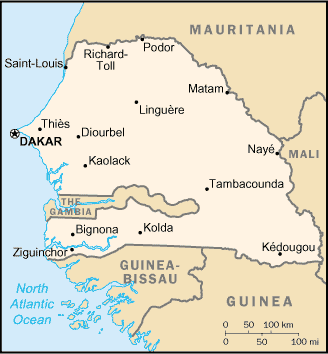
Dakar
12,969,606 (July 2012 est.)
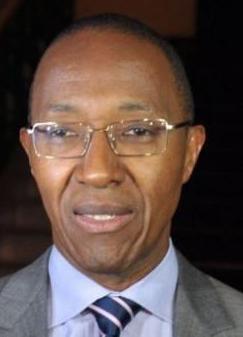
Abdoul Mbaye
Prime Minister since 3 April 2012
Prime Minister since 3 April 2012
President elected by popular vote for a seven-year term (eligible for
a second term); election last held on 26 February 2012 with a
second round runoff on 25 March 2012
Next scheduled election: 2019
a second term); election last held on 26 February 2012 with a
second round runoff on 25 March 2012
Next scheduled election: 2019
HEAD OF GOVERNMENT
SELECTION PROCESS
Prime Minister appointed by the President; election last held on
26 February 2012 with a second round runoff on 25 March 2012
Next scheduled election: 2019
26 February 2012 with a second round runoff on 25 March 2012
Next scheduled election: 2019
| DECLARATION OF HUMAN RIGHTS |
| ETHNIC GROUPS |
Wolof 43.3%, Pular 23.8%, Serer 14.7%, Jola 3.7%, Mandinka 3%, Soninke 1.1%, European and Lebanese 1%, other 9.4%
| RELIGIONS |
Muslim 94%, Christian 5% (mostly Roman Catholic), indigenous beliefs 1%
| GOVERNMENT STRUCTURE |
Republic with 11 regions (regions, singular - region); Legal system is based on French civil law system; judicial review of legislative
acts in Constitutional Court; the Council of State audits the government's accounting office; accepts compulsory ICJ jurisdiction with
reservations
Executive: President elected by popular vote for a seven-year term (eligible for a second term); election last held on 26 February
2012 with a second round runoff on 25 March 2012 (next to be held in 2019); Prime Minister appointed by the President
Legislative: Unicameral National Assembly or Assemblee Nationale (150 seats; 90 members elected by direct popular vote and
60 elected by proportional representation from party lists to serve five-year terms)
elections: National Assembly - last held on 1 July 2012 (next to be held in 2017)
Judicial: Constitutional Court; Council of State; Court of Final Appeals or Cour de Cassation; Court of Appeals
acts in Constitutional Court; the Council of State audits the government's accounting office; accepts compulsory ICJ jurisdiction with
reservations
Executive: President elected by popular vote for a seven-year term (eligible for a second term); election last held on 26 February
2012 with a second round runoff on 25 March 2012 (next to be held in 2019); Prime Minister appointed by the President
Legislative: Unicameral National Assembly or Assemblee Nationale (150 seats; 90 members elected by direct popular vote and
60 elected by proportional representation from party lists to serve five-year terms)
elections: National Assembly - last held on 1 July 2012 (next to be held in 2017)
Judicial: Constitutional Court; Council of State; Court of Final Appeals or Cour de Cassation; Court of Appeals
| LANGUAGES |
French (official), Wolof, Pulaar, Jola, Mandinka
| BRIEF HISTORY |
Archaeological findings throughout the area indicate that Senegal was inhabited in prehistoric times. Islam established itself in the
Senegal River valley in the 11th century; 95% of Senegalese today are Muslims. In the 13th and 14th centuries, the area came
under the influence of the Mandingo empires to the east; the Jolof Empire of Senegal also was founded during this time. In the 16th
century, the Jolof Empire split into four competing kingdoms: the Jolof, Waalo, Cayor and Baol kingdoms. Also the Kingdom of
Futa Jallon. Various European powers - Portugal, the Netherlands, and England - competed for trade in the area from the 15th
century onward, until in 1677, France ended up in possession of what had become an important slave trade departure point - the
infamous island of Gorée next to modern Dakar. It was only in the 1850s that the French, under the governor, Louis Faidherbe,
began to expand their foothold onto the Senegalese mainland, at the expense of the native kingdoms. In January 1959, Senegal and
the French Sudan merged to form the Mali Federation, which became fully independent on June 20, 1960, as a result of the
independence and the transfer of power agreement signed with France on April 4, 1960. Due to internal political difficulties, the
Federation broke up on August 20, 1960. Senegal and Soudan (renamed the Republic of Mali) proclaimed independence. Léopold
Senghor, internationally known poet, politician, and statesman, was elected Senegal's first president in August 1960. After the
breakup of the Mali Federation, President Senghor and Prime Minister Mamadou Dia governed together under a parliamentary
system. In December 1962, their political rivalry led to an attempted coup by Prime Minister Dia. The coup was put down without
bloodshed and Dia was arrested and imprisoned. Senegal adopted a new constitution that consolidated the President’s power. In
1980, President Senghor retired from politics, and handed power over to his handpicked successor, Abdou Diouf, in 1981.Senegal
joined with The Gambia to form the nominal confederation of Senegambia on February 1, 1982. However, the envisaged
integration of the two countries was never carried out, and the union was dissolved in 1989. Despite peace talks, a southern
separatist group in the Casamance region has clashed sporadically with government forces since 1982. Senegal has a long history of
participating in international peacekeeping. Abdou Diouf was president between 1981 and 2000. He encouraged broader political
participation, reduced government involvement in the economy, and widened Senegal's diplomatic engagements, particularly with
other developing nations. Domestic politics on occasion spilled over into street violence, border tensions, and a violent separatist
movement in the southern region of the Casamance. Nevertheless, Senegal's commitment to democracy and human rights nas
strengthened over time. Diouf served four terms as President. In the presidential election of 2000, he was defeated in a free and fair
election by opposition leader Abdoulaye Wade. Senegal experienced its second peaceful transition of power, and its first from one
political party to another. On December 30, 2004 President Abdoulaye Wade announced that he would sign a peace treaty with
two separatist factions of the Movement of Democratic Forces of Casamance (MFDC)in the Casamance region. This will end
West Africa's longest-running civil conflict. As of late 2006, it seemed the peace treaty was holding, as both factions and the
Senegalese military appeared to honor the treaty. With recognized prospects for peace, refugees began returning home from
neighboring Guinea-Bissau. However, at the beginning of 2007, refugees began fleeing again, as the sight of Senegalese troops
rekindled fears of a new outbreak of violence between the separatists and the government. In 2008, Senegal finished in 12th
position on the Ibrahim Index of African Governance. The Ibrahim Index is a comprehensive measure of African governance
(limited to sub-Saharan Africa until 2008), based on a number of different variables which reflect the success with which
governments deliver essential political goods to their citizens. When the Northern African countries were added to the index in
2009, Senegal's 2008 position was retroactively downgraded to 15th place (with Tunisia, Egypt and Morocco placing themselves
ahead of Senegal). As of 2012, Senegal's rank in the Ibrahim Index has decreased another point to 16 out of 52 African countries.
On 22 February 2011, it was reported that Senegal has severed diplomatic ties with Iran, saying Tehran supplied rebels with
weapons which killed Senegalese troops. On 26 February 2012, Senegal held presidential elections which were perceived as
controversial due to President Wade's candidacy. The controversy stemmed from the fact that although the Senegalese constitution
did not allow a president to serve more than two terms, President Wade amended the constitution last year which allowed him to
run for a third term. Several youth opposition movements, including M23 and Y'en a Marre, emerged in June 2011 to contest the
amendment. In the end, Macky Sall of the Alliance for the Republic won, and Wade conceded the election to Sall. This peaceful
and democratic transition was hailed by many foreign observers, such as the EU as a show of "maturity". On 19 September 2012,
lawmakers voted to do away with the senate to save an estimated $15 million dollars
Source: Wikipedia: History of Senegal
Senegal River valley in the 11th century; 95% of Senegalese today are Muslims. In the 13th and 14th centuries, the area came
under the influence of the Mandingo empires to the east; the Jolof Empire of Senegal also was founded during this time. In the 16th
century, the Jolof Empire split into four competing kingdoms: the Jolof, Waalo, Cayor and Baol kingdoms. Also the Kingdom of
Futa Jallon. Various European powers - Portugal, the Netherlands, and England - competed for trade in the area from the 15th
century onward, until in 1677, France ended up in possession of what had become an important slave trade departure point - the
infamous island of Gorée next to modern Dakar. It was only in the 1850s that the French, under the governor, Louis Faidherbe,
began to expand their foothold onto the Senegalese mainland, at the expense of the native kingdoms. In January 1959, Senegal and
the French Sudan merged to form the Mali Federation, which became fully independent on June 20, 1960, as a result of the
independence and the transfer of power agreement signed with France on April 4, 1960. Due to internal political difficulties, the
Federation broke up on August 20, 1960. Senegal and Soudan (renamed the Republic of Mali) proclaimed independence. Léopold
Senghor, internationally known poet, politician, and statesman, was elected Senegal's first president in August 1960. After the
breakup of the Mali Federation, President Senghor and Prime Minister Mamadou Dia governed together under a parliamentary
system. In December 1962, their political rivalry led to an attempted coup by Prime Minister Dia. The coup was put down without
bloodshed and Dia was arrested and imprisoned. Senegal adopted a new constitution that consolidated the President’s power. In
1980, President Senghor retired from politics, and handed power over to his handpicked successor, Abdou Diouf, in 1981.Senegal
joined with The Gambia to form the nominal confederation of Senegambia on February 1, 1982. However, the envisaged
integration of the two countries was never carried out, and the union was dissolved in 1989. Despite peace talks, a southern
separatist group in the Casamance region has clashed sporadically with government forces since 1982. Senegal has a long history of
participating in international peacekeeping. Abdou Diouf was president between 1981 and 2000. He encouraged broader political
participation, reduced government involvement in the economy, and widened Senegal's diplomatic engagements, particularly with
other developing nations. Domestic politics on occasion spilled over into street violence, border tensions, and a violent separatist
movement in the southern region of the Casamance. Nevertheless, Senegal's commitment to democracy and human rights nas
strengthened over time. Diouf served four terms as President. In the presidential election of 2000, he was defeated in a free and fair
election by opposition leader Abdoulaye Wade. Senegal experienced its second peaceful transition of power, and its first from one
political party to another. On December 30, 2004 President Abdoulaye Wade announced that he would sign a peace treaty with
two separatist factions of the Movement of Democratic Forces of Casamance (MFDC)in the Casamance region. This will end
West Africa's longest-running civil conflict. As of late 2006, it seemed the peace treaty was holding, as both factions and the
Senegalese military appeared to honor the treaty. With recognized prospects for peace, refugees began returning home from
neighboring Guinea-Bissau. However, at the beginning of 2007, refugees began fleeing again, as the sight of Senegalese troops
rekindled fears of a new outbreak of violence between the separatists and the government. In 2008, Senegal finished in 12th
position on the Ibrahim Index of African Governance. The Ibrahim Index is a comprehensive measure of African governance
(limited to sub-Saharan Africa until 2008), based on a number of different variables which reflect the success with which
governments deliver essential political goods to their citizens. When the Northern African countries were added to the index in
2009, Senegal's 2008 position was retroactively downgraded to 15th place (with Tunisia, Egypt and Morocco placing themselves
ahead of Senegal). As of 2012, Senegal's rank in the Ibrahim Index has decreased another point to 16 out of 52 African countries.
On 22 February 2011, it was reported that Senegal has severed diplomatic ties with Iran, saying Tehran supplied rebels with
weapons which killed Senegalese troops. On 26 February 2012, Senegal held presidential elections which were perceived as
controversial due to President Wade's candidacy. The controversy stemmed from the fact that although the Senegalese constitution
did not allow a president to serve more than two terms, President Wade amended the constitution last year which allowed him to
run for a third term. Several youth opposition movements, including M23 and Y'en a Marre, emerged in June 2011 to contest the
amendment. In the end, Macky Sall of the Alliance for the Republic won, and Wade conceded the election to Sall. This peaceful
and democratic transition was hailed by many foreign observers, such as the EU as a show of "maturity". On 19 September 2012,
lawmakers voted to do away with the senate to save an estimated $15 million dollars
Source: Wikipedia: History of Senegal
| ECONOMIC OVERVIEW |
Senegal relies heavily on donor assistance and foreign direct investment. The country's key export industries are phosphate mining,
fertilizer production, and commercial fishing. The country is also working on iron ore and oil exploration projects. After seeing its
economy contract by 2.1% in 1993, Senegal made an important turnaround, thanks to an economic reform program backed by the
donor community, which led to real growth in GDP averaging over 5% annually during 1995-2007. Annual inflation was pushed
down to the single digits. The global economic downturn reduced growth to 2.2% in 2009. The IMF completed a non-dispursing,
Policy Support Initiative program in 2010 and approved a new three-year policy support instrument in December 2010 to assist
with economic reforms. Senegal also receives disbursements from a $540 million Millennium Challenge Account for infrastructure
and agriculture development. In 2012, the economy began to rebound after a weak 2011. The economy continues to suffer from
unreliable power supply, which has led to public protests and high unemployment and has prompted migrants to flee Senegal in
search of better job opportunities in Europe.
Source: CIA World Factbook (select Senegal)
fertilizer production, and commercial fishing. The country is also working on iron ore and oil exploration projects. After seeing its
economy contract by 2.1% in 1993, Senegal made an important turnaround, thanks to an economic reform program backed by the
donor community, which led to real growth in GDP averaging over 5% annually during 1995-2007. Annual inflation was pushed
down to the single digits. The global economic downturn reduced growth to 2.2% in 2009. The IMF completed a non-dispursing,
Policy Support Initiative program in 2010 and approved a new three-year policy support instrument in December 2010 to assist
with economic reforms. Senegal also receives disbursements from a $540 million Millennium Challenge Account for infrastructure
and agriculture development. In 2012, the economy began to rebound after a weak 2011. The economy continues to suffer from
unreliable power supply, which has led to public protests and high unemployment and has prompted migrants to flee Senegal in
search of better job opportunities in Europe.
Source: CIA World Factbook (select Senegal)
| POLITICAL CLIMATE |
Senegal’s principal political party was for 40 years the Socialist Party (PS). Its domination of political life came to an end in March
2000, when Abdoulaye Wade, the leader of the Senegalese Democratic Party (PDS) and leader of the opposition for more than 25
years, won the presidency. Under the terms of the 2001 constitution, future presidents will serve for 5 years and be limited to two
terms. Wade was the last President to be elected to a 7-year term.
President Wade has advanced a liberal agenda for Senegal, including privatizations and other market-opening measures. He has a
strong interest in raising Senegal’s regional and international profile. The country, nevertheless, has limited means with which to
implement ambitious ideas. The liberalization of the economy is proceeding, but at a slow pace. Senegal continues to play a
significant role in regional and international organizations. President Wade has made excellent relations with the United States a high
priority.
There are presently some 65 political parties, most of which are marginal and little more than platforms for their leaders. The
principal political parties, however, constitute a true multiparty, democratic political culture, and they have contributed to one of the
most successful democratic transitions in Africa, even among all developing countries. A flourishing independent media, largely free
from official or informal control, also contributes to the democratic politics of Senegal.
The image of Wade as a constitutional democrat has however been tarnished by events at the end of his mandate. When faced with
internal dissent within his own party his main opponent Idrissa Seck was arrested, accused of treason. Wade currently refuses to go
along with holding presidential elections in 2006, arguing that there are economic reasons for wanting to hold the presidential and
parliamentary elections simultaneously in 2007. Initially Wade's government had the support of a broad section of groups opposed
to the socialist government, but gradually individual parties have disassociated themselves from the government and joined the
opposition efforts led by PS.
On 26 February 2012, Senegal held presidential elections which were perceived as controversial due to President Wade's
candidacy. The controversy stemmed from the fact that although the Senegalese constitution did not allow a president to serve more
than two terms, President Wade amended the constitution last year which allowed him to run for a third term. Several youth
opposition movements, including M23 and Y'en a Marre, emerged in June 2011 to contest the amendment. In the end, Macky Sall
of the Alliance for the Republic won, and Wade conceded the election to Sall. This peaceful and democratic transition was hailed
by many foreign observers, such as the EU as a show of "maturity". On 19 September 2012, lawmakers voted to do away with the
senate to save an estimated $15 million dollars
Source: Wikipedia: Politics of Senegal
2000, when Abdoulaye Wade, the leader of the Senegalese Democratic Party (PDS) and leader of the opposition for more than 25
years, won the presidency. Under the terms of the 2001 constitution, future presidents will serve for 5 years and be limited to two
terms. Wade was the last President to be elected to a 7-year term.
President Wade has advanced a liberal agenda for Senegal, including privatizations and other market-opening measures. He has a
strong interest in raising Senegal’s regional and international profile. The country, nevertheless, has limited means with which to
implement ambitious ideas. The liberalization of the economy is proceeding, but at a slow pace. Senegal continues to play a
significant role in regional and international organizations. President Wade has made excellent relations with the United States a high
priority.
There are presently some 65 political parties, most of which are marginal and little more than platforms for their leaders. The
principal political parties, however, constitute a true multiparty, democratic political culture, and they have contributed to one of the
most successful democratic transitions in Africa, even among all developing countries. A flourishing independent media, largely free
from official or informal control, also contributes to the democratic politics of Senegal.
The image of Wade as a constitutional democrat has however been tarnished by events at the end of his mandate. When faced with
internal dissent within his own party his main opponent Idrissa Seck was arrested, accused of treason. Wade currently refuses to go
along with holding presidential elections in 2006, arguing that there are economic reasons for wanting to hold the presidential and
parliamentary elections simultaneously in 2007. Initially Wade's government had the support of a broad section of groups opposed
to the socialist government, but gradually individual parties have disassociated themselves from the government and joined the
opposition efforts led by PS.
On 26 February 2012, Senegal held presidential elections which were perceived as controversial due to President Wade's
candidacy. The controversy stemmed from the fact that although the Senegalese constitution did not allow a president to serve more
than two terms, President Wade amended the constitution last year which allowed him to run for a third term. Several youth
opposition movements, including M23 and Y'en a Marre, emerged in June 2011 to contest the amendment. In the end, Macky Sall
of the Alliance for the Republic won, and Wade conceded the election to Sall. This peaceful and democratic transition was hailed
by many foreign observers, such as the EU as a show of "maturity". On 19 September 2012, lawmakers voted to do away with the
senate to save an estimated $15 million dollars
Source: Wikipedia: Politics of Senegal
| INTERNATIONAL DISPUTES |
The Gambia and Guinea-Bissau attempt to stem separatist violence, cross border raids, and arms smuggling into their countries from
Senegal's Casamance region, and in 2006, respectively accepted 6,000 and 10,000 Casamance residents fleeing the conflict; 2,500
Guinea-Bissau residents fled into Senegal in 2006 to escape armed confrontations along the border
Senegal's Casamance region, and in 2006, respectively accepted 6,000 and 10,000 Casamance residents fleeing the conflict; 2,500
Guinea-Bissau residents fled into Senegal in 2006 to escape armed confrontations along the border


| REFUGEES AND INTERNALLY DISPLACED PERSONS (IDPS) |
Refugees (country of origin): 19,917 (Mauritania) (2011)
IDPs: 10,000-40,000 (clashes between government troops and separatists in Casamance region) (2012)
IDPs: 10,000-40,000 (clashes between government troops and separatists in Casamance region) (2012)
| ILLICIT DRUGS |
Transshipment point for Southwest and Southeast Asian heroin and South American cocaine moving to Europe and North
America; illicit cultivator of cannabis
America; illicit cultivator of cannabis
| HUMAN RIGHTS STATEMENTS, ANALYSIS AND CRITIQUES |
2011 Human Rights Report: Senegal
Bureau of Democracy, Human Rights, and Labor
2011 Country Reports on Human Rights Practices
May 25, 2012
Senegal is a moderately decentralized republic dominated by a strong executive branch. In 2007 Abdoulaye Wade was reelected president
for a five-year term in an election generally viewed as free and fair, despite sporadic incidents of violence and intimidation. Also in 2007
the ruling Senegalese Democratic Party (PDS) won the majority of seats in National Assembly elections that were boycotted by the
leading opposition parties. Security forces reported to civilian authorities.
The most significant human rights problems included reports of physical abuse and torture; limits on freedoms of speech, press, and
assembly; and corruption.
Other major human rights problems included the following: inhuman and degrading treatment of detainees and prisoners, including
overcrowded prisons; questionable investigative detention and long pretrial detention; lack of an independent judiciary; rape, domestic
violence, sexual harassment of and discrimination against women; female genital mutilation (FGM); child abuse; child marriage;
infanticide; trafficking in persons; and child labor.
Rebels associated with the Movement of Democratic Forces of the Casamance (MFDC) killed civilians and military personnel,
committed robberies, fought with the army, and harassed local populations while fighting each other.
Impunity existed for security forces and other actors. No prosecutions or investigations of government officials, including law
enforcement or security officials, who allegedly committed abuses, were closed during the year.
Click here to read more »
Bureau of Democracy, Human Rights, and Labor
2011 Country Reports on Human Rights Practices
May 25, 2012
Senegal is a moderately decentralized republic dominated by a strong executive branch. In 2007 Abdoulaye Wade was reelected president
for a five-year term in an election generally viewed as free and fair, despite sporadic incidents of violence and intimidation. Also in 2007
the ruling Senegalese Democratic Party (PDS) won the majority of seats in National Assembly elections that were boycotted by the
leading opposition parties. Security forces reported to civilian authorities.
The most significant human rights problems included reports of physical abuse and torture; limits on freedoms of speech, press, and
assembly; and corruption.
Other major human rights problems included the following: inhuman and degrading treatment of detainees and prisoners, including
overcrowded prisons; questionable investigative detention and long pretrial detention; lack of an independent judiciary; rape, domestic
violence, sexual harassment of and discrimination against women; female genital mutilation (FGM); child abuse; child marriage;
infanticide; trafficking in persons; and child labor.
Rebels associated with the Movement of Democratic Forces of the Casamance (MFDC) killed civilians and military personnel,
committed robberies, fought with the army, and harassed local populations while fighting each other.
Impunity existed for security forces and other actors. No prosecutions or investigations of government officials, including law
enforcement or security officials, who allegedly committed abuses, were closed during the year.
Click here to read more »
17 January 2013
Committee against Torture
Concluding observations on the third periodic report of Senegal, adopted by the Committee at its forty-ninth session (29
October–23 November 2012)
Senegal
A. Introduction
2. The Committee welcomes the submission of the third periodic report of the State party, which follows the guidelines on the form
and content of periodic reports. It regrets, however, that the State party submitted the report 15 years late.
B. Positive aspects
4. The Committee welcomes the ratification by the State party, in October 2006, of the Optional Protocol to the Convention against
Torture and Other Cruel, Inhuman or Degrading Treatment or Punishment, and of other international instruments during the reporting
period, including:
(a) The International Convention on the Protection of the Rights of All Migrant Workers and Members of Their Families (June
1999);
(b) The Rome Statute of the International Criminal Court (February 1999);
(c) The Optional Protocol to the Convention on the Elimination of All Forms of Discrimination against Women (May 2000);
C. Principal subjects of concern and recommendations
Definition of torture
8. While taking note of the amendment to the Criminal Code (Act No. 96-15 of 28 August 1996), article 295-1 of which defines
torture as required by article 1 of the Convention, the Committee regrets that the definition does not include certain key elements of
article 1, notably the reference to “a third person” other than the victim (art. 1).
The State party should revise its Criminal Code, particularly article 295-1 on the definition of torture, to bring it fully into line with article
1 of the Convention. In particular, it should include in the definition acts aimed at obtaining information from, punishing, intimidating or
coercing a third person.
Click here to read more »
Committee against Torture
Concluding observations on the third periodic report of Senegal, adopted by the Committee at its forty-ninth session (29
October–23 November 2012)
Senegal
A. Introduction
2. The Committee welcomes the submission of the third periodic report of the State party, which follows the guidelines on the form
and content of periodic reports. It regrets, however, that the State party submitted the report 15 years late.
B. Positive aspects
4. The Committee welcomes the ratification by the State party, in October 2006, of the Optional Protocol to the Convention against
Torture and Other Cruel, Inhuman or Degrading Treatment or Punishment, and of other international instruments during the reporting
period, including:
(a) The International Convention on the Protection of the Rights of All Migrant Workers and Members of Their Families (June
1999);
(b) The Rome Statute of the International Criminal Court (February 1999);
(c) The Optional Protocol to the Convention on the Elimination of All Forms of Discrimination against Women (May 2000);
C. Principal subjects of concern and recommendations
Definition of torture
8. While taking note of the amendment to the Criminal Code (Act No. 96-15 of 28 August 1996), article 295-1 of which defines
torture as required by article 1 of the Convention, the Committee regrets that the definition does not include certain key elements of
article 1, notably the reference to “a third person” other than the victim (art. 1).
The State party should revise its Criminal Code, particularly article 295-1 on the definition of torture, to bring it fully into line with article
1 of the Convention. In particular, it should include in the definition acts aimed at obtaining information from, punishing, intimidating or
coercing a third person.
Click here to read more »
Macky Sall Elected Senegal President in Landmark Election
Mar 26 2012 - 3:55pm
Freedom House welcomes Abdoulaye Wade’s announcement that he will concede the presidency in Senegal after losing a run-off
election to his competitor, Macky Sall. The reportedly free and fair elections should serve as an important example to neighboring
countries in a region where electoral turnovers are often fraught with violence. The surprising concession comes after months of tension
in the lead-up to the election in which Wade seemed to be making efforts to maintain power, including adding a constitutional third term
to the presidency. Prior to the first round of voting, in which Wade received 34.8 % of the vote and Sall came in second with 26.6% of
the vote, there were large-scale protests against the incumbent. In the run-off election, the opposition put public support behind Sall.
Senegal is an electoral democracy and one of the few African countries that has never experienced a coup d’état. The Observatory of
Elections has credibly overseen legislative and presidential polls since its creation in 1997. Wade served for at least two terms, his second
term began with doubts as to the legitimacy of his reelection. During his second term, the government amended the constitution more
than a dozen times. The public also resented his attempts to ensure his son Karim succeeded him as president. Wade’s recent attempt to
get re-elected for a third term, in defiance of the constitution, resulted in widespread protests.
Click here to read more »
Mar 26 2012 - 3:55pm
Freedom House welcomes Abdoulaye Wade’s announcement that he will concede the presidency in Senegal after losing a run-off
election to his competitor, Macky Sall. The reportedly free and fair elections should serve as an important example to neighboring
countries in a region where electoral turnovers are often fraught with violence. The surprising concession comes after months of tension
in the lead-up to the election in which Wade seemed to be making efforts to maintain power, including adding a constitutional third term
to the presidency. Prior to the first round of voting, in which Wade received 34.8 % of the vote and Sall came in second with 26.6% of
the vote, there were large-scale protests against the incumbent. In the run-off election, the opposition put public support behind Sall.
Senegal is an electoral democracy and one of the few African countries that has never experienced a coup d’état. The Observatory of
Elections has credibly overseen legislative and presidential polls since its creation in 1997. Wade served for at least two terms, his second
term began with doubts as to the legitimacy of his reelection. During his second term, the government amended the constitution more
than a dozen times. The public also resented his attempts to ensure his son Karim succeeded him as president. Wade’s recent attempt to
get re-elected for a third term, in defiance of the constitution, resulted in widespread protests.
Click here to read more »
20 June 2012
Senegal: New government must end decades of impunity for human rights violations
The new Senegalese government must demonstrate its commitment to safeguarding human rights by addressing the rampant impunity
which undermines the judicial system and the rule of law, Amnesty International said today.
In a report entitled ‘Senegal: An agenda for human rights’, Amnesty International highlights key challenges the new government must
overcome to ensure human rights are enforced, respected and protected.
“After years of impunity, the population has great expectations regarding justice,” said Gaëtan Mootoo, Amnesty International’s West
Africa researcher.
At least six people were killed in January and February 2012 by security forces when they violently repressed demonstrations opposing
the candidacy of the outgoing President. The unrest fuelled other serious human rights violations such as protesters being arrested and
tortured.
“During the pre-election period the security forces used methods such as arbitrary detention, beatings, simulated drowning and electric
shocks to repress protesters,” said Mootoo.
Ibrahima Fall was arrested on 17 February 2012 in Tivavouane (around 90 km northeast of Dakar) while returning from a
demonstration. He told Amnesty International:
“They got me to lay face down and hit me with batons, water hoses and electric cables… Another threatened to kill me with the handle
of an iron baton. He also threatened to rape and murder my mother. The man told me: ‘Here, we hit you, we kill you and this will go
nowhere and we won’t be judged,’.”
Many of those guilty of these acts appear to benefit from the protection of their superiors. In many cases this amounts to a tacit
authorisation of torture.
In the past two decades, to Amnesty International’s knowledge, hardly any investigation into allegations of human rights violations
committed by Senegal’s police and gendarmerie (paramilitary police) have led to those accused of these acts being brought to justice and
receiving sentences proportional to the gravity of these crimes.
This also applies to the 30-year conflict in Casamance in which both the government security forces and armed groups have committed
countless atrocities for which no-one has been held accountable.
“The new authorities must put an end to the culture of impunity that serves as both weapon and shield for security forces,” said Gaëtan
Mootoo. “The victims of human rights violations and their families deserve justice and reparation.”
Click here to read more »
Senegal: New government must end decades of impunity for human rights violations
The new Senegalese government must demonstrate its commitment to safeguarding human rights by addressing the rampant impunity
which undermines the judicial system and the rule of law, Amnesty International said today.
In a report entitled ‘Senegal: An agenda for human rights’, Amnesty International highlights key challenges the new government must
overcome to ensure human rights are enforced, respected and protected.
“After years of impunity, the population has great expectations regarding justice,” said Gaëtan Mootoo, Amnesty International’s West
Africa researcher.
At least six people were killed in January and February 2012 by security forces when they violently repressed demonstrations opposing
the candidacy of the outgoing President. The unrest fuelled other serious human rights violations such as protesters being arrested and
tortured.
“During the pre-election period the security forces used methods such as arbitrary detention, beatings, simulated drowning and electric
shocks to repress protesters,” said Mootoo.
Ibrahima Fall was arrested on 17 February 2012 in Tivavouane (around 90 km northeast of Dakar) while returning from a
demonstration. He told Amnesty International:
“They got me to lay face down and hit me with batons, water hoses and electric cables… Another threatened to kill me with the handle
of an iron baton. He also threatened to rape and murder my mother. The man told me: ‘Here, we hit you, we kill you and this will go
nowhere and we won’t be judged,’.”
Many of those guilty of these acts appear to benefit from the protection of their superiors. In many cases this amounts to a tacit
authorisation of torture.
In the past two decades, to Amnesty International’s knowledge, hardly any investigation into allegations of human rights violations
committed by Senegal’s police and gendarmerie (paramilitary police) have led to those accused of these acts being brought to justice and
receiving sentences proportional to the gravity of these crimes.
This also applies to the 30-year conflict in Casamance in which both the government security forces and armed groups have committed
countless atrocities for which no-one has been held accountable.
“The new authorities must put an end to the culture of impunity that serves as both weapon and shield for security forces,” said Gaëtan
Mootoo. “The victims of human rights violations and their families deserve justice and reparation.”
Click here to read more »
Senegal: Hissène Habré Court Opens
Extraordinary African Chambers to Try Former Chadian Dictator
February 8, 2013
(Dakar) – The inauguration of a special court in Senegal marks a turning point in the long campaign to bring to justice the former
dictator of Chad Hissène Habré, a coalition of human rights groups said today.
Habré is accused of thousands of political killings and systematic torture during his presidency, from 1982 to 1990. He has been living in
exile in Senegal for more than 22 years.
“I have been waiting for this day for 22 years,” said Souleymane Guengueng, who nearly died during almost three years of mistreatment
in Habré’s prisons, and later founded the Association of Victims of Crimes of the Regime of Hissène Habré (AVCRHH). “I want to see
Habré in court before even more victims die.”
The court was inaugurated on February 8, 2013, by Ciré Aly Ba, administrator of the new court, in the presence of the recently
nominated judges and prosecutors.
After Macky Sall’s election as president of Senegal in April 2012 and the decision of the International Court of Justice (ICJ) on July 20,
ordering Senegal to prosecute Habré “without further delay” or to extradite him, Senegal and the African Union (AU) agreed on a plan to
create Extraordinary African Chambers to conduct the trial within the Senegalese judicial system.
The pre-trial phase, including an investigation by four Senegalese magistrates, is expected to last 15 months. It will potentially be
followed by a trial in 2014.
“Senegal can hold its head up high today,” said Alioune Tine of the Dakar-based African Assembly for the Defense of Human Rights
(RADDHO). “My country is setting an example for Africa by showing that Africans can take care of their own problems. The time
when brutal despots could just take their bank accounts and move next door is coming to an end.”
The Extraordinary Chambers Statute calls for the creation of chambers to handle investigations, trials, and appeals. The trial chamber
and the appeals chamber will each consist of two Senegalese judges and one non-Senegalese judge from an AU member country, who
will preside over the proceedings.
Click here to read more »
Extraordinary African Chambers to Try Former Chadian Dictator
February 8, 2013
(Dakar) – The inauguration of a special court in Senegal marks a turning point in the long campaign to bring to justice the former
dictator of Chad Hissène Habré, a coalition of human rights groups said today.
Habré is accused of thousands of political killings and systematic torture during his presidency, from 1982 to 1990. He has been living in
exile in Senegal for more than 22 years.
“I have been waiting for this day for 22 years,” said Souleymane Guengueng, who nearly died during almost three years of mistreatment
in Habré’s prisons, and later founded the Association of Victims of Crimes of the Regime of Hissène Habré (AVCRHH). “I want to see
Habré in court before even more victims die.”
The court was inaugurated on February 8, 2013, by Ciré Aly Ba, administrator of the new court, in the presence of the recently
nominated judges and prosecutors.
After Macky Sall’s election as president of Senegal in April 2012 and the decision of the International Court of Justice (ICJ) on July 20,
ordering Senegal to prosecute Habré “without further delay” or to extradite him, Senegal and the African Union (AU) agreed on a plan to
create Extraordinary African Chambers to conduct the trial within the Senegalese judicial system.
The pre-trial phase, including an investigation by four Senegalese magistrates, is expected to last 15 months. It will potentially be
followed by a trial in 2014.
“Senegal can hold its head up high today,” said Alioune Tine of the Dakar-based African Assembly for the Defense of Human Rights
(RADDHO). “My country is setting an example for Africa by showing that Africans can take care of their own problems. The time
when brutal despots could just take their bank accounts and move next door is coming to an end.”
The Extraordinary Chambers Statute calls for the creation of chambers to handle investigations, trials, and appeals. The trial chamber
and the appeals chamber will each consist of two Senegalese judges and one non-Senegalese judge from an AU member country, who
will preside over the proceedings.
Click here to read more »
TRANSLATED FROM FRENCH BY GOOGLE TRANSLATE
Sixty-Seventh Ordinary Session of the UN General Assembly
Senegal
H.E. Mr. Macky Sall, President
25 September 2012
MACKY SALL, President of Senegal, said organized and heavily armed terrorist groups had illegally occupied two thirds of neighbouring
Mali, sowing despair among the population and destroying World Cultural Heritage sites. Northern Mali had become a lawless area, a
safe haven for the recruitment and training of international terrorists, who wrongly used Islam as a pretext to disguise their criminal
activities and sought to attack foreign interests, as well as reach other parts of the world. He called on the Security Council to end the
occupation, authorize action against the terrorist groups, and restore Mali’s territorial integrity, “otherwise the Security Council will not
have lived up to its responsibilities”.
Speaking as Chair of the Committee on the Exercise of the Inalienable Rights of the Palestinian People, he restated that body’s support
for the creation of a viable and independent Palestinian State with East Jerusalem as its capital, saying that “is one of our oldest promises
we have not yet fulfilled”. In the interest of all peoples of the region and the world, “it is high time that the Holy Land of the three
revealed religions no longer be a land of fire, blood and tears, because the light of wisdom emanating from its spiritual calling makes it
instead a land of peace and human fraternity”.
Describing a “paradox of modern times”, he said “never before in human history had the world accumulated so much wealth, but never
before in human history has the world counted so many poor”. What kind of world did people want “when it is a proven fact that
continuous environmental degradation as a result of human action threatens to jeopardize living conditions on earth”? According to Food
and Agriculture Organization (FAO) estimates, more than 900 million people suffered undernourishment when agriculture had the
potential to feed more than twice the planet’s population, he noted.
Meanwhile, millions of human beings in Africa’s towns and villages had no access to basic social services and millions of women died in
childbirth, he said. At the same time, millions of young people, after years of studies, efforts and sacrifices, only found, instead of
accomplished dreams, the nightmare of unemployment and indignation as an outlet for their distress. Millions of workers, fathers and
mothers earning the minimum wage, suddenly found themselves out of work because their companies had gone bankrupt and the people
responsible had gotten off scot-free with a “golden parachute” as compensation.
Stressing the need to redefine priorities, invest in the economy and agree on a new and fairer world order, he declared: “The African
continent, which has endured centuries of slavery and exploitation, cannot afford to […] give over its resources in a competition that
would push it further to the margins of progress and well-being,” he said, calling for another way of relating to Africa, one based on a
more equitable partnership and which took into account the priorities and interests of all, not only at the United Nations, but also in
NEPAD, the Group of Eight (G-8), the G-20 and other forums. Senegal, for its part, would focus on agriculture, infrastructure and
energy to ensure a path of progress and improve the lives of its citizens, he said.
Click here to read more »
Sixty-Seventh Ordinary Session of the UN General Assembly
Senegal
H.E. Mr. Macky Sall, President
25 September 2012
MACKY SALL, President of Senegal, said organized and heavily armed terrorist groups had illegally occupied two thirds of neighbouring
Mali, sowing despair among the population and destroying World Cultural Heritage sites. Northern Mali had become a lawless area, a
safe haven for the recruitment and training of international terrorists, who wrongly used Islam as a pretext to disguise their criminal
activities and sought to attack foreign interests, as well as reach other parts of the world. He called on the Security Council to end the
occupation, authorize action against the terrorist groups, and restore Mali’s territorial integrity, “otherwise the Security Council will not
have lived up to its responsibilities”.
Speaking as Chair of the Committee on the Exercise of the Inalienable Rights of the Palestinian People, he restated that body’s support
for the creation of a viable and independent Palestinian State with East Jerusalem as its capital, saying that “is one of our oldest promises
we have not yet fulfilled”. In the interest of all peoples of the region and the world, “it is high time that the Holy Land of the three
revealed religions no longer be a land of fire, blood and tears, because the light of wisdom emanating from its spiritual calling makes it
instead a land of peace and human fraternity”.
Describing a “paradox of modern times”, he said “never before in human history had the world accumulated so much wealth, but never
before in human history has the world counted so many poor”. What kind of world did people want “when it is a proven fact that
continuous environmental degradation as a result of human action threatens to jeopardize living conditions on earth”? According to Food
and Agriculture Organization (FAO) estimates, more than 900 million people suffered undernourishment when agriculture had the
potential to feed more than twice the planet’s population, he noted.
Meanwhile, millions of human beings in Africa’s towns and villages had no access to basic social services and millions of women died in
childbirth, he said. At the same time, millions of young people, after years of studies, efforts and sacrifices, only found, instead of
accomplished dreams, the nightmare of unemployment and indignation as an outlet for their distress. Millions of workers, fathers and
mothers earning the minimum wage, suddenly found themselves out of work because their companies had gone bankrupt and the people
responsible had gotten off scot-free with a “golden parachute” as compensation.
Stressing the need to redefine priorities, invest in the economy and agree on a new and fairer world order, he declared: “The African
continent, which has endured centuries of slavery and exploitation, cannot afford to […] give over its resources in a competition that
would push it further to the margins of progress and well-being,” he said, calling for another way of relating to Africa, one based on a
more equitable partnership and which took into account the priorities and interests of all, not only at the United Nations, but also in
NEPAD, the Group of Eight (G-8), the G-20 and other forums. Senegal, for its part, would focus on agriculture, infrastructure and
energy to ensure a path of progress and improve the lives of its citizens, he said.
Click here to read more »
TRANSLATED FROM FRENCH BY GOOGLE TRANSLATE
The President appoints Macky SALL Alioune TINE head of the Senegalese Committee of Human Rights by Ingrid Flora
Creates 07/02/2013
Thursday, January 31, 2013 Senegalese President Macky SALL conducted by the Council of Ministers to the appointment of Mr.
Alioune TINE at the head of the Senegalese Committee for Human Rights. He replaces Mr. Youssoupha Ndiaye has struggled saved A
status of the institution Senegalese human rights.
TINE M., born 1949, is a Professor of Modern Literature at the University Cheikh Anta Diop of Dakar since 1981.Il creates RADDHO
(African Assembly for the Defence of Human Rights) in 1990, with other volunteers. From 1990 to 1998, he ensures the position of
Secretary for External Relations and the positions of Executive Secretary, Secretary General and then President of the RADDHO.
He has published several scientific papers on Humanities, Communication and Doits humans.
When the big event of June 23, 2011 at Place Soweto and the launch of the June 23 Movement (M23) against the violation of the
Constitution of Senegal, he became the spokesman for the M23. President Abdoulaye Wade who wanted to cling to power presented him
as his worst enemy. This name was considered an incitement to murder, a call to the physical liquidation of a Senegalese citizen whose
only crime is to ensure, as part of his work, respect for the rights and freedoms enshrined in the Constitution of Senegal.
As pointed Sebihogo Gilbert, Executive Director of the African Network of National Institutions of Human Rights (NANHRI), we hope
he will do his best to work with the network so that the institution can regain Senegalese-status she just lost.
The Senegalese Committee of Human Rights has lost its status A in the exercise of the capacity assessment of CSDH conducted in
October 2012 by the International Coordinating Committee of National Institutions based in Geneva.
Indeed, one of the recommendations made to the Senegalese authorities had to appoint another chairman at the head of this institution
able to lead the process of its compliance with the Paris Principles.
On hearing the news of the appointment of the President of the Senegalese Committee for Human Rights, the network FRTDH Alioune
TINE reassures its support in this noble mission of promoting and protecting human rights in Senegal and for best contribution to the
cause of African and international human rights.
We wish Mr. TINE success and are prepared for a successful collaboration regarding the installation of future network antenna Forum
Radio & Human Rights, scheduled for 2010.
Click here to read more »
The President appoints Macky SALL Alioune TINE head of the Senegalese Committee of Human Rights by Ingrid Flora
Creates 07/02/2013
Thursday, January 31, 2013 Senegalese President Macky SALL conducted by the Council of Ministers to the appointment of Mr.
Alioune TINE at the head of the Senegalese Committee for Human Rights. He replaces Mr. Youssoupha Ndiaye has struggled saved A
status of the institution Senegalese human rights.
TINE M., born 1949, is a Professor of Modern Literature at the University Cheikh Anta Diop of Dakar since 1981.Il creates RADDHO
(African Assembly for the Defence of Human Rights) in 1990, with other volunteers. From 1990 to 1998, he ensures the position of
Secretary for External Relations and the positions of Executive Secretary, Secretary General and then President of the RADDHO.
He has published several scientific papers on Humanities, Communication and Doits humans.
When the big event of June 23, 2011 at Place Soweto and the launch of the June 23 Movement (M23) against the violation of the
Constitution of Senegal, he became the spokesman for the M23. President Abdoulaye Wade who wanted to cling to power presented him
as his worst enemy. This name was considered an incitement to murder, a call to the physical liquidation of a Senegalese citizen whose
only crime is to ensure, as part of his work, respect for the rights and freedoms enshrined in the Constitution of Senegal.
As pointed Sebihogo Gilbert, Executive Director of the African Network of National Institutions of Human Rights (NANHRI), we hope
he will do his best to work with the network so that the institution can regain Senegalese-status she just lost.
The Senegalese Committee of Human Rights has lost its status A in the exercise of the capacity assessment of CSDH conducted in
October 2012 by the International Coordinating Committee of National Institutions based in Geneva.
Indeed, one of the recommendations made to the Senegalese authorities had to appoint another chairman at the head of this institution
able to lead the process of its compliance with the Paris Principles.
On hearing the news of the appointment of the President of the Senegalese Committee for Human Rights, the network FRTDH Alioune
TINE reassures its support in this noble mission of promoting and protecting human rights in Senegal and for best contribution to the
cause of African and international human rights.
We wish Mr. TINE success and are prepared for a successful collaboration regarding the installation of future network antenna Forum
Radio & Human Rights, scheduled for 2010.
Click here to read more »
Tuesday, February 26, 2013
Recent Public Declaration for FGC Abandonment in Fafacourcou, Senegal Shows Community Determination to Respect
Human Rights
On Sunday, February 24, a crowd of over 1,000 people gathered for the public declaration in Fafacourou, a community in the Kolda
region of Senegal. At the declaration, 128 communities publicly announced their decision to abandon female genital cutting (FGC) and
child/forced marriage. Despite the heat, representatives from declaring villages as well as other parts of Senegal and The Gambia came to
show their solidarity with the movement to abandon these harmful practices.
Chairs filled up quickly beneath tents bearing signs with statements such as “Let’s Protect the Physical Integrity of our Girls” and
“Fafacourou and its Surrounding Communities Have Turned Their Backs on Female Genital Cutting and Child Marriage”. Women, men,
and children crowded in behind the packed rows of seats to be able to witness this historic event for the Kolda region of southern
Senegal.
The day involved performances by musicians, skits by youth, as well as speeches from various dignitaries. After words of welcome
and prayer from the imam and the village chief in Fafacourou, spectators were treated to a variety of songs from a group of traditional
Pulaar musicians. Later on, a group of youth from Fafacourou gave an entertaining and powerful reenactment of a community
intervening in a father’s attempt to force his young daughter into marriage. After a second skit showing a village chief confronting a
mother who was attempting to have her daughter cut, the children performed a song about human rights and the abandonment of FGC
and child/forced marriage.
Maroum Diao, a former practitioner of FGC herself, shared her story of how she learned about the dangers of FGC and why she
decided to discontinue this practice. When Tostan began working in her village of Saré Bouré in 2011, hemorrhages and other injuries
caused by FGC were believed to have been the mystical result of rivalries between different cutters. Through Tostan’s awareness-
raising activities, Diao and the other residents of Saré Bouré learned that it was FGC that caused these injuries, and Diao has since
abandoned the traditional practice.
Before the day’s festivities came to an end, the declaration attendants heard Tostan’s National Coordinator of Senegal, Khalidou Sy,
speak on the significance of this event. In thanking the various village members and partners, he acknowledged their “determination to
reach a single goal: health and the respect of human rights.”
Click here to read more>>
Recent Public Declaration for FGC Abandonment in Fafacourcou, Senegal Shows Community Determination to Respect
Human Rights
On Sunday, February 24, a crowd of over 1,000 people gathered for the public declaration in Fafacourou, a community in the Kolda
region of Senegal. At the declaration, 128 communities publicly announced their decision to abandon female genital cutting (FGC) and
child/forced marriage. Despite the heat, representatives from declaring villages as well as other parts of Senegal and The Gambia came to
show their solidarity with the movement to abandon these harmful practices.
Chairs filled up quickly beneath tents bearing signs with statements such as “Let’s Protect the Physical Integrity of our Girls” and
“Fafacourou and its Surrounding Communities Have Turned Their Backs on Female Genital Cutting and Child Marriage”. Women, men,
and children crowded in behind the packed rows of seats to be able to witness this historic event for the Kolda region of southern
Senegal.
The day involved performances by musicians, skits by youth, as well as speeches from various dignitaries. After words of welcome
and prayer from the imam and the village chief in Fafacourou, spectators were treated to a variety of songs from a group of traditional
Pulaar musicians. Later on, a group of youth from Fafacourou gave an entertaining and powerful reenactment of a community
intervening in a father’s attempt to force his young daughter into marriage. After a second skit showing a village chief confronting a
mother who was attempting to have her daughter cut, the children performed a song about human rights and the abandonment of FGC
and child/forced marriage.
Maroum Diao, a former practitioner of FGC herself, shared her story of how she learned about the dangers of FGC and why she
decided to discontinue this practice. When Tostan began working in her village of Saré Bouré in 2011, hemorrhages and other injuries
caused by FGC were believed to have been the mystical result of rivalries between different cutters. Through Tostan’s awareness-
raising activities, Diao and the other residents of Saré Bouré learned that it was FGC that caused these injuries, and Diao has since
abandoned the traditional practice.
Before the day’s festivities came to an end, the declaration attendants heard Tostan’s National Coordinator of Senegal, Khalidou Sy,
speak on the significance of this event. In thanking the various village members and partners, he acknowledged their “determination to
reach a single goal: health and the respect of human rights.”
Click here to read more>>
| Click map for larger view |
| Click flag for Country Report |



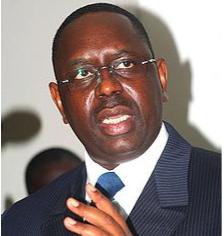
Macky Sall
President since 2 April 2012
President since 2 April 2012
| TRAFFICKING IN PERSONS |
None reported.