| SAINT VINCENT AND THE GRENADINES Saint Vincent and the Grenadines Saint Vincent and the Grenadines Joined United Nations: 16 September 1980 Human Rights as assured by their constitution Click here Updated 06 September 2012 |
| CAPITAL |
| POPULATION |
| CHIEF OF STATE |
| SELECTION PROCESS |
Kingstown
103,537 (July 2012 est.)
Elizabeth II of United Kingdom
Queen since 6 February 1952
Queen since 6 February 1952
The monarch is hereditary and holds that position for life or until
abdication. The Governor General is selected by the Queen.
Next scheduled election: None
abdication. The Governor General is selected by the Queen.
Next scheduled election: None
HEAD OF GOVERNMENT
SELECTION PROCESS
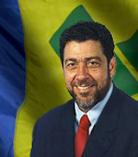
Dr. Ralph E. Gonsalves
Prime Minister since 29 March 2001
Prime Minister since 29 March 2001
Following legislative elections, the leader of the majority party or
leader of a majority coalition is usually appointed prime minister
by the governor general; elections: last held on 13 December
2010
Next scheduled election: 2015
leader of a majority coalition is usually appointed prime minister
by the governor general; elections: last held on 13 December
2010
Next scheduled election: 2015
| DECLARATION OF HUMAN RIGHTS |
| ETHNIC GROUPS |
Black 66%, mixed 19%, East Indian 6%, Carib Amerindian 2%, other 7%
| RELIGIONS |
Anglican 47%, Methodist 28%, Roman Catholic 13%, Hindu, Seventh-Day Adventist, other Protestant
| GOVERNMENT STRUCTURE |
Parliamentary democracy; 6 parishes. Legal system is based English common law
Executive: Monarch represented by Governor General; Prime Minister is typical the leader of the majority party or
coalition appointed by the governor general
Legislative: unicameral House of Assembly (21 seats, 15 elected representatives and 6 appointed senators;
representatives are elected by popular vote from single-member constituencies to serve five-year terms)
elections: last held 13 December 2010 (next to be held in 2015)
Judicial: Eastern Caribbean Supreme Court (based on Saint Lucia; one judge of the Supreme Court resides in Saint
Vincent and the Grenadines)
Executive: Monarch represented by Governor General; Prime Minister is typical the leader of the majority party or
coalition appointed by the governor general
Legislative: unicameral House of Assembly (21 seats, 15 elected representatives and 6 appointed senators;
representatives are elected by popular vote from single-member constituencies to serve five-year terms)
elections: last held 13 December 2010 (next to be held in 2015)
Judicial: Eastern Caribbean Supreme Court (based on Saint Lucia; one judge of the Supreme Court resides in Saint
Vincent and the Grenadines)
| LANGUAGES |
English, French patois
| BRIEF HISTORY |
Carib Indians aggressively prevented European settlement on St. Vincent until the 18th century. Enslaved Africans --
whether shipwrecked or escaped from Barbados, St. Lucia and Grenada and seeking refuge in mainland St. Vincent, or
Hairouna as it was originally named by the Caribs -- intermarried with the Caribs and became known as Garifuna or
Black Caribs. Beginning in 1719, French settlers cultivated coffee, tobacco, indigo, cotton, and sugar on plantations
worked by enslaved Africans. In 1763, St. Vincent was ceded to Britain. Restored to French rule in 1779, St. Vincent
was regained by the British under the Treaty of Paris (1783) in which Great Britain officially recognized the end of the
American Revolution. Ancillary treaties were also signed with France and Spain, known as the Treaties of Versailles of
1783, part of which put St. Vincent back under British control. Conflict between the British and the Black Caribs, led by
defiant Paramount Chief Joseph Chatoyer, continued until 1796, when General Sir Ralph Abercromby crushed a revolt
fomented by the French radical Victor Hugues. More than 5,000 Black Caribs were eventually deported to Roatán, an
island off the coast of Honduras. Slavery was abolished in 1834. After the apprenticeship period, which ended
prematurely in 1838, labour shortages on the plantations resulted in the immigration of indentured servants. The
Portuguese came from Madeira starting in the 1840s and shiploads of East Indian labourers arrived between 1861-1880.
Conditions remained harsh for both former slaves and immigrant agricultural workers, as depressed world sugar prices
kept the economy stagnant until the turn of the century. From 1763 until independence, St. Vincent passed through
various stages of colonial status under the British. A representative assembly was authorized in 1776, Crown Colony
government installed in 1877, a legislative council created in 1925, and universal adult suffrage granted in 1951. During
this period, the British made several unsuccessful attempts to affiliate St. Vincent with other Windward Islands in order to
govern the region through a unified administration. The colonies themselves, desirous of freedom from British rule, made a
notable attempt at unification called West Indies Federation, which collapsed in 1962. St. Vincent was granted associate
statehood status on October 27th, 1969, giving it complete control over its internal affairs. Following a referendum in
1979, under Milton Cato St. Vincent and the Grenadines became the last of the Windward Islands to gain independence
on the 10th anniversary of its associate statehood status, October 27th, 1979. Natural disasters have featured in the
country's history. In 1902, La Soufrière volcano erupted, killing 2,000 people. Much farmland was damaged, and the
economy deteriorated. In April 1979, La Soufrière erupted again. Although no one was killed, thousands had to be
evacuated, and there was extensive agricultural damage. In 1980 and 1987, hurricanes compromised banana and coconut
plantations; 1998 and 1999 also saw very active hurricane seasons, with Hurricane Lenny in 1999 causing extensive
damage to the west coast of the island. St. Vincent and the Grenadines celebrated 30 years of Independence in 2009 with
an extensive Homecoming timetable of events.
Source: Wikipedia History of Saint Vincent and the Grenadines
whether shipwrecked or escaped from Barbados, St. Lucia and Grenada and seeking refuge in mainland St. Vincent, or
Hairouna as it was originally named by the Caribs -- intermarried with the Caribs and became known as Garifuna or
Black Caribs. Beginning in 1719, French settlers cultivated coffee, tobacco, indigo, cotton, and sugar on plantations
worked by enslaved Africans. In 1763, St. Vincent was ceded to Britain. Restored to French rule in 1779, St. Vincent
was regained by the British under the Treaty of Paris (1783) in which Great Britain officially recognized the end of the
American Revolution. Ancillary treaties were also signed with France and Spain, known as the Treaties of Versailles of
1783, part of which put St. Vincent back under British control. Conflict between the British and the Black Caribs, led by
defiant Paramount Chief Joseph Chatoyer, continued until 1796, when General Sir Ralph Abercromby crushed a revolt
fomented by the French radical Victor Hugues. More than 5,000 Black Caribs were eventually deported to Roatán, an
island off the coast of Honduras. Slavery was abolished in 1834. After the apprenticeship period, which ended
prematurely in 1838, labour shortages on the plantations resulted in the immigration of indentured servants. The
Portuguese came from Madeira starting in the 1840s and shiploads of East Indian labourers arrived between 1861-1880.
Conditions remained harsh for both former slaves and immigrant agricultural workers, as depressed world sugar prices
kept the economy stagnant until the turn of the century. From 1763 until independence, St. Vincent passed through
various stages of colonial status under the British. A representative assembly was authorized in 1776, Crown Colony
government installed in 1877, a legislative council created in 1925, and universal adult suffrage granted in 1951. During
this period, the British made several unsuccessful attempts to affiliate St. Vincent with other Windward Islands in order to
govern the region through a unified administration. The colonies themselves, desirous of freedom from British rule, made a
notable attempt at unification called West Indies Federation, which collapsed in 1962. St. Vincent was granted associate
statehood status on October 27th, 1969, giving it complete control over its internal affairs. Following a referendum in
1979, under Milton Cato St. Vincent and the Grenadines became the last of the Windward Islands to gain independence
on the 10th anniversary of its associate statehood status, October 27th, 1979. Natural disasters have featured in the
country's history. In 1902, La Soufrière volcano erupted, killing 2,000 people. Much farmland was damaged, and the
economy deteriorated. In April 1979, La Soufrière erupted again. Although no one was killed, thousands had to be
evacuated, and there was extensive agricultural damage. In 1980 and 1987, hurricanes compromised banana and coconut
plantations; 1998 and 1999 also saw very active hurricane seasons, with Hurricane Lenny in 1999 causing extensive
damage to the west coast of the island. St. Vincent and the Grenadines celebrated 30 years of Independence in 2009 with
an extensive Homecoming timetable of events.
Source: Wikipedia History of Saint Vincent and the Grenadines
| ECONOMIC OVERVIEW |
Success of the economy hinges upon seasonal variations in agriculture, tourism, and construction activity as well as
remittance inflows. Much of the workforce is employed in banana production and tourism, but persistent high
unemployment has prompted many to leave the islands. This lower-middle-income country is vulnerable to natural
disasters - tropical storms wiped out substantial portions of crops in 1994, 1995, and 2002. In 2008, the islands had
more than 200,000 tourist arrivals, mostly to the Grenadines, a drop of nearly 20% from 2007. Saint Vincent is home
to a small offshore banking sector and has moved to adopt international regulatory standards. The government's ability
to invest in social programs and respond to external shocks is constrained by its high public debt burden, which was
90% of GDP at the end of 2010. GDP growth reached a 10-year high of nearly 7% in 2006. Following the global
downturn, St. Vincent and the Grenadines has experienced annual contractions since 2009, The GONSALVES
administration is directing government resources to infrastructure projects, including a new international airport that is
under construction.
Source: CIA World Factbook (select Saint Vincent and the Grenadines)
remittance inflows. Much of the workforce is employed in banana production and tourism, but persistent high
unemployment has prompted many to leave the islands. This lower-middle-income country is vulnerable to natural
disasters - tropical storms wiped out substantial portions of crops in 1994, 1995, and 2002. In 2008, the islands had
more than 200,000 tourist arrivals, mostly to the Grenadines, a drop of nearly 20% from 2007. Saint Vincent is home
to a small offshore banking sector and has moved to adopt international regulatory standards. The government's ability
to invest in social programs and respond to external shocks is constrained by its high public debt burden, which was
90% of GDP at the end of 2010. GDP growth reached a 10-year high of nearly 7% in 2006. Following the global
downturn, St. Vincent and the Grenadines has experienced annual contractions since 2009, The GONSALVES
administration is directing government resources to infrastructure projects, including a new international airport that is
under construction.
Source: CIA World Factbook (select Saint Vincent and the Grenadines)
| POLITICAL CLIMATE |
Founded in 1955, the Saint Vincent Labour Party (SVLP), under Milton Cato, gained the support of the middle class.
With a conservative law-and-order message and a pro-Western foreign policy, the SVLP dominated politics from the
mid-1960s until the mid-1980s. Following victories in the 1967 and 1974 elections, the SVLP led the island to
independence, winning the first post-independence election in 1979. Expecting an easy victory for the SVLP in 1984,
Cato called early elections. The results were surprising: with a record 89% voter turnout, James Fitz-Allen Mitchell's
New Democratic Party (NDP) won nine seats in the house of assembly.
Since the 1984 election, politics in St. Vincent have been dominated by the NDP. Bolstered by a resurgent economy in
the mid-1980s, Mitchell led his party to an unprecedented sweep of all fifteen House of Assembly seats in the 1989
elections. The opposition emerged from the election weakened and fragmented but was able to win three seats during
the February 1994 elections under a "unity" coalition. In 1998, Prime Minister Mitchell and the NDP were returned to
power for an unprecedented fourth term but only with a slim margin of eight seats to seven seats for the Unity Labour
Party (ULP). The NDP was able to accomplish a return to power while receiving a lesser share of the popular vote,
approximately 45% to the ULP's 55%. In March 2001, the ULP, led by Ralph Gonsalves, assumed power after
winning twelve of the fifteen seats in Parliament. The party was returned to power under the same leadership in
December 2005, holding the same twelve seats in Parliament. The opposition New Democratic Party is currently
contesting the election results through legal means, citing what it calls "irregularities" in the election process.
Source: Wikipedia: Politics of Saint Vincent and the Grenadines
With a conservative law-and-order message and a pro-Western foreign policy, the SVLP dominated politics from the
mid-1960s until the mid-1980s. Following victories in the 1967 and 1974 elections, the SVLP led the island to
independence, winning the first post-independence election in 1979. Expecting an easy victory for the SVLP in 1984,
Cato called early elections. The results were surprising: with a record 89% voter turnout, James Fitz-Allen Mitchell's
New Democratic Party (NDP) won nine seats in the house of assembly.
Since the 1984 election, politics in St. Vincent have been dominated by the NDP. Bolstered by a resurgent economy in
the mid-1980s, Mitchell led his party to an unprecedented sweep of all fifteen House of Assembly seats in the 1989
elections. The opposition emerged from the election weakened and fragmented but was able to win three seats during
the February 1994 elections under a "unity" coalition. In 1998, Prime Minister Mitchell and the NDP were returned to
power for an unprecedented fourth term but only with a slim margin of eight seats to seven seats for the Unity Labour
Party (ULP). The NDP was able to accomplish a return to power while receiving a lesser share of the popular vote,
approximately 45% to the ULP's 55%. In March 2001, the ULP, led by Ralph Gonsalves, assumed power after
winning twelve of the fifteen seats in Parliament. The party was returned to power under the same leadership in
December 2005, holding the same twelve seats in Parliament. The opposition New Democratic Party is currently
contesting the election results through legal means, citing what it calls "irregularities" in the election process.
Source: Wikipedia: Politics of Saint Vincent and the Grenadines
| INTERNATIONAL DISPUTES |
Joins other Caribbean states to counter Venezuela's claim that Aves Island sustains human habitation, a criterion under
UNCLOS, which permits Venezuela to extend its EEZ/continental shelf over a large portion of the eastern Caribbean
Sea
UNCLOS, which permits Venezuela to extend its EEZ/continental shelf over a large portion of the eastern Caribbean
Sea


| REFUGEES AND INTERNALLY DISPLACED PERSONS (IDP) |
None reported.
| ILLICIT DRUGS |
Transshipment point for South American drugs destined for the US and Europe; small-scale cannabis cultivation
| HUMAN RIGHTS STATEMENTS, ANALYSIS AND CRITIQUES |
2011 Human Rights Report: Saint Vincent and the Grenadines
Bureau of Democracy, Human Rights, and Labor
2011 Country Reports on Human Rights Practices
March 11, 2012
Saint Vincent and the Grenadines is a multiparty, parliamentary democracy. Government control lies with the prime minister and his
cabinet. Vincentians returned Prime Minister Ralph Gonsalves to office for a third term in December 2010 elections. International
observers assessed the vote as generally free and fair. Security forces reported to civilian authorities.
The most serious human rights problems were police use of excessive force, poor prison conditions, and violence against women.
Other human rights problems included official corruption, lack of government transparency, discrimination, trafficking in persons,
and child abuse.
The government took steps to punish officials who commit abuses, but a perception of impunity persisted.
Click here to read more »
Bureau of Democracy, Human Rights, and Labor
2011 Country Reports on Human Rights Practices
March 11, 2012
Saint Vincent and the Grenadines is a multiparty, parliamentary democracy. Government control lies with the prime minister and his
cabinet. Vincentians returned Prime Minister Ralph Gonsalves to office for a third term in December 2010 elections. International
observers assessed the vote as generally free and fair. Security forces reported to civilian authorities.
The most serious human rights problems were police use of excessive force, poor prison conditions, and violence against women.
Other human rights problems included official corruption, lack of government transparency, discrimination, trafficking in persons,
and child abuse.
The government took steps to punish officials who commit abuses, but a perception of impunity persisted.
Click here to read more »
28 May 2008
PROMOTION AND PROTECTION OF ALL HUMAN RIGHTS, CIVIL, POLITICAL, ECONOMIC, SOCIAL AND
CULTURAL RIGHTS, INCLUDING THE RIGHT TO DEVELOPMENT
Report of the Special Rapporteur on the independence of judges and lawyers, Leandro Despouy
SITUATIONS IN SPECIFIC COUNTRIES OR TERRITORIES* **
Saint Vincent and the Grenadines
Communications sent
252. On 13 February 2007, the Special Rapporteur sent a joint urgent appeal together with the Special Representative of the
Secretary-General on the situation of human rights defenders regarding Ms. Nicole Sylvester, President of the St Vincent and the
Grenadines Human Rights Association (SVGHRA), and the President of the St Vincent and the Grenadines Bar Association.
According to the information received, on 25 January 2008, Ms. Nicole Sylvester received an anonymous telephone call at her
home. The caller reportedly warned her to cease working on a particular case and reminded her that she had a family. On 2
February, Ms. Sylvester’s vehicle was followed by a white jeep, reportedly of the type used by the police’s Special Services Unit.
On 4 February, she was approached near her office by a police officer who advised her to be careful as she was being followed.
According to reports, Ms. Kay Bacchus-Browne, a lawyer and member of the SVGHRA, was also followed by a white jeep on the
morning of 4 February. Ms. Sylvester and other lawyers from the SVGHRA have been representing a woman police officer who
has alleged that she was raped by the Prime Minister of St Vincent and the Grenadines on 3 January 2008. The police reportedly
refused to file her complaint and advised her to leave the country for a while. Her lawyers filed two private criminal complaints at
the Magistrate’s Court on 31 January. The Director of Public Prosecutions reportedly halted the investigation, as permitted under
the country’s Constitution, claiming that there was not sufficient evidence for the case to go to court.
Communications received
253. On 5 March 2008, the Permanent Mission of Saint Vincent and the grenadines to the United Nations responded to the
communication sent on 13 February 2008. The Government affirms that the allegations contained in the communication sent on 14
February 2008 are false. According to the Government, Police investigations have revealed no evidence to suggest that either Ms.
Sylvester or Ms. Bacchus-Browne, have been intimidated. In addition, the Commissioner of Police stated that no vehicles have been
assigned to follow Ms. Sylvester or Ms. Bacchus-Browne. The alleged anonymous telephone call to Ms. Sylvester occurred priory
to her notifying the Police Force that she was involved in the case. Moreover, to imply that the Police acted improperly in the
handling of the accuser’s allegations against the Hon. Prime Minister, given the dearth of corroborating evidence and the accuser’s
own refusal to provide the Police with their statement. The Government also states that a number of investigations have been
undertaken, a medical examination has taken place and two judicial procedures are ongoing. Regarding the investigations, it is stated
that the Police has investigated the accuser’s - Ms. Sylvester- allegations, even though the accuser requested the Police to refrain
from doing so.
Special Rapporteur’s comments and observations
255. The Special Rapporteur thanks the Government of Saint Vincent and the Grenadines for its answers to the communication.
However, he remains concerned by the fact that the Government’s response mainly concerns the actions taken in the case in which
the Prime Minister is accused of rape. However, the Government does not answer the questions related to the harassment suffered
by Ms. Sylvester and Ms. Bacchus-Browne, attorneys of the alleged victim of the rape case. The Government only states that
“Police investigations have revealed no evidence to suggest that either Ms. Sylvester or Ms. Bacchus-Browne, have been
intimidated” without explaining why or what are the bases of this conclusion.
Click here to read more »
PROMOTION AND PROTECTION OF ALL HUMAN RIGHTS, CIVIL, POLITICAL, ECONOMIC, SOCIAL AND
CULTURAL RIGHTS, INCLUDING THE RIGHT TO DEVELOPMENT
Report of the Special Rapporteur on the independence of judges and lawyers, Leandro Despouy
SITUATIONS IN SPECIFIC COUNTRIES OR TERRITORIES* **
Saint Vincent and the Grenadines
Communications sent
252. On 13 February 2007, the Special Rapporteur sent a joint urgent appeal together with the Special Representative of the
Secretary-General on the situation of human rights defenders regarding Ms. Nicole Sylvester, President of the St Vincent and the
Grenadines Human Rights Association (SVGHRA), and the President of the St Vincent and the Grenadines Bar Association.
According to the information received, on 25 January 2008, Ms. Nicole Sylvester received an anonymous telephone call at her
home. The caller reportedly warned her to cease working on a particular case and reminded her that she had a family. On 2
February, Ms. Sylvester’s vehicle was followed by a white jeep, reportedly of the type used by the police’s Special Services Unit.
On 4 February, she was approached near her office by a police officer who advised her to be careful as she was being followed.
According to reports, Ms. Kay Bacchus-Browne, a lawyer and member of the SVGHRA, was also followed by a white jeep on the
morning of 4 February. Ms. Sylvester and other lawyers from the SVGHRA have been representing a woman police officer who
has alleged that she was raped by the Prime Minister of St Vincent and the Grenadines on 3 January 2008. The police reportedly
refused to file her complaint and advised her to leave the country for a while. Her lawyers filed two private criminal complaints at
the Magistrate’s Court on 31 January. The Director of Public Prosecutions reportedly halted the investigation, as permitted under
the country’s Constitution, claiming that there was not sufficient evidence for the case to go to court.
Communications received
253. On 5 March 2008, the Permanent Mission of Saint Vincent and the grenadines to the United Nations responded to the
communication sent on 13 February 2008. The Government affirms that the allegations contained in the communication sent on 14
February 2008 are false. According to the Government, Police investigations have revealed no evidence to suggest that either Ms.
Sylvester or Ms. Bacchus-Browne, have been intimidated. In addition, the Commissioner of Police stated that no vehicles have been
assigned to follow Ms. Sylvester or Ms. Bacchus-Browne. The alleged anonymous telephone call to Ms. Sylvester occurred priory
to her notifying the Police Force that she was involved in the case. Moreover, to imply that the Police acted improperly in the
handling of the accuser’s allegations against the Hon. Prime Minister, given the dearth of corroborating evidence and the accuser’s
own refusal to provide the Police with their statement. The Government also states that a number of investigations have been
undertaken, a medical examination has taken place and two judicial procedures are ongoing. Regarding the investigations, it is stated
that the Police has investigated the accuser’s - Ms. Sylvester- allegations, even though the accuser requested the Police to refrain
from doing so.
Special Rapporteur’s comments and observations
255. The Special Rapporteur thanks the Government of Saint Vincent and the Grenadines for its answers to the communication.
However, he remains concerned by the fact that the Government’s response mainly concerns the actions taken in the case in which
the Prime Minister is accused of rape. However, the Government does not answer the questions related to the harassment suffered
by Ms. Sylvester and Ms. Bacchus-Browne, attorneys of the alleged victim of the rape case. The Government only states that
“Police investigations have revealed no evidence to suggest that either Ms. Sylvester or Ms. Bacchus-Browne, have been
intimidated” without explaining why or what are the bases of this conclusion.
Click here to read more »
FREEDOM IN THE WORLD 2012 REPORT
Political Rights Score: 1
Civil Liberties Score: 1
Status: Free
Overview
In April 2011, torrential rain led to flash flooding and landslides that destroyed banana cultivation and severely impacted the Saint
Vincent and the Grenadines’ economy; the country had already been reeling from the impact of Hurricane Tomas in October 2010.
The government spent the year focused mainly on economic development and the country’s recovery from the two disasters.
n the December 2010 general elections, the ULP, still reeling from the defeat of the proposed constitutional reform referendum,
won a slim majority of 8 seats, and Gonsalves retained the post of prime minister. Meanwhile, the NDP more than doubled its
representation, taking 7 seats. Despite threats of legal challenges from NDP leaders, the elections were deemed free and fair by
observers from the Caribbean Community, the Organization of American States, and the National Monitoring and Consultative
Mechanism.
The focus of the Gonsalves administration during 2011 was on economic development and the recovery from natural disasters.
Torrential rains in April 2011 led to flash flooding and landslides that wiped out the country’s banana industry—which accounts for
a third of Saint Vincent’s exports—and resulted in approximately $100 million in damage. The rains compounded the destruction
caused in 2010 by Hurricane Tomas, which displaced some 1,200 people and resulted in approximately $25 million in damages to
the agriculture sector. Part of Gonsalves’ economic plan is to bolster the tourism industry by constructing a modern international
airport that would create easier access to Saint Vincent. Construction of the airport began in late 2011 after years of delays.
Saint Vincent and the Grenadines is an electoral democracy. The constitution provides for the election of 15 representatives to the
unicameral House of Assembly. Six senators are also appointed to the chamber, four chosen by the government and two by the
opposition; all serve five-year terms. The prime minister is the leader of the majority party. A governor-general represents the
British monarch as head of state.
In recent years, there have been allegations of money laundering through Saint Vincent banks and drug-related corruption within the
government and the police force. Saint Vincent was ranked 36 out of 183 countries surveyed in Transparency International’s 2011
Corruption Perceptions Index.
Click here to read more »
Political Rights Score: 1
Civil Liberties Score: 1
Status: Free
Overview
In April 2011, torrential rain led to flash flooding and landslides that destroyed banana cultivation and severely impacted the Saint
Vincent and the Grenadines’ economy; the country had already been reeling from the impact of Hurricane Tomas in October 2010.
The government spent the year focused mainly on economic development and the country’s recovery from the two disasters.
n the December 2010 general elections, the ULP, still reeling from the defeat of the proposed constitutional reform referendum,
won a slim majority of 8 seats, and Gonsalves retained the post of prime minister. Meanwhile, the NDP more than doubled its
representation, taking 7 seats. Despite threats of legal challenges from NDP leaders, the elections were deemed free and fair by
observers from the Caribbean Community, the Organization of American States, and the National Monitoring and Consultative
Mechanism.
The focus of the Gonsalves administration during 2011 was on economic development and the recovery from natural disasters.
Torrential rains in April 2011 led to flash flooding and landslides that wiped out the country’s banana industry—which accounts for
a third of Saint Vincent’s exports—and resulted in approximately $100 million in damage. The rains compounded the destruction
caused in 2010 by Hurricane Tomas, which displaced some 1,200 people and resulted in approximately $25 million in damages to
the agriculture sector. Part of Gonsalves’ economic plan is to bolster the tourism industry by constructing a modern international
airport that would create easier access to Saint Vincent. Construction of the airport began in late 2011 after years of delays.
Saint Vincent and the Grenadines is an electoral democracy. The constitution provides for the election of 15 representatives to the
unicameral House of Assembly. Six senators are also appointed to the chamber, four chosen by the government and two by the
opposition; all serve five-year terms. The prime minister is the leader of the majority party. A governor-general represents the
British monarch as head of state.
In recent years, there have been allegations of money laundering through Saint Vincent banks and drug-related corruption within the
government and the police force. Saint Vincent was ranked 36 out of 183 countries surveyed in Transparency International’s 2011
Corruption Perceptions Index.
Click here to read more »
Suggested recommendations to States considered in the 11th round of Universal Periodic Review, 2-13 May 2011
KINGSTOWN,
1 April 2011
Recommendations to the government of St Vincent and the Grenadines
The death penalty
· To immediately establish a moratorium on executions with a view to abolishing the death penalty, as provided by UN General
Assembly resolution 62/149, adopted on 18 December 2007, resolution 63/168, adopted on 18 December 2008, and resolution
65/206, adopted on 21 December 2010;
· To commute without delay all death sentences to terms of imprisonment;
· To prohibit the imposition of the death penalty on anyone suffering from a mental disability,.
· To ensure rigorous compliance in all death penalty cases with international standards for fair trial, including the rights to be tried
before an independent, impartial and competent tribunal, to competent defence counsel at every stage of the proceedings, to
adequate time and facilities to prepare one’s defence, to presumption of innocence until guilt has been proved beyond reasonable
doubt, to appeal to a higher court, and to seek pardon and commutation of sentence.
Ratification of international human rights instruments
· To accede to and implement under national law the Agreement on the Privileges and Immunities of the International Criminal
Court, and to ratify and implement without delay the International Convention for the Protection of All Persons from Enforced
Disappearance, the Optional Protocol to the International Covenant of Economic, Social and Cultural Rights; opting-in to its inquiry
and inter-state procedures, and the Second Optional Protocol to the International Covenant on Civil and Political Rights, aiming at
abolition of the death penalty.
Click here to read more »
KINGSTOWN,
1 April 2011
Recommendations to the government of St Vincent and the Grenadines
The death penalty
· To immediately establish a moratorium on executions with a view to abolishing the death penalty, as provided by UN General
Assembly resolution 62/149, adopted on 18 December 2007, resolution 63/168, adopted on 18 December 2008, and resolution
65/206, adopted on 21 December 2010;
· To commute without delay all death sentences to terms of imprisonment;
· To prohibit the imposition of the death penalty on anyone suffering from a mental disability,.
· To ensure rigorous compliance in all death penalty cases with international standards for fair trial, including the rights to be tried
before an independent, impartial and competent tribunal, to competent defence counsel at every stage of the proceedings, to
adequate time and facilities to prepare one’s defence, to presumption of innocence until guilt has been proved beyond reasonable
doubt, to appeal to a higher court, and to seek pardon and commutation of sentence.
Ratification of international human rights instruments
· To accede to and implement under national law the Agreement on the Privileges and Immunities of the International Criminal
Court, and to ratify and implement without delay the International Convention for the Protection of All Persons from Enforced
Disappearance, the Optional Protocol to the International Covenant of Economic, Social and Cultural Rights; opting-in to its inquiry
and inter-state procedures, and the Second Optional Protocol to the International Covenant on Civil and Political Rights, aiming at
abolition of the death penalty.
Click here to read more »
Saint Vincent and the Grenadines
Child Soldier Global Report 2001
From the Coalition to Stop the Use of Child Soldiers
Grenada, Saint Lucia, Dominica, Saint Vincent and Grenadine and Saint Kitts and Nevis have police forces only, although some
paramilitary training is provided for special units. The police are generally organised and supervised according to British law
enforcement practices. None of these Caribbean states has a system of conscription into security forces and, therefore, recruitment
is on a voluntary basis only.
June 12, 2001 Multi Country Report
Saint Vincent and the Grenadines: Landmine Monitor Report 2000
Saint Vincent and the Grenadines signed the Mine Ban Treaty on 3 December 1997. It is the only member of the Organisation of
Eastern Caribbean States (OECS) that has not yet ratified the ban treaty, even though it told Landmine Monitor in April 1999 that
ratification would take "another three weeks."28 In response to a letter from Mines Action Canada (MAC), Mr. George Bullen, High
Commissioner of the Organisation of the Eastern Caribbean States in Ottawa, wrote that he has forwarded MAC's concerns about
the delay in ratification on to the Government of Saint Vincent and the Grenadines.
Click here to read more »
Child Soldier Global Report 2001
From the Coalition to Stop the Use of Child Soldiers
Grenada, Saint Lucia, Dominica, Saint Vincent and Grenadine and Saint Kitts and Nevis have police forces only, although some
paramilitary training is provided for special units. The police are generally organised and supervised according to British law
enforcement practices. None of these Caribbean states has a system of conscription into security forces and, therefore, recruitment
is on a voluntary basis only.
June 12, 2001 Multi Country Report
Saint Vincent and the Grenadines: Landmine Monitor Report 2000
Saint Vincent and the Grenadines signed the Mine Ban Treaty on 3 December 1997. It is the only member of the Organisation of
Eastern Caribbean States (OECS) that has not yet ratified the ban treaty, even though it told Landmine Monitor in April 1999 that
ratification would take "another three weeks."28 In response to a letter from Mines Action Canada (MAC), Mr. George Bullen, High
Commissioner of the Organisation of the Eastern Caribbean States in Ottawa, wrote that he has forwarded MAC's concerns about
the delay in ratification on to the Government of Saint Vincent and the Grenadines.
Click here to read more »
DELIVERED by HIS EXCELLENCY THE GOVERNOR GENERAL OF ST. VINCENT AND THE GRENADINES
SIR FREDERICK BALLANTYNE, G.C.M.G.
ON MONDAY, JANUARY 09, 2012
AT THE SECOND SESSION OF THE NINTH PARLIAMENT
Since September 2008, and continuing, the world and our region have faced an awesome financial and economic catastrophe. In
response, my government moved swiftly and assertively, applying hard and smart work, prudent and enterprising fiscal policies,
sheer determination and creative management, including the efficacious use of our hard-won sovereignty and independence, to
fashion the right conditions for Vincentians to meet the challenges of this global recession.
Mr. Speaker, Hon. Members, my Government will continue to pursue an aggressive policy to address the socio-economic needs of
all citizens, with developments in health, education, housing, and physical infrastructure, playing important roles in the thrust to
reduce poverty and improve the standard of living of all citizens.
Mr. Speaker, Hon. Members, our small nation will only register real growth if it is a healthy nation. My Government will therefore
continue to implement its policy of universal health care. The further modernisation of the public health care sector is aimed at
providing access to affordable, equitable, quality and culturally acceptable health care. This will be achieved, in part, through the
significant input of the European Union, which has provided the funding for a more advanced and decentralized health service.
There will be greater emphasis on highly specialized diagnostic services.
Mr. Speaker, Hon. Members, my Government has a fundamental duty to protect our citizens and to defend them against any
threats of national security. It is my Government’s belief that the interests of law-abiding citizens should be placed ahead of those
of criminals, and every effort will be made to deter criminal activity in St. Vincent and the Grenadines.
My Government, therefore, places great emphasis on its policies and programmes on matters of security, law, order and justice. It
is anticipated that significant pieces of legislation will be prepared in 2012. In the area of Criminal Law Legislation, supporting
infrastructure will be put in place for the more efficient disposal of criminal cases. Reform of Criminal Law and practice continues,
balancing individual rights and the protection of the community from crime.
Mr. Speaker, my Government will continue to empower the family, to strengthen the bonds of solidarity, and to uplift it. We will
complete the process of adopting the first four (4) pieces of completed harmonised Model Family Legislation, two of which have
already been enacted into law – the Care and Adoption Act and the Status of Children Act. The other two remaining pieces of
Legislation – The Domestic Violence Bill and the Child Justice Bill – are scheduled to be introduced in the first half of 2012.
Click here to read more »
SIR FREDERICK BALLANTYNE, G.C.M.G.
ON MONDAY, JANUARY 09, 2012
AT THE SECOND SESSION OF THE NINTH PARLIAMENT
Since September 2008, and continuing, the world and our region have faced an awesome financial and economic catastrophe. In
response, my government moved swiftly and assertively, applying hard and smart work, prudent and enterprising fiscal policies,
sheer determination and creative management, including the efficacious use of our hard-won sovereignty and independence, to
fashion the right conditions for Vincentians to meet the challenges of this global recession.
Mr. Speaker, Hon. Members, my Government will continue to pursue an aggressive policy to address the socio-economic needs of
all citizens, with developments in health, education, housing, and physical infrastructure, playing important roles in the thrust to
reduce poverty and improve the standard of living of all citizens.
Mr. Speaker, Hon. Members, our small nation will only register real growth if it is a healthy nation. My Government will therefore
continue to implement its policy of universal health care. The further modernisation of the public health care sector is aimed at
providing access to affordable, equitable, quality and culturally acceptable health care. This will be achieved, in part, through the
significant input of the European Union, which has provided the funding for a more advanced and decentralized health service.
There will be greater emphasis on highly specialized diagnostic services.
Mr. Speaker, Hon. Members, my Government has a fundamental duty to protect our citizens and to defend them against any
threats of national security. It is my Government’s belief that the interests of law-abiding citizens should be placed ahead of those
of criminals, and every effort will be made to deter criminal activity in St. Vincent and the Grenadines.
My Government, therefore, places great emphasis on its policies and programmes on matters of security, law, order and justice. It
is anticipated that significant pieces of legislation will be prepared in 2012. In the area of Criminal Law Legislation, supporting
infrastructure will be put in place for the more efficient disposal of criminal cases. Reform of Criminal Law and practice continues,
balancing individual rights and the protection of the community from crime.
Mr. Speaker, my Government will continue to empower the family, to strengthen the bonds of solidarity, and to uplift it. We will
complete the process of adopting the first four (4) pieces of completed harmonised Model Family Legislation, two of which have
already been enacted into law – the Care and Adoption Act and the Status of Children Act. The other two remaining pieces of
Legislation – The Domestic Violence Bill and the Child Justice Bill – are scheduled to be introduced in the first half of 2012.
Click here to read more »
More proactive approach to this serious problem.
Posted in News and Sports on 05. Oct, 2011
President of the SVG Human Rights Association, Nicole Sylvester has noted that while her Association speaks condemnation
against all forms of violence, and in particular the recent upsurge in crime against women, there is a need now for a more proactive
approach to this serious problem.
Sylvester said that persons need to start identifying and taking heed to the signs that their partners or spouses are likely to commit
violence against them. She further stated that silence is not the answer to domestic violence and urge persons who are victims of
domestic abuse to speak out and be proactive about the problem.
Sylvester also reminded persons that they can always visit the Human Rights Association during the week, including Saturdays to
air their concerns and even speak with a lawyer. The Human Rights Association President said that violence is the business of all
and drastic immediate actions must be taken to curb this societal plaque.
Click here to read more »
Posted in News and Sports on 05. Oct, 2011
President of the SVG Human Rights Association, Nicole Sylvester has noted that while her Association speaks condemnation
against all forms of violence, and in particular the recent upsurge in crime against women, there is a need now for a more proactive
approach to this serious problem.
Sylvester said that persons need to start identifying and taking heed to the signs that their partners or spouses are likely to commit
violence against them. She further stated that silence is not the answer to domestic violence and urge persons who are victims of
domestic abuse to speak out and be proactive about the problem.
Sylvester also reminded persons that they can always visit the Human Rights Association during the week, including Saturdays to
air their concerns and even speak with a lawyer. The Human Rights Association President said that violence is the business of all
and drastic immediate actions must be taken to curb this societal plaque.
Click here to read more »
Saint Vincent and the Grenadines 2009 Constitution:
A summary of the Human Rights concernsc
3. Human Rights Concerns
Areas of Progress
3.1 The new constitution makes a number of significant steps towards the promotion of Human Rights in the country. The right of
an individual to receive a fair trial are now more in line with international norms (Article 27 (2) of the 2009 Constitution replicates
ECHR guidelines) and specific common law presumptions against retroactivity, double jeapordy and the right to a public trial are
reaffirmed by far reaching constitutional guarantees ( see Article 32).
3.2 Socio-economic rights including the right to work (Article 9), health care (Article 11), the right to education (Article 20) and
the freedom of culture and expression (Article 16). Most significantly the Constitution introduces anti-discrimination provisions
(Article 12 and Article 13) these however are qualified provisions and only appear to be aimed at tackling formal inequality.
3.3 This is in contrast with other, more targeted developments aimed at redressing specific inequalities and rights abuses. Article 23
prohibits discrimination against children born out of wedlock - an issue that can cause significant problems in the more
conservative areas of the Caribbean. Another prevalent issue in the country is discrimination against members of the Rastafarian
community. There are no explicit provisions to tackle this but the anti- discrimination provisions contained in Article 13 and Article
36 and the protection of the right to freedom of conscience under Article 33 should offer constitutional safeguards and protections
to this minority group.
The Death Penalty
3.4 The death penalty is preserved in the new constitution (Art. 26 (1)) and the offences for which a person can be sentenced to
death remain within the discretionary ambit of the common law and judges. The constitution does not endorse the mandatory death
penalty in any areas.
3.5 In order to keep in line with the Privy Council‟s ruling in Pratt v Morgan
[1994] 2. AC 1. the guidelines of the Inter-American Court of Human Rights and the Caribbean Court of Justice (CCJ) in Attorney
General of Barbados v Joseph and Boyce [2006] CCJ Appeal No.CV2 of 2005 the constitution has a wide ranging provision
allowing for the exhaustion of rights of appeal at both the national and the international level. After all rights to appeal have been
exhausted the actual execution may be performed within in one year of the final date exhaustion (Art. 29 (3)). St. Vincent does not
currently come under the appellate jurisdiction of the CCJ - regional tribunal which allows for the use of the death penalty - but
these provisions put it on a constitutional footing that make it compatible with the CCJ.
3.6 There has not been an execution in Saint Vincent and the Grenadines since 1995 the constitution bill shows that the government
is still committed to its retentionist position on capital punishment. In 2002 the privy council upheld an earlier decision of the
Eastern Caribbean Court of Appeal (ECCA) that the mandatory death penalty was unconstitutional, and unanimously struck down
the mandatory death penalty for murder in St Vincent and six other countries. Whilst the constitution simply restates the existing
law on the death penalty, its retention of capital punishment is nevertheless cause for concern.
Discrimination based on sexual orientation and marital status
3.7 Article 17(2) defines marriage as “a legal union only between a person who is biologically male at birth and a person who is
biologically female at birth”. This formulation limits rights for both homosexual and transsexual couples. Article 17(1) states that is
the “natural basic unit of society” indicating a clear preferential bias in favour of the traditional family. There is no discrimination
provision aimed at protecting individuals from discrimination on the basis of
Click here to read more »
A summary of the Human Rights concernsc
3. Human Rights Concerns
Areas of Progress
3.1 The new constitution makes a number of significant steps towards the promotion of Human Rights in the country. The right of
an individual to receive a fair trial are now more in line with international norms (Article 27 (2) of the 2009 Constitution replicates
ECHR guidelines) and specific common law presumptions against retroactivity, double jeapordy and the right to a public trial are
reaffirmed by far reaching constitutional guarantees ( see Article 32).
3.2 Socio-economic rights including the right to work (Article 9), health care (Article 11), the right to education (Article 20) and
the freedom of culture and expression (Article 16). Most significantly the Constitution introduces anti-discrimination provisions
(Article 12 and Article 13) these however are qualified provisions and only appear to be aimed at tackling formal inequality.
3.3 This is in contrast with other, more targeted developments aimed at redressing specific inequalities and rights abuses. Article 23
prohibits discrimination against children born out of wedlock - an issue that can cause significant problems in the more
conservative areas of the Caribbean. Another prevalent issue in the country is discrimination against members of the Rastafarian
community. There are no explicit provisions to tackle this but the anti- discrimination provisions contained in Article 13 and Article
36 and the protection of the right to freedom of conscience under Article 33 should offer constitutional safeguards and protections
to this minority group.
The Death Penalty
3.4 The death penalty is preserved in the new constitution (Art. 26 (1)) and the offences for which a person can be sentenced to
death remain within the discretionary ambit of the common law and judges. The constitution does not endorse the mandatory death
penalty in any areas.
3.5 In order to keep in line with the Privy Council‟s ruling in Pratt v Morgan
[1994] 2. AC 1. the guidelines of the Inter-American Court of Human Rights and the Caribbean Court of Justice (CCJ) in Attorney
General of Barbados v Joseph and Boyce [2006] CCJ Appeal No.CV2 of 2005 the constitution has a wide ranging provision
allowing for the exhaustion of rights of appeal at both the national and the international level. After all rights to appeal have been
exhausted the actual execution may be performed within in one year of the final date exhaustion (Art. 29 (3)). St. Vincent does not
currently come under the appellate jurisdiction of the CCJ - regional tribunal which allows for the use of the death penalty - but
these provisions put it on a constitutional footing that make it compatible with the CCJ.
3.6 There has not been an execution in Saint Vincent and the Grenadines since 1995 the constitution bill shows that the government
is still committed to its retentionist position on capital punishment. In 2002 the privy council upheld an earlier decision of the
Eastern Caribbean Court of Appeal (ECCA) that the mandatory death penalty was unconstitutional, and unanimously struck down
the mandatory death penalty for murder in St Vincent and six other countries. Whilst the constitution simply restates the existing
law on the death penalty, its retention of capital punishment is nevertheless cause for concern.
Discrimination based on sexual orientation and marital status
3.7 Article 17(2) defines marriage as “a legal union only between a person who is biologically male at birth and a person who is
biologically female at birth”. This formulation limits rights for both homosexual and transsexual couples. Article 17(1) states that is
the “natural basic unit of society” indicating a clear preferential bias in favour of the traditional family. There is no discrimination
provision aimed at protecting individuals from discrimination on the basis of
Click here to read more »

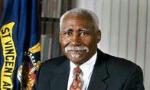
Represented by
Sir Fredrick Nathaniel Ballantyne
Governor General since 2 September 2002
Sir Fredrick Nathaniel Ballantyne
Governor General since 2 September 2002
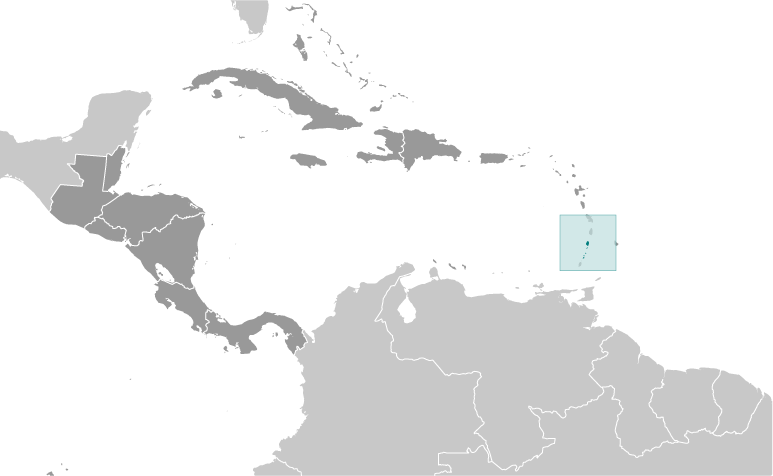
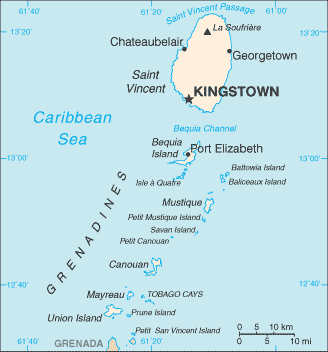
| Click map for larger view |
| Click flag for Country Report |






| TRAFFICKING IN PERSONS |
None reported.