
| SWEDEN Kingdom of Sweden Konungariket Sverige Joined United Nations: 19 November 1946 Human Rights as assured by their constitution Click here Updated 21 March 2013 |

| CAPITAL |
| POPULATION |
| CHIEF OF STATE |
| SELECTION PROCESS |
Stockholm
9,103,788 (July 2012 est.)
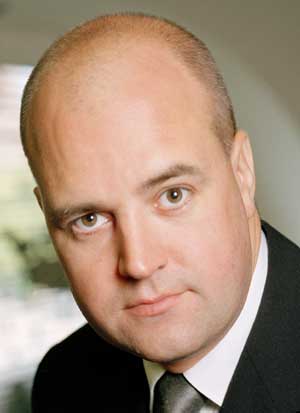
Fredrik Reinfeldt
Prime Minister since 5 October 2006
Prime Minister since 5 October 2006
The monarchy is hereditary; the heir apparent is the eldest child of
the monarch
Next scheduled election: none
the monarch
Next scheduled election: none
HEAD OF GOVERNMENT
SELECTION PROCESS
Following legislative elections, the prime minister is elected by the
parliament; election last held on 19 September 2010
Next scheduled election: September 2014
parliament; election last held on 19 September 2010
Next scheduled election: September 2014
| DECLARATION OF HUMAN RIGHTS |
| ETHNIC GROUPS |
Indigenous population: Swedes with Finnish and Sami minorities; foreign-born or first-generation immigrants: Finns, Yugoslavs,
Danes, Norwegians, Greeks, Turks
Danes, Norwegians, Greeks, Turks
| RELIGIONS |
Lutheran 87%, other (includes Roman Catholic, Orthodox, Baptist, Muslim, Jewish, and Buddhist) 13%
| GOVERNMENT STRUCTURE |
Constitutional monarchy with 21 counties (lan, singular and plural); Legal system is a civil law system influenced by customary law;
accepts compulsory ICJ jurisdiction with reservations
Executive: The monarchy is hereditary; following legislative elections, the prime minister is elected by the parliament; election last
held on 19 September 2010 (next to be held in September 2014)
Legislative: Unicameral Parliament or Riksdag (349 seats; members are elected by popular vote on a proportional representation
basis to serve four-year terms)
elections: last held on 19 September 2010 (next to be held in September 2014)
Judicial: Supreme Court or Hogsta Domstolen (judges are appointed by the prime minister and the cabinet)
accepts compulsory ICJ jurisdiction with reservations
Executive: The monarchy is hereditary; following legislative elections, the prime minister is elected by the parliament; election last
held on 19 September 2010 (next to be held in September 2014)
Legislative: Unicameral Parliament or Riksdag (349 seats; members are elected by popular vote on a proportional representation
basis to serve four-year terms)
elections: last held on 19 September 2010 (next to be held in September 2014)
Judicial: Supreme Court or Hogsta Domstolen (judges are appointed by the prime minister and the cabinet)
| LANGUAGES |
Swedish, small Sami- and Finnish-speaking minorities
| BRIEF HISTORY |
Sweden, as well as the adjacent country Norway, has a high concentration of petroglyphs (ristningar or hällristningar in Swedish)
throughout the country, with the highest concentration in the province of Bohuslän. The earliest images can, however, be found in the
province of Jämtland, dating from 5000 BC. They depict wild animals such as elk, reindeer, bears and seals. The period 2300–500
BC was the most intensive carving period, with carvings of agriculture, warfare, ships, domesticated animals, etc. Also, petroglyphs
with themes of sexual nature have been found in Bohuslän; these are dated from 800–500 BC. A foundation date of the nation
Sweden cannot be determined with any degree of certainty, since it evolved from a warfare center of power, Svea Rike, centered in
old Uppsala, which might have had many increases and decreases in power and influence. The existence of such a power is stated
already by Tacitus (see Suiones), around AD 100. The neighboring areas of West and East Geats probably also played a very
important historical role in defining the nation. About 1000, the first certain king over Svea and Göta Riken is documented to be
Olof Skötkonung, but the further history is obscure with kings whose periods of regency and actual power is unclear. In the 12th
century, Sweden was still consolidating with the dynastic struggles between the Erik and Sverker clans, which finally ended when a
third clan married into the Erik clan and founded the Folkunga dynasty on the throne. This dynasty gradually consolidated a pre-
Kalmar-Union Sweden to an actual nation, which essentially fell apart after the Black Death. The conversion from pre-Christian
beliefs to Christianity was a complex, gradual, and at times possibly violent (see Temple at Uppsala) process. The main early source
of religious influence was England due to interactions between Scandinavians and Saxons in the Danelaw, and Irish missionary
monks. The German influence was less obvious in the beginning (despite an early missionary attempt by Ansgar), but gradually
emerged as the dominant religious force in the area (especially after the Norman conquest of England). Despite the close relations
between Swedish and Russian aristocracy (see also Rus'), there is no direct evidence of Orthodox influence, possibly because of
language barriers. This consolidated state of Sweden already included Finland presumably from an early crusade into the area of
Tavastland in central current day Finland. After the Black Death and internal power struggles in Sweden, Queen Margaret I of
Denmark united the Nordic countries in the Kalmar Union in 1397, with the approval of the Swedish nobility. Continual tension of
economic nature within the countries and within the union gradually led to open conflict between the Swedes and the Danes in the
15th century, however. The union's final disintegration in the early 16th century brought on a long-lived rivalry between Denmark on
one side and Sweden on the other. In the 16th century, Gustav Vasa fought for an independent Sweden, crushing an attempt to
restore the Kalmar Union and laying the foundation for modern Sweden. At the same time, he broke with the Roman Catholic
Church and established the Reformation. After winning wars against Denmark-Norway, Russia, and Poland during the 17th century,
Sweden emerged as a Great Power, despite having scarcely more than 1 million inhabitants. Its contributions during the Thirty
Years' War under Gustavus Adolphus helped determine the political, as well as the religious, balance of power in Europe. By the
treaties of Brömsebro, 1645, and Roskilde, 1658, Sweden acquired important provinces of Denmark and Norway. Following the
Peace of Westphalia in 1648, Sweden ruled Ingria, in which Saint Petersburg later would be founded, Estonia, Livonia, and
important coastal towns and other areas of northern Germany. Russia, Saxony-Poland, and Denmark-Norway pooled their power
in 1700 and attacked the Swedish empire. Although the young Swedish King Charles XII won spectacular victories in the early
years of the Great Northern War, his plan to attack Moscow and force Russia into peace proved too ambitious; he was shot during
the siege of Frederiksten fortress in Norway in 1718. In the subsequent peace treaties, the allied powers, joined by Prussia and by
England-Hanover, ended Sweden's reign as a great power and introduced a period of limited monarchy under parliamentary rule.
Following half a century of parliamentary domination came the reaction. A bloodless coup d'état perpetrated by King Gustav III
brought back absolute monarchy, a state of affairs that would last until involvement in the Napoleonic wars forced Sweden to cede
Finland to Russia in 1809. The following year, the Swedish King's adopted heir, French Marshal Jean-Baptiste Bernadotte, was
elected Crown Prince Charles by the Riksdag. In 1813, his forces joined the allies against Napoleon. In the Treaty of Kiel, the king
of Denmark-Norway ceded Norway to the Swedish king. Norway, however, declared its independence, adopted a constitution
and chose a new king. Sweden invaded Norway to enforce the terms of the Kiel treaty. After a short war, the peace of Moss
established a personal union between the two states. The union lasted until 1905, when it was peacefully dissolved at Norway's
request. Sweden's predominantly agricultural economy shifted gradually from village to private farm-based agriculture during the
Industrial Revolution, but this change failed to bring economic and social improvements commensurate with the rate of population
growth. About 1 million Swedes emigrated to the United States between 1850 and 1890. The 19th century was marked by the
emergence of a liberal opposition press, the abolition of guild monopolies in trade and manufacturing in favour of free enterprise, the
introduction of taxation and voting reforms, the installation of national military service, and the rise in the electorate of three major
party groups – Social Democrat, Liberal, and Conservative. During and after World War I, in which Sweden remained neutral, the
country benefitted from the world-wide demand for Swedish steel, ball bearings, wood pulp, and matches. Post-war prosperity
provided the foundations for the social welfare policies characteristic of modern Sweden. Foreign policy concerns in the 1930s
centered on Soviet and German expansionism, which stimulated abortive efforts at Nordic defence co-operation. Sweden followed
a policy of armed neutrality during World War II and currently remains non-aligned. Sweden was one of the first non-participants of
World War II to join the United Nations (in 1946). Apart from this, the country tried to stay out of alliances and remain as neutral
as possible during the cold war. As the social democratic party held government for 44 years (1932-1976), they spent a big part of
the 1950s and 1960s building Folkhemmet (The People's Home), the Swedish welfare state. One of the reasons this was possible
was that Sweden had stayed out of World War II and was able to help build Europe after the war, which meant the Swedish
economy blossomed. After falling upon harder times in the 1970s, the economy stagnated somewhat and in 1976, the social
democrats lost their majority. The 1976 parliamentary elections brought a liberal/right-wing coalition to power. Over the next six
years, four governments ruled and fell, composed by all or some of the parties that had won in 1976. The fourth liberal government
in these years came under fire by Social Democrats & trade unions and the Moderate Party, culminating in the Social Democrats
regaining power in 1982. On February 28, 1986, the social democratic leader and Swedish prime minister Olof Palme was
murdered, after which many people felt Sweden had "lost its innocence". In the beginning of the 1990s there occurred once again an
economic crisis with high unemployment and many banks and companies going bankrupt. Sweden became a member of the
European Union in 1995, after which the country more and more has started to frain from its post-war and cold war neutrality. In a
referendum held in 2003, the majority of the population voted against the adoption of the Euro as the country's official currency.
Since the Great Depression, Swedish national politics has largely been dominated by the Social Democratic Workers' Party, which
has held a plurality (and sometimes a majority) in parliament since 1917. During the period from 1932-2006 the Social Democrats
presided over the government for 65 years, almost exclusively without a minor partner. Following the recommendation of the 1980
referendum, two nuclear power reactors were closed by government decision in 1999 and 2005, respectively. However, in
February 2009, the Swedish centre-right wing government announced that new nuclear power stations may be constructed if they
replace old ones, thus ending the previous de facto phase out policy. A general election to the Riksdag, the parliament of Sweden,
was held on 19 September 2010. The Alliance lost its absolute majority in the parliament but continued to govern as a minority
government. The new parliament held its opening session on 5 October, with Prime Minister Fredrik Reinfeldt presenting the annual
government policy statement, along with changes to his cabinet. This was the first time in almost a century that a Swedish centre-
right government that had served a full term was reelected.
Source: Wikipedia: History of Sweden
throughout the country, with the highest concentration in the province of Bohuslän. The earliest images can, however, be found in the
province of Jämtland, dating from 5000 BC. They depict wild animals such as elk, reindeer, bears and seals. The period 2300–500
BC was the most intensive carving period, with carvings of agriculture, warfare, ships, domesticated animals, etc. Also, petroglyphs
with themes of sexual nature have been found in Bohuslän; these are dated from 800–500 BC. A foundation date of the nation
Sweden cannot be determined with any degree of certainty, since it evolved from a warfare center of power, Svea Rike, centered in
old Uppsala, which might have had many increases and decreases in power and influence. The existence of such a power is stated
already by Tacitus (see Suiones), around AD 100. The neighboring areas of West and East Geats probably also played a very
important historical role in defining the nation. About 1000, the first certain king over Svea and Göta Riken is documented to be
Olof Skötkonung, but the further history is obscure with kings whose periods of regency and actual power is unclear. In the 12th
century, Sweden was still consolidating with the dynastic struggles between the Erik and Sverker clans, which finally ended when a
third clan married into the Erik clan and founded the Folkunga dynasty on the throne. This dynasty gradually consolidated a pre-
Kalmar-Union Sweden to an actual nation, which essentially fell apart after the Black Death. The conversion from pre-Christian
beliefs to Christianity was a complex, gradual, and at times possibly violent (see Temple at Uppsala) process. The main early source
of religious influence was England due to interactions between Scandinavians and Saxons in the Danelaw, and Irish missionary
monks. The German influence was less obvious in the beginning (despite an early missionary attempt by Ansgar), but gradually
emerged as the dominant religious force in the area (especially after the Norman conquest of England). Despite the close relations
between Swedish and Russian aristocracy (see also Rus'), there is no direct evidence of Orthodox influence, possibly because of
language barriers. This consolidated state of Sweden already included Finland presumably from an early crusade into the area of
Tavastland in central current day Finland. After the Black Death and internal power struggles in Sweden, Queen Margaret I of
Denmark united the Nordic countries in the Kalmar Union in 1397, with the approval of the Swedish nobility. Continual tension of
economic nature within the countries and within the union gradually led to open conflict between the Swedes and the Danes in the
15th century, however. The union's final disintegration in the early 16th century brought on a long-lived rivalry between Denmark on
one side and Sweden on the other. In the 16th century, Gustav Vasa fought for an independent Sweden, crushing an attempt to
restore the Kalmar Union and laying the foundation for modern Sweden. At the same time, he broke with the Roman Catholic
Church and established the Reformation. After winning wars against Denmark-Norway, Russia, and Poland during the 17th century,
Sweden emerged as a Great Power, despite having scarcely more than 1 million inhabitants. Its contributions during the Thirty
Years' War under Gustavus Adolphus helped determine the political, as well as the religious, balance of power in Europe. By the
treaties of Brömsebro, 1645, and Roskilde, 1658, Sweden acquired important provinces of Denmark and Norway. Following the
Peace of Westphalia in 1648, Sweden ruled Ingria, in which Saint Petersburg later would be founded, Estonia, Livonia, and
important coastal towns and other areas of northern Germany. Russia, Saxony-Poland, and Denmark-Norway pooled their power
in 1700 and attacked the Swedish empire. Although the young Swedish King Charles XII won spectacular victories in the early
years of the Great Northern War, his plan to attack Moscow and force Russia into peace proved too ambitious; he was shot during
the siege of Frederiksten fortress in Norway in 1718. In the subsequent peace treaties, the allied powers, joined by Prussia and by
England-Hanover, ended Sweden's reign as a great power and introduced a period of limited monarchy under parliamentary rule.
Following half a century of parliamentary domination came the reaction. A bloodless coup d'état perpetrated by King Gustav III
brought back absolute monarchy, a state of affairs that would last until involvement in the Napoleonic wars forced Sweden to cede
Finland to Russia in 1809. The following year, the Swedish King's adopted heir, French Marshal Jean-Baptiste Bernadotte, was
elected Crown Prince Charles by the Riksdag. In 1813, his forces joined the allies against Napoleon. In the Treaty of Kiel, the king
of Denmark-Norway ceded Norway to the Swedish king. Norway, however, declared its independence, adopted a constitution
and chose a new king. Sweden invaded Norway to enforce the terms of the Kiel treaty. After a short war, the peace of Moss
established a personal union between the two states. The union lasted until 1905, when it was peacefully dissolved at Norway's
request. Sweden's predominantly agricultural economy shifted gradually from village to private farm-based agriculture during the
Industrial Revolution, but this change failed to bring economic and social improvements commensurate with the rate of population
growth. About 1 million Swedes emigrated to the United States between 1850 and 1890. The 19th century was marked by the
emergence of a liberal opposition press, the abolition of guild monopolies in trade and manufacturing in favour of free enterprise, the
introduction of taxation and voting reforms, the installation of national military service, and the rise in the electorate of three major
party groups – Social Democrat, Liberal, and Conservative. During and after World War I, in which Sweden remained neutral, the
country benefitted from the world-wide demand for Swedish steel, ball bearings, wood pulp, and matches. Post-war prosperity
provided the foundations for the social welfare policies characteristic of modern Sweden. Foreign policy concerns in the 1930s
centered on Soviet and German expansionism, which stimulated abortive efforts at Nordic defence co-operation. Sweden followed
a policy of armed neutrality during World War II and currently remains non-aligned. Sweden was one of the first non-participants of
World War II to join the United Nations (in 1946). Apart from this, the country tried to stay out of alliances and remain as neutral
as possible during the cold war. As the social democratic party held government for 44 years (1932-1976), they spent a big part of
the 1950s and 1960s building Folkhemmet (The People's Home), the Swedish welfare state. One of the reasons this was possible
was that Sweden had stayed out of World War II and was able to help build Europe after the war, which meant the Swedish
economy blossomed. After falling upon harder times in the 1970s, the economy stagnated somewhat and in 1976, the social
democrats lost their majority. The 1976 parliamentary elections brought a liberal/right-wing coalition to power. Over the next six
years, four governments ruled and fell, composed by all or some of the parties that had won in 1976. The fourth liberal government
in these years came under fire by Social Democrats & trade unions and the Moderate Party, culminating in the Social Democrats
regaining power in 1982. On February 28, 1986, the social democratic leader and Swedish prime minister Olof Palme was
murdered, after which many people felt Sweden had "lost its innocence". In the beginning of the 1990s there occurred once again an
economic crisis with high unemployment and many banks and companies going bankrupt. Sweden became a member of the
European Union in 1995, after which the country more and more has started to frain from its post-war and cold war neutrality. In a
referendum held in 2003, the majority of the population voted against the adoption of the Euro as the country's official currency.
Since the Great Depression, Swedish national politics has largely been dominated by the Social Democratic Workers' Party, which
has held a plurality (and sometimes a majority) in parliament since 1917. During the period from 1932-2006 the Social Democrats
presided over the government for 65 years, almost exclusively without a minor partner. Following the recommendation of the 1980
referendum, two nuclear power reactors were closed by government decision in 1999 and 2005, respectively. However, in
February 2009, the Swedish centre-right wing government announced that new nuclear power stations may be constructed if they
replace old ones, thus ending the previous de facto phase out policy. A general election to the Riksdag, the parliament of Sweden,
was held on 19 September 2010. The Alliance lost its absolute majority in the parliament but continued to govern as a minority
government. The new parliament held its opening session on 5 October, with Prime Minister Fredrik Reinfeldt presenting the annual
government policy statement, along with changes to his cabinet. This was the first time in almost a century that a Swedish centre-
right government that had served a full term was reelected.
Source: Wikipedia: History of Sweden
| ECONOMIC OVERVIEW |
Aided by peace and neutrality for the whole of the 20th century, Sweden has achieved an enviable standard of living under a mixed
system of high-tech capitalism and extensive welfare benefits. It has a modern distribution system, excellent internal and external
communications, and a highly skilled labor force. In September 2003, Swedish voters turned down entry into the euro system
concerned about the impact on the economy and sovereignty. Timber, hydropower, and iron ore constitute the resource base of an
economy heavily oriented toward foreign trade. Privately owned firms account for vast majority of industrial output, of which the
engineering sector accounts for about 50% of output and exports. Agriculture accounts for little more than 1% of GDP and of
employment. Until 2008, Sweden was in the midst of a sustained economic upswing, boosted by increased domestic demand and
strong exports. This and robust finances offered the center-right government considerable scope to implement its reform program
aimed at increasing employment, reducing welfare dependence, and streamlining the state's role in the economy. Despite strong
finances and underlying fundamentals, the Swedish economy slid into recession in the third quarter of 2008 and growth continued
downward in 2009 as deteriorating global conditions reduced export demand and consumption. Strong exports of commodities and
a return to profitability by Sweden's banking sector drove the strong rebound in 2010, which continued in 2011, but growth slipped
to 1.2% in 2012. The government proposed stimulus measures in 2012 to curb the effects of a global economic slowdown and
boost employment and growth.
Source: CIA World Factbook (select Sweden)
system of high-tech capitalism and extensive welfare benefits. It has a modern distribution system, excellent internal and external
communications, and a highly skilled labor force. In September 2003, Swedish voters turned down entry into the euro system
concerned about the impact on the economy and sovereignty. Timber, hydropower, and iron ore constitute the resource base of an
economy heavily oriented toward foreign trade. Privately owned firms account for vast majority of industrial output, of which the
engineering sector accounts for about 50% of output and exports. Agriculture accounts for little more than 1% of GDP and of
employment. Until 2008, Sweden was in the midst of a sustained economic upswing, boosted by increased domestic demand and
strong exports. This and robust finances offered the center-right government considerable scope to implement its reform program
aimed at increasing employment, reducing welfare dependence, and streamlining the state's role in the economy. Despite strong
finances and underlying fundamentals, the Swedish economy slid into recession in the third quarter of 2008 and growth continued
downward in 2009 as deteriorating global conditions reduced export demand and consumption. Strong exports of commodities and
a return to profitability by Sweden's banking sector drove the strong rebound in 2010, which continued in 2011, but growth slipped
to 1.2% in 2012. The government proposed stimulus measures in 2012 to curb the effects of a global economic slowdown and
boost employment and growth.
Source: CIA World Factbook (select Sweden)
| POLITICAL CLIMATE |
The Swedish Social Democratic Party has played a leading political role since 1917, after Reformists confirmed their strength and
the revolutionaries left the party. After 1932, the Cabinets have been dominated by the Social Democrats. Only four general
elections (1976, 1979, 1991 and 2006) have given the centre-right bloc enough seats in Parliament to form a government. This is
considered one reason for the Swedish post-war welfare state, with a government expenditure of slightly more than 50% of the
gross domestic product.
Sweden has a history of strong political involvement by ordinary people through its "popular movements" (Folkrörelser in Swedish),
the most notable being trade unions, the women's movement, the temperance movement, and -- more recently -- sports movement.
Election turnout in Sweden has always been high in international comparisons, although it has declined in recent decades, and is
currently around 82 percent (81.99 in Sweden general election, 2006).
Some Swedish political figures that have become known worldwide include Joe Hill, Carl Skoglund, Raoul Wallenberg, Folke
Bernadotte, Dag Hammarskjöld, Olof Palme, Carl Bildt, Hans Blix, and Anna Lindh.
Throughout the 20th century, Swedish foreign policy was based on the principle of non-alignment in peacetime, neutrality in
wartime. This principle have often been criticised in Sweden, allegedly being a facade, claiming that the Swedish government had an
advanced collaboration with western countries within NATO.
Sweden is also very active in international peace efforts, especially through the United Nations, and in support to the Third World.
In 1995 Sweden together with Finland and Austria joined the European Union, extending the number of member countries from 12
to 15. Membership and its issues are among the most important questions in Swedish politics. Apart from the European Union
Sweden is also an active member of the UN and several other organisations such as OECD and IMF.
A general election to the Riksdag, the parliament of Sweden, was held on 19 September 2010. The Alliance lost its absolute
majority in the parliament but continued to govern as a minority government. The new parliament held its opening session on 5
October, with Prime Minister Fredrik Reinfeldt presenting the annual government policy statement, along with changes to his
cabinet. This was the first time in almost a century that a Swedish centre-right government that had served a full term was reelected.
Source: Wikipedia: Politics of Sweden
the revolutionaries left the party. After 1932, the Cabinets have been dominated by the Social Democrats. Only four general
elections (1976, 1979, 1991 and 2006) have given the centre-right bloc enough seats in Parliament to form a government. This is
considered one reason for the Swedish post-war welfare state, with a government expenditure of slightly more than 50% of the
gross domestic product.
Sweden has a history of strong political involvement by ordinary people through its "popular movements" (Folkrörelser in Swedish),
the most notable being trade unions, the women's movement, the temperance movement, and -- more recently -- sports movement.
Election turnout in Sweden has always been high in international comparisons, although it has declined in recent decades, and is
currently around 82 percent (81.99 in Sweden general election, 2006).
Some Swedish political figures that have become known worldwide include Joe Hill, Carl Skoglund, Raoul Wallenberg, Folke
Bernadotte, Dag Hammarskjöld, Olof Palme, Carl Bildt, Hans Blix, and Anna Lindh.
Throughout the 20th century, Swedish foreign policy was based on the principle of non-alignment in peacetime, neutrality in
wartime. This principle have often been criticised in Sweden, allegedly being a facade, claiming that the Swedish government had an
advanced collaboration with western countries within NATO.
Sweden is also very active in international peace efforts, especially through the United Nations, and in support to the Third World.
In 1995 Sweden together with Finland and Austria joined the European Union, extending the number of member countries from 12
to 15. Membership and its issues are among the most important questions in Swedish politics. Apart from the European Union
Sweden is also an active member of the UN and several other organisations such as OECD and IMF.
A general election to the Riksdag, the parliament of Sweden, was held on 19 September 2010. The Alliance lost its absolute
majority in the parliament but continued to govern as a minority government. The new parliament held its opening session on 5
October, with Prime Minister Fredrik Reinfeldt presenting the annual government policy statement, along with changes to his
cabinet. This was the first time in almost a century that a Swedish centre-right government that had served a full term was reelected.
Source: Wikipedia: Politics of Sweden
| INTERNATIONAL DISPUTES |
None reported.


| REFUGEES AND INTERNALLY DISPLACED PERSONS (IDPS) |
None reported.
| ILLICIT DRUGS |
None reported.
| HUMAN RIGHTS STATEMENTS, ANALYSIS AND CRITIQUES |
2011 Human Rights Report: Sweden
Bureau of Democracy, Human Rights, and Labor
2011 Country Reports on Human Rights Practices
May 25, 2012
The Kingdom of Sweden is a constitutional monarchy with a freely elected multiparty parliamentary form of government. Legislative
authority rests in the unicameral parliament (Riksdag). National elections in September 2010 were considered free and fair. Voters
reelected the center-right coalition led by the Moderate Party as a minority government with Fredrik Reinfeldt as the prime minister. The
king is the largely symbolic head of state. The prime minister is the head of government and exercises executive authority. Security
forces reported to civilian authorities.
The main human rights abuses reported during the year included societal discrimination and some incidents of violence against members
of ethnic and religious minorities, and abuse of women and children. While the criminal justice system operated effectively, authorities
subjected a high percentage of pretrial detainees to extended periods in isolation and limited their access to visitors, mail, and exercise.
Other reported problems included use of excessive force by police, forced deportation of Iraqis and others to areas deemed unsafe, the
trafficking of women and children, discrimination against persons with disabilities, and wage abuse of mainly foreign seasonal berry
pickers.
Authorities generally prosecuted officials who committed abuses in the security services or elsewhere in the governmen
Click here to read more »
Bureau of Democracy, Human Rights, and Labor
2011 Country Reports on Human Rights Practices
May 25, 2012
The Kingdom of Sweden is a constitutional monarchy with a freely elected multiparty parliamentary form of government. Legislative
authority rests in the unicameral parliament (Riksdag). National elections in September 2010 were considered free and fair. Voters
reelected the center-right coalition led by the Moderate Party as a minority government with Fredrik Reinfeldt as the prime minister. The
king is the largely symbolic head of state. The prime minister is the head of government and exercises executive authority. Security
forces reported to civilian authorities.
The main human rights abuses reported during the year included societal discrimination and some incidents of violence against members
of ethnic and religious minorities, and abuse of women and children. While the criminal justice system operated effectively, authorities
subjected a high percentage of pretrial detainees to extended periods in isolation and limited their access to visitors, mail, and exercise.
Other reported problems included use of excessive force by police, forced deportation of Iraqis and others to areas deemed unsafe, the
trafficking of women and children, discrimination against persons with disabilities, and wage abuse of mainly foreign seasonal berry
pickers.
Authorities generally prosecuted officials who committed abuses in the security services or elsewhere in the governmen
Click here to read more »
23 January 2012
Committee on the Rights of the Child
Fifty-eighth session
19 September–7 October 2011
Consideration of reports submitted by States parties under article 12, paragraph 1, of the Optional Protocol to the Convention
on the Rights of the Child on the sale of children, child prostitution and child pornography
Concluding observations: Sweden
I. Introduction
2. The Committee welcomes the submission of the State party’s initial report, which was informative, analytical and self-critical, and the
written replies to the list of issues (CRC/C/OPSC/SWE/Q/1/Add.1 and Add.2). The Committee appreciates the constructive dialogue held
with the cross-sectoral State party delegation.
3. The Committee reminds the State party that the present concluding observations should be read in conjunction with its concluding
observations adopted on the fourth report of the State party under the Convention on the Right s of the Child (CRC/C/SWE/CO/4) and
on the initial report under the Optional Protocol on the involvement of children in armed conflict (CRC/C/OPAC/SWE/CO/1).
II. General o bservations
4. The Committee welcomes various positive measures in areas relevant to the implementation of the Optional Protocol, in particular the
adoption of chapter 6, section 10 (a), of the Penal code, criminalizing the grooming of children for sexual purposes, on 1 July 2009.
5. In addition, the Committee notes with appreciation the ratification of the Council of Europe Convention on Action against Trafficking
in Human Beings (2005), in May 2010.
III. Data
6. The Committee is concerned about the lack of a comprehensive system for data collection. It particularly regrets the absence of
national statistical data on child prostitution in the State party and on child trafficking victims.
7.The Committee recommends that the State party:
(a)Further develop and centralize mechanisms for systematic data collection in all areas concerning the implementation of the Optional
Protocol;
IV. General measures of implementation
Declarations
8.The Committee is concerned that the State party’s declaration on article 2 (c) of the Optional Protocol, wherein it states that it
interprets the words “any representation” in the article as merely pertaining to“ visual representation” of child pornography, hinders the
full implementation of the Optional Protocol for dealing with all forms of child pornography.
9.The Committee recommends that the State party consider withdrawing its declaration onarticle 2
(c) in order to give full effect to the Optional Protocol in addressing all forms of child pornography.
Click here to read more »
Committee on the Rights of the Child
Fifty-eighth session
19 September–7 October 2011
Consideration of reports submitted by States parties under article 12, paragraph 1, of the Optional Protocol to the Convention
on the Rights of the Child on the sale of children, child prostitution and child pornography
Concluding observations: Sweden
I. Introduction
2. The Committee welcomes the submission of the State party’s initial report, which was informative, analytical and self-critical, and the
written replies to the list of issues (CRC/C/OPSC/SWE/Q/1/Add.1 and Add.2). The Committee appreciates the constructive dialogue held
with the cross-sectoral State party delegation.
3. The Committee reminds the State party that the present concluding observations should be read in conjunction with its concluding
observations adopted on the fourth report of the State party under the Convention on the Right s of the Child (CRC/C/SWE/CO/4) and
on the initial report under the Optional Protocol on the involvement of children in armed conflict (CRC/C/OPAC/SWE/CO/1).
II. General o bservations
4. The Committee welcomes various positive measures in areas relevant to the implementation of the Optional Protocol, in particular the
adoption of chapter 6, section 10 (a), of the Penal code, criminalizing the grooming of children for sexual purposes, on 1 July 2009.
5. In addition, the Committee notes with appreciation the ratification of the Council of Europe Convention on Action against Trafficking
in Human Beings (2005), in May 2010.
III. Data
6. The Committee is concerned about the lack of a comprehensive system for data collection. It particularly regrets the absence of
national statistical data on child prostitution in the State party and on child trafficking victims.
7.The Committee recommends that the State party:
(a)Further develop and centralize mechanisms for systematic data collection in all areas concerning the implementation of the Optional
Protocol;
IV. General measures of implementation
Declarations
8.The Committee is concerned that the State party’s declaration on article 2 (c) of the Optional Protocol, wherein it states that it
interprets the words “any representation” in the article as merely pertaining to“ visual representation” of child pornography, hinders the
full implementation of the Optional Protocol for dealing with all forms of child pornography.
9.The Committee recommends that the State party consider withdrawing its declaration onarticle 2
(c) in order to give full effect to the Optional Protocol in addressing all forms of child pornography.
Click here to read more »
Swedish Ambassador to Belarus Expelled For Commitment to Human Rights
Aug 7 2012 - 2:42pm
Freedom House finds unacceptable the expulsion of the Swedish Ambassador to Belarus on August 3. Ambassador Stefan Ericsson may
have been expelled in what many regard as Lukashenka’s retaliation for the teddy bear drop incident that took place on July 4. On that
day a private airplane piloted by two Swedish citizens crossed the Lithuania-Belarus border unnoticed by radars and flew over Ivents and
the suburbs of Minks dropping 879 plush teddy bears carrying messages in support of freedom of speech.
Belarusian student Anton Suryapin was arrested after photographing and posting images online of the “teddy bear drop.” He was
declared a prisoner of conscience and could face a seven-year jail sentence.
In response to international criticism, Belarusian officials claimed that the move was not an expulsion but rather a denial to prolong the
ambassador’s accreditation. Unsatisfied by the explanation, in a return move Sweden within hours ousted Belarusian ambassador and
two embassy officials from Stockholm.
For many years during his posting in Minsk, Ambassador Ericsson has demonstrated a strong commitment to the support of human
rights, democracy, and people of Belarus. The refusal to extend the Ambassador's accreditation by the Foreign Ministry of Belarus is an
act that speaks louder than any words – the government of Belarus is determined to further isolate its people from the international
community and deny freedom and human rights in the country. Sweden has long been open about its desire to see respect for
democracy and human rights in Belarus and has been an avid supporter of human rights defenders and civil society organizations there.
Click here to read more »
Aug 7 2012 - 2:42pm
Freedom House finds unacceptable the expulsion of the Swedish Ambassador to Belarus on August 3. Ambassador Stefan Ericsson may
have been expelled in what many regard as Lukashenka’s retaliation for the teddy bear drop incident that took place on July 4. On that
day a private airplane piloted by two Swedish citizens crossed the Lithuania-Belarus border unnoticed by radars and flew over Ivents and
the suburbs of Minks dropping 879 plush teddy bears carrying messages in support of freedom of speech.
Belarusian student Anton Suryapin was arrested after photographing and posting images online of the “teddy bear drop.” He was
declared a prisoner of conscience and could face a seven-year jail sentence.
In response to international criticism, Belarusian officials claimed that the move was not an expulsion but rather a denial to prolong the
ambassador’s accreditation. Unsatisfied by the explanation, in a return move Sweden within hours ousted Belarusian ambassador and
two embassy officials from Stockholm.
For many years during his posting in Minsk, Ambassador Ericsson has demonstrated a strong commitment to the support of human
rights, democracy, and people of Belarus. The refusal to extend the Ambassador's accreditation by the Foreign Ministry of Belarus is an
act that speaks louder than any words – the government of Belarus is determined to further isolate its people from the international
community and deny freedom and human rights in the country. Sweden has long been open about its desire to see respect for
democracy and human rights in Belarus and has been an avid supporter of human rights defenders and civil society organizations there.
Click here to read more »
27 September 2012
Sweden should issue assurance it won’t extradite Assange to USA
The Swedish authorities should issue assurances to the UK and to Julian Assange that if he leaves Ecuador’s London embassy and
agrees to go to Sweden to face sexual assault claims, he will not be extradited to the USA in connection with Wikileaks, Amnesty
International said.
In the wake of the Wikileaks co-founder addressing the UN and with talks due between British Foreign Secretary William Hague and
Ecuadorian officials, Amnesty International added that it was time to break the impasse.
“If the Swedish authorities are able to confirm publicly that Assange will not eventually find himself on a plane to the USA if he submits
himself to the authority of the Swedish courts then this will hopefully achieve two things,” said Nicola Duckworth, Senior Director for
Research at Amnesty International.
“First, it will break the current impasse and second it will mean the women who have levelled accusations of sexual assault are not
denied justice.
“It is vital that states show they are serious about dealing with allegations of sexual violence and that they respect both the rights of the
women who made the complaints and the person accused."
While Amnesty International has no evidence that Sweden plans to extradite Assange to the USA it seems evident that fears about such
an outcome have played no small part in the current stand-off.
Amnesty International believes that the forced transfer of Julian Assange to the USA in the present circumstances would expose him to a
real risk of serious human rights violations, possibly including violation of his right to freedom of expression and the risk that he may be
held in detention in conditions which violate the prohibition of torture and other cruel, inhuman or degrading treatment.
Click here to read more »
Sweden should issue assurance it won’t extradite Assange to USA
The Swedish authorities should issue assurances to the UK and to Julian Assange that if he leaves Ecuador’s London embassy and
agrees to go to Sweden to face sexual assault claims, he will not be extradited to the USA in connection with Wikileaks, Amnesty
International said.
In the wake of the Wikileaks co-founder addressing the UN and with talks due between British Foreign Secretary William Hague and
Ecuadorian officials, Amnesty International added that it was time to break the impasse.
“If the Swedish authorities are able to confirm publicly that Assange will not eventually find himself on a plane to the USA if he submits
himself to the authority of the Swedish courts then this will hopefully achieve two things,” said Nicola Duckworth, Senior Director for
Research at Amnesty International.
“First, it will break the current impasse and second it will mean the women who have levelled accusations of sexual assault are not
denied justice.
“It is vital that states show they are serious about dealing with allegations of sexual violence and that they respect both the rights of the
women who made the complaints and the person accused."
While Amnesty International has no evidence that Sweden plans to extradite Assange to the USA it seems evident that fears about such
an outcome have played no small part in the current stand-off.
Amnesty International believes that the forced transfer of Julian Assange to the USA in the present circumstances would expose him to a
real risk of serious human rights violations, possibly including violation of his right to freedom of expression and the risk that he may be
held in detention in conditions which violate the prohibition of torture and other cruel, inhuman or degrading treatment.
Click here to read more »
Sweden: Letter to the Prime Minister Regarding Transgender Law
January 14, 2012
Dear Prime Minister Reinfeldt,
On January 12, 2012, several Swedish politicians belonging to parties in your coalition government spoke publicly about a coalition
agreement not to change the Swedish transgender law. The requirement that people who want to change their legal gender are compelled
to be sterilized would remain law. Later that day, Minister Erik Ullenhag issued a statement in which he denied such a coalition
agreement. He stated that the government is still studying the matter and as of yet has not reached an agreement to remove the forced
sterilization.
Human Rights Watch writes to express our serious concerns about the fact that your government still has not decided to change the
transgender law and remove the requirement of sterilization.
Under the current law Swedish transgender people who want to have their preferred gender recognized before the law, need to prove
they are unable to procreate (Lagen om faststallelse av konstillhorighet i vissa fall (SFS 1972; 119)).
The Swedish law causes anguish for transgender people who choose not to have the required surgery, which involves an invasive
medical procedure, for various reasons, such as out of a wish to one day become parents. Their identification documents do not match
their gender identity and gender expression. This leads to frequent public humiliation, vulnerability to discrimination, and great difficulty
in finding or holding a job. There are many occasions where people in Sweden need to show their identification documents. Often
transgender people are called to explain how it is possible that their official document (with male or female on it) does not match their
appearance.
The Swedish transgender law stems from 1972 and is out of step with current international best practice and understandings of Swedish
obligations under international human rights law.
In July 2009 Thomas Hammarberg, the commissioner for human rights of the Council of Europe, made the observation about the forced
sterilization requirement that in reality the state prescribes medical treatment for legal purposes, “a requirement which clearly runs against
principles of human rights and human dignity.” This was followed up in the extensive report on human rights for LGBT people in Europe
that the commissioner published this summer. The commissioner there recommends Council of Europe member states to do away with
all physical requirements for people who want to change their legal gender.
In March 2010 the Committee of Ministers of the Council of Europe recommended to member states, including Sweden, that
requirements, including changes of a physical nature, for legal recognition of a gender reassignment, should be reviewed in order to
remove abusive elements. The Committee recommended that member states should take appropriate measures “to guarantee the full
recognition of a person’s gender reassignment in all areas of life, in particular by making possible the change of name and gender in
official documents in a quick, transparent and accessible way.”
Click here to read more »
January 14, 2012
Dear Prime Minister Reinfeldt,
On January 12, 2012, several Swedish politicians belonging to parties in your coalition government spoke publicly about a coalition
agreement not to change the Swedish transgender law. The requirement that people who want to change their legal gender are compelled
to be sterilized would remain law. Later that day, Minister Erik Ullenhag issued a statement in which he denied such a coalition
agreement. He stated that the government is still studying the matter and as of yet has not reached an agreement to remove the forced
sterilization.
Human Rights Watch writes to express our serious concerns about the fact that your government still has not decided to change the
transgender law and remove the requirement of sterilization.
Under the current law Swedish transgender people who want to have their preferred gender recognized before the law, need to prove
they are unable to procreate (Lagen om faststallelse av konstillhorighet i vissa fall (SFS 1972; 119)).
The Swedish law causes anguish for transgender people who choose not to have the required surgery, which involves an invasive
medical procedure, for various reasons, such as out of a wish to one day become parents. Their identification documents do not match
their gender identity and gender expression. This leads to frequent public humiliation, vulnerability to discrimination, and great difficulty
in finding or holding a job. There are many occasions where people in Sweden need to show their identification documents. Often
transgender people are called to explain how it is possible that their official document (with male or female on it) does not match their
appearance.
The Swedish transgender law stems from 1972 and is out of step with current international best practice and understandings of Swedish
obligations under international human rights law.
In July 2009 Thomas Hammarberg, the commissioner for human rights of the Council of Europe, made the observation about the forced
sterilization requirement that in reality the state prescribes medical treatment for legal purposes, “a requirement which clearly runs against
principles of human rights and human dignity.” This was followed up in the extensive report on human rights for LGBT people in Europe
that the commissioner published this summer. The commissioner there recommends Council of Europe member states to do away with
all physical requirements for people who want to change their legal gender.
In March 2010 the Committee of Ministers of the Council of Europe recommended to member states, including Sweden, that
requirements, including changes of a physical nature, for legal recognition of a gender reassignment, should be reviewed in order to
remove abusive elements. The Committee recommended that member states should take appropriate measures “to guarantee the full
recognition of a person’s gender reassignment in all areas of life, in particular by making possible the change of name and gender in
official documents in a quick, transparent and accessible way.”
Click here to read more »
"Annual review of human rights in the EU is imperative"
10 December 2012
The Norwegian Nobel Committee will today award the Nobel Peace Prize to the EU for its contribution to peace and reconciliation in
Europe. Minister for EU Affairs Birgitta Ohlsson welcomes the prize but adds that we must not take peace and democracy in Europe for
granted.
"My most important political goal as Minister for EU Affairs is to introduce an annual review of EU Member States' compliance with
human rights," she says.
In recent years, the EU has largely focused on the monetary union, especially in connection with the economic crisis that many
European countries are struggling with. This is despite the fact that the main reason for creating the European Union was to preserve
peace, as expressed for example in the Schuman Declaration of 1950.
The decision to award this year's Nobel Peace Prize to the EU has also met with criticism from those who believe that most of the EU's
peace efforts were made several decades ago. But according to Ms Ohlsson, to claim that the EU does not deserve the prize is to fly in
the face of history.
"The EU is perhaps history's most successful peace and democracy project. When I was born, in 1975, less than half of the EU's
current Member States were democracies, but now all of them are. The next challenge facing the EU is the road to peace and
democracy that the Balkan countries are embarking on," she says.
However, during the war in the Balkans 20 years ago, many accused the EU (then the EC) of inaction. What do you think the EU should
do to prevent something similar from happening again?
"In the Balkan wars, the EU did far too little far too late, but it is also a lesson about what we can do in the future to get it right. The
events of that time are still an open wound, and the best way to heal the wound is to allow these countries to join the EU once they meet
the requirements.
"I was in Serbia and Montenegro in the autumn, and every single person I met who is involved in democracy and human rights work has
placed EU membership at the top of their wish list. The requirements and rules of membership help to push countries in the right
direction in these areas."
But some countries that want to join the EU are criticised for not respecting the rights of minorities. One example is Turkey with regard
to the Kurds. What can the EU do there?
Click here to read more »
10 December 2012
The Norwegian Nobel Committee will today award the Nobel Peace Prize to the EU for its contribution to peace and reconciliation in
Europe. Minister for EU Affairs Birgitta Ohlsson welcomes the prize but adds that we must not take peace and democracy in Europe for
granted.
"My most important political goal as Minister for EU Affairs is to introduce an annual review of EU Member States' compliance with
human rights," she says.
In recent years, the EU has largely focused on the monetary union, especially in connection with the economic crisis that many
European countries are struggling with. This is despite the fact that the main reason for creating the European Union was to preserve
peace, as expressed for example in the Schuman Declaration of 1950.
The decision to award this year's Nobel Peace Prize to the EU has also met with criticism from those who believe that most of the EU's
peace efforts were made several decades ago. But according to Ms Ohlsson, to claim that the EU does not deserve the prize is to fly in
the face of history.
"The EU is perhaps history's most successful peace and democracy project. When I was born, in 1975, less than half of the EU's
current Member States were democracies, but now all of them are. The next challenge facing the EU is the road to peace and
democracy that the Balkan countries are embarking on," she says.
However, during the war in the Balkans 20 years ago, many accused the EU (then the EC) of inaction. What do you think the EU should
do to prevent something similar from happening again?
"In the Balkan wars, the EU did far too little far too late, but it is also a lesson about what we can do in the future to get it right. The
events of that time are still an open wound, and the best way to heal the wound is to allow these countries to join the EU once they meet
the requirements.
"I was in Serbia and Montenegro in the autumn, and every single person I met who is involved in democracy and human rights work has
placed EU membership at the top of their wish list. The requirements and rules of membership help to push countries in the right
direction in these areas."
But some countries that want to join the EU are criticised for not respecting the rights of minorities. One example is Turkey with regard
to the Kurds. What can the EU do there?
Click here to read more »
The Swedish Parliamentary
Ombudsmen
Report for the period
1 July 2011 to 30 June 2012
SUMMARY IN ENGLISH
1. General information and statistics
Ms. Cecilia Nordenfelt retired from her post as Chief Parliamentary Ombudsman on 30 May 2012. The Riksdag appointed Ms. Elisabet
Fura to be Chief Parliamentary Ombudsman from 1 June 2012.
During the period covered by the report, the following have held office as Parliamentary Ombudsmen: Ms. Cecilia Nordenfelt (Chief
Parliamentary Ombudsman up until 30 May 2011), Ms. Elisabet Fura (Chief Parliamentary Ombudsman from 1 June 2012), Mr. Hans-
Gunnar Axberger, Ms. Lilian Wiklund, Mr. Lars Lindström. For a number of shorter periods the Deputy Ombudsmen Mr. Jan Pennlöv
and Mr. Hans Ragnemalm have dealt with and adjudicated on supervisory cases.
During the working year, 7,013 new cases were registered with the Ombudsmen; 6,817 of them were complaints (previous working
year: 6,816) and 98 were cases initiated by the Ombudsmen themselves on the basis of observations made during inspections,
newspaper reports or on other grounds. Another 98 cases concerned new legislation, where the Parliamentary Ombudsmen were given
the opportunity to express their opinion on government bills etc.
6,908 cases were concluded during the period, a reduction of 153 (-2.2%); of which 6,749 involved complaints, 58 were cases initiated
by the Ombudsmen themselves and 101 cases concerned new legislation. It should be noted that the schedules overleaf show cases
concluded during the period, not all cases lodged.
This summary also comprises the full reports of two of the cases dealt with by the Ombudsmen during the period.
The use of unconventional investigatory methods to induce a suspect to supply information about his own criminal actions
(Adjudication by the Parliamentary Ombudsman Hans-Gunnar Axberger 28 November 2011, reg. no. 731-2010)
Summary of the adjudication: During the investigation of a case of arson suspicion fell on R. The usual investigatory approaches, such
as interrogation etc. were considered not to be practicable. Instead a special operation was launched, which involved grooming R for a
considerable period in different ways and finally subjecting him to a fake employment interview. During the interview he supplied
information about his role in the arson. R was sentenced to ten years imprisonment for aggravated arson on the basis of this
information.
This procedure involved serious encroachment of R’s rights as a suspect. Furthermore, the measures adopted constitute in their entirety
infringement of the right to respect for private life pursuant to Article 8 of the European Convention. Infringement of this kind requires,
according to the Convention, authorisation in law that complies with fundamental aspects of the rule of law. No such authorisation
existed. If the method adopted is to be used in the future, legally secure legislation is required to clarify the legal situation.
Click here to read more »
Ombudsmen
Report for the period
1 July 2011 to 30 June 2012
SUMMARY IN ENGLISH
1. General information and statistics
Ms. Cecilia Nordenfelt retired from her post as Chief Parliamentary Ombudsman on 30 May 2012. The Riksdag appointed Ms. Elisabet
Fura to be Chief Parliamentary Ombudsman from 1 June 2012.
During the period covered by the report, the following have held office as Parliamentary Ombudsmen: Ms. Cecilia Nordenfelt (Chief
Parliamentary Ombudsman up until 30 May 2011), Ms. Elisabet Fura (Chief Parliamentary Ombudsman from 1 June 2012), Mr. Hans-
Gunnar Axberger, Ms. Lilian Wiklund, Mr. Lars Lindström. For a number of shorter periods the Deputy Ombudsmen Mr. Jan Pennlöv
and Mr. Hans Ragnemalm have dealt with and adjudicated on supervisory cases.
During the working year, 7,013 new cases were registered with the Ombudsmen; 6,817 of them were complaints (previous working
year: 6,816) and 98 were cases initiated by the Ombudsmen themselves on the basis of observations made during inspections,
newspaper reports or on other grounds. Another 98 cases concerned new legislation, where the Parliamentary Ombudsmen were given
the opportunity to express their opinion on government bills etc.
6,908 cases were concluded during the period, a reduction of 153 (-2.2%); of which 6,749 involved complaints, 58 were cases initiated
by the Ombudsmen themselves and 101 cases concerned new legislation. It should be noted that the schedules overleaf show cases
concluded during the period, not all cases lodged.
This summary also comprises the full reports of two of the cases dealt with by the Ombudsmen during the period.
The use of unconventional investigatory methods to induce a suspect to supply information about his own criminal actions
(Adjudication by the Parliamentary Ombudsman Hans-Gunnar Axberger 28 November 2011, reg. no. 731-2010)
Summary of the adjudication: During the investigation of a case of arson suspicion fell on R. The usual investigatory approaches, such
as interrogation etc. were considered not to be practicable. Instead a special operation was launched, which involved grooming R for a
considerable period in different ways and finally subjecting him to a fake employment interview. During the interview he supplied
information about his role in the arson. R was sentenced to ten years imprisonment for aggravated arson on the basis of this
information.
This procedure involved serious encroachment of R’s rights as a suspect. Furthermore, the measures adopted constitute in their entirety
infringement of the right to respect for private life pursuant to Article 8 of the European Convention. Infringement of this kind requires,
according to the Convention, authorisation in law that complies with fundamental aspects of the rule of law. No such authorisation
existed. If the method adopted is to be used in the future, legally secure legislation is required to clarify the legal situation.
Click here to read more »
This year's human rights day 2012
December 10, 2012
MR Fund was one of the main organizers of the human rights day held in Gothenburg November 12 to 13 MR days are, with more than
3000 visitors and over 150 seminars, Scandinavia's largest forum for human rights issues which politicians, människorätttsförsvarare,
representatives from civil society, officials, media and visitors can meet, discuss and exchange information on Human Rights in society.
As the main organizers, we organized several seminars with interesting and knowledgeable people who treated current issues in the field
of human rights. One of these was the introductory seminar, which was held in the Congress Hall where we highlighted the rights status
under the heading "Are some rights more right than others?". The seminar was recorded by SVT and was broadcast on SVT Forums.
The recording is also up on SVT Play and you get there by clicking on the image.
Seminar Human Rights Days, Congress Hall
Participants: Thomas Hammarberg, the former människrättskommissionär Council of Europe, Jan Nordlander, former MR ambassador
to the Swedish Government, Paula Neuding, Editor Neo and founder of the Freedom Rights Project and Måns Molander, Deputy
Director and Head of Group Human Rights Ministry. Introduction Speaks makes Jenny Jansson Pearce, General Secretary MR Fund and
Hannah Gerdes, international law attorney MRI Fund moderating the call.
There are also more seminars on SVT Play from MR day that you get to by clicking here.
A conversation between prominent bloggers and journalists from the Horn of Africa on women's rights for the Arab Spring was
broadcast live by Bambuser but can also be viewed in hindsight by clicking here. The conversation was led by MR Fund Secretary Jenny
Jansson Pearce.
Click here to read more>>
December 10, 2012
MR Fund was one of the main organizers of the human rights day held in Gothenburg November 12 to 13 MR days are, with more than
3000 visitors and over 150 seminars, Scandinavia's largest forum for human rights issues which politicians, människorätttsförsvarare,
representatives from civil society, officials, media and visitors can meet, discuss and exchange information on Human Rights in society.
As the main organizers, we organized several seminars with interesting and knowledgeable people who treated current issues in the field
of human rights. One of these was the introductory seminar, which was held in the Congress Hall where we highlighted the rights status
under the heading "Are some rights more right than others?". The seminar was recorded by SVT and was broadcast on SVT Forums.
The recording is also up on SVT Play and you get there by clicking on the image.
Seminar Human Rights Days, Congress Hall
Participants: Thomas Hammarberg, the former människrättskommissionär Council of Europe, Jan Nordlander, former MR ambassador
to the Swedish Government, Paula Neuding, Editor Neo and founder of the Freedom Rights Project and Måns Molander, Deputy
Director and Head of Group Human Rights Ministry. Introduction Speaks makes Jenny Jansson Pearce, General Secretary MR Fund and
Hannah Gerdes, international law attorney MRI Fund moderating the call.
There are also more seminars on SVT Play from MR day that you get to by clicking here.
A conversation between prominent bloggers and journalists from the Horn of Africa on women's rights for the Arab Spring was
broadcast live by Bambuser but can also be viewed in hindsight by clicking here. The conversation was led by MR Fund Secretary Jenny
Jansson Pearce.
Click here to read more>>
| Click map for larger view |
| Click flag for Country Report |



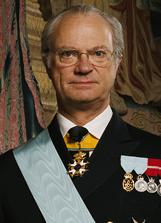
Carl XVI Gustaf
King since 19 September 1973
King since 19 September 1973
| TRAFFICKING IN PERSONS |
None reported.


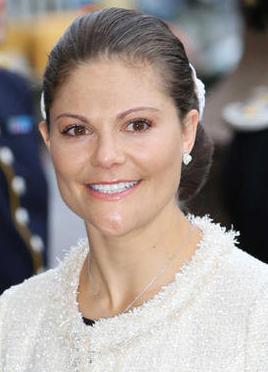
Crown Princess
Victoria Ingrid Alice Desiree
Heir Apparent since 14 July 1977
Victoria Ingrid Alice Desiree
Heir Apparent since 14 July 1977
Jan Bjorklund
Deputy Prime Minister
since 5 October 2010
Deputy Prime Minister
since 5 October 2010