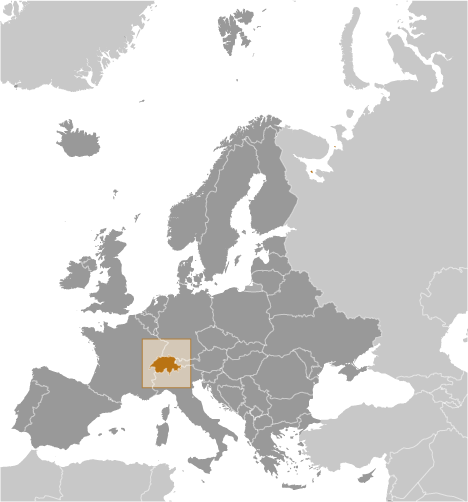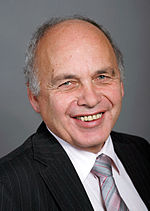
| SWITZERLAND Swiss Confederation Schweizerische Eidgenossenschaft (German) Confederation Suisse (French) Confederazione Svizzera (Italian) Joined United Nations: 10 September 2002 Human Rights as assured by their constitution Click here Updated 31 October 2012 |
| CAPITAL |
| POPULATION |
| CHIEF OF STATE |
| SELECTION PROCESS |
Bern
77,925,517 (July 2012 est.)
Eveline Widmer-Schlumpf
President since 1 January 2012
President since 1 January 2012
President and vice president elected by the Federal Assembly
from among the members of the Federal Council for a one-year
term (they may not serve consecutive terms); election last held
14 December 2011
Next scheduled election: December 2012
from among the members of the Federal Council for a one-year
term (they may not serve consecutive terms); election last held
14 December 2011
Next scheduled election: December 2012
HEAD OF GOVERNMENT
According to the Swiss Constitution, the President is the Chief
of State and Head of Government
of State and Head of Government
| DECLARATION OF HUMAN RIGHTS |
| ETHNIC GROUPS |
German 65%, French 18%, Italian 10%, Romansch 1%, other 6%
| RELIGIONS |
Roman Catholic 41.8%, Protestant 35.3%, Muslim 4.3%, Orthodox 1.8%, other Christian 0.4%, other 1%,
unspecified 4.3%, none 11.1% (2000 census)
unspecified 4.3%, none 11.1% (2000 census)
| GOVERNMENT STRUCTURE |
Formally a Confederation, but similar in structure to a Federal Republic comprised of 26 cantons (cantons, singular -
canton in French; cantoni, singular - cantone in Italian; kantone, singular - kanton in German); Legal system is a civil
law system influenced by customary law; judicial review of legislative acts, except with respect to federal decrees of
general obligatory character; accepts compulsory ICJ jurisdiction, with reservations
Executive: president and vice president elected by the Federal Assembly from among the members of the Federal
Council for a one-year term (they may not serve consecutive terms); note - the president and vice president were
elected to office on 14 December 2011 and will take office 1 January 2012; (next to be held in early December
2012)
Legislative: Bicameral Federal Assembly or Bundesversammlung (in German), Assemblee Federale (in French),
Assemblea Federale (in Italian) consists of the Council of States or Standerat (in German), Conseil des Etats (in
French), Consiglio degli Stati (in Italian) (46 seats - consists of two representatives from each canton and one from
each half canton; members serve four-year terms) and the National Council or Nationalrat (in German), Conseil
National (in French), Consiglio Nazionale (in Italian) (200 seats - members are elected by popular vote on the basis
of proportional representation to serve four-year terms)
elections: Council of States - last held in most cantons on 23 October 2011 (each canton determines when the next
election will be held); National Council - last held on 23 October 2011 (next to be held in October 2015)
Judicial: Federal Supreme Court (judges elected for six-year terms by the Federal Assembly)
canton in French; cantoni, singular - cantone in Italian; kantone, singular - kanton in German); Legal system is a civil
law system influenced by customary law; judicial review of legislative acts, except with respect to federal decrees of
general obligatory character; accepts compulsory ICJ jurisdiction, with reservations
Executive: president and vice president elected by the Federal Assembly from among the members of the Federal
Council for a one-year term (they may not serve consecutive terms); note - the president and vice president were
elected to office on 14 December 2011 and will take office 1 January 2012; (next to be held in early December
2012)
Legislative: Bicameral Federal Assembly or Bundesversammlung (in German), Assemblee Federale (in French),
Assemblea Federale (in Italian) consists of the Council of States or Standerat (in German), Conseil des Etats (in
French), Consiglio degli Stati (in Italian) (46 seats - consists of two representatives from each canton and one from
each half canton; members serve four-year terms) and the National Council or Nationalrat (in German), Conseil
National (in French), Consiglio Nazionale (in Italian) (200 seats - members are elected by popular vote on the basis
of proportional representation to serve four-year terms)
elections: Council of States - last held in most cantons on 23 October 2011 (each canton determines when the next
election will be held); National Council - last held on 23 October 2011 (next to be held in October 2015)
Judicial: Federal Supreme Court (judges elected for six-year terms by the Federal Assembly)
| LANGUAGES |
German (official) 63.7%, French (official) 20.4%, Italian (official) 6.5%, Serbo-Croatian 1.5%, Albanian 1.3%,
Portuguese 1.2%, Spanish 1.1%, English 1%, Romansch 0.5%, other 2.8% (2000 census)
note: German, French, Italian, and Romansch are all national languages, but only the first three are official languages
Portuguese 1.2%, Spanish 1.1%, English 1%, Romansch 0.5%, other 2.8% (2000 census)
note: German, French, Italian, and Romansch are all national languages, but only the first three are official languages
| BRIEF HISTORY |
| ECONOMIC OVERVIEW |
Switzerland is a peaceful, prosperous, and modern market economy with low unemployment, a highly skilled labor
force, and a per capita GDP among the highest in the world. Switzerland's economy benefits from a highly developed
service sector, led by financial services, and a manufacturing industry that specializes in high-technology,
knowledge-based production. Its economic and political stability, transparent legal system, exceptional infrastructure,
efficient capital markets, and low corporate tax rates also make Switzerland one of the world's most competitive
economies. The Swiss have brought their economic practices largely into conformity with the EU's, to enhance their
international competitiveness, but some trade protectionism remains, particularly for its small agricultural sector. The
fate of the Swiss economy is tightly linked to that of its neighbors in the euro zone, which purchases half of all Swiss
exports. The global financial crisis of 2008 and resulting economic downturn in 2009 stalled export demand and put
Switzerland in a recession. The Swiss National Bank (SNB) during this period effectively implemented a
zero-interest rate policy to boost the economy as well as prevent appreciation of the franc, and Switzerland's
economy recovered in 2010 with 2.7% growth. The sovereign debt crises currently unfolding in neighboring
euro-zone countries pose a significant risk to Switzerland's financial stability and are driving up demand for the Swiss
franc by investors seeking a safehaven currency. The independent SNB has upheld its zero-interest rate policy and
conducted major market interventions to prevent further appreciation of the Swiss franc, but parliamentarians have
urged it to do more to weaken the currency. The franc's strength has made Swiss exports less competitive and
weakened the country's growth outlook; GDP growth fell to 2.1% in 2011. Switzerland has also come under
increasing pressure from individual neighboring countries, the EU, the US, and international institutions to reform its
banking secrecy laws. Consequently, the government agreed to conform to OECD regulations on administrative
assistance in tax matters, including tax evasion. The government has renegotiated its double taxation agreements with
numerous countries, including the US, to incorporate the OECD standard, and in 2011 it reached deals with
Germany and the UK to resolve outstanding issues, particularly the possibility of imposing taxes on bank deposits
held by foreigners. These steps will have a lasting impact on Switzerland's long history of bank secrecy.
Source: CIA World Factbook (select Switzerland)
force, and a per capita GDP among the highest in the world. Switzerland's economy benefits from a highly developed
service sector, led by financial services, and a manufacturing industry that specializes in high-technology,
knowledge-based production. Its economic and political stability, transparent legal system, exceptional infrastructure,
efficient capital markets, and low corporate tax rates also make Switzerland one of the world's most competitive
economies. The Swiss have brought their economic practices largely into conformity with the EU's, to enhance their
international competitiveness, but some trade protectionism remains, particularly for its small agricultural sector. The
fate of the Swiss economy is tightly linked to that of its neighbors in the euro zone, which purchases half of all Swiss
exports. The global financial crisis of 2008 and resulting economic downturn in 2009 stalled export demand and put
Switzerland in a recession. The Swiss National Bank (SNB) during this period effectively implemented a
zero-interest rate policy to boost the economy as well as prevent appreciation of the franc, and Switzerland's
economy recovered in 2010 with 2.7% growth. The sovereign debt crises currently unfolding in neighboring
euro-zone countries pose a significant risk to Switzerland's financial stability and are driving up demand for the Swiss
franc by investors seeking a safehaven currency. The independent SNB has upheld its zero-interest rate policy and
conducted major market interventions to prevent further appreciation of the Swiss franc, but parliamentarians have
urged it to do more to weaken the currency. The franc's strength has made Swiss exports less competitive and
weakened the country's growth outlook; GDP growth fell to 2.1% in 2011. Switzerland has also come under
increasing pressure from individual neighboring countries, the EU, the US, and international institutions to reform its
banking secrecy laws. Consequently, the government agreed to conform to OECD regulations on administrative
assistance in tax matters, including tax evasion. The government has renegotiated its double taxation agreements with
numerous countries, including the US, to incorporate the OECD standard, and in 2011 it reached deals with
Germany and the UK to resolve outstanding issues, particularly the possibility of imposing taxes on bank deposits
held by foreigners. These steps will have a lasting impact on Switzerland's long history of bank secrecy.
Source: CIA World Factbook (select Switzerland)
| POLITICAL CLIMATE |
In recent years, Switzerland has seen a gradual shift in the party landscape. The rightist Swiss People's Party (SVP),
traditionally the junior partner in the four-party coalition government, more than doubled its voting share from 11.0%
in 1987 to 22.5% in 1999, thus overtaking its three coalition partners. This shift in voting shares put a strain on the
"magic formula", the power-broking agreement of the four coalition parties. Since 1959 the seven-seat cabinet had
comprised 2 Free Democrats, 2 Christian Democrats, 2 Social Democrats, and 1 Swiss People's Party, but in 2004,
the Swiss People's Party took one seat from the Christian Democrats.
The Swiss Federal Constitution limits federal influence in the formulation of domestic policy and emphasizes the roles
of private enterprise and cantonal government. However, the Confederation has been compelled to enlarge its
policymaking powers in recent years to cope with national problems such as education, agriculture, health, energy,
the environment, organized crime, and narcotics.
The Index of perception of corruption puts Switzerland among the least corrupt nations. In the 2005 survey,
Switzerland ranks 7th (out of 158 surveyed), with 9.1 out of 10 possible points, representing an improvement of 0.4
points over the past four years.
On 08 December 2010, Switzerland elected women as president and vice president of the Federal Council. The
election of a four woman to the council gave women the majority of the seven member national leadership. As of
2011 only the five government parties were represented in the Council of States. In the National Council the party
landscape is more diverse with eight non-government parties having at least one seat.
Sources: Wikipedia Politics of Switzerland
traditionally the junior partner in the four-party coalition government, more than doubled its voting share from 11.0%
in 1987 to 22.5% in 1999, thus overtaking its three coalition partners. This shift in voting shares put a strain on the
"magic formula", the power-broking agreement of the four coalition parties. Since 1959 the seven-seat cabinet had
comprised 2 Free Democrats, 2 Christian Democrats, 2 Social Democrats, and 1 Swiss People's Party, but in 2004,
the Swiss People's Party took one seat from the Christian Democrats.
The Swiss Federal Constitution limits federal influence in the formulation of domestic policy and emphasizes the roles
of private enterprise and cantonal government. However, the Confederation has been compelled to enlarge its
policymaking powers in recent years to cope with national problems such as education, agriculture, health, energy,
the environment, organized crime, and narcotics.
The Index of perception of corruption puts Switzerland among the least corrupt nations. In the 2005 survey,
Switzerland ranks 7th (out of 158 surveyed), with 9.1 out of 10 possible points, representing an improvement of 0.4
points over the past four years.
On 08 December 2010, Switzerland elected women as president and vice president of the Federal Council. The
election of a four woman to the council gave women the majority of the seven member national leadership. As of
2011 only the five government parties were represented in the Council of States. In the National Council the party
landscape is more diverse with eight non-government parties having at least one seat.
Sources: Wikipedia Politics of Switzerland
| INTERNATIONAL DISPUTES |
None reported.


| REFUGEES AND INTERNALLY DISPLACED PERSONS (IDP) |
None reported.
| ILLICIT DRUGS |
A major international financial center vulnerable to the layering and integration stages of money laundering; despite
significant legislation and reporting requirements, secrecy rules persist and nonresidents are permitted to conduct
business through offshore entities and various intermediaries; transit country for and consumer of South American
cocaine, Southwest Asian heroin, and Western European synthetics; domestic cannabis cultivation and very limited
ecstasy production
significant legislation and reporting requirements, secrecy rules persist and nonresidents are permitted to conduct
business through offshore entities and various intermediaries; transit country for and consumer of South American
cocaine, Southwest Asian heroin, and Western European synthetics; domestic cannabis cultivation and very limited
ecstasy production
| HUMAN RIGHTS STATEMENTS, ANALYSIS AND CRITIQUES |
2011 Human Rights Report: Switzerland
Bureau of Democracy, Human Rights, and Labor
2011 Country Reports on Human Rights Practices
May 25, 2012
The Swiss Confederation is a constitutional republic with a federal structure. Legislative authority resides in a bicameral parliament
(Federal Assembly), consisting of the 46-member Council of States and the 200-member National Council. Free and fair elections
occurred at both the cantonal and federal levels on October 23 and December 14. Parliament elects the executive leadership (the
seven-member Federal Council) every four years. The Federal Council is comprised of a coalition of five parties. There are 12
political parties represented in the federal government. Security forces reported to civilian authorities.
Lengthy detention and mistreatment of detained asylum seekers and societal discrimination against Romani and other minorities and
immigrants occurred on occasion. Authorities used excessive force in connection with the deportation of asylum seekers, and
police resorted to disproportionate force during arrests.
Other human rights problems included some overcrowded prisons, instances of hostility towards Muslims, anti-Semitic incidents,
violence against women, trafficking in persons, and allegations of corrupt political practices.
The government took steps to prosecute/punish officials who committed abuses, whether in the security services or elsewhere in
the government.
Click here to read more »
Bureau of Democracy, Human Rights, and Labor
2011 Country Reports on Human Rights Practices
May 25, 2012
The Swiss Confederation is a constitutional republic with a federal structure. Legislative authority resides in a bicameral parliament
(Federal Assembly), consisting of the 46-member Council of States and the 200-member National Council. Free and fair elections
occurred at both the cantonal and federal levels on October 23 and December 14. Parliament elects the executive leadership (the
seven-member Federal Council) every four years. The Federal Council is comprised of a coalition of five parties. There are 12
political parties represented in the federal government. Security forces reported to civilian authorities.
Lengthy detention and mistreatment of detained asylum seekers and societal discrimination against Romani and other minorities and
immigrants occurred on occasion. Authorities used excessive force in connection with the deportation of asylum seekers, and
police resorted to disproportionate force during arrests.
Other human rights problems included some overcrowded prisons, instances of hostility towards Muslims, anti-Semitic incidents,
violence against women, trafficking in persons, and allegations of corrupt political practices.
The government took steps to prosecute/punish officials who committed abuses, whether in the security services or elsewhere in
the government.
Click here to read more »
26 November 2010
Committee on Economic, Social and Cultural Rights
Forty-fifth session
Geneva, 1-19 November 2010
Consideration of reports submitted by States parties under articles 16 and 17 of the Covenant
Concluding observations of the Committee on Economic, Social and Cultural Rights
Switzerland
A. Introduction
2. The Committee welcomes the submission of the second and third periodic reports of Switzerland as well as the written
replies to its list of issues (E/C.12/CHE/Q/2-3/Add.1), both of which contained comprehensive and detailed information on the
situation in the State party. The Committee also welcomes the opportunity it had to engage in an open and constructive dialogue
with the delegation of the State party, which included a number of representatives from different State departments and institutions.
B. Positive aspects
3. The Committee welcomes the ratification by the State party of the following:
(a) Optional Protocol to the Convention on the Rights of the Child on the involvement of children in armed conflict, on 26 June
2002;
(b) Optional Protocol to the Convention on the Rights of the Child on the sale of children, child prostitution and child
pornography, on 19 September 2006;
C. Principal subjects of concern and recommendations
5. The Committee regrets the State party’s persistent position that most of the provisions of the Covenant merely constitute
programmatic objectives and social goals rather than legal obligations. According to that position, some of those provisions cannot
be given effect in the domestic legal order of the State party and cannot be directly invoked before domestic tribunals and courts of
the State party.
The Committee reiterates that, bearing in mind the provisions of article 28 of the International Covenant on Economic, Social and
Cultural Rights, the principal responsibility for Covenant implementation lies with the federal Government of the State party. The
Committee recommends that the State party: take steps to agree upon a comprehensive legislation giving effect to all economic,
social and cultural rights uniformly between the federal Government and the cantons; establish an effective mechanism to ensure
the compatibility of domestic law with the Covenant; and guarantee effective judicial remedies for the violations of the rights
enshrined in the Covenant. The Committee encourages the State party to pursue its efforts of harmonizing cantonal laws and
practices to ensure equal enjoyment of Covenant rights throughout the confederation. The Committee draws the attention of the
State party to the Committee’s general comments No. 3 (1990) on the nature of States parties’ obligations, and No. 9 (1998) on the
domestic application of the Covenant.
Click here to read more »
Committee on Economic, Social and Cultural Rights
Forty-fifth session
Geneva, 1-19 November 2010
Consideration of reports submitted by States parties under articles 16 and 17 of the Covenant
Concluding observations of the Committee on Economic, Social and Cultural Rights
Switzerland
A. Introduction
2. The Committee welcomes the submission of the second and third periodic reports of Switzerland as well as the written
replies to its list of issues (E/C.12/CHE/Q/2-3/Add.1), both of which contained comprehensive and detailed information on the
situation in the State party. The Committee also welcomes the opportunity it had to engage in an open and constructive dialogue
with the delegation of the State party, which included a number of representatives from different State departments and institutions.
B. Positive aspects
3. The Committee welcomes the ratification by the State party of the following:
(a) Optional Protocol to the Convention on the Rights of the Child on the involvement of children in armed conflict, on 26 June
2002;
(b) Optional Protocol to the Convention on the Rights of the Child on the sale of children, child prostitution and child
pornography, on 19 September 2006;
C. Principal subjects of concern and recommendations
5. The Committee regrets the State party’s persistent position that most of the provisions of the Covenant merely constitute
programmatic objectives and social goals rather than legal obligations. According to that position, some of those provisions cannot
be given effect in the domestic legal order of the State party and cannot be directly invoked before domestic tribunals and courts of
the State party.
The Committee reiterates that, bearing in mind the provisions of article 28 of the International Covenant on Economic, Social and
Cultural Rights, the principal responsibility for Covenant implementation lies with the federal Government of the State party. The
Committee recommends that the State party: take steps to agree upon a comprehensive legislation giving effect to all economic,
social and cultural rights uniformly between the federal Government and the cantons; establish an effective mechanism to ensure
the compatibility of domestic law with the Covenant; and guarantee effective judicial remedies for the violations of the rights
enshrined in the Covenant. The Committee encourages the State party to pursue its efforts of harmonizing cantonal laws and
practices to ensure equal enjoyment of Covenant rights throughout the confederation. The Committee draws the attention of the
State party to the Committee’s general comments No. 3 (1990) on the nature of States parties’ obligations, and No. 9 (1998) on the
domestic application of the Covenant.
Click here to read more »
FREEDOM IN THE WORLD REPORT- 2012
Political Rights Score: 1
Civil Liberties Score: 1
Status: Free
Overview
The October 2011 elections for the Federal Assembly saw the right wing Swiss People’s Party lose seats in the National Council
for the first time since 1975 as centrist parties made gains. In response to UN concerns about the use of excessive force in asylum
detention centers and in forced repatriation cases, the government instituted a number of measures in 2011, including a monitoring
system and trained observers, to ensure proper treatment of deportees.
Following successful petitioning by the SVP, a referendum calling for a ban on the future construction of minarets on mosques
was held in November 2009. Nearly 58 percent of the population and 22 out of 26 cantons voted in favor of the ban. However, the
four mosques with existing minarets would not be affected. In November 2010, a referendum mandating the automatic deportation
of foreigners convicted of certain crimes passed with 53 percent of the vote. Both referendums met with considerable domestic
and international criticism.
The federal elections held on October 23, 2011, saw a modest strengthening of the political center in Switzerland. In National
Council elections, the SVP, while still the most represented party, lost seats for the first time since 1975, retaining 54 seats—8
fewer than the 2007 election. The SPS gained seats reaching a total of 46. The Free Democratic Party (FDP) was reduced to 30
seats. The Christian Democratic People’s Party (CVP) also lost seats, coming away with 28. The Green Party (GPS) and the Green
Liberal Party (GLP) won 15 and 12 seats, respectively, and the BDP took 9 seats, with the remaining 6 seats going to other parties.
In the Council of States elections, the CVP retained 13 seats, followed by the FDP and SPS with 11 each, the SVP with 5, the GLP
with 2, the BDP with 1, and the remaining seats going to other parties. A by-election for all seven members of the Federal Council
was held on December 14, with six of the seven members being re-elected and Alain Berset filling the seat of the retiring Micheline
Calmy-Rey. Widmer-Schlumpf was elected President of the Confederation and will preside over the Federal Council during 2012.
As a major banking center, Switzerland was hit hard by the global financial crisis in 2008, leading to renewed international criticism
of the country’s strict bank secrecy laws. In 2009, Switzerland agreed to adopt international transparency standards established by
the Organization for Economic Cooperation and Development (OECD) by providing foreign governments with financial information
in tax evasion cases and tax fraud investigations. Switzerland reached tax agreements with Germany, the United Kingdom, and the
United States in 2010 and India in 2011, most of which involved untaxed money held in Swiss bank accounts.
Switzerland is an electoral democracy. The 1848 constitution, significantly revised in 1874 and 2000, provides for a Federal
Assembly with two directly elected chambers: the 46-member Council of States (in which each canton has two members and each
half-canton has one) and the 200-member National Council. All lawmakers serve four-year terms. The Federal Council (cabinet) is
a seven-person executive council, with each member elected by the Federal Assembly. The presidency is largely ceremonial and
rotates annually among the Federal Council’s members.
Click here to read more »
Political Rights Score: 1
Civil Liberties Score: 1
Status: Free
Overview
The October 2011 elections for the Federal Assembly saw the right wing Swiss People’s Party lose seats in the National Council
for the first time since 1975 as centrist parties made gains. In response to UN concerns about the use of excessive force in asylum
detention centers and in forced repatriation cases, the government instituted a number of measures in 2011, including a monitoring
system and trained observers, to ensure proper treatment of deportees.
Following successful petitioning by the SVP, a referendum calling for a ban on the future construction of minarets on mosques
was held in November 2009. Nearly 58 percent of the population and 22 out of 26 cantons voted in favor of the ban. However, the
four mosques with existing minarets would not be affected. In November 2010, a referendum mandating the automatic deportation
of foreigners convicted of certain crimes passed with 53 percent of the vote. Both referendums met with considerable domestic
and international criticism.
The federal elections held on October 23, 2011, saw a modest strengthening of the political center in Switzerland. In National
Council elections, the SVP, while still the most represented party, lost seats for the first time since 1975, retaining 54 seats—8
fewer than the 2007 election. The SPS gained seats reaching a total of 46. The Free Democratic Party (FDP) was reduced to 30
seats. The Christian Democratic People’s Party (CVP) also lost seats, coming away with 28. The Green Party (GPS) and the Green
Liberal Party (GLP) won 15 and 12 seats, respectively, and the BDP took 9 seats, with the remaining 6 seats going to other parties.
In the Council of States elections, the CVP retained 13 seats, followed by the FDP and SPS with 11 each, the SVP with 5, the GLP
with 2, the BDP with 1, and the remaining seats going to other parties. A by-election for all seven members of the Federal Council
was held on December 14, with six of the seven members being re-elected and Alain Berset filling the seat of the retiring Micheline
Calmy-Rey. Widmer-Schlumpf was elected President of the Confederation and will preside over the Federal Council during 2012.
As a major banking center, Switzerland was hit hard by the global financial crisis in 2008, leading to renewed international criticism
of the country’s strict bank secrecy laws. In 2009, Switzerland agreed to adopt international transparency standards established by
the Organization for Economic Cooperation and Development (OECD) by providing foreign governments with financial information
in tax evasion cases and tax fraud investigations. Switzerland reached tax agreements with Germany, the United Kingdom, and the
United States in 2010 and India in 2011, most of which involved untaxed money held in Swiss bank accounts.
Switzerland is an electoral democracy. The 1848 constitution, significantly revised in 1874 and 2000, provides for a Federal
Assembly with two directly elected chambers: the 46-member Council of States (in which each canton has two members and each
half-canton has one) and the 200-member National Council. All lawmakers serve four-year terms. The Federal Council (cabinet) is
a seven-person executive council, with each member elected by the Federal Assembly. The presidency is largely ceremonial and
rotates annually among the Federal Council’s members.
Click here to read more »
Europe: Choice and prejudice: a summary: Discrimination against Muslims in Europe
24 April 2012
Muslims in Europe do not constitute a homogenous group. In some countries there is a Muslim population that has been established
for centuries, such as in the Russian Federation, Macedonia or Bosnia and Herzegovina. In other countries, Muslims have
predominantly a migrant background. In France, Belgium and the Netherlands many of them have become citizens while in
Switzerland, most of them are foreign nationals.
Muslims with migrant backgrounds are ethnically diverse; for example, the biggest groups of Muslims in France come originally
from Algeria, Morocco, Tunisia and sub- Saharan Africa, while in Belgium and the Netherlands people with Moroccan or Turkish
origin account for the majority of Muslims living there. In contrast, Muslims coming from Northern Africa represent only a small
percentage of Muslims in the UK, where the overall majority have Bangladeshi, Pakistani or Indian origin.
Muslim religious practices and observance in Europe are equally diverse. Some practices that may be perceived as religious are
rather the expression of cultural or traditional customs for Muslims who follow them. For instance, in a Swiss survey, half of the
people with Muslim background who declared themselves not religious still followed Muslim dietary requirements, while one in four
Muslims who declared themselves to be very religious, did not.
In the last decade, some political parties in Europe have given voice to negative views on Muslims and their religious and cultural
practices. Although the opportunity to criticize cultural and religious practices is important in a democratic society and is an
expression of the right to freedom of expression, it is equally important to recognize the human rights of those who associate
themselves with a specific religion.
This summary provides an overview of how discrimination on the basis of religion or belief can affect Muslims in Europe. It is
based on the report Choice and prejudice: discrimination against Muslims in Europe (Index: EUR 01/001/2012). Specifically, field
research was carried out in Belgium, France, the Netherlands, Spain, and Switzerland. It is hoped that these examples contribute to
providing an overview of how this form of discrimination can affect Muslims in Europe.
Stereotypes of Muslim cultural and religious practices have led to discrimination in employment and education of individuals
wearing specific forms of dress or symbols commonly associated with Islam.
Discrimination in Employment
In many European countries, the employment rates of Muslims are lower than those of non-Muslims. There is an even more
marked contrast for Muslim women. For example, in the Netherlands in 2006, the employment rate of women of Turkish and
Moroccan origin was 31 and 27 per cent respectively, compared with the rate for Dutch women who are not from ethnic
minorities at 56 per cent.
These numbers are due to a wide range of factors, such as lower educational attainments and language skills, but discrimination
also plays a part. In countries such as Belgium, France, the Netherlands and Switzerland, Muslims, and especially Muslim women,
are discriminated against in employment simply for wearing a specific form of dress or a symbol manifesting their religion or belief.
Click here to read more »
24 April 2012
Muslims in Europe do not constitute a homogenous group. In some countries there is a Muslim population that has been established
for centuries, such as in the Russian Federation, Macedonia or Bosnia and Herzegovina. In other countries, Muslims have
predominantly a migrant background. In France, Belgium and the Netherlands many of them have become citizens while in
Switzerland, most of them are foreign nationals.
Muslims with migrant backgrounds are ethnically diverse; for example, the biggest groups of Muslims in France come originally
from Algeria, Morocco, Tunisia and sub- Saharan Africa, while in Belgium and the Netherlands people with Moroccan or Turkish
origin account for the majority of Muslims living there. In contrast, Muslims coming from Northern Africa represent only a small
percentage of Muslims in the UK, where the overall majority have Bangladeshi, Pakistani or Indian origin.
Muslim religious practices and observance in Europe are equally diverse. Some practices that may be perceived as religious are
rather the expression of cultural or traditional customs for Muslims who follow them. For instance, in a Swiss survey, half of the
people with Muslim background who declared themselves not religious still followed Muslim dietary requirements, while one in four
Muslims who declared themselves to be very religious, did not.
In the last decade, some political parties in Europe have given voice to negative views on Muslims and their religious and cultural
practices. Although the opportunity to criticize cultural and religious practices is important in a democratic society and is an
expression of the right to freedom of expression, it is equally important to recognize the human rights of those who associate
themselves with a specific religion.
This summary provides an overview of how discrimination on the basis of religion or belief can affect Muslims in Europe. It is
based on the report Choice and prejudice: discrimination against Muslims in Europe (Index: EUR 01/001/2012). Specifically, field
research was carried out in Belgium, France, the Netherlands, Spain, and Switzerland. It is hoped that these examples contribute to
providing an overview of how this form of discrimination can affect Muslims in Europe.
Stereotypes of Muslim cultural and religious practices have led to discrimination in employment and education of individuals
wearing specific forms of dress or symbols commonly associated with Islam.
Discrimination in Employment
In many European countries, the employment rates of Muslims are lower than those of non-Muslims. There is an even more
marked contrast for Muslim women. For example, in the Netherlands in 2006, the employment rate of women of Turkish and
Moroccan origin was 31 and 27 per cent respectively, compared with the rate for Dutch women who are not from ethnic
minorities at 56 per cent.
These numbers are due to a wide range of factors, such as lower educational attainments and language skills, but discrimination
also plays a part. In countries such as Belgium, France, the Netherlands and Switzerland, Muslims, and especially Muslim women,
are discriminated against in employment simply for wearing a specific form of dress or a symbol manifesting their religion or belief.
Click here to read more »
Switzerland: Urge Turkmen Leader to End Persecution
During Upcoming Visit, Opportunity, Duty to Raise Human Rights
October 5, 2012
(Geneva) – President Eveline Widmer Schlumpf of Switzerland should use the upcoming visit by her Turkmen counterpart to speak
out about Turkmenistan's abysmal human rights record and to press for concrete improvements, Human Rights Watch said today.
President Gurbanguly Berdymukhamedov is scheduled to begin a working visit to Switzerland on October 8, 2012.
Berdymukhamedov will also meet with Federal Councillor Johann Schneider-Ammann. In July, a Turkmen government statement
indicated that the visit will focus on energy cooperation.
“Hosting Turkmenistan’s president is a rare opportunity to press him directly for concrete human rights improvements,” said
Veronika Szente Goldston, Europe and Central Asia advocacy director at Human Rights Watch. “President Widmer Schlumpf needs
to send a clear message that respect for human rights is essential to Switzerland’s engagement with Turkmenistan.”
Turkmenistan is rich in natural gas, and is considered an important strategic partner by many governments. But it is one of the
most repressive countries in the world. Political prisoners languish in its prisons, and the rights to freedom of expression,
association, assembly, movement, and religion are subject to draconian restrictions. Independent civil society and media cannot
operate openly, if at all. The government threatens, harasses, and arrests those who question its policies, however modestly.
Turkmenistan remains closed to independent human rights monitors, including Human Rights Watch. In 2008, the United Nations
special rapporteur on freedom of religion became the first UN monitor to visit the country, but the government has refused to grant
invitations to ten other UN monitors despite their longstanding requests for access.
Turkmenistan’s appalling human rights record has come under serious criticism by the United Nations in recent years. In March,
the United Nations Human Rights Committee issued a highly critical assessment highlighting the government’s clampdown on
freedom of expression and repression of civil society activism, torture, and ill-treatment in places of detention, and the lack of an
independent judiciary. One year earlier, the UN Committee against Torture found “numerous and consistent allegations about the
widespread practice of torture and ill-treatment” and voiced concern about enforced disappearances.
In a joint submission to the UN Human Rights Council for its review of Turkmenistan under the Universal Periodic Review of each
country’s rights record every four years, Human Rights Watch, the Turkmen Initiative for Human Rights, and Freedom Now
detailed how the Turkmen government had ignored the UN Human Rights Council recommendations at the 2008 review. The
review had urged the release of political prisoners and an end to the harassment and persecution of independent journalists, human
rights activists, and dissidents.
Click here to read more »
During Upcoming Visit, Opportunity, Duty to Raise Human Rights
October 5, 2012
(Geneva) – President Eveline Widmer Schlumpf of Switzerland should use the upcoming visit by her Turkmen counterpart to speak
out about Turkmenistan's abysmal human rights record and to press for concrete improvements, Human Rights Watch said today.
President Gurbanguly Berdymukhamedov is scheduled to begin a working visit to Switzerland on October 8, 2012.
Berdymukhamedov will also meet with Federal Councillor Johann Schneider-Ammann. In July, a Turkmen government statement
indicated that the visit will focus on energy cooperation.
“Hosting Turkmenistan’s president is a rare opportunity to press him directly for concrete human rights improvements,” said
Veronika Szente Goldston, Europe and Central Asia advocacy director at Human Rights Watch. “President Widmer Schlumpf needs
to send a clear message that respect for human rights is essential to Switzerland’s engagement with Turkmenistan.”
Turkmenistan is rich in natural gas, and is considered an important strategic partner by many governments. But it is one of the
most repressive countries in the world. Political prisoners languish in its prisons, and the rights to freedom of expression,
association, assembly, movement, and religion are subject to draconian restrictions. Independent civil society and media cannot
operate openly, if at all. The government threatens, harasses, and arrests those who question its policies, however modestly.
Turkmenistan remains closed to independent human rights monitors, including Human Rights Watch. In 2008, the United Nations
special rapporteur on freedom of religion became the first UN monitor to visit the country, but the government has refused to grant
invitations to ten other UN monitors despite their longstanding requests for access.
Turkmenistan’s appalling human rights record has come under serious criticism by the United Nations in recent years. In March,
the United Nations Human Rights Committee issued a highly critical assessment highlighting the government’s clampdown on
freedom of expression and repression of civil society activism, torture, and ill-treatment in places of detention, and the lack of an
independent judiciary. One year earlier, the UN Committee against Torture found “numerous and consistent allegations about the
widespread practice of torture and ill-treatment” and voiced concern about enforced disappearances.
In a joint submission to the UN Human Rights Council for its review of Turkmenistan under the Universal Periodic Review of each
country’s rights record every four years, Human Rights Watch, the Turkmen Initiative for Human Rights, and Freedom Now
detailed how the Turkmen government had ignored the UN Human Rights Council recommendations at the 2008 review. The
review had urged the release of political prisoners and an end to the harassment and persecution of independent journalists, human
rights activists, and dissidents.
Click here to read more »
Hans-Jörg Bannwart elected to the Subcommittee on the Prevention of Torture
Bern, 25.10.2012
Switzerland welcomes the election of Mr Hans-Jörg Bannwart, on Thursday 25 October 2012, by 54 of the 59 voting countries to one
of the 12 seats on the Subcommittee on the Prevention of Torture (SPT) up for election.
Mr Hans-Jörg Bannwart is a judge by profession and in addition has many years of field experience gained from missions with the
International Committee of the Red Cross visiting many places of detention in different countries and geographical contexts. In several
instances, he monitored detainees on a continual basis for the entire duration of their detention. Mr Bannwart demonstrates marked
cultural awareness.
The Prevention of Torture is a priority area of Switzerland’s human rights policy. Since the adoption of the United Nations Convention
against Torture in 1984, a further instrument, the Optional Protocol to the Convention against Torture (OPCAT), has been adopted to
complete international action and make it more effective. Switzerland, together with Costa Rica, was one of the initiators of the
OPCAT, which was negotiated over many years within the United Nations.
The Optional Protocol was adopted in 2002 by the General Assembly and has been ratified by 64 States parties. Switzerland ratified
the OPCAT in 2009, becoming the 50th State party. With the 50th ratification, the Subcommittee on the Prevention of Torture (SPT)
was enlarged and its mandate for prevention was strengthened. The SPT, which comprises 25 independent and impartial experts, is
the largest treaty body within the United Nations.
The SPT is the international component of the system of visits established by the OPCAT. Its mandate is to monitor the conditions of
detention and the treatment of persons deprived of their liberty through on-site visits and to offer advice on the implementation of the
OPCAT, in particular support for the establishment and functioning of national prevention mechanisms.
Click here to read more »
Bern, 25.10.2012
Switzerland welcomes the election of Mr Hans-Jörg Bannwart, on Thursday 25 October 2012, by 54 of the 59 voting countries to one
of the 12 seats on the Subcommittee on the Prevention of Torture (SPT) up for election.
Mr Hans-Jörg Bannwart is a judge by profession and in addition has many years of field experience gained from missions with the
International Committee of the Red Cross visiting many places of detention in different countries and geographical contexts. In several
instances, he monitored detainees on a continual basis for the entire duration of their detention. Mr Bannwart demonstrates marked
cultural awareness.
The Prevention of Torture is a priority area of Switzerland’s human rights policy. Since the adoption of the United Nations Convention
against Torture in 1984, a further instrument, the Optional Protocol to the Convention against Torture (OPCAT), has been adopted to
complete international action and make it more effective. Switzerland, together with Costa Rica, was one of the initiators of the
OPCAT, which was negotiated over many years within the United Nations.
The Optional Protocol was adopted in 2002 by the General Assembly and has been ratified by 64 States parties. Switzerland ratified
the OPCAT in 2009, becoming the 50th State party. With the 50th ratification, the Subcommittee on the Prevention of Torture (SPT)
was enlarged and its mandate for prevention was strengthened. The SPT, which comprises 25 independent and impartial experts, is
the largest treaty body within the United Nations.
The SPT is the international component of the system of visits established by the OPCAT. Its mandate is to monitor the conditions of
detention and the treatment of persons deprived of their liberty through on-site visits and to offer advice on the implementation of the
OPCAT, in particular support for the establishment and functioning of national prevention mechanisms.
Click here to read more »
TRANSLATED FROM GERMAN BY GOOGLE TRANSLATE
Racist incidents in the consulting practice in 2011
Bern, 21.06.2012
The analysis of case data from ten counseling centers throughout Switzerland is a sophisticated snapshot of the state of racial
discrimination in Switzerland. The report is part of the association humanrights.ch and the Federal Commission against Racism
EKR supported project "advice network for victims of racism".
For the fourth consecutive time the allegations of offices specialized data were analyzed. The report 2011 confirmed the trends of
the previous reporting results. Were affected by racism in 2011, once again people from different backgrounds - immigrant / inside
and Swiss / inside. Particularly frequently occurred racial discrimination in employment and housing search and in public spaces.
These are areas in which society and politics demand strengthen integration and adaptation on the part of immigrants. It will
disappear, just that those areas have the racial abuse are particularly numerous.
The defendants were often in socio-economic positions of power and used this position to those affected, directly or indirectly.
Often came in the form of racism derogatory, hurtful or offensive verbal comments. The real number of unrecognized racial
incidents is certainly much higher than the events documented in the report.
The survey contributes to the national monitoring in the field of combating racism. In the coming years, the cantons are required to
improve the protection against discrimination. The aim of the advisory network for victims of racism is to strengthen existing
advisory structures and people who are affected by racial discrimination everywhere in Switzerland to make expert advice available.
Involved ten were gggfon (private and public) information centers (Together against violence and racism, SOS Racism,
German-speaking Switzerland, Stop Racism Northwestern Switzerland, Competence Centre for intercultural conflicts TIKK,
start-up and counseling SOS Racism / Racism MULTI MONDO, stop Together! Racism of the Swiss Labour Assistance
Schaffhausen, Bureau lausannois sake. intégration of immigrés BLI, Bureau cantonal pour l'intégration et des étrangers the
Prevention of Racism you BCI, Konfliktophon the AOZ and the Federal Commission against Racism FCR) For data entry 2012,
more counseling centers will join the network. The Report 2011 was produced with the financial support of the Foundation
"perspectives" of Swiss Life, the Federal Service for Combating Racism (FRB) and the Reformed Church of Bern-Jura-Solothurn.
Click here to read more »
Racist incidents in the consulting practice in 2011
Bern, 21.06.2012
The analysis of case data from ten counseling centers throughout Switzerland is a sophisticated snapshot of the state of racial
discrimination in Switzerland. The report is part of the association humanrights.ch and the Federal Commission against Racism
EKR supported project "advice network for victims of racism".
For the fourth consecutive time the allegations of offices specialized data were analyzed. The report 2011 confirmed the trends of
the previous reporting results. Were affected by racism in 2011, once again people from different backgrounds - immigrant / inside
and Swiss / inside. Particularly frequently occurred racial discrimination in employment and housing search and in public spaces.
These are areas in which society and politics demand strengthen integration and adaptation on the part of immigrants. It will
disappear, just that those areas have the racial abuse are particularly numerous.
The defendants were often in socio-economic positions of power and used this position to those affected, directly or indirectly.
Often came in the form of racism derogatory, hurtful or offensive verbal comments. The real number of unrecognized racial
incidents is certainly much higher than the events documented in the report.
The survey contributes to the national monitoring in the field of combating racism. In the coming years, the cantons are required to
improve the protection against discrimination. The aim of the advisory network for victims of racism is to strengthen existing
advisory structures and people who are affected by racial discrimination everywhere in Switzerland to make expert advice available.
Involved ten were gggfon (private and public) information centers (Together against violence and racism, SOS Racism,
German-speaking Switzerland, Stop Racism Northwestern Switzerland, Competence Centre for intercultural conflicts TIKK,
start-up and counseling SOS Racism / Racism MULTI MONDO, stop Together! Racism of the Swiss Labour Assistance
Schaffhausen, Bureau lausannois sake. intégration of immigrés BLI, Bureau cantonal pour l'intégration et des étrangers the
Prevention of Racism you BCI, Konfliktophon the AOZ and the Federal Commission against Racism FCR) For data entry 2012,
more counseling centers will join the network. The Report 2011 was produced with the financial support of the Foundation
"perspectives" of Swiss Life, the Federal Service for Combating Racism (FRB) and the Reformed Church of Bern-Jura-Solothurn.
Click here to read more »
17.10.2012
Switzerland creates special unit for an efficient fight against impunity
Perpetrators of international crimes will have to think twice before setting foot on Swiss territory. Swiss authorities have decided to
create a new special unit for the prosecution of very serious international crimes. In doing so, they have fulfilled a demand voiced
by the Swiss Coalition for the International Criminal Court. One of the members of this Coalition is humanrights.ch. In March
2012, this Coalition conducted the campaign «War Crimes Unit», demanding the creation of such a special unit. The campaign was
a success and the Coalition filed a petition on the basis of 10,000 collected signatures.
Inefficient prosecution in Switzerland
The Rome Statute, ratified by Switzerland in 2001, commits the authorities to actively search for persons who are under strong
suspicion of having committed genocide, crimes against humanity or war crimes.
It is only since January 2011 that Switzerland also possesses the necessary legal sanctions that allow it to take legal actions against
war criminals if they are on Swiss territory. But up to now, Swiss authorities were not very efficient in this field, the only person
prosecuted for international crimes so far was a Rwandan citizen who was sentenced to 14 years imprisonment for his role in the
genocide in Rwanda; and this process took place as long as ten years ago. However, studies show that hundreds of persons who
have committed genocide, war crimes or torture have found a safe haven in various Western countries, including Switzerland. Until
recently, the Federal Prosecutor's office employed but two people to deal with such cases, and they worked on a part-time basis
and had to handle these types of cases on top of their regular tasks.
Special unit for more efficiency
The Federal Prosecutor's office now finally possesses the necessary means to effectively implement the new legal provisions,
disposing of a centre of excellence which will be capable of tracking down war criminals on Swiss soil. The new special unit
consists of one head and four full-time employees. Switzerland thereby fulfills its obligations in regard to the ratification of the
Rome Statute and can also prevent falling behind other countries in this respect. Most other Western states, such as the
Netherlands, Belgium, Norway, Great Britain, France, Germany, the United States and many more have created such special units
long ago,. According to the Coalition, the results achieved by there special units are remarkable.
Positive reactions of civil society
Civil society is content that its «War Crimes Unit» campaign is now paying off. Richard Greiner, the Coalition's coordinator, praises
the Swiss authorities on their decision. He would just like to see the Federal Prosecutor's office play a more proactive role in the
search and prosecution of war criminals staying in Switzerland at present or coming here in the future. The Swiss authorities now
have the necessary means to prosecute former high officials who were overthrown during the Arab revolutions, warlords who
recruited child soldiers or even Syrian military leaders responsible for atrocities, and arrest them as soon as they enter Switzerland.
According to the Coalition, these were not the first such cases. In autumn 2011, an Algerian general and former Minister of
Defence had been arrestes on charges of possible war crimes. The federal Prosecutor's office is investigating the charges. Some
members of the Coalition have tracked down further suspects ans insvestigations against them are under way. The coalition will
carefully examine the work of the new special unit and expects that the respective authorities will live up to their responsibility in
order to locate suspects and to facilitate an efficient prosecution.
Click here to read more »
Switzerland creates special unit for an efficient fight against impunity
Perpetrators of international crimes will have to think twice before setting foot on Swiss territory. Swiss authorities have decided to
create a new special unit for the prosecution of very serious international crimes. In doing so, they have fulfilled a demand voiced
by the Swiss Coalition for the International Criminal Court. One of the members of this Coalition is humanrights.ch. In March
2012, this Coalition conducted the campaign «War Crimes Unit», demanding the creation of such a special unit. The campaign was
a success and the Coalition filed a petition on the basis of 10,000 collected signatures.
Inefficient prosecution in Switzerland
The Rome Statute, ratified by Switzerland in 2001, commits the authorities to actively search for persons who are under strong
suspicion of having committed genocide, crimes against humanity or war crimes.
It is only since January 2011 that Switzerland also possesses the necessary legal sanctions that allow it to take legal actions against
war criminals if they are on Swiss territory. But up to now, Swiss authorities were not very efficient in this field, the only person
prosecuted for international crimes so far was a Rwandan citizen who was sentenced to 14 years imprisonment for his role in the
genocide in Rwanda; and this process took place as long as ten years ago. However, studies show that hundreds of persons who
have committed genocide, war crimes or torture have found a safe haven in various Western countries, including Switzerland. Until
recently, the Federal Prosecutor's office employed but two people to deal with such cases, and they worked on a part-time basis
and had to handle these types of cases on top of their regular tasks.
Special unit for more efficiency
The Federal Prosecutor's office now finally possesses the necessary means to effectively implement the new legal provisions,
disposing of a centre of excellence which will be capable of tracking down war criminals on Swiss soil. The new special unit
consists of one head and four full-time employees. Switzerland thereby fulfills its obligations in regard to the ratification of the
Rome Statute and can also prevent falling behind other countries in this respect. Most other Western states, such as the
Netherlands, Belgium, Norway, Great Britain, France, Germany, the United States and many more have created such special units
long ago,. According to the Coalition, the results achieved by there special units are remarkable.
Positive reactions of civil society
Civil society is content that its «War Crimes Unit» campaign is now paying off. Richard Greiner, the Coalition's coordinator, praises
the Swiss authorities on their decision. He would just like to see the Federal Prosecutor's office play a more proactive role in the
search and prosecution of war criminals staying in Switzerland at present or coming here in the future. The Swiss authorities now
have the necessary means to prosecute former high officials who were overthrown during the Arab revolutions, warlords who
recruited child soldiers or even Syrian military leaders responsible for atrocities, and arrest them as soon as they enter Switzerland.
According to the Coalition, these were not the first such cases. In autumn 2011, an Algerian general and former Minister of
Defence had been arrestes on charges of possible war crimes. The federal Prosecutor's office is investigating the charges. Some
members of the Coalition have tracked down further suspects ans insvestigations against them are under way. The coalition will
carefully examine the work of the new special unit and expects that the respective authorities will live up to their responsibility in
order to locate suspects and to facilitate an efficient prosecution.
Click here to read more »
Archeological evidence suggests that hunter-gatherers were already settled in the lowlands north of the Alps in the
late Paleolithic period. By the Neolithic period, the area was relatively densely populated. Remains of Bronze Age
pile dwellings have been found in the shallow areas of many lakes. Around 1500 BC, Celtic tribes settled in the area.
The Raetians lived in the eastern regions, while the west was occupied by the Helvetii. In 58 BC, the Helvetii tried to
evade migratory pressure from Germanic tribes by moving into Gaul, but were defeated at Bibracte by Julius
Caesar's armies and then sent back. The alpine region became integrated into the Roman Empire and was
extensively romanized in the course of the following centuries. The center of Roman administration was at Aventicum
(Avenches). In 259, Alamanni tribes overran the Limes, putting the settlements on Swiss territory on the frontier of
the Roman Empire. The first Christian bishoprics were founded in the 4th century. With the fall of the Western
Roman Empire, Germanic tribes entered the area. Burgundians settled in the west; while in the north, Alamanni
settlers slowly forced the earlier Celto-Roman population to retreat into the mountains. Burgundy became a part of
the kingdom of the Franks in 534; two years later, the dukedom of the Alamans followed suit. In the Alaman-
controlled region, only isolated Christian communities continued to exist and Irish monks re-introduced the Christian
faith in the early 7th century. Under the Carolingian kings, the feudal system proliferated, and monasteries and
bishoprics were important bases for maintaining the rule. The Treaty of Verdun of 843 assigned Upper Burgundy
(the western part of what is today Switzerland) to Lotharingia, and Alemannia (the eastern part) to the eastern
kingdom of Louis the German which would become part of the Holy Roman Empire. In the 12th century, the dukes
of Zähringen were given authority over part of the Burgundy territories which covered the western part of modern
Switzerland. Under the Hohenstaufen rule, the alpine passes in Raetia and the St. Gotthard Pass gained importance.
The latter especially became an important direct route through the mountains. The extinction of the Kyburg dynasty
paved the way for the Habsburg dynasty to bring much of the territory south of the Rhine under their control, aiding
their rise to power. Rudolph I of Habsburg, who became Holy Roman Emperor in 1273, effectively revoked the
status of Reichsfreiheit granted to the "Forest Cantons" of Uri, Schwyz, and Unterwalden. The Forest Cantons thus
lost their independent status and were governed by reeves. In 1291, the cantons of Uri, Schwyz, and Unterwalden
conspired against the Habsburgs. Their union, the nucleus of the Old Swiss Confederacy, is recorded in the Federal
Charter, a document probably written after the fact, in the 14th century. At the battles of Morgarten in 1315 and
Sempach 1386, the Swiss defeated the Habsburg army, allowing the confederacy to continue within the Holy Roman
Empire. The Swiss victory in a war against the Swabian League in 1499 amounted to de facto independence from
the Holy Roman Empire. In 1506, Pope Julius II engaged the Swiss Guard that continues to serve the Vatican to the
present day. The expansion of the federation and the reputation of invincibility acquired during the earlier wars
suffered a first setback in 1515 with the Swiss defeat in the Battle of Marignano. During the Thirty Years' War,
Switzerland was a relative "oasis of peace and prosperity" (Grimmelshausen) in war-torn Europe, mostly because all
major powers in Europe were depending on Swiss mercenaries, and would not let Switzerland fall in the hands of
one of their rivals. At the Treaty of Westphalia in 1648, Switzerland attained legal independence from the Holy
Roman Empire. The Valtellina became a dependency of the Drei Bünde again after the Treaty and remained so until
the founding of the Cisalpine Republic by Napoleon Bonaparte in 1797. During the French Revolutionary Wars, the
revolutionary armies boiled eastward, enveloping Switzerland in their battles against Austria. In 1798 Switzerland
was completely overrun by the French and became the Helvetic Republic. The Congress of Vienna of 1815 fully re-
established Swiss independence and the European powers agreed to permanently recognise Swiss neutrality. At this
time, the territory of Switzerland was increased for the last time, by the new cantons of Valais, Neuchatel and
Geneva. In 1847, a civil war broke out between the Catholic and the Protestant cantons (Sonderbundskrieg). Its
immediate cause was a 'special treaty' (Sonderbund) of the Catholic cantons. It lasted for less than a month, causing
fewer than 100 casualties. Apart from small riots, this was the last armed conflict on Swiss territory. As a
consequence of the civil war, Switzerland adopted a federal constitution in 1848, amending it extensively in 1874 and
establishing federal responsibility for defence, trade, and legal matters, leaving all other matters to the cantonal
governments. From then, and over much of the 20th century, continuous political, economic, and social improvement
has characterized Swiss history. , detailed invasion plans were drawn up by the Germans,[1] but Switzerland was
never attacked. After the war, Swiss authorities considered the construction of a Swiss nuclear bomb. Leading
nuclear physicists at the Federal Institute of Technology such as Paul Scherrer made this a realistic possibility, and in
1958 the population clearly voted in favour of the bomb. The Nuclear Non-Proliferation Treaty of 1968 was seen as
a valid alternative, however, and the bomb was never built. Switzerland's role in many United Nations and
international organizations, helped to mitigate the country's concern for neutrality. In 2002, Switzerland was officially
ratified as a member of the United Nations — the only country joining after agreement by a popular vote.
Switzerland is not a member state of the EU, but has been (together with Liechtenstein) surrounded by EU territory
since the joining of Austria in 1995. In 2005, Switzerland agreed to join the Schengen treaty and Dublin Convention
by popular vote.
Sources: Wikipedia History of Switzerland
late Paleolithic period. By the Neolithic period, the area was relatively densely populated. Remains of Bronze Age
pile dwellings have been found in the shallow areas of many lakes. Around 1500 BC, Celtic tribes settled in the area.
The Raetians lived in the eastern regions, while the west was occupied by the Helvetii. In 58 BC, the Helvetii tried to
evade migratory pressure from Germanic tribes by moving into Gaul, but were defeated at Bibracte by Julius
Caesar's armies and then sent back. The alpine region became integrated into the Roman Empire and was
extensively romanized in the course of the following centuries. The center of Roman administration was at Aventicum
(Avenches). In 259, Alamanni tribes overran the Limes, putting the settlements on Swiss territory on the frontier of
the Roman Empire. The first Christian bishoprics were founded in the 4th century. With the fall of the Western
Roman Empire, Germanic tribes entered the area. Burgundians settled in the west; while in the north, Alamanni
settlers slowly forced the earlier Celto-Roman population to retreat into the mountains. Burgundy became a part of
the kingdom of the Franks in 534; two years later, the dukedom of the Alamans followed suit. In the Alaman-
controlled region, only isolated Christian communities continued to exist and Irish monks re-introduced the Christian
faith in the early 7th century. Under the Carolingian kings, the feudal system proliferated, and monasteries and
bishoprics were important bases for maintaining the rule. The Treaty of Verdun of 843 assigned Upper Burgundy
(the western part of what is today Switzerland) to Lotharingia, and Alemannia (the eastern part) to the eastern
kingdom of Louis the German which would become part of the Holy Roman Empire. In the 12th century, the dukes
of Zähringen were given authority over part of the Burgundy territories which covered the western part of modern
Switzerland. Under the Hohenstaufen rule, the alpine passes in Raetia and the St. Gotthard Pass gained importance.
The latter especially became an important direct route through the mountains. The extinction of the Kyburg dynasty
paved the way for the Habsburg dynasty to bring much of the territory south of the Rhine under their control, aiding
their rise to power. Rudolph I of Habsburg, who became Holy Roman Emperor in 1273, effectively revoked the
status of Reichsfreiheit granted to the "Forest Cantons" of Uri, Schwyz, and Unterwalden. The Forest Cantons thus
lost their independent status and were governed by reeves. In 1291, the cantons of Uri, Schwyz, and Unterwalden
conspired against the Habsburgs. Their union, the nucleus of the Old Swiss Confederacy, is recorded in the Federal
Charter, a document probably written after the fact, in the 14th century. At the battles of Morgarten in 1315 and
Sempach 1386, the Swiss defeated the Habsburg army, allowing the confederacy to continue within the Holy Roman
Empire. The Swiss victory in a war against the Swabian League in 1499 amounted to de facto independence from
the Holy Roman Empire. In 1506, Pope Julius II engaged the Swiss Guard that continues to serve the Vatican to the
present day. The expansion of the federation and the reputation of invincibility acquired during the earlier wars
suffered a first setback in 1515 with the Swiss defeat in the Battle of Marignano. During the Thirty Years' War,
Switzerland was a relative "oasis of peace and prosperity" (Grimmelshausen) in war-torn Europe, mostly because all
major powers in Europe were depending on Swiss mercenaries, and would not let Switzerland fall in the hands of
one of their rivals. At the Treaty of Westphalia in 1648, Switzerland attained legal independence from the Holy
Roman Empire. The Valtellina became a dependency of the Drei Bünde again after the Treaty and remained so until
the founding of the Cisalpine Republic by Napoleon Bonaparte in 1797. During the French Revolutionary Wars, the
revolutionary armies boiled eastward, enveloping Switzerland in their battles against Austria. In 1798 Switzerland
was completely overrun by the French and became the Helvetic Republic. The Congress of Vienna of 1815 fully re-
established Swiss independence and the European powers agreed to permanently recognise Swiss neutrality. At this
time, the territory of Switzerland was increased for the last time, by the new cantons of Valais, Neuchatel and
Geneva. In 1847, a civil war broke out between the Catholic and the Protestant cantons (Sonderbundskrieg). Its
immediate cause was a 'special treaty' (Sonderbund) of the Catholic cantons. It lasted for less than a month, causing
fewer than 100 casualties. Apart from small riots, this was the last armed conflict on Swiss territory. As a
consequence of the civil war, Switzerland adopted a federal constitution in 1848, amending it extensively in 1874 and
establishing federal responsibility for defence, trade, and legal matters, leaving all other matters to the cantonal
governments. From then, and over much of the 20th century, continuous political, economic, and social improvement
has characterized Swiss history. , detailed invasion plans were drawn up by the Germans,[1] but Switzerland was
never attacked. After the war, Swiss authorities considered the construction of a Swiss nuclear bomb. Leading
nuclear physicists at the Federal Institute of Technology such as Paul Scherrer made this a realistic possibility, and in
1958 the population clearly voted in favour of the bomb. The Nuclear Non-Proliferation Treaty of 1968 was seen as
a valid alternative, however, and the bomb was never built. Switzerland's role in many United Nations and
international organizations, helped to mitigate the country's concern for neutrality. In 2002, Switzerland was officially
ratified as a member of the United Nations — the only country joining after agreement by a popular vote.
Switzerland is not a member state of the EU, but has been (together with Liechtenstein) surrounded by EU territory
since the joining of Austria in 1995. In 2005, Switzerland agreed to join the Schengen treaty and Dublin Convention
by popular vote.
Sources: Wikipedia History of Switzerland


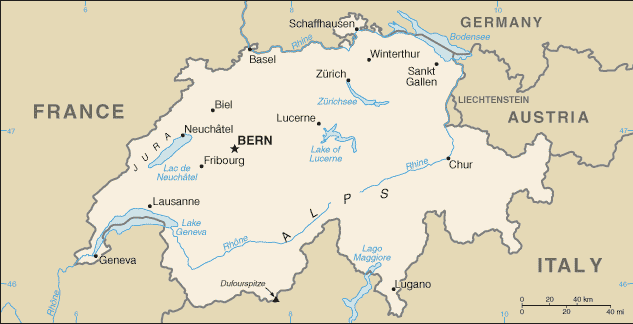
Click on map for larger view
Click on flag for Country Report


| TRAFFICKING IN PERSONS |
None reported.

Ueli Maurer
Vice President since 1 January 2012
Vice President since 1 January 2012