
| TOGO Togolese Republic Republique Togolaise Joined United Nations: 20 September 1960 Human Rights as assured by their constitution Click here Updated 03 March 2013 |

| CAPITAL |
| POPULATION |
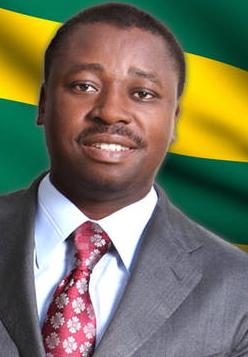
| CHIEF OF STATE |
| SELECTION PROCESS |
Lome
6,961,049
note: estimates for this country explicitly take into account the effects of excess mortality
due to AIDS; this can result in lower life expectancy, higher infant mortality, higher death
rates, lower population growth rates, and changes in the distribution of population by age
and sex than would otherwise be expected (July 2012 est.)
note: estimates for this country explicitly take into account the effects of excess mortality
due to AIDS; this can result in lower life expectancy, higher infant mortality, higher death
rates, lower population growth rates, and changes in the distribution of population by age
and sex than would otherwise be expected (July 2012 est.)
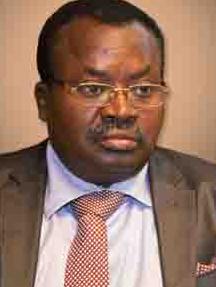
Kwesi Ahoomey-Zunu
Prime Minister since 23 July 2012
Prime Minister since 23 July 2012
President elected by popular vote for a five-year term (no term
limits); Note - Gnassingbe Eyadema died on 5 February 2005 and
was succeeded by his son, Faure Gnassingbe, with the support of
the military. He later won popular elections in April 2005; election
last held on 4 March 2010
Next scheduled election: 2015
limits); Note - Gnassingbe Eyadema died on 5 February 2005 and
was succeeded by his son, Faure Gnassingbe, with the support of
the military. He later won popular elections in April 2005; election
last held on 4 March 2010
Next scheduled election: 2015
HEAD OF GOVERNMENT
SELECTION PROCESS
Prime minister appointed by the president
Next scheduled election: 2015
Next scheduled election: 2015
| DECLARATION OF HUMAN RIGHTS |
| ETHNIC GROUPS |
African (37 tribes; largest and most important are Ewe, Mina, and Kabre) 99%, European and Syrian-Lebanese less than 1%
| RELIGIONS |
Christian 29%, Muslim 20%, indigenous beliefs 51%
| GOVERNMENT STRUCTURE |
Republic under transition to multiparty democratic rule with 5 regions (regions, singular - region); Legal system is a French-based
court system; accepts compulsory ICJ jurisdiction, with reservations
Executive: President elected by popular vote for a five-year term (no term limits); election last held 24 March 2010 (next to be
held in 2015); prime minister appointed by the president
Legislative: Unicameral National Assembly (81 seats; members are elected by popular vote to serve five-year terms)
elections: last held on 14 October 2007 (next to be held 24 March 2013- postponed from October 2012)
Judicial: Court of Appeal or Cour d'Appel; Supreme Court or Cour Supreme
court system; accepts compulsory ICJ jurisdiction, with reservations
Executive: President elected by popular vote for a five-year term (no term limits); election last held 24 March 2010 (next to be
held in 2015); prime minister appointed by the president
Legislative: Unicameral National Assembly (81 seats; members are elected by popular vote to serve five-year terms)
elections: last held on 14 October 2007 (next to be held 24 March 2013- postponed from October 2012)
Judicial: Court of Appeal or Cour d'Appel; Supreme Court or Cour Supreme
| LANGUAGES |
French (official and the language of commerce), Ewe and Mina (the two major African languages in the south), Kabye (sometimes
spelled Kabiye) and Dagomba (the two major African languages in the north)
spelled Kabiye) and Dagomba (the two major African languages in the north)
| BRIEF HISTORY |
Little is known about the history of Togo before the late 15th century, when Portuguese explorers arrived, although there are signs
of Ewe settlement for several centuries before their arrival. Various tribes moved into the country from all sides - the Ewe from
Nigeria and Benin, and the Mina and the Guin from Ghana. These three groups settled along the coast. When the slave trade began
in earnest in the 16th century, the Mina benefited the most. They became ruthless agents for the European slave-traders and would
travel north to buy slaves from the Kabye and other northern tribes. Europeans built forts in neighboring Ghana (at Elmina) and
Benin (at Ouidah), but not in Togo, which had no natural harbours. For the next 200 years, the coastal region was a major raiding
center for Europeans in search of slaves, earning Togo and the surrounding region the name "The Slave Coast." In an 1884 treaty
signed at Togoville, Germany declared a protectorate over a stretch of territory along the coast and gradually extended its control
inland. Because it became Germany's only self-supporting colony, Togoland was known as its model possession. On August 8,
1914, French and British forces invaded Togoland and the German forces there surrendered on August 26. In 1916, Togoland was
divided into French and British administrative zones. Following the war, Togoland formally became a League of Nations mandate
divided for administrative purposes between France and the United Kingdom. After World War I, newly founded Czechoslovakia
was also interested in this colony but this idea did not succeed. After World War II, the mandate became a UN trust territory
administered by the United Kingdom and France. During the mandate and trusteeship periods, western Togo was administered as
part of the British Gold Coast. In December 1956, the residents of British Togoland voted to join the Gold Coast as part of the new
independent nation of Ghana. By statute in 1955, French Togoland became an autonomous republic within the French union,
although it retained its UN trusteeship status. A legislative assembly elected by universal adult suffrage had considerable power over
internal affairs, with an elected executive body headed by a prime minister responsible to the legislature. These changes were
embodied in a constitution approved in a 1956 referendum. On September 10, 1956, Nicolas Grunitzky became prime minister of
the Republic of Togo. However, due to irregularities in the plebiscite, an unsupervised general election was held in 1958 and won
by Sylvanus Olympio. On April 27, 1960, in a smooth transition, Togo severed its constitutional ties with France, shed its UN
trusteeship status, and became fully independent under a provisional constitution with Olympio as president. A new constitution in
1961 established an executive president, elected for 7 years by universal suffrage and a weak National Assembly. The president
was empowered to appoint ministers and dissolve the assembly, holding a monopoly of executive power. In elections that year,
from which Grunitzky's party was disqualified, Olympio's party won 90% of the vote and all 51 National Assembly seats, and he
became Togo's first elected president. On January 13, 1963, President Olympio was assassinated in an uprising of army
non-commissioned officers dissatisfied with conditions following their discharge from the French army. Grunitzky returned from exile
2 days later to head a provisional government with the title of prime minister. On May 5, 1963, the Togolese adopted a new
constitution which reinstated a multi-party system, chose deputies from all political parties for the National Assembly, and elected
Grunitzky as president and Antoine Meatchi as vice president. Nine days later, President Grunitzky formed a government in which
all parties were represented. During the next several years, the Grunitzky government's power became insecure. On November 21,
1966, an attempt to overthrow Grunitzky, inspired principally by civilian political opponents in the UT party, was unsuccessful.
Grunitzky then tried to lessen his reliance on the army, but on January 13, 1967, a coup led by Lt. Col. Étienne Eyadéma (later
Gen. Gnassingbé Eyadéma) and Kléber Dadjo ousted President Grunitzky in a bloodless military coup. Political parties were
banned, and all constitutional processes were suspended. Dadjo became the chairman of the "committee of national reconciliation",
which ruled the country until April 14, when Eyadéma assumed the presidency. In late 1969, a single national political party, the
Rally of the Togolese People (RPT), was created, and President Eyadéma was elected party president on November 29, 1969. In
1972, a national referendum, in which Eyadéma ran unopposed, confirmed his role as the country's president. In late 1979,
Eyadéma declared a third republic and a transition to greater civilian rule with a mixed civilian and military cabinet. In 1989 and
1990, Togo, like many other countries, was affected by the winds of democratic change sweeping Eastern Europe and the Soviet
Union. On October 5, 1990, the trial of students who handed out antigovernment tracts sparked riots in Lomé. Antigovernment
demonstrations and violent clashes with the security forces marked the months that followed. In April 1991, the government began
negotiations with newly formed opposition groups and agreed to a general amnesty that permitted exiled political opponents to
return to Togo. After a general strike and further demonstrations, the government and opposition signed an agreement to hold a
"national forum" on June 12, 1991. In July and August 1992, a commission composed of presidential and opposition representatives
negotiated a new political agreement. On September 27, the public overwhelmingly approved the text of a new, democratic
constitution, formally initiating Togo's fourth republic. On March 25, 1993, armed Togolese dissident commandos based in Ghana
attacked Lomé's main military camp and tried unsuccessfully to kill President Eyadéma. They inflicted significant casualties,
however, which set off lethal reprisals by the military against soldiers thought to be associated with the attackers. On April 22,
President Eyadéma named Edem Kodjo, the head of the smaller opposition party, the UTD, as prime minister instead of Yawovi
Agboyibo, whose CAR party had far more seats. Kodjo's acceptance of the post of prime minister provoked the CAR to break
the opposition alliance and refuse to join the Kodjo government. The second multi-party legislative elections of Eyadéma's 33-year
rule were held on March 21, 1999. However, the opposition boycotted the election, in which the ruling party won 79 of the 81
seats in the National Assembly. President Eyadéma died on February 5, 2005 while onboard an airplane en route to France for
treatment for a heart attack. His son Faure Gnassingbé, the country's former minister of public works, mines, and
telecommunications, was named President by Togo's military following the announcement of his father's death. Under international
pressure from the African Union and the United Nations however, who both denounced the transfer of power from father to son as
a coup, Gnassingbé was forced to step down on February 25, 2005, shortly after accepting the nomination to run for elections in
April. Deputy Speaker Bonfoh Abbass was appointed interim president until the inauguration of the April 24 election winner. As to
official results, the winner of the election was Gnassingbé who garnered 60% of the vote. Opposition leader Emmanuel Bob-Akitani
however disputed the election and declared himself to be the winner with 70% of the vote. After the announcement of the results,
tensions flared up and to date, 100 people have been killed. On May 3, 2005, Gnassingbé was sworn in and vowed to concentrate
on "the promotion of development, the common good, peace and national unity". In August 2006 President Gnassingbe and
members of the opposition signed the Global Political Agreement (GPA), bringing an end to the political crisis trigged by
Gnassingbe Eyadema's death in February 2005 and the flawed and violent electoral process that followed. The GPA provided for a
transitional unity government whose primary purpose would be to prepare for benchmark legislative elections, originally scheduled
for June 24, 2007. CAR opposition party leader and human rights lawyer Yawovi Agboyibo was appointed Prime Minister of the
transitional government in September 2006. Leopold Gnininvi, president of the CDPA party, was appointed minister of state for
mines and energy. The third opposition party, UFC, headed by Gilchrist Olympio, declined to join the government, but agreed to
participate in the national electoral commission and the National Dialogue follow-up committee, chaired by Burkina Faso President
Blaise Compaore. Parliamentary elections took place on October 14, 2007. Mr Olympio, who returned from exile to campaign,
took part for the first time in 17 years. The ruling party, Rally of the Togolese People(RPT), won a majority of the parliamentary
seats in the election which international observers declared the poll "largely" free and fair. Despite these assurances, the
secretary-general of the opposition party Union of Forces for Change(UFC) initially state that his party would not accept the
election results.. Mr Olympio states that the election results did not properly represent the voters' will, pointing out that the UFC
received nearly as many votes as the RPT, but that due to the way the electoral system was designed the UFC won far fewer seats.
In July 2012 several thousand people demonstrated in Lome in the latest protest ahead of parliamentary elections expected in
October. Organisers called the demonstration to protest against impunity over alleged killings by security forces over the last two
decades. Parliamentary elections will be held in Togo on 24 March 2013. They were scheduled for October 2012, but protests and
strikes asking for electoral reforms delayed the process.
Source: Wikipedia: History of Togo
of Ewe settlement for several centuries before their arrival. Various tribes moved into the country from all sides - the Ewe from
Nigeria and Benin, and the Mina and the Guin from Ghana. These three groups settled along the coast. When the slave trade began
in earnest in the 16th century, the Mina benefited the most. They became ruthless agents for the European slave-traders and would
travel north to buy slaves from the Kabye and other northern tribes. Europeans built forts in neighboring Ghana (at Elmina) and
Benin (at Ouidah), but not in Togo, which had no natural harbours. For the next 200 years, the coastal region was a major raiding
center for Europeans in search of slaves, earning Togo and the surrounding region the name "The Slave Coast." In an 1884 treaty
signed at Togoville, Germany declared a protectorate over a stretch of territory along the coast and gradually extended its control
inland. Because it became Germany's only self-supporting colony, Togoland was known as its model possession. On August 8,
1914, French and British forces invaded Togoland and the German forces there surrendered on August 26. In 1916, Togoland was
divided into French and British administrative zones. Following the war, Togoland formally became a League of Nations mandate
divided for administrative purposes between France and the United Kingdom. After World War I, newly founded Czechoslovakia
was also interested in this colony but this idea did not succeed. After World War II, the mandate became a UN trust territory
administered by the United Kingdom and France. During the mandate and trusteeship periods, western Togo was administered as
part of the British Gold Coast. In December 1956, the residents of British Togoland voted to join the Gold Coast as part of the new
independent nation of Ghana. By statute in 1955, French Togoland became an autonomous republic within the French union,
although it retained its UN trusteeship status. A legislative assembly elected by universal adult suffrage had considerable power over
internal affairs, with an elected executive body headed by a prime minister responsible to the legislature. These changes were
embodied in a constitution approved in a 1956 referendum. On September 10, 1956, Nicolas Grunitzky became prime minister of
the Republic of Togo. However, due to irregularities in the plebiscite, an unsupervised general election was held in 1958 and won
by Sylvanus Olympio. On April 27, 1960, in a smooth transition, Togo severed its constitutional ties with France, shed its UN
trusteeship status, and became fully independent under a provisional constitution with Olympio as president. A new constitution in
1961 established an executive president, elected for 7 years by universal suffrage and a weak National Assembly. The president
was empowered to appoint ministers and dissolve the assembly, holding a monopoly of executive power. In elections that year,
from which Grunitzky's party was disqualified, Olympio's party won 90% of the vote and all 51 National Assembly seats, and he
became Togo's first elected president. On January 13, 1963, President Olympio was assassinated in an uprising of army
non-commissioned officers dissatisfied with conditions following their discharge from the French army. Grunitzky returned from exile
2 days later to head a provisional government with the title of prime minister. On May 5, 1963, the Togolese adopted a new
constitution which reinstated a multi-party system, chose deputies from all political parties for the National Assembly, and elected
Grunitzky as president and Antoine Meatchi as vice president. Nine days later, President Grunitzky formed a government in which
all parties were represented. During the next several years, the Grunitzky government's power became insecure. On November 21,
1966, an attempt to overthrow Grunitzky, inspired principally by civilian political opponents in the UT party, was unsuccessful.
Grunitzky then tried to lessen his reliance on the army, but on January 13, 1967, a coup led by Lt. Col. Étienne Eyadéma (later
Gen. Gnassingbé Eyadéma) and Kléber Dadjo ousted President Grunitzky in a bloodless military coup. Political parties were
banned, and all constitutional processes were suspended. Dadjo became the chairman of the "committee of national reconciliation",
which ruled the country until April 14, when Eyadéma assumed the presidency. In late 1969, a single national political party, the
Rally of the Togolese People (RPT), was created, and President Eyadéma was elected party president on November 29, 1969. In
1972, a national referendum, in which Eyadéma ran unopposed, confirmed his role as the country's president. In late 1979,
Eyadéma declared a third republic and a transition to greater civilian rule with a mixed civilian and military cabinet. In 1989 and
1990, Togo, like many other countries, was affected by the winds of democratic change sweeping Eastern Europe and the Soviet
Union. On October 5, 1990, the trial of students who handed out antigovernment tracts sparked riots in Lomé. Antigovernment
demonstrations and violent clashes with the security forces marked the months that followed. In April 1991, the government began
negotiations with newly formed opposition groups and agreed to a general amnesty that permitted exiled political opponents to
return to Togo. After a general strike and further demonstrations, the government and opposition signed an agreement to hold a
"national forum" on June 12, 1991. In July and August 1992, a commission composed of presidential and opposition representatives
negotiated a new political agreement. On September 27, the public overwhelmingly approved the text of a new, democratic
constitution, formally initiating Togo's fourth republic. On March 25, 1993, armed Togolese dissident commandos based in Ghana
attacked Lomé's main military camp and tried unsuccessfully to kill President Eyadéma. They inflicted significant casualties,
however, which set off lethal reprisals by the military against soldiers thought to be associated with the attackers. On April 22,
President Eyadéma named Edem Kodjo, the head of the smaller opposition party, the UTD, as prime minister instead of Yawovi
Agboyibo, whose CAR party had far more seats. Kodjo's acceptance of the post of prime minister provoked the CAR to break
the opposition alliance and refuse to join the Kodjo government. The second multi-party legislative elections of Eyadéma's 33-year
rule were held on March 21, 1999. However, the opposition boycotted the election, in which the ruling party won 79 of the 81
seats in the National Assembly. President Eyadéma died on February 5, 2005 while onboard an airplane en route to France for
treatment for a heart attack. His son Faure Gnassingbé, the country's former minister of public works, mines, and
telecommunications, was named President by Togo's military following the announcement of his father's death. Under international
pressure from the African Union and the United Nations however, who both denounced the transfer of power from father to son as
a coup, Gnassingbé was forced to step down on February 25, 2005, shortly after accepting the nomination to run for elections in
April. Deputy Speaker Bonfoh Abbass was appointed interim president until the inauguration of the April 24 election winner. As to
official results, the winner of the election was Gnassingbé who garnered 60% of the vote. Opposition leader Emmanuel Bob-Akitani
however disputed the election and declared himself to be the winner with 70% of the vote. After the announcement of the results,
tensions flared up and to date, 100 people have been killed. On May 3, 2005, Gnassingbé was sworn in and vowed to concentrate
on "the promotion of development, the common good, peace and national unity". In August 2006 President Gnassingbe and
members of the opposition signed the Global Political Agreement (GPA), bringing an end to the political crisis trigged by
Gnassingbe Eyadema's death in February 2005 and the flawed and violent electoral process that followed. The GPA provided for a
transitional unity government whose primary purpose would be to prepare for benchmark legislative elections, originally scheduled
for June 24, 2007. CAR opposition party leader and human rights lawyer Yawovi Agboyibo was appointed Prime Minister of the
transitional government in September 2006. Leopold Gnininvi, president of the CDPA party, was appointed minister of state for
mines and energy. The third opposition party, UFC, headed by Gilchrist Olympio, declined to join the government, but agreed to
participate in the national electoral commission and the National Dialogue follow-up committee, chaired by Burkina Faso President
Blaise Compaore. Parliamentary elections took place on October 14, 2007. Mr Olympio, who returned from exile to campaign,
took part for the first time in 17 years. The ruling party, Rally of the Togolese People(RPT), won a majority of the parliamentary
seats in the election which international observers declared the poll "largely" free and fair. Despite these assurances, the
secretary-general of the opposition party Union of Forces for Change(UFC) initially state that his party would not accept the
election results.. Mr Olympio states that the election results did not properly represent the voters' will, pointing out that the UFC
received nearly as many votes as the RPT, but that due to the way the electoral system was designed the UFC won far fewer seats.
In July 2012 several thousand people demonstrated in Lome in the latest protest ahead of parliamentary elections expected in
October. Organisers called the demonstration to protest against impunity over alleged killings by security forces over the last two
decades. Parliamentary elections will be held in Togo on 24 March 2013. They were scheduled for October 2012, but protests and
strikes asking for electoral reforms delayed the process.
Source: Wikipedia: History of Togo
| ECONOMIC OVERVIEW |
This small, sub-Saharan economy suffers from anemic economic growth and depends heavily on both commercial and subsistence
agriculture, which provides employment for a significant share of the labor force. Some basic foodstuffs must still be imported.
Cocoa, coffee, and cotton generate about 40% of export earnings with cotton being the most important cash crop. Togo is among
the world's largest producers of phosphate and Togo seeks to develop its carbonate phosphate reserves. The government's
decade-long effort, supported by the World Bank and the IMF, to implement economic reform measures, encourage foreign
investment, and bring revenues in line with expenditures has moved slowly. Progress depends on follow through on privatization,
increased openness in government financial operations, progress toward legislative elections, and continued support from foreign
donors. Foreign direct investment inflows have slowed over recent years. Togo completed its IMF Extended Credit Facility in 2011
and reached a HIPC debt relief completion point in 2010 at which 95% of the country's debt was forgiven. Togo continues to work
with the IMF on structural reforms.
Source: CIA World Factbook (select Togo)
agriculture, which provides employment for a significant share of the labor force. Some basic foodstuffs must still be imported.
Cocoa, coffee, and cotton generate about 40% of export earnings with cotton being the most important cash crop. Togo is among
the world's largest producers of phosphate and Togo seeks to develop its carbonate phosphate reserves. The government's
decade-long effort, supported by the World Bank and the IMF, to implement economic reform measures, encourage foreign
investment, and bring revenues in line with expenditures has moved slowly. Progress depends on follow through on privatization,
increased openness in government financial operations, progress toward legislative elections, and continued support from foreign
donors. Foreign direct investment inflows have slowed over recent years. Togo completed its IMF Extended Credit Facility in 2011
and reached a HIPC debt relief completion point in 2010 at which 95% of the country's debt was forgiven. Togo continues to work
with the IMF on structural reforms.
Source: CIA World Factbook (select Togo)
| POLITICAL CLIMATE |
On February 5, 2005, Eyadéma died of a heart attack. Shortly afterwards, his son Faure Gnassingbé was named by Togo's military
as the country's leader, raising numerous eyebrows. Army Chief of Staff General Zakari Nandja announced the succession, saying
the speaker of parliament (who should have taken over under the constitution) was out of the country. African Union leaders
described the naming of Faure Gnassingbé as a military coup. The constitution of Togo declared that in the case of the president's
death, the speaker of Parliament takes his place, and has 60 days to call new elections. However, on February 6, Parliament
retroactively changed the Constitution, declaring that Faure would hold office for the rest of his father's term, with elections deferred
until 2008.
On May 3, 2005, Gnassingbé was sworn in as the new president garnering 60% of the vote according to official results. Disquiet
has continued however with the opposition declaring the voting rigged, claiming the military stole ballot boxes from various polling
stations in the South, as well as other election irregularities, such as telecommunication shutdown. The European Union has
suspended aid in support of the opposition claims, while the African Union and the United States have declared the vote
"reasonably fair" and accepted the outcome. The Nigerian president and Chair of the AU, Olusẹgun Ọbasanjọ, has sought to
negotiate between the incumbent government and the opposition to establish a coalition government, but surprisingly rejected an AU
Commission appointment of former Zambian president, Kenneth Kaunda, as special AU envoy to Togo.
A presidential election was held in Togo on 4 March 2010. Incumbent President Faure Gnassingbé—who won his first term in a
presidential election that followed the death of his father, long-time President Gnassingbé Eyadema, in 2005—faced radical
opposition candidate Jean-Pierre Fabre, the Secretary-General of the Union of the Forces of Change (UFC), as well as several
minor opposition candidates. Parliamentary elections will be held in Togo on 24 March 2013. They were scheduled for October
2012, but protests and strikes asking for electoral reforms delayed the process. Some members of the opposition are seeking a
postponement of the election in order to see electoral reforms take effect prior to the election, while others seek the repeal of the
changes as improperly induced. Amongst the latter is the controversial gerrymandering of constituency borders in favour of the
incumbent Rally of the Togolese People party and the 10 seat increase in parliament bringing a total of 91 MPs.
Source: Wikipedia: Politics of Togo
as the country's leader, raising numerous eyebrows. Army Chief of Staff General Zakari Nandja announced the succession, saying
the speaker of parliament (who should have taken over under the constitution) was out of the country. African Union leaders
described the naming of Faure Gnassingbé as a military coup. The constitution of Togo declared that in the case of the president's
death, the speaker of Parliament takes his place, and has 60 days to call new elections. However, on February 6, Parliament
retroactively changed the Constitution, declaring that Faure would hold office for the rest of his father's term, with elections deferred
until 2008.
On May 3, 2005, Gnassingbé was sworn in as the new president garnering 60% of the vote according to official results. Disquiet
has continued however with the opposition declaring the voting rigged, claiming the military stole ballot boxes from various polling
stations in the South, as well as other election irregularities, such as telecommunication shutdown. The European Union has
suspended aid in support of the opposition claims, while the African Union and the United States have declared the vote
"reasonably fair" and accepted the outcome. The Nigerian president and Chair of the AU, Olusẹgun Ọbasanjọ, has sought to
negotiate between the incumbent government and the opposition to establish a coalition government, but surprisingly rejected an AU
Commission appointment of former Zambian president, Kenneth Kaunda, as special AU envoy to Togo.
A presidential election was held in Togo on 4 March 2010. Incumbent President Faure Gnassingbé—who won his first term in a
presidential election that followed the death of his father, long-time President Gnassingbé Eyadema, in 2005—faced radical
opposition candidate Jean-Pierre Fabre, the Secretary-General of the Union of the Forces of Change (UFC), as well as several
minor opposition candidates. Parliamentary elections will be held in Togo on 24 March 2013. They were scheduled for October
2012, but protests and strikes asking for electoral reforms delayed the process. Some members of the opposition are seeking a
postponement of the election in order to see electoral reforms take effect prior to the election, while others seek the repeal of the
changes as improperly induced. Amongst the latter is the controversial gerrymandering of constituency borders in favour of the
incumbent Rally of the Togolese People party and the 10 seat increase in parliament bringing a total of 91 MPs.
Source: Wikipedia: Politics of Togo
| INTERNATIONAL DISPUTES |
In 2001, Benin claimed Togo moved boundary monuments - joint commission continues to resurvey the boundary; in 2006 14,000
Togolese refugees remain in Benin and Ghana out of the 40,000 who fled there in 2005
Togolese refugees remain in Benin and Ghana out of the 40,000 who fled there in 2005


| REFUGEES AND INTERNALLY DISPLACED PERSONS (IDPS) |
Refugees (country of origin): 13,676 (Ghana); 5,151 (Cote d'Ivoire) (2011)
IDPs: undetermined (2012)
IDPs: undetermined (2012)
| ILLICIT DRUGS |
Transit hub for Nigerian heroin and cocaine traffickers; money laundering not a significant problem
| HUMAN RIGHTS STATEMENTS, ANALYSIS AND CRITIQUES |
2011 Human Rights Report: Togo
Bureau of Democracy, Human Rights, and Labor
2011 Country Reports on Human Rights Practices
May 25, 2012
Togo is a republic governed by President Faure Gnassingbe, who was reelected in March 2010 in a process characterized by
international observers as generally free and fair. The ruling Rally of the Togolese People (RPT) party dominated politics and maintained
firm control over all levels of the highly centralized government. Security forces reported to civilian authorities.
The main human rights problems reported during the year included security force use of excessive force, including torture; official
impunity; and harsh and life-threatening prison conditions.
Other human rights abuses included arbitrary arrest and detention, including lengthy pretrial detention, and executive influence over the
judiciary. The government infringed on citizens’ privacy rights and restricted freedoms of press, assembly, and movement. Official
corruption was pervasive. Discrimination and violence against women were problems. Child abuse, including female genital mutilation
(FGM) and sexual exploitation, occurred. Trafficking in persons and societal discrimination against persons with disabilities were
problems. Official and societal discrimination persisted against persons with disabilities; regional and ethnic groups; and members of the
lesbian, gay, bisexual and transgender (LGBT) community. Societal discrimination against persons with HIV was significant. Child labor,
including forced child labor, was a problem.
The government took few steps to prosecute or punish officials who committed abuses, and impunity--especially in the security
services--was widespread.
Click here to read more »
Bureau of Democracy, Human Rights, and Labor
2011 Country Reports on Human Rights Practices
May 25, 2012
Togo is a republic governed by President Faure Gnassingbe, who was reelected in March 2010 in a process characterized by
international observers as generally free and fair. The ruling Rally of the Togolese People (RPT) party dominated politics and maintained
firm control over all levels of the highly centralized government. Security forces reported to civilian authorities.
The main human rights problems reported during the year included security force use of excessive force, including torture; official
impunity; and harsh and life-threatening prison conditions.
Other human rights abuses included arbitrary arrest and detention, including lengthy pretrial detention, and executive influence over the
judiciary. The government infringed on citizens’ privacy rights and restricted freedoms of press, assembly, and movement. Official
corruption was pervasive. Discrimination and violence against women were problems. Child abuse, including female genital mutilation
(FGM) and sexual exploitation, occurred. Trafficking in persons and societal discrimination against persons with disabilities were
problems. Official and societal discrimination persisted against persons with disabilities; regional and ethnic groups; and members of the
lesbian, gay, bisexual and transgender (LGBT) community. Societal discrimination against persons with HIV was significant. Child labor,
including forced child labor, was a problem.
The government took few steps to prosecute or punish officials who committed abuses, and impunity--especially in the security
services--was widespread.
Click here to read more »
11 December 2012
Committee against Torture
Concluding observations on the second periodic report of Togo, adopted by the Committee at its forty-ninth session (29
October–23 November 2012)
TOGO
A. Introduction
2. The Committee welcomes the second periodic report of Togo, as well as the State party’s written replies to the list of issues
prior to submission of its report (CAT/C/TGO/Q/2). It regrets, however, that the report does not contain specific information on the
implementation of the provisions of the Convention.
3. The Committee appreciates the frank and open dialogue with the high-level delegation sent by the State party, as well as the
additional information provided during the consideration of the report.
B. Positive aspects
4. The Committee notes with satisfaction that, since its consideration of the initial report of the State party, the latter has acceded to
or ratified the following international instruments:
(a) The Optional Protocol to the Convention against Torture and Other Cruel, Inhuman or Degrading Treatment or Punishment, on
20 July 2010;
(b) The Convention on the Rights of Persons with Disabilities, on 1 March 2011;
C. Principal subjects of concern and recommendations
Definition and criminalization of torture
7. The Committee notes with concern that, 6 years after establishing a national commission to update its legislation and 25 years
after ratifying the Convention, the State party has yet to adopt criminal legislation explicitly defining and criminalizing torture (arts. 1 and
4).
The Committee recommends that the State party take the necessary measures to incorporate in the Criminal Code all the elements of the
definition of torture contained in article 1 of the Convention, as well as provisions criminalizing and penalizing acts of torture with
penalties commensurate with their gravity.
Click here to read more »
Committee against Torture
Concluding observations on the second periodic report of Togo, adopted by the Committee at its forty-ninth session (29
October–23 November 2012)
TOGO
A. Introduction
2. The Committee welcomes the second periodic report of Togo, as well as the State party’s written replies to the list of issues
prior to submission of its report (CAT/C/TGO/Q/2). It regrets, however, that the report does not contain specific information on the
implementation of the provisions of the Convention.
3. The Committee appreciates the frank and open dialogue with the high-level delegation sent by the State party, as well as the
additional information provided during the consideration of the report.
B. Positive aspects
4. The Committee notes with satisfaction that, since its consideration of the initial report of the State party, the latter has acceded to
or ratified the following international instruments:
(a) The Optional Protocol to the Convention against Torture and Other Cruel, Inhuman or Degrading Treatment or Punishment, on
20 July 2010;
(b) The Convention on the Rights of Persons with Disabilities, on 1 March 2011;
C. Principal subjects of concern and recommendations
Definition and criminalization of torture
7. The Committee notes with concern that, 6 years after establishing a national commission to update its legislation and 25 years
after ratifying the Convention, the State party has yet to adopt criminal legislation explicitly defining and criminalizing torture (arts. 1 and
4).
The Committee recommends that the State party take the necessary measures to incorporate in the Criminal Code all the elements of the
definition of torture contained in article 1 of the Convention, as well as provisions criminalizing and penalizing acts of torture with
penalties commensurate with their gravity.
Click here to read more »
Freedom In The World 2012 Report
Political Rights Score: 5
Civil Liberties Score: 4
Status: Partly Free
Overview
President Faure Gnassingbé’s government coalition between his Rally of the Togolese People party and a faction of the opposition Union
of Forces for Change party continued to hold in 2011. A 2010 ban on political demonstrations continued in 2011 as security forces
cracked down on several protests throughout the year. However, the government made some reform efforts, including an audit of
government ministries, and a truth and reconciliation commission began hearing testimonies during the year.
The electoral code was reformed in 2009 in preparation for the 2010 elections, lifting the residency requirements that previously barred
Olympio from running. Nonetheless, in February Olympio was disqualified again for having missed a mandatory physical, leading the
UFC to back Jean-Pierre Fabre instead. The UFC’s inability to unite the opposition behind Fabre, the president’s refusal to allow a
second round in the election, and the RPT’s dominance over the state media resulted in Gnassingbé’s reelection in March with more than
60 percent of the vote. While the elections were deemed relatively free and fair by observers, a number of irregularities were observed,
including vote-buying by the RPT and partisanship within the electoral commission. However, the problems were not considered serious
enough to have influenced the outcome of the vote. Fabre immediately contested the results and led a series of weekly protests in Lomé.
The Ministry of Security responded by banning demonstrations in Lomé and dispersing Fabre’s supporters with tear gas and water
cannons.
The UFC splintered in May 2010 following disagreements over how to address the contested election results. Fabre, refusing to accept
the results, boycotted parliament, while a faction led by Olympio agreed to enter into a coalition government with the RPT. UFC
members were subsequently appointed to high-level cabinet and ministry positions. The RPT-UFC coalition agreement included a
Monitoring Committee chaired by Olympio to help resolve inter-party disputes and marked the first time the opposition had been included
in the government since 1990.
The coalition government held throughout 2011 as Gnassingbé’s administration took steps towards reform, including moving forward
with the first census in a decade, conducting an audit of government ministries and public service agencies, and exploring the possibility
of universal health care. These moves have attracted international donors, including the West African Development Fund, the World
Bank and France, to help fund infrastructure improvements and other development projects.
Togo is not an electoral democracy. Despite international consensus that the 2007 legislative elections and the 2010 presidential elections
were carried out in a relatively free and fair manner, the structure of the electoral system largely ensures that President Faure Gnassingbé
will remain in power. The president is elected to five-year terms and appoints the prime minister. Members of the 81-seat, unicameral
National Assembly are also elected to five-year terms, using a party-list system that favors the RPT.
Click here to read more »
Political Rights Score: 5
Civil Liberties Score: 4
Status: Partly Free
Overview
President Faure Gnassingbé’s government coalition between his Rally of the Togolese People party and a faction of the opposition Union
of Forces for Change party continued to hold in 2011. A 2010 ban on political demonstrations continued in 2011 as security forces
cracked down on several protests throughout the year. However, the government made some reform efforts, including an audit of
government ministries, and a truth and reconciliation commission began hearing testimonies during the year.
The electoral code was reformed in 2009 in preparation for the 2010 elections, lifting the residency requirements that previously barred
Olympio from running. Nonetheless, in February Olympio was disqualified again for having missed a mandatory physical, leading the
UFC to back Jean-Pierre Fabre instead. The UFC’s inability to unite the opposition behind Fabre, the president’s refusal to allow a
second round in the election, and the RPT’s dominance over the state media resulted in Gnassingbé’s reelection in March with more than
60 percent of the vote. While the elections were deemed relatively free and fair by observers, a number of irregularities were observed,
including vote-buying by the RPT and partisanship within the electoral commission. However, the problems were not considered serious
enough to have influenced the outcome of the vote. Fabre immediately contested the results and led a series of weekly protests in Lomé.
The Ministry of Security responded by banning demonstrations in Lomé and dispersing Fabre’s supporters with tear gas and water
cannons.
The UFC splintered in May 2010 following disagreements over how to address the contested election results. Fabre, refusing to accept
the results, boycotted parliament, while a faction led by Olympio agreed to enter into a coalition government with the RPT. UFC
members were subsequently appointed to high-level cabinet and ministry positions. The RPT-UFC coalition agreement included a
Monitoring Committee chaired by Olympio to help resolve inter-party disputes and marked the first time the opposition had been included
in the government since 1990.
The coalition government held throughout 2011 as Gnassingbé’s administration took steps towards reform, including moving forward
with the first census in a decade, conducting an audit of government ministries and public service agencies, and exploring the possibility
of universal health care. These moves have attracted international donors, including the West African Development Fund, the World
Bank and France, to help fund infrastructure improvements and other development projects.
Togo is not an electoral democracy. Despite international consensus that the 2007 legislative elections and the 2010 presidential elections
were carried out in a relatively free and fair manner, the structure of the electoral system largely ensures that President Faure Gnassingbé
will remain in power. The president is elected to five-year terms and appoints the prime minister. Members of the 81-seat, unicameral
National Assembly are also elected to five-year terms, using a party-list system that favors the RPT.
Click here to read more »
24 May 2012
Report 2012: No longer business as usual for tyranny and injustice
Togo
Peaceful demonstrations by political parties and students were dispersed by security authorities using excessive force, including tear gas
and rubber bullets. Some 30 political and military officials were sentenced to prison terms on the basis of confessions extracted under
torture. The Truth, Justice and Reconciliation Commission (TJRC) held hearings from September to November; impunity remained the
rule among the security forces, who attempted to disrupt the process.
Background
In March a draft law, stipulating that prior notification must be given before any public demonstration, sparked political criticism and
public protest marches. The law was adopted in May.
In October, the Court of Justice of ECOWAS criticized the government’s handling of the case against nine parliamentarians with the
opposition party National Alliance for Change (ANC) who had been dismissed from the National Assembly. The Court asked the
government to “rectify this prejudice” and to give them financial compensation. Although the authorities agreed to pay compensation, by
the end of the year they were still refusing to reintegrate the nine men into the National Assembly.
In October, Togo accepted some of the recommendations made by the Universal Periodic Review Working Group, including
guaranteeing the independence and impartiality of the TJRC. The government refused to accept recommendations regarding the
ratification of the Rome Statute of the International Criminal Court.
Excessive use of force
The security forces repeatedly dispersed demonstrators with tear gas and used excessive force against several protest marches organized
by political parties and students.
In March, demonstrators protesting against the draft law limiting freedom of assembly were dispersed by security forces using tear
gas. Jean-Pierre Fabre, President of the ANC, was put under house arrest on several occasions to prevent him from joining protest
marches.
In June, the security forces used force against the student organization Mouvement pour l’épanouissement des étudiants togolais
(Movement for the development of Togolese students, MEET), who were demanding improvements to the university system. The
clashes occurred after seven students, including MEET leader Abou Seydou, were arrested and ill-treated. Several students were
wounded by rubber bullets, some severely.
Click here to read more »
Report 2012: No longer business as usual for tyranny and injustice
Togo
Peaceful demonstrations by political parties and students were dispersed by security authorities using excessive force, including tear gas
and rubber bullets. Some 30 political and military officials were sentenced to prison terms on the basis of confessions extracted under
torture. The Truth, Justice and Reconciliation Commission (TJRC) held hearings from September to November; impunity remained the
rule among the security forces, who attempted to disrupt the process.
Background
In March a draft law, stipulating that prior notification must be given before any public demonstration, sparked political criticism and
public protest marches. The law was adopted in May.
In October, the Court of Justice of ECOWAS criticized the government’s handling of the case against nine parliamentarians with the
opposition party National Alliance for Change (ANC) who had been dismissed from the National Assembly. The Court asked the
government to “rectify this prejudice” and to give them financial compensation. Although the authorities agreed to pay compensation, by
the end of the year they were still refusing to reintegrate the nine men into the National Assembly.
In October, Togo accepted some of the recommendations made by the Universal Periodic Review Working Group, including
guaranteeing the independence and impartiality of the TJRC. The government refused to accept recommendations regarding the
ratification of the Rome Statute of the International Criminal Court.
Excessive use of force
The security forces repeatedly dispersed demonstrators with tear gas and used excessive force against several protest marches organized
by political parties and students.
In March, demonstrators protesting against the draft law limiting freedom of assembly were dispersed by security forces using tear
gas. Jean-Pierre Fabre, President of the ANC, was put under house arrest on several occasions to prevent him from joining protest
marches.
In June, the security forces used force against the student organization Mouvement pour l’épanouissement des étudiants togolais
(Movement for the development of Togolese students, MEET), who were demanding improvements to the university system. The
clashes occurred after seven students, including MEET leader Abou Seydou, were arrested and ill-treated. Several students were
wounded by rubber bullets, some severely.
Click here to read more »
Policy Paralysis
February 11, 2009
Summary
The story of the HIV/AIDS crisis in Africa, which has already claimed more than 20 million lives, is one of massive neglect and denial.
Millions of Africans had already died before the continent's AIDS epidemic even registered on the global radar screen or was publicly
recognized as a problem by decision-makers in affected countries. It took even longer for Africa and the world to notice that in this
epidemic, unlike AIDS in other regions of the world, women and girls became ill and died in greater numbers than men and boys. Sadly,
policymakers still are not taking into account the extent to which AIDS prevalence in Africa is a direct result of relentless human rights
abuses that women and girls suffer because of their gender.
The protection of the rights of women and girls in sub-Saharan Africa is a key to turning around the continent's AIDS crisis. Relative to
the scale of the problem, however, such protection is virtually ignored as a policy tool and certainly not viewed as a central element in
ever larger national AIDS programs. The challenge of protecting women and girls from these AIDS-related human rights abuses is
enormous. The abuses are many and varied, including rape within and outside of marriage, other sexual violence and coercion often
abetted by poverty, domestic violence, unequal property and inheritance rights, divorce laws that exacerbate women's economic
dependence on their husbands, and discriminatory barriers to education and health services. All of these human rights abuses have
existed for a long time and many have been life-threatening, but with HIV/AIDS they are lethal on a massive scale.
HIV/AIDS impoverishes families. Its spectral presence in the household makes it less likely that girls will be enrolled or kept in school
because families prefer to use their scarce resources for boys' education. Girls are also more readily called upon to care for the sick or
to earn income in times of need. The absence of antiretroviral treatment, still the rule and not the exception in Africa, means that people
are dying, not living, with AIDS. Women widowed by AIDS suffer the injustice of both statutory and customary law that militates
against their being able to retain marital property. The stigma of AIDS often leads to their being abandoned or abused. The millions of
children orphaned by AIDS face a stunning array of human rights abuses, many of them more frequent and deadly among girls than
boys. Girls and women in households touched by AIDS and by poverty frequently find their choices and possibilities so diminished that
they have to turn for survival to the sex trade or to situations of lodging or work that expose them to sexual abuse and violence,
increasing the risk that they themselves will die of AIDS.
Child trafficking is a shocking and long-standing crime in many parts of Africa, and it, too, takes on lethal dimensions in the face of a
raging AIDS epidemic. Orphans and other children without parental care are plainly more vulnerable to being lured into trafficking with
the promise of schooling or lucrative work, as Human Rights Watch discovered in its encounters with previously trafficked children in
Togo. Boys are also trafficked, but girls may be the first to be pulled out of school and sent abroad in cases where parents cannot afford
school fees. Trafficking of girls is also more likely to lead to situations of domestic work or work in streets and markets where sexual
violence is a high risk. A number of girls who told us their stories had also been exposed to the risk of sexual and physical violence in the
course of their transportation from Togo to another country in the region. Combating child trafficking has been the subject of numerous
high-profile declarations by virtually all affected countries in Africa, but states continue to allow anti-trafficking programs to be
underfinanced and inadequately supported by effective national and regional laws and law enforcement practices. The link between child
trafficking and AIDS appears not to be appreciated at the policy level.
Click here to read more »
February 11, 2009
Summary
The story of the HIV/AIDS crisis in Africa, which has already claimed more than 20 million lives, is one of massive neglect and denial.
Millions of Africans had already died before the continent's AIDS epidemic even registered on the global radar screen or was publicly
recognized as a problem by decision-makers in affected countries. It took even longer for Africa and the world to notice that in this
epidemic, unlike AIDS in other regions of the world, women and girls became ill and died in greater numbers than men and boys. Sadly,
policymakers still are not taking into account the extent to which AIDS prevalence in Africa is a direct result of relentless human rights
abuses that women and girls suffer because of their gender.
The protection of the rights of women and girls in sub-Saharan Africa is a key to turning around the continent's AIDS crisis. Relative to
the scale of the problem, however, such protection is virtually ignored as a policy tool and certainly not viewed as a central element in
ever larger national AIDS programs. The challenge of protecting women and girls from these AIDS-related human rights abuses is
enormous. The abuses are many and varied, including rape within and outside of marriage, other sexual violence and coercion often
abetted by poverty, domestic violence, unequal property and inheritance rights, divorce laws that exacerbate women's economic
dependence on their husbands, and discriminatory barriers to education and health services. All of these human rights abuses have
existed for a long time and many have been life-threatening, but with HIV/AIDS they are lethal on a massive scale.
HIV/AIDS impoverishes families. Its spectral presence in the household makes it less likely that girls will be enrolled or kept in school
because families prefer to use their scarce resources for boys' education. Girls are also more readily called upon to care for the sick or
to earn income in times of need. The absence of antiretroviral treatment, still the rule and not the exception in Africa, means that people
are dying, not living, with AIDS. Women widowed by AIDS suffer the injustice of both statutory and customary law that militates
against their being able to retain marital property. The stigma of AIDS often leads to their being abandoned or abused. The millions of
children orphaned by AIDS face a stunning array of human rights abuses, many of them more frequent and deadly among girls than
boys. Girls and women in households touched by AIDS and by poverty frequently find their choices and possibilities so diminished that
they have to turn for survival to the sex trade or to situations of lodging or work that expose them to sexual abuse and violence,
increasing the risk that they themselves will die of AIDS.
Child trafficking is a shocking and long-standing crime in many parts of Africa, and it, too, takes on lethal dimensions in the face of a
raging AIDS epidemic. Orphans and other children without parental care are plainly more vulnerable to being lured into trafficking with
the promise of schooling or lucrative work, as Human Rights Watch discovered in its encounters with previously trafficked children in
Togo. Boys are also trafficked, but girls may be the first to be pulled out of school and sent abroad in cases where parents cannot afford
school fees. Trafficking of girls is also more likely to lead to situations of domestic work or work in streets and markets where sexual
violence is a high risk. A number of girls who told us their stories had also been exposed to the risk of sexual and physical violence in the
course of their transportation from Togo to another country in the region. Combating child trafficking has been the subject of numerous
high-profile declarations by virtually all affected countries in Africa, but states continue to allow anti-trafficking programs to be
underfinanced and inadequately supported by effective national and regional laws and law enforcement practices. The link between child
trafficking and AIDS appears not to be appreciated at the policy level.
Click here to read more »
The tireless efforts to deal with terrorism had not achieved
15/01/2013
The Security Council met today to convene a high-level open debate on “A comprehensive approach to counter-terrorism”.Koffi Esaw
(photo), Minister, Senior Adviser to the President for diplomatic matters and cooperation of Togo today called for a focus on conditions
that feed terrorism as part of a comprehensive strategy against the scourge.
Mr Esaw said that, unfortunately, the tireless efforts to deal with terrorism had not achieved the hoped-for results. Terrorism was
taking better advantage of technologies and the financial resources flowing from crimes of all kinds, including illicit drug trafficking and
ransom payments. Terrorists also had a propensity to operate through business and non-governmental organizations, which further
complicated efforts to counter the phenomenon. As the threats became more complicated, States were forced to spend much more to
combat them, at a time when they were dealing with numerous pressing challenges, such as fighting poverty and implementing
sustainable development objectives.
He said it was important to get a handle on the various manifestations and mutations of terrorism, in order to do a better job of fighting
it. It was also vital to know more about its motives and motivations — what prompted individuals to “flirt” with terrorism. He
suspected that was generated by social vulnerabilities and frustrations, particularly among young people, who were prepared to offer
their services in order to survive. Development and security interacted as causes and consequences of terrorism, and it was also
important to recall that terrorism often enjoyed the leaven of extremism and religious sectarianism, used as an affirmation of a criminal
group’s views. One motivation could be the globalization of economies and societies, whereby States were competing with, and even
defeated by, private interest dominated more and more by profits than values of human dignity. Unfortunately, the financial and
economic crises of the last few years had dug a deeper hole between rich and poor and provoked frustration, despair and even the loss
of the will to live. That vulnerability was exploited by terrorist groups as they recruited members.
However, Koffi Esaw said, even if poverty, discrimination and prejudice “nourishes” terrorism, there could be no justification for it,
since there were frameworks for dialogue, negotiation and compromise. But, given the scope of terrorist acts with often catastrophic
consequences for States and regions — as was the case for the Sahel, including Mali and Somalia — the international community must
remain mobilized. He welcomed the United Nations counter-terrorism efforts and strategy, and felt revisiting the approach allowed it to
be updated in line with the changing face of terrorism. Togo also fully supported the work of the Counter-Terrorism Executive
Directorate and the committees spawned by relevant Council resolutions.
Click here to read more »
15/01/2013
The Security Council met today to convene a high-level open debate on “A comprehensive approach to counter-terrorism”.Koffi Esaw
(photo), Minister, Senior Adviser to the President for diplomatic matters and cooperation of Togo today called for a focus on conditions
that feed terrorism as part of a comprehensive strategy against the scourge.
Mr Esaw said that, unfortunately, the tireless efforts to deal with terrorism had not achieved the hoped-for results. Terrorism was
taking better advantage of technologies and the financial resources flowing from crimes of all kinds, including illicit drug trafficking and
ransom payments. Terrorists also had a propensity to operate through business and non-governmental organizations, which further
complicated efforts to counter the phenomenon. As the threats became more complicated, States were forced to spend much more to
combat them, at a time when they were dealing with numerous pressing challenges, such as fighting poverty and implementing
sustainable development objectives.
He said it was important to get a handle on the various manifestations and mutations of terrorism, in order to do a better job of fighting
it. It was also vital to know more about its motives and motivations — what prompted individuals to “flirt” with terrorism. He
suspected that was generated by social vulnerabilities and frustrations, particularly among young people, who were prepared to offer
their services in order to survive. Development and security interacted as causes and consequences of terrorism, and it was also
important to recall that terrorism often enjoyed the leaven of extremism and religious sectarianism, used as an affirmation of a criminal
group’s views. One motivation could be the globalization of economies and societies, whereby States were competing with, and even
defeated by, private interest dominated more and more by profits than values of human dignity. Unfortunately, the financial and
economic crises of the last few years had dug a deeper hole between rich and poor and provoked frustration, despair and even the loss
of the will to live. That vulnerability was exploited by terrorist groups as they recruited members.
However, Koffi Esaw said, even if poverty, discrimination and prejudice “nourishes” terrorism, there could be no justification for it,
since there were frameworks for dialogue, negotiation and compromise. But, given the scope of terrorist acts with often catastrophic
consequences for States and regions — as was the case for the Sahel, including Mali and Somalia — the international community must
remain mobilized. He welcomed the United Nations counter-terrorism efforts and strategy, and felt revisiting the approach allowed it to
be updated in line with the changing face of terrorism. Togo also fully supported the work of the Counter-Terrorism Executive
Directorate and the committees spawned by relevant Council resolutions.
Click here to read more »
TRANSLATED FROM FRENCH BY GOOGLE TRANSLATE
11 February 2013
Cooperation: The President of the CNDH received by the Head of the Delegation of the European Union in Togo
As part of its outreach meetings with international organizations and institutions, the new President of the National Commission on
Human Rights (CNDH), Mr. Sam-Dja Alilou Cisse was Monday, February 11, 2013 at the Head Delegation of the European Union in
Togo.
This courtesy was quickly transformed into a working visit. At the center of discussions, future legislative and local elections in Togo,
the normative framework of the elections and the possibility of involvement of the EU in the organization of the elections.
Mr. Cisse also spoke with his interlocutor infernal cycle of the recent fires in our country, the consequences that ensued, and the attitude
adopted by the CNDH against the entanglement of all these events. In other words, he acted on this latter point, understanding the
reactions of the Commission in relation to the succession of events which disturb the social and political life of our country
Click here to read more »
11 February 2013
Cooperation: The President of the CNDH received by the Head of the Delegation of the European Union in Togo
As part of its outreach meetings with international organizations and institutions, the new President of the National Commission on
Human Rights (CNDH), Mr. Sam-Dja Alilou Cisse was Monday, February 11, 2013 at the Head Delegation of the European Union in
Togo.
This courtesy was quickly transformed into a working visit. At the center of discussions, future legislative and local elections in Togo,
the normative framework of the elections and the possibility of involvement of the EU in the organization of the elections.
Mr. Cisse also spoke with his interlocutor infernal cycle of the recent fires in our country, the consequences that ensued, and the attitude
adopted by the CNDH against the entanglement of all these events. In other words, he acted on this latter point, understanding the
reactions of the Commission in relation to the succession of events which disturb the social and political life of our country
Click here to read more »
TOGO (2010-2011)
Last Update 27 January 2012
SITUATION OF HUMAN RIGHTS DEFENDERS
In 2010-2011, independent print media and private radio stations that denounced corruption and human rights violations were subjected
to judicial pressure. In addition, several peaceful demonstrations organised by civil society were banned and repressed. However, at the
end of April 2011, the National Assembly was about to adopt a draft law which was welcomed by civil society as a progress towards
freedom of peaceful assembly.
Political context
On March 4, 2010, Mr. Faure Essozimna Gnassinbé, the son of former President Gnassingbé Eyadima and candidate for the Rally of the
Togolese People (Rassemblement du peuple togolais - RPT), the party that had been in power for over 40 years, was re-elected as
President of the Republic of Togo with 60.9% of the votes. The hope of a fair, credible and transparent election, on the contrary to the
one of 2005 which was marred by massive fraud and bloody repression and which allegedly caused between 400 and 500 deaths1, did
not fulfil. Without contesting the re-election of the outgoing President, international observers noted many irregularities before and during
the vote2. The day after the ballot, Mr. Jean-Pierre Fabre, the principal opponent and candidate of the Union of Forces for Change
(Union des forces du changement - UFC), contested the results and called upon the outgoing President to resign.
In this context of controversial political legitimacy, the exercise of the civil and political rights of opposition activists and civil society
representatives critical of the Government was restricted. In particular, throughout the year, obstacles were put in the way of freedom
of expression, peaceful assembly and association. As an example, demonstrations of the opposition were banned or severely repressed,
making arisen a new wave of arrests and arbitrary detentions3. In addition, the tendency to repress the private press that had started in
2009 was reinforced and intensified throughout the post-election period, with judicial harassment of newspapers considered to be critical
and acts of intimidation which affected several journalists. In August 2010, it was reported the existence of a list of names of journalists
and presenters of some programmes dealing with political issues4. In parallel, several of the international media obtained a visa only on
the same day as the presidential election, allowing only a partial coverage of the election process5.
Although it is appropriate to welcome the ratification by Togo on July 20, 2010, of the United Nations Optional Protocol to the
Convention against Torture and other Cruel, Inhuman or Degrading Treatment or Punishment, as well as the signature on October 27,
2010, of the International Convention for the Protection of All Persons from Enforced Disappearances6, acts of torture and ill-treatment
continued to be carried out with a complete impunity, especially in places of detention. On April 1, 2011, the UN Human Rights
Committee expressed its own concerns regarding allegations of torture and ill-treatment in detention, especially in the premises of the
National Intelligence Agency (Agence nationale de renseignements - ANR), by allegations of deaths resulting from ill-treatment in
detention, by the lack of response from the State concerning the number of complaints submitted for torture, ill-treatment or death in
detention and by the lack of follow-up to these complaints7.
Judicial harassment of the media and journalists who denounce corruption and human rights violations
In 2010-2011, the Government of Togo clearly demonstrated its will to muzzle and punish the media considered as critical, through
judicial pressure, particularly against media that denounced corruption and human rights violations. As an example, the daily newspapers
Freedom, L’Indépendant Express and the weekly La Lanterne, three press publications that denounce corruption within the State’s
leading bodies, faced legal proceedings in various cases in which the plaintiff was the President of the Republic. Complaints filed by the
Head of State in August and September 2010 for “spreading false news”, “defamation”, “insults” and “attacks on honour”, offences
under the Press and Communication Code and the Criminal Code, targeted these three newspapers, which in July and August had
published articles denouncing the State’s poor governance, the influence of the executive government in the legal domain and the
corruption of the administration. All these complaints were finally withdrawn by the Head of State and the cases were closed8. On
November 19, 2010, X-Solaire9, Metropolys and Providence, three independent radio stations based in Lomé, and which especially deal
with human rights, were shut down on the grounds that they did not possess association licences for the frequencies they were assigned
to and for “equipment and premises that do not comply with standards in force”. This decision was taken by the Director General of the
Post and Telecommunications Regulatory Authority (Autorité de réglementation des secteurs de postes et télécommunication - ART&P),
and justified under the provisions of Law No. 98-005 of February 11, 1998 on telecommunications, after two check-up visits on
November 8 and 18, 2010 carried out in collaboration with the High Authority of Audiovisual and Communication (Haute autorité de l’
audiovisuel et de la communication - HAAC). Following their closure, the three radio stations took steps to obtain the required
documents before the Ministry of Territorial Administration, Decentralisation and Local Communities, without success. As of the end of
April 2011, the radios were still not allowed to broadcast and their studios remained sealed off10.
Click here to read more>>
Last Update 27 January 2012
SITUATION OF HUMAN RIGHTS DEFENDERS
In 2010-2011, independent print media and private radio stations that denounced corruption and human rights violations were subjected
to judicial pressure. In addition, several peaceful demonstrations organised by civil society were banned and repressed. However, at the
end of April 2011, the National Assembly was about to adopt a draft law which was welcomed by civil society as a progress towards
freedom of peaceful assembly.
Political context
On March 4, 2010, Mr. Faure Essozimna Gnassinbé, the son of former President Gnassingbé Eyadima and candidate for the Rally of the
Togolese People (Rassemblement du peuple togolais - RPT), the party that had been in power for over 40 years, was re-elected as
President of the Republic of Togo with 60.9% of the votes. The hope of a fair, credible and transparent election, on the contrary to the
one of 2005 which was marred by massive fraud and bloody repression and which allegedly caused between 400 and 500 deaths1, did
not fulfil. Without contesting the re-election of the outgoing President, international observers noted many irregularities before and during
the vote2. The day after the ballot, Mr. Jean-Pierre Fabre, the principal opponent and candidate of the Union of Forces for Change
(Union des forces du changement - UFC), contested the results and called upon the outgoing President to resign.
In this context of controversial political legitimacy, the exercise of the civil and political rights of opposition activists and civil society
representatives critical of the Government was restricted. In particular, throughout the year, obstacles were put in the way of freedom
of expression, peaceful assembly and association. As an example, demonstrations of the opposition were banned or severely repressed,
making arisen a new wave of arrests and arbitrary detentions3. In addition, the tendency to repress the private press that had started in
2009 was reinforced and intensified throughout the post-election period, with judicial harassment of newspapers considered to be critical
and acts of intimidation which affected several journalists. In August 2010, it was reported the existence of a list of names of journalists
and presenters of some programmes dealing with political issues4. In parallel, several of the international media obtained a visa only on
the same day as the presidential election, allowing only a partial coverage of the election process5.
Although it is appropriate to welcome the ratification by Togo on July 20, 2010, of the United Nations Optional Protocol to the
Convention against Torture and other Cruel, Inhuman or Degrading Treatment or Punishment, as well as the signature on October 27,
2010, of the International Convention for the Protection of All Persons from Enforced Disappearances6, acts of torture and ill-treatment
continued to be carried out with a complete impunity, especially in places of detention. On April 1, 2011, the UN Human Rights
Committee expressed its own concerns regarding allegations of torture and ill-treatment in detention, especially in the premises of the
National Intelligence Agency (Agence nationale de renseignements - ANR), by allegations of deaths resulting from ill-treatment in
detention, by the lack of response from the State concerning the number of complaints submitted for torture, ill-treatment or death in
detention and by the lack of follow-up to these complaints7.
Judicial harassment of the media and journalists who denounce corruption and human rights violations
In 2010-2011, the Government of Togo clearly demonstrated its will to muzzle and punish the media considered as critical, through
judicial pressure, particularly against media that denounced corruption and human rights violations. As an example, the daily newspapers
Freedom, L’Indépendant Express and the weekly La Lanterne, three press publications that denounce corruption within the State’s
leading bodies, faced legal proceedings in various cases in which the plaintiff was the President of the Republic. Complaints filed by the
Head of State in August and September 2010 for “spreading false news”, “defamation”, “insults” and “attacks on honour”, offences
under the Press and Communication Code and the Criminal Code, targeted these three newspapers, which in July and August had
published articles denouncing the State’s poor governance, the influence of the executive government in the legal domain and the
corruption of the administration. All these complaints were finally withdrawn by the Head of State and the cases were closed8. On
November 19, 2010, X-Solaire9, Metropolys and Providence, three independent radio stations based in Lomé, and which especially deal
with human rights, were shut down on the grounds that they did not possess association licences for the frequencies they were assigned
to and for “equipment and premises that do not comply with standards in force”. This decision was taken by the Director General of the
Post and Telecommunications Regulatory Authority (Autorité de réglementation des secteurs de postes et télécommunication - ART&P),
and justified under the provisions of Law No. 98-005 of February 11, 1998 on telecommunications, after two check-up visits on
November 8 and 18, 2010 carried out in collaboration with the High Authority of Audiovisual and Communication (Haute autorité de l’
audiovisuel et de la communication - HAAC). Following their closure, the three radio stations took steps to obtain the required
documents before the Ministry of Territorial Administration, Decentralisation and Local Communities, without success. As of the end of
April 2011, the radios were still not allowed to broadcast and their studios remained sealed off10.
Click here to read more>>
| Click map for larger view |
| Click flag for Country Report |



Faure Gnassingbe
President since 4 May 2005
President since 4 May 2005
| TRAFFICKING IN PERSONS |
None reported.