| TOKELAU Tokelau Tokelau (Territory of New Zealand) Joined United Nations: 24 October 1945 Human Rights as assured by their constitution Click here Updated 05 March 2013 |
| CAPITAL |
| POPULATION |
| CHIEF OF STATE |
| SELECTION PROCESS |
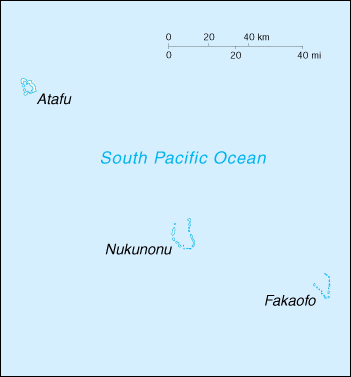
None; each atoll (Atafu, Nukunono and Fakaofo)
has its own administrative center
has its own administrative center
1,368 (July 2012 est.)
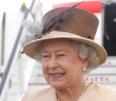
Elizabeth II
Queen of the United Kingdom
since 6 February 1952
Queen of the United Kingdom
since 6 February 1952
The monarch is hereditary; Governor General selected by the
monarch; administrator appointed by the Minister of Foreign
Affairs and Trade in New Zealand
Next scheduled election: None
monarch; administrator appointed by the Minister of Foreign
Affairs and Trade in New Zealand
Next scheduled election: None
HEAD OF GOVERNMENT
SELECTION PROCESS
The head of government is chosen from the Council of Faipule
and serves a one-year term. Position rotates annually among the
three Faipule (village leaders) who are popularly elected
Next scheduled election: 2014
and serves a one-year term. Position rotates annually among the
three Faipule (village leaders) who are popularly elected
Next scheduled election: 2014
| DECLARATION OF HUMAN RIGHTS |
| ETHNIC GROUPS |
Polynesian
| RELIGIONS |
Congregational Christian Church 70%, Roman Catholic 28%, other 2%
note: on Atafu, all Congregational Christian Church of Samoa; on Nukunonu, all Roman Catholic; on Fakaofo, both
denominations, with the Congregational Christian Church predominant
note: on Atafu, all Congregational Christian Church of Samoa; on Nukunonu, all Roman Catholic; on Fakaofo, both
denominations, with the Congregational Christian Church predominant
| GOVERNMENT STRUCTURE |
self-administering territory of New Zealand; note - Tokelau and New Zealand have agreed to a draft constitution as
Tokelau moves toward free association with New Zealand; a UN sponsored referendum on self-governance, in February
2006, did not produce the two thirds majority vote necessary for changing the current political status; no administrative
divisions. Legal is based on New Zealand and local statutes
Executive: The monarch is hereditary; administrator appointed by the Minister of Foreign Affairs and Trade in New
Zealand; the head of government is chosen from the Council of Faipule and serves a one-year term
Legislative: Unicameral General Fono (20 seats; based upon proportional representation from the three islands elected
by popular vote to serve three-year terms; Atafu has seven seats, Fakaofo has seven seats, Nukunonu has six seats); note
- the Tokelau Amendment Act of 1996 confers limited legislative power on the General Fono
elections: last held 19-21 January 2011 (next to be held in 2014)
Judicial: Supreme Court in New Zealand exercises civil and criminal jurisdiction in Tokelau
Tokelau moves toward free association with New Zealand; a UN sponsored referendum on self-governance, in February
2006, did not produce the two thirds majority vote necessary for changing the current political status; no administrative
divisions. Legal is based on New Zealand and local statutes
Executive: The monarch is hereditary; administrator appointed by the Minister of Foreign Affairs and Trade in New
Zealand; the head of government is chosen from the Council of Faipule and serves a one-year term
Legislative: Unicameral General Fono (20 seats; based upon proportional representation from the three islands elected
by popular vote to serve three-year terms; Atafu has seven seats, Fakaofo has seven seats, Nukunonu has six seats); note
- the Tokelau Amendment Act of 1996 confers limited legislative power on the General Fono
elections: last held 19-21 January 2011 (next to be held in 2014)
Judicial: Supreme Court in New Zealand exercises civil and criminal jurisdiction in Tokelau
| LANGUAGES |
Tokelauan (a Polynesian language), English
| BRIEF HISTORY |
Tokelau's atolls have been populated for around 1000 years, with traditional tales linking the original Polynesian settlers
with Samoa, the Cook Islands and Tuvalu. The three atolls were reputed to have something of a fierce aversion to
domination from outsiders until the Tokelau wars of the 18th century, when Fakaofo conquered Atafu and Nukunonu to
create the first united entity of Tokelau. Atafu is in the hurricane belt. The island is inhabited by 380 persons (1932), all
natives of the Tokelau islands. Concerning them and their culture Gordon Macgregor, a Yale-Bishop Museum fellow,
who spent two months on the island, has written an interesting and informative bulletin. He believes that the island was
inhabited by a fine race of Polynesian people, all of whom were killed or driven from the island by an invasion from
Fakaofo in legendary times (about 1600). Nukunono was inhabited at an early date by a Polynesian people of fine
physique, according to tradition, which states that they furnished the first settler of Fakaofu with a wife. All but a few of
these early people were destroyed or driven away by conquerors from Fakaofu, under a chief named Te Vaka, about
1650. The rest became subject to Fakaofu, and were gradually absorbed by its people. Some settled in Samoa, and
others on islands to the west. Later Atafu was used periodically as a fishing base for expeditions from Fakaofo; and finally
drought, hurricane, and over-population on the latter island brought about a new permanent settlement. Although the last
of the group to become inhabited, Fakaofu became the dominant island, due to conquests of Te Vaka, son of the
powerful chief, Kava Vasefanua, in the 17th century. The earlier inhabitants on the other islands were destroyed, driven
away, or absorbed, and the islands recolonised by the later comers. The first Europeans to visit the islands were
Commodore John Byron in 1765 (Atafu) and the sailors of the US American whaler General Jackson in 1835 (Fakaofo).
As is the custom, missionaries soon followed, with Catholic Samoans converting the people of Nukunonu in the 1840s,
Protestant Samoans converting Atafu in 1858 and the two groups later battling for the souls of Fakaofo. White men
discovered Fakaofu in January, 1841, with the arrival of the French ship Adolphe, Captain Morvan. Immediately after, on
January 28, 1841, the Peacock and Flying Fish, of the U.S. Exploring Expedition, arrived, and named the atoll Bowditch
Island. They considered it a new discovery until they found parts of a wrecked ship, which the natives said had been cast
up two or three years earlier, and from which two men with Polynesian names had escaped, but had later died. The atolls'
already minuscule populations were drastically reduced to a mere 200 in the 1850s and 60s when Peruvian slave traders
seized around 250 people, 500 islanders were removed by missionaries, and diseases such as dysentery took hold. The
islands were annexed by Britain in 1889, and incorporated into the new crown colony of Gilbert & Ellice Islands (today's
Kiribati and Tuvalu) in 1916, by which time they were known as the Union Group. (The name probably didn't take
because it sounds better suited to a bank than an island paradise.) Many Tokelauans headed off to work the phosphate
mines of Banaba (Ocean Island). The islands have been administered by New Zealand since 1925, and were included
within its territorial boundaries in 1948, much to the displeasure of New Zealand's cartographic community. The name
Tokelau Islands was given in 1946, and contracted to Tokelau in 1976; it's a Polynesian word meaning 'north wind'. To
this day, Tokelau's administrator is still appointed by New Zealand's minister for foreign affairs, with an official secretary
based in Apia, Samoa. The country remains dependent on foreign aid, largely from NZ, but calls for independence have
increased, encouraged by both New Zealand and the United Nations. In the summer of 2012, with a multi-million grant
from Australia, the three atolls of Tokelau began constructing an extensive solar power grid with the goal of becoming the
world's first all solar powered nation. Construction should be complete by the end of 2012.
Sources: Yahoo Travel History of Tokelau; Jane's Tokelau Islands Page; Tokelau government website
with Samoa, the Cook Islands and Tuvalu. The three atolls were reputed to have something of a fierce aversion to
domination from outsiders until the Tokelau wars of the 18th century, when Fakaofo conquered Atafu and Nukunonu to
create the first united entity of Tokelau. Atafu is in the hurricane belt. The island is inhabited by 380 persons (1932), all
natives of the Tokelau islands. Concerning them and their culture Gordon Macgregor, a Yale-Bishop Museum fellow,
who spent two months on the island, has written an interesting and informative bulletin. He believes that the island was
inhabited by a fine race of Polynesian people, all of whom were killed or driven from the island by an invasion from
Fakaofo in legendary times (about 1600). Nukunono was inhabited at an early date by a Polynesian people of fine
physique, according to tradition, which states that they furnished the first settler of Fakaofu with a wife. All but a few of
these early people were destroyed or driven away by conquerors from Fakaofu, under a chief named Te Vaka, about
1650. The rest became subject to Fakaofu, and were gradually absorbed by its people. Some settled in Samoa, and
others on islands to the west. Later Atafu was used periodically as a fishing base for expeditions from Fakaofo; and finally
drought, hurricane, and over-population on the latter island brought about a new permanent settlement. Although the last
of the group to become inhabited, Fakaofu became the dominant island, due to conquests of Te Vaka, son of the
powerful chief, Kava Vasefanua, in the 17th century. The earlier inhabitants on the other islands were destroyed, driven
away, or absorbed, and the islands recolonised by the later comers. The first Europeans to visit the islands were
Commodore John Byron in 1765 (Atafu) and the sailors of the US American whaler General Jackson in 1835 (Fakaofo).
As is the custom, missionaries soon followed, with Catholic Samoans converting the people of Nukunonu in the 1840s,
Protestant Samoans converting Atafu in 1858 and the two groups later battling for the souls of Fakaofo. White men
discovered Fakaofu in January, 1841, with the arrival of the French ship Adolphe, Captain Morvan. Immediately after, on
January 28, 1841, the Peacock and Flying Fish, of the U.S. Exploring Expedition, arrived, and named the atoll Bowditch
Island. They considered it a new discovery until they found parts of a wrecked ship, which the natives said had been cast
up two or three years earlier, and from which two men with Polynesian names had escaped, but had later died. The atolls'
already minuscule populations were drastically reduced to a mere 200 in the 1850s and 60s when Peruvian slave traders
seized around 250 people, 500 islanders were removed by missionaries, and diseases such as dysentery took hold. The
islands were annexed by Britain in 1889, and incorporated into the new crown colony of Gilbert & Ellice Islands (today's
Kiribati and Tuvalu) in 1916, by which time they were known as the Union Group. (The name probably didn't take
because it sounds better suited to a bank than an island paradise.) Many Tokelauans headed off to work the phosphate
mines of Banaba (Ocean Island). The islands have been administered by New Zealand since 1925, and were included
within its territorial boundaries in 1948, much to the displeasure of New Zealand's cartographic community. The name
Tokelau Islands was given in 1946, and contracted to Tokelau in 1976; it's a Polynesian word meaning 'north wind'. To
this day, Tokelau's administrator is still appointed by New Zealand's minister for foreign affairs, with an official secretary
based in Apia, Samoa. The country remains dependent on foreign aid, largely from NZ, but calls for independence have
increased, encouraged by both New Zealand and the United Nations. In the summer of 2012, with a multi-million grant
from Australia, the three atolls of Tokelau began constructing an extensive solar power grid with the goal of becoming the
world's first all solar powered nation. Construction should be complete by the end of 2012.
Sources: Yahoo Travel History of Tokelau; Jane's Tokelau Islands Page; Tokelau government website
| ECONOMIC OVERVIEW |
Tokelau's small size (three villages), isolation, and lack of resources greatly restrain economic development and confine
agriculture to the subsistence level. The people rely heavily on aid from New Zealand - about $10 million annually in 2008
and 2009 - to maintain public services. New Zealand's support amounts to 80% of Tokelau's recurrent government
budget. An international trust fund, currently worth nearly US$32 million, was established in 2004 to provide Tokelau an
independent source of revenue. The principal sources of revenue come from sales of copra, postage stamps, souvenir
coins, and handicrafts. Money is also remitted to families from relatives in New Zealand.
Sources: CIA World Factbook (select Tokelau)
agriculture to the subsistence level. The people rely heavily on aid from New Zealand - about $10 million annually in 2008
and 2009 - to maintain public services. New Zealand's support amounts to 80% of Tokelau's recurrent government
budget. An international trust fund, currently worth nearly US$32 million, was established in 2004 to provide Tokelau an
independent source of revenue. The principal sources of revenue come from sales of copra, postage stamps, souvenir
coins, and handicrafts. Money is also remitted to families from relatives in New Zealand.
Sources: CIA World Factbook (select Tokelau)
| POLITICAL CLIMATE |
On 11 November 2004, Tokelau and New Zealand took steps to formulate a treaty that would transform Tokelau from a
New Zealand territory to an entity that is in free association with New Zealand. Besides drafting a treaty, a UN sponsored
"act of self-determination" had to take place. The referendum, supervised by the UN, started on 11 February 2006 and
finished on 15 February 2006. Although a 60% majority voted in favour of the proposal, a two-thirds majority was
required for the referendum to succeed, so Tokelau remained a New Zealand territory. In June 2006, Kolouei O'Brien
announced that the Fono had agreed to hold another referendum. This second referendum took place between 20 and 24
October 2007 and again fell short of the two-thirds majority required for independence, by 16 votes, at 446 votes in
favour and 246 against.
In all the United Nations-sponsored efforts to give Tokelauans the self-government which they have more than once failed
to endorse, the assumption has seemed to be that the proponents of those who lost the vote have the right for the vote to
be repeated with a view to reversing the verdict but, that once self-government were achieved, this could never be
reversed. Supporters of this view can argue that it is consistent with their vision of ideological purity; the current New
Zealand government is associated with such a view. Skeptics can argue that one-sided attempts to repeat the vote are
inconsistent with both supposed respect for the expressed wishes of Tokelauans, with the heritage of balanced
constitutional government and with practical politics: some of these sentiments have been expressed by Tokelau's former
Head of Government, Patuki Isaako.
In April 2008, speaking as leader of the National Party, future New Zealand Prime Minister John Key stated that New
Zealand had "imposed two referenda on the people of the Tokelau Islands", and questioned "the accepted wisdom that
small states should undergo a de-colonisation process".
Source: Wikipedia: Politics of Tokelau
New Zealand territory to an entity that is in free association with New Zealand. Besides drafting a treaty, a UN sponsored
"act of self-determination" had to take place. The referendum, supervised by the UN, started on 11 February 2006 and
finished on 15 February 2006. Although a 60% majority voted in favour of the proposal, a two-thirds majority was
required for the referendum to succeed, so Tokelau remained a New Zealand territory. In June 2006, Kolouei O'Brien
announced that the Fono had agreed to hold another referendum. This second referendum took place between 20 and 24
October 2007 and again fell short of the two-thirds majority required for independence, by 16 votes, at 446 votes in
favour and 246 against.
In all the United Nations-sponsored efforts to give Tokelauans the self-government which they have more than once failed
to endorse, the assumption has seemed to be that the proponents of those who lost the vote have the right for the vote to
be repeated with a view to reversing the verdict but, that once self-government were achieved, this could never be
reversed. Supporters of this view can argue that it is consistent with their vision of ideological purity; the current New
Zealand government is associated with such a view. Skeptics can argue that one-sided attempts to repeat the vote are
inconsistent with both supposed respect for the expressed wishes of Tokelauans, with the heritage of balanced
constitutional government and with practical politics: some of these sentiments have been expressed by Tokelau's former
Head of Government, Patuki Isaako.
In April 2008, speaking as leader of the National Party, future New Zealand Prime Minister John Key stated that New
Zealand had "imposed two referenda on the people of the Tokelau Islands", and questioned "the accepted wisdom that
small states should undergo a de-colonisation process".
Source: Wikipedia: Politics of Tokelau
| INTERNATIONAL DISPUTES |
Tokelau included American Samoa's Swains Island (Olohega) in its 2006 draft constitution


| REFUGEES AND INTERNALLY DISPLACED PERSONS (IDP) |
None reported.
| ILLICIT DRUGS |
None reported.
| HUMAN RIGHTS STATEMENTS, ANALYSIS AND CRITIQUES |
Joint U.S. – NZ mission provides fresh water to Tokelau
October 05, 2011
U.S. Ambassador David Huebner said today the U.S. Government was working jointly with the Government of New Zealand to
provide emergency fresh water supplies to Tokelau, which is in danger of running out of water in less than a week.
“The U.S. Coast Guard is working in partnership with the New Zealand Defence Force and the Ministry of Foreign Affairs to
supply approximately 36,000 gallons of drinking water to Tokelau,” said Ambassador Huebner.”The operation highlights the
importance of cooperation between the U.S. Armed Forces and the NZDF in the Pacific.”
The 225ft USCG Cutter Walnut was in American Samoa on a mission that includes maintenance of marine navigation aids when the
New Zealand government requested assistance in moving humanitarian supplies to Tokelau. The Walnut will be transporting more
than 36,000 gallons of drinking water to the stricken atolls, as well as a NZ-Government team that will be doing a needs-
assessment, and working on long-term solutions to the water shortage created by the La Nina ocean current.
“This evening the RNZAF will fly water supplies and personnel to American Samoa, where they will rendezvous with the Walnut
for onward transport to Tokelau,” said Huebner. The island nation does not have a useable airfield, making direct air missions
impossible, and RNZN ships are currently more than a week away. “Fortunately the U.S. Coast Guard Cutter Walnut is in the area,
and working with our New Zealand partners we will be able to support the humanitarian needs of the people of Tokelau.”
Tokelau is suffering severe fresh water shortages and the U.S. understood the need to act quickly, said the Ambassador.
“Like New Zealand, the United States is committed to helping our Pacific neighbours when they are in need,” said Ambassador
Huebner. “This is a very real humanitarian need here. We are talking about approximately 1,500 people who could be out of fresh
water within a week so we really needed to act very quickly.”
Click here to read more »
October 05, 2011
U.S. Ambassador David Huebner said today the U.S. Government was working jointly with the Government of New Zealand to
provide emergency fresh water supplies to Tokelau, which is in danger of running out of water in less than a week.
“The U.S. Coast Guard is working in partnership with the New Zealand Defence Force and the Ministry of Foreign Affairs to
supply approximately 36,000 gallons of drinking water to Tokelau,” said Ambassador Huebner.”The operation highlights the
importance of cooperation between the U.S. Armed Forces and the NZDF in the Pacific.”
The 225ft USCG Cutter Walnut was in American Samoa on a mission that includes maintenance of marine navigation aids when the
New Zealand government requested assistance in moving humanitarian supplies to Tokelau. The Walnut will be transporting more
than 36,000 gallons of drinking water to the stricken atolls, as well as a NZ-Government team that will be doing a needs-
assessment, and working on long-term solutions to the water shortage created by the La Nina ocean current.
“This evening the RNZAF will fly water supplies and personnel to American Samoa, where they will rendezvous with the Walnut
for onward transport to Tokelau,” said Huebner. The island nation does not have a useable airfield, making direct air missions
impossible, and RNZN ships are currently more than a week away. “Fortunately the U.S. Coast Guard Cutter Walnut is in the area,
and working with our New Zealand partners we will be able to support the humanitarian needs of the people of Tokelau.”
Tokelau is suffering severe fresh water shortages and the U.S. understood the need to act quickly, said the Ambassador.
“Like New Zealand, the United States is committed to helping our Pacific neighbours when they are in need,” said Ambassador
Huebner. “This is a very real humanitarian need here. We are talking about approximately 1,500 people who could be out of fresh
water within a week so we really needed to act very quickly.”
Click here to read more »
22 June 2012
Special Committee on Decolonization Concludes Session with Adoption of Resolutions on Tokelau, New Caledonia
Also Hears Petitioners from Tokelau, Turks and Caicos;
Chair Says Committee Must Make Process ‘Pragmatic and Useful’ for Territories
The Special Committee on Decolonization concluded its 2012 substantive session today with the adoption by consensus of two
draft resolutions on the questions of Tokelau and New Caledonia, and with its Chair stressing it must make the process of
decolonization pragmatic and useful for the 16 Non-Self-Governing Territories under its purview.
By the terms of the draft resolution on Tokelau, the General Assembly would acknowledgethe 2008 decision of the General Fono
that consideration of any future act of self-determination by Tokelau would be deferred and that New Zealand and Tokelau would
devote renewed effort and attention to ensuring that essential services and infrastructure on the atolls of Tokelau were enhanced,
thereby ensuring an enhanced quality of life for the people of Tokelau.
Appearing today as a petitioner and praising the “generous and conscientious support” of the Government of New Zealand to “our
small and remote country”, Aliki Faipule Kerisiano Kalolo, titular Head of Tokelau, emphasized that self-determination was at
present secondary to infrastructure development. There had been significant progress in healthcare and education, and “everyone
was working hard” on long-term solutions, such as shipping service and air service.
Noting that transport had dominated New Zealand’s engagement with Tokelau over the last two years, the representative of New
Zealand stated that the year had not been without challenges. It remained “a balancing exercise” for New Zealand between
respecting Tokelau’s wish for control of some of its affairs and New Zealand’s need to ensure that its substantial assistance in
Tokelau was used most effectively.
Petitioner on Tokelau
ALIKI FAIPULE KERISIANO KALOLO, titular Head of Tokelau, said that since the 2008 agreement between the Governments of
New Zealand and Tokelau, which said the issue of self-determination would be left for a while to focus on infrastructure
development, Tokelau had worked on developmental programmes relating to its school, hospitals, renewable energy and transport
and communication. School buildings and a hospital would be completed in the next six months and the Tokelau Renewable
Energy Project would be completed before the end of the current year and would meet 100 per cent of Tokelau’s electricity needs.
Transport remained a major issue, he said, as a shipping service was essential for the regular movement of passengers and goods
between Tokelau and the outside world, as well as for the delivery of education and health services. In May the New Zealand
Government had advised that Tokelau would be getting a new vessel in June and everyone was working hard on long-term
solutions, such as a shipping service and air service.
Speaking on the subject of self-determination for Tokelau, he added that, at present, that was secondary to infrastructure
development, and before undertaking another self-determination referendum, it was necessary that the people of Tokelau must
understand integration, independence, the particular features of free association, and relevant international experience, including that
of Micronesia and the Caribbean countries. He concluded by praising the “generous and conscientious support” of the Government
of New Zealand to “our small and remote country”.
Click here to read more »
Special Committee on Decolonization Concludes Session with Adoption of Resolutions on Tokelau, New Caledonia
Also Hears Petitioners from Tokelau, Turks and Caicos;
Chair Says Committee Must Make Process ‘Pragmatic and Useful’ for Territories
The Special Committee on Decolonization concluded its 2012 substantive session today with the adoption by consensus of two
draft resolutions on the questions of Tokelau and New Caledonia, and with its Chair stressing it must make the process of
decolonization pragmatic and useful for the 16 Non-Self-Governing Territories under its purview.
By the terms of the draft resolution on Tokelau, the General Assembly would acknowledgethe 2008 decision of the General Fono
that consideration of any future act of self-determination by Tokelau would be deferred and that New Zealand and Tokelau would
devote renewed effort and attention to ensuring that essential services and infrastructure on the atolls of Tokelau were enhanced,
thereby ensuring an enhanced quality of life for the people of Tokelau.
Appearing today as a petitioner and praising the “generous and conscientious support” of the Government of New Zealand to “our
small and remote country”, Aliki Faipule Kerisiano Kalolo, titular Head of Tokelau, emphasized that self-determination was at
present secondary to infrastructure development. There had been significant progress in healthcare and education, and “everyone
was working hard” on long-term solutions, such as shipping service and air service.
Noting that transport had dominated New Zealand’s engagement with Tokelau over the last two years, the representative of New
Zealand stated that the year had not been without challenges. It remained “a balancing exercise” for New Zealand between
respecting Tokelau’s wish for control of some of its affairs and New Zealand’s need to ensure that its substantial assistance in
Tokelau was used most effectively.
Petitioner on Tokelau
ALIKI FAIPULE KERISIANO KALOLO, titular Head of Tokelau, said that since the 2008 agreement between the Governments of
New Zealand and Tokelau, which said the issue of self-determination would be left for a while to focus on infrastructure
development, Tokelau had worked on developmental programmes relating to its school, hospitals, renewable energy and transport
and communication. School buildings and a hospital would be completed in the next six months and the Tokelau Renewable
Energy Project would be completed before the end of the current year and would meet 100 per cent of Tokelau’s electricity needs.
Transport remained a major issue, he said, as a shipping service was essential for the regular movement of passengers and goods
between Tokelau and the outside world, as well as for the delivery of education and health services. In May the New Zealand
Government had advised that Tokelau would be getting a new vessel in June and everyone was working hard on long-term
solutions, such as a shipping service and air service.
Speaking on the subject of self-determination for Tokelau, he added that, at present, that was secondary to infrastructure
development, and before undertaking another self-determination referendum, it was necessary that the people of Tokelau must
understand integration, independence, the particular features of free association, and relevant international experience, including that
of Micronesia and the Caribbean countries. He concluded by praising the “generous and conscientious support” of the Government
of New Zealand to “our small and remote country”.
Click here to read more »
March 17, 2011
How to Measure Democracy – The Freedom House Survey of Political and Civil Liberties – Artur Victoria Studies
by — Categories: Political Education and Information — Comments Off
How to Measure Democracy – The Freedom House Survey of Political and Civil Liberties – Artur Victoria Studies
Freedom House was founded almost sixty years ago by Eleanor Roosevelt, Wendell Willkie and other Americans concerned with
the dangers that faced democracy. Freedom House is led by a Board of Trustees composed of Democrats, Republicans and
Independents; business and labor leaders; former senior government officials, scholars, writers and journalists. It conducts a large
array of U.S. and overseas research, advocacy, education, and training activities that promote human rights, democracy, and free
market economics, the rule of law, independent media, and U.S. engagement in international affairs (Freedom House: 2002).
Freedom House started publishing in 1973 and its aim was to provoke a discussion about the levels of political freedom. Even if the
survey rated the level of freedom in all the countries in the world, actually it was concerned with the measurement of political
democracy. Only one person performed the first surveys without any research staff. This may be an advantage because of the
possible biases that a research staff might have. The survey was also considered by some as too rightist, and Freedom House itself
continues to have a somewhat pro-Republican reputation. The critics were usually too general with no emphasis on the indicators
or other elements of the surveys. As any survey that contains a large number of cases this also gives only a rough account of the
development of democracy. It often disregards certain nuances that are connected to the relations between institutions, or how
certain institutions as well as procedures take different shapes from country to country.
The Freedom House ratings rely on a published checklist of political liberties and civil rights, but it has never been announced how
this checklist is actually used in the process of rating the state of political and civil rights. By political rights the survey refers to
permitting people to freely take part in the political process that represents the method by which the policymakers are chosen to
make effective decisions. By civil liberties Freedom House means “the freedoms to develop views, institutions, and personal
autonomy apart from state” (Freedom House: 2002).
Freedom House divides territories into related and disputed. Related territories refer to colonies, protectorates and island
dependencies of sovereign states between the two not being any serious political disputes. Puerto Rico, Hong Kong and French
Guyana are in this category. These are enjoying a large range of political liberties and the majority is categorized as “free”. Disputed
territories are areas in sovereign states that are dominated by a minority that is in a violent dispute with the majority and its status is
threatened. Usually the majority of population from these territories wants to secede from the sovereign state. Examples might be
Tibet, Kashmir and Abkhazia. For these territories Freedom House assigns labels of “Free”, “Partly free” and “Not free” without
giving scores. The same status enjoy the micro-states like Cocos (Keeling) Islands, Rapanui (Easter Island), Falkland Islands, Niue,
Norfolk Island, Pitcairn Islands, Savalbard and Tokelau. Uninhabited territories like Johnston Atoll owned by the US are excluded
from the survey.
Click here to read more»
How to Measure Democracy – The Freedom House Survey of Political and Civil Liberties – Artur Victoria Studies
by — Categories: Political Education and Information — Comments Off
How to Measure Democracy – The Freedom House Survey of Political and Civil Liberties – Artur Victoria Studies
Freedom House was founded almost sixty years ago by Eleanor Roosevelt, Wendell Willkie and other Americans concerned with
the dangers that faced democracy. Freedom House is led by a Board of Trustees composed of Democrats, Republicans and
Independents; business and labor leaders; former senior government officials, scholars, writers and journalists. It conducts a large
array of U.S. and overseas research, advocacy, education, and training activities that promote human rights, democracy, and free
market economics, the rule of law, independent media, and U.S. engagement in international affairs (Freedom House: 2002).
Freedom House started publishing in 1973 and its aim was to provoke a discussion about the levels of political freedom. Even if the
survey rated the level of freedom in all the countries in the world, actually it was concerned with the measurement of political
democracy. Only one person performed the first surveys without any research staff. This may be an advantage because of the
possible biases that a research staff might have. The survey was also considered by some as too rightist, and Freedom House itself
continues to have a somewhat pro-Republican reputation. The critics were usually too general with no emphasis on the indicators
or other elements of the surveys. As any survey that contains a large number of cases this also gives only a rough account of the
development of democracy. It often disregards certain nuances that are connected to the relations between institutions, or how
certain institutions as well as procedures take different shapes from country to country.
The Freedom House ratings rely on a published checklist of political liberties and civil rights, but it has never been announced how
this checklist is actually used in the process of rating the state of political and civil rights. By political rights the survey refers to
permitting people to freely take part in the political process that represents the method by which the policymakers are chosen to
make effective decisions. By civil liberties Freedom House means “the freedoms to develop views, institutions, and personal
autonomy apart from state” (Freedom House: 2002).
Freedom House divides territories into related and disputed. Related territories refer to colonies, protectorates and island
dependencies of sovereign states between the two not being any serious political disputes. Puerto Rico, Hong Kong and French
Guyana are in this category. These are enjoying a large range of political liberties and the majority is categorized as “free”. Disputed
territories are areas in sovereign states that are dominated by a minority that is in a violent dispute with the majority and its status is
threatened. Usually the majority of population from these territories wants to secede from the sovereign state. Examples might be
Tibet, Kashmir and Abkhazia. For these territories Freedom House assigns labels of “Free”, “Partly free” and “Not free” without
giving scores. The same status enjoy the micro-states like Cocos (Keeling) Islands, Rapanui (Easter Island), Falkland Islands, Niue,
Norfolk Island, Pitcairn Islands, Savalbard and Tokelau. Uninhabited territories like Johnston Atoll owned by the US are excluded
from the survey.
Click here to read more»
SOLOMON ISLANDS
END IMPUNITY THROUGH UNIVERSAL JURISDICTION
7 December 2009
2. THE LEGAL FRAMEWORK
Statutory criminal law and procedure and common law defences. The Penal Code and Criminal Procedure Code were enacted
before independence based on English statutes and common law, with some modifications to reflect the situation in Solomon
Islands.9 In addition, the Solomon Islands Penal Code, like those of Fiji, Kiribati, Nauru, Papua New Guinea and Tuvalu, was
influenced by the Griffith Code of 1899 developed for Queensland, Australia.10 The Penal Code is intended to be an exhaustive
statement of the law in the sense that “it describes not only the elements of offences necessary to find a person guilty, but it also
establishes any defence in law”.11 However, this statement by the Solomon Island Court of Appeal in the Hese case needs to be
qualified in at least two respects. First, as both Section 3 of the Penal Code provides and the Court of Appeal in Hese recognized,
the Code is to be interpreted in accordance with principles of legal interpretation obtain in England “and expressions used in it shall
be presumed . . . to be used with the meaning attached to them in English criminal law”.12
9 Solomon Islands Law Reform Commission, Review of Penal Code and Criminal Procedure Code, Issues Paper 1, November
2008 (Law Reform Commission Issues Paper 1) (http://www.paclii.org/gateway/LRC/SILRC/Docs/Penal_Code_Issues_%
20Paper_1.pdf), p. 18. See also Eric Colvin, ‘Criminal Responsibility in the South Pacific Codes’, 26 Crim. L. J., 2002, p. 98, at p.
99. In contrast, other islands in the Pacific (Cook Islands, Niue, Samoa and Tokelau) followed the New Zealand Stephens Crimes
Act 1893, which omits statements of general principle and relies primarily on the common law to supplement provisions in criminal
codes; Vanuatu has a criminal code which includes principles of responsibility, but which is different from the Griffith Code.
Colvin, ‘Criminal Responsibility’.
Click here to read more»
END IMPUNITY THROUGH UNIVERSAL JURISDICTION
7 December 2009
2. THE LEGAL FRAMEWORK
Statutory criminal law and procedure and common law defences. The Penal Code and Criminal Procedure Code were enacted
before independence based on English statutes and common law, with some modifications to reflect the situation in Solomon
Islands.9 In addition, the Solomon Islands Penal Code, like those of Fiji, Kiribati, Nauru, Papua New Guinea and Tuvalu, was
influenced by the Griffith Code of 1899 developed for Queensland, Australia.10 The Penal Code is intended to be an exhaustive
statement of the law in the sense that “it describes not only the elements of offences necessary to find a person guilty, but it also
establishes any defence in law”.11 However, this statement by the Solomon Island Court of Appeal in the Hese case needs to be
qualified in at least two respects. First, as both Section 3 of the Penal Code provides and the Court of Appeal in Hese recognized,
the Code is to be interpreted in accordance with principles of legal interpretation obtain in England “and expressions used in it shall
be presumed . . . to be used with the meaning attached to them in English criminal law”.12
9 Solomon Islands Law Reform Commission, Review of Penal Code and Criminal Procedure Code, Issues Paper 1, November
2008 (Law Reform Commission Issues Paper 1) (http://www.paclii.org/gateway/LRC/SILRC/Docs/Penal_Code_Issues_%
20Paper_1.pdf), p. 18. See also Eric Colvin, ‘Criminal Responsibility in the South Pacific Codes’, 26 Crim. L. J., 2002, p. 98, at p.
99. In contrast, other islands in the Pacific (Cook Islands, Niue, Samoa and Tokelau) followed the New Zealand Stephens Crimes
Act 1893, which omits statements of general principle and relies primarily on the common law to supplement provisions in criminal
codes; Vanuatu has a criminal code which includes principles of responsibility, but which is different from the Griffith Code.
Colvin, ‘Criminal Responsibility’.
Click here to read more»
1997 LAND MINE BAN TREATY REPORT
III. COMMONWEALTH COUNTRIES SUPPORTING THE BAN TREATY
New Zealand(6) (Wellington)
New Zealand first publicly supported an immediate mine ban in December 1995. It renounced the operational use and export of
antipersonnel landmines on April 22, 1996. The government states that it has no stocks of antipersonnel landmines. New Zealand
was a co-sponsor of UNGA Resolution 51/45S and endorsed the Brussels Declaration. It participated in the Oslo negotiations and is
expected to sign the treaty in December.
6. Includes the territories of Tokelau and the Ross Dependency (Antarctic). Self-governing countries in association with New
Zealand are the Cook Islands and Niue.
Click here to read more »
III. COMMONWEALTH COUNTRIES SUPPORTING THE BAN TREATY
New Zealand(6) (Wellington)
New Zealand first publicly supported an immediate mine ban in December 1995. It renounced the operational use and export of
antipersonnel landmines on April 22, 1996. The government states that it has no stocks of antipersonnel landmines. New Zealand
was a co-sponsor of UNGA Resolution 51/45S and endorsed the Brussels Declaration. It participated in the Oslo negotiations and is
expected to sign the treaty in December.
6. Includes the territories of Tokelau and the Ross Dependency (Antarctic). Self-governing countries in association with New
Zealand are the Cook Islands and Niue.
Click here to read more »
Tokelau Wellington Leadership Group
Thursday, February 2nd, 2012
For the launch of new Tokelau language resources, December 2011. The Wellington Tokelau community came together in
Wellington on Human Rights Day, 10 December 2011, to celebrate the production and launch of new language resources produced
by the community – four booklets for children and a collection of Tokelauan proverbs. The publications drew on the skills of a
local Tokelauan illustrator and designer, with support from the Ministry of Pacific Island Affairs.
There are around 7000 Tokelauans in New Zealand, and about 1200 in Tokelau. According to the 2006 census, only 40 per cent
could speak Tokelauan at that time, and less than 25 per cent of those born in New Zealand could do so.
Tokelau, Niue and the Cook Islands remain a part of the “New Zealand realm” and their people enjoy New Zealand citizenship. All
have a majority of their population living in New Zealand, and language retention in New Zealand is vital to the survival of their
languages. The Ministry of Pacific Island Affairs worked with the three communities on a Mind Your Language project from 2005-
2009 to produce some initial language resources and a website for each language. The Tokelau website was launched in 2008.
The Tokelau Wellington Leadership Group has continued to work with Government and others on initiatives to promote their
language. The first ever translation of the New Testament was completed in 2009 and is being followed by the translation of the
Old Testament. The Ministry of Education published Tokelau Language Guidelines in 2009, and Muakiga! An Introduction to
Gagana Tokelau in 2011. The group has developed a Community Action Plan for the Tokelau language consistent with the draft
Pacific Languages Framework being developed by the Ministry of Pacific Island Affairs.
Plans for 2012 include an inaugural Tokelau Language Week to promote the language to both the Tokelau and wider New Zealand
communities.
Click here to read more »
Thursday, February 2nd, 2012
For the launch of new Tokelau language resources, December 2011. The Wellington Tokelau community came together in
Wellington on Human Rights Day, 10 December 2011, to celebrate the production and launch of new language resources produced
by the community – four booklets for children and a collection of Tokelauan proverbs. The publications drew on the skills of a
local Tokelauan illustrator and designer, with support from the Ministry of Pacific Island Affairs.
There are around 7000 Tokelauans in New Zealand, and about 1200 in Tokelau. According to the 2006 census, only 40 per cent
could speak Tokelauan at that time, and less than 25 per cent of those born in New Zealand could do so.
Tokelau, Niue and the Cook Islands remain a part of the “New Zealand realm” and their people enjoy New Zealand citizenship. All
have a majority of their population living in New Zealand, and language retention in New Zealand is vital to the survival of their
languages. The Ministry of Pacific Island Affairs worked with the three communities on a Mind Your Language project from 2005-
2009 to produce some initial language resources and a website for each language. The Tokelau website was launched in 2008.
The Tokelau Wellington Leadership Group has continued to work with Government and others on initiatives to promote their
language. The first ever translation of the New Testament was completed in 2009 and is being followed by the translation of the
Old Testament. The Ministry of Education published Tokelau Language Guidelines in 2009, and Muakiga! An Introduction to
Gagana Tokelau in 2011. The group has developed a Community Action Plan for the Tokelau language consistent with the draft
Pacific Languages Framework being developed by the Ministry of Pacific Island Affairs.
Plans for 2012 include an inaugural Tokelau Language Week to promote the language to both the Tokelau and wider New Zealand
communities.
Click here to read more »
Tokelau thanks Fiji on decolonisation efforts
By Online Editor
09:50 am GMT+12, 13/09/2012, Fiji
Fijian President, Ratu Epeli Nailatikau received a courtesy call from the Ulu-o-Tokelau, Aliki Faipule Kerisiano Kalolo Wednesday at
Government House.
Kalolo is also Minister for Foreign Affairs, Minister for Education, Minister for Economic Development, Natural Resources and
Environment (including Agriculture & Fisheries).
He personally thanked the President and the Government of Fiji for its support towards Tokelau’s submission to the United Nations
at the UN’s Special Committee Meeting on Decolonization, held this past June.
Kalolo also added that Fiji’s Permanent Representative to the United Nations Ambassador Peter Thompson introduced the two draft
resolutions which sought to update the UN Special Committee on Decolonization on the efforts towards self-determination by
Tokelau and New Caledonia. He said the UN Special Committee adopted the resolutions by consensus.
“I also wish to thank the Fijian Government for its support towards Tokelauan students currently studying at the University of the
South Pacific, the Fiji School of Medicine and the Fiji School of Nursing,” Kalolo said.
Kalolo and President Ratu Epeli Nailatikau both agreed to strengthen relations between the two countries.
Click here to read more »
By Online Editor
09:50 am GMT+12, 13/09/2012, Fiji
Fijian President, Ratu Epeli Nailatikau received a courtesy call from the Ulu-o-Tokelau, Aliki Faipule Kerisiano Kalolo Wednesday at
Government House.
Kalolo is also Minister for Foreign Affairs, Minister for Education, Minister for Economic Development, Natural Resources and
Environment (including Agriculture & Fisheries).
He personally thanked the President and the Government of Fiji for its support towards Tokelau’s submission to the United Nations
at the UN’s Special Committee Meeting on Decolonization, held this past June.
Kalolo also added that Fiji’s Permanent Representative to the United Nations Ambassador Peter Thompson introduced the two draft
resolutions which sought to update the UN Special Committee on Decolonization on the efforts towards self-determination by
Tokelau and New Caledonia. He said the UN Special Committee adopted the resolutions by consensus.
“I also wish to thank the Fijian Government for its support towards Tokelauan students currently studying at the University of the
South Pacific, the Fiji School of Medicine and the Fiji School of Nursing,” Kalolo said.
Kalolo and President Ratu Epeli Nailatikau both agreed to strengthen relations between the two countries.
Click here to read more »
The head of Tokelau’s public service says there is some concern about the unity of the territory’s leadership council
after a minister was stood down.
Thu, 28 Jun 2012
APIA, Samoa (RNZI) ------ The head of Tokelau’s public service says there is some concern about the unity of the territory’s
leadership council after a minister was stood down. Foua Toloa, the Faipule of Fakaofo and a former leader, had held the finance
and transport portfolios, which have been transferred to the new leader or Ulu, Kelisiano Kalolo. The head of the public service, Joe
Suveinakama, said there was issues between Toloa and the New Zealand foreign minister, Murray McCully.
“This is a very political and sensitive issue and I think the leaders of Tokelau want to work [closely] with New Zealand, but they’re
very sensitive to the issue of the unity of the council members of Tokelau, so there is actually some concern, some caution that this
matter should be dealt with without the council unity being jeopardised or compromised.”
Suveinakama said the issues were over shipping policy. A spokesperson for New Zealand’s Ministry of Foreign Affairs and Trade
says it is aware of reports that Mr Toloa has been stood down from his official duties. The spokesperson said there have been
concerns in Tokelau about decision making over a long period of time.
The spokesperson said any decision on the removal of ministerial portfolios is for the Council of Tokelau’s Ongoing Government
and its General Fono to make.
Click here to read more »
after a minister was stood down.
Thu, 28 Jun 2012
APIA, Samoa (RNZI) ------ The head of Tokelau’s public service says there is some concern about the unity of the territory’s
leadership council after a minister was stood down. Foua Toloa, the Faipule of Fakaofo and a former leader, had held the finance
and transport portfolios, which have been transferred to the new leader or Ulu, Kelisiano Kalolo. The head of the public service, Joe
Suveinakama, said there was issues between Toloa and the New Zealand foreign minister, Murray McCully.
“This is a very political and sensitive issue and I think the leaders of Tokelau want to work [closely] with New Zealand, but they’re
very sensitive to the issue of the unity of the council members of Tokelau, so there is actually some concern, some caution that this
matter should be dealt with without the council unity being jeopardised or compromised.”
Suveinakama said the issues were over shipping policy. A spokesperson for New Zealand’s Ministry of Foreign Affairs and Trade
says it is aware of reports that Mr Toloa has been stood down from his official duties. The spokesperson said there have been
concerns in Tokelau about decision making over a long period of time.
The spokesperson said any decision on the removal of ministerial portfolios is for the Council of Tokelau’s Ongoing Government
and its General Fono to make.
Click here to read more »

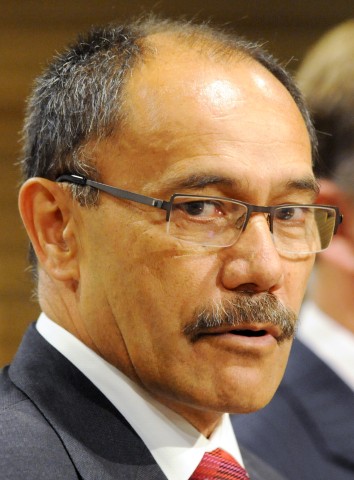
Represented by
Lieutenant General Sir Jeremiah "Jerry"
Mateparae
Governor General of New Zealand
since 31 August 2011
Lieutenant General Sir Jeremiah "Jerry"
Mateparae
Governor General of New Zealand
since 31 August 2011
| Click map for larger view |
| Click flag for Country Report |




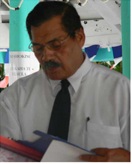
Aliki Faipule Foua Toloa (Fakaofo)
Member of the Council of Faipule
since 21 February 2011
Member of the Council of Faipule
since 21 February 2011

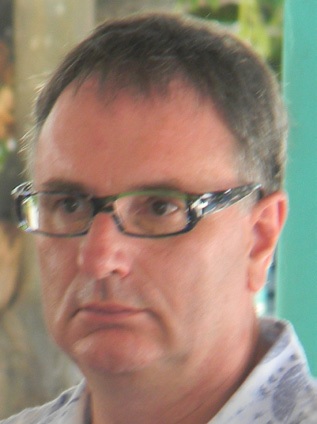
Represented by
Jonathan Kings
Administrator to Tokelau
since 01 February 2011
Jonathan Kings
Administrator to Tokelau
since 01 February 2011
| TRAFFICKING IN PERSONS |
None reported.
Aliki Faipule Kelisiano Kalolo (Atufu)
Member of the Council of Faipule
since 21 February 2011
Member of the Council of Faipule
since 21 February 2011
Aliki Faipule Salesio Lui (Nukunonu)
Head of the Council of Faipule
since 1 March 2013
Head of the Council of Faipule
since 1 March 2013