| TRINIDAD AND TOBAGO Republic of Trinidad and Tobago Republic of Trinidad and Tobago Joined United Nations: 18 September 1962 Human Rights as assured by their constitution Click here Updated 30 December 2012 |

| CAPITAL |
| POPULATION |
| CHIEF OF STATE |
| SELECTION PROCESS |
Port-of-Spain
1,226,383 (July 2012 est.)
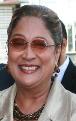
Kamla Persad-Bissessar
Prime Minister since 26 May 2010
Prime Minister since 26 May 2010
President elected by an electoral college, which consists of the
members of the Senate and House of Representatives, for a
five-year term (eligible for a second term); election last held on 11
February 2008
Next scheduled election: February 2013
members of the Senate and House of Representatives, for a
five-year term (eligible for a second term); election last held on 11
February 2008
Next scheduled election: February 2013
HEAD OF GOVERNMENT
SELECTION PROCESS
The president usually appoints as prime minister the leader of
the majority party in the House of Representatives. Election last
held: 24 May 2010
Next scheduled election: 2015
the majority party in the House of Representatives. Election last
held: 24 May 2010
Next scheduled election: 2015
| DECLARATION OF HUMAN RIGHTS |
| ETHNIC GROUPS |
Indian (South Asian) 40%, African 37.5%, mixed 20.5%, other 1.2%, unspecified 0.8% (2000 census)
| RELIGIONS |
Roman Catholic 26%, Hindu 22.5%, Anglican 7.8%, Baptist 7.2%, Pentecostal 6.8%, Muslim 5.8%, Seventh Day Adventist 4%, other
Christian 5.8%, other 10.8%, unspecified 1.4%, none 1.9% (2000 census)
Christian 5.8%, other 10.8%, unspecified 1.4%, none 1.9% (2000 census)
| GOVERNMENT STRUCTURE |
Parliamentary democracy with 9 regional corporations, 2 city corporations, 3 borough corporations and 1 ward ; Legal system is
based on English common law; judicial review of legislative acts in the Supreme Court; has not accepted compulsory ICJ jurisdiction
Executive: President elected by an electoral college, which consists of the members of the Senate and House of Representatives,
for a five-year term (eligible for a second term); election last held on 11 February 2008 (next to be held by February 2013); the
president usually appoints as prime minister the leader of the majority party in the House of Representatives
Legislative: bicameral Parliament consists of the Senate (31 seats; 16 members appointed by the ruling party, nine by the
President, six by the opposition party to serve a maximum term of five years) and the House of Representatives (36 seats; members
are elected by popular vote to serve five-year terms)
elections: House of Representatives - last held on 24 May 2010 (next to be held in 2015)
Judicial: Supreme Court of Judicature (comprised of the High Court of Justice and the Court of Appeals; the chief justice is
appointed by the president after consultation with the prime minister and the leader of the opposition; other justices are appointed
by the president on the advice of the Judicial and Legal Service Commission); High Court of Justice; Caribbean Court of Appeals
member; Court of Appeals; the highest court of appeal is the Privy Council in London
based on English common law; judicial review of legislative acts in the Supreme Court; has not accepted compulsory ICJ jurisdiction
Executive: President elected by an electoral college, which consists of the members of the Senate and House of Representatives,
for a five-year term (eligible for a second term); election last held on 11 February 2008 (next to be held by February 2013); the
president usually appoints as prime minister the leader of the majority party in the House of Representatives
Legislative: bicameral Parliament consists of the Senate (31 seats; 16 members appointed by the ruling party, nine by the
President, six by the opposition party to serve a maximum term of five years) and the House of Representatives (36 seats; members
are elected by popular vote to serve five-year terms)
elections: House of Representatives - last held on 24 May 2010 (next to be held in 2015)
Judicial: Supreme Court of Judicature (comprised of the High Court of Justice and the Court of Appeals; the chief justice is
appointed by the president after consultation with the prime minister and the leader of the opposition; other justices are appointed
by the president on the advice of the Judicial and Legal Service Commission); High Court of Justice; Caribbean Court of Appeals
member; Court of Appeals; the highest court of appeal is the Privy Council in London
| LANGUAGES |
English (official), Caribbean Hindustani (a dialect of Hindi), French, Spanish, Chinese
| BRIEF HISTORY |
Human settlement in Trinidad dates back at least 7000 years. The earliest settlers, termed Archaic or Ortoiroid, are believed to
have settled Trinidad from northeastern South America around 5000 BC. Twenty-nine Archaic sites have been identified, mostly in
south Trinidad; this includes the 7000-year-old Banwari Trace site which is the oldest human settlement in the eastern Caribbean.
Archaic populations were pre-ceramic, and dominated the area until about 200 BC. Around 250 BC the first ceramic-using people
in the Caribbean, the Saladoid people, entered Trinidad. Earliest evidence of these people come from around 2100 BC along the
banks of the Orinoco River in Venezuela. After 250 AD a third group, called the Barrancoid people settled in southern Trinidad
after migrating up the Orinoco River toward the sea. The oldest Barrancoid settlement appears to have been at Erin, on the south
coast. Following the collapse of Barrancoid communities along the Orinoco around 650 AD, a new group, called the Arauquinoid
expanded up the river to the coast. The cultural artifacts of this group were only partly adopted in Trinidad and adjacent areas of
northeast Venezuela, and as a result this culture is called Guayabitoid in these areas. Around 1300 AD a new group appears to
have settled in Trinidad and introduced new cultural attributes which largely replaced the Guayabitoid culture. Termed the Mayoid
cultural tradition, this represents the native tribes which were present in Trinidad at the time of European arrival. Their distinct
pottery and artifacts survive until 1800, but after this time they were largely assimilated into mainstream Trinidad society. These
included the Nepoya and Suppoya (who were probably Arawak-speaking) and the Yao (who were probably Carib-speaking).
They have generally been called Arawaks and Caribs. First contact with Europeans, led by Christopher Columbus, took place on
July 31, 1498. Columbus is reported to have promised to name the next land he discovered for the Holy Trinity, and considered it a
miracle when the first land he sighted was the three peaks of the Trinity Hills. Amerindians in Trinidad were initially classified as
friendly (and thus Arawak). The location of Trinidad between the Island Caribs (or Kalinago) of the Lesser Antilles and those of the
South American mainland made the island prone to slave raiding even before Spanish settlement and a more warlike population than
was found among their Taino Arawak kin in the Greater Antilles. Trinidad is reported to have been densely populated at the
beginning of the colonial period. Although in 1510 Trinidad was said to have the only "peaceful Indians" along the whole South
American coast, demand for slaves to supply the pearl-fisheries in nearby Isla Margarita led to them being declared "Caribs" (and
thus, fair game for slavers) in 1511. As a consequence of this Trinidad became the focus of Spanish slaving raids, especially to
supply Margarita's pearl fisheries. Although Spanish settlement began in the sixteenth century, the population in 1783 was less than
three thousand, the majority being Amerindians. In 1783, the proclamation of a Cedula of Population by the Spanish Crown granted
32 acres (129,000 m²) of land to each Roman Catholic who settled in Trinidad and half as much for each slave that they brought.
Uniquely, 16 acres (65,000 m²) was offered to each Free Coloured or Free Person of Colour (gens de couleur libre, as they were
later known), and half as much for each slave they brought. In the tumult of the Haitian and French Revolutions, many people
migrated from the French islands to Trinidad. This resulted in Trinidad having the unique feature of a large French-speaking Free
Coloured slave-owning class. Tobago's development was similar to other plantation islands in the Lesser Antilles and quite different
from Trinidad's. During the colonial period, French, Dutch, British and Courlanders (Latvians) fought over possession of Tobago,
and the island changed hands 22 times - more often than any other West Indian island. For more information on "New Courland"
(1637, 1642, 1654-1659, 1680-1690). The first announcement from Whitehall in England that slaves would be totally freed by
1840 was made in 1833. In the meantime, slaves on plantations were expected to remain where they were and work as
"apprentices" for the next six years. Trinidad demonstrated one of the first successful uses of non-violent protest and passive
resistance almost a hundred years before Mahatma Gandhi's campaign in India. On 1st of August 1834, a unarmed group of mainly
elderly Negroes being addressed by the Governor at Government House about the new laws, began chanting: "Pas de six ans. Point
de six ans" ("Not six years. No six years"), drowning out the voice of the Governor. Peaceful protests continued until a resolution to
abolish apprenticeship was passed and de facto freedom was achieved. In 1839 the British government began a program of
recruiting Indian labourers (or coolies) in Calcutta to be sent to Trinidad and British Guiana, now Guyana. They bound themselves
to work as indentured labourers for a set number of years on the plantations. The film Guiana 1838 takes a close look into this part
of the region's history. The mostly Hindu and Muslim labourers were compelled to work 7 and a half hours a day, six days a week
for 3 years, receiving about 13 cents a day for their work. At first, half of the recruits were women but, in 1840, the proportion was
reduced to a third of the number of men. In 1844, the period of indenture was extended to five years with a guarantee that, if they
wished, they would get a free passage home at the end of their service. In 1853 the law was again amended to allow the indentured
labourers to re-indenture themselves for a second 5 year term or, if they wished, to commute any portion of their contract by
repayment of a proportionate part of their indenture fee. Many Indian immigrants who had completed their indentureship also
established cocoa estates, most notable of them being Haji Gokool Meah, a Kashmiri-born immigrant who went on the become one
of the wealthiest men in Trinidad. The Indian community has steadily prospered and grown until now it makes up about 41% of the
population of the nation (the largest ethnic group by about 1%). The American Merrimac Oil Company drilled what is said to be,
"the first successful well in the world at La Brea in 1857, where oil was struck at 280 feet. Trinidad was ruled as a crown colony
with no elected representation until 1925. In 1958, the United Kingdom tried to establish an independent West Indies Federation
comprising most of the former British West Indies. However, disagreement over the structure of the federation led to Jamaica's
withdrawal. Trinidad and Tobago achieved full independence in August 1962 within the Commonwealth with Queen Elizabeth II as
its titular head of state. In August 1, 1976, the country became a republic, and the last Governor-General, Sir Ellis Clarke, became
the first President. Political difficulties in the post-Black Power era culminated in the "No Vote" campaign of 1971 (which resulted in
the People's National Movement (PNM) winning all the seats in Parliament). In 1973, in the face of a collapsing economy Eric
Williams was prepared to resign as Prime Minister. However, the outbreak of the 1973 Arab-Israeli War led to the recovery of oil
prices and Williams remained in office. The high oil prices of the 1970s and early 1980s led to an oil boom which resulted in a large
increase in salaries, standards of living, and corruption. Williams died in office in 1981. The PNM remained in power following the
death of Dr. Williams, but its 30 year rule ended in 1986 when the National Alliance for Reconstruction (NAR), a multi-ethnic
coalition aimed at uniting Trinidadians of Afro-Trinidadian and Indo-Trinidadian descent, won a landslide victory by capturing 33 of
36 seats. Trinidad and Tobago has remained cooperative with the United States in the regional fight against narcotics trafficking and
on other issues. The serious crime situation in the country has led to a severe deterioration in security conditions in the country. In
addition, a resurgent Jamaat al Muslimeen continues to be a threat to stability. The FBI recently opened an office in Trinidad in
connection with its hunt for Adnan el-Shukrijumah. On 26 May 2010, Kamla Persad-Bissessar, leader of the People's Partnership,
was sworn in as the country's first female Prime Minister. On 21 August 2011, she asked President George Maxwell Richards to
declare a limited state of emergency.
Source: Wikipedia: History of Trinidad and Tobago
have settled Trinidad from northeastern South America around 5000 BC. Twenty-nine Archaic sites have been identified, mostly in
south Trinidad; this includes the 7000-year-old Banwari Trace site which is the oldest human settlement in the eastern Caribbean.
Archaic populations were pre-ceramic, and dominated the area until about 200 BC. Around 250 BC the first ceramic-using people
in the Caribbean, the Saladoid people, entered Trinidad. Earliest evidence of these people come from around 2100 BC along the
banks of the Orinoco River in Venezuela. After 250 AD a third group, called the Barrancoid people settled in southern Trinidad
after migrating up the Orinoco River toward the sea. The oldest Barrancoid settlement appears to have been at Erin, on the south
coast. Following the collapse of Barrancoid communities along the Orinoco around 650 AD, a new group, called the Arauquinoid
expanded up the river to the coast. The cultural artifacts of this group were only partly adopted in Trinidad and adjacent areas of
northeast Venezuela, and as a result this culture is called Guayabitoid in these areas. Around 1300 AD a new group appears to
have settled in Trinidad and introduced new cultural attributes which largely replaced the Guayabitoid culture. Termed the Mayoid
cultural tradition, this represents the native tribes which were present in Trinidad at the time of European arrival. Their distinct
pottery and artifacts survive until 1800, but after this time they were largely assimilated into mainstream Trinidad society. These
included the Nepoya and Suppoya (who were probably Arawak-speaking) and the Yao (who were probably Carib-speaking).
They have generally been called Arawaks and Caribs. First contact with Europeans, led by Christopher Columbus, took place on
July 31, 1498. Columbus is reported to have promised to name the next land he discovered for the Holy Trinity, and considered it a
miracle when the first land he sighted was the three peaks of the Trinity Hills. Amerindians in Trinidad were initially classified as
friendly (and thus Arawak). The location of Trinidad between the Island Caribs (or Kalinago) of the Lesser Antilles and those of the
South American mainland made the island prone to slave raiding even before Spanish settlement and a more warlike population than
was found among their Taino Arawak kin in the Greater Antilles. Trinidad is reported to have been densely populated at the
beginning of the colonial period. Although in 1510 Trinidad was said to have the only "peaceful Indians" along the whole South
American coast, demand for slaves to supply the pearl-fisheries in nearby Isla Margarita led to them being declared "Caribs" (and
thus, fair game for slavers) in 1511. As a consequence of this Trinidad became the focus of Spanish slaving raids, especially to
supply Margarita's pearl fisheries. Although Spanish settlement began in the sixteenth century, the population in 1783 was less than
three thousand, the majority being Amerindians. In 1783, the proclamation of a Cedula of Population by the Spanish Crown granted
32 acres (129,000 m²) of land to each Roman Catholic who settled in Trinidad and half as much for each slave that they brought.
Uniquely, 16 acres (65,000 m²) was offered to each Free Coloured or Free Person of Colour (gens de couleur libre, as they were
later known), and half as much for each slave they brought. In the tumult of the Haitian and French Revolutions, many people
migrated from the French islands to Trinidad. This resulted in Trinidad having the unique feature of a large French-speaking Free
Coloured slave-owning class. Tobago's development was similar to other plantation islands in the Lesser Antilles and quite different
from Trinidad's. During the colonial period, French, Dutch, British and Courlanders (Latvians) fought over possession of Tobago,
and the island changed hands 22 times - more often than any other West Indian island. For more information on "New Courland"
(1637, 1642, 1654-1659, 1680-1690). The first announcement from Whitehall in England that slaves would be totally freed by
1840 was made in 1833. In the meantime, slaves on plantations were expected to remain where they were and work as
"apprentices" for the next six years. Trinidad demonstrated one of the first successful uses of non-violent protest and passive
resistance almost a hundred years before Mahatma Gandhi's campaign in India. On 1st of August 1834, a unarmed group of mainly
elderly Negroes being addressed by the Governor at Government House about the new laws, began chanting: "Pas de six ans. Point
de six ans" ("Not six years. No six years"), drowning out the voice of the Governor. Peaceful protests continued until a resolution to
abolish apprenticeship was passed and de facto freedom was achieved. In 1839 the British government began a program of
recruiting Indian labourers (or coolies) in Calcutta to be sent to Trinidad and British Guiana, now Guyana. They bound themselves
to work as indentured labourers for a set number of years on the plantations. The film Guiana 1838 takes a close look into this part
of the region's history. The mostly Hindu and Muslim labourers were compelled to work 7 and a half hours a day, six days a week
for 3 years, receiving about 13 cents a day for their work. At first, half of the recruits were women but, in 1840, the proportion was
reduced to a third of the number of men. In 1844, the period of indenture was extended to five years with a guarantee that, if they
wished, they would get a free passage home at the end of their service. In 1853 the law was again amended to allow the indentured
labourers to re-indenture themselves for a second 5 year term or, if they wished, to commute any portion of their contract by
repayment of a proportionate part of their indenture fee. Many Indian immigrants who had completed their indentureship also
established cocoa estates, most notable of them being Haji Gokool Meah, a Kashmiri-born immigrant who went on the become one
of the wealthiest men in Trinidad. The Indian community has steadily prospered and grown until now it makes up about 41% of the
population of the nation (the largest ethnic group by about 1%). The American Merrimac Oil Company drilled what is said to be,
"the first successful well in the world at La Brea in 1857, where oil was struck at 280 feet. Trinidad was ruled as a crown colony
with no elected representation until 1925. In 1958, the United Kingdom tried to establish an independent West Indies Federation
comprising most of the former British West Indies. However, disagreement over the structure of the federation led to Jamaica's
withdrawal. Trinidad and Tobago achieved full independence in August 1962 within the Commonwealth with Queen Elizabeth II as
its titular head of state. In August 1, 1976, the country became a republic, and the last Governor-General, Sir Ellis Clarke, became
the first President. Political difficulties in the post-Black Power era culminated in the "No Vote" campaign of 1971 (which resulted in
the People's National Movement (PNM) winning all the seats in Parliament). In 1973, in the face of a collapsing economy Eric
Williams was prepared to resign as Prime Minister. However, the outbreak of the 1973 Arab-Israeli War led to the recovery of oil
prices and Williams remained in office. The high oil prices of the 1970s and early 1980s led to an oil boom which resulted in a large
increase in salaries, standards of living, and corruption. Williams died in office in 1981. The PNM remained in power following the
death of Dr. Williams, but its 30 year rule ended in 1986 when the National Alliance for Reconstruction (NAR), a multi-ethnic
coalition aimed at uniting Trinidadians of Afro-Trinidadian and Indo-Trinidadian descent, won a landslide victory by capturing 33 of
36 seats. Trinidad and Tobago has remained cooperative with the United States in the regional fight against narcotics trafficking and
on other issues. The serious crime situation in the country has led to a severe deterioration in security conditions in the country. In
addition, a resurgent Jamaat al Muslimeen continues to be a threat to stability. The FBI recently opened an office in Trinidad in
connection with its hunt for Adnan el-Shukrijumah. On 26 May 2010, Kamla Persad-Bissessar, leader of the People's Partnership,
was sworn in as the country's first female Prime Minister. On 21 August 2011, she asked President George Maxwell Richards to
declare a limited state of emergency.
Source: Wikipedia: History of Trinidad and Tobago
| ECONOMIC OVERVIEW |
Trinidad and Tobago has earned a reputation as an excellent investment site for international businesses and has one of the highest
growth rates and per capita incomes in Latin America. Economic growth between 2000 and 2007 averaged slightly over 8%,
significantly above the regional average of about 3.7% for that same period; however, GDP has slowed down since then and
contracted during 2009-2011. Growth had been fueled by investments in liquefied natural gas, petrochemicals, and steel. Additional
petrochemical, aluminum, and plastics projects are in various stages of planning. Trinidad and Tobago is the leading Caribbean
producer of oil and gas, and its economy is heavily dependent upon these resources but it also supplies manufactured goods,
notably food products and beverages, as well as cement to the Caribbean region. Oil and gas account for about 40% of GDP and
80% of exports, but only 5% of employment. The country is also a regional financial center, and tourism is a growing sector,
although it is not as important domestically as it is to many other Caribbean islands. The economy benefits from a growing trade
surplus. The previous MANNING administration benefited from fiscal surpluses fueled by the dynamic export sector; however,
declines in oil and gas prices have reduced government revenues which will challenge the new government's commitment to
maintaining high levels of public investment.
Source: CIA World Factbook (select Trinidad and Tobago)
growth rates and per capita incomes in Latin America. Economic growth between 2000 and 2007 averaged slightly over 8%,
significantly above the regional average of about 3.7% for that same period; however, GDP has slowed down since then and
contracted during 2009-2011. Growth had been fueled by investments in liquefied natural gas, petrochemicals, and steel. Additional
petrochemical, aluminum, and plastics projects are in various stages of planning. Trinidad and Tobago is the leading Caribbean
producer of oil and gas, and its economy is heavily dependent upon these resources but it also supplies manufactured goods,
notably food products and beverages, as well as cement to the Caribbean region. Oil and gas account for about 40% of GDP and
80% of exports, but only 5% of employment. The country is also a regional financial center, and tourism is a growing sector,
although it is not as important domestically as it is to many other Caribbean islands. The economy benefits from a growing trade
surplus. The previous MANNING administration benefited from fiscal surpluses fueled by the dynamic export sector; however,
declines in oil and gas prices have reduced government revenues which will challenge the new government's commitment to
maintaining high levels of public investment.
Source: CIA World Factbook (select Trinidad and Tobago)
| POLITICAL CLIMATE |
The general direction and control of the government rests with the Cabinet, led by a Prime Minister. The Prime Minister and
Cabinet are answerable (at least in theory) to the House of Representatives. The 36 members of the House are elected to terms of
at least five years. Elections may be called earlier by the president at the request of the prime minister or after a vote of no
confidence in the House of Representatives. In 1976, the voting age was reduced from 21 to 18. Tobago was given a measure of
self-government in 1980 and is governed by the Tobago House of Assembly. In 1996, Parliament passed legislation which gave
Tobago greater self-government. In 2005 Parliament approved a proposal by the independent Elections and Boundaries
Commission to increase the number of seats in the House of Representatives from 36 to 41.
Party politics have generally run along ethnic lines, with most Afro-Trinidadians supporting the People's National Movement (PNM)
and most Indo-Trinidadians supporting various Indian-majority parties, such as the United National Congress (UNC) or its
predecessors. Most political parties, however, have sought to broaden their purview.
In recent months a new political presence has emerged called Congress of The People (COP). The majority of this membership
was formed from former UNC members . The COP however failed to capture a single seat in the recent 2007 elections.
On April 9th 2010 Prime Minister Patrick Manning advised President George Maxwell Richards to dissolve Parliament resulting in
a General Election to be held 2 years sooner than was constitutionally mandated. Prime Minister Patrick Manning later announced
May 24th as the date for general elections. On May 24th Manning along with the PNM lost the National election to The People's
Partnership (UNC,COP,TOP). Following the defeat, there were many calls for his resignation from the party. On 27 May he
officially resigned as Political Leader of PNM. After Patrick Manning left the PNM DR.Keth Rowley took over and is now leader
of the PNM. On 26 May 2010, Kamla Persad-Bissessar, leader of the People's Partnership, was sworn in as the country's first
female Prime Minister. On 21 August 2011, she asked President George Maxwell Richards to declare a limited state of emergency.
Source: Wikipedia: Politics of Trinidad and Tobago
Cabinet are answerable (at least in theory) to the House of Representatives. The 36 members of the House are elected to terms of
at least five years. Elections may be called earlier by the president at the request of the prime minister or after a vote of no
confidence in the House of Representatives. In 1976, the voting age was reduced from 21 to 18. Tobago was given a measure of
self-government in 1980 and is governed by the Tobago House of Assembly. In 1996, Parliament passed legislation which gave
Tobago greater self-government. In 2005 Parliament approved a proposal by the independent Elections and Boundaries
Commission to increase the number of seats in the House of Representatives from 36 to 41.
Party politics have generally run along ethnic lines, with most Afro-Trinidadians supporting the People's National Movement (PNM)
and most Indo-Trinidadians supporting various Indian-majority parties, such as the United National Congress (UNC) or its
predecessors. Most political parties, however, have sought to broaden their purview.
In recent months a new political presence has emerged called Congress of The People (COP). The majority of this membership
was formed from former UNC members . The COP however failed to capture a single seat in the recent 2007 elections.
On April 9th 2010 Prime Minister Patrick Manning advised President George Maxwell Richards to dissolve Parliament resulting in
a General Election to be held 2 years sooner than was constitutionally mandated. Prime Minister Patrick Manning later announced
May 24th as the date for general elections. On May 24th Manning along with the PNM lost the National election to The People's
Partnership (UNC,COP,TOP). Following the defeat, there were many calls for his resignation from the party. On 27 May he
officially resigned as Political Leader of PNM. After Patrick Manning left the PNM DR.Keth Rowley took over and is now leader
of the PNM. On 26 May 2010, Kamla Persad-Bissessar, leader of the People's Partnership, was sworn in as the country's first
female Prime Minister. On 21 August 2011, she asked President George Maxwell Richards to declare a limited state of emergency.
Source: Wikipedia: Politics of Trinidad and Tobago
| INTERNATIONAL DISPUTES |
In April 2006, the Permanent Court of Arbitration issued a decision that delimited a maritime boundary with Trinidad and Tobago
and compelled Barbados to enter a fishing agreement that limited Barbadian fishermen's catches of flying fish in Trinidad and
Tobago's exclusive economic zone; in 2005, Barbados and Trinidad and Tobago agreed to compulsory international arbitration
under UNCLOS challenging whether the northern limit of Trinidad and Tobago's and Venezuela's maritime boundary extends into
Barbadian waters; Guyana has also expressed its intention to include itself in the arbitration as the Trinidad and Tobago-Venezuela
maritime boundary may extend into its waters as well
and compelled Barbados to enter a fishing agreement that limited Barbadian fishermen's catches of flying fish in Trinidad and
Tobago's exclusive economic zone; in 2005, Barbados and Trinidad and Tobago agreed to compulsory international arbitration
under UNCLOS challenging whether the northern limit of Trinidad and Tobago's and Venezuela's maritime boundary extends into
Barbadian waters; Guyana has also expressed its intention to include itself in the arbitration as the Trinidad and Tobago-Venezuela
maritime boundary may extend into its waters as well



| REFUGEES AND INTERNALLY DISPLACED PERSONS (IDPS) |
None reported.
| ILLICIT DRUGS |
Transshipment point for South American drugs destined for the US and Europe; producer of cannabis
| HUMAN RIGHTS STATEMENTS, ANALYSIS AND CRITIQUES |
2011 Human Rights Report: Trinidad and Tobago
Bureau of Democracy, Human Rights, and Labor
2011 Country Reports on Human Rights Practices
May 25, 2012
The Republic of Trinidad and Tobago is a parliamentary democracy governed by a prime minister and a bicameral legislature. The island
of Tobago has a House of Assembly that has some administrative autonomy over local matters. In the May 2010 elections, which
observers considered generally free and fair, the People’s Partnership coalition led by Kamla Persad-Bissessar of the United National
Congress (UNC) defeated Prime Minister Patrick Manning’s People’s National Movement (PNM) government and secured a 29-to-12-
seat majority in the Parliament. Security forces reported to civilian authorities.
On August 21, the president declared a state of emergency in the wake of a sudden spike in killings. Parliament approved a three-month
extension on September 4. During the state of emergency, the government had broad powers to use military units in law enforcement,
enter homes without a warrant, ban public demonstrations and strikes, and detain persons without charge. Authorities arrested and
detained more than 7,000 persons during the state of emergency, some without charges, and eventually released hundreds of persons for
lack of evidence. The state of emergency expired on December 4.
The most serious human rights problems were police killings during apprehension or custody, as well as poor treatment of suspects,
detainees, and prisoners.
Other human rights problems involved inmate illness and injuries due to poor prison conditions, high-profile cases of alleged bribery,
violence against women, inadequate services for vulnerable children, and unsafe working conditions.
The government took some steps to punish security force members and other officials charged with killings or other abuse, but there
continued to be a perception of impunity based on the open-ended nature of many investigations and the slow pace of criminal judicial
proceedings in general.
Click here to read more »
Bureau of Democracy, Human Rights, and Labor
2011 Country Reports on Human Rights Practices
May 25, 2012
The Republic of Trinidad and Tobago is a parliamentary democracy governed by a prime minister and a bicameral legislature. The island
of Tobago has a House of Assembly that has some administrative autonomy over local matters. In the May 2010 elections, which
observers considered generally free and fair, the People’s Partnership coalition led by Kamla Persad-Bissessar of the United National
Congress (UNC) defeated Prime Minister Patrick Manning’s People’s National Movement (PNM) government and secured a 29-to-12-
seat majority in the Parliament. Security forces reported to civilian authorities.
On August 21, the president declared a state of emergency in the wake of a sudden spike in killings. Parliament approved a three-month
extension on September 4. During the state of emergency, the government had broad powers to use military units in law enforcement,
enter homes without a warrant, ban public demonstrations and strikes, and detain persons without charge. Authorities arrested and
detained more than 7,000 persons during the state of emergency, some without charges, and eventually released hundreds of persons for
lack of evidence. The state of emergency expired on December 4.
The most serious human rights problems were police killings during apprehension or custody, as well as poor treatment of suspects,
detainees, and prisoners.
Other human rights problems involved inmate illness and injuries due to poor prison conditions, high-profile cases of alleged bribery,
violence against women, inadequate services for vulnerable children, and unsafe working conditions.
The government took some steps to punish security force members and other officials charged with killings or other abuse, but there
continued to be a perception of impunity based on the open-ended nature of many investigations and the slow pace of criminal judicial
proceedings in general.
Click here to read more »
1 March 2012
Human Rights Council
Nineteenth session
Agenda item 6
Universal Periodic Review
Report of the Working Group on the Universal Periodic Review*
Trinidad and Tobago
Views on conclusions and/or recommendations, voluntary commitments and replies presented by the State under review
1. The Government of the Republic of Trinidad and Tobago (GOTT) presents the responses to outcomes of the Universal Periodic
Review on Trinidad and Tobago conducted on the 5th of October 2011.
I. Recommendations 88.1 to 88.23
2. The following general recommendation represents a summary of recommendations received in relation to the ratification and
implementation of all core Universal Human Rights treaties and conventions. The GOTT undertook to examine with a view to signing,
ratifying and implementing as applicable, the following Human Rights Instruments:
• The United Nations Convention Against Torture, and Other Cruel, Inhumane or Degrading Treatment (CAT);
• The Optional Protocol to the United Nations Convention Against Torture, and Other Cruel, Inhumane or Degrading Treatment (OP-
CAT);
• The 1st and 2nd Optional Protocols to the International Covenant on Civil and Political Rights (OP1-ICCPR and OP2-ICPPR);
II. Recommendations 88.24 and 88.37
7. Trinidad and Tobago received various recommendations in relation to raising the age in the definition of a “child” in domestic
legislation and further raising and unifying the age of consent to marriage in Trinidad and Tobago’s various Marriage Acts, as well as
making said age of consent the same for males and females.
8. Under the Children’s Bill, 2012 (currently before the Parliament for debate) it is proposed that the “age of a child” is to be raised to the
internationally accepted standard of 18 years. This however, does not affect the age of consent in relation to marriage in domestic
legislation, which is an ongoing issue of debate for Trinidad and Tobago. Currently there are various ages at which a male and female
may consent to being married under the Hindu Marriage Act, 1945, Muslim Marriage and Divorce Act, 1961, Orisa Marriage Act, 1999
and the Marriage Act, 1923. The GOTT has recognized that this is a specific human rights issue which must be addressed in Trinidad
and Tobago. In an effort to bring domestic legislation in line with international standards and taking into account the multi-ethnic
diversity which exists in Trinidad and Tobago’s population, the newly formed Ministry of Gender, Youth and Child Development held a
nationwide public consultation in Port of Spain in 2011 to gather relevant information to inform legislative reform.
Click here to read more »
Human Rights Council
Nineteenth session
Agenda item 6
Universal Periodic Review
Report of the Working Group on the Universal Periodic Review*
Trinidad and Tobago
Views on conclusions and/or recommendations, voluntary commitments and replies presented by the State under review
1. The Government of the Republic of Trinidad and Tobago (GOTT) presents the responses to outcomes of the Universal Periodic
Review on Trinidad and Tobago conducted on the 5th of October 2011.
I. Recommendations 88.1 to 88.23
2. The following general recommendation represents a summary of recommendations received in relation to the ratification and
implementation of all core Universal Human Rights treaties and conventions. The GOTT undertook to examine with a view to signing,
ratifying and implementing as applicable, the following Human Rights Instruments:
• The United Nations Convention Against Torture, and Other Cruel, Inhumane or Degrading Treatment (CAT);
• The Optional Protocol to the United Nations Convention Against Torture, and Other Cruel, Inhumane or Degrading Treatment (OP-
CAT);
• The 1st and 2nd Optional Protocols to the International Covenant on Civil and Political Rights (OP1-ICCPR and OP2-ICPPR);
II. Recommendations 88.24 and 88.37
7. Trinidad and Tobago received various recommendations in relation to raising the age in the definition of a “child” in domestic
legislation and further raising and unifying the age of consent to marriage in Trinidad and Tobago’s various Marriage Acts, as well as
making said age of consent the same for males and females.
8. Under the Children’s Bill, 2012 (currently before the Parliament for debate) it is proposed that the “age of a child” is to be raised to the
internationally accepted standard of 18 years. This however, does not affect the age of consent in relation to marriage in domestic
legislation, which is an ongoing issue of debate for Trinidad and Tobago. Currently there are various ages at which a male and female
may consent to being married under the Hindu Marriage Act, 1945, Muslim Marriage and Divorce Act, 1961, Orisa Marriage Act, 1999
and the Marriage Act, 1923. The GOTT has recognized that this is a specific human rights issue which must be addressed in Trinidad
and Tobago. In an effort to bring domestic legislation in line with international standards and taking into account the multi-ethnic
diversity which exists in Trinidad and Tobago’s population, the newly formed Ministry of Gender, Youth and Child Development held a
nationwide public consultation in Port of Spain in 2011 to gather relevant information to inform legislative reform.
Click here to read more »
Freedom In The World 2012 Report
Political Rights Score: 2
Civil Liberties Score: 2
Status: Free
Overview
In August 2011, Prime Minister Kamla Persad-Bissessar declared a state of emergency in response to a spike in violent crime. The
measure, which led to nearly 4,000 arrests and significant drug seizures, also raised concerns about violations of fundamental rights in
the country.
In the face of a no-confidence vote, Manning dissolved Parliament in April 2010 and called elections for May. Kamla Persad-Bissessar’s
People’s Partnership (PP) coalition—comprising the United National Congress (UNC), the Congress of the People, and the Tobago
Organization of the People—won 29 of 41 seats, while Manning’s PNM captured only 12. Persad-Bissessar’s campaign was based on
pledges to bring transparency and accountability to all areas of government. The PP’s victory ended nearly 40 years of rule by the PNM.
Soon after becoming prime minister, Persad-Bissessar in July allowed the first local elections since 2003; they had been postponed four
times by the Manning government. The PP dominated in the country’s 14 city, borough, and regional corporations.
In August 2011, a state of emergency was imposed to address an increase in violent crime. Related provisions included an 11 p.m.
curfew and police authority to conduct searches and seizures without warrants. In September, the state of emergency was extended by
three months, with the government citing continued security concerns. By early October, almost 4,000 people had been arrested and
about TT$750 million (US$117 million) in drugs had been seized. The state of emergency was criticized by the opposition and civic
groups. The Trinidad & Tobago Transparency Institute demanded the names and locations of detainees, and the Law Association of
Trinidad and Tobago called on the police to crack down on officers who used excessive force during the state of emergency.
Trinidad and Tobago is an electoral democracy. Tobago is a ward of Trinidad. The president is elected to a five-year term by a majority
of the combined houses of Parliament, though executive authority rests with the prime minister. Parliament consists of the 41-member
House of Representatives, elected to five-year terms, and the 31-member Senate, also serving five-year terms. The president appoints 16
senators on the advice of the prime minister, 6 on the advice of the opposition, and 9 at his or her own discretion.
Political parties are technically multiethnic, though the PNM is favored by Afro-Trinidadians, while the UNC is affiliated with Indo-
Trinidadians. The PP coalition was multiethnic.
Click here to read more »
Political Rights Score: 2
Civil Liberties Score: 2
Status: Free
Overview
In August 2011, Prime Minister Kamla Persad-Bissessar declared a state of emergency in response to a spike in violent crime. The
measure, which led to nearly 4,000 arrests and significant drug seizures, also raised concerns about violations of fundamental rights in
the country.
In the face of a no-confidence vote, Manning dissolved Parliament in April 2010 and called elections for May. Kamla Persad-Bissessar’s
People’s Partnership (PP) coalition—comprising the United National Congress (UNC), the Congress of the People, and the Tobago
Organization of the People—won 29 of 41 seats, while Manning’s PNM captured only 12. Persad-Bissessar’s campaign was based on
pledges to bring transparency and accountability to all areas of government. The PP’s victory ended nearly 40 years of rule by the PNM.
Soon after becoming prime minister, Persad-Bissessar in July allowed the first local elections since 2003; they had been postponed four
times by the Manning government. The PP dominated in the country’s 14 city, borough, and regional corporations.
In August 2011, a state of emergency was imposed to address an increase in violent crime. Related provisions included an 11 p.m.
curfew and police authority to conduct searches and seizures without warrants. In September, the state of emergency was extended by
three months, with the government citing continued security concerns. By early October, almost 4,000 people had been arrested and
about TT$750 million (US$117 million) in drugs had been seized. The state of emergency was criticized by the opposition and civic
groups. The Trinidad & Tobago Transparency Institute demanded the names and locations of detainees, and the Law Association of
Trinidad and Tobago called on the police to crack down on officers who used excessive force during the state of emergency.
Trinidad and Tobago is an electoral democracy. Tobago is a ward of Trinidad. The president is elected to a five-year term by a majority
of the combined houses of Parliament, though executive authority rests with the prime minister. Parliament consists of the 41-member
House of Representatives, elected to five-year terms, and the 31-member Senate, also serving five-year terms. The president appoints 16
senators on the advice of the prime minister, 6 on the advice of the opposition, and 9 at his or her own discretion.
Political parties are technically multiethnic, though the PNM is favored by Afro-Trinidadians, while the UNC is affiliated with Indo-
Trinidadians. The PP coalition was multiethnic.
Click here to read more »
20 December 2012
Trinidad and Tobago: Amnesty International welcomes Prime Minister’s position against discrimination based on sexual
orientation
Amnesty International welcomes the statement of the Prime Minister of Trinidad and Tobago from 14 August 2012, recently made
public in the national media, in which she takes a clear stance “to put an end to all discrimination based on gender or sexual orientation”.
The Trinidadian Sexual Offences Act criminalises consenting same-sex relationship and makes it punishable with up to 25 years’
imprisonment, depending of the age of those found guilty, and the Immigration Act also prohibits entry of “homosexuals” into the
country. Although these provisions are not enforced, they contribute to creating a discriminatory environment against lesbian, gay,
bisexual and transgender persons. In addition the Equal Opportunity Act (2000) explicitly excludes discrimination on the grounds of
sexual orientation.
The Prime Minister has stated that “the stigmatisation of homosexuality in Trinidad and Tobago is a matter which must be addressed on
the grounds of the human rights and dignity to which every individual is entitled under international law”. She and hCera binet have now
an historic opportunity to ensure that the Prime Minister’s words become a reality, and discrimination on the grounds of sexual
orientation and gender identity is prohibited once and for all in Trinidad and Tobago.
Amnesty International urges the rest of the English-speaking Caribbean countries, where samesex relationships continue to be
criminalized, except the Bahamas, to follow the positive step taken by the Prime Minister of Trinidad and Tobago and her Cabinet.
Click here to read more »
Trinidad and Tobago: Amnesty International welcomes Prime Minister’s position against discrimination based on sexual
orientation
Amnesty International welcomes the statement of the Prime Minister of Trinidad and Tobago from 14 August 2012, recently made
public in the national media, in which she takes a clear stance “to put an end to all discrimination based on gender or sexual orientation”.
The Trinidadian Sexual Offences Act criminalises consenting same-sex relationship and makes it punishable with up to 25 years’
imprisonment, depending of the age of those found guilty, and the Immigration Act also prohibits entry of “homosexuals” into the
country. Although these provisions are not enforced, they contribute to creating a discriminatory environment against lesbian, gay,
bisexual and transgender persons. In addition the Equal Opportunity Act (2000) explicitly excludes discrimination on the grounds of
sexual orientation.
The Prime Minister has stated that “the stigmatisation of homosexuality in Trinidad and Tobago is a matter which must be addressed on
the grounds of the human rights and dignity to which every individual is entitled under international law”. She and hCera binet have now
an historic opportunity to ensure that the Prime Minister’s words become a reality, and discrimination on the grounds of sexual
orientation and gender identity is prohibited once and for all in Trinidad and Tobago.
Amnesty International urges the rest of the English-speaking Caribbean countries, where samesex relationships continue to be
criminalized, except the Bahamas, to follow the positive step taken by the Prime Minister of Trinidad and Tobago and her Cabinet.
Click here to read more »
UN: Seminal Vote on Gender Identity
First Condemnation of Extrajudicial Killings Based on Gender Identity
November 21, 2012
The following statement was issued on November 21, 2012 following a landmark United Nations vote condemning extrajudicial killings
that for the first time included killings based on gender identity:
Governments Condemn Extrajudicial Executions in Seminal UN Vote
Historic First Condemnation of Killings Based on Gender Identity
For Immediate Release
(New York) An international coalition of organizations dedicated to human rights celebrated yesterday’s historic vote in the Third
Committee of the United Nations General Assembly to pass resolution A/C.3/67/L.36 condemning extrajudicial, summary or arbitrary
executions. The vote reversed the events of 2010 when the same body voted to strip the resolution of reference to “sexual orientation.”
The UNGA also expanded upon its commitment to the universality of human rights by including “gender identity” for the first time in the
resolution’s history.
The resolution, which is introduced biennially in the Third Committee, urges States to protect the right to life of all people, including by
calling upon states to investigate killings based on discriminatory grounds. It was introduced by the Government of Sweden and co-
sponsored by 34 states from around the world.
For the past 12 years, this resolution has urged States "to investigate promptly and thoroughly all killings, including... all killings
committed for any discriminatory reason, including sexual orientation." Apart from Human Rights Council resolution 17/19, it is the only
UN resolution to make specific reference to sexual orientation. This year, the term “gender identity” was added to the list of categories
vulnerable to extrajudicial killings.
At Tuesday’s session, the United Arab Emirates, speaking on behalf of the Organization of Islamic Cooperation, presented an amendment
that would have stripped the resolution of reference to “sexual orientation and gender identity” and substituted “or for any other reason.”
The UAE proposal was rejected in a vote with 44 votes in favor, 86 against, and 31 abstentions and 32 absent. Another failed effort, led
by the Holy See, would have stripped all specific references to groups at high risk for execution; however it was never formally
introduced.
The Third Committee also retained language expressing “deep concern” over the continuing instances of arbitrary killing resulting from
the use of capital punishment in a manner that violates international law, which some States led by Singapore attempted to have deleted.
The Singapore proposal was rejected in a vote with 50 votes in favor, 78 against, and 37 abstentions and 30 absent.
The full resolution passed with 108 votes in favor, 1 against, 65 abstentions, and 19 absent.
Many governments, including Brazil, the United States and South Africa, among others, spoke out to condemn the proposed amendment
to remove reference to sexual orientation and gender identity. The Government of Japan ended the silence that has often characterized
the Asian Group’s participation on LGBT rights at the UNGA by stating, “We cannot tolerate any killings of persons because of their
sexual orientation or gender identity. Our delegation voted against the proposed amendment to this paragraph because we think it is
meaningful to mention such killings from the perspective of protecting the rights of LGBT people.”
Some governments condemned the reference to sexual orientation and gender identity, including Sudan on behalf of the Arab Group,
Iran, and the United Arab Emirates on behalf of the Organisation of Islamic Cooperation. Trinidad and Tobago stated that specific
reference to “gender identity” presented a “particular challenge” for the country.
Click here to read more »
First Condemnation of Extrajudicial Killings Based on Gender Identity
November 21, 2012
The following statement was issued on November 21, 2012 following a landmark United Nations vote condemning extrajudicial killings
that for the first time included killings based on gender identity:
Governments Condemn Extrajudicial Executions in Seminal UN Vote
Historic First Condemnation of Killings Based on Gender Identity
For Immediate Release
(New York) An international coalition of organizations dedicated to human rights celebrated yesterday’s historic vote in the Third
Committee of the United Nations General Assembly to pass resolution A/C.3/67/L.36 condemning extrajudicial, summary or arbitrary
executions. The vote reversed the events of 2010 when the same body voted to strip the resolution of reference to “sexual orientation.”
The UNGA also expanded upon its commitment to the universality of human rights by including “gender identity” for the first time in the
resolution’s history.
The resolution, which is introduced biennially in the Third Committee, urges States to protect the right to life of all people, including by
calling upon states to investigate killings based on discriminatory grounds. It was introduced by the Government of Sweden and co-
sponsored by 34 states from around the world.
For the past 12 years, this resolution has urged States "to investigate promptly and thoroughly all killings, including... all killings
committed for any discriminatory reason, including sexual orientation." Apart from Human Rights Council resolution 17/19, it is the only
UN resolution to make specific reference to sexual orientation. This year, the term “gender identity” was added to the list of categories
vulnerable to extrajudicial killings.
At Tuesday’s session, the United Arab Emirates, speaking on behalf of the Organization of Islamic Cooperation, presented an amendment
that would have stripped the resolution of reference to “sexual orientation and gender identity” and substituted “or for any other reason.”
The UAE proposal was rejected in a vote with 44 votes in favor, 86 against, and 31 abstentions and 32 absent. Another failed effort, led
by the Holy See, would have stripped all specific references to groups at high risk for execution; however it was never formally
introduced.
The Third Committee also retained language expressing “deep concern” over the continuing instances of arbitrary killing resulting from
the use of capital punishment in a manner that violates international law, which some States led by Singapore attempted to have deleted.
The Singapore proposal was rejected in a vote with 50 votes in favor, 78 against, and 37 abstentions and 30 absent.
The full resolution passed with 108 votes in favor, 1 against, 65 abstentions, and 19 absent.
Many governments, including Brazil, the United States and South Africa, among others, spoke out to condemn the proposed amendment
to remove reference to sexual orientation and gender identity. The Government of Japan ended the silence that has often characterized
the Asian Group’s participation on LGBT rights at the UNGA by stating, “We cannot tolerate any killings of persons because of their
sexual orientation or gender identity. Our delegation voted against the proposed amendment to this paragraph because we think it is
meaningful to mention such killings from the perspective of protecting the rights of LGBT people.”
Some governments condemned the reference to sexual orientation and gender identity, including Sudan on behalf of the Arab Group,
Iran, and the United Arab Emirates on behalf of the Organisation of Islamic Cooperation. Trinidad and Tobago stated that specific
reference to “gender identity” presented a “particular challenge” for the country.
Click here to read more »
Prime Minister the Honourable Kamla Persad-Bissessar S.C., M.P.Address by the Honourable Kamla Persad-Bissessar SC on
the occasion of the Nation's 50th Anniversary of Independence
Date: 31 August, 2012
Venue: The Republic of Trinidad and Tobago
My dear fellow citizens of Trinidad and Tobago,
I am grateful to God that we can all be here today sharing in the pride and joy of the Golden Jubilee Anniversary of our Independence.
For fifty years we have charted our own course as an independent nation proudly flying high the red white and black, ever steadfast in
our commitment to our democracy and the rule of law and to the belief that all men and women are created equal and endowed with
inalienable rights.
For fifty years as a nation, forged from the love of liberty in the fires of hope and prayer, with boundless faith in our destiny, we have
proven our ability to determine the direction best suited to the needs of our citizens.
Our self-determination has brought success, recognition and respect to our great nation, here at home and on the world stage.
As our history shows, there were a few instances in the past five decades when we nearly let the fires fade to our near peril, but in the
many times when we allowed the fires of hope and prayer to burn even more brightly, we stunned the world with our innovations, our
achievements , our beauty and our humanity.
And for every luminary in our past and present, there are also thousands of unsung heroes some of whose names we may never know,
but whose courage, dedication and commitment to our country have helped to make us the great nation that we are.
It is a time for each of us to stand proud together as Trinidadians and Tobagonians as we celebrate this important milestone in our nation’
s history.
And, even as we reflect on all we have achieved and as we take stock of our accomplishments over the last fifty years, I am of the firm
view that we are about to embark on a promising new era in the history of our young Nation as we stand together, not as a nation built
on sand, but as a nation built on the solid rock of the foundations laid by so many of our citizens who preceded us and citizens who
continue to fortify those foundations.
They stand beside many equally talented citizens, who demonstrated the vision and courage to recognize that in order to survive as a
small, independent nation of such remarkable diversity, we needed to embody and epitomize the spirit and character of democracy in its
truest form – respect, tolerance and a determination to protect and safeguard our democracy and our sacred human rights and to have
the willpower to let this forever be our hallmark as a nation.
Click here to read more »
the occasion of the Nation's 50th Anniversary of Independence
Date: 31 August, 2012
Venue: The Republic of Trinidad and Tobago
My dear fellow citizens of Trinidad and Tobago,
I am grateful to God that we can all be here today sharing in the pride and joy of the Golden Jubilee Anniversary of our Independence.
For fifty years we have charted our own course as an independent nation proudly flying high the red white and black, ever steadfast in
our commitment to our democracy and the rule of law and to the belief that all men and women are created equal and endowed with
inalienable rights.
For fifty years as a nation, forged from the love of liberty in the fires of hope and prayer, with boundless faith in our destiny, we have
proven our ability to determine the direction best suited to the needs of our citizens.
Our self-determination has brought success, recognition and respect to our great nation, here at home and on the world stage.
As our history shows, there were a few instances in the past five decades when we nearly let the fires fade to our near peril, but in the
many times when we allowed the fires of hope and prayer to burn even more brightly, we stunned the world with our innovations, our
achievements , our beauty and our humanity.
And for every luminary in our past and present, there are also thousands of unsung heroes some of whose names we may never know,
but whose courage, dedication and commitment to our country have helped to make us the great nation that we are.
It is a time for each of us to stand proud together as Trinidadians and Tobagonians as we celebrate this important milestone in our nation’
s history.
And, even as we reflect on all we have achieved and as we take stock of our accomplishments over the last fifty years, I am of the firm
view that we are about to embark on a promising new era in the history of our young Nation as we stand together, not as a nation built
on sand, but as a nation built on the solid rock of the foundations laid by so many of our citizens who preceded us and citizens who
continue to fortify those foundations.
They stand beside many equally talented citizens, who demonstrated the vision and courage to recognize that in order to survive as a
small, independent nation of such remarkable diversity, we needed to embody and epitomize the spirit and character of democracy in its
truest form – respect, tolerance and a determination to protect and safeguard our democracy and our sacred human rights and to have
the willpower to let this forever be our hallmark as a nation.
Click here to read more »
Making financial inclusion stronger
Story Created: Sep 4, 2012
The Financial Services Ombudsman (FSO) will soon expand its mandate to have oversight over financial institutions such as credit
unions, the Unit Trust Corporation, pension schemes and mutual funds.
This is one consideration of a new stategic plan for the FSO, said Central Bank Governor Jwala Rambarran.
He was speaking at the opening of the Caribbean Conference on Financial Inclusion "From Agenda to Action" at the Central Bank's
offices, Port of Spain last Tuesday.
Following is Rambarran's full presentation:
I thank the Commonwealth Secretariat for the invitation to speak at this important Caribbean Conference on Financial Inclusion, an issue
that has jumped quite quickly to the front burner for policymakers and financial regulators, and which is now integral to the G-20
international economic agenda.
Indeed, the growing priority placed on unlocking the economic and social potential of the "unbanked" is illustrated in the fact that more
than 60 countries have implemented financial inclusion reforms in recent years. In addition, financial regulators from over 25 developing
and emerging market countries have endorsed the 2011 Maya Declaration on Financial Inclusion, the first global and measurable set of
commitments to foster greater financial inclusion. More governments are expected to endorse the Maya Declaration over the coming
year.
I believe that a convenient starting point for my remarks is to first clarify what we mean by the term "financial inclusion" since there is
no universally accepted definition of financial inclusion. Some definitions imply that all persons should have access to financial services;
others define a vulnerable group, usually with lower income or the poor, as the target of inclusion.
A definition that I consider appropriate for the purpose of policy is the one used by the World Bank. "Financial inclusion refers to efforts
to expand public access to and usage of tailored financial services". By this definition, the scale of the financial inclusion challenge is
daunting. Almost half of the world's adults – an estimated 2.5 billion people – lack access to basic financial services.
Imagine what it would be like if you had no access to banking services or credit; if you did not understand how mortgages or credit
cards work, or if you had no way to save some of your earnings to invest in your education or to start a business.
Imagine if you were cut off from opportunities to improve your economic well-being against illness, accidents, theft and unemployment,
and, over time, to escape poverty.
This, Ladies and Gentlemen, is the case of those who endure financial exclusion. Sadly, the global economic crisis, which is now in its
fifth year, has worsened the plight of those who face financial exclusion, preventing even more of the world's poor from gaining a
foothold on an important ladder out of poverty.
Click here to read more »
Story Created: Sep 4, 2012
The Financial Services Ombudsman (FSO) will soon expand its mandate to have oversight over financial institutions such as credit
unions, the Unit Trust Corporation, pension schemes and mutual funds.
This is one consideration of a new stategic plan for the FSO, said Central Bank Governor Jwala Rambarran.
He was speaking at the opening of the Caribbean Conference on Financial Inclusion "From Agenda to Action" at the Central Bank's
offices, Port of Spain last Tuesday.
Following is Rambarran's full presentation:
I thank the Commonwealth Secretariat for the invitation to speak at this important Caribbean Conference on Financial Inclusion, an issue
that has jumped quite quickly to the front burner for policymakers and financial regulators, and which is now integral to the G-20
international economic agenda.
Indeed, the growing priority placed on unlocking the economic and social potential of the "unbanked" is illustrated in the fact that more
than 60 countries have implemented financial inclusion reforms in recent years. In addition, financial regulators from over 25 developing
and emerging market countries have endorsed the 2011 Maya Declaration on Financial Inclusion, the first global and measurable set of
commitments to foster greater financial inclusion. More governments are expected to endorse the Maya Declaration over the coming
year.
I believe that a convenient starting point for my remarks is to first clarify what we mean by the term "financial inclusion" since there is
no universally accepted definition of financial inclusion. Some definitions imply that all persons should have access to financial services;
others define a vulnerable group, usually with lower income or the poor, as the target of inclusion.
A definition that I consider appropriate for the purpose of policy is the one used by the World Bank. "Financial inclusion refers to efforts
to expand public access to and usage of tailored financial services". By this definition, the scale of the financial inclusion challenge is
daunting. Almost half of the world's adults – an estimated 2.5 billion people – lack access to basic financial services.
Imagine what it would be like if you had no access to banking services or credit; if you did not understand how mortgages or credit
cards work, or if you had no way to save some of your earnings to invest in your education or to start a business.
Imagine if you were cut off from opportunities to improve your economic well-being against illness, accidents, theft and unemployment,
and, over time, to escape poverty.
This, Ladies and Gentlemen, is the case of those who endure financial exclusion. Sadly, the global economic crisis, which is now in its
fifth year, has worsened the plight of those who face financial exclusion, preventing even more of the world's poor from gaining a
foothold on an important ladder out of poverty.
Click here to read more »
PRESS RELEASE
GETTING WOMEN READY FOR THA and LOCAL GOVERNMENT
ELECTIONS 2013
September 1, 2012
The Network of NGOs of Trinidad and Tobago for the Advancement of Women invites women interested in contesting local
government elections in Trinidad and Tobago to register for its ‘Advancing Women’s -Transformational Leadership in Local
Government training project’ which runs from September to December 2012. The vision is how to base a democracy on joint and
equitable political action by men and women. The entire process is non-partisan
This project has as its main components:
1. Skills training in
gender responsive budget preparation
gender sensitive policy making
Use of Information and Communications Technologies (ICTs)
2. Strategies for
winning elections campaign
personal development
local economic development for women
3. A Public Dialogue/Forum on Women’s Transformational Leadership Among women expected to participate are present women local
government councilors, prospective candidates and youth activists. Each of these groups impact on and have a vested interest in the
efficient functioning of the local government bodies.
The project which will run for three months from September 2012 to November 2012, aims to contribute to the transformation of
politics in Trinidad and Tobago to one reflecting an equitable sharing of power between women and men.
It will provide a critical mass of competent, effective, gender sensitive, committed women politicians to influence decision making in
local political bodies through their direct participation as elected or appointed representatives.
PROJECT GOALS:
This project, aims to prepare women to participate in the local government process. Local government elections are due in Tobago in
January 2013 and in Trinidad in July 2013.
The ultimate beneficiaries of the project are the citizens of Trinidad and Tobago. The project’s positive impact
should be felt by the general population given that the operating assumption of the project is that increased
women’s participation and leadership in governance processes at local levels should produce impactful genderresponsive
policy making and increase responsiveness and accountability of state processes.
Click here to read more>>
GETTING WOMEN READY FOR THA and LOCAL GOVERNMENT
ELECTIONS 2013
September 1, 2012
The Network of NGOs of Trinidad and Tobago for the Advancement of Women invites women interested in contesting local
government elections in Trinidad and Tobago to register for its ‘Advancing Women’s -Transformational Leadership in Local
Government training project’ which runs from September to December 2012. The vision is how to base a democracy on joint and
equitable political action by men and women. The entire process is non-partisan
This project has as its main components:
1. Skills training in
gender responsive budget preparation
gender sensitive policy making
Use of Information and Communications Technologies (ICTs)
2. Strategies for
winning elections campaign
personal development
local economic development for women
3. A Public Dialogue/Forum on Women’s Transformational Leadership Among women expected to participate are present women local
government councilors, prospective candidates and youth activists. Each of these groups impact on and have a vested interest in the
efficient functioning of the local government bodies.
The project which will run for three months from September 2012 to November 2012, aims to contribute to the transformation of
politics in Trinidad and Tobago to one reflecting an equitable sharing of power between women and men.
It will provide a critical mass of competent, effective, gender sensitive, committed women politicians to influence decision making in
local political bodies through their direct participation as elected or appointed representatives.
PROJECT GOALS:
This project, aims to prepare women to participate in the local government process. Local government elections are due in Tobago in
January 2013 and in Trinidad in July 2013.
The ultimate beneficiaries of the project are the citizens of Trinidad and Tobago. The project’s positive impact
should be felt by the general population given that the operating assumption of the project is that increased
women’s participation and leadership in governance processes at local levels should produce impactful genderresponsive
policy making and increase responsiveness and accountability of state processes.
Click here to read more>>
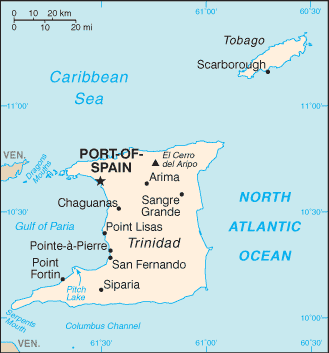
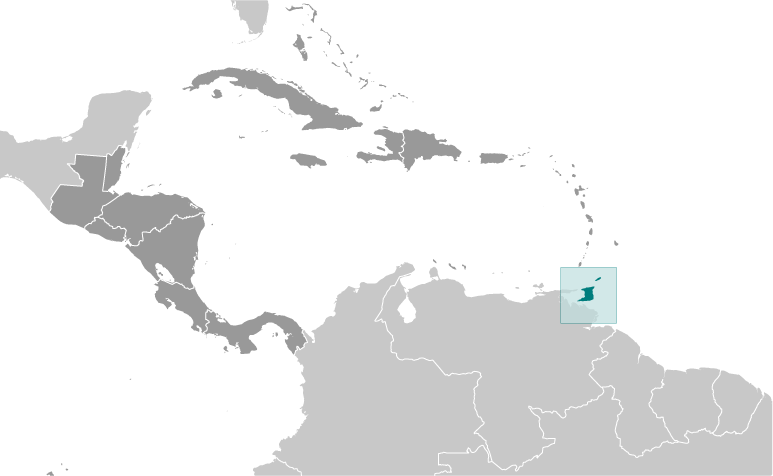
| Click map for larger view |
| Click flag for Country Report |



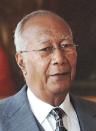
George Maxwell Richards
President since 17 March 2003
President since 17 March 2003
| TRAFFICKING IN PERSONS |
None reported.