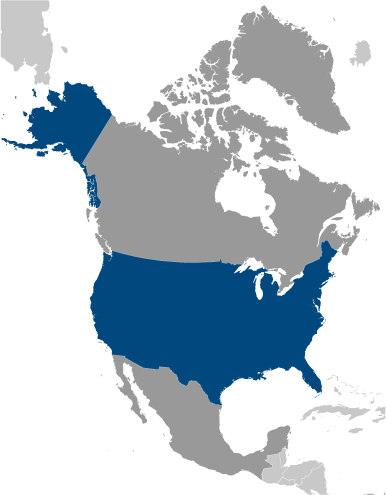
| UNITED STATES The United States of America The United States of America Joined United Nations: 24 October 1945 Human Rights as assured by their constitution Click here Updated 07 July 2012 |
| CAPITAL |
| POPULATION |
| CHIEF OF STATE |
| SELECTION PROCESS |
Washington DC
313,847,465 (July 2011 est.)
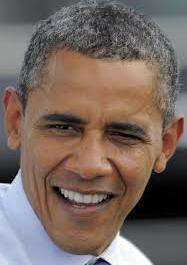
Barack Hussein Obama
President since 20 January 2009
President since 20 January 2009
President and vice president elected on the same ticket by a
college of representatives who are elected directly from each
state; president and vice president serve four-year terms
(eligible for a second term); election last held 4 November 2008
Next scheduled election: 6 November 2012
college of representatives who are elected directly from each
state; president and vice president serve four-year terms
(eligible for a second term); election last held 4 November 2008
Next scheduled election: 6 November 2012
HEAD OF GOVERNMENT
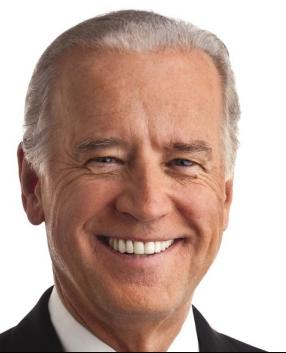
Joseph Robinette Biden, Jr.
Vice President since 20 January 2009
Vice President since 20 January 2009
The president is both the chief of state and head of government
| DECLARATION OF HUMAN RIGHTS |
| ETHNIC GROUPS |
White 79.96%, black 12.85%, Asian 4.43%, Amerindian and Alaska native 0.97%, native Hawaiian and other Pacific
islander 0.18%, two or more races 1.61% (July 2007 estimate)
NOTE: a separate listing for Hispanic is not included because the US Census Bureau considers Hispanic to
mean a person of Latin American descent (including persons of Cuban, Mexican, or Puerto Rican origin) living
in the US who may be of any race or ethnic group (white, black, Asian, etc.)
islander 0.18%, two or more races 1.61% (July 2007 estimate)
NOTE: a separate listing for Hispanic is not included because the US Census Bureau considers Hispanic to
mean a person of Latin American descent (including persons of Cuban, Mexican, or Puerto Rican origin) living
in the US who may be of any race or ethnic group (white, black, Asian, etc.)
| RELIGIONS |
Protestant 51.3%, Roman Catholic 23.9%, Mormon 1.7%, other Christian 1.6%, Jewish 1.7%, Buddhist 0.7%, Muslim
0.6%, other or unspecified 2.5%, unaffiliated 12.1%, none 4% (2007 est.)
0.6%, other or unspecified 2.5%, unaffiliated 12.1%, none 4% (2007 est.)
| GOVERNMENT STRUCTURE |
Federal Republic with strong democratic traditions, 50 states, 1 district, 14 territorial dependents, 4 Trust Territories,
Federal court system based on English common law; each state has its own unique legal system, of which all but one
(Louisiana's) is based on English common law; judicial review of legislative acts , Does not accept compulsory ICJ
jurisdiction
Executive: President and Vice President elected for four year term,; eligible for second term; election last held 4 November 2008
(next to be held on 6 November 2012)
Legislative: Bicameral Congress consists of the Senate (100 seats, one-third are renewed every two years; 2 members
are elected from each state by popular vote to serve six-year terms) and the House of Representatives (435 seats;
members are directly elected by popular vote to serve two-year terms)
Last election: 2 November 2010; Next scheduled election 6 November 2012
Judicial: Supreme Court (its nine justices are appointed for life on condition of good behavior by the president with
confirmation by the Senate); United States Courts of Appeal; United States District Courts; State and County Courts
Federal court system based on English common law; each state has its own unique legal system, of which all but one
(Louisiana's) is based on English common law; judicial review of legislative acts , Does not accept compulsory ICJ
jurisdiction
Executive: President and Vice President elected for four year term,; eligible for second term; election last held 4 November 2008
(next to be held on 6 November 2012)
Legislative: Bicameral Congress consists of the Senate (100 seats, one-third are renewed every two years; 2 members
are elected from each state by popular vote to serve six-year terms) and the House of Representatives (435 seats;
members are directly elected by popular vote to serve two-year terms)
Last election: 2 November 2010; Next scheduled election 6 November 2012
Judicial: Supreme Court (its nine justices are appointed for life on condition of good behavior by the president with
confirmation by the Senate); United States Courts of Appeal; United States District Courts; State and County Courts
| LANGUAGES |
English 82.1%, Spanish 10.7%, other Indo-European 3.8%, Asian and Pacific island 2.7%, other 0.7% (2000 census)
| BRIEF HISTORY |
| ECONOMIC OVERVIEW |
The US has the largest and most technologically powerful economy in the world, with a per capita GDP of $48,000. In
this market-oriented economy, private individuals and business firms make most of the decisions, and the federal and state
governments buy needed goods and services predominantly in the private marketplace. US business firms enjoy greater
flexibility than their counterparts in Western Europe and Japan in decisions to expand capital plant, to lay off surplus
workers, and to develop new products. At the same time, they face higher barriers to enter their rivals' home markets than
foreign firms face entering US markets. US firms are at or near the forefront in technological advances, especially in
computers and in medical, aerospace, and military equipment; their advantage has narrowed since the end of World War
II. The onrush of technology largely explains the gradual development of a "two-tier labor market" in which those at the
bottom lack the education and the professional/technical skills of those at the top and, more and more, fail to get
comparable pay raises, health insurance coverage, and other benefits. Since 1975, practically all the gains in household
income have gone to the top 20% of households. The response to the terrorist attacks of 11 September 2001 showed the
remarkable resilience of the economy. The war in March-April 2003 between a US-led coalition and Iraq, and the
subsequent occupation of Iraq, required major shifts in national resources to the military. The rise in GDP in 2004-07 was
undergirded by substantial gains in labor productivity. Hurricane Katrina caused extensive damage in the Gulf Coast
region in August 2005, but had a small impact on overall GDP growth for the year. Soaring oil prices between 2005 and
the first half of 2008 threatened inflation and unemployment, as higher gasoline prices ate into consumers' budgets.
Imported oil accounts for about two-thirds of US consumption. Long-term problems include inadequate investment in
economic infrastructure, rapidly rising medical and pension costs of an aging population, sizable trade and budget deficits,
and stagnation of family income in the lower economic groups. The merchandise trade deficit reached a record $847
billion in 2007, but declined to $810 billion in 2008, as a depreciating exchange rate for the dollar against most major
currencies discouraged US imports and made US exports more competitive abroad. The global economic downturn, the
sub-prime mortgage crisis, investment bank failures, falling home prices, and tight credit pushed the United States into a
recession by mid-2008. To help stabilize financial markets, the US Congress established a $700 billion Troubled Asset
Relief Program (TARP) in October 2008. The government used some of these funds to purchase equity in US banks and
other industrial corporations. In January 2009 the US Congress passed and President Barack OBAMA signed a bill
providing an additional $787 billion fiscal stimulus - two-thirds on additional spending and one-third on tax cuts - to create
jobs and to help the economy recover. On 21 March 2010, the U.S. Congress voted for comprehensive health care
reform. It was signed into law by President Obama on 23 March, 2010.
this market-oriented economy, private individuals and business firms make most of the decisions, and the federal and state
governments buy needed goods and services predominantly in the private marketplace. US business firms enjoy greater
flexibility than their counterparts in Western Europe and Japan in decisions to expand capital plant, to lay off surplus
workers, and to develop new products. At the same time, they face higher barriers to enter their rivals' home markets than
foreign firms face entering US markets. US firms are at or near the forefront in technological advances, especially in
computers and in medical, aerospace, and military equipment; their advantage has narrowed since the end of World War
II. The onrush of technology largely explains the gradual development of a "two-tier labor market" in which those at the
bottom lack the education and the professional/technical skills of those at the top and, more and more, fail to get
comparable pay raises, health insurance coverage, and other benefits. Since 1975, practically all the gains in household
income have gone to the top 20% of households. The response to the terrorist attacks of 11 September 2001 showed the
remarkable resilience of the economy. The war in March-April 2003 between a US-led coalition and Iraq, and the
subsequent occupation of Iraq, required major shifts in national resources to the military. The rise in GDP in 2004-07 was
undergirded by substantial gains in labor productivity. Hurricane Katrina caused extensive damage in the Gulf Coast
region in August 2005, but had a small impact on overall GDP growth for the year. Soaring oil prices between 2005 and
the first half of 2008 threatened inflation and unemployment, as higher gasoline prices ate into consumers' budgets.
Imported oil accounts for about two-thirds of US consumption. Long-term problems include inadequate investment in
economic infrastructure, rapidly rising medical and pension costs of an aging population, sizable trade and budget deficits,
and stagnation of family income in the lower economic groups. The merchandise trade deficit reached a record $847
billion in 2007, but declined to $810 billion in 2008, as a depreciating exchange rate for the dollar against most major
currencies discouraged US imports and made US exports more competitive abroad. The global economic downturn, the
sub-prime mortgage crisis, investment bank failures, falling home prices, and tight credit pushed the United States into a
recession by mid-2008. To help stabilize financial markets, the US Congress established a $700 billion Troubled Asset
Relief Program (TARP) in October 2008. The government used some of these funds to purchase equity in US banks and
other industrial corporations. In January 2009 the US Congress passed and President Barack OBAMA signed a bill
providing an additional $787 billion fiscal stimulus - two-thirds on additional spending and one-third on tax cuts - to create
jobs and to help the economy recover. On 21 March 2010, the U.S. Congress voted for comprehensive health care
reform. It was signed into law by President Obama on 23 March, 2010.
| POLITICAL CLIMATE |
Politics of the United States of America takes place in a framework of a federal presidential representative democratic
republic, whereby the President of the United States is both head of state and head of government, and of a two-party
legislative and electoral system. Executive power is exercised by the government, which is headed by the President and
independent of the legislature. Legislative power is vested in the two chambers of congress, the Senate and the House of
Representatives. Judicial power is exercised by the judicial branch (or judiciary), comprised of the United States Supreme
Court and lower federal courts. The function of the judiciary is to interpret the United States Constitution as well as the
federal laws and regulations. This includes resolving disputes between the executive and legislative branches. The federal
government of the United States was established by the United States Constitution. American politics has been dominated
by two major parties, the Democratic Party and the Republican Party, ever since the American Civil War, though there
have also always existed other minor parties of marginal political significance. Major differences between the political
system of the United States and that of most other developed democracies are the power of the U.S. Senate as the upper
house of the legislature, the wide scope of power of the U.S. Supreme Court, the separation of power between the
legislature and the executive government, and the dominance of the two main parties - the United States being the only
developed democracy without a major third party. In July 2010, the president signed the DODD-FRANK Wall Street
Reform and Consumer Protection Act, a bill designed to promote financial stability by protecting consumers from financial
abuses, ending taxpayer bailouts of financial firms, dealing with troubled banks that are "too big to fail," and improving
accountability and transparency in the financial system - in particular, by requiring certain financial derivatives to be traded
in markets that are subject to government regulation and oversight. Long-term problems include inadequate investment in
deteriorating infrastructure, rapidly rising medical and pension costs of an aging population, sizable current account and
budget deficits - including significant budget shortages for state governments - energy shortages, and stagnation of wages
for lower-income families.
Click here to read more »
republic, whereby the President of the United States is both head of state and head of government, and of a two-party
legislative and electoral system. Executive power is exercised by the government, which is headed by the President and
independent of the legislature. Legislative power is vested in the two chambers of congress, the Senate and the House of
Representatives. Judicial power is exercised by the judicial branch (or judiciary), comprised of the United States Supreme
Court and lower federal courts. The function of the judiciary is to interpret the United States Constitution as well as the
federal laws and regulations. This includes resolving disputes between the executive and legislative branches. The federal
government of the United States was established by the United States Constitution. American politics has been dominated
by two major parties, the Democratic Party and the Republican Party, ever since the American Civil War, though there
have also always existed other minor parties of marginal political significance. Major differences between the political
system of the United States and that of most other developed democracies are the power of the U.S. Senate as the upper
house of the legislature, the wide scope of power of the U.S. Supreme Court, the separation of power between the
legislature and the executive government, and the dominance of the two main parties - the United States being the only
developed democracy without a major third party. In July 2010, the president signed the DODD-FRANK Wall Street
Reform and Consumer Protection Act, a bill designed to promote financial stability by protecting consumers from financial
abuses, ending taxpayer bailouts of financial firms, dealing with troubled banks that are "too big to fail," and improving
accountability and transparency in the financial system - in particular, by requiring certain financial derivatives to be traded
in markets that are subject to government regulation and oversight. Long-term problems include inadequate investment in
deteriorating infrastructure, rapidly rising medical and pension costs of an aging population, sizable current account and
budget deficits - including significant budget shortages for state governments - energy shortages, and stagnation of wages
for lower-income families.
Click here to read more »
| INTERNATIONAL DISPUTES |
The U.S. has intensified domestic security measures and is collaborating closely with its neighbors, Canada and Mexico,
to monitor and control legal and illegal personnel, transport, and commodities across the international borders; abundant
rainfall in recent years along much of the Mexico-US border region has ameliorated periodically strained water-sharing
arrangements; 1990 Maritime Boundary Agreement in the Bering Sea still awaits Russian Duma ratification; managed
maritime boundary disputes with Canada at Dixon Entrance, Beaufort Sea, Strait of Juan de Fuca, and around the
disputed Machias Seal Island and North Rock; The Bahamas and US have not been able to agree on a maritime
boundary; US Naval Base at Guantanamo Bay is leased from Cuba and only mutual agreement or US abandonment of
the area can terminate the lease; Haiti claims US-administered Navassa Island; US has made no territorial claim in
Antarctica (but has reserved the right to do so) and does not recognize the claims of any other states; Marshall Islands
claims Wake Island; Tokelau included American Samoa's Swains Island among the islands listed in its 2006 draft
constitution
to monitor and control legal and illegal personnel, transport, and commodities across the international borders; abundant
rainfall in recent years along much of the Mexico-US border region has ameliorated periodically strained water-sharing
arrangements; 1990 Maritime Boundary Agreement in the Bering Sea still awaits Russian Duma ratification; managed
maritime boundary disputes with Canada at Dixon Entrance, Beaufort Sea, Strait of Juan de Fuca, and around the
disputed Machias Seal Island and North Rock; The Bahamas and US have not been able to agree on a maritime
boundary; US Naval Base at Guantanamo Bay is leased from Cuba and only mutual agreement or US abandonment of
the area can terminate the lease; Haiti claims US-administered Navassa Island; US has made no territorial claim in
Antarctica (but has reserved the right to do so) and does not recognize the claims of any other states; Marshall Islands
claims Wake Island; Tokelau included American Samoa's Swains Island among the islands listed in its 2006 draft
constitution


| REFUGEES AND INTERNALLY DISPLACED PERSONS (IDP) |
Refugees (country of origin): the US admitted 62,643 refugees during FY04/05 including; 10,586 (Somalia); 8,549
(Laos); 6,666 (Russia); 6,479 (Cuba); 3,100 (Haiti); 2,136 (Iran) (2006)
(Laos); 6,666 (Russia); 6,479 (Cuba); 3,100 (Haiti); 2,136 (Iran) (2006)
| TRAFFICKING IN PERSONS |
None reported.
| HUMAN RIGHTS STATEMENTS, ANALYSIS AND CRITIQUES |
The U.S. State Department does not issue an annual Country Report regarding U.S. Human Rights practices. It does,
however, assess the Human Rights condition of foreign countries. The U.S. Human Rights Network publishes an annual
"Shadow Report" on human rights in the United States.
U.S. Implementation Plan for the 2010 Universal Periodic Review
2012-03-16
Accepted UPR Recommendations
Below are the recommendations that the United States received during the UN Human Rights Council Universal Periodic Review
process and accepted, either in whole or in part. They have been divided the recommendations into ten thematic categories:
(1) Civil Rights and Racial and Ethnic Discrimination;
(2) Criminal Justice Issues;
(3) Indigenous Issues;
(4) National Security;
(5) Immigration;
(6) Labor and Trafficking;
(7) Economic, Social, and Cultural Rights and Measures;
(8) The Environment;
(9) Domestic Implementation of Human Rights; and
(10) Treaties and International Human Rights Mechanisms
Civil Rights and Racial and Ethnic Discrimination:
US Supports:
95: Undertake studies to determine the factors of racial disparity in the application of the death penalty, to prepare effective strategies
aimed at ending possible discriminatory practices.
96: Take appropriate legislative and practical measures to prevent racial bias in the criminal justice system.
97: Review the minimum mandatory sentences in order to assess their disproportionate impact on the racial and ethnic minorities.
68, 101: Take legislative and administrative measures to ban racial profiling in law enforcement 106: Take administrative and legal
measures against perpetrators of racially motivated acts, targeting migrants and minority communities.
107: Adopt effective measures and an anti-discrimination act to address racial problems.
111: Adopt a comprehensive national work-plan to combat racial discrimination.
86, 112: Undertake awareness-raising campaigns for combating stereotypes and violence against gays, lesbians, bisexuals and
transsexuals, and ensure access to public services paying attention to the special vulnerability of sexual workers to violence and
human rights abuses
Click here to read more »
however, assess the Human Rights condition of foreign countries. The U.S. Human Rights Network publishes an annual
"Shadow Report" on human rights in the United States.
U.S. Implementation Plan for the 2010 Universal Periodic Review
2012-03-16
Accepted UPR Recommendations
Below are the recommendations that the United States received during the UN Human Rights Council Universal Periodic Review
process and accepted, either in whole or in part. They have been divided the recommendations into ten thematic categories:
(1) Civil Rights and Racial and Ethnic Discrimination;
(2) Criminal Justice Issues;
(3) Indigenous Issues;
(4) National Security;
(5) Immigration;
(6) Labor and Trafficking;
(7) Economic, Social, and Cultural Rights and Measures;
(8) The Environment;
(9) Domestic Implementation of Human Rights; and
(10) Treaties and International Human Rights Mechanisms
Civil Rights and Racial and Ethnic Discrimination:
US Supports:
95: Undertake studies to determine the factors of racial disparity in the application of the death penalty, to prepare effective strategies
aimed at ending possible discriminatory practices.
96: Take appropriate legislative and practical measures to prevent racial bias in the criminal justice system.
97: Review the minimum mandatory sentences in order to assess their disproportionate impact on the racial and ethnic minorities.
68, 101: Take legislative and administrative measures to ban racial profiling in law enforcement 106: Take administrative and legal
measures against perpetrators of racially motivated acts, targeting migrants and minority communities.
107: Adopt effective measures and an anti-discrimination act to address racial problems.
111: Adopt a comprehensive national work-plan to combat racial discrimination.
86, 112: Undertake awareness-raising campaigns for combating stereotypes and violence against gays, lesbians, bisexuals and
transsexuals, and ensure access to public services paying attention to the special vulnerability of sexual workers to violence and
human rights abuses
Click here to read more »
27 May 2011
Human Rights Council
Seventeenth session
Agenda item 3
Promotion and protection of all human rights, civil, political, economic, social and cultural rights, including the right to
development
Report of the Special Rapporteur on extrajudicial, summary or arbitrary executions, Philip Alston
Addendum
Preliminary note on the follow-up to country recommendations: United States of America
II. Recommendations made by the previous mandate holder
4. In his report, the previous mandate holder stated that there was a good deal to commend in the record of the United States of
America in relation to extrajudicial killings. Nevertheless, he identified three areas where significant improvement was necessary to
bring the Government’s actions into line with its stated commitments to human rights and the rule of law. These related to due
process in the imposition of the death penalty; transparency in law enforcement, military and intelligence operations; and accountability
for potentially unlawful deaths in the Government’s international operations.
5. In his report, the previous mandate holder recommended that the United States, with regard to national issues, should ensure due
process in death penalty cases; enhance reporting procedures and investigation of deaths in immigration detention; and track and
respond to killings by law enforcement officials. With regard to international operations, the Special Rapporteur recommended, inter
alia, that Guantánamo Bay detainees not be tried under the Military Commission Act; that the Government enhance transparency with
regard to civilian casualties; that it ensure transparency of military justice and accountability for unlawful deaths due to international
operations, including comprehensive criminal jurisdiction over offences in armed conflict; and enhance reparation programmes.
6. While the Special Rapporteur continues his dialogue with the Government of the United States of America, and without prejudice to
the information provided by the State in its communication with the Special Rapporteur, he urges the Government to take due
account of and implement fully the recommendations made by the previous mandate holder.
Click here to read more »
Human Rights Council
Seventeenth session
Agenda item 3
Promotion and protection of all human rights, civil, political, economic, social and cultural rights, including the right to
development
Report of the Special Rapporteur on extrajudicial, summary or arbitrary executions, Philip Alston
Addendum
Preliminary note on the follow-up to country recommendations: United States of America
II. Recommendations made by the previous mandate holder
4. In his report, the previous mandate holder stated that there was a good deal to commend in the record of the United States of
America in relation to extrajudicial killings. Nevertheless, he identified three areas where significant improvement was necessary to
bring the Government’s actions into line with its stated commitments to human rights and the rule of law. These related to due
process in the imposition of the death penalty; transparency in law enforcement, military and intelligence operations; and accountability
for potentially unlawful deaths in the Government’s international operations.
5. In his report, the previous mandate holder recommended that the United States, with regard to national issues, should ensure due
process in death penalty cases; enhance reporting procedures and investigation of deaths in immigration detention; and track and
respond to killings by law enforcement officials. With regard to international operations, the Special Rapporteur recommended, inter
alia, that Guantánamo Bay detainees not be tried under the Military Commission Act; that the Government enhance transparency with
regard to civilian casualties; that it ensure transparency of military justice and accountability for unlawful deaths due to international
operations, including comprehensive criminal jurisdiction over offences in armed conflict; and enhance reparation programmes.
6. While the Special Rapporteur continues his dialogue with the Government of the United States of America, and without prejudice to
the information provided by the State in its communication with the Special Rapporteur, he urges the Government to take due
account of and implement fully the recommendations made by the previous mandate holder.
Click here to read more »
Damaging Cuts to Foreign Operations Budget Proposed by House Appropriations Committee
Apr 26 2012 - 5:25pm
During difficult budget times, it is natural that foreign aid should come under the same scrutiny as other parts of the budget. Indeed, a
recent public opinion poll on budget priorities found that most Americans estimate that foreign assistance comprises 21% of the
annual budget, and favor reducing it to around 11% of the total budget.1Given the reality—that U.S. foreign aid currently makes up
only about 1% of the federal budget—further cuts to what is already a miniscule part of the budget are both unwarranted and would
appear to have little popular support.
Yet, on February 19th, when the House of Representatives passed H.R 1 to fund the rest of Fiscal Year (FY) 2011, it cut the foreign
affairs budget by $10 billion (19%) from actual FY 2010 levels.2 The large cuts that have been proposed to the foreign affairs budget
would have a detrimental effect on the ability of the United States to be an effective world leader and to protect its international
security and policy interests. Moreover, cuts to the international affairs budget would disproportionately affect the amount spent on
democracy and human rights, which typically makes up only 10% of foreign aid activities – i.e., one-tenth of 1% of total U.S.
Government spending.
This focus on budgets comes as the world watches with fascination the men and women of the Middle East and North Africa rallying
together against repressive regimes in support of democratic values. The successful movements for freedom in Tunisia and Egypt,
and the ongoing battles in places such as Libya, Yemen, Bahrain, and Syria are reminders that democratic values are universal values.
These movements have obliterated the notion that certain parts of the world are immune to democracy. Authoritarian leaders from
Tehran to Beijing to Caracas rightfully fear the implications these grassroots movements may have for their own regimes. As a result,
many such leaders have attempted to tighten their grip on power. As such, it is even more vital that the United States not withdraw
from the frontiers where the battles are being fought.
By promoting democracy and human rights, the United States is not only making an investment in universal values, but making an
investment in its own national security and strategic interests. Every day the United States faces the economic and strategic costs of
having to ally itself with repressive and inherently unstable foreign governments. The ouster of long-time American ally and dictatorial
Egyptian leader Hosni Mubarak demonstrated how quickly situations can change when dealing with unrepresentative leaders. By
promoting good governance, respect for human rights, strong democratic institutions, and robust civil society movements abroad, the
United States is investing in its own stability. Stable democratic countries make better economic and trade partners, as well as more
reliable military and strategic allies. Yet, democracy and human rights funding has traditionally been shortchanged. If there were ever a
time to redouble these efforts, that time is now.
Click here to read more »
Apr 26 2012 - 5:25pm
During difficult budget times, it is natural that foreign aid should come under the same scrutiny as other parts of the budget. Indeed, a
recent public opinion poll on budget priorities found that most Americans estimate that foreign assistance comprises 21% of the
annual budget, and favor reducing it to around 11% of the total budget.1Given the reality—that U.S. foreign aid currently makes up
only about 1% of the federal budget—further cuts to what is already a miniscule part of the budget are both unwarranted and would
appear to have little popular support.
Yet, on February 19th, when the House of Representatives passed H.R 1 to fund the rest of Fiscal Year (FY) 2011, it cut the foreign
affairs budget by $10 billion (19%) from actual FY 2010 levels.2 The large cuts that have been proposed to the foreign affairs budget
would have a detrimental effect on the ability of the United States to be an effective world leader and to protect its international
security and policy interests. Moreover, cuts to the international affairs budget would disproportionately affect the amount spent on
democracy and human rights, which typically makes up only 10% of foreign aid activities – i.e., one-tenth of 1% of total U.S.
Government spending.
This focus on budgets comes as the world watches with fascination the men and women of the Middle East and North Africa rallying
together against repressive regimes in support of democratic values. The successful movements for freedom in Tunisia and Egypt,
and the ongoing battles in places such as Libya, Yemen, Bahrain, and Syria are reminders that democratic values are universal values.
These movements have obliterated the notion that certain parts of the world are immune to democracy. Authoritarian leaders from
Tehran to Beijing to Caracas rightfully fear the implications these grassroots movements may have for their own regimes. As a result,
many such leaders have attempted to tighten their grip on power. As such, it is even more vital that the United States not withdraw
from the frontiers where the battles are being fought.
By promoting democracy and human rights, the United States is not only making an investment in universal values, but making an
investment in its own national security and strategic interests. Every day the United States faces the economic and strategic costs of
having to ally itself with repressive and inherently unstable foreign governments. The ouster of long-time American ally and dictatorial
Egyptian leader Hosni Mubarak demonstrated how quickly situations can change when dealing with unrepresentative leaders. By
promoting good governance, respect for human rights, strong democratic institutions, and robust civil society movements abroad, the
United States is investing in its own stability. Stable democratic countries make better economic and trade partners, as well as more
reliable military and strategic allies. Yet, democracy and human rights funding has traditionally been shortchanged. If there were ever a
time to redouble these efforts, that time is now.
Click here to read more »
USA: Deadly formula*: An international perspective on the 40th anniversary of Furman V. Georgia (* democracy +
deference + domestic standards = 1,300 executions and counting)
28 June 2012
FURMAN V. GEORGIA: A JUDICIAL RED RAG TO A LEGISLATIVE BULL
In recognizing the humanity of our fellow human beings, we pay ourselves the highest tribute. We achieve a major milestone in the
long road up from barbarism and join the approximately 70 other jurisdictions in the world which celebrate their regard for civilization
and humanity by shunning capital punishment
Justice Thurgood Marshall, US Supreme Court, Furman v. Georgia, 29 June 1972
For a moment, 40 years ago, it looked like the USA might join the nascent global trend against the death penalty. On 29 June 1972, the
US Supreme Court issued a 5-4 ruling, Furman v. Georgia, which had the effect of nullifying the country’s capital laws and
overturning nearly 600 death sentences.1 But the moment proved fleeting. Only two of the Justices had found capital punishment per
se unconstitutional, while the other three in the majority decided that it was only its then arbitrary or discriminatory application that
rendered it unlawful. This left legislators room for manoeuvre. The states showed little hesitation in setting about revising their capital
statutes, and four years after Furman, in Gregg v. Georgia, the Supreme Court gave them the go-ahead to resume executions under
such laws.
Four decades after the Furman ruling held out its brief promise of a United States of America without judicial killing, the USA has
fallen far behind the international curve on this fundamental human rights issue. By 1972, 13 countries were abolitionist in law for all
crimes, and during that very same year, another two, Finland and Sweden, joined this group. Forty years later, 97 countries are
abolitionist for all crimes, 141 are abolitionist in law or practice, and only 57 retain the death penalty, a small percentage of which
account for the bulk of the world’s executions each year.2 One of these leading death penalty countries, the USA, has executed 1,300
men and women since the US Supreme Court lifted the Furman moratorium in 1976, and today more than 3,000 others wait on death
row, a wait which one of the Justices in the Furman majority noted “exacts a frightful toll” in terms of mental suffering.3 Four
months earlier, the California Supreme Court had written that “the process of carrying out a verdict of death is often so degrading and
brutalizing to the human spirit as to constitute psychological torture”.4
The wait for the USA to break its attachment to the death penalty continues. Forty years after Furman, it could be said that the USA’s
judges are waiting for legislators to act and legislators are waiting for the public to act, while most members of the public are daily
confronted by issues in their lives they perhaps consider more pressing than the death penalty.
Click here to read more »
deference + domestic standards = 1,300 executions and counting)
28 June 2012
FURMAN V. GEORGIA: A JUDICIAL RED RAG TO A LEGISLATIVE BULL
In recognizing the humanity of our fellow human beings, we pay ourselves the highest tribute. We achieve a major milestone in the
long road up from barbarism and join the approximately 70 other jurisdictions in the world which celebrate their regard for civilization
and humanity by shunning capital punishment
Justice Thurgood Marshall, US Supreme Court, Furman v. Georgia, 29 June 1972
For a moment, 40 years ago, it looked like the USA might join the nascent global trend against the death penalty. On 29 June 1972, the
US Supreme Court issued a 5-4 ruling, Furman v. Georgia, which had the effect of nullifying the country’s capital laws and
overturning nearly 600 death sentences.1 But the moment proved fleeting. Only two of the Justices had found capital punishment per
se unconstitutional, while the other three in the majority decided that it was only its then arbitrary or discriminatory application that
rendered it unlawful. This left legislators room for manoeuvre. The states showed little hesitation in setting about revising their capital
statutes, and four years after Furman, in Gregg v. Georgia, the Supreme Court gave them the go-ahead to resume executions under
such laws.
Four decades after the Furman ruling held out its brief promise of a United States of America without judicial killing, the USA has
fallen far behind the international curve on this fundamental human rights issue. By 1972, 13 countries were abolitionist in law for all
crimes, and during that very same year, another two, Finland and Sweden, joined this group. Forty years later, 97 countries are
abolitionist for all crimes, 141 are abolitionist in law or practice, and only 57 retain the death penalty, a small percentage of which
account for the bulk of the world’s executions each year.2 One of these leading death penalty countries, the USA, has executed 1,300
men and women since the US Supreme Court lifted the Furman moratorium in 1976, and today more than 3,000 others wait on death
row, a wait which one of the Justices in the Furman majority noted “exacts a frightful toll” in terms of mental suffering.3 Four
months earlier, the California Supreme Court had written that “the process of carrying out a verdict of death is often so degrading and
brutalizing to the human spirit as to constitute psychological torture”.4
The wait for the USA to break its attachment to the death penalty continues. Forty years after Furman, it could be said that the USA’s
judges are waiting for legislators to act and legislators are waiting for the public to act, while most members of the public are daily
confronted by issues in their lives they perhaps consider more pressing than the death penalty.
Click here to read more »
US Supreme Court: Positive Youth Sentencing Ruling
Recognizes Juveniles’ Different Status; Bans Mandatory Life Without Parole
June 25, 2012
(Washington, DC) – The Supreme Court decision on June 25, 2012, barring the mandatory sentencing of juvenile offenders to life
without parole recognizes children’s capacity for change, Human Rights Watch said today. It also recognizes their distinct status from
adults under international human rights and constitutional law, Human Rights Watch said.
The court’s ruling in Miller v. Alabama and Jackson v. Hobbs brings the United States closer to being in line with the rest of the
world. No other country sentences people to life without parole for offenses they committed before the age of 18, even for homicide
offenses. The ruling makes any mandatory sentence of juvenile life without parole unconstitutional and recognizes that in other cases
in which life without parole may still be an option, judges should take into account the differences between children and adults.
“With this landmark ruling, the United States is no longer an egregious outlier among nations in requiring judges to put kids in prison
until they die there,” said Alison Parker, US program director at Human Rights Watch. “The court did not go far enough, still allowing
the sentence in rare cases, but it recognized that it is nearly impossible to be certain that any child is beyond redemption – and that the
US criminal justice system needs to change to reflect this fact.”
Human Rights Watch estimates that over 2,500 people are serving life without parole for crimes they committed while a juvenile, in 38
states and federal prisons.The ruling should affect all cases in which courts did not take a youth’s age and status into account when
sentencing – including cases in 29 states with mandatory sentencing schemes. In such cases, youth offenders should receive new
sentences allowing for regular and periodic review of their eligibility for parole, and state legislatures should act to ensure that all youth
offenders have access to such reviews, Human Rights Watch said.
Since 2004, through numerous interviews and in-depth data analysis, Human Rights Watch has been investigating the situation and
conditions of confinement of youth sentenced to life without parole throughout the United States, and in particular states such as
California and Colorado.
This research has found that there are stark racial disparities in the imposition of the sentence, with black youth serving life without
parole at a per capita rate that is 10 times the rate of white youth.
Human Rights Watch also estimates that 59 percent of the youth serving life without parole in the United States received this sentence
for their very first offense – they had no juvenile or adult criminal record prior to the offense that resulted in their life sentence.
Click here to read more »
Recognizes Juveniles’ Different Status; Bans Mandatory Life Without Parole
June 25, 2012
(Washington, DC) – The Supreme Court decision on June 25, 2012, barring the mandatory sentencing of juvenile offenders to life
without parole recognizes children’s capacity for change, Human Rights Watch said today. It also recognizes their distinct status from
adults under international human rights and constitutional law, Human Rights Watch said.
The court’s ruling in Miller v. Alabama and Jackson v. Hobbs brings the United States closer to being in line with the rest of the
world. No other country sentences people to life without parole for offenses they committed before the age of 18, even for homicide
offenses. The ruling makes any mandatory sentence of juvenile life without parole unconstitutional and recognizes that in other cases
in which life without parole may still be an option, judges should take into account the differences between children and adults.
“With this landmark ruling, the United States is no longer an egregious outlier among nations in requiring judges to put kids in prison
until they die there,” said Alison Parker, US program director at Human Rights Watch. “The court did not go far enough, still allowing
the sentence in rare cases, but it recognized that it is nearly impossible to be certain that any child is beyond redemption – and that the
US criminal justice system needs to change to reflect this fact.”
Human Rights Watch estimates that over 2,500 people are serving life without parole for crimes they committed while a juvenile, in 38
states and federal prisons.The ruling should affect all cases in which courts did not take a youth’s age and status into account when
sentencing – including cases in 29 states with mandatory sentencing schemes. In such cases, youth offenders should receive new
sentences allowing for regular and periodic review of their eligibility for parole, and state legislatures should act to ensure that all youth
offenders have access to such reviews, Human Rights Watch said.
Since 2004, through numerous interviews and in-depth data analysis, Human Rights Watch has been investigating the situation and
conditions of confinement of youth sentenced to life without parole throughout the United States, and in particular states such as
California and Colorado.
This research has found that there are stark racial disparities in the imposition of the sentence, with black youth serving life without
parole at a per capita rate that is 10 times the rate of white youth.
Human Rights Watch also estimates that 59 percent of the youth serving life without parole in the United States received this sentence
for their very first offense – they had no juvenile or adult criminal record prior to the offense that resulted in their life sentence.
Click here to read more »
FOURTH PERIODIC REPORT OF THE UNITED STATES OF AMERICA TO THE UNITED NATIONS COMMITTEE ON
HUMAN RIGHTS CONCERNING THE INTERNATIONAL COVENANT ON CIVIL AND POLITICAL RIGHTS
December 30, 2011
I. Introduction
1. It is with great pleasure that the Government of the United States of America presents its Fourth Periodic Report to the United
Nations Human Rights Committee concerning the implementation of its obligations under the International Covenant on Civil and
Political Rights (―the Covenant‖ or ―ICCPR‖), in accordance with Covenant Article 40. The United States is committed to
promoting and protecting human rights. In the words of President Barack H. Obama:
"By no means is America perfect. But it is our commitment to certain universal values which allows us to correct our imperfections,
to improve constantly, and to grow stronger over time. Freedom of speech and assembly has allowed women, and minorities, and
workers to protest for full and equal rights at a time when they were denied. The rule of law and equal administration of justice has
busted monopolies, shut down political machines that were corrupt, ended abuses of power. Independent media have exposed
corruption at all levels of business and government. Competitive elections allow us to change course and hold our leaders accountable.
If our democracy did not advance those rights, then I, as a person of African ancestry, wouldn't be able to address you as an
American citizen, much less a President. Because at the time of our founding, I had no rights -- people who looked like me. But it is
because of that process that I can now stand before you as President of the United States."
Remarks by President Obama at the New Economic School, Moscow, July 7, 2009.
2. Treaty reporting is a way in which the Government of the United States can inform its citizens and the international community of
its efforts to ensure the implementation of those obligations it has assumed, while at the same time holding itself to the public scrutiny
of the international community and civil society. As Secretary of State Hillary Clinton has stated, ―Human rights are universal, but
their experience is local. This is why we are committed to holding everyone to the same standard, including ourselves.‖ In
implementing its treaty obligation under ICCPR Article 40, the United States has taken this opportunity to engage in a process of stock-
taking and self-examination. The United States hopes to use this process to improve its human rights performance. Thus, this report is
not an end in itself, but an important tool in the continuing development of practical and effective human rights strategies by the U.S.
Government. As President Obama has stated, "Despite the real gains that we‘ve made, there are still laws to change and there are still
hearts to open."
In the spirit of cooperation, the United States has provided as much information as possible on a number of issues raised by the
committee and/or civil society, whether or not they bear directly on formal obligations arising under the Covenant. During preparation
of this report, the U.S. Government has consulted with representatives of civil society and has sought information and input from
their organizations. Civil society representatives have raised a variety of concerns on many of the topics addressed in this report, a
number of which are noted in the text of the report. The United States Government has also reached out to state, local, tribal, and
territorial governments to seek information from their human rights entities on their programs and activities, which play an important
part in implementing the Covenant and other human rights treaties. Information received from this outreach is referenced in some
portions of the report and described in greater detail in Annex A to the Common Core Document.
Click here to read more »
HUMAN RIGHTS CONCERNING THE INTERNATIONAL COVENANT ON CIVIL AND POLITICAL RIGHTS
December 30, 2011
I. Introduction
1. It is with great pleasure that the Government of the United States of America presents its Fourth Periodic Report to the United
Nations Human Rights Committee concerning the implementation of its obligations under the International Covenant on Civil and
Political Rights (―the Covenant‖ or ―ICCPR‖), in accordance with Covenant Article 40. The United States is committed to
promoting and protecting human rights. In the words of President Barack H. Obama:
"By no means is America perfect. But it is our commitment to certain universal values which allows us to correct our imperfections,
to improve constantly, and to grow stronger over time. Freedom of speech and assembly has allowed women, and minorities, and
workers to protest for full and equal rights at a time when they were denied. The rule of law and equal administration of justice has
busted monopolies, shut down political machines that were corrupt, ended abuses of power. Independent media have exposed
corruption at all levels of business and government. Competitive elections allow us to change course and hold our leaders accountable.
If our democracy did not advance those rights, then I, as a person of African ancestry, wouldn't be able to address you as an
American citizen, much less a President. Because at the time of our founding, I had no rights -- people who looked like me. But it is
because of that process that I can now stand before you as President of the United States."
Remarks by President Obama at the New Economic School, Moscow, July 7, 2009.
2. Treaty reporting is a way in which the Government of the United States can inform its citizens and the international community of
its efforts to ensure the implementation of those obligations it has assumed, while at the same time holding itself to the public scrutiny
of the international community and civil society. As Secretary of State Hillary Clinton has stated, ―Human rights are universal, but
their experience is local. This is why we are committed to holding everyone to the same standard, including ourselves.‖ In
implementing its treaty obligation under ICCPR Article 40, the United States has taken this opportunity to engage in a process of stock-
taking and self-examination. The United States hopes to use this process to improve its human rights performance. Thus, this report is
not an end in itself, but an important tool in the continuing development of practical and effective human rights strategies by the U.S.
Government. As President Obama has stated, "Despite the real gains that we‘ve made, there are still laws to change and there are still
hearts to open."
In the spirit of cooperation, the United States has provided as much information as possible on a number of issues raised by the
committee and/or civil society, whether or not they bear directly on formal obligations arising under the Covenant. During preparation
of this report, the U.S. Government has consulted with representatives of civil society and has sought information and input from
their organizations. Civil society representatives have raised a variety of concerns on many of the topics addressed in this report, a
number of which are noted in the text of the report. The United States Government has also reached out to state, local, tribal, and
territorial governments to seek information from their human rights entities on their programs and activities, which play an important
part in implementing the Covenant and other human rights treaties. Information received from this outreach is referenced in some
portions of the report and described in greater detail in Annex A to the Common Core Document.
Click here to read more »
January 31, 2012
U.S. COMMISSION ON CIVIL RIGHTS ANNOUNCES BRIEFING ON REDISTRICTING AND THE 2010 CENSUS:
ENFORCING SECTION 5 OF THE VOTING RIGHTS ACT
WASHINGTON, DC - The United States Commission on Civil Rights announces that the Commission will hold a briefing on February
3, 2012 at 10:30 am to hear testimony on the enforcement of Section 5 of the Voting Rights Act during the 2011-2012 redistricting
cycle. The briefing will support its annual report on federal civil rights enforcement efforts in the United States. The briefing will take
place at Commission headquarters, 624 9th St. NW, Washington, DC 20425, 5th floor conference room.
Section 5 of the Voting Rights Act (VRA) requires any jurisdiction identified in the Act as having a history of voting-rights
discrimination to submit to the Attorney General or the U.S. District Court for the District of Columbia any proposed changes that the
jurisdiction intends to make to its voting practices and procedures, including redistricting plans. A covered jurisdiction must
demonstrate in the submission that its proposal “neither has the purpose nor will have the effect of denying or abridging the right to
vote” on account of race, color, or membership in a language minority group. In reauthorizing the VRA in 2006, Congress amended
the statute‟s „purpose‟ and „effect‟ standards in response to two recent Supreme Court decisions, Reno v. Bossier Parish Sch. Bd.
and Georgia v. Ashcroft. These amendments have been effectuated by new guidance and preclearance procedures issued by the
Justice Department.
The briefing will include two panels of experts. Panel I will include voting rights scholars Professor Guy-Uriel Charles of Duke Law
School, Professor Keith Gaddie of the University of Oklahoma, Professor Justin Levitt of Loyola Law School, Los Angeles, and
Professor Nathaniel Persily of Columbia Law School who will discuss the 2006 VRA amendments and post-census redistricting. Panel
II will present redistricting counsel from the States of Georgia and Alabama, and also counsel from the ACLU and the Lawyers‟
Committee for Civil Rights Under Law who will give their views on the current redistricting cycle and their interactions with the
Justice Department.
In its report, the Commission will analyze the effectiveness of the Justice Department‟s implementation of the amendments to the
VRA and look at the Department‟s Section 5 preclearance record. The Commission will also discuss the recent trend toward states
submitting their redistricting maps to federal district court in place of or in addition to the Justice Department.
Click here to read more »
U.S. COMMISSION ON CIVIL RIGHTS ANNOUNCES BRIEFING ON REDISTRICTING AND THE 2010 CENSUS:
ENFORCING SECTION 5 OF THE VOTING RIGHTS ACT
WASHINGTON, DC - The United States Commission on Civil Rights announces that the Commission will hold a briefing on February
3, 2012 at 10:30 am to hear testimony on the enforcement of Section 5 of the Voting Rights Act during the 2011-2012 redistricting
cycle. The briefing will support its annual report on federal civil rights enforcement efforts in the United States. The briefing will take
place at Commission headquarters, 624 9th St. NW, Washington, DC 20425, 5th floor conference room.
Section 5 of the Voting Rights Act (VRA) requires any jurisdiction identified in the Act as having a history of voting-rights
discrimination to submit to the Attorney General or the U.S. District Court for the District of Columbia any proposed changes that the
jurisdiction intends to make to its voting practices and procedures, including redistricting plans. A covered jurisdiction must
demonstrate in the submission that its proposal “neither has the purpose nor will have the effect of denying or abridging the right to
vote” on account of race, color, or membership in a language minority group. In reauthorizing the VRA in 2006, Congress amended
the statute‟s „purpose‟ and „effect‟ standards in response to two recent Supreme Court decisions, Reno v. Bossier Parish Sch. Bd.
and Georgia v. Ashcroft. These amendments have been effectuated by new guidance and preclearance procedures issued by the
Justice Department.
The briefing will include two panels of experts. Panel I will include voting rights scholars Professor Guy-Uriel Charles of Duke Law
School, Professor Keith Gaddie of the University of Oklahoma, Professor Justin Levitt of Loyola Law School, Los Angeles, and
Professor Nathaniel Persily of Columbia Law School who will discuss the 2006 VRA amendments and post-census redistricting. Panel
II will present redistricting counsel from the States of Georgia and Alabama, and also counsel from the ACLU and the Lawyers‟
Committee for Civil Rights Under Law who will give their views on the current redistricting cycle and their interactions with the
Justice Department.
In its report, the Commission will analyze the effectiveness of the Justice Department‟s implementation of the amendments to the
VRA and look at the Department‟s Section 5 preclearance record. The Commission will also discuss the recent trend toward states
submitting their redistricting maps to federal district court in place of or in addition to the Justice Department.
Click here to read more »
Equal Protection Class-Action Suit Filed Over Crime Against Nature Statute
press@ccrjustice.org
June 27, 2012, New Orleans
Today, the Center for Constitutional Rights (CCR) filed a federal class action lawsuit seeking to remove from the Louisiana sex
offender registry all individuals who are required to register solely because of a Crime Against Nature by Solicitation (CANS)
conviction. The suit follows a recent ruling by a federal court, which held the CANS registration requirement to be unconstitutional
and ordered Louisiana to “cease and desist” from placing individuals convicted of CANS on the registry. Today’s case asks the court
to apply that ruling to anyone placed on the registry solely as a result of a CANS conviction.
“The Court unambiguously ruled that forcing someone convicted under the Crime Against Nature by Solicitation statute to register as
a sex offender is unconstitutional,” said Center for Constitutional Rights Associate Legal Director Bill Quigley. “But Louisiana has yet
to remove hundreds of people from the registry who are there solely because of one of these convictions. Until that happens,
Louisiana is violating the equal protection rights of hundreds of its citizens.”
People accused of soliciting sex for a fee in Louisiana can be criminally charged in two ways: either under the prostitution statute or
under the solicitation provision of the CANS statute. Until recently, a CANS conviction carried harsher penalties than a prostitution
conviction, including the mandatory sex offender registration requirement, even though the statutes outlaw the same conduct. Police
and prosecutors have unfettered discretion in choosing which to charge, and the law has disproportionately affected African American
women and the LGBT community. The court previously held application of the sex offender registration requirement to nine
individuals unconstitutional because it imposed different consequences for a CANS conviction than a prostitution conviction for
exactly the same conduct without any rational basis.
"While the legislature has created a procedure for people to individually petition to be removed from the registry, this is no answer to
the hundreds of people who have been marginalized by this law,” said Deon Haywood, executive director of Women With A vision, a
community-based organization in New Orleans that has led advocacy efforts around this issue. “This registration requirement has
already been declared unconstitutional. The state – not the women and LGBT people who are struggling as a result of this law –
should correct this unlawful practice. We want justice for the more than 400 people still on the sex offender registry.”
“Being forced to register as a sex offender has made it much harder for me to find housing and work,” said one of the plaintiffs in the
lawsuit. “This has affected every aspect of my life, is humiliating, and has prevented me from moving on.”
Click here to read more »
press@ccrjustice.org
June 27, 2012, New Orleans
Today, the Center for Constitutional Rights (CCR) filed a federal class action lawsuit seeking to remove from the Louisiana sex
offender registry all individuals who are required to register solely because of a Crime Against Nature by Solicitation (CANS)
conviction. The suit follows a recent ruling by a federal court, which held the CANS registration requirement to be unconstitutional
and ordered Louisiana to “cease and desist” from placing individuals convicted of CANS on the registry. Today’s case asks the court
to apply that ruling to anyone placed on the registry solely as a result of a CANS conviction.
“The Court unambiguously ruled that forcing someone convicted under the Crime Against Nature by Solicitation statute to register as
a sex offender is unconstitutional,” said Center for Constitutional Rights Associate Legal Director Bill Quigley. “But Louisiana has yet
to remove hundreds of people from the registry who are there solely because of one of these convictions. Until that happens,
Louisiana is violating the equal protection rights of hundreds of its citizens.”
People accused of soliciting sex for a fee in Louisiana can be criminally charged in two ways: either under the prostitution statute or
under the solicitation provision of the CANS statute. Until recently, a CANS conviction carried harsher penalties than a prostitution
conviction, including the mandatory sex offender registration requirement, even though the statutes outlaw the same conduct. Police
and prosecutors have unfettered discretion in choosing which to charge, and the law has disproportionately affected African American
women and the LGBT community. The court previously held application of the sex offender registration requirement to nine
individuals unconstitutional because it imposed different consequences for a CANS conviction than a prostitution conviction for
exactly the same conduct without any rational basis.
"While the legislature has created a procedure for people to individually petition to be removed from the registry, this is no answer to
the hundreds of people who have been marginalized by this law,” said Deon Haywood, executive director of Women With A vision, a
community-based organization in New Orleans that has led advocacy efforts around this issue. “This registration requirement has
already been declared unconstitutional. The state – not the women and LGBT people who are struggling as a result of this law –
should correct this unlawful practice. We want justice for the more than 400 people still on the sex offender registry.”
“Being forced to register as a sex offender has made it much harder for me to find housing and work,” said one of the plaintiffs in the
lawsuit. “This has affected every aspect of my life, is humiliating, and has prevented me from moving on.”
Click here to read more »
Originally settled over 12,000 years ago by Asiatic nomads (some archaeological studies indicate even earlier migration,
as long ago at 40,000 BCE) crossing a purported "land bridge" of ice across the Bering Sea and, possibly, by Polynesians
from the south, the land comprising the mainland United States were part of the acquisitions of the great generations of
exploration and colonization by the European empires beginning with Christopher Columbus in 1492. A succession of
wars between the European colonial powers and the indigenous population ensued over the next 284 years as the
European powers wrested to carve out colonial holdings throughout the Americas. Britain's American colonies broke
with the mother country in 1776 and were recognized as the new nation of the United States of America following the
Treaty of Paris in 1783. During the 19th and 20th centuries, 37 new states were added to the original 13 as the nation
expanded across the North American continent and acquired a number of overseas possessions. The two most traumatic
experiences in the nation's history were the Civil War (1861-65) and the Great Depression of the 1930s. Buoyed by
victories in World Wars I and II and the end of the Cold War in 1991, the US remains the world's most powerful nation
state. The economy is marked by steady growth, low unemployment and inflation, and rapid advances in technology.
Sources CIA World Factbook (select United States of America) ; Wikipedia: History of the Americas ; Wayfinders: A Pacific
Odyssey
as long ago at 40,000 BCE) crossing a purported "land bridge" of ice across the Bering Sea and, possibly, by Polynesians
from the south, the land comprising the mainland United States were part of the acquisitions of the great generations of
exploration and colonization by the European empires beginning with Christopher Columbus in 1492. A succession of
wars between the European colonial powers and the indigenous population ensued over the next 284 years as the
European powers wrested to carve out colonial holdings throughout the Americas. Britain's American colonies broke
with the mother country in 1776 and were recognized as the new nation of the United States of America following the
Treaty of Paris in 1783. During the 19th and 20th centuries, 37 new states were added to the original 13 as the nation
expanded across the North American continent and acquired a number of overseas possessions. The two most traumatic
experiences in the nation's history were the Civil War (1861-65) and the Great Depression of the 1930s. Buoyed by
victories in World Wars I and II and the end of the Cold War in 1991, the US remains the world's most powerful nation
state. The economy is marked by steady growth, low unemployment and inflation, and rapid advances in technology.
Sources CIA World Factbook (select United States of America) ; Wikipedia: History of the Americas ; Wayfinders: A Pacific
Odyssey

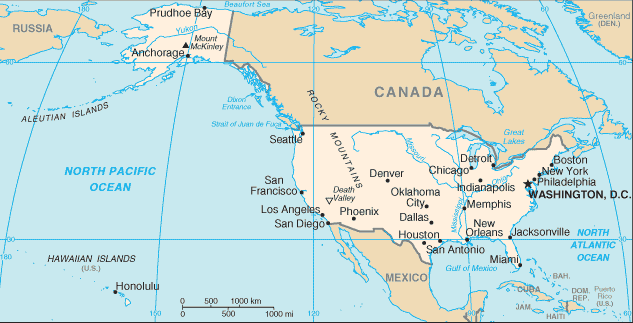

Click on map for larger view
Click on flag for Country Report



| ILLICIT DRUGS |
World's largest consumer of cocaine, shipped from Colombia through Mexico and the Caribbean; consumer of heroin,
marijuana, and increasingly methamphetamine from Mexico; consumer of high-quality Southeast Asian heroin; illicit
producer of cannabis, marijuana, depressants, stimulants, hallucinogens, and methamphetamine; money-laundering center
marijuana, and increasingly methamphetamine from Mexico; consumer of high-quality Southeast Asian heroin; illicit
producer of cannabis, marijuana, depressants, stimulants, hallucinogens, and methamphetamine; money-laundering center