
| HOLY SEE (VATICAN CITY) The Holy See (State of the Vatican City) Santa Sede (Stato della Citta del Vaticano) Permanent Observer/ United Nations: 1 July 1964 Full Membership/United Nations: 1 July 2004 Human Rights as assured by their constitution Click here Updated 17 February 2013 |

| CAPITAL |
| POPULATION |
| CHIEF OF STATE |
| SELECTION PROCESS |
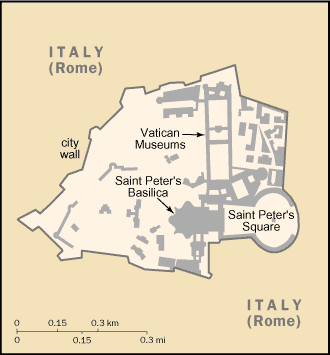
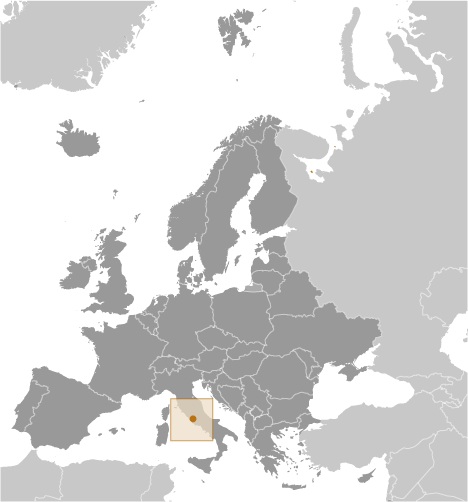
Vatican City
836 (July 2012 est.)
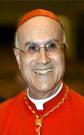
Cardinal Tarcisio Bertone
Secretary of State since 15 September 2006
Secretary of State since 15 September 2006
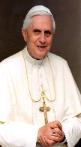
Pope elected for life or until resignation by the College of Cardinals;
election last held 19 April 2005
NOTE: On 11 February 2013, Benedict XVI announced his
intention to resign the papacy effective 28 February 2013
Next scheduled election: Depending on how soon the cardinals
can convene in Vatican City for the Papal Conclave, the process
could begin on or before 15 March 2013
election last held 19 April 2005
NOTE: On 11 February 2013, Benedict XVI announced his
intention to resign the papacy effective 28 February 2013
Next scheduled election: Depending on how soon the cardinals
can convene in Vatican City for the Papal Conclave, the process
could begin on or before 15 March 2013
HEAD OF GOVERNMENT
SELECTION PROCESS
Secretary of State appointed by the pope
Next scheduled election: None
Next scheduled election: None
| DECLARATION OF HUMAN RIGHTS |
| ETHNIC GROUPS |
Italians, Swiss, other
| RELIGIONS |
Roman Catholic
| GOVERNMENT STRUCTURE |
Ecclesiastical state with no administrative divisions; Legal system is based on Code of Canon Law and revisions to it
Executive: Pope elected for life by the College of Cardinals; election last held 19 April 2005 (next to be held after the death of the
current pope); secretary of state appointed by the pope; NOTE: On 11 February 2013, Benedict XVI announced his intention to
resign the papacy effective 28 February 2013 Next scheduled election: Depending on how soon the cardinals can convene in
Vatican City for the Papal Conclave, the process could begin on or before 15 March 2013
Legislative: Unicameral Pontifical Commission for the State of Vatican City
Judicial: Three tribunals responsible for civil and criminal matters within Vatican City; three other tribunals rule on issues pertaining
to the Holy See
note: judicial duties were established by the Motu Proprio of Pope PIUS XII on 1 May 1946
Executive: Pope elected for life by the College of Cardinals; election last held 19 April 2005 (next to be held after the death of the
current pope); secretary of state appointed by the pope; NOTE: On 11 February 2013, Benedict XVI announced his intention to
resign the papacy effective 28 February 2013 Next scheduled election: Depending on how soon the cardinals can convene in
Vatican City for the Papal Conclave, the process could begin on or before 15 March 2013
Legislative: Unicameral Pontifical Commission for the State of Vatican City
Judicial: Three tribunals responsible for civil and criminal matters within Vatican City; three other tribunals rule on issues pertaining
to the Holy See
note: judicial duties were established by the Motu Proprio of Pope PIUS XII on 1 May 1946
| LANGUAGES |
Italian, Latin, French, various other languages
| BRIEF HISTORY |
Even before the arrival of Christianity, it is supposed that this originally uninhabited part of Rome (the ager vaticanus) had long been
considered sacred, or at least not available for habitation. The area was also the site of worship to the Phrygian goddess Cybele and
her consort Attis during Roman times. Agrippina the Elder (14 BC – 18 October AD 33) drained the hill and environs and built her
gardens there in the early 1st century AD. Emperor Caligula (37-41) started construction of a circus (40) that was later completed
by Nero, the Circus Gaii et Neronis. The Vatican obelisk was originally taken by Caligula from Heliopolis to decorate the spina of
his circus and is thus its last visible remnant. This area became the site of martyrdom of many Christians after the great fire of Rome
in 64. Ancient tradition holds that it was in this circus that Saint Peter was crucified upside down. Opposite the circus was a
cemetery separated by the Via Cornelia. Funeral monuments and mausoleums and small tombs as well as altars to pagan gods of all
kinds of polytheistic religions were constructed lasting until before the construction of the Constantinian Basilica of St. Peter's in the
first half of the 4th century. Remains of this ancient necropolis were brought to light sporadically during renovations by various
popes throughout the centuries increasing in frequency during the Renaissance until it was systematically excavated by orders of
Pope Pius XII from 1939 to 1941. In 326, the first church, the Constantinian basilica, was built over the site that Catholic apologists
as well as noted Italian archaeologists argue was the tomb of Saint Peter, buried in a common cemetery on the spot. From then on
the area started to become more populated, but mostly only by dwelling houses connected with the activity of St. Peter's. A palace
was constructed near the site of the basilica as early as the 5th century during the pontificate of Pope Symmachus (b. ?? – d. Jul.
19, 514; pope 498-514). Popes in their secular role gradually came to govern neighbouring regions and, through the Papal States,
ruled a large portion of the Italian peninsula for more than a thousand years until the mid 19th century, when most of the territory of
the Papal States was seized by the newly created Kingdom of Italy. For much of this time the Vatican was not the habitual
residence of the Popes, but rather the Lateran Palace, and in recent centuries, the Quirinal Palace, while the residence from 1309-
1377 was at Avignon in France. In 1870, the Pope's holdings were left in an uncertain situation when Rome itself was annexed by
the Piedmont-led forces which had united the rest of Italy, after a nominal resistance by the papal forces. Between 1861 and 1929
the status of the Pope was referred to as the "Roman Question". They were undisturbed in their palace, and given certain
recognitions by the Law of Guarantees, including the right to send and receive ambassadors. But they did not recognize the Italian
king's right to rule in Rome, and they refused to leave the Vatican compound until the dispute was resolved in 1929. Other states
continued to maintain international recognition of the Holy See as a sovereign entity. In practice Italy made no attempt to interfere
with the Holy See within the Vatican walls. However, they confiscated church property in many other places, including, perhaps
most notably, the Quirinal Palace, formerly the pope's official residence. Pope Pius IX (1846-1878), the last ruler of the Papal
States, claimed that after Rome was annexed he was a "Prisoner in the Vatican". This situation was resolved on February 11, 1929
between the Holy See and the Kingdom of Italy. The treaty was signed by Benito Mussolini and Pietro Cardinal Gasparri on behalf
of King Victor Emmanuel III and Pope Pius XI (1922-1939), respectively. The Lateran Treaty and the Concordat established the
independent State of the Vatican City and granted Catholicism special status in Italy. In 1984, a new concordat between the Holy
See and Italy modified certain provisions of the earlier treaty, including the position of Catholicism as the Italian state religion. With
the accession of Pope John Paul II after the mysterious death of Pope John Paul I (who only survived as pope for 33 days), the
church had, for the first time since Pope Adrian VI in the 16th century, a non-Italian pope. The long pontificate of John Paul is
credited with re-creating a sense of stability and even identity to the Catholic Church after years of questioning and searching. As
always after a long pontificate, a new page was opened in the history of the Church with the election of a new pope. Pope Benedict
XVI was elected in 2005. On February 11, 2013, Pope Benedict XVI announced that he would tender his resignation on February
28, 2013, less than three weeks later. On 16 February 2013, the Holy See spokesman Father Federico Lombardi stated that if the
cardinals will be in Rome before the expected date, the conclave may be held before 15 March 2013.
Source: Wikipedia: History of Vatican City
considered sacred, or at least not available for habitation. The area was also the site of worship to the Phrygian goddess Cybele and
her consort Attis during Roman times. Agrippina the Elder (14 BC – 18 October AD 33) drained the hill and environs and built her
gardens there in the early 1st century AD. Emperor Caligula (37-41) started construction of a circus (40) that was later completed
by Nero, the Circus Gaii et Neronis. The Vatican obelisk was originally taken by Caligula from Heliopolis to decorate the spina of
his circus and is thus its last visible remnant. This area became the site of martyrdom of many Christians after the great fire of Rome
in 64. Ancient tradition holds that it was in this circus that Saint Peter was crucified upside down. Opposite the circus was a
cemetery separated by the Via Cornelia. Funeral monuments and mausoleums and small tombs as well as altars to pagan gods of all
kinds of polytheistic religions were constructed lasting until before the construction of the Constantinian Basilica of St. Peter's in the
first half of the 4th century. Remains of this ancient necropolis were brought to light sporadically during renovations by various
popes throughout the centuries increasing in frequency during the Renaissance until it was systematically excavated by orders of
Pope Pius XII from 1939 to 1941. In 326, the first church, the Constantinian basilica, was built over the site that Catholic apologists
as well as noted Italian archaeologists argue was the tomb of Saint Peter, buried in a common cemetery on the spot. From then on
the area started to become more populated, but mostly only by dwelling houses connected with the activity of St. Peter's. A palace
was constructed near the site of the basilica as early as the 5th century during the pontificate of Pope Symmachus (b. ?? – d. Jul.
19, 514; pope 498-514). Popes in their secular role gradually came to govern neighbouring regions and, through the Papal States,
ruled a large portion of the Italian peninsula for more than a thousand years until the mid 19th century, when most of the territory of
the Papal States was seized by the newly created Kingdom of Italy. For much of this time the Vatican was not the habitual
residence of the Popes, but rather the Lateran Palace, and in recent centuries, the Quirinal Palace, while the residence from 1309-
1377 was at Avignon in France. In 1870, the Pope's holdings were left in an uncertain situation when Rome itself was annexed by
the Piedmont-led forces which had united the rest of Italy, after a nominal resistance by the papal forces. Between 1861 and 1929
the status of the Pope was referred to as the "Roman Question". They were undisturbed in their palace, and given certain
recognitions by the Law of Guarantees, including the right to send and receive ambassadors. But they did not recognize the Italian
king's right to rule in Rome, and they refused to leave the Vatican compound until the dispute was resolved in 1929. Other states
continued to maintain international recognition of the Holy See as a sovereign entity. In practice Italy made no attempt to interfere
with the Holy See within the Vatican walls. However, they confiscated church property in many other places, including, perhaps
most notably, the Quirinal Palace, formerly the pope's official residence. Pope Pius IX (1846-1878), the last ruler of the Papal
States, claimed that after Rome was annexed he was a "Prisoner in the Vatican". This situation was resolved on February 11, 1929
between the Holy See and the Kingdom of Italy. The treaty was signed by Benito Mussolini and Pietro Cardinal Gasparri on behalf
of King Victor Emmanuel III and Pope Pius XI (1922-1939), respectively. The Lateran Treaty and the Concordat established the
independent State of the Vatican City and granted Catholicism special status in Italy. In 1984, a new concordat between the Holy
See and Italy modified certain provisions of the earlier treaty, including the position of Catholicism as the Italian state religion. With
the accession of Pope John Paul II after the mysterious death of Pope John Paul I (who only survived as pope for 33 days), the
church had, for the first time since Pope Adrian VI in the 16th century, a non-Italian pope. The long pontificate of John Paul is
credited with re-creating a sense of stability and even identity to the Catholic Church after years of questioning and searching. As
always after a long pontificate, a new page was opened in the history of the Church with the election of a new pope. Pope Benedict
XVI was elected in 2005. On February 11, 2013, Pope Benedict XVI announced that he would tender his resignation on February
28, 2013, less than three weeks later. On 16 February 2013, the Holy See spokesman Father Federico Lombardi stated that if the
cardinals will be in Rome before the expected date, the conclave may be held before 15 March 2013.
Source: Wikipedia: History of Vatican City
| ECONOMIC OVERVIEW |
The Holy See is supported financially by a variety of sources, including investments, real estate income, and donations from Catholic
individuals, dioceses, and institutions; these help fund the Roman Curia (Vatican bureaucracy), diplomatic missions, and media
outlets. Moreover, an annual collection taken up in dioceses and from direct donations go to a non-budgetary fund, known as
Peter's Pence, which is used directly by the Pope for charity, disaster relief, and aid to churches in developing nations. Donations
increased between 2010 and 2011. The separate Vatican City State budget includes the Vatican museums and post office and is
supported financially by the sale of stamps, coins, medals, and tourist mementos; by fees for admission to museums; and by
publications sales. Its revenues increased between 2010 and 2011 because of expanded opening hours and a growing number of
visitors. However, the Holy See has not escaped the financial difficulties engulfing other European countries; in 2012 it started a
spending review to determine where to cut costs to reverse its 2011 budget deficit of 15 million euros. Most public expenditures go
to wages and other personnel costs; the incomes and living standards of lay workers are comparable to those of counterparts who
work in the city of Rome.
Source: CIA World Factbook (select Holy See)
individuals, dioceses, and institutions; these help fund the Roman Curia (Vatican bureaucracy), diplomatic missions, and media
outlets. Moreover, an annual collection taken up in dioceses and from direct donations go to a non-budgetary fund, known as
Peter's Pence, which is used directly by the Pope for charity, disaster relief, and aid to churches in developing nations. Donations
increased between 2010 and 2011. The separate Vatican City State budget includes the Vatican museums and post office and is
supported financially by the sale of stamps, coins, medals, and tourist mementos; by fees for admission to museums; and by
publications sales. Its revenues increased between 2010 and 2011 because of expanded opening hours and a growing number of
visitors. However, the Holy See has not escaped the financial difficulties engulfing other European countries; in 2012 it started a
spending review to determine where to cut costs to reverse its 2011 budget deficit of 15 million euros. Most public expenditures go
to wages and other personnel costs; the incomes and living standards of lay workers are comparable to those of counterparts who
work in the city of Rome.
Source: CIA World Factbook (select Holy See)
| POLITICAL CLIMATE |
The politics of Vatican City takes place in a framework of an absolute theocratic monarchy, in which the head of the Catholic
Church takes power. The Pope exercises ex officio principal legislative, executive, and judicial power over the State of the Vatican
City (an entity distinct from the Holy See), which is a rare case of a non-hereditary monarchy.
The government of Vatican City has a unique structure. The Pope is the sovereign of the state. Legislative authority is vested in the
Pontifical Commission for Vatican City State, a body of cardinals appointed by the Pope for five-year periods. Executive power is
in the hands of the President of that commission, assisted by the General Secretary and Deputy General Secretary. The state's
foreign relations are entrusted to the Holy See's Secretariat of State and diplomatic service. Nevertheless, the pope has full and
absolute executive, legislative and judicial power over Vatican City. He is the last absolute monarch in Europe.
The State of the Vatican City, created in 1929 by the Lateran Pacts, provides the Holy See with a temporal jurisdiction and
independence within a small territory. It is distinct from the Holy See. The state can thus be deemed a significant but not essential
instrument of the Holy See. The Holy See itself has existed continuously as a juridical entity since Roman Imperial times and has
been internationally recognized as a powerful and independent sovereign (at times even suzerain) entity since late antiquity to the
present, without interruption even at times when it was deprived of territory (e.g. 1870 to 1929). The Holy See has the oldest active
continuous diplomatic service in the world, dating back to at least AD 325 with its legation to the Council of Nicea. Ambassadors
are accredited to the Holy See, never to the Vatican City State.
On February 11, 2013, Pope Benedict XVI announced that he would tender his resignation on February 28, 2013, less than three
weeks later. On 16 February 2013, the Holy See spokesman Father Federico Lombardi stated that if the cardinals will be in Rome
before the expected date, the conclave may be held before 15 March 2013. Presiding over the conclave will be the most senior
Cardinal-Bishop under age 80, Giovanni Battista Re from Italy. The Apostolic Constitution Universi Dominici Gregis disqualifies
Dean Angelo Sodano and vice-dean Roger Etchegaray from attending the conclave, though Sodano presides over preparatory
General Congregations. The presiding Cardinal, if not elected himself, is charged with asking the elected candidate to accept the
papacy. If the candidate accepts election, the presiding Cardinal will ask what his (the new pope's) papal name will be.
Source: Wikipedia: Politics of Vatican City
Church takes power. The Pope exercises ex officio principal legislative, executive, and judicial power over the State of the Vatican
City (an entity distinct from the Holy See), which is a rare case of a non-hereditary monarchy.
The government of Vatican City has a unique structure. The Pope is the sovereign of the state. Legislative authority is vested in the
Pontifical Commission for Vatican City State, a body of cardinals appointed by the Pope for five-year periods. Executive power is
in the hands of the President of that commission, assisted by the General Secretary and Deputy General Secretary. The state's
foreign relations are entrusted to the Holy See's Secretariat of State and diplomatic service. Nevertheless, the pope has full and
absolute executive, legislative and judicial power over Vatican City. He is the last absolute monarch in Europe.
The State of the Vatican City, created in 1929 by the Lateran Pacts, provides the Holy See with a temporal jurisdiction and
independence within a small territory. It is distinct from the Holy See. The state can thus be deemed a significant but not essential
instrument of the Holy See. The Holy See itself has existed continuously as a juridical entity since Roman Imperial times and has
been internationally recognized as a powerful and independent sovereign (at times even suzerain) entity since late antiquity to the
present, without interruption even at times when it was deprived of territory (e.g. 1870 to 1929). The Holy See has the oldest active
continuous diplomatic service in the world, dating back to at least AD 325 with its legation to the Council of Nicea. Ambassadors
are accredited to the Holy See, never to the Vatican City State.
On February 11, 2013, Pope Benedict XVI announced that he would tender his resignation on February 28, 2013, less than three
weeks later. On 16 February 2013, the Holy See spokesman Father Federico Lombardi stated that if the cardinals will be in Rome
before the expected date, the conclave may be held before 15 March 2013. Presiding over the conclave will be the most senior
Cardinal-Bishop under age 80, Giovanni Battista Re from Italy. The Apostolic Constitution Universi Dominici Gregis disqualifies
Dean Angelo Sodano and vice-dean Roger Etchegaray from attending the conclave, though Sodano presides over preparatory
General Congregations. The presiding Cardinal, if not elected himself, is charged with asking the elected candidate to accept the
papacy. If the candidate accepts election, the presiding Cardinal will ask what his (the new pope's) papal name will be.
Source: Wikipedia: Politics of Vatican City
| INTERNATIONAL DISPUTES |
None reported.


| REFUGEES AND INTERNALLY DISPLACED PERSONS (IDPS) |
None reported.
| ILLICIT DRUGS |
None reported.
| HUMAN RIGHTS STATEMENTS, ANALYSIS AND CRITIQUES |
U.S. Relations With the Holy See
Bureau of European and Eurasian Affairs
Fact Sheet
December 14, 2012
U.S.-HOLY SEE RELATIONS
The Holy See is the universal government of the Catholic Church and operates from Vatican City State, a sovereign, independent
territory. The Pope is the ruler of both Vatican City State and the Holy See. The Holy See, as the supreme body of government of the
Catholic Church, is a sovereign juridical entity under international law. The United States and the Holy See consult and cooperate on
international issues of mutual interest, including human rights, inter-religious understanding, peace and conflict prevention, development,
and environmental protection.
The United States maintained consular relations with the Papal States from 1797 to 1870 and diplomatic relations with the Pope, in his
capacity as head of the Papal States, from 1848 to 1868, though not at the ambassadorial level. These relations lapsed in 1870 with the
loss of all papal territories during the unification of Italy. From 1870 to 1984, the United States did not have diplomatic relations with the
Holy See. Several U.S. presidents, however, designated personal envoys to visit the Holy See periodically for discussions of international
humanitarian and political issues. In 1984, a revised Concordat was signed defining the relations between the government and the church
within Italy. The United States and the Holy See announced the establishment of diplomatic relations in 1984.
Click here to read more »
Bureau of European and Eurasian Affairs
Fact Sheet
December 14, 2012
U.S.-HOLY SEE RELATIONS
The Holy See is the universal government of the Catholic Church and operates from Vatican City State, a sovereign, independent
territory. The Pope is the ruler of both Vatican City State and the Holy See. The Holy See, as the supreme body of government of the
Catholic Church, is a sovereign juridical entity under international law. The United States and the Holy See consult and cooperate on
international issues of mutual interest, including human rights, inter-religious understanding, peace and conflict prevention, development,
and environmental protection.
The United States maintained consular relations with the Papal States from 1797 to 1870 and diplomatic relations with the Pope, in his
capacity as head of the Papal States, from 1848 to 1868, though not at the ambassadorial level. These relations lapsed in 1870 with the
loss of all papal territories during the unification of Italy. From 1870 to 1984, the United States did not have diplomatic relations with the
Holy See. Several U.S. presidents, however, designated personal envoys to visit the Holy See periodically for discussions of international
humanitarian and political issues. In 1984, a revised Concordat was signed defining the relations between the government and the church
within Italy. The United States and the Holy See announced the establishment of diplomatic relations in 1984.
Click here to read more »
6 March 2006
COMMISSION ON HUMAN RIGHTS
Sixty second session
Agenda item 17 (b) of the provisional agenda
PROMOTION AND PROTECTION OF HUMAN RIGHTS HUMAN RIGHTS DEFENDERS
Report submitted by the Special Representative of the Secretary-General on human rights defenders, Hina Jilani
Holy See
709. As the Holy See is not a Member State of the United Nations, the Special Representative did not ask it to contribute information
specifically for this report. The report is therefore based on United Nations sources and the communication between the Special
Representative and the Holy See.
710. The Holy See has observer-status to the United Nations.
Legal framework
711. The Holy See has ratified or acceded to five of the core international human rights instruments. It has not yet signed several of
these instruments, including the International Covenant on Civil and Political Rights. The latter is a key instrument for the implementation
of the Declaration on Human Rights Defenders as it guarantees rights such as freedom of opinion and expression, freedom of assembly
and freedom of association.
Measures taken at national level for the implementation of the Declaration
712. The Special Representative regrets that does not have sufficient information to analyse the policies and programs adopted by the
relevant authorities to ensure an effective implementation of the Declaration.
Communications and concerns
713. From the establishment of her mandate to 1 December 2005, the Special Representative has sent one communication to the Holy
See in December 2002 that concerned a priest Don Vitaliano Della Sala, who was serving in the parish of San Giacomo. The priest was
allegedly removed from his function in part because of his participation in a “gay pride” march in defense of the human rights of
homosexual persons. The Holy See responded to the communication in July 2003 and stated that the measures taken against Don
Vitaliano Della Sala were not related to his participation in a “gay pride” march. The response stated that the actions against the priest
had been preceded by two admonitions, as prescribed in the Code of canon law of the Catholic Church and that measures such as those
taken were an expression of the self-organizing capacity proper to every religious community and recognized by the Declaration on the
Elimination of All Forms of Intolerance and Discrimination Based on Religion or Belief.
714. The Special Representative would welcome further information from the relevant authorities in the Holy See concerning the
situation for human rights defenders and the implementation of the Declaration so that this profile can be updated in the future.
Click here to read more »
COMMISSION ON HUMAN RIGHTS
Sixty second session
Agenda item 17 (b) of the provisional agenda
PROMOTION AND PROTECTION OF HUMAN RIGHTS HUMAN RIGHTS DEFENDERS
Report submitted by the Special Representative of the Secretary-General on human rights defenders, Hina Jilani
Holy See
709. As the Holy See is not a Member State of the United Nations, the Special Representative did not ask it to contribute information
specifically for this report. The report is therefore based on United Nations sources and the communication between the Special
Representative and the Holy See.
710. The Holy See has observer-status to the United Nations.
Legal framework
711. The Holy See has ratified or acceded to five of the core international human rights instruments. It has not yet signed several of
these instruments, including the International Covenant on Civil and Political Rights. The latter is a key instrument for the implementation
of the Declaration on Human Rights Defenders as it guarantees rights such as freedom of opinion and expression, freedom of assembly
and freedom of association.
Measures taken at national level for the implementation of the Declaration
712. The Special Representative regrets that does not have sufficient information to analyse the policies and programs adopted by the
relevant authorities to ensure an effective implementation of the Declaration.
Communications and concerns
713. From the establishment of her mandate to 1 December 2005, the Special Representative has sent one communication to the Holy
See in December 2002 that concerned a priest Don Vitaliano Della Sala, who was serving in the parish of San Giacomo. The priest was
allegedly removed from his function in part because of his participation in a “gay pride” march in defense of the human rights of
homosexual persons. The Holy See responded to the communication in July 2003 and stated that the measures taken against Don
Vitaliano Della Sala were not related to his participation in a “gay pride” march. The response stated that the actions against the priest
had been preceded by two admonitions, as prescribed in the Code of canon law of the Catholic Church and that measures such as those
taken were an expression of the self-organizing capacity proper to every religious community and recognized by the Declaration on the
Elimination of All Forms of Intolerance and Discrimination Based on Religion or Belief.
714. The Special Representative would welcome further information from the relevant authorities in the Holy See concerning the
situation for human rights defenders and the implementation of the Declaration so that this profile can be updated in the future.
Click here to read more »
Freedom In the World 2012 Report: Italy (Includes Holy See)
Political Rights Score: 1
Civil Liberties Score: 1
Status: Free
eligious freedom is constitutionally guaranteed and respected in practice. Although Roman Catholicism is the dominant faith and the state
grants some privileges to the Catholic Church, there is no official religion. The state provides support, if requested, to other sects
represented in the country. Agreements between the government and a number of religious groups have been signed, but an omnibus
religious freedom law has yet to be passed.
In March 2011 the European Court of Human Rights ruled that crucifixes traditionally hung in school classrooms across the country do
not violate the rights of non-Catholics. The decision overruled a 2009 decision by the same court that banned such crosses. Academic
freedom is respected.
Click here to read more »
Political Rights Score: 1
Civil Liberties Score: 1
Status: Free
eligious freedom is constitutionally guaranteed and respected in practice. Although Roman Catholicism is the dominant faith and the state
grants some privileges to the Catholic Church, there is no official religion. The state provides support, if requested, to other sects
represented in the country. Agreements between the government and a number of religious groups have been signed, but an omnibus
religious freedom law has yet to be passed.
In March 2011 the European Court of Human Rights ruled that crucifixes traditionally hung in school classrooms across the country do
not violate the rights of non-Catholics. The decision overruled a 2009 decision by the same court that banned such crosses. Academic
freedom is respected.
Click here to read more »
ANNUAL REPORT 2011
Amnesty International | Working to Protect Human Rights
12 May 2011
VATICAN
The Holy See did not sufficiently comply with its international obligations relating to the protection of children.
International scrutiny
In May, the Holy See submitted its initial reports on the optional protocols to the UN Convention on the Rights of the Child which at the
end of the year had yet to be considered by the UN Committee on the Rights of the Child.
However, by the year’s end the Holy See had again failed to submit its second periodic report on the UN Convention on the Rights of the
Child, due in 1997, and the initial report on the UN Convention against Torture, due in 2003.
Children’s rights – response to child abuse
Increasing evidence of widespread child sexual abuse committed by members of the clergy over the past decades, and of the enduring
failure of the Catholic Church to address these crimes properly, continued to emerge in various countries. Such failures included not
removing alleged perpetrators from their posts pending proper investigations, not co-operating with judicial authorities to bring them to
justice and not ensuring proper reparation to victims.
The Pope acknowledged the abuses during visits to countries where they had been reported, such as Ireland, Malta and the UK, and
expressed regret. He affirmed that “just penalties” should be imposed to exclude perpetrators from access to young people and stressed
that to prevent abuses education and selection of candidates for priesthood should be improved.
In March, in a letter to the Catholics of Ireland, the Pope admitted that “a misplaced concern for the reputation of the Church and the
avoidance of scandals” had resulted in the “failure to apply existing canonical penalties and to safeguard the dignity of every person”. He
exhorted bishops to fully implement the norms of canon law when addressing child abuse and “to continue to cooperate with the civil
authorities in their area of competence”.
Amendments to the canon law promulgated in May introduced the “delicts” of paedophile pornography and abuse of mentally disabled
people; the maximum punishment for these “delicts” is dismissal or deposition. Canon law does not include an obligation for Church
authorities to report cases to civil authorities for criminal investigation. Secrecy is mandatory throughout the proceedings.
In November, Holy See representatives conducted an “apostolic visitation” to Ireland, to verify “the effectiveness of processes used in
responding to cases of abuse and of forms of assistance provided to the victims”. Results of the visit were due to be announced in 2011.
Click here to read more »
Amnesty International | Working to Protect Human Rights
12 May 2011
VATICAN
The Holy See did not sufficiently comply with its international obligations relating to the protection of children.
International scrutiny
In May, the Holy See submitted its initial reports on the optional protocols to the UN Convention on the Rights of the Child which at the
end of the year had yet to be considered by the UN Committee on the Rights of the Child.
However, by the year’s end the Holy See had again failed to submit its second periodic report on the UN Convention on the Rights of the
Child, due in 1997, and the initial report on the UN Convention against Torture, due in 2003.
Children’s rights – response to child abuse
Increasing evidence of widespread child sexual abuse committed by members of the clergy over the past decades, and of the enduring
failure of the Catholic Church to address these crimes properly, continued to emerge in various countries. Such failures included not
removing alleged perpetrators from their posts pending proper investigations, not co-operating with judicial authorities to bring them to
justice and not ensuring proper reparation to victims.
The Pope acknowledged the abuses during visits to countries where they had been reported, such as Ireland, Malta and the UK, and
expressed regret. He affirmed that “just penalties” should be imposed to exclude perpetrators from access to young people and stressed
that to prevent abuses education and selection of candidates for priesthood should be improved.
In March, in a letter to the Catholics of Ireland, the Pope admitted that “a misplaced concern for the reputation of the Church and the
avoidance of scandals” had resulted in the “failure to apply existing canonical penalties and to safeguard the dignity of every person”. He
exhorted bishops to fully implement the norms of canon law when addressing child abuse and “to continue to cooperate with the civil
authorities in their area of competence”.
Amendments to the canon law promulgated in May introduced the “delicts” of paedophile pornography and abuse of mentally disabled
people; the maximum punishment for these “delicts” is dismissal or deposition. Canon law does not include an obligation for Church
authorities to report cases to civil authorities for criminal investigation. Secrecy is mandatory throughout the proceedings.
In November, Holy See representatives conducted an “apostolic visitation” to Ireland, to verify “the effectiveness of processes used in
responding to cases of abuse and of forms of assistance provided to the victims”. Results of the visit were due to be announced in 2011.
Click here to read more »
Rio + 20 missed an opportunity to bolster human rights
Business, government and development agencies should combat discrimination, which can drive poverty and conflict
by Jan Egeland and Jessica Evans
Published in: The Guardian
June 27, 2012
"They come every day … four or five cars usually – 20 to 60 soldiers. They say, 'We need this land for sugar, so you shouldn't be here'
… We say, 'We don't want [sugar]', but that is not the right answer. They hit us or they take us to jail."
These are the words of a Mursi man, an indigenous pastoralist in southern Ethiopia, describing to Human Rights Watch how he and his
community have been forced to move from the Lower Omo Valley in southern Ethiopia to make way for sugar plantations.
The rights of these indigenous people to be consulted and give their free, prior and informed consent before relocation were cast aside.
Instead, local government and security forces carried out arbitrary arrests and detentions, used physical violence, and seized or
destroyed the property of indigenous communities. More forced evictions in the Omo Valley are threatened in the near future.
In a speech in Jinka, the capital of the South Omo region, in January 2011, Meles Zenawi, the prime minister, said: "Even though this
area [the Lower Omo] is known as backward in terms of civilization, it will become an example of rapid development." This is just one
example of a government misusing development goals as an excuse for sacrificing human rights.
Last week,world leaders had a unique opportunity to bridge the false divide between human rights, development and environmental
protection when they met in Brazil at the Rio+20 UN conference on sustainable development. But rights language was whittled down in
the final document, The Future We Want, which was negotiated ahead of the arrival of more than 100 heads of state and signed by them
without further debate.
When we asked the Brazilian delegation about the inadequacy of the rights commitments made at Rio, they told us that rights were
"extremely delicate" in the discussions. Although rights are a "key issue" for Brazil, Rio was not the place to press forward on it, the
ambassador said. But human rights are not a side issue.
Development initiatives without a clear commitment to non-discrimination and addressing the needs of marginalizedand vulnerable
communities are wrong in that they violate human rights. But they can also drive injustice, poverty and conflict, and are ultimately
unsustainable.
As the World Bank has recently found, gender equality is not only right, it is smart economics. But rather than recommitting in Rio to
actively respect, protect and promote women's sexual and reproductive rights, governments caved under the Holy See's pressureby
deleting references to reproductive rights, leaving only reproductive health language.
Click here to read more »
Business, government and development agencies should combat discrimination, which can drive poverty and conflict
by Jan Egeland and Jessica Evans
Published in: The Guardian
June 27, 2012
"They come every day … four or five cars usually – 20 to 60 soldiers. They say, 'We need this land for sugar, so you shouldn't be here'
… We say, 'We don't want [sugar]', but that is not the right answer. They hit us or they take us to jail."
These are the words of a Mursi man, an indigenous pastoralist in southern Ethiopia, describing to Human Rights Watch how he and his
community have been forced to move from the Lower Omo Valley in southern Ethiopia to make way for sugar plantations.
The rights of these indigenous people to be consulted and give their free, prior and informed consent before relocation were cast aside.
Instead, local government and security forces carried out arbitrary arrests and detentions, used physical violence, and seized or
destroyed the property of indigenous communities. More forced evictions in the Omo Valley are threatened in the near future.
In a speech in Jinka, the capital of the South Omo region, in January 2011, Meles Zenawi, the prime minister, said: "Even though this
area [the Lower Omo] is known as backward in terms of civilization, it will become an example of rapid development." This is just one
example of a government misusing development goals as an excuse for sacrificing human rights.
Last week,world leaders had a unique opportunity to bridge the false divide between human rights, development and environmental
protection when they met in Brazil at the Rio+20 UN conference on sustainable development. But rights language was whittled down in
the final document, The Future We Want, which was negotiated ahead of the arrival of more than 100 heads of state and signed by them
without further debate.
When we asked the Brazilian delegation about the inadequacy of the rights commitments made at Rio, they told us that rights were
"extremely delicate" in the discussions. Although rights are a "key issue" for Brazil, Rio was not the place to press forward on it, the
ambassador said. But human rights are not a side issue.
Development initiatives without a clear commitment to non-discrimination and addressing the needs of marginalizedand vulnerable
communities are wrong in that they violate human rights. But they can also drive injustice, poverty and conflict, and are ultimately
unsustainable.
As the World Bank has recently found, gender equality is not only right, it is smart economics. But rather than recommitting in Rio to
actively respect, protect and promote women's sexual and reproductive rights, governments caved under the Holy See's pressureby
deleting references to reproductive rights, leaving only reproductive health language.
Click here to read more »
INTERVENTION BY THE PERMANENT OBSERVER OF THE HOLY SEE TO THE UNITED NATIONS AND OTHER
INTERNATIONAL ORGANIZATIONS IN GENEVA
AT THE 20th SESSION OF THE HUMAN RIGHTS' COUNCIL ON FOREIGN DEBT AND HUMAN RIGHTS
STATEMENT OF H.E. MSGR. SILVANO MARIA TOMASI
Geneva
Monday, 25 June 2012
Madam President,
1. The Holy See strongly supports the Report’s assertion that human rights as well as the rules of justice and ethics apply to all
economic and social relations, including foreign debt obligations. Human rights criteria for evaluating foreign debt can be an important
tool for moving development from the narrow "economic" or material understanding to one based on integral human development, one
that promotes "the development of each man and of the whole man"1. This recognizes the "right to development"2 grounded in the
humanity of each and every person, from conception to natural death, regardless of their age, nationality, race, religion, ethnicity, sex
and disability status. At the same time, we acknowledge the role that corruption has played and continues to play in aggravating the
problem of debt obligations in many less developed countries.
2. A people-centered ethics is one that is grounded in a view of the human person which emphasizes human dignity, the basis of human
rights, for human rights are those rights that spring from what it means to be human. All just economic activity respects this human
dignity. Wealth and debt must serve the common good. If justice is violated, wealth and debt become instruments of exploitation,
especially of the poor and marginalized. But unjust, and especially exploitative, economic transactions are invalid and must be made just,
even if each party agreed to the legal terms of the exchange, as it may happen when the rich lend to the poor. For many years now all
have come to recognize that "the heavy burden of external debt (…) compromises the economies of whole peoples and hinders their
social and political progress."3
4. While institutionalizing the inclusion of human rights into the cost and benefit calculations will present challenges, we would like to
remind the Council that every past improvement in human rights and expansion of participation and inclusion faced the same challenge.
In a few words, financial relationships that increase inequality and do not promote income convergence are "contrary to justice".6
Click here to read more »
INTERNATIONAL ORGANIZATIONS IN GENEVA
AT THE 20th SESSION OF THE HUMAN RIGHTS' COUNCIL ON FOREIGN DEBT AND HUMAN RIGHTS
STATEMENT OF H.E. MSGR. SILVANO MARIA TOMASI
Geneva
Monday, 25 June 2012
Madam President,
1. The Holy See strongly supports the Report’s assertion that human rights as well as the rules of justice and ethics apply to all
economic and social relations, including foreign debt obligations. Human rights criteria for evaluating foreign debt can be an important
tool for moving development from the narrow "economic" or material understanding to one based on integral human development, one
that promotes "the development of each man and of the whole man"1. This recognizes the "right to development"2 grounded in the
humanity of each and every person, from conception to natural death, regardless of their age, nationality, race, religion, ethnicity, sex
and disability status. At the same time, we acknowledge the role that corruption has played and continues to play in aggravating the
problem of debt obligations in many less developed countries.
2. A people-centered ethics is one that is grounded in a view of the human person which emphasizes human dignity, the basis of human
rights, for human rights are those rights that spring from what it means to be human. All just economic activity respects this human
dignity. Wealth and debt must serve the common good. If justice is violated, wealth and debt become instruments of exploitation,
especially of the poor and marginalized. But unjust, and especially exploitative, economic transactions are invalid and must be made just,
even if each party agreed to the legal terms of the exchange, as it may happen when the rich lend to the poor. For many years now all
have come to recognize that "the heavy burden of external debt (…) compromises the economies of whole peoples and hinders their
social and political progress."3
4. While institutionalizing the inclusion of human rights into the cost and benefit calculations will present challenges, we would like to
remind the Council that every past improvement in human rights and expansion of participation and inclusion faced the same challenge.
In a few words, financial relationships that increase inequality and do not promote income convergence are "contrary to justice".6
Click here to read more »
ADDRESS OF HIS HOLINESS BENEDICT XVI TO PARTICIPANTS IN THE PLENARY
Pontifical Council for Justice and Peace
Consistory Hall
Monday, December 3, 2012
I am pleased to welcome you on the occasion of your Plenary Assembly. I greet Cardinal President, whom I thank for his courteous
words, and Bishop Secretary, officials of the Department and all of you, Members and Consultants, gathered for this important moment
of reflection and planning. Your assembly is held in the ' Year of Faith , after the Synod dedicated to the new evangelization , and - as
has been said - the fiftieth anniversary of the Second Vatican Council and - in a few months - the encyclical Pacem in Terris of Blessed
Pope John XXIII . It is a context that already per se offers multiple stimuli.
The social doctrine, as taught by the Blessed Pope John Paul II , is an integral part of the evangelising mission of the Church (cf. Enc.
Centesimus Annus , 54), and all the more reason it should be considered important for the new evangelization (cf. ibid., 5 , Enc. Caritas
in Veritate, 15 ). Accepting Jesus Christ and his Gospel, as well as in personal life, even in social relationships, we become bearers of a
vision of man, of his dignity, his freedom and relationality, which is marked by transcendence, both horizontally and vertically . Integral
anthropology, which is derived from Revelation and the exercise of natural reason, depend on the foundation and meaning of human
rights and duties, as we were reminded Blessed John XXIII right in Pacem in Terris (cf. n. 9). The rights and duties, in fact, they did
not as the sole basis for the social conscience of the people, but primarily depend on the natural moral law inscribed by God in the
conscience of every person, and thus ultimately the truth about man and society .
Although advocacy has made great strides in our time, today's culture is characterized, among other things, from a utilitarian
individualism and economism technocratic, tends to devalue the person. This is conceived as a "fluid", without consistency permanent.
Despite being immersed in an infinite network of relationships and communications, today's man is paradoxically often be isolated,
because indifferent to the constitutive relationship of his being, which is the root of all other relationships, the one with God L 'Man
today is considered key in predominantly organic or "human capital", "resource", part of a gear manufacturing and financial above it. If,
on the one hand, it continues to proclaim the dignity of the person, on the other, new ideologies - such as hedonistic and selfish of sexual
and reproductive rights or that of an unregulated financial capitalism that prevails on politics and deconstructs the real economy - help to
consider the employee and his work as a real "minor" and undermine the natural foundations of society, especially the family. In fact, the
human being, constitutively transcendent with respect to other beings and earthly goods, it has a real record that places him as
responsible for himself and creation. Concretely, for Christianity, the work is a key asset for the man, in view of its personalization, its
socialization, family formation, the contribution to the common good and peace. For this reason, the goal of access to employment for
all is always a priority, even in times of economic recession (cf. Caritas in Veritate, 32 ).
From a new evangelization of society can derive a new humanism and a renewed commitment to culture and design. It helps to dethrone
the Modern idols to replace individualism, consumerism, materialism and technocracy, with a culture of brotherhood and generosity,
love in solidarity. Jesus Christ summed up and have fulfilled the precepts in a new commandment: "As I have loved you, so you also
should love one another" (Jn 13:34), and here lies the secret of all social life fully human and peaceful as well as the renewal of politics
and national institutions and global. Blessed Pope John XXIII has motivated efforts to build a global community, with a corresponding
authority, just moving from love, namely love for the common good of the human family. Thus we read in Pacem in Terris : "There is
an intrinsic relationship between the historical content of the common good on the one hand and the configuration of public authority on
the other. The moral order, that is, as required by the public authority in civil society the implementation of the common good, therefore
also demands that the authority for this purpose is efficient "(n. 71).
Click here to read more »
Pontifical Council for Justice and Peace
Consistory Hall
Monday, December 3, 2012
I am pleased to welcome you on the occasion of your Plenary Assembly. I greet Cardinal President, whom I thank for his courteous
words, and Bishop Secretary, officials of the Department and all of you, Members and Consultants, gathered for this important moment
of reflection and planning. Your assembly is held in the ' Year of Faith , after the Synod dedicated to the new evangelization , and - as
has been said - the fiftieth anniversary of the Second Vatican Council and - in a few months - the encyclical Pacem in Terris of Blessed
Pope John XXIII . It is a context that already per se offers multiple stimuli.
The social doctrine, as taught by the Blessed Pope John Paul II , is an integral part of the evangelising mission of the Church (cf. Enc.
Centesimus Annus , 54), and all the more reason it should be considered important for the new evangelization (cf. ibid., 5 , Enc. Caritas
in Veritate, 15 ). Accepting Jesus Christ and his Gospel, as well as in personal life, even in social relationships, we become bearers of a
vision of man, of his dignity, his freedom and relationality, which is marked by transcendence, both horizontally and vertically . Integral
anthropology, which is derived from Revelation and the exercise of natural reason, depend on the foundation and meaning of human
rights and duties, as we were reminded Blessed John XXIII right in Pacem in Terris (cf. n. 9). The rights and duties, in fact, they did
not as the sole basis for the social conscience of the people, but primarily depend on the natural moral law inscribed by God in the
conscience of every person, and thus ultimately the truth about man and society .
Although advocacy has made great strides in our time, today's culture is characterized, among other things, from a utilitarian
individualism and economism technocratic, tends to devalue the person. This is conceived as a "fluid", without consistency permanent.
Despite being immersed in an infinite network of relationships and communications, today's man is paradoxically often be isolated,
because indifferent to the constitutive relationship of his being, which is the root of all other relationships, the one with God L 'Man
today is considered key in predominantly organic or "human capital", "resource", part of a gear manufacturing and financial above it. If,
on the one hand, it continues to proclaim the dignity of the person, on the other, new ideologies - such as hedonistic and selfish of sexual
and reproductive rights or that of an unregulated financial capitalism that prevails on politics and deconstructs the real economy - help to
consider the employee and his work as a real "minor" and undermine the natural foundations of society, especially the family. In fact, the
human being, constitutively transcendent with respect to other beings and earthly goods, it has a real record that places him as
responsible for himself and creation. Concretely, for Christianity, the work is a key asset for the man, in view of its personalization, its
socialization, family formation, the contribution to the common good and peace. For this reason, the goal of access to employment for
all is always a priority, even in times of economic recession (cf. Caritas in Veritate, 32 ).
From a new evangelization of society can derive a new humanism and a renewed commitment to culture and design. It helps to dethrone
the Modern idols to replace individualism, consumerism, materialism and technocracy, with a culture of brotherhood and generosity,
love in solidarity. Jesus Christ summed up and have fulfilled the precepts in a new commandment: "As I have loved you, so you also
should love one another" (Jn 13:34), and here lies the secret of all social life fully human and peaceful as well as the renewal of politics
and national institutions and global. Blessed Pope John XXIII has motivated efforts to build a global community, with a corresponding
authority, just moving from love, namely love for the common good of the human family. Thus we read in Pacem in Terris : "There is
an intrinsic relationship between the historical content of the common good on the one hand and the configuration of public authority on
the other. The moral order, that is, as required by the public authority in civil society the implementation of the common good, therefore
also demands that the authority for this purpose is efficient "(n. 71).
Click here to read more »
11 February 2013
“We Need a Miracle,” Says Catholic Leader
“It will be nothing short of a miracle if the next papal conclave produces a good leader,” said Jon O’Brien, president of Catholics for
Choice. “Pope Benedict XVI and John Paul II stacked the College of Cardinals with ultraconservatives. This means that it is highly likely
that they will elect somebody very like them.
“The Catholic church and the 1.2 billion Catholics worldwide would like a pope who better reflects the way that they live their faith. We
want a pope who understands the needs of Catholics—and the rest of the world—today. He would be a leader with a vision, one that
Catholics and all the world’s citizens so desperately need.
“Instead, we are likely to get a leader who runs the Vatican as it has been run for the past few decades—a business-as-usual leader, who
will continue to condemn contraception, abortion, LGBT individuals and all those who support them. We expect another pontiff who
gives no backing for policymakers who rightfully serve all their constituents equally and do not feel compelled to enshrine Catholic
teachings into civil codes. It would be refreshing if we moved away from the culture of impunity that has not held bishops to account
for shielding sex-abusing priests, but I do not hold out much hope for that, either.
“It is, however, reassuring that the pope has taken the mature decision to resign. While Benedict has not gone against the grain during his
papacy, the fact that he is the first pope in 600 years to choose to leave office is perhaps a sign of a maturing approach to governance.”
NB: The vote to elect a pope is called a conclave. A maximum of 120 cardinals under the age of 80 are the only eligible participants in the
conclave, during which time they will be sequestered within the Vatican walls and vote in the Sistine Chapel until the new pope is
elected. Candidates are not restricted to the College of Cardinals, as other men may also be elected. Normally two votes a day occur until
one candidate emerges with a two-thirds majority (or, if the conclave decides after multiple votes, a simple majority). After each vote,
the ballots are burned, with damp straw or other materials added to unsuccessful votes to produce black smoke. When the new pope has
been decided, the ballots are burned with chemicals producing white smoke, signaling the beginning of a new papal reign.
Click here to read more>>
“We Need a Miracle,” Says Catholic Leader
“It will be nothing short of a miracle if the next papal conclave produces a good leader,” said Jon O’Brien, president of Catholics for
Choice. “Pope Benedict XVI and John Paul II stacked the College of Cardinals with ultraconservatives. This means that it is highly likely
that they will elect somebody very like them.
“The Catholic church and the 1.2 billion Catholics worldwide would like a pope who better reflects the way that they live their faith. We
want a pope who understands the needs of Catholics—and the rest of the world—today. He would be a leader with a vision, one that
Catholics and all the world’s citizens so desperately need.
“Instead, we are likely to get a leader who runs the Vatican as it has been run for the past few decades—a business-as-usual leader, who
will continue to condemn contraception, abortion, LGBT individuals and all those who support them. We expect another pontiff who
gives no backing for policymakers who rightfully serve all their constituents equally and do not feel compelled to enshrine Catholic
teachings into civil codes. It would be refreshing if we moved away from the culture of impunity that has not held bishops to account
for shielding sex-abusing priests, but I do not hold out much hope for that, either.
“It is, however, reassuring that the pope has taken the mature decision to resign. While Benedict has not gone against the grain during his
papacy, the fact that he is the first pope in 600 years to choose to leave office is perhaps a sign of a maturing approach to governance.”
NB: The vote to elect a pope is called a conclave. A maximum of 120 cardinals under the age of 80 are the only eligible participants in the
conclave, during which time they will be sequestered within the Vatican walls and vote in the Sistine Chapel until the new pope is
elected. Candidates are not restricted to the College of Cardinals, as other men may also be elected. Normally two votes a day occur until
one candidate emerges with a two-thirds majority (or, if the conclave decides after multiple votes, a simple majority). After each vote,
the ballots are burned, with damp straw or other materials added to unsuccessful votes to produce black smoke. When the new pope has
been decided, the ballots are burned with chemicals producing white smoke, signaling the beginning of a new papal reign.
Click here to read more>>
| Click map for larger view |
| Click flag for Country Report |



Benedict XVI
Pope since 19 April 2005
Pope since 19 April 2005
| TRAFFICKING IN PERSONS |
None reported.