



| YEMEN Republic of Yemen Al Jumhuriyah al Yamaniyah Joined United Nations: 30 September 1947 Human Rights as assured by their constitution Click here Updated 17 February 2013 |

| CAPITAL |
| POPULATION |
| CHIEF OF STATE |
| SELECTION PROCESS |
Sanaa
24,771,809 (July 2012 est.)
Muhammad Salim Ba Sindwah
Prime Minister since 27 November 2011
Prime Minister since 27 November 2011
President elected by popular vote for a seven-year term based on
constitution; however a special election was held on 21 February
2012 to remove Ali Abdallah SALIH based on a GCC-mediated
deal during the political crisis of 2011
Next scheduled election: 2014
constitution; however a special election was held on 21 February
2012 to remove Ali Abdallah SALIH based on a GCC-mediated
deal during the political crisis of 2011
Next scheduled election: 2014
HEAD OF GOVERNMENT
SELECTION PROCESS
Prime minister and deputy prime ministers appointed by the
president
Next scheduled election: 2014
president
Next scheduled election: 2014
| DECLARATION OF HUMAN RIGHTS |
| ETHNIC GROUPS |
Predominantly Arab; but also Afro-Arab, South Asians, Europeans
| RELIGIONS |
Muslim including Shaf'i (Sunni) and Zaydi (Shi'a), small numbers of Jewish, Christian, and Hindu
| GOVERNMENT STRUCTURE |
Republic with 19 governorates (muhafazat, singular - muhafazah); Legal system is based on Islamic law, Turkish law, English
common law, and local tribal customary law; has not accepted compulsory ICJ jurisdiction
Executive: president elected by popular vote for a seven-year term based on constitution; however a special election was held on
21 February 2012 to remove Ali Abdallah SALIH based on a GCC-mediated deal during the political crisis of 2011 (next election
to be held in 2014); vice president appointed by the president; prime minister and deputy prime ministers appointed by the president
Legislative: Bicameral legislature consisting of a Shura Council (111 seats; members appointed by the president) and a House of
Representatives (301 seats; members elected by popular vote to serve six-year terms)
elections: last held on 27 April 2003 (scheduled 2012 election postponed for three years)
Judicial: Supreme Court
common law, and local tribal customary law; has not accepted compulsory ICJ jurisdiction
Executive: president elected by popular vote for a seven-year term based on constitution; however a special election was held on
21 February 2012 to remove Ali Abdallah SALIH based on a GCC-mediated deal during the political crisis of 2011 (next election
to be held in 2014); vice president appointed by the president; prime minister and deputy prime ministers appointed by the president
Legislative: Bicameral legislature consisting of a Shura Council (111 seats; members appointed by the president) and a House of
Representatives (301 seats; members elected by popular vote to serve six-year terms)
elections: last held on 27 April 2003 (scheduled 2012 election postponed for three years)
Judicial: Supreme Court
| LANGUAGES |
Arabic
| BRIEF HISTORY |
Mesopotamia became Semitic by 2300BC, before that it was Sumerian. Syria Amorites were under Sumerian influence, before
being Assimilated by the Semites 2300BC. Coastal North Africa became Semitic by the 800BC via the Phoenicians, before that it
was Berber. East Africa first Semitic nation Dam't was a Yemeni settlement. The Arabian Peninsula with modern Yemen known as
the South in old Semitic is the only region in the world that is considered the homeland of the Semites. The Qahtani Semites
remained dominant in Yemen from 2300BC to 800BC, but little is known about this era because the Semites of the South were
separated by the vast Arabian desert from Mesopotamian Semites and they lacked any type of script to record their history.
However, it is known that they kept an active along trade along the Red Sea coasts. Which led to contact with the Phoenicians and
from them the Southern Semites adopted their Script in 800BC. Around 800BC the Southern Semites will began recording their
history. During the rule of the Sabaeans, 8th century BC to 275 CE, trade and agriculture flourished generating much wealth and
prosperity. The Sabaean kingdom is located in what is now the Aseer region in southwestern Yemen, and its capital, Ma'rib, is
located near what is now Yemen's modern capital, Sana'a. During Sabaean rule, Yemen was called "Arabia Felix" by the Romans
who were impressed by its wealth and prosperity. During the 8th and 7th century BCE, there was a close contact of cultures
between the Kingdom of Dʿmt in northern Ethiopia and Eritrea and Saba'. The first known inscriptions of the Kingdom of
Hadramaut are from the 8th century BCE. Qataban, which lasted from the 4th century BCE to 200 CE, was one of the ancient
Yemeni kingdoms which thrived in the Baihan valley. During Minaean rule the capital was at Karna (now known as Sadah). It was
the first of the South Arabian kingdoms to end, and the Minaic language died around 100 CE. The Himyarites had united
Southwestern Arabia, controlling the Red Sea as well as the coasts of the Gulf of Aden. They traded from the port of al-Muza on
the Red Sea. Dhu Nuwas, a Himyarite king, changed the state religion to Judaism in the beginning of the 6th century and began to
massacre the Christians. Around 517/8, a Jewish king called Yusuf Asar Yathar (also known as Dhu Nuwas) usurped the kingship
of Himyar from Ma`adkarib Ya`fur. The Persian king Khosrau I, sent troops under the command of Vahriz, who helped Saif bin
Dhi Yazan to drive the Ethiopian Aksumites out of Yemen. Southern Arabia became a Persian dominion under a Yemenite vassal
and thus came within the sphere of influence of the Sassanid Empire. Later another army was sent to Yemen, and in 597/8 Southern
Arabia became a province of the Sassanid Empire under a Persian satrap. Islam came to Yemen around 630, during Muhammad's
lifetime. At that time the Persian governor Badhan was ruling. Thereafter Yemen was ruled as part of Arab-Islamic caliphates, and
Yemen became a province in the Islamic empire. The former North Yemen came under control of Imams of various dynasties
usually of the Zaidi sect, who established a theocratic political structure that survived until modern times. In 897, a Zaidi ruler,
Yahya al-Hadi ila'l Haqq, founded a line of Imams, whose Shiite dynasty survived until the second half of the 20th century.
Nevertheless, Yemen's medieval history is a tangled chronicle of contesting local Imams. The Fatimids of Egypt helped the Isma'ilis
maintain dominance in the 11th century. Saladin (Salah ad-Din) annexed Yemen in 1173. The Rasulid dynasty (Kurdish and Turkish
in origin) ruled Yemen, with Zabid as its capital, from about 1230 to the 15th century. In 1516, the Mamluks of Egypt annexed
Yemen; but in the following year, the Mamluk governor surrendered to the Ottomans, and Turkish armies subsequently overran the
country. They were challenged by the Zaidi Imam, Qasim the Great (r.1597–1620), and were expelled from the interior around
1630. From then until the 19th century, the Ottomans retained control only of isolated coastal areas, while the highlands generally
were ruled by the Zaidi Imams. As the Zaydi Imamate collapsed in the 19th century due to internal division, the Ottomans moved
south along the west coast of Arabia back into northern Yemen in the 1830's, and eventually even took San‘a’ making it the
Yemeni district capital in 1872. The Ottomans were aided by the adoption of Crimean War modern weapons. Meanwhile the
British interest in reducing piracy on British merchants lead to their creating a protectorate over the town of Aden, in the south in
1839, and adding the surrounding lands over the following years. The opening of the Suez Canal in 1869 and the increased traffic
on the Red Sea route to India increased the military and commercial importance of Yemen. The Ottomans and the British eventually
established a de facto border between north and south Yemen, which was formalized in a treaty in 1904. However the interior
boundaries were never clearly established. However the presence of the Ottomans, and to a lesser extent the British, allowed the
Zaydi Imamate to rebuild against a common enemy. Guerilla warfare and banditry erupted into the full rebellion of the Zaydi tribes in
1905. North Yemen became independent of the Ottoman Empire in 1918 and became a republic in 1962. The British, who had set
up a protective area around the southern port of Aden in the 19th century, withdrew in 1967 from what became South Yemen. In
1970, the southern government adopted a Communist governmental system. The two countries were formally united as the Republic
of Yemen on May 22, 1990. During the 1960s, the British sought to incorporate all of the Aden Protectorate territories into the
Federation. On 18 January 1963, the Colony of Aden was incorporated against the wishes of much of the city's populace as the
State of Aden and the Federation was renamed the Federation of South Arabia. Several more states subsequently joined the
Federation and the remaining states that declined to join, mainly in Hadhramaut, formed the Protectorate of South Arabia. In 1963
fighting between Egyptian forces and British-led Saudi-financed guerrillas in the Yemen Arab Republic spread to South Arabia with
the formation of the National Liberation Front (NLF), who hoped to force the British out of South Arabia. The Federation of South
Arabia collapsed and Southern Yemen became independent as the People's Republic of South Yemen. The NLF changed the
country's name on 1 December 1970 to the People's Democratic Republic of Yemen (PDRY). In the PDRY, all political parties
were amalgamated into the Yemeni Socialist Party (YSP), which became the only legal party. The PDRY established close ties with
the Soviet Union, People's Republic of China, Cuba, and radical Palestinians. Unlike East and West Germany, the two Yemens
remained relatively friendly, though relations were often strained. In 1972 it was declared unification would eventually occur
However, these plans were put on hold in 1979, and war was only prevented by an Arab League intervention. In 1980, PDRY
president Abdul Fattah Ismail resigned and went into exile. His successor, Ali Nasir Muhammad, took a less interventionist stance
toward both North Yemen and neighbouring Oman. On January 13, 1986, a violent struggle began in Aden between Ali Nasir's
supporters and supporters of the returned Ismail, who wanted power back. Fighting lasted for more than a month and resulted in
thousands of casualties, Ali Nasir's ouster, and Ismail's death. Some 60,000 people, including the deposed Ali Nasir, fled to the
YAR. In November 1989, the leaders of the YAR (Ali Abdullah Saleh) and the PDRY (Ali Salim al-Biedh) agreed on a draft unity
constitution originally drawn up in 1981. The Republic of Yemen (ROY) was declared on 22 May 1990 with Saleh becoming
President and al-Baidh Vice President. For the first time in centuries, much of Greater Yemen was politically united. A 30-month
transitional period for completing the unification of the two political and economic systems was set. A unity constitution was agreed
upon in May 1990 and ratified by the populace in May 1991. It affirmed Yemen's commitment to free elections, a multiparty
political system, the right to own private property, equality under the law, and respect of basic human rights. Haydar Abu Bakr Al-
Attas, the former PDRY Prime Minister continued to serve as the ROY Prime Minister, but his government was ineffective due to
political infighting. Continuous negotiations between northern and southern leaders resulted in the signing of the document of pledge
and accord in Amman, Jordan on 20 February 1994. Despite this, clashes intensified until civil war broke out in early May 1994. In
1994, amendments to the unity constitution eliminated the presidential council. President Ali Abdallah Salih was elected by
Parliament on 1 October 1994 to a 5-year term. The constitution provides that henceforth the President will be elected by popular
vote from at least two candidates selected by the legislature. Yemen held its first direct presidential elections in September 1999,
electing President Ali Abdallah Salih to a 5-year term in what were generally considered free and fair elections. On 20 February
2001, a new constitutional amendment created a bicameral legislature, the Assembly of Representatives of Yemen, consisting of a
Shura Council and a House of Representatives. Fighting in the northwest between the government and Huthi rebels, a group
seeking a return to traditional Zaydi Islam, began in 2004 and has since resulted in six rounds of fighting - the last ended in early
2010 with a ceasefire that continues to hold. The southern secessionist movement was revitalized in 2008 when a popular
socioeconomic protest movement initiated the prior year took on political goals including secession. Public rallies in Sana'a against
President Salih - inspired by similar demonstrations in Tunisia and Egypt - slowly built momentum starting in late January 2011
fueled by complaints over high unemployment, poor economic conditions, and corruption. By the following month, some protests
had resulted in violence, and the demonstrations had spread to other major cities. By March the opposition had hardened its
demands and was unifying behind calls for Salih's immediate ouster. The Gulf Cooperation Council (GCC) in late April 2011, in an
attempt to mediate the crisis in Yemen, proposed an agreement in which the president would step down in exchange for immunity
from prosecution. Salih's refusal to sign an agreement led to heavy street fighting and his injury in an explosion in June 2011. The
UN Security Council passed Resolution 2014 in October 2011 calling on both sides to end the violence and complete a power
transfer deal. In late November 2011, President Salih signed the GCC-brokered agreement to step down and to transfer some of
his powers to Vice President Abd al-Rabuh Mansur Hadi. Following elections in February 2012, won by Hadi, Salih formally
transferred his powers.
Source: Wikipedia: History of Yemen
being Assimilated by the Semites 2300BC. Coastal North Africa became Semitic by the 800BC via the Phoenicians, before that it
was Berber. East Africa first Semitic nation Dam't was a Yemeni settlement. The Arabian Peninsula with modern Yemen known as
the South in old Semitic is the only region in the world that is considered the homeland of the Semites. The Qahtani Semites
remained dominant in Yemen from 2300BC to 800BC, but little is known about this era because the Semites of the South were
separated by the vast Arabian desert from Mesopotamian Semites and they lacked any type of script to record their history.
However, it is known that they kept an active along trade along the Red Sea coasts. Which led to contact with the Phoenicians and
from them the Southern Semites adopted their Script in 800BC. Around 800BC the Southern Semites will began recording their
history. During the rule of the Sabaeans, 8th century BC to 275 CE, trade and agriculture flourished generating much wealth and
prosperity. The Sabaean kingdom is located in what is now the Aseer region in southwestern Yemen, and its capital, Ma'rib, is
located near what is now Yemen's modern capital, Sana'a. During Sabaean rule, Yemen was called "Arabia Felix" by the Romans
who were impressed by its wealth and prosperity. During the 8th and 7th century BCE, there was a close contact of cultures
between the Kingdom of Dʿmt in northern Ethiopia and Eritrea and Saba'. The first known inscriptions of the Kingdom of
Hadramaut are from the 8th century BCE. Qataban, which lasted from the 4th century BCE to 200 CE, was one of the ancient
Yemeni kingdoms which thrived in the Baihan valley. During Minaean rule the capital was at Karna (now known as Sadah). It was
the first of the South Arabian kingdoms to end, and the Minaic language died around 100 CE. The Himyarites had united
Southwestern Arabia, controlling the Red Sea as well as the coasts of the Gulf of Aden. They traded from the port of al-Muza on
the Red Sea. Dhu Nuwas, a Himyarite king, changed the state religion to Judaism in the beginning of the 6th century and began to
massacre the Christians. Around 517/8, a Jewish king called Yusuf Asar Yathar (also known as Dhu Nuwas) usurped the kingship
of Himyar from Ma`adkarib Ya`fur. The Persian king Khosrau I, sent troops under the command of Vahriz, who helped Saif bin
Dhi Yazan to drive the Ethiopian Aksumites out of Yemen. Southern Arabia became a Persian dominion under a Yemenite vassal
and thus came within the sphere of influence of the Sassanid Empire. Later another army was sent to Yemen, and in 597/8 Southern
Arabia became a province of the Sassanid Empire under a Persian satrap. Islam came to Yemen around 630, during Muhammad's
lifetime. At that time the Persian governor Badhan was ruling. Thereafter Yemen was ruled as part of Arab-Islamic caliphates, and
Yemen became a province in the Islamic empire. The former North Yemen came under control of Imams of various dynasties
usually of the Zaidi sect, who established a theocratic political structure that survived until modern times. In 897, a Zaidi ruler,
Yahya al-Hadi ila'l Haqq, founded a line of Imams, whose Shiite dynasty survived until the second half of the 20th century.
Nevertheless, Yemen's medieval history is a tangled chronicle of contesting local Imams. The Fatimids of Egypt helped the Isma'ilis
maintain dominance in the 11th century. Saladin (Salah ad-Din) annexed Yemen in 1173. The Rasulid dynasty (Kurdish and Turkish
in origin) ruled Yemen, with Zabid as its capital, from about 1230 to the 15th century. In 1516, the Mamluks of Egypt annexed
Yemen; but in the following year, the Mamluk governor surrendered to the Ottomans, and Turkish armies subsequently overran the
country. They were challenged by the Zaidi Imam, Qasim the Great (r.1597–1620), and were expelled from the interior around
1630. From then until the 19th century, the Ottomans retained control only of isolated coastal areas, while the highlands generally
were ruled by the Zaidi Imams. As the Zaydi Imamate collapsed in the 19th century due to internal division, the Ottomans moved
south along the west coast of Arabia back into northern Yemen in the 1830's, and eventually even took San‘a’ making it the
Yemeni district capital in 1872. The Ottomans were aided by the adoption of Crimean War modern weapons. Meanwhile the
British interest in reducing piracy on British merchants lead to their creating a protectorate over the town of Aden, in the south in
1839, and adding the surrounding lands over the following years. The opening of the Suez Canal in 1869 and the increased traffic
on the Red Sea route to India increased the military and commercial importance of Yemen. The Ottomans and the British eventually
established a de facto border between north and south Yemen, which was formalized in a treaty in 1904. However the interior
boundaries were never clearly established. However the presence of the Ottomans, and to a lesser extent the British, allowed the
Zaydi Imamate to rebuild against a common enemy. Guerilla warfare and banditry erupted into the full rebellion of the Zaydi tribes in
1905. North Yemen became independent of the Ottoman Empire in 1918 and became a republic in 1962. The British, who had set
up a protective area around the southern port of Aden in the 19th century, withdrew in 1967 from what became South Yemen. In
1970, the southern government adopted a Communist governmental system. The two countries were formally united as the Republic
of Yemen on May 22, 1990. During the 1960s, the British sought to incorporate all of the Aden Protectorate territories into the
Federation. On 18 January 1963, the Colony of Aden was incorporated against the wishes of much of the city's populace as the
State of Aden and the Federation was renamed the Federation of South Arabia. Several more states subsequently joined the
Federation and the remaining states that declined to join, mainly in Hadhramaut, formed the Protectorate of South Arabia. In 1963
fighting between Egyptian forces and British-led Saudi-financed guerrillas in the Yemen Arab Republic spread to South Arabia with
the formation of the National Liberation Front (NLF), who hoped to force the British out of South Arabia. The Federation of South
Arabia collapsed and Southern Yemen became independent as the People's Republic of South Yemen. The NLF changed the
country's name on 1 December 1970 to the People's Democratic Republic of Yemen (PDRY). In the PDRY, all political parties
were amalgamated into the Yemeni Socialist Party (YSP), which became the only legal party. The PDRY established close ties with
the Soviet Union, People's Republic of China, Cuba, and radical Palestinians. Unlike East and West Germany, the two Yemens
remained relatively friendly, though relations were often strained. In 1972 it was declared unification would eventually occur
However, these plans were put on hold in 1979, and war was only prevented by an Arab League intervention. In 1980, PDRY
president Abdul Fattah Ismail resigned and went into exile. His successor, Ali Nasir Muhammad, took a less interventionist stance
toward both North Yemen and neighbouring Oman. On January 13, 1986, a violent struggle began in Aden between Ali Nasir's
supporters and supporters of the returned Ismail, who wanted power back. Fighting lasted for more than a month and resulted in
thousands of casualties, Ali Nasir's ouster, and Ismail's death. Some 60,000 people, including the deposed Ali Nasir, fled to the
YAR. In November 1989, the leaders of the YAR (Ali Abdullah Saleh) and the PDRY (Ali Salim al-Biedh) agreed on a draft unity
constitution originally drawn up in 1981. The Republic of Yemen (ROY) was declared on 22 May 1990 with Saleh becoming
President and al-Baidh Vice President. For the first time in centuries, much of Greater Yemen was politically united. A 30-month
transitional period for completing the unification of the two political and economic systems was set. A unity constitution was agreed
upon in May 1990 and ratified by the populace in May 1991. It affirmed Yemen's commitment to free elections, a multiparty
political system, the right to own private property, equality under the law, and respect of basic human rights. Haydar Abu Bakr Al-
Attas, the former PDRY Prime Minister continued to serve as the ROY Prime Minister, but his government was ineffective due to
political infighting. Continuous negotiations between northern and southern leaders resulted in the signing of the document of pledge
and accord in Amman, Jordan on 20 February 1994. Despite this, clashes intensified until civil war broke out in early May 1994. In
1994, amendments to the unity constitution eliminated the presidential council. President Ali Abdallah Salih was elected by
Parliament on 1 October 1994 to a 5-year term. The constitution provides that henceforth the President will be elected by popular
vote from at least two candidates selected by the legislature. Yemen held its first direct presidential elections in September 1999,
electing President Ali Abdallah Salih to a 5-year term in what were generally considered free and fair elections. On 20 February
2001, a new constitutional amendment created a bicameral legislature, the Assembly of Representatives of Yemen, consisting of a
Shura Council and a House of Representatives. Fighting in the northwest between the government and Huthi rebels, a group
seeking a return to traditional Zaydi Islam, began in 2004 and has since resulted in six rounds of fighting - the last ended in early
2010 with a ceasefire that continues to hold. The southern secessionist movement was revitalized in 2008 when a popular
socioeconomic protest movement initiated the prior year took on political goals including secession. Public rallies in Sana'a against
President Salih - inspired by similar demonstrations in Tunisia and Egypt - slowly built momentum starting in late January 2011
fueled by complaints over high unemployment, poor economic conditions, and corruption. By the following month, some protests
had resulted in violence, and the demonstrations had spread to other major cities. By March the opposition had hardened its
demands and was unifying behind calls for Salih's immediate ouster. The Gulf Cooperation Council (GCC) in late April 2011, in an
attempt to mediate the crisis in Yemen, proposed an agreement in which the president would step down in exchange for immunity
from prosecution. Salih's refusal to sign an agreement led to heavy street fighting and his injury in an explosion in June 2011. The
UN Security Council passed Resolution 2014 in October 2011 calling on both sides to end the violence and complete a power
transfer deal. In late November 2011, President Salih signed the GCC-brokered agreement to step down and to transfer some of
his powers to Vice President Abd al-Rabuh Mansur Hadi. Following elections in February 2012, won by Hadi, Salih formally
transferred his powers.
Source: Wikipedia: History of Yemen
| ECONOMIC OVERVIEW |
Yemen is a low income country that is highly dependent on declining oil resources for revenue. Petroleum accounts for roughly 25%
of GDP and 70% of government revenue. Yemen has tried to counter the effects of its declining oil resources by diversifying its
economy through an economic reform program initiated in 2006 that is designed to bolster non-oil sectors of the economy and
foreign investment. In October 2009, Yemen exported its first liquefied natural gas as part of this diversification effort. In January
2010, the international community established the Friends of Yemen group that aims to support Yemen's efforts toward economic
and political reform. The Arab revolution that began in early 2011 caused GDP to plunge more than 10% in 2011, and GDP in
2012 began a modest recovery but has not reached pre-2011 levels. Yemen continues to face difficult long term challenges,
including declining water resources, high unemployment, and a high population growth rate.
Source: CIA World Factbook (select Yemen)
of GDP and 70% of government revenue. Yemen has tried to counter the effects of its declining oil resources by diversifying its
economy through an economic reform program initiated in 2006 that is designed to bolster non-oil sectors of the economy and
foreign investment. In October 2009, Yemen exported its first liquefied natural gas as part of this diversification effort. In January
2010, the international community established the Friends of Yemen group that aims to support Yemen's efforts toward economic
and political reform. The Arab revolution that began in early 2011 caused GDP to plunge more than 10% in 2011, and GDP in
2012 began a modest recovery but has not reached pre-2011 levels. Yemen continues to face difficult long term challenges,
including declining water resources, high unemployment, and a high population growth rate.
Source: CIA World Factbook (select Yemen)
| POLITICAL CLIMATE |
Politics of Yemen takes place in a framework of a presidential representative democratic republic, whereby the President of Yemen
is both head of state and head of government. Although it is notionally a pluriform multi-party system, in reality it is completely
dominated by one party, the General People's Congress, and has been since unification. Executive power is exercised by the
government. Legislative power is vested in both the government and parliament. The Judiciary is theoretically independent but in
reality it is prone to interference from the executive branch. Yemen is a republic with a bicameral legislature. Under the constitution,
an elected president, an elected 301-seat House of Representatives, and an appointed 111-member Shura Council share power.
The president is head of state, and the prime minister is head of government. The constitution provides that the president be elected
by popular vote from at least two candidates endorsed by Parliament; the prime minister is appointed by the president. The
presidential term of office is 7 years, and the parliamentary term of elected office is 6 years. Suffrage is universal over 18.
In April 2003 parliamentary elections, the General People's Congress (GPC) maintained an absolute majority. International
observers described the elections as "another significant step forward on Yemen’s path toward democracy; however, sustained and
forceful efforts must be undertaken to remedy critical flaws in the country’s election and political processes." There were some
problems with underage voting, confiscation of ballot boxes, voter intimidation, and election-related violence; moreover, the political
opposition in Yemen has little access to the media, since most outlets are owned or otherwise controlled by the government. The
Assembly of Representatives (Majlis al-Nuwaab) has 301 members, elected for a six year term in single-seat constituencies. In
May 1997, the president created a Consultative Council, sometimes referred to as the upper house of Parliament; its 59 members
are all appointed by the president. The president of the Consultative Council was Abdul Aziz Abdul Ghani prior to his death in
August 2011.
Formal government authority is centralized in the capital city of Sanaa. Yemen’s Local Authority Law decentralized authority by
establishing locally elected district and governorate councils (last elected in September 2006), formerly headed by government-
appointed governors. The Yemeni Revolution followed the initial stages of the Tunisian Revolution and occurred simultaneously with
the Egyptian Revolution and other mass protests in the Middle East in early 2011. In its early phase, protests in Yemen were initially
against unemployment, economic conditions and corruption, as well as against the government's proposals to modify Yemen's
constitution. The protestors' demands then escalated to calls for Yemeni President Ali Abdullah Saleh to resign. Mass defections
from the military, as well as from Saleh's government, effectively rendered much of the country outside of the government's control,
and protesters vowed to defy its authority. A presidential election was held in Yemen on 21 February 2012. With a report claims
that it has 65 percent of its turnout, Hadi won 99.8% of the vote. Abd Rabbuh Mansur al-Hadi was taken the oath of office in
Yemen's parliament on 25 February 2012. Saleh returned home at the same day to attend Hadi's presidency inauguration.[40] After
months of protests, Saleh had resigned from the presidency and formally transfer power to his successor, marking the end of his 33-
year rule.
Source: Wikipedia: Politics of Yemen
is both head of state and head of government. Although it is notionally a pluriform multi-party system, in reality it is completely
dominated by one party, the General People's Congress, and has been since unification. Executive power is exercised by the
government. Legislative power is vested in both the government and parliament. The Judiciary is theoretically independent but in
reality it is prone to interference from the executive branch. Yemen is a republic with a bicameral legislature. Under the constitution,
an elected president, an elected 301-seat House of Representatives, and an appointed 111-member Shura Council share power.
The president is head of state, and the prime minister is head of government. The constitution provides that the president be elected
by popular vote from at least two candidates endorsed by Parliament; the prime minister is appointed by the president. The
presidential term of office is 7 years, and the parliamentary term of elected office is 6 years. Suffrage is universal over 18.
In April 2003 parliamentary elections, the General People's Congress (GPC) maintained an absolute majority. International
observers described the elections as "another significant step forward on Yemen’s path toward democracy; however, sustained and
forceful efforts must be undertaken to remedy critical flaws in the country’s election and political processes." There were some
problems with underage voting, confiscation of ballot boxes, voter intimidation, and election-related violence; moreover, the political
opposition in Yemen has little access to the media, since most outlets are owned or otherwise controlled by the government. The
Assembly of Representatives (Majlis al-Nuwaab) has 301 members, elected for a six year term in single-seat constituencies. In
May 1997, the president created a Consultative Council, sometimes referred to as the upper house of Parliament; its 59 members
are all appointed by the president. The president of the Consultative Council was Abdul Aziz Abdul Ghani prior to his death in
August 2011.
Formal government authority is centralized in the capital city of Sanaa. Yemen’s Local Authority Law decentralized authority by
establishing locally elected district and governorate councils (last elected in September 2006), formerly headed by government-
appointed governors. The Yemeni Revolution followed the initial stages of the Tunisian Revolution and occurred simultaneously with
the Egyptian Revolution and other mass protests in the Middle East in early 2011. In its early phase, protests in Yemen were initially
against unemployment, economic conditions and corruption, as well as against the government's proposals to modify Yemen's
constitution. The protestors' demands then escalated to calls for Yemeni President Ali Abdullah Saleh to resign. Mass defections
from the military, as well as from Saleh's government, effectively rendered much of the country outside of the government's control,
and protesters vowed to defy its authority. A presidential election was held in Yemen on 21 February 2012. With a report claims
that it has 65 percent of its turnout, Hadi won 99.8% of the vote. Abd Rabbuh Mansur al-Hadi was taken the oath of office in
Yemen's parliament on 25 February 2012. Saleh returned home at the same day to attend Hadi's presidency inauguration.[40] After
months of protests, Saleh had resigned from the presidency and formally transfer power to his successor, marking the end of his 33-
year rule.
Source: Wikipedia: Politics of Yemen
| INTERNATIONAL DISPUTES |
Saudi Arabia has reinforced its concrete-filled security barrier along sections of the fully demarcated border with Yemen to stem
illegal cross-border activities
illegal cross-border activities


| REFUGEES AND INTERNALLY DISPLACED PERSONS (IDPS) |
Refugees (country of origin): 4,686 (Ethiopia) (2011); 226,909 (Somalia) (2013)
IDPs: at least 431,000 (conflict in Sa'ada governorate; clashes between AQAP and government forces) (2012)
IDPs: at least 431,000 (conflict in Sa'ada governorate; clashes between AQAP and government forces) (2012)
| ILLICIT DRUGS |
None reported.
| HUMAN RIGHTS STATEMENTS, ANALYSIS AND CRITIQUES |
2011 Human Rights Report: Yemen
Bureau of Democracy, Human Rights, and Labor
2011 Country Reports on Human Rights Practices
May 25, 2012
Yemen is a republic with a constitution that provides for a president, parliament, and an independent judiciary. In 2006 citizens elected
President Ali Abdullah Saleh to another seven-year term in a generally open and competitive election, but one characterized by multiple
problems with the voting process and the use of state resources on behalf of the ruling party. Ali Abdullah Saleh led North Yemen from
1978 until its unification with South Yemen in 1990 and the unified Yemeni state through 2011. Saleh agreed to transfer power in
November, marking the first change in Yemen’s leadership structure in more than 33 years and setting in motion a two-year transition
period. Although the constitution provides for a separation of powers, until the transition agreement, Saleh, his family, and close allies
maintained nearly exclusive control of the state apparatus. There were significant instances in which elements of the security forces
acted independently of civilian control. Following the defection of a key military commander in March, major components of the armed
forces were not under government control. Those remaining under de jure government authority were for the most part under the direct
control of the Saleh family, rather than formal national authorities.
Large-scale demonstrations began on January 23 calling for the removal of the Saleh family from power. The subsequent defection of
military units, an internal armed conflict between government and opposition forces beginning in May, and President Saleh’s refusal to
implement an internationally brokered transition agreement until November 23 led to a prolonged period of upheaval that triggered a
severe economic decline, increased insecurity around the country, and a humanitarian crisis. National institutions were ineffective or
nonexistent, and the independence of the judiciary was undermined. Parliamentary sessions were not held between April and December,
restarting only after the signing of the transition agreement in late November. With tensions continuing at year’s end, although at a
decreased intensity after the start of the transition process, the political stalemate and armed conflict between elites generally resulted in a
degraded human rights environment.
The most important human rights problems were government military and security forces’ violent reactions to citizens’ efforts to
peacefully change their government, and the inability of citizens to exercise the full range of their basic human rights.
Other major human rights problems included: torture and other cruel, inhuman, or degrading treatment or punishment; arbitrary arrest
and detention; denial of fair public trials; lack of judicial independence; limits on freedoms of speech, press, and assembly; extremist
threats and violence; restrictions on freedom of movement; lack of transparency and significant corruption at all levels of government;
use of child soldiers by organized forces and tribal and other informal militias; and restrictions on worker rights.
Impunity was persistent and pervasive. The government did not undertake credible investigations or prosecutions of officials for human
rights abuses. Government officials implicated in serious human rights violations remained in their positions at the end of the year.
Nongovernmental actors engaged in internal armed conflict with government forces and proxies and committed abuses related to
traditional tribal conflicts or simple criminality. Multiple armed groups, including opposition and progovernment tribal militias, regionally
and religiously oriented insurgents, terrorist groups including Al-Qaida in the Arabian Peninsula (AQAP), military units that had defected,
and government-sponsored “thugs,” perpetrated numerous human rights abuses. Principal among these were arbitrary killings, unlawful
detentions, and use of excessive force, often in heavily populated urban areas, where combatants employed artillery, rockets, and
sometimes tanks, which resulted in the deaths of hundreds of persons.
Click here to read more »
Bureau of Democracy, Human Rights, and Labor
2011 Country Reports on Human Rights Practices
May 25, 2012
Yemen is a republic with a constitution that provides for a president, parliament, and an independent judiciary. In 2006 citizens elected
President Ali Abdullah Saleh to another seven-year term in a generally open and competitive election, but one characterized by multiple
problems with the voting process and the use of state resources on behalf of the ruling party. Ali Abdullah Saleh led North Yemen from
1978 until its unification with South Yemen in 1990 and the unified Yemeni state through 2011. Saleh agreed to transfer power in
November, marking the first change in Yemen’s leadership structure in more than 33 years and setting in motion a two-year transition
period. Although the constitution provides for a separation of powers, until the transition agreement, Saleh, his family, and close allies
maintained nearly exclusive control of the state apparatus. There were significant instances in which elements of the security forces
acted independently of civilian control. Following the defection of a key military commander in March, major components of the armed
forces were not under government control. Those remaining under de jure government authority were for the most part under the direct
control of the Saleh family, rather than formal national authorities.
Large-scale demonstrations began on January 23 calling for the removal of the Saleh family from power. The subsequent defection of
military units, an internal armed conflict between government and opposition forces beginning in May, and President Saleh’s refusal to
implement an internationally brokered transition agreement until November 23 led to a prolonged period of upheaval that triggered a
severe economic decline, increased insecurity around the country, and a humanitarian crisis. National institutions were ineffective or
nonexistent, and the independence of the judiciary was undermined. Parliamentary sessions were not held between April and December,
restarting only after the signing of the transition agreement in late November. With tensions continuing at year’s end, although at a
decreased intensity after the start of the transition process, the political stalemate and armed conflict between elites generally resulted in a
degraded human rights environment.
The most important human rights problems were government military and security forces’ violent reactions to citizens’ efforts to
peacefully change their government, and the inability of citizens to exercise the full range of their basic human rights.
Other major human rights problems included: torture and other cruel, inhuman, or degrading treatment or punishment; arbitrary arrest
and detention; denial of fair public trials; lack of judicial independence; limits on freedoms of speech, press, and assembly; extremist
threats and violence; restrictions on freedom of movement; lack of transparency and significant corruption at all levels of government;
use of child soldiers by organized forces and tribal and other informal militias; and restrictions on worker rights.
Impunity was persistent and pervasive. The government did not undertake credible investigations or prosecutions of officials for human
rights abuses. Government officials implicated in serious human rights violations remained in their positions at the end of the year.
Nongovernmental actors engaged in internal armed conflict with government forces and proxies and committed abuses related to
traditional tribal conflicts or simple criminality. Multiple armed groups, including opposition and progovernment tribal militias, regionally
and religiously oriented insurgents, terrorist groups including Al-Qaida in the Arabian Peninsula (AQAP), military units that had defected,
and government-sponsored “thugs,” perpetrated numerous human rights abuses. Principal among these were arbitrary killings, unlawful
detentions, and use of excessive force, often in heavily populated urban areas, where combatants employed artillery, rockets, and
sometimes tanks, which resulted in the deaths of hundreds of persons.
Click here to read more »
UN Human Rights Council: Yemen's Human Rights Situation; and the OHCHR Report on South Sudan
Oral Statement Under Item 10
September 26, 2012
In Yemen, the transitional government has taken several bold and positive steps. Nevertheless, human rights violations continue and
efforts to implement a United Nations-facilitated blueprint for the two-year political transition period have at times met with violent
resistance from supporters of former President Ali Abdullah Saleh.
President Abd Rabbuh Mansur Al-Hadi's signing last week of a decree to establish a commission of inquiry to investigate human rights
violations stemming from the 2011 uprising is a crucial step toward accountability. We urge the Yemeni authorities to swiftly establish an
independent and impartial committee that begins work without delay and respects international due-process standards. However, the
commission should not become a substitute for prosecutions of those responsible, which remain a vital component of justice.
While security forces have released hundreds of political prisoners since November 2011, Human Rights Watch continues to receive
credible reports that the government and opposition armed groups in Yemen are still unlawfully detaining an unknown number of
protesters and fighters from rival forces. Human Rights Watch is also concerned by continual credible reports of child soldier
recruitment by all sides, including Islamist armed groups and pro-government forces in southern Abyan province. Finally, Human Rights
Watch remains gravely concerned about the lack of accountability surrounding the use of unmanned aerial vehicles (drones) and other
airstrikes in US-backed military operations against Al Qaeda in the Arabian Peninsula and allied forces in provinces including Abyan.
The government of Yemen’s cooperation thus far in allowing the establishment in Sanaa of a country office of the High Commissioner
for Human Rights has been very positive. Human Rights Watch calls on the Human Rights Council to renew its engagement with the
government of Yemen and welcomes the draft resolution that focuses on efforts for accountability for past abuses, protection of
children and addressing arbitrary detention.
Human Rights Watch welcomes the report of the OHCHR on South Sudan. As a new nation-state, the country has faced a number of
human rights challenges. Inter-communal fighting has killed hundreds in 2012. Across the country, security forces fail to prevent
violence, and have themselves been responsible for unlawful killings, torture, and looting of property. South Sudan's prison population
contains many who are arbitrarily, and unlawfully,detained. The lack of capacity and insufficient training among police, prosecutors, and
court officials gives rise to human rights violations in other areas of the administration of justice. Women and girls may be victims of
forced or early marriage and domestic violence, and such abuses often occur with impunity. South Sudan’s leaders have stated their
commitment to ratify major human rights treaties, but have yet to do so.
Human Rights Watch calls on the Human Rights Council, along with the government of South Sudan, to establish an independent expert
on human rights in South Sudan.The Expert’s mandate should follow up on the assessment carried out by the High Commissioner for
Human Rights, assist and advise the government of South Sudan and other actors in the implementation of the recommendations
contained in OHCHR’s report. The expert would also report back to the Council on human rights developments in the country, in
particular progress made and remaining challenges, including those requiring further assistance and support by the international
community.
Click here to read more »
Oral Statement Under Item 10
September 26, 2012
In Yemen, the transitional government has taken several bold and positive steps. Nevertheless, human rights violations continue and
efforts to implement a United Nations-facilitated blueprint for the two-year political transition period have at times met with violent
resistance from supporters of former President Ali Abdullah Saleh.
President Abd Rabbuh Mansur Al-Hadi's signing last week of a decree to establish a commission of inquiry to investigate human rights
violations stemming from the 2011 uprising is a crucial step toward accountability. We urge the Yemeni authorities to swiftly establish an
independent and impartial committee that begins work without delay and respects international due-process standards. However, the
commission should not become a substitute for prosecutions of those responsible, which remain a vital component of justice.
While security forces have released hundreds of political prisoners since November 2011, Human Rights Watch continues to receive
credible reports that the government and opposition armed groups in Yemen are still unlawfully detaining an unknown number of
protesters and fighters from rival forces. Human Rights Watch is also concerned by continual credible reports of child soldier
recruitment by all sides, including Islamist armed groups and pro-government forces in southern Abyan province. Finally, Human Rights
Watch remains gravely concerned about the lack of accountability surrounding the use of unmanned aerial vehicles (drones) and other
airstrikes in US-backed military operations against Al Qaeda in the Arabian Peninsula and allied forces in provinces including Abyan.
The government of Yemen’s cooperation thus far in allowing the establishment in Sanaa of a country office of the High Commissioner
for Human Rights has been very positive. Human Rights Watch calls on the Human Rights Council to renew its engagement with the
government of Yemen and welcomes the draft resolution that focuses on efforts for accountability for past abuses, protection of
children and addressing arbitrary detention.
Human Rights Watch welcomes the report of the OHCHR on South Sudan. As a new nation-state, the country has faced a number of
human rights challenges. Inter-communal fighting has killed hundreds in 2012. Across the country, security forces fail to prevent
violence, and have themselves been responsible for unlawful killings, torture, and looting of property. South Sudan's prison population
contains many who are arbitrarily, and unlawfully,detained. The lack of capacity and insufficient training among police, prosecutors, and
court officials gives rise to human rights violations in other areas of the administration of justice. Women and girls may be victims of
forced or early marriage and domestic violence, and such abuses often occur with impunity. South Sudan’s leaders have stated their
commitment to ratify major human rights treaties, but have yet to do so.
Human Rights Watch calls on the Human Rights Council, along with the government of South Sudan, to establish an independent expert
on human rights in South Sudan.The Expert’s mandate should follow up on the assessment carried out by the High Commissioner for
Human Rights, assist and advise the government of South Sudan and other actors in the implementation of the recommendations
contained in OHCHR’s report. The expert would also report back to the Council on human rights developments in the country, in
particular progress made and remaining challenges, including those requiring further assistance and support by the international
community.
Click here to read more »
Freedom In The World Report 2012
Political Rights: 6
Civil Liberties: 6
Status: Not Free
Hundreds of thousands of Yemenis demonstrated throughout 2011 to demand democratic change and an end to the 33-year rule of
President Ali Abdullah Saleh. Security and military forces loyal to Saleh used brutal violence in repeated attempts to crush the pro-
democracy movement. Amid the political uncertainty, Yemeni and U.S. officials warned that Islamist militants, including an affiliate of Al-
Qaeda, were growing in strength. The United States began a series of airstrikes targeting alleged Al-Qaeda operatives in May. After
months of international pressure, Saleh finally signed a Saudi-brokered agreement in November that transferred his powers to Yemen’s
vice president, though he formally remained president at year’s end. Clashes continued after the pact was announced. The humanitarian
costs of Yemen’s political conflict and related violence were high, with hundreds killed and thousands displaced.
Any possibility for elections in 2011 was upended after Yemenis launched a sustained protest campaign in January to call for Saleh’s
immediate ouster. The demonstrations started in the capital, Sanaa, and quickly spread to Aden, Hodeidah, and other parts of Yemen. In
March, the parliament approved a set of emergency laws that gave the president sweeping powers to imprison critics and censor speech.
The laws suspended constitutional protections, outlawed protests, and gave security forces the power to arrest and detain without
judicial review. The most intense periods of protest were between February and June, and in September, as hundreds of thousands of
Yemenis repeatedly took to the streets in opposition to the regime. The protests, led by young activists, were not coordinated by the
JMP, although the latter eventually supported them.
In spite of high-profile defections from the government and military, the president retained some pillars of support. Pro-Saleh security
services and military units used deadly violence in attempts to break up opposition protests, including sniper fire, shelling, and even
airstrikes. Yemen’s Ministry of Human Rights estimated that 2,000 people were killed as a result of the political crisis over the course of
the year. Tribal groups, urban militias, and other anti-Saleh forces, including rogue army general Ali Mohsen al-Ahmar and his troops,
also resorted to violence to oust Saleh and protect their own interests. The president was gravely wounded in an explosion at his
presidential compound in June. He was evacuated to Saudi Arabia, where he was treated for severe burns.
Saleh returned to Yemen in September, but under sustained pressure from the United States, the United Nations, and the Gulf
Cooperation Council, he signed a Saudi-brokered agreement in late November that transferred his powers to Yemen’s vice president. A
unity cabinet with both GPC and JMP ministers was formed in early December, and a single-candidate election designed to officially
install Vice President Abed Rabbo Mansour al-Hadi as president was scheduled for February 2012. However, clashes between pro- and
anti-Saleh forces continued through year’s end, and Saleh formally remained president.
The lengthy political crisis of 2011 seriously exacerbated existing centrifugal forces within Yemen, including autonomous tribal groups, a
southern secessionist movement that had grown increasingly militant in recent years, a seven-year-old rebel movement rooted in the
Zaidi Shiite Muslim community of the northern province of Saada, and Sunni Islamist militant groups affiliated with Al-Qaeda. All four of
these elements asserted themselves more openly during 2011, in many cases clashing with government forces and seizing territory.
The Saleh government at times sought to highlight the Qaeda threat to bolster its international support. The United States, responding to
the growing disorder, began a series of drone aircraft strikes against suspected Qaeda militants in May. The attacks killed a number of
alleged terrorist operatives, including the U.S. citizens Anwar al-Awlaki and Samir Khan in September. It was unclear how many civilians
were killed in the U.S. strikes.
Click here to read more »
Political Rights: 6
Civil Liberties: 6
Status: Not Free
Hundreds of thousands of Yemenis demonstrated throughout 2011 to demand democratic change and an end to the 33-year rule of
President Ali Abdullah Saleh. Security and military forces loyal to Saleh used brutal violence in repeated attempts to crush the pro-
democracy movement. Amid the political uncertainty, Yemeni and U.S. officials warned that Islamist militants, including an affiliate of Al-
Qaeda, were growing in strength. The United States began a series of airstrikes targeting alleged Al-Qaeda operatives in May. After
months of international pressure, Saleh finally signed a Saudi-brokered agreement in November that transferred his powers to Yemen’s
vice president, though he formally remained president at year’s end. Clashes continued after the pact was announced. The humanitarian
costs of Yemen’s political conflict and related violence were high, with hundreds killed and thousands displaced.
Any possibility for elections in 2011 was upended after Yemenis launched a sustained protest campaign in January to call for Saleh’s
immediate ouster. The demonstrations started in the capital, Sanaa, and quickly spread to Aden, Hodeidah, and other parts of Yemen. In
March, the parliament approved a set of emergency laws that gave the president sweeping powers to imprison critics and censor speech.
The laws suspended constitutional protections, outlawed protests, and gave security forces the power to arrest and detain without
judicial review. The most intense periods of protest were between February and June, and in September, as hundreds of thousands of
Yemenis repeatedly took to the streets in opposition to the regime. The protests, led by young activists, were not coordinated by the
JMP, although the latter eventually supported them.
In spite of high-profile defections from the government and military, the president retained some pillars of support. Pro-Saleh security
services and military units used deadly violence in attempts to break up opposition protests, including sniper fire, shelling, and even
airstrikes. Yemen’s Ministry of Human Rights estimated that 2,000 people were killed as a result of the political crisis over the course of
the year. Tribal groups, urban militias, and other anti-Saleh forces, including rogue army general Ali Mohsen al-Ahmar and his troops,
also resorted to violence to oust Saleh and protect their own interests. The president was gravely wounded in an explosion at his
presidential compound in June. He was evacuated to Saudi Arabia, where he was treated for severe burns.
Saleh returned to Yemen in September, but under sustained pressure from the United States, the United Nations, and the Gulf
Cooperation Council, he signed a Saudi-brokered agreement in late November that transferred his powers to Yemen’s vice president. A
unity cabinet with both GPC and JMP ministers was formed in early December, and a single-candidate election designed to officially
install Vice President Abed Rabbo Mansour al-Hadi as president was scheduled for February 2012. However, clashes between pro- and
anti-Saleh forces continued through year’s end, and Saleh formally remained president.
The lengthy political crisis of 2011 seriously exacerbated existing centrifugal forces within Yemen, including autonomous tribal groups, a
southern secessionist movement that had grown increasingly militant in recent years, a seven-year-old rebel movement rooted in the
Zaidi Shiite Muslim community of the northern province of Saada, and Sunni Islamist militant groups affiliated with Al-Qaeda. All four of
these elements asserted themselves more openly during 2011, in many cases clashing with government forces and seizing territory.
The Saleh government at times sought to highlight the Qaeda threat to bolster its international support. The United States, responding to
the growing disorder, began a series of drone aircraft strikes against suspected Qaeda militants in May. The attacks killed a number of
alleged terrorist operatives, including the U.S. citizens Anwar al-Awlaki and Samir Khan in September. It was unclear how many civilians
were killed in the U.S. strikes.
Click here to read more »
Yemen: Further information: Ahmed Saleh Abdullah al-Ma’ouri executed
14 February 2013
Ahmed Saleh Abdullah al-Ma’ouri was executed on 13 February by shooting. Amnesty International spoke to him by phone, moments
before he was taken to the prison square for the execution.
He was being held in solitary confinement in a prison in al-Baydha, south-east of the capital, Sana’a. He had been first sentenced to death
for murder in 2003. The Court of Appeal and Supreme Court upheld the sentence in 2004 but he was later pardoned, first by some
members of his family and subsequently by then President Ali Abdullah Saleh, in January 2006. Soon afterwards, however, other blood
relatives of the victims lodged a fresh complaint against Ahmed Saleh Abdullah al-Ma’ouri, which resulted in him being prosecuted and
sentenced to death a second time in September 2006. The Court of Appeal upheld his sentence in 2008, as did the Supreme Court in
2010. The then President pardoned him again in 2010 on the basis that a pardon had been granted by the victims’ family, but later
withdrew the pardon for reasons not known to Amnesty International and ordered the execution to go ahead.
Amnesty International spoke to the prison authorities in al-Baydha in an attempt to halt the execution on 13 February. They responded
that they would only delay it if the public prosecution ordered them to do so. When Amnesty International spoke to Ahmed Saleh
Abdullah al-Ma’ouri, in possibly his last phone call, he tried to pass the phone to a representative of the public prosecution present but
the official refused to speak to Amnesty International.
Click here to read more »
14 February 2013
Ahmed Saleh Abdullah al-Ma’ouri was executed on 13 February by shooting. Amnesty International spoke to him by phone, moments
before he was taken to the prison square for the execution.
He was being held in solitary confinement in a prison in al-Baydha, south-east of the capital, Sana’a. He had been first sentenced to death
for murder in 2003. The Court of Appeal and Supreme Court upheld the sentence in 2004 but he was later pardoned, first by some
members of his family and subsequently by then President Ali Abdullah Saleh, in January 2006. Soon afterwards, however, other blood
relatives of the victims lodged a fresh complaint against Ahmed Saleh Abdullah al-Ma’ouri, which resulted in him being prosecuted and
sentenced to death a second time in September 2006. The Court of Appeal upheld his sentence in 2008, as did the Supreme Court in
2010. The then President pardoned him again in 2010 on the basis that a pardon had been granted by the victims’ family, but later
withdrew the pardon for reasons not known to Amnesty International and ordered the execution to go ahead.
Amnesty International spoke to the prison authorities in al-Baydha in an attempt to halt the execution on 13 February. They responded
that they would only delay it if the public prosecution ordered them to do so. When Amnesty International spoke to Ahmed Saleh
Abdullah al-Ma’ouri, in possibly his last phone call, he tried to pass the phone to a representative of the public prosecution present but
the official refused to speak to Amnesty International.
Click here to read more »
Yemen: Political Interference in Massacre Probe
Justice Denied in Killings of 45 Anti-Government Protesters
February 12, 2013
(Sanaa) – Investigators never questioned top officials in the criminal investigation by Yemen’s previous government into the shooting of
demonstrators during the so-called Friday of Dignity Massacre on March 18, 2011, Human Rights Watch said in a report released today.
Former President Ali Abdullah Saleh dismissed his attorney general when he demanded that government officials be questioned in the
shooting deaths of 45 protesters – three of them children – and wounding of 200 others. It was the deadliest attack on protesters of
Yemen’s uprising.
The 69-page report, “Unpunished Massacre: Yemen’s Failed Response to the ‘Friday of Dignity’ Killings,” found that the previous
government’s criminal investigation was fraught with political interference and ignored evidence implicating government officials.
Prosecutors also failed to investigate why security forces led by Saleh’s nephew abandoned their posts at the scene before the gunmen
opened fire. Yemeni authorities should reopen the investigation, Human Rights Watch said.
“Nearly two years after the Friday of Dignity massacre, the victims and their families await justice,” said Letta Tayler, senior researcher
at Human Rights Watch and author of the report.“If Yemen doesn’t fairly investigate and prosecute those responsible for this deadly
attack, it risks perpetuating the culture of impunity at the heart of Yemen’s uprising.”
Impunity for serious violations of human rights by state security forces was a persistent problem during Saleh’s 33-year rule, Human
Rights Watch said. During the 2011 uprising, security forces carried out several attacks on largely peaceful protests and facilitated other
attacks by armed gangs believed to be Saleh loyalists or paid thugs. After Saleh left office in February 2012, transition President Abdu
Rabu Mansour Hadi promised accountability for serious violations during the uprising.
The report is based on field research in Sanaa that includes interviews with more than 60 witnesses, defendants, lawyers, human rights
defenders, and government officials, as well as a review of more than 1,000 pages of court documents on the killings. Human Rights
Watch also reviewed several videos by journalists and other witnesses that showed the shootings.
fter multiple postponements, a criminal trial based on the flawed investigation began in Sanaa in September. The court listed 43 of the 78
defendants as fugitives from justice. The fugitives included two sons of a pro-Saleh governor, both ranking security officials, who are
the top two suspects. Victims and their lawyers accuse the security forces of making no effort to find those at large. Lawyers for both
victims and defendants are demanding a new investigation.
Click here to read more »
Justice Denied in Killings of 45 Anti-Government Protesters
February 12, 2013
(Sanaa) – Investigators never questioned top officials in the criminal investigation by Yemen’s previous government into the shooting of
demonstrators during the so-called Friday of Dignity Massacre on March 18, 2011, Human Rights Watch said in a report released today.
Former President Ali Abdullah Saleh dismissed his attorney general when he demanded that government officials be questioned in the
shooting deaths of 45 protesters – three of them children – and wounding of 200 others. It was the deadliest attack on protesters of
Yemen’s uprising.
The 69-page report, “Unpunished Massacre: Yemen’s Failed Response to the ‘Friday of Dignity’ Killings,” found that the previous
government’s criminal investigation was fraught with political interference and ignored evidence implicating government officials.
Prosecutors also failed to investigate why security forces led by Saleh’s nephew abandoned their posts at the scene before the gunmen
opened fire. Yemeni authorities should reopen the investigation, Human Rights Watch said.
“Nearly two years after the Friday of Dignity massacre, the victims and their families await justice,” said Letta Tayler, senior researcher
at Human Rights Watch and author of the report.“If Yemen doesn’t fairly investigate and prosecute those responsible for this deadly
attack, it risks perpetuating the culture of impunity at the heart of Yemen’s uprising.”
Impunity for serious violations of human rights by state security forces was a persistent problem during Saleh’s 33-year rule, Human
Rights Watch said. During the 2011 uprising, security forces carried out several attacks on largely peaceful protests and facilitated other
attacks by armed gangs believed to be Saleh loyalists or paid thugs. After Saleh left office in February 2012, transition President Abdu
Rabu Mansour Hadi promised accountability for serious violations during the uprising.
The report is based on field research in Sanaa that includes interviews with more than 60 witnesses, defendants, lawyers, human rights
defenders, and government officials, as well as a review of more than 1,000 pages of court documents on the killings. Human Rights
Watch also reviewed several videos by journalists and other witnesses that showed the shootings.
fter multiple postponements, a criminal trial based on the flawed investigation began in Sanaa in September. The court listed 43 of the 78
defendants as fugitives from justice. The fugitives included two sons of a pro-Saleh governor, both ranking security officials, who are
the top two suspects. Victims and their lawyers accuse the security forces of making no effort to find those at large. Lawyers for both
victims and defendants are demanding a new investigation.
Click here to read more »
TRANSLATED FROM ARABIC BY GOOGLE TRANSLATE
And a special workshop initializes the national dialogue for women leaders in Aden
[09 / February / 2013]
Aden - Saba:
Began today in Aden and a special workshop initializes national dialogue with the participation of 30 women leaders post of women's
departments and branches of the National Commission for Women and civil society organizations in the provinces of Aden, Lahj, Abyan,
and Dalea, Shabwa.
Aim of the workshop organized by the three-day Women's Sector of the Ministry of Local Administration the Acquistion Posts skills on
the preparation and negotiation strategy and contribute to the development of leadership and administrative skills in effective negotiation
process.
In the opening pointed Deputy Governor of Aden to the investment sector and the development of resources Ahmed Aldilai to the
importance of preparation and good preparation for the participation of women in the national dialogue and in accordance with the Gulf
initiative and its mandate executive chronic .. explaining that the national dialogue is the road map to the security and stability of the
homeland.
For its part, indicated Undersecretary Ministry of Local Administration for Development Sector Women Dr. Mervat Megally that this
workshop comes as part of the configuration of women's participation in the national dialogue being crucible which fused all differences
in order to bring Yemen box violence and build modern civil state based on equal citizenship and respect for the rule law.
She explained that the workshop will Acquistion new skills in education and negotiation.
The workshop was attended by Chairman of the National Committee for Women in Aden kiss Said, director of Women in Government
Eden Wedding Jaber and a number of women leaders.
Click here to read more »
And a special workshop initializes the national dialogue for women leaders in Aden
[09 / February / 2013]
Aden - Saba:
Began today in Aden and a special workshop initializes national dialogue with the participation of 30 women leaders post of women's
departments and branches of the National Commission for Women and civil society organizations in the provinces of Aden, Lahj, Abyan,
and Dalea, Shabwa.
Aim of the workshop organized by the three-day Women's Sector of the Ministry of Local Administration the Acquistion Posts skills on
the preparation and negotiation strategy and contribute to the development of leadership and administrative skills in effective negotiation
process.
In the opening pointed Deputy Governor of Aden to the investment sector and the development of resources Ahmed Aldilai to the
importance of preparation and good preparation for the participation of women in the national dialogue and in accordance with the Gulf
initiative and its mandate executive chronic .. explaining that the national dialogue is the road map to the security and stability of the
homeland.
For its part, indicated Undersecretary Ministry of Local Administration for Development Sector Women Dr. Mervat Megally that this
workshop comes as part of the configuration of women's participation in the national dialogue being crucible which fused all differences
in order to bring Yemen box violence and build modern civil state based on equal citizenship and respect for the rule law.
She explained that the workshop will Acquistion new skills in education and negotiation.
The workshop was attended by Chairman of the National Committee for Women in Aden kiss Said, director of Women in Government
Eden Wedding Jaber and a number of women leaders.
Click here to read more »
TRANSLATED FROM ARABIC BY GOOGLE TRANSLATE
Statement on the attack on a sit-ins and SAB
5 January 2013
Hood is very shocked. It follows a crime of assault of soldiers of the Interior Ministry on unarmed peaceful citizens exercising their
constitutional right to implement request to sit goal urged the security agencies to arrest the killer of a fugitive from justice after the
murder remarkable commercial شميلة market.
Rather than bear the Interior Ministry and police stations affiliated legal responsibility to prosecute the accused and bring them to justice
preserved for public security and tranquility of the community if the use of state power to attack the protesters peaceful, killing a citizen
and wounded several others today Saturday, January 5, 2013.
The witnesses confirmed the HOOD that soldiers involved in the campaign, which targeted peaceful assembly for the people of the
region and SAB were practicing looting of citizens who happen and they are in place and stripped them of their possession of property or
money and violently beat them Makhlq air terrifying chaos and lack of security.
This crime and the like contribute to creating more insecurity and widen distrust the state and its employees and devote image soldier as
a tool for looting and injustice which Maystdei actions Avenue firm and quick to fix the warp-based and accountability for abuses and
reform is broken in mind society created by this irresponsible acts committed by soldiers The officers unchecked from conscience or
fear of punishment, and we draw our letter for each of the Minister of Interior and the Attorney General to work on the application of
the law to arrest the accused for murder and referral officers and soldiers involved in acts of assault and robbery on citizens to
investigate and re-loot and law enforcement.
The God of the intent behind,,,
Click here to read more »
Statement on the attack on a sit-ins and SAB
5 January 2013
Hood is very shocked. It follows a crime of assault of soldiers of the Interior Ministry on unarmed peaceful citizens exercising their
constitutional right to implement request to sit goal urged the security agencies to arrest the killer of a fugitive from justice after the
murder remarkable commercial شميلة market.
Rather than bear the Interior Ministry and police stations affiliated legal responsibility to prosecute the accused and bring them to justice
preserved for public security and tranquility of the community if the use of state power to attack the protesters peaceful, killing a citizen
and wounded several others today Saturday, January 5, 2013.
The witnesses confirmed the HOOD that soldiers involved in the campaign, which targeted peaceful assembly for the people of the
region and SAB were practicing looting of citizens who happen and they are in place and stripped them of their possession of property or
money and violently beat them Makhlq air terrifying chaos and lack of security.
This crime and the like contribute to creating more insecurity and widen distrust the state and its employees and devote image soldier as
a tool for looting and injustice which Maystdei actions Avenue firm and quick to fix the warp-based and accountability for abuses and
reform is broken in mind society created by this irresponsible acts committed by soldiers The officers unchecked from conscience or
fear of punishment, and we draw our letter for each of the Minister of Interior and the Attorney General to work on the application of
the law to arrest the accused for murder and referral officers and soldiers involved in acts of assault and robbery on citizens to
investigate and re-loot and law enforcement.
The God of the intent behind,,,
Click here to read more »
Yemen: ANHRI condemns the attack on the MP Ahmed Saif Hashed and the attempts to disperse the sit-in of the
Revolution’s Victims
Cairo February 14, 2013
ANHRI condemns the assault on the MP, the judge “Ahmed Saif Hashed” by the security forces in a brutal way that almost would cost
him his life.
A member of the Central Security Forces, has deliberately attacked the MP “Ahmed Saif Hashed” brutally with a stick, as he severally
beat him, after he kicked him in the feet in the beginning in an attempt to provoke him on the back ground of his presence in front of the
prime ministry building in the Yemeni capital Sanaa as he was in a sit-in with several revolution’s victims since two weeks ago as they
didn’t receive medical treatments. After the fall of MP on the ground they continued to assault him, then a teargas bomb was thrown in
the place of his fall to prevent the medical aid, with an attempt to kidnap him from among the demonstrators, but the attempt failed and
he was transferred to the hospital for treatment.
The central security forces and anti-riots invaded, on Tuesday, February 12, 2013, the sit-in square in which “Hashed” and a group of
people had a sit-in there since almost two weeks, to protest against not treating the victims of the revolution. “Hashed” called the central
security officer to speak with him after the harassments that were suffered by the victims of the revolution in front of the prime ministry
building, which led to be assaulted by the security members.
“the attack on the MP and the judge “Ahmed Saif Hashed” and the attempt to disperse the peaceful sit-in for the Yemeni revolution, by
force, is a clear violation to the freedom to peaceful demonstration. It is also a persistence in the attempts of the Yemeni regime to
circumvent the demands of the Yemeni revolution in addition to abuse whoever participated in this the revolution”.
ANHRI demanded from the Yemeni authorities to conduct an immediate investigation into the circumstances of the fact and to find those
responsible for the attack on the MP “Ahmed Saif Hashed”.
ANHRI called the Yemeni President AbeduRabbo Mansour to lift the immunity of former President Ali Abdullah Saleh and to bring him
before the court in order to be punished for the crimes committed against the Yemeni people during the revolution.
Click here to read more>>
Revolution’s Victims
Cairo February 14, 2013
ANHRI condemns the assault on the MP, the judge “Ahmed Saif Hashed” by the security forces in a brutal way that almost would cost
him his life.
A member of the Central Security Forces, has deliberately attacked the MP “Ahmed Saif Hashed” brutally with a stick, as he severally
beat him, after he kicked him in the feet in the beginning in an attempt to provoke him on the back ground of his presence in front of the
prime ministry building in the Yemeni capital Sanaa as he was in a sit-in with several revolution’s victims since two weeks ago as they
didn’t receive medical treatments. After the fall of MP on the ground they continued to assault him, then a teargas bomb was thrown in
the place of his fall to prevent the medical aid, with an attempt to kidnap him from among the demonstrators, but the attempt failed and
he was transferred to the hospital for treatment.
The central security forces and anti-riots invaded, on Tuesday, February 12, 2013, the sit-in square in which “Hashed” and a group of
people had a sit-in there since almost two weeks, to protest against not treating the victims of the revolution. “Hashed” called the central
security officer to speak with him after the harassments that were suffered by the victims of the revolution in front of the prime ministry
building, which led to be assaulted by the security members.
“the attack on the MP and the judge “Ahmed Saif Hashed” and the attempt to disperse the peaceful sit-in for the Yemeni revolution, by
force, is a clear violation to the freedom to peaceful demonstration. It is also a persistence in the attempts of the Yemeni regime to
circumvent the demands of the Yemeni revolution in addition to abuse whoever participated in this the revolution”.
ANHRI demanded from the Yemeni authorities to conduct an immediate investigation into the circumstances of the fact and to find those
responsible for the attack on the MP “Ahmed Saif Hashed”.
ANHRI called the Yemeni President AbeduRabbo Mansour to lift the immunity of former President Ali Abdullah Saleh and to bring him
before the court in order to be punished for the crimes committed against the Yemeni people during the revolution.
Click here to read more>>
| Click map for larger view |
| Click flag for Country Report |



Field Marshall Abd al-Rab Mansur al-Hadi
President since 25 February 2012
President since 25 February 2012
| TRAFFICKING IN PERSONS |
None reported.


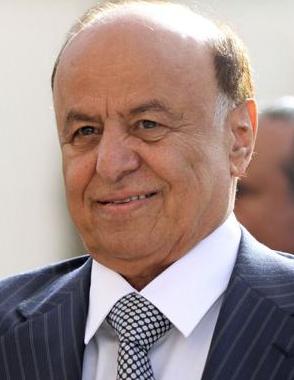
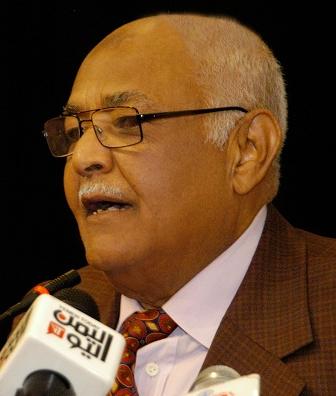
Vacant
Vice President since 25 February 2012
Vice President since 25 February 2012