| SUDAN Updated 05 November 2012 |
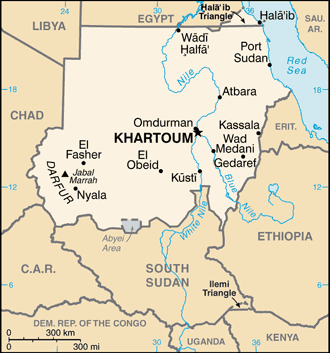
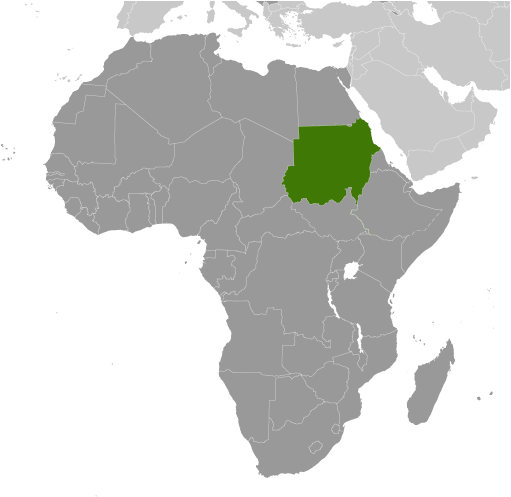
Republic of Sudan is located in the north of the African Continent, with a population of 34,206,710, making it the 36th
largest national population. Its capital is Khartoum and its largest city is Omduran with a total population of 2,395,159.
The country encompasses 2,505,810 square kilometers making it the 10th largest country in total area. It shares
boundaries with Egypt, The Red Sea, Eritrea, Ethiopia, Kenya, Uganda, Democratic Republic of the Congo, Central
African Republic, Chad and Libya.
President Umar Hassan Ahmad al-Bashir is recognized as the Chief of State and Head of Government and along with
First Vice President Ali Osman Taha and Second Vice President Dr. Al-Haj Adam Youssef, achieves that status
through popular vote for five years. Under a 1995 Comprehensive Peace Agreement, presidential elections were
suspended and President al-Bashir held his post for an additional five years. Its form of government is a Federal
Republic ruled by the National Congress Party the (NCP), which came to power by military coup in 1989; the CPA-
mandated Government of National Unity, which since 2005 provided a percentage of leadership posts to the south
Sudan-based Sudan People's Liberation Movement (SPLM), was disbanded following the secession of South Sudan.
The Interim National Constitution ratified 5 July 2005.
The languages commonly or officially spoken are Arabic, Nubian, Ta Bedawie, diverse dialects of Nilotic, Nilo-
Hamitic, Sudanese languages and English though a program of “Arabization” is in progress. It counts among its major
religions Sunni Muslim, indigenous beliefs and Christian. As sources of mass communication it has 12 AM, 1 FM, 1
Short Wave and, 3 Television stations.
Major geographical features are Kinyeti, its highest point at 3,187 meters and Red Sea, its lowest point at 0 meters. Its
principal waterways are White Nile, Blue Nile, Nile River and the Red Sea, which measures 4,968 kilometers.
Major industries providing for the bulk of their Gross Domestic Product (GDP) are oil, cotton grinning, textiles,
cement, edible oils, sugar, soap distilling, shoes, petroleum refining, pharmaceuticals, armaments and automobile/ light
truck assembly. Its official currency is Sudanese Dinar.
Here’s something you may not know about Sudan. Bilad al-Sudan was the original name of Sudan, which means,
“Place of the Black People” in Arabic.
largest national population. Its capital is Khartoum and its largest city is Omduran with a total population of 2,395,159.
The country encompasses 2,505,810 square kilometers making it the 10th largest country in total area. It shares
boundaries with Egypt, The Red Sea, Eritrea, Ethiopia, Kenya, Uganda, Democratic Republic of the Congo, Central
African Republic, Chad and Libya.
President Umar Hassan Ahmad al-Bashir is recognized as the Chief of State and Head of Government and along with
First Vice President Ali Osman Taha and Second Vice President Dr. Al-Haj Adam Youssef, achieves that status
through popular vote for five years. Under a 1995 Comprehensive Peace Agreement, presidential elections were
suspended and President al-Bashir held his post for an additional five years. Its form of government is a Federal
Republic ruled by the National Congress Party the (NCP), which came to power by military coup in 1989; the CPA-
mandated Government of National Unity, which since 2005 provided a percentage of leadership posts to the south
Sudan-based Sudan People's Liberation Movement (SPLM), was disbanded following the secession of South Sudan.
The Interim National Constitution ratified 5 July 2005.
The languages commonly or officially spoken are Arabic, Nubian, Ta Bedawie, diverse dialects of Nilotic, Nilo-
Hamitic, Sudanese languages and English though a program of “Arabization” is in progress. It counts among its major
religions Sunni Muslim, indigenous beliefs and Christian. As sources of mass communication it has 12 AM, 1 FM, 1
Short Wave and, 3 Television stations.
Major geographical features are Kinyeti, its highest point at 3,187 meters and Red Sea, its lowest point at 0 meters. Its
principal waterways are White Nile, Blue Nile, Nile River and the Red Sea, which measures 4,968 kilometers.
Major industries providing for the bulk of their Gross Domestic Product (GDP) are oil, cotton grinning, textiles,
cement, edible oils, sugar, soap distilling, shoes, petroleum refining, pharmaceuticals, armaments and automobile/ light
truck assembly. Its official currency is Sudanese Dinar.
Here’s something you may not know about Sudan. Bilad al-Sudan was the original name of Sudan, which means,
“Place of the Black People” in Arabic.
| The Blue Nile which flows into Sudan from Ethiopia |
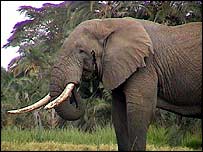
| Grown elephant in Southern Sudan |
| Camels in the Nubian Desert of Northern Sudan |
| Khartoum- Sudan's capital and largest city |
| Ruin of the Kingdom of Kush at Meroe in the Nubian Desert |
| The Libyan Desert on Sudan's border with Libya |
| The Sahara |
| The Nile River as it flows through Sudan towards Egypt |
| Sudan's easternmost point on the Red Sea and border with Eritrea |



| Abi's Home Page |
| Back to |
| NEWSPAPERS Sudan Vision Daily Al Ayaam Al Rayaam |
| Sudanese village food |




| The White Nile which flows into Sudan from Uganda |
Read about human rights in Pax
Gaea World Post Report!
Gaea World Post Report!

| Kinyeti near Sudan border with Chad |
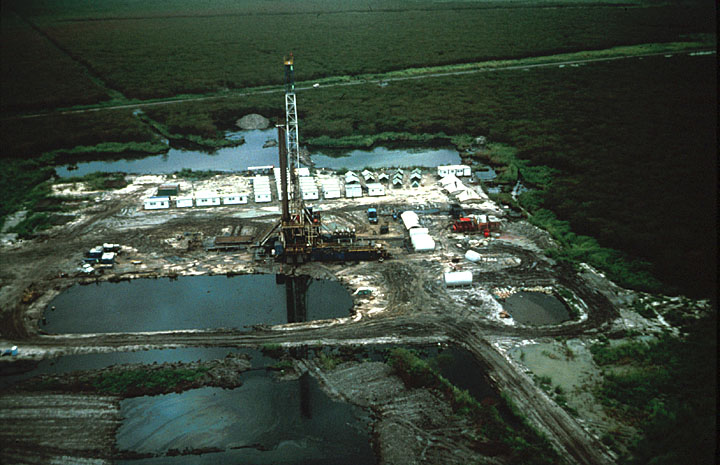
| Bentiu oil refinery in Central Sudan |

| Camel Guards on Sudan's border with Chad |

| Wadi Halifa Ferry on Sudan's Lake Nubia also known as Lake Nasser in Egypt |

| Refugee camp at Al Junaynah in Darfur- Sudan's westernmost point on the border with Chad |

| Kurmuk on Sudan's border with Ethiopia |

| Kassala on Sudan's border with Eritrea |

| Port Sudan on the Red Sea- Sudan's lowest point |


| South of Hal'ib- Sudan's northernmost point on the border with Egypt in an area claimed and administered by Sudan |

| Adult Prevalence Rate: People Living with HIV/AIDS: HIV/AIDS Deaths: |
1.1% (2009 est.)
260,000
12,000
260,000
12,000
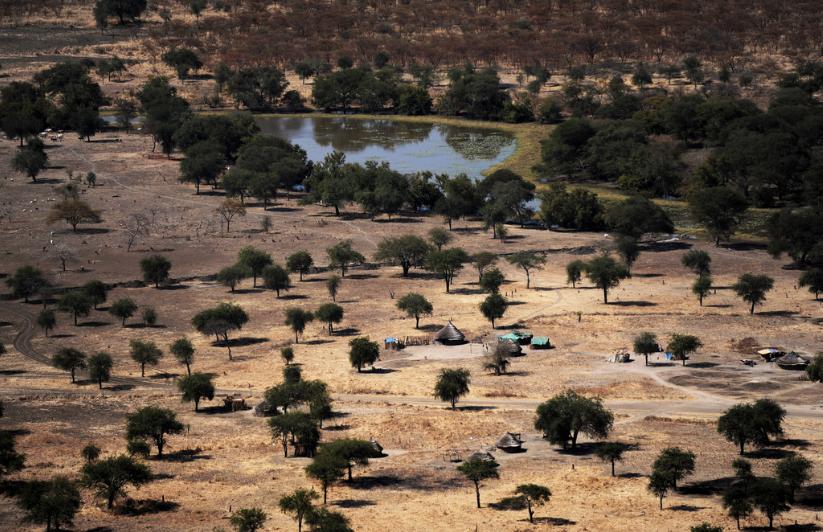
| Abyei Area, claimed by South Sudan but occupied by Sudan |

| Deriba Lake near Jebel Marra- Sudan's highest point |

| Ezo- a refugee camp on the border of Sudan, South Sudan and Central African Republic |

| Hala'ib Triangle- in Sudan's northeast and claimed by Sudan and Egypt |