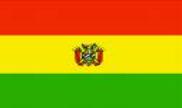
Republic of Bolivia is located in the center of the South American Continent, with a population of 10,290,003, making it the 83rd
largest national population. Its constitutional capital is Sucre and its administrative capital and largest city is La Paz with a total
population of 2,364,235. The country encompasses 1,098,580 square kilometers making it the 28th largest country in total area.
It shares boundaries with Brazil, Paraguay, Argentina, Chile and Peru.
President Juan Evo Morales Ayma is recognized as the Chief of State and Head of Government and, along with Vice President
Alvaro Garcia Linera, achieves that status through popular vote and holds that position for a single five-year term. Its form of
government is a republic and they celebrate the creation of their constitution on 2nd of February 1967.
The languages commonly or officially spoken are Spanish, Quechua and Aymara. It counts among its major religions Roman
Catholic and Protestant. As sources of mass communication it has 171 AM, 73 FM, 77 Short Wave and 48 Television stations.
Major geographical features are Nevado Sajama, its highest point at 6,542 meters and Rio Paraguay, its lowest point at 90
meters. Its principal waterways are the Guapore River, San Pablo River and the Rio Paraguay, which measure 10,000 kilometers.
Major industries providing for the bulk of their Gross Domestic Product (GDP) are mining, smelting, petroleum, food and
beverages, tobacco, handicrafts and clothing. Its official currency is the Boliviano.
Here’s something you may not know about Bolivia. Bolivia has two capitals. Sucre is the constitutional capital of Bolivia and La
Paz is the administrative capital.
largest national population. Its constitutional capital is Sucre and its administrative capital and largest city is La Paz with a total
population of 2,364,235. The country encompasses 1,098,580 square kilometers making it the 28th largest country in total area.
It shares boundaries with Brazil, Paraguay, Argentina, Chile and Peru.
President Juan Evo Morales Ayma is recognized as the Chief of State and Head of Government and, along with Vice President
Alvaro Garcia Linera, achieves that status through popular vote and holds that position for a single five-year term. Its form of
government is a republic and they celebrate the creation of their constitution on 2nd of February 1967.
The languages commonly or officially spoken are Spanish, Quechua and Aymara. It counts among its major religions Roman
Catholic and Protestant. As sources of mass communication it has 171 AM, 73 FM, 77 Short Wave and 48 Television stations.
Major geographical features are Nevado Sajama, its highest point at 6,542 meters and Rio Paraguay, its lowest point at 90
meters. Its principal waterways are the Guapore River, San Pablo River and the Rio Paraguay, which measure 10,000 kilometers.
Major industries providing for the bulk of their Gross Domestic Product (GDP) are mining, smelting, petroleum, food and
beverages, tobacco, handicrafts and clothing. Its official currency is the Boliviano.
Here’s something you may not know about Bolivia. Bolivia has two capitals. Sucre is the constitutional capital of Bolivia and La
Paz is the administrative capital.
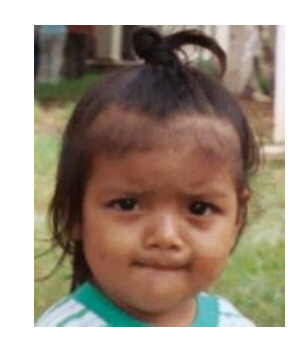
| Bolivian Child |
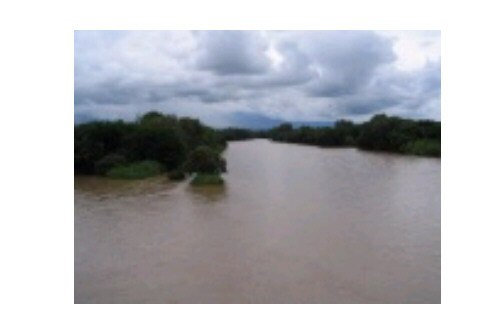
| Rio Guapore |
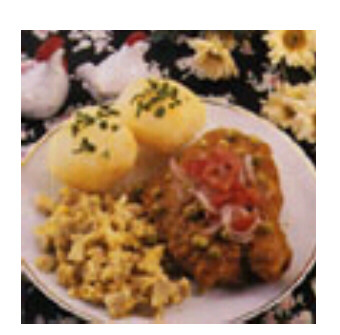
| Bolivian cuisine |
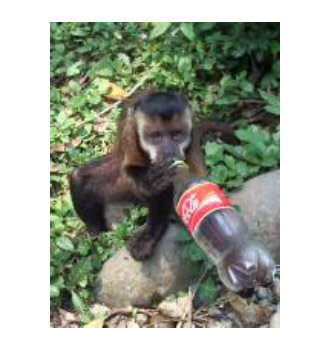
| Howler Monkey drinking Coke |
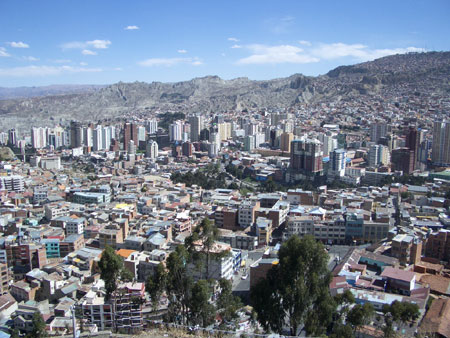
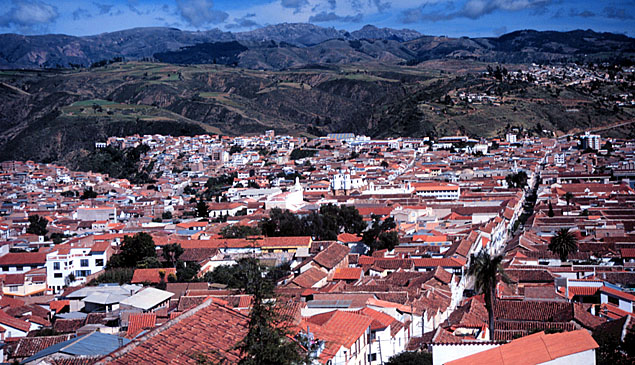
| La Paz- Bolivia's administrative capital and largest city |
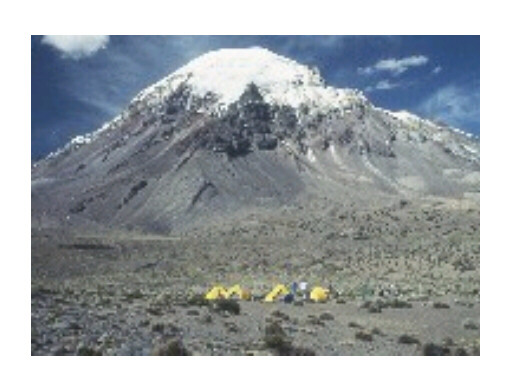
| Nevado Sajama- Bolivia's highest and easternmost point on the border with Chile |
| Sucre- Bolivia's constitutional capital |


| Abi's Home Page |
| Back to |
| Rio Paraguay at the confluence of the Rio Parana- Bolivia's lowest point |
| The Rio San Pablo River the town of San Pablo |


BOLIVIA
Updated 09 September 2012
Updated 09 September 2012


| Adult Prevalence Rate: People Living with HIV/AIDS: HIV/AIDS Deaths: |
0.2% (2009 est.)
12,000
Less than 1,000
12,000
Less than 1,000

Read about human rights in Pax
Gaea World Post Report!
Gaea World Post Report!

| Bolivian woman in traditional clothing |
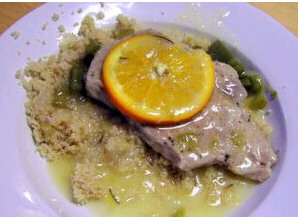
| Chuletas de cerdo en salsa de naranja y pimentos- a traditional Bolivian dish of pork chops with orange |
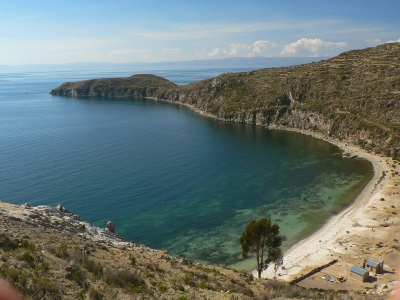
| Isla del Sol on Lake Titicaca on Bolivia's border with Peru |

| Laguna Verde and Volcano Licancabur on the Chile/Bolivia border |

| Villazon on the Bolivian frontier with Argentina |

| Rio Pimento on Bolivia's border with Paraguay |
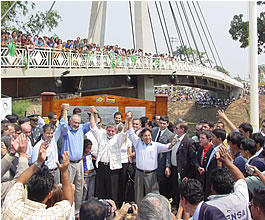
| Celebration in Cojiba with the opening of a bridge connecting Bolivia to Brazil |

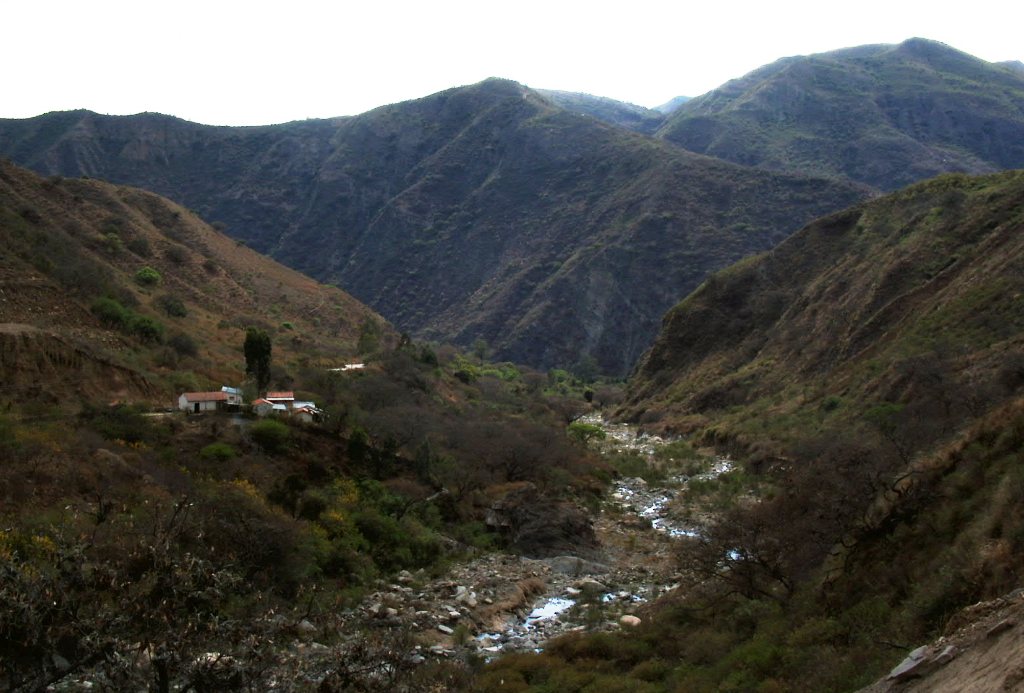
| Bermejo- Bolivia's southernmost point on the border with Argentina |
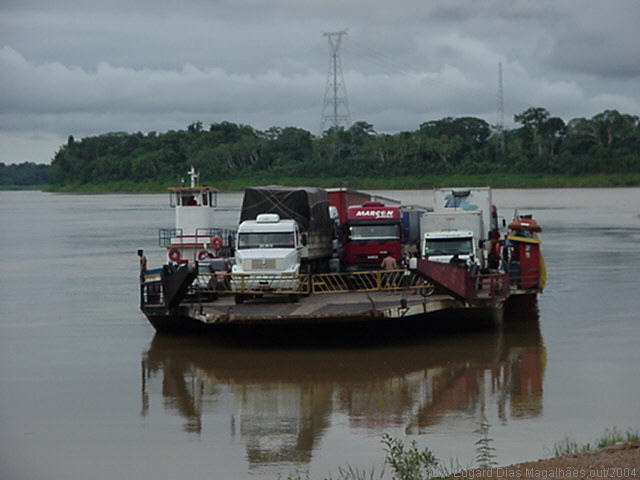
| Manoa on the Rio Abuna- Bolivia's northernmost point on the border with Brazil |

| Laguna Caceres at Puerto Suarez- Bolivia's easternmost point on the border with Brazil |
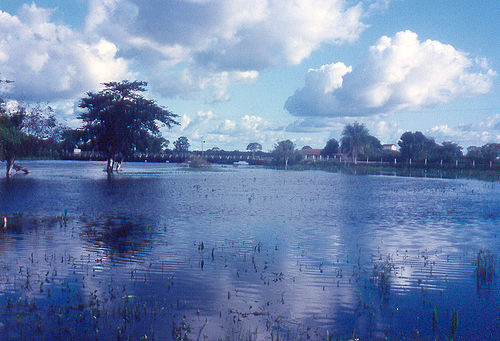
| Pantanal Wetlands on Bolivia's border with Paraguay |