Republic of Cote d’Ivoire is located in the west of the African Continent, with a population of 21,952,093, making it
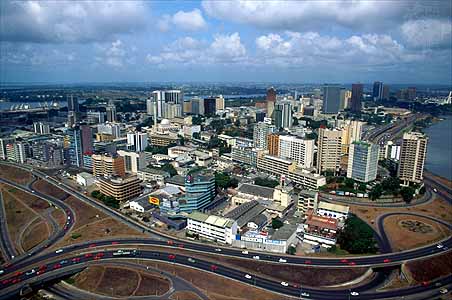
the 55th largest national population. Its capital is Yamoussoukro and its largest city is Abidjan with a metro population
of 6,169,102. The country encompasses 322,463 square kilometers making it the 69th largest country in total area. It
shares boundaries with Burkina Faso, Ghana, Gulf of Guinea, Liberia, Guinea and Mali.
President Alassane Dramane Ouattara is recognized as the Chief of State and achieves that status through popular vote
and holds that position for five years and is eligible for a second term. Prime Minister Daniel Kablan Duncan is
recognized as the Head of Government and achieves that status through appointment by the president and holds that
position five years. Its form of government is a republic and they celebrate the creation of their constitution on 23rd
of July 2000.
The languages commonly or officially spoken are French and 60 native dialects with Dioula the most commonly
spoken. It counts among its major religions Muslim, indigenous beliefs and Christian. As sources of mass
communication it has 2 AM, 9 FM, 3 Short Wave and 14 Television stations.
Major geographical features are Mont Nimba, its highest point at 1,752 meters and the Gulf of Guinea, its lowest point
at 0 meters. Its principal waterway is the Atlantic Ocean, and a series of navigable rivers, canals, and numerous
coastal lagoons, which measures 980 kilometers.
Major industries providing for the bulk of their Gross Domestic Product (GDP) are foodstuffs, beverages, wood
products, oil refining, truck and bus assembly, textiles, fertilizer, building materials, electricity and ship construction
and repair. Its official currency is Communaute Financiere Africaine franc.
Here’s something you may not know about Cote d’Ivoire. Also known as the Ivory Coast, most of the inhabitants live
along the sandy coastal region but apart from the capital area, the forested interior is sparsely populated.
the 55th largest national population. Its capital is Yamoussoukro and its largest city is Abidjan with a metro population
of 6,169,102. The country encompasses 322,463 square kilometers making it the 69th largest country in total area. It
shares boundaries with Burkina Faso, Ghana, Gulf of Guinea, Liberia, Guinea and Mali.
President Alassane Dramane Ouattara is recognized as the Chief of State and achieves that status through popular vote
and holds that position for five years and is eligible for a second term. Prime Minister Daniel Kablan Duncan is
recognized as the Head of Government and achieves that status through appointment by the president and holds that
position five years. Its form of government is a republic and they celebrate the creation of their constitution on 23rd
of July 2000.
The languages commonly or officially spoken are French and 60 native dialects with Dioula the most commonly
spoken. It counts among its major religions Muslim, indigenous beliefs and Christian. As sources of mass
communication it has 2 AM, 9 FM, 3 Short Wave and 14 Television stations.
Major geographical features are Mont Nimba, its highest point at 1,752 meters and the Gulf of Guinea, its lowest point
at 0 meters. Its principal waterway is the Atlantic Ocean, and a series of navigable rivers, canals, and numerous
coastal lagoons, which measures 980 kilometers.
Major industries providing for the bulk of their Gross Domestic Product (GDP) are foodstuffs, beverages, wood
products, oil refining, truck and bus assembly, textiles, fertilizer, building materials, electricity and ship construction
and repair. Its official currency is Communaute Financiere Africaine franc.
Here’s something you may not know about Cote d’Ivoire. Also known as the Ivory Coast, most of the inhabitants live
along the sandy coastal region but apart from the capital area, the forested interior is sparsely populated.
| Abidjan- Cote d'Ivoire's largest city |
| Elephant in Comoe National Park on Cote d'Ivoire's border with Burkina Faso |
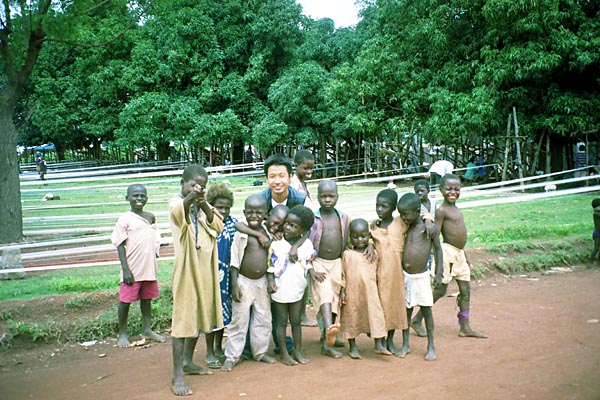
| Cote d'Ivoirean kids |
| Mont Nimba- Cote d'Ivoire's highest point on the Cote d'Ivoire's border with Guinea and Liberia |
| Sasandra River |
| Tradtional houses in Senufo Village |
| Traditionally dressed women cooking Attieke- a traditional dish of Cote d'Ivoire |
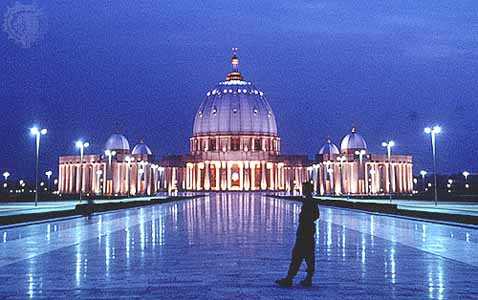
| Basilica in Yamoussoukro- Cote d'Ivoire's capital city |
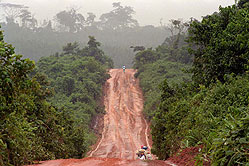
| Trail through Tai National Park |



| Abi's Home Page |
| Back to |
COTE
D'IVOIRE
Updated 26 January 2013
D'IVOIRE
Updated 26 January 2013


| Adult Prevalence Rate: People Living with HIV/AIDS: HIV/AIDS Deaths: |
3.4% (2009 est.)
450,000
36,000
450,000
36,000






| Bandama River |
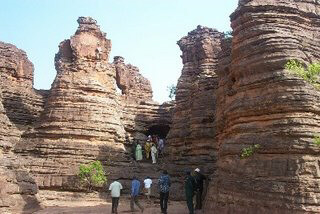
| Rock formations on the Mali border- Cote d'Ivoire's northernmost point |
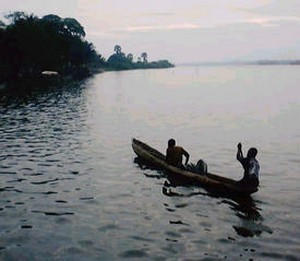
| Grand-Lihou on the Gulf of Guinea- Cote d'Ivoire's lowest point |
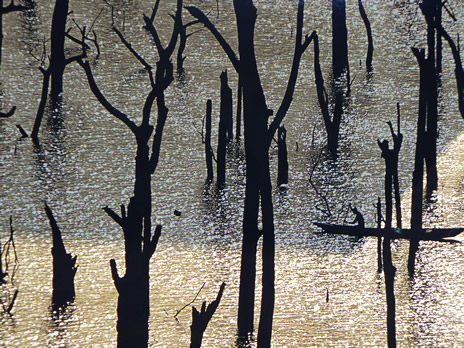
| Lac de Kossou- the largest lake in Cote d'Ivoire |
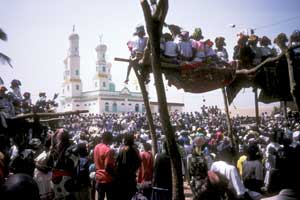
| Mosque in Bondoukou- Cote d'Ivoire's easternmost point on the border with Ghana |
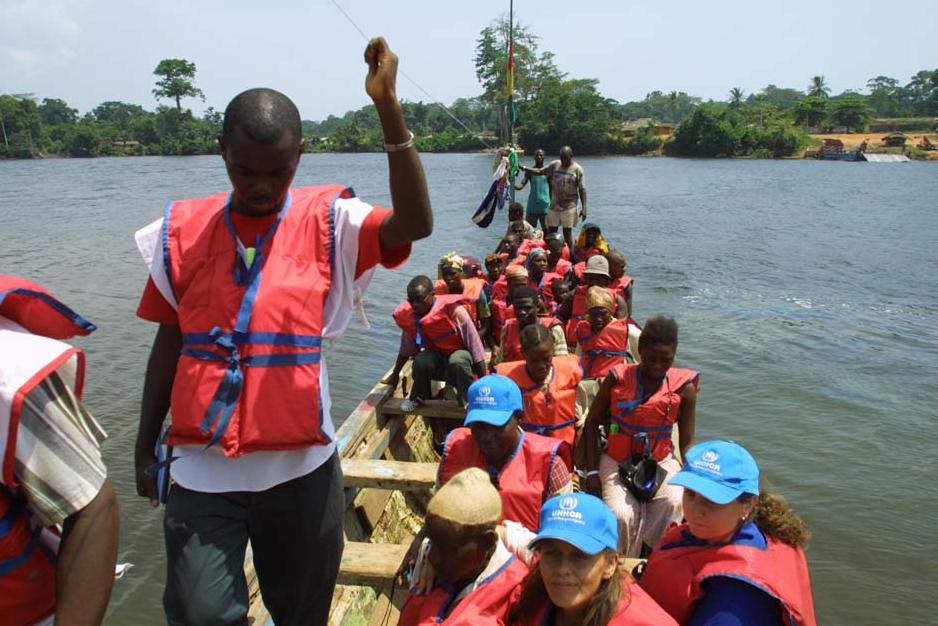
| Refugees of Cape Palmas- Cote d'Ivoire's southernmost point on the border with Liberia |
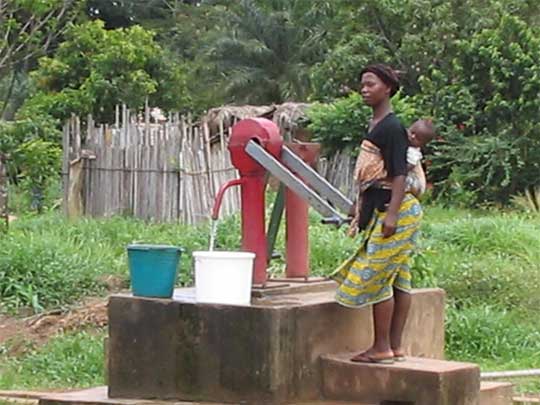
| Toulepleu- Cote d'Ivoire's westernmost point on the border with Liberia |

Read about human rights in Pax
Gaea World Post Report!
Gaea World Post Report!