| X |

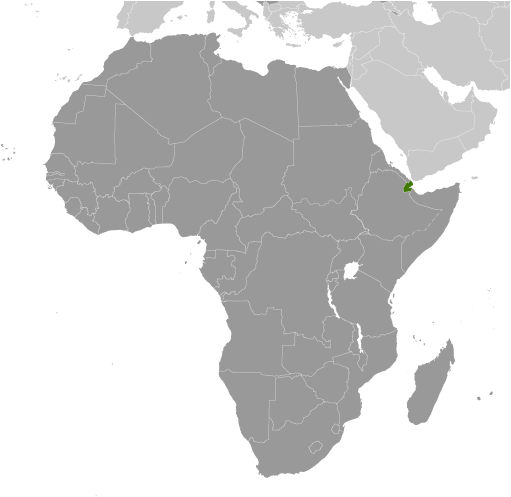
Republic of Djibouti is located in the east of the African Continent, with a population of 774,389, making it the 162nd
largest national population. Its capital and largest city is Djibouti with a total population of about 604,013. The country
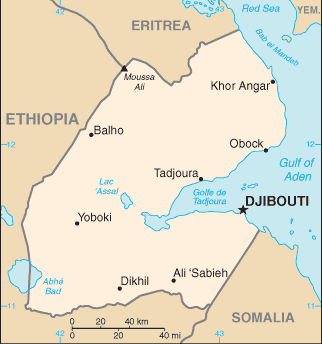
encompasses 23,000 square kilometers making it the 149th largest country in total area. It shares boundaries with Eritrea,
Red Sea, Gulf of Aden, Somalia and Ethiopia.
President Ismail Omar Guelleh is recognized as the Chief of State and achieves that status through popular vote and holds
that position for six years and is eligible for a second term. Prime Minister Abdoulkader Kamil Mohamed is recognized as
the Head of Government and achieves that status through presidential appointment. Its form of government is a republic
and they celebrate the creation of their constitution on 4th September 1992.
The languages commonly or officially spoken are French, Arabic, Somali and Afar. It counts among its major religions
Muslim and Christian. As sources of mass communication it has 1 AM, 2 FM and 1 Television stations.
Major geographical features are Moussa Ali, its highest point at 2,028 meters and Lac Assal, its lowest point at –155
meters. Its principal waterways are Gulf of Tadjoura, Bab El Mandeb and Gulf of Aden, which measure 314 kilometers of
coastline.
Major industries providing for the bulk of their Gross Domestic Product (GDP) are construction, agricultural processing
and salt. Its official currency is Djiboutian Franc.
Here’s something you may not know about Djibouti. Lac Assal in Djibouti is the lowest point in Africa.
largest national population. Its capital and largest city is Djibouti with a total population of about 604,013. The country
encompasses 23,000 square kilometers making it the 149th largest country in total area. It shares boundaries with Eritrea,
Red Sea, Gulf of Aden, Somalia and Ethiopia.
President Ismail Omar Guelleh is recognized as the Chief of State and achieves that status through popular vote and holds
that position for six years and is eligible for a second term. Prime Minister Abdoulkader Kamil Mohamed is recognized as
the Head of Government and achieves that status through presidential appointment. Its form of government is a republic
and they celebrate the creation of their constitution on 4th September 1992.
The languages commonly or officially spoken are French, Arabic, Somali and Afar. It counts among its major religions
Muslim and Christian. As sources of mass communication it has 1 AM, 2 FM and 1 Television stations.
Major geographical features are Moussa Ali, its highest point at 2,028 meters and Lac Assal, its lowest point at –155
meters. Its principal waterways are Gulf of Tadjoura, Bab El Mandeb and Gulf of Aden, which measure 314 kilometers of
coastline.
Major industries providing for the bulk of their Gross Domestic Product (GDP) are construction, agricultural processing
and salt. Its official currency is Djiboutian Franc.
Here’s something you may not know about Djibouti. Lac Assal in Djibouti is the lowest point in Africa.
| On the way to Lac Assal |
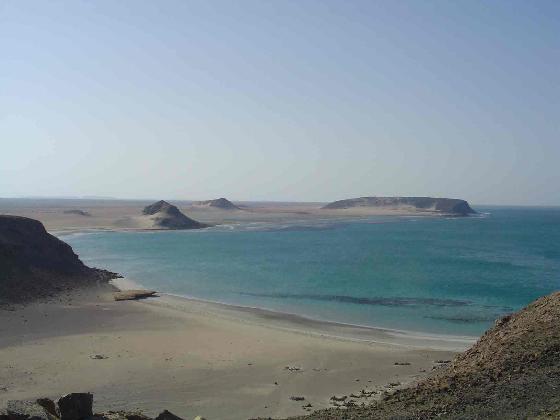
| Gouchet Beach in Golfo of Tadjoura |
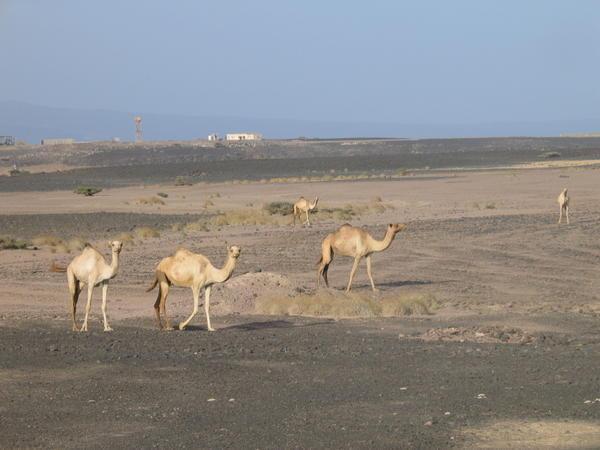
| Camels |
| Bab El Mandeb at the entrance of the Red Sea |
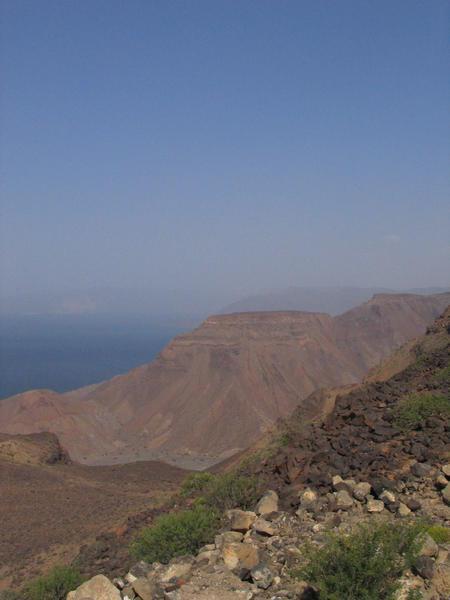
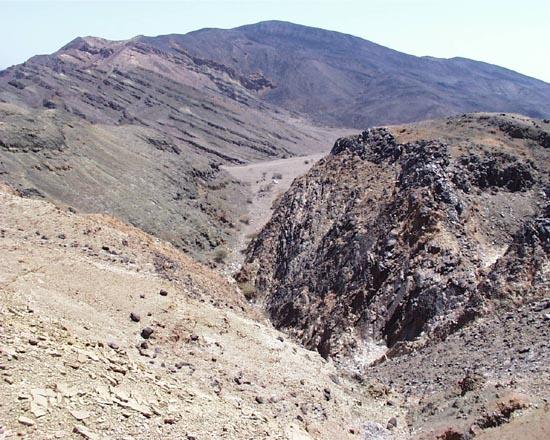
| Djibouti Mountains |
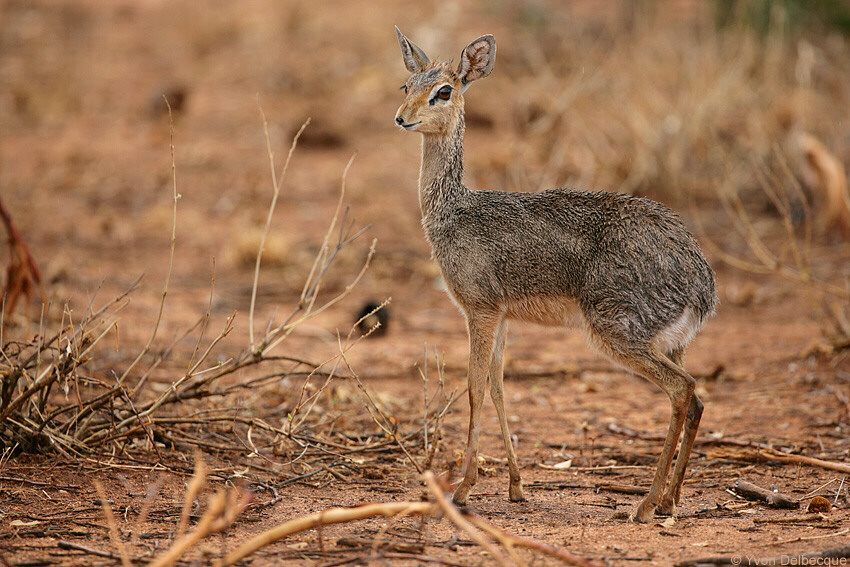
| Dik-dik on the Plaine du Gobaad- Djibouti's southernmost point on the border with Ethiopia |
| Djibouti- Djibouti's capital and largest city |
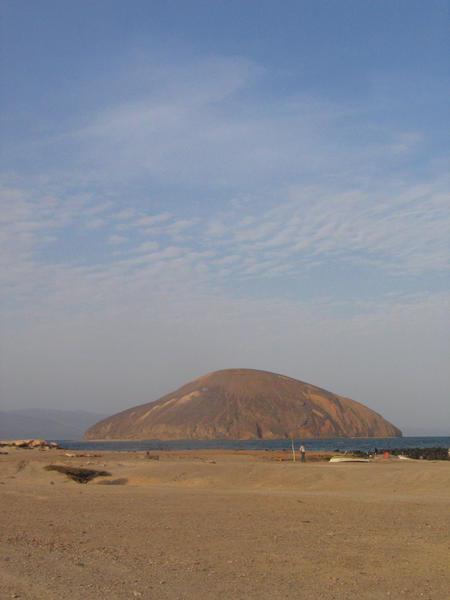
| Ile Du Diable on Lac Assal- Djibouti's lowest point |
| Skoudehkaris- a traditional Djibouti dish of lamb and rice |


| Abi's Home Page |
| Back to |
| NEWSPAPERS La Nation Agence Djiboutienne d'Information RTD |
| Ladies of Djibouti |
| Abhe Bad - Djibouti's westernmost point on the Ethiopian border |
| Lava Flow |





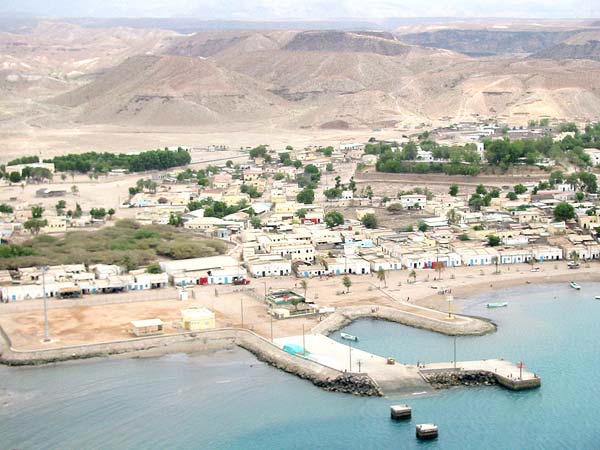
| Tadjoura on the Golfe de Tadjoura |
DJIBOUTI
Updated 03 April 2013
Updated 03 April 2013


| Adult Prevalence Rate: People Living with HIV/AIDS: HIV/AIDS Deaths: |
2.5% (2009 est.)
14,000
1,000
14,000
1,000

Read about human rights in Pax
Gaea World Post Report!
Gaea World Post Report!

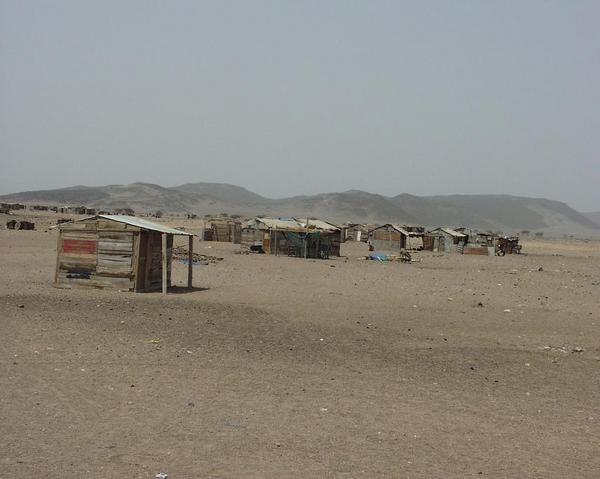
| Afar Village on Djibouti's border with Eritrea |
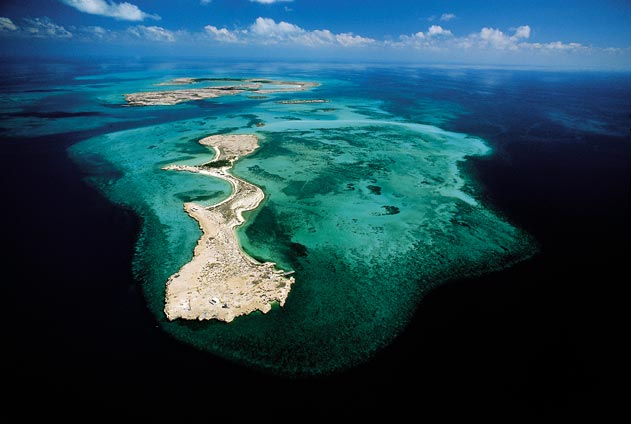
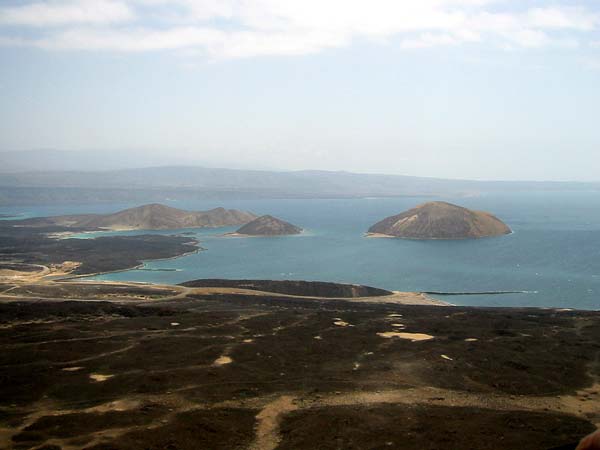
| Iles Moucha in the Golfo de Tadjoura |
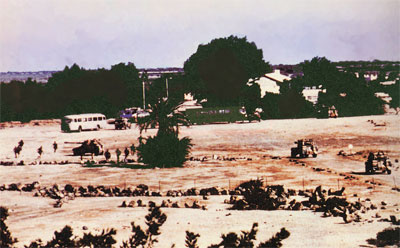
| Loyada on the Djibouti/Somalia border |

| Moussa Ali- Djibouti's highest point |
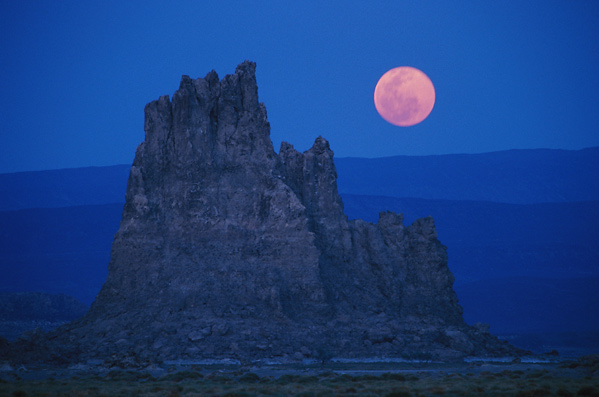
| Travertine Chimney near Abhe Bad |
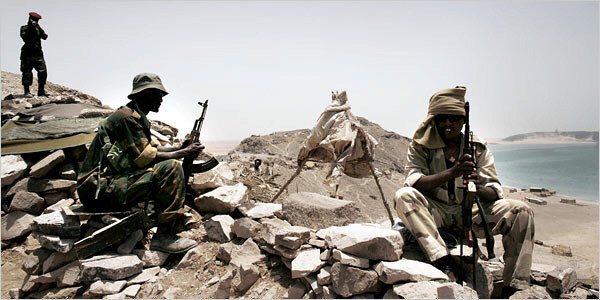
| Ras Doumeira- Djibouti's northernmost point on the border with Eritrea and Red Sea |
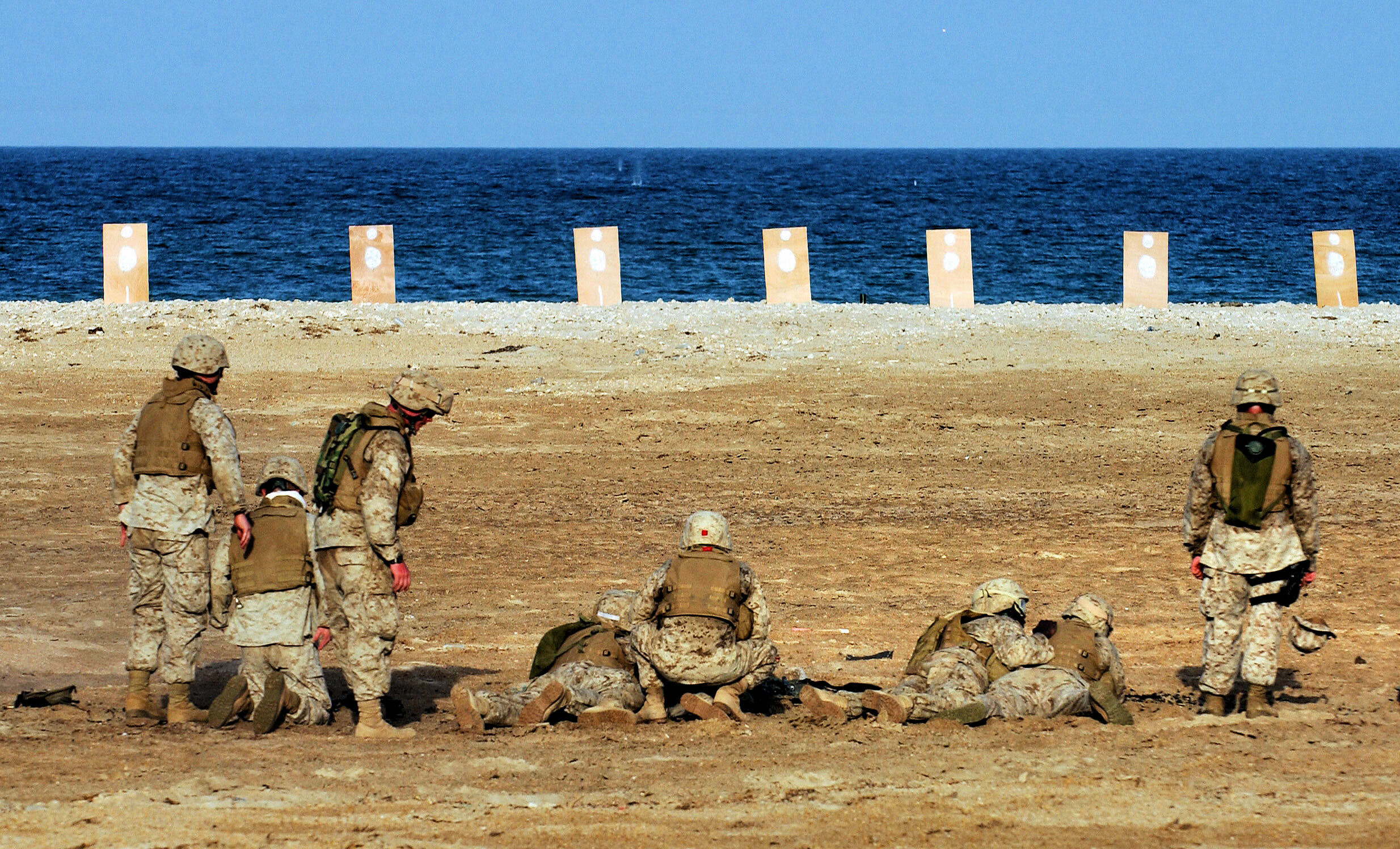
| U.S. military training range at Godoria- Djibouti's easternmost point on the Red Sea |